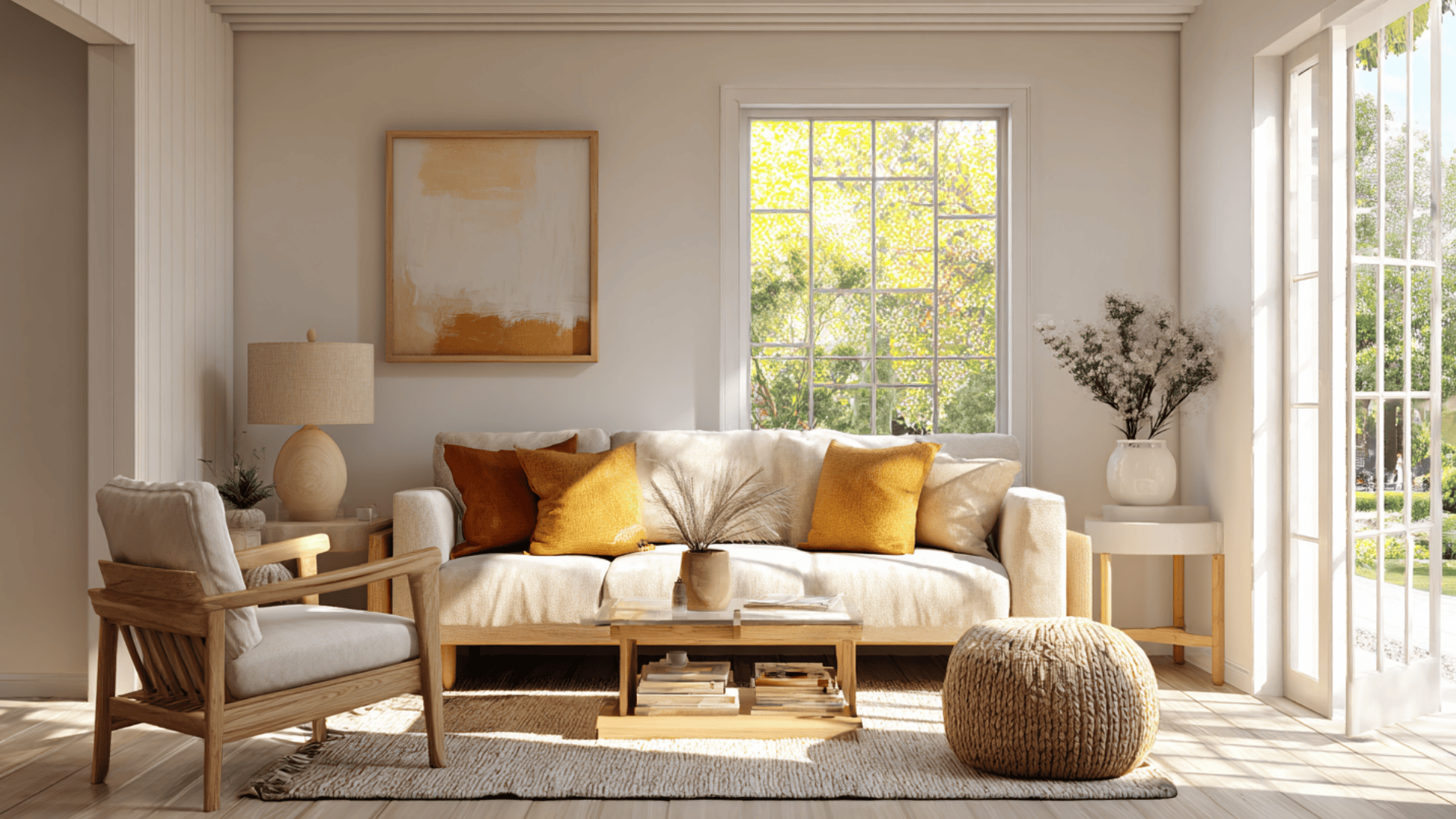
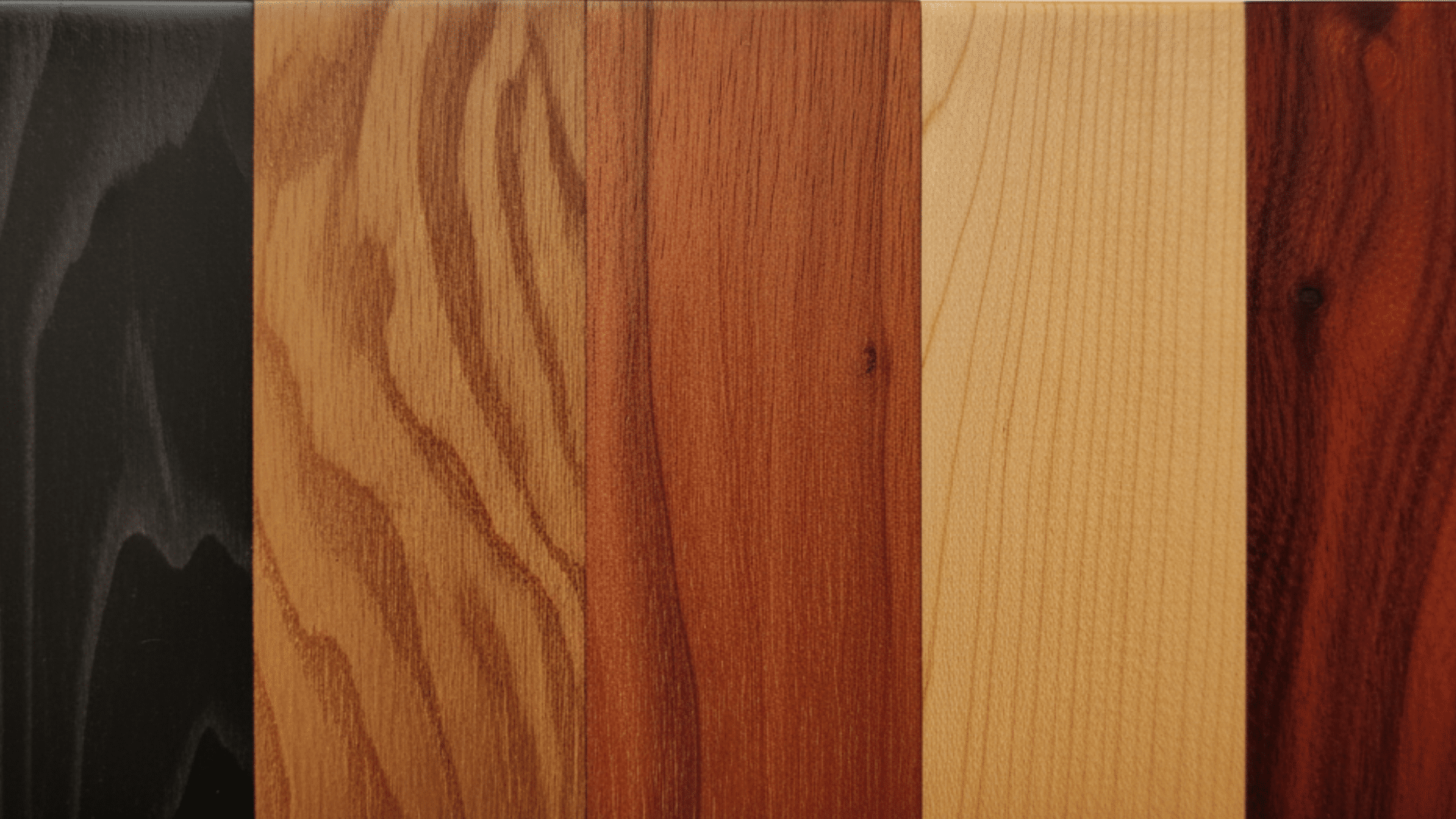
Choosing wood furniture can feel confusing. Walk into any furniture store, and you’ll see oak, maple, walnut, and dozens of other options. Which one is right for your home?
The truth is, different types of wood for furniture serve different purposes. Some woods handle scratches better. Others look rich but need careful handling. Your budget matters too.
Understanding the types of wood for furniture helps you make smart choices that fit your lifestyle. Maybe you have kids who are rough on furniture. Or perhaps you want something that looks expensive without breaking the bank.
Here’s a simple breakdown of the most popular wood types in simple terms. You’ll learn what makes each wood special, where it works well, and how to keep it looking great for years.
What Makes a Wood Good for Furniture?
Not all wood is created equal when it comes to furniture making. The right furniture woods share several key characteristics that determine their performance and longevity.
- Durability: How well wood resists wear and tear from daily use. Hardwoods like oak, maple, and hickory resist dents and scratches because of their dense structure. Softer woods like pine dent more easily.
- Stability: How well wood maintains its shape over time. Stable woods like mahogany and teak resist warping, twisting, and cracking as temperature and humidity change.
- Workability: How easy wood is to cut, shape, and join. Woods like walnut and cherry allow intricate details and smooth finishes. Very hard woods like hickory can be challenging to work with.
- Look: Visual appeal from grain pattern, color, and character. Maple has a subtle grain for a clean look. Hickory features dramatic grain for rustic character. Colors range from pale cream to deep chocolate.
- Finish Results: How well wood accepts stains and coatings. Oak absorbs stain evenly. Maple can be tricky to stain uniformly. Walnut’s natural beauty often needs only a clear coat.
- Cost and Availability: Common woods like oak, maple, and pine are affordable and readily available. Exotic woods like walnut and teak command premium prices due to slower growth and high demand.
Hardwood Types of Wood for Furniture
Hardwoods come from deciduous trees and generally offer superior strength and longevity compared to softwoods. Here are the most popular hardwood choices for furniture
1. Oak
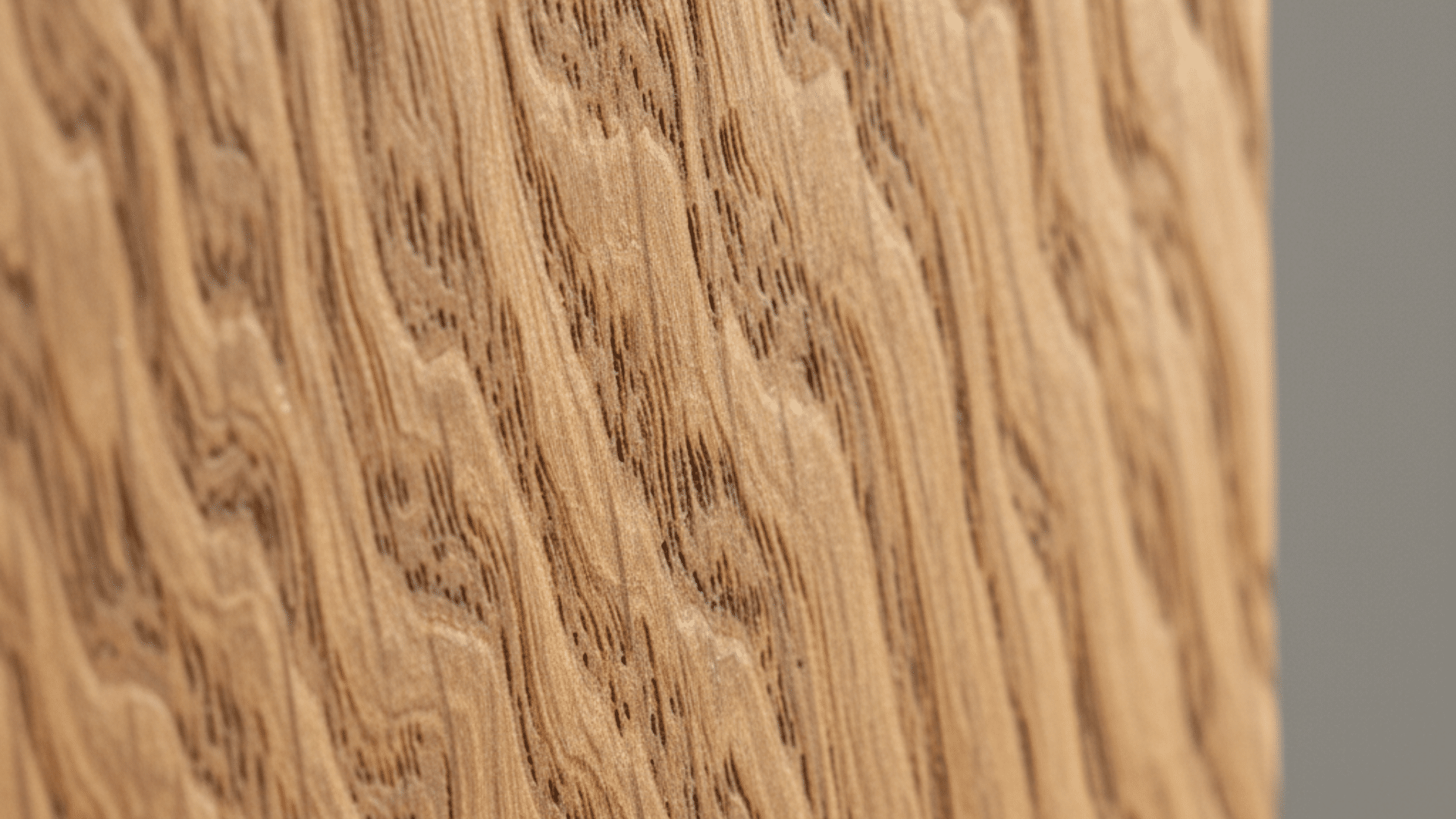
Oak remains one of the most popular furniture woods, available in red and white varieties. Red oak has a warmer, pinkish tone, while white oak offers better moisture resistance and a cooler hue.
- Best Uses: Dining tables, flooring, cabinets, high-traffic furniture
- Janka Hardness: Red Oak: 1,290 | White Oak: 1,360
- Price Range: Red Oak: $6.10–$7.45 | White Oak: $7.50–$15.00
- Pros: Extremely durable, accepts stains well, distinctive grain, widely available
- Cons: Heavy, requires proper finishing, can be pricey
2. Maple
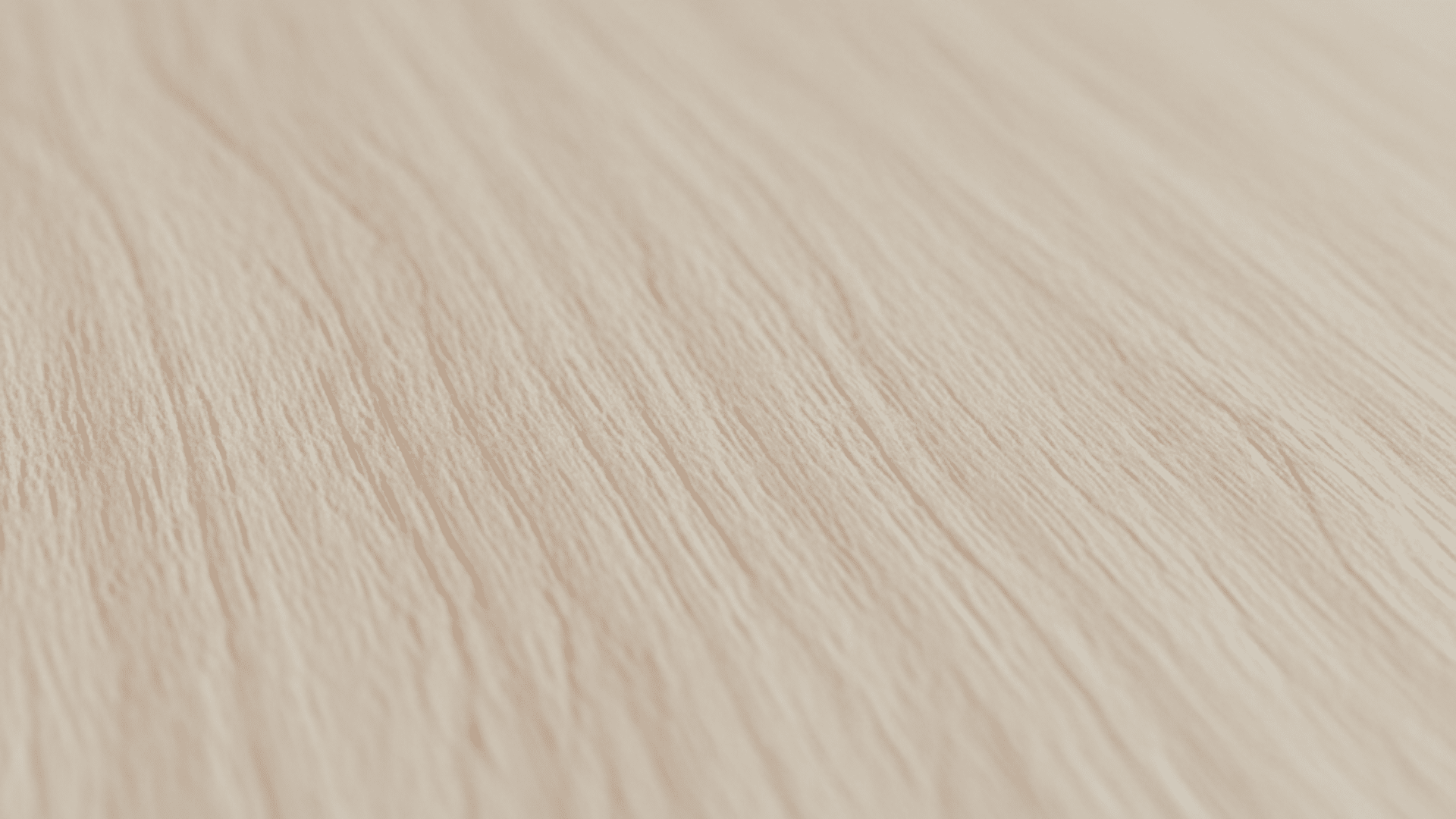
Maple delivers a clean, contemporary look with fine, consistent grain and light cream color. Hard maple ranks among the most durable furniture woods, resisting dents and scratches exceptionally well.
- Best Uses: Cabinets, butcher blocks, modern furniture, flooring
- Janka Hardness: Hard Maple: 1,450 | Soft Maple: 950
- Price Range: Hard Maple: $8.35–$9.20 | Soft Maple: $8.25–$12.50
- Pros: Very hard and durable, clean contemporary look, takes paint well
- Cons: Difficult to stain evenly, can be expensive
3. Walnut
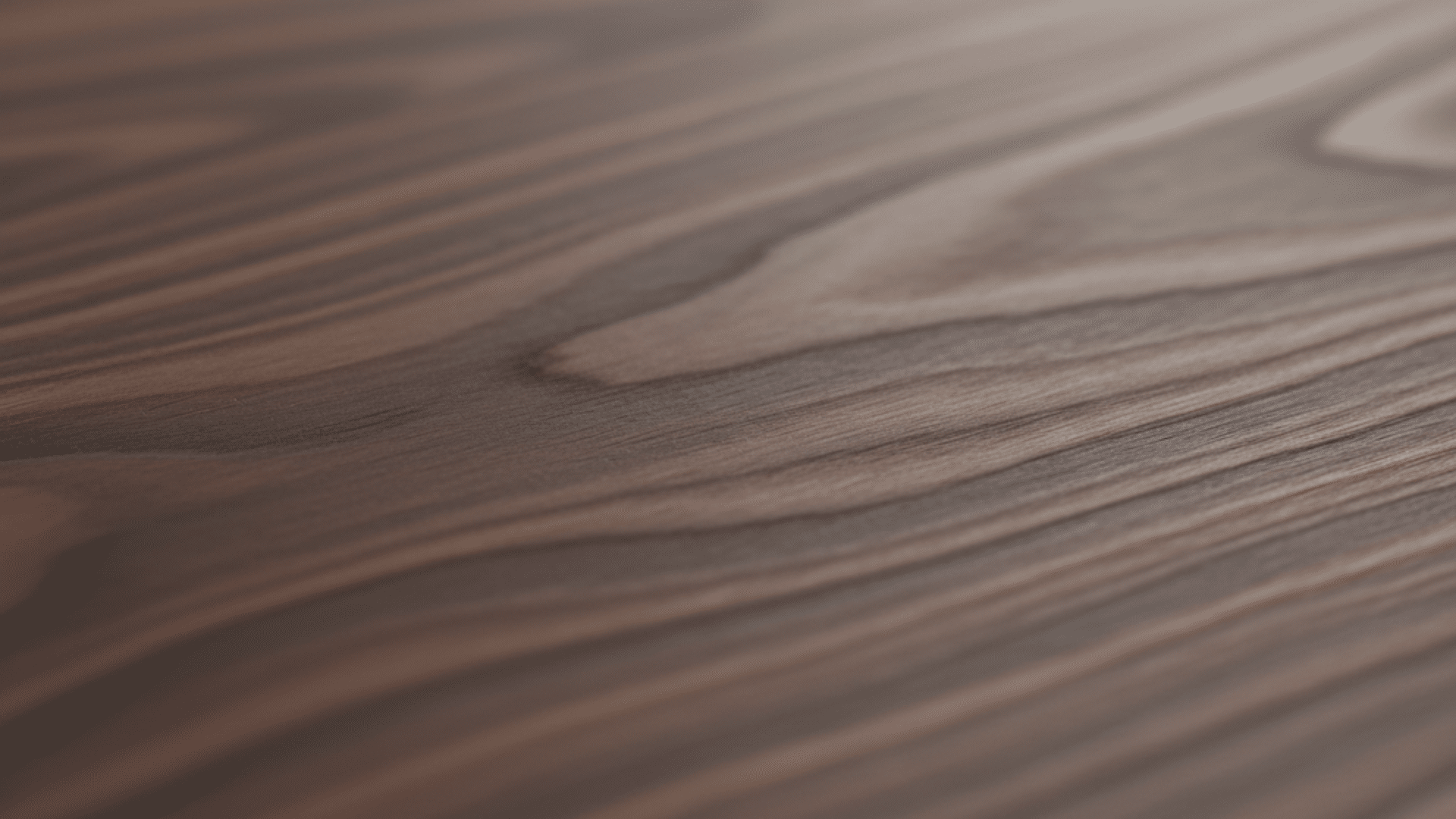
American walnut is a premium wood, known for its rich brown color and smooth, flowing grain. Its natural beauty rarely needs staining; a clear finish is usually enough.
- Best Uses: Fine furniture, executive desks, credenzas, statement pieces
- Janka Hardness: 1,010
- Price Range: $10.95–$22.00
- Pros: Rich color, beautiful grain, excellent workability, luxury appearance
- Cons: Expensive, softer than oak/maple, limited availability
4. Cherry
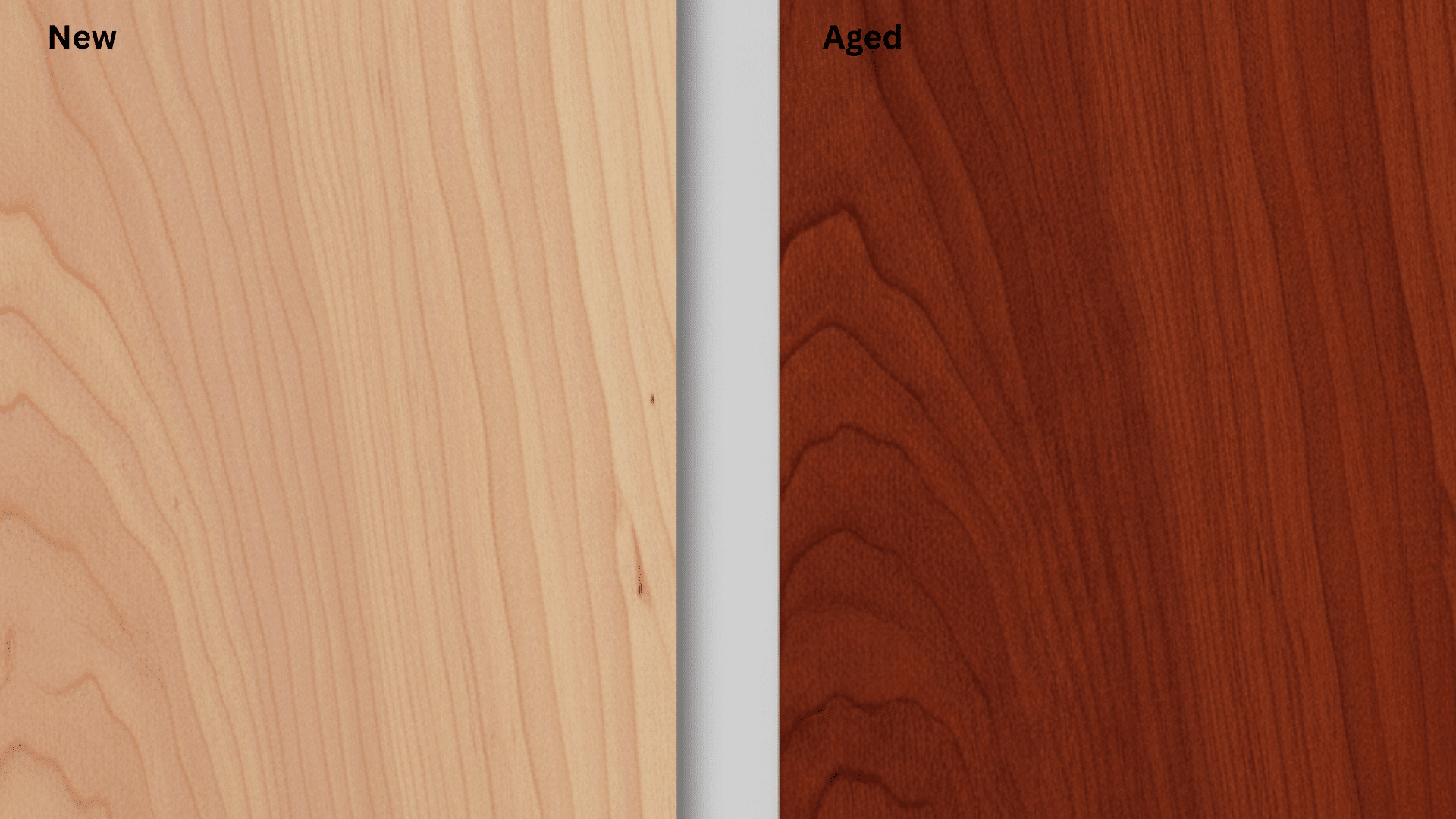
Cherry wood starts light pinkish-brown and deepens to a gorgeous reddish hue as it ages. This natural darkening is part of its charm. The wood has smooth, fine grain and moderate hardness.
- Best Uses: Bedroom furniture, cabinetry, traditional furniture
- Janka Hardness: 950
- Price Range: $6.75–$8.70
- Pros: Beautiful color that ages well, smooth grain, elegant appearance
- Cons: Less scratch-resistant, can be pricey, darkens over time
5. Mahogany
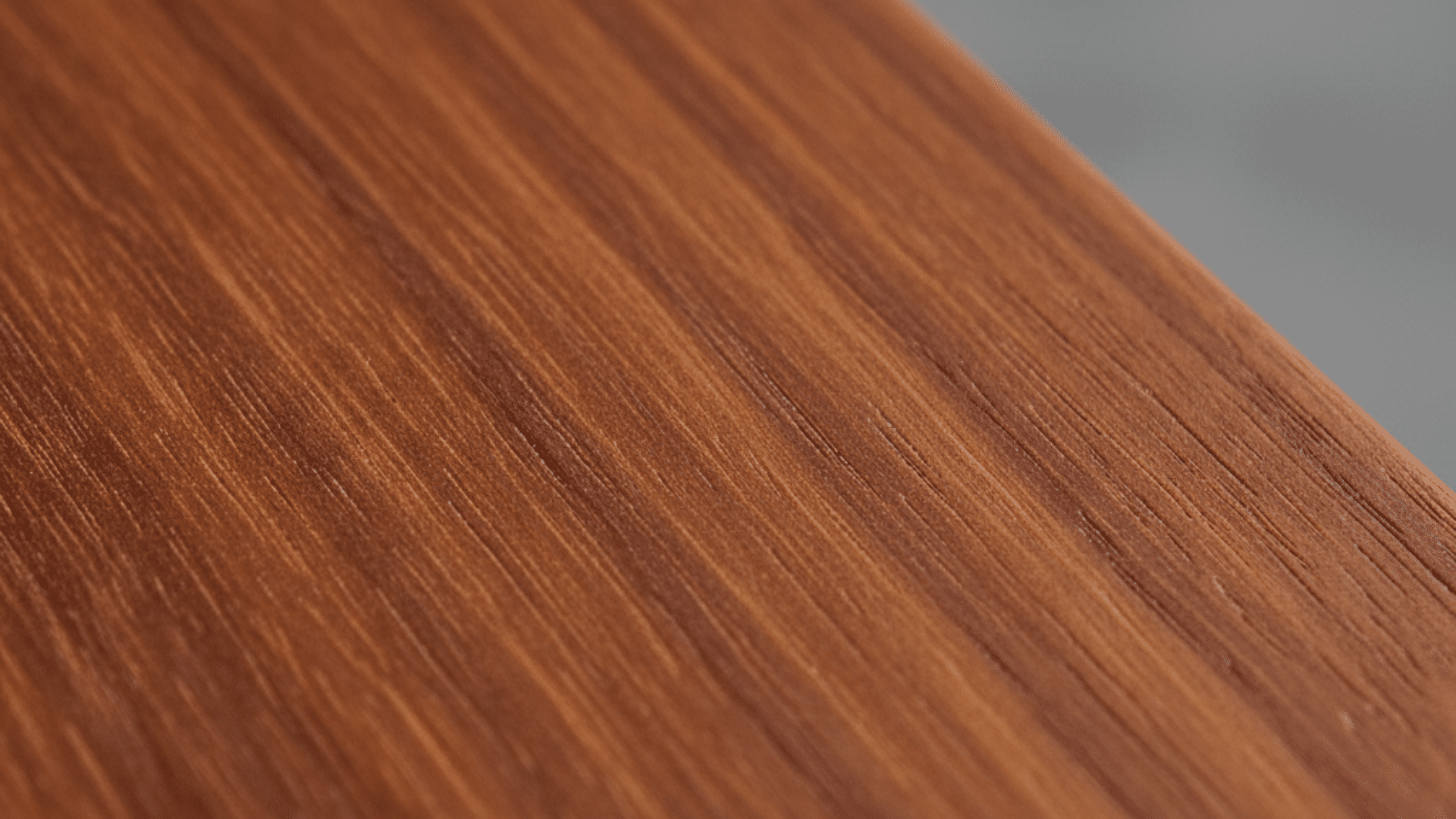
True mahogany has a classic look, with straight grain and a warm reddish-brown tone. It’s exceptionally stable, resisting warping and swelling better than most hardwoods.
- Best Uses: Fine furniture, intricate carvings, luxury pieces
- Janka Hardness: 800-900
- Price Range: $7.50–$15.25
- Pros: Exceptionally stable, resists warping, classic elegance
- Cons: Very expensive, limited genuine supply, substitutes common
6. Teak
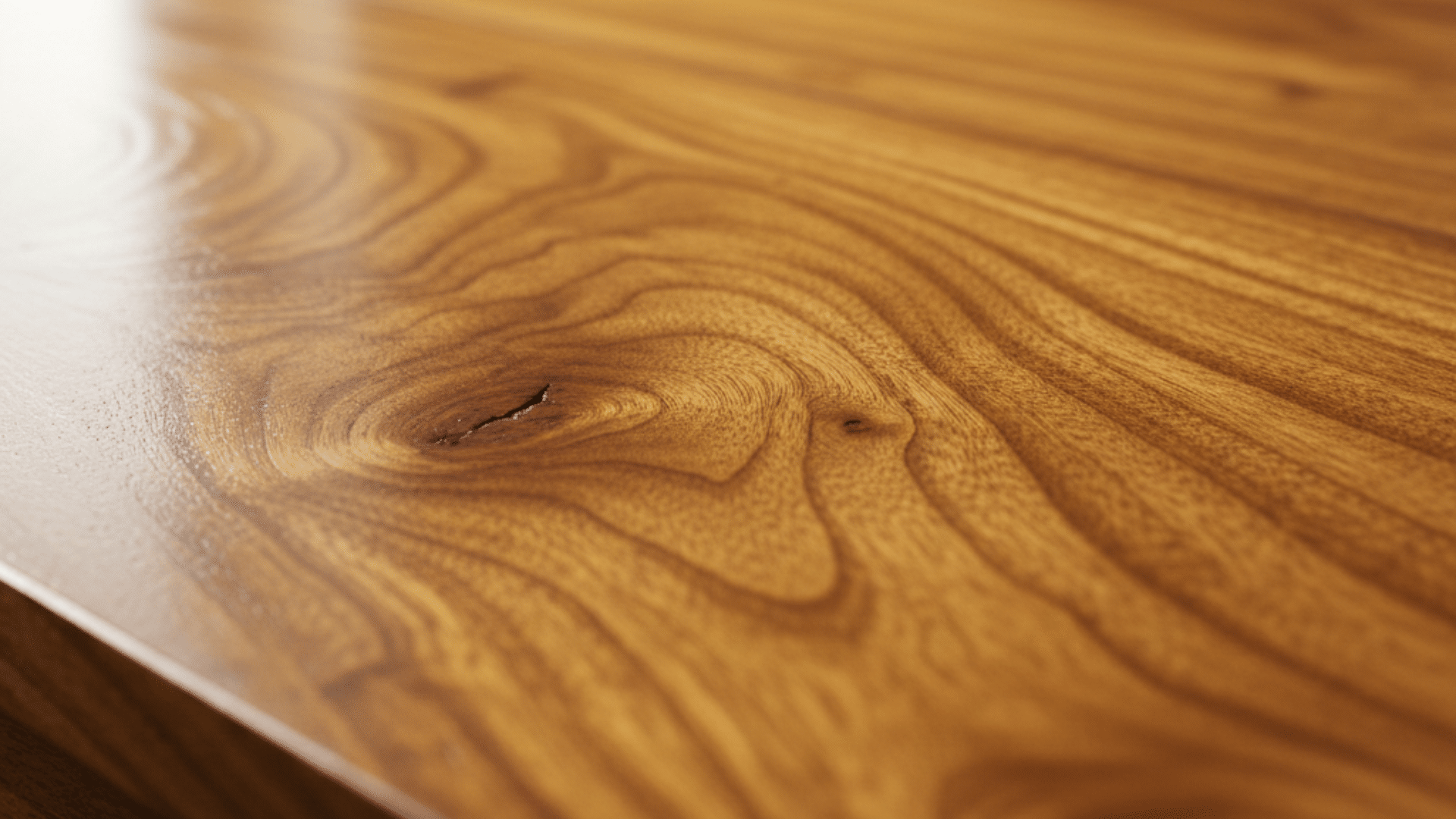
Teak’s natural oils provide water and pest resistance, making it ideal for both indoor and outdoor furniture. The wood has distinctive grain and golden-brown color that weathers to attractive silver-gray outdoors.
- Best Uses: Outdoor furniture, marine applications, luxury indoor pieces
- Janka Hardness: 1,155
- Price Range: $25.00
- Pros: Natural weather resistance, durable, dimensionally stable
- Cons: Very expensive, sustainability concerns, limited availability
7. Beech
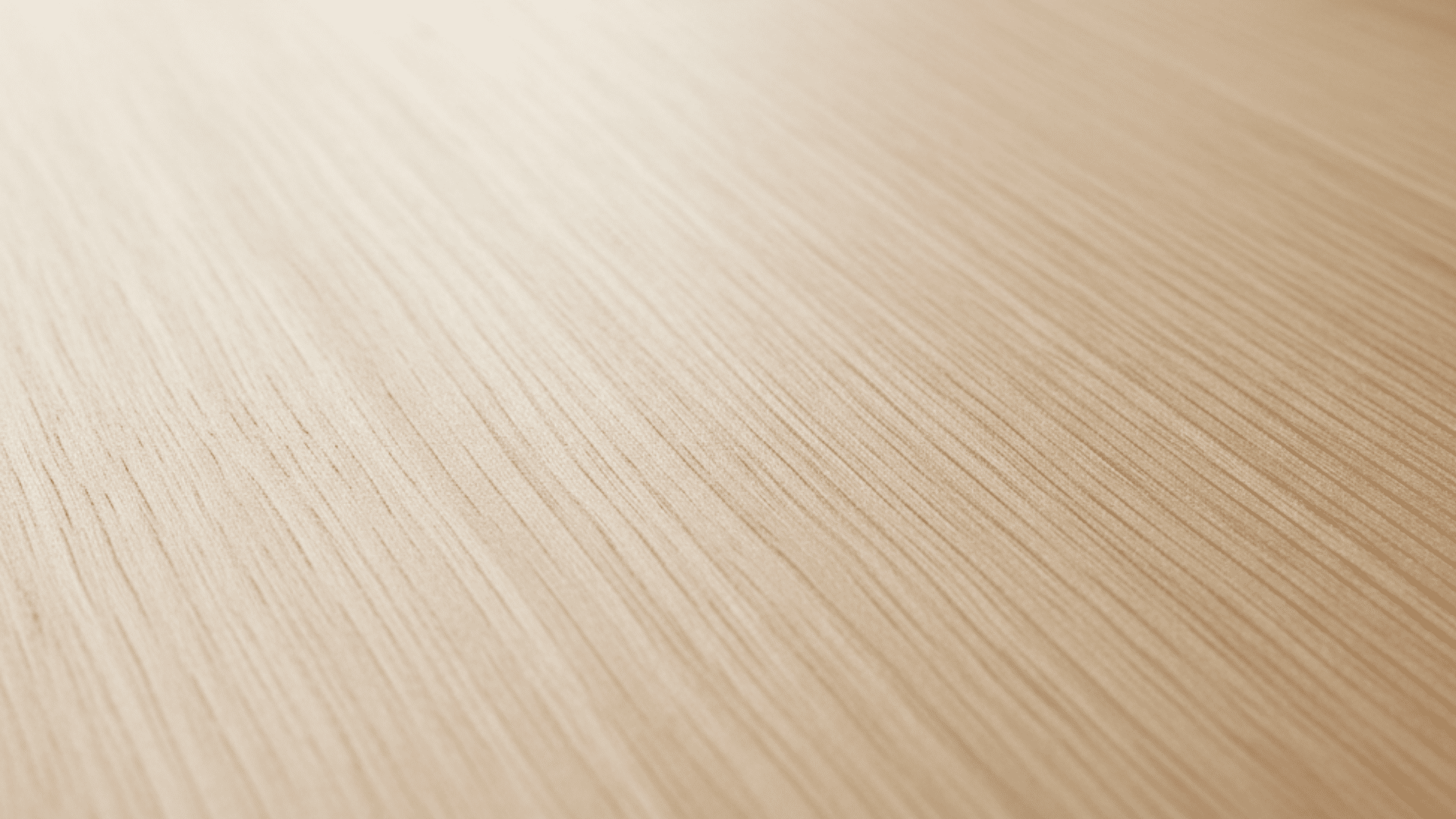
European beech offers an economical hardwood option with good strength and fine, even texture. Its pale cream color works well for both traditional and contemporary designs.
- Best Uses: Chairs, bent wood furniture, affordable cabinetry
- Janka Hardness: 1,300
- Price Range: $12.25
- Pros: Economical, excellent steam-bending, fine texture, strong
- Cons: Poor moisture resistance, less distinctive appearance
8. Ash
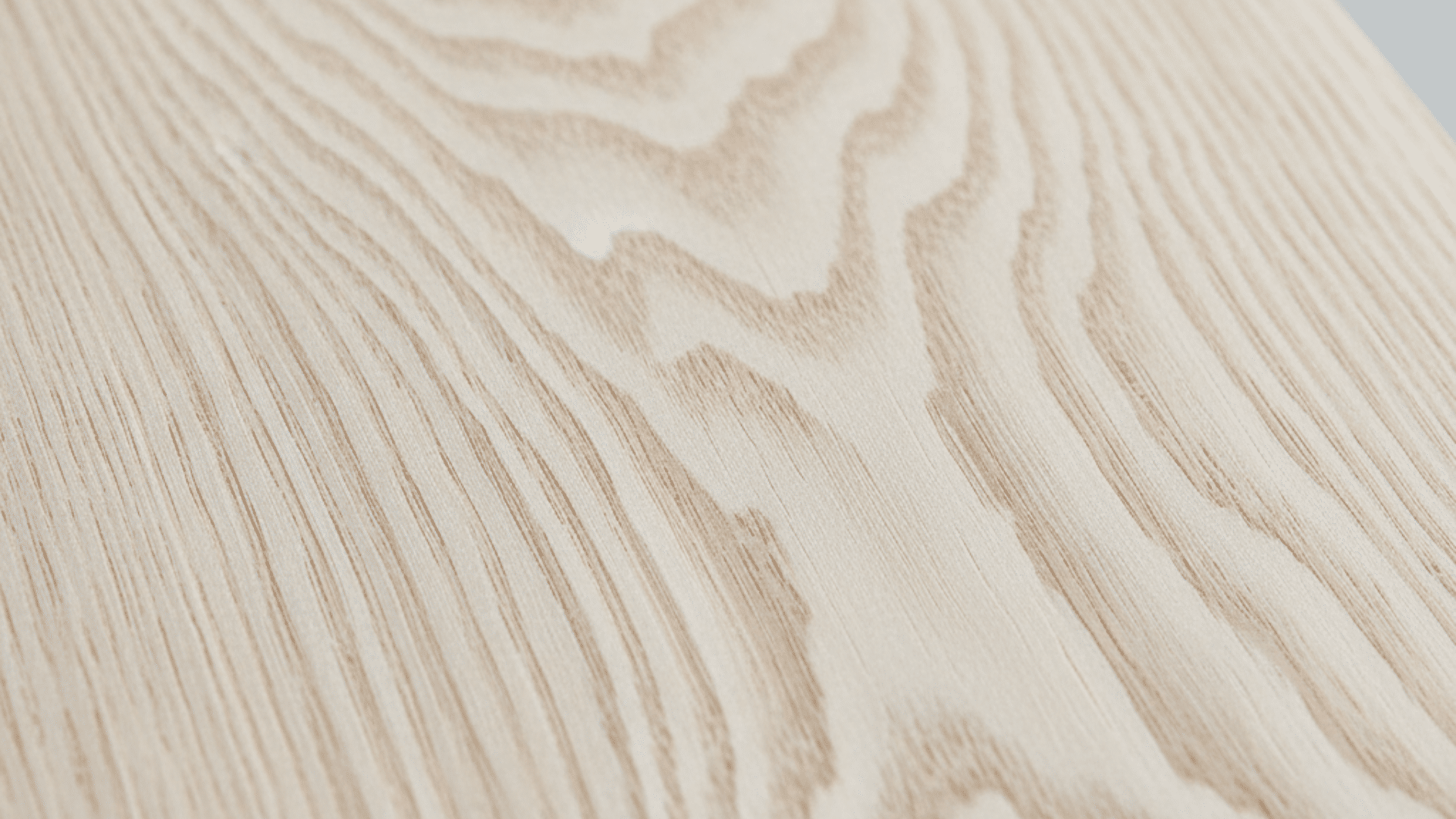
Ash resembles oak but with a lighter color and more pronounced grain. It’s strong, shock-resistant, and flexible, making it ideal for chairs and furniture that handle stress.
- Best Uses: Chairs, sports equipment, furniture needing flexibility
- Janka Hardness: 1,320
- Price Range: $6.10–$15.75
- Pros: Strong and flexible, shock-resistant, attractive grain
- Cons: Limited availability due to the emerald ash borer
9. Hickory
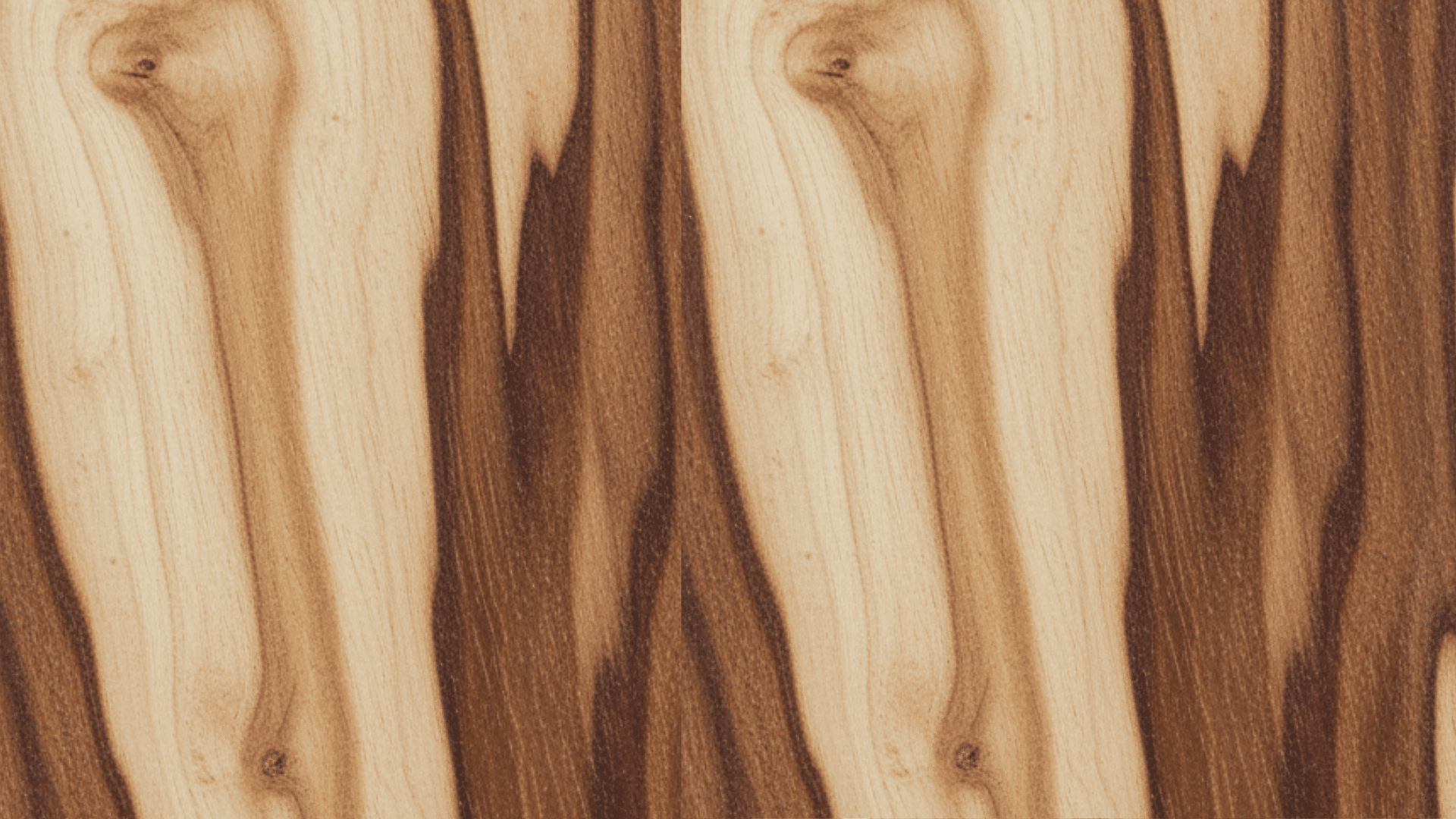
Hickory ranks among North America’s hardest woods, with exceptional impact resistance. Its dramatic grain variation creates rustic, character-rich furniture perfect for heavy use.
- Best Uses: Rustic furniture, high-impact pieces, country style
- Janka Hardness: 1,820
- Price Range: $5.25–$9.75
- Pros: Extremely hard, impact-resistant, dramatic grain character
- Cons: Difficult to work with, bold appearance not for all styles
Softwood Types of Wood for Furniture
Softwoods come from coniferous trees and grow faster than hardwoods, making them more affordable and sustainable options.
10. Pine
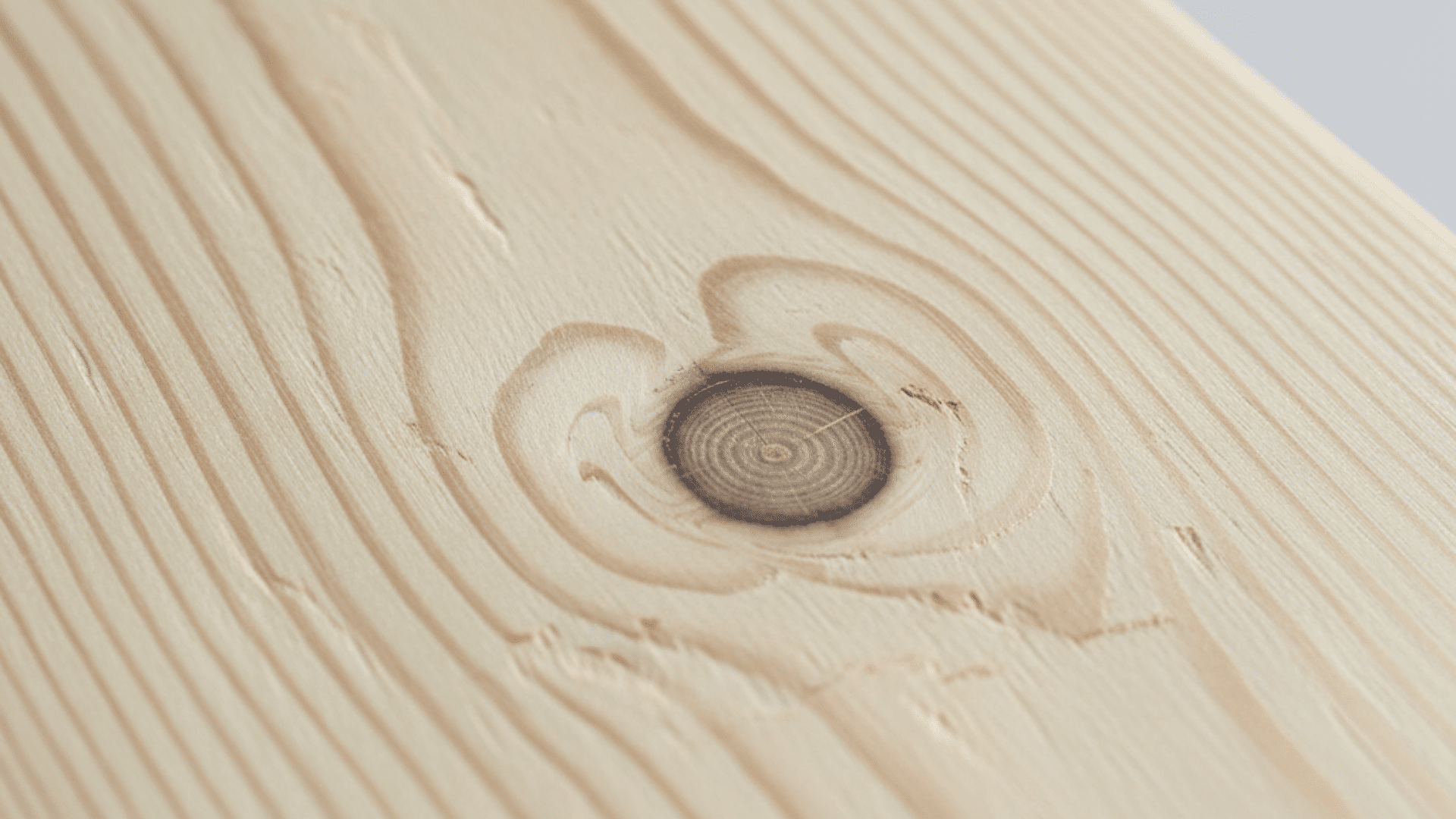
Pine is the most common softwood for furniture, valued for its affordability and rustic appearance. Its lighter weight makes furniture easier to move, while natural knots add character.
- Best Uses: Casual furniture, painted pieces, children’s furniture
- Janka Hardness: 380-870 (varies by species)
- Price Range: $3.75
- Pros: Affordable, lightweight, rustic charm, easy to work with
- Cons: Soft and dents easily, less durable, requires pre-treatment for staining
11. Cedar
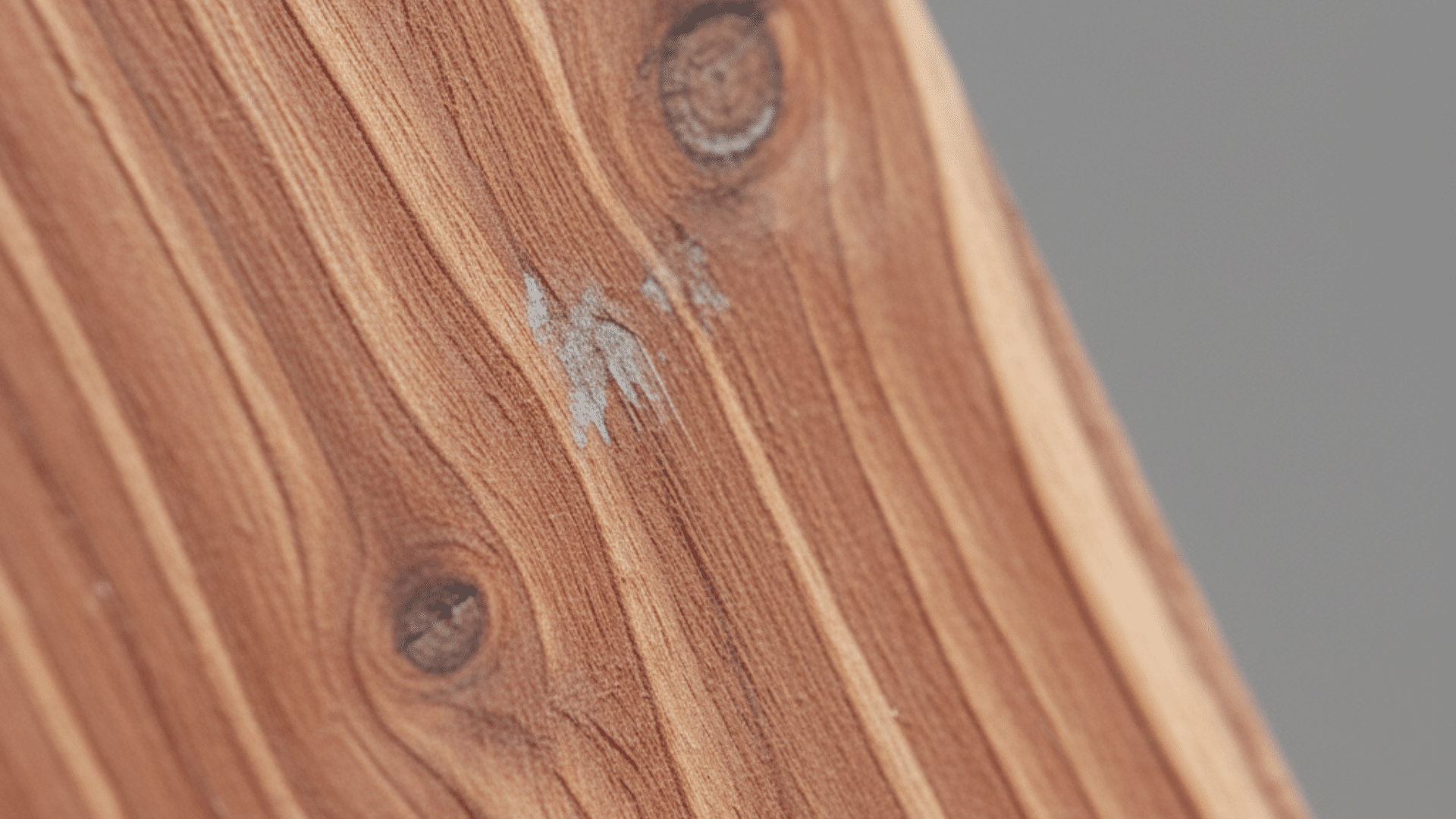
Cedar’s aromatic oils naturally repel moths and insects, making it the traditional choice for closet linings and storage chests. It’s lightweight and easy to work with, but it isn’t suitable for pieces that require structural strength.
- Best Uses: Closet linings, chests, outdoor furniture, aromatic storage
- Janka Hardness: 350-900 (varies by species)
- Price Range: $7.50
- Pros: Natural insect repellent, weather-resistant, pleasant aroma
- Cons: Soft, not suitable for structural pieces, scent can be overwhelming
12. Spruce
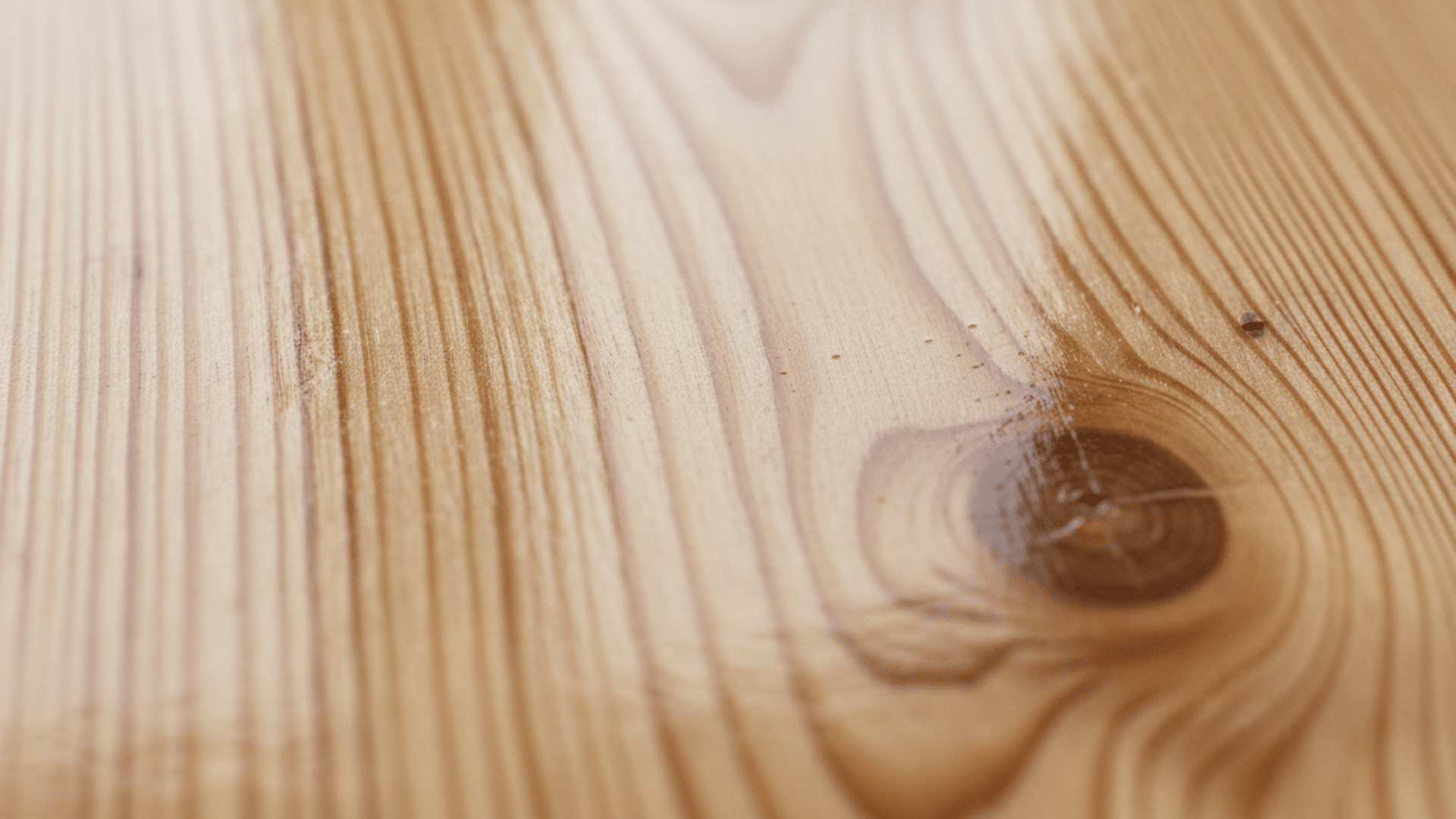
Spruce is a lightweight, pale softwood used for furniture frames and hidden parts. It has straight grain and a creamy white color.
- Best Uses: Furniture frames, hidden structural components
- Janka Hardness: 510
- Price Range: $1.0–$1.3
- Pros: Affordable, lightweight, easy to work with, straight grain
- Cons: Soft, plain appearance, not suitable for visible surfaces
13. Fir
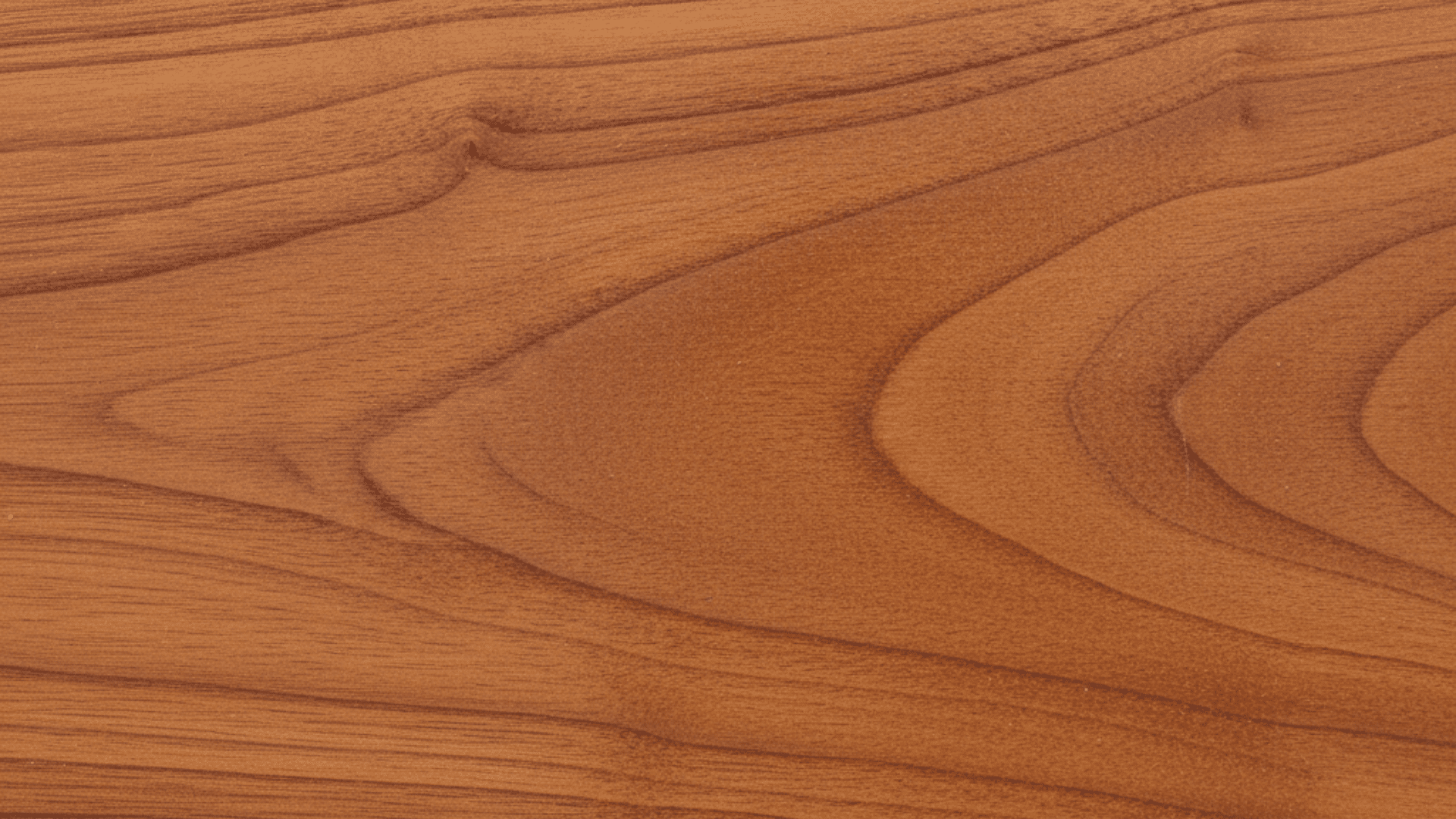
Fir has straight grain and a light reddish-brown color. Slightly harder than spruce but still too soft for high-wear surfaces. Usually hidden beneath upholstery or veneer.
- Best Uses: Furniture frames, internal construction, upholstered bases
- Janka Hardness: 660
- Price Range: $1.0–$4.0
- Pros: Economical, straight grain, easy to cut and shape
- Cons: Not durable enough for exposed surfaces, plain look
Engineered Wood in Furniture
Modern furniture often incorporates engineered wood products that offer consistency and cost advantages over solid wood.
14. Plywood
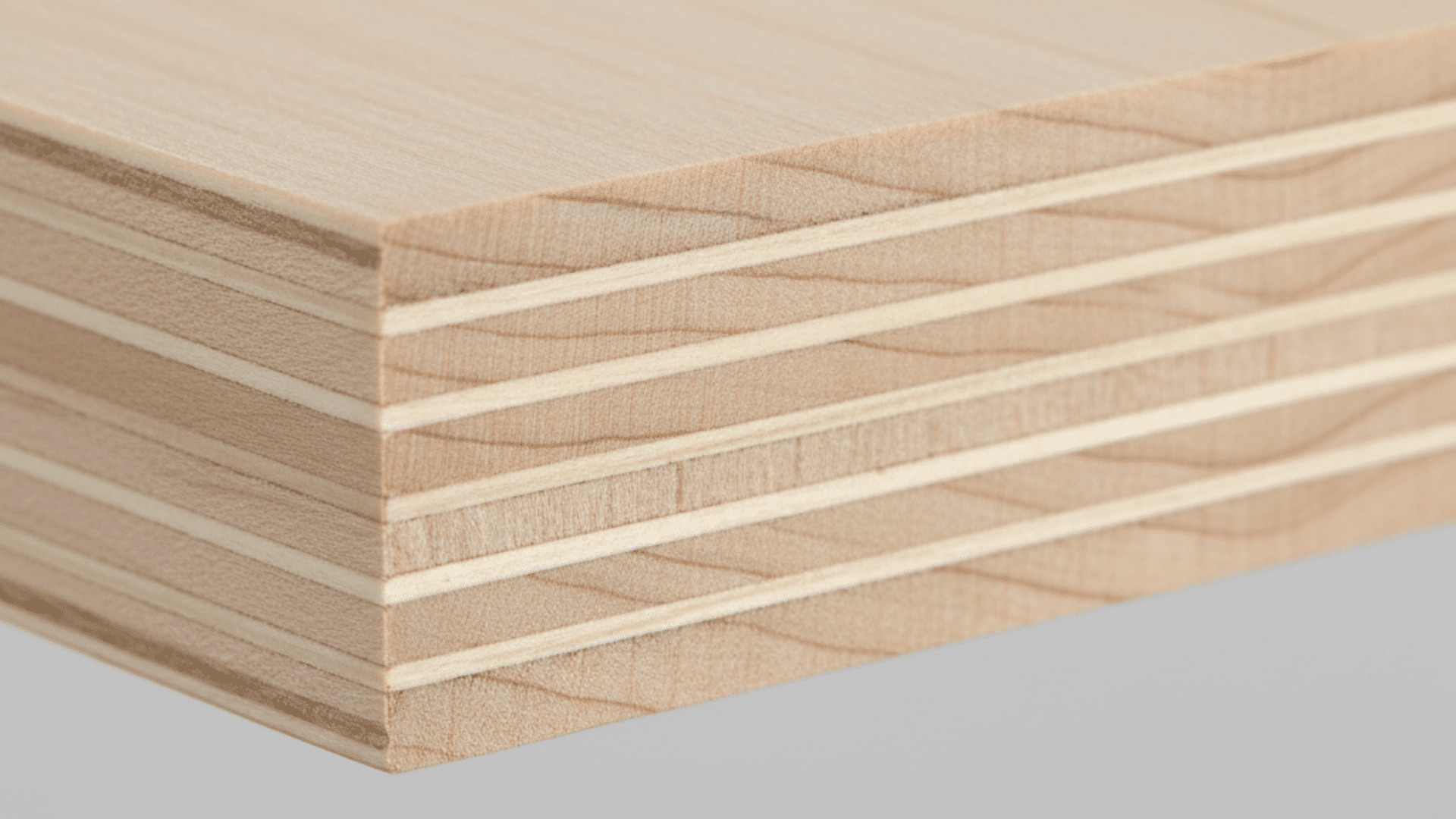
Plywood consists of thin wood layers glued together with alternating grain directions, creating a stable, strong panel. Quality plywood resists warping better than solid wood and costs significantly less.
- Best Uses: Cabinet boxes, drawer bottoms, furniture backs, shelving
- Janka Hardness: Varies by face veneer
- Price Range: $65–$145
- Pros: Stable, resists warping, affordable, consistent quality
- Cons: Exposed edges look unfinished, not a solid wood aesthetic
15. MDF
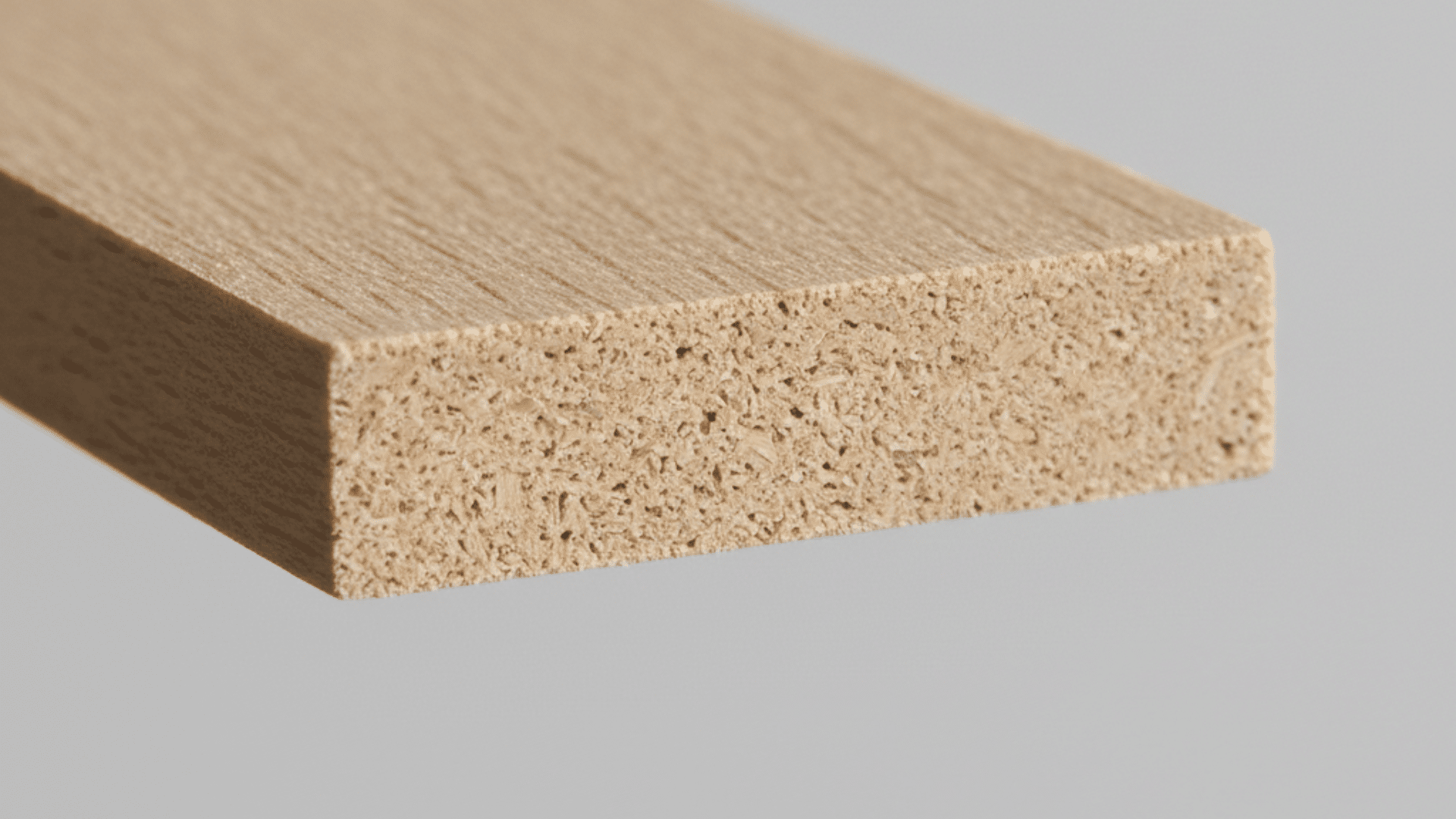
MDF (medium-density fiberboard) is made from wood fibers bonded with resin. It’s very smooth, which makes it a strong pick for painted furniture and clean edges.
- Best Uses: Painted furniture, cabinet doors, smooth panels
- Janka Hardness: N/A (not solid wood)
- Price Range: $28–$60
- Pros: Very smooth surface, affordable, holds paint well, precise edges
- Cons: Heavy, poor moisture resistance, weak at edges with fasteners
16. Particleboard
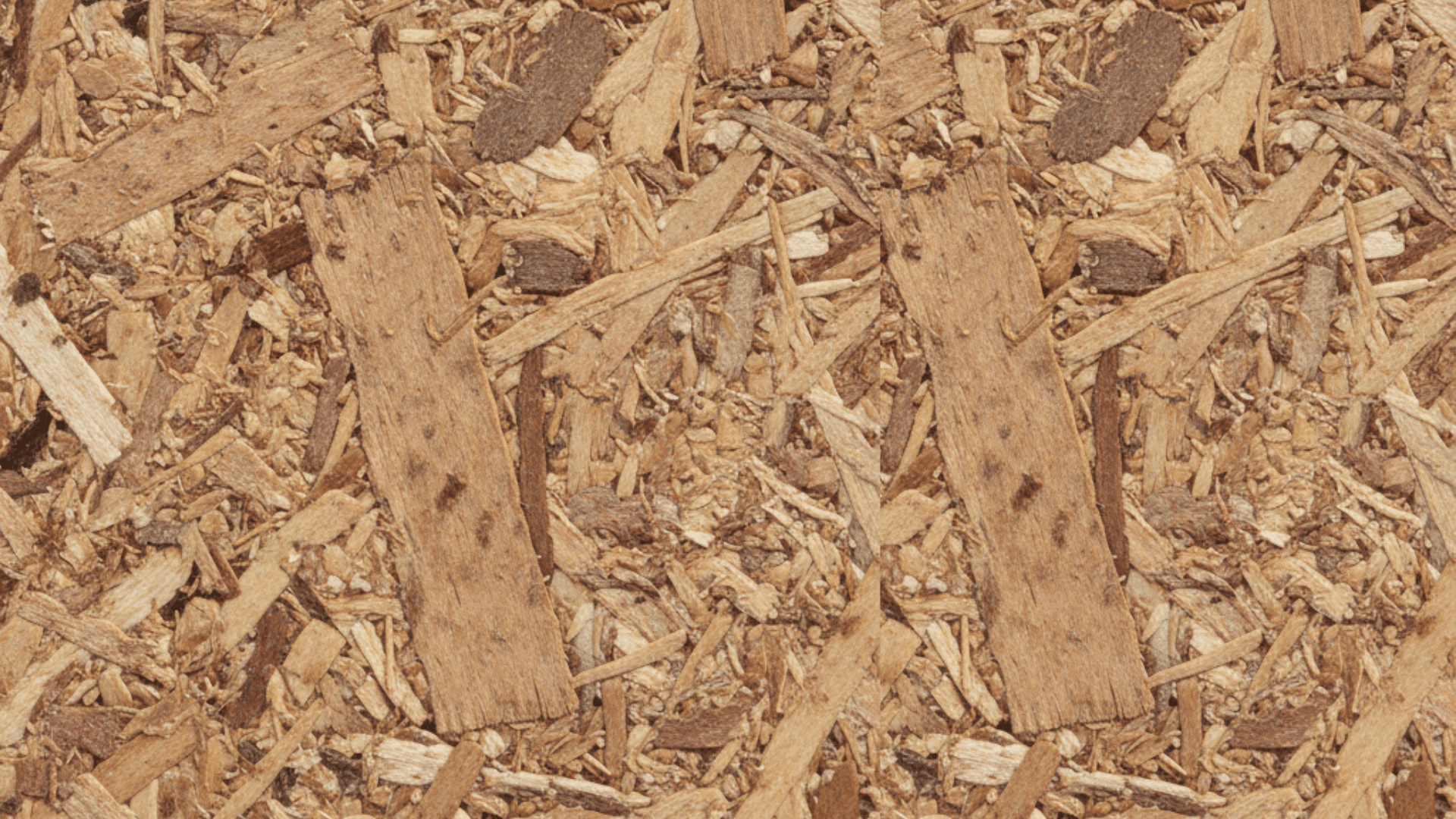
Particleboard is made from wood chips and particles bonded together, making it the most economical engineered wood option.
- Best Uses: Budget furniture backs, low-stress shelving, disposable furniture
- Janka Hardness: N/A (not solid wood)
- Price Range: $60–$75
- Pros: Most economical option, adequate for minimal use
- Cons: Weak, poor moisture resistance, doesn’t hold fasteners well, heavy
17. Veneer
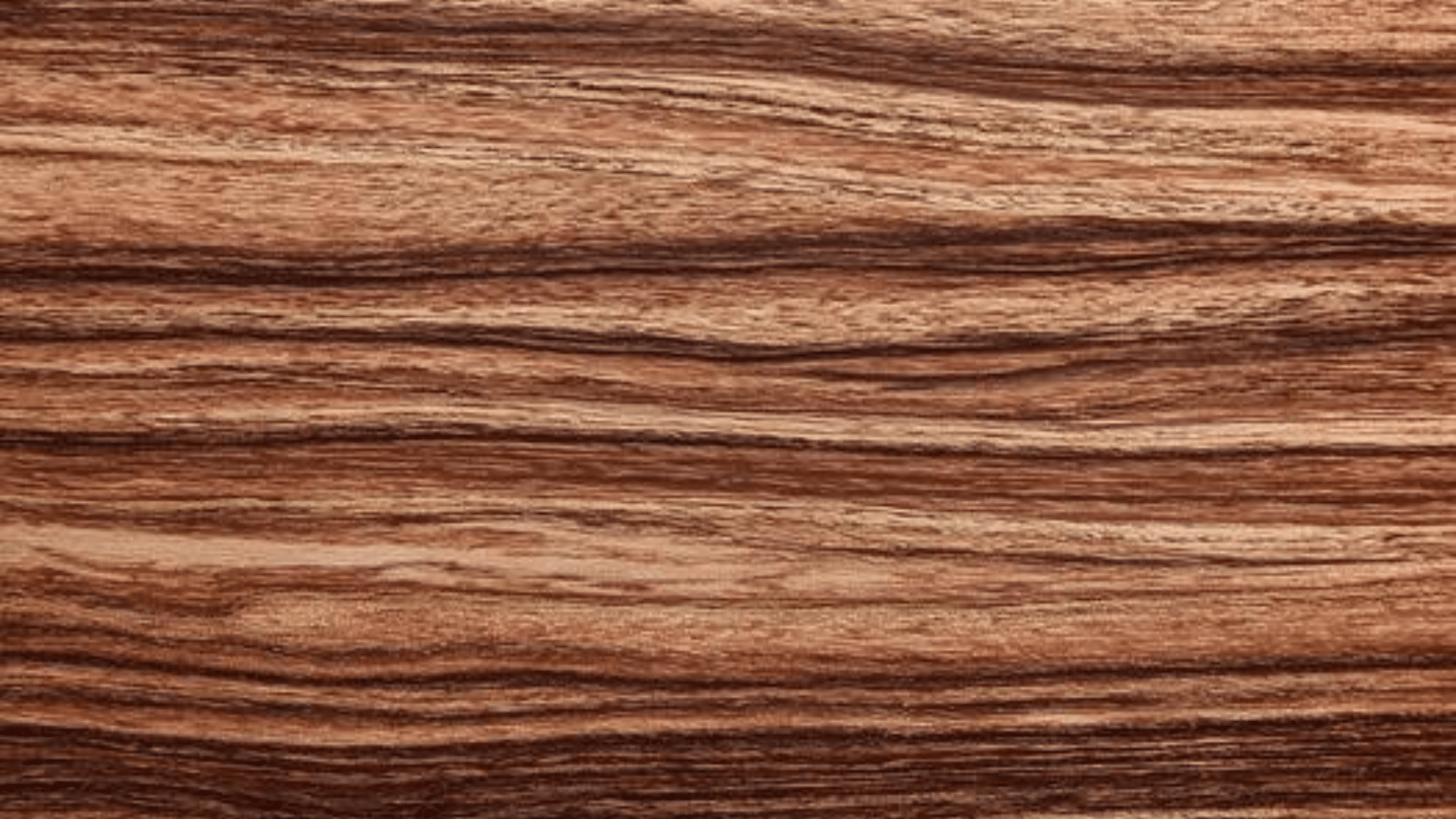
Veneer consists of thin slices of real wood bonded to an engineered core, such as plywood or MDF. This allows manufacturers to use expensive woods like walnut economically while maintaining stability.
- Best Uses: Affordable luxury furniture, cabinets, decorative panels
- Janka Hardness: Depends on core material
- Price Range: $1–$4 per sq ft
- Pros: Real wood looks economically stable, uses expensive woods affordably
- Cons: Can chip or peel, difficult to repair, not solid wood throughout
How to Choose the Right Wood for Furniture
Selecting the right types of wood for furniture makes a real difference in how your pieces perform and look over time. Understanding a few key factors helps you make smart choices.
- Match Wood to Your Budget: Oak and maple cost more but last decades. Pine offers affordability. Veneer over plywood gives an expensive look at lower prices for tight budgets.
- Consider Room Location: Kitchens need durable oak or maple that resists moisture and heavy use. Bedrooms work well with softer cherry or pine furniture pieces.
- Think About Maintenance: Teak and finished oak need only dusting and spill cleanup. Oil-finished walnut requires reapplication every few months to maintain wood protection.
- Choose the Right Look: Light maple brightens modern spaces. Dark walnut adds richness to traditional rooms. Pine provides rustic character with visible knots and natural grain.
- Test Woods in Person: Visit stores to see and touch wood before buying. Photos don’t capture true colors, textures, and grain patterns that matter in your space.
Understanding Wood Grading and Quality
Wood quality varies significantly based on hardness, grain patterns, and the part of the tree used. Understanding these factors helps you choose furniture that meets your needs.
Here’s the same section as a clean, properly spaced table (you can paste this into WordPress or Google Docs).
| Basis | Details |
|---|---|
| Janka Hardness Scale | Measures the force (in pounds) needed to embed a steel ball halfway into wood. Higher numbers mean harder, more dent-resistant wood. |
| Very Hard (1,500+) | Hickory, Hard Maple |
| Hard (1,200 to 1,500) | White Oak, Ash, Beech, Red Oak, Teak |
| Medium (900 to 1,200) | Walnut, Cherry, Soft Maple |
| Soft (Below 900) | Mahogany, Fir, Spruce, Pine, Cedar |
| Straight Grain | Parallel, consistent fibers. Stable and easy to work with. Uniform appearance. |
| Wavy/Curly Grain | Rippling, 3D-like patterns. Beautiful but harder to work with. |
| Bird’s Eye Pattern | Small circular marks like “bird eyes.” Rare and expensive. Decorative. |
| Sapwood | Outer layer. Lighter color (cream/pale). Less durable. Accepts stains easily. More susceptible to decay. |
| Heartwood | Inner core. Darker color. More durable and decay-resistant. Often better for outdoor use due to natural preservatives. |
How to Keep Wood Furniture Looking Good
Proper finishing and care significantly extend furniture’s life. Understanding finish types helps you maintain your pieces properly.
- Clear Coat Finishes: Polyurethane or lacquer creates protective barriers against moisture and scratches. They enhance wood’s natural color but must be reapplied periodically because they wear away.
- Oil Finish vs Poly Finish: Oil finishes provide a natural look that’s easy to repair but require frequent maintenance. Polyurethane offers superior protection. Choose oil for natural aesthetics, poly for maximum durability.
- Cleaning Rules: Use slightly damp cloths, avoid harsh chemicals, dust regularly, and clean spills immediately. Use coasters and placemats to protect surfaces.
- Scratch And Water Ring Fixes: Light scratches often buff out with fine steel wool and mineral oil. Water rings sometimes respond to gentle heat from a hairdryer. For oil finishes, light sanding and reapplication remove minor damage.
Conclusion
Now you’ve seen how different woods compare in real life.
Hardwoods like oak and maple hold up well to daily wear. Walnut and cherry bring richer color and grain. Pine and cedar can work great when you want a lower-cost option and don’t mind a few dents over time. Engineered options such as plywood, MDF, and veneer offer stability and a lower price.
Once you understand the types of wood for furniture, it’s much easier to buy with confidence. Think about how the piece will be used, how much maintenance you want, and what look fits your space.
Which wood type are you considering for your next furniture piece? Drop a comment and let us know what you’re shopping for!
Frequently Asked Questions
What Type of Wood Is Used in Cheap Furniture?
Cheap furniture is typically made of pine, particleboard, MDF, or plywood. These materials cost less and work well for budget pieces that don’t need heavy-duty durability.
What Wood Is Used for High-End Furniture?
High-end furniture is made from walnut, mahogany, cherry, or teak. These premium hardwoods offer rich colors, fine grain patterns, and superior durability that justify their higher prices.
What Wood Is Trending Now?
Walnut and white oak are currently popular for their modern appearance. Light woods like maple and ash also trend in contemporary designs. Reclaimed wood continues gaining popularity.