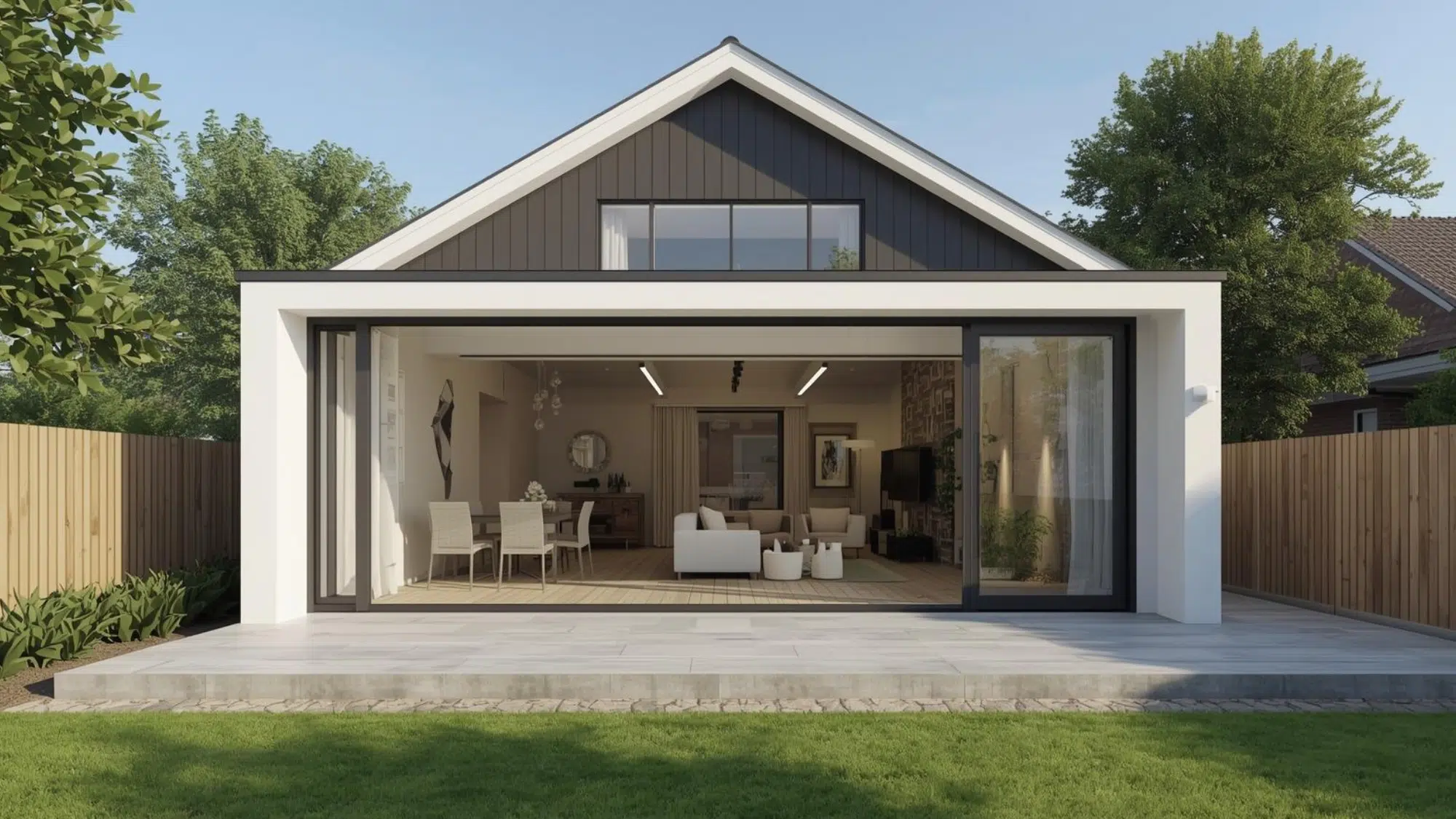
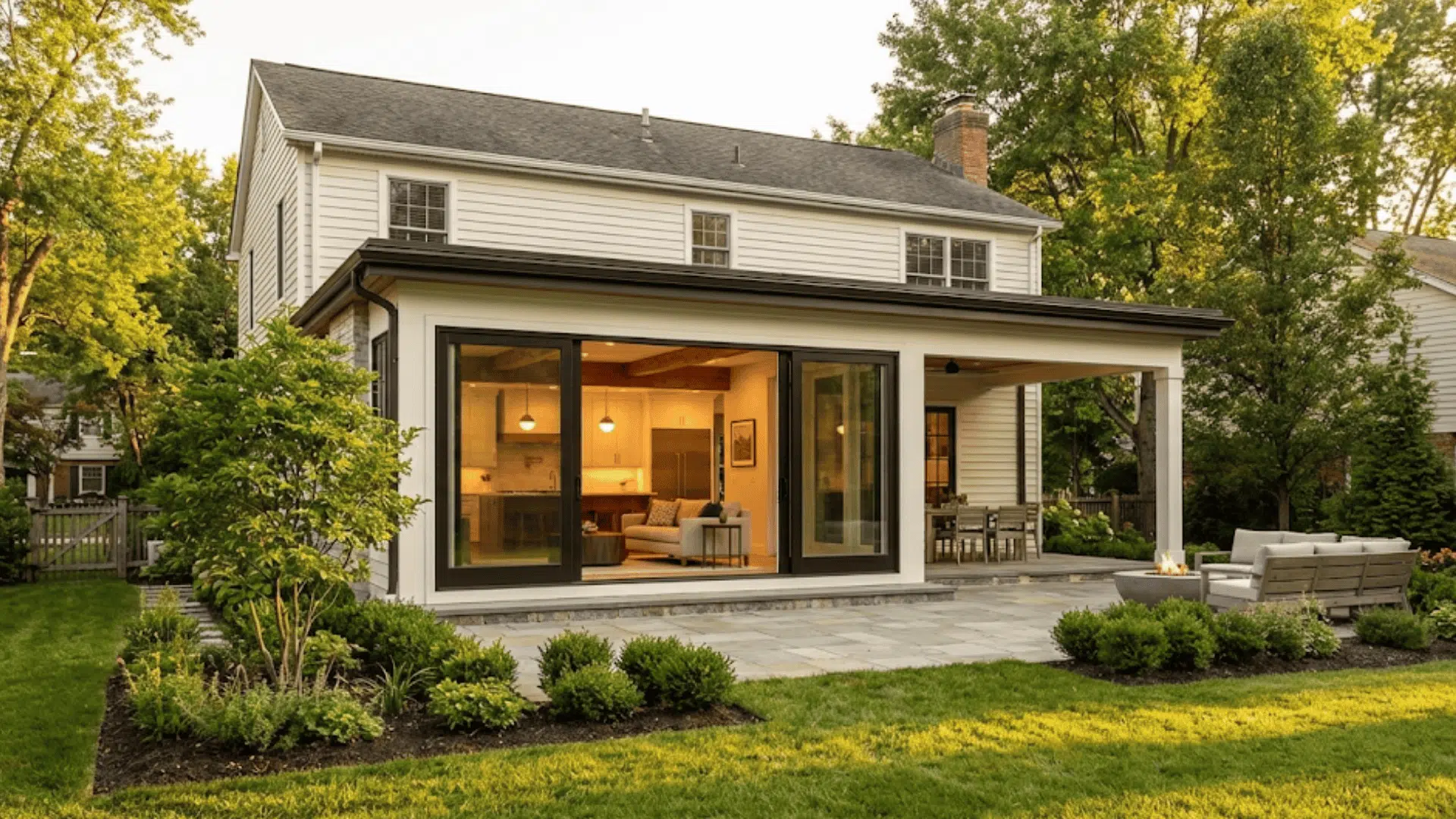
When a house starts feeling too small, people don’t always need to pack up and move. Instead, they look into home addition ideas that can change their space without the hassle of relocating.
Some families crave extra bedrooms for growing kids. Others dream of a home office or a spacious kitchen where everyone can gather.
The beauty lies in flexibility; there’s no one-size-fits-all solution. Every property has different potential, and every family has different needs.
But here’s the thing: choosing the right addition isn’t just about square footage. It’s about finding potential that’s been hiding in plain sight all along.
Key Considerations Before Starting a Home Addition Project
Before jumping into construction, people need to think through several important factors that can make or break their project.
- Budget and financing options: Understanding total costs upfront prevents surprises later. This includes materials, labor, permits, and a cushion for unexpected expenses that almost always pop up.
- Local zoning laws and permits: Every area has different rules about what can be built and where. Setback requirements and height restrictions vary by neighborhood.
- Return on investment: Some additions add more home value than others, so it’s worth researching which projects pay off best in the local market.
- Impact on existing structure: The current foundation and roof need to support new construction without compromising the home’s integrity.
- Timeline and living arrangements: Families should prepare for noise, dust, and disruption during the build.
Best Home Addition Ideas for Every Budget
Not every addition requires a massive investment. People can find projects that fit their financial situation, whether they’re working with a tight budget or ready to splurge.
1. Sunroom Addition
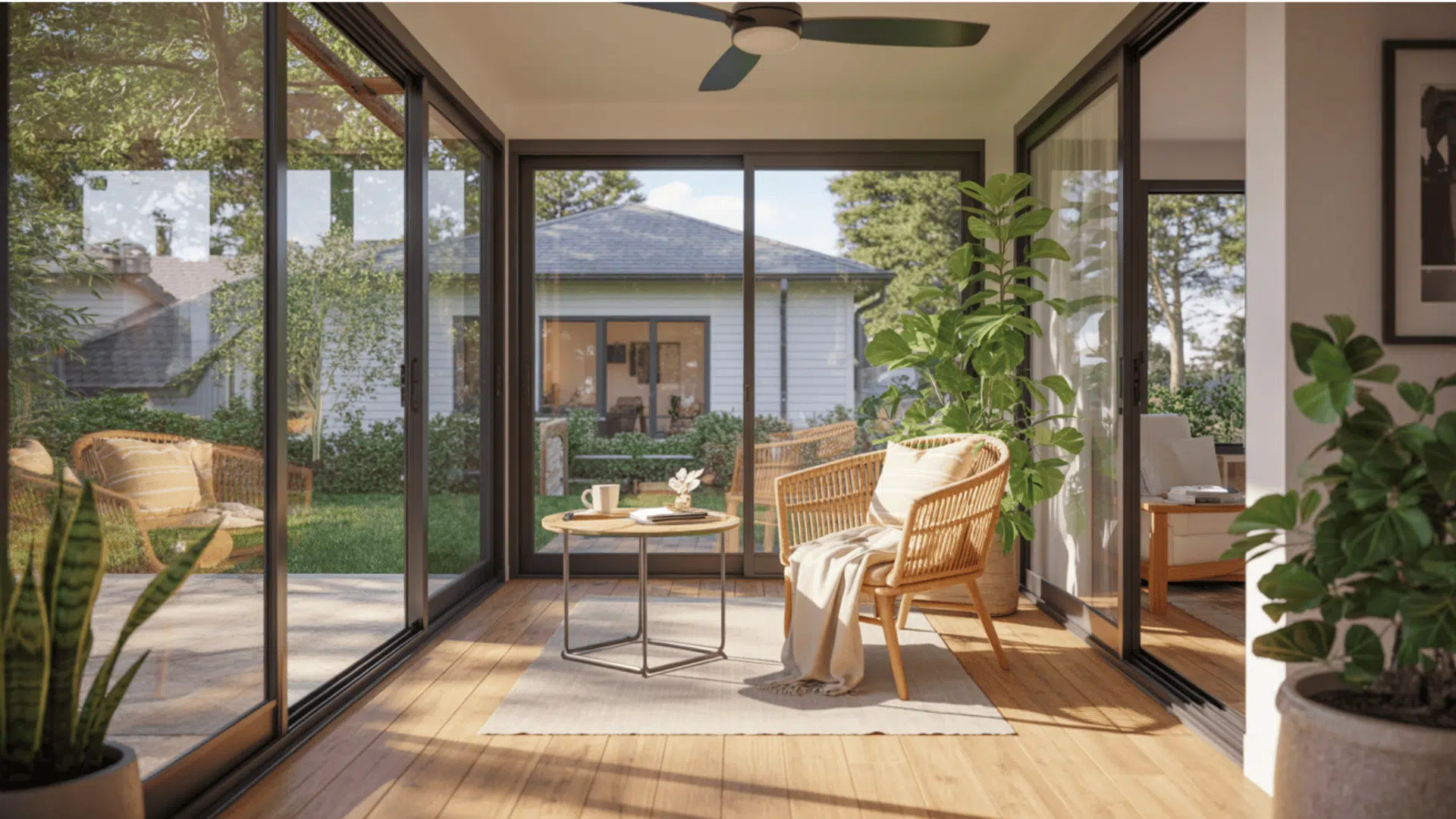
A sunroom brings the outdoors in without breaking the bank, and it’s one of the most popular choices for people who want extra living space. These glass-enclosed rooms flood homes with natural light and create a cozy spot for relaxation.
- Best uses: Reading nooks, indoor gardens, casual dining areas, morning coffee spots
- Cost estimate: $15,000–$35,000, depending on size and materials
- Designing tips: Use energy-efficient glass to control temperature and add ceiling fans for air circulation
- Pro tip: Three-season sunrooms cost less than four-season versions but still deliver major impact
2. Bump-Out Addition
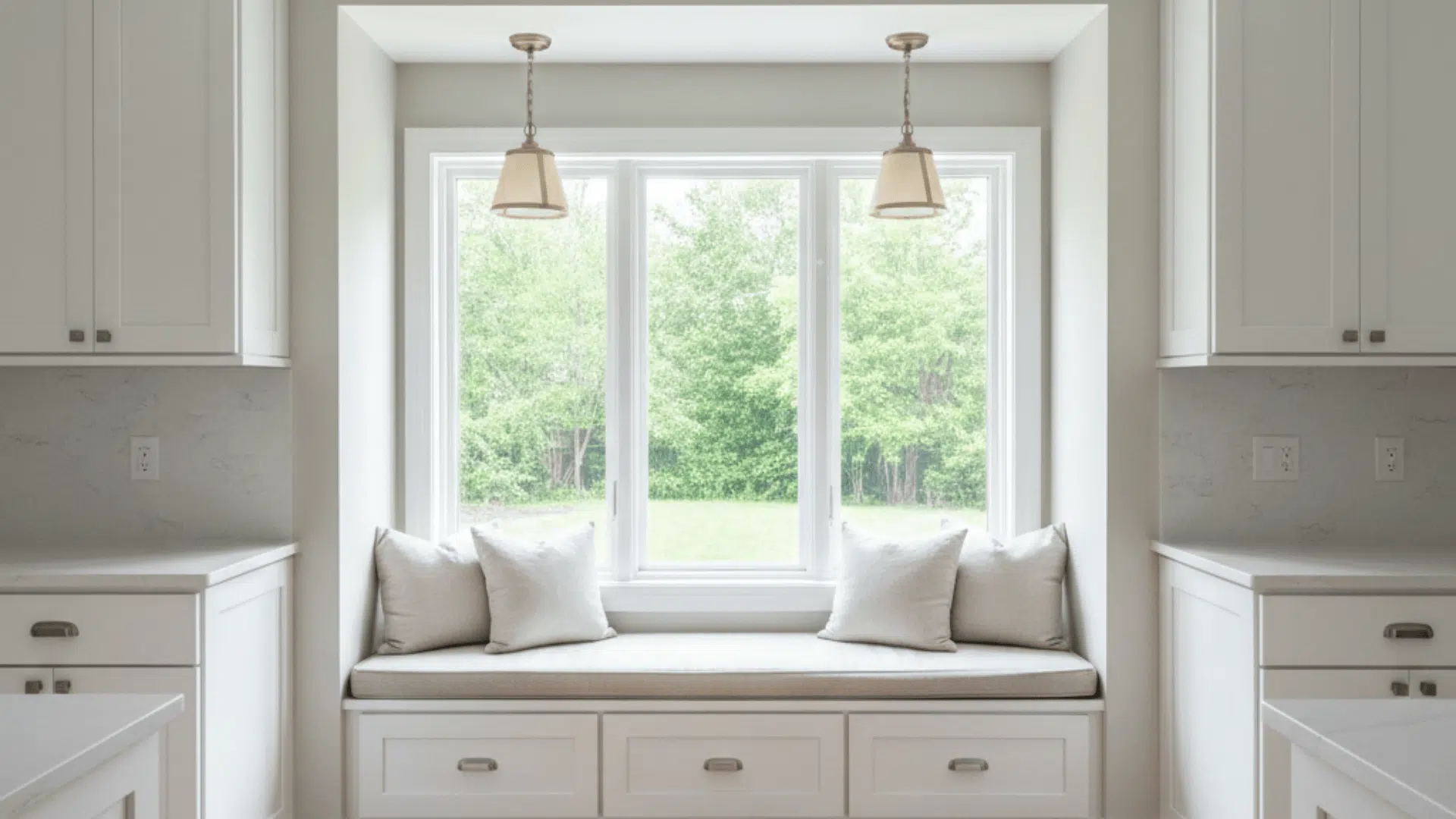
Bump-outs extend a room by just a few feet, but that small change makes a big difference. They’re perfect for those who need a little more space without the expense of a full addition.
- Best uses: Expanding kitchens, creating breakfast nooks, enlarging bathrooms, adding window seats
- Cost estimate: $5,000–$15,000 for minor bump-outs
- Designing tips: Add windows on the new walls to maximize light and make the space feel larger
- Pro tip: Cantilevered bump-outs don’t require new foundation work, which cuts costs significantly
3. Second-Story Addition
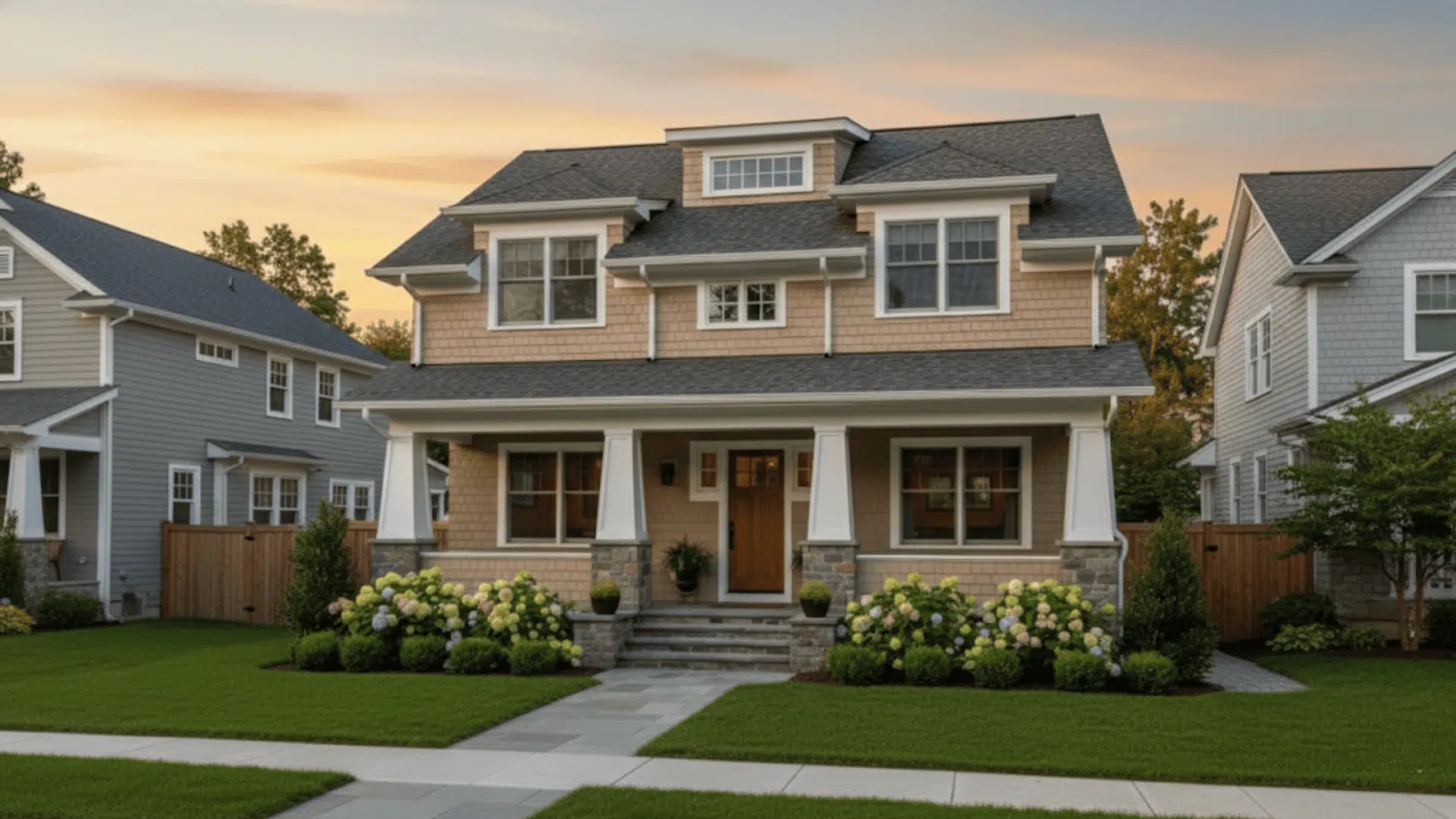
Going up instead of out works well for homes on smaller lots, and it can double the living space without sacrificing yard area. This option requires more planning but delivers impressive results.
- Best uses: Master suites, teen bedrooms, bonus rooms, home theaters, guest quarters
- Cost estimate: $100,000–$300,000, depending on scope and finishes
- Designing tips: Match existing rooflines and exterior materials so the addition looks original to the home
- Pro tip: Ensure the current foundation can support the extra weight before committing to construction
4. Primary Bedroom Suite Addition
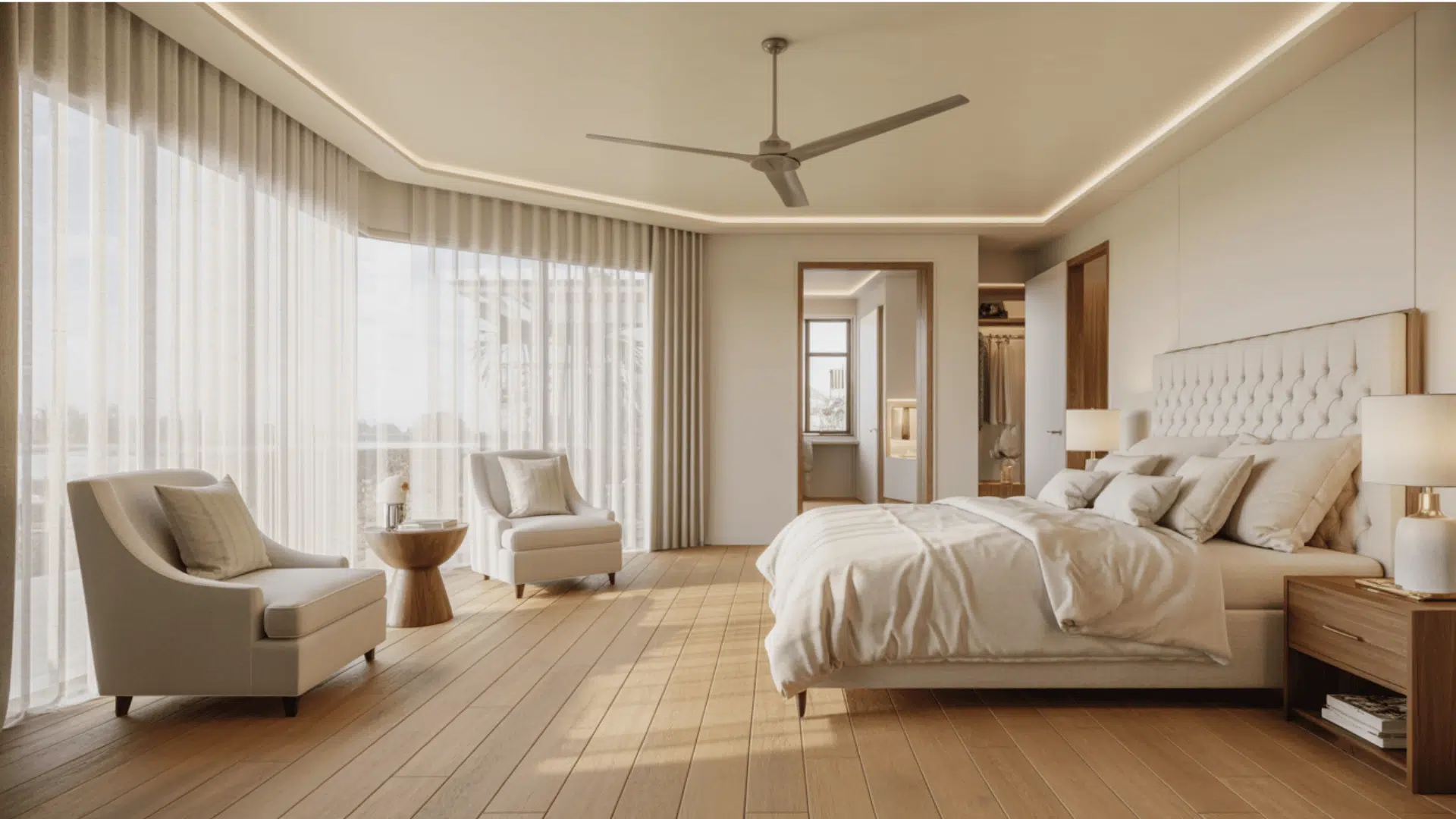
A primary bedroom suite creates a private retreat within the home. This addition gives people their own bathroom, walk-in closet, and personal space away from the hustle of daily life.
- Best uses: Master retreats, spa-like bathrooms, dressing rooms, sitting areas, private balconies
- Cost estimate: $80,000–$200,000 for a complete suite
- Designing tips: Position the suite away from noisy areas and include soundproofing for better sleep quality
- Pro tip: Adding a suite on the main floor increases home accessibility and appeals to future buyers
5. Bathroom Addition or Expansion
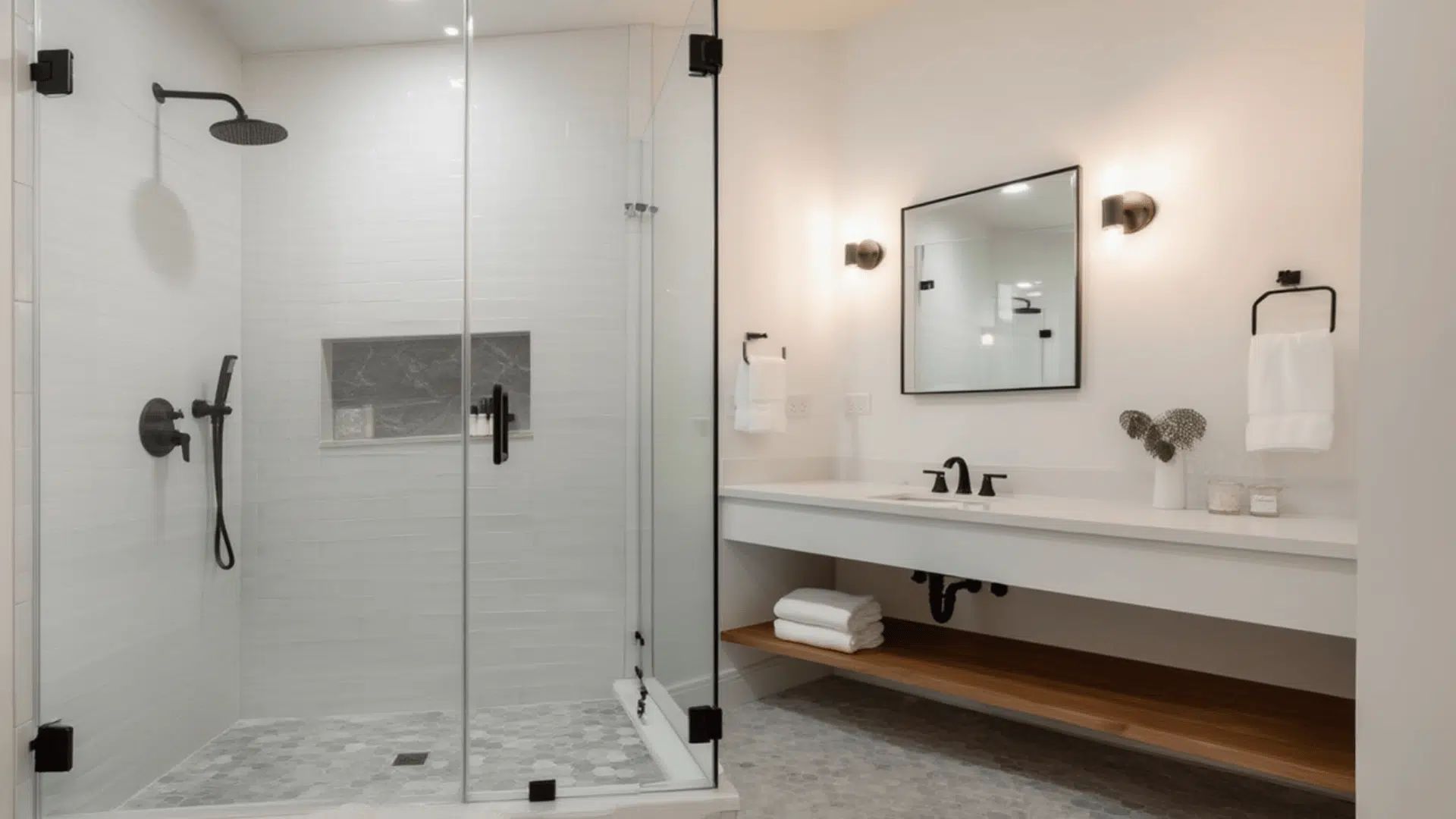
Extra bathrooms eliminate morning traffic jams and boost home value significantly. Whether adding a powder room or expanding an existing bath, this upgrade pays off big time.
- Best uses: Guest bathrooms, en-suite baths, powder rooms, jack-and-jill bathrooms for siblings
- Cost estimate: $15,000–$60,000, depending on fixtures and size
- Designing tips: Maximize storage with built-in shelving and choose simple tile patterns that won’t look dated
- Pro tip: Half-baths cost much less than full bathrooms, but still solve most household bathroom shortage issues
6. Kitchen Addition or Expansion
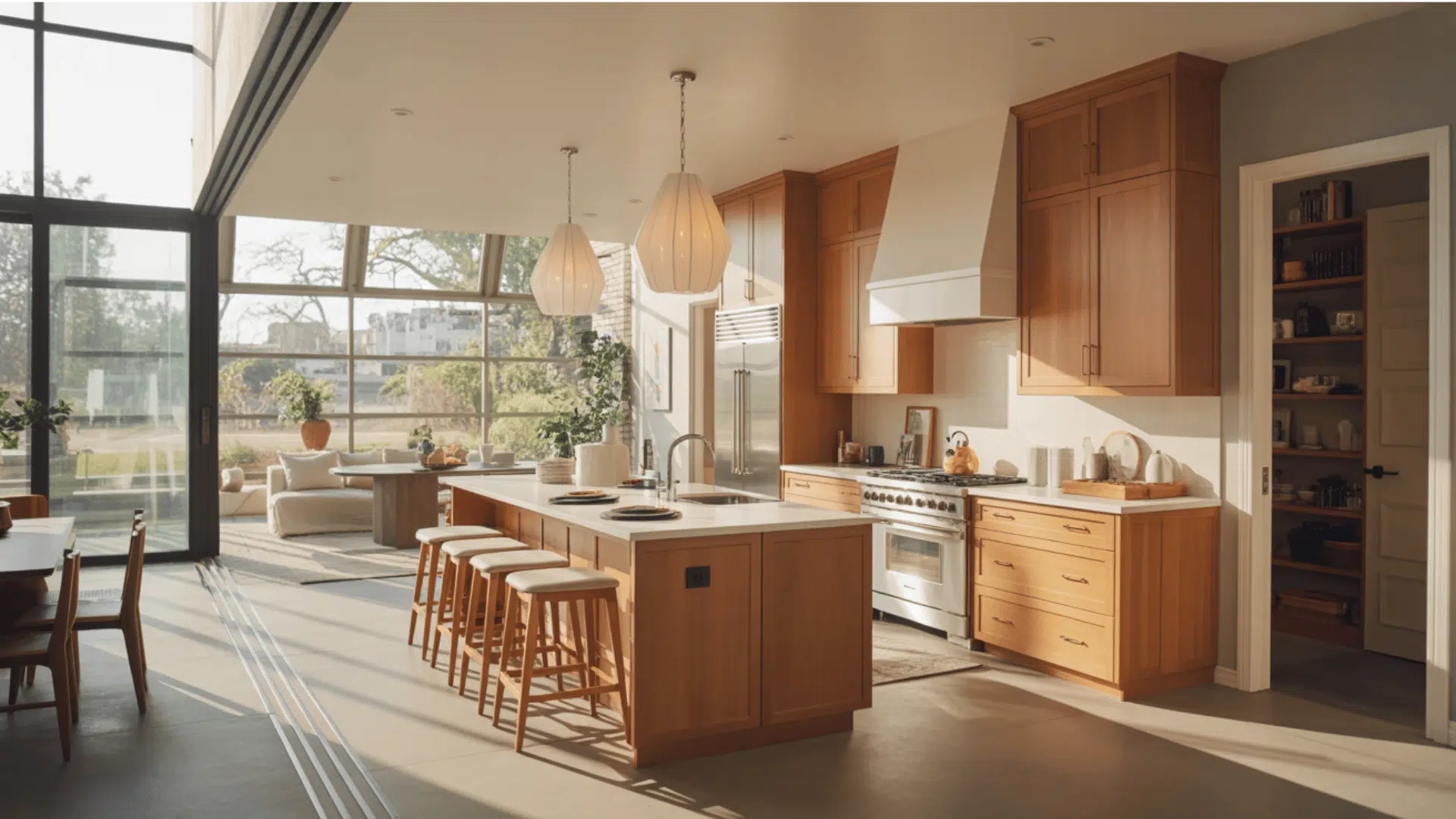
The kitchen is the heart of the home, and expanding it creates room for families to cook, eat, and gather together. More counter space and storage make meal prep so much easier.
- Best uses: Chef’s kitchens, open-concept layouts, dining areas, kitchen islands, pantry space
- Cost estimate: $50,000–$150,000 for major expansions
- Designing tips: Create a functional work triangle between sink, stove, and refrigerator for maximum efficiency
- Pro tip: Bump out the kitchen into an underused dining room before building outward to save on costs
7. Garage Conversion
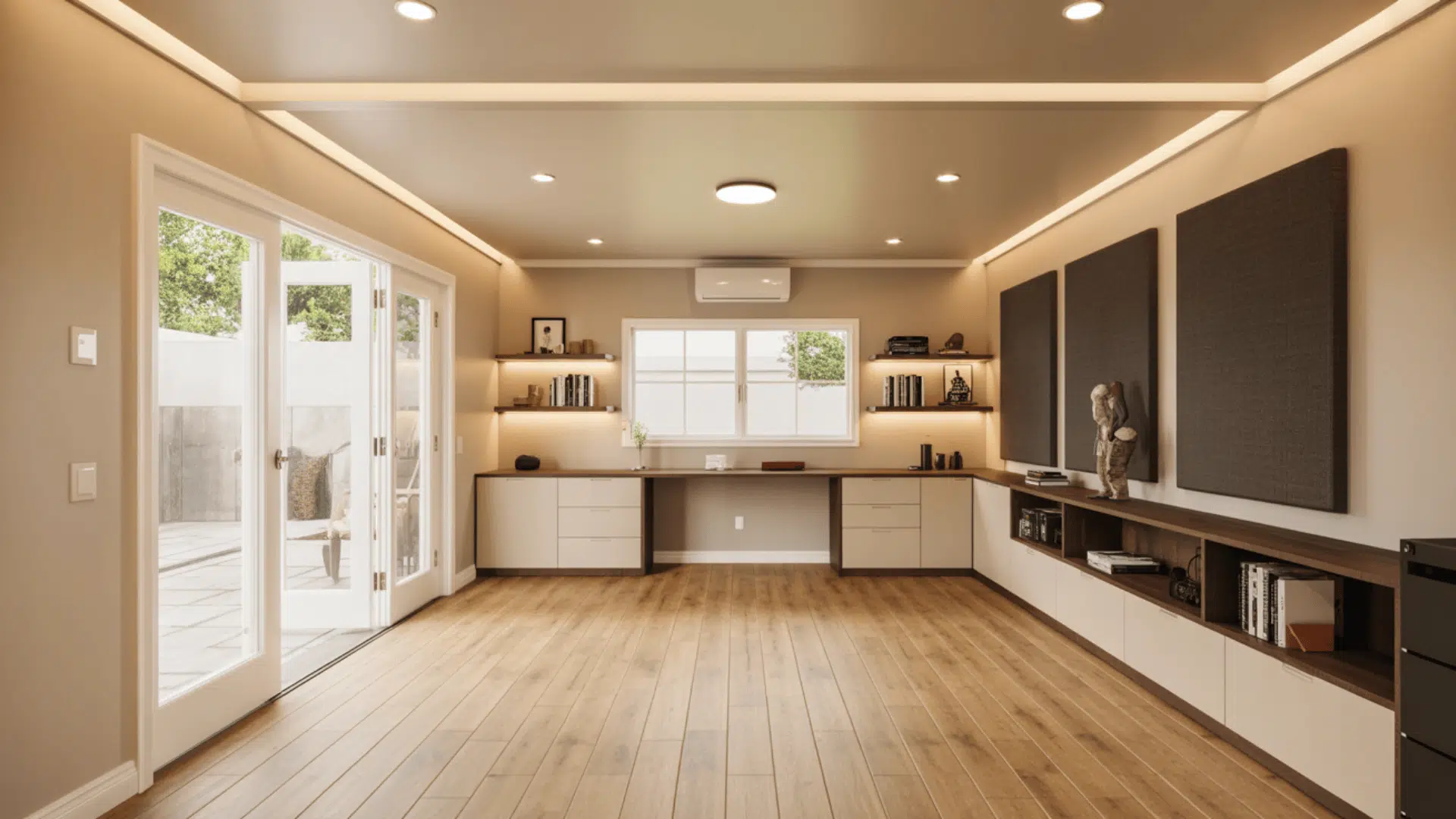
Converting an existing garage into a living space is budget-friendly because the structure already exists. People just need to finish the interior and add climate control.
- Best uses: Home offices, gyms, studios, playrooms, in-law suites, rental units
- Cost estimate: $10,000–$25,000 for basic conversions
- Designing tips: Add proper insulation and HVAC to make the space comfortable year-round
- Pro tip: Check local codes. Some areas require people to maintain a certain number of parking spaces
8. Room Above Garage
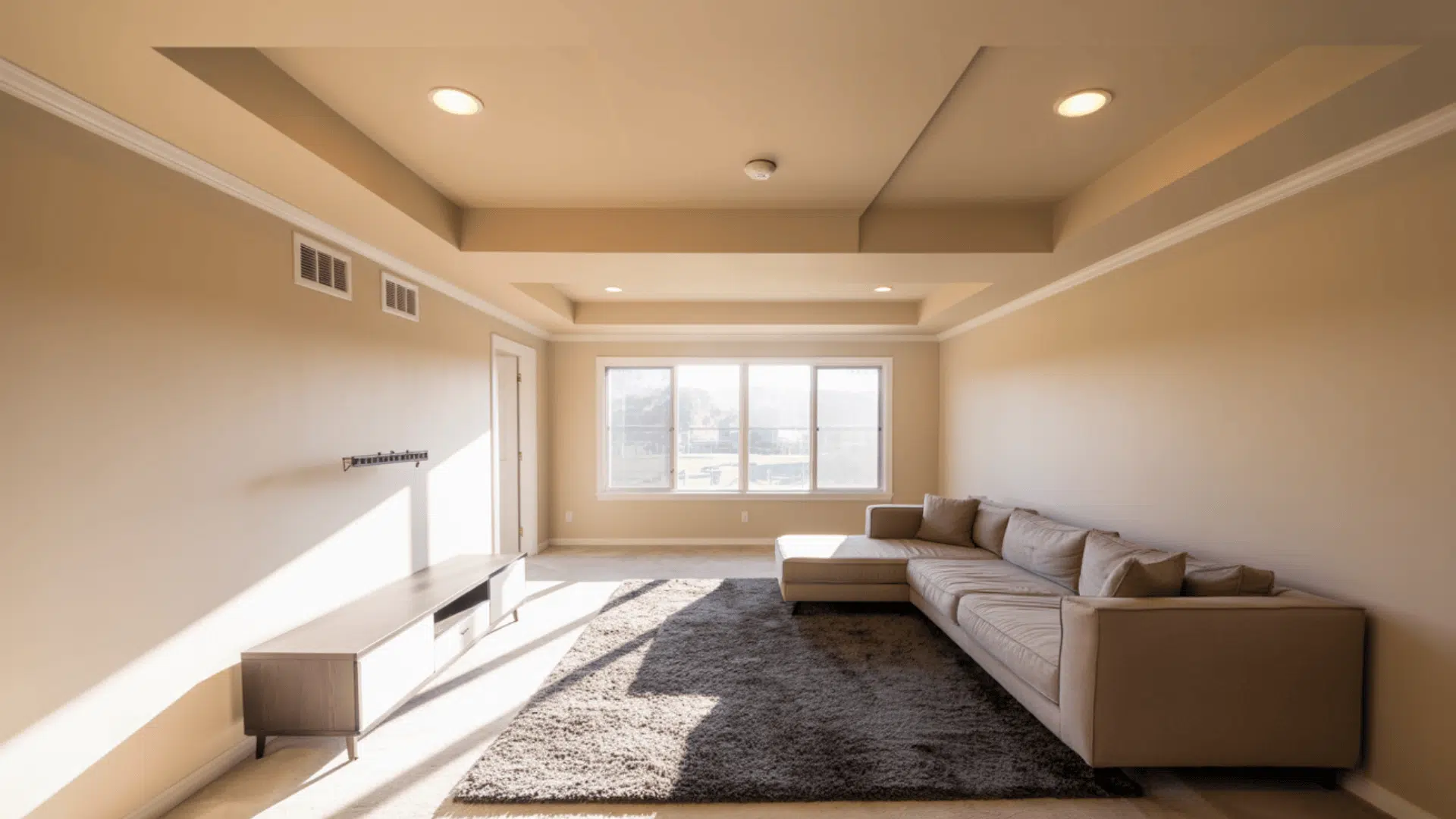
Building above an existing garage makes smart use of space that’s already there. This addition works great because the garage provides a solid foundation and reduces overall construction costs.
- Best uses: Teen suites, guest rooms, bonus rooms, home offices, craft studios, media rooms
- Cost estimate: $50,000–$120,000, depending on finishes
- Designing tips: Install separate HVAC controls and extra insulation to manage temperature in the garage
- Pro tip: Add exterior stairs for private access, which teens and guests really appreciate
9. Finished Basement
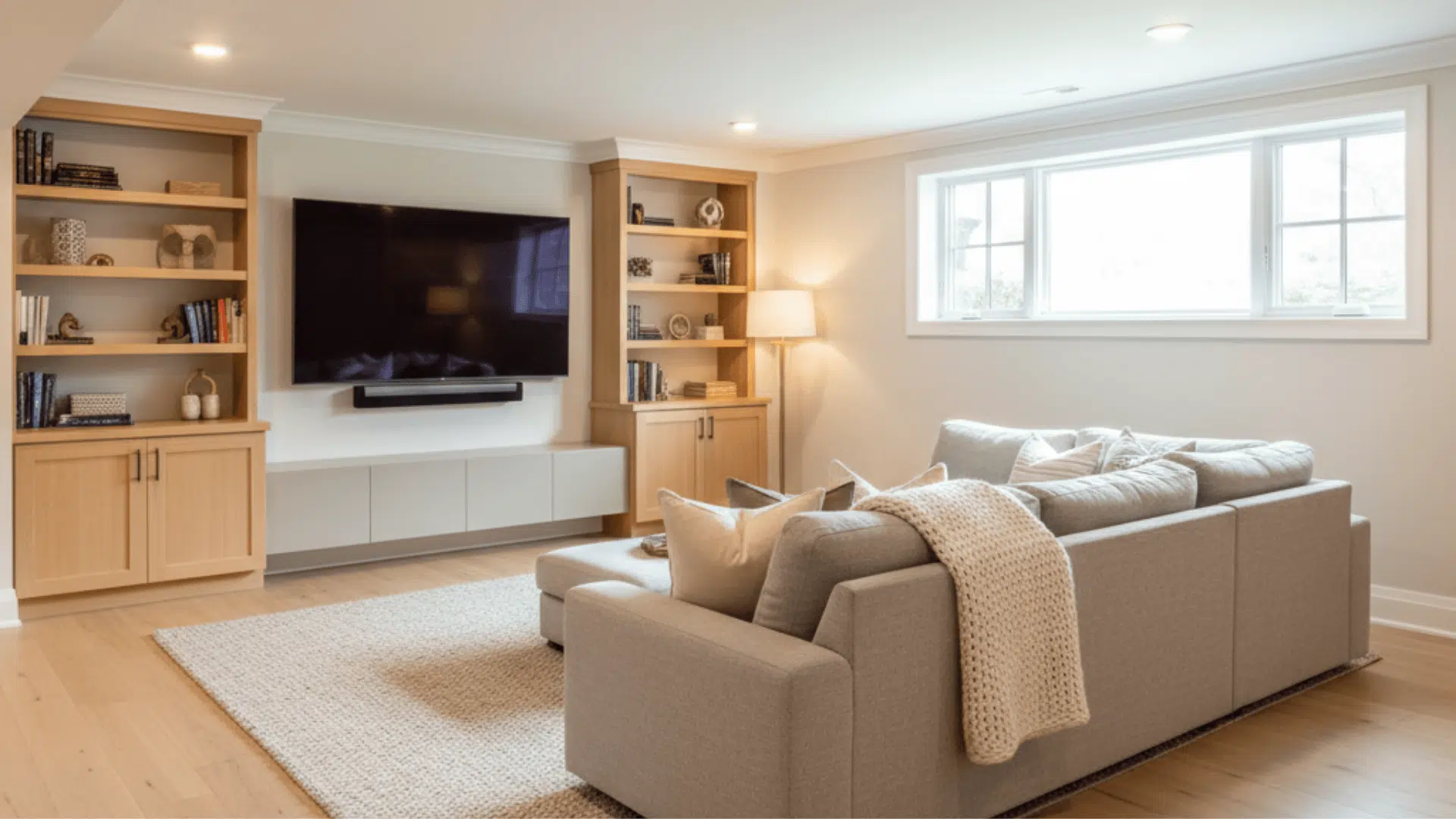
Basements offer tons of square footage just waiting to be used. Finishing this space costs less per square foot than building up or out, making it a smart choice.
- Best uses: Family rooms, home theaters, playrooms, workout areas, wine cellars, man caves
- Cost estimate: $30,000–$75,000 for complete finishing
- Designing tips: Address moisture issues first and use lighter colors to brighten the naturally darker space
- Pro tip: Egress windows aren’t just for safety, they make basement rooms feel less cave-like and more inviting
10. Attic Conversion
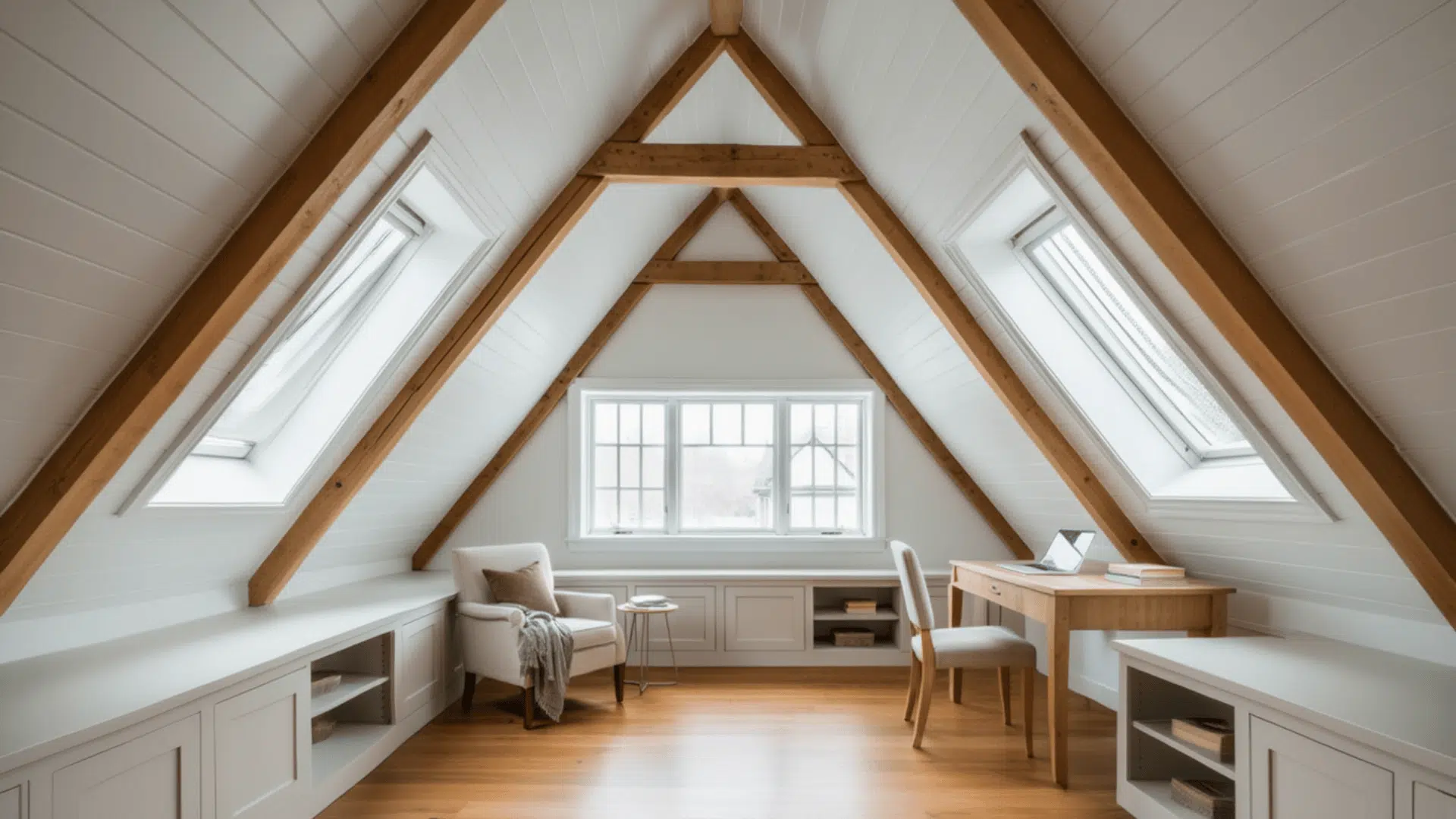
Attics often sit empty when they could become beautiful living spaces. Converting this unused area adds square footage without changing the home’s footprint, and the vaulted ceilings create character.
- Best uses: Bedrooms, offices, art studios, libraries, kids’ hideaways, storage rooms
- Cost estimate: $40,000–$90,000, including stairway access
- Designing tips: Add dormers to increase headroom and natural light throughout the space
- Pro tip: Spray foam insulation works best in attics to manage temperature and reduce energy bills
11. Mudroom Addition
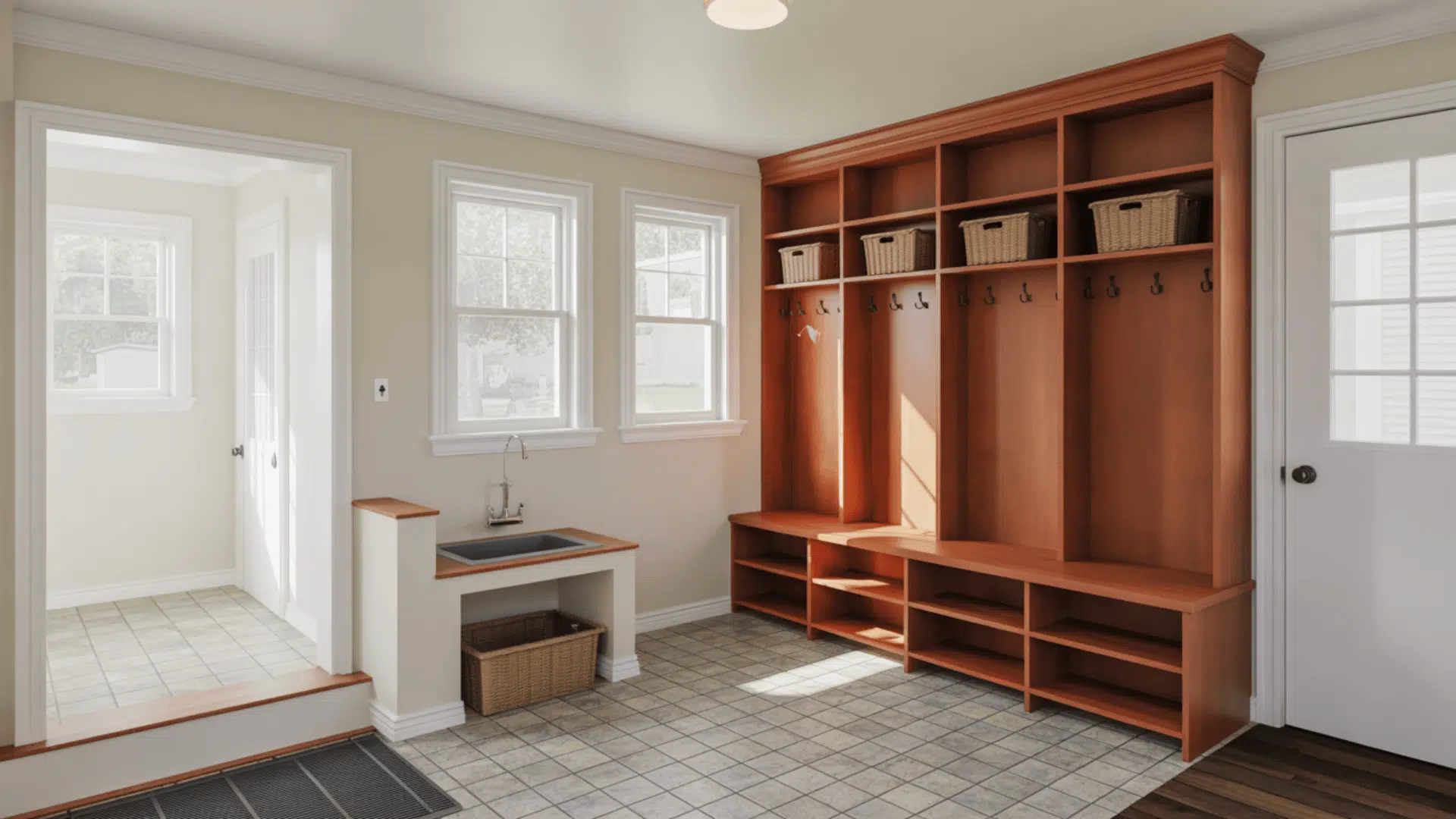
Mudrooms keep dirt, coats, and clutter contained right at the entrance. This small addition makes a huge difference in keeping the rest of the house clean and organized.
- Best uses: Entryway storage, coat closets, shoe cubbies, backpack stations, pet washing areas
- Cost estimate: $8,000–$20,000 for basic mudrooms
- Designing tips: Include built-in benches with storage underneath and plenty of hooks at different heights
- Pro tip: Position the mudroom between the garage and kitchen for maximum convenience during grocery hauls
12. Home Office Addition
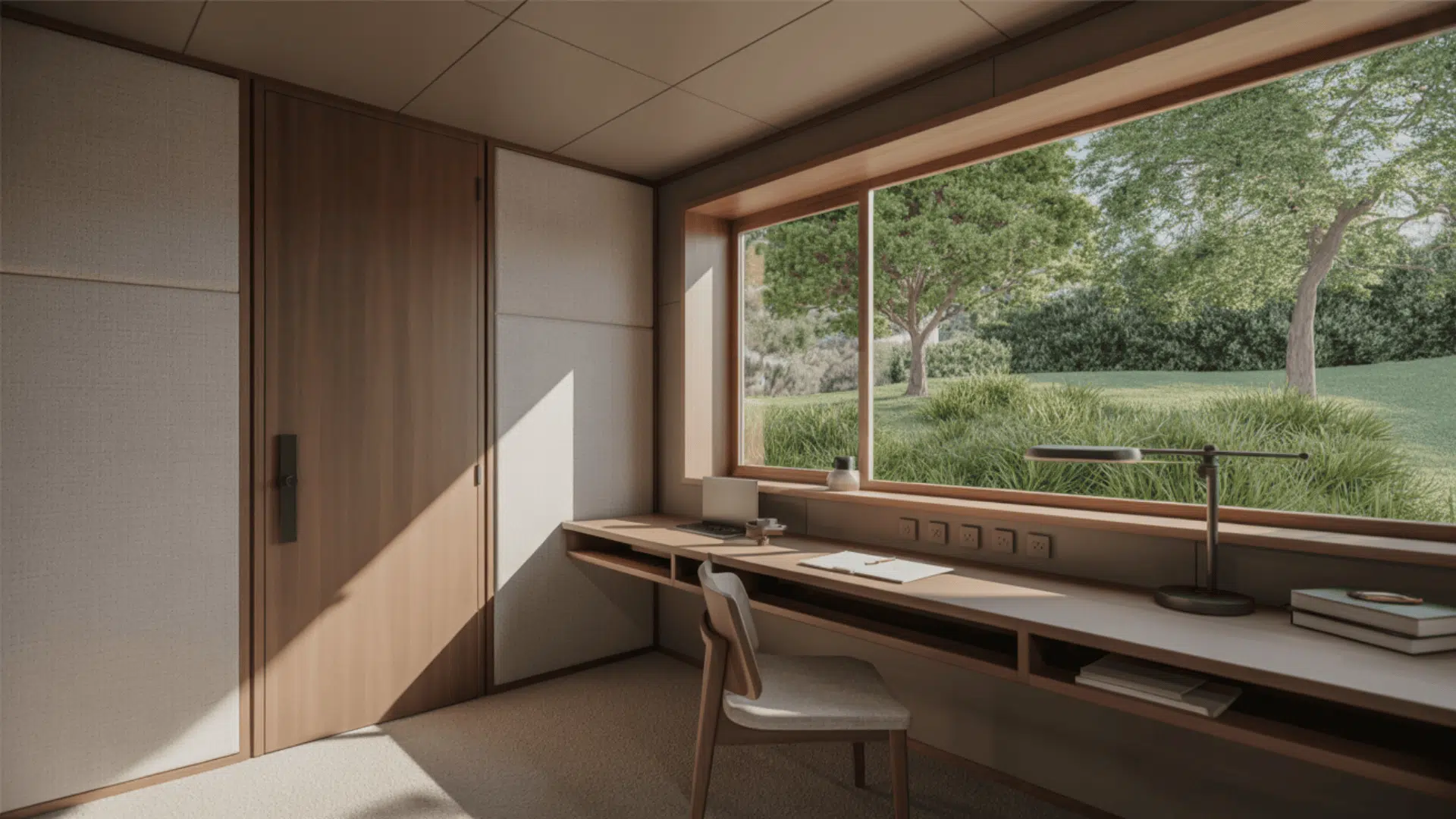
Remote work is here to stay, and a dedicated office helps people focus without household distractions. This space creates clear boundaries between work life and home life.
- Best uses: Remote workspaces, video call backgrounds, client meeting rooms, creative studios, study areas
- Cost estimate: $20,000–$50,000 for standalone offices
- Designing tips: Include plenty of outlets, strong Wi-Fi, and sound-dampening materials for video calls
- Pro tip: Position the office away from high-traffic areas and add a door with a lock for privacy
13. Covered Porch or Deck Addition
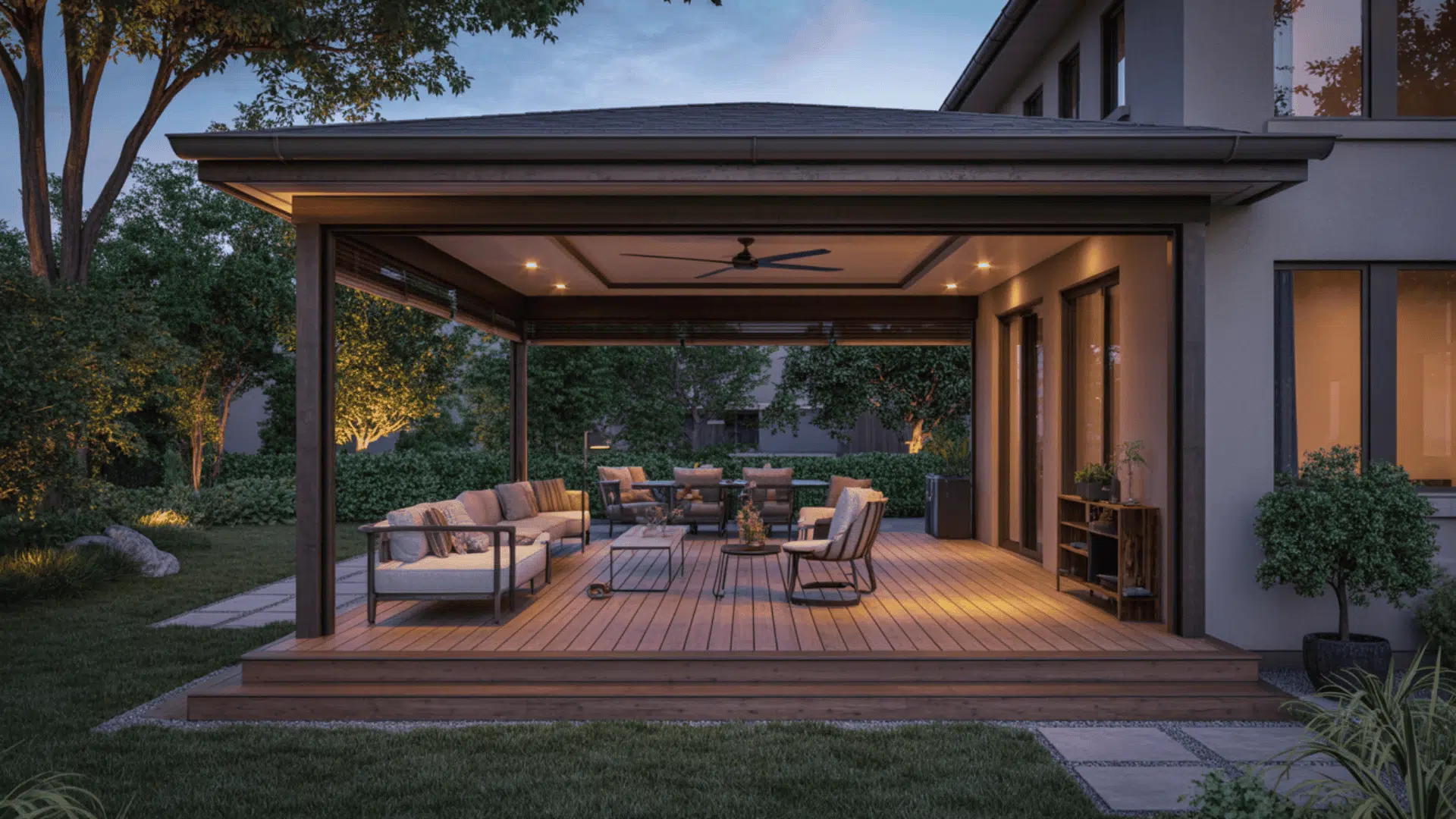
Outdoor living spaces extend the home’s usable area and create spots for relaxation and entertaining. Covered versions protect from sun and rain, making them useful year-round.
- Best uses: Outdoor dining, grilling stations, morning coffee spots, evening relaxation, entertaining guests
- Cost estimate: $15,000–$40,000 for covered porches or decks
- Designing tips: Use composite decking materials for low maintenance, and add screens to keep bugs out
- Pro tip: Ceiling fans and outdoor heaters stretch the seasons so families can enjoy the space longer
14. In-Law Suite or ADU
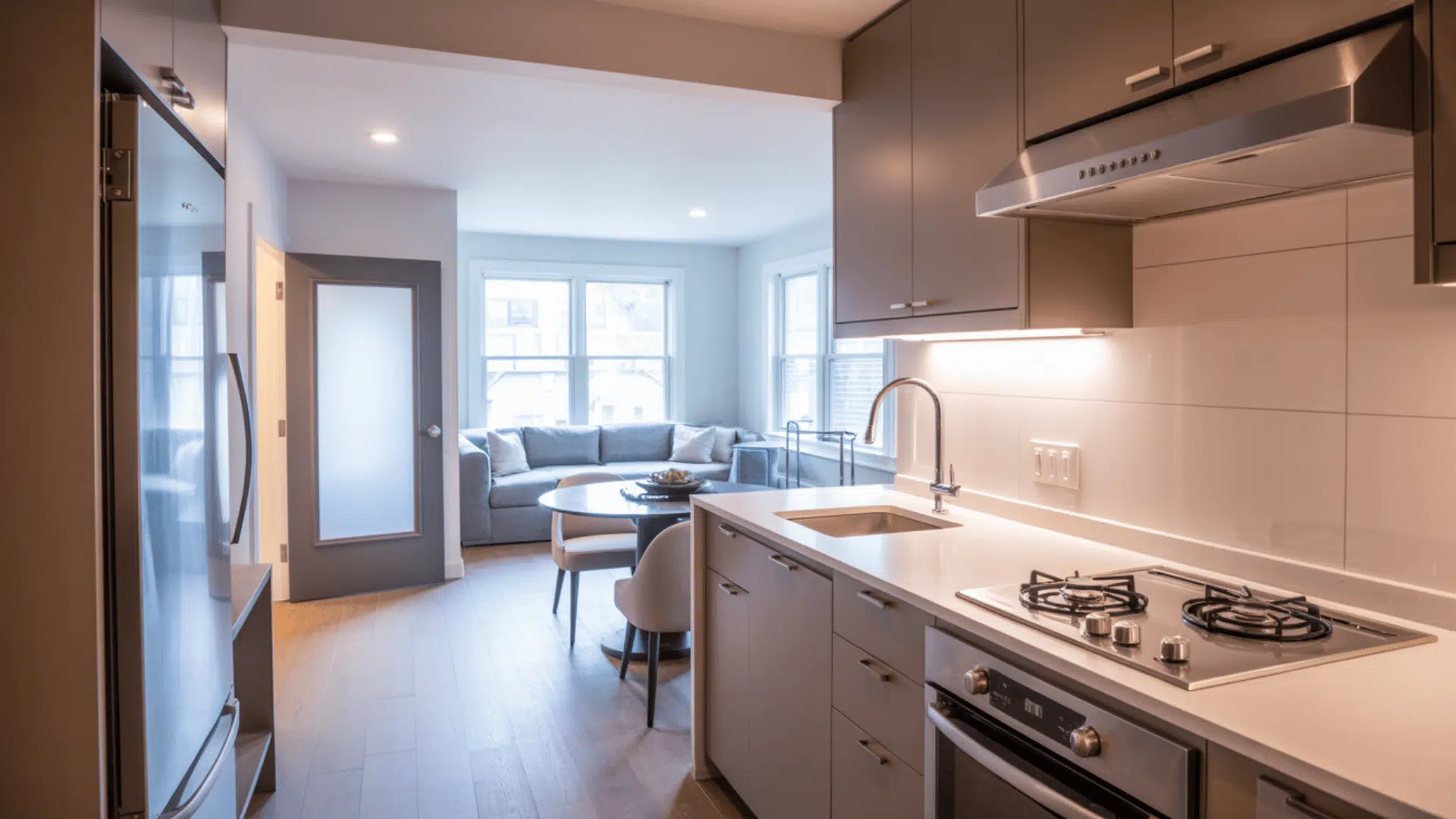
Accessory dwelling units give families flexible space that can serve multiple purposes over time. They work as guest houses, rental income properties, or private retreats for aging parents.
- Best uses: Multigenerational living, Airbnb rentals, home offices, teen hangouts
- Cost estimate: $50,000–$150,000, depending on whether it’s attached or detached
- Designing tips: Include a separate entrance anda small kitchenette for maximum independence and versatility
- Pro tip: ADUs can increase property value significantly and provide steady rental income
15. Home Gym Addition
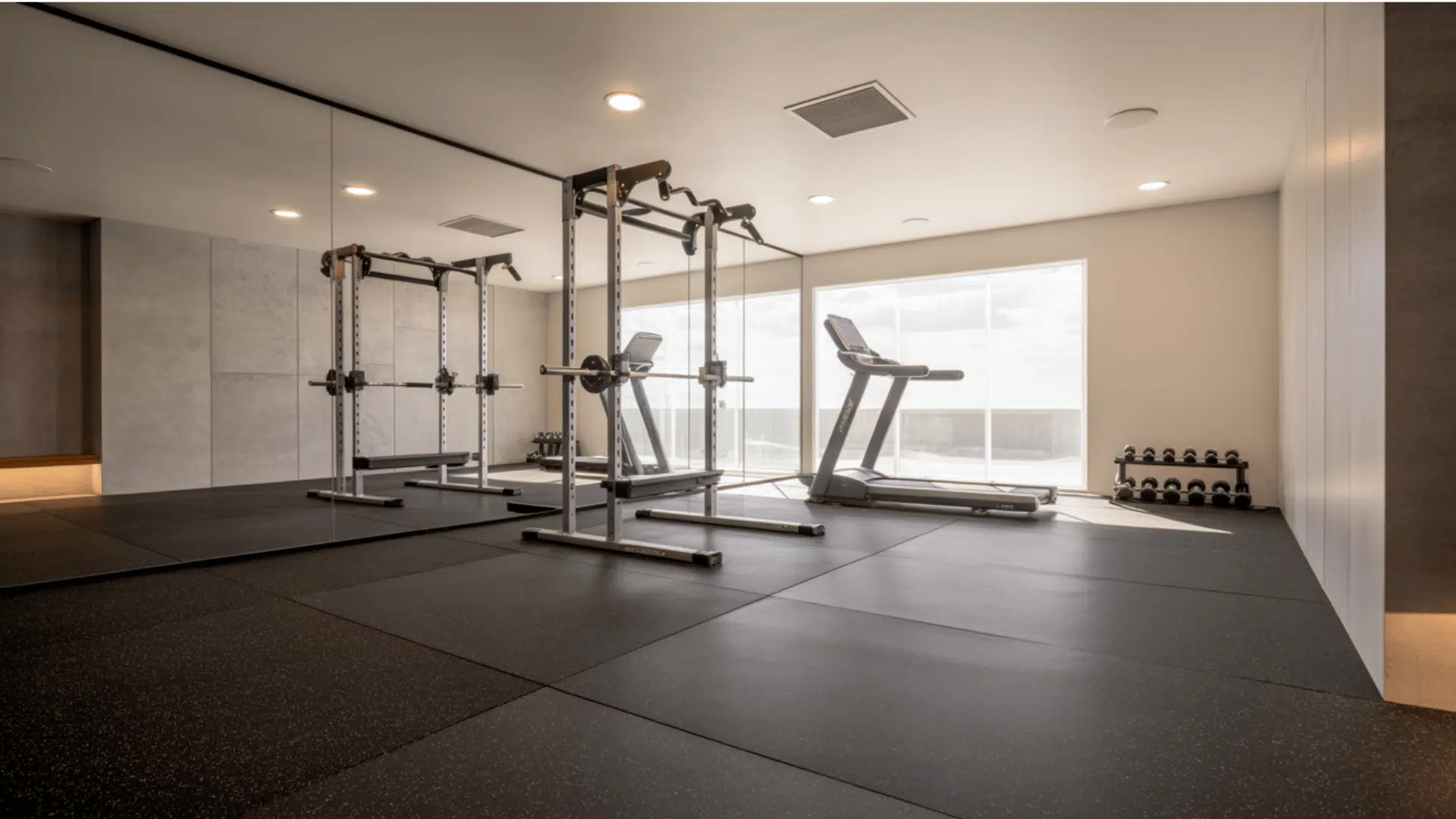
A dedicated gym space eliminates excuses and saves money on monthly memberships. Having workout equipment at home makes it easier to stay consistent with fitness goals.
- Best uses: Weight training, cardio areas, yoga studios, stretching zones, sports equipment storage
- Cost estimate: $10,000–$35,000 for basic gym spaces
- Designing tips: Use rubber flooring to protect the foundation and add mirrors to check form during exercises
- Pro tip: Convert a spare bedroom or garage first before building new, it’s cheaper and faster
Every budget has options, and every home has untapped potential. The best addition isn’t always the biggest one; it’s the one that solves real problems and fits the lifestyle needs.
Home Addition Ideas by Home Style
Not every addition fits every house. The home’s architectural style should decide the design choices so the new space looks like it’s always been there.
| Home Style | Best Addition Ideas |
|---|---|
| Ranch | Sunrooms, bump-outs, finished basements, covered patios |
| Colonial | Second-story additions, primary suite, symmetrical porches |
| Victorian | Wrap-around porches, tower rooms, and sunrooms with decorative trim |
| Craftsman | Covered front porches, mudrooms, and built-in window seats |
| Modern/Contemporary | Glass sunrooms, flat-roof additions, and home offices with clean lines |
| Cape Cod | Dormer additions, attic conversions, attached garages |
| Mediterranean | Covered patios, outdoor kitchens, courtyard spaces |
Tips for Getting More Value From a Home Addition
Getting the most out of an addition means thinking beyond just extra square footage. Smart planning and design choices help people create spaces that truly improve daily life while adding real value to the property.
- Plan for future needs, not just current ones: Think about how life might change in five or ten years, and design flexible spaces that can adapt as families grow or lifestyles shift.
- Don’t skimp on insulation and windows: Energy-efficient features cost more upfront but save money on utility bills each month, and they make the new space more comfortable year-round.
- Match existing architectural details: Using similar siding, trim, and roofing materials makes additions look original rather than tacked on as an afterthought.
- Maximize natural light: Strategically place windows to brighten spaces and reduce the need for artificial lighting during the day.
- Hire experienced contractors: Licensed professionals prevent costly mistakes and ensure the work meets building codes and safety standards.
Summing It Up
Expanding a home doesn’t have to be confusing or unaffordable. From budget-friendly garage conversions to luxurious primary suites, there are home addition ideas for every situation and budget.
The options are infinite, and each one brings something different to the table. Now comes the exciting part, turning plans into reality.
People who take time to research, budget carefully, and hire the right professionals set themselves up for success. The perfect addition is out there waiting, whether it’s a cozy sunroom or a full second story.
Ready to get started? Connect with a local contractor today to discuss which addition makes the most sense and start building the extra space that’ll change everyday living for the better.