Planning a bathroom update? One measurement can make or break your daily routine.
Bathroom vanity depth affects everything. Too deep, and you’re squeezing past it every morning. Too shallow, and you’re splashing water everywhere while washing your hands.
Most people don’t think about this measurement until after they buy. Then they realize the vanity crowds the door. Or it leaves plumbing exposed.
The correct depth depends on your bathroom size and how you use the space. But which one fits your needs?
Bathroom Vanity Depth: What It Is And Why It Matters
Bathroom vanity depth is the distance from the wall to the edge of your vanity. This is the front-to-back measurement, not the side-to-side width.
Think of it as the amount of floor space the vanity takes up. A deeper vanity projects farther into the room. A shallow one stays closer to the wall.
Bathroom vanity depth affects both comfort and how easily you can move around.
Too deep feels cramped and blocks doors or walking space, while too shallow limits counter, sink comfort, and storage. The right depth balances movement room with enough surface and storage.
Getting this measurement right makes your bathroom work smoothly. Getting it wrong creates frustration every single day.
What Is the Standard Vanity Depth?
Most bathroom vanities measure between 20 and 21 inches deep. This is the industry standard you’ll find in stores and online.
The 21-inch measurement has become the most common choice. You’ll see this depth in countless bathrooms across the country.
Vanity depth is how far it sticks out from the wall, which affects walking space and floor area, so it matters most for fitting the vanity comfortably.
Width runs left to right and affects sink/counter space, while height is from floor to countertop, usually around 32–36 inches. If you’re also planning mirror placement, this bathroom mirror height guide keeps everything aligned.
It fits most sink basins, leaves room for plumbing and toiletries, and keeps the vanity easy to reach without crowding smaller bathrooms.
Different Bathroom Vanity Depth Options
Bathroom vanities come in several depth options to fit different spaces and needs. Understanding these options helps you choose the right fit for your bathroom.
1. Shallow Depth Vanities (16-18 Inches)
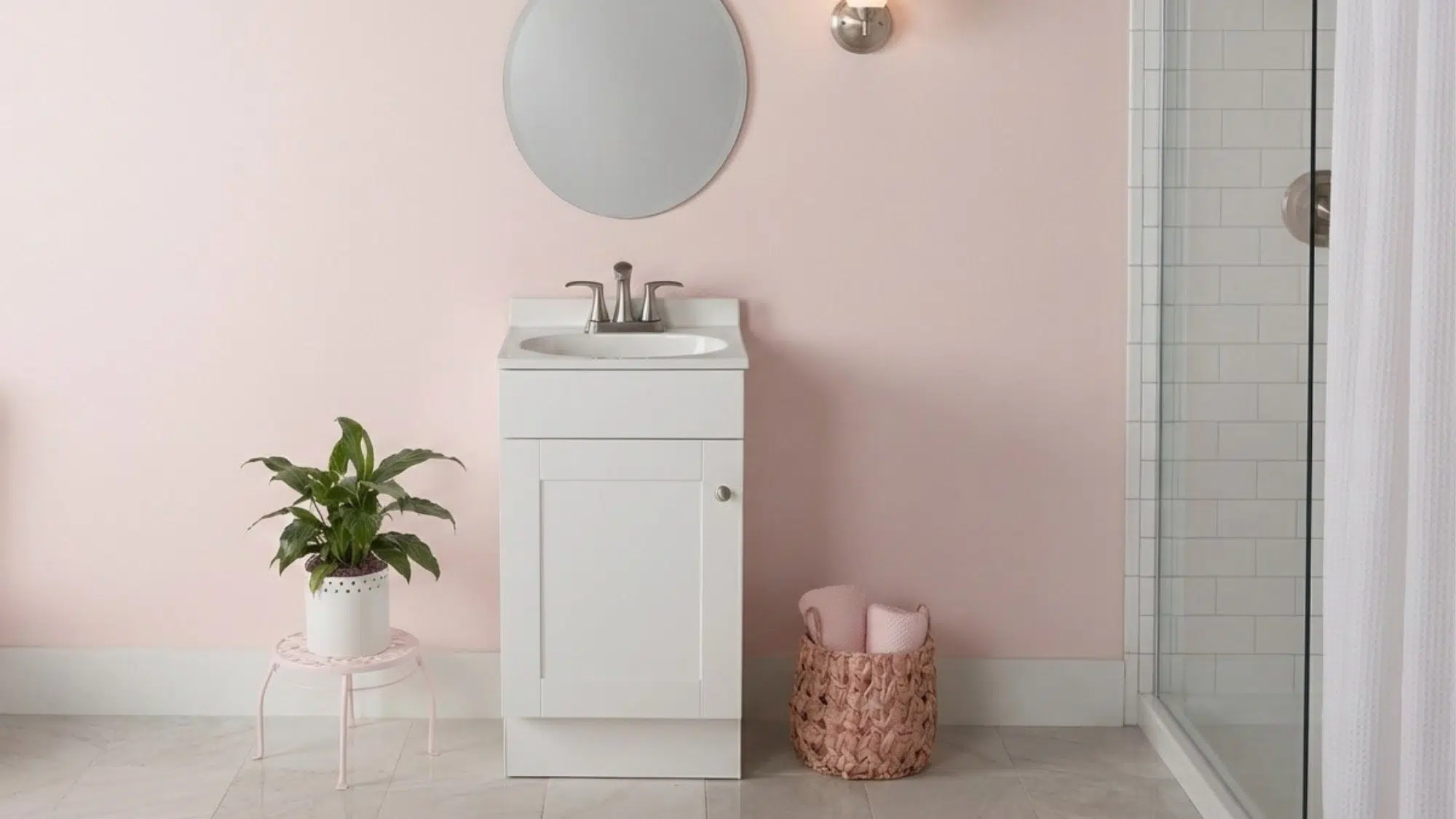
Shallow vanities are ideal for small bathrooms because they free up walking space and make it easier to open doors and move around.
The trade-off is smaller sinks, less counter space, and reduced storage, so you’ll need to keep the countertop and supplies more minimal.
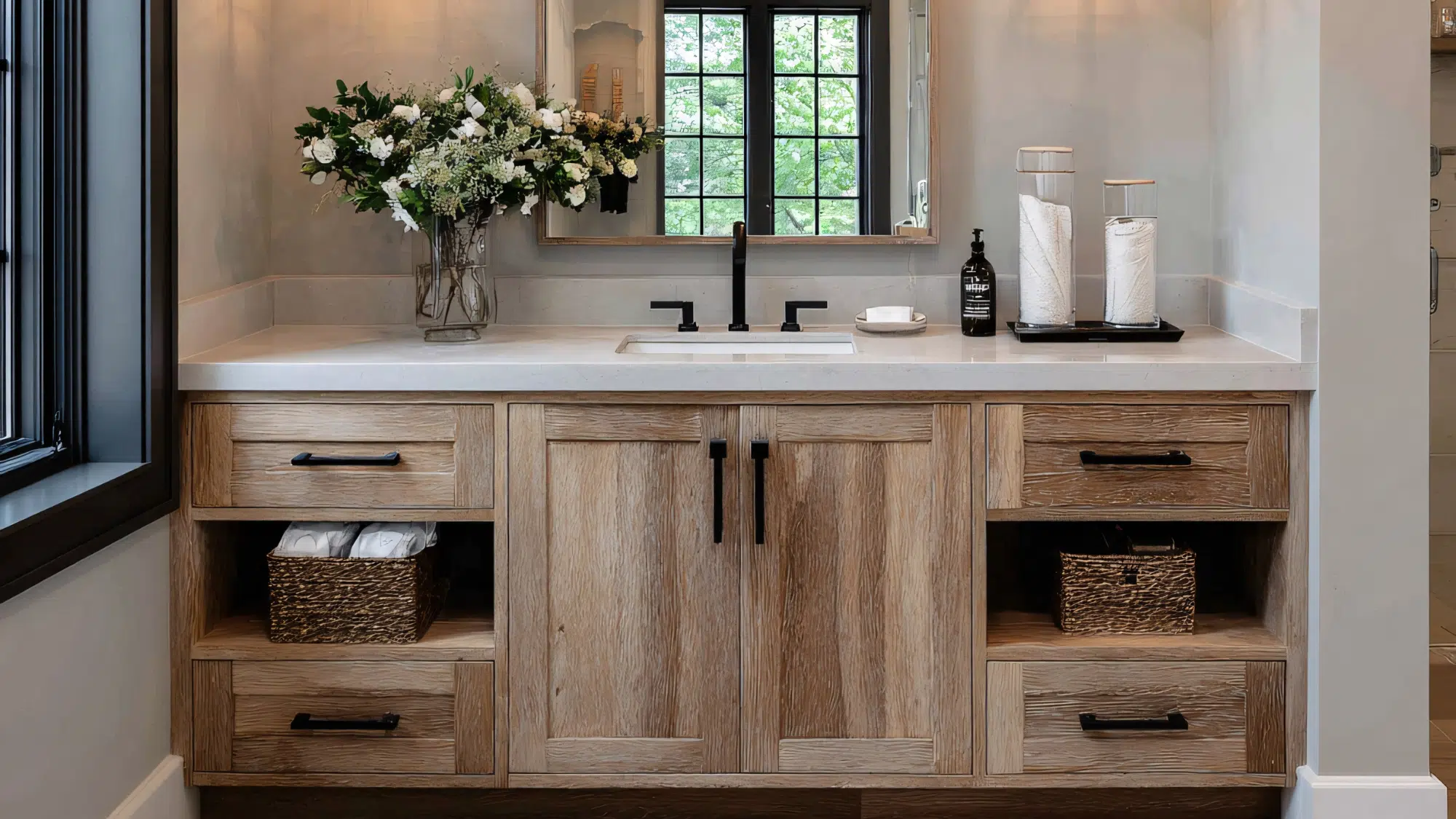
2. Standard Depth Vanities (20-21 Inches)
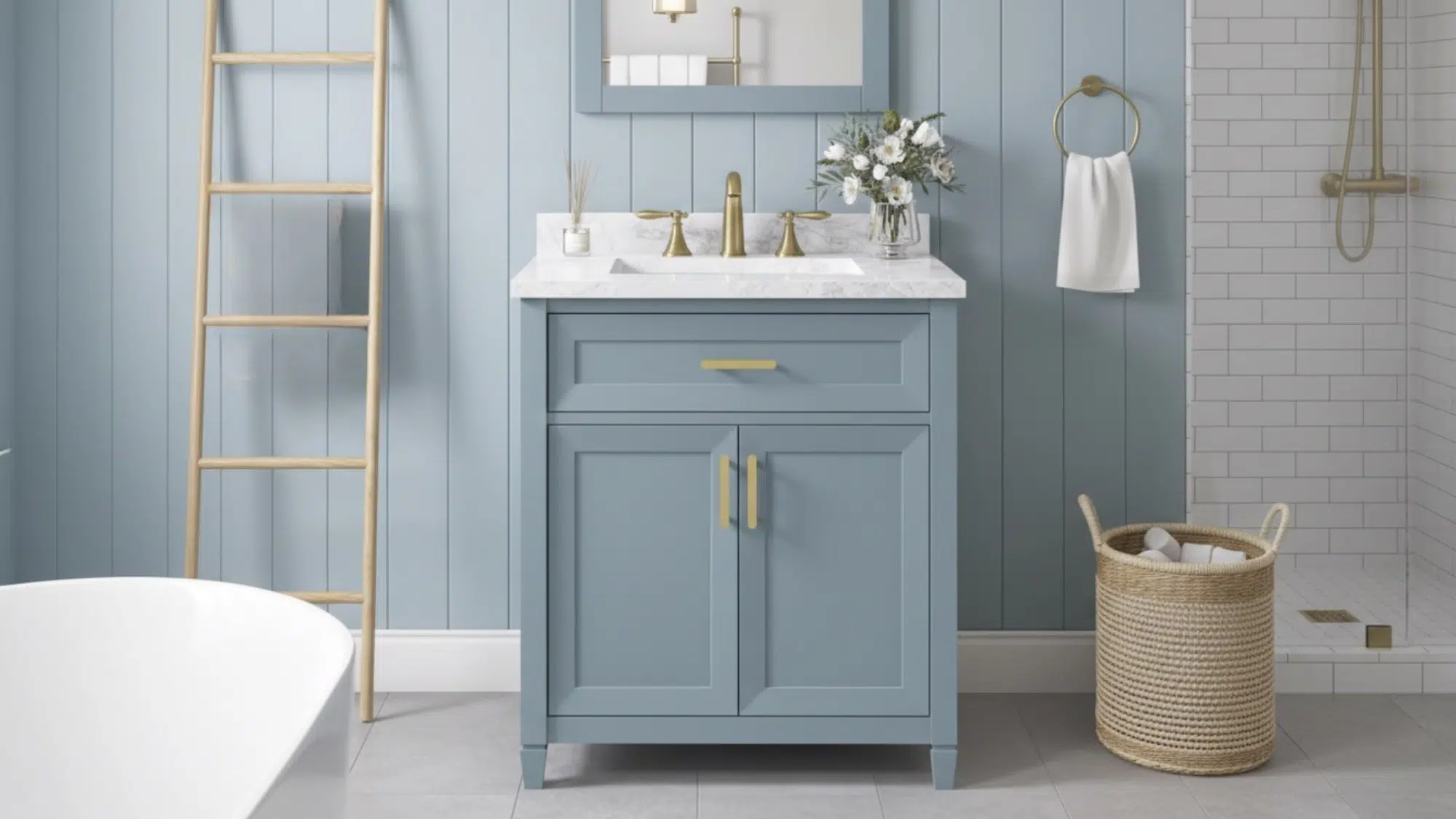
A 20–21 inch vanity depth is the most common standard and fits most bathrooms. It offers a solid balance of counter space and walking room while still comfortably fitting a standard sink.
You also get practical storage for full-size items, towels, and cleaning supplies.
3. Deep Vanities (22-24 Inches)
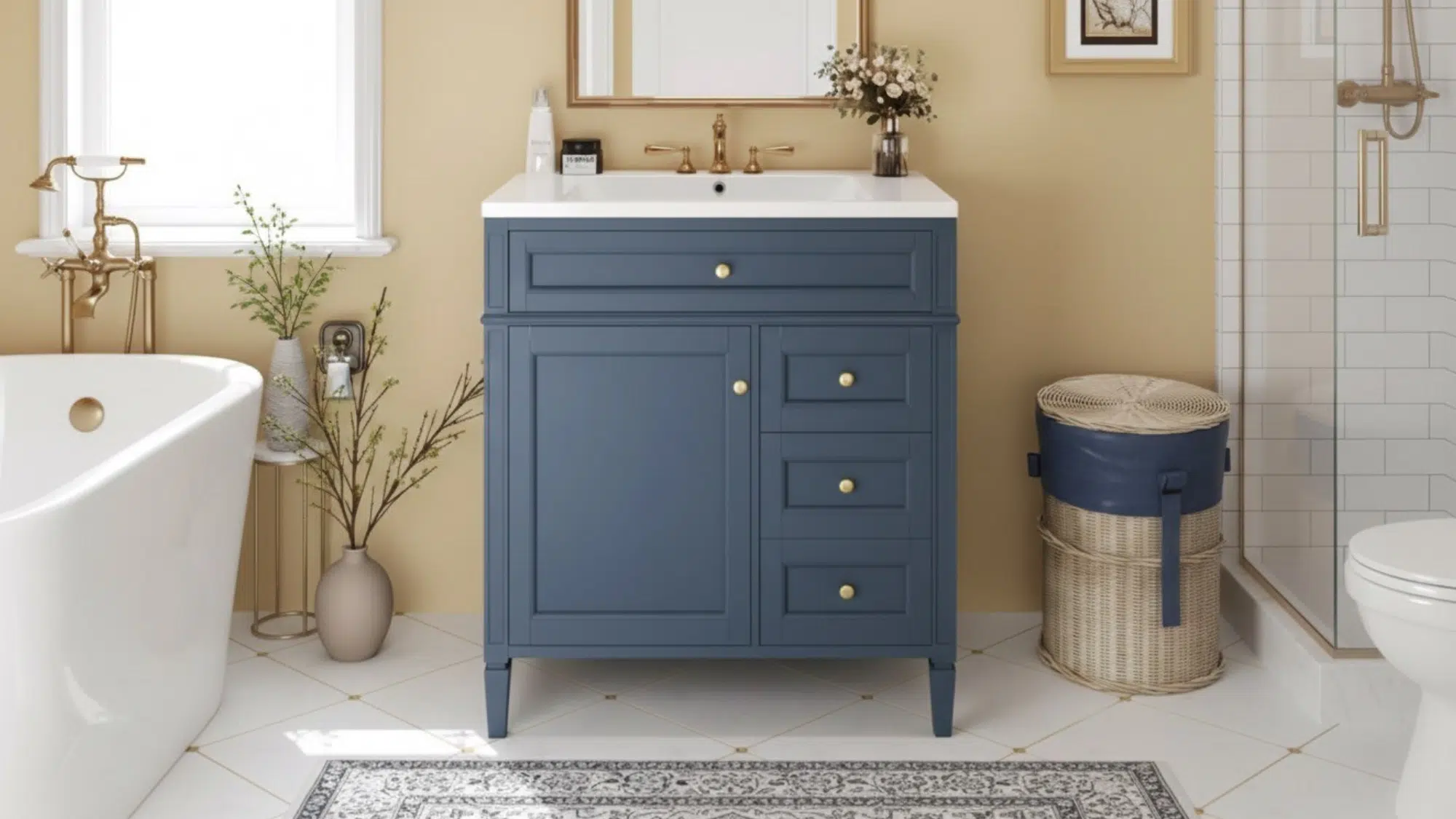
Deep vanities (22–24 inches) are ideal for larger bathrooms, giving you the most counter space and storage.
The extra depth makes it easier to share the sink area and store bulky items like hair tools and big bottles. Just keep at least 30 inches of clear space in front for comfortable use.
Clearance Rules That Prevent Regrets
Building codes and design standards set guidelines for bathroom vanity clearances. Following these guidelines prevents cramped, uncomfortable spaces and ensures your bathroom works smoothly every day.
Code Minimum: 21 Inches
Most U.S. building codes, including the International Residential Code (IRC) and International Plumbing Code (IPC), recommend at least 21 inches of clear floor space in front of a vanity or sink.
This minimum lets you stand at the sink and meets basic accessibility requirements. Keep in mind that local codes may vary, so check your area’s regulations before installation.
Recommended Standard: 30 Inches
For everyday comfort, the National Kitchen & Bath Association (NKBA) recommends 30 inches of clearance in front of your vanity. This gives you room to move naturally and bend down to access storage.
It also allows another person to pass by while you’re at the sink. Whenever possible, aim for 30 inches – it makes your bathroom feel much more open and functional.
How To Measure Vanity Depth In 3 Steps
Measuring your bathroom vanity depth correctly prevents installation problems and ensures proper fit. Follow these three simple steps to get accurate measurements.
- Measure Wall To Vanity Front: Start at the wall where the vanity will sit. Measure straight out to the front edge of the vanity (or your planned front line) and note the inches.
- Check Total Clearance: Measure from that same wall to the opposite wall, toilet, or shower edge. Subtract your planned vanity depth and ensure you have at least 30 inches of clearance for comfortable movement.
- Include Countertop Overhang: Remember the countertop usually extends 1–2 inches past the cabinet (sometimes more). Add the overhang to the cabinet depth and use that total when double-checking clearances.
Bathroom Vanity Depth By Bathroom Size
The size of your bathroom plays a significant role in choosing the proper vanity depth. Different spaces have different requirements for comfort and function.
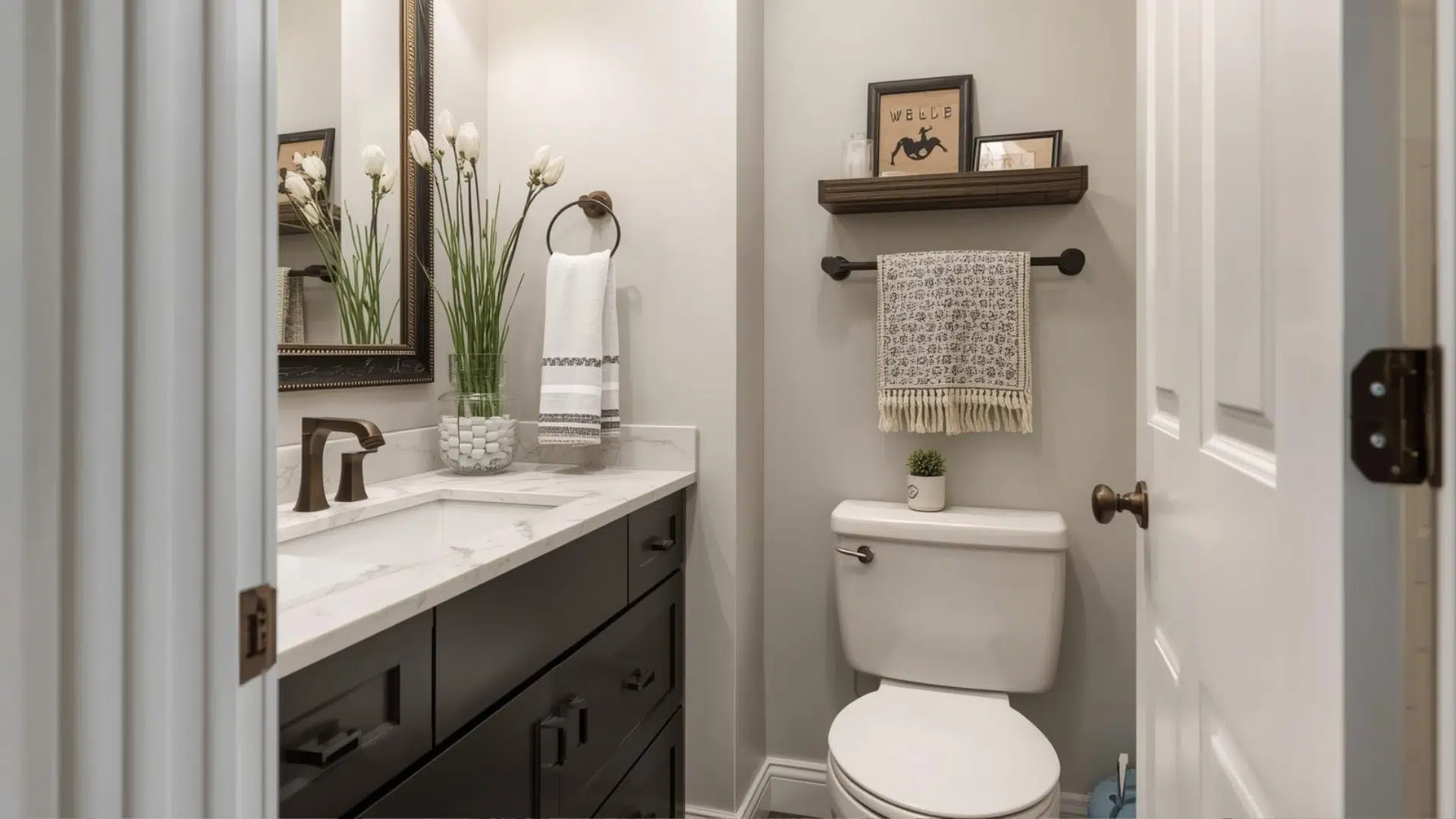
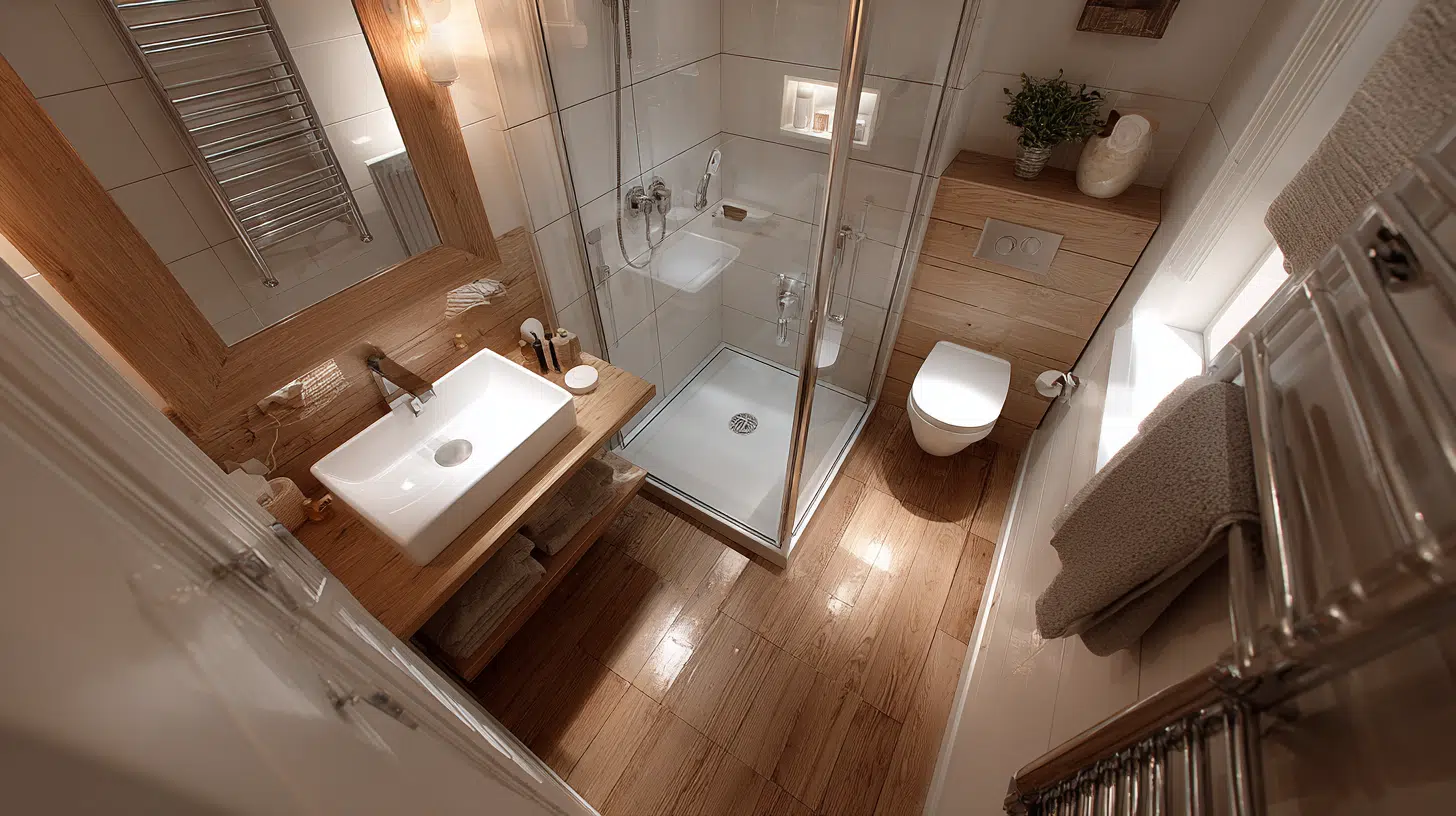
1. Small Bathrooms And Powder Rooms
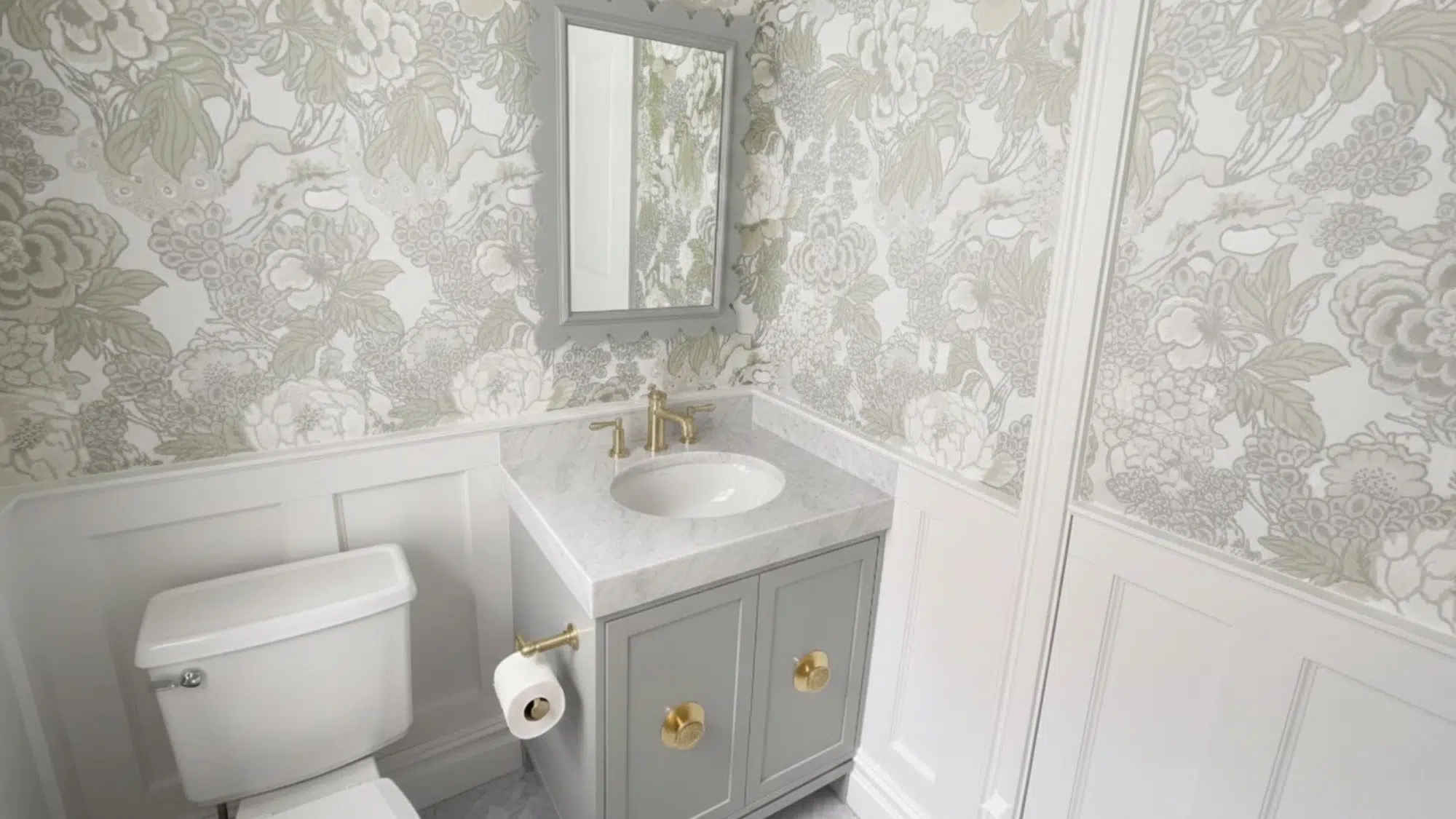
Small bathrooms need careful planning. Every inch of floor space matters in these tight areas.
A 16–18-inch shallow vanity works best if your wall-to-obstruction depth is tight (for example, under about 48 inches), as it protects your front clearance.
Consider a wall-mounted or pedestal option if even 16 inches feels too deep. These alternatives open up floor space while still providing a functional sink.
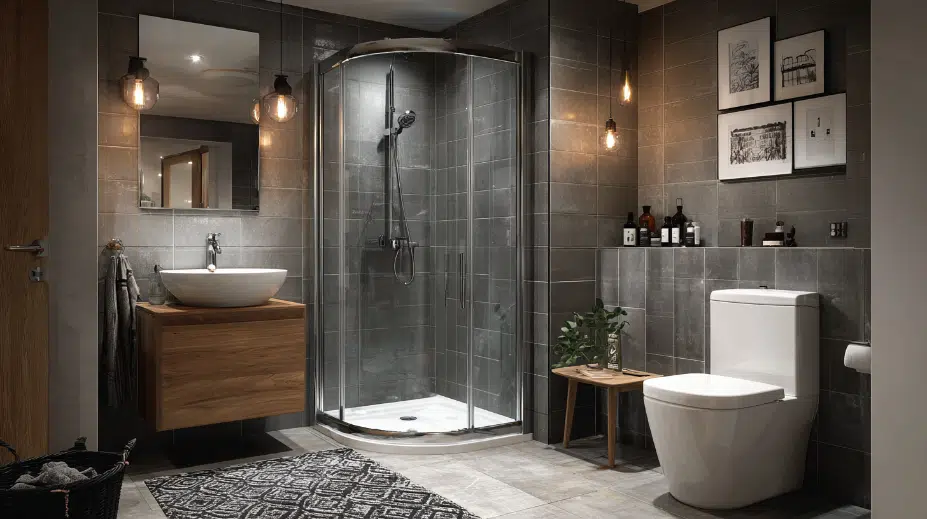
2. Standard Full Baths
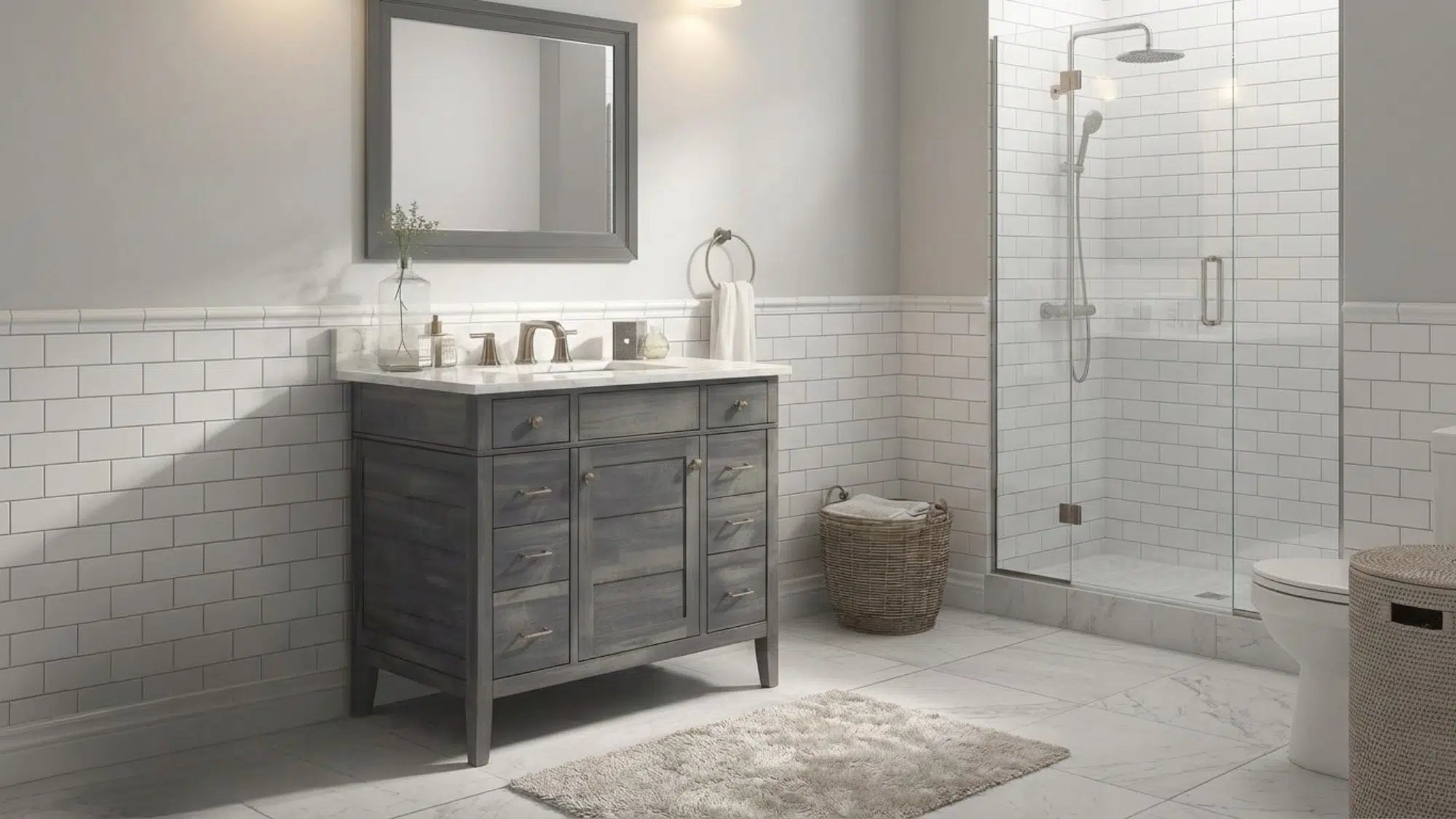
Most full bathrooms work well with standard vanity depth measurements.
Standard depth is usually 20–21 inches, so it fits most full baths. You get adequate counter space and storage without crowding the room.
Full baths usually measure at least 5 feet by 8 feet. This gives you the 30 inches of clearance you need in front of a standard depth vanity. There’s room for basic toiletries on the counter and storage underneath.
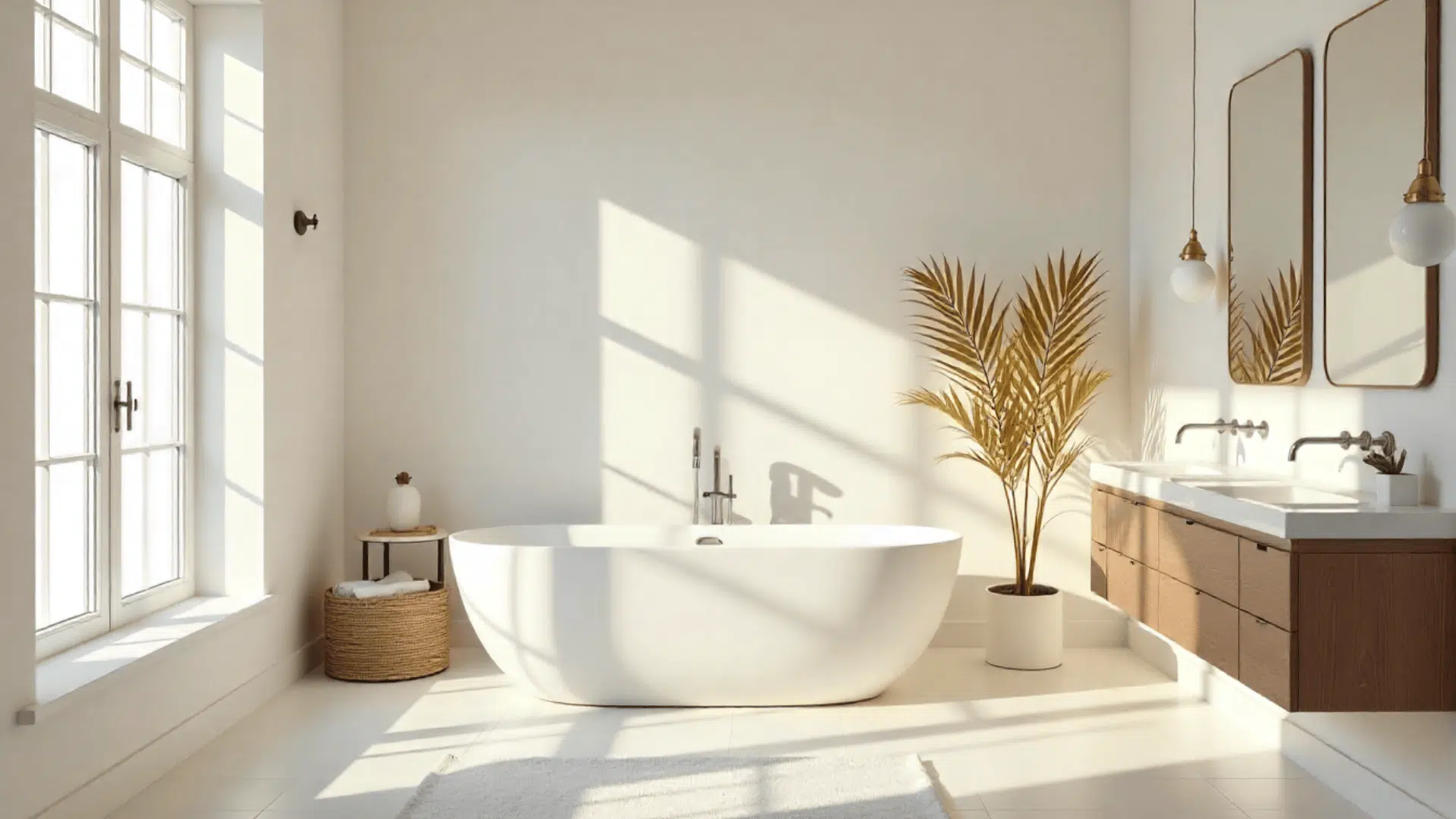
3. Primary Bathrooms And Double Vanities
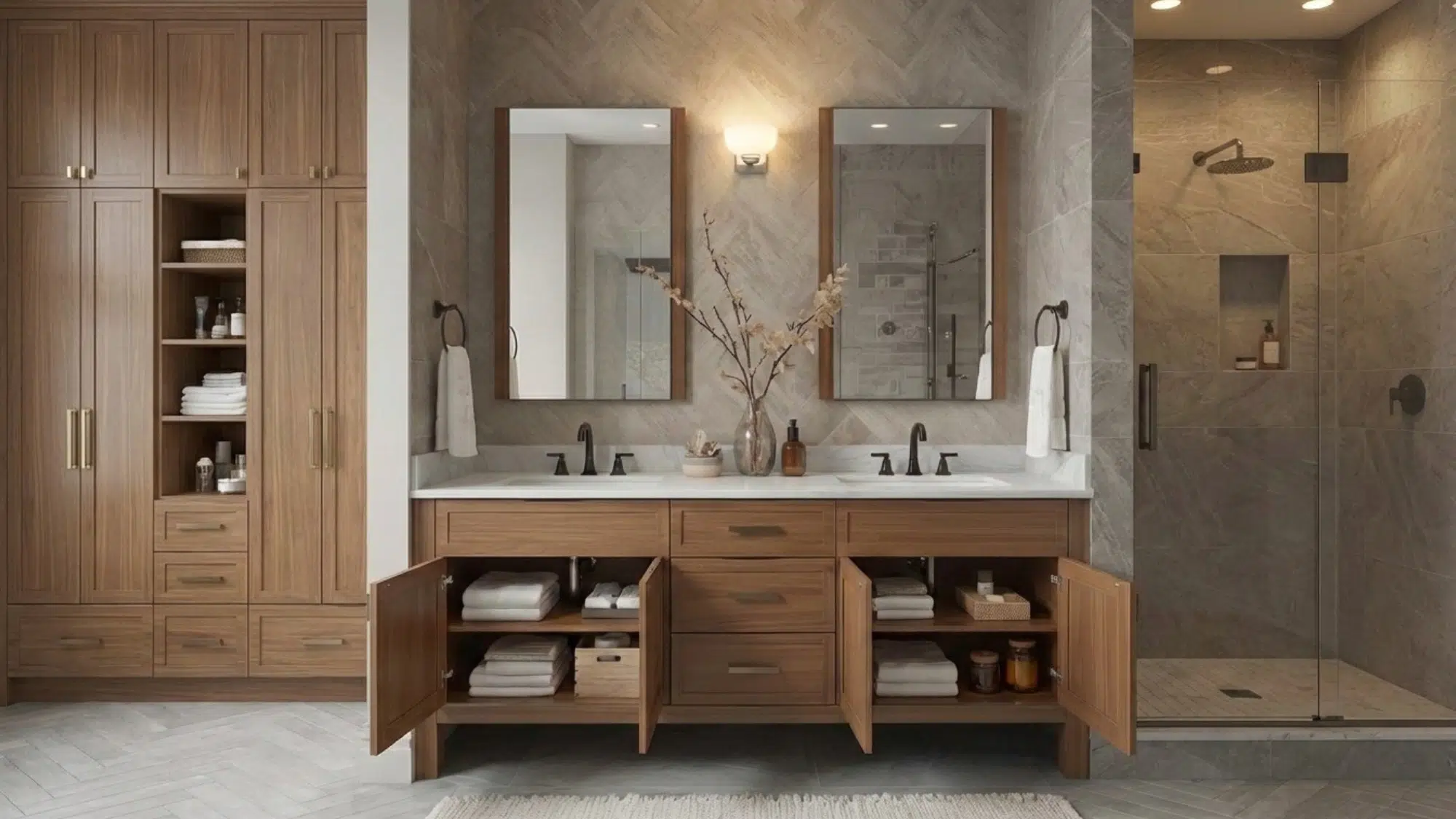
Primary bathrooms often have more square footage to work with. This extra space lets you choose deeper vanities without compromising comfort.
A 22 to 24-inch bathroom vanity depth can feel more balanced in a large primary bath. The deeper profile better matches the scale of the room.
Double vanities especially benefit from extra depth. Two people sharing the counter need more surface area for their items.
Deep vanities in primary baths provide premium storage. You can organize products for two people without the space feeling cluttered.
Wall-Hung vs Freestanding Vanities
The mounting style you choose affects how your bathroom vanity depth impacts the overall feel of your space. Both options have distinct advantages.
| Factor | Wall-Hung Vanity | Freestanding Vanity |
|---|---|---|
| Space Feel at Similar Depths | Feels more open because the floor stays visible | Can feel it heavier since it sits on the floor |
| Depth Planning | Even deeper sizes can look less bulky | Deep vanities feel more noticeable in tight layouts |
| Storage | Usually, there is less storage space | Usually, there is more storage space |
| Plumbing | May need planning to conceal plumbing | Easier to hide plumbing inside the cabinet |
| Best For | Airy look, tighter layouts | More storage, hides plumbing easily |
Choosing between wall-hung and freestanding comes down to the vibe you want and the storage you need. Match the style to your layout, then plan depth and clearances with confidence.
Factors that Affect Bathroom Vanity Depth
Several practical factors influence which bathroom vanity depth works best for your space. Understanding these elements helps you avoid problems during installation.
- Plumbing + Clearances: Fixed supply/drain locations often push you toward standard depths; shallow vanities may need costly pipe changes. Measure pipe entry points and allow a few extra inches for clearance.
- Door Swing + Fixture Choices: Make sure the vanity depth stays out of the door’s swing path (leave 2–3 inches extra). Sink and faucet types also matter: vessel and deck-mounted setups often need more depth, while wall-mounted options can work with less.
- Storage + Drawer Use: Shallower vanities reduce drawer space and can limit the storage of bulky items; deeper ones add storage but can be harder to reach. Full-extension slides help, and plumbing can steal drawer space at any depth.
After checking plumbing, door swing, fixture needs, and storage, you can choose a vanity depth that installs smoothly and feels comfortable to use every single day.
How to Choose the Right Bathroom Vanity Depth
Choosing the right bathroom vanity depth is about ensuring the space works for you every day. Start by looking at how much open floor space you have – ideally, at least 30 inches in front of the vanity for comfortable movement.
If space is tight, a shallower depth of 16-18 inches may be better. Think about doors too, including bathroom and cabinet doors, and make sure the vanity won’t block them.
Consider what you store on the countertop and in the drawers; bulky items often require a deeper vanity. If two people use the sink at the same time, extra depth can help keep counters clear.
Finally, check plumbing lines, as shallow cabinets may require adjustments.
Common Bathroom Vanity Depth Mistakes
Many people make avoidable errors when choosing a bathroom vanity depth. Learning from these common issues helps you make a better choice. Here are the biggest mistakes to watch out for.
- Skipping Clearance Measurements: Not measuring can leave less than 30 inches in front, making the bathroom feel cramped.
- Ignoring Plumbing Placement: A vanity that’s too shallow may not cover pipes, and relocating plumbing can be costly.
- Forgetting Countertop Overhang: Countertops usually add 1–2 inches to total depth, which matters in tight spaces.
- Not Planning for Drawer and Door Swing: Drawers and cabinet doors need enough space to open fully without hitting fixtures or you.
- Blocking the Bathroom Door: If the vanity sits in the door’s swing path, it creates a daily usability and code issue.
Paying attention to these mistakes can save frustration and costly adjustments. Measuring carefully, checking plumbing, and allowing room for doors and drawers ensure your vanity fits and functions smoothly.
Find Your Perfect Fit
Choosing the proper bathroom vanity department doesn’t have to be complicated.
Start with your measurements. Know your space before you shop. Standard depths work for most homes, but your bathroom might need something different.
A well-chosen vanity makes your bathroom work better every single day. You’ll have the counter space you need without feeling cramped. Storage stays accessible. Everything flows.
The difference between these inchesmight seem small on paper. But in your bathroom, it changes everything about how comfortable you feel. Considering bathroom vanity depth can make all the difference.
Ready to choose your vanity? Bookmark this blog for when you’re ready to shop.