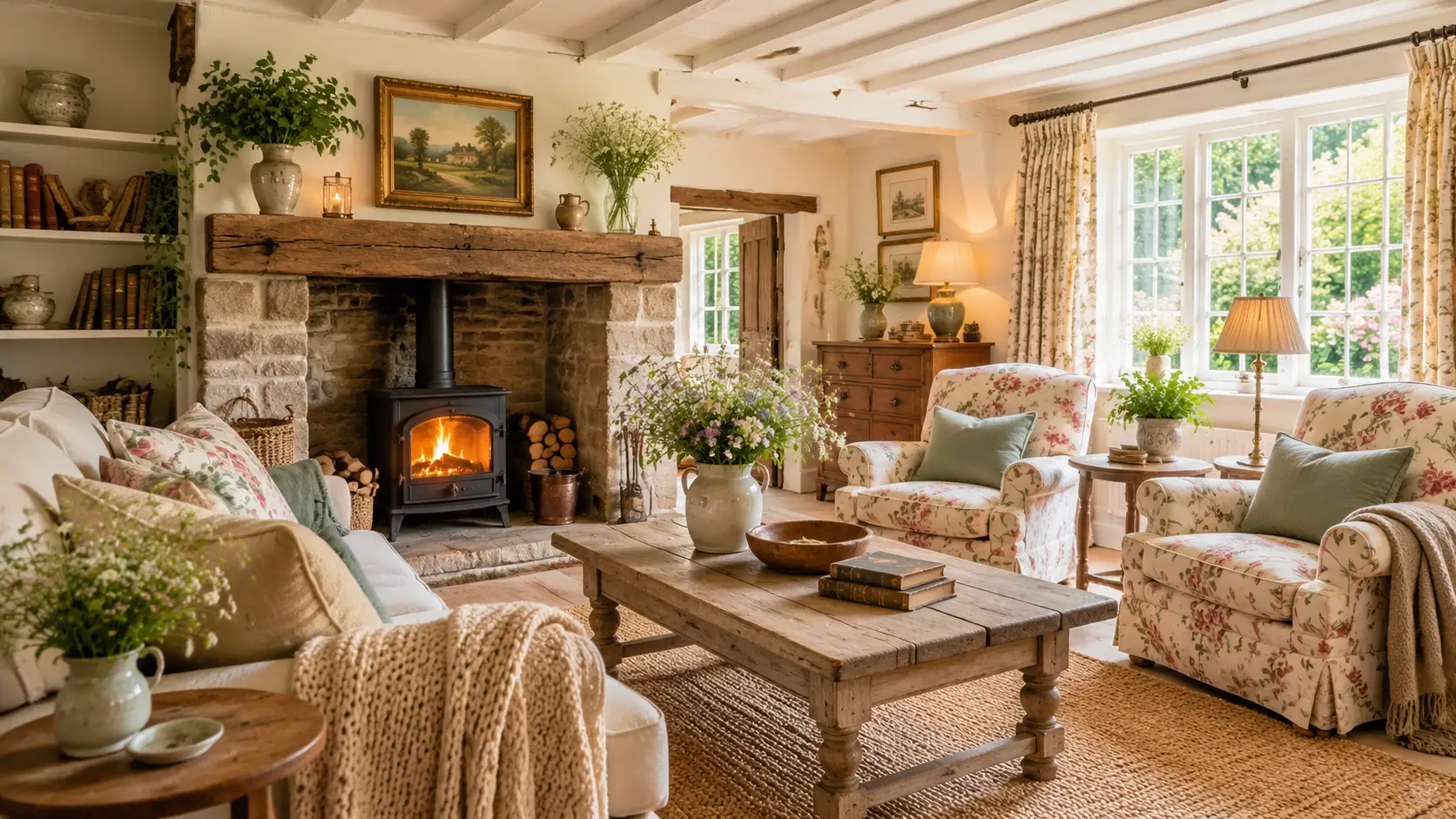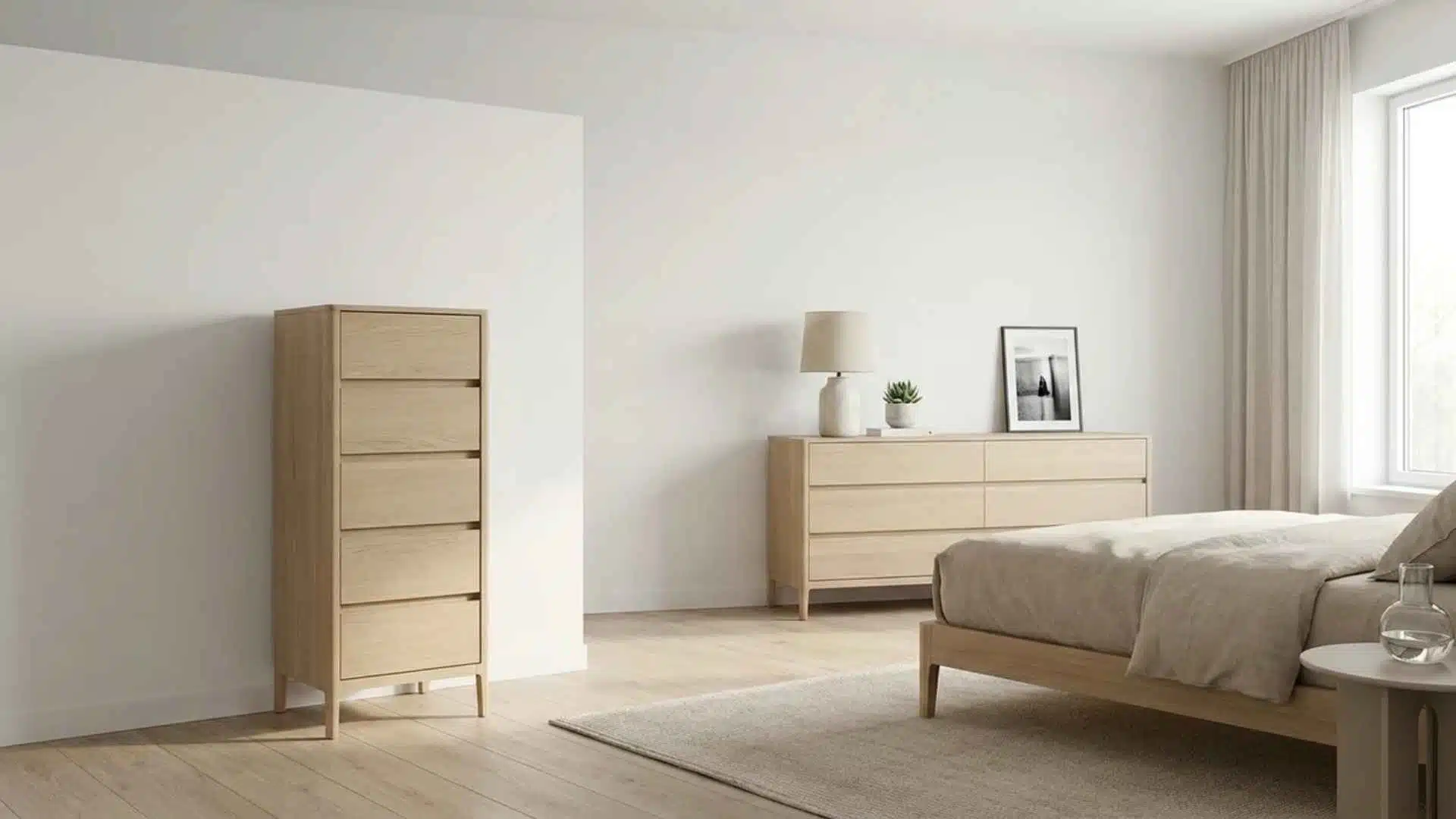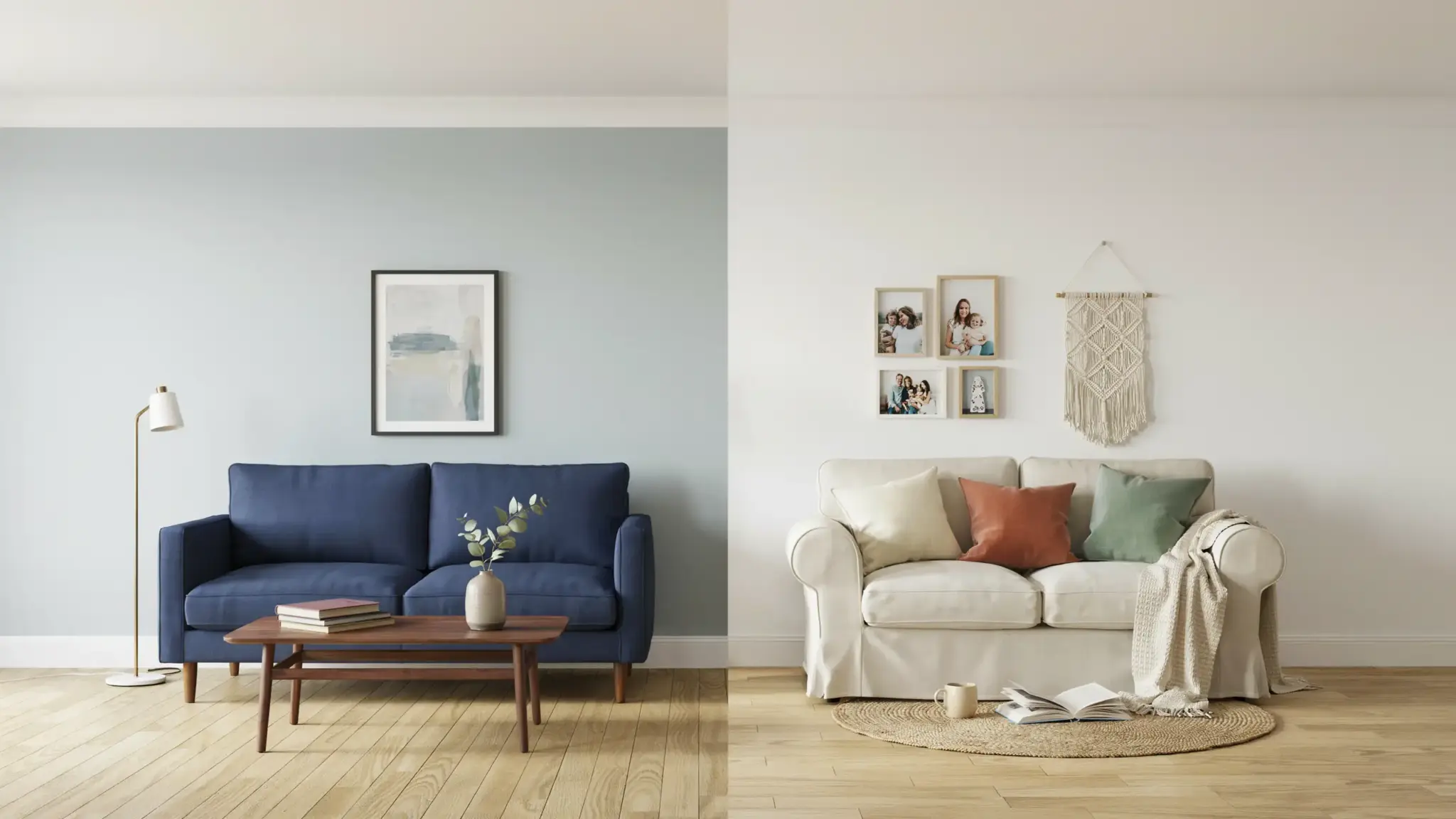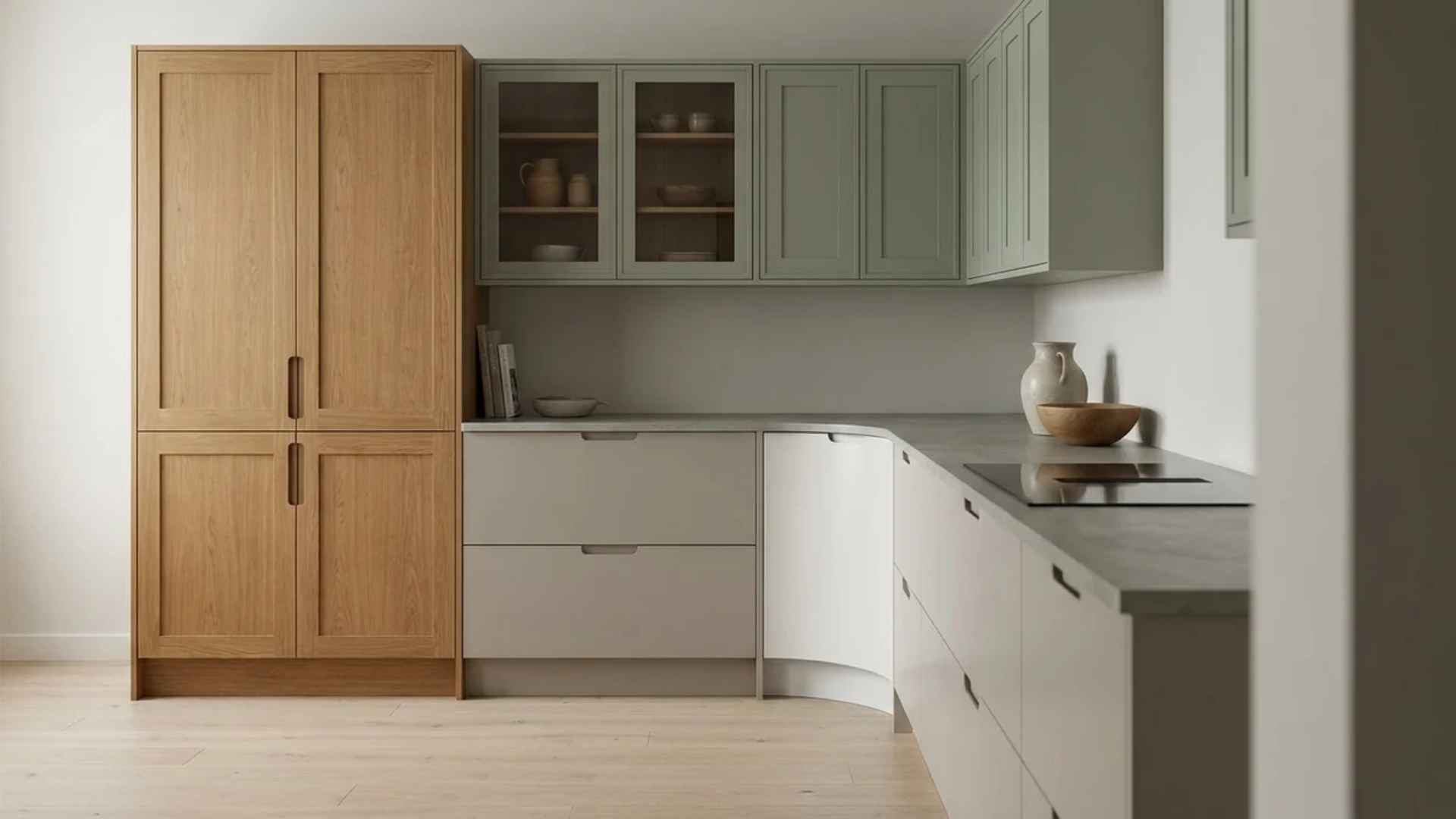
Everything’s in place, but your room still feels flat.
That’s one of the most frustrating spots to be in — you’ve picked the colors, arranged the furniture, and it still doesn’t feel right. Nine times out of ten, the missing piece is texture in interior design.
Texture in interior design is the difference between a room that looks complete and one that feels alive. It’s what makes you want to curl up on a sofa or run your hand along a wall. It creates depth without adding clutter.
Most people know texture matters. But they don’t know which textures to pick or where to put them.
You’re about to learn what texture actually means, why it changes how a room feels, and how to layer it the right way. No more flat spaces. No more messy-looking rooms.
Just simple techniques that make any space feel fuller and more finished.
What Is Texture In Interior Design?
Texture in interior design works in two ways.
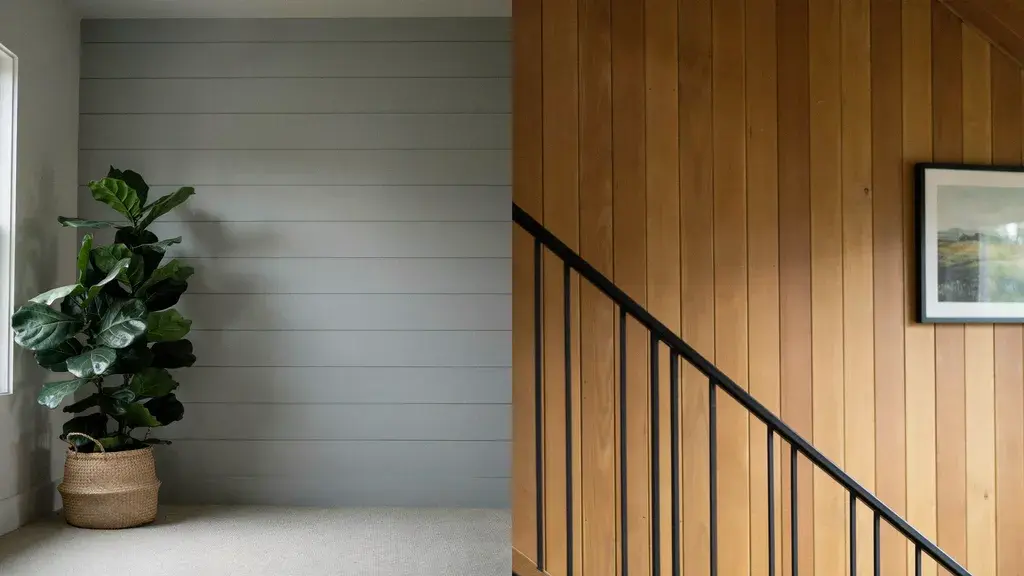
Visual texture is what you see.It’s the pattern on wallpaper or the grain in wood floors. Your eyes pick up shadows, lines, and contrasts that suggest depth. A smooth wall can look textured when light hits it at an angle.
Tactile texture is what you feel. Run your hand over a chunky knit throw or a rough brick wall. That physical sensation is tactile texture. It’s the difference between a glossy countertop and a brushed one.
Both types matter in a room. Visual texture adds interest from across the space. Tactile texture creates a physical interaction when you touch surfaces or sit on furniture. The best rooms use both.
A linen curtain offers visual texture from its weave pattern and tactile texture from its slightly nubby feel.
Why Texture Matters in Your Space: Benefits
Texture in interior design does more than make rooms look nice. It changes how a space feels and functions. Here’s why it matters.
- Prevents Rooms from Feeling Flat: Smooth walls and plain furniture can feel one-dimensional; texture adds layers, dimension, and a finished, lived-in feel.
- Creates Visual Interest and Depth: Textured rugs or walls catch light differently, creating shadows and highlights that add depth to a room.
- Engages Multiple Senses: Texture makes design feel experiential; linen curtains, woven baskets, and smooth counters create memorable touchpoints beyond visuals.
- Adds Warmth and Comfort: Hard surfaces like tile and glass feel cold; soft throws, pillows, and plush rugs add instant coziness.
- Establishes Mood and Atmosphere: Stone and weathered wood evoke a rustic feel; silk, leather, and polished metal convey a sleek, modern feel.
Understanding how to add texture to a room starts with knowing why it works. These benefits explain why texture in interior design matters in every space.
What Does Texture Do to A Room’s Feel?
Texture in interior design shapes how a room makes you feel. It controls whether a space feels warm or cool, busy or calm. The textures you choose set the emotional tone.
Soft textures shape a cozy mood by absorbing light and adding warmth. Knit throws, velvet pillows, wool rugs, linen bedding, and shag surfaces create rooms that feel calm and restful.
Sleeker textures shape a crisp mood by reflecting light and feeling clean. Smooth leather, polished wood, glass, and metal accents often read modern and neat.
Most spaces feel best when both show up in balance, like a smooth nightstand in a soft bedroom or a textured runner in a sleek kitchen.
Texture also adds visual weight, drawing attention to focal points such as accent walls, headboards, or dining rugs.
How To Add Texture To A Room
These ideas show specific ways to layer texture in interior design. Each method adds depth and interest to different areas of your space.
1. Layer Two Rugs
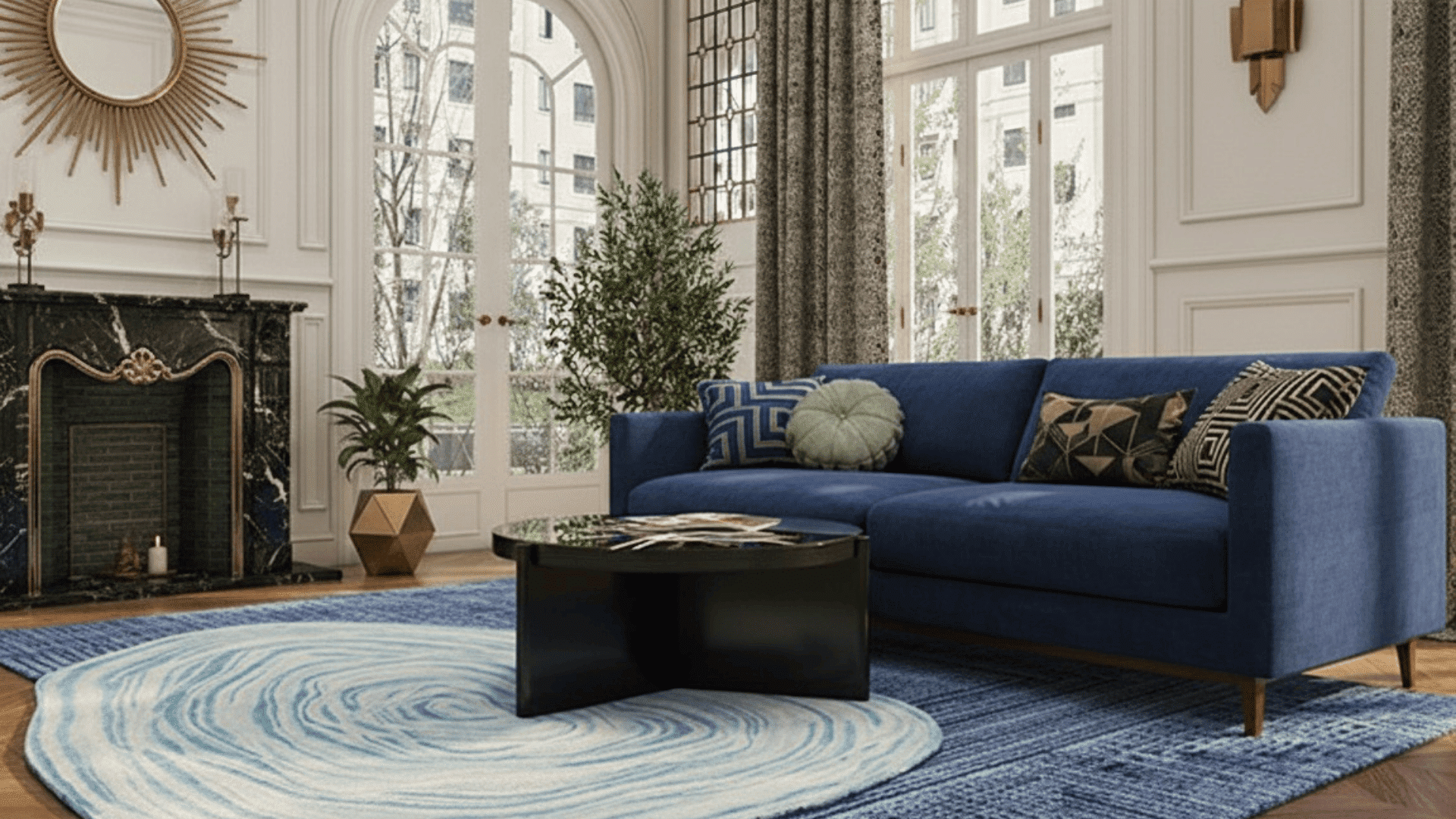
A bright, classic living room features a deep-blue sofa, a black round coffee table, layered blue rugs, a marble fireplace, and tall, arched windows with patterned drapes.
Lean into the blue palette by repeating it in art and accents, and warm the space with brass lighting and wood tones to balance the cool rugs and sofa.
2. Mix Pillow Fabrics, Not Just Colors
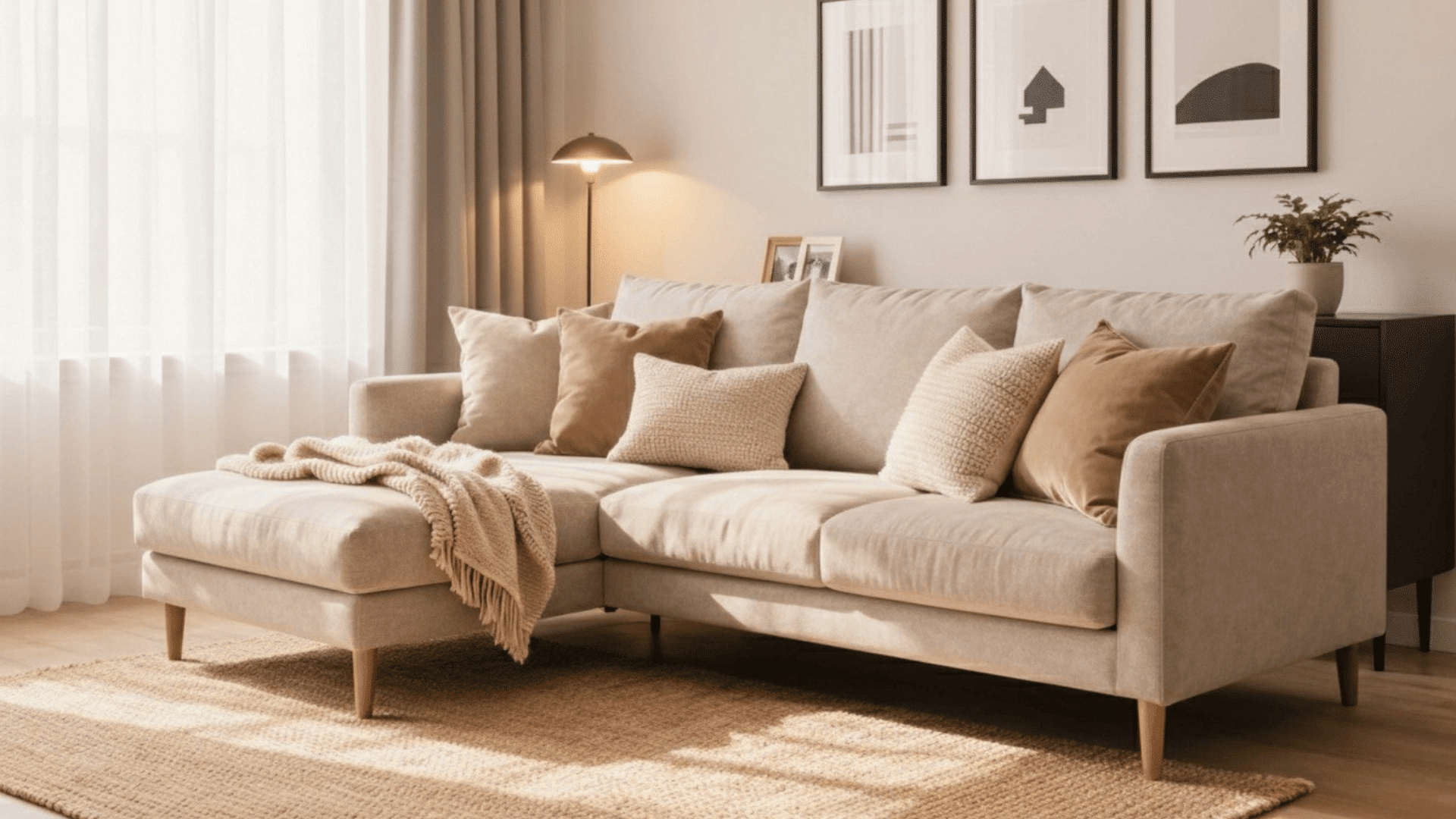
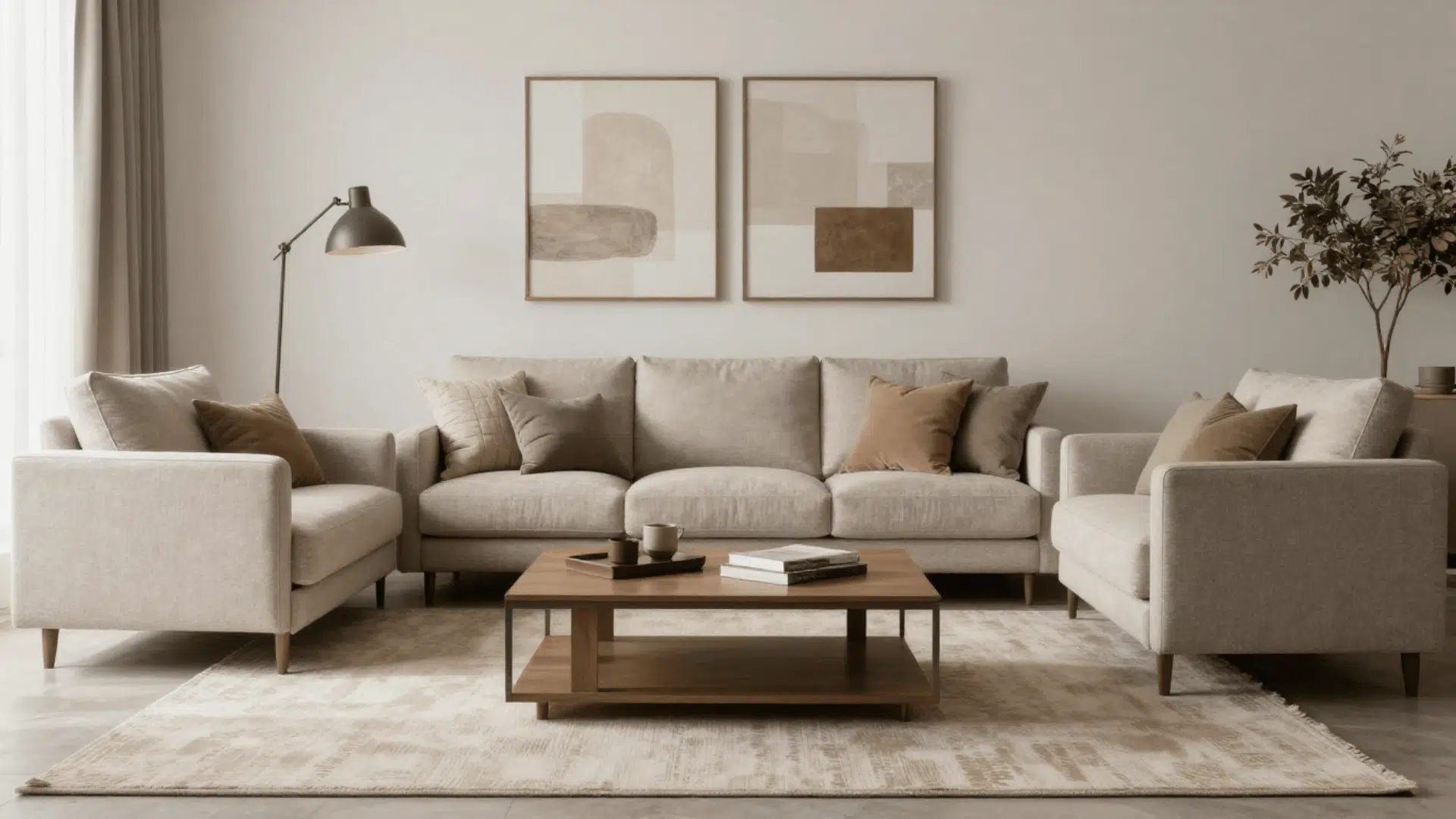
A sunlit, neutral living room features a light sectional with a chaise, layered beige pillows, a soft knit throw, minimalist wall art, and a warm floor lamp.
To keep the calm palette from feeling flat, mix in pillow textures and add a bolder element, such as a dark coffee table or stronger artwork.
3. Add A Throw With A Noticeable Weave
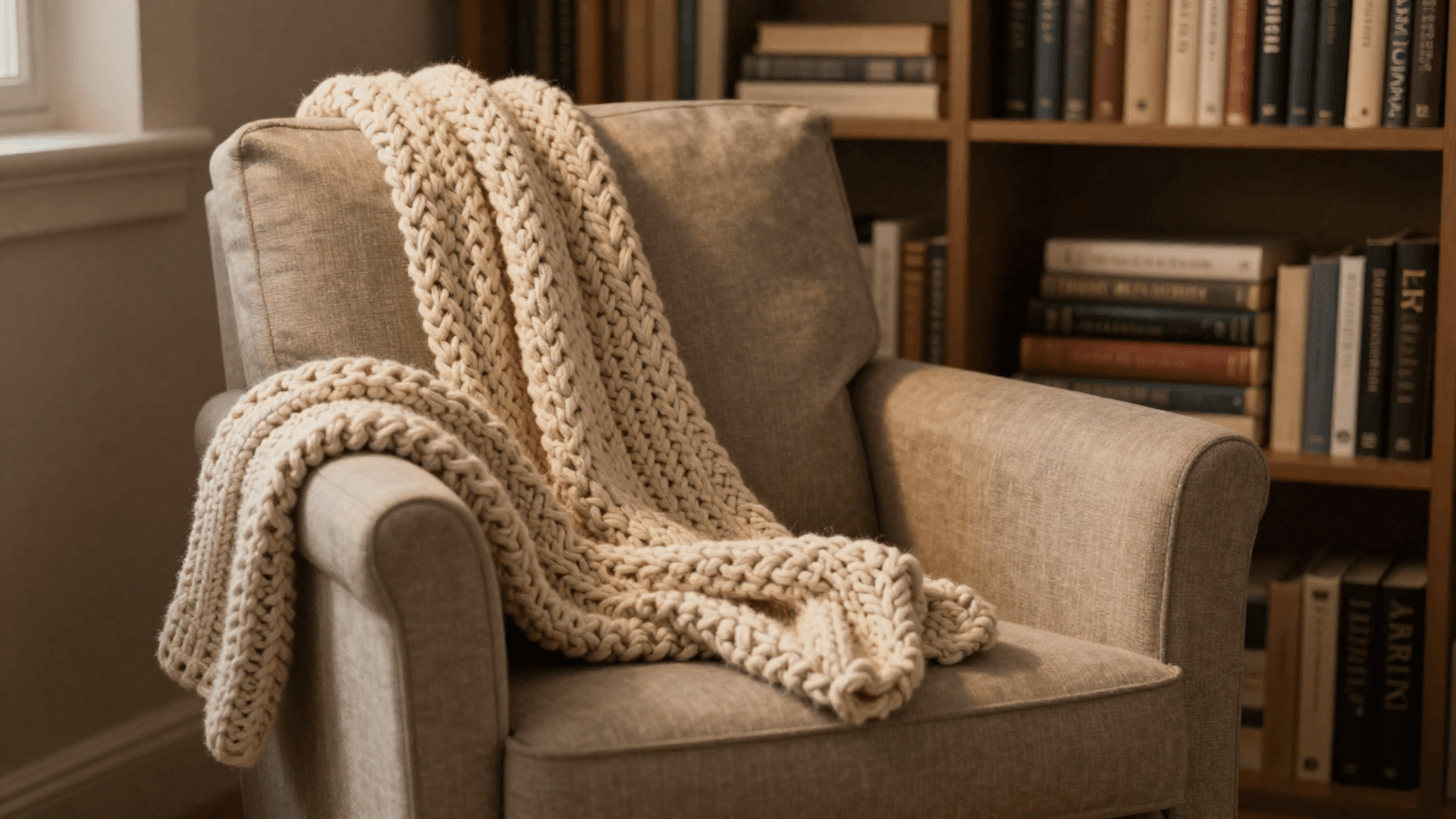
This reading corner features a soft beige armchair draped with a chunky knit throw, set beside a window and a book-filled wooden bookshelf.
Use layered textures, like the chunky throw, to add warmth, then balance the neutral chair with a small side table, a warm lamp, and a subtle accent pillow.
4. Bring In Natural Fibers
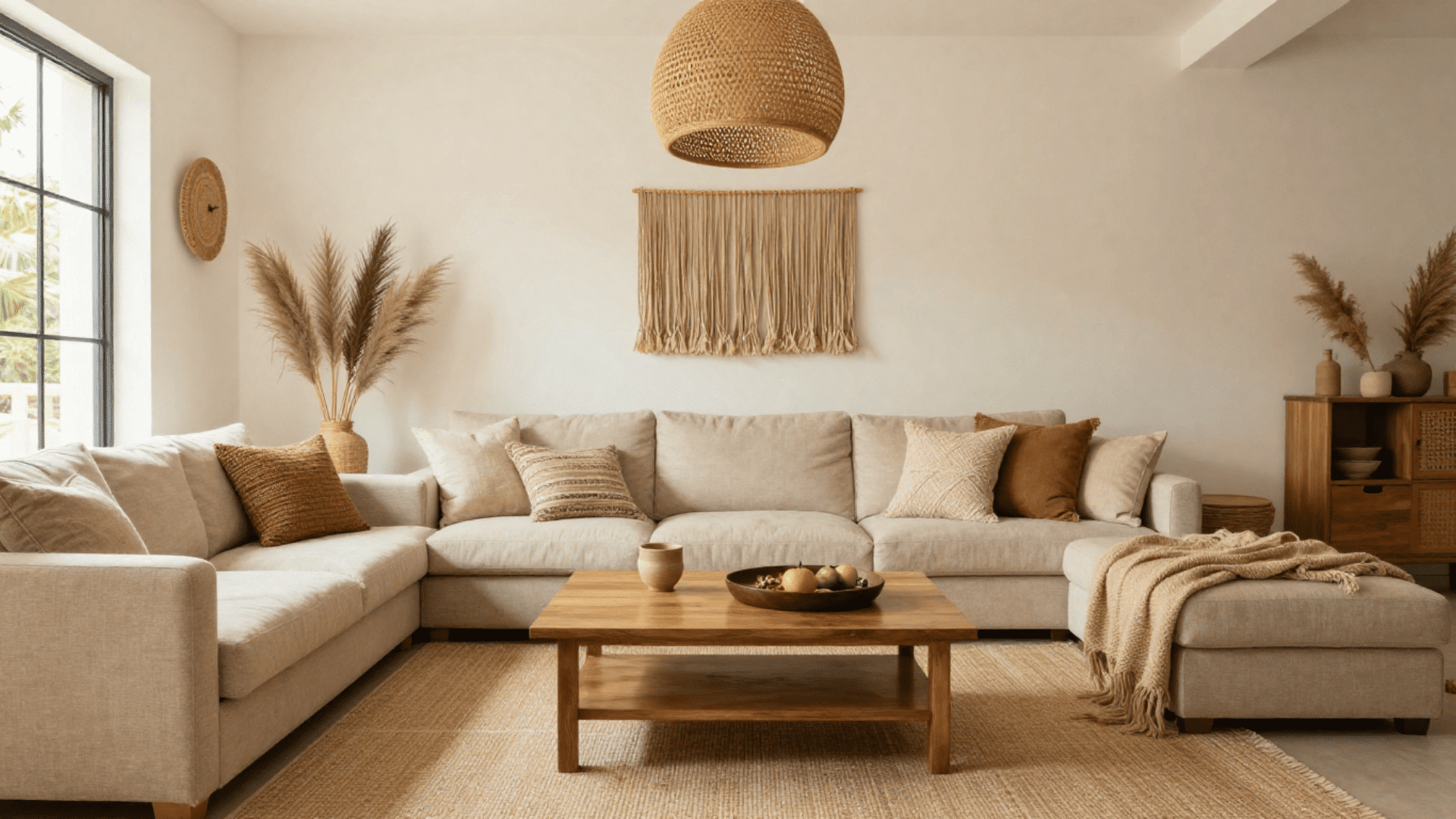
Warm, neutral living room featuring a large beige sectional, a woven pendant light, a jute rug, a wood coffee table, and pampas grass accents for a relaxed look.
Keep the airy palette, but add contrast with one darker accent, like black metal decor or deeper pillows, to ground the light sofa and woven textures.
5. Add Curtains Even If You Have Blinds
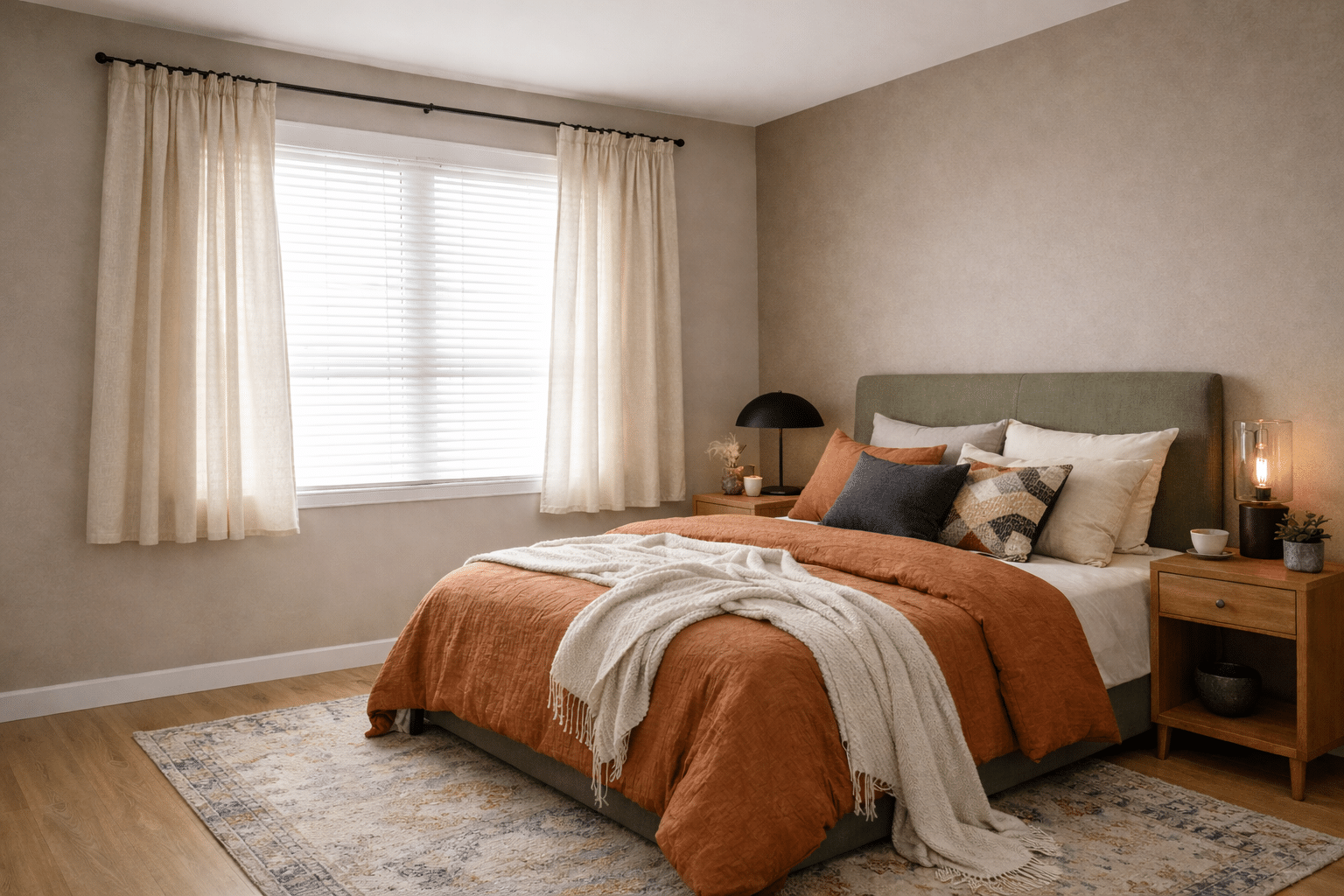
This modern bedroom shows a green upholstered bed, rust quilt, layered pillows, warm bedside lighting, neutral walls, and airy cream curtains filtering daylight.
Mount curtains higher and wider to visually enlarge the window, and add a vertical element, such as tall art or a floor mirror, to balance the wall space.
6. Mix Wood Tones And Wood Grains
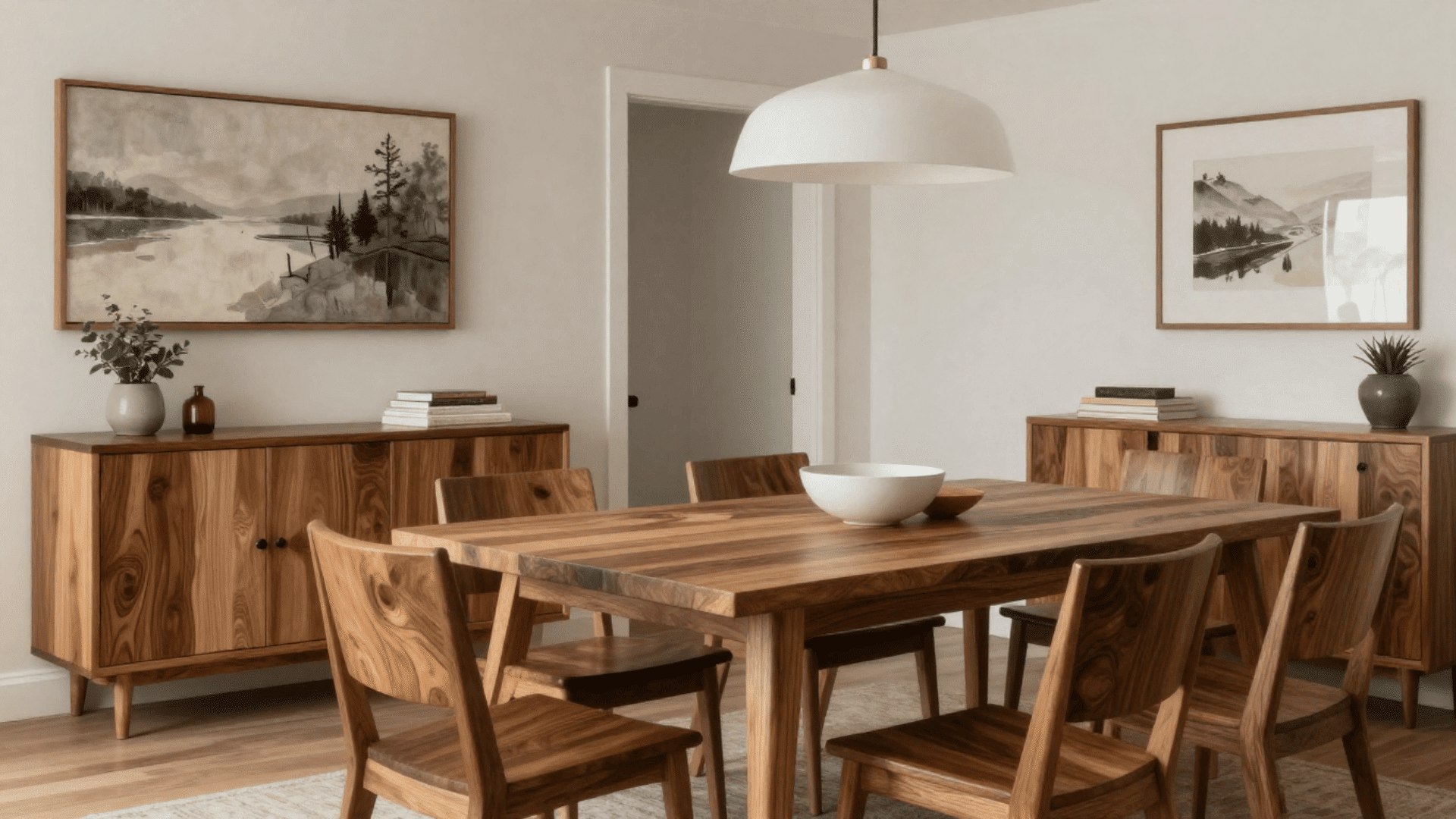
A calm, minimalist dining room features a solid-wood table with matching chairs, two wooden sideboards, neutral landscape art, and a large white pendant light.
Soften all the wood with contrast: add a textured rug, darker accents in decor, and varied ceramics, while keeping finishes consistent to avoid a mismatched look.
7. Style With Handmade Or Rough-Edge Decor
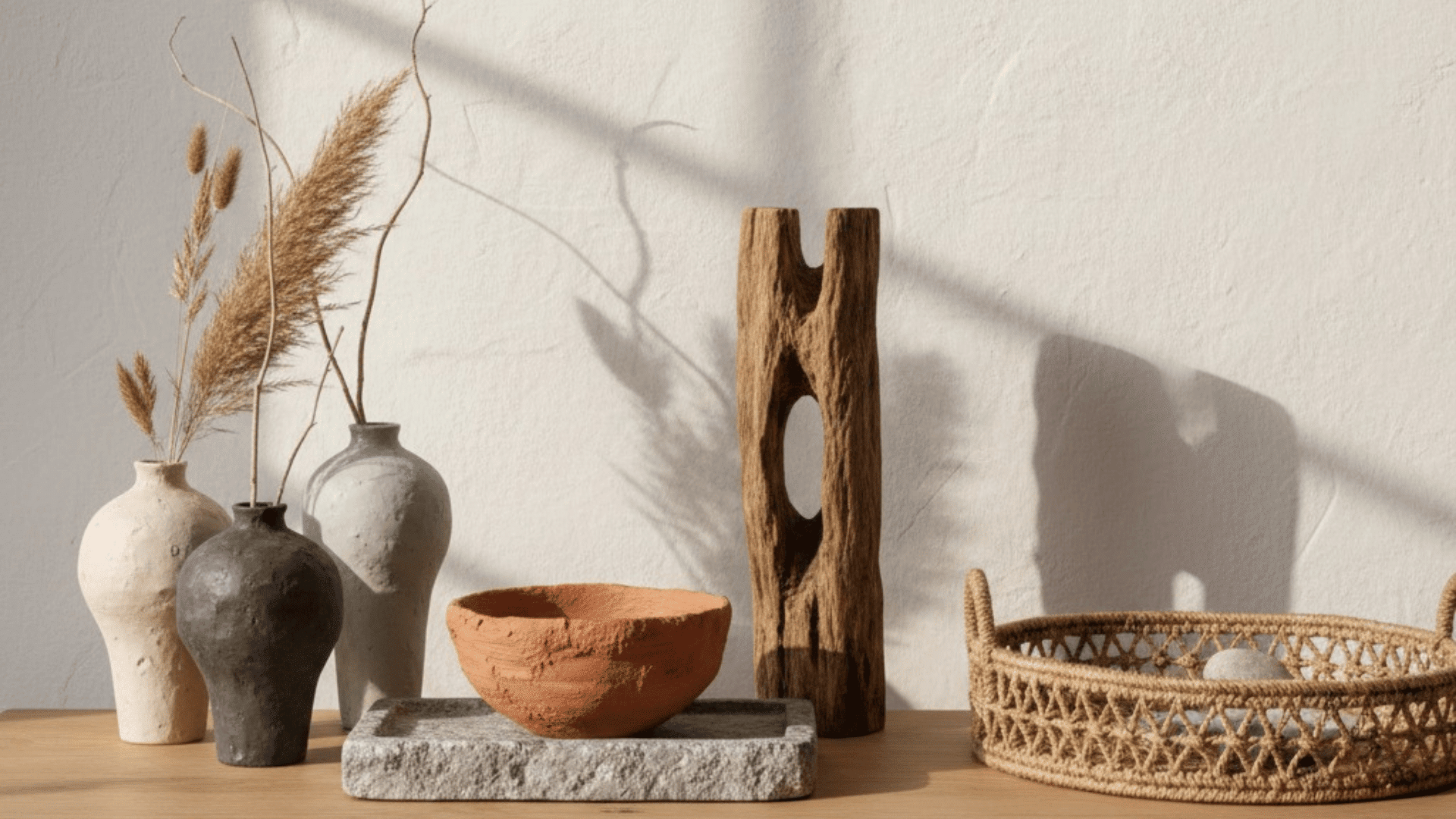
A sunlit wooden console holds sculptural decor: matte ceramic vases with dried stems, a terracotta bowl on a stone base, a carved wooden piece, and a woven tray.
Keep the styling airy by varying heights and leaving negative space; add one small contrasting item, like dark metal, to sharpen the soft, earthy palette.
8. Add A Textured Wall Moment
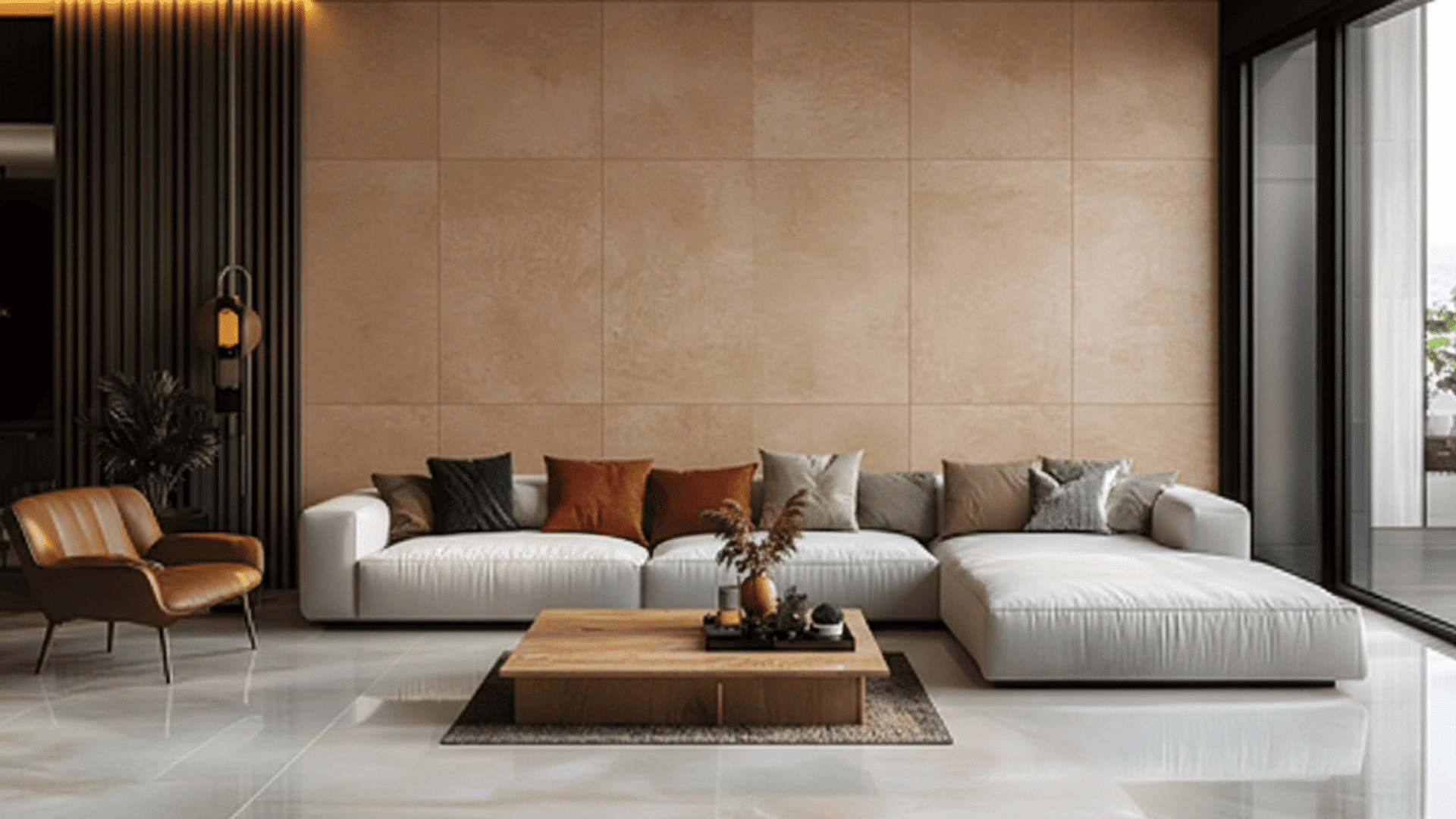
A modern living room anchored by a large textured tan wall set behind a low white sectional, warm accent pillows, and a simple wood coffee table.
Add softness to the glossy floor with a larger rug under the sectional, and echo the tan wall tones through art or accessories for balance.
9. Add One Nubby Upholstery Piece
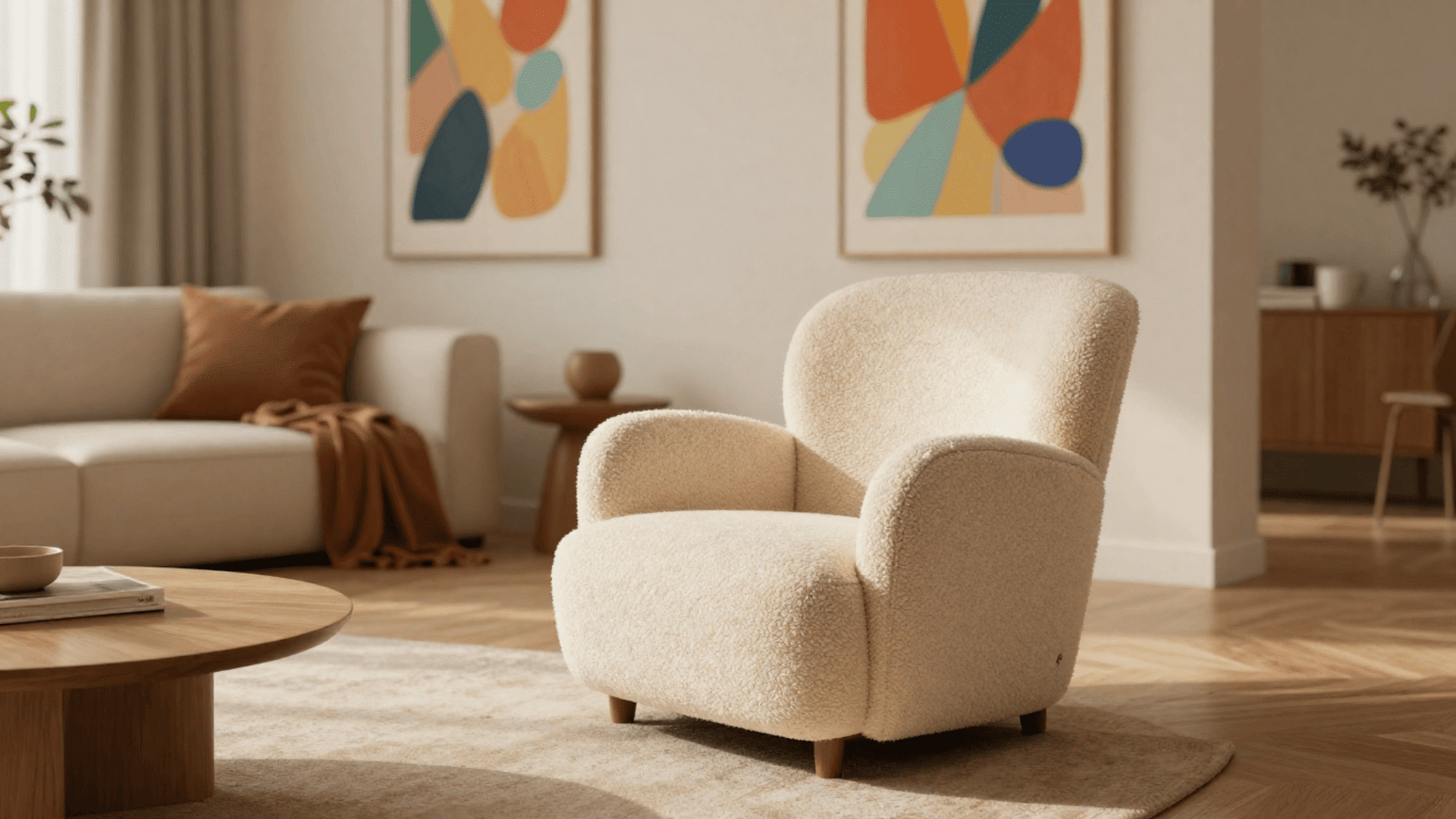
A bright living room highlights a nubby cream accent chair on a soft rug, with warm wood floors, a neutral sofa, and colorful abstract art.
Let the textured chair remain the focal point by keeping nearby furniture low and simple; repeat the art’s colors in a single pillow or vase for cohesion.
10. Use Greenery To Add Organic Texture
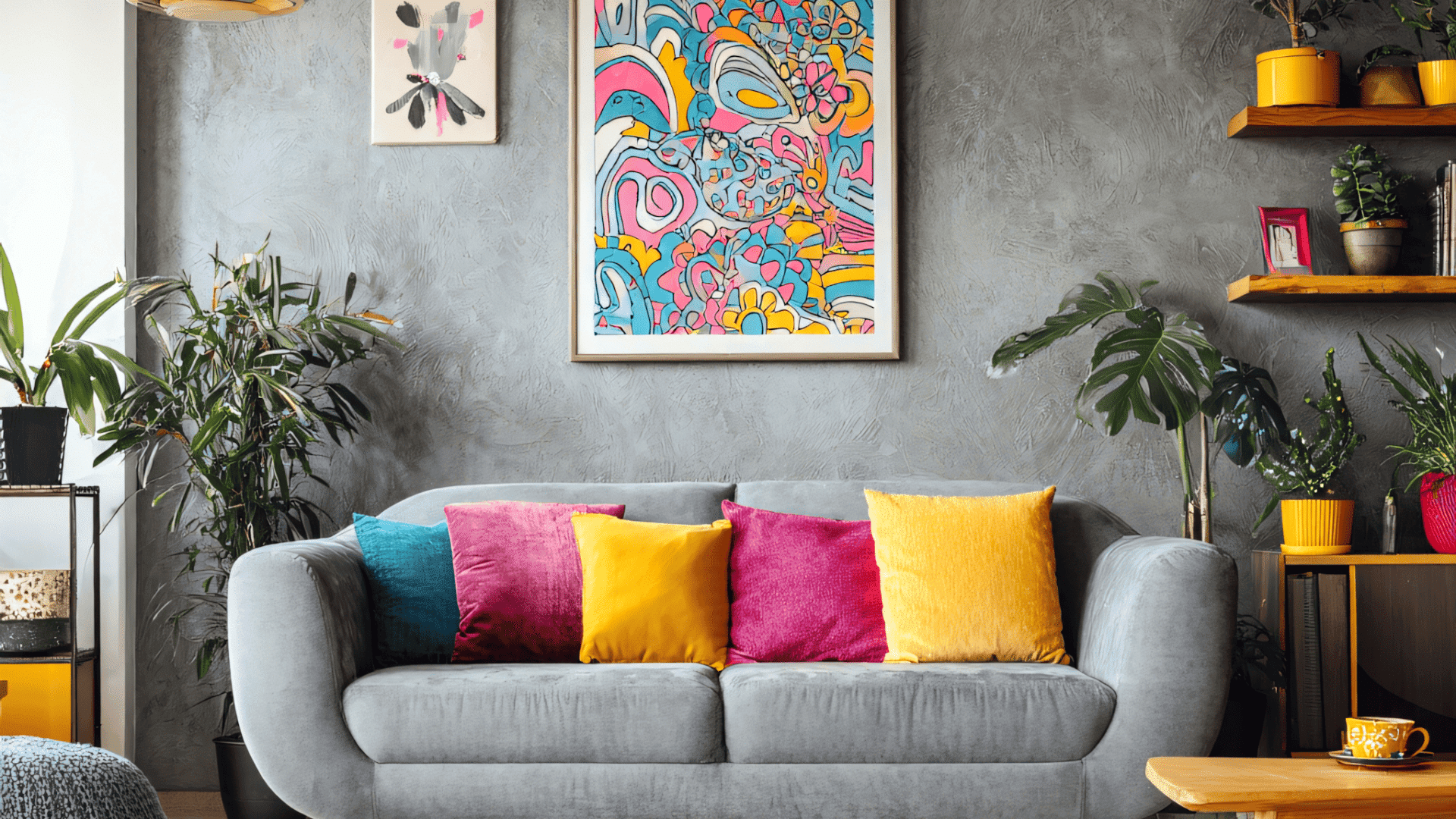
A lively living room features a gray sofa styled with bold, colorful pillows, lush indoor plants, floating wood shelves, and vibrant abstract artwork on a textured wall.
Since the pillows and art are high-energy, keep larger pieces neutral and repeat one accent color in planters or decor to make the palette feel intentional.
Texture Mistakes that Make a Room Feel Messy
Even good texture choices can look wrong when poorly balanced. These common mistakes make rooms feel cluttered or flat. The fixes are straightforward.
- Too Many Small Textures, No Big Ones: Too many small textured decor pieces create visual noise, making rooms feel busy and scattered. Anchor with one or two large textures first, then layer smaller accents.
- Everything Is the Same Finish: Rooms feel flat when every surface shares the same finish, such as all matte or all glossy or satin paint everywhere. Mix contrasting textures and finishes so each material stands out.
- Texture without A Plan: Random texture choices make rooms feel chaotic, with pieces competing for attention. Pick three to five main textures and repeat them for rhythm, cohesion, and intention.
These fixes help you use texture in interior design effectively. Your space will feel balanced and intentional instead of cluttered.
The Bottom Line On Texture
You now understand what most people miss about room design. It’s not always about buying new furniture or repainting walls. Sometimes a space just needs more texture in interior design to feel complete.
The rooms you love most probably have layers of texture you never consciously noticed. That’s the goal. Good texture doesn’t announce itself. It just makes everything feel better.
You don’t need a big budget to start. Swap out a few pillow covers. Hang curtains you already own.
Understanding texture in interior design gives you a skill that improves every space you touch. Stop waiting for the perfect moment to fix that flat-feeling room.
Pick one technique from what you just read. Try it this week. Notice the difference. Which texture will you add first?