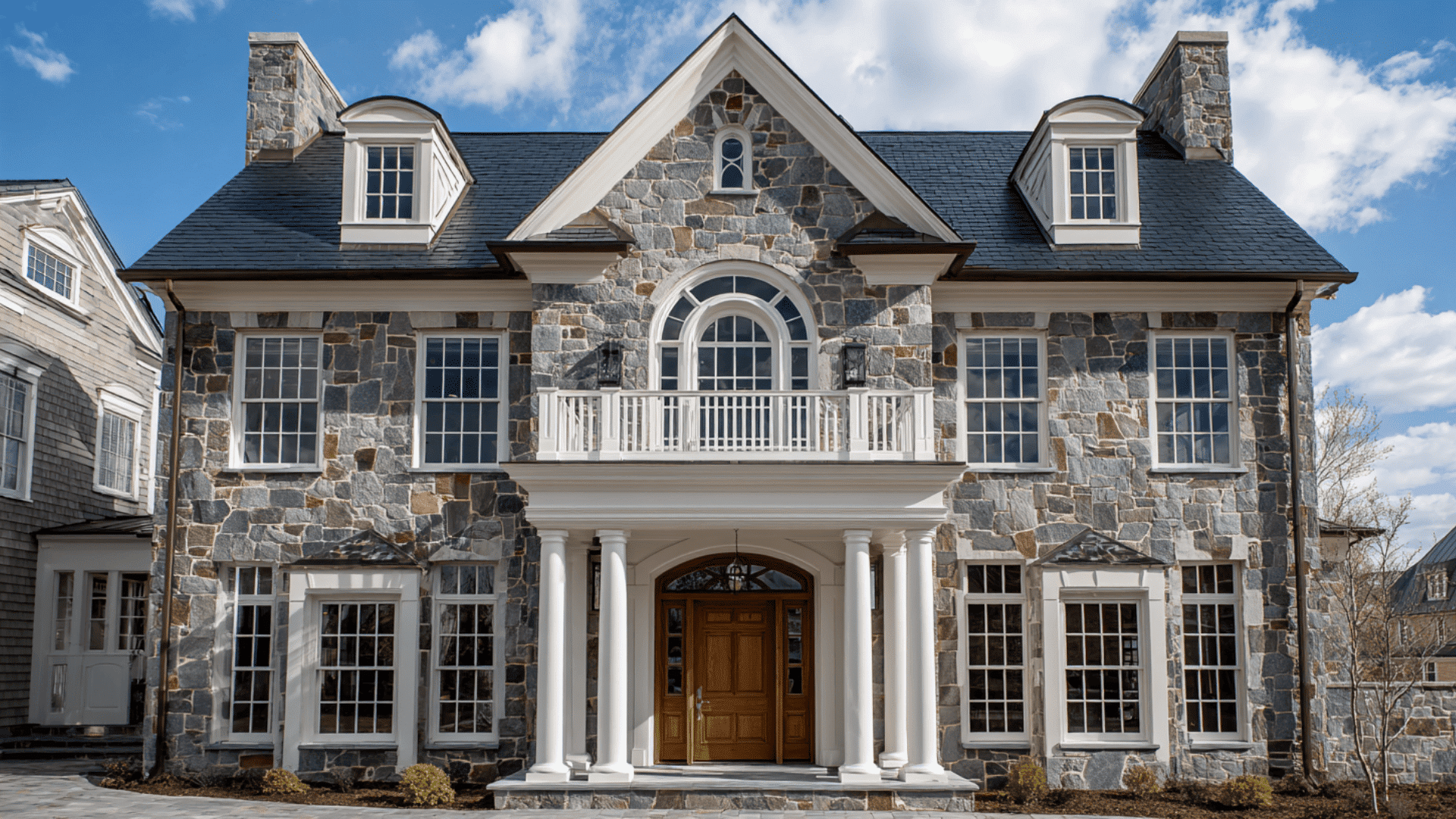
I get asked about stone all the time. Homeowners love the look but feel overwhelmed by the choices.
Here’s what I tell them: when we talk about types of exterior house stone, you’re usually looking at three main categories. Full-bed stone, natural thin veneer, and manufactured stone veneer. Each one has a different look, price point, and installation process.
Some homeowners want the rustic stacked-ledge look. Others prefer smooth limestone or the classic charm of river rock. The key is to match the stone type to your home’s style and budget.
What’s ahead? I’m breaking down each stone type so you know exactly what you’re looking at. You’ll see what each one looks like, where it works best, and how to pick the right option for your home.
What Makes Exterior House Stone A Smart Choice?
Stone is one of those materials that just lasts. While some siding options need replacing after a decade or two, the different types of exterior house stone hold up for much longer.
I love how the natural texture and color variation make a home look grounded and complete. No two stones are exactly alike, which adds character you can’t get with manufactured siding.
The best part? You don’t have to cover your entire house. Stone works beautifully as a full facade or as strategic accents. I often recommend it for entryways, columns, foundation wraps, or chimneys. Even a little bit of stone makes a big impact on curb appeal.
Types Of Exterior House Stone
Choosing the right stone starts with understanding what’s out there. Each type of exterior house stone has its own personality, durability level, and best-use scenarios. Some are harder and weather-resistant, while others offer warmth and texture.
Here’s what you need to know about the most common options.
1. Granite
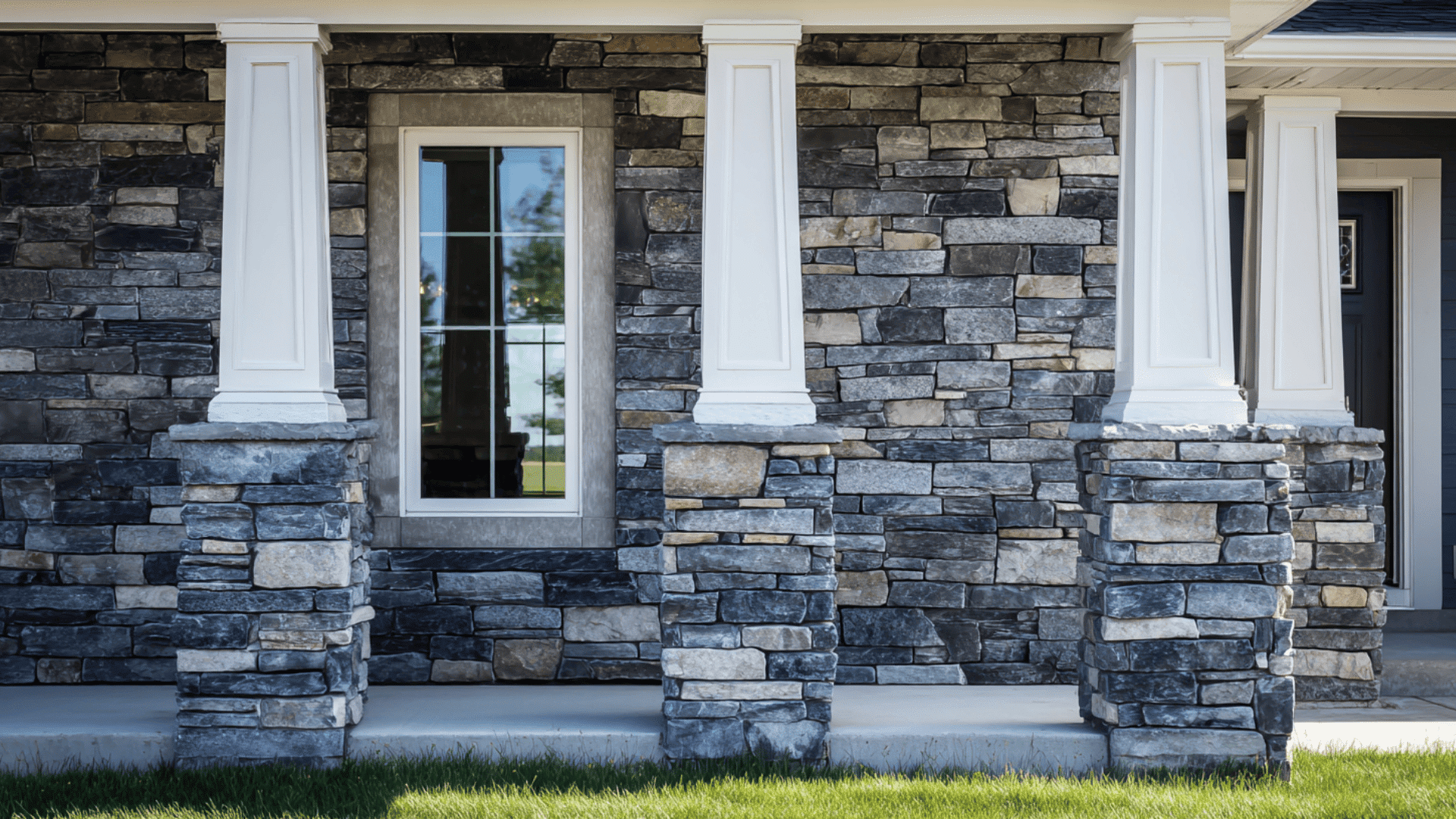
Best For: Hard-wearing exteriors and high-traffic zones
Granite is one of the toughest exterior house stones available. It handles weather, impacts, and wear with little damage. It’s dense, and the exterior work uses textured finishes such as flamed or split-face (polished is best for protected areas).
Granite comes in grays, blacks, browns, and pinks. It’s heavy, so installation requires structural support.
2. Limestone
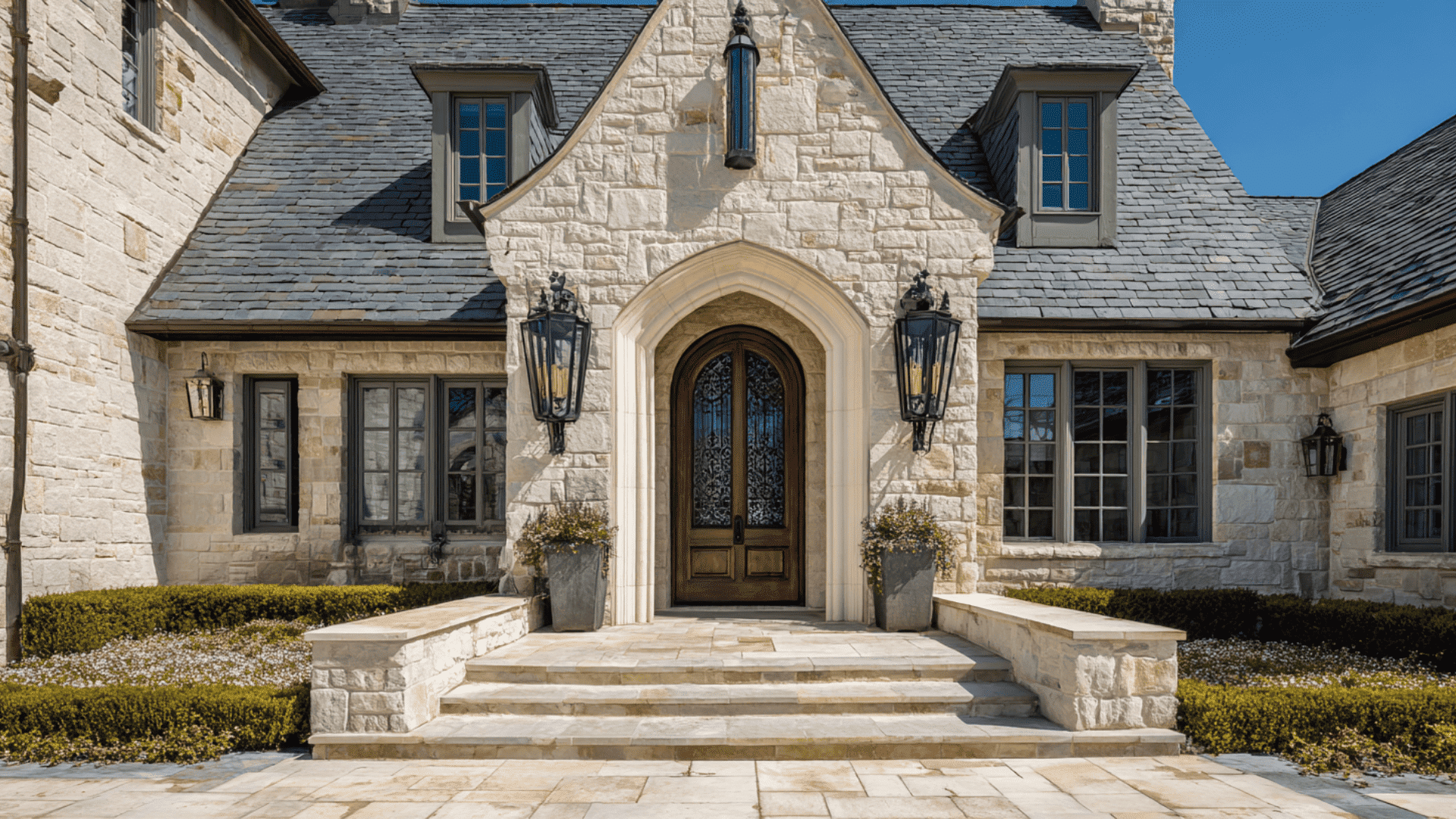
Best For: Traditional and European-style exteriors
Limestone has a soft, elegant look that feels timeless. It’s lighter in color – creams, tans, and light grays dominate. The surface is smooth with some natural variation and occasional fossils.
Limestone is softer than granite, so it can weather over time in harsh climates. It works beautifully on homes with classical or Old World architecture.
3. Sandstone
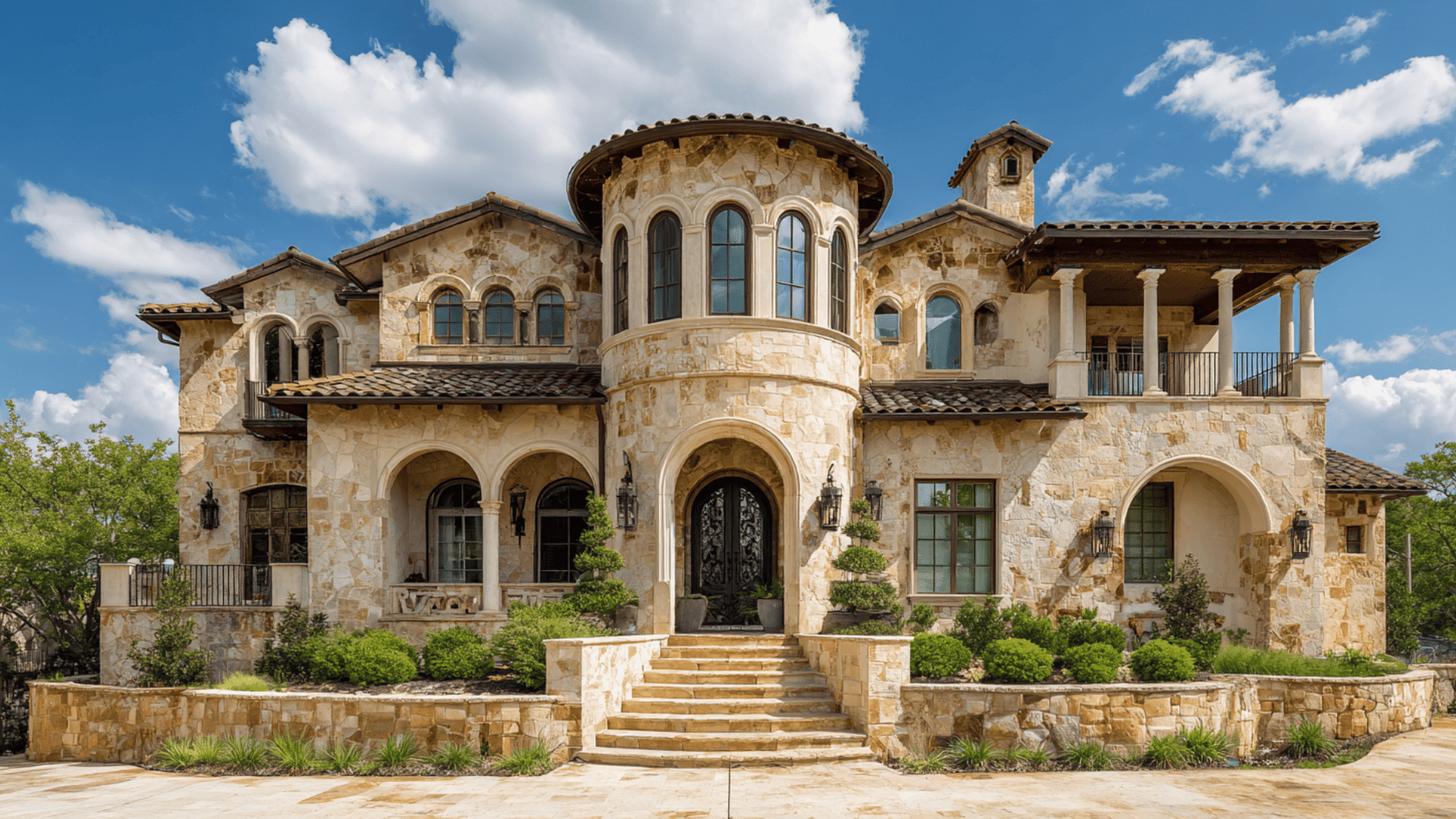
Best For: Warm tones and softer, natural texture
Sandstone brings warmth with its earthy reds, oranges, tans, and browns. The texture is grainy and slightly rough to the touch.
It’s softer than granite, which makes it easier to cut and shape, but also more prone to weathering. Sandstone can absorb water, so sealing is important in wet or freeze-thaw climates. The natural layers add depth and character.
4. Slate
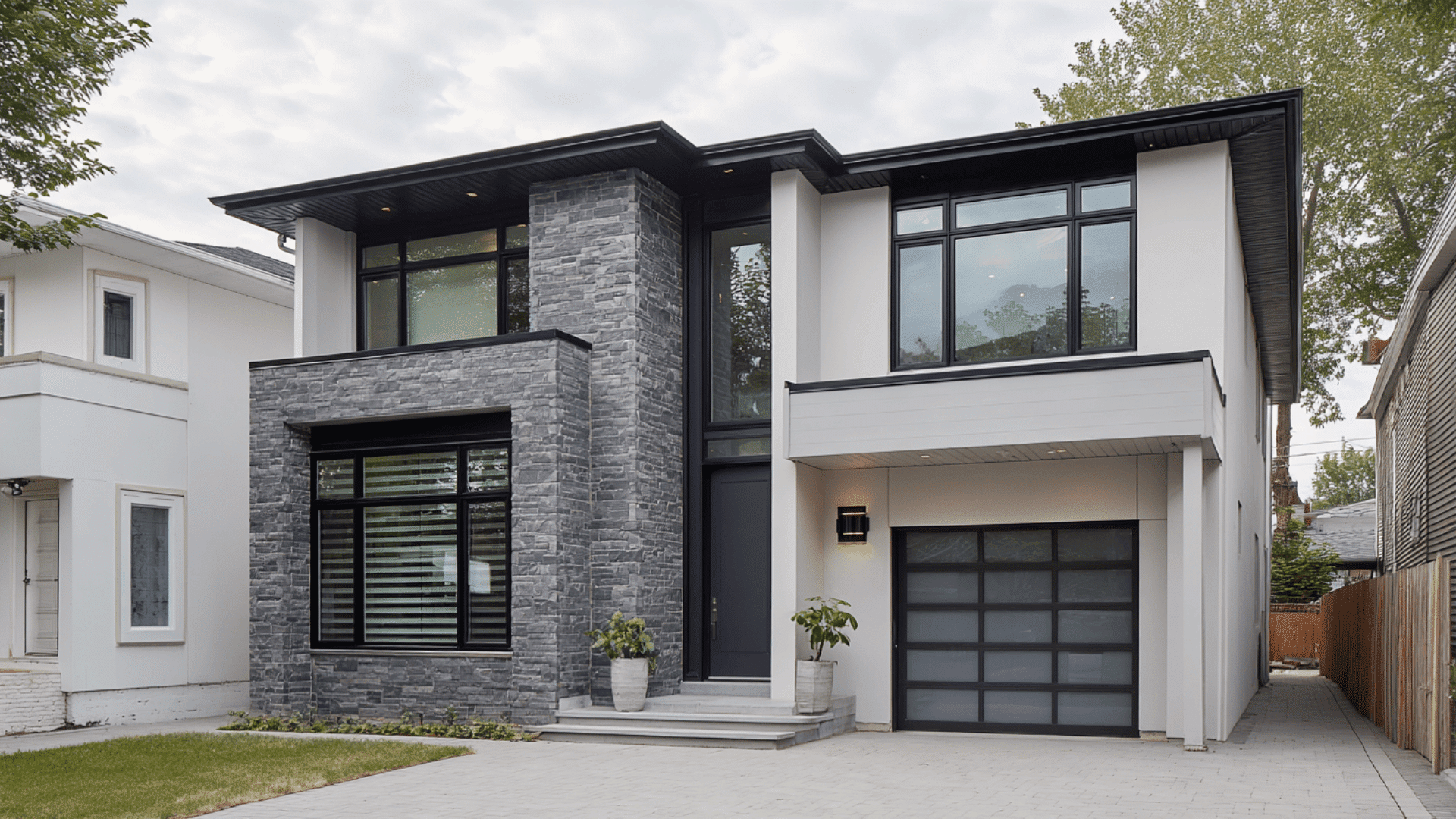
Best For: Crisp lines and darker, modern contrast
Slate offers clean, flat surfaces in dark grays, blacks, greens, and purples. The stone splits naturally into thin layers, creating smooth planes.
It’s durable and weather-resistant, making it a practical choice for modern or contemporary homes. Slate adds strong visual contrast when paired with lighter siding or trim. The color stays consistent over time.
5. Marble
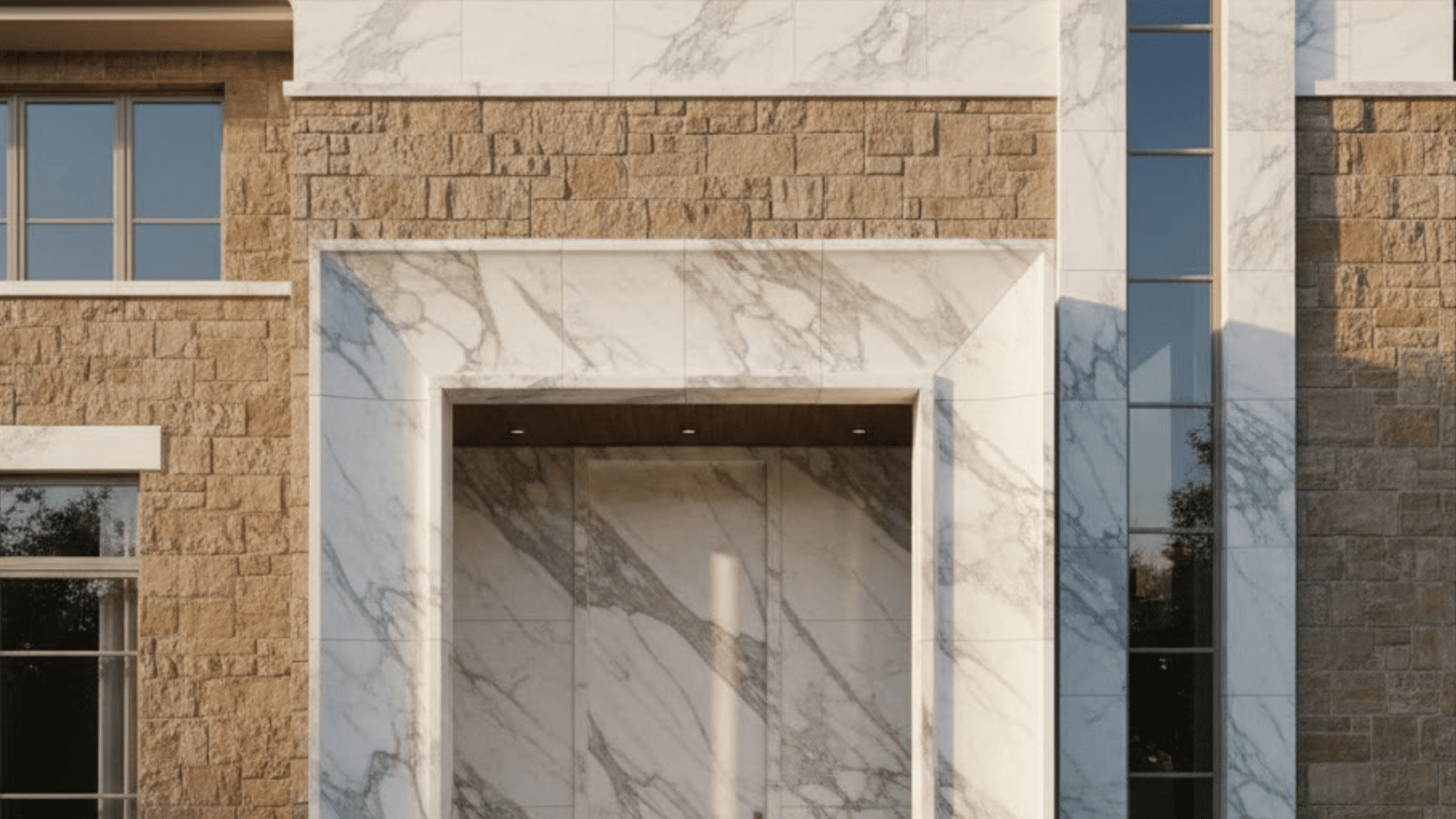
Best For: Upscale accents and statement areas
Marble is a luxury stone with dramatic veining and a smooth, refined finish. Whites, creams, and grays are most common.
It’s softer than granite and more prone to staining and acid etching, so it’s best used sparingly on exteriors, especially since it will weather and develop a natural patina over time.
I recommend marble for statement areas in more protected spots, like covered entries or accent panels. It instantly elevates the look of an entrance.
6. Travertine
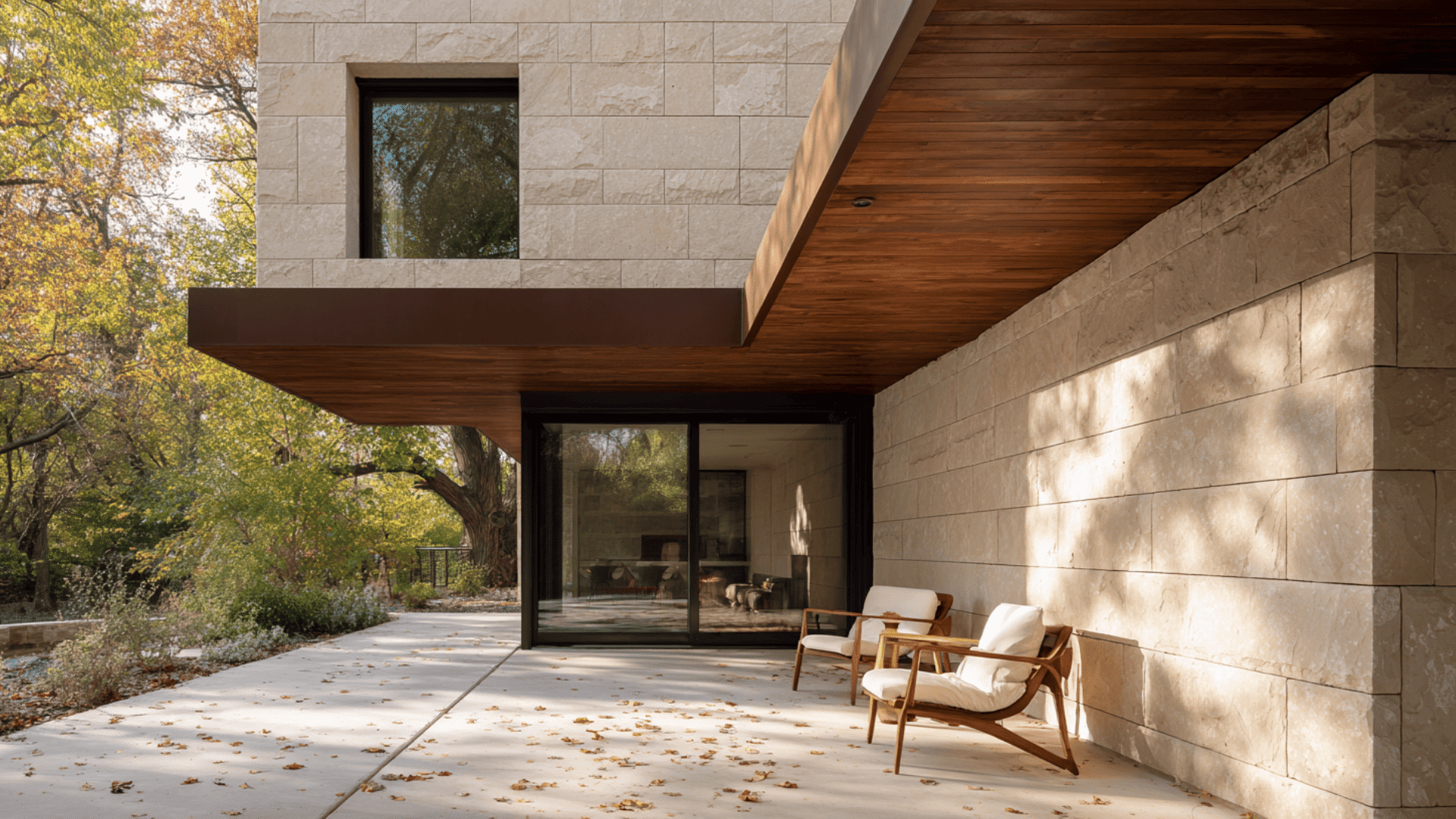
Best For: Warm, porous look with natural pits and movement
Travertine has a distinct pitted surface with natural holes and color variations ranging from cream to tan to light brown. The stone forms in mineral springs, giving it its unique texture.
It’s softer and more porous than many stones, so it needs to be sealed for exterior applications. The warm tones work well on Mediterranean, Spanish, and Tuscan-style homes.
7. Quartzite
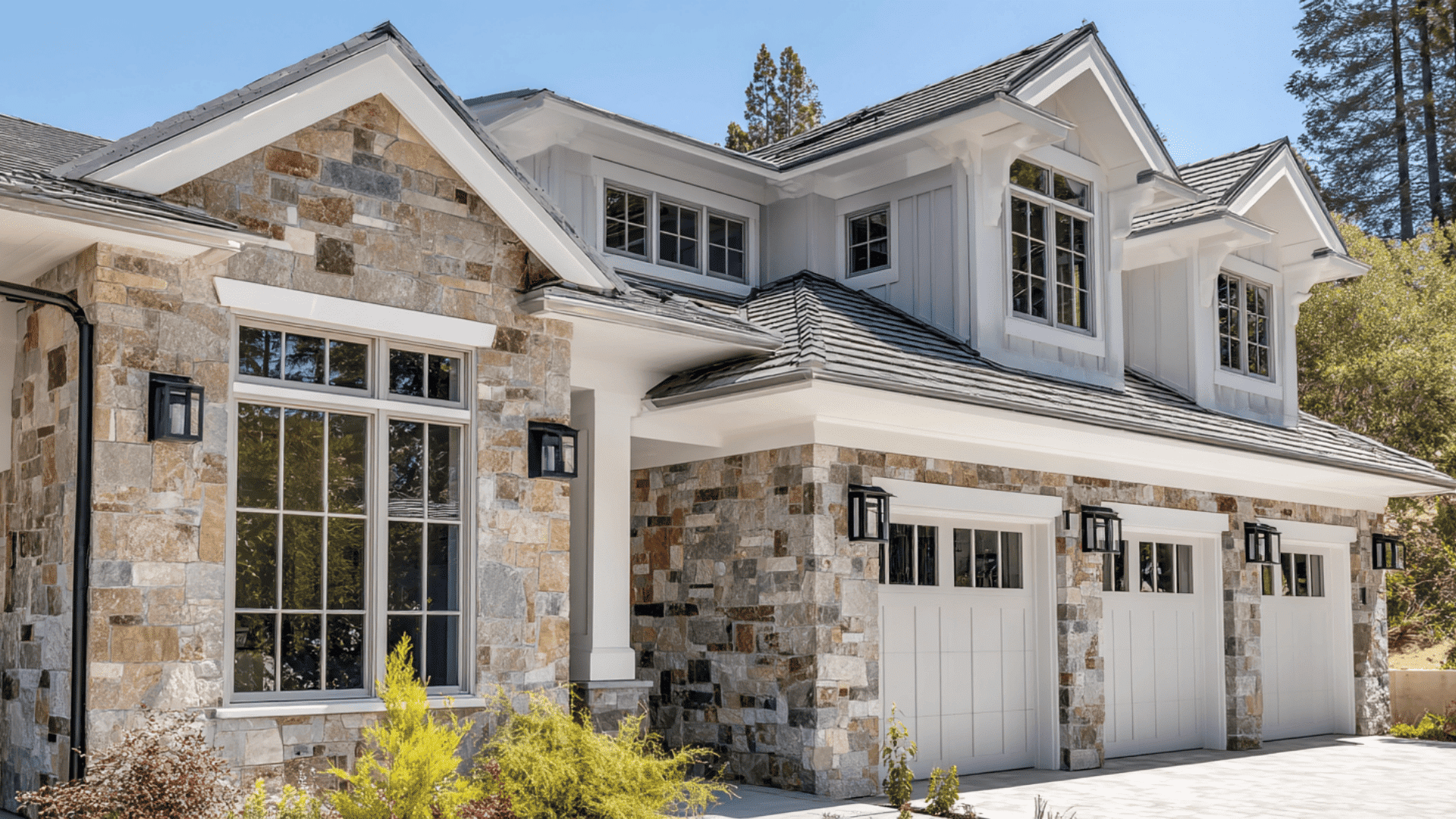
Best For: High durability with a refined natural look
Quartzite is extremely hard and weather-resistant, making it one of the strongest exterior house stones. It has a more refined look than granite with subtle veining and color shifts in whites, grays, and warm tones.
The stone resists scratching and staining better than most. It’s a great choice for climates with heavy weather exposure or coastal conditions.
8. Basalt
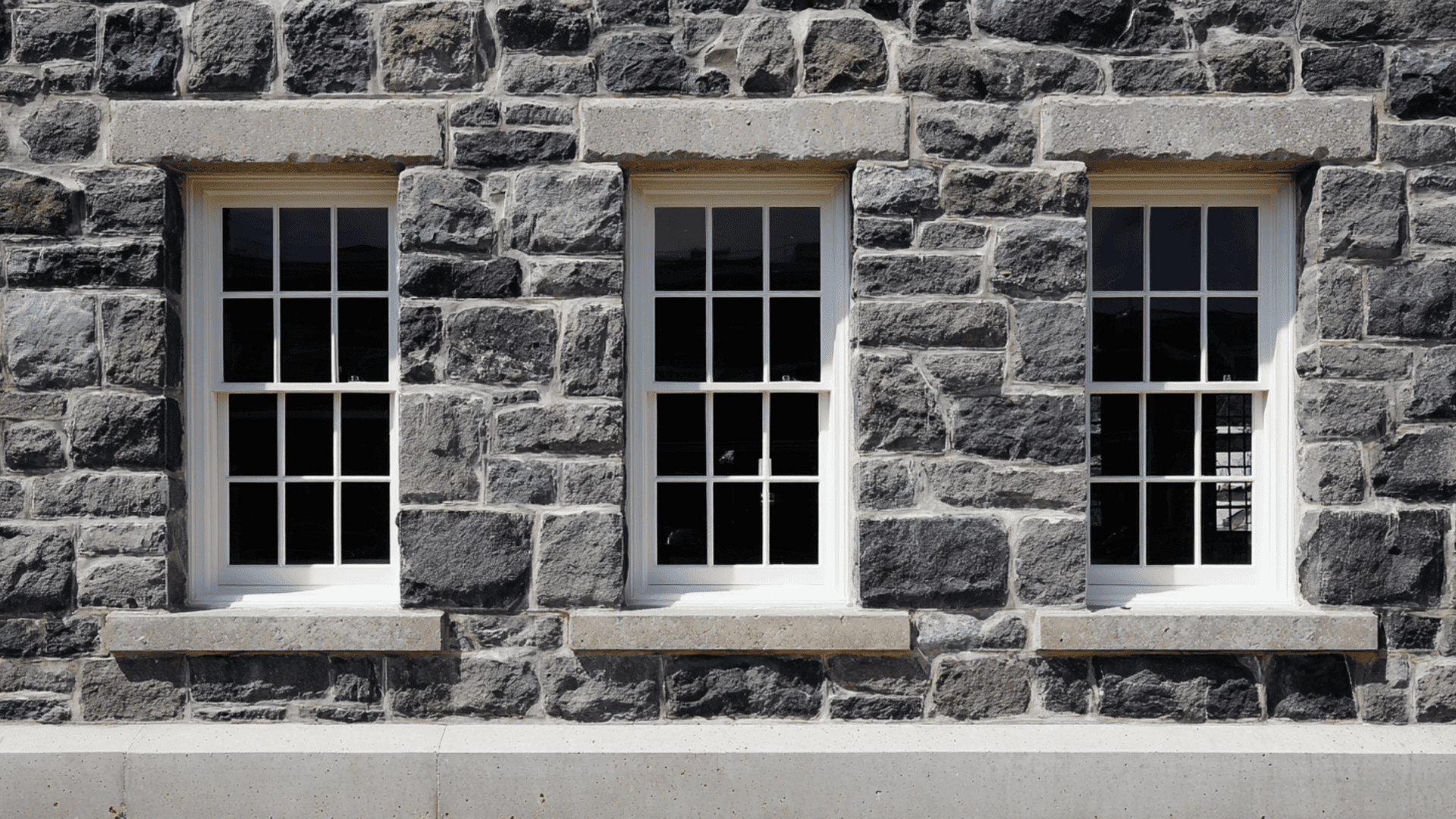
Best For: Modern dark finishes and strength
Basalt is a dense volcanic stone with a dark gray to black color. The surface is smooth with fine grain, offering a sleek, contemporary look. It’s incredibly hard and handles weather without much wear.
Basalt pairs well with modern architecture, especially when combined with metal, glass, or light-colored materials. The dark tone creates bold contrast.
9. Bluestone
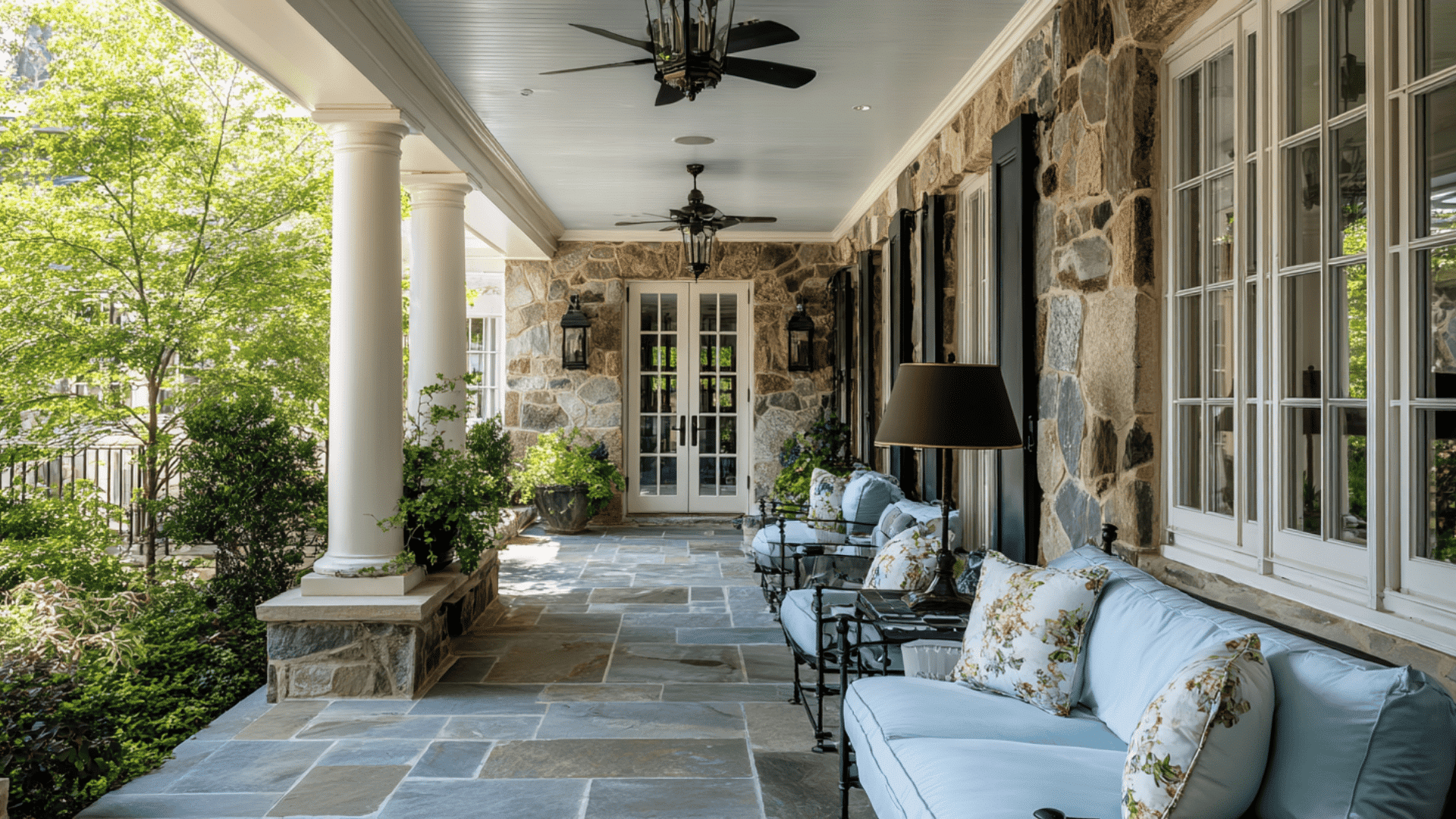
Best For: Blue-gray tones that pair well with wood, brick, and white trim
Bluestone has a distinctive blue-gray color that works beautifully with almost any palette. The stone is durable and dense with a slightly textured surface. It handles freeze-thaw cycles well, making it popular in the Northeast.
Bluestone adds a cool, sophisticated tone without feeling cold. It complements both traditional and modern homes, depending on how it’s installed.
10. Fieldstone
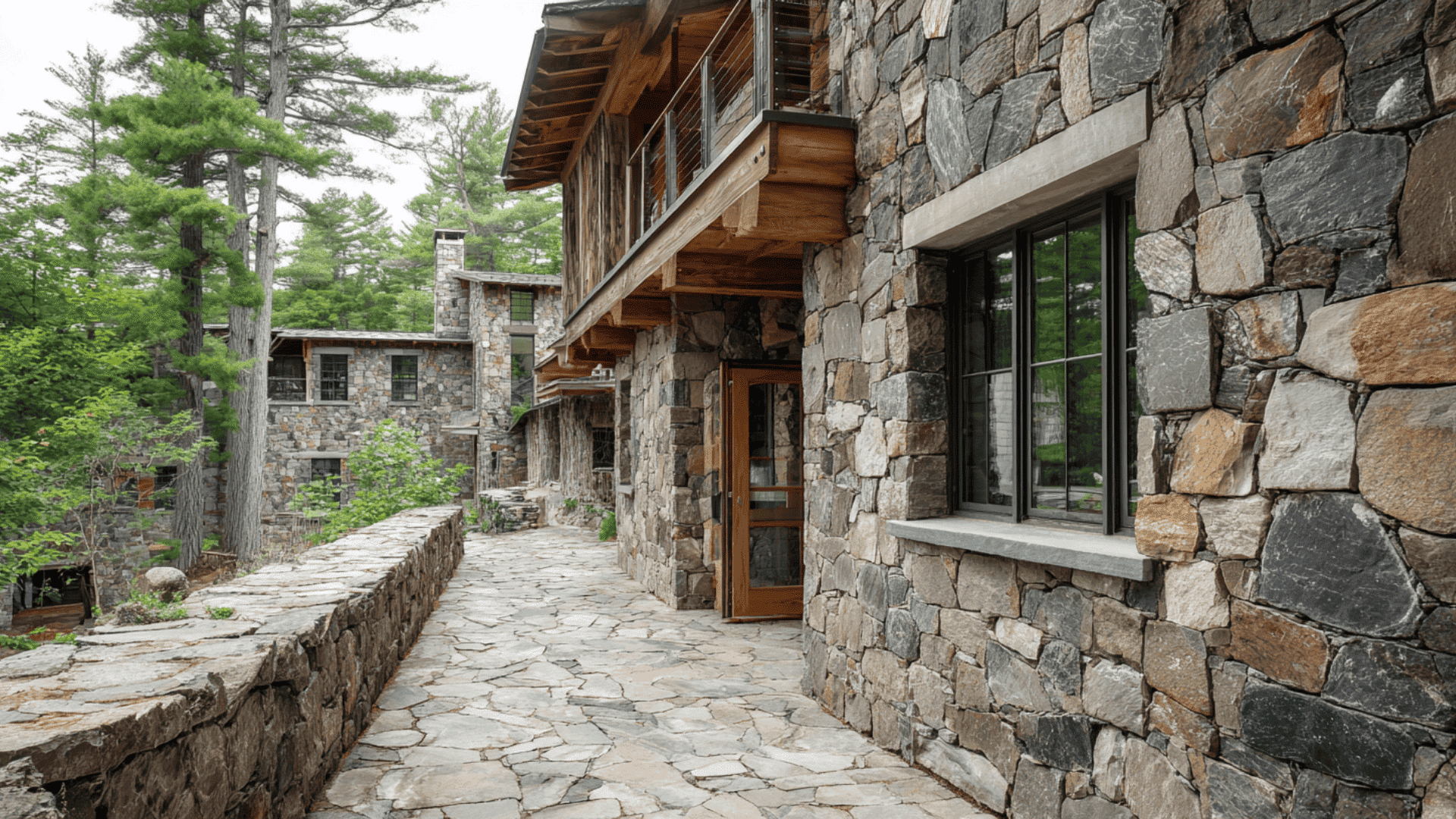
Best For: Rustic builds and cottage, farmhouse, and cabin styles
Fieldstone is exactly what it sounds like – rounded, irregular stones gathered from fields. Each piece is unique in size, shape, and color. The mix of grays, tans, and browns creates a natural, unpolished look.
Installation is more labor-intensive because each stone needs to be placed individually. Fieldstone gives homes an authentic, old-world charm that feels collected over time.
11. River Rock
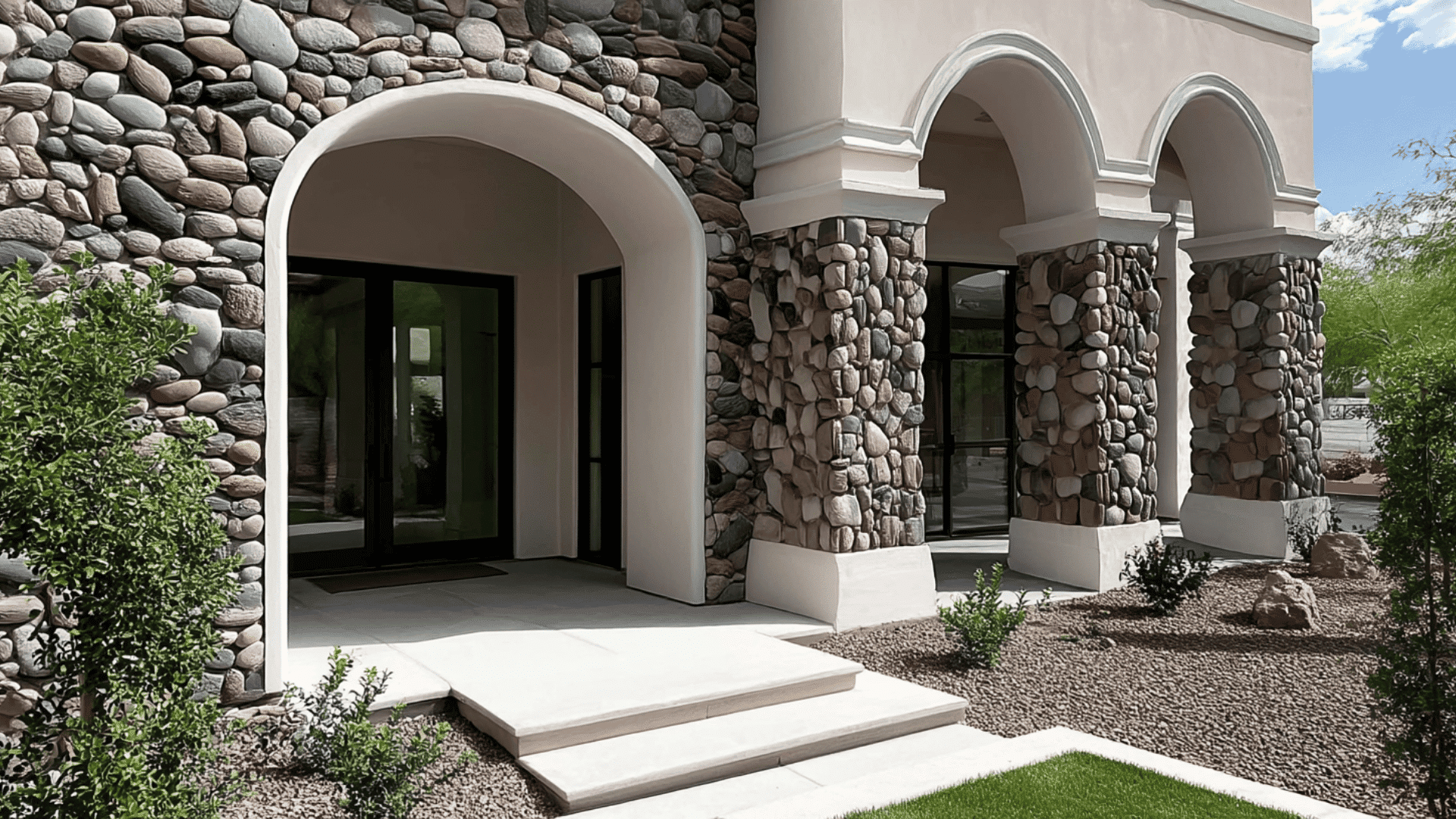
Best For: Rounded texture and organic, casual character
River rock features smooth, rounded stones shaped by water over time. The stones come in various sizes and colors – grays, tans, browns, and even hints of green. The rounded edges create a softer, more organic look compared to cut stone.
River rock works well on homes with natural surroundings or casual, relaxed architecture. The texture adds dimension without sharp lines.
12. Manufactured Stone Veneer
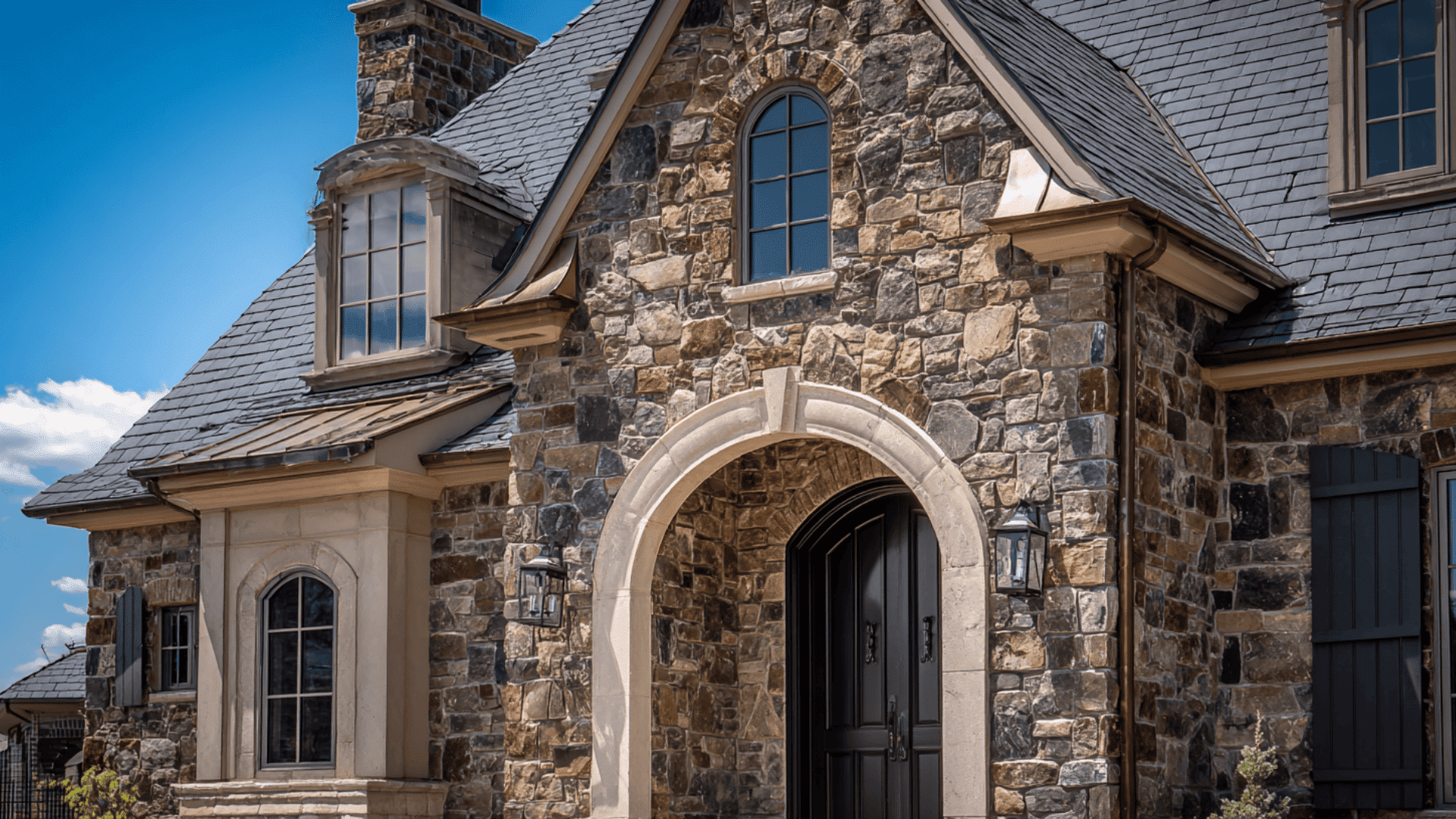
Best For: Cost control, lighter weight, faster install planning
Manufactured stone veneer is concrete made to mimic natural stone. It’s lighter and usually less expensive, with realistic textures and color variation.
Installation is faster and needs less structural support than full-bed stone. Quality varies by brand, and proper flashing and moisture control matter.
13. Flagstone
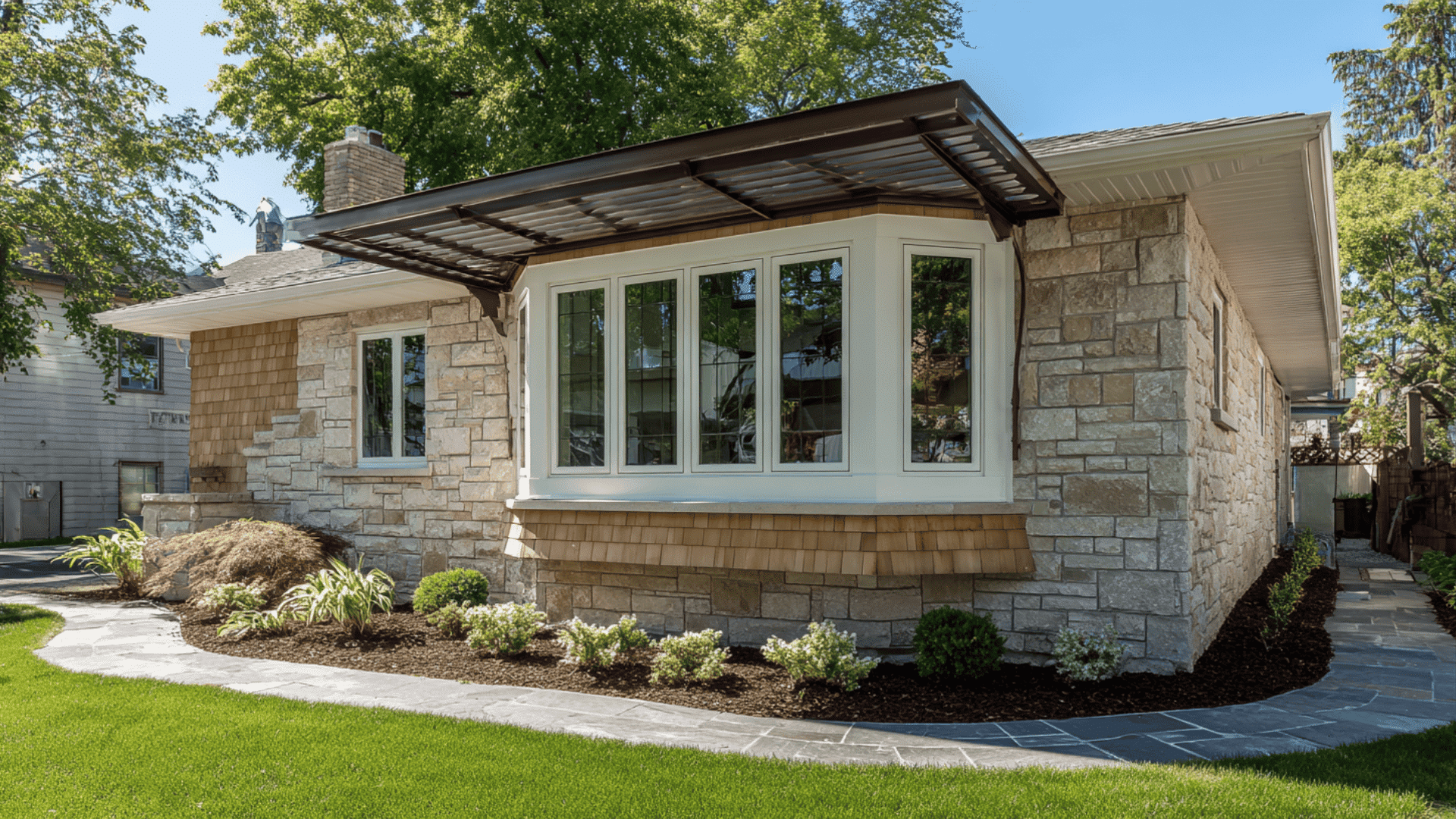
Best For: Layered texture and natural horizontal lines
Flagstone is a sedimentary stone that splits into flat, irregular pieces. Colors include tans, grays, reds, and browns. The stone has a rustic, layered look with natural cleft surfaces.
Moderately durable and works well in dry climates. Flagstone creates a casual, organic appearance easier to work with than harder stones.
14. Schist
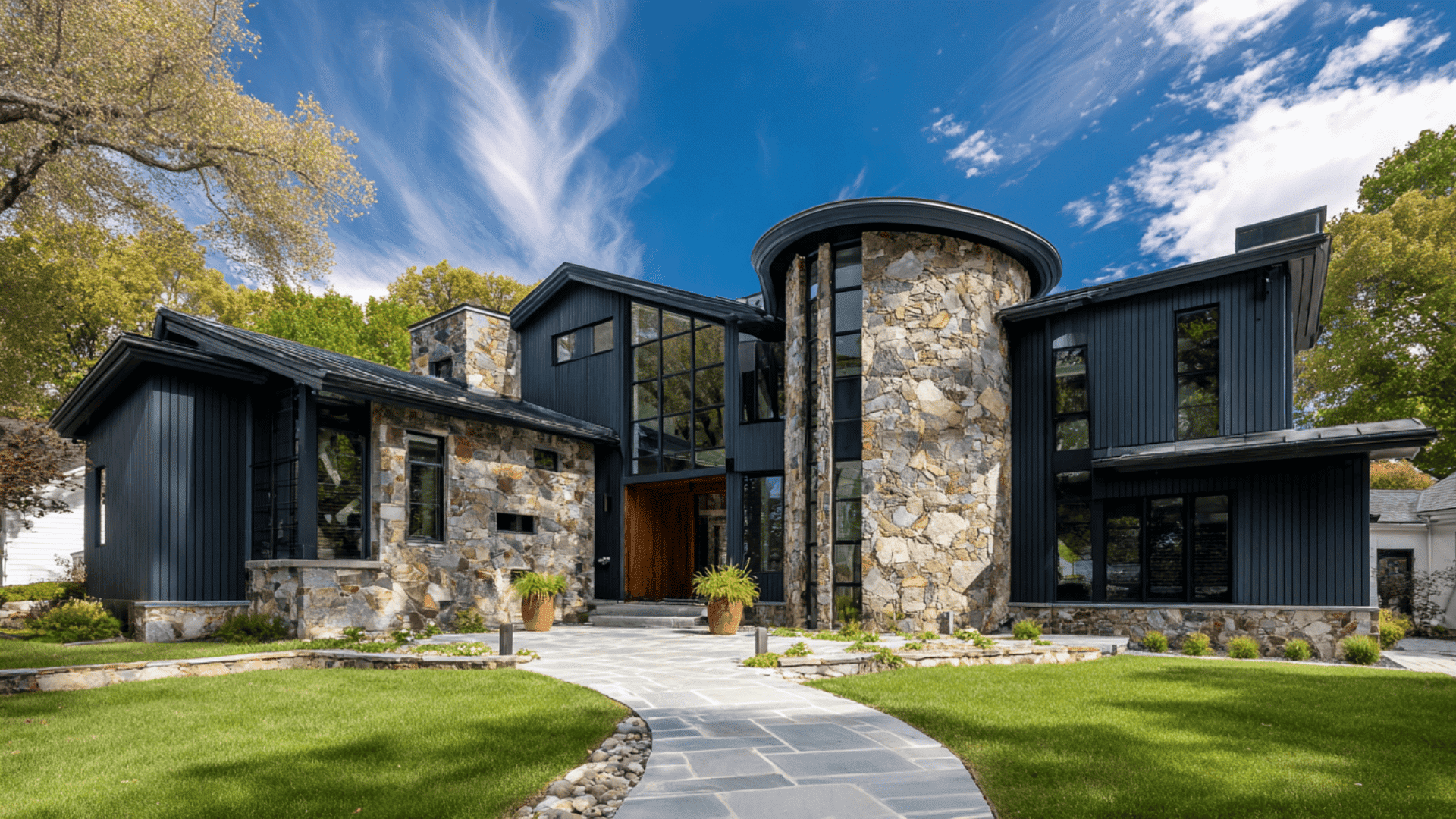
Best For: Shimmering texture and earth-tone palettes
Schist is a metamorphic stone with visible mineral layers that create a subtle shimmer. Colors range from silver-gray to brown.
The stone splits into thin sheets with a slightly flaky texture. Durable and weather-resistant. Schist adds visual interest with its reflective quality and works well in both traditional and contemporary homes.
15. Lava Stone
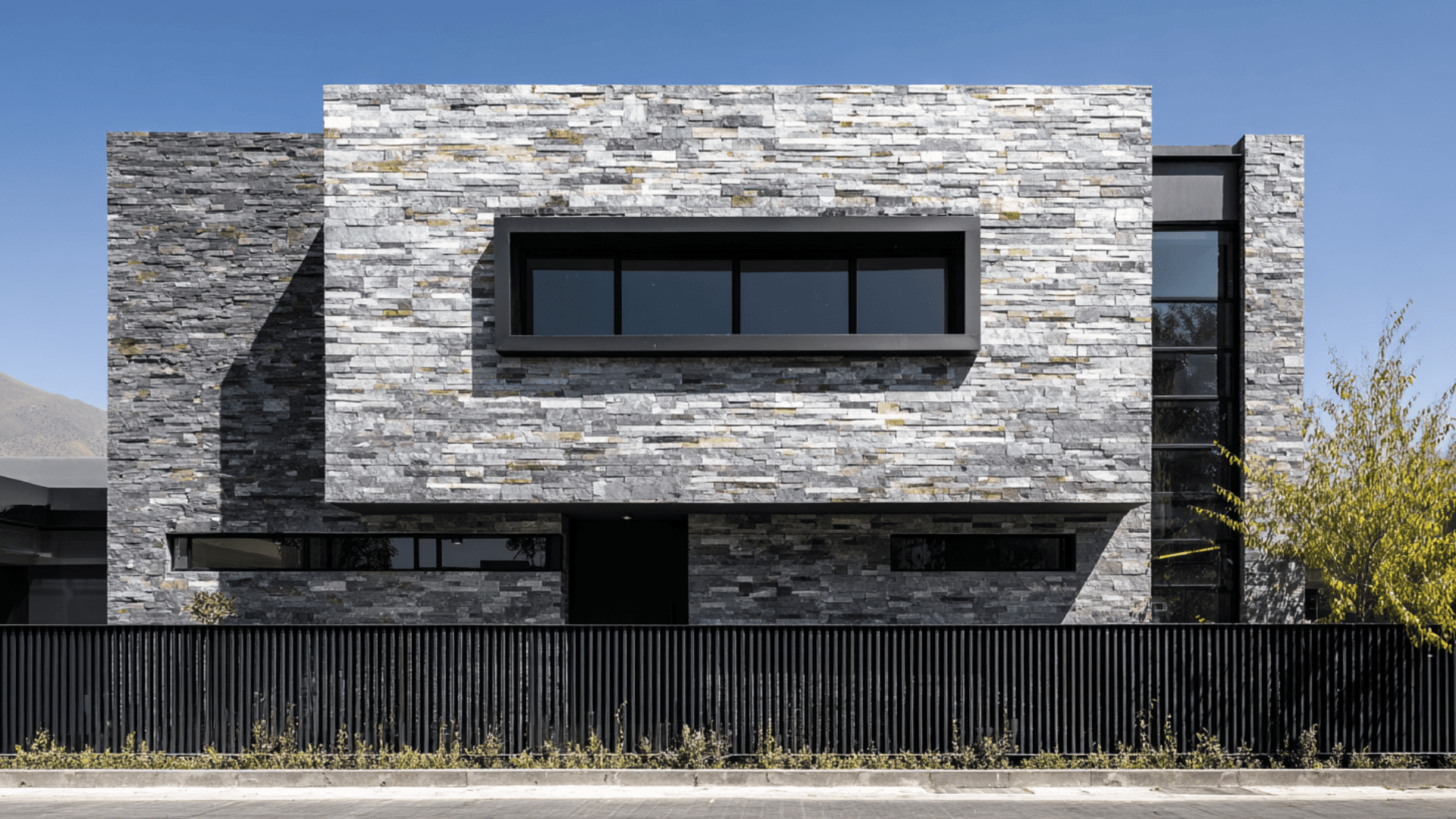
Best For: Lightweight volcanic texture and modern aesthetics
Lava stone is porous volcanic rock with a rough, textured surface. It’s naturally lightweight despite its rugged appearance. Colors include black, gray, and dark red.
The stone has natural pits and holes that create a dramatic texture overall. Heat-resistant and durable. Brings a raw, industrial feel to modern and contemporary exteriors.
Each stone type brings something different to your exterior. Think about your home’s style, your climate, and how much maintenance you’re willing to handle. The right stone choice makes your home feel intentional and complete.
Stone Veneer Styles And Patterns
Once you pick your stone type, you need to decide on the pattern. The way the stone is cut and laid changes the whole look. Some patterns feel modern and structured. Others look rustic and organic. Here’s what you’ll see most often.
Ledgestone
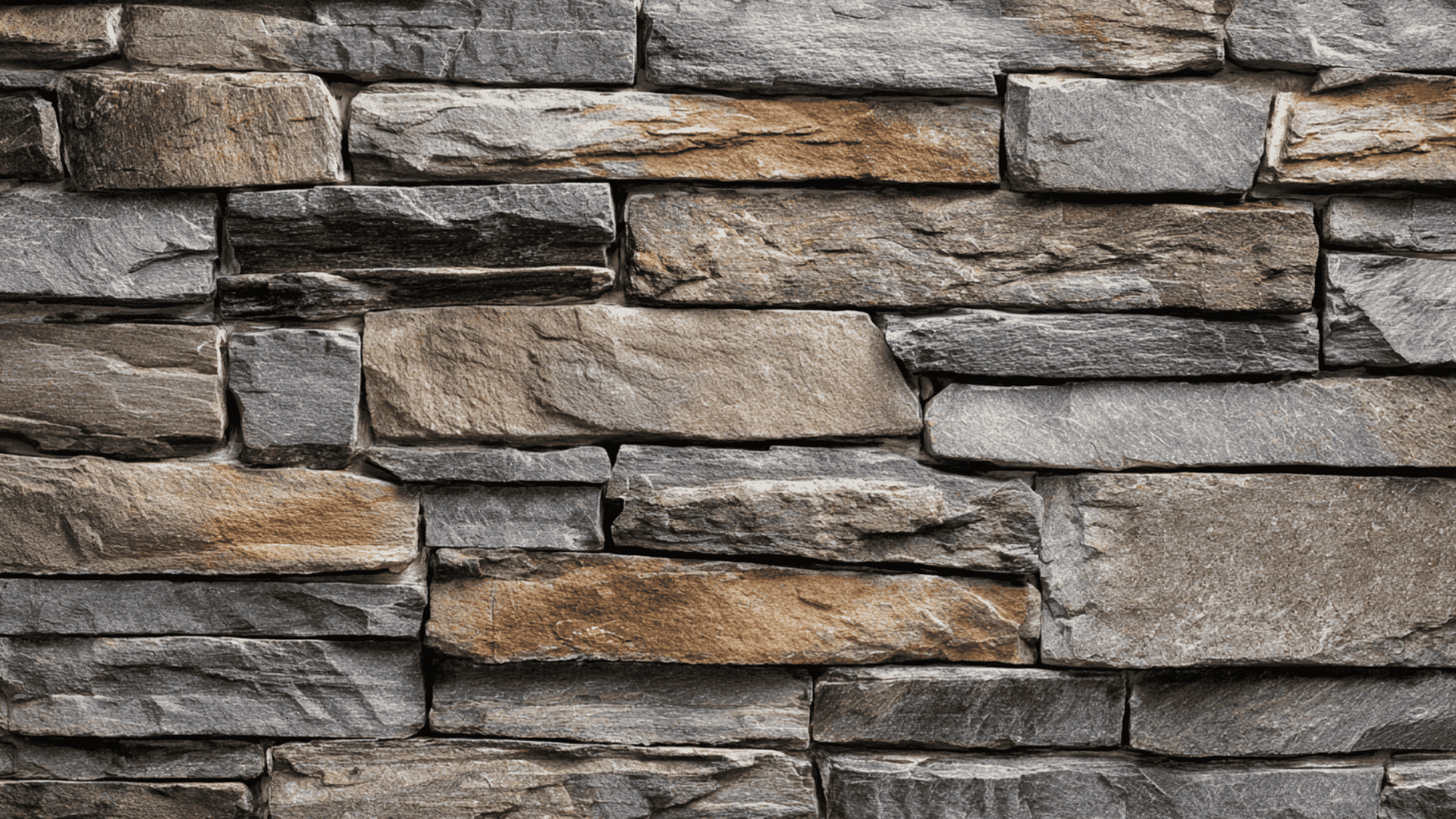
Ledgestone features long, narrow rectangular pieces stacked horizontally. The stones have clean edges with slight texture variations. This pattern creates strong horizontal lines, making walls appear wider.
I see ledgestone most often on modern farmhouses and contemporary homes. The stacked look is clean yet retains natural character. It works beautifully on full facades or accent walls around entries and fireplaces.
Ashlar
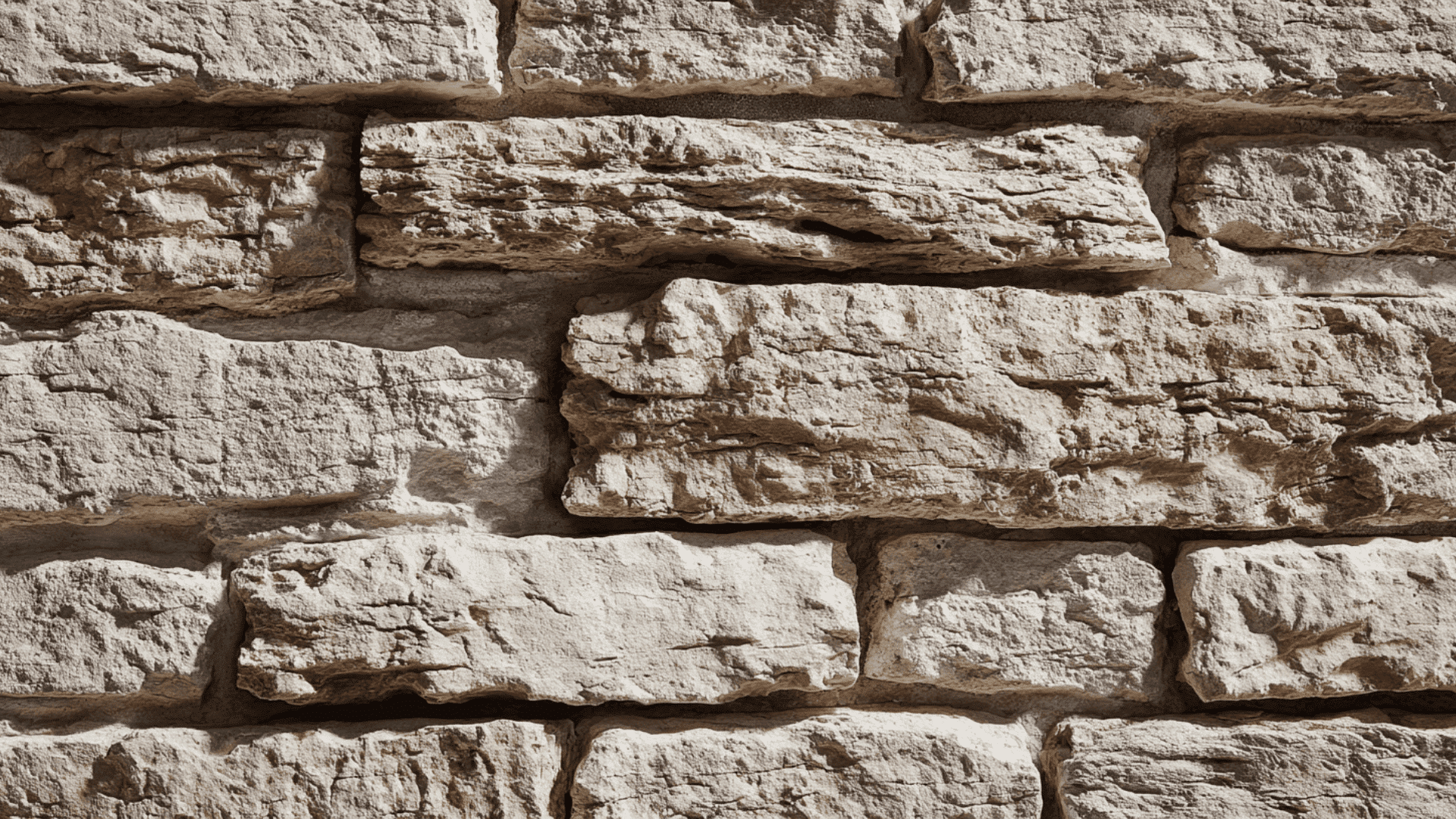
Ashlar is a squared, structured pattern with stones cut into rectangular blocks. The layout is organized with clean, defined lines and tight joints. This pattern feels formal and traditional.
Ashlar works well on European-style homes, classic exteriors, and anywhere you want a polished look. The structured grid creates visual order. It’s one of the most refined stone patterns available.
Fieldledge And Fieldstone Patterns
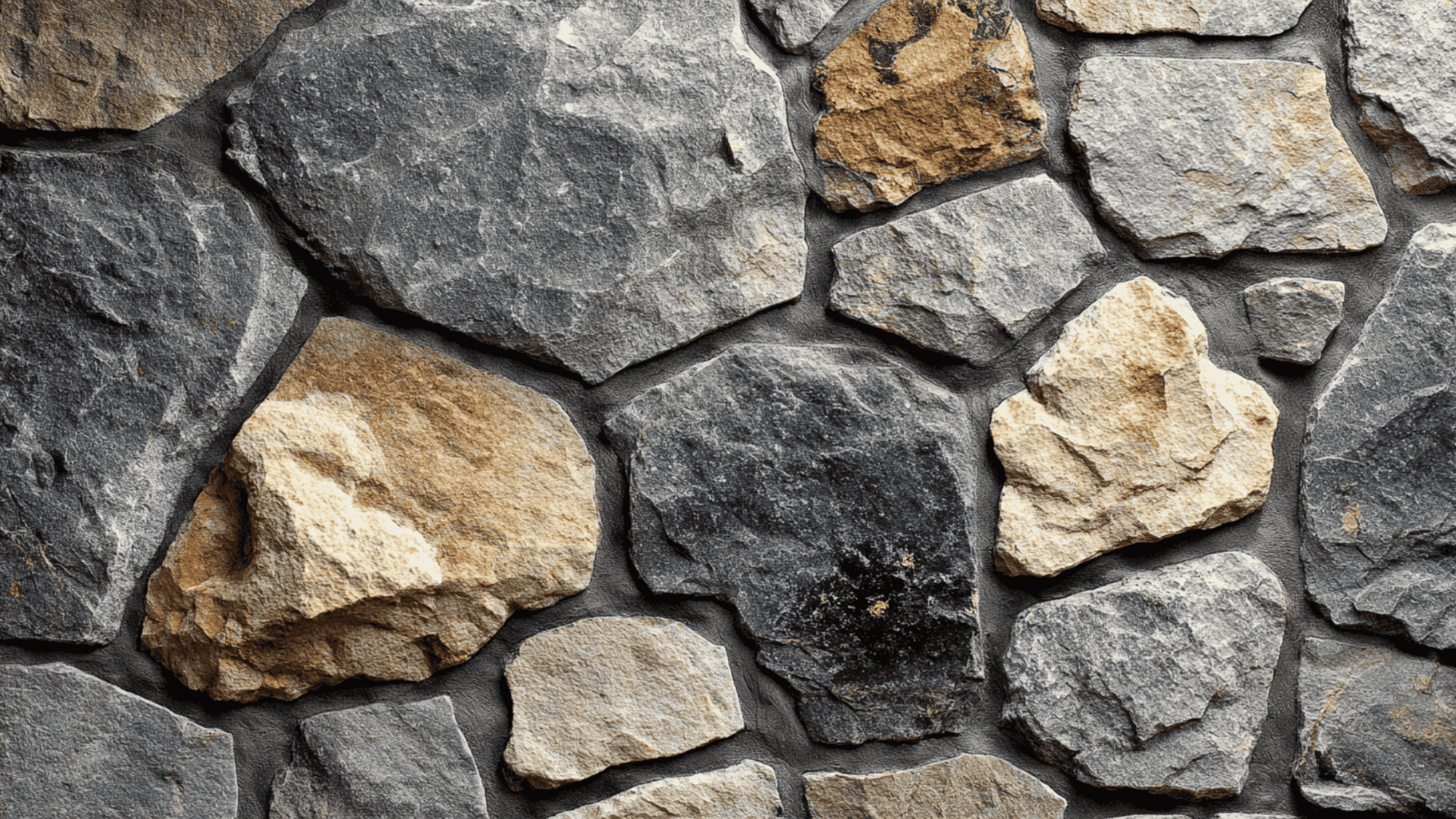
Fieldledge and fieldstone patterns use irregular shapes and sizes for a natural, varied surface. No two stones are the same. The installation looks collected over time rather than manufactured.
This pattern creates a casual, organic feel that suits cottages, cabins, and rustic homes. The varied shapes add texture and visual interest. Fieldstone patterns feel authentic and unpretentious.
Cobblestone And Rounded Profiles
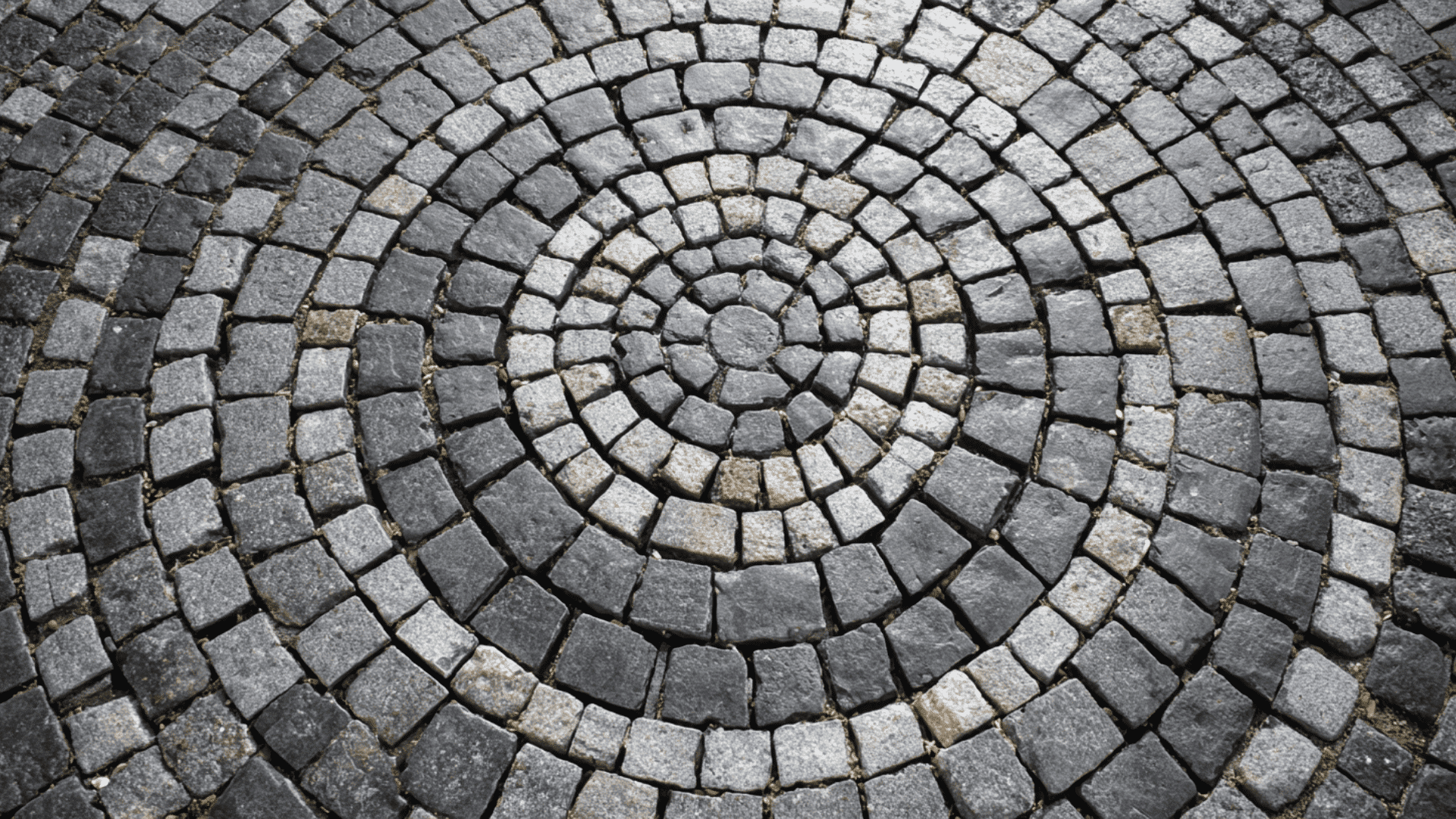
Cobblestone patterns feature rounded stones that create a bumpy, textured surface. The stones are smooth with worn edges like you’d find in riverbeds or old European streets. This pattern brings old-world charm and cottage character.
Cobblestone works well on lower sections of homes, garden walls, and other areas where you want a softer, more organic look. The rounded shapes feel informal and welcoming.
The pattern you choose affects the vibe as much as the stone itself. Match the pattern to your home’s style for a look that feels intentional.
Factors To Consider When Choosing Exterior House Stone
Picking the right stone isn’t just about looks. You need to think about your climate, budget, home structure, and long-term maintenance. Here’s what matters most when narrowing down your options.
| Factor | What To Consider |
|---|---|
| Climate Durability | Granite, quartzite, and slate are best suited to resist freeze-thaw cycles and coastal salt damage. Softer stones like sandstone and limestone absorb water and crack in cold climates. |
| Budget Range | Full-bed stone costs the most. Natural thin veneer is mid-range. Manufactured stone veneer is the most affordable. Installation complexity affects total price – full-bed needs extra support. |
| Weight And Wall Structure | Full-bed stone is heavy and requires strong wall support. Thin veneer and manufactured stone are lighter and can be installed on most existing walls without structural reinforcement. |
| Maintenance And Sealing | Porous stones such as sandstone, limestone, and travertine need to be sealed every 1-3 years to prevent water stains. Dense stones like granite and quartzite need less maintenance. |
| Color, Texture, And Style Match | Modern homes suit slate or basalt well. Farmhouses pair with fieldstone. Craftsman homes work with earth-tone stacked stone. Mediterranean styles fit travertine or limestone best. |
| Local Availability And Lead Times | Locally sourced stone costs less and arrives much faster. Specialty stones from other regions increase your budget and timeline. Regional stone matches your landscape better. |
Take time to evaluate each factor based on your specific home and location. The right stone choice balances looks, durability, budget, and practicality.
Benefits Of Exterior House Stone
Stone brings more than just good looks to your home’s exterior. It offers practical advantages that save you time and money over the years. Here’s why so many homeowners choose stone.
- Long-term durability: Stone handles sun, wind, rain, and daily wear better than most siding materials. It won’t warp, rot, or fade. Once installed properly, stone lasts decades without replacement.
- Strong curb appeal: Natural stone adds depth and texture, making homes look substantial. The color variations and surface textures create visual interest you can’t get from flat siding. Stone elevates appearance and holds value.
- Low day-to-day upkeep: Unlike wood that needs repainting every few years, stone requires minimal maintenance. An occasional cleaning keeps it fresh. Sealed stone might need resealing every few years, but that’s it.
- Design flexibility: Stone works as full siding, strategic accents, or focused features. Use it on your entire facade or just the entry, foundation, or chimney. Mix it with wood or metal for variety.
These benefits make stone a smart choice for homeowners who want a durable, attractive exterior without constant maintenance.
Conclusion
Choosing from the many types of exterior house stone starts with understanding what each one offers. I always tell clients to choose their stone type first, based on durability, climate, and budget. Then choose the veneer style and pattern that matches your home’s architecture.
Then shortlist two or three stones that feel right for your situation. Get physical samples and look at them outside in natural light at different times of day.
I can’t stress this enough – stone looks completely different in morning sun versus afternoon shade. What looks perfect in a showroom might surprise you in your actual house.
The right stone makes your home feel solid, grounded, and complete. It’s an investment that pays off in curb appeal and longevity. Which stone type are you leaning toward? Drop a comment and share what you’re considering for your exterior.