A small living room often seems limiting at first, but size alone is rarely the real problem. I’ve noticed that many spaces feel cramped because of layout choices that do not support how the room is actually used.
It’s easy to assume that adding more furniture or decor will make a room feel complete, yet this approach often creates the opposite effect. What tends to work better is a thoughtful balance of space, light, and function.
When the layout is planned with movement and comfort in mind, even a small living room can feel open and inviting. Certain design choices quietly improve flow, while others slowly create clutter and frustration.
Understanding these differences helps avoid common mistakes and leads to lasting results. With the right layout ideas, a small living room can support both everyday life and a clean, comfortable interior design.
Smart Small Living Room Layout Ideas
A well-planned layout for a small living room can completely change how the space looks and feels.
I’ve noticed that simple layout choices, smart furniture placement, and a light use of color make small rooms feel more open, comfortable, and stylish without major changes to the home’s interior design.
1. Open Layout with Minimal Furniture
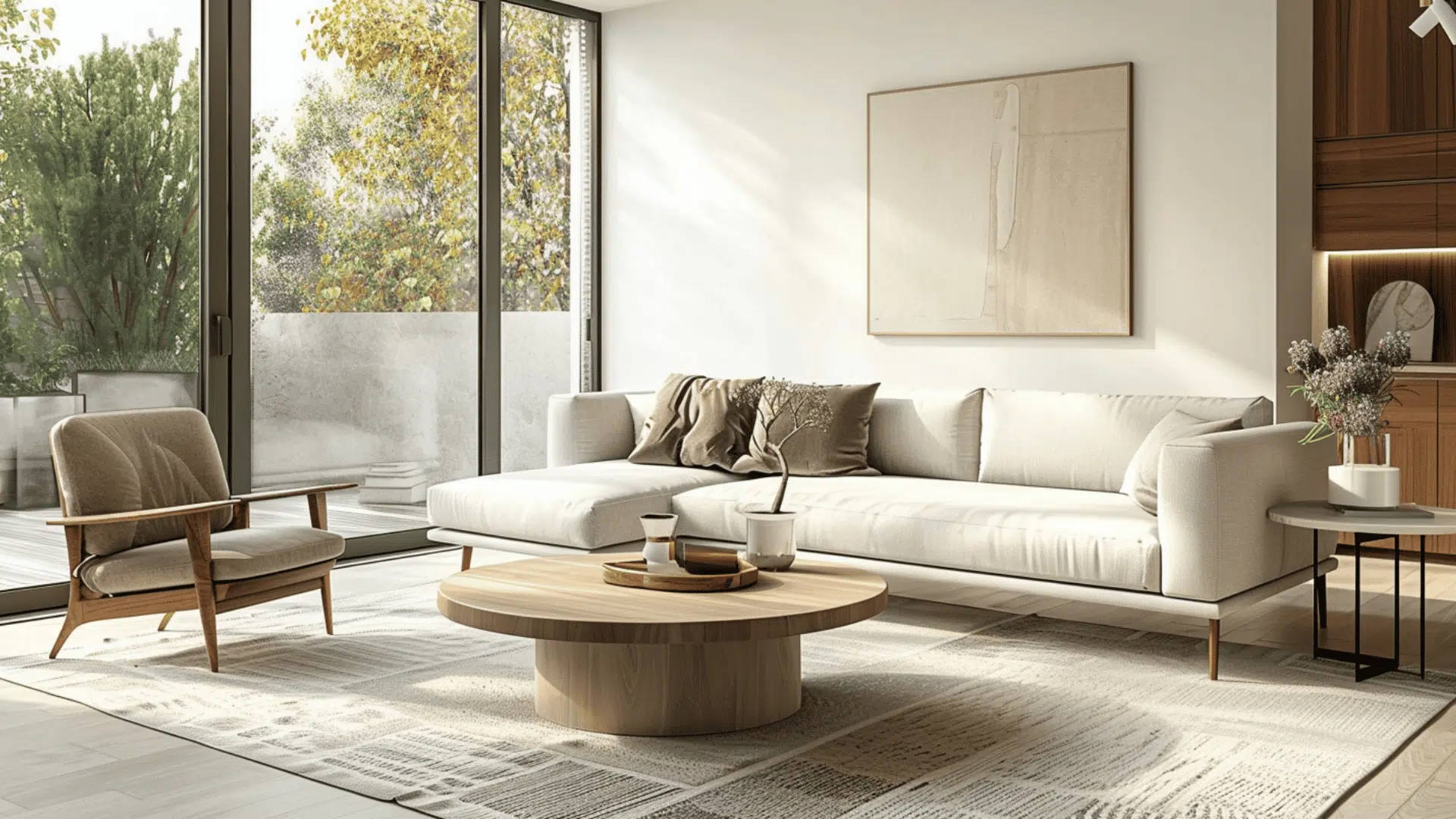
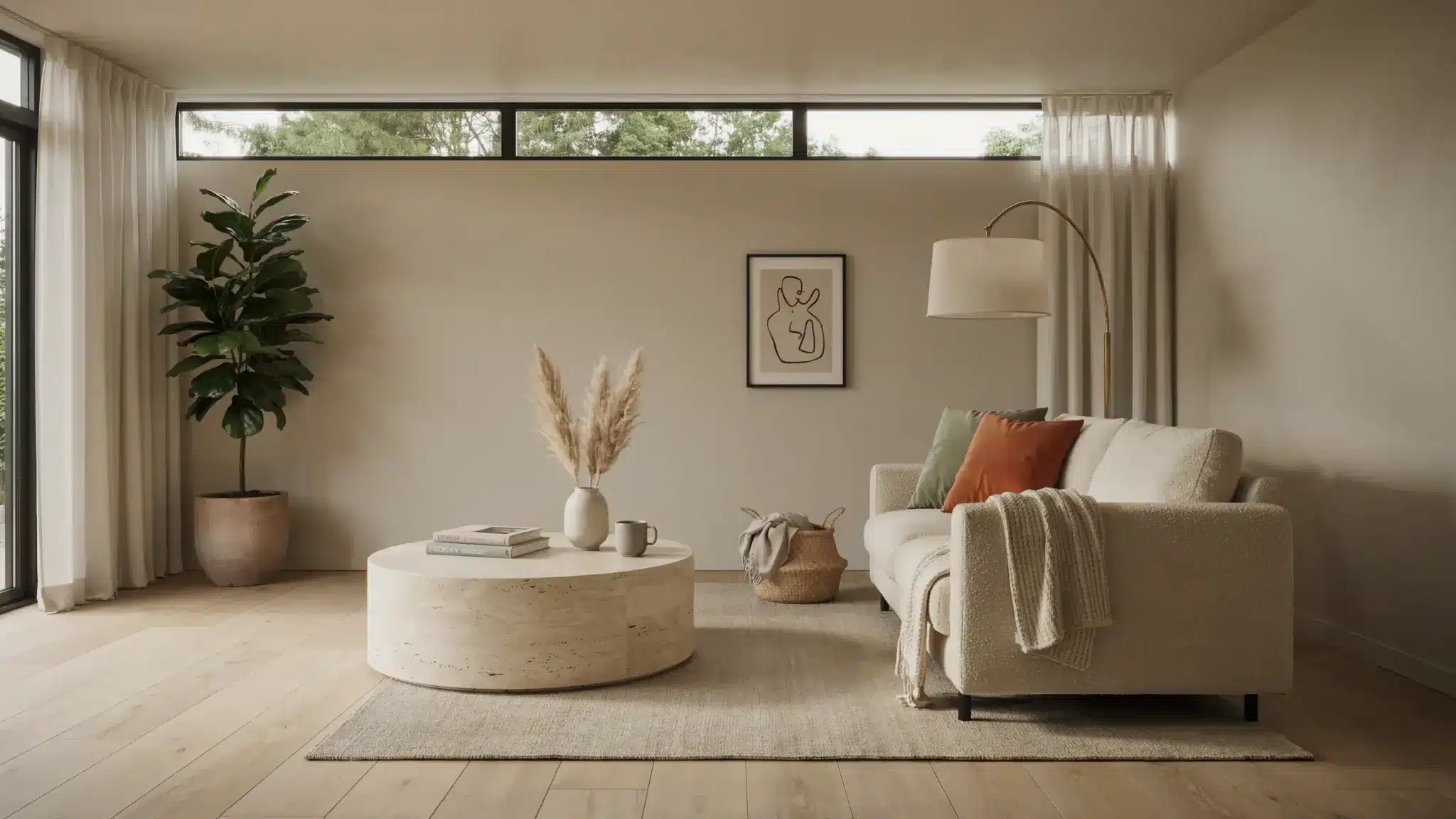
This small living room layout focuses on keeping only what you truly need. By limiting furniture, the space feels open and easy to move around.
This approach reduces clutter and helps light travel better across the room, making even the smallest living rooms feel calm and welcoming.
Interior design tip: Use “negative space” (empty space) to make the room feel more open.
2. Wall-Mounted TV to Save Floor Space
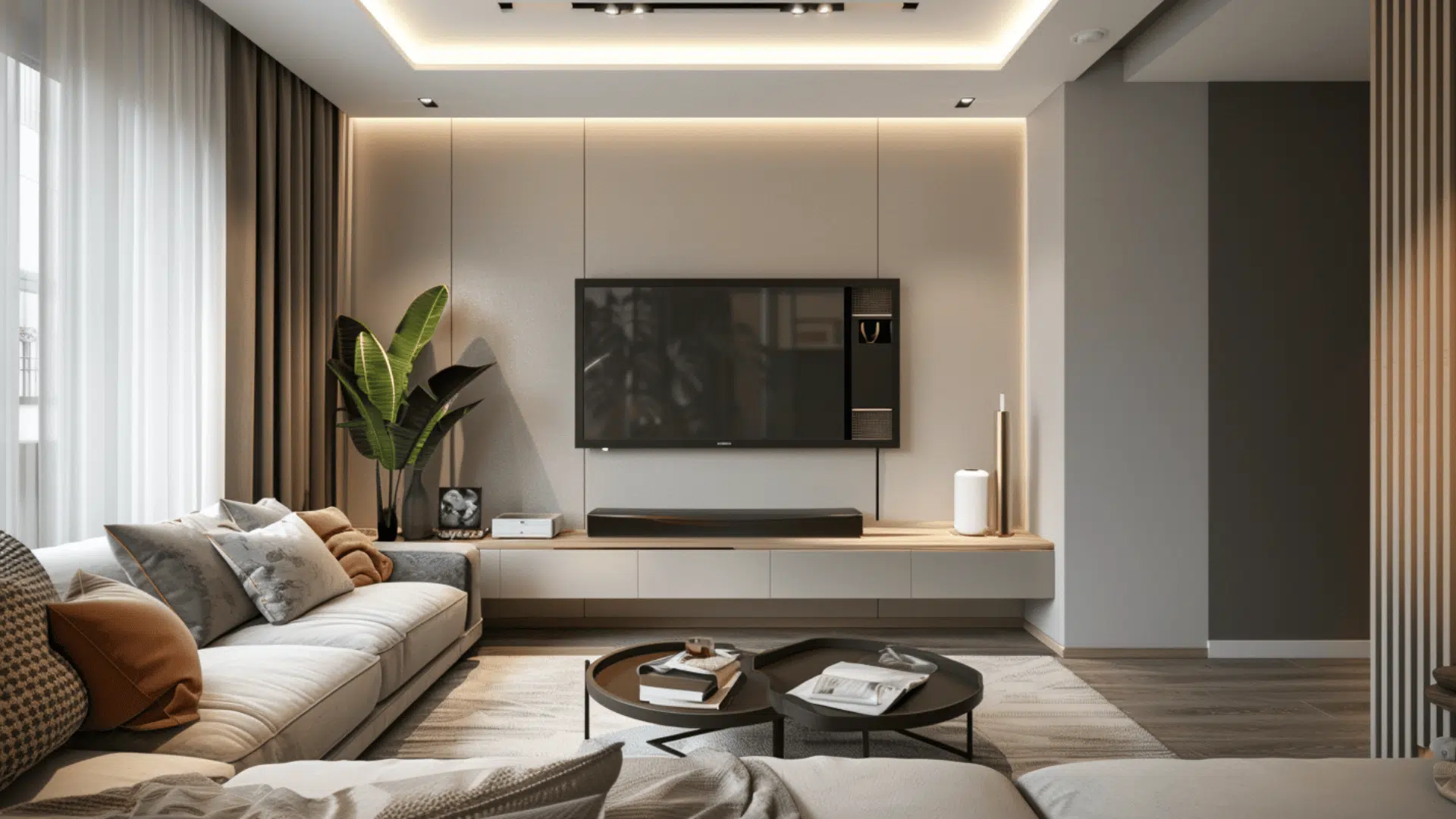
Mounting the TV on the wall clears up valuable floor space and removes the need for bulky TV units. This makes the room feel cleaner and more organized.
I’ve learned that this simple change helps improve flow and works well with modern small living room ideas focused on function.
Interior design tip: Hide cables for a clean, modern look.
3. Light-Colored Walls for a Bigger Feel
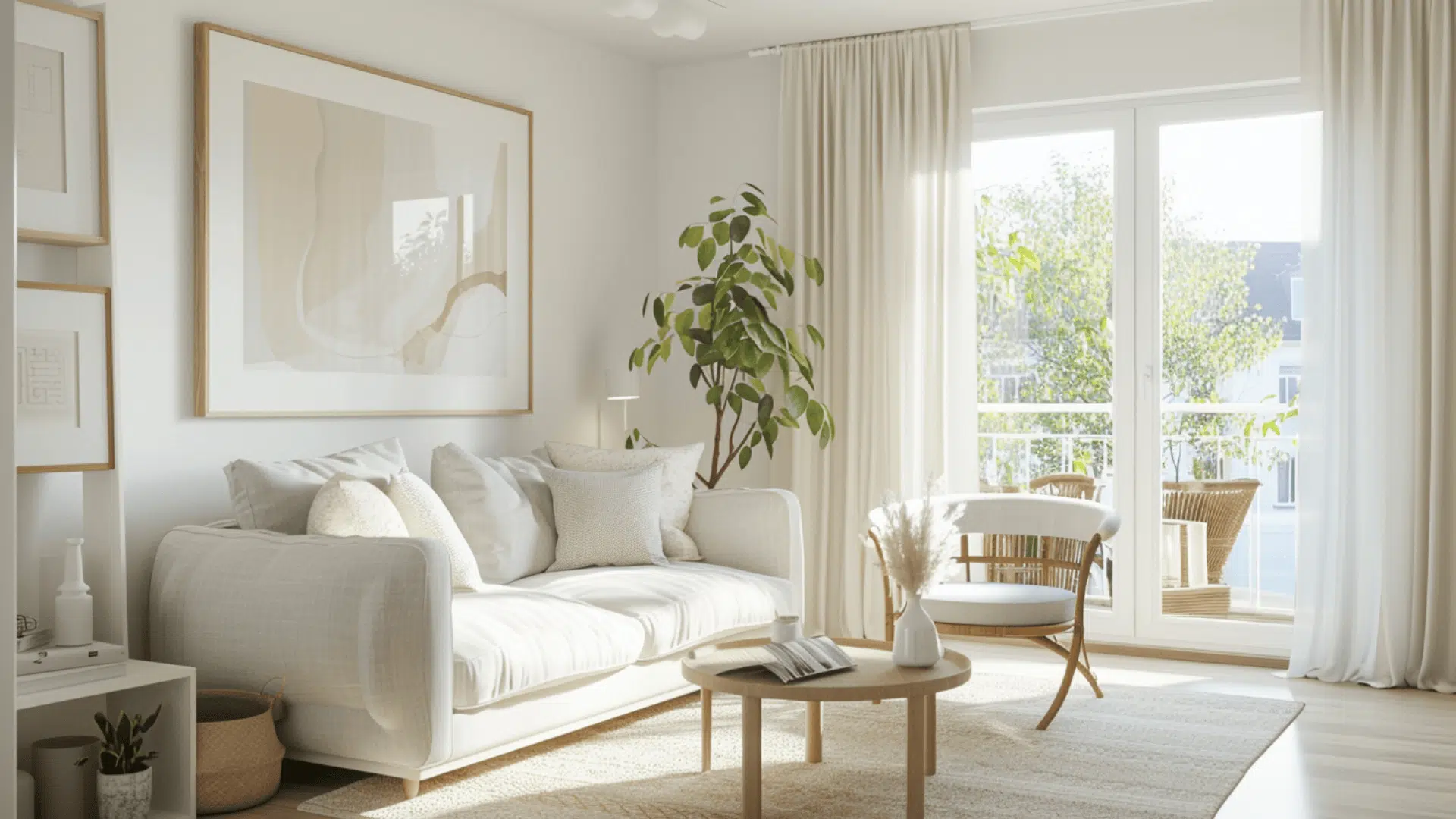
Light wall colors like white, cream, or soft gray reflect natural and artificial light. This makes a small living room layout appear larger and brighter.
The lighter shades also create a clean background, helping furniture and decor blend smoothly into the overall interior design.
Interior design tip: Pair light walls with warm textures to avoid a cold feel.
4. Use a Sectional Sofa Wisely
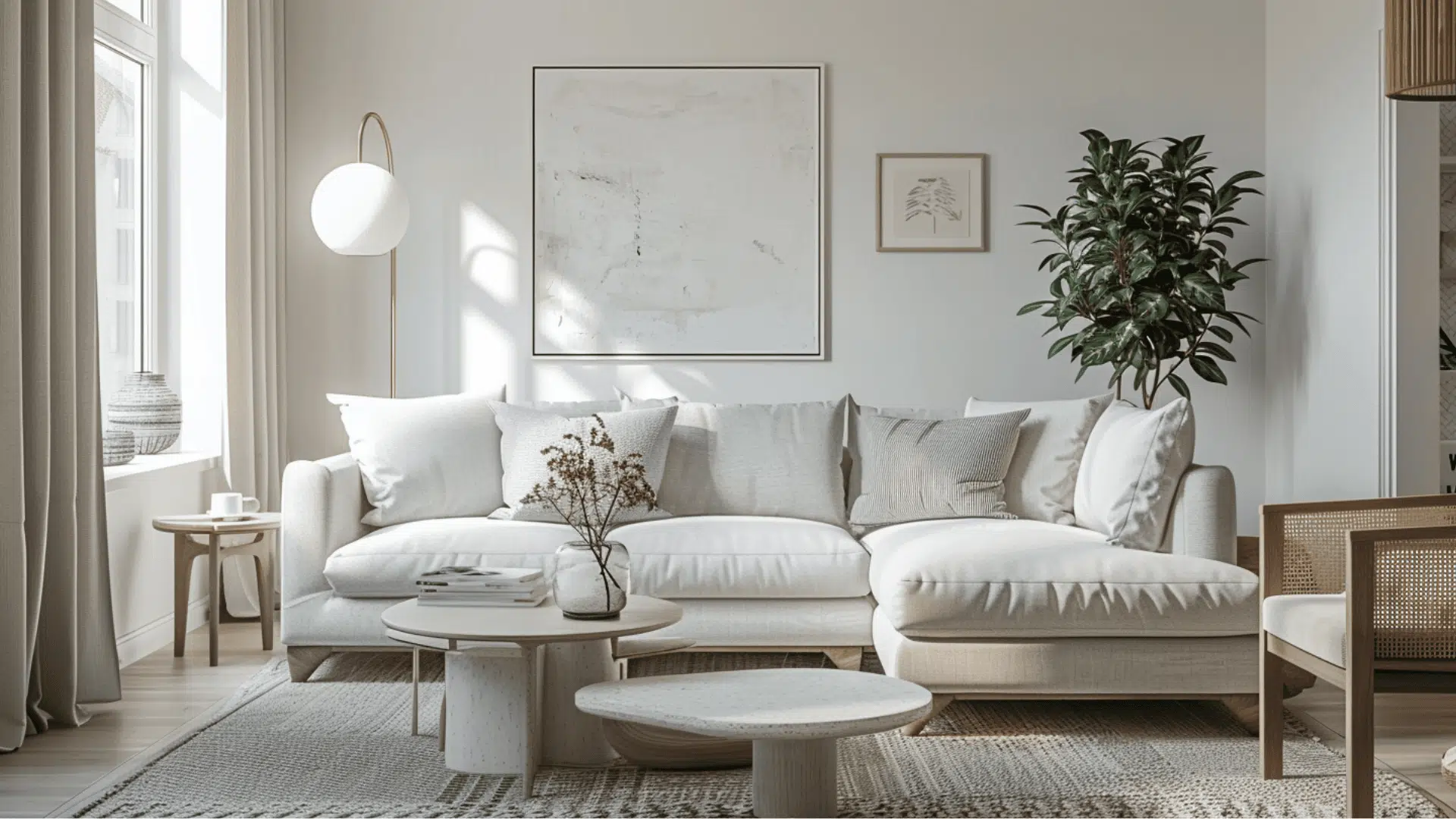
A compact sectional sofa can fit neatly into a corner and provide extra seating without crowding the room. When placed correctly, it helps define the living area.
This layout works best when the sofa size matches the room scale and leaves clear walking space.
Interior design tip: Choose a sectional with raised legs to keep it visually light.
5. Floating Shelves Instead of Cabinets
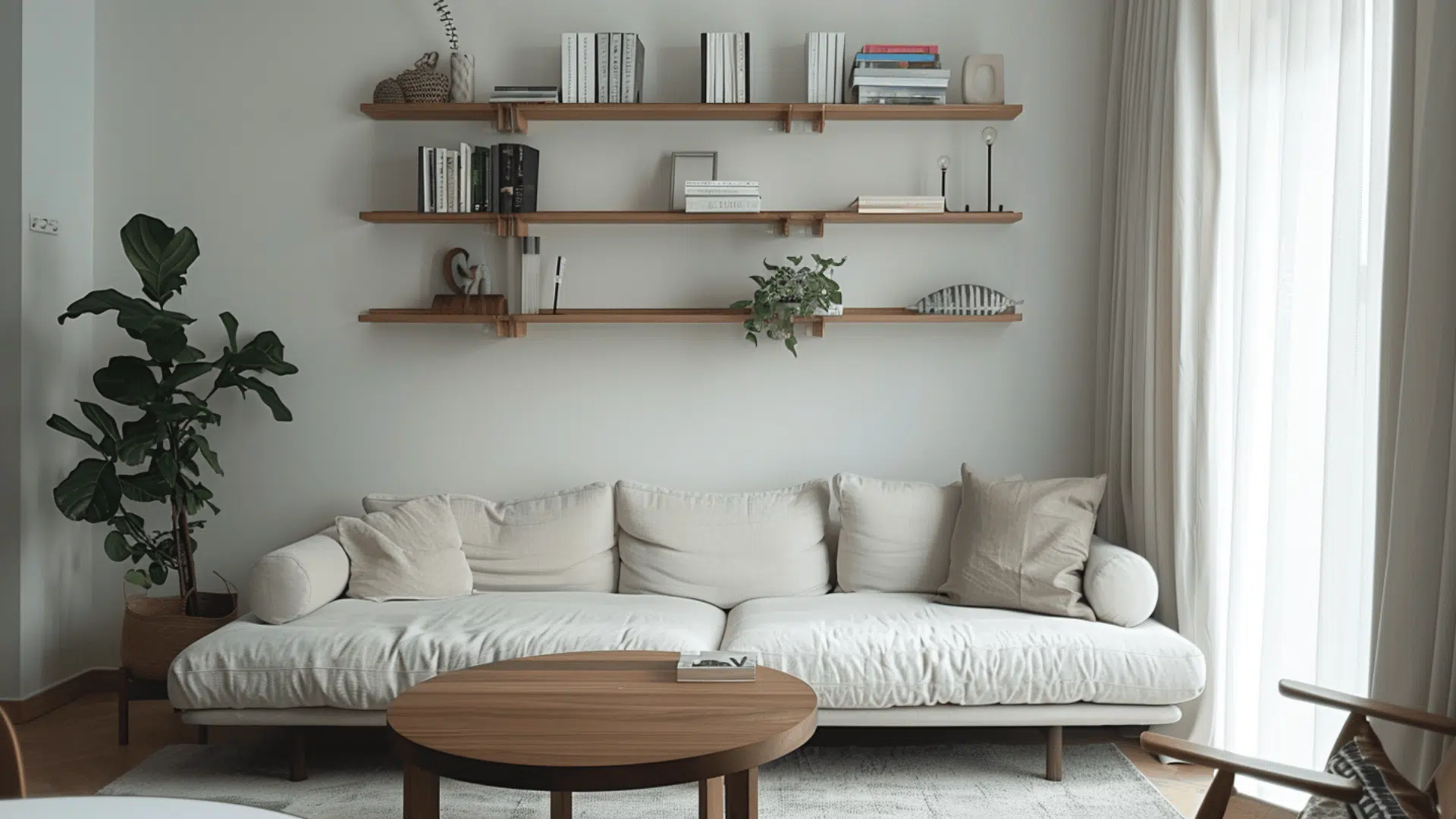
Floating shelves offer storage without taking up floor space, which is useful in small living rooms. They keep the room feeling light and open.
It also draws the eye upward, making the room feel taller while still supporting both style and function in interior design.
Interior design tip: Keep shelf decor minimal, group items in threes.
6. Multi-Functional Furniture Pieces
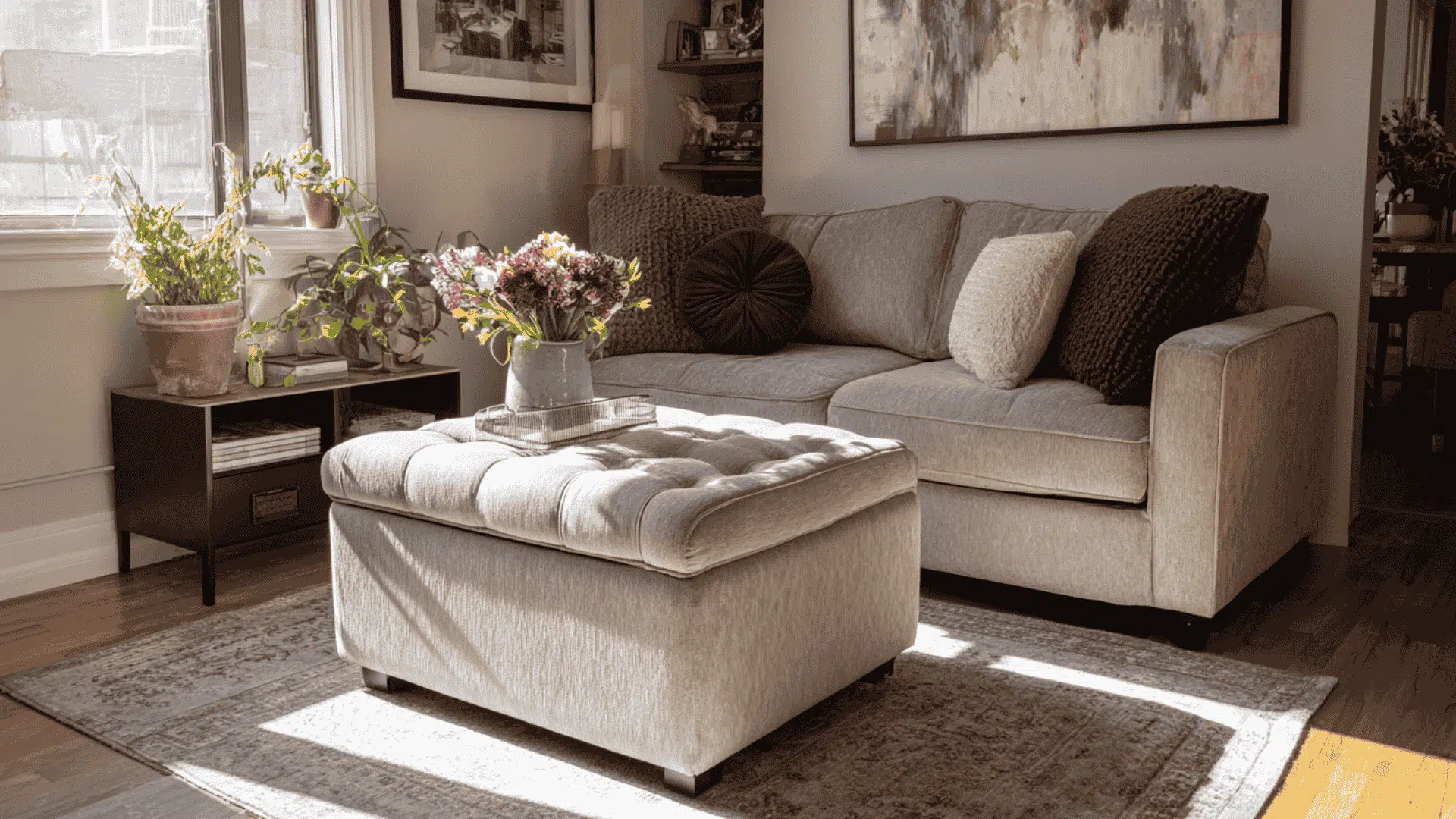
Furniture that serves multiple purposes is a smart choice for small living room layouts. Items like storage ottomans or sofa beds reduce clutter and add flexibility.
These pieces help maintain comfort while making better use of limited space.
Interior design tip: Pick pieces that look stylish even when stored or folded.
7. Place Furniture Away from Walls
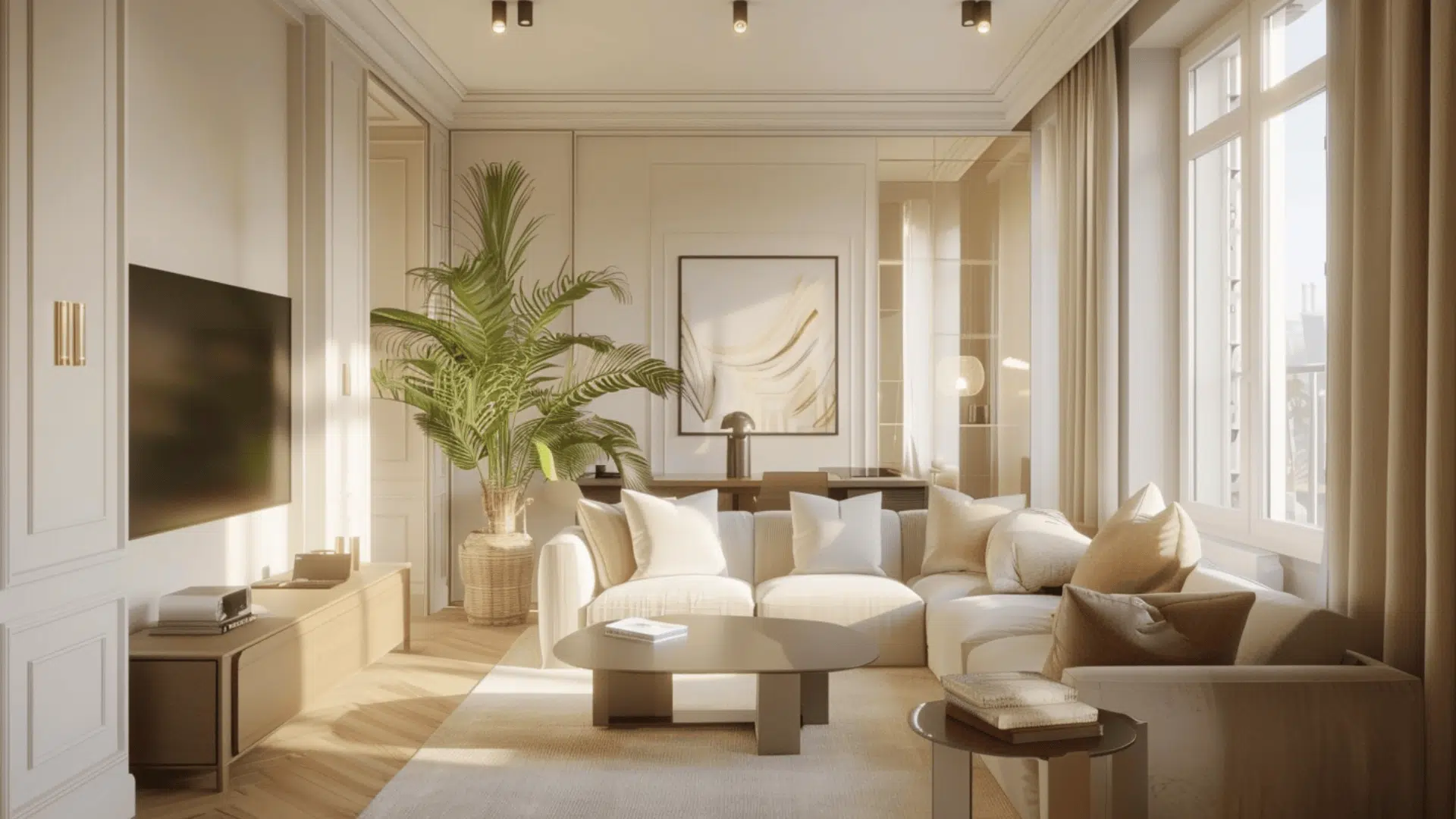
Moving furniture slightly away from the walls can create depth and better balance in a small living room. I’ve noticed this makes the space feel more natural and less boxed-in.
This layout idea also improves airflow and allows decorative elements to stand out more clearly.
Interior design tip: Leave a small gap and use a narrow table for function.
8. Mirrors to Reflect Light
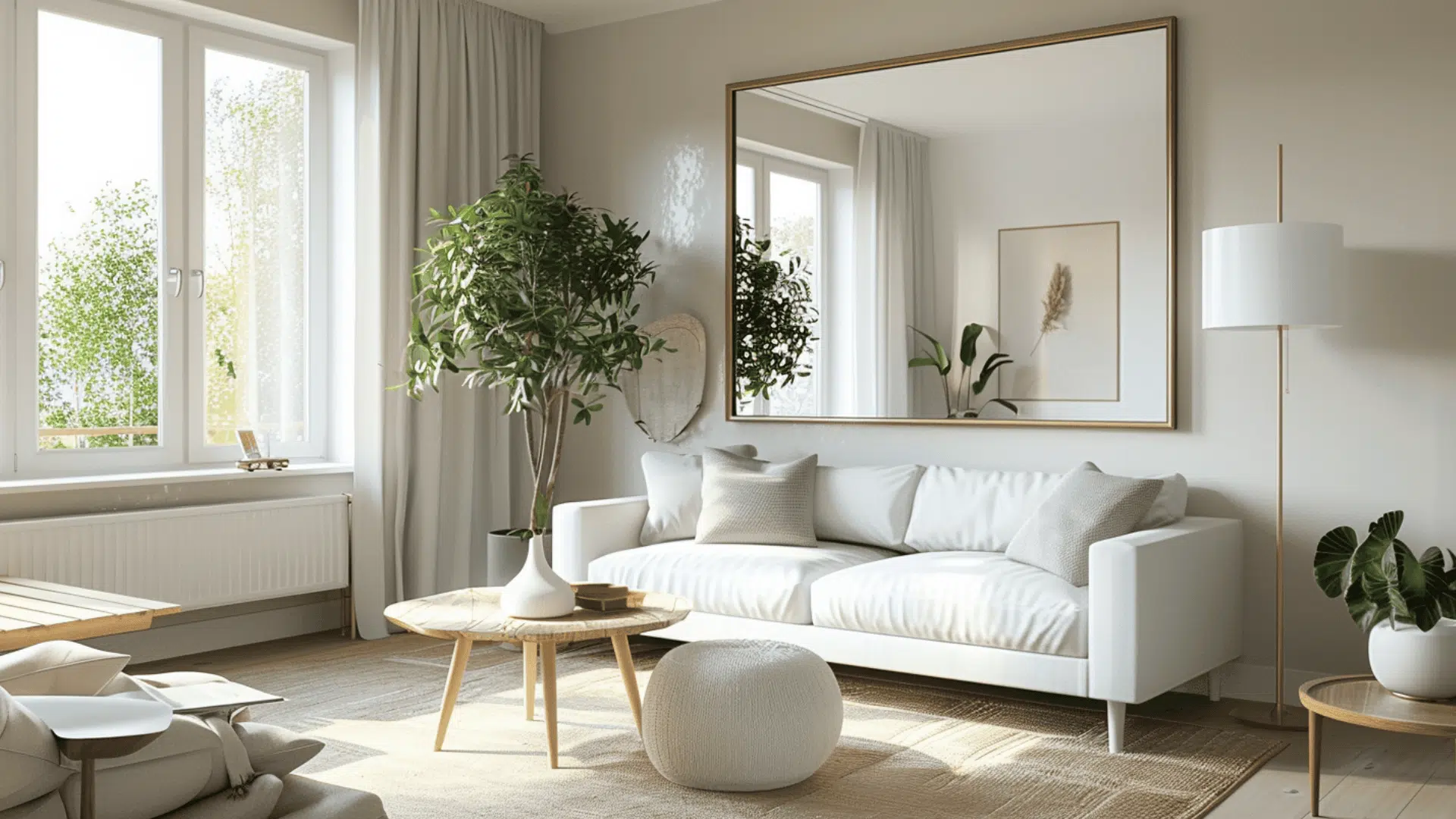
Mirrors reflect light and visually double the space, making them ideal for small living rooms. Placing a mirror opposite a window works especially well.
I’ve learned that this trick adds brightness and depth without changing the actual layout or adding extra furniture.
Interior design tip: Choose a thin frame to make the mirror look lighter.
9. Use Area Rugs to Define Space
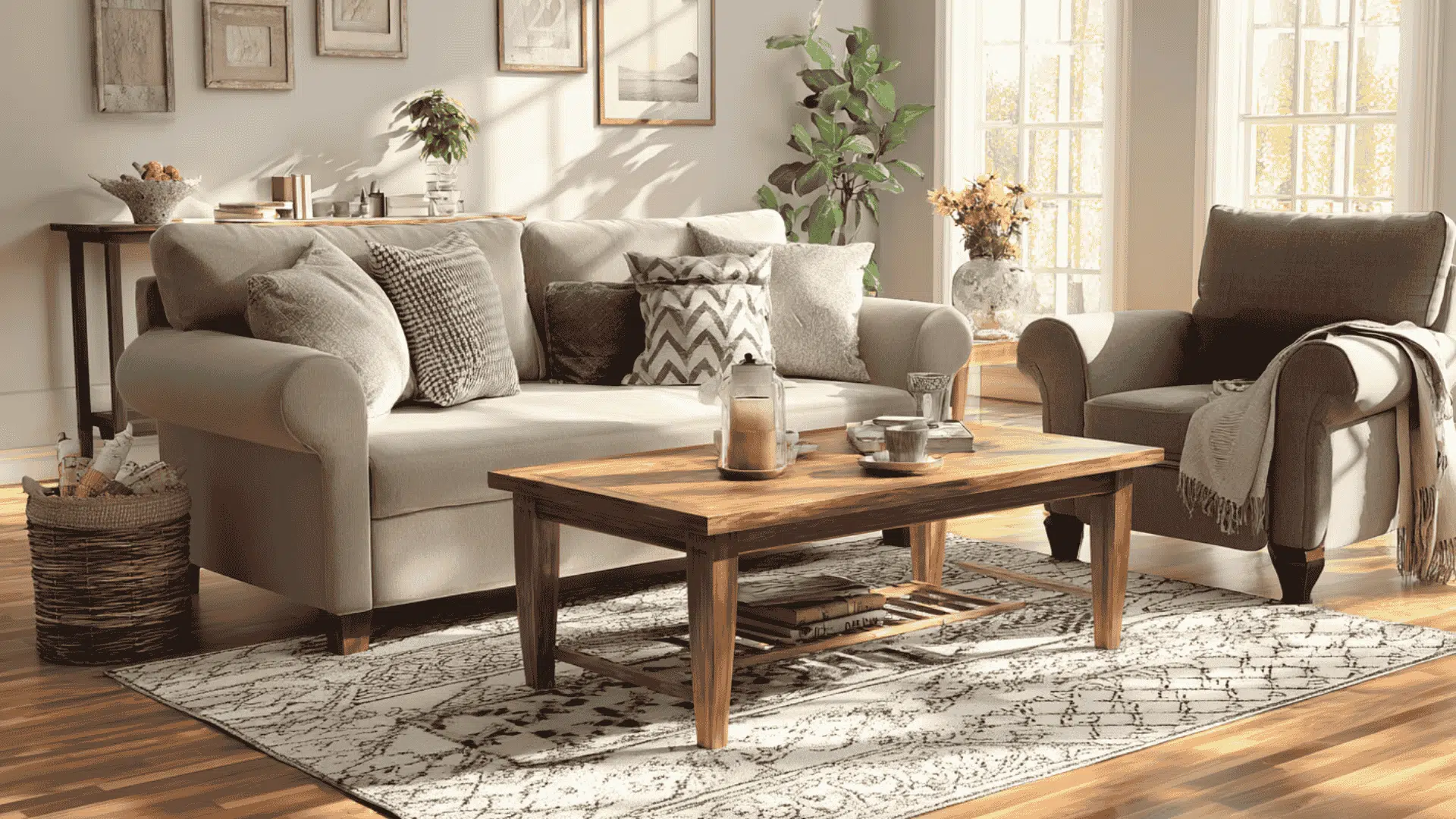
An area rug helps define the living area, especially in open or small homes. It visually groups furniture together and adds warmth.
Choosing the right rug size helps anchor the layout and prevents the room from feeling scattered or unfinished.
Interior design tip: Place the front legs of furniture on the rug for a pulled-together look.
10. Vertical Curtains for Height
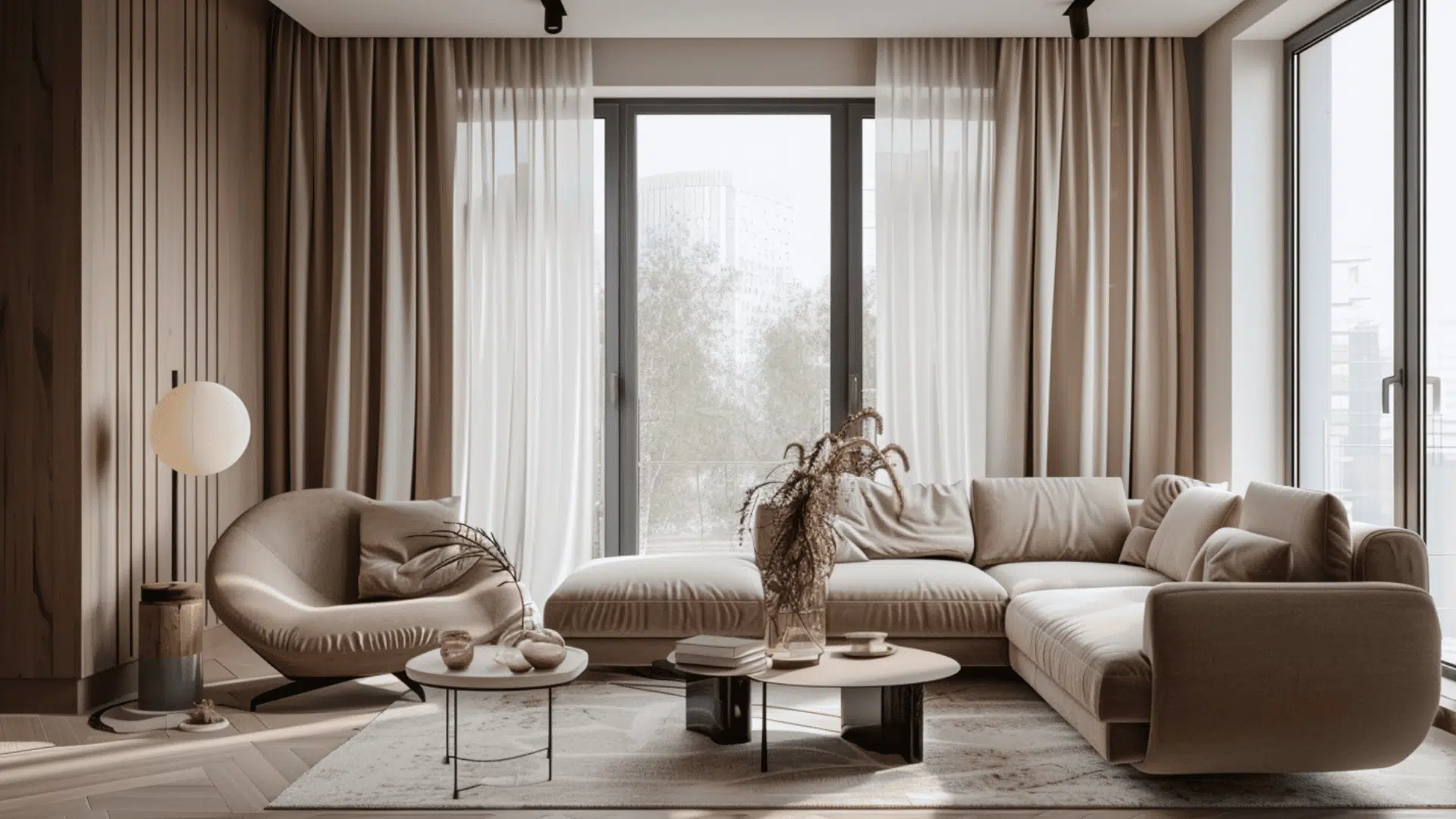
Hanging curtains from the ceiling to the floor makes the walls appear taller. This simple trick helps a small living room layout feel more open.
The light fabric works best because it lets light through while still adding softness and style to the overall interior design.
Interior design tip: Mount curtain rods close to the ceiling for the best height effect.
11. Glass or Acrylic Furniture
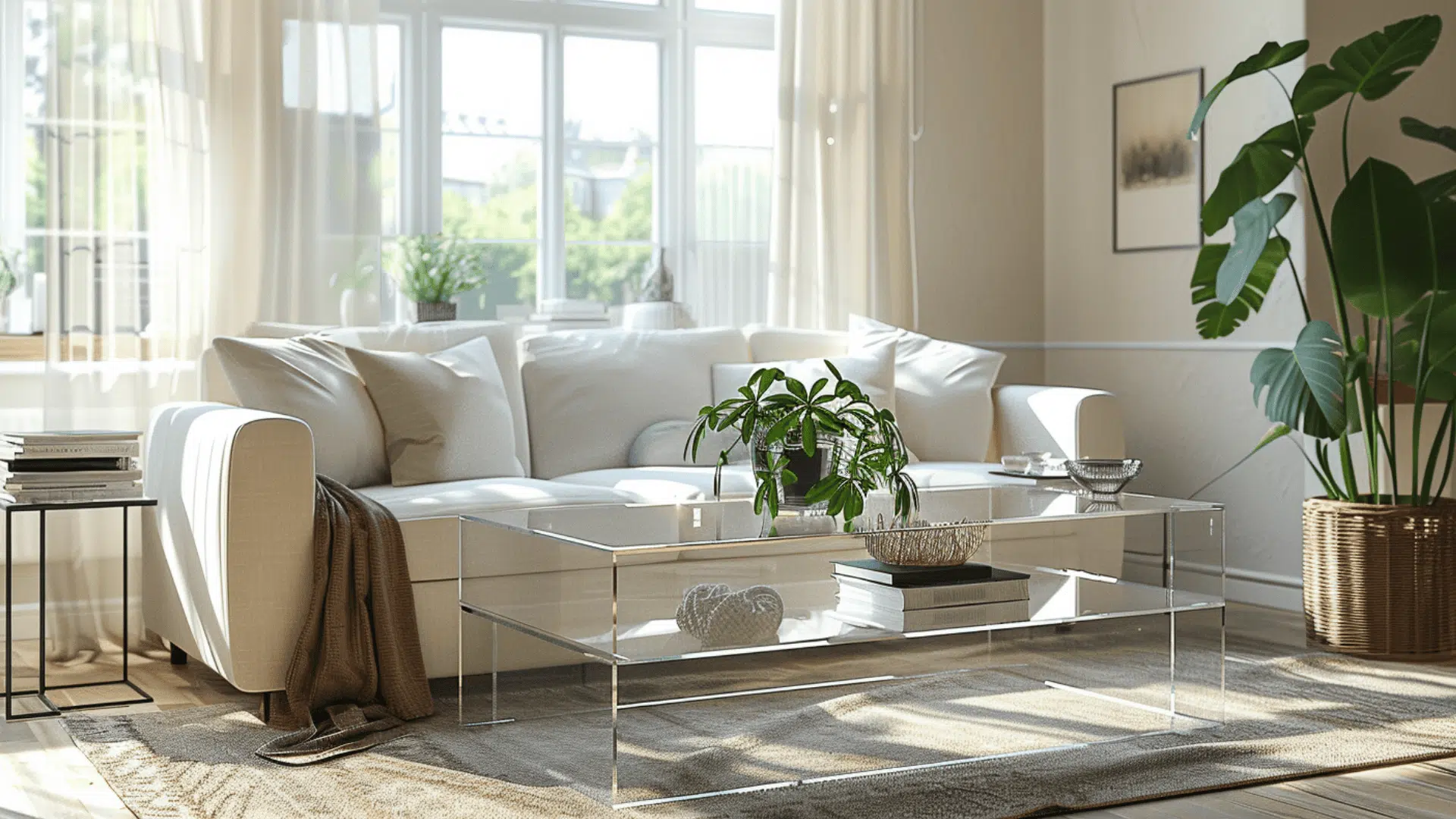
Glass or acrylic furniture creates function without adding visual weight. Pieces like coffee tables or side tables almost disappear in the room.
This keeps the layout feeling open and modern, which works well for small living room ideas focused on simplicity.
Interior design tip: Keep edges rounded for safety and softer visual flow.
12. Built-In Seating or Storage
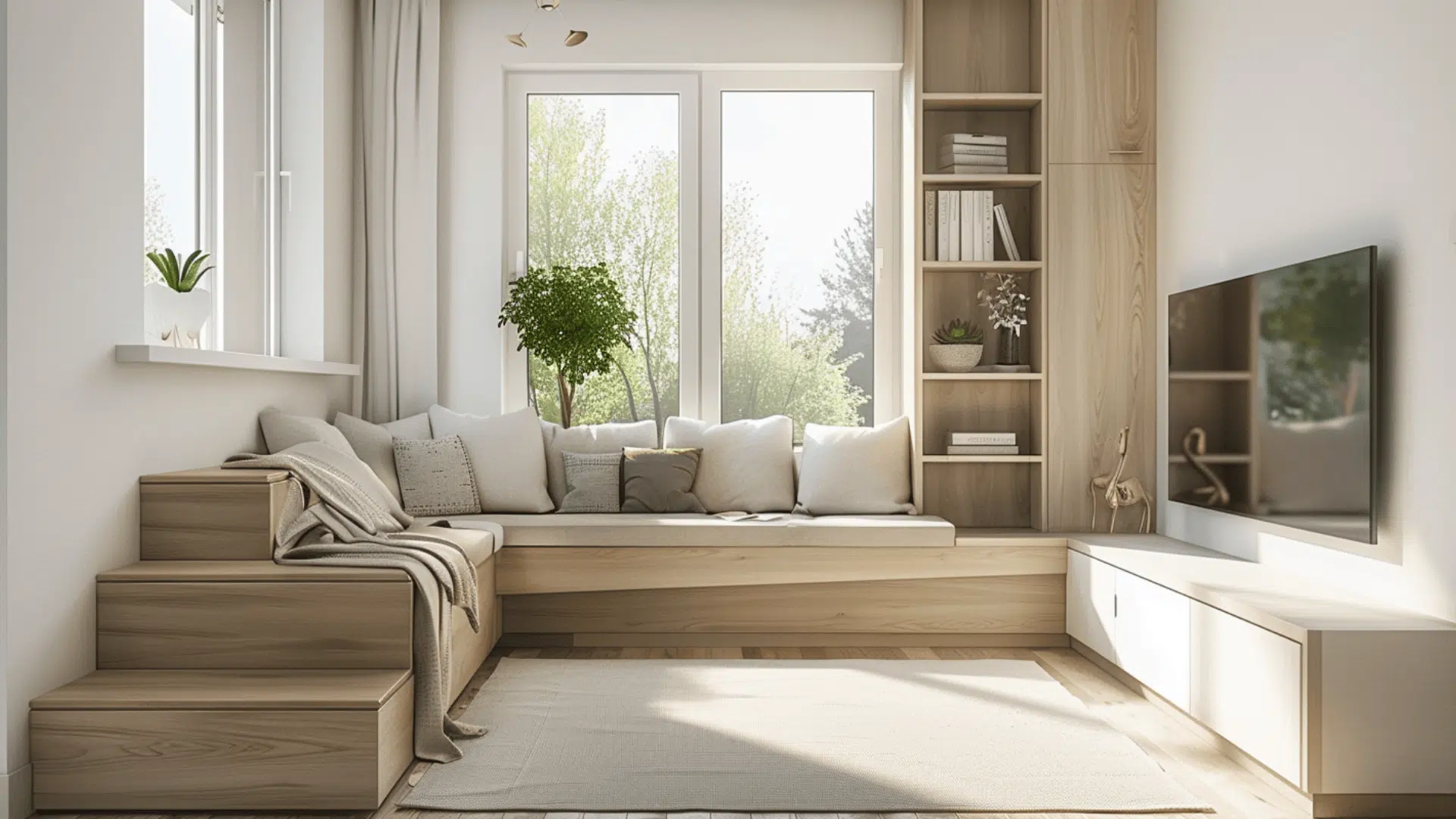
Built-in seating or storage uses space efficiently, especially in corners or under windows. It helps reduce clutter and keeps the layout clean.
The built-ins make a small living room feel more planned and polished while supporting long-term interior design goals.
Interior design tip: Add cushions and throw pillows to make built-ins feel cozy.
13. Neutral Color Palette
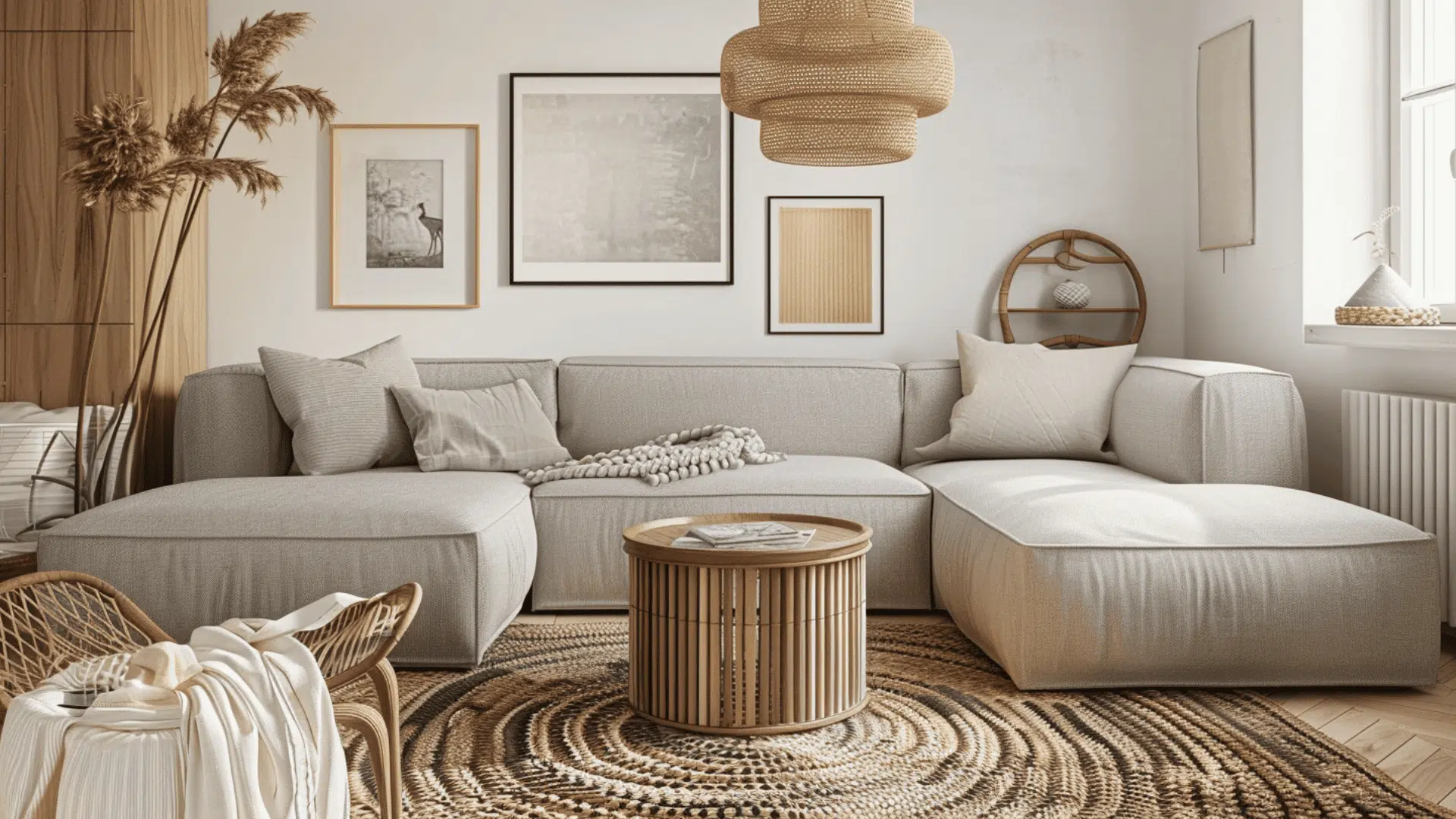
A neutral color palette creates a calm and balanced look in a small living room. Shades like beige, gray, and soft white help the room feel open.
Neutrals also make it easier to mix furniture and decor without overwhelming the space.
Interior design tip: Add texture (knits, wood, linen) so neutrals feel rich rather than flat.
14. Compact Coffee Table
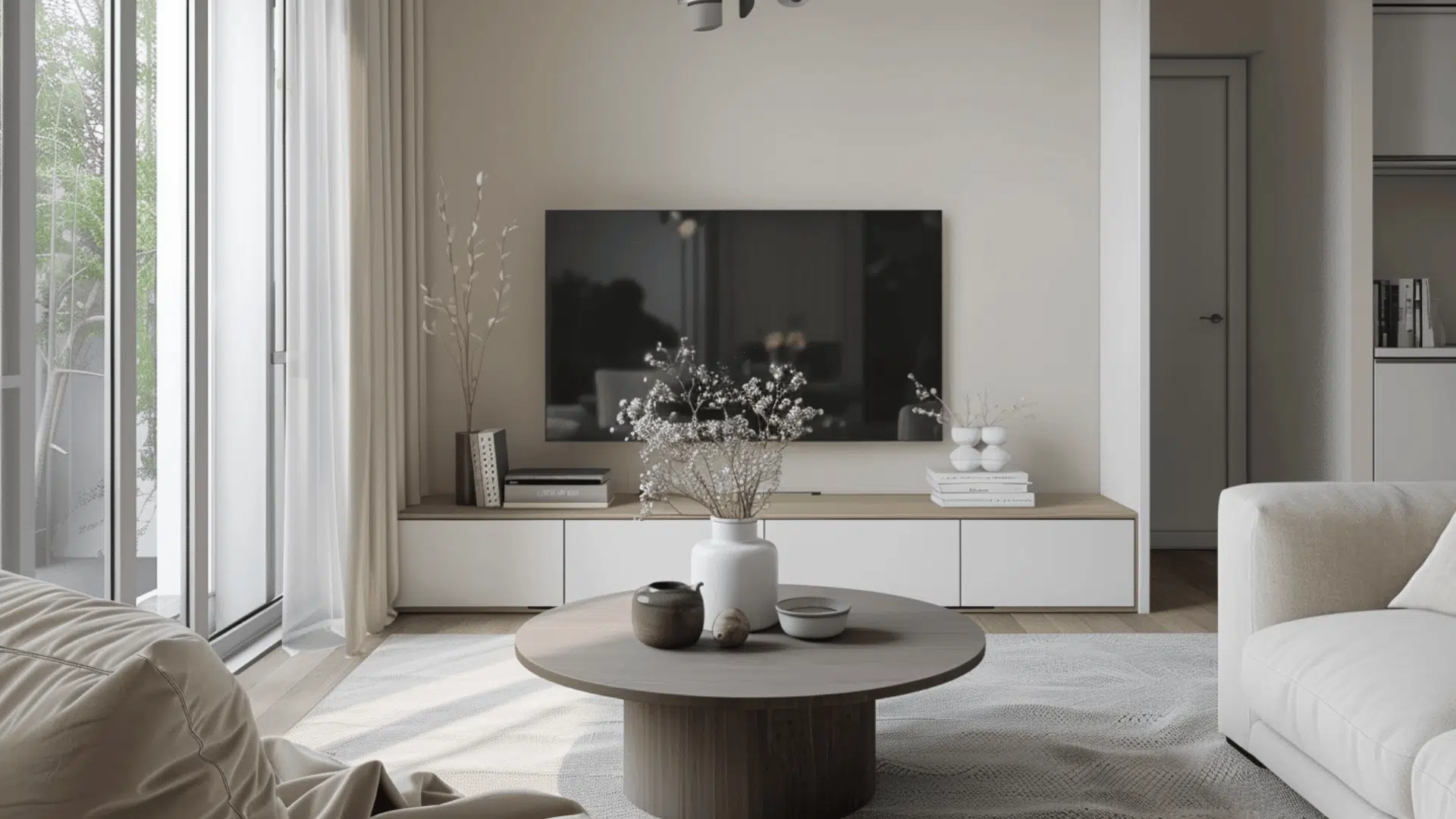
Small or nesting coffee tables provide everyday function without blocking movement. Round shapes work especially well in tight layouts.
I’ve learned that choosing the right table size improves flow and keeps the living room feeling comfortable, practical, and visually balanced.
Interior design tip: Nesting tables are great when you need extra surface space sometimes.
15. Vertical Storage Units
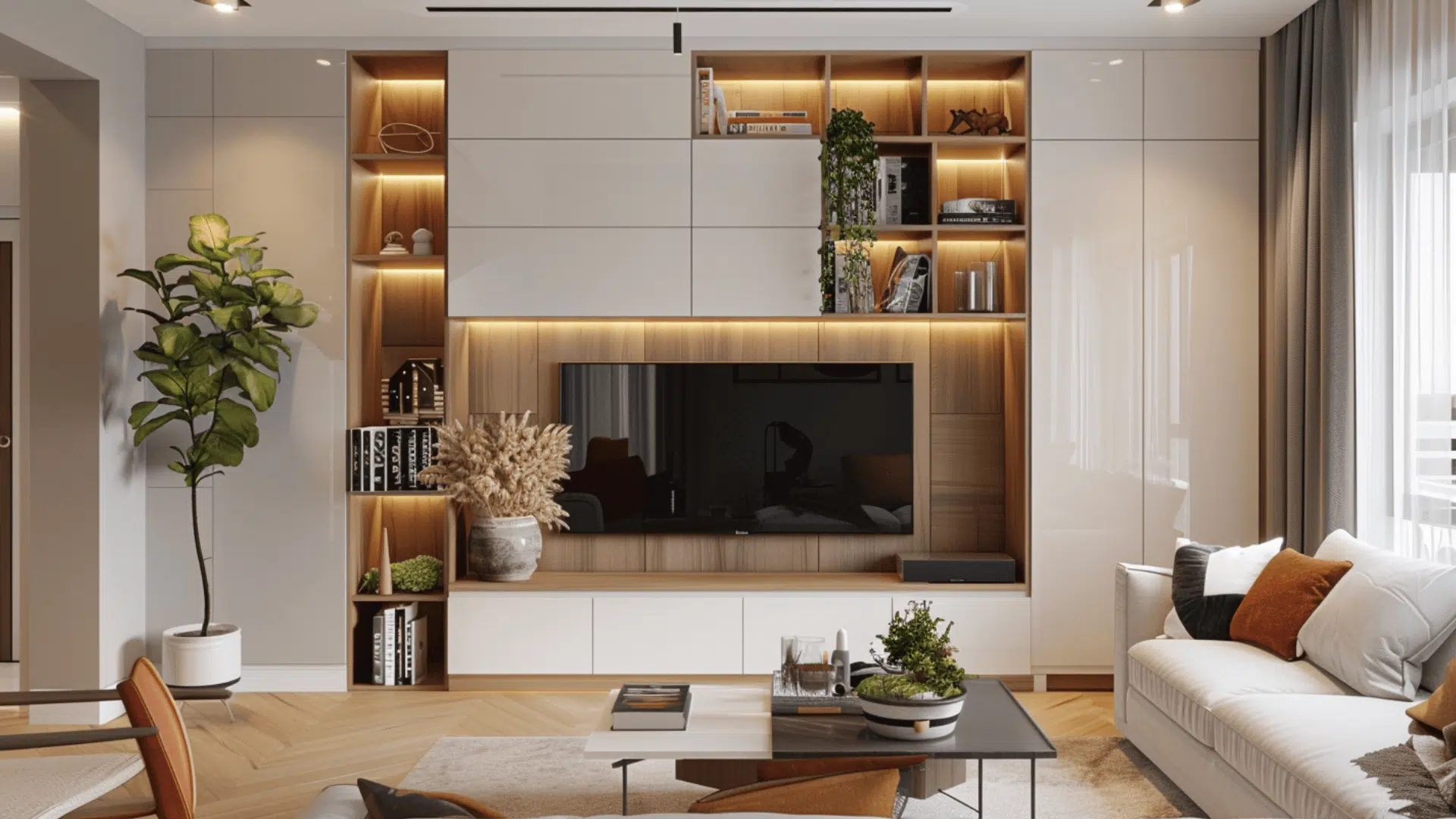
Tall storage units use wall height rather than floor space. This helps keep the room organized without making it feel crowded.
Vertical storage works best when shelves are kept simple, keeping the small living room layout clean and easy on the eyes.
Interior design tip: Use baskets on lower shelves to hide everyday clutter.
16. Keep Decor Simple and Limited
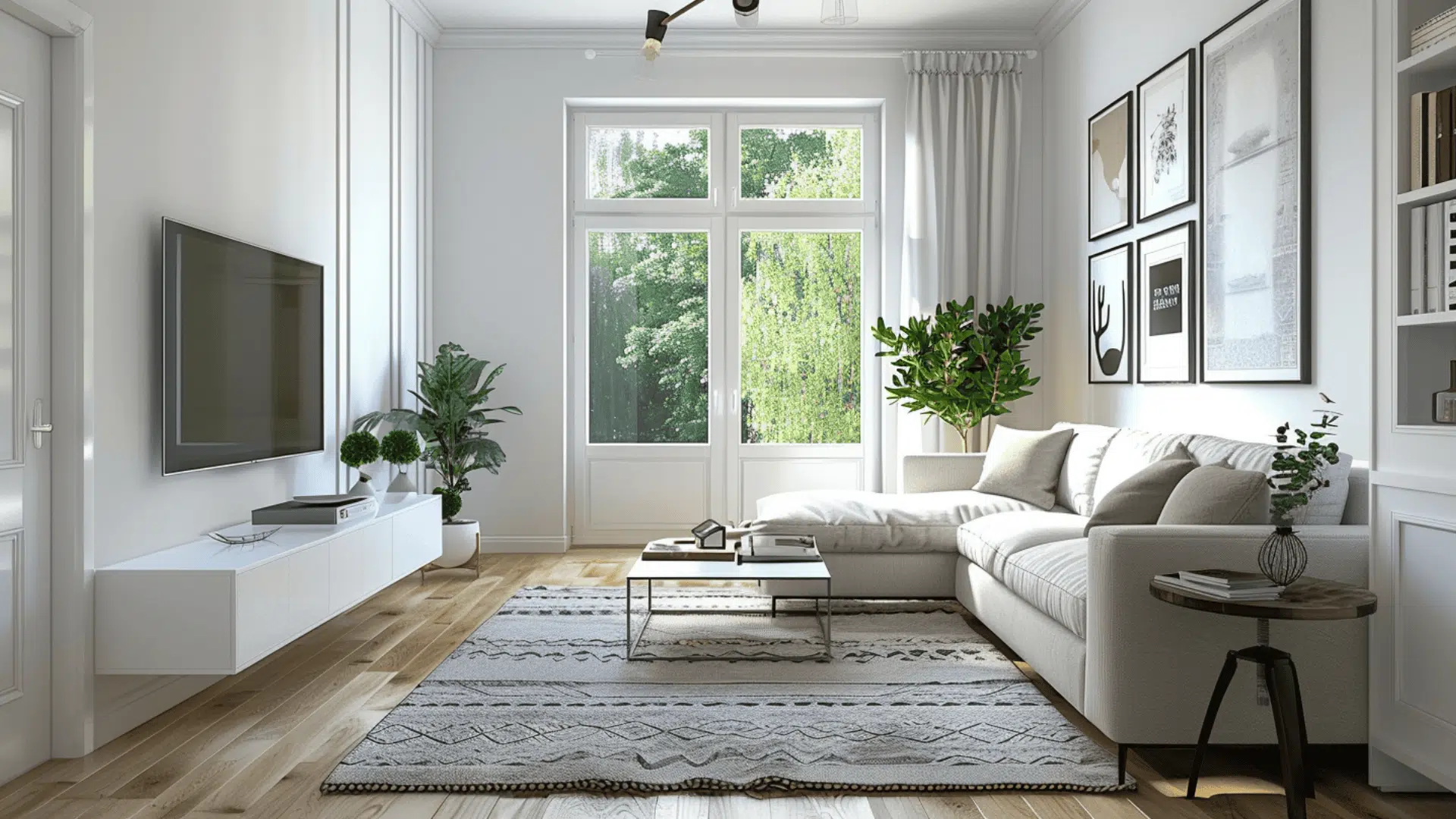
Too much decor can make a small living room feel busy. Keeping decor simple helps the space feel calm and open.
Choosing a few meaningful pieces works better than filling every surface, especially in a thoughtful living room home interior design.
Interior design tip: Follow a “one statement piece per wall” rule for cleaner styling.
17. Use Accent Lighting
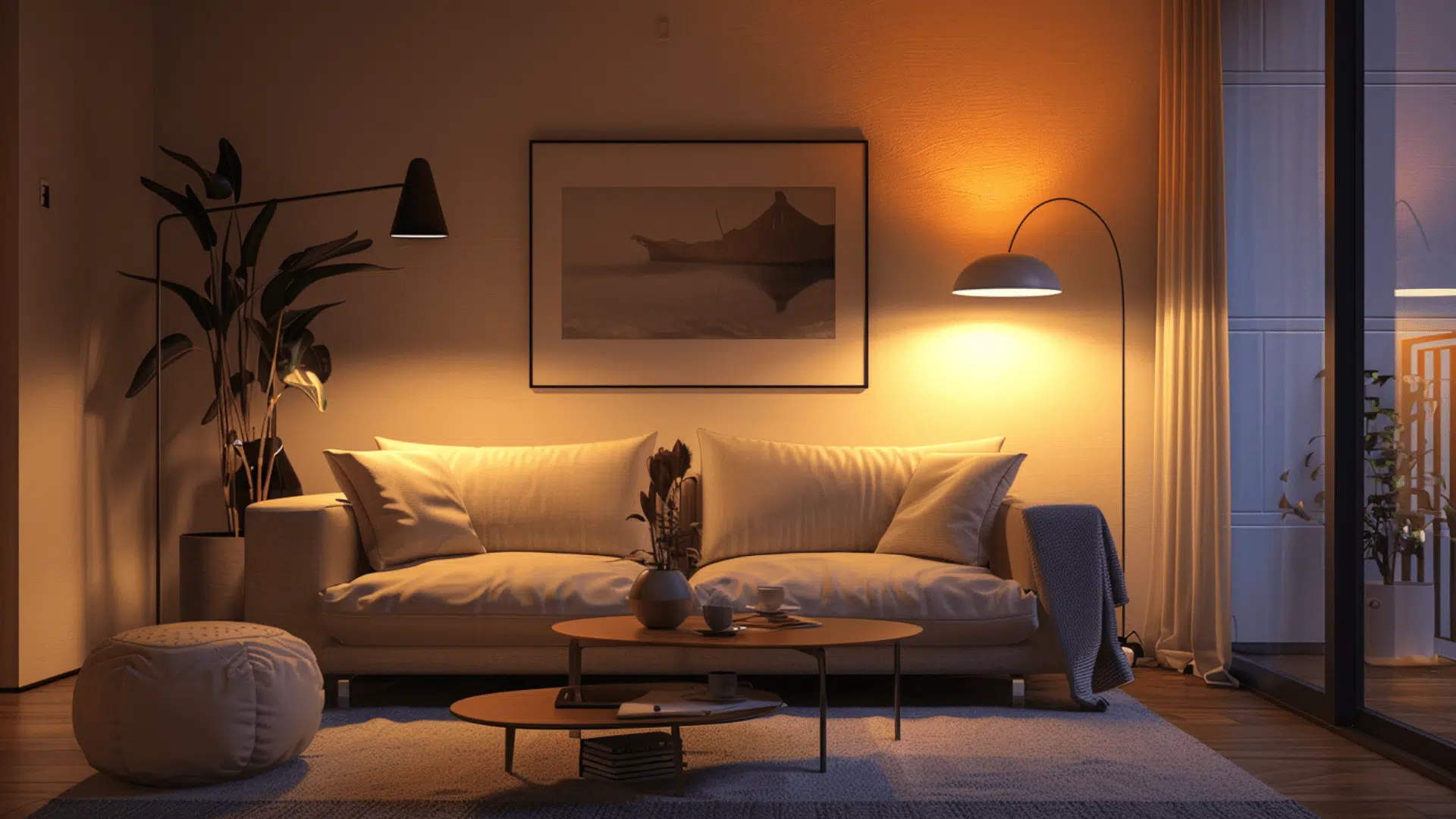
Accent lighting, like floor lamps or wall sconces, adds depth without taking up much space. It creates a warm and inviting feel.
The layered lighting improves mood and highlights design features, which is especially helpful in smaller living room layouts.
Interior design tip: Use warm bulbs and aim the light at the walls to soften the room.
18. Slim Furniture Profiles
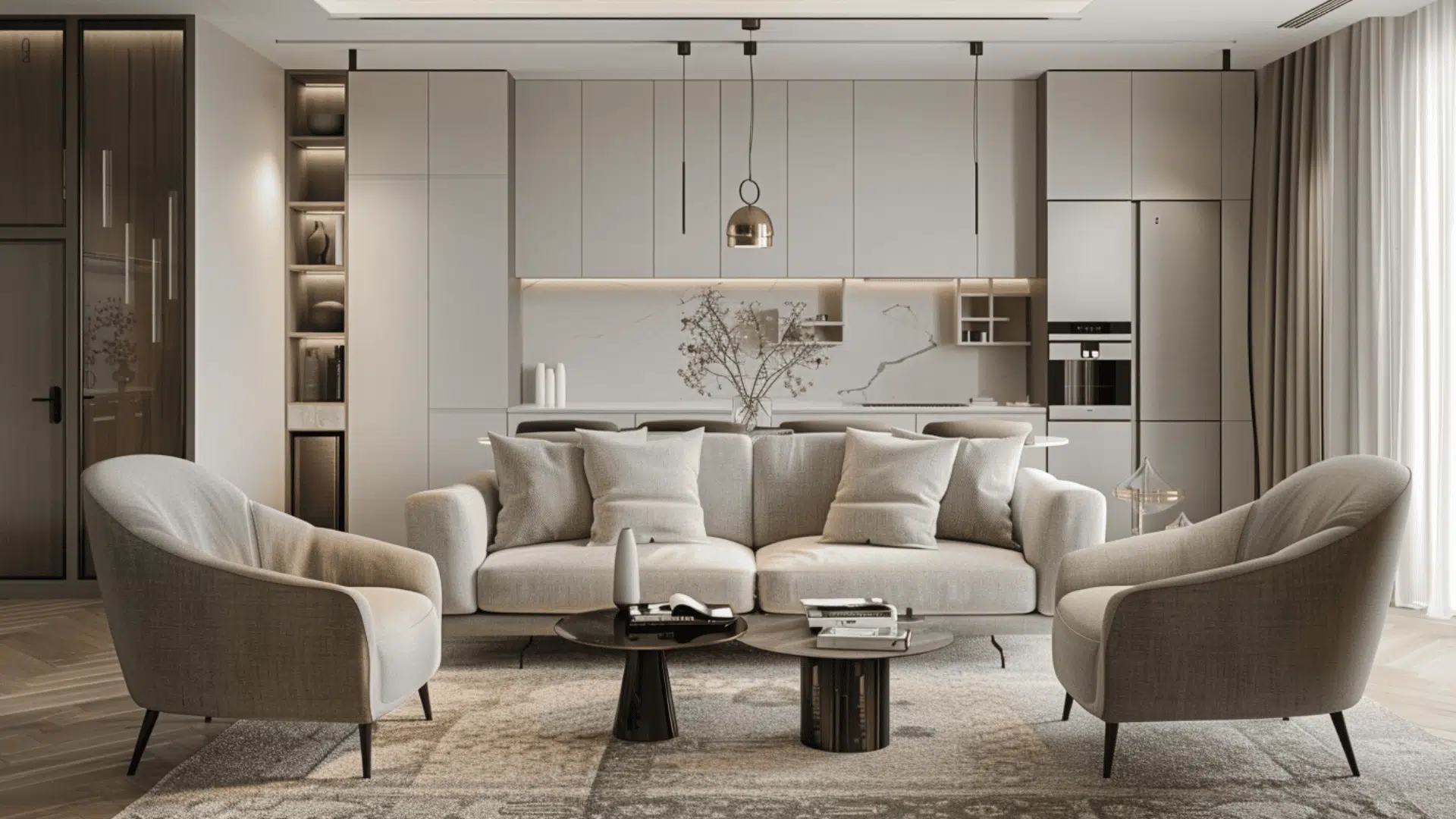
Furniture with slim frames and visible legs looks lighter and less bulky. This helps a small living room feel more open.
Choosing low-profile seating improves visual flow and supports modern interior design without sacrificing comfort.
Interior design tip: Choose armless chairs or slim-armed chairs to save even more space.
19. Corner Layout Arrangement
Arranging furniture in a corner opens up the center of the room. This layout works well for square or narrow living rooms.
It improves movement and creates a cozy seating area while keeping the rest of the space flexible and uncluttered.
Interior design tip: Use a corner floor lamp to define the nook without adding bulk.
20. Statement Wall or Accent Wall
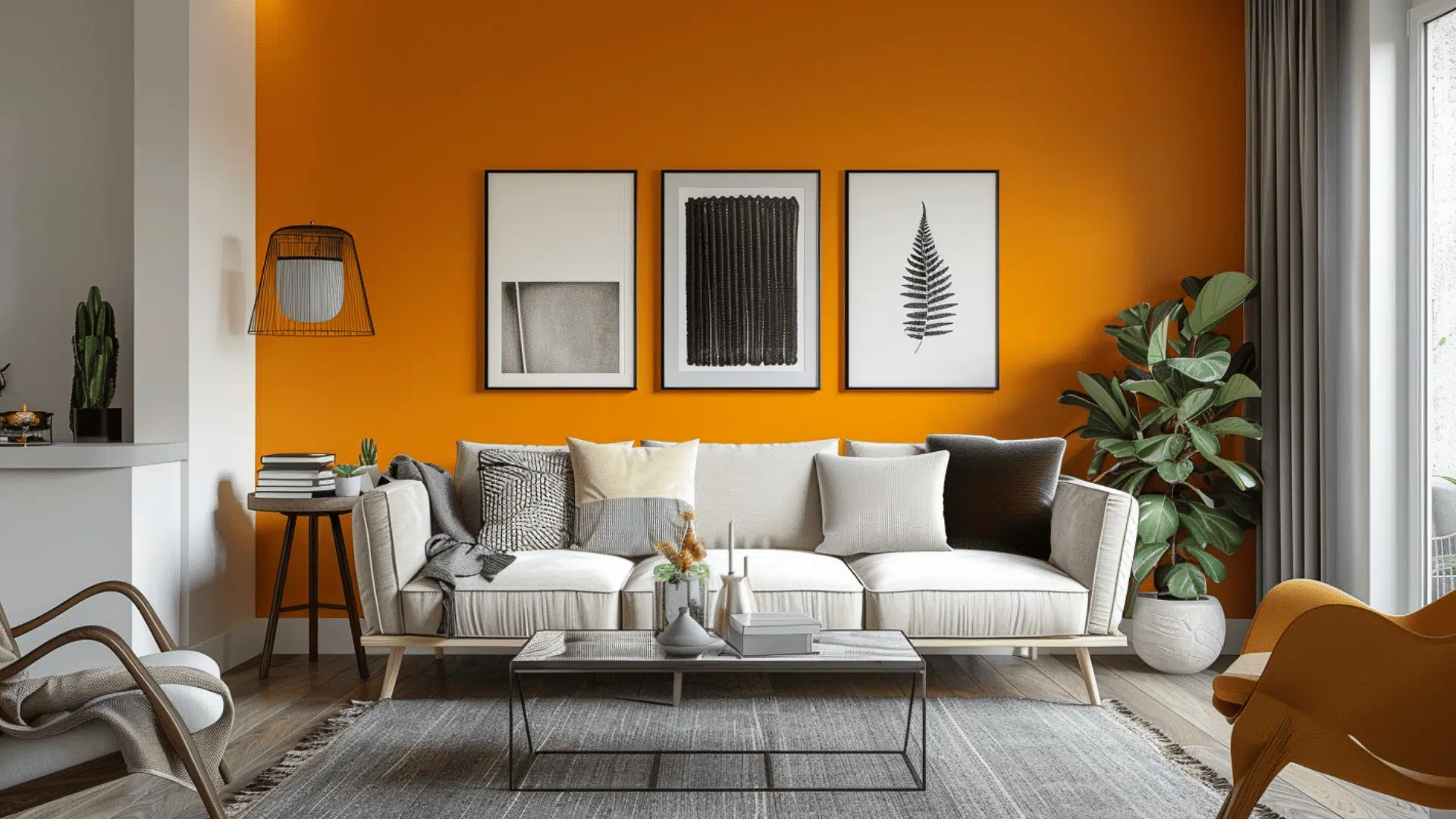
A statement wall adds personality without overcrowding a small living room. It creates a clear focal point and adds depth.
Using one bold color or texture works better than decorating every wall, keeping the layout visually balanced.
Interior design tip: Try wallpaper, wood panels, or a painted arch for a modern accent.
21. Keep Walkways Clear
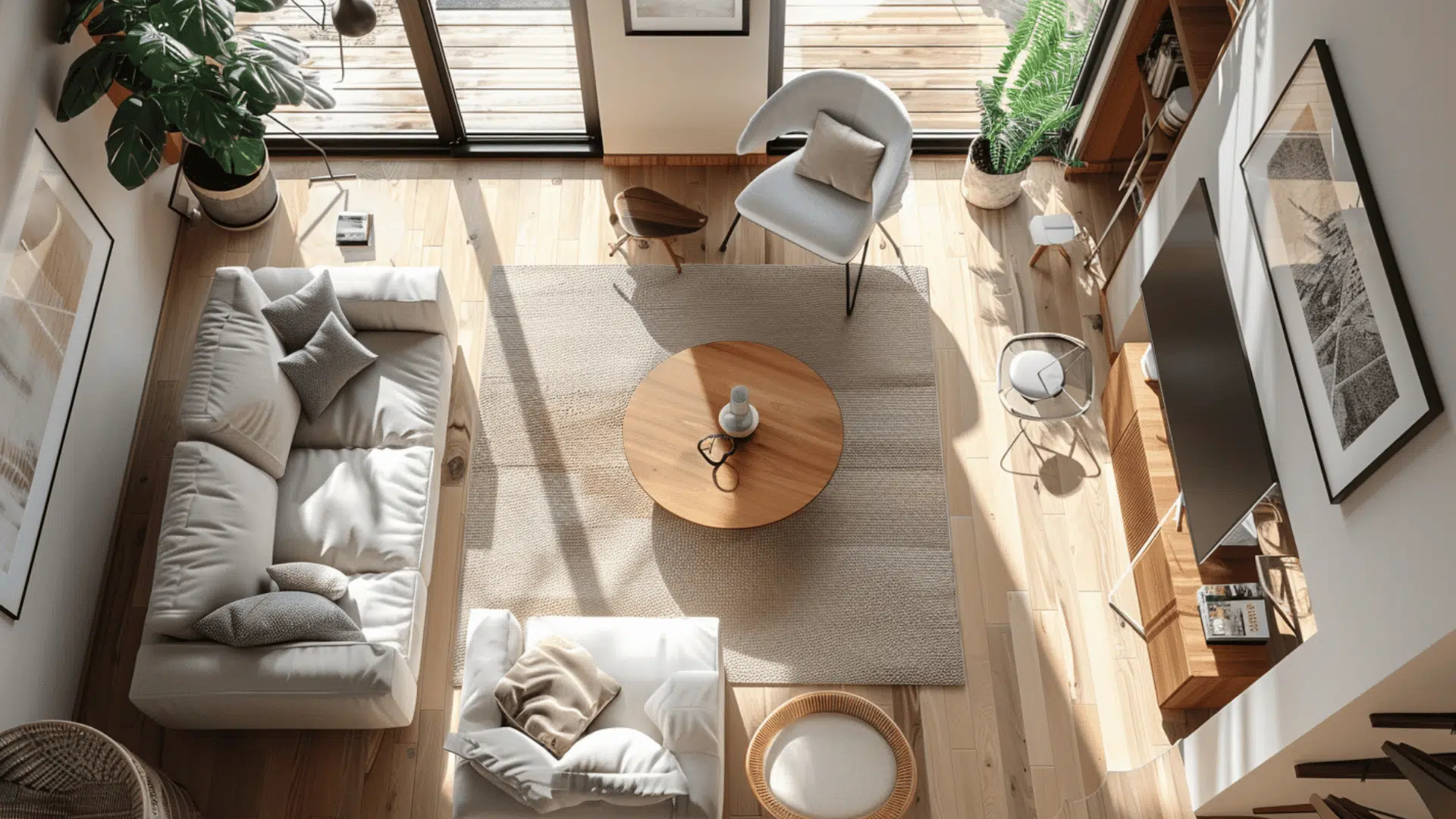
Clear walkways make a small living room easier to move through and feel larger. I’ve noticed that even a few extra inches of open space can improve comfort.
Good layout planning always considers how people naturally move through the room.
Interior design tip: Avoid blocking paths with extra chairs, big side tables, or oversized decor.
22. Use Low-Back Sofas
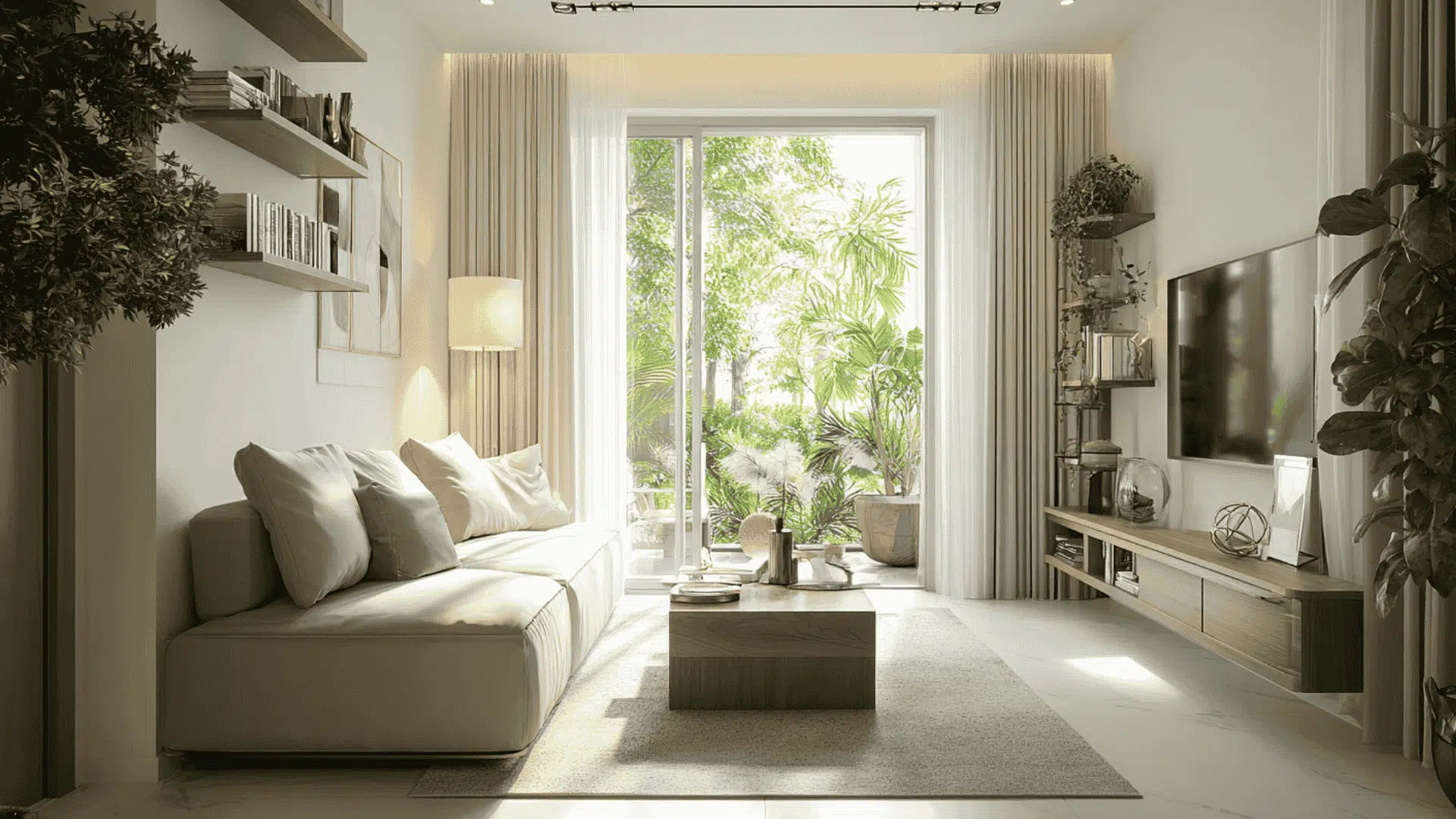
Low-back sofas keep sightlines open and prevent walls and windows from feeling blocked. This simple change helps a small living room layout feel wider and less crowded.
I’ve noticed that when seating stays visually low, the room feels calmer and more balanced without needing extra furniture.
Interior design tip: Pair low seating with taller art or a floor lamp for balance.
23. Choose Furniture with Exposed Legs
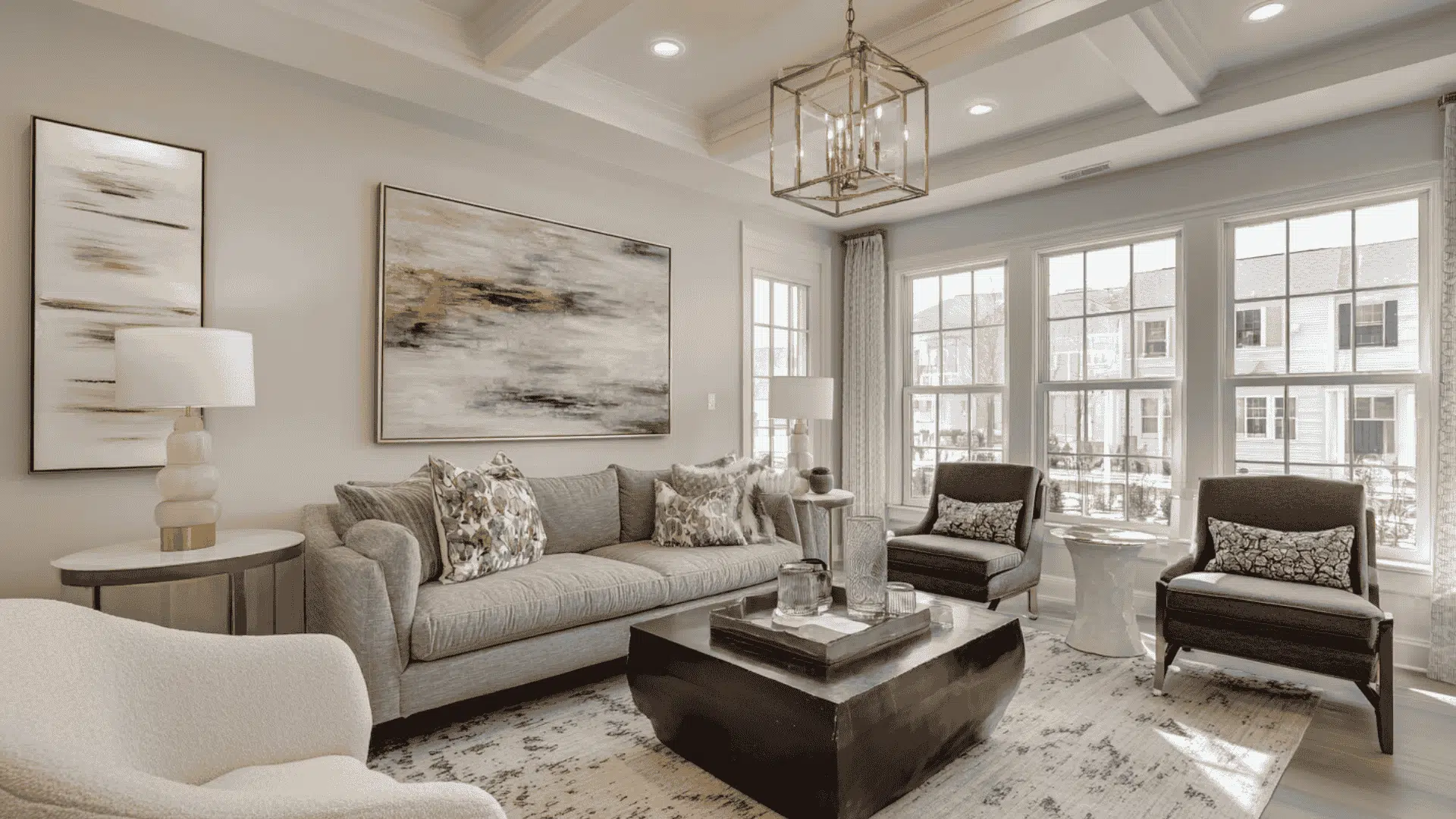
Furniture with visible legs shows more floor space underneath. This small detail helps the room feel lighter and less crowded.
It improves openness without changing the layout.
Interior design tip: Avoid skirted furniture when space feels tight.
24. Add Wall-Mounted Lighting
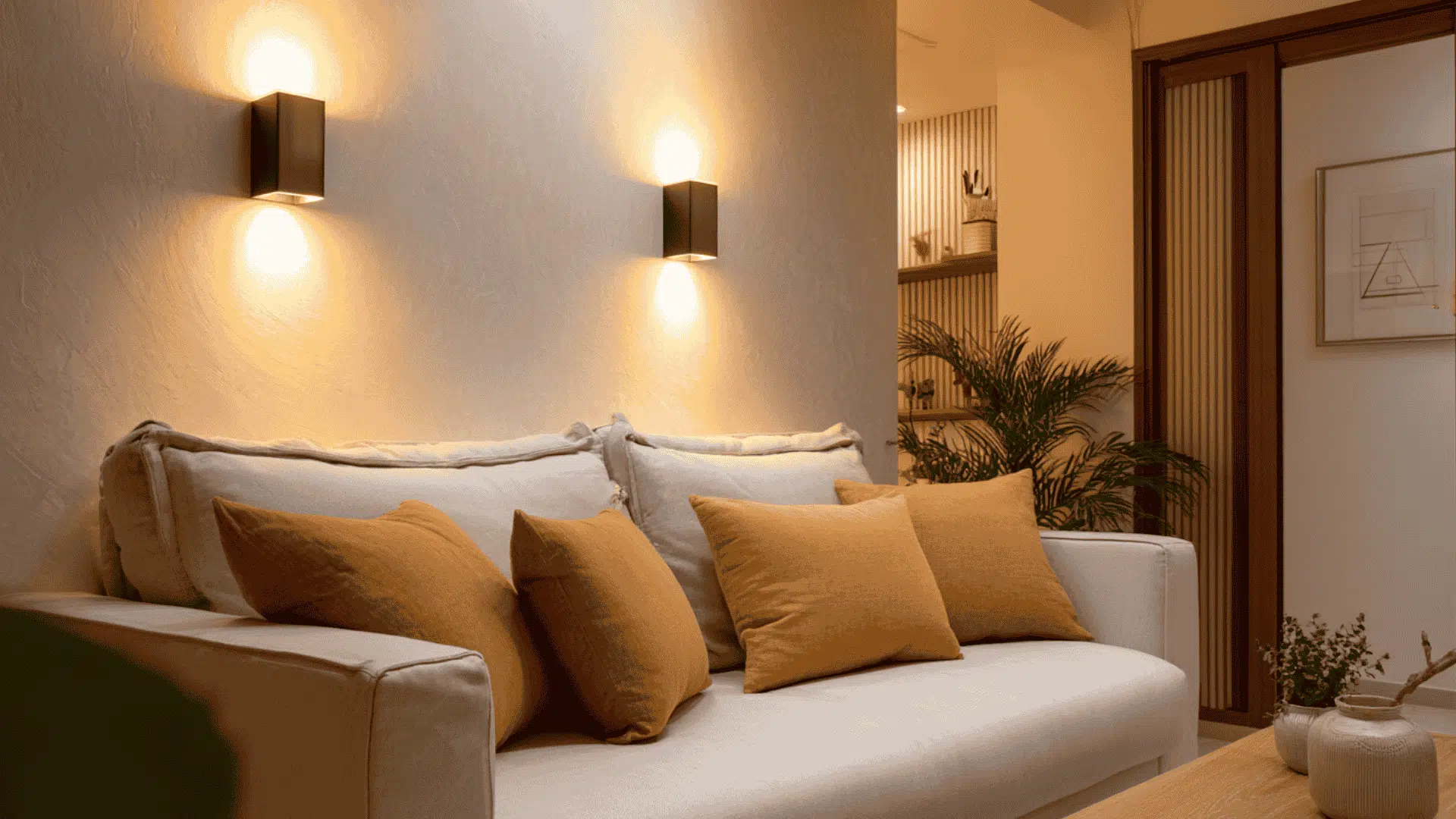
Wall-mounted lights free up table and floor space. They brighten the room without adding clutter.
This keeps small living rooms clean and practical.
Interior design tip: Use warm bulbs to keep the light soft and cozy.
25. Use a Narrow Console Table
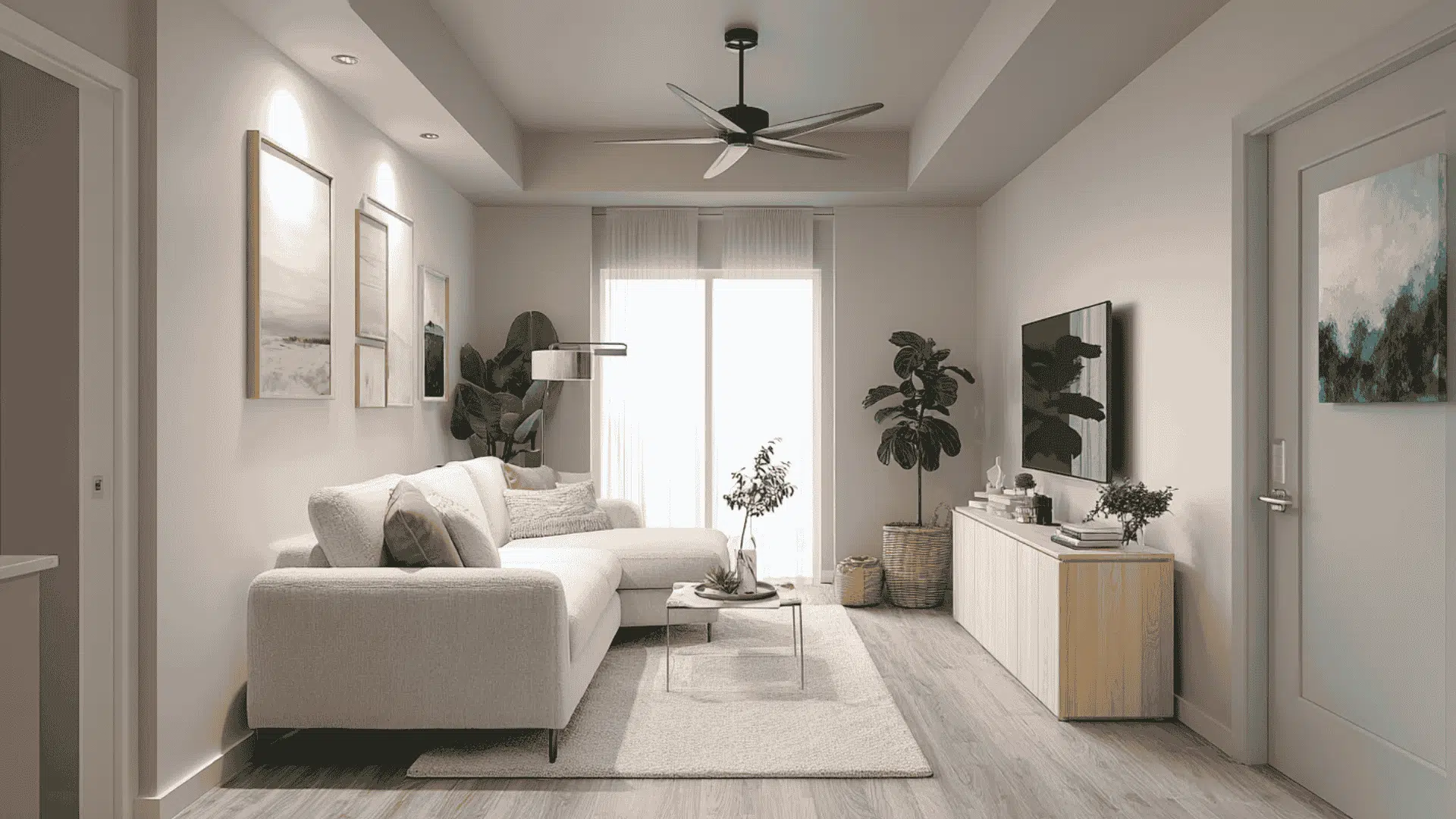
A slim console table adds surface space without blocking movement. It subtly defines the seating area.
Narrow furniture works best in tight layouts.
Interior design tip: Keep decor low and simple so it doesn’t feel crowded.
26. Create a Clear Focal Point
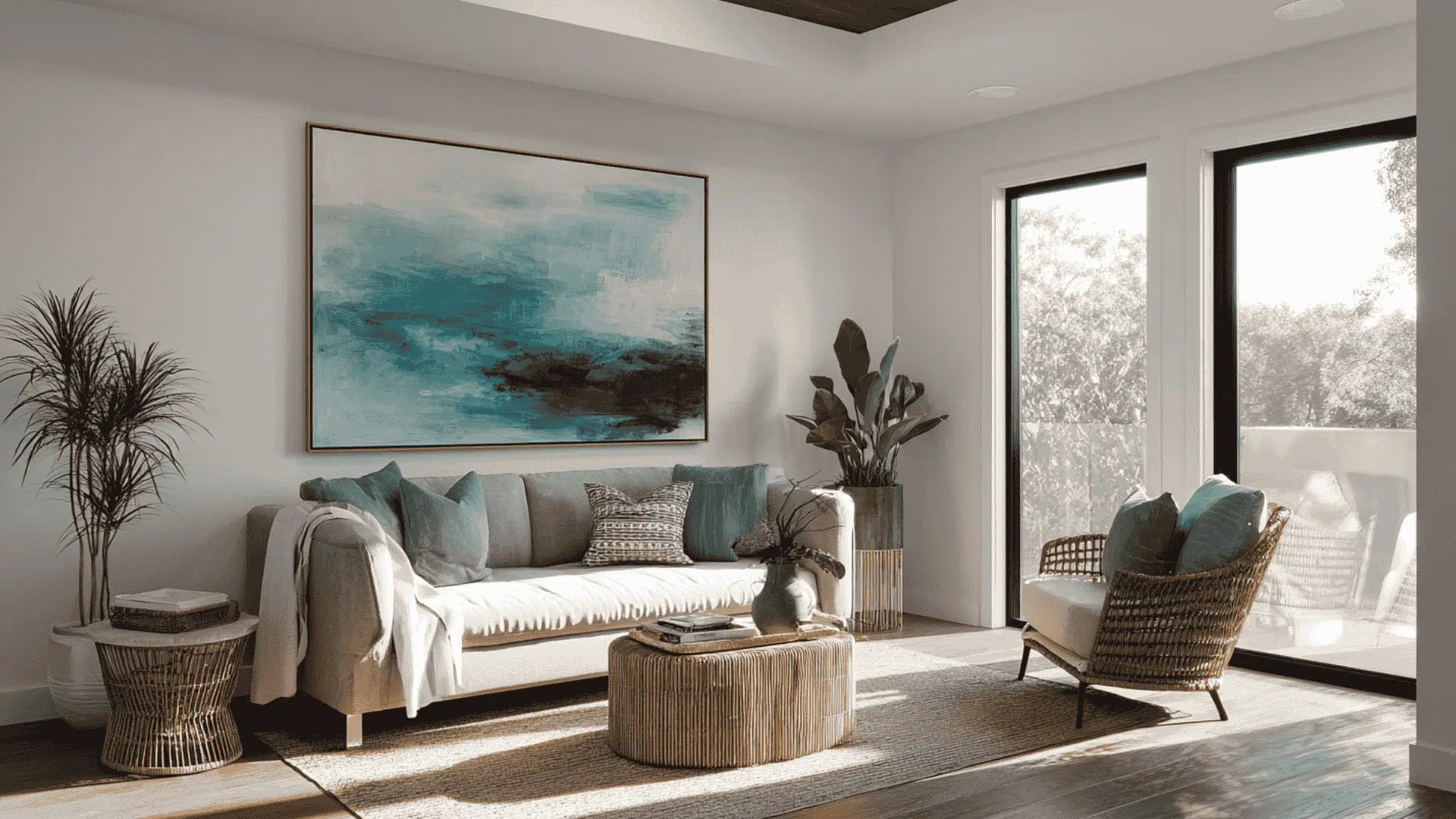
A clear focal point, such as a TV, artwork, or window, gives the room direction and makes furniture placement feel more intentional. This helps a small living room layout look calmer and more balanced.
When seating faces one main feature, the space feels less scattered and easier to style.
Interior design tip: Arrange the main seating to face the focal point.
27. Keep Window Areas Uncluttered
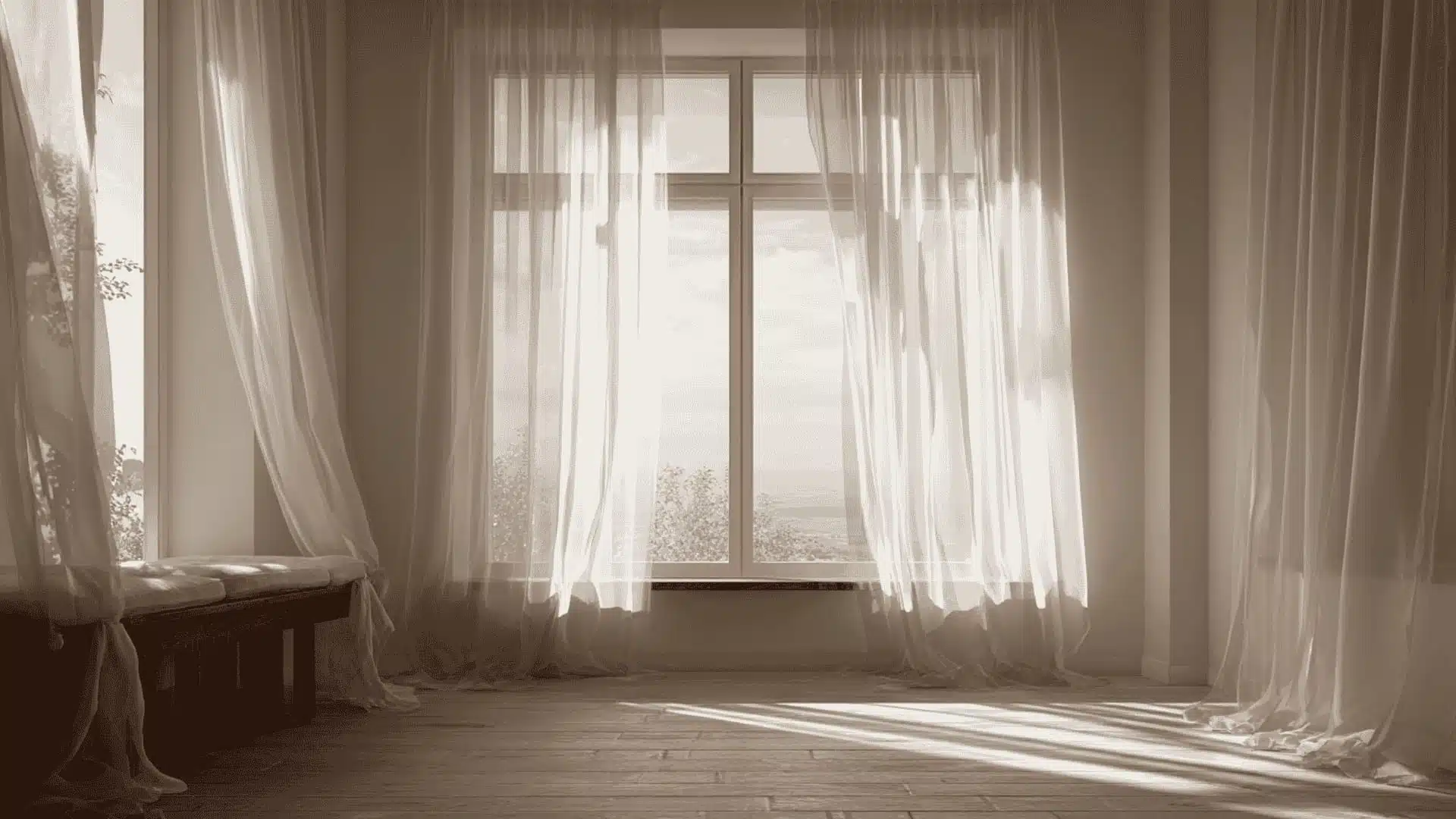
Keeping space around windows open lets natural light spread across the room and prevents the layout from feeling tight. This helps a small living room feel brighter and more comfortable.
Even small moves, like shifting a chair away from the window, can quickly improve the whole room.
Interior design tip: Use light curtains and avoid tall pieces near windows.
28. Use Light Wood Finishes
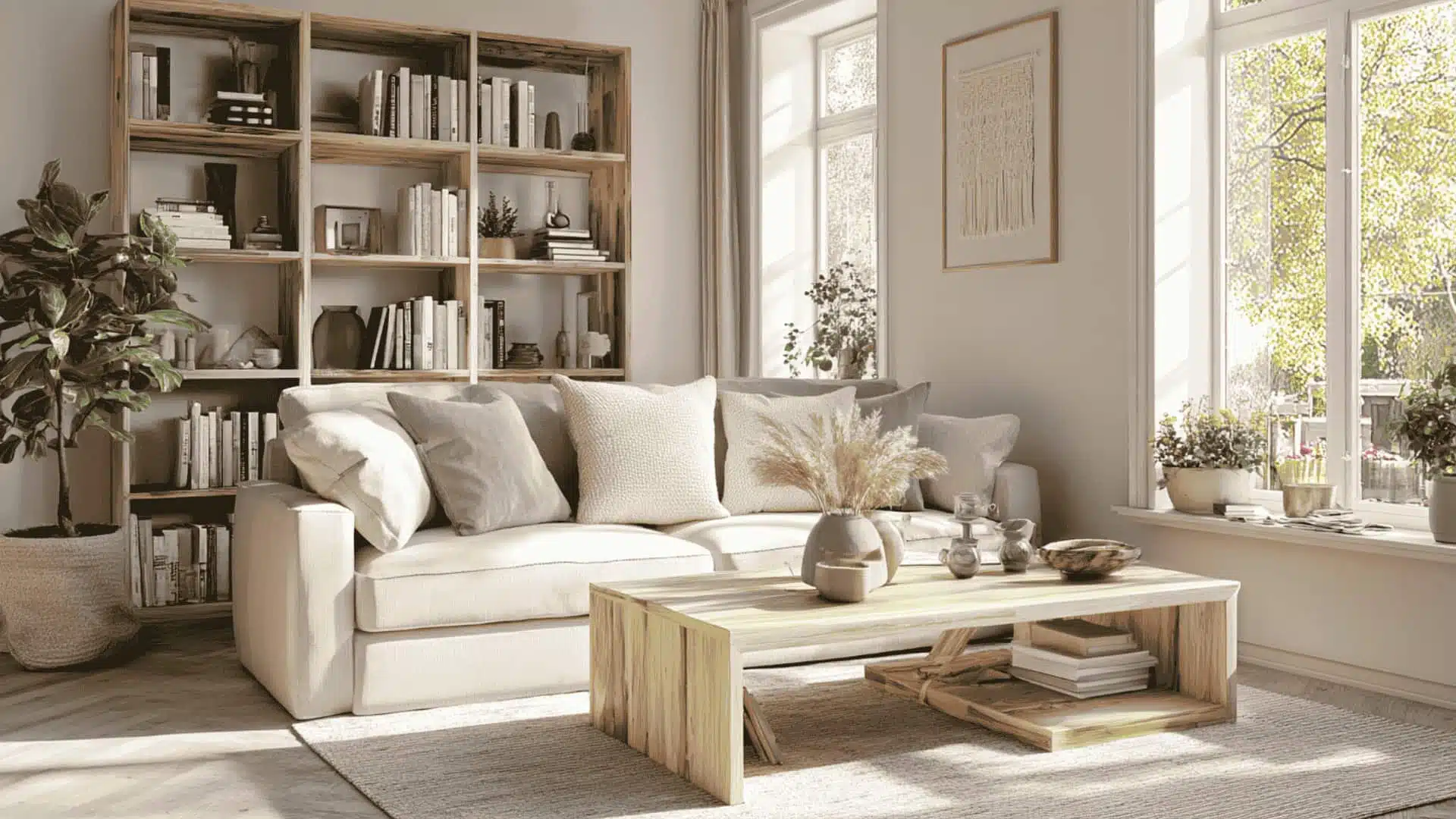
Light wood finishes reflect more light and look less heavy than darker tones. This supports an airy, small living room layout and keeps the space feeling fresh.
Light wood blends smoothly with neutral colors and helps furniture feel less bulky in tight rooms.
Interior design tip: Add soft textiles to keep the light wood feeling warm.
29. Try a Monochrome Color Scheme
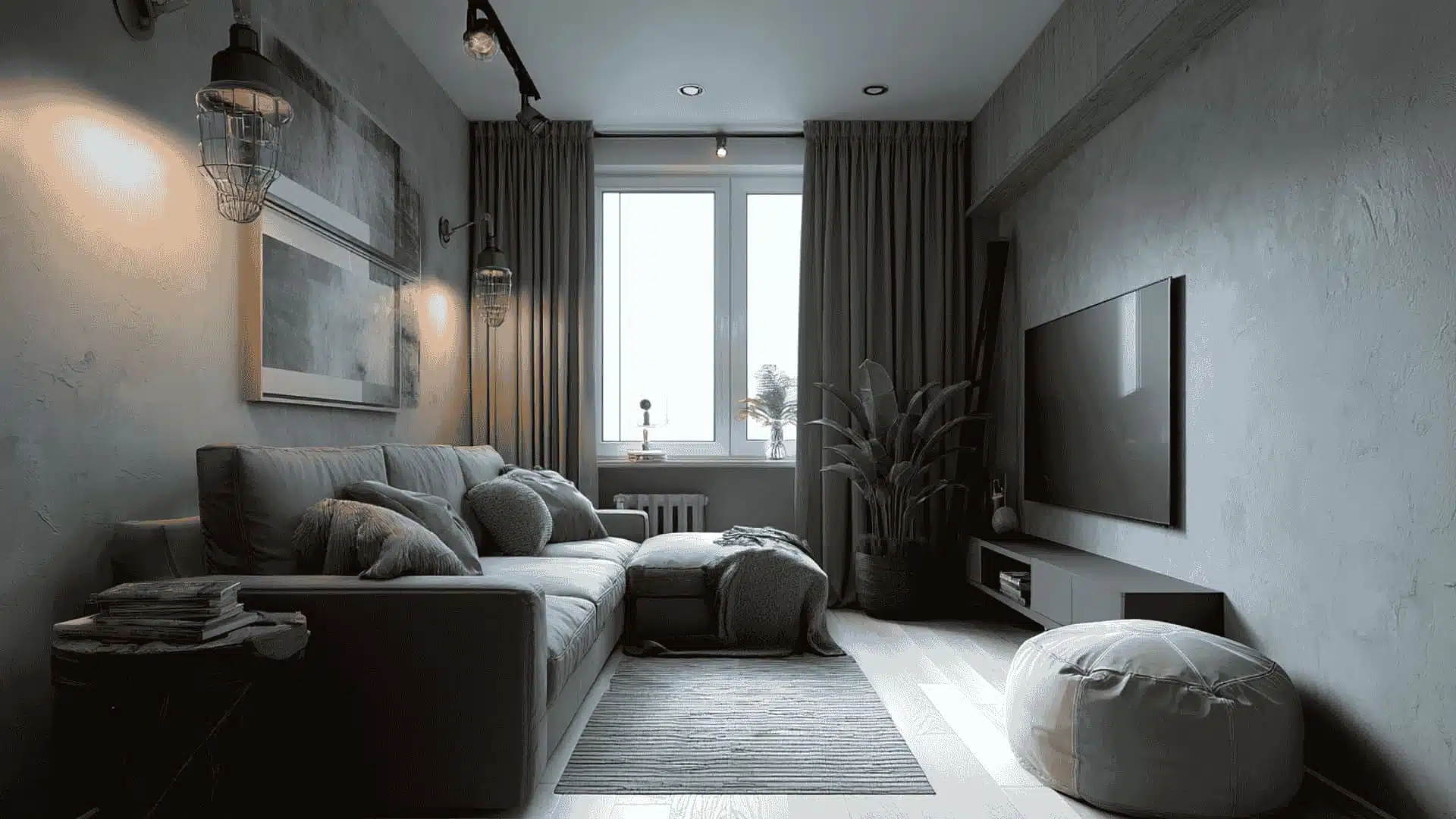
A monochrome color scheme uses different shades of one color to reduce visual breaks. This helps a small living room feel smoother, calmer, and more connected.
Adding texture, like knits or wood, keeps the look interesting without adding clutter.
Interior design tip: Layer textures to keep the space from feeling flat.
30. Add a Statement Chair
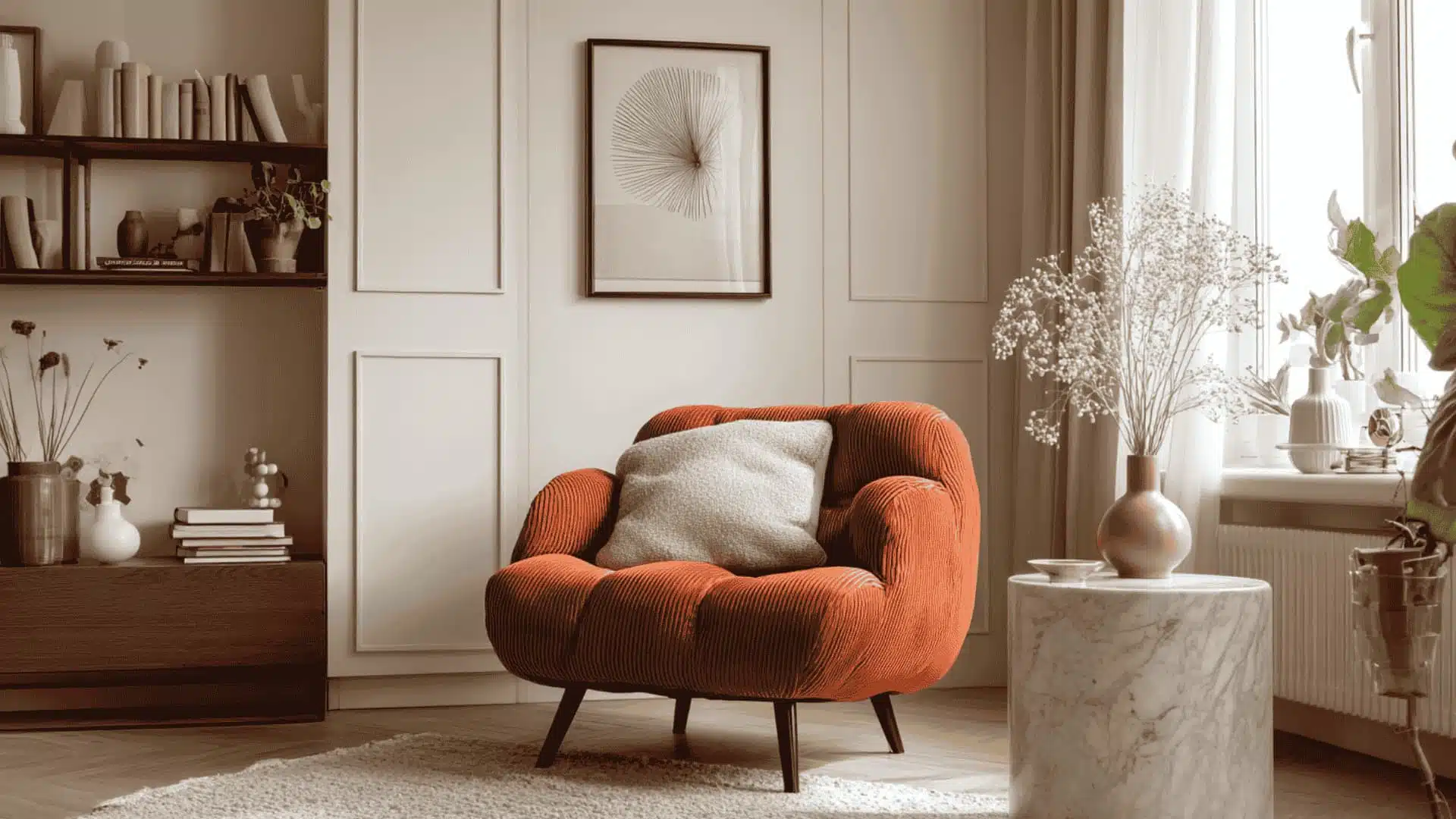
A statement chair adds personality without filling the room with extra decor. This gives the layout style while keeping the space clean and balanced.
I’ve noticed that one bold piece often looks better than many small accents, especially in a small living room.
Interior design tip: Keep nearby furniture simple to avoid visual noise.
31. Use Nesting Side Tables
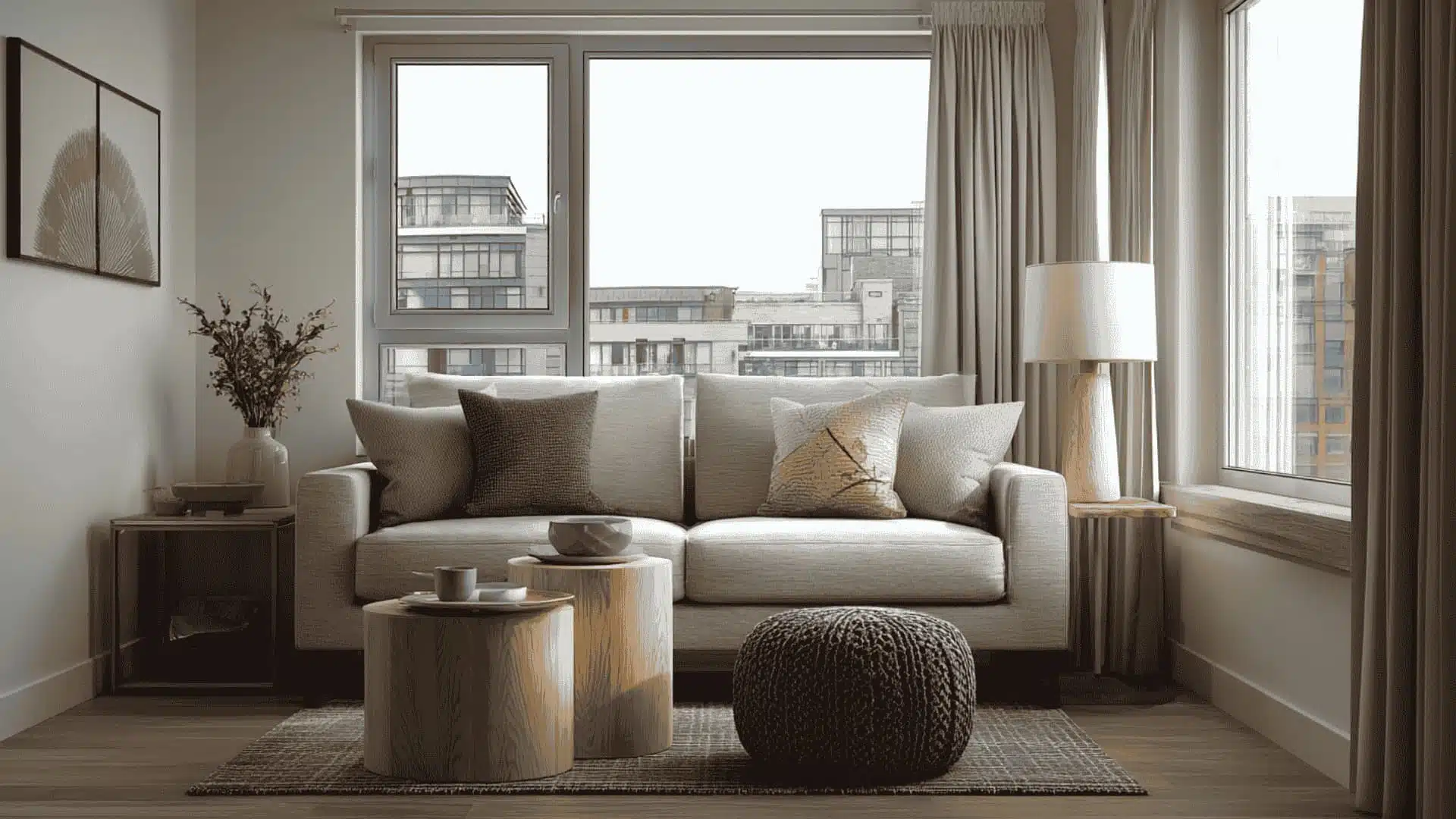
Nesting side tables provide extra surface space when needed and slide away neatly when not in use. This helps keep a small living room layout open and flexible.
Adaptable furniture reduces clutter because you can change the setup without adding more pieces.
Interior design tip: Choose slim-legged tables for a lighter look.
32. Keep Ceiling Decor Simple
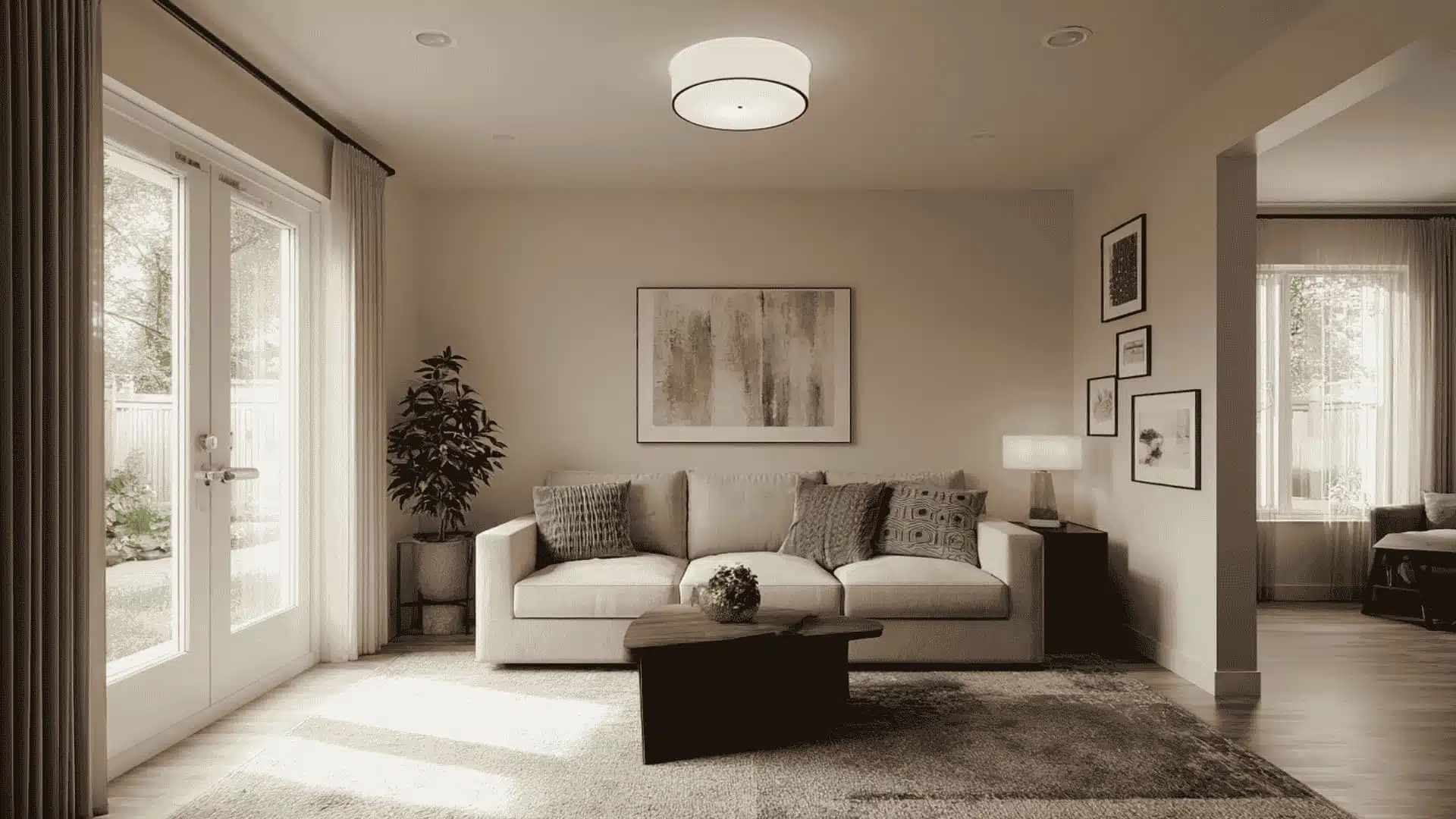
Simple ceiling decor avoids a heavy look above and helps the room feel more open. This can make a small living room layout appear taller and less crowded.
I’ve noticed that flush or low-profile lights work best when the ceiling height is limited.
Interior design tip: Use a flush-mount fixture to create a taller visual height.
33. Add Wall Art in a Vertical Layout
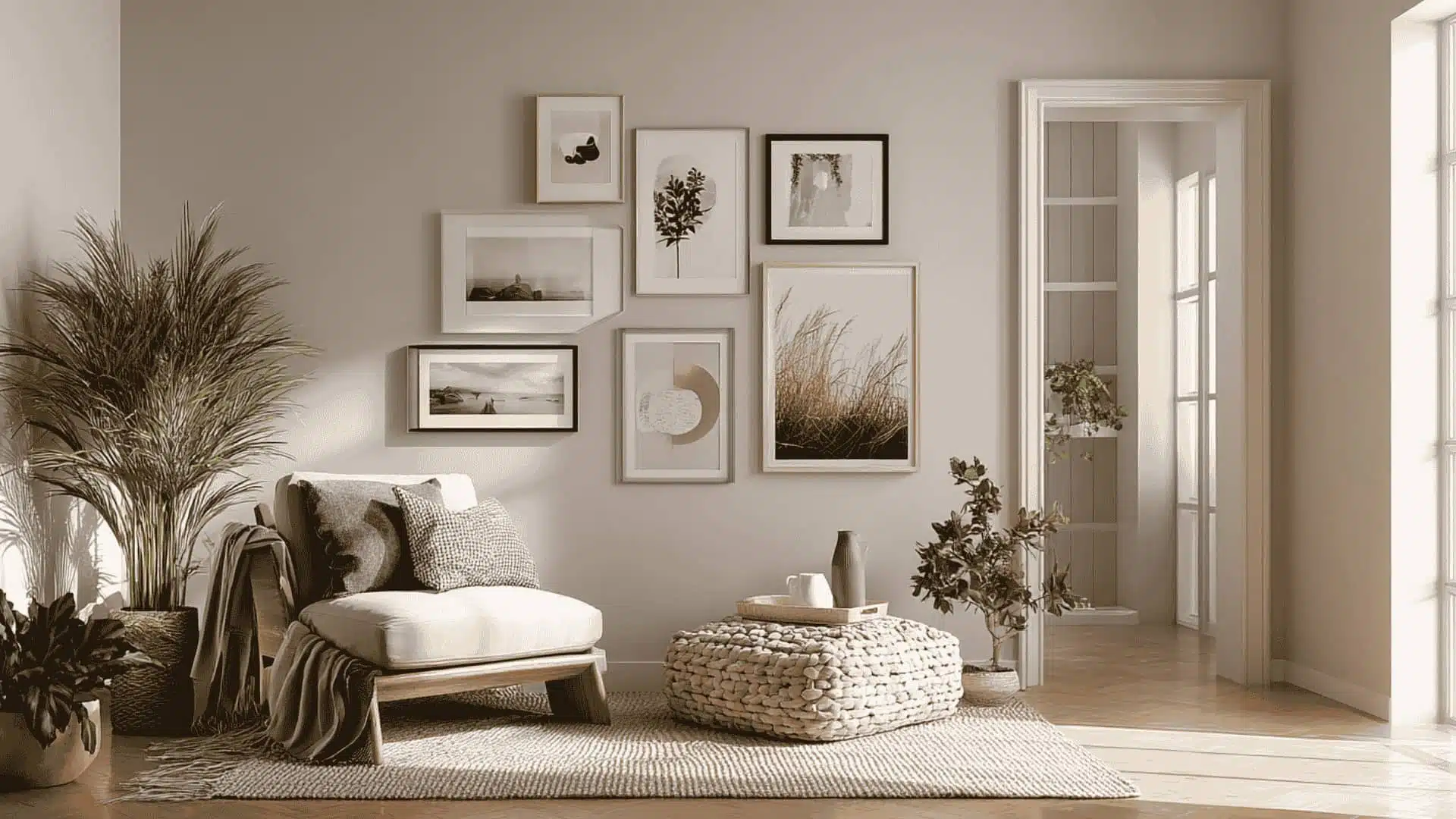
Vertical wall art draws the eye upward and makes walls feel taller. This adds height to a small living room without using floor space.
Stacked frames often look cleaner than wide spreads, especially when wall space is narrow.
Interior design tip: Use matching frames for a neat, unified look.
34. Use Sliding Doors if Possible
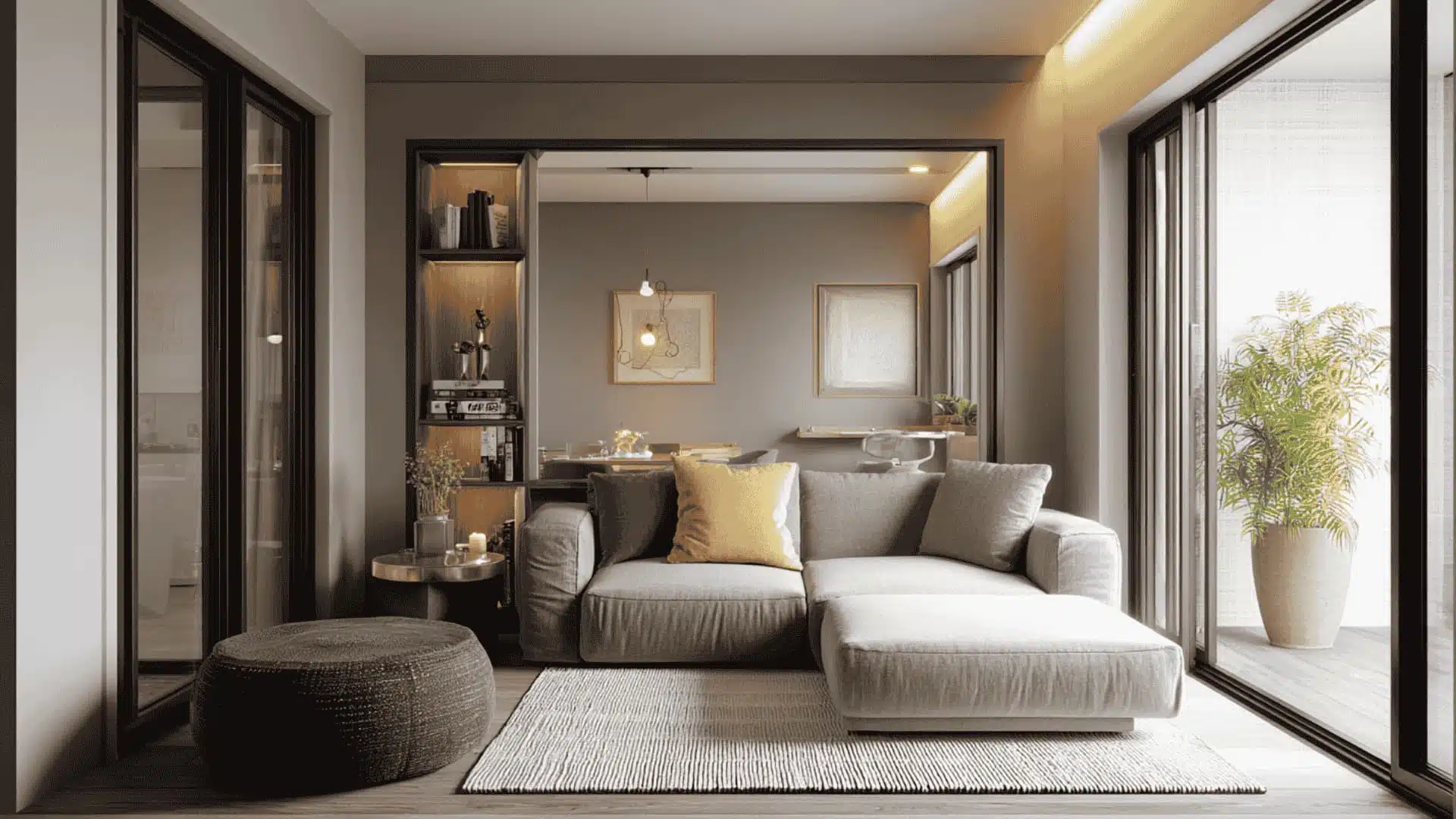
Sliding doors save space because they do not swing into the room. This keeps walkways clearer and improves movement in a small living room layout.
Sliding doors are especially helpful near entry areas where furniture placement is already limited.
Interior design tip: Choose light finishes so the door doesn’t feel heavy.
35. Keep Furniture Proportional
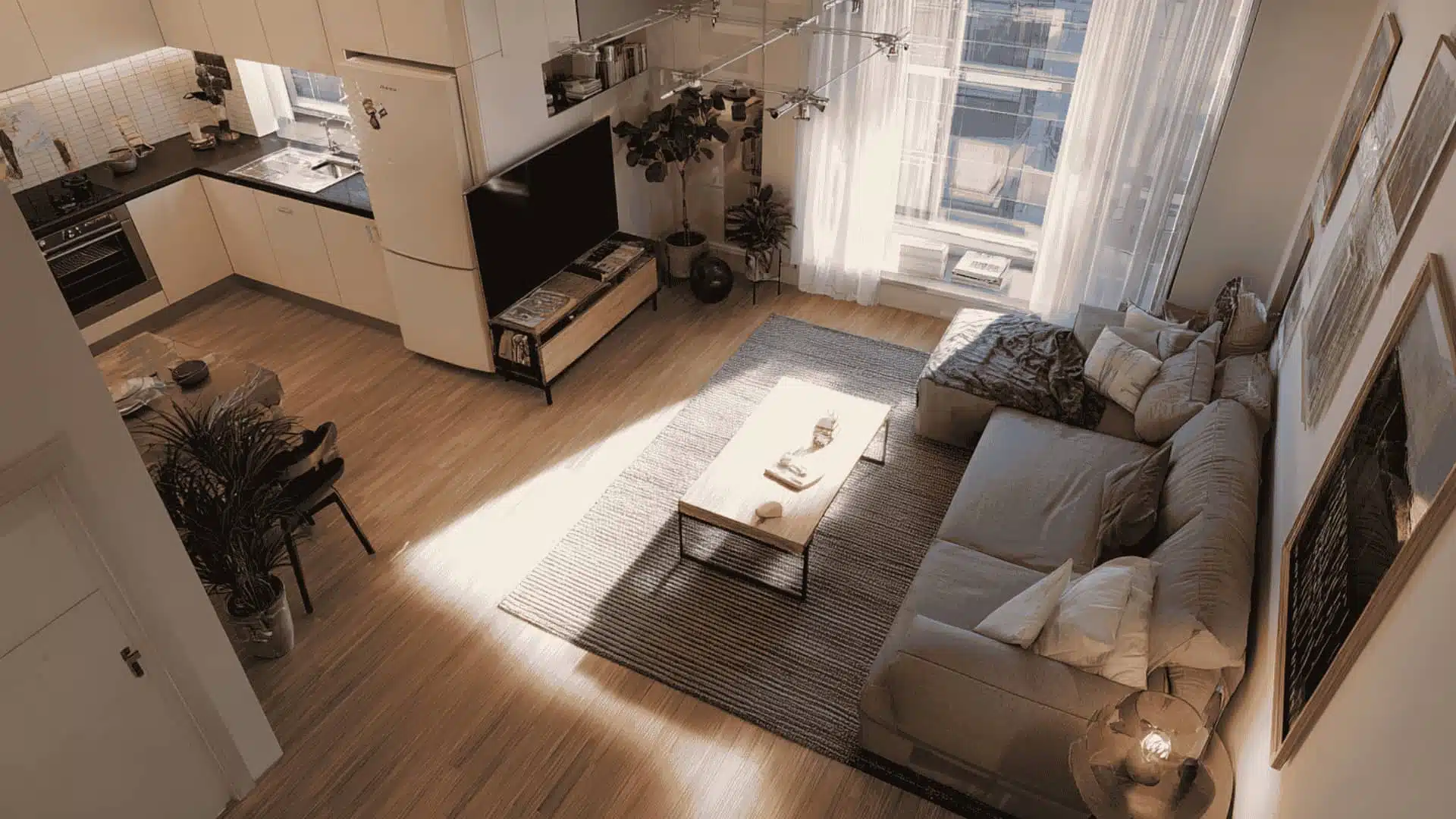
Furniture that is too large can block movement and make the room feel cramped. Choosing pieces that match the room scale helps the small living room layout feel balanced.
Measuring before buying prevents common mistakes that are hard to fix later.
Interior design tip: Leave a comfortable walking space between furniture pieces.
36. Add Hidden Storage
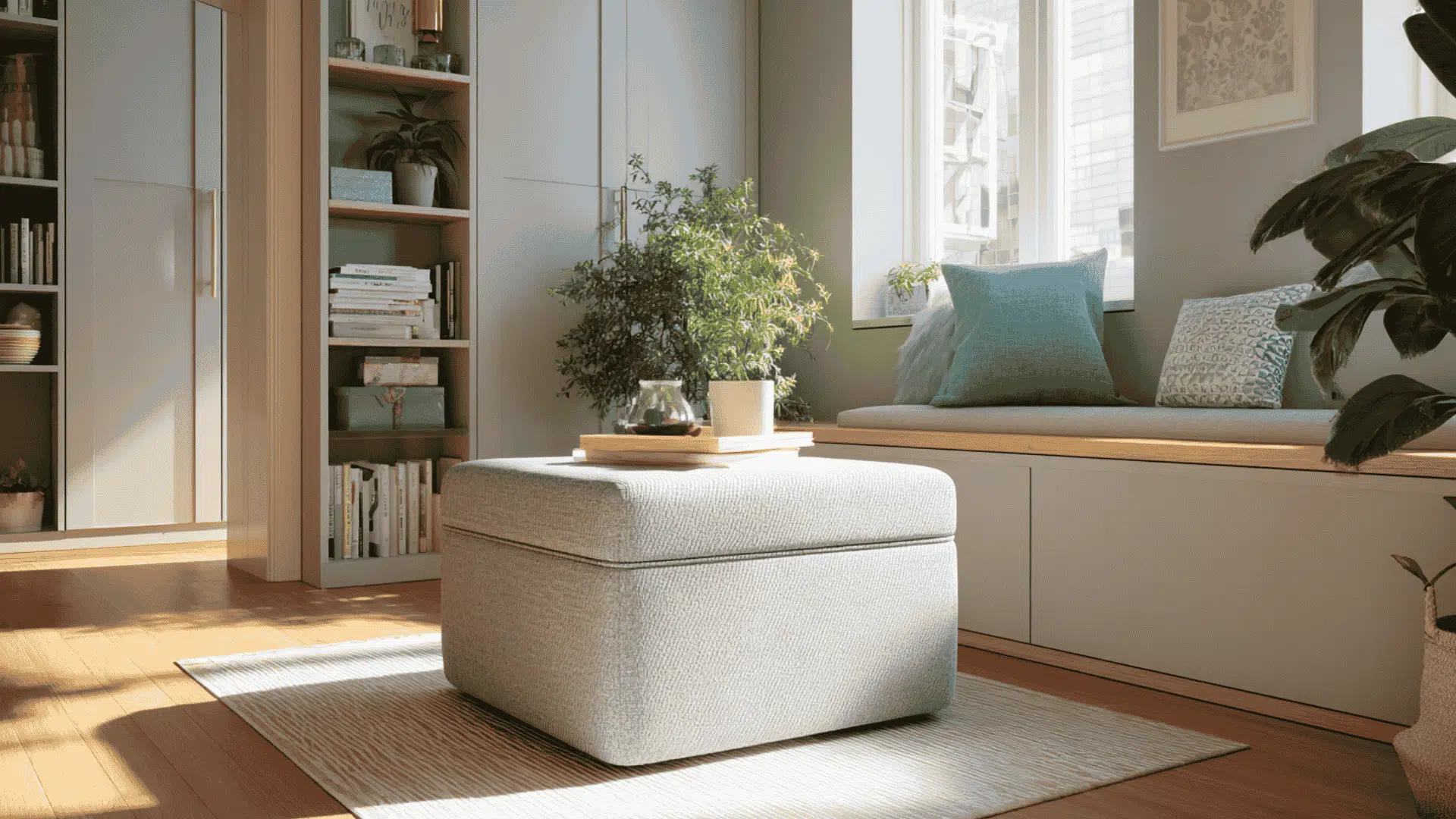
Hidden storage keeps small items out of sight and reduces visual clutter. This helps a small living room feel calmer and easier to maintain.
When surfaces stay clear, the whole room feels larger without any major design changes.
Interior design tip: Use storage pieces that double as seating.
37. Use an Open-Base TV Stand
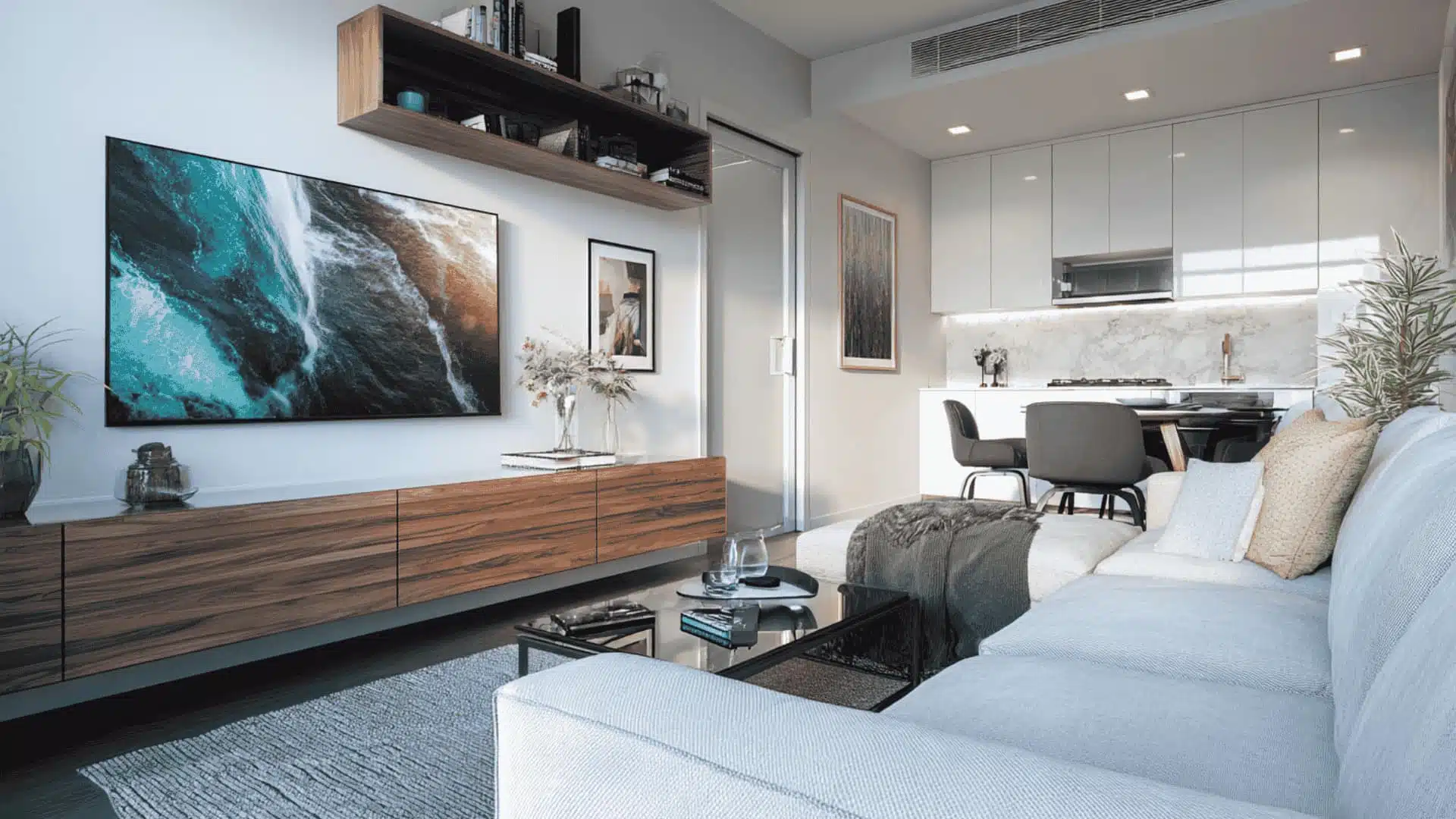
An open-base TV stand shows the floor underneath and reduces the boxed-in look. This helps the room feel lighter and more breathable.
Seeing more floor space makes a small living room layout feel less crowded, even with the same furniture.
Interior design tip: Style shelves neatly and avoid overfilling.
38. Limit Throw Pillows
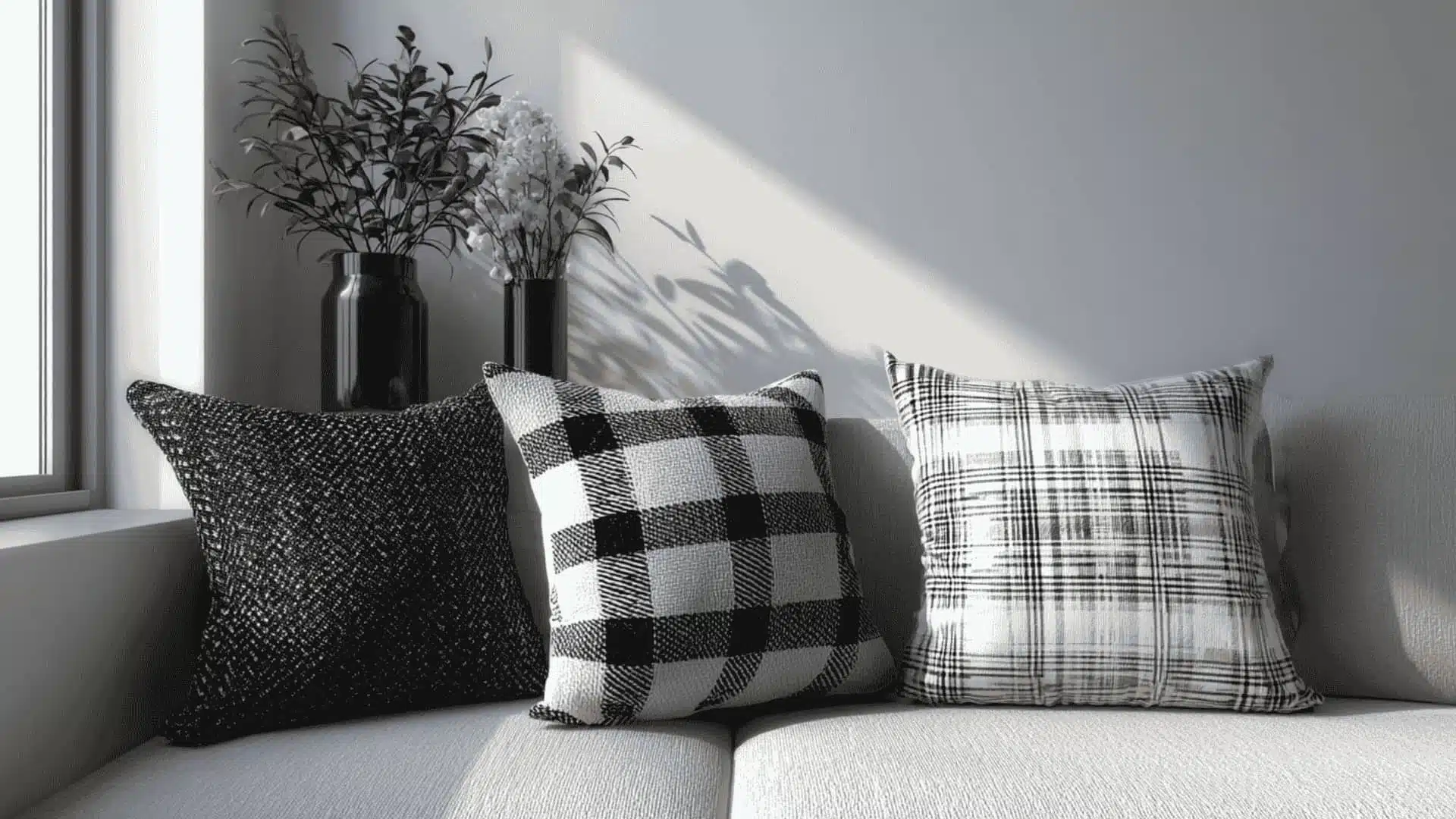
Too many throw pillows can make seating feel crowded and messy. Using fewer pillows keeps the sofa neat and supports a cleaner layout in a small living room.
A simple pillow setup often looks more polished and feels more comfortable for daily use.
Interior design tip: Stick to two or three pillows in simple textures.
39. Make Corners Useful
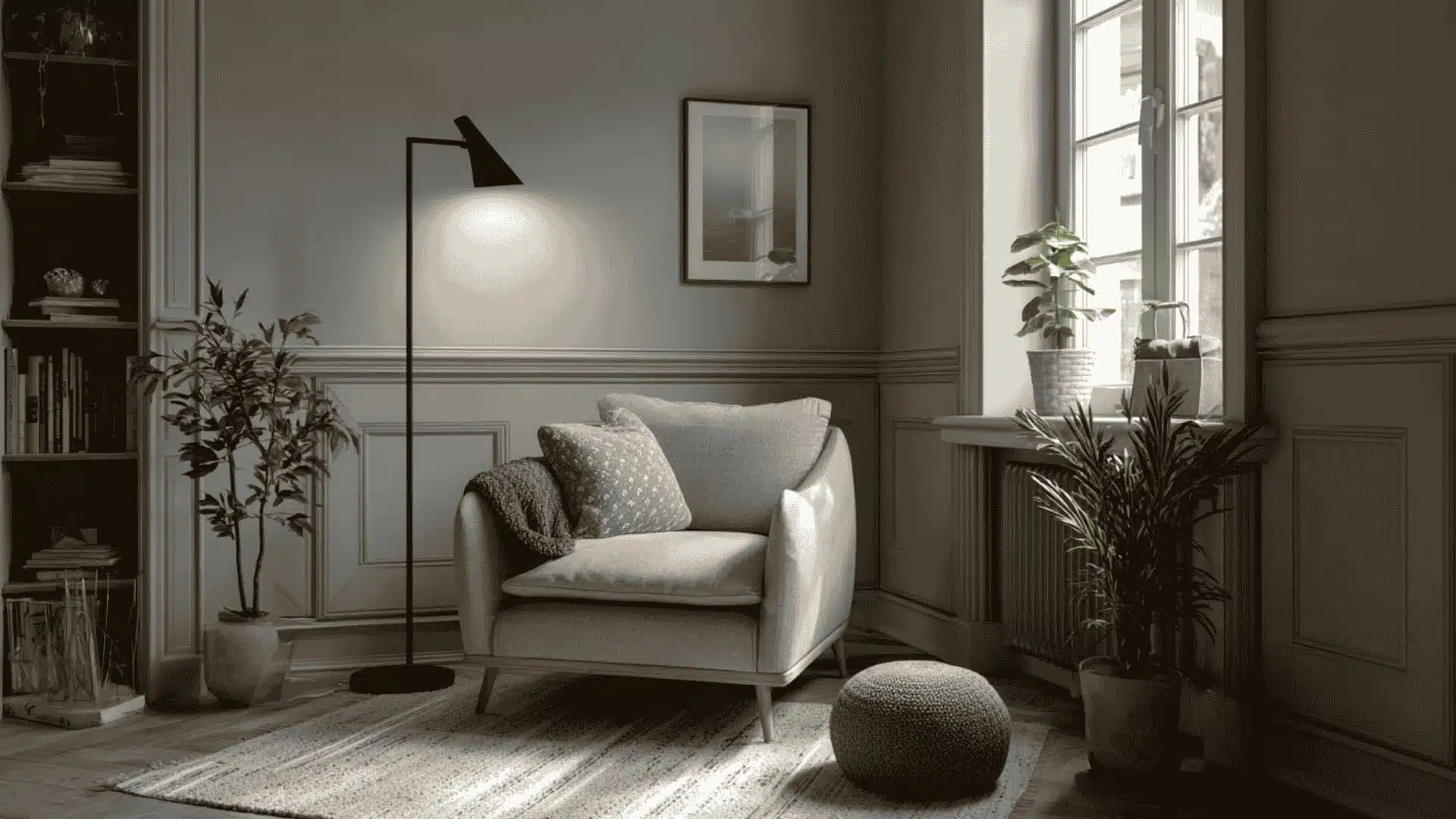
A useful corner addition adds function without taking up much space, such as a chair, a plant, or a slim lamp. This helps the room feel intentional while keeping the center open.
Corners work best when they stay simple instead of being filled with many small items.
Interior design tip: Choose one corner feature to keep it clean.
40. Choose Armless Chairs
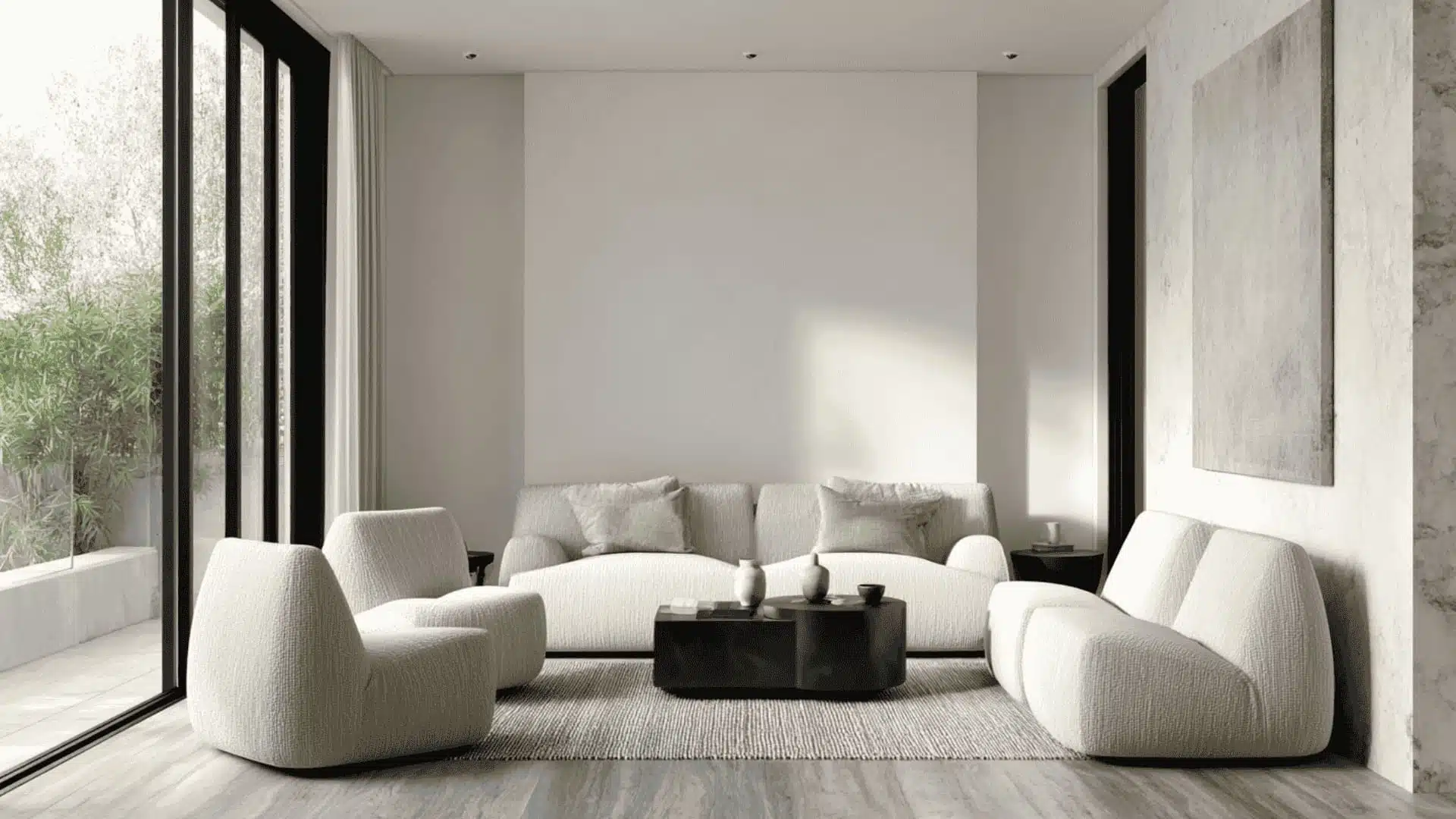
Armless chairs take up less space and look lighter than bulky seating. This helps a small living room layout feel more flexible and easier to move through.
I’ve noticed they fit well beside sofas and make walkways feel clearer without sacrificing seating.
Interior design tip: Pick slim frames for a modern, airy look.
41. Use a Built-In Media Unit
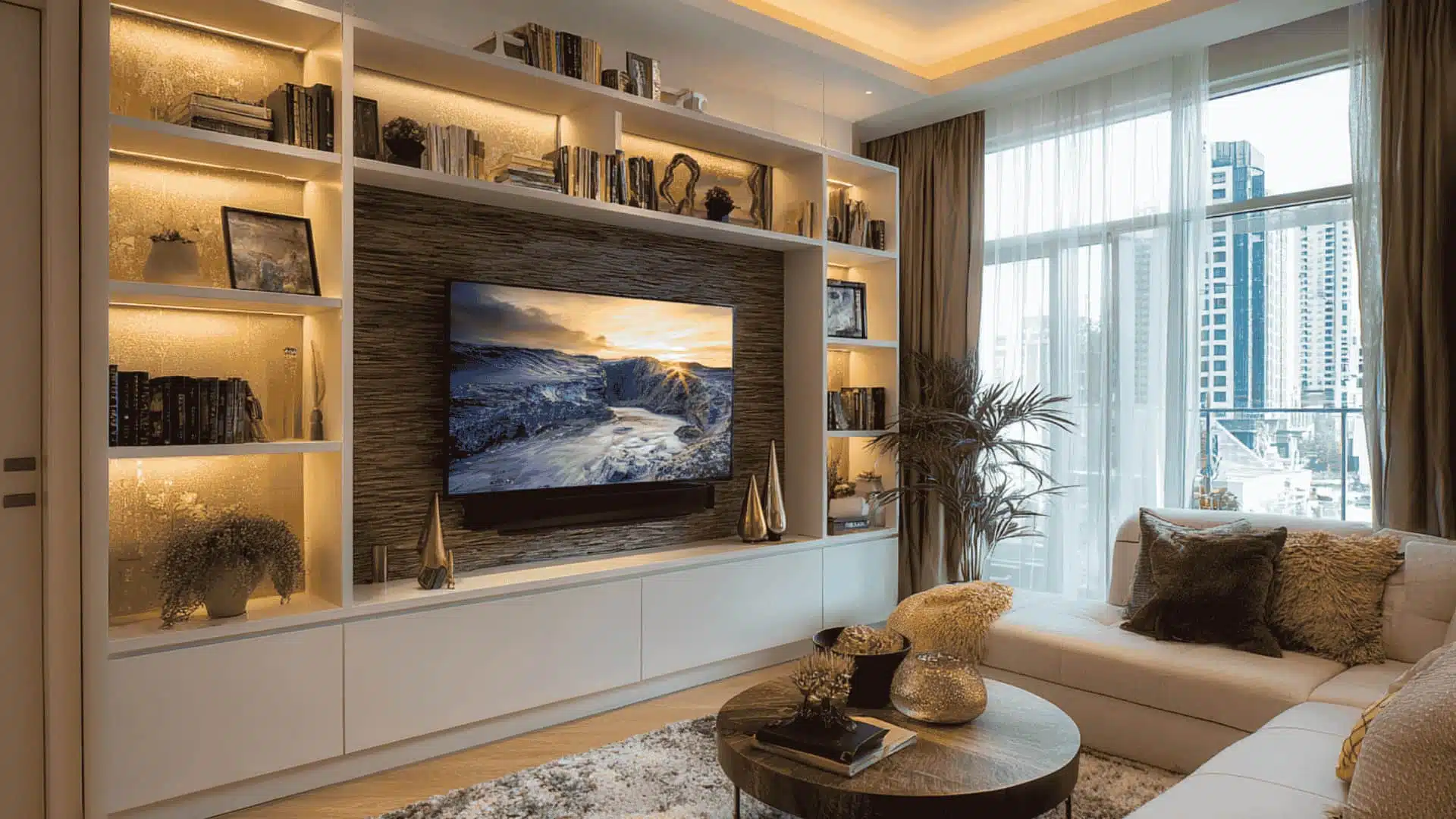
A built-in media unit combines storage and the TV in one area. This reduces the need for extra furniture and makes the small living room feel more organized.
Built-ins help maintain a clean look because everything has a clear place to go.
Interior design tip: Leave some open shelf space for a lighter feel.
42. Use One Large Artwork
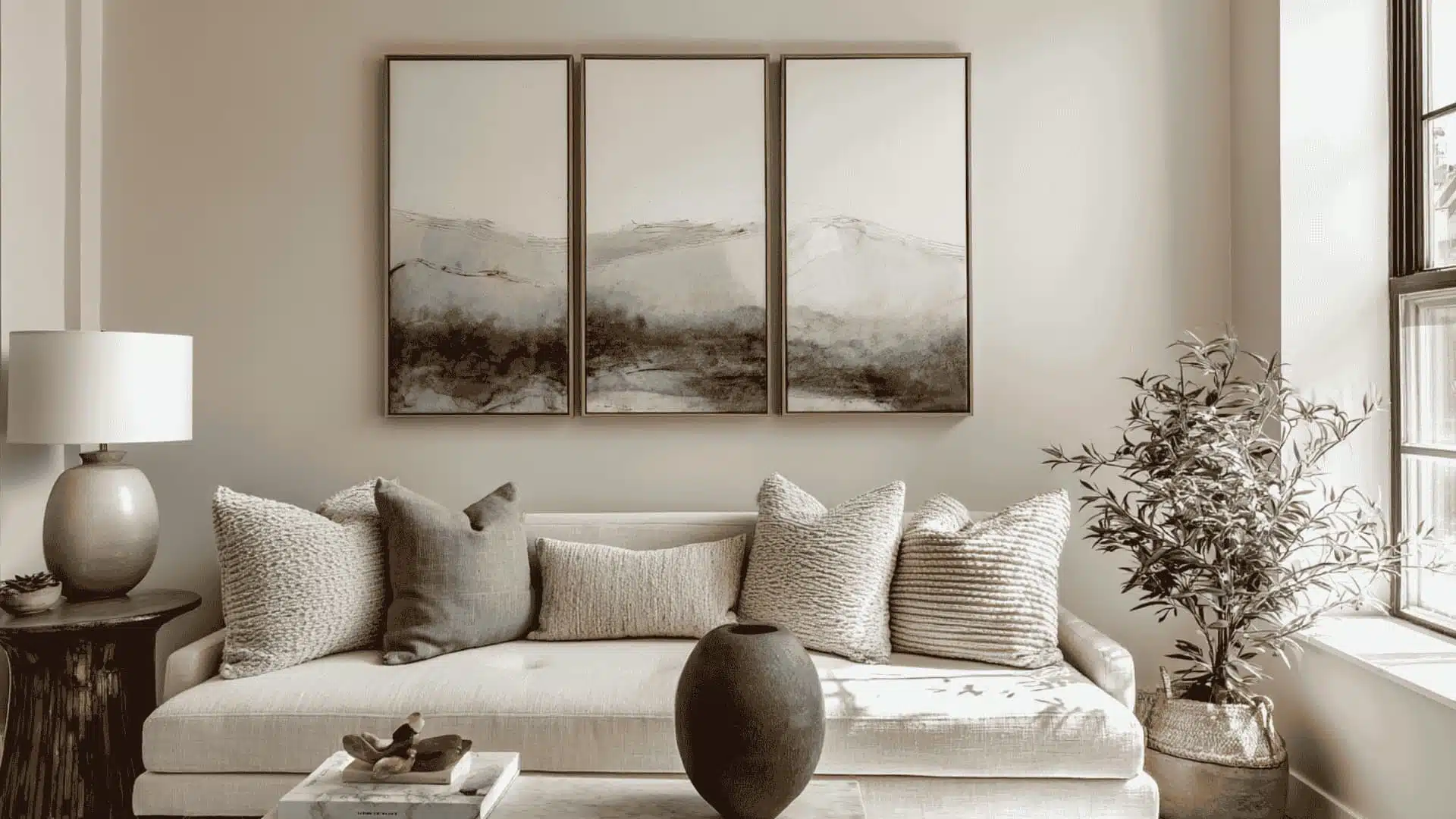
One large artwork creates a strong focal point and keeps the walls from looking busy. This adds style while supporting a clean, small living room layout.
A single large piece often feels calmer than many small frames spread across the wall.
Interior design tip: Choose art that matches your main color palette.
43. Keep Floor Patterns Simple
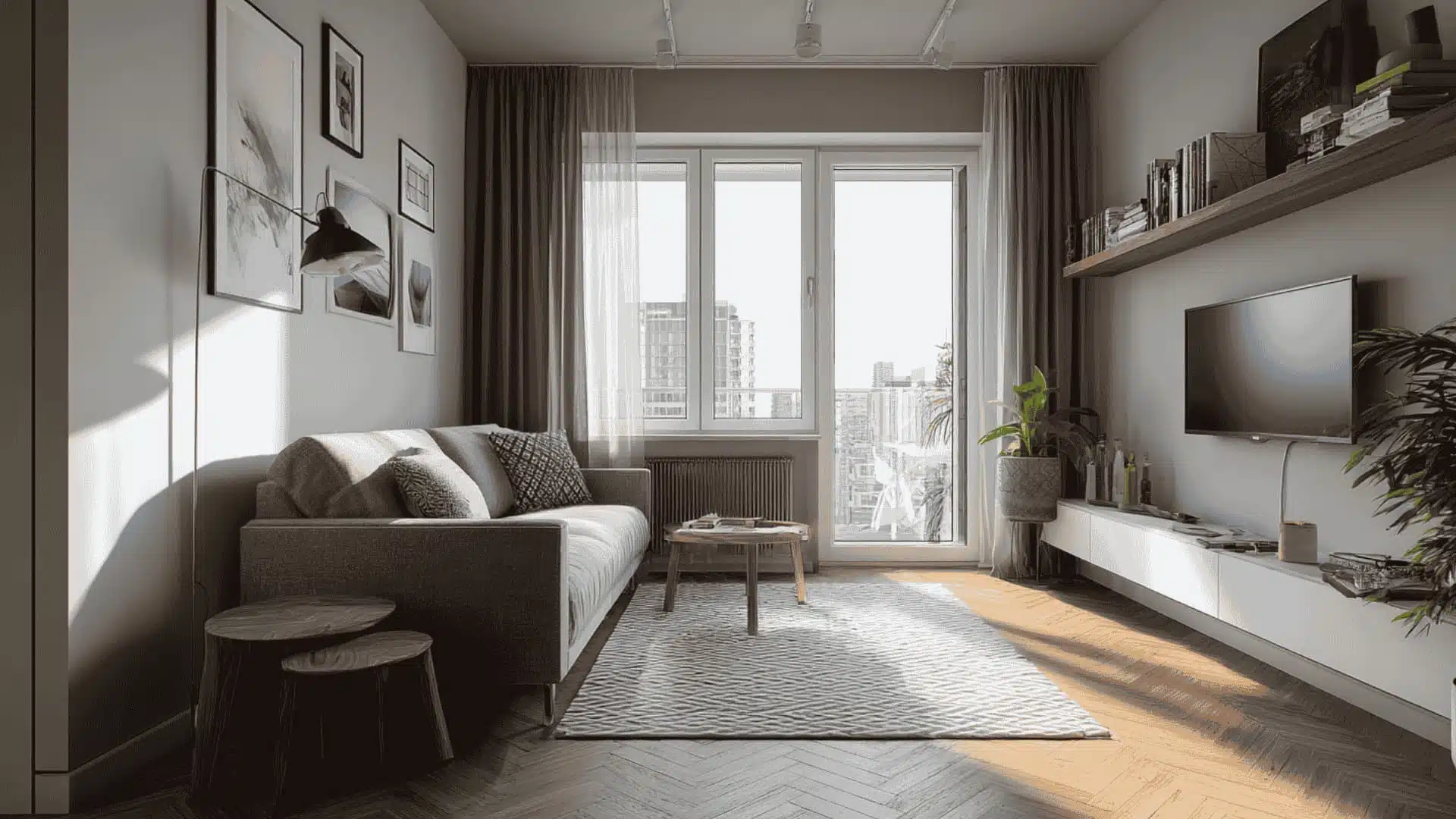
Simple floor patterns keep the room visually calm and prevent the space from feeling overwhelming. This helps the layout feel steady and balanced.
Bold floors can compete with decor, while simple floors make it easier to style furniture and rugs.
Interior design tip: Add pattern through rugs instead of busy flooring.
44. Choose Light-Colored Furniture
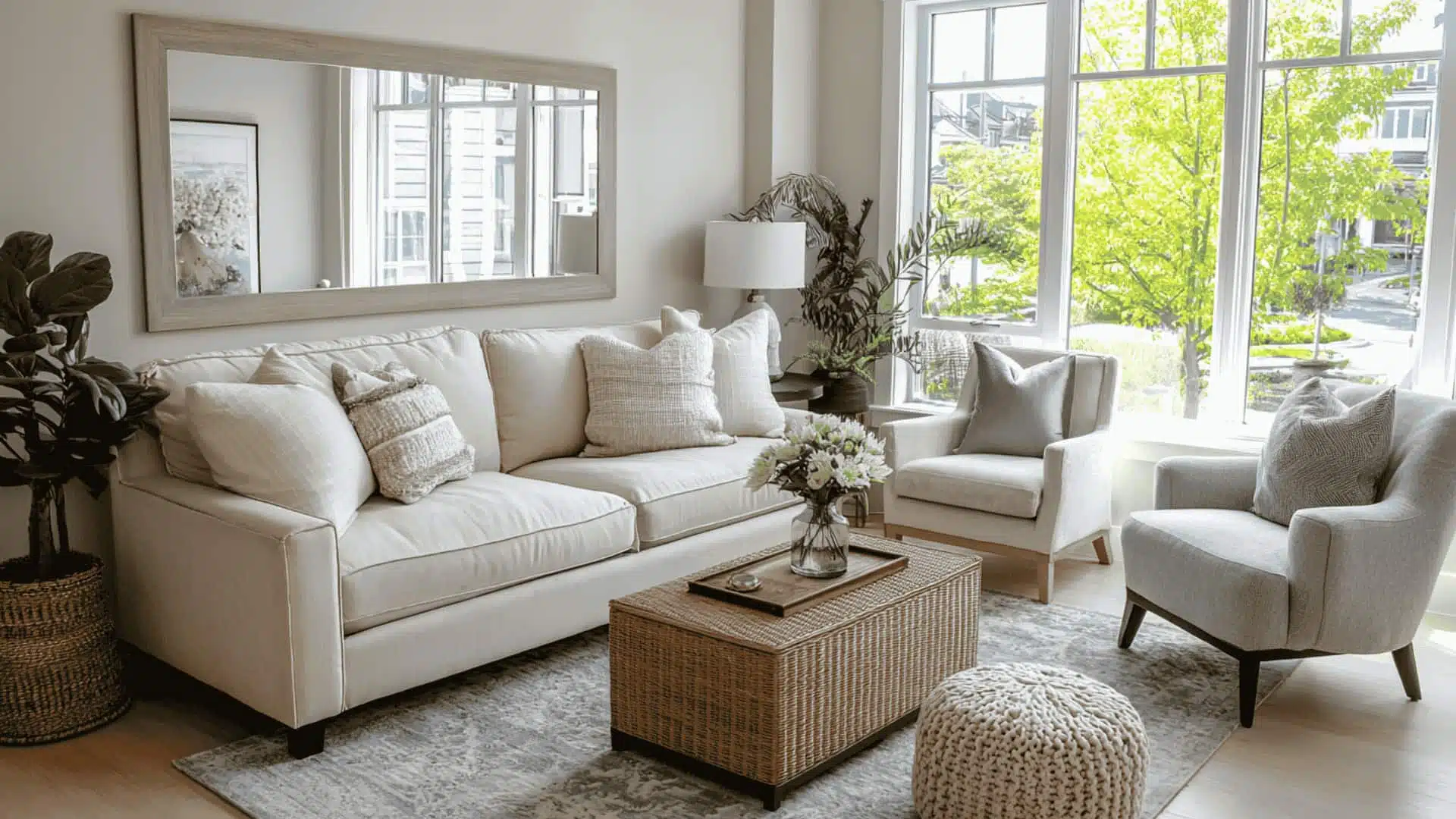
Light-colored furniture reflects light and blends smoothly into the room. This helps a small living room layout feel airy and less heavy.
Darker, bulkier pieces can make a clean room feel tight, while lighter pieces keep the space soft.
Interior design tip: Add contrast with small accents, such as pillows or art.
45. Add a Floating Desk
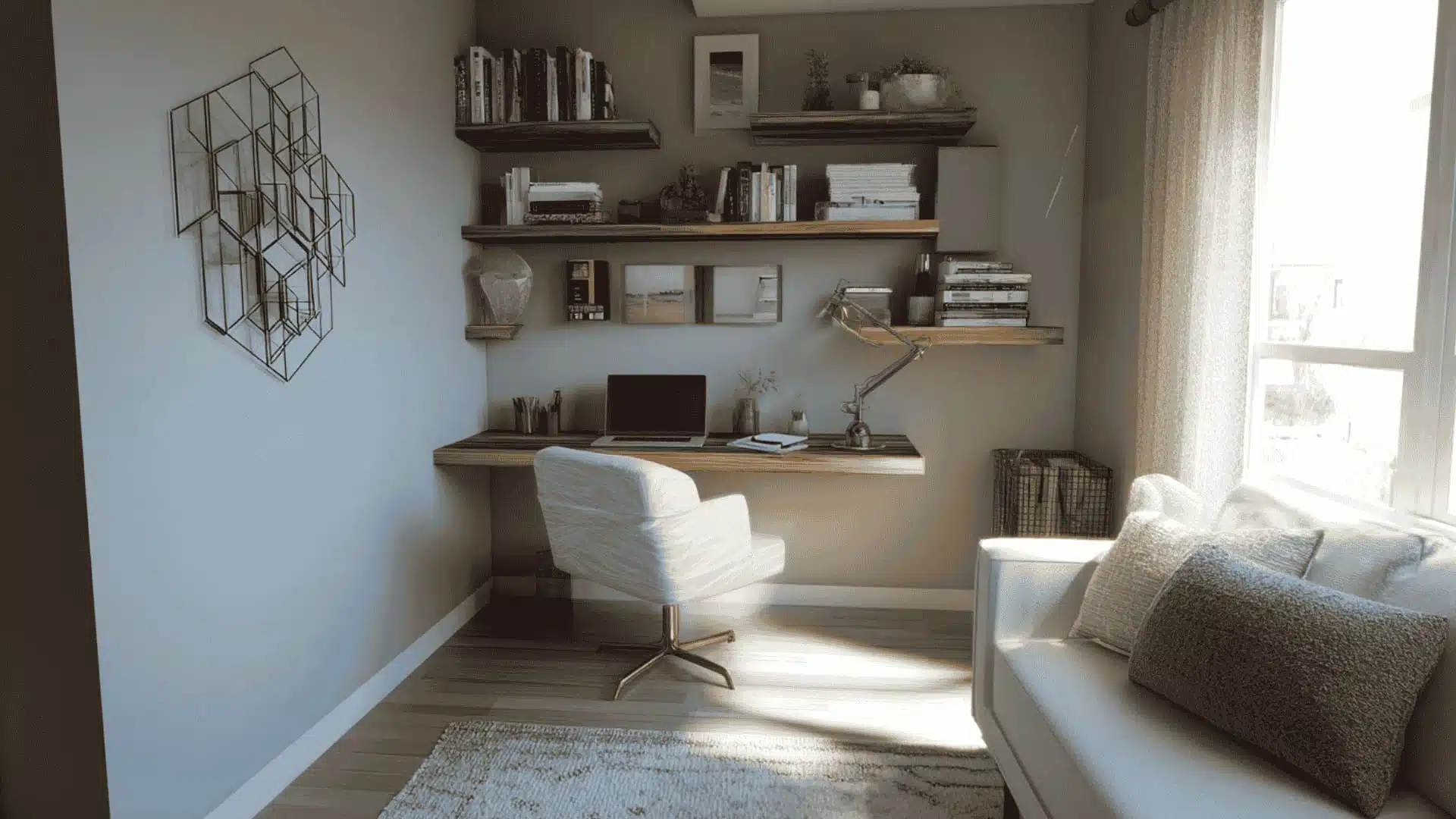
A floating desk adds a work spot without taking up much floor space. This helps keep a small living room layout open, even in a multi-use room.
Wall-mounted furniture supports better flow because it reduces visual and physical clutter.
Interior design tip: Keep the desktop clear and use small organizers.
46. Use a Compact Recliner
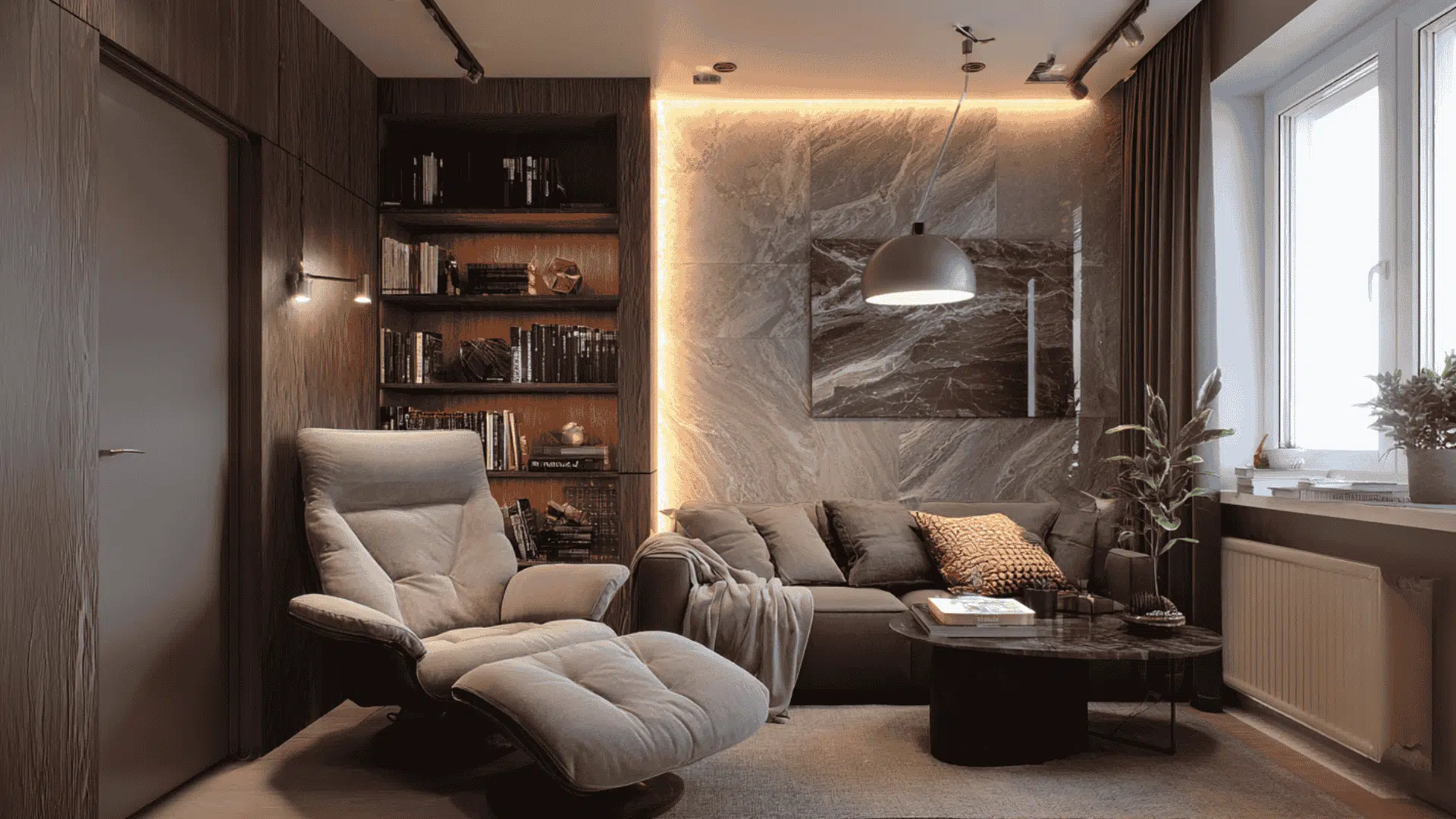
A compact recliner adds comfort without taking as much space as a standard recliner. This keeps the layout practical and prevents walkways from getting blocked.
I’ve learned that checking recline clearance is key, because the chair needs space behind it to work well.
Interior design tip: Measure recline depth before choosing placement.
47. Add Subtle Wall Texture
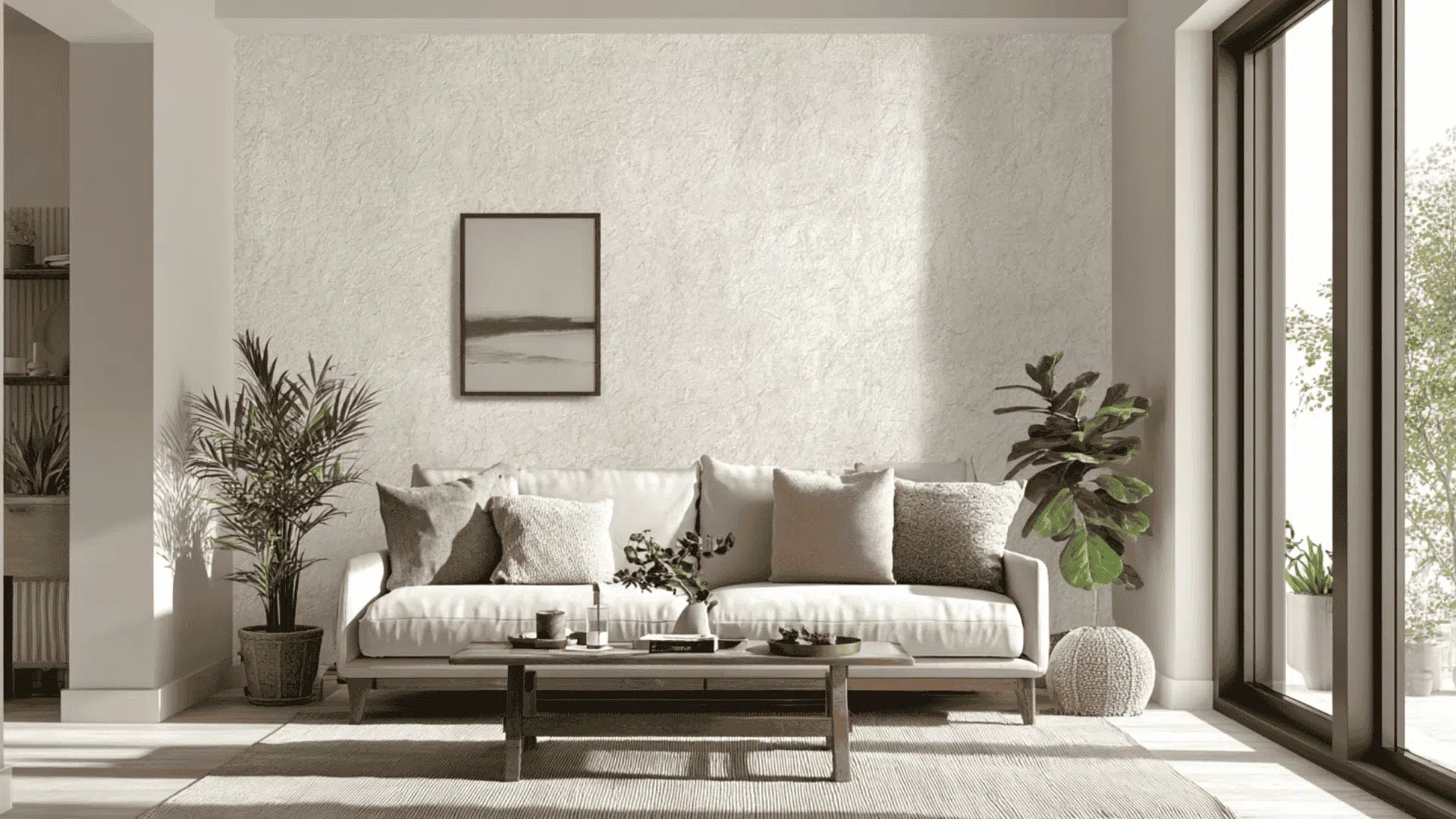
Subtle wall texture adds depth and style without requiring much decor. This keeps the room clean while still feeling finished.
Texture often looks calmer than bold patterns, especially in small living rooms.
Interior design tip: Use light textures, such as panels, plaster, or soft wallpaper.
48. Keep Decor at Eye Level
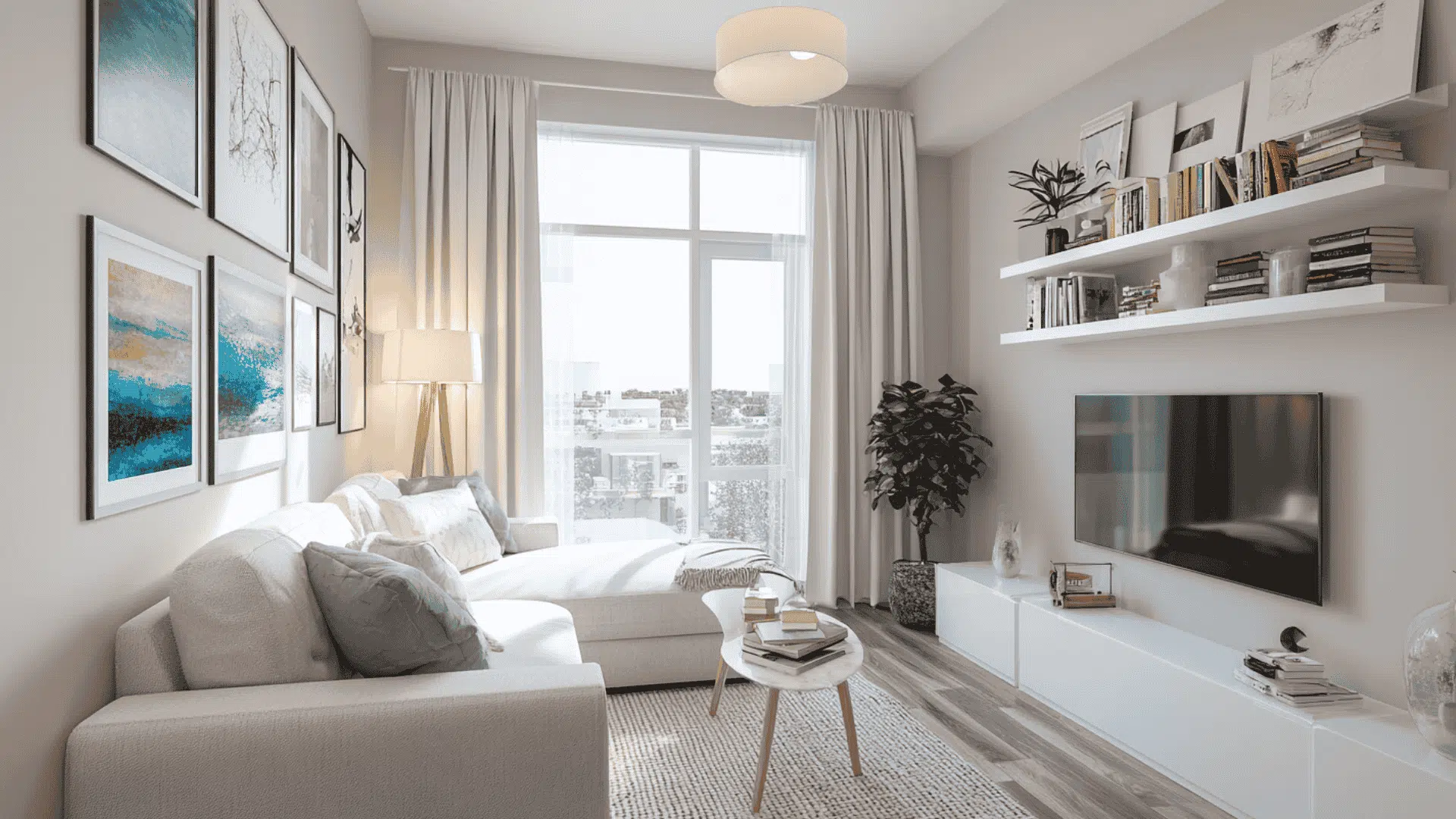
Decor at eye level feels balanced and easy to view across the room. This helps walls look calmer and more organized.
Simple alignment can make a small living room layout feel more polished without adding extra items.
Interior design tip: Center artwork around eye height for best balance.
49. Use Lightweight Curtains
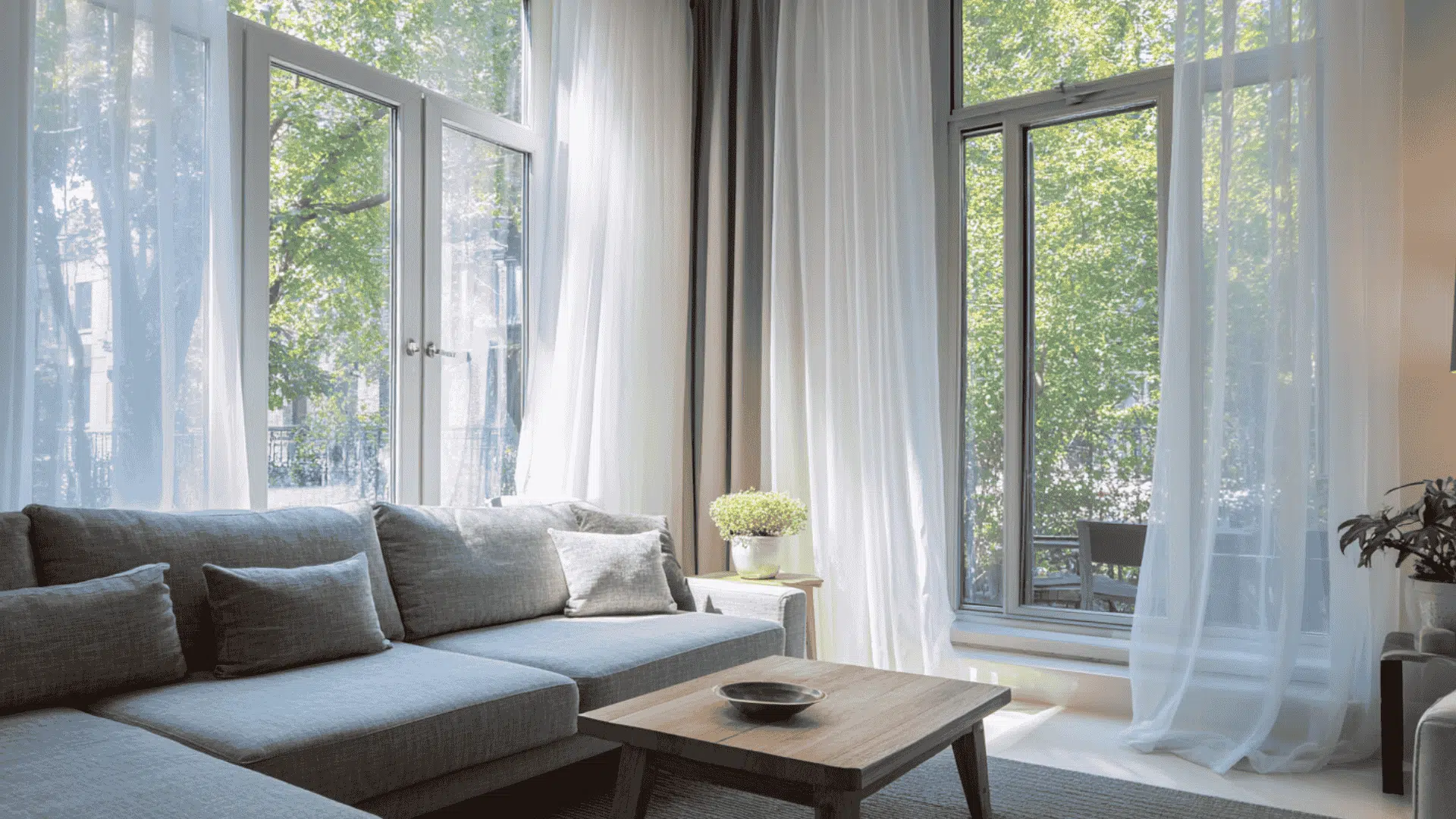
Lightweight curtains let more daylight into the room and keep windows from feeling heavy. This helps a small living room layout feel brighter and more open.
Sheer or linen-style curtains work best because they soften the room while still allowing light through.
Interior design tip: Hang curtains higher than the window for extra height.
50. Add a Small Indoor Plant
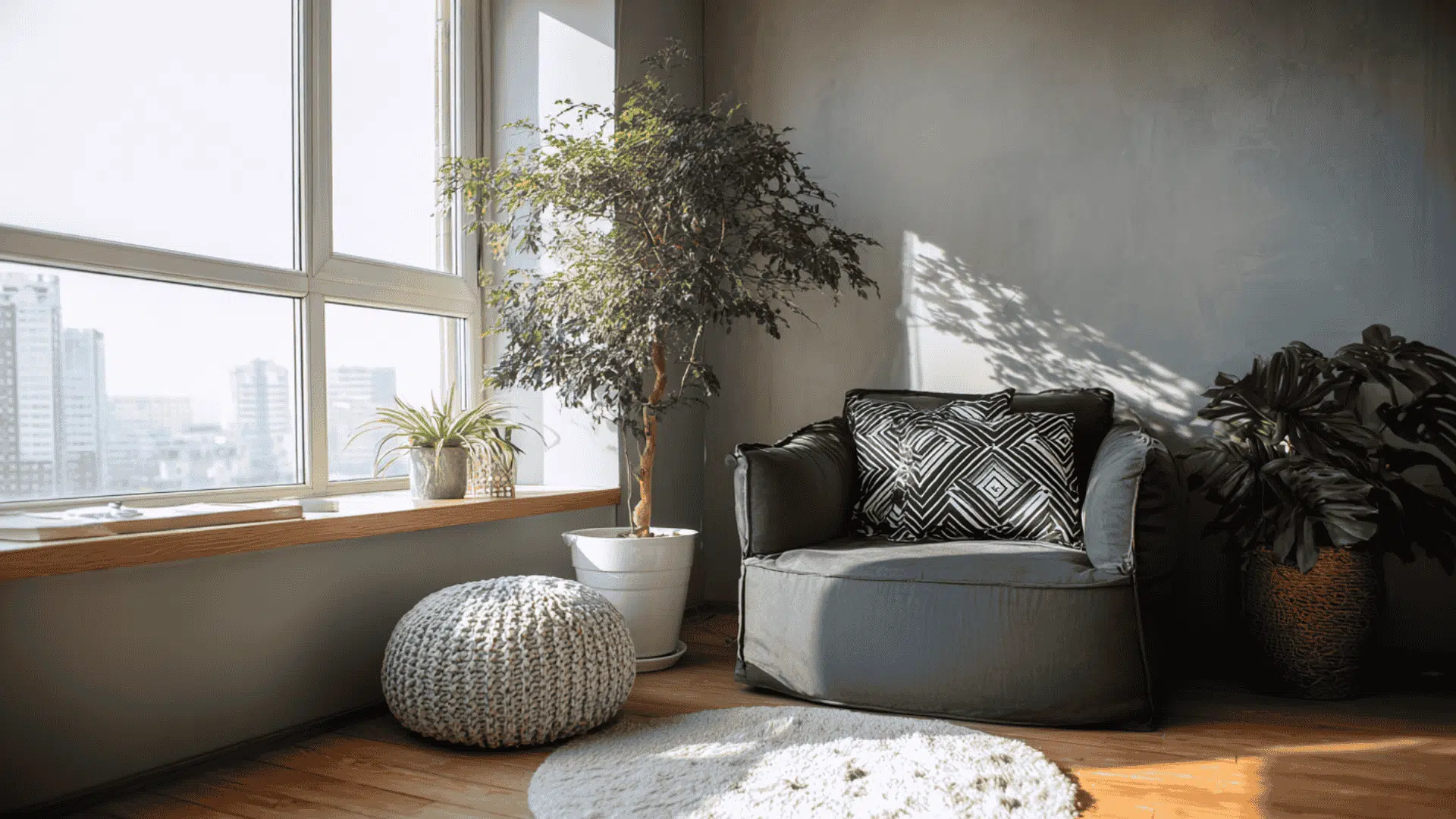
A small indoor plant adds freshness without creating clutter. This softens the space and makes the room feel more welcoming.
Plants work best in small rooms when kept simple and placed near a window.
Interior design tip: Choose low-maintenance plants for easy care.
51. Edit the Room Regularly
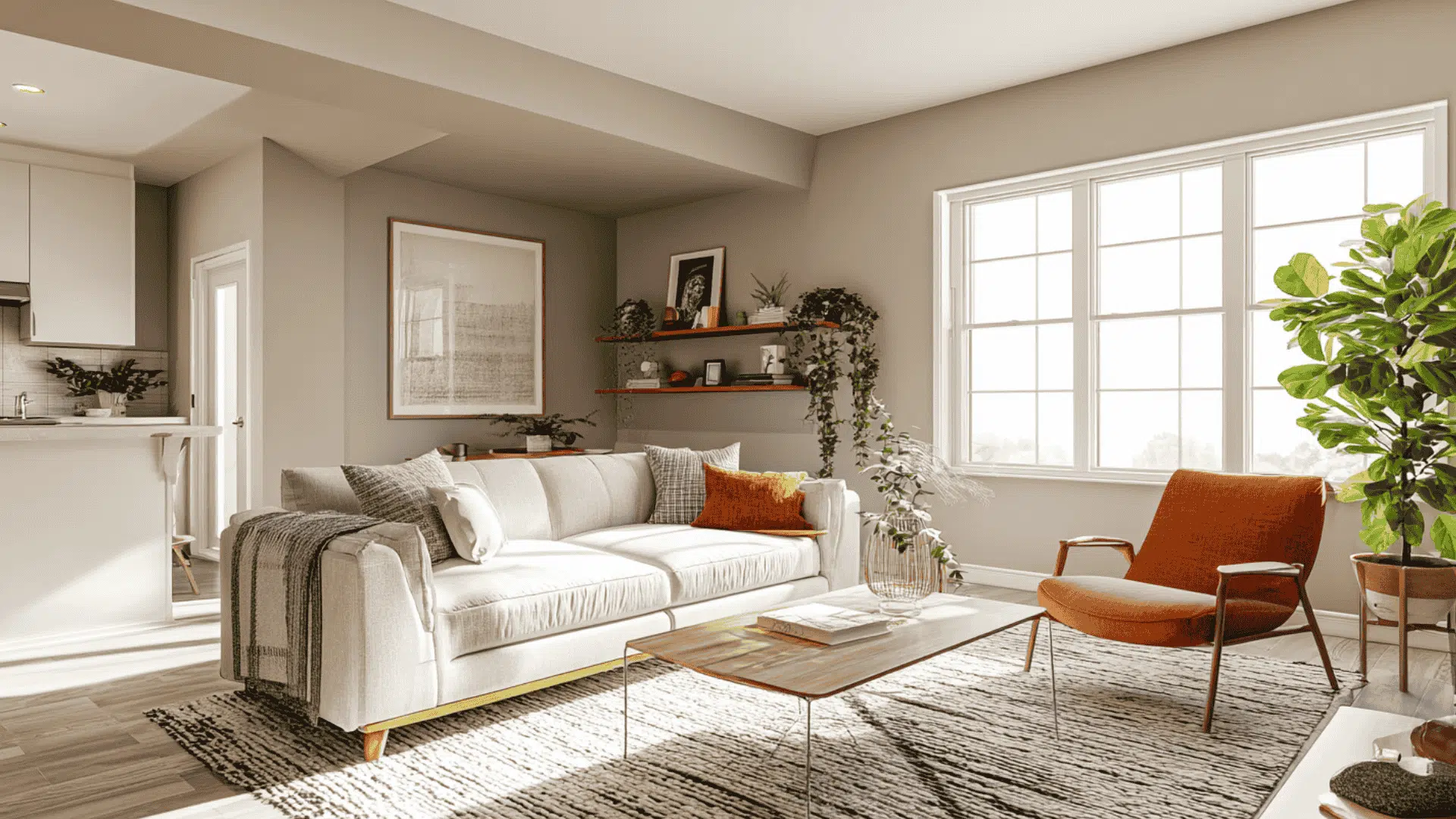
Over time, extra items collect and make a small room feel tighter than it should. Removing unused pieces helps restore comfort and flow.
I’ve learned that a quick reset keeps a small living room layout working well without needing major changes.
Interior design tip: Remove one item before adding something new.
Wrap-Up
A small living room does not need big changes to work better. I’ve noticed that simple layout choices, smart furniture placement, and clear walkways make the biggest difference over time.
When space, light, and function work together, the room feels more comfortable and easier to live in. Many problems come from small decisions repeated daily, while better results come from thoughtful planning.
These ideas show that a small living room layout can still support good flow and strong interior design. The goal is not to fill every corner, but to make the space feel balanced and usable.
Which idea stood out to you most? Save this page, share it with someone planning a small space, or leave a comment with what you would try first.