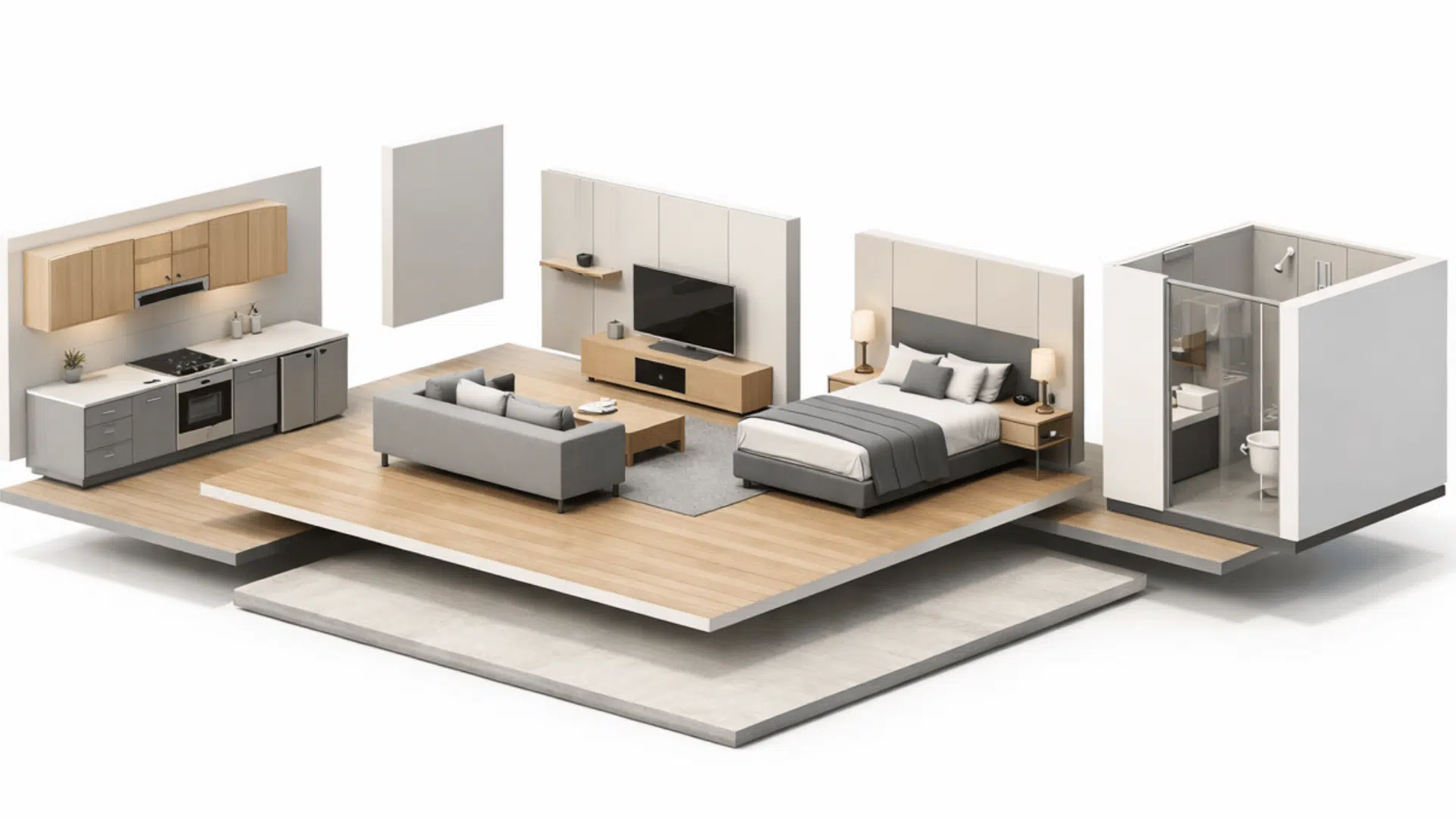
Walking into a new apartment for the first time always feels a little like opening a puzzle box. I’ve toured places where the listing photos looked perfect, only to find that the layout told a very different story the minute we stepped inside.
Because it’s never just about square footage. A smart layout can make a tiny studio feel airy and intentional. A bad one can make a big apartment feel cramped, awkward, and hard to live in.
And even though the walls don’t move, the right floor plan can completely change how a space feels, how light lands, how you move through it, and whether that “cozy reading nook” is actually realistic or just wishful thinking.
So what makes one apartment design work beautifully while another falls flat?
What is an Apartment Layout?
An apartment layout is basically the blueprint of how the space is organized. It shows where each room sits, how they connect, and where doors and windows are placed, like a bird’s-eye view of your home.
It includes everything: bedrooms, bathrooms, kitchen, living area, closets, and even those little corners that can become storage zones (or dead space if the plan isn’t thoughtful).
And here’s the thing I always say: a layout isn’t just a drawing. It’s the difference between a home that works with your daily routine and one that constantly fights you.
Some apartments feel open and breezy. Others have more defined rooms and separation. Neither is “better,” it’s about how you live.
Factors to Consider When Choosing an Apartment Layout
A layout can look amazing on paper and still feel off once furniture goes in. These are the details that matter in real life, the ones people usually notice after moving.
- Lifestyle needs: The best layout is the one that supports day-to-day routines. People fall in love with sleek, modern apartments, only to realize there is nowhere to set up a real work zone.
- Natural light: Windows truly make or break an apartment. A bright living space feels bigger, calmer, and easier to style. If it feels gloomy at noon, it’ll feel even darker by 6 PM.
- Storage space: Storage isn’t exciting until it’s missing. Closets, linen storage, kitchen cabinets, and built-ins matter more than most people expect, especially in smaller apartments.
- Traffic flow: This one’s huge. If you’re constantly walking around furniture, squeezing past chairs, or cutting through one room to reach another, it gets irritating quickly. The best layouts have natural pathways.
- Flexibility for the future: Life changes, and a layout should be able to keep up. A dining spot can become a work zone, or a guest room might turn into a nursery. Spaces that adapt always feel like the smarter choice, whether renting or buying.
Essential Apartment Layout Types
Over the years, I’ve seen the same layouts show up again and again, each with its own strengths (and a few quirks). Here’s how they really live day-to-day.
1. Studio Layout
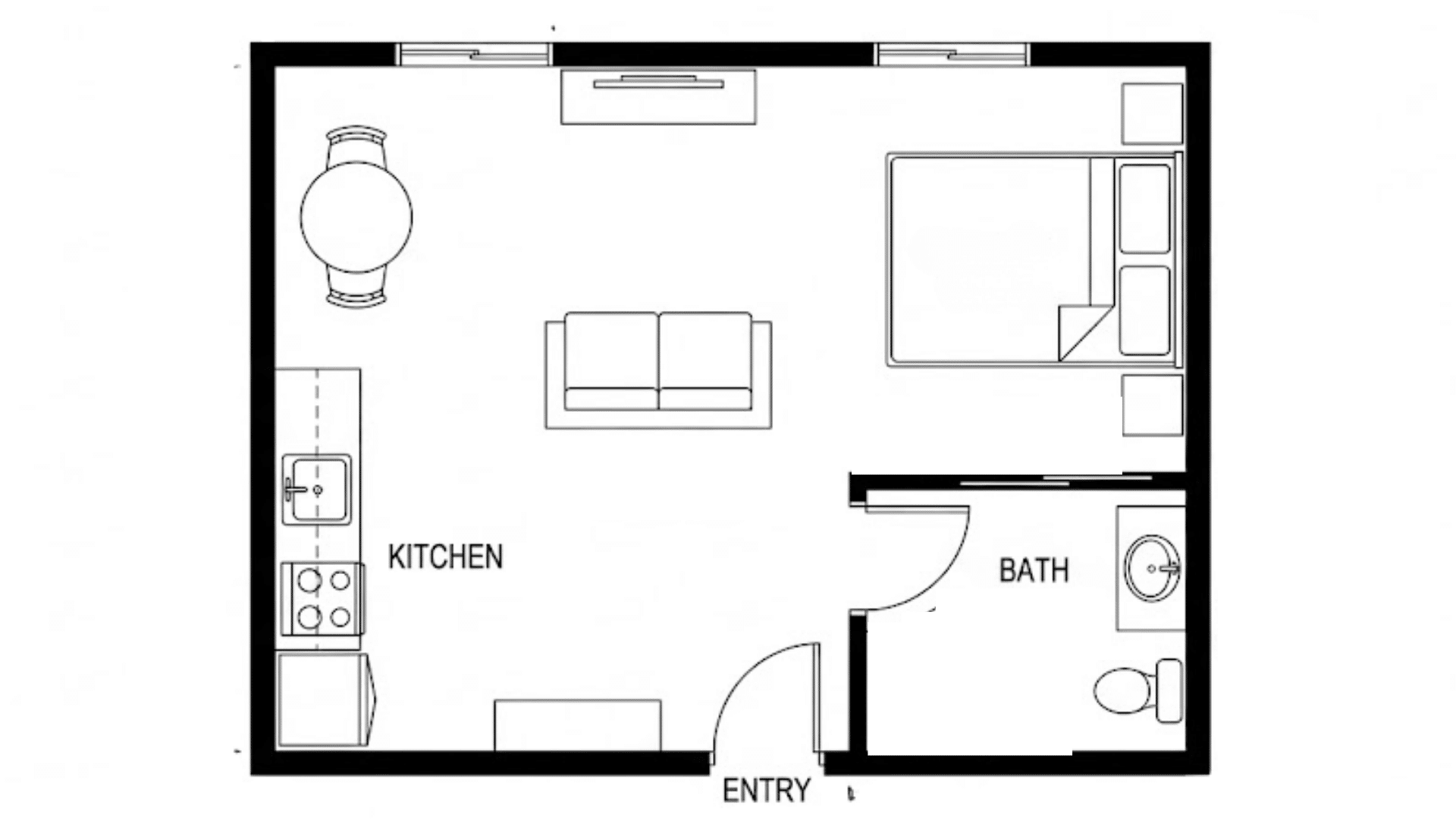
A studio is a single open space where the bedroom, living area, and kitchen the combined. Only the bathroom is fully separate.
- Best for: Singles, students, or anyone prioritizing location over space.
- Pros: Lower rent, easy to clean, forces smart organization.
- Cons: Limited privacy and storage.
- Styling tip: Use furniture like a layout tool, sofa facing away from the bed, a slim console behind it, or a tall shelf to create “rooms” without walls.
2. One-Bedroom Layout
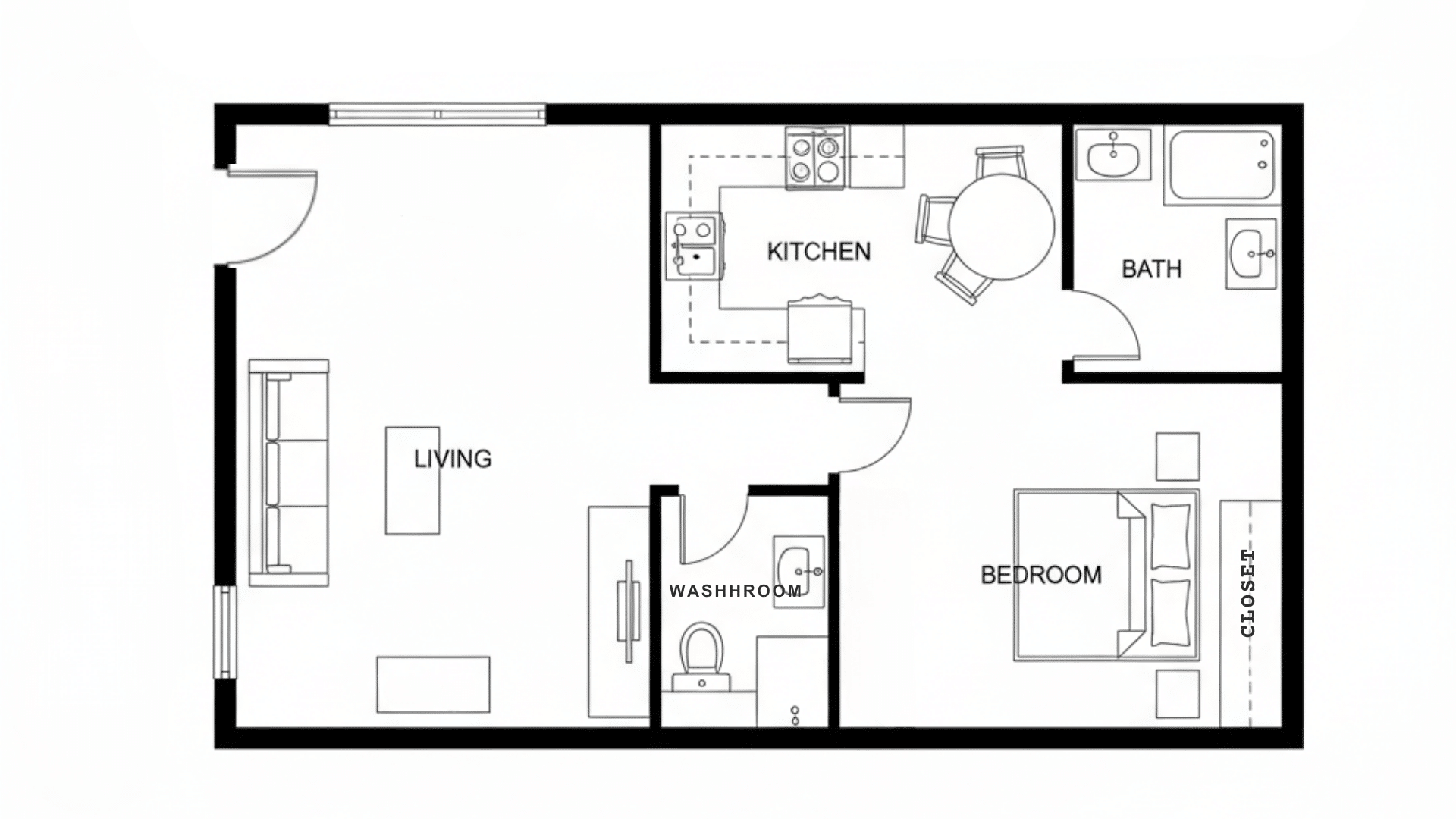
A one-bedroom is the “classic for a reason”; everything has its place. After styling a lot of these, the biggest win is how easily the home can feel calm and organized because the sleeping area is truly separate from daily life.
- Best for: Couples, remote workers, or anyone who wants true separation.
- Pros: Privacy, defined spaces, usually feel more home-like.
- Cons: Higher cost and less flexibility than open studios.
- Styling tip: Keep the bedroom intentionally restful by avoiding storage and visual clutter overload.
3. Open-Concept Layout
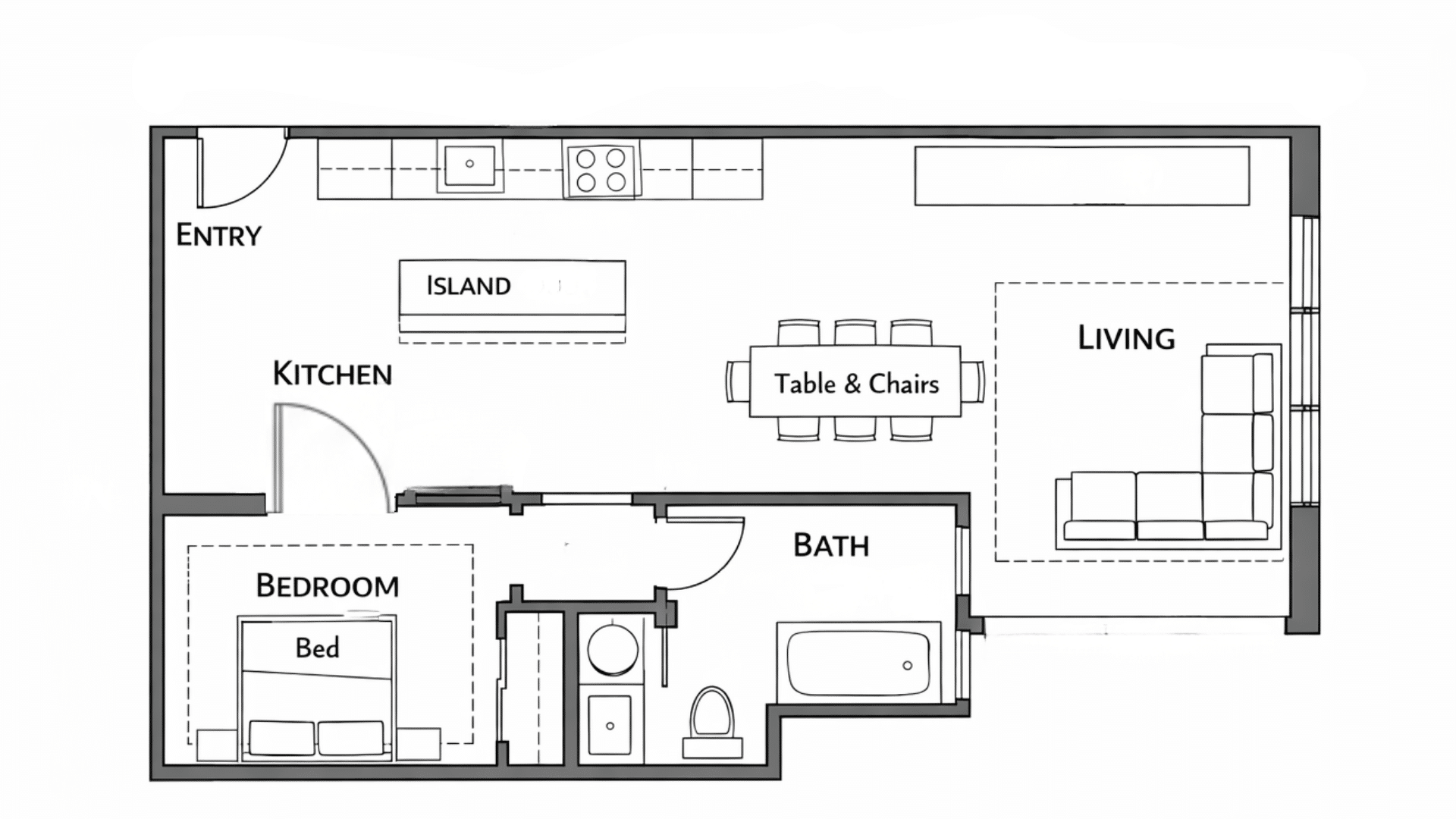
This layout looks great the moment you walk in, bright, social, and expansive. But in real life, it works best when the space is styled with clear “zones,” otherwise everything can blur together and feel messy fast.
- Best for: Entertainers, families, people who love airy vibes.
- Pros: Spacious feel, light travels better, great for hosting.
- Cons: Noise travels, kitchen mess is always visible.
- Styling tip: Rugs are your best friend, one under the sofa zone and one under the dining instantly creates structure without ruining the open feel.
4. Alcove Studio Layout
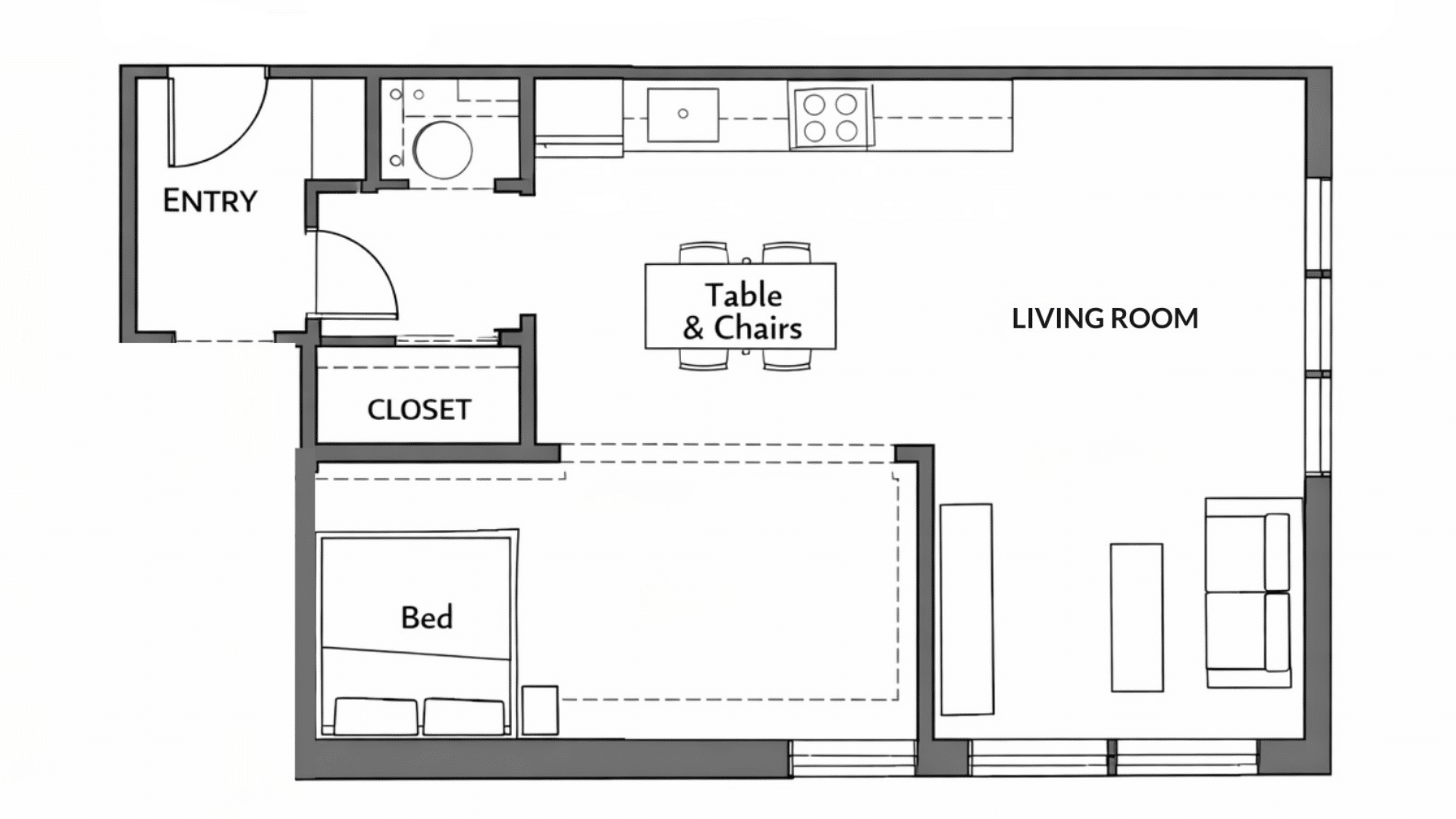
An alcove studio is a studio with a little secret advantage: that separate nook changes how the whole place functions. It’s one of my favorite layouts for those who want “a bedroom feeling” without paying for a one-bedroom.
- Best for: Someone who wants a separate space without one-bedroom pricing.
- Pros: Sleeping space feels more private.
- Cons: Alcoves can be tight or windowless.
- Styling tip: A curtain track or tall bookshelf gives the nook a defined edge and makes it feel like a real zone, not an afterthought.
5. Junior One-Bedroom (Convertible) Layout
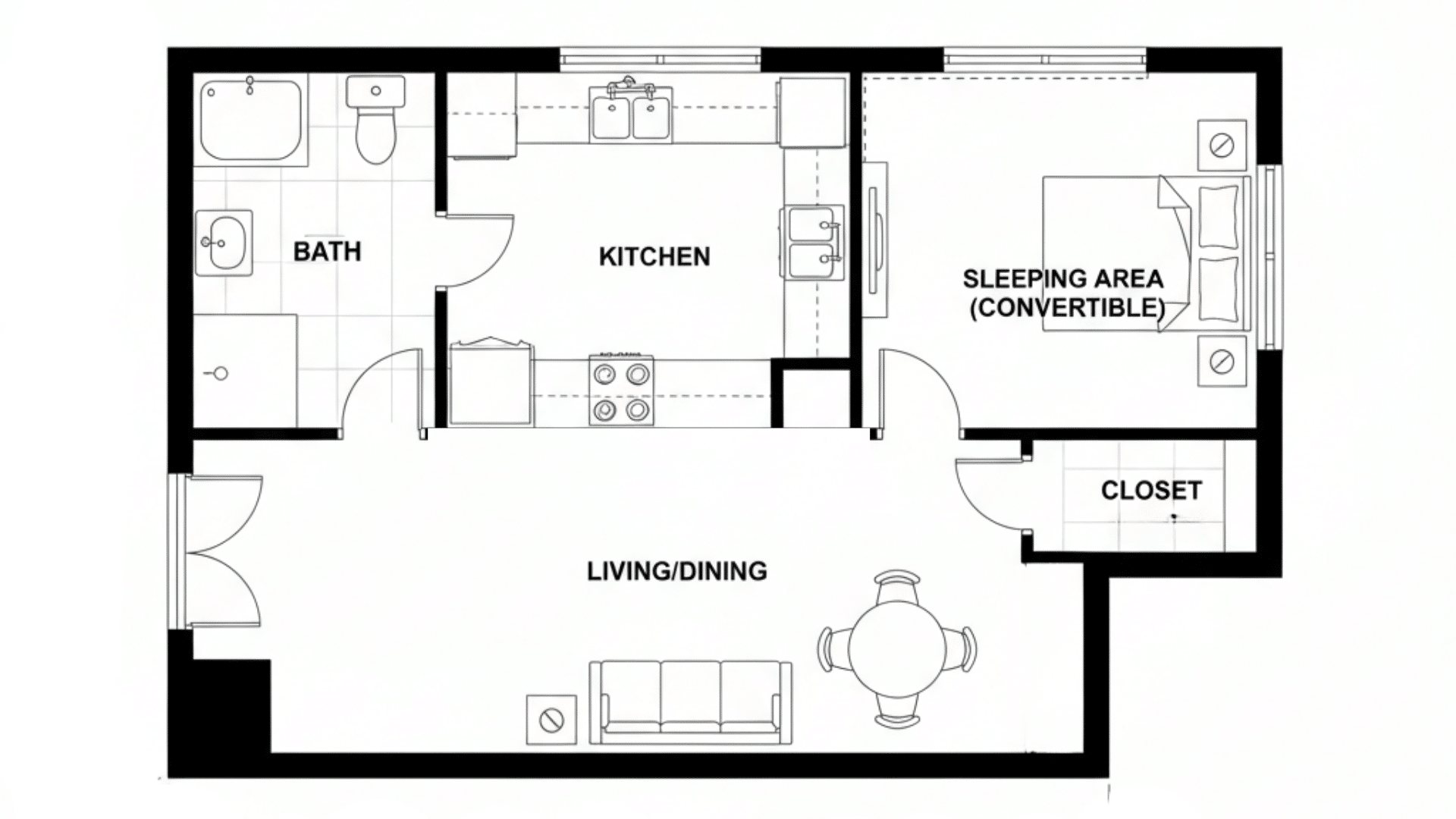
Convertible layouts are flexible by design, but they only feel good in the long term when the “almost bedroom” area is treated like a real room. I’ve seen these work beautifully when the separation is intentional, not improvised.
- Best for: Budget-conscious renters wanting flexibility.
- Pros: Cheaper than one-bedrooms, adaptable space.
- Cons: Often no door/closet in the bedroom zone.
- Styling tip: Sliding panels, room dividers, or even a ceiling-mounted curtain can make it feel permanent and way more comfortable to live in.
6. Two-Bedroom Open-Concept Layout
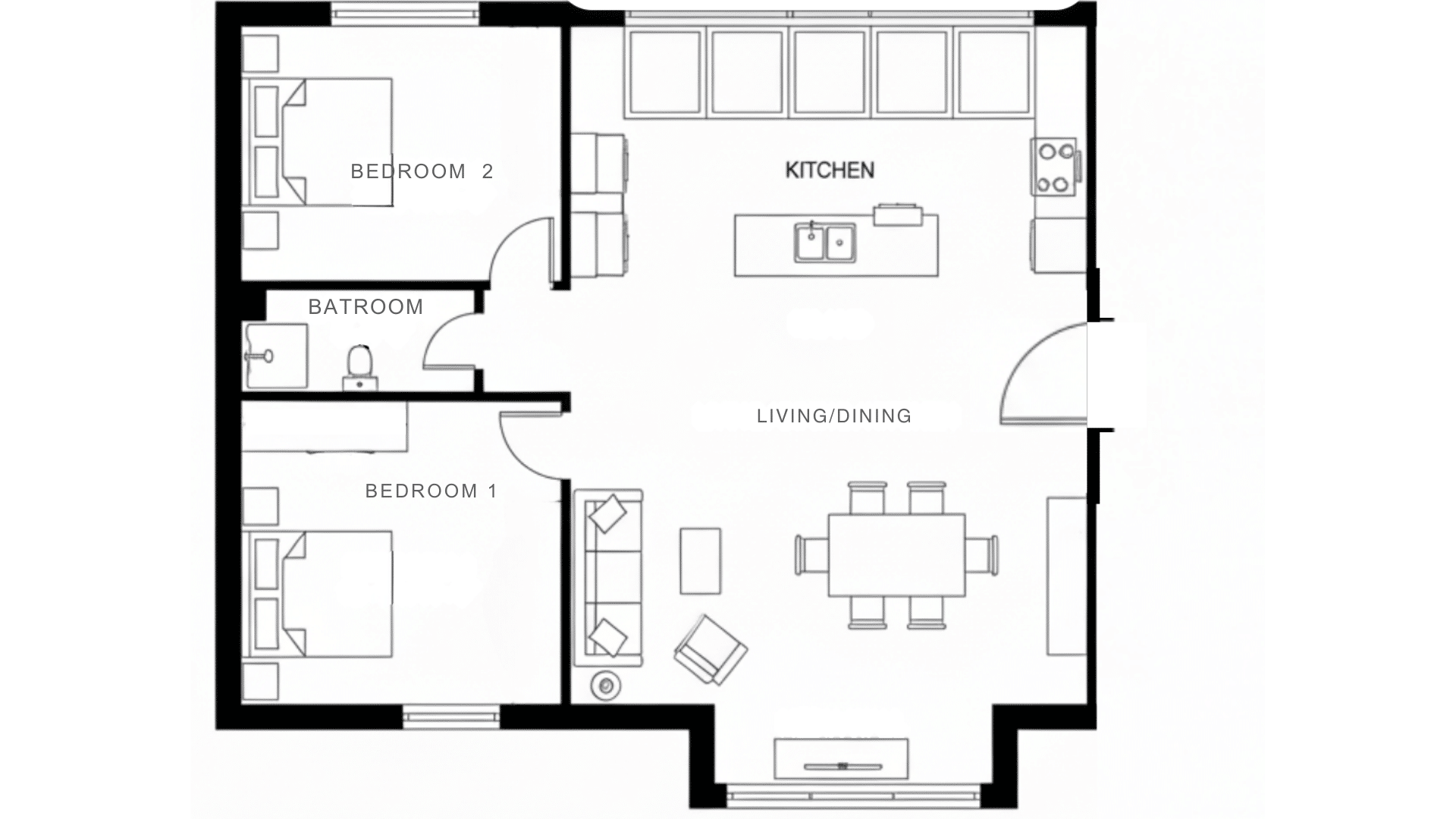
This one is a popular modern setup: private bedrooms paired with a shared open center. It’s great for roommates and families, but it really needs thoughtful styling so the central area doesn’t feel like a big hallway.
- Best for: Roommates, couples needing an office, small families.
- Pros: Privacy + modern shared space.
- Cons: Kitchen sounds can travel.
- Styling tip: Anchor the living room with a large rug and layered lighting so the center feels like a destination, not just a pass-through.
7. Two-Bedroom Split Layout
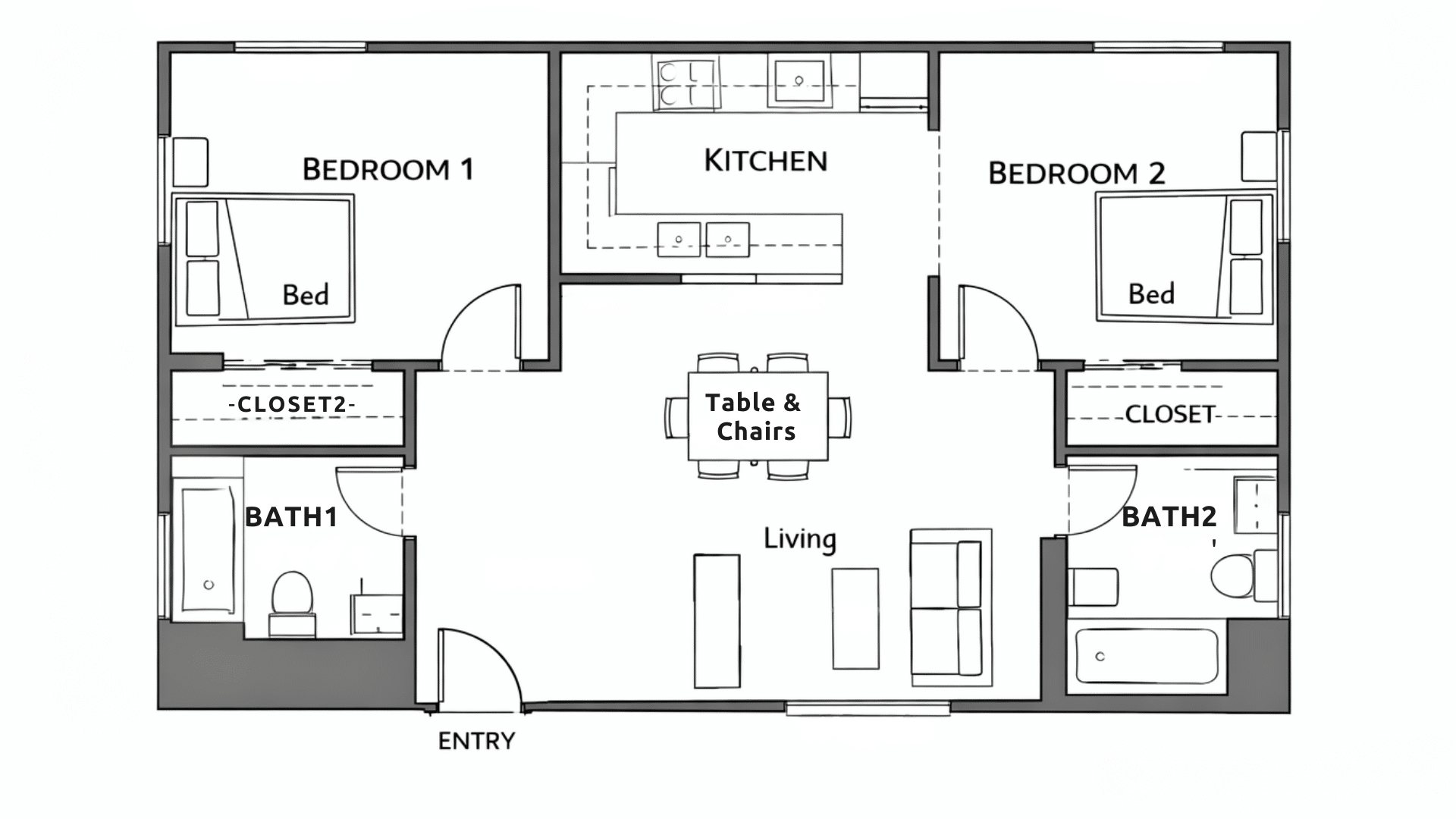
Split layouts are the privacy champions. When you want a roommate-friendly setup (or quiet work-from-home zones), this is usually the first layout I point them toward because it naturally reduces noise and overlap.
- Best for: Roommates, families with older kids, work-from-home setups.
- Pros: Quiet, private, fair room separation.
- Cons: Can feel disconnected, sometimes more hallway space.
- Styling tip: Warm up the central living area with soft textures and layered lighting to make it feel like the heart of the home.
8. Duplex/Loft Apartment Layout
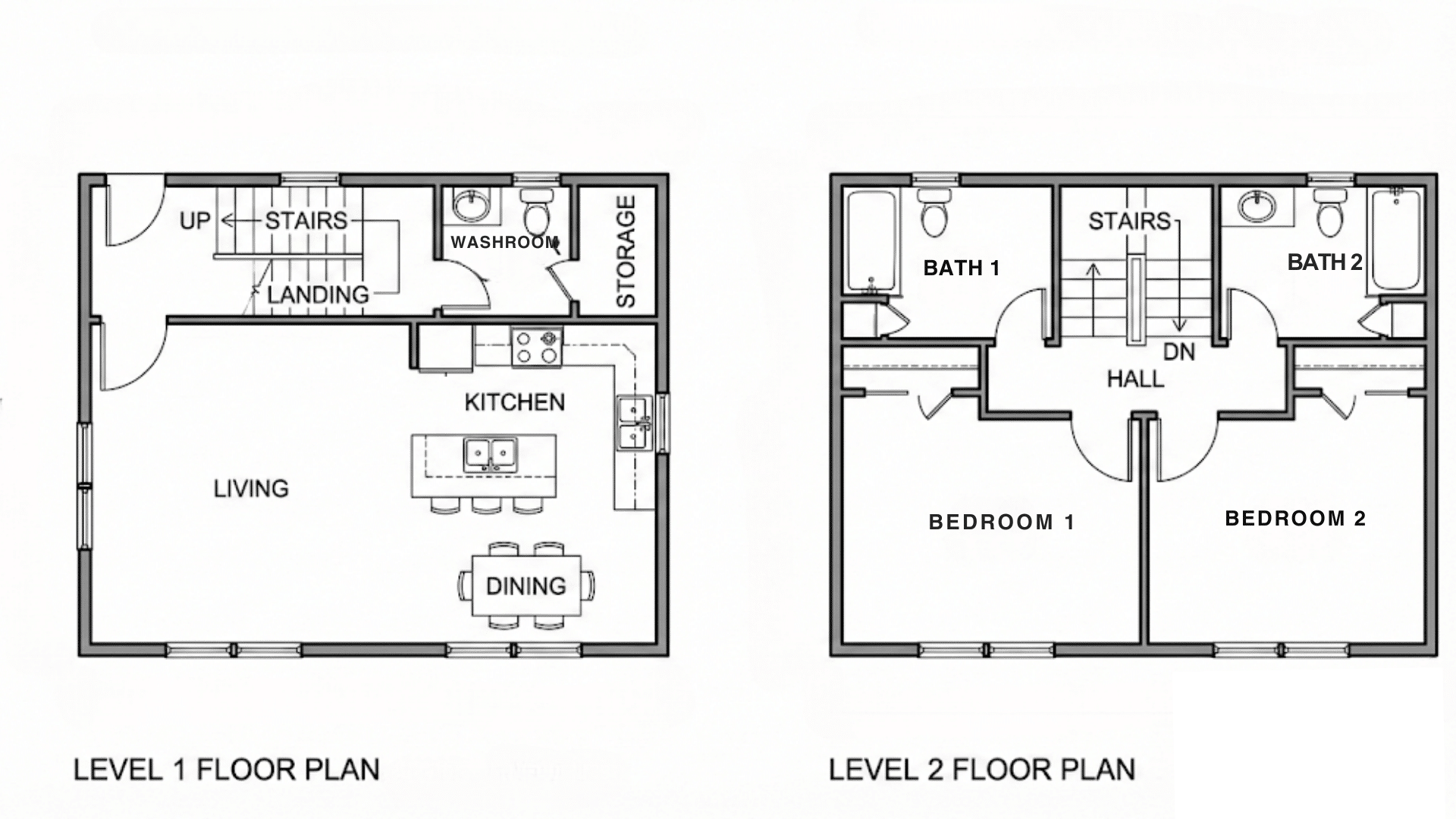
Duplex layouts feel more like townhouses than apartments, and you either love them or realize quickly they don’t match your lifestyle. The separation is fantastic, but the stairs change how you use the space every day.
- Best for: People who want house-like separation.
- Pros: Clear public-private division and unique feel.
- Cons: Stairs aren’t for everyone, and heating/cooling can be tricky.
- Styling tip: Keep the upper level calmer, soft rugs, warmer lighting, fewer bold pieces, so it naturally feels like a retreat.
9. L-Shaped Apartment Layout
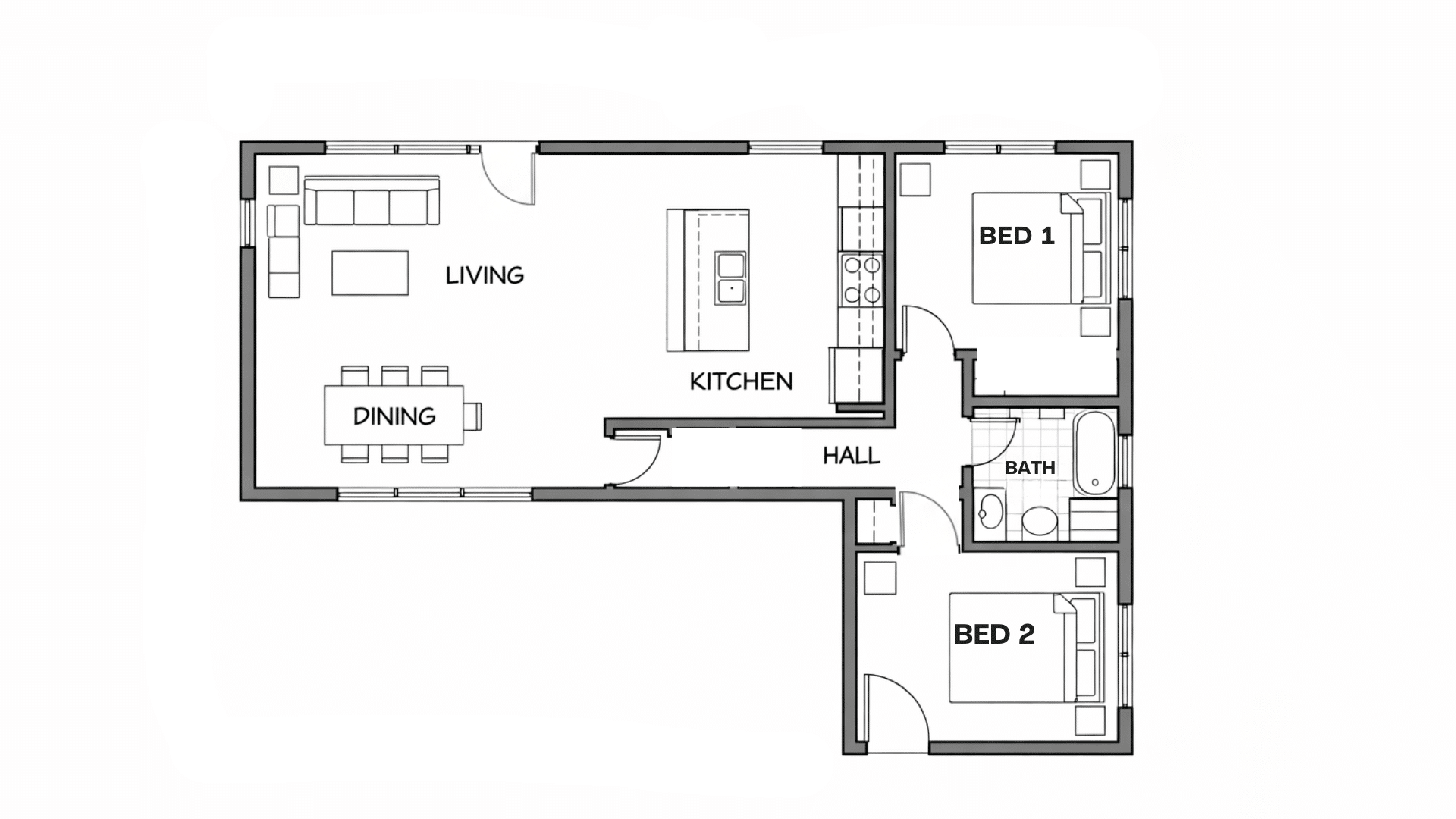
L-shaped apartments have built-in zoning, which sounds perfect until you try to place furniture and realize the angles demand a plan. When styled well, though, they feel intentionally segmented in the best way.
- Best for: Roommates, families, anyone who wants zoning.
- Pros: Natural separation, often extra windows.
- Cons: Furniture placement can be tricky.
- Styling tip: Treat the corner like a feature: reading chair, plant moment, bar cart, or compact workspace—lean into it instead of fighting it.
10. Three-Bedroom Linear Layout
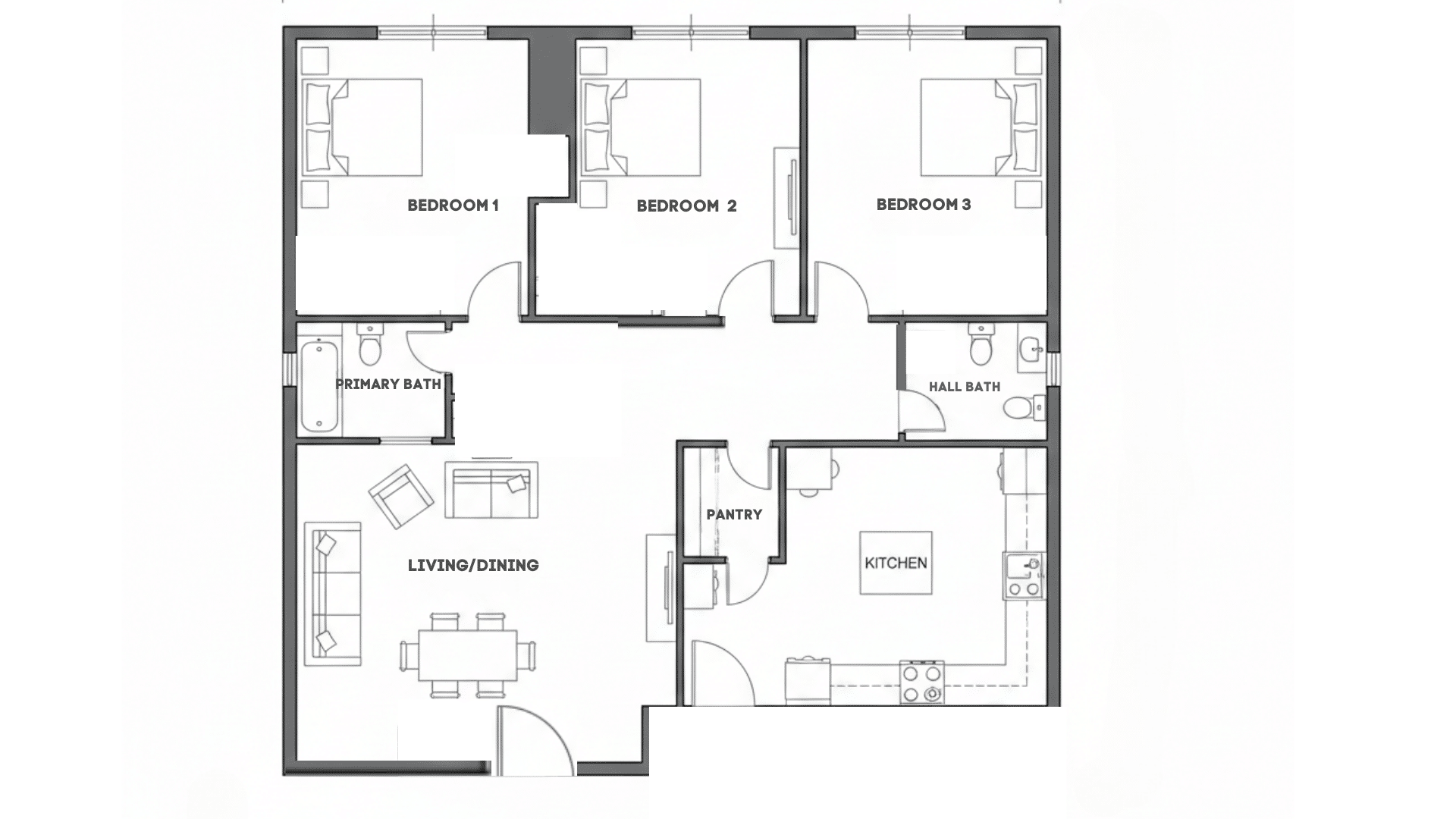
This layout is straightforward and practical, great for function, less exciting for flow. The key is making sure the home doesn’t feel like “bedrooms on one side, life on the other” with no warmth in between.
- Best for: Families or groups sharing rent.
- Pros: Simple, easy to navigate, functional.
- Cons: The middle bedroom often feels the least private.
- Styling tip: Balance the bedrooms give the middle room the best storage, lighting, or layout perks so it doesn’t feel like the short end of the stick.
11. Corner Unit Layout
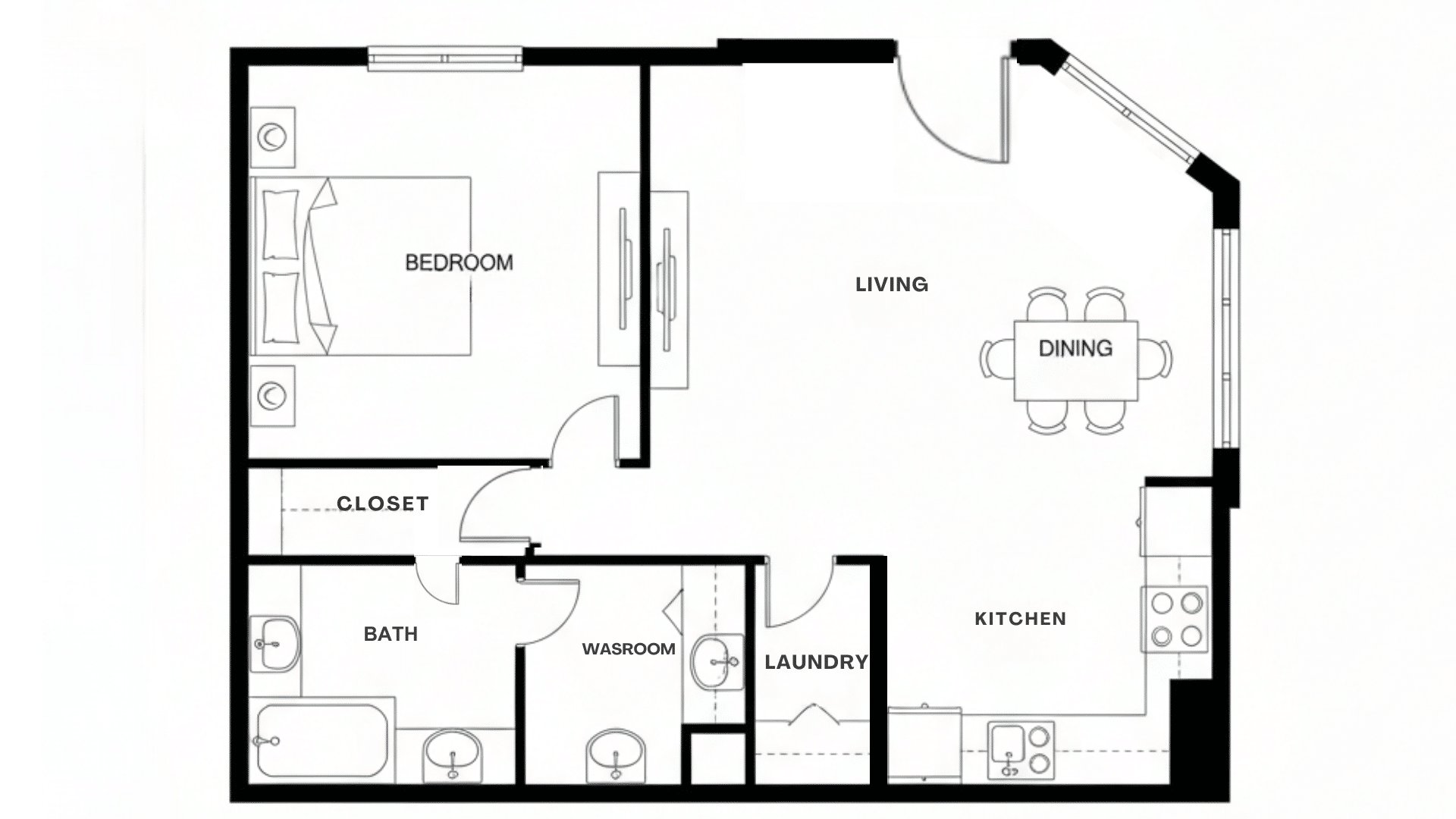
Corner units tend to feel special the second you walk in. More windows, better light, and often better airflow, those who prioritize mood and brightness usually fall for these instantly (and for good reason).
- Best for: Anyone who wants light and views.
- Pros: Bright, great ventilation, often quieter.
- Cons: Usually priced higher, can fluctuate in temperature.
- Styling tip: Don’t block windows with bulky furniture; keep sightlines open so the light and views do the heavy lifting.
12. Railroad/Shotgun Layout
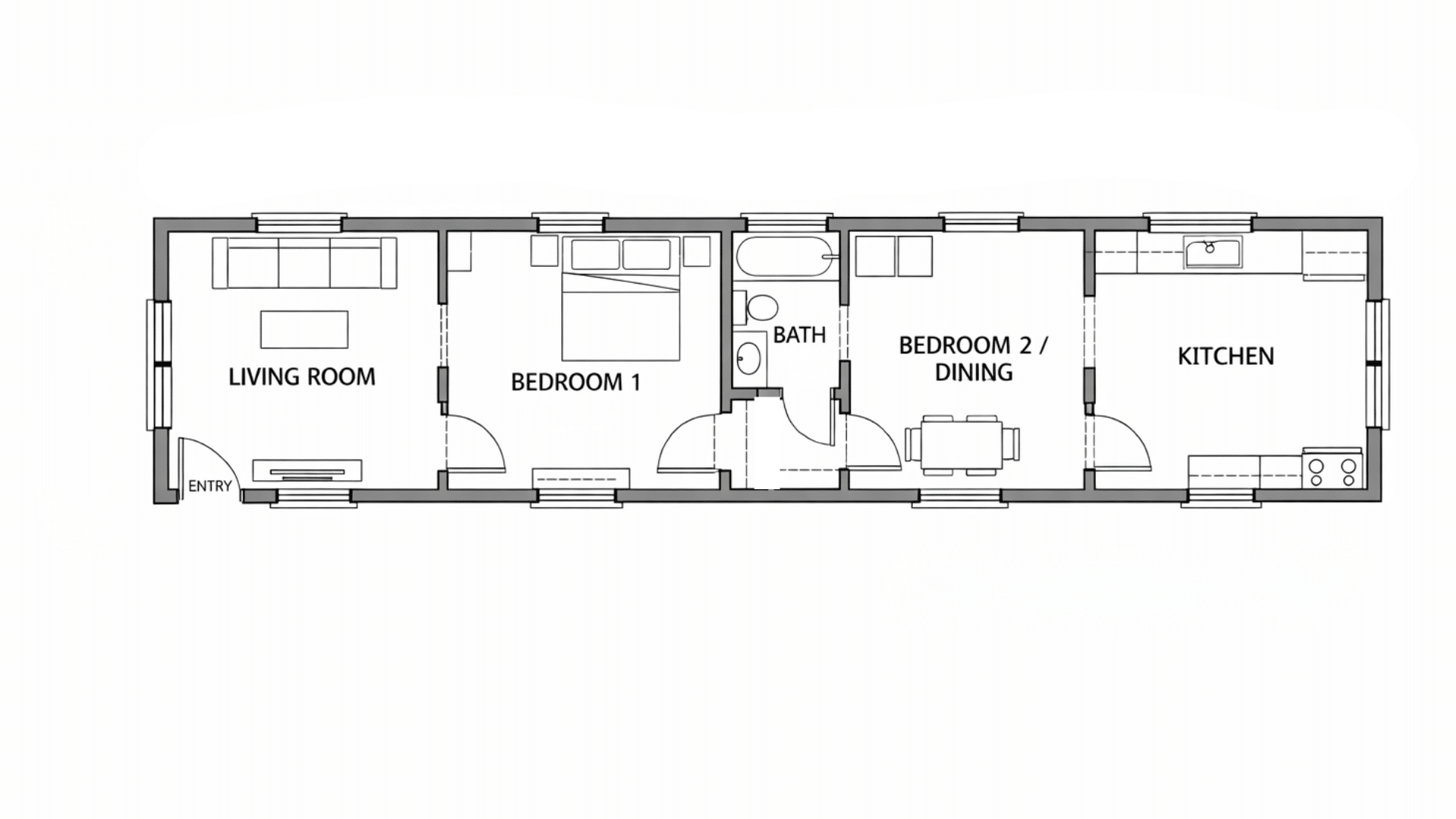
Railroad layouts are quirky and charming, especially in older buildings, but they’re not for everyone. I’ve seen them work best when each room gets a clear purpose; it can feel like you’re constantly walking through your life.
- Best for: Solo dwellers or couples comfortable with connected rooms.
- Pros: Efficient use of space, often more affordable.
- Cons: Limited privacy since rooms connect directly.
- Styling tip: Put the bedroom farthest back if possible, and use curtains or shelving to soften transitions and create separation.
13. Loft Layout
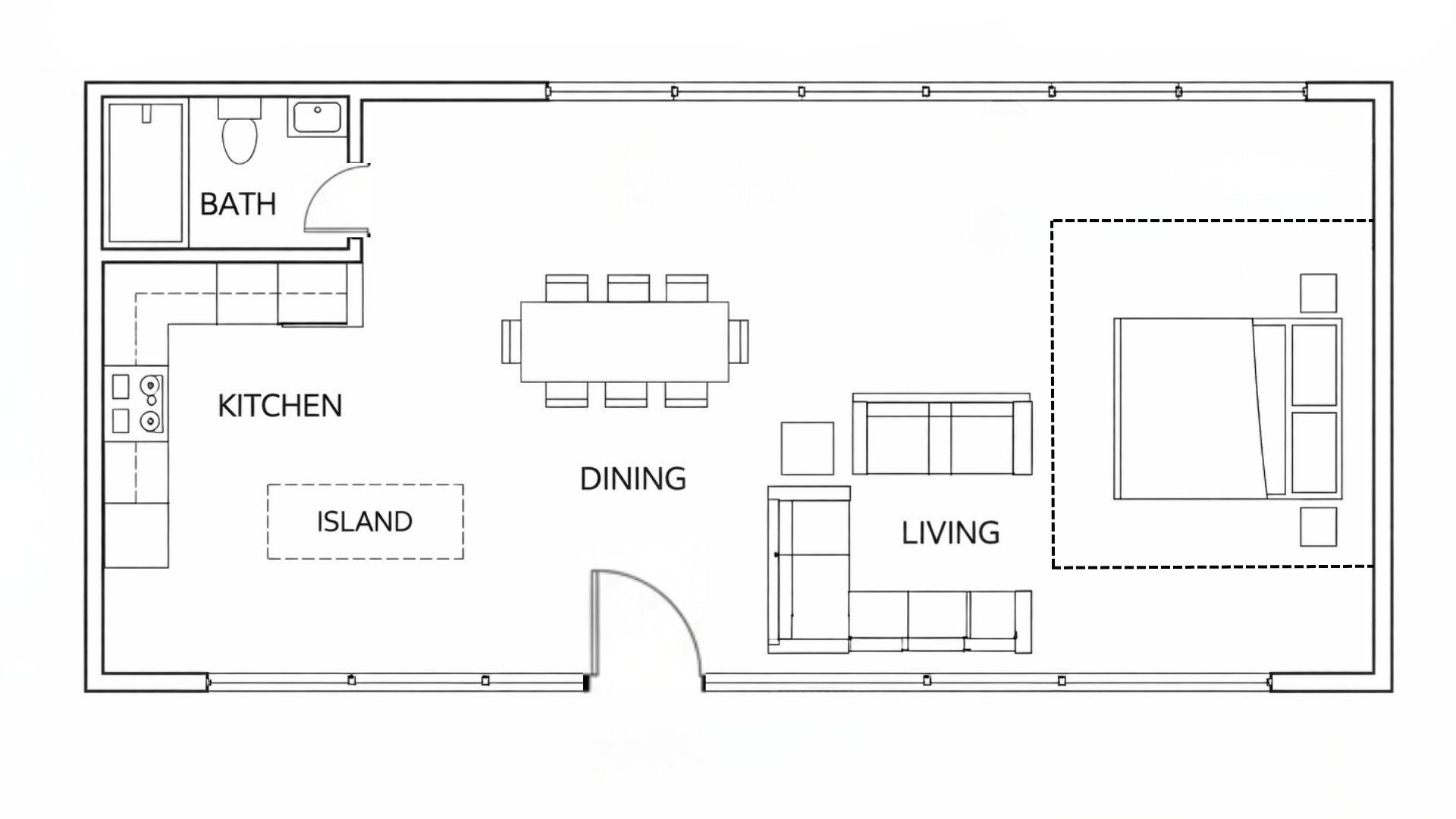
Lofts have high ceilings, big windows, and that airy industrial vibe. But they can also feel echo-y and cold if they’re styled like a showroom instead of a home. The trick is adding softness without losing the character.
- Best for: Creatives, people who love character.
- Pros: Tons of light, spacious feel, unique style.
- Cons: Sound echoes, heating can be expensive.
- Styling tip: Layer in texture rugs, curtains, and upholstered pieces so the space feels warm, grounded, and livable.
Every layout brings something different to the table. The real win is choosing one that matches your lifestyle, budget, and how you want the space to function long-term.
How to Maximize Your Apartment Layout
Even the best layout needs smart styling to reach its full potential. These are a few changes that make the biggest difference, no renovation required.
- Use multi-functional furniture: Sofa beds, storage benches, nesting tables, fold-out desks. These pieces are lifesavers in real homes, not just showrooms.
- Go vertical with storage: Wall shelves, tall bookcases, hanging organizers, anything that pulls storage upward helps keep the floor clear and makes ceilings feel higher. In smaller apartments, vertical storage is often what turns “cluttered” into “clean.”
- Define zones with rugs: Rugs are underrated because they do more than look nice; they quietly organize a room. A rug under the sofa anchors the living zone, and another under the dining table signals “this is its own space,” even when there are no walls.
- Use mirrors strategically: A mirror opposite a window can bounce light around and instantly make a room feel brighter and larger. Mirrors also add depth, which is especially helpful in narrow living rooms or entryways.
- Declutter like it’s part of your design: The most expensive styling tricks won’t work if the space feels crowded. A cleaner layout always looks bigger and more elevated.
Final Thoughts
The right apartment layout changes everything. It impacts daily comfort, storage, how you unwind, and even how calm your home feels.
The good part? Once you understand the main layout types and how they behave in real life, apartment hunting becomes so much easier. Even quirky layouts can feel amazing when the design matches your lifestyle.
The walls might be fixed, but what you can do within them definitely isn’t.
Next time you tour a place, look beyond finishes and square footage. Watch how the light moves. Notice where you naturally want to sit. Pay attention to the flow.
That’s where the “this feels like home” moment comes from.