Your kitchen cabinets take up more visual space than almost anything else in the room, so picking the right style matters.
Kitchen cabinet styles range from sleek modern flat panels to detailed traditional designs, and each one changes how your space looks and functions.
I’ve seen people spend months choosing countertops only to realize their cabinet doors don’t match the vision they had. Understanding your options makes the decision much easier.
From shaker doors to glass-front displays, different kitchen cabinet styles suit different needs, budgets, and cooking habits.
Getting this choice right means creating a kitchen you’ll actually enjoy using every single day.
What Are Kitchen Cabinet Styles and Why They Matter?
Kitchen cabinet styles refer to the overall design of your cabinets, including door shapes, hardware, construction methods, and finishes. These choices set the tone for your entire kitchen space.
The door design you pick – whether flat panels, raised details, or glass inserts – creates the visual personality of the room. Construction type affects both durability and cost, while finish options like painted, stained, or natural wood add color and texture.
While cabinets need to store your dishes and cookware efficiently, their style dramatically impacts how your kitchen looks and feels. Choosing the right cabinet style means balancing daily function with design vision.
Kitchen Cabinet Materials & Finishes
The materials and finishes you choose for your kitchen cabinets can completely change how your kitchen looks and feels. They also affect durability, cost, and how easy the cabinets are to maintain.
- Wood Species: Oak, maple, and cherry each offer a distinct look and texture.
- Laminate, Veneer & Thermofoil: Affordable, smooth, and easy to clean options.
- Finishes & Colors: Matte or glossy, painted or stained, to suit your style.
- Finish Effect: Light, dark, or smooth finishes change the kitchen’s mood and feel.
By choosing the right materials and finishes, you can create a kitchen that looks good, lasts long, and works well for your lifestyle. Matching style with durability ensures your cabinets stay functional and attractive for years.
Kitchen Cabinet Styles You Should Know
Kitchen cabinet styles are often defined by the look of the doors and the way the cabinets are built. Each style creates a different feel in the kitchen and works better in certain layouts or design themes.
1. Shaker Cabinets
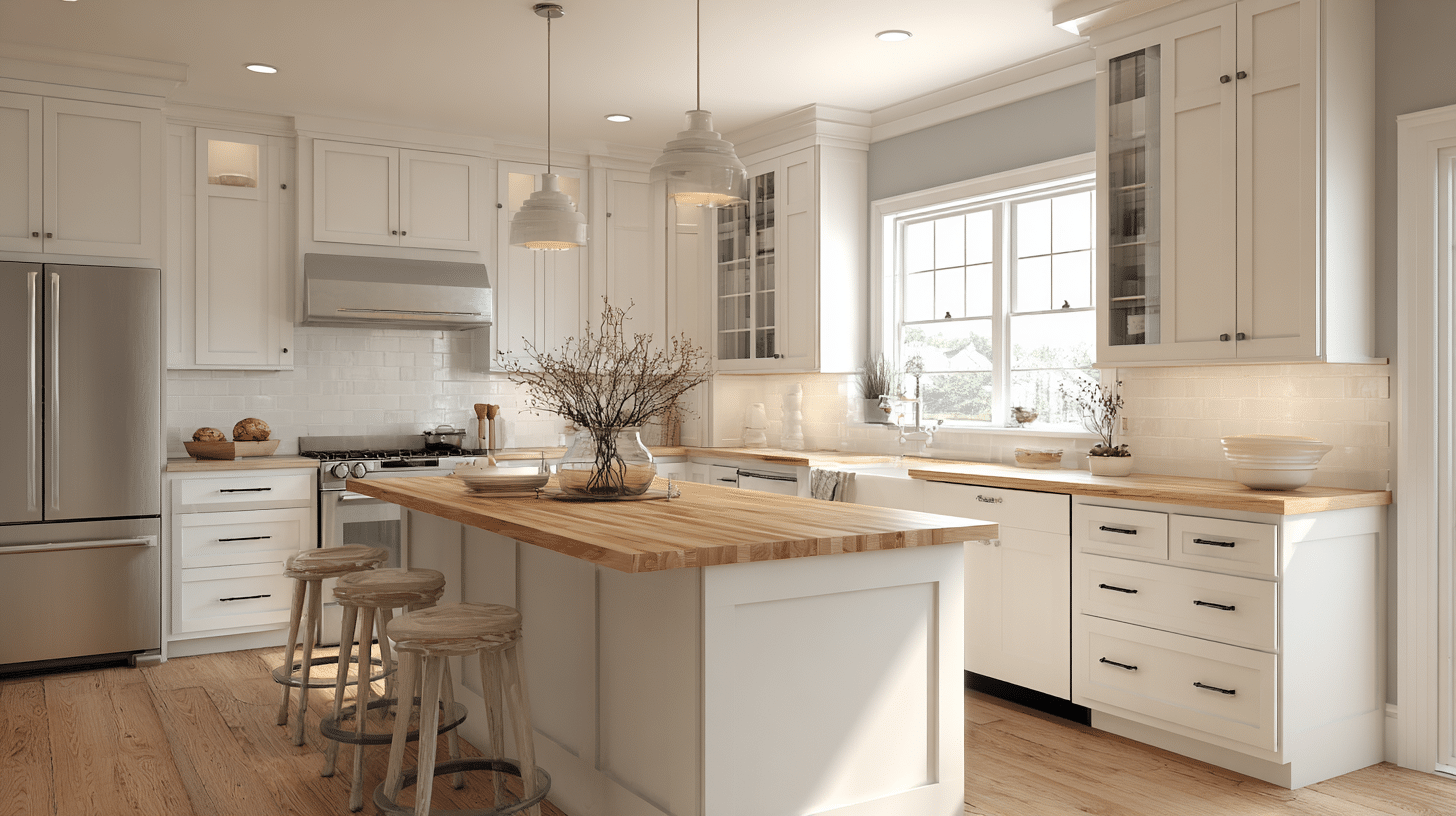
Shaker cabinets feature simple recessed panel doors with clean lines and a balanced look. They fit well in many kitchen layouts, from modern homes to more classic spaces. These cabinets pair easily with different colors, hardware styles, and countertops.
Shaker cabinets are a popular choice for homeowners who want a neat appearance, practical storage, and a style that works well over time without feeling heavy or overly decorative.
- Pros: Simple design, works with many styles, easy to match with hardware and colors.
- Cons: Very common style, may feel plain in highly decorative kitchens.
2. Slab/Flat-Panel Cabinets
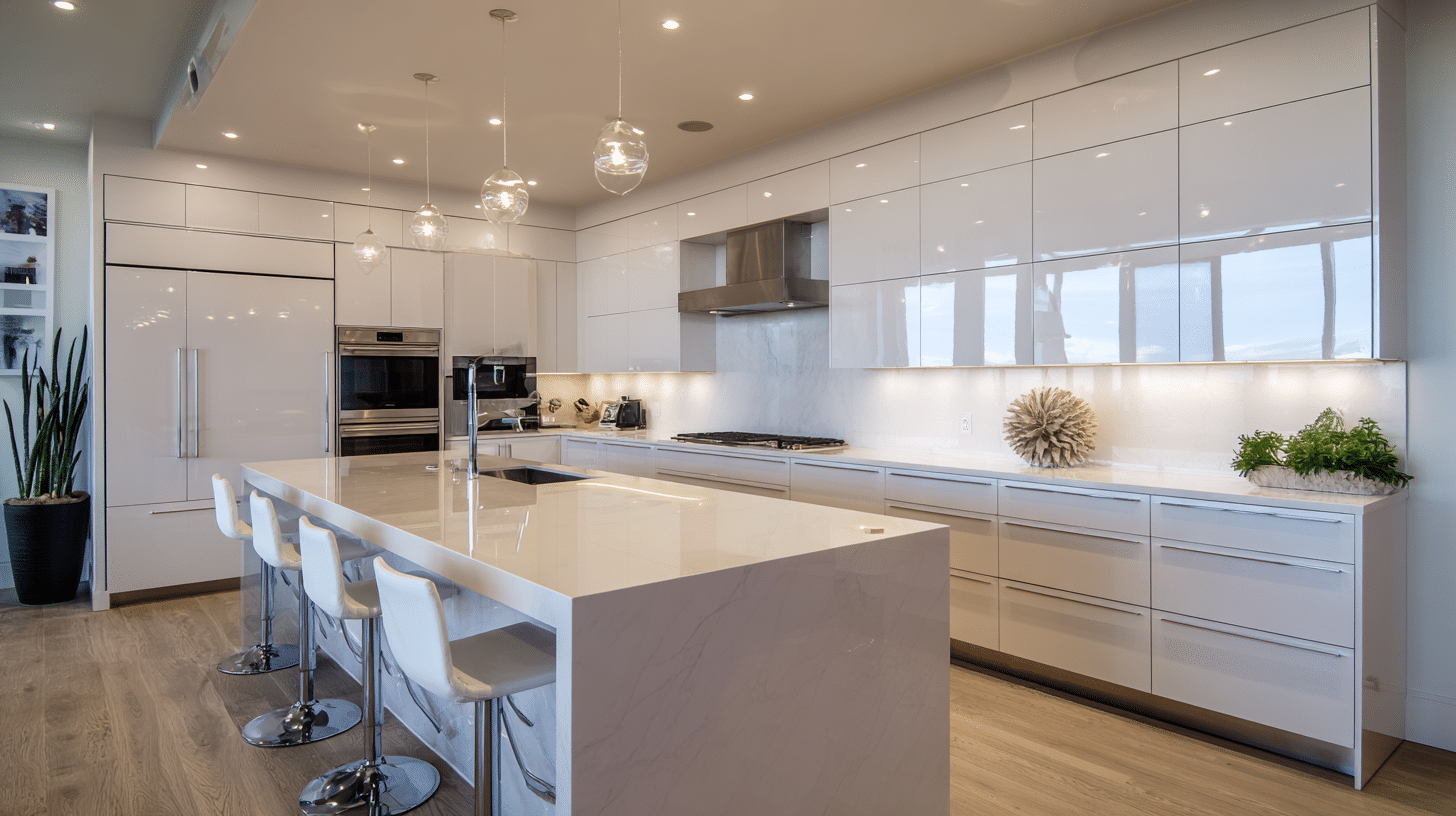
Slab or flat-panel cabinets have smooth doors with no frames, grooves, or raised details. This clean surface creates a simple and modern look that suits contemporary kitchens. These cabinets often appear in neutral colors or high-gloss finishes.
Slab cabinets work best in spaces that favor straight lines, open layouts, and minimal visual clutter. They are easy to wipe clean and support a calm, organized feel.
- Pros: Clean modern look, easy to clean, great for minimalist spaces.
- Cons: Can show fingerprints easily, may feel too plain for traditional homes.
3. Raised Panel Cabinets
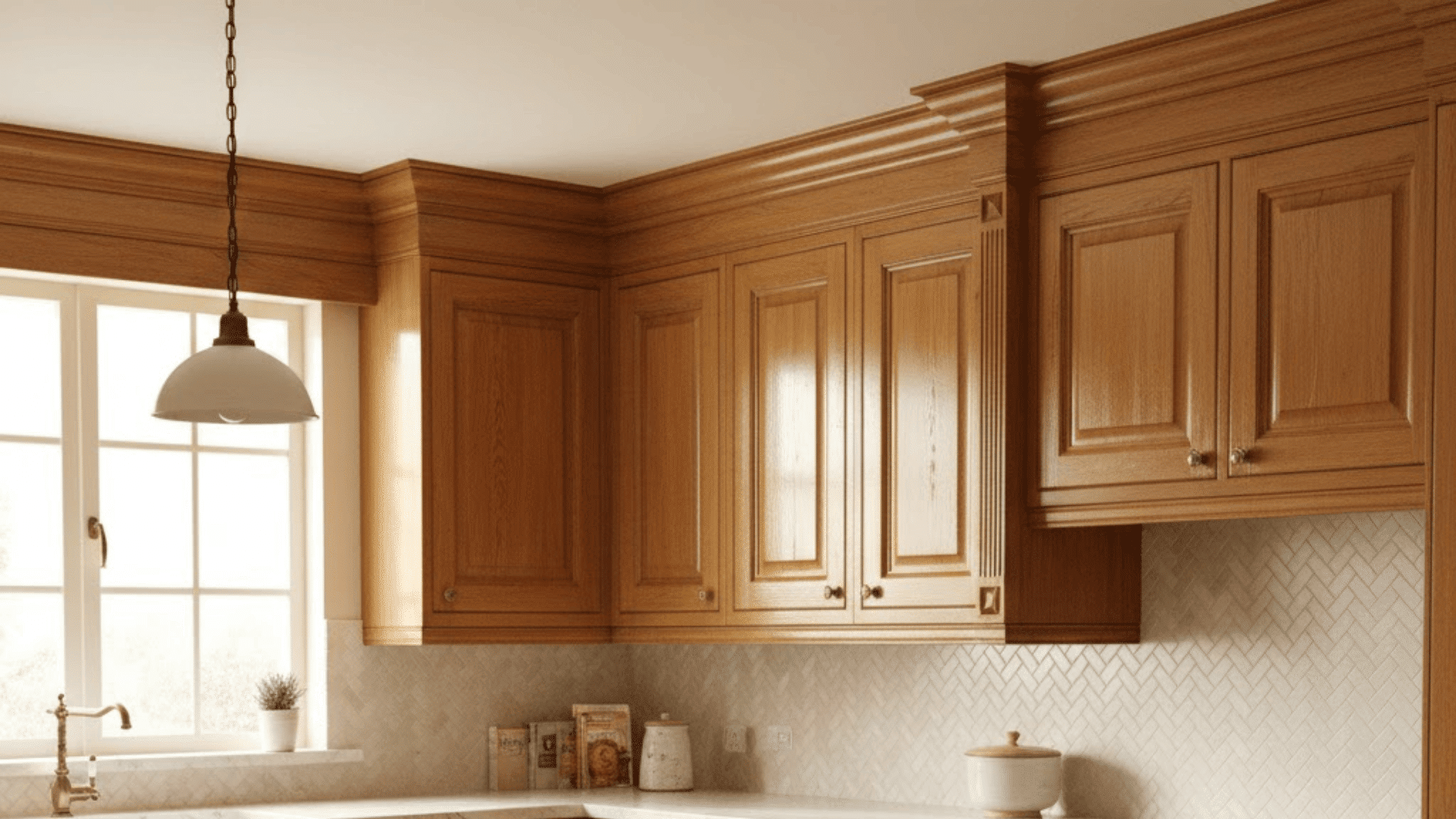
Raised panel cabinets feature a center panel that sits higher than the surrounding frame. This design adds depth and visual detail to kitchen cabinetry. Raised panel doors are commonly seen in traditional and formal kitchen styles.
They pair well with wood finishes, warm color palettes, and decorative hardware, making them a strong choice for larger kitchens with classic design themes where detailed craftsmanship is clearly visible.
- Pros: Detailed and classic appearance, adds depth and classiness.
- Cons: Harder to clean due to grooves, can feel heavy in small kitchens.
4. Glass-Front Cabinets
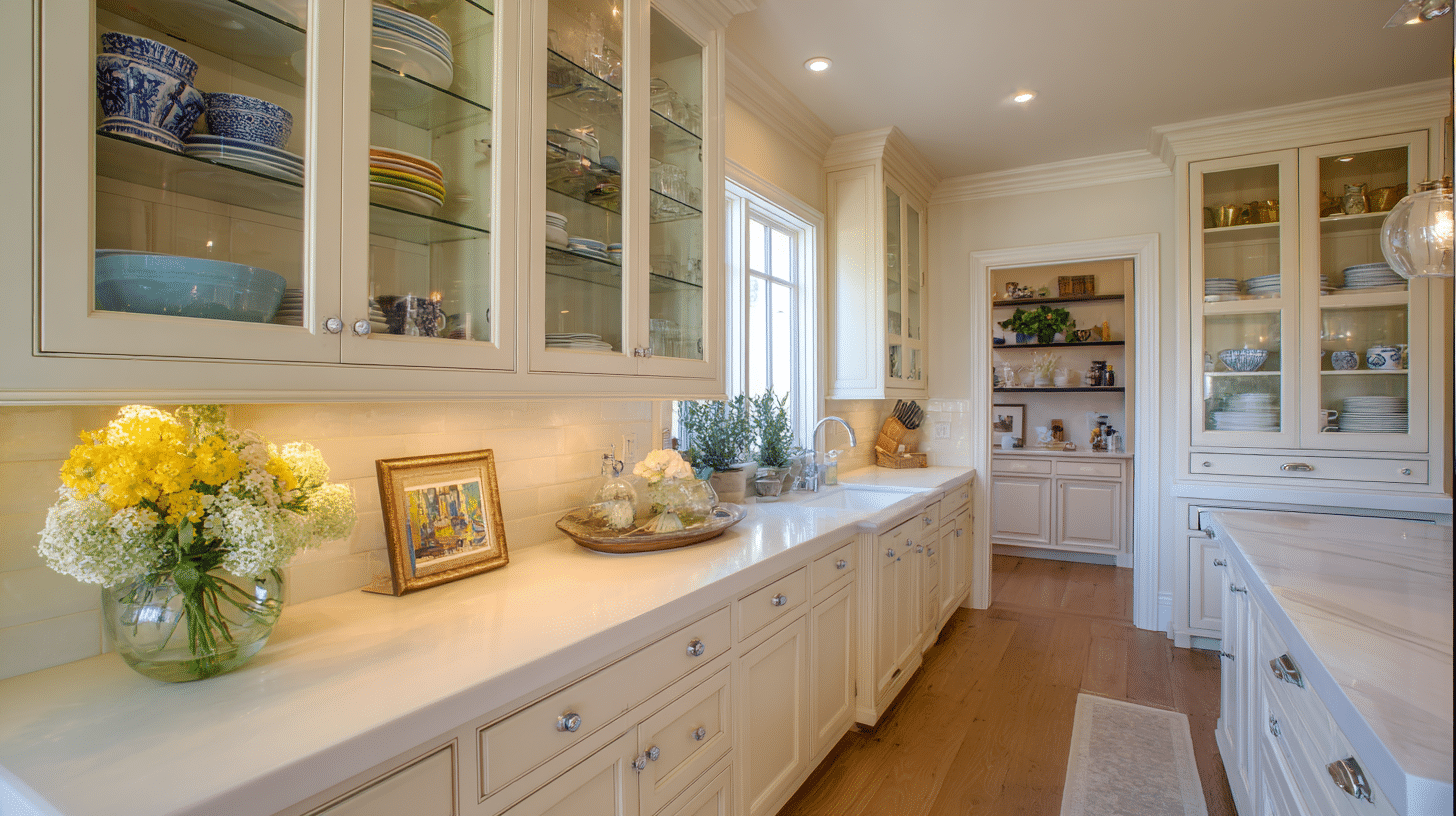
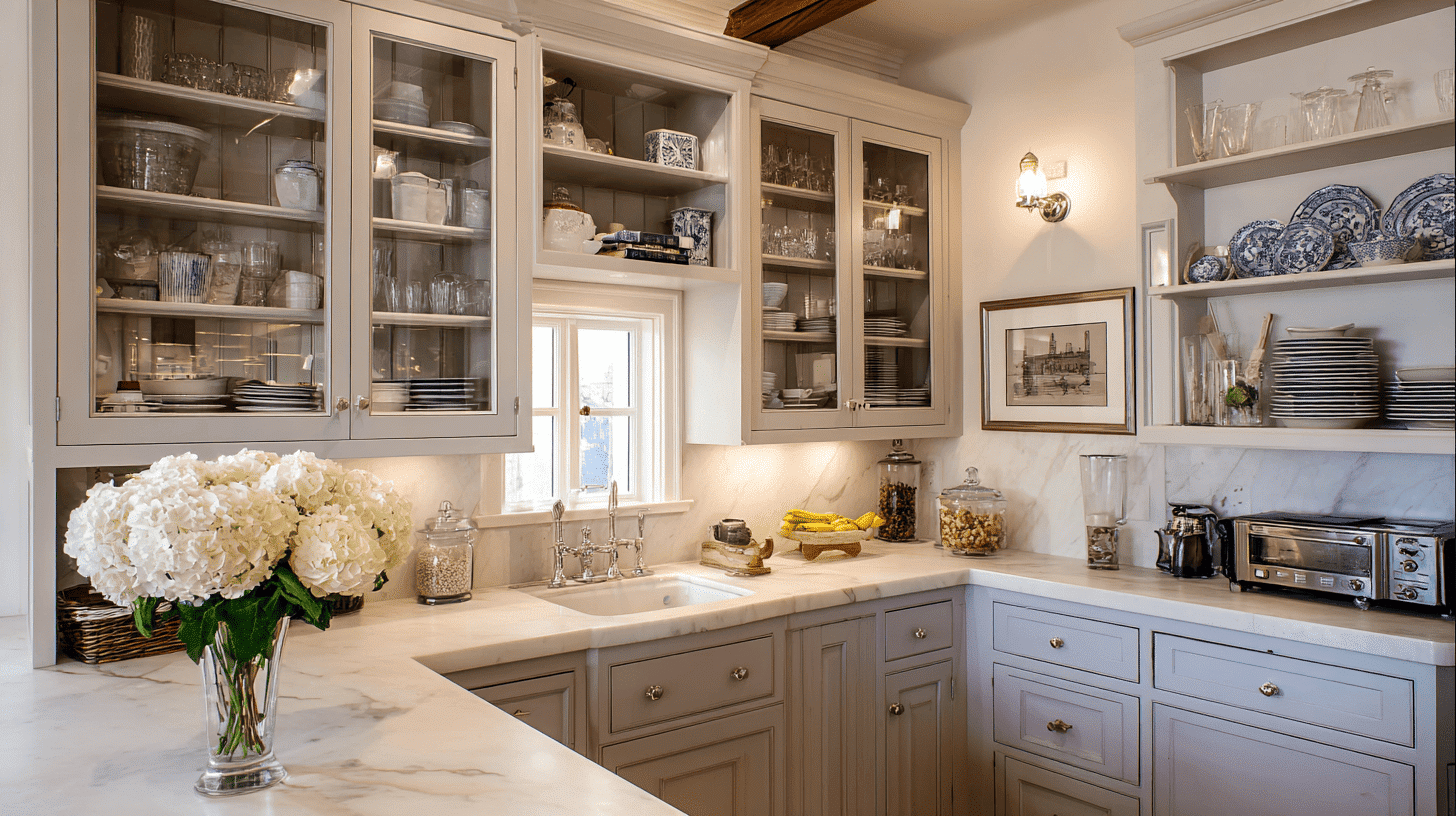
Glass-front cabinets include clear or textured glass panels set into cabinet doors. They allow homeowners to display dishes, glassware, or décor while keeping items protected.
These cabinets help kitchens feel more open and less boxed in. Glass-front styles work well as accent cabinets and are often used on upper walls to balance solid cabinetry and add visual breaks to long cabinet runs, improving flow.
- Pros: Makes the kitchen feel open, great for display, adds visual interest.
- Cons: Requires regular cleaning and keeps contents organized.
5. Beadboard Cabinets
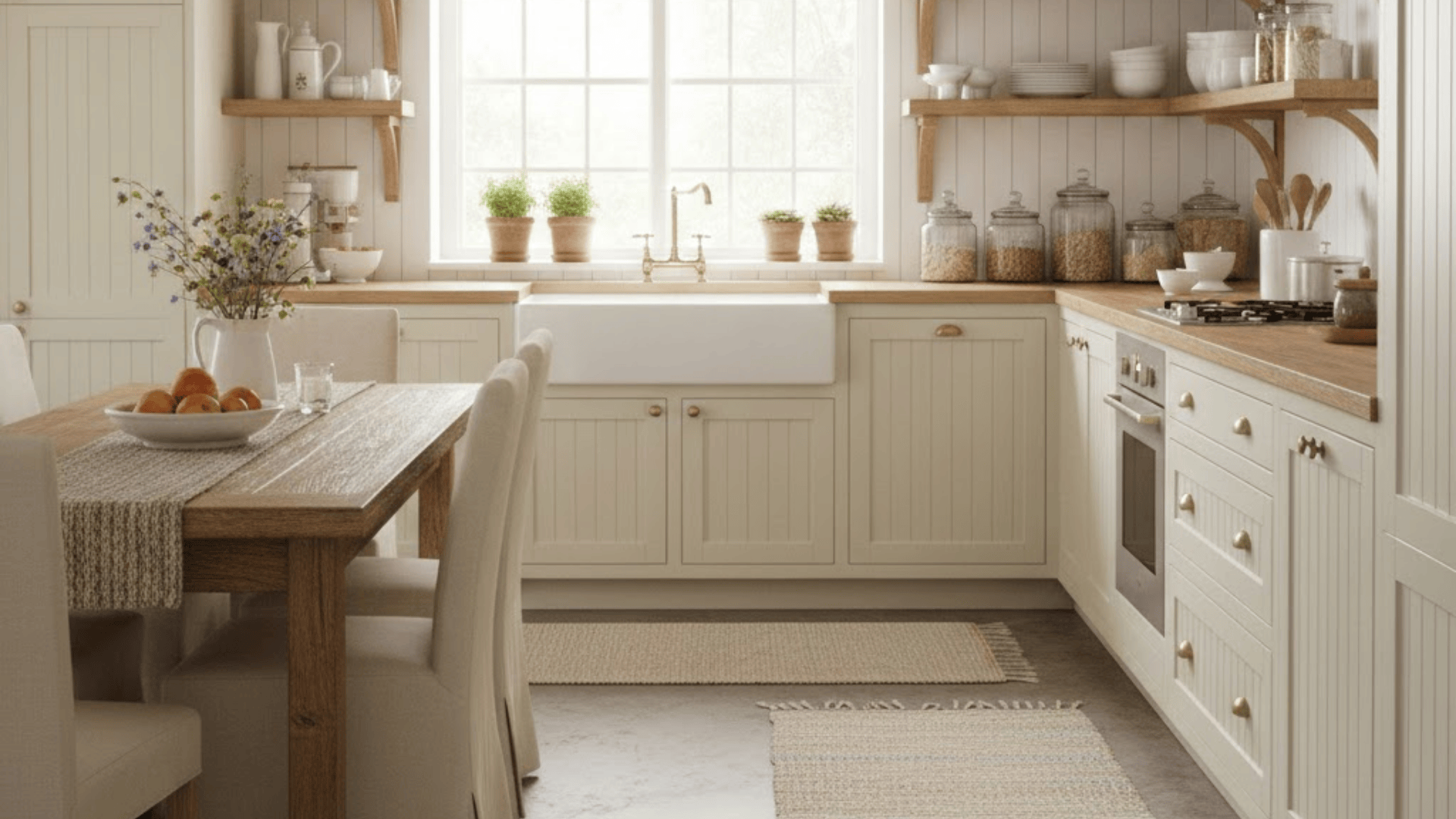
Beadboard cabinets are known for their vertical groove pattern on the door surface. This detail adds texture and a casual feel to kitchen spaces. Beadboard is commonly used in farmhouse, cottage, or coastal-style kitchens.
These cabinets pair well with light colors, open shelving, and simple hardware, creating a warm, welcoming atmosphere that is comfortable for everyday cooking and family and friend gatherings.
- Pros: Adds texture and charm, great for farmhouse or cottage style.
- Cons: Grooves collect dust and grease, and may feel too casual for modern homes.
6. Inset Cabinets
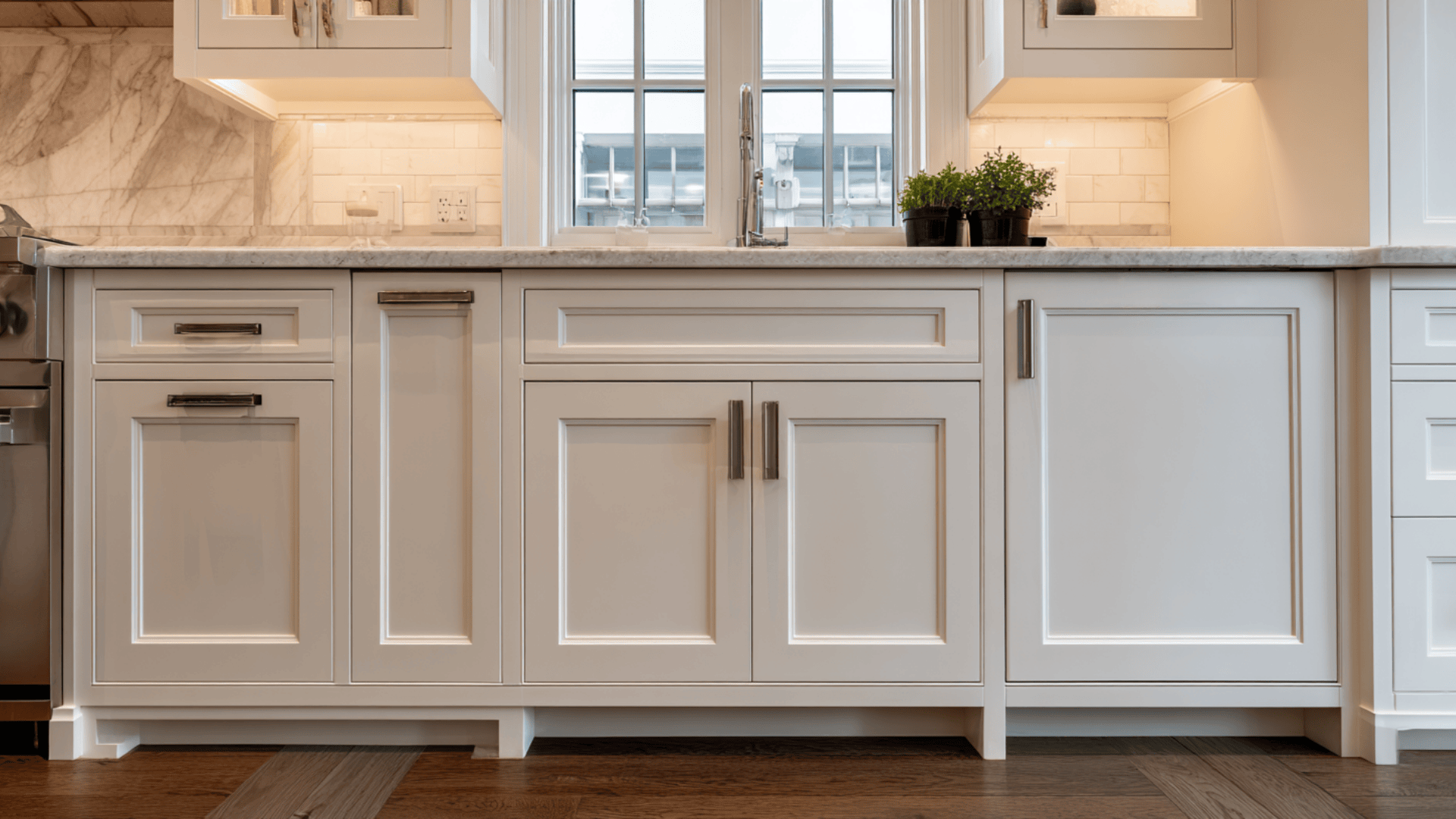
Inset cabinets have doors that sit fully within the cabinet frame rather than resting on top of it. This creates a tight, clean fit with straight lines and visible framing around each door.
Inset cabinets are viewed as higher-end due to their precise construction. They suit kitchens where craftsmanship matters and complement both traditional and modern classic designs.
- Pros: High-end appearance, precise fit, strong appeal of craftsmanship.
- Cons: More expensive, slightly less storage space inside.
7. Overlay Cabinets
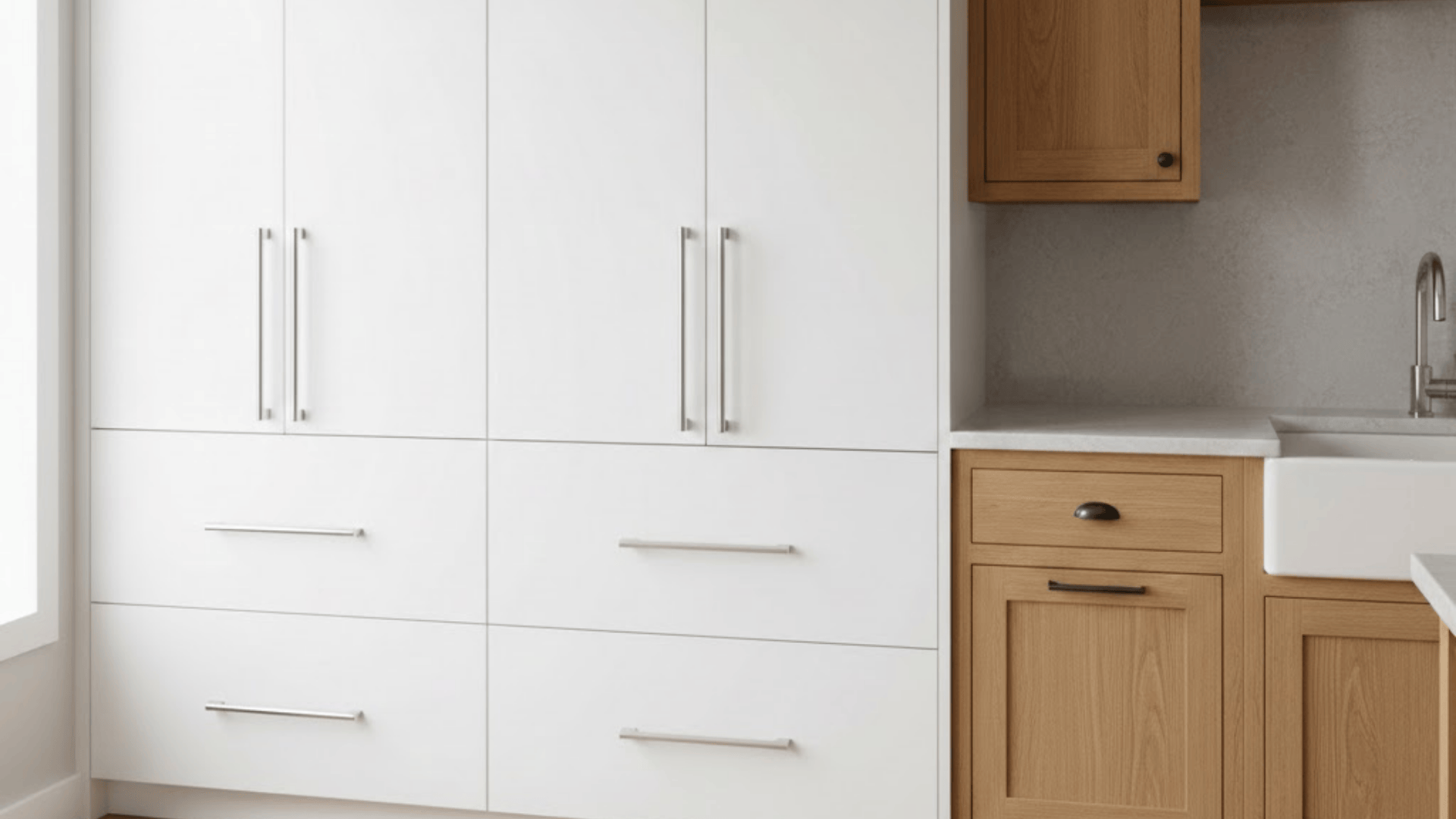
Overlay cabinets feature doors that cover part or all of the cabinet frame. This design creates a smooth, even look throughout the kitchen, with less visible framing.
Full-overlay cabinets provide a modern look, while partial-overlay styles feel more traditional. They are popular because they fit various kitchen sizes, are easy to install, and offer plenty of storage without complex construction.
- Pros: Flexible design options, affordable, and good storage space.
- Cons: Partial overlay styles may look less seamless.
8. Louvered Cabinets
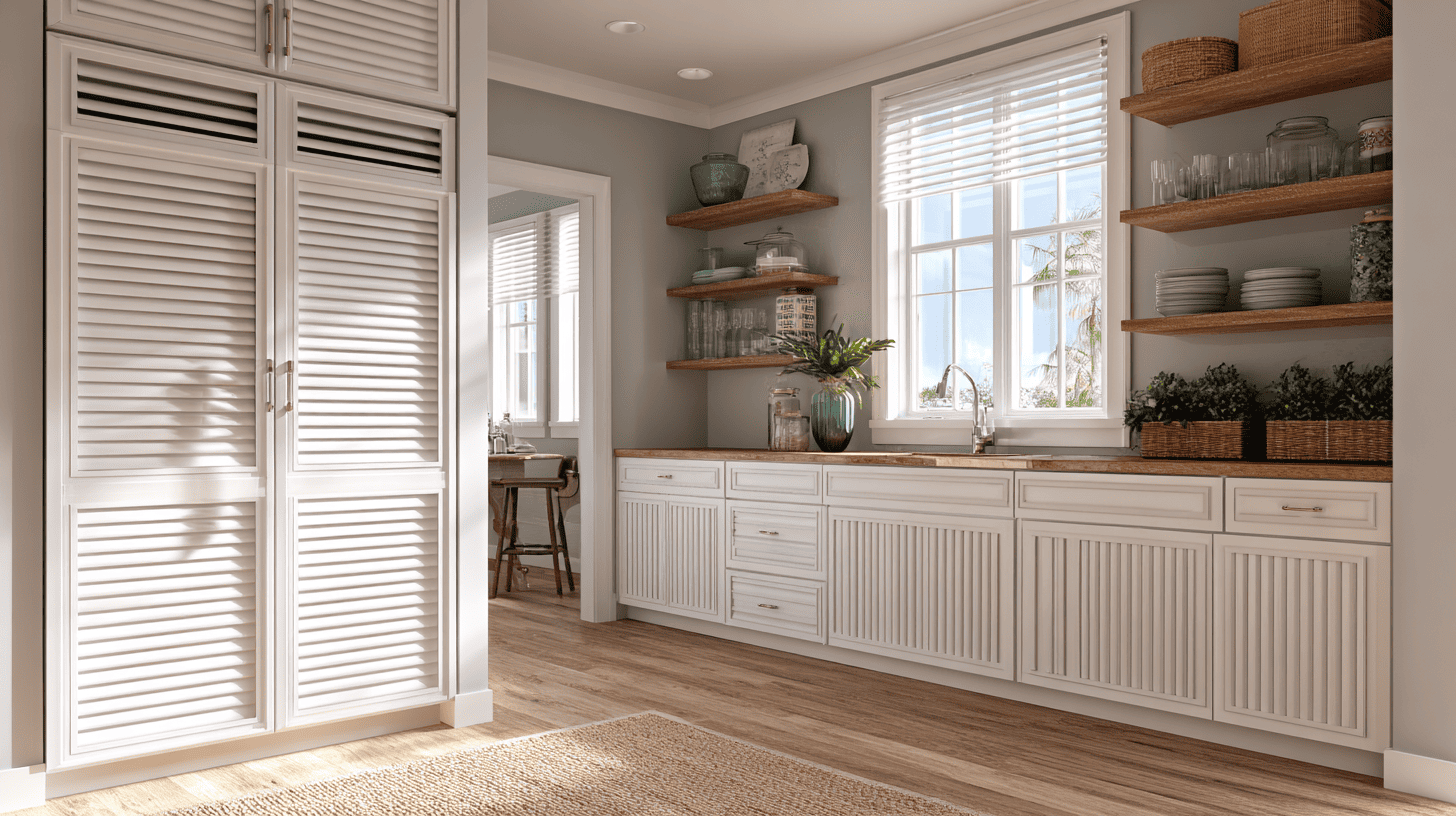
Louvered cabinets feature horizontal slats built into the cabinet doors. These slats allow air to pass through, which makes them useful in warm or humid spaces.
Louvered doors add texture and pattern, making them popular in coastal, beach-style, or casual kitchens. They are often used for pantry doors or accent cabinets where visual interest is more important than tight sealing.
- Pros: Allows airflow, adds texture, and is a unique design element.
- Cons: Difficult to clean, not ideal for heavy kitchen storage.
9. Open-Frame Cabinets
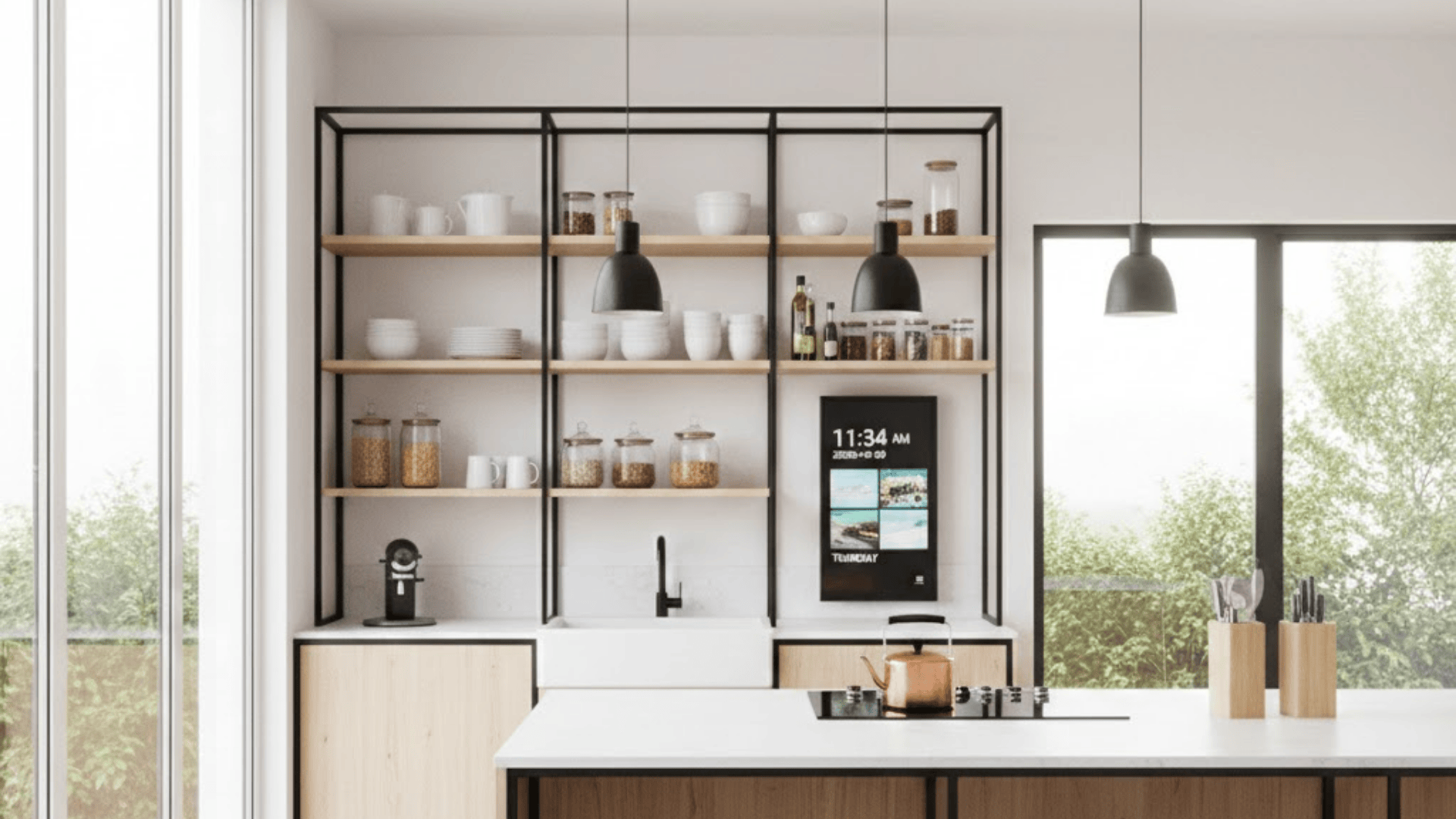
Open-frame cabinets emphasize structure over solid doors. The frame is visible, and shelves are often left open or lightly supported.
This style gives a light, airy feel, making small kitchens seem less crowded. Open-frame cabinets display everyday items and work well in organized kitchens where everything remains visible.
- Pros: Light and airy look, easy access to everyday items.
- Cons: Items are always visible, requires constant organization.
10. Floating Cabinets
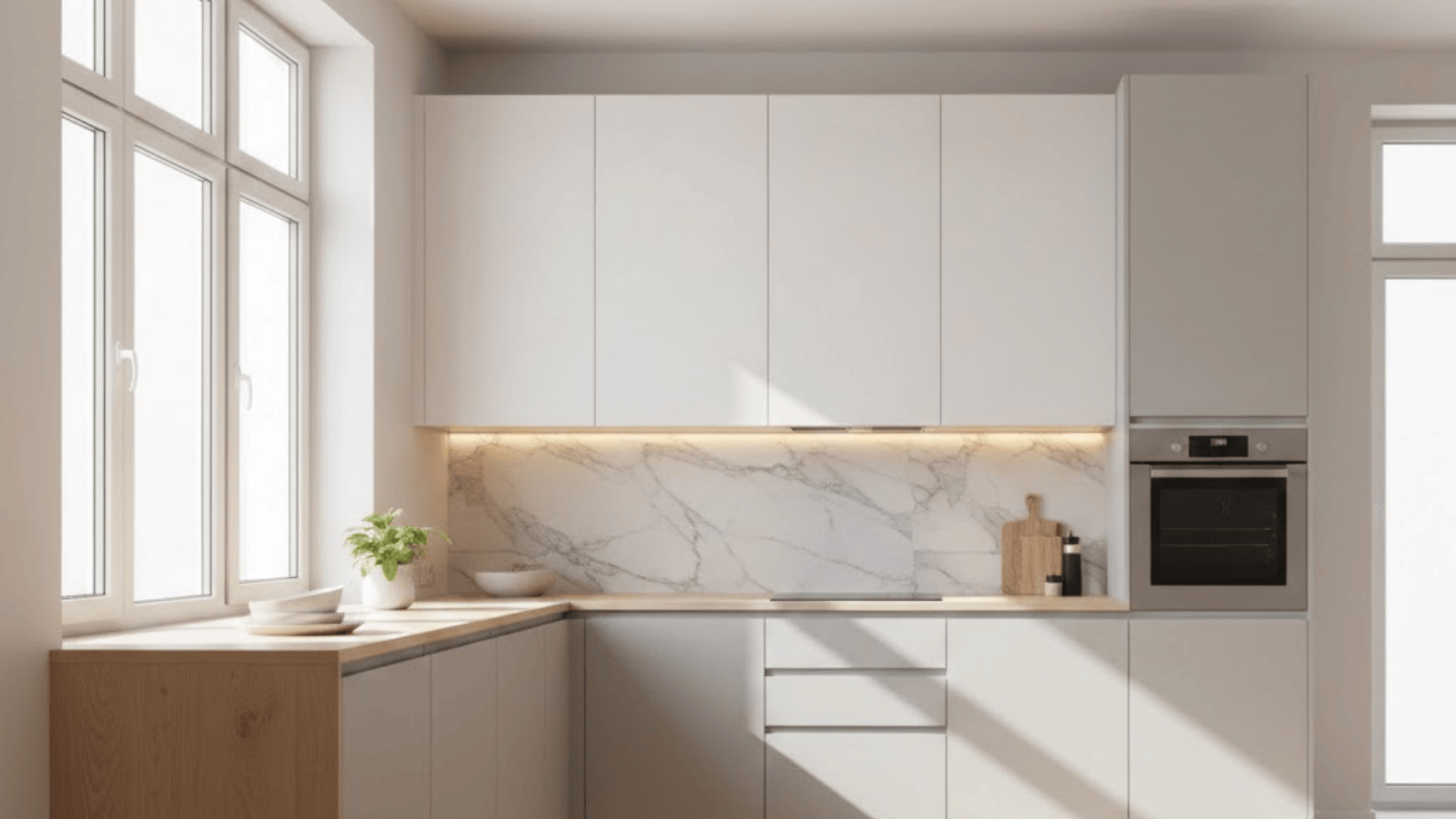
Floating cabinets are mounted directly to the wall and do not touch the floor. This design leaves space underneath, making the kitchen feel larger and lighter.
Floating cabinets are common in modern and small kitchens, saving floor space, making cleaning easier, and complementing open layouts with simple shapes and neutral colors.
- Pros: Makes the space feel larger, makes floor cleaning easier, and gives a modern look.
- Cons: Limited weight capacity, requires strong wall support.
11. Distressed Cabinets
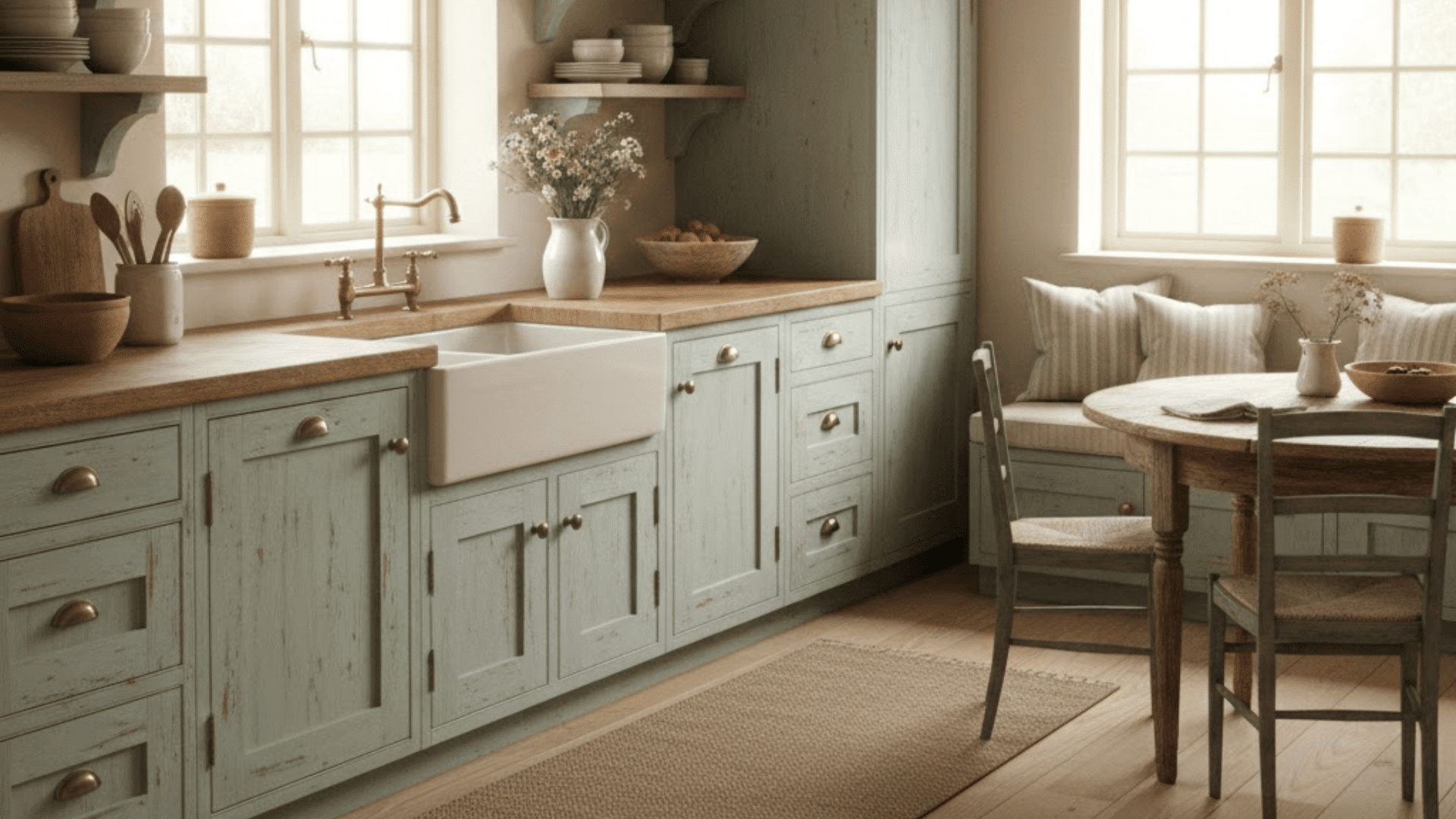
Distressed cabinets feature finishes designed to look aged and worn. Marks, uneven paint, and rough textures give these cabinets a vintage feel that adds personality to the kitchen. They are commonly used in rustic, farmhouse, or country-style spaces.
Distressed cabinets pair well with natural wood tones and simple hardware, creating a relaxed setting that feels comfortable and familiar rather than polished or formal.
- Pros: Unique character, hides scratches and wear.
- Cons: Not suitable for sleek, modern kitchens; the finish may feel uneven.
12. Custom Cabinets
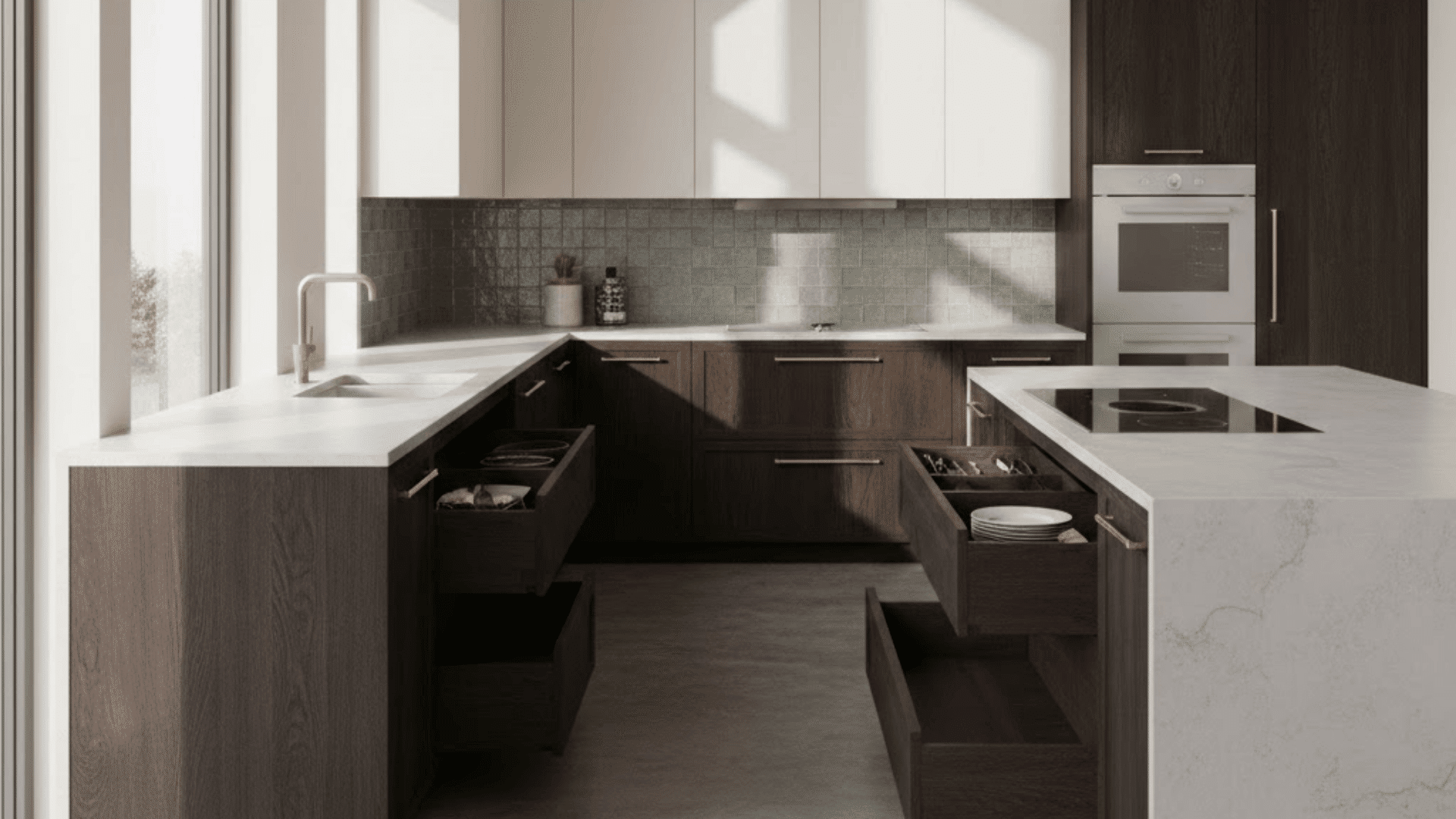
Custom cabinets are built to match specific kitchen sizes, layouts, and storage needs. Unlike stock options, they can fit unusual corners, ceiling heights, or design preferences. Homeowners often choose custom cabinets when standard sizes do not work well.
These cabinets offer greater control over materials, finishes, and storage features, making them a practical option for kitchens that require precise planning and efficient use of space.
- Pros: Fully personalized design, maximizes storage efficiency.
- Cons: Higher cost, longer production and installation time.
13. Handle-Less Cabinets
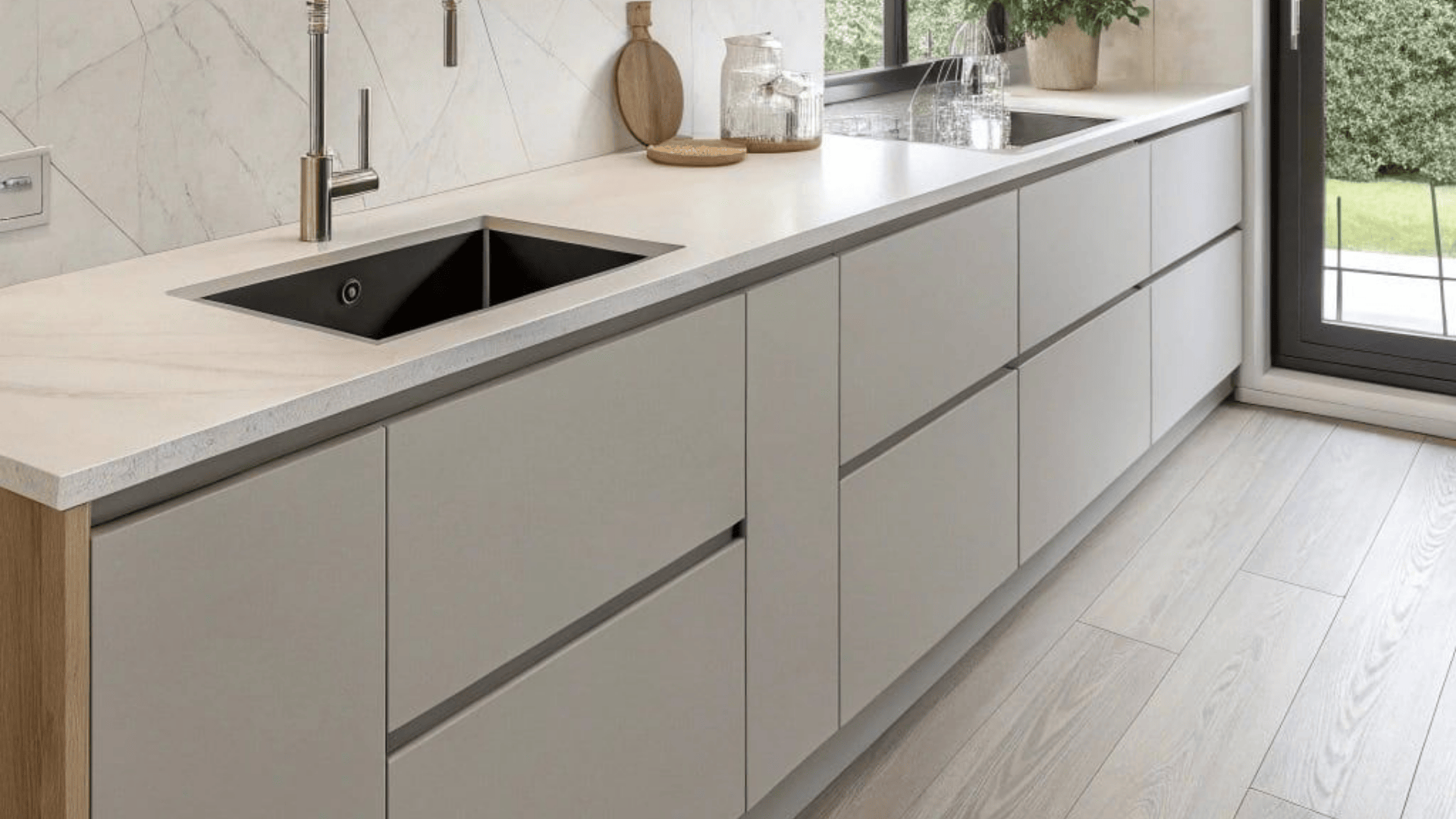
Handle-less cabinets do not use traditional knobs or pulls. Instead, they open with push-to-open systems or built-in grooves along the door edge. This creates a smooth, uncluttered appearance throughout the kitchen.
Handle-less cabinets are commonly used in modern designs where clean lines matter most. They also make surfaces easier to wipe down, since there are no hardware pieces to collect dust or grease.
- Pros: Sleek and clean appearance, easy surface cleaning.
- Cons: Push systems may wear over time, and fingerprints may become more visible.
14. Curved Cabinets
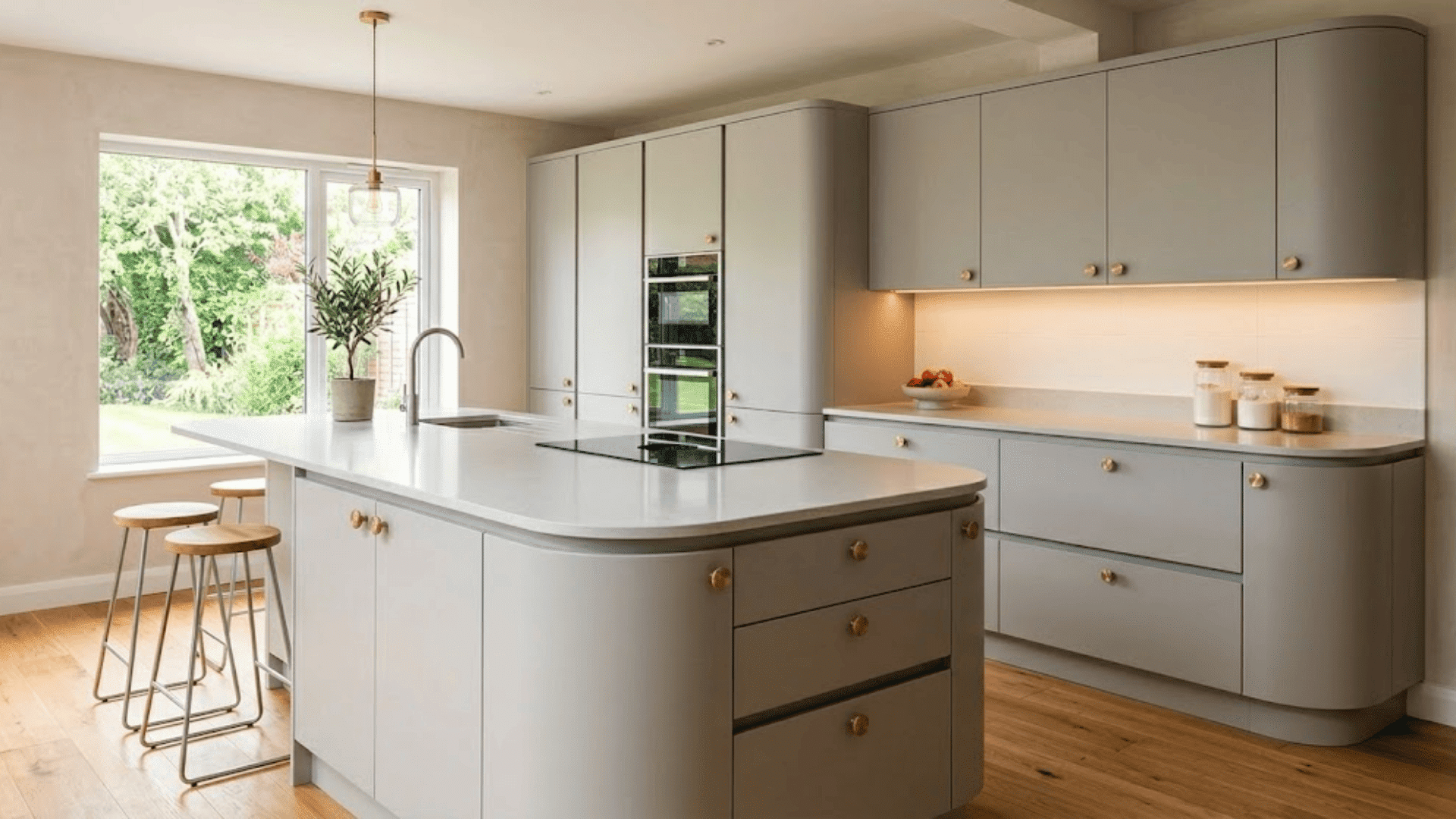
Curved cabinets feature rounded edges instead of sharp corners. The doors or cabinet boxes may have soft curves that create a smoother flow in the kitchen layout.
These cabinets are often used on kitchen islands or corner areas to improve movement and safety. Curved kitchen cabinet styles soften the overall look of the space and work well in contemporary designs that avoid harsh lines.
- Pros: Improves movement flow, safer edges, soft modern look.
- Cons: More expensive to manufacture, limited availability.
15. Rustic Cabinets
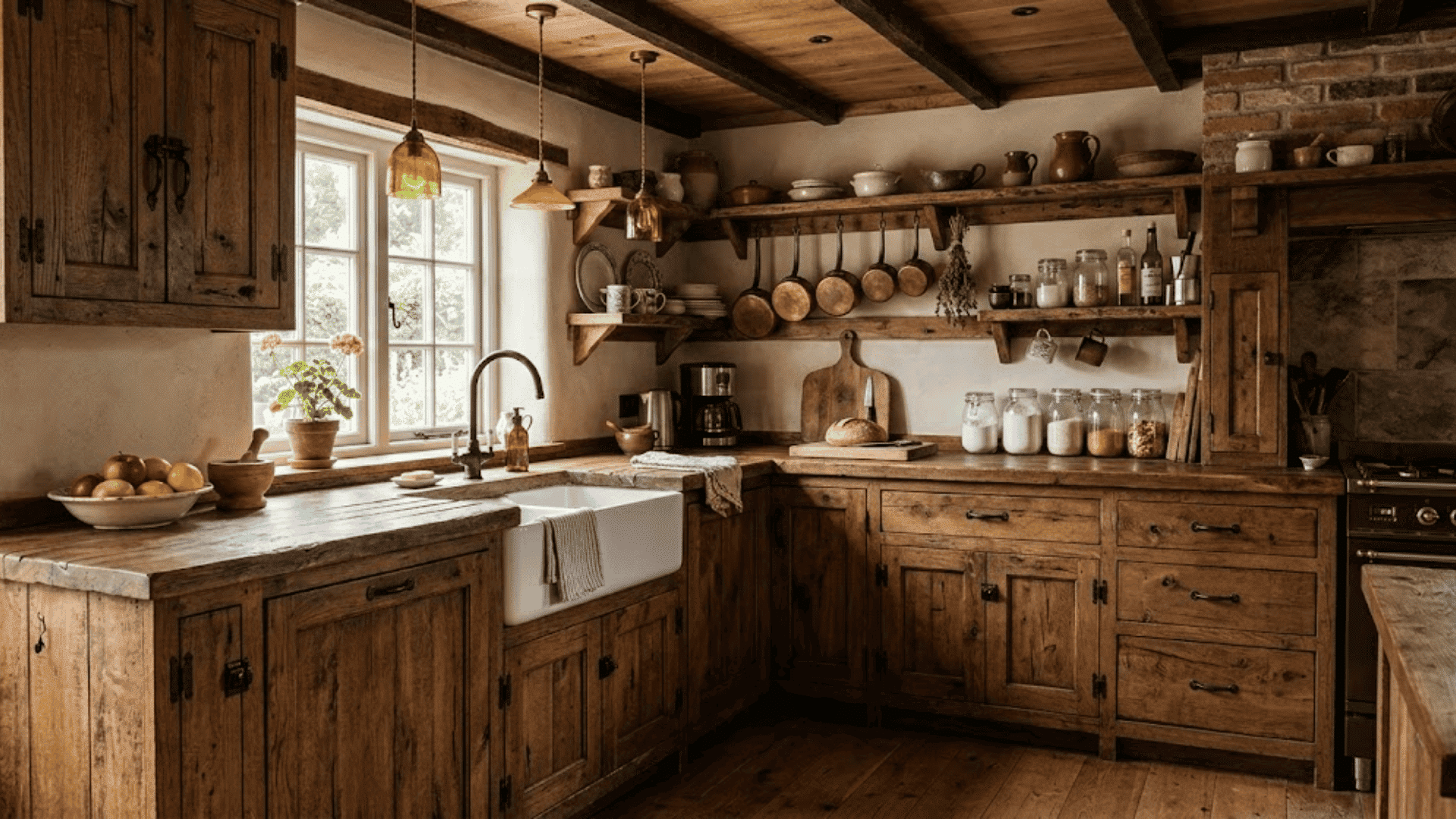
Rustic cabinets highlight natural wood textures, knots, and visible grain patterns. The design often includes rough finishes, darker stains, or reclaimed wood materials.
This style creates a warm, natural feel that suits country, farmhouse, or cabin kitchens. Rustic kitchen cabinet styles emphasize character and texture over smooth finishes, giving the space a comfortable, lived-in look.
- Pros: Warm, natural feel, hides wear and scratches well.
- Cons: Can look heavy or dark in small kitchens.
16. Cathedral-Style Cabinets
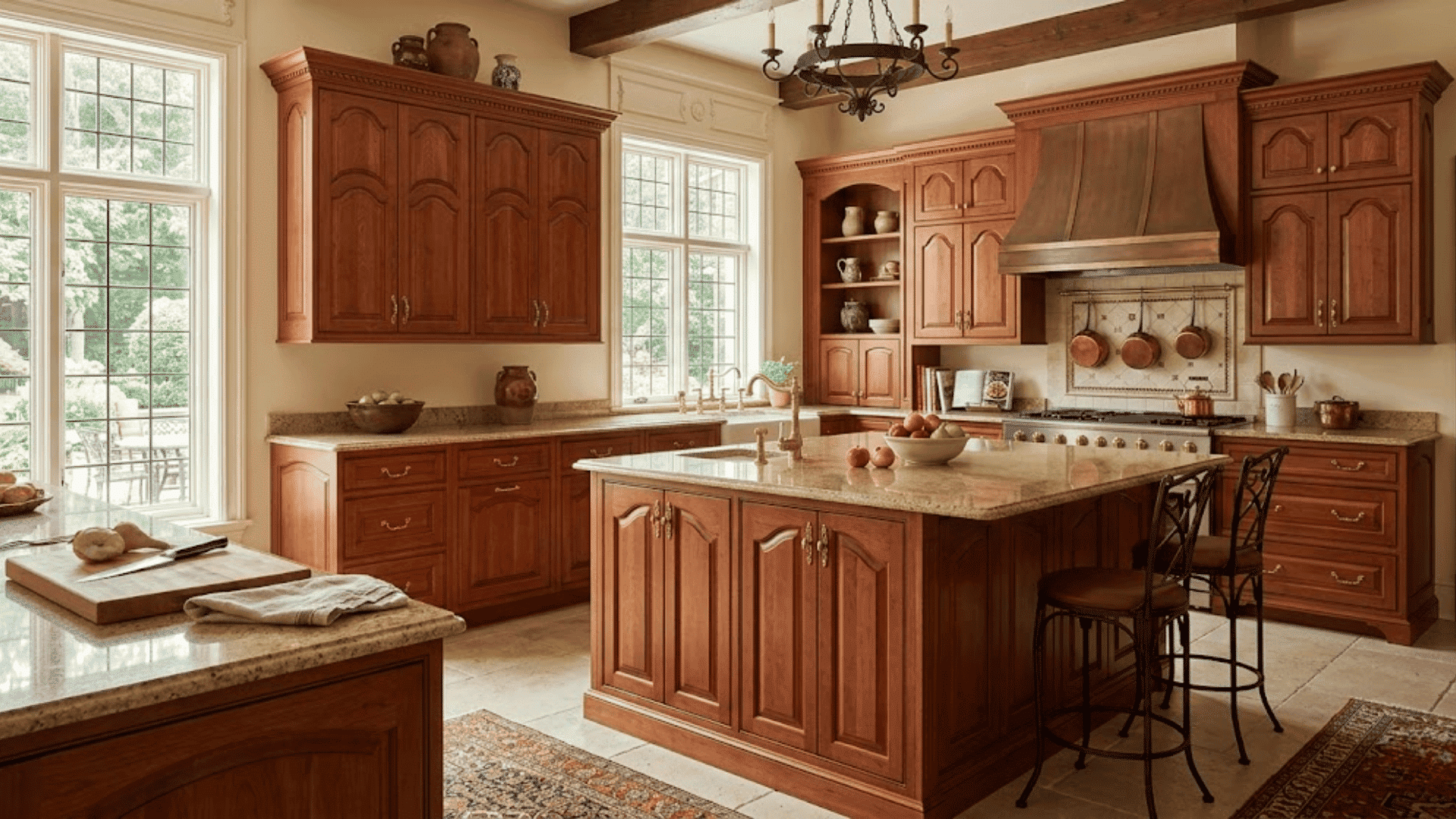
Cathedral-style cabinets feature an arched raised panel in the center of the door. The curved design adds a decorative element that stands out compared to flat or square panels.
These cabinets suit traditional kitchens and pair well with detailed wood finishes and classic hardware. They work best in larger spaces where the curved design can stand out without crowding the room.
- Pros: Decorative and classic, strong traditional appeal.
- Cons: Can feel outdated in modern designs, best suited for larger kitchens.
Choosing Cabinet Hardware That Complements Your Kitchen
The right cabinet hardware can change the look and feel of your kitchen. Handles, knobs, and handleless systems each give a different style, and matching the finish to your cabinets makes the design feel complete.
| CABINET STYLE | HARDWARE TYPE | RECOMMENDED FINISH |
|---|---|---|
| Shaker | Knobs or simple pulls | Nickel, chrome |
| Raised Panel | Classic handles | Brass, bronze |
| Slab/Flat-Panel | Handleless or bar pulls | Black, stainless |
| Glass-Front | Small knobs or pulls | Chrome, brass |
| Beadboard | Round knobs | Antique brass, bronze |
| Inset | Small, simple pulls | Nickel, chrome |
The right hardware makes cabinets look polished, with details such as handle style and finish shaping the kitchen’s overall feel. Matching hardware to your cabinets and style keeps the space functional, clean, and balanced.
How Cabinet Layout Affects Style & Functionality?
Your kitchen layout directly shapes which cabinet styles work best. L-shaped kitchens benefit from corner cabinets that maximize storage, while U-shaped designs offer plenty of space on three walls.
One-wall kitchens need tall cabinets to make the most of limited space, and island layouts create opportunities for open shelving or display cabinets. Layout affects your cooking workflow – you want cabinets positioned where you naturally move between prep, cooking, and cleanup.
To maximize space, use deep drawers near your stove for pots, upper cabinets that reach the ceiling, and pull-out organizers in base cabinets. The right cabinet style fits both your layout and daily habits.
Practical Tips Before You Buy or Remodel Your Kitchen Cabinets
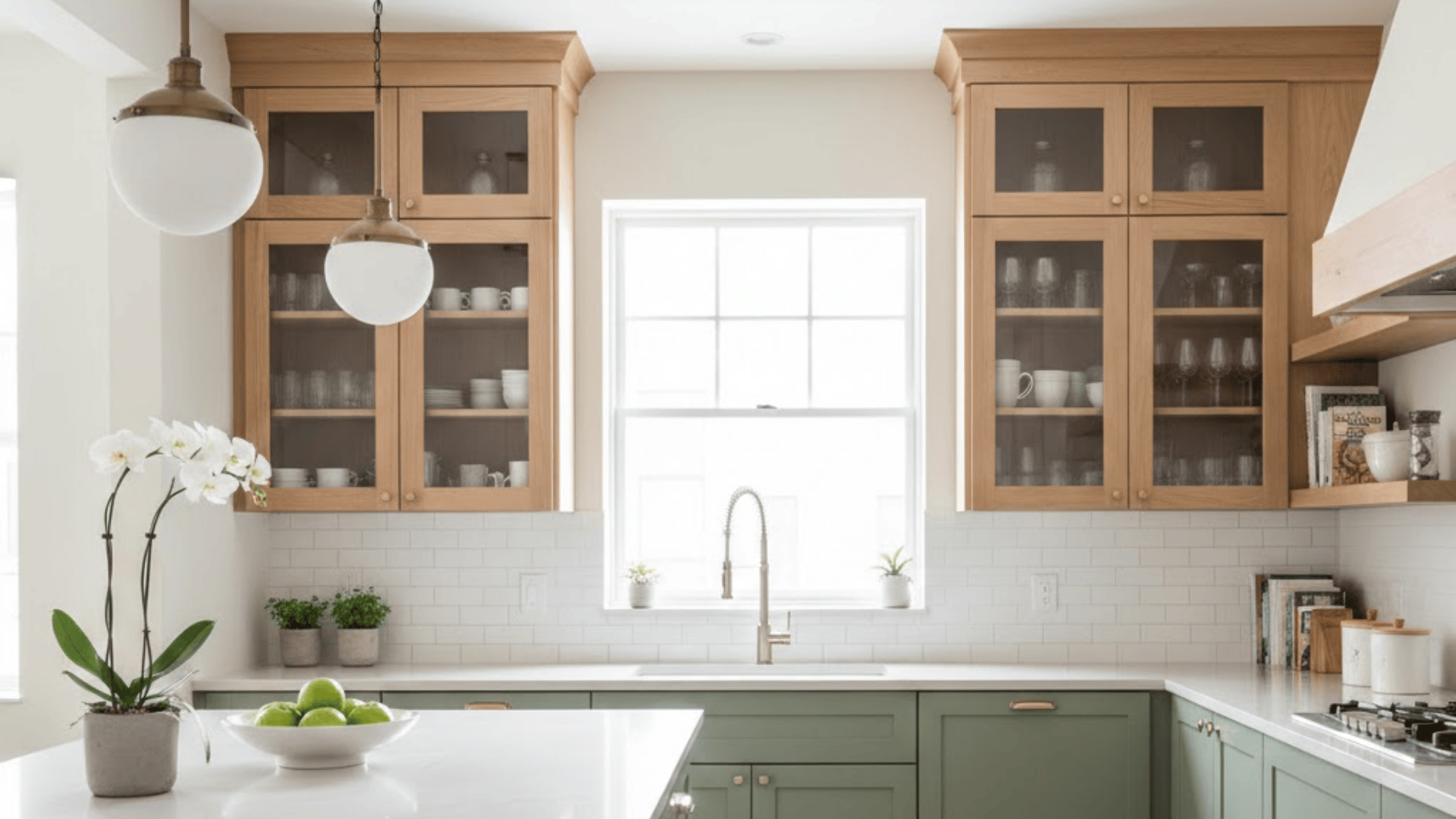
Before you commit to new cabinets, think about more than just appearance. Your choice affects your budget, daily upkeep, and how well your kitchen works for years to come.
- Budget vs Quality: Solid wood lasts longer but costs more, while laminate is cheaper but less durable.
- Maintenance Needs: Painted finishes show fingerprints; stained wood hides wear better. Matte surfaces need less cleaning than glossy.
- Material Durability: Hardwood handles moisture better than particleboard. Check cabinet box quality, not just doors.
- Storage Hardware: Pull-outs, lazy Susans, and dividers boost functionality but add cost. Pick what you’ll use daily.
- Cleaning Requirements: Glass-front cabinets need frequent dusting. Open shelving collects grease near stoves.
Smart cabinet choices save money and frustration. Focus on features that fit your cooking habits and maintenance preferences to make your kitchen easier to use, cleaner to maintain, and more practical for everyday life.
Final Thoughts
Choosing kitchen cabinet styles doesn’t have to feel overwhelming once you understand how design, layout, and practical features work together.
I recommend starting with your budget and maintenance preferences, then narrowing down styles that fit your space and cooking routine.
Remember that cabinet doors set your kitchen’s personality, but construction quality and storage solutions keep it functional for years.
The best kitchen cabinet styles balance what looks good with what works for your daily life.
Take your time comparing options and think about long-term durability, not just current trends. What cabinet style are you considering for your kitchen? Drop a comment below – I’d love to hear about your remodel plans!