Trying to decide between a cabinet vs dresser for your home?
You’re not alone. Many people face this exact choice when they need more storage but aren’t sure which piece works best for their space.
Both cabinets and dressers offer plenty of room for your belongings. But they’re not quite the same.
Cabinets often have shelves and doors, making them great for dishes, books, or linens. Dressers typically have drawers and are well-suited for clothes and accessories. Style matters too; some rooms call for one over the other.
Let’s compare these two storage pieces side by side. You’ll learn about their functions, design differences, and which rooms suit each piece best.
What is a Cabinet?
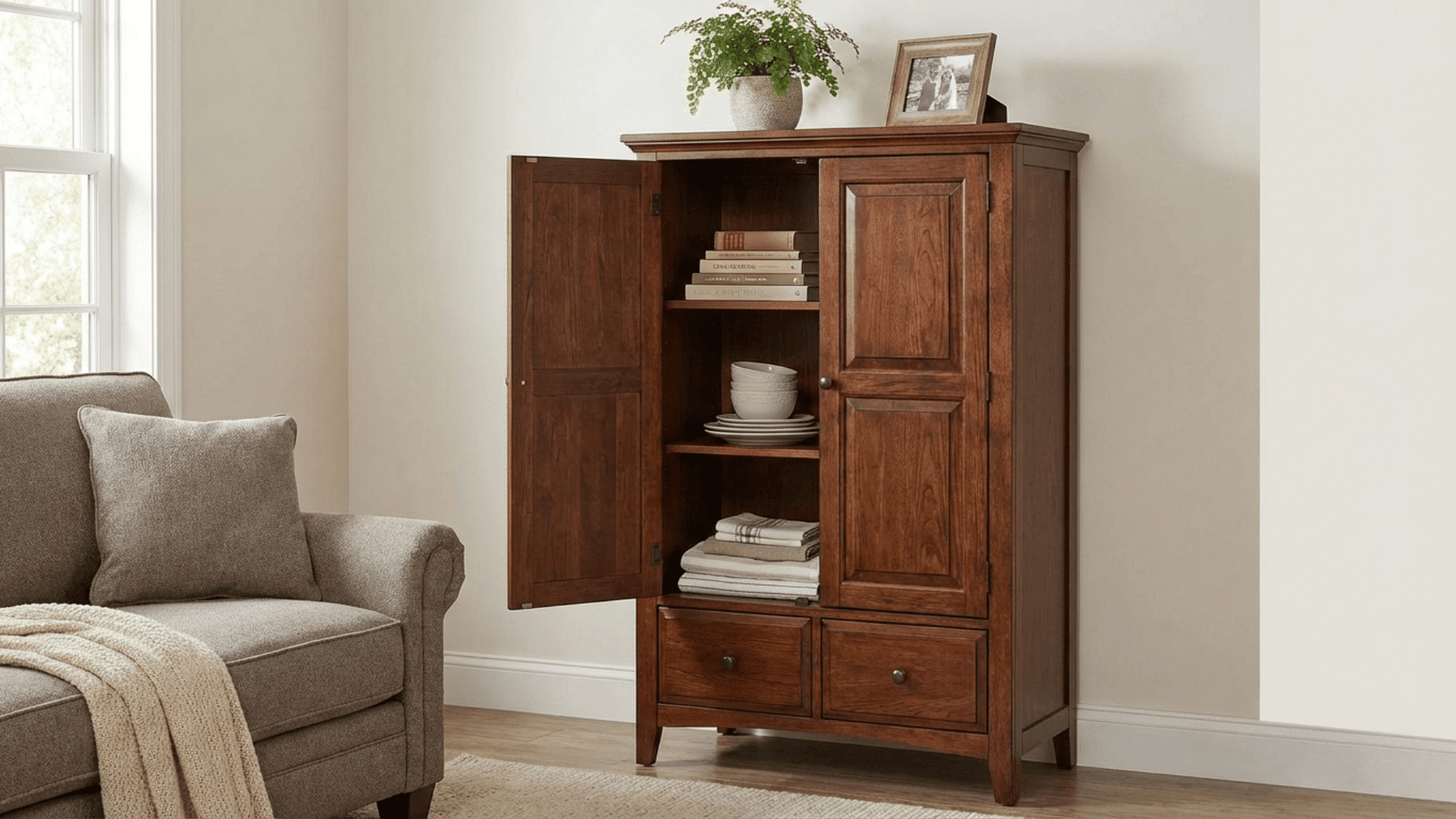
A cabinet is a piece of furniture designed to store and organize items behind doors. Most cabinets feature shelves inside, though some also include drawers. The shelves can often be moved up or down to fit different items.
Cabinets come in two main styles: closed with doors or open with exposed shelves. Closed cabinets keep things hidden and protected from dust. Open cabinets display items for easy access.
These pieces work in almost any room. Kitchens use them for dishes and food. Living rooms hold books and electronics. Hallways store shoes and coats. Bedrooms and offices benefit from them too.
When weighing the cabinet vs. dresser choice, cabinets offer more flexibility for different storage needs.
What is a Dresser?
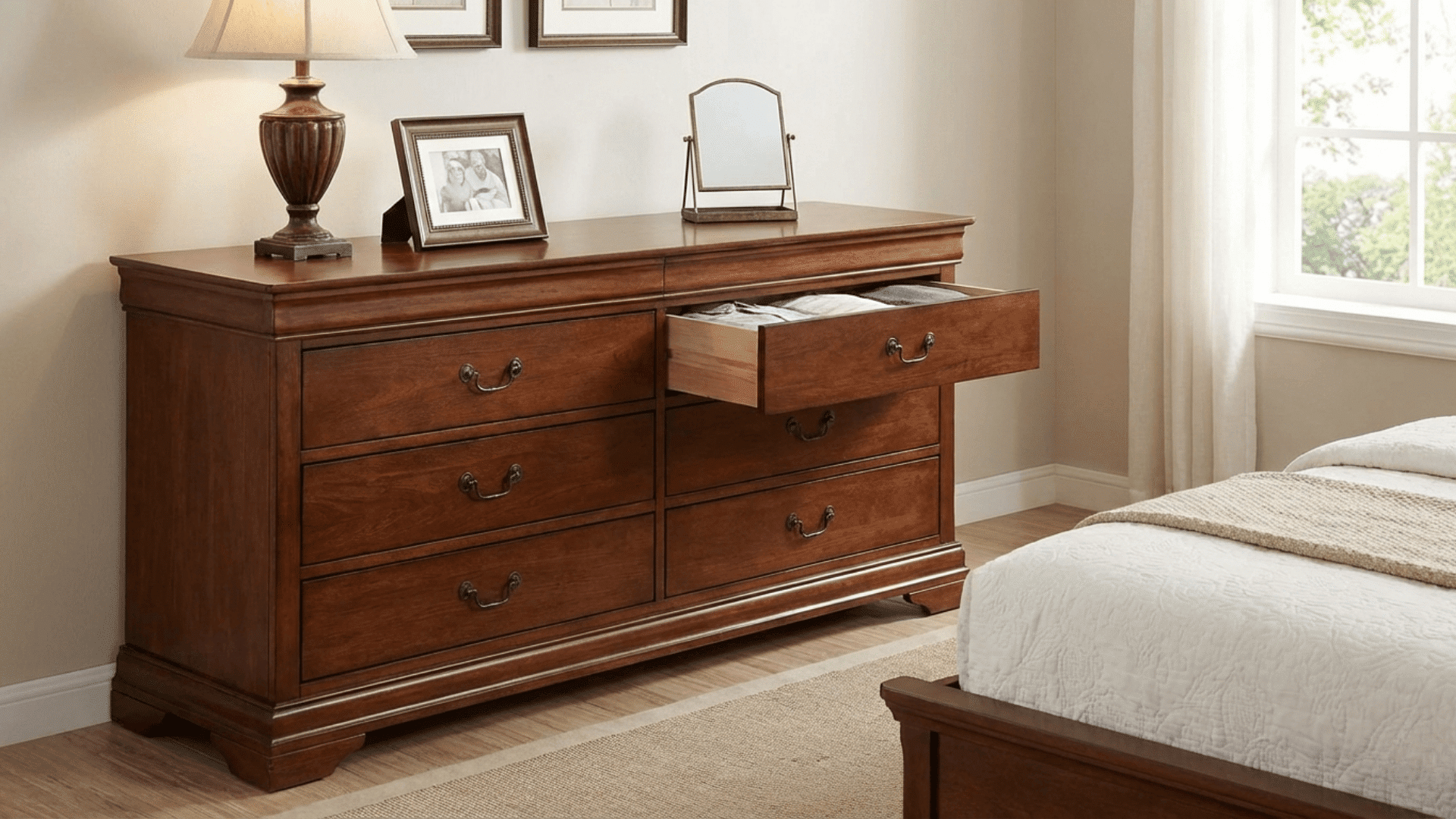
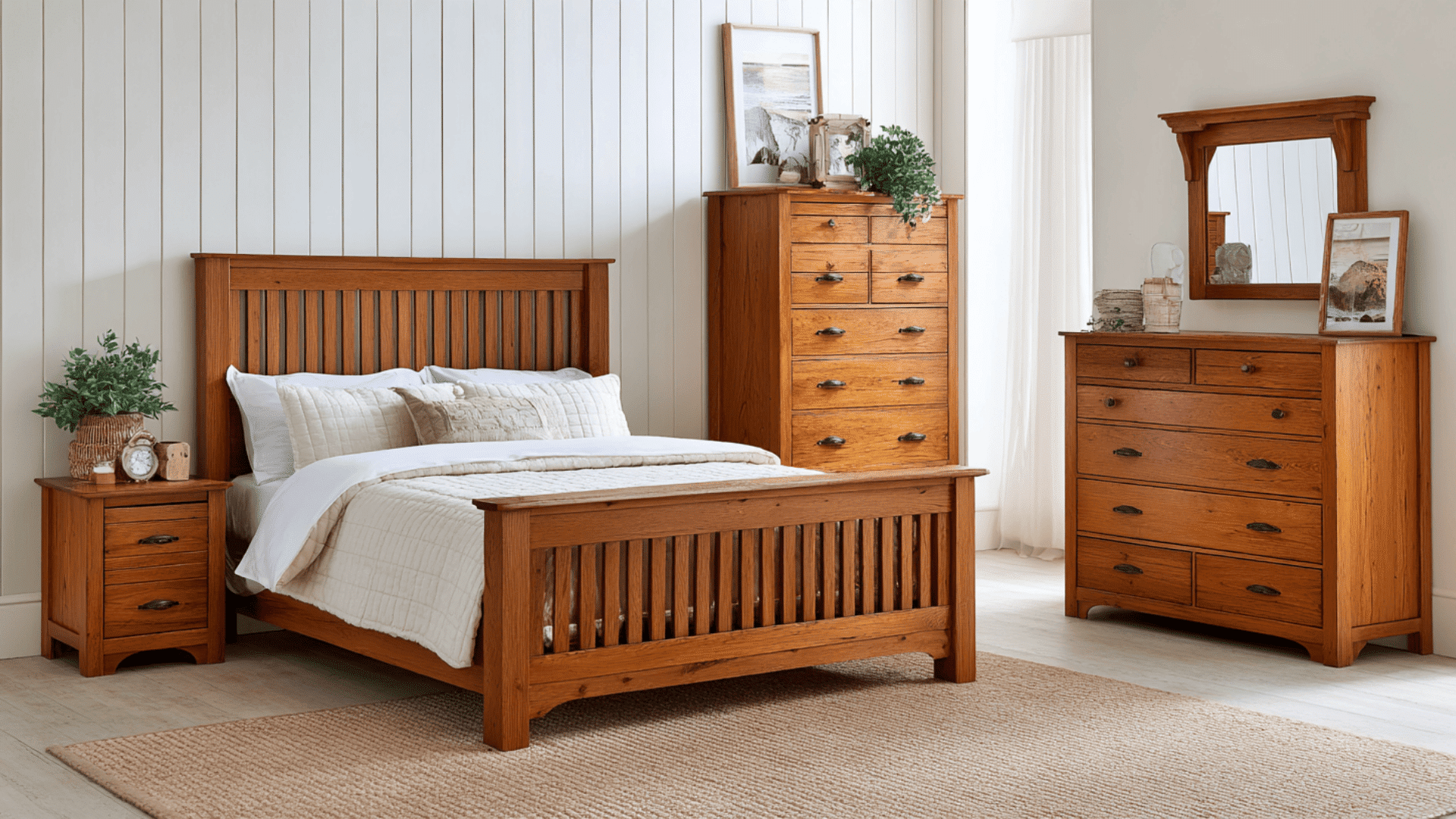
A dresser is a piece of furniture with drawers stacked on top of each other. It sits lower than most cabinets and has a wide, flat top surface. This top works great for lamps, mirrors, picture frames, or folded clothes.
Dressers are best known for storing clothing. Most bedrooms have at least one dresser for shirts, pants, socks, and undergarments. The drawers keep clothes organized and wrinkle-free.
But dressers aren’t just for bedrooms anymore. Nurseries use them for baby clothes and supplies. Entryways benefit from drawers in dressers for scarves, gloves, and keys. Some living rooms even use low dressers as TV stands.
Cabinet vs Dresser: Pros and Cons
Every piece of furniture has strengths and weaknesses. Understanding the pros and cons helps you make the right choice.
| Item | Pros | Cons |
|---|---|---|
| Cabinet | Stores many different item types like bins, books, dishes, and linens | Doors need space to swing open fully. They take up more wall space because of the wide design |
| Doors hide clutter for a neat, clean look | Shelves get messy without bins or baskets | |
| Dresser | Drawers keep items sorted by type or person easily | Not great for bulky items like blankets or tall boots |
| Perfect for clothes and anything that folds flat | Limited visibility, you have to open drawers to see items |
Both cabinets and dressers have trade-offs. Use this pros-and-cons list alongside your storage needs to pick the winner in your cabinet vs. dresser decision.
Cabinet vs Dresser: Detailed Comparison
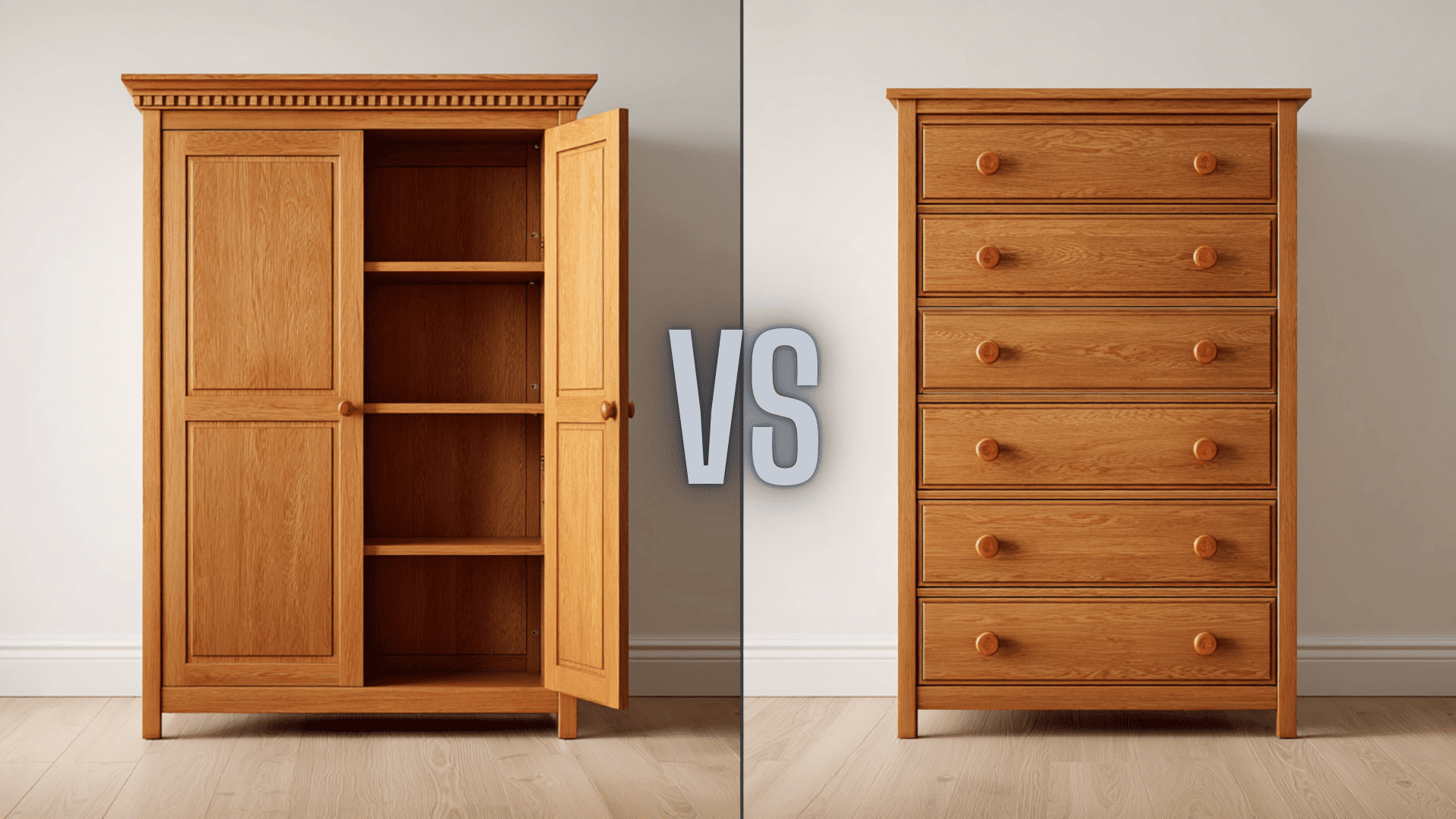
Choosing between a cabinet and a dresser gets easier when you compare them directly. Here’s how these two storage pieces stack up across the factors that matter most.
1. Storage Style and How It Affects Organization
Cabinets typically use shelves, which work well for stacking plates, storing books, or organizing bins. Some cabinets mix in drawers for smaller items. Dressers focus on drawers, making them perfect for sorting clothes by type.
Drawers hide clutter completely, while open cabinet shelves display items but collect dust. Closed cabinet doors offer a middle ground – keeping things hidden but requiring more reach space to open.
2. Size, Footprint, and Space Planning
Cabinets come in many shapes and sizes. Some are tall and narrow (such as pantry or storage cabinets), while others are low and wide (such as sideboards or credenzas).
Dressers are often low and wide, but you can also find tall dressers, often called chests or highboys, that save floor space.
In small rooms, taller pieces can provide more storage without taking up much wall space. In larger rooms, wider pieces can help fill empty wall space and create balance.
Remember to measure clearance: cabinet doors need swing space, while dresser drawers need room to pull out.
3. Best Use by Room
Bedrooms suit both options in the cabinet vs dresser debate. Dressers handle clothes and linens perfectly, while cabinets store shoes or folded sweaters. Living rooms benefit from cabinets for books and games, though low dressers work as TV stands.
Dining rooms prefer cabinets for dishes and tablecloths. Entryways need either a piece for shoes and bags. Home offices use cabinets for files and supplies more often than dressers.
4. Design and Style Differences
Cabinets come in many forms: display cabinets with glass doors, sideboards for dining rooms, pantry cabinets for food, and wall-mounted cabinets.
Dressers include horizontal styles with rows of drawers, tall styles called highboys, combo dressers with mirror space, and media dressers for TVs. Tall cabinets create strong vertical lines in a room. Wide dressers add horizontal weight and make ceilings feel lower.
5. Daily Usability
Dressers win for easy access – just pull a drawer and grab what you need. Kids and seniors reach lower drawers without stretching. Cabinets require opening doors first, then reaching the shelves.
For sorting small items like socks or papers, dresser drawers keep them better separated. Cabinet shelves need boxes or baskets to prevent mixing. Closed cabinets and dresser drawers both protect contents from dust between cleanings.
6. Cost and Value Considerations
Solid wood costs more than particle board or MDF for both cabinets and dressers. Quality hardware like soft-close hinges and drawer glides raises prices but lasts longer. Thick backs and sturdy construction add value.
Flat-pack furniture from big-box stores saves money for temporary needs. But invest in well-built pieces for high-use areas like bedrooms. When comparing cabinet vs dresser prices, similar quality levels cost about the same.
7. Durability and Safety
Both cabinets and dressers can tip over if not anchored to walls. This matters most in kids’ rooms or earthquake zones. Use the included straps or buy furniture anchors. Drawer glides determine how smoothly drawers slide – metal glides last longer than plastic.
Cabinet door hinges should feel sturdy, not loose. Check the weight capacity before loading shelves with heavy books or a drawer with tools. Quality construction prevents sagging over time.
Now that you understand the main differences, you can make a smarter choice for your home. The right piece depends on what you’re storing, where it’s going, and how you’ll use it daily. Keep these comparison points in mind as you shop.
How to Choose the Right One for Your Home?
Making the cabinet vs dresser decision comes down to matching furniture to your real life. Use these factors to work through your decision.
| Factor | Choose Cabinet If | Choose Dresser If |
|---|---|---|
| Storage Needs | You need shelves for various items such as dishes, books, and linens. You want doors to hide clutter. | You’re storing clothes and accessories. You need drawers to separate items by type. |
| Space Available | You have tall walls but limited floor space. You have room for doors to swing open. | You have wide wall space. You have 12-18 inches out drawer pull-out space. |
| Daily Use | You need flexible storage for multiple rooms. You prefer a clean, closed look. | You need a wide top for a mirror, lamp, or TV. You want quick drawer access. |
| Budget | You find quality hinges and sturdy shelves at your price point. | You find metal drawer glides and solid construction at your price point. |
Start by listing what you need to store, then measure your space carefully. The winner in the cabinet vs dresser choice is whichever piece fits your storage type, available space, and daily habits. Don’t rush – the right furniture makes your home work better for years.
Maintenance Tips for Lasting Long
Taking care of your furniture helps it last longer and work better. Both cabinets and dressers need regular attention to stay in good shape. Here are simple maintenance tasks that take just a few minutes.
For Cabinets:
Check your cabinet hinges and door handles every few months. Tighten any loose screws with a screwdriver. Don’t stack too many heavy items on one shelf, or it might sag over time.
Clean cabinet doors and shelves with a soft cloth and mild cleaner. Always dry surfaces completely to prevent water damage or warping.
For Dressers:
Remove the drawers occasionally to clean the tracks underneath. Dust and lint can build up and make drawers stick. Don’t stuff drawers too full, or the glides will wear out faster.
Place felt pads under heavy lamps, picture frames, or other decor items. This prevents scratches and marks on the dresser surface that are hard to fix later.
Regular maintenance keeps your cabinet vs dresser choice working smoothly for years. These small steps prevent bigger problems and expensive repairs down the road.
Placement Ideas and Styling Tips
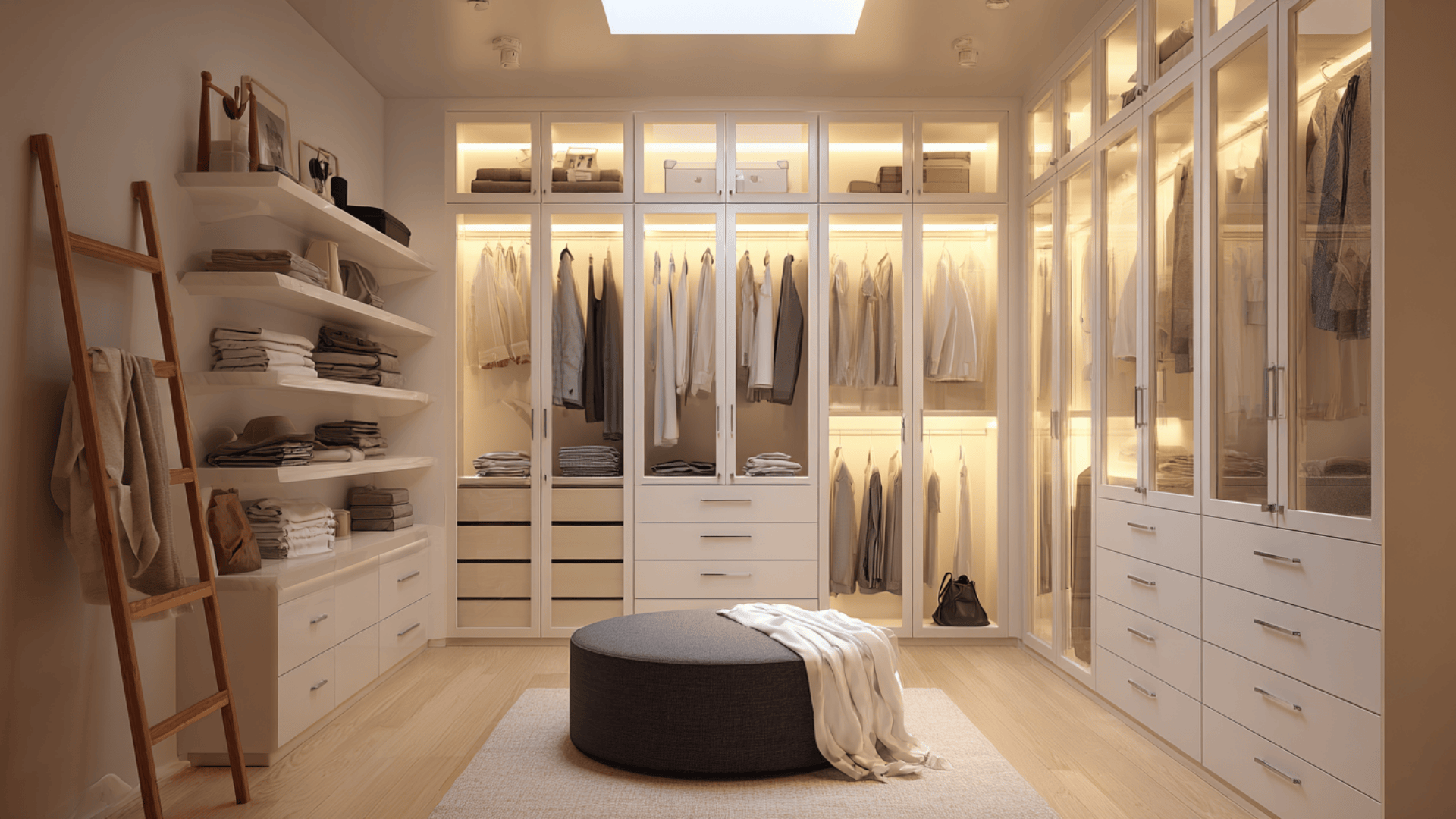
Where you place your furniture matters just as much as which piece you choose. Here are smart placement and styling ideas for both cabinets and dressers.
Where a Cabinet Looks Best
- Corner spaces: Cabinets fit perfectly in room corners where other furniture won’t work well.
- Dining room walls: Place cabinets against dining walls to store dishes, glassware, and table linens.
- Hallway niches: Narrow cabinets work great in hallway alcoves for shoes, bags, and seasonal items.
- Balance with wall art: Hang mirrors or artwork above tall cabinets to create visual interest and fill vertical wall space.
- Use organizing tools inside: Baskets and bins keep cabinet shelves tidy. Labels help everyone find items quickly without searching.
Where a Dresser Looks Best
- Bedroom focal wall: Position your dresser on the main wall you see when entering the room.
- Under a mirror: Hang a large mirror above your dresser to create a getting-ready station.
- As a media unit: Low, wide dressers work perfectly as TV stands in living rooms or bedrooms.
- Keep the top functional: Leave room for lamps, phones, and daily items. Don’t overcrowd the surface with too many decorations.
- Style with trays: Use trays on dresser tops to corral jewelry, keys, or charging cables. This keeps things organized without looking messy.
The right placement makes your cabinet or dresser work harder for you. Style it thoughtfully, and it becomes both storage and decor in one piece.
Conclusion
The cabinet vs dresser decision comes down to three main factors: what you’re storing, how much space you have, and how you’ll use it daily.
For clothes and bedroom storage, dressers win with their organized drawers and wide top surface. For mixed items across different rooms, cabinets offer more flexibility with their shelves and doors.
Before you buy, measure your space carefully. Check both the furniture dimensions and the required clearance for doors or drawers. Think about where you’ll place it and what you’ll store inside.
The right piece helps keep your home organized and your daily routine easier. Take your time choosing between a cabinet and a dresser – this furniture will serve you for years to come. Have questions about your specific space?
Drop a comment below and let’s figure it out together.
Frequently Asked Questions
Do People Use Dressers Anymore?
Yes, dressers remain popular in bedrooms for storing clothes. They provide organized drawer space and a top surface for lamps and decor. Many people prefer them over closets alone.
What Do Americans Call a Dresser?
Americans call it a dresser. Some also use the terms “bureau” or “chest of drawers,” especially for taller styles. All three names refer to the same piece of furniture.
Can a Cabinet Replace a Bedroom Dresser?
Yes, but you’ll need baskets or bins on cabinet shelves to organize clothes like drawers do. Cabinets work well for folded items, but aren’t ideal for small accessories.