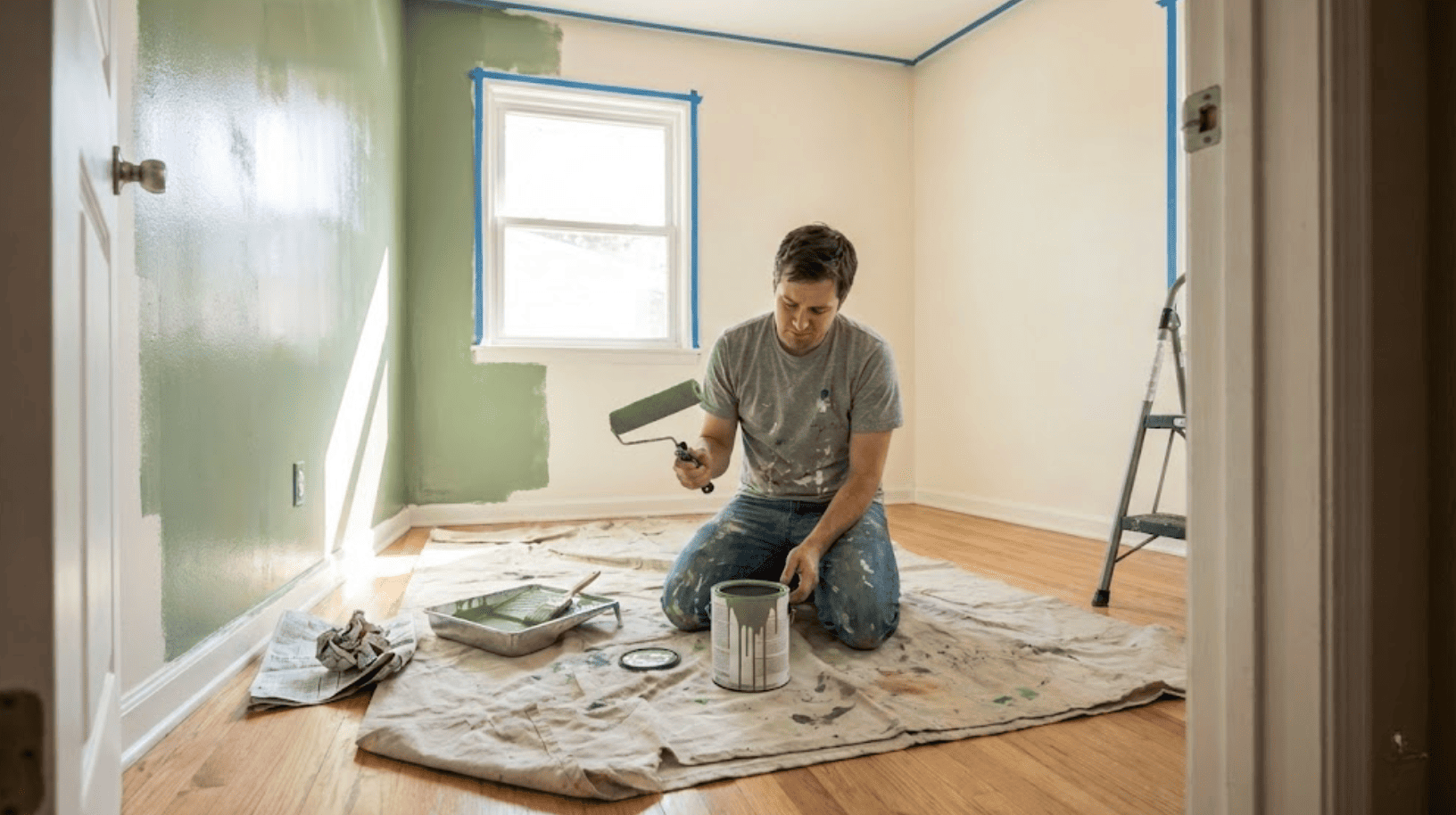
You’re staring at a half-full can of exterior paint in your garage, and you need to finish painting a bedroom.
The question hits you: can you use exterior paint inside? It seems like a simple way to save money and avoid another trip to the store. After all, paint is paint, right? Not exactly.
The type of paint you choose for indoor spaces affects more than just how your walls look – it impacts the air you breathe every day.
I’ve seen some people make this decision without understanding the real differences between exterior and interior formulas.
There are some important factors you need to know about safety, air quality, and long-term results.
What’s the Difference Between Exterior and Interior Paint?
Exterior and interior paints are formulated differently to address specific conditions. Exterior paint contains stronger resins and additives that resist moisture, UV rays, and temperature changes.
It’s built to withstand harsh weather and prevent mildew growth. Interior paint, on the other hand, has lower levels of VOCs (volatile organic compounds) because you’re breathing that air every day.
It’s designed to provide smooth, washable finishes and hold up against normal wear and tear indoors.
The key difference for indoor use is air quality – exterior paint emits higher VOC levels, which can cause headaches, dizziness, and respiratory issues in enclosed spaces.
Interior paint dries faster and smells less strongly because it’s formulated for ventilation-limited areas.
Can You Use Exterior Paint Inside?
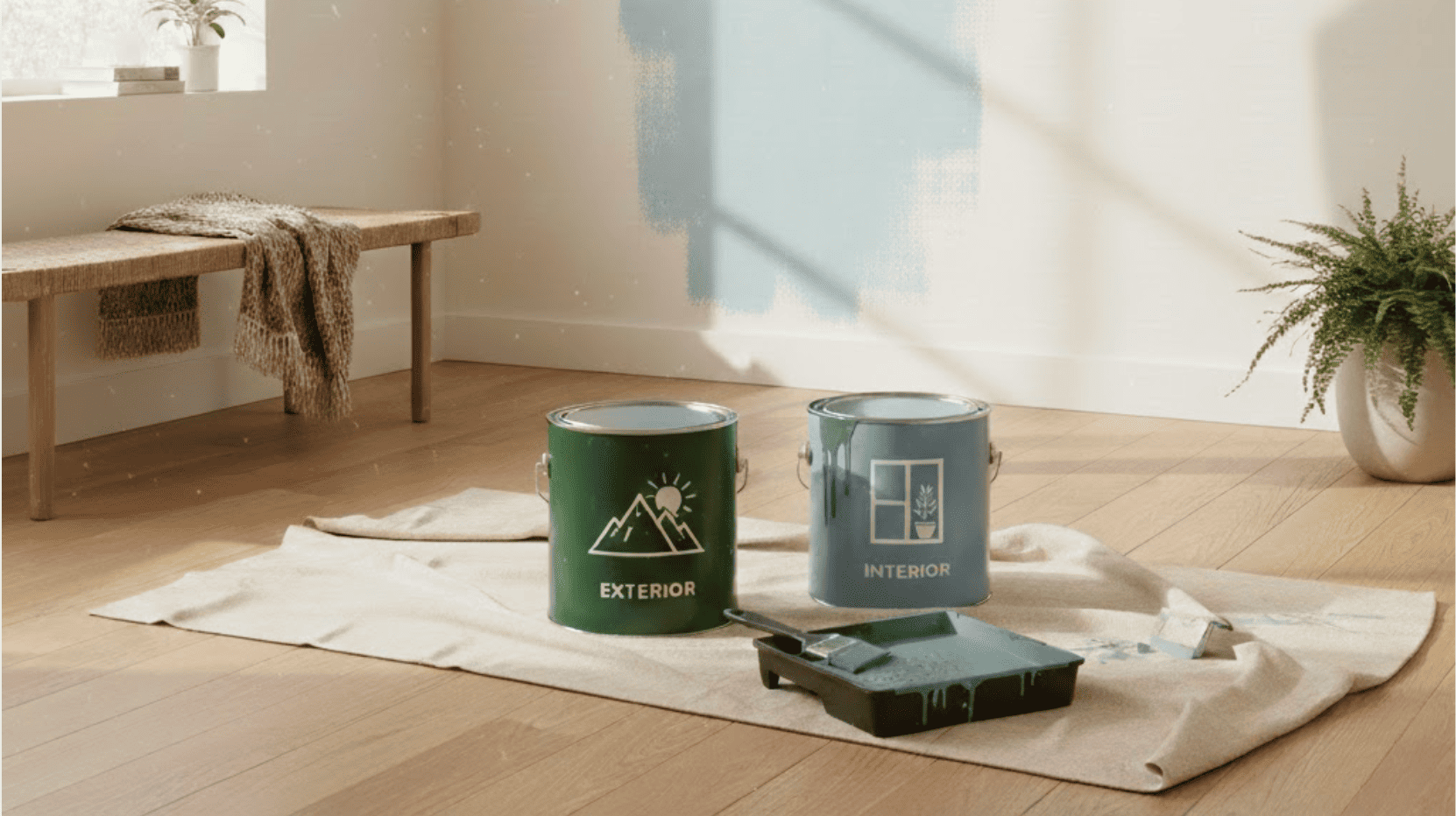
Technically, you can use exterior paint indoors, but it’s not recommended for most living spaces. The main issue is indoor air quality. Exterior paint contains higher levels of VOCs that continue releasing fumes long after the paint dries, which can cause health problems in enclosed areas.
These chemicals may trigger headaches, nausea, and breathing issues, especially in bedrooms, kitchens, or bathrooms where you spend significant time.
Professionals strongly advise against using exterior paint in any room with limited airflow, or in rooms where people sleep and eat.
The only exceptions might be garages, storage sheds, or well-ventilated workshops where air circulation is constant. Even then, interior paint is the safer, smarter choice for any space connected to your home.
Risks of Using Exterior Paint Indoors You Should Know
Using exterior paint inside might seem like an easy solution, especially if you have leftover paint. But there are some important problems you should know about before you start.
- High VOC Levels: Exterior paint releases more harmful chemicals into the air, creating an unhealthy breathing environment for weeks or months.
- Persistent Odor: The smell lingers much longer than interior paint, making rooms uncomfortable and unusable.
- Poor Surface Adhesion: Exterior paint doesn’t bond well to drywall or plaster, leading to peeling, cracking, or uneven coverage.
- Health Problems: Fumes can cause headaches, dizziness, nausea, and respiratory irritation, especially in children and people with asthma.
- Difficult Cleanup: Removing exterior paint from indoor surfaces later requires extra time, effort, and harsh chemicals.
These issues make exterior paint a poor choice for any living space. The money you might save upfront isn’t worth the health risks and potential repair costs down the road.
Why Experts Say Exterior Paint Isn’t a Good Choice Indoors?
Experts recommend interior paint for indoor spaces because it’s designed for safe, comfortable living environments. Interior formulas prioritize low odor, easy washability, and minimal chemical off-gassing – features that matter when you’re breathing that air daily.
Exterior paint contains fungicides and mildewcides that fight outdoor mold, but these additives are unnecessary indoors and can harm air quality. Modern interior paints offer excellent low-VOC and zero-VOC options that perform well without health concerns.
These formulas dry faster, smell less, and create finishes that look better on drywall and plaster. When you choose paint made for interior use, you get a product tested and approved for enclosed spaces.
When (If Ever) It Might Be Okay to Use Exterior Paint Inside?
There are a few situations where exterior paint might work indoors, but they’re limited to spaces you don’t live in. Detached garages, storage sheds, and workshops with proper ventilation can handle exterior paint since you’re not spending hours breathing that air.
Unfinished basements used only for storage might also be acceptable if they stay well-ventilated. If you’re using up leftover exterior paint in these spaces, take precautions.
Open all windows and doors to create cross-ventilation, and wear a respirator mask – not just a dust mask.
Keep the area ventilated for several days after painting, not just while you work. Even in these non-living spaces, interior paint remains the better choice for safety and finish quality.
How Exterior Paint Performs vs Interior Paint Indoors
Not all paints are the same, and using exterior paint indoors can yield very different results than using interior paint. Here are the main differences in how each type of paint performs on indoor walls.
| FEATURE | INTERIOR PAINT | EXTERIOR PAINT (Used Indoors) |
|---|---|---|
| Finish Quality | Smooth, even finish designed for walls | May feel rough or sticky; less smooth on drywall |
| Drying & Curing | Dries faster indoors; designed for indoor conditions | Takes longer to dry indoors; may stay tacky |
| Scrubbability & Durability | Handles cleaning, daily bumps, and wear well | Not made for scrubbing; can peel or scratch easily |
Interior paint is designed for smooth, durable indoor finishes and quick drying, while exterior paint can cause rough surfaces, slow drying, and wear damage, making interior paint the better choice for home use.
What To Do If You’ve Already Used Exterior Paint Inside?
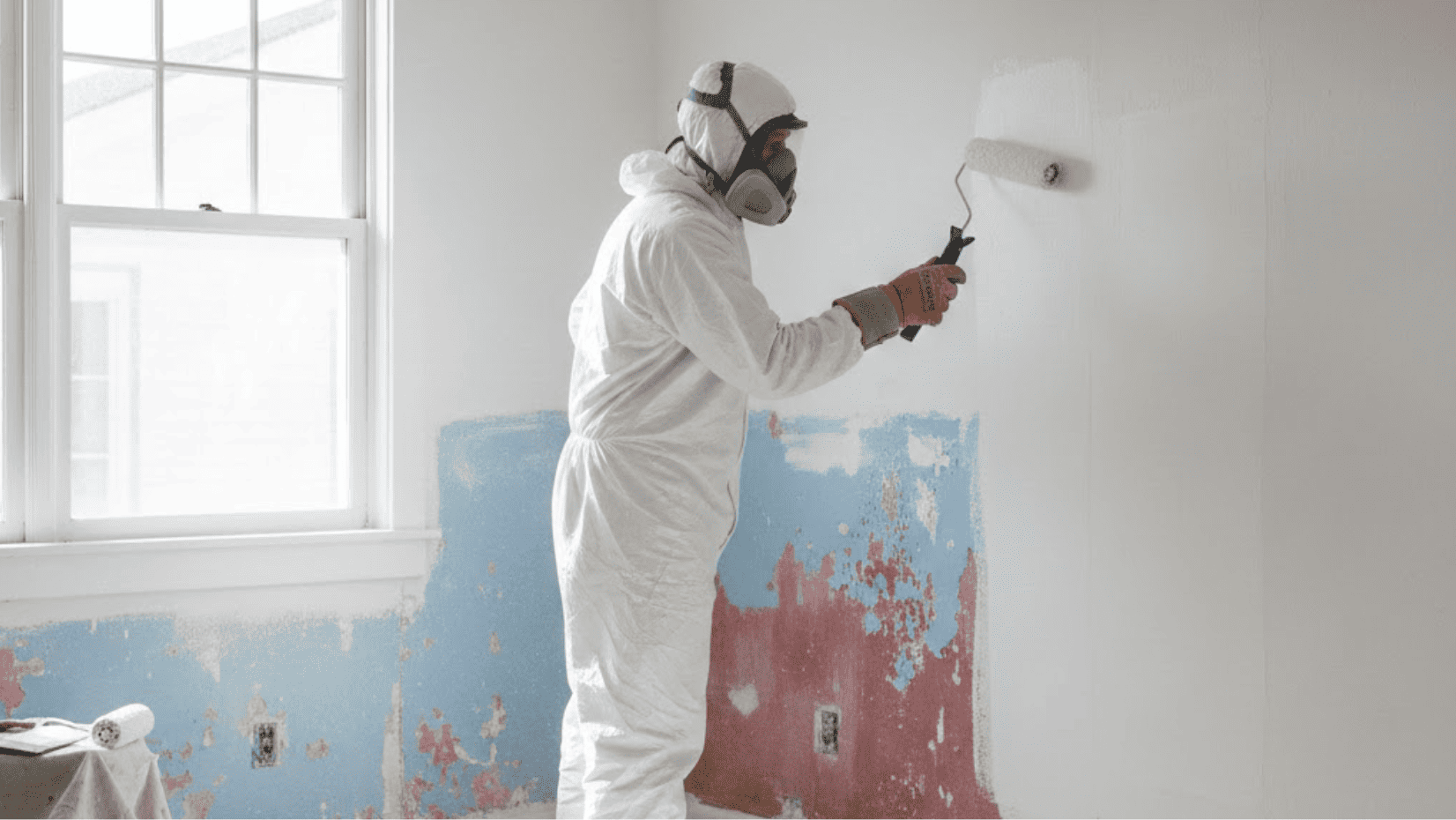
If you’ve already painted an indoor space with exterior paint, start by improving air circulation immediately. Open windows, run fans, and keep the room ventilated for several weeks to help fumes dissipate.
If you’re experiencing headaches or breathing issues, limit time in that space until the smell fades.
When you’re ready to fix the problem, wear a respirator mask and protective clothing while working. You’ll need to apply a high-quality primer designed to seal in odors and create a proper base for new paint.
Then repaint with interior paint that’s safe for enclosed spaces. This process takes effort, but it’s the only way to properly address the air quality issues and get a finish that lasts on indoor surfaces.
Best Alternatives to Using Exterior Paint Inside
Using exterior paint inside isn’t usually a good idea, but there are plenty of better options. Choosing the right type of paint for indoor walls can make your rooms look great, last longer, and keep your family safe.
- Low-VOC Interior Paint: These paints are safe for indoor use and contain fewer strong chemicals, helping keep the air in your home cleaner.
- Easy-Clean Finishes: Some interior paints are designed to wipe or scrub without damaging the wall, making them perfect for kitchens, kids’ rooms, or hallways.
- Trim & Detail Paint: For doors, cabinets, or moldings, use a specialty paint made for small surfaces. It gives a smooth, professional finish.
- Moisture-Resistant Paint: Bathrooms, basements, and laundry rooms benefit from paints that can handle humidity without peeling or molding.
- Choosing the Right Sheen: Satin, eggshell, or semi-gloss finishes look better indoors and are easier to clean than flat exterior paint.
Using the right interior paint makes your home safer, cleaner, and more durable. You’ll get a smoother, longer-lasting finish and avoid the headaches that come with using exterior paint inside.
That’s a Wrap
Now you know the facts about using exterior paint inside and why it matters for your home.
The choice between exterior and interior paint isn’t just about convenience or saving a few dollars – it’s about protecting your family’s health and getting results that last. I always recommend choosing products designed for the space you’re painting.
Your indoor air quality is too important to compromise. If you’ve dealt with this situation before or have questions about a specific painting project, drop a comment below.
I’d love to hear about your experiences and help you make the best decision for your home.