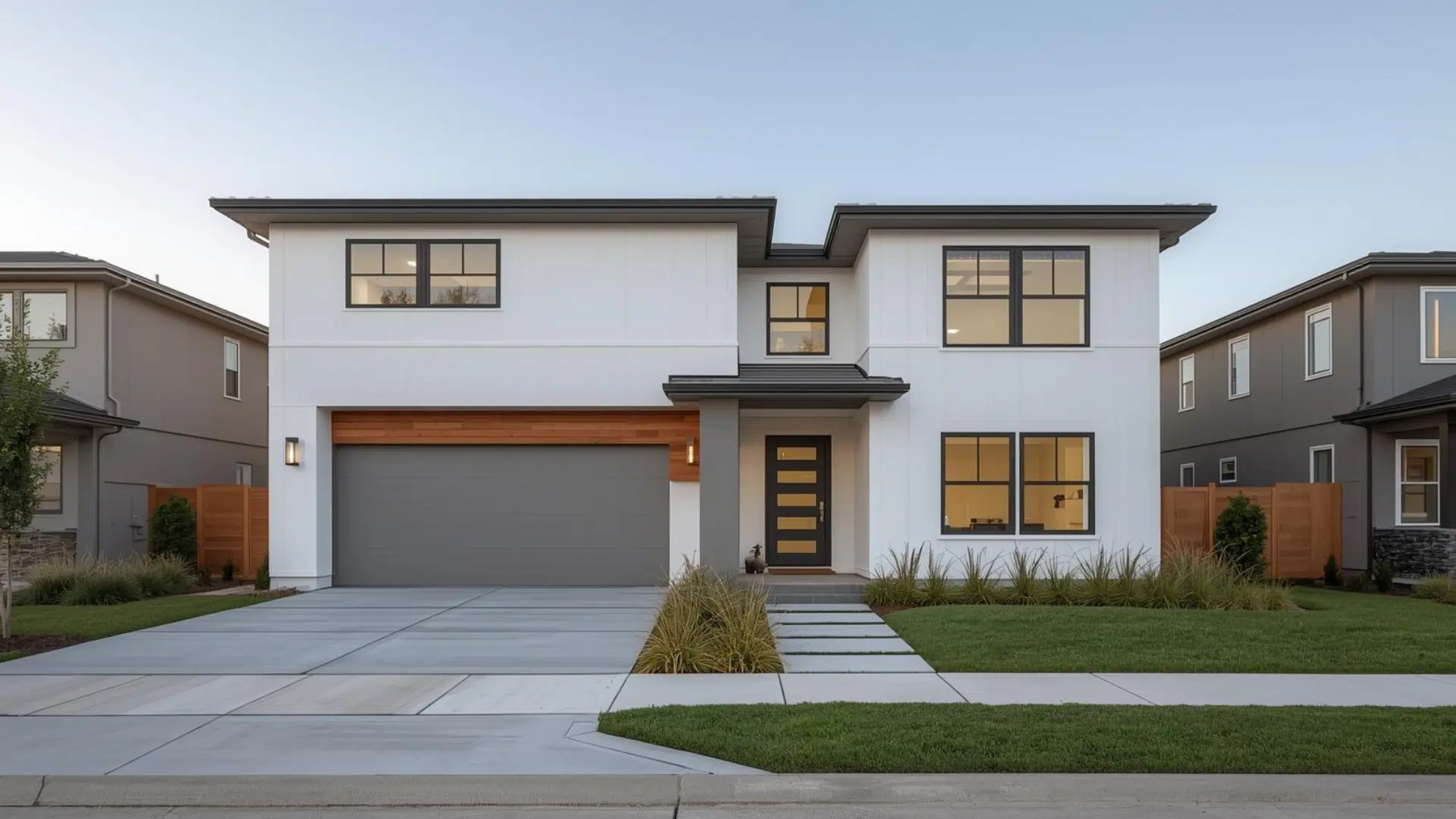
I have looked at house plans that seem perfect, then I notice the real-life issues: no drop zone, tight kitchen paths, awkward storage, or a “pretty” living room that feels noisy all day.
Contemporary style houses can be especially confusing because people often mistake them for modern styles or fads.
The good news is you can spot a strong contemporary plan fast when you know what to look for. The goal is not a showpiece.
It is a home that feels bright, calm, and easy to run on busy weekdays. Below, I break down what contemporary means, what ages well, and how to choose a plan that fits your life and routine.
What Is A Contemporary House?
A contemporary house is a home designed around what people want and use today. It usually has clean lines, open shared spaces, large windows, and a simple overall look.
The design often blends materials like wood, glass, metal, stone, stucco, or fiber cement in a balanced way. Inside, the layout favors easy movement, smart storage, and flexible rooms that can change with your needs.
Contemporary homes also tend to include energy-smart choices, such as better insulation, efficient windows, and well-designed ventilation.
The style can shift over time, but the best contemporary homes stay grounded in comfort, function, and clean, uncluttered shapes.
Modern Vs Contemporary Houses: What’s The Difference?
Modern design comes from a specific time period. Contemporary design reflects what’s popular now, with layouts and materials shaped by today’s lifestyles.
| Feature | Modern House | Contemporary House |
|---|---|---|
| Meaning | A specific design era | A current, evolving style |
| Common Look | Clean lines, iconic mid-century influence | Clean lines with today’s mix of materials |
| Materials | Often natural wood, glass, and simple finishes | Wood plus metal, concrete, stone, fiber cement, glass |
| Layout Feel | Can be open, often more defined zones | Often open, flexible, lifestyle-first planning |
| Best For | Lovers of a classic era look | People who want a current look with practical updates |
Knowing this difference helps you pick plans with the right details, so the home feels right long after trends change.
Contemporary House Plans For Every Lot & Lifestyle
Contemporary house plans are built for real routines, with smart flow, flexible rooms, strong storage, and easy lot-fit choices that last.
1. Open Great Room With Clear Zones
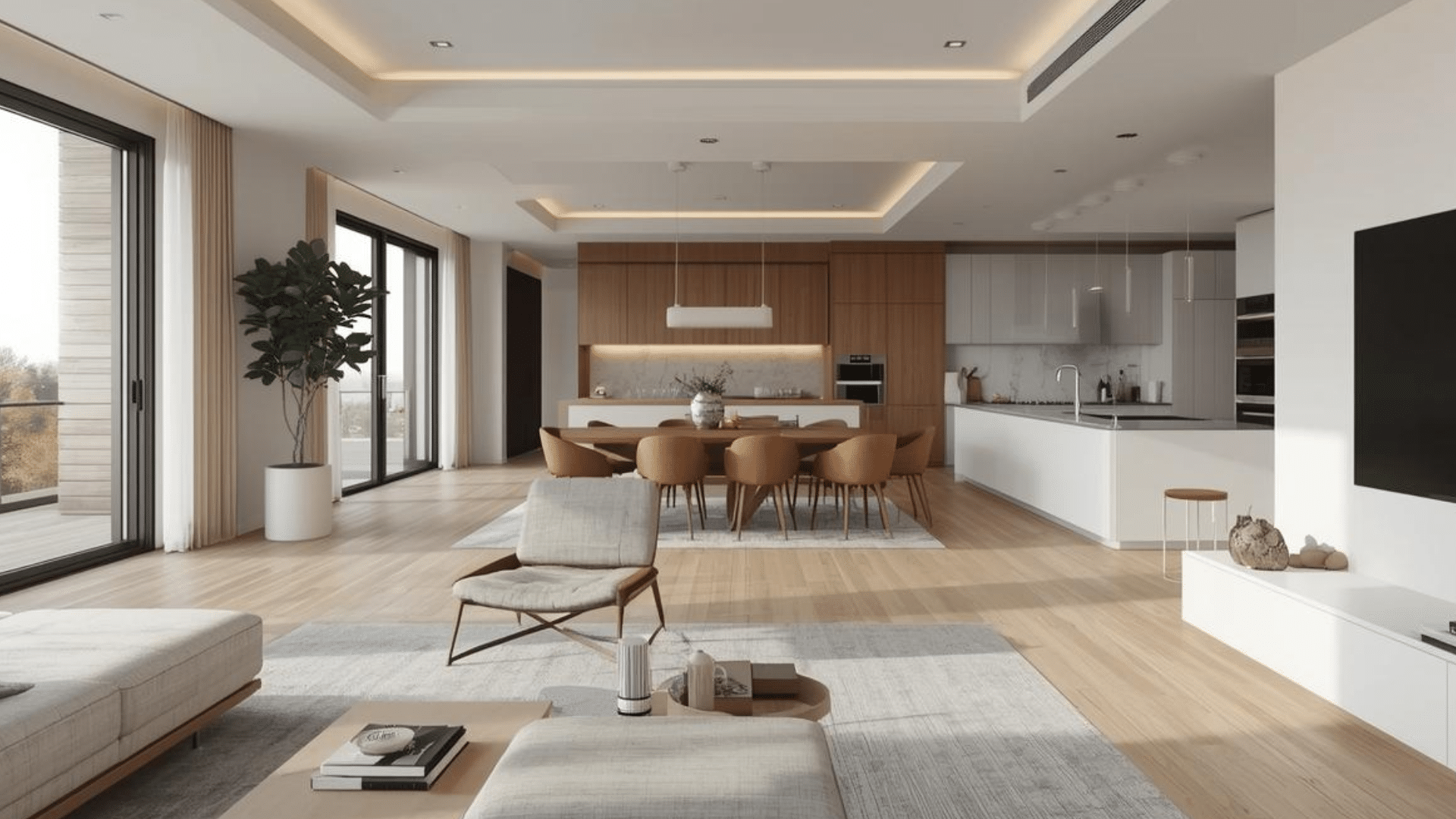
An open great room works best when it still feels organized. Keep the kitchen, dining, and living areas connected, but create “zones” so the space does not feel like one big echo box.
Use a rug to anchor seating, pendants to mark the dining area, and a change in ceiling height or lighting to guide flow. This keeps daily routines smoother.
2. Short Grocery Path From Garage To Pantry
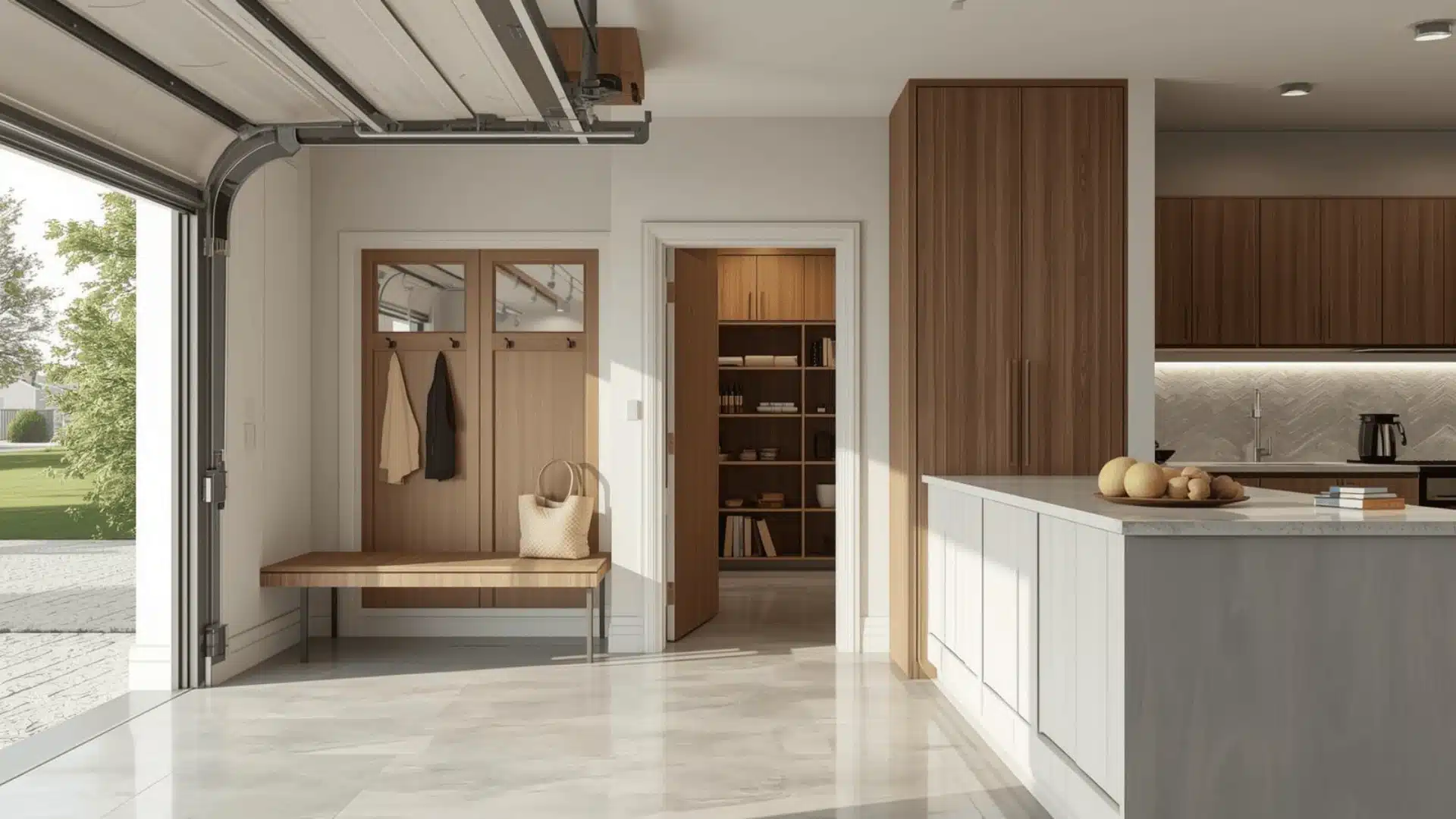
This is one of those small details that makes a big difference every week. A short, direct route from the garage to the pantry and kitchen saves time, prevents bottlenecks, and makes unloading feel easy.
Look for a door that opens to a counter or drop-off area, with enough turning space for bags, boxes, and bulky items.
3. Mudroom Drop Zone Near The Main Entry
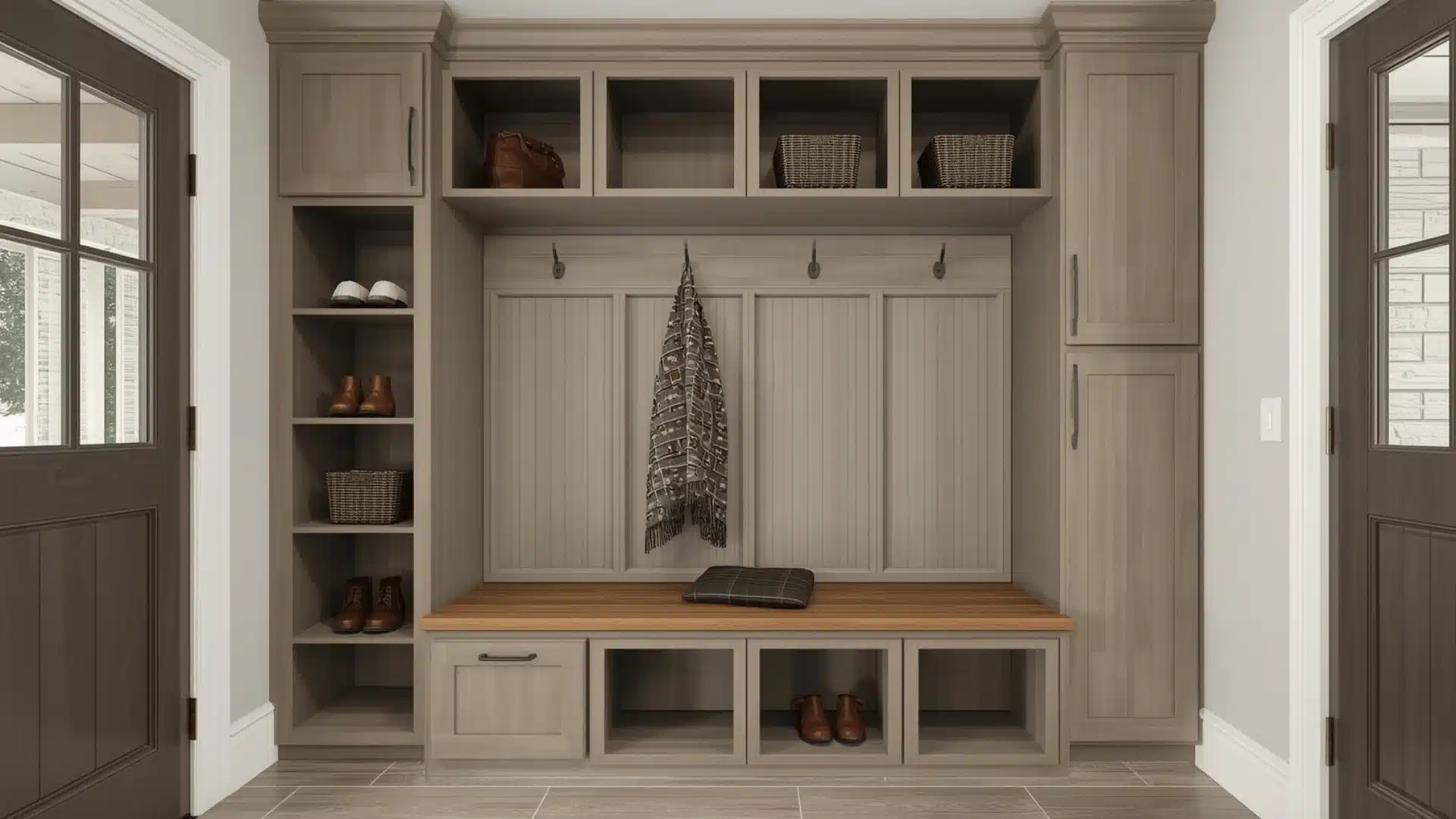
Contemporary homes look best when clutter stays hidden. A mudroom drop zone keeps the mess where it starts, so the rest of the home stays calm.
Add hooks for backpacks, a bench for shoes, and closed storage for coats and random daily items. Even a small wall nook can work if it is placed right and built with intention.
4. Kitchen With A Strong Work Triangle
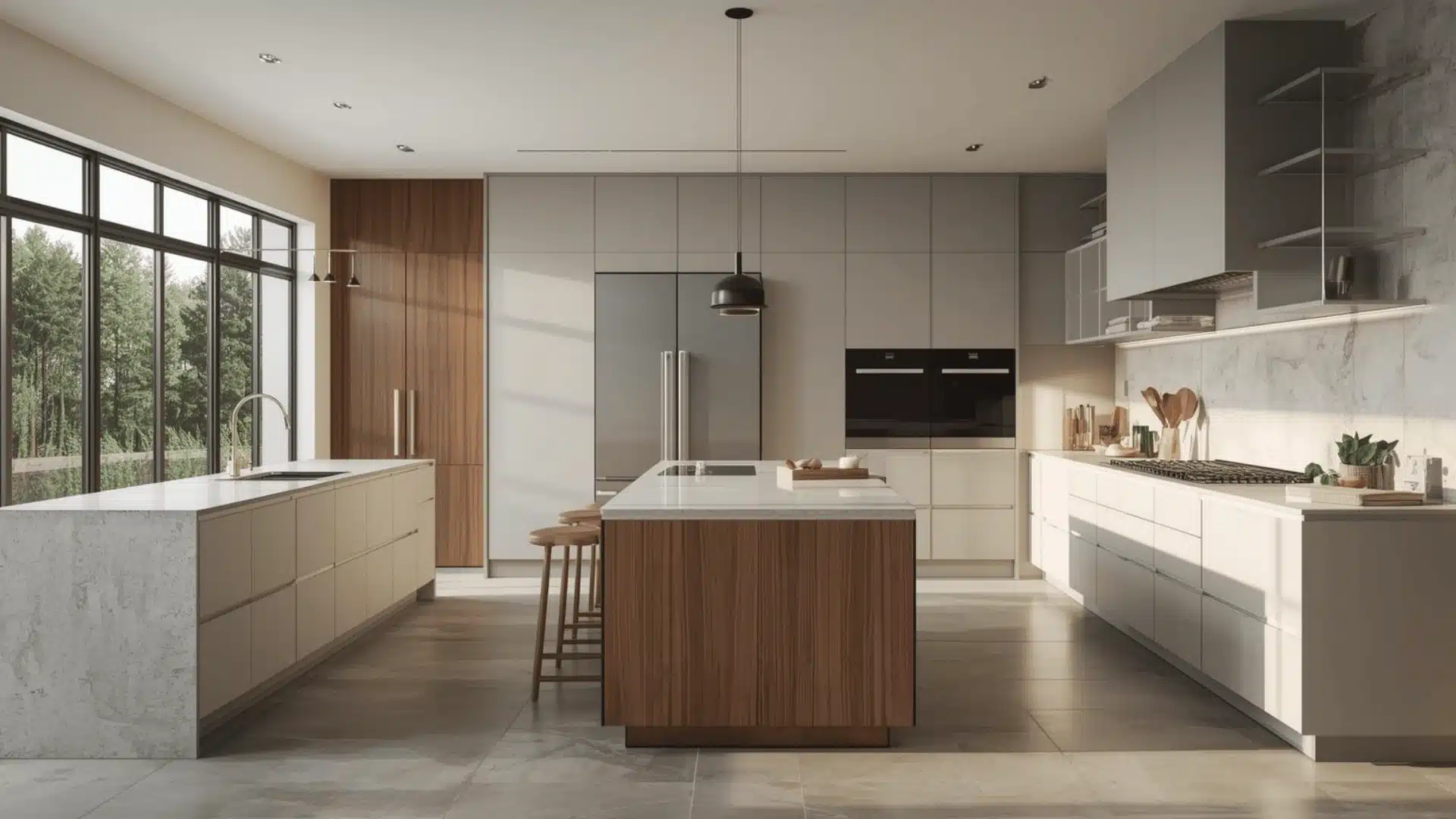
A contemporary kitchen should feel clean, but it still has to work hard. The work triangle between the sink, fridge, and cooktop helps cooking feel easier and reduces wasted steps.
Before choosing finishes, test where you will prep, chop, and serve. When the triangle is strong, storage placement becomes more obvious, and the kitchen stays efficient on busy nights.
5. Walk-In Pantry Or Appliance Garage
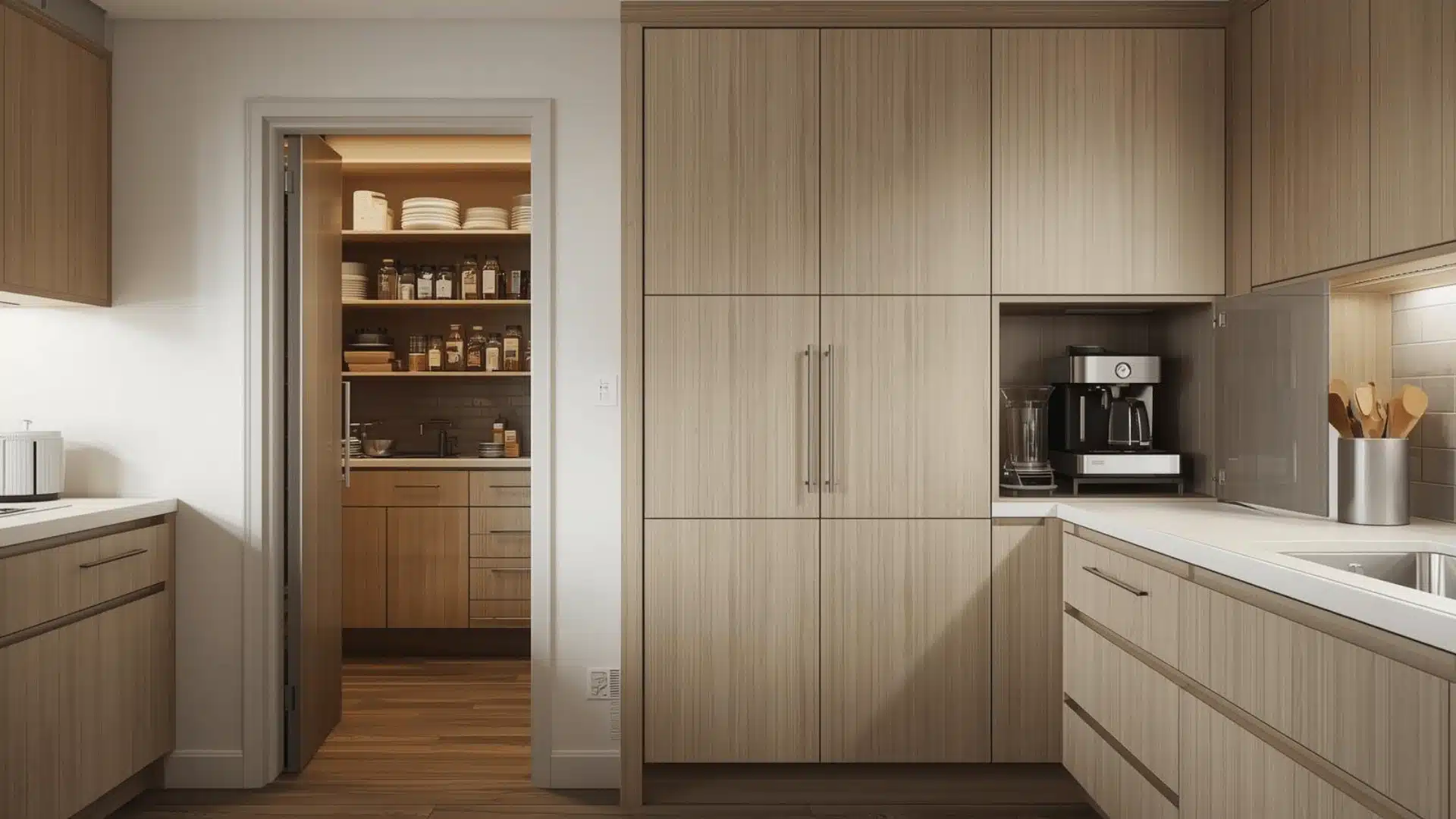
Open layouts make kitchen clutter more visible, so hidden storage matters. A walk-in pantry can hold groceries, small appliances, and bulk items, keeping counters clear.
If space is tight, an appliance garage hides the toaster, blender, and coffee setup behind doors. This keeps the kitchen looking calm while remaining practical for everyday cooking routines.
6. Quiet Bedroom Placement
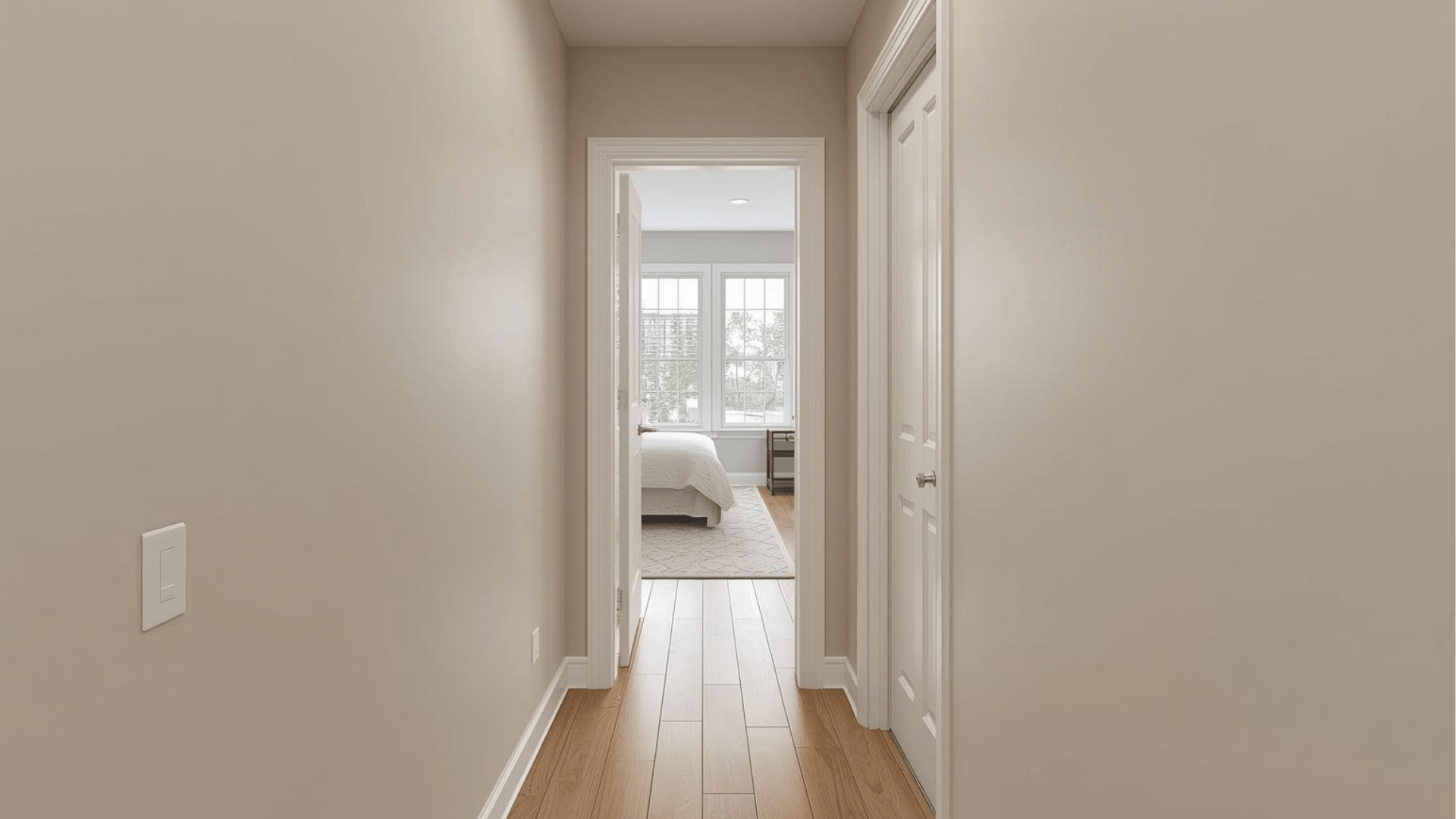
Bedrooms feel better when they are not attached to the loudest part of the house. In open plans, noise travels, so bedroom placement matters more than people expect.
Look for a layout where sleeping areas are located behind a hallway, near a stair landing, or in a separate wing. This helps early risers and night owls live together peacefully.
7. Main-Level Guest Suite Or Flex Bedroom
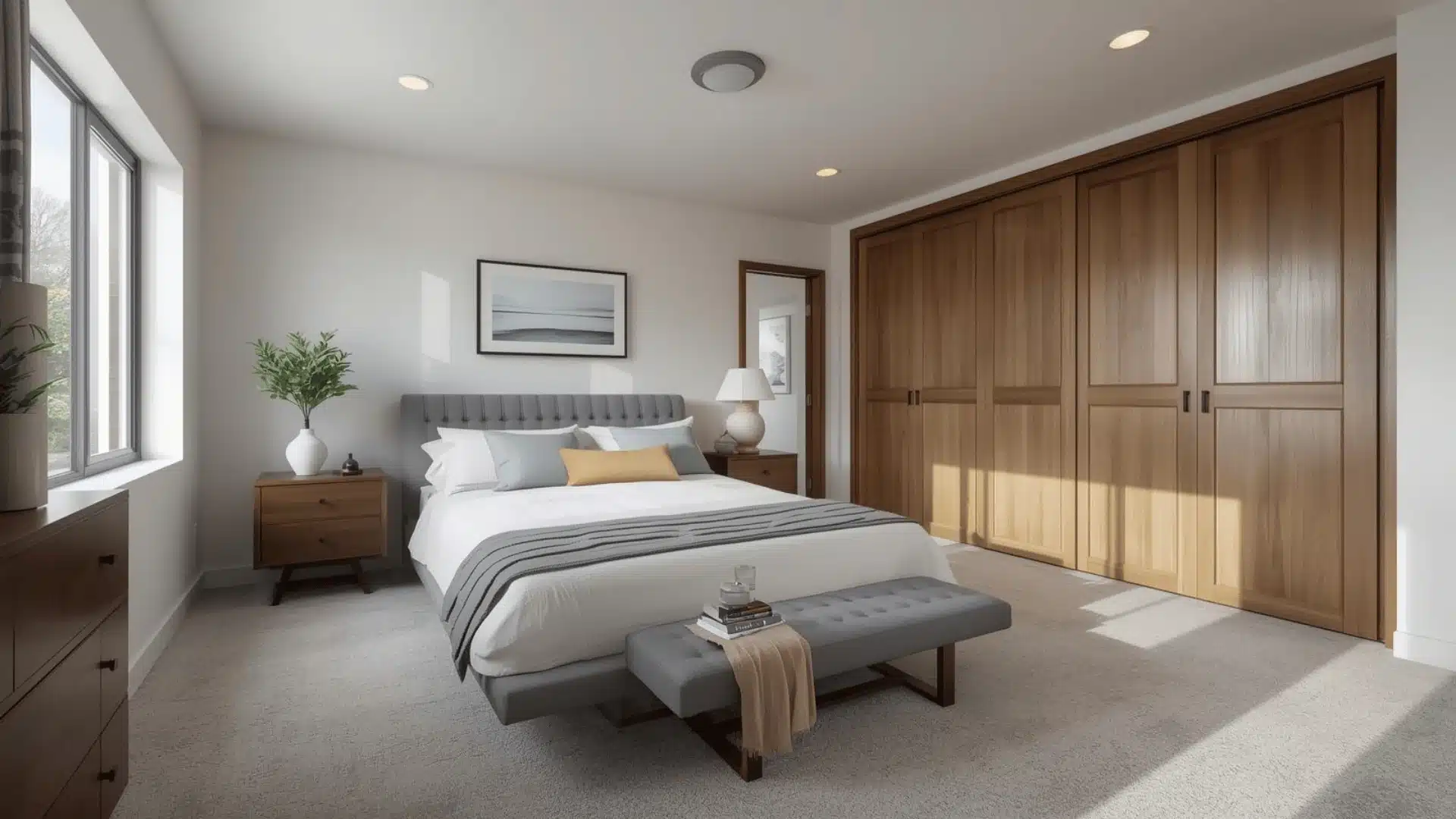
A main-level guest room is useful even if you rarely host. It can be a flex bedroom for aging parents, a space for injuries or recovery, or a future-proof option if stairs become harder later.
This room can also double as a playroom or hobby room now. Add a closet if you want the space to count as a true bedroom.
8. Dedicated Home Office With A Door
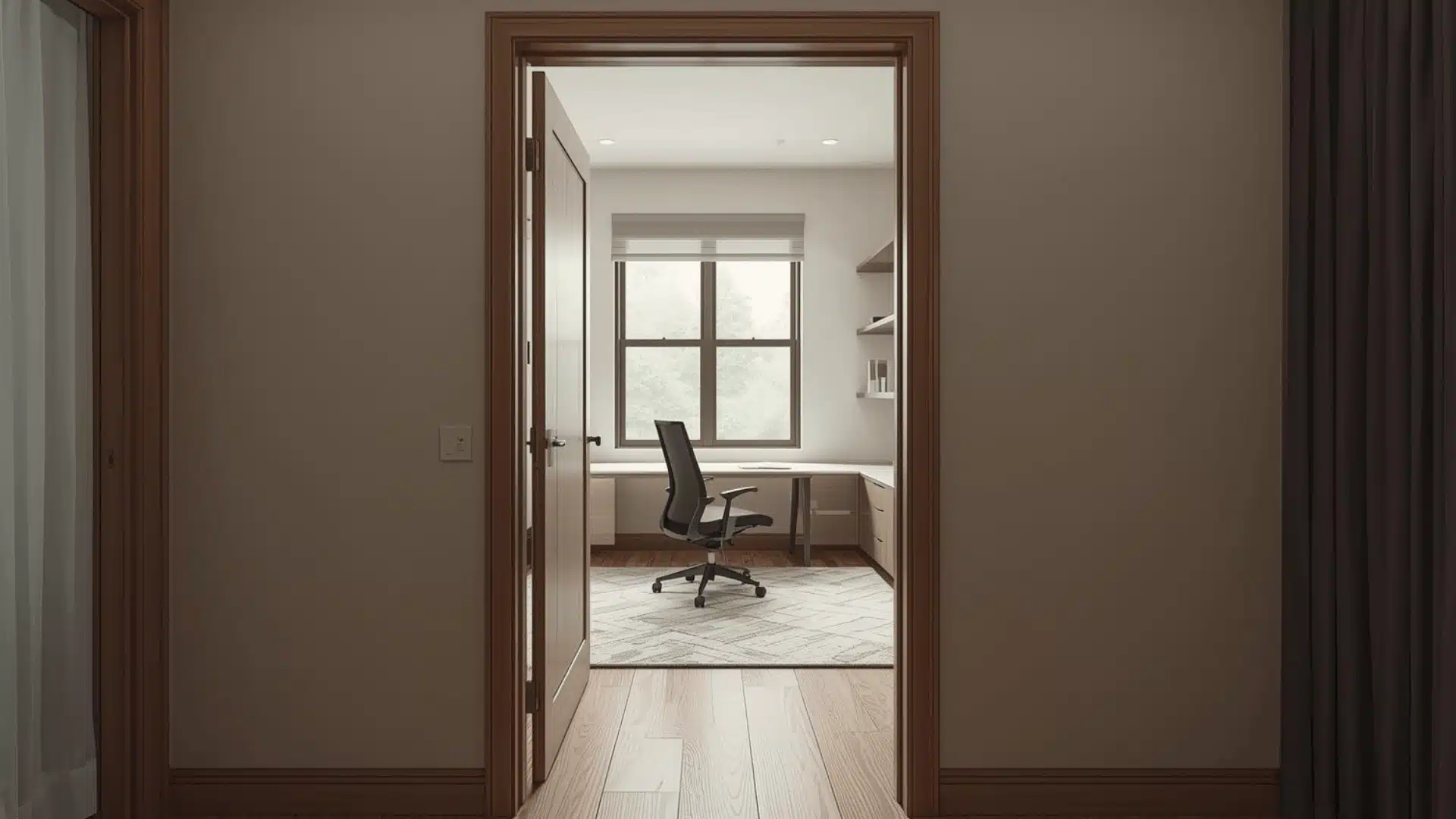
If you work from home even part-time, an office with a door is worth it. Open desks near the kitchen pick up noise, distractions, and messy backgrounds for calls.
A dedicated office gives privacy, better focus, and a clear boundary between work and home. Place it near the entry if you meet clients, or deeper in the plan for quiet.
9. Courtyard Or Side Patio For Small Lots
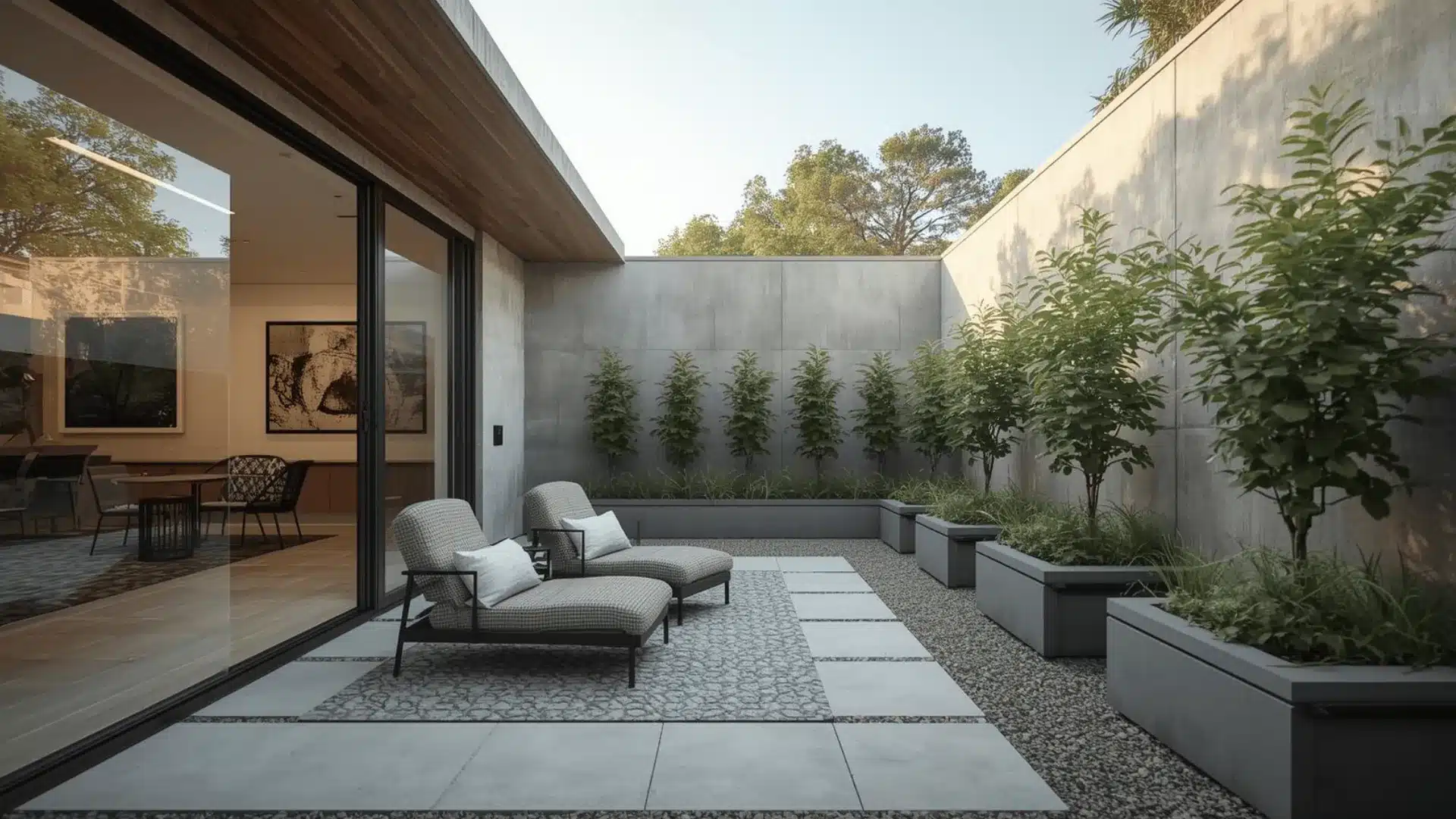
Small lots can still feel open when outdoor space is planned smartly. A courtyard or side patio brings light and air into the plan without needing a huge backyard.
It can also provide privacy, as the space is shielded from neighbors. Add sliding doors, a small seating area, and greenery to make it feel like an everyday extension of your living space.
10. Indoor-Outdoor Living Off The Great Room
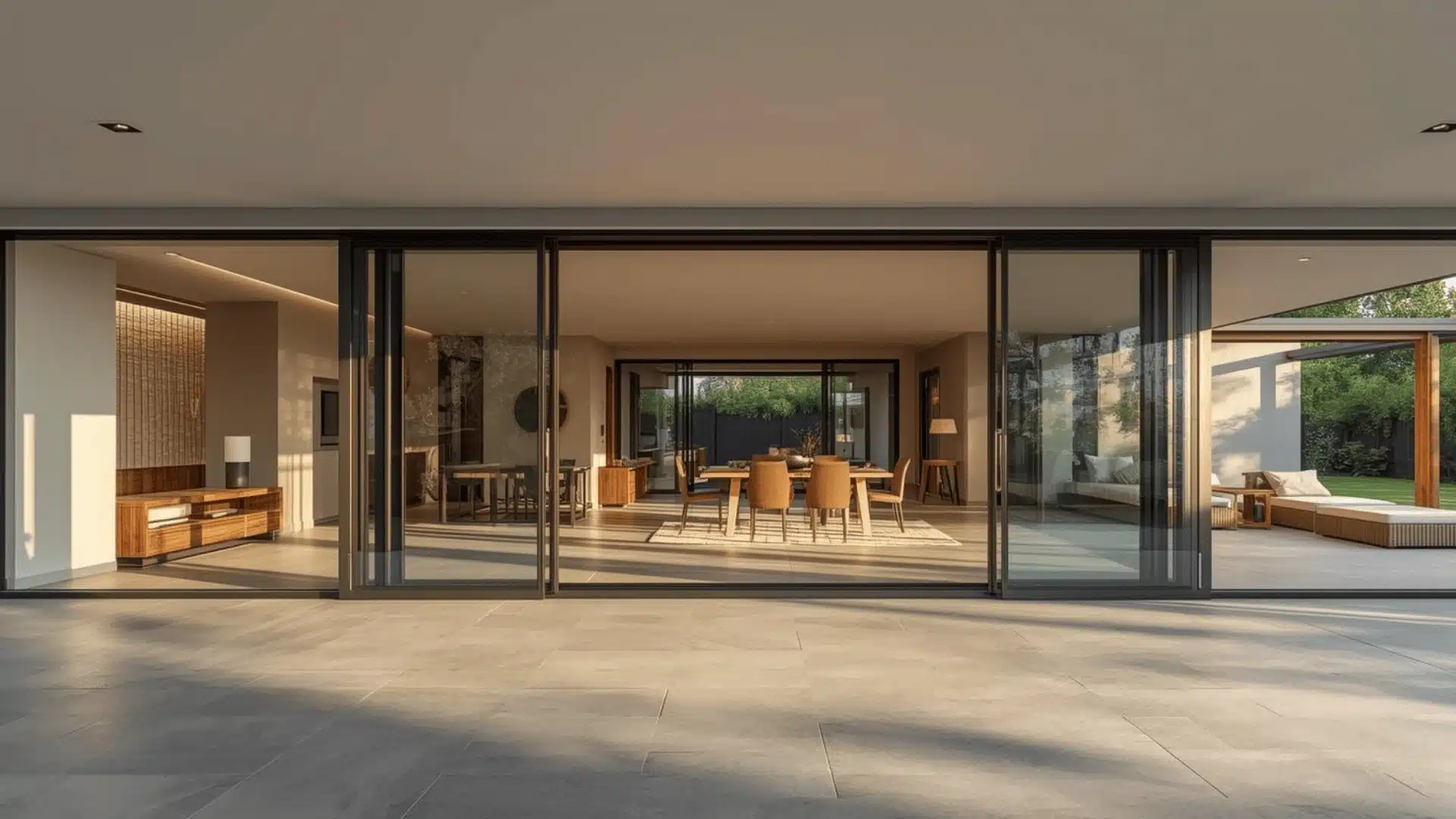
This feature makes a contemporary home feel larger without adding extra square footage. Wide doors off the great room create a natural connection to a patio, deck, or covered outdoor area.
It supports weeknight dinners outside, weekend hosting, and better daylight inside. Plan furniture layout early so doors open cleanly and the outdoor space feels usable, not decorative.
11. Simple Circulation With Minimal Hallways
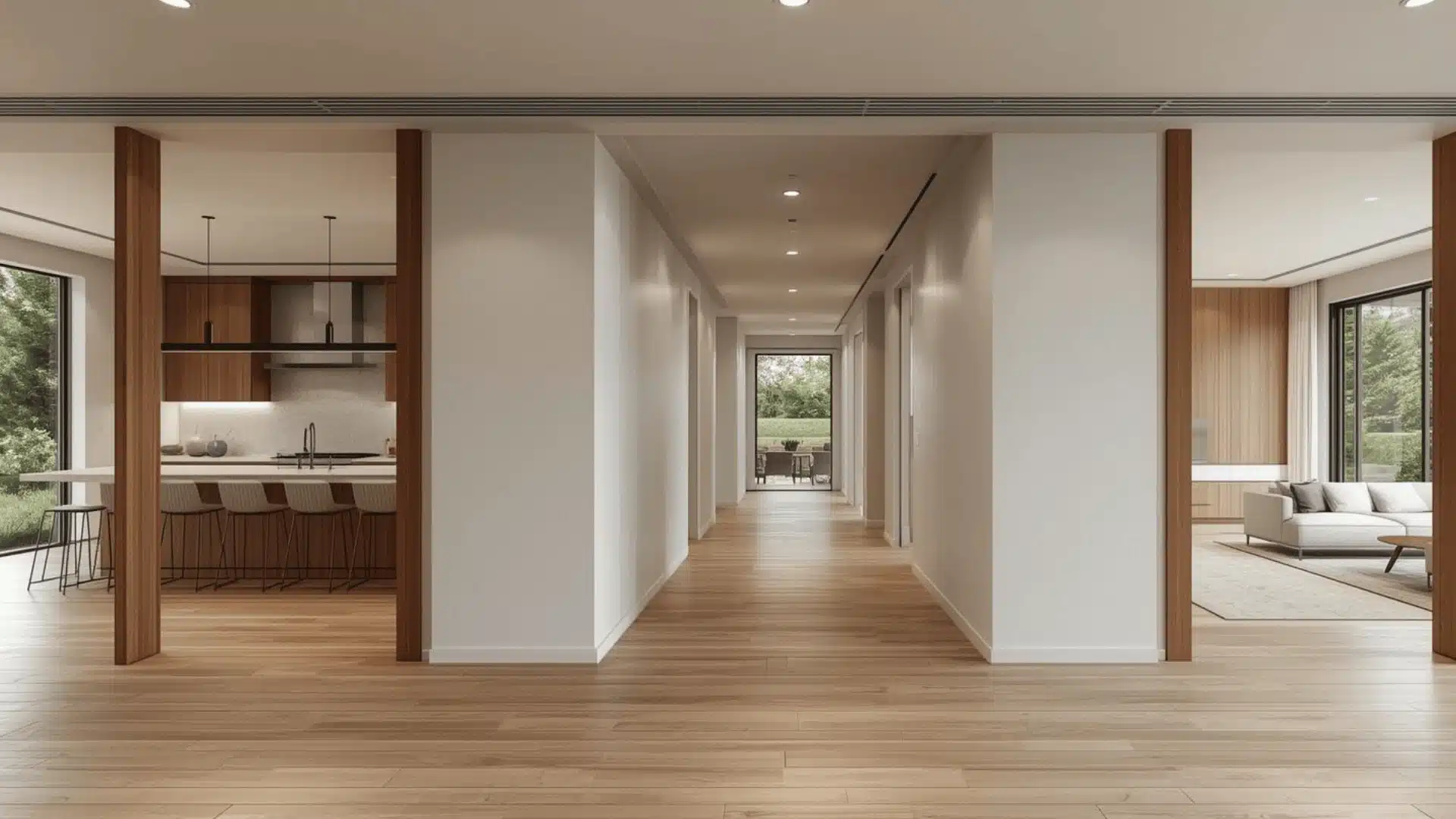
Long hallways are wasted space in most homes. Contemporary plans feel better when circulation is direct, with fewer dead ends and clearer paths between rooms.
This makes the home easier to move through, easier to furnish, and more efficient to build. It also improves how the plan “reads” when you first walk in, because the layout feels logical and calm.
Contemporary Modern House Exterior Design Ideas
These exterior ideas keep a contemporary home clean, balanced, and timeless, using simple forms, smart materials, and long-lasting details.
1. Simple Massing With Strong Shapes
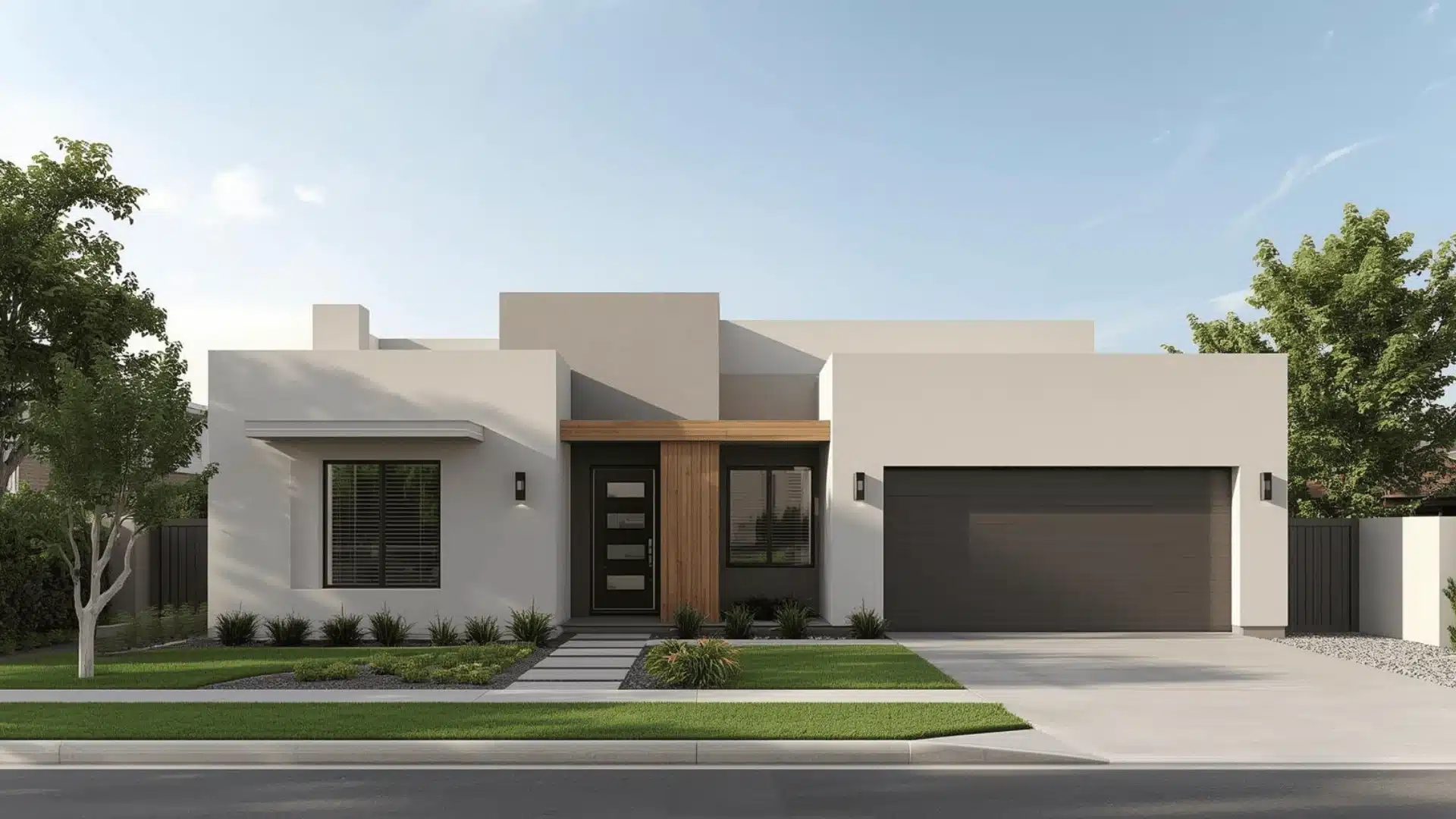
Keep the exterior easy on the eyes by using a few bold forms instead of many small bump-outs. Clean rectangles and clear roof blocks make the home feel modern and intentional.
This also helps budgets and construction quality because fewer angles mean fewer tricky roof and flashing details. The result looks calm, balanced, and strong from the street over time.
2. Mixed Materials With A Clear Pattern
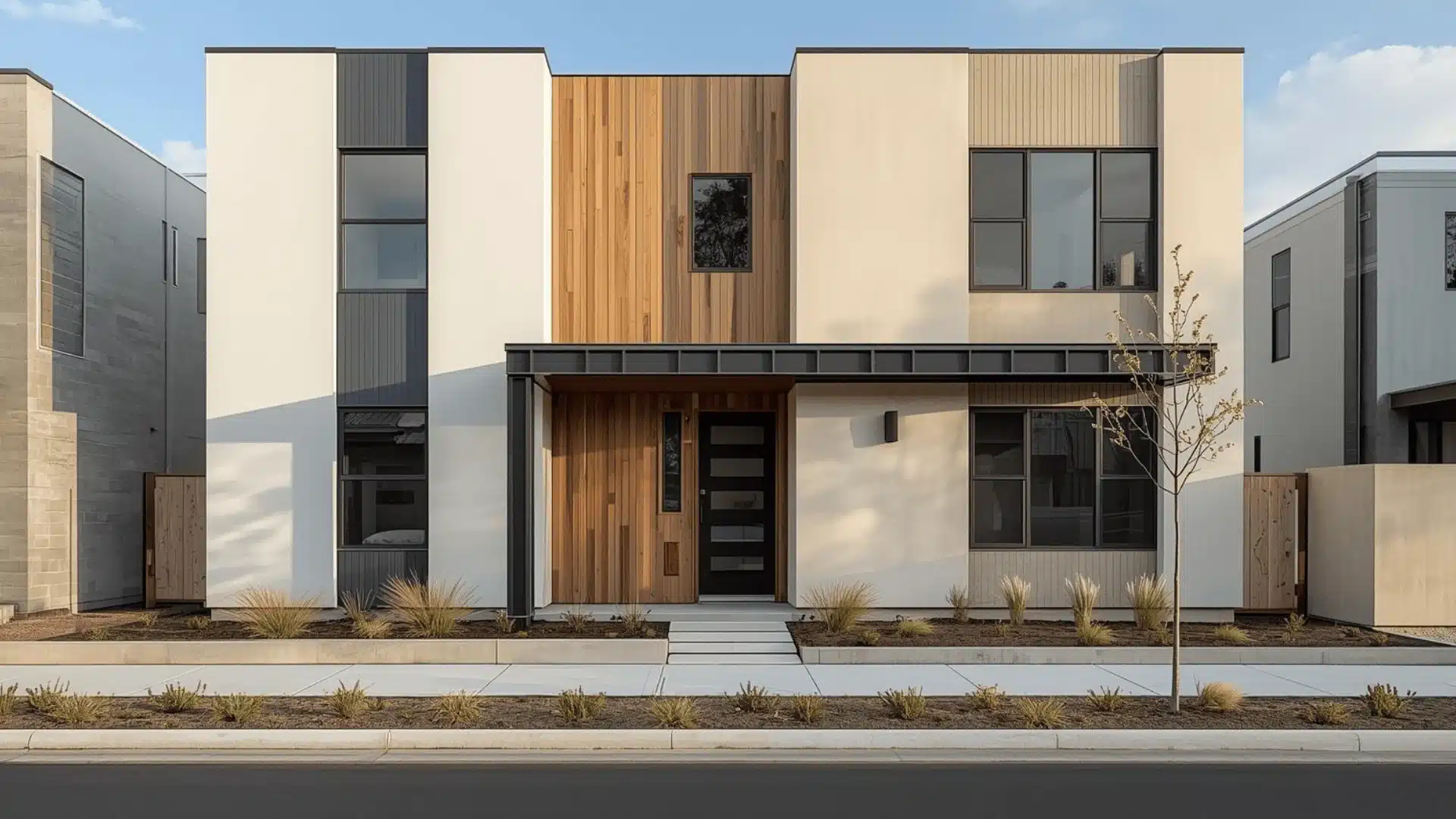
Choose two to three main exterior materials and repeat them consistently. For example, use stucco as the base, wood at the entry, and metal on accents.
Avoid switching finishes between wall sections. A clear pattern makes the design feel planned rather than random.
It also helps future updates because you can match and replace materials more easily.
3. Neutral Color Base With Dark Accents
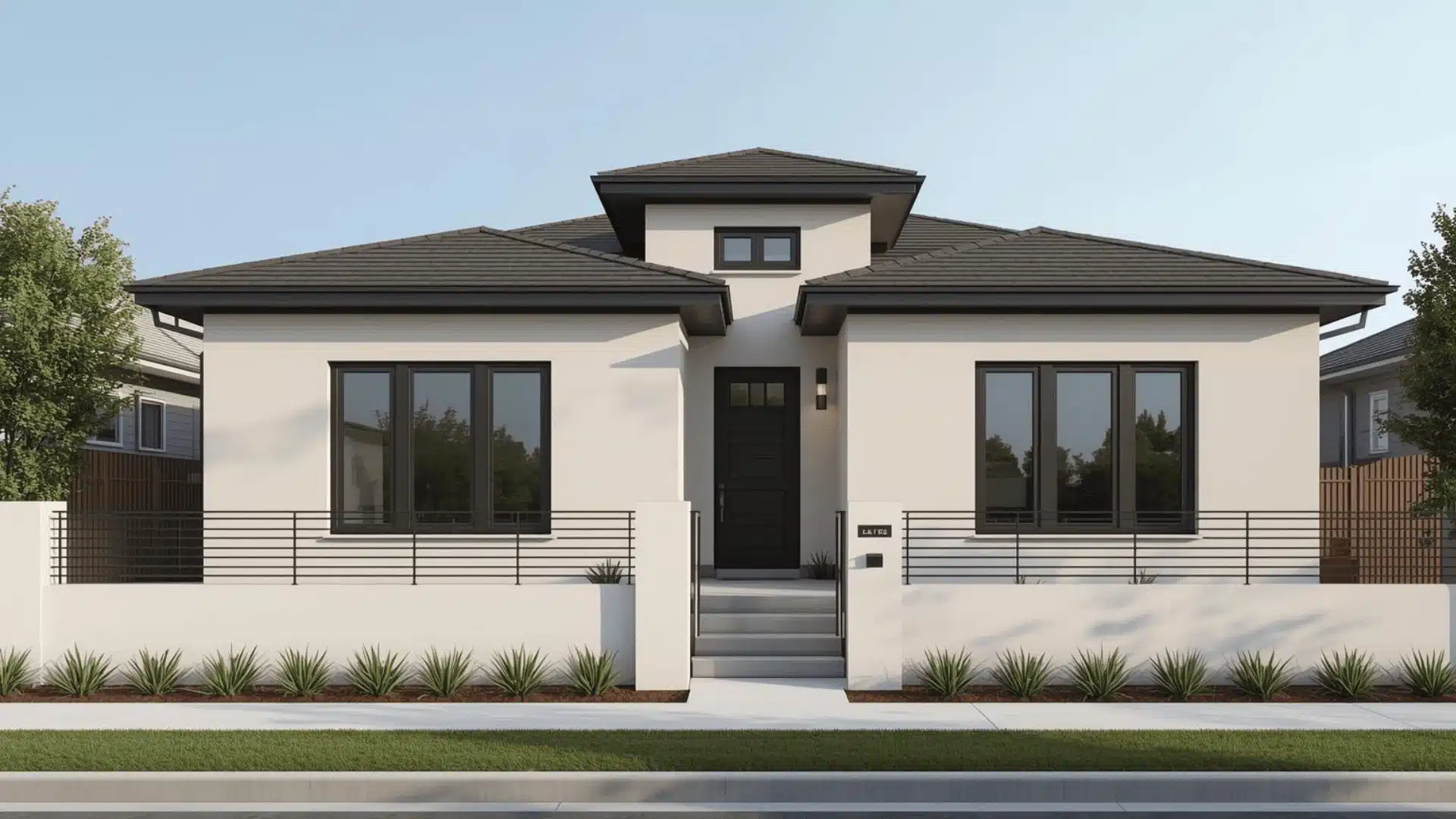
Start with a neutral body color, such as warm white, soft gray, or taupe, then add contrast with dark accents.
Black or charcoal window frames, trim, or railing details make the home look crisp without feeling harsh. Keep accent colors consistent across the elevation.
This approach photographs well, feels timeless, and hides everyday dust and wear better than all-light colors.
4. Large Windows Placed For Balance
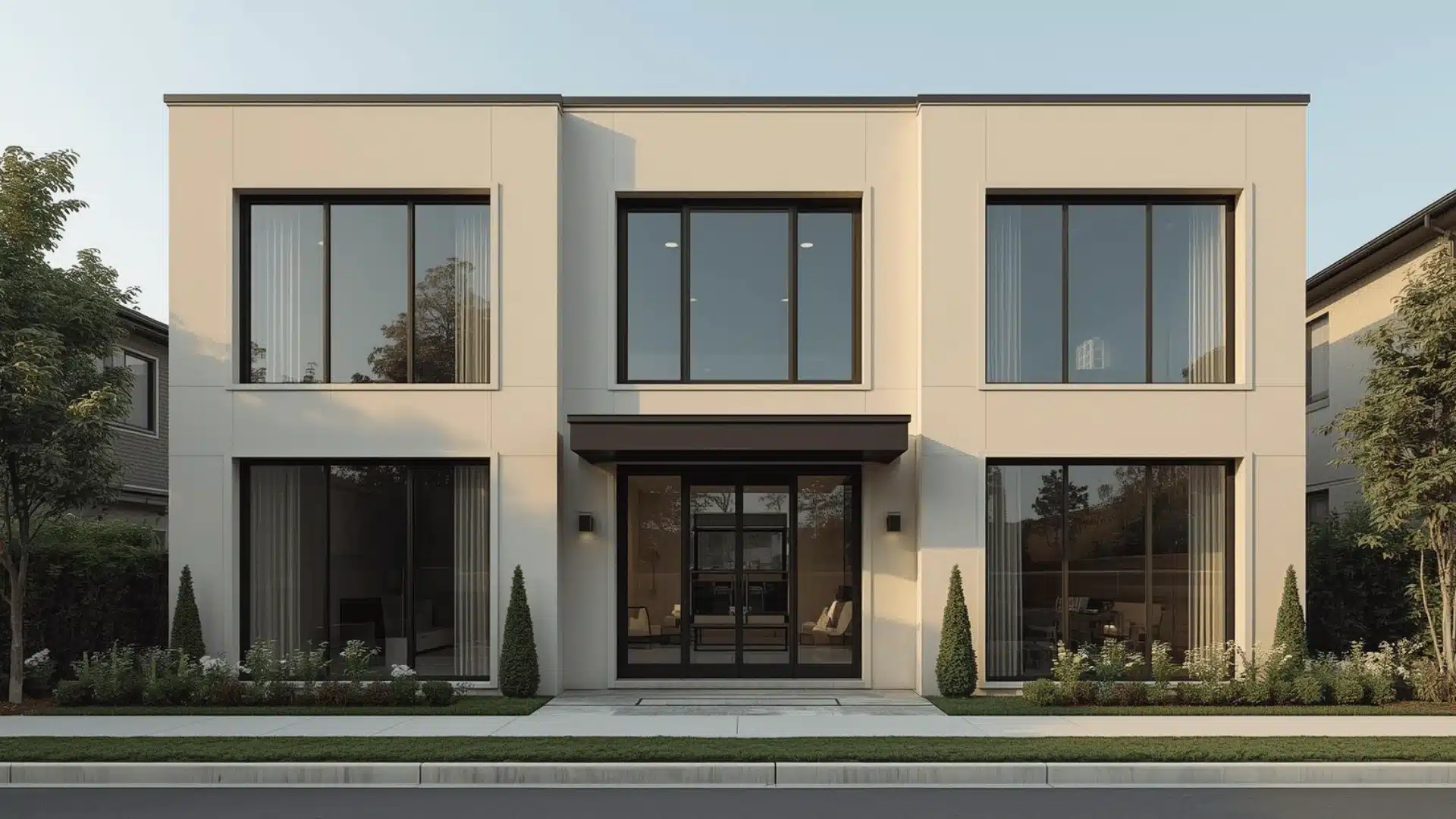
Big windows can look modern, but placement matters more than size. Avoid mixing random window shapes or heights across the front elevation.
Align window tops, keep spacing consistent, and group windows in pairs or clean grids. This creates visual order and helps the home feel calmer.
Balanced windows also improve interior light while maintaining privacy and glare control.
5. No-Fuss Trim And Clean Edges
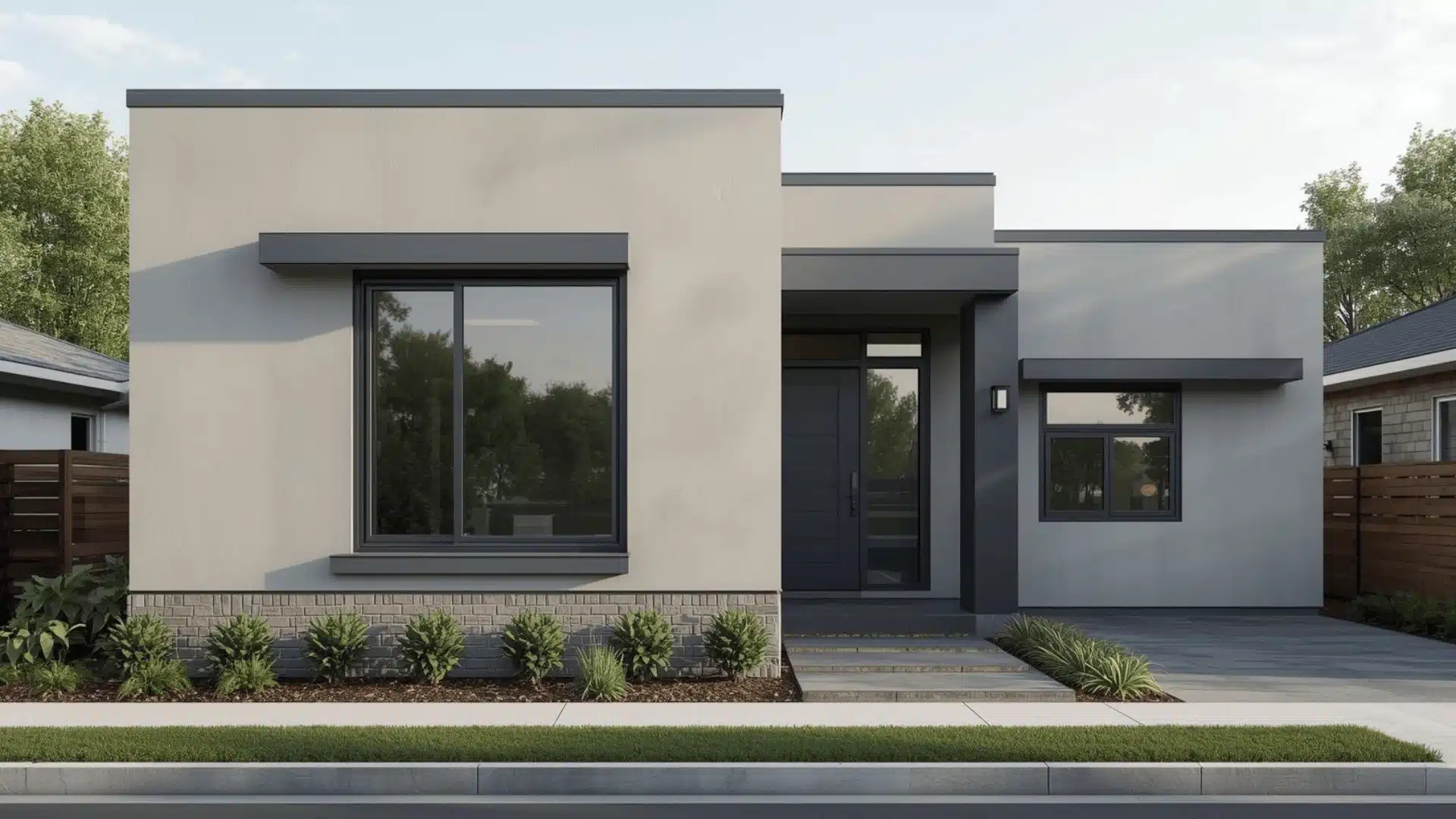
Contemporary exteriors look best with minimal trim and sharp, clean lines. Skip ornate crown details and heavy window casings.
Instead, use thin shadow gaps, simple metal edge trims, or smooth stucco returns. Less trim means fewer areas to paint, caulk, and repair.
The look stays up to date longer and holds up better against the weather, sun exposure, and seasonal changes.
6. Flat Or Low-Slope Rooflines With Good Drainage
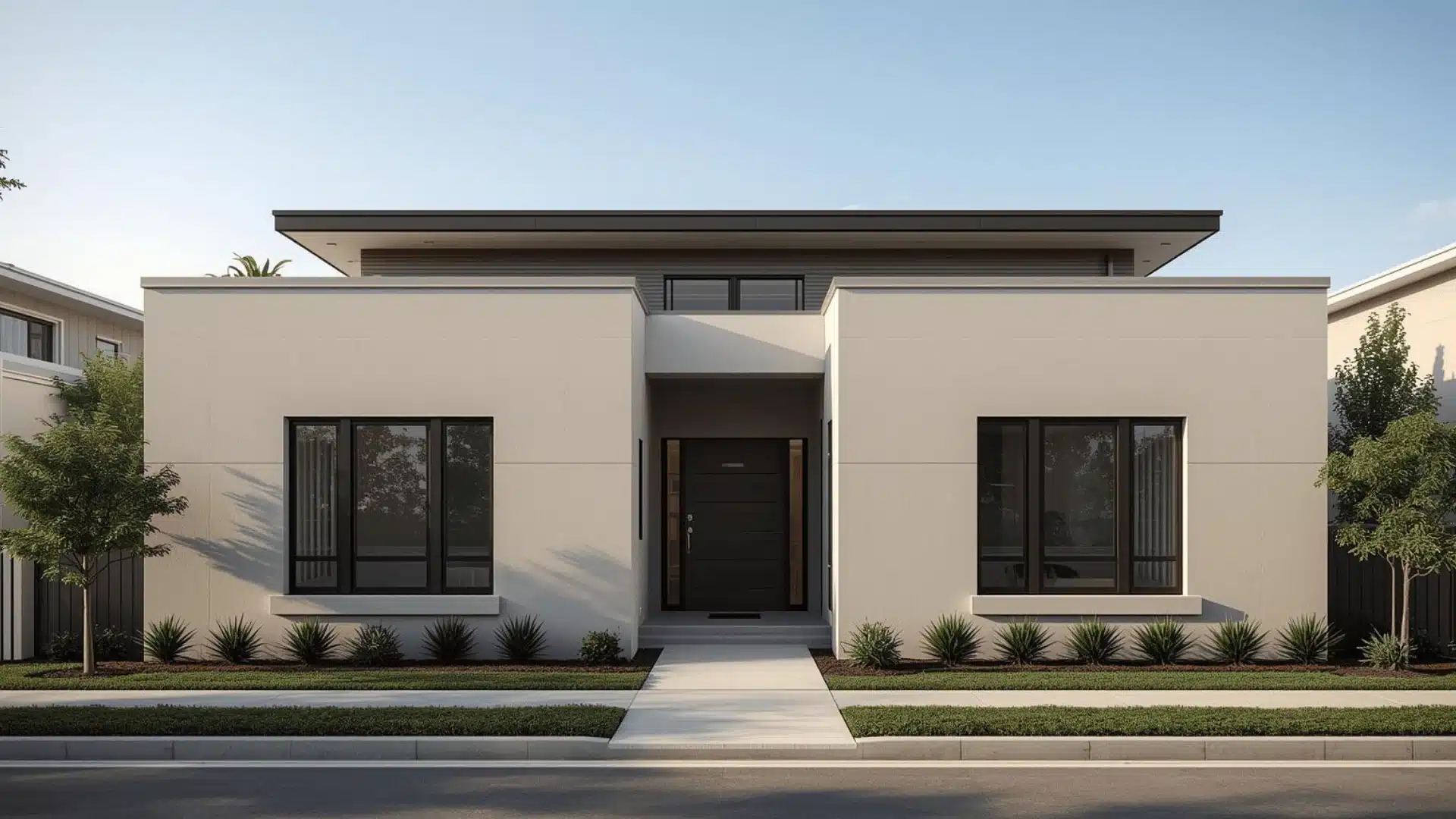
Flat or low-slope rooflines create a sleek, modern profile, but drainage must be planned carefully. Use tapered insulation, scuppers, internal drains, or well-placed gutters to move water away fast.
Keep flashing details high quality and easy to access for maintenance. A simple roof shape reduces leak points, but only if water management is handled correctly from day one.
7. Warm Wood Accents In Small Doses
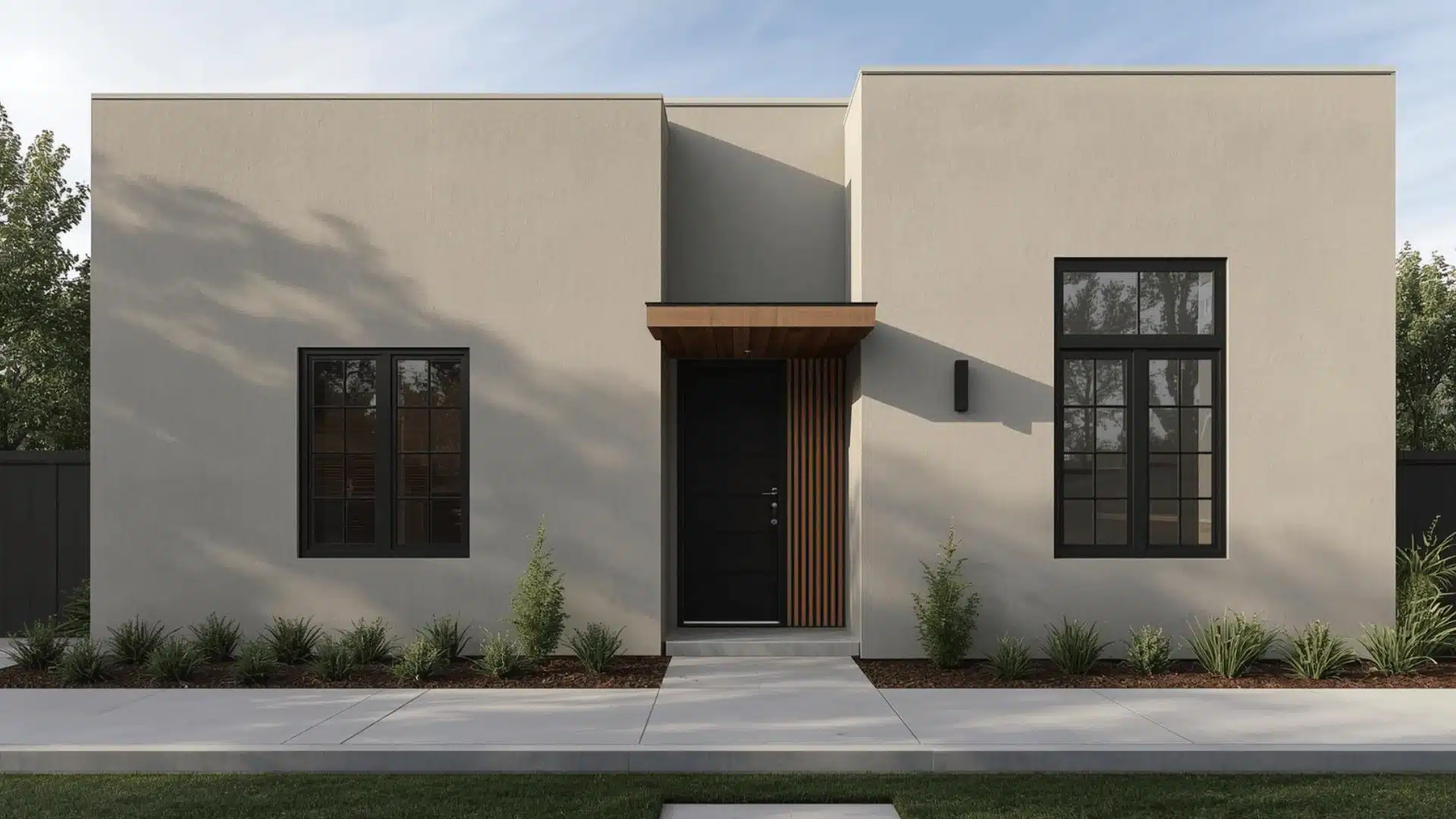
Wood can soften a modern exterior and add warmth without making it feel rustic. Use it in controlled areas like the soffit, entry ceiling, a slatted screen, or a garage surround.
Keep the wood tone consistent and protect it with the right finish for your climate. Small doses look intentional, age better, and keep the elevation from feeling busy.
8. Statement Front Door With Simple Hardware
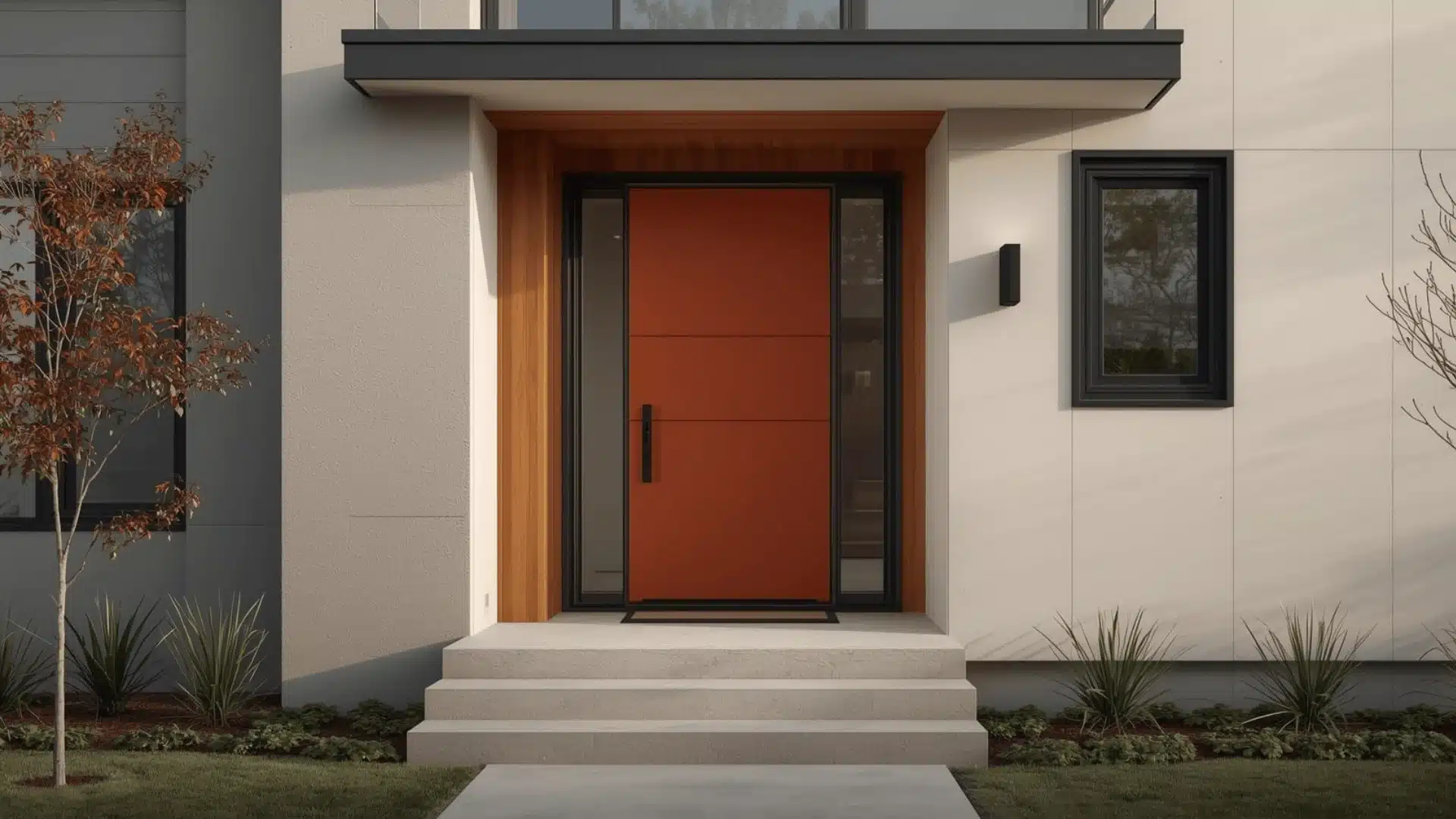
A strong front door can elevate the entire exterior with minimal effort. Pick a clean slab or modern panel style, then choose simple hardware in matte black or brushed metal.
Add a clear house number and a focused light fixture. The entry should feel welcoming, not cluttered. A bold door color works best when the rest of the palette stays calm.
9. Modern Garage Door That Matches The Home
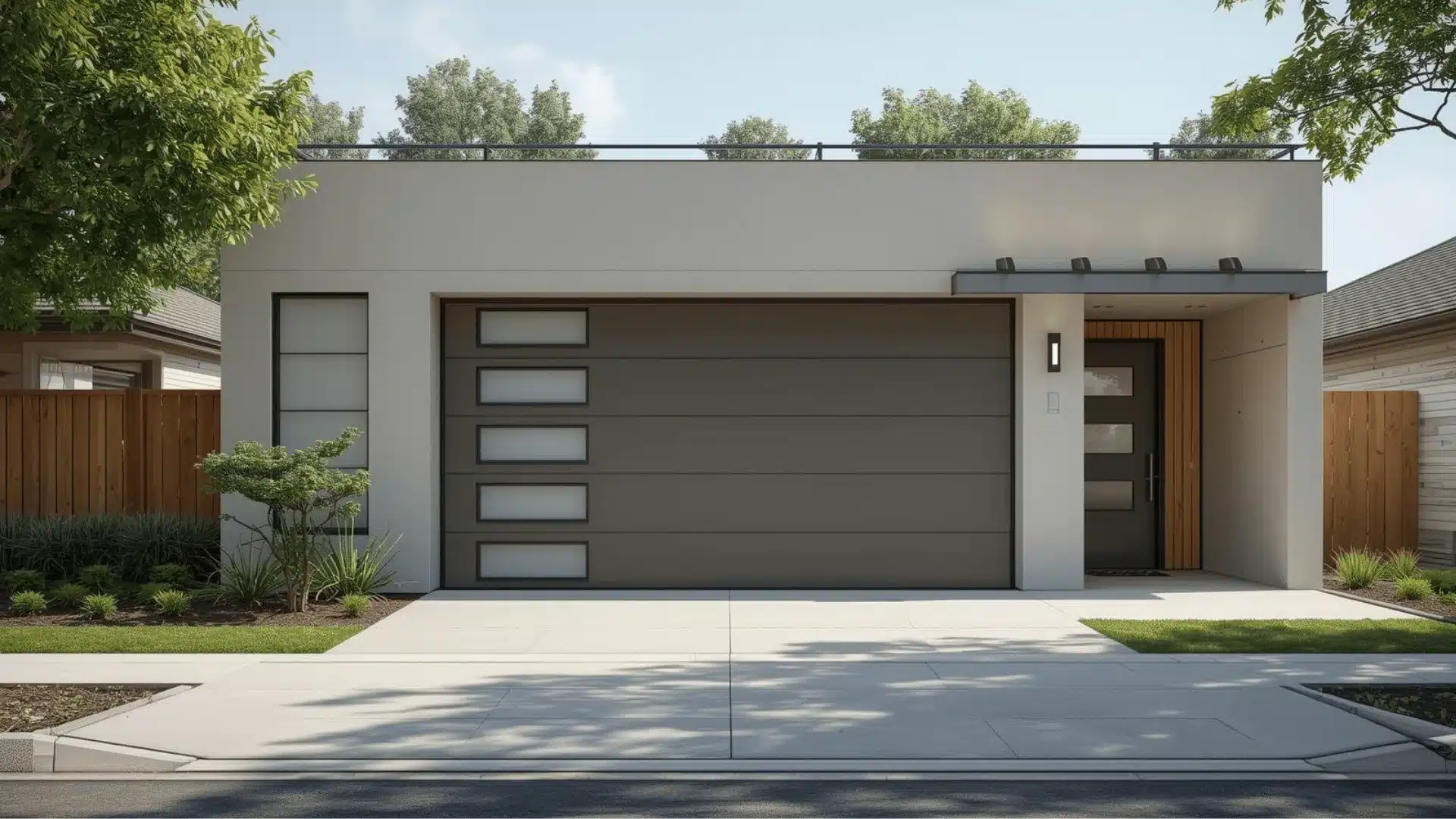
Garage doors occupy a lot of visual space, so treat them as a design feature. Choose flat-panel, flush, or clean horizontal styles that match the home’s lines.
Coordinate the color with window frames or trim, and keep decorative hardware minimal. If possible, add subtle glass panels to let in light.
A cohesive garage door makes the whole facade look more expensive and polished.
10. Layered Exterior Lighting
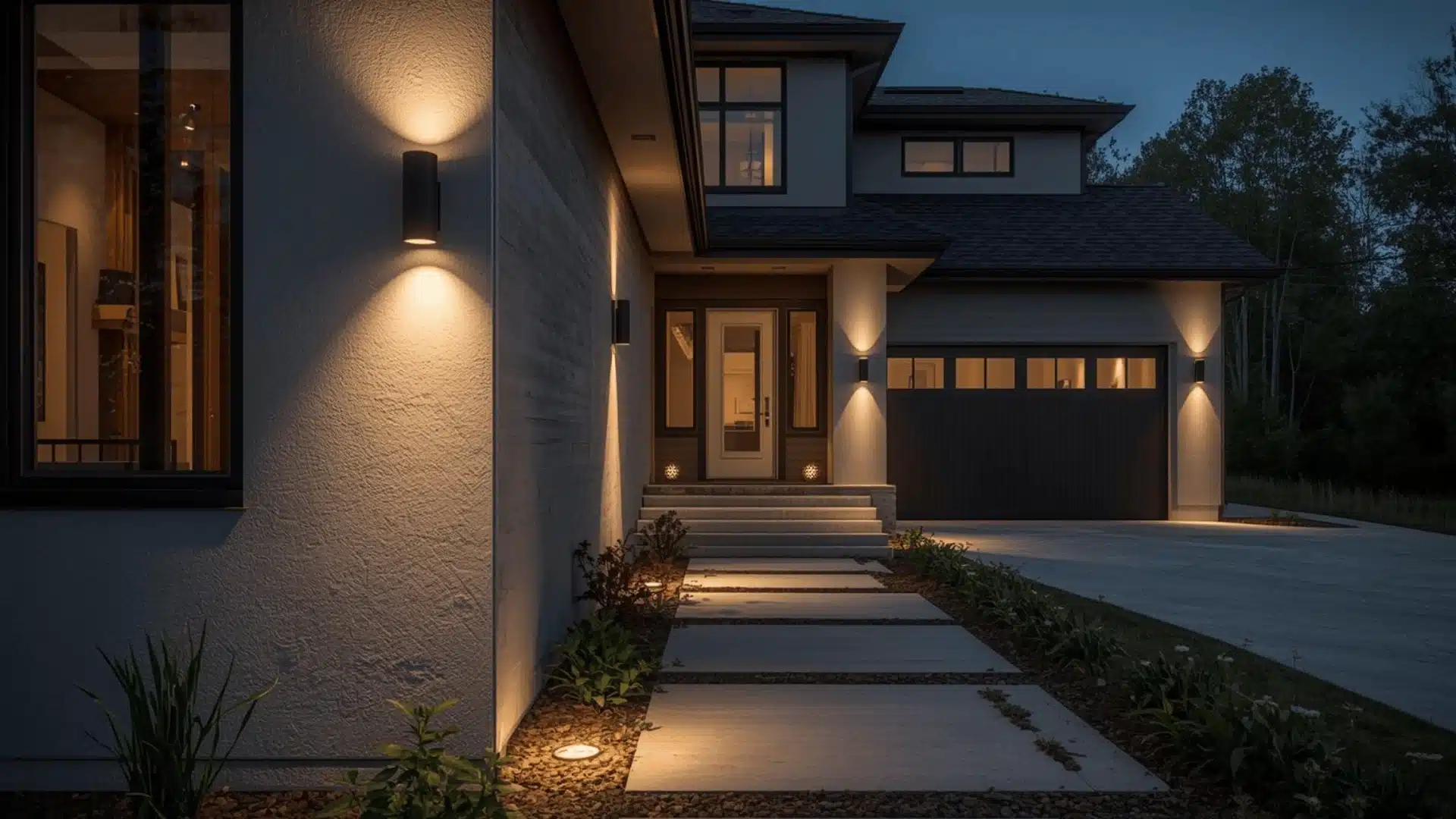
Layered lighting makes a contemporary home look inviting and intentional after dark. Combine a main entry light with path lights for safety and low garage lights for balance.
Use warm-toned bulbs and aim fixtures downward to reduce glare. Highlight key features, such as the front door or a textured wall. Good lighting improves curb appeal, helps security, and makes the house feel lived-in and welcoming.
Key Features Of A Contemporary House
Contemporary homes focus on comfort, light, and a clean look. These key features show up inside and out, making the style feel practical and easy to live with.
Interior Features
- Open living areas with clear zones for cooking, eating, and relaxing
- Large windows for daylight and views
- Simple finishes and flat-front cabinetry for a clean look
- Flexible rooms for office, guests, hobbies, or study
- Smart storage near daily “mess spots” (entry, kitchen, laundry)
- Layered lighting (ceiling, task, and accent lighting)
Exterior Features
- Clean lines and simple shapes
- Mixed materials like stucco, fiber cement, wood accents, metal, or stone
- Wide doors that support indoor-outdoor flow
- Neutral color palettes with limited accent tones
- Energy-smart windows and shading details where needed
When these elements are well planned, a contemporary house feels bright, calm, and functional, with a style that holds up over time.
Pros And Cons Of Contemporary Houses
Contemporary homes can be a great fit, but the layout and window choices affect daily comfort. Here’s a quick look at the biggest pros and cons.
| Pros | Cons |
|---|---|
| Open layouts feel spacious and flexible | Less privacy and more shared-space noise |
| Large windows bring strong natural light | Glare, heat gain, or heat loss needs planning |
| Simple style is easy to decorate | Can feel cold without warm textures |
| Energy features are easier to build in | Upfront costs can be higher for quality windows and insulation |
| Indoor-outdoor flow supports daily living |
Privacy can be harder on close lots |
If the plan matches your routine, climate, and privacy needs, contemporary homes are usually easy to live in over the long term.
How Much Does It Cost To Build A Contemporary House?
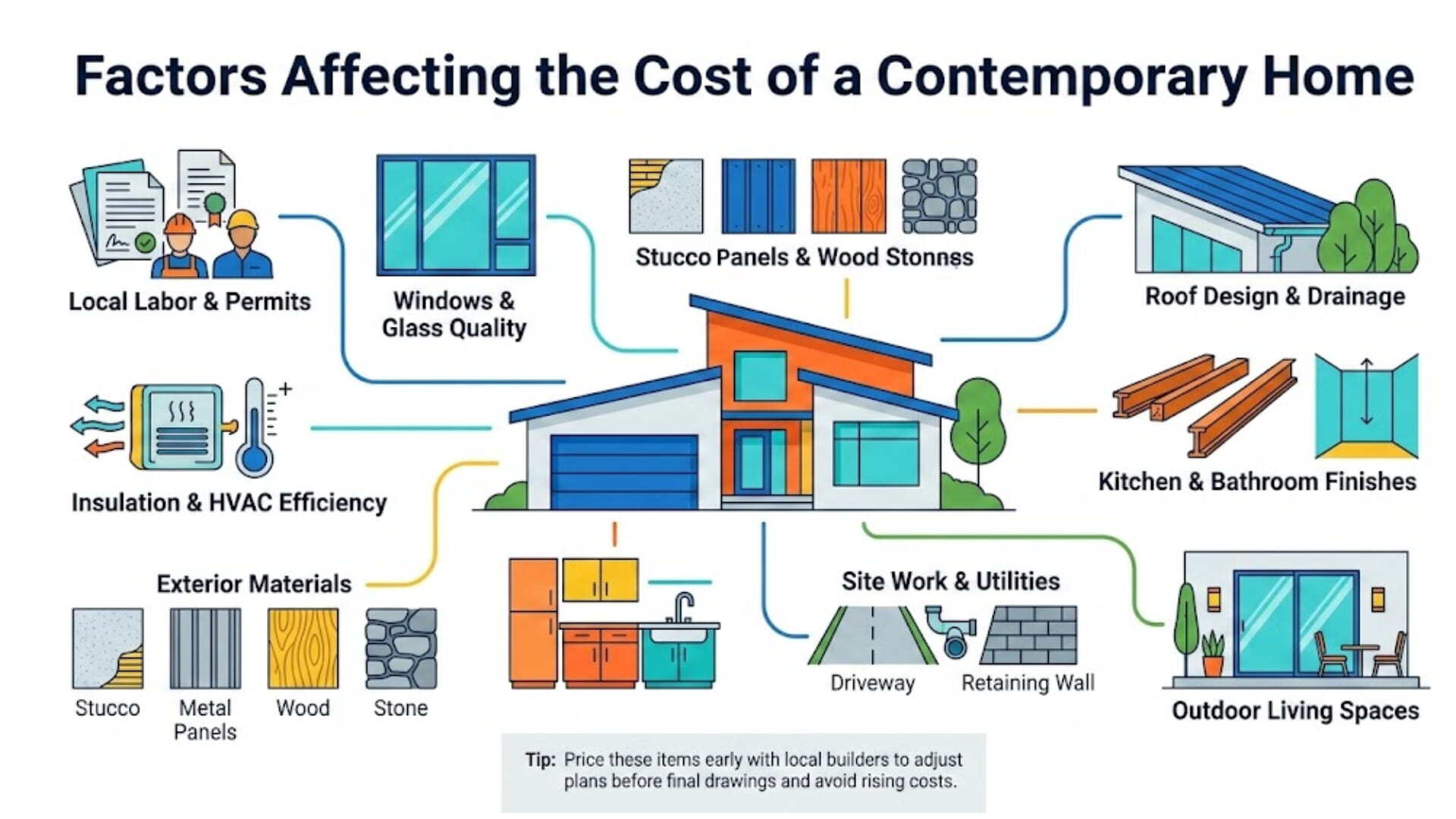
The cost to build a contemporary house depends on your size, layout complexity, site conditions, and finish choices.
A simple, well-designed contemporary plan can cost less than a complicated home with many roof breaks and heavy exterior detail.
The biggest budget drivers are often windows, insulation, exterior cladding, and labor, especially if your design includes large spans or custom details.
Your region also matters a lot because labor rates and material pricing vary. The best way to estimate is to price the plan with local builders early, then adjust window sizes, finishes, and structural choices before final drawings.
How To Choose The Right Contemporary House Plan
Choosing a contemporary house plan is easier when you focus on daily routines first. Use this checklist to spot a plan that will feel good in the long term.
- Match plan width and depth to your buildable area after setbacks
- Check the grocery path from the garage to the kitchen and pantry
- Confirm storage where daily clutter starts (entry, kitchen, laundry)
- Place bedrooms and office space away from the loudest zone
- Review bathroom door placement for privacy
- Plan daylight with window direction, not just window size
- Make sure outdoor doors open to the best yard side for light and privacy
- Choose a roof form that you can build well in your climate
When the plan fits your lot and your routine, the finished home feels smoother, more comfortable, and easier to maintain.
Final Thoughts
A contemporary style house is not about following trends. It is about building a home that fits how you live right now, while still feeling solid for years to come.
The strongest plans focus on flow, storage, light, and quiet spaces, then layer style on top with clean exterior forms and balanced materials.
If you are choosing a plan, walk through it like a normal day: bringing groceries in, helping kids with homework, cooking dinner, and winding down at night.
If the layout feels easy in your head, it will likely feel easy in real life. When you plan with routine and site fit first, the finished home looks better and works better.
Frequently Asked Questions
Are Contemporary Houses A Good Choice For Families?
Yes, if storage and quiet zones are planned well. Open living works well for time together, but bedrooms and an office should be kept separate from the main hub.
Do Contemporary Homes Always Have Flat Roofs?
No. Many use low-slope or simple gable roof forms. The key is clean shapes and thoughtful window placement, not one specific roof type.
How Do I Keep A Contemporary Home From Feeling Cold?
Use warm textures like wood, rugs, soft lighting, and layered fabrics. Keep the base simple, then add comfort through materials and lighting choices.
Are Large Windows Always Worth It?
They can be, but plan for glare, privacy, and heat gain. Use better glass, shading, and smart placement, especially on west-facing walls.
Can I Remodel a Traditional Home into a Contemporary Style?
Yes. Start with layout, light, and storage. Then simplify trims, update finishes, improve lighting, and refresh exterior materials for a cleaner, more current look.