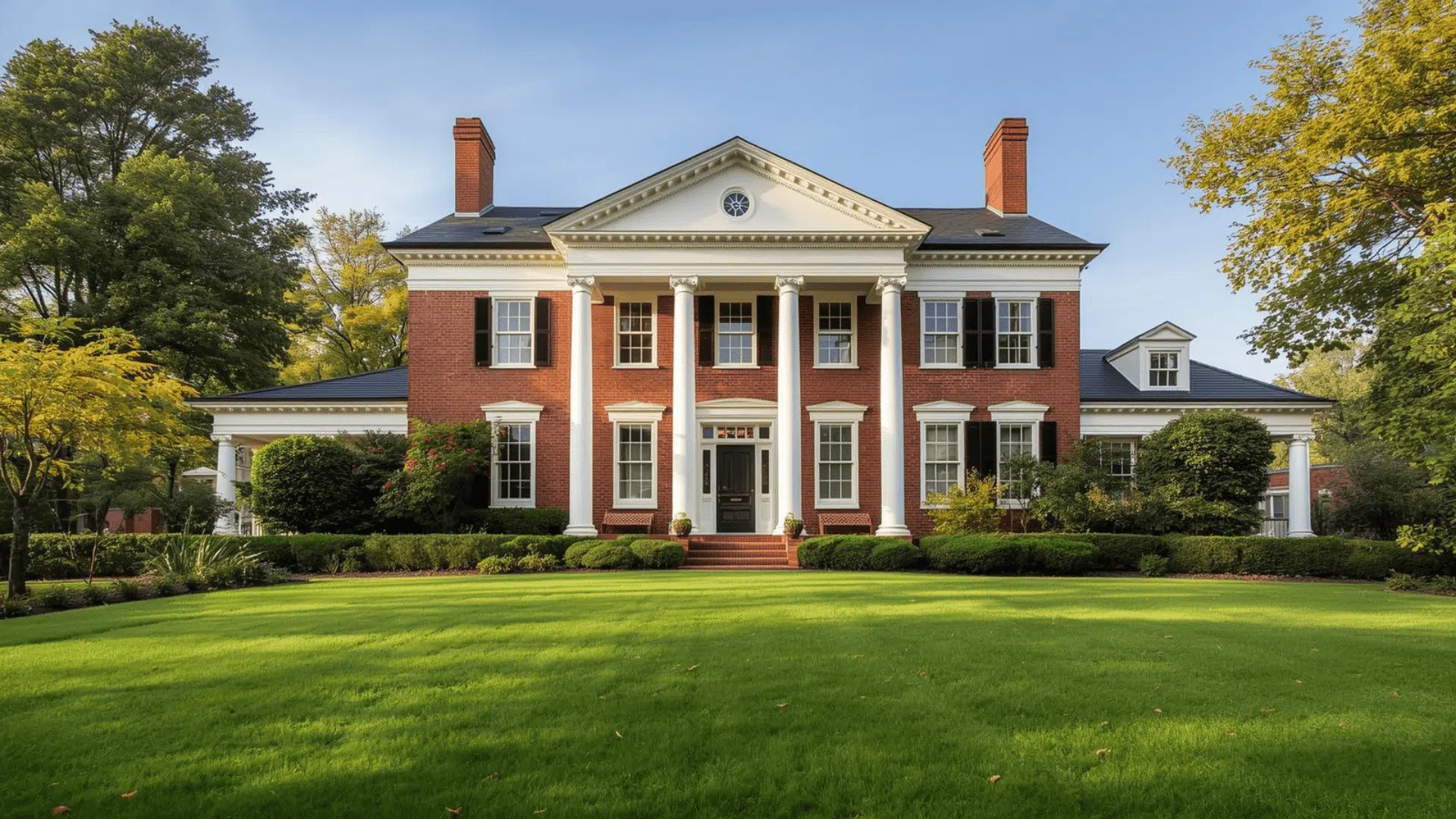
Walk past a brick house with a beautiful fanlight over the door and perfectly matched windows on each side. That balanced, refined look probably means you just spotted a Federal-style house.
This architectural style shaped American neighborhoods during the nation’s early years. From roughly 1780 to 1830, builders created homes that felt both refined and distinctly American.
Federal style architecture emerged right after the Revolutionary War. People wanted buildings that reflected their new country’s identity and ideals.
Today, federal-style houses remain treasured parts of historic districts across the eastern United States. Understanding this style connects us to a foundational period in American history.
Let’s find out what makes these buildings so special.
What Is a Federal Style House?
A Federal-style house is a classic American home style known for symmetry and refined classical details. This architectural style became popular in the late 1700s and early 1800s.
It’s called ‘Federal’ because it became popular during the early national period. People wanted homes that felt fresh and fitting for the new nation.
Federal style architecture blends Georgian forms with Adam-style details and classical ideas drawn from Greece and Rome. But it puts a simpler, cleaner spin on those ideas.
These homes tend to look balanced and orderly from the outside. Inside, the layout is usually very planned and even on both sides.
It keeps the symmetry you see in Georgian architecture, but the details usually feel lighter and less heavy.
Today, federal-style houses remain an important part of American history.
Federal Style Architecture History and Timeline
Federal style architecture evolved from post-Revolutionary optimism through fifty years of American building. This timeline traces the style’s rise, peak popularity, eventual decline, and lasting influence on historic preservation today.
Origins in The Early United States (1780s-1790s)
Federal style architecture grew in the years right after the American Revolution. Builders and public officials wanted a look that felt refined, orderly, and distinctly American. The style drew on British
Neoclassicism and the Adam style, but featured lighter detailing than Georgian homes. Symmetry remained important, with entrances becoming focal points through fanlights and sidelights.
Early Growth and Spread (1790s-1810s)
As U.S. cities expanded, federal style architecture became popular for townhouses, merchant homes, and civic buildings. It was particularly strong in the Northeast and Mid-Atlantic regions, especially in port cities.
Brick federal-style houses dominated urban areas, while wood-clad versions appeared in smaller towns. Builders repeated symmetrical facades and centered entries, then varied trim and window details by region.
Peak Popularity (1810s-1830s)
Federal style architecture hit its stride in the early 1800s. Homes featured flat, smooth facades, tall, narrow windows, and crisp decorative touches like thin moldings and subtle garlands.
The entry remained the signature feature. Fanlights, sidelights, and refined door surrounds became the easiest identifying elements. By the late 1820s, tastes began shifting toward bolder classical forms.
Decline and Legacy (1830s-Present)
By the 1830s, the Greek Revival had become dominant, featuring heavier columns and a stronger temple aesthetic. New construction shifted toward the Greek Revival, and the Federal became less common after the 1830s.
Today, the style remains significant in early U.S. architectural history. It appears in historic districts, restored homes, and Federal-inspired designs that maintain the symmetry and signature entry details.
Pros and Cons of Buying a Federal Style House
Federal-style houses offer timeless beauty and historical character, but require careful consideration. Understanding both advantages and challenges helps potential buyers make informed decisions about owning these historic homes.
| Pros | Cons |
|---|---|
| Classic curb appeal with balanced design | Repairs can cost more due to age |
| Often located in walkable historic neighborhoods | Historic rules may limit exterior changes |
| Strong craftsmanship in trim and materials | Older wiring, plumbing, or insulation is common |
| Distinctive features like fanlights and sidelights | Original windows may be drafty without upgrades |
| Timeless layout for formal entertaining | Floor plans can feel less open than modern homes |
| High resale value in preserved districts | Matching period details can be expensive |
| Thick brick walls in many urban homes | Brick repointing and masonry work need specialists |
| Architectural character you can’t easily replicate | Additions must be carefully planned to fit the symmetry |
Characteristics of a Federal Style House
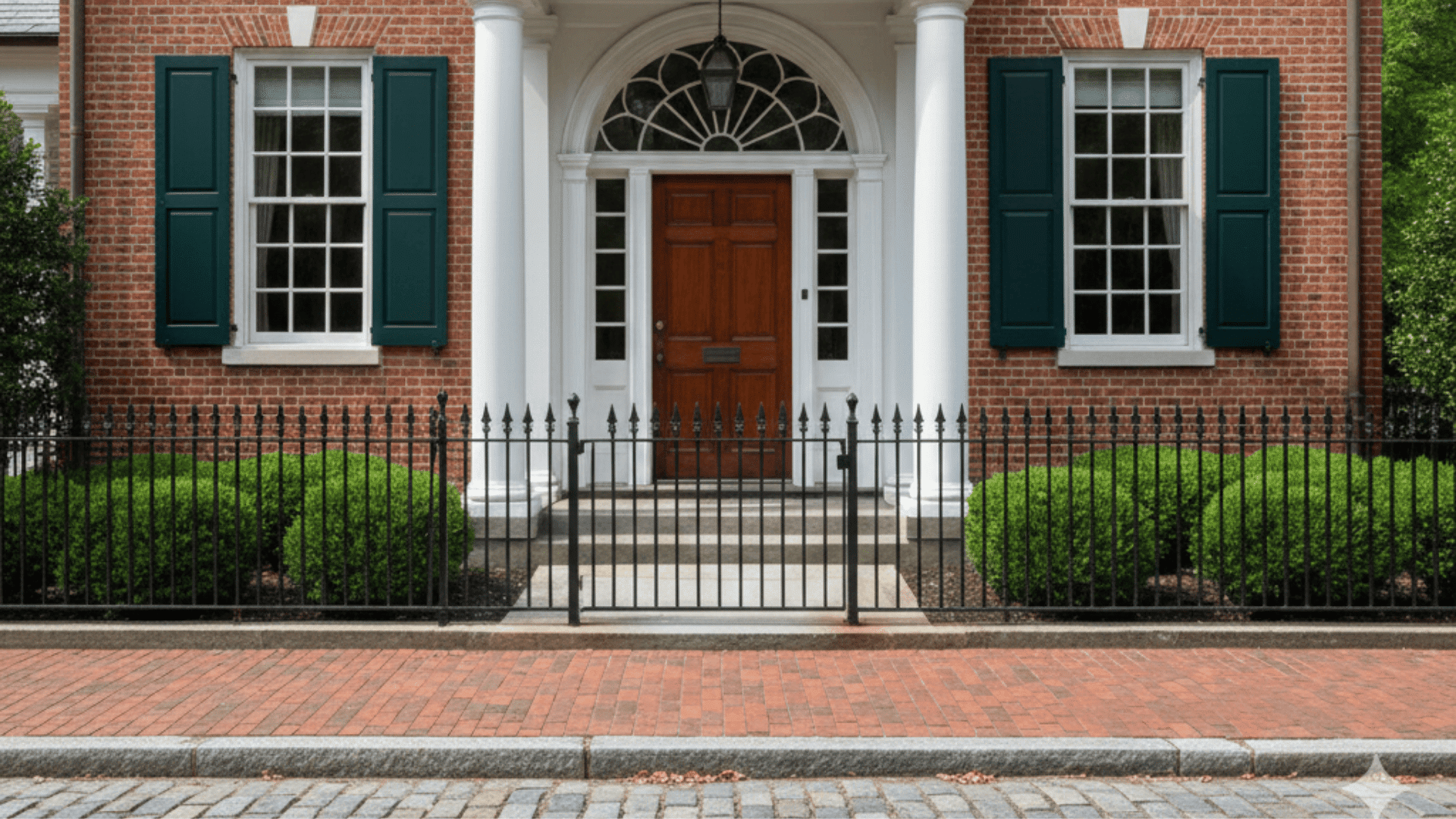
Federal-style house design follows clear rules. The buildings have balanced proportions and simple lines. They use classical details but keep them restrained. This creates a look that feels formal yet approachable.
- Symmetry and Balanced Facades: Federal-style houses center on perfect left-right symmetry, with front doors positioned exactly in the middle and matching windows on both sides.
- Signature Doorway Details: Doorways often include fanlights and sidelights, sometimes with slim pilasters, keeping the entry detail light.
- Windows, Rooflines, and Exterior Form: Buildings display double-hung windows in orderly rows, low-pitched roofs, and rectangular shapes that emphasize clean lines over complex forms.
- Ornament That Feels Light, Not Heavy:Decorative swags, urns, and garlands appear subtle and refined, adding interest while maintaining the restrained elegance defining federal architecture overall.
- Brick And Wood Construction Materials:Federal-style houses typically feature red brick exteriors or wooden clapboard siding, often painted white or cream, creating a classic look that ages gracefully.
How Federal, Georgian, and Greek Revival Architecture Differ
Federal, Georgian, and Greek Revival styles share classical roots but differ in scale and detail. These three styles share classical roots, but you can tell them apart by entry details, ornament, and overall massing.
| Key Difference | Federal Style | Georgian Style | Greek Revival Style |
|---|---|---|---|
| Most Common Era (U.S.) | 1780 to 1830 | 1700s to late 1700s (into early 1800s) | 1825 to 1860 |
| Overall Look | Light, refined, restrained classicism | Formal, solid, heavier classical symmetry | Bold, temple-like classicism |
| Entry Details | Fanlight and sidelights are very common | Paneled door with flatter trim; fanlights less central | Strong portico feel; heavier surround |
| Facade Ornaments | subtle swags, urns, thin moldings, oval motifs | More substantial cornices and trim; less “fine” detail | Strong entablature, wide trim, big moldings |
| Columns And Porticos | Small-scale columns or pilasters, if used | Columns less dominant; classical details but not “temple front.” | Tall, prominent columns and full-height porches are common |
| Windows | Taller, slimmer look; refined proportions | More uniform, sturdy proportions; multi-pane sash common | Often larger openings; can feel heavier with thick trim |
| Roofline And Cornice | Lower-profile roofline; refined cornice | Stronger, heavier cornice line | Very strong entablature and prominent cornice |
| Signature Clue | Elliptical details and fanlight-centered entry | Balanced “brick box” look with substantial trim | Front feels like a Greek temple with big columns |
Famous Federal Style Houses and BuildingsIn The U.S.
Many significant federal-style houses survive across the eastern United States. These buildings represent the best examples of period craftsmanship. Each structure tells stories about the people who built and lived in it.
1. The White House (Washington, D.C.)

The White House is a Federal-era Neoclassical building that shares key traits seen in Federal-period design, including symmetry and classical proportions. Irish-born designer James Hoban created plans emphasizing classical proportions and symmetry.
Construction began in 1792 during George Washington’s presidency. Later renovations added elements, but the core federal character remains visible, making it America’s most recognized federal building.
2. Gore Place (Waltham, Massachusetts)
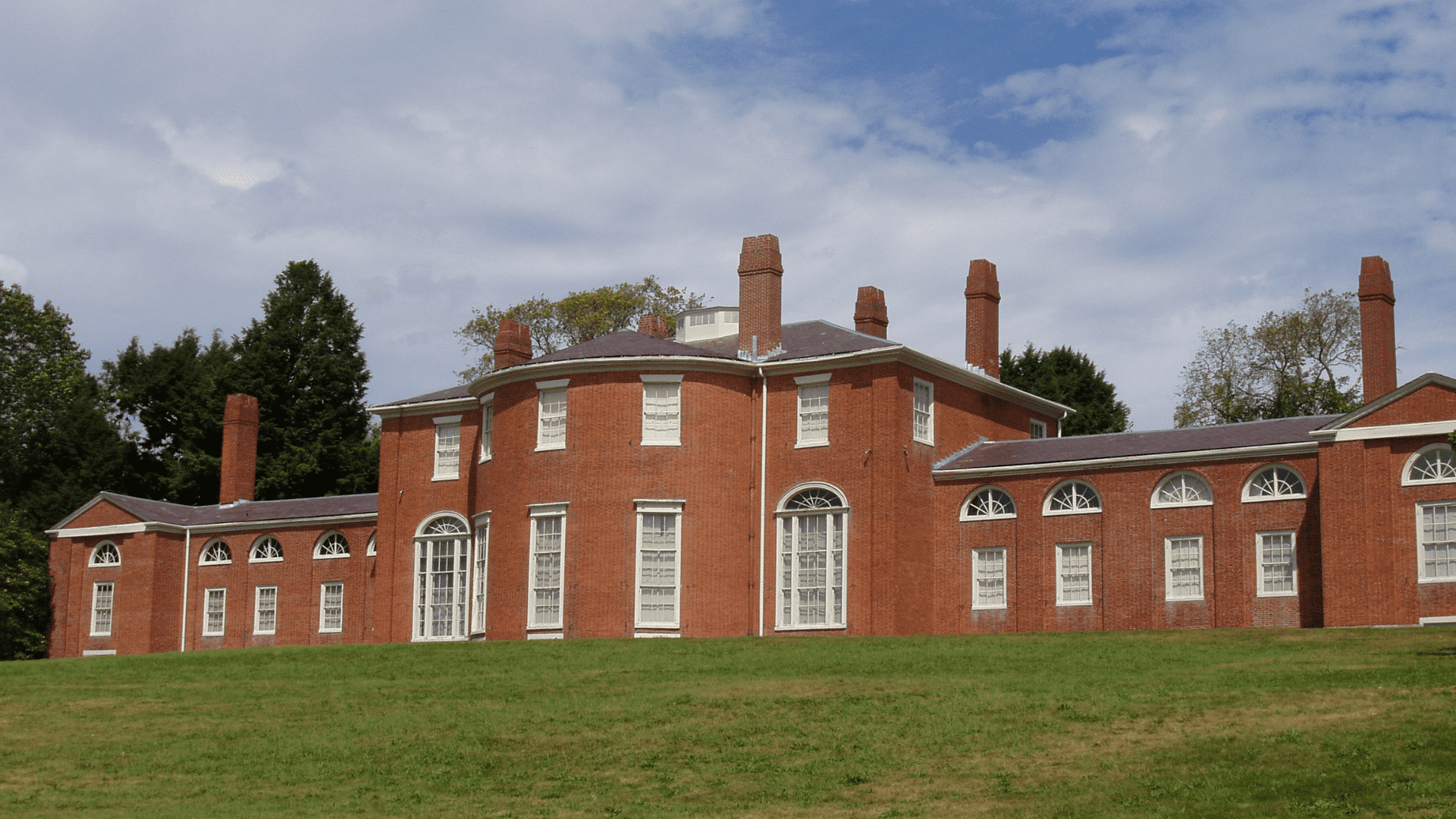
Gore Place is one of New England’s finest Federal-style houses. Built between 1805 and 1806, this mansion features remarkable interior spaces and original details.
The estate belonged to Christopher Gore, a Massachusetts governor. Visitors can tour restored rooms displaying period furnishings, original outbuildings, and landscaped grounds.
3. Nathaniel Russell House (Charleston, South Carolina)
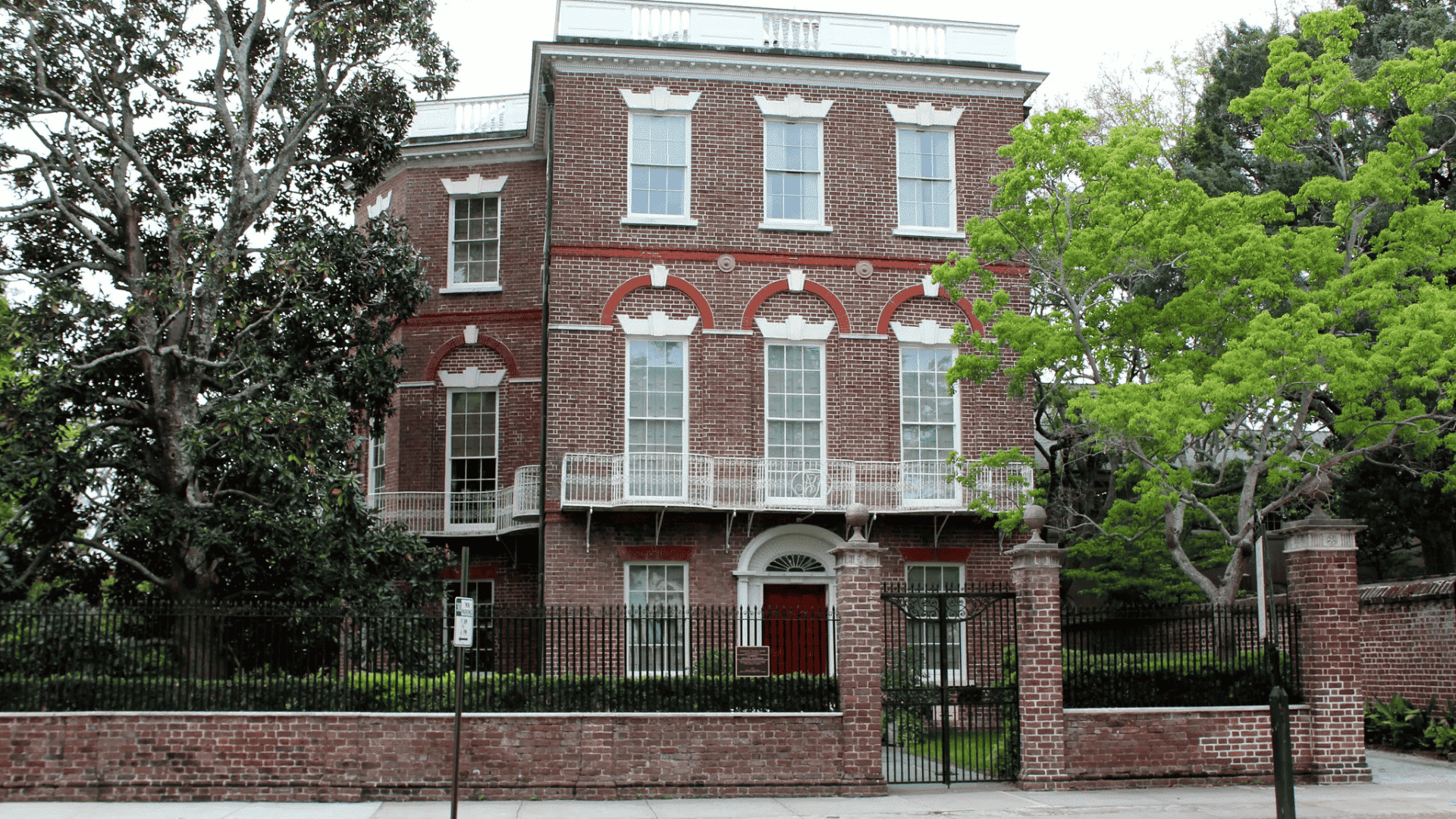
This 1808 mansion demonstrates how Federal-style architecture adapted to Southern climates. The three-story brick house features a famous free-flying spiral staircase.
Nathaniel Russell was a wealthy merchant whose house combines federal symmetry with Charleston’s traditional piazza porches. The interior showcases exceptional decorative plasterwork and restored period rooms.
4. Decatur House (Washington, D.C.)
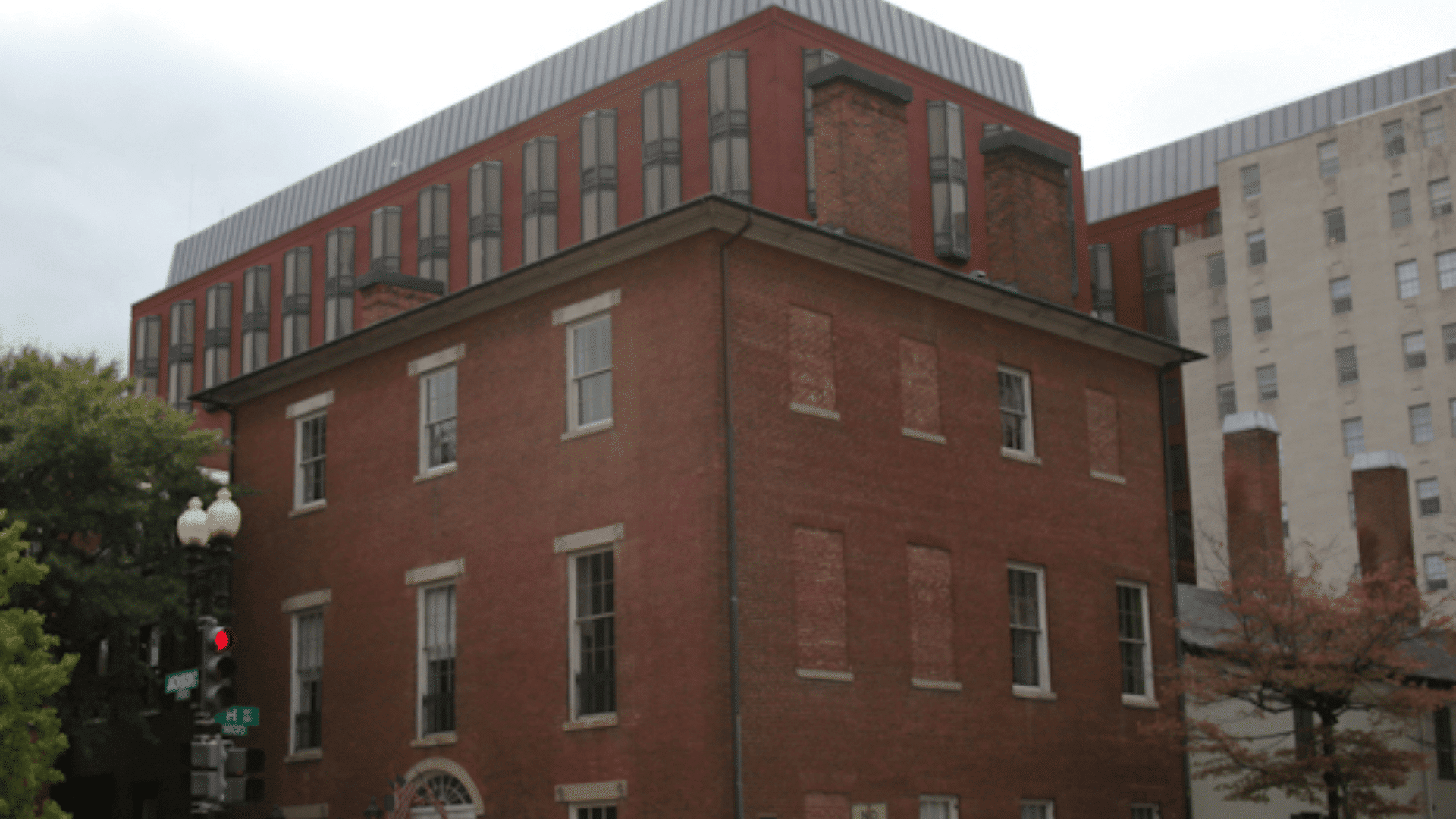
Benjamin Henry Latrobe designed this federal townhouse in 1818 for naval hero Stephen Decatur. The brick structure sits near the White House in Lafayette Square.
Simple exterior walls contrast with refined interior details, demonstrating urban federal style architecture at its best. Today, it operates as a museum showcasing early Washington society.
5. Monticello (Virginia)
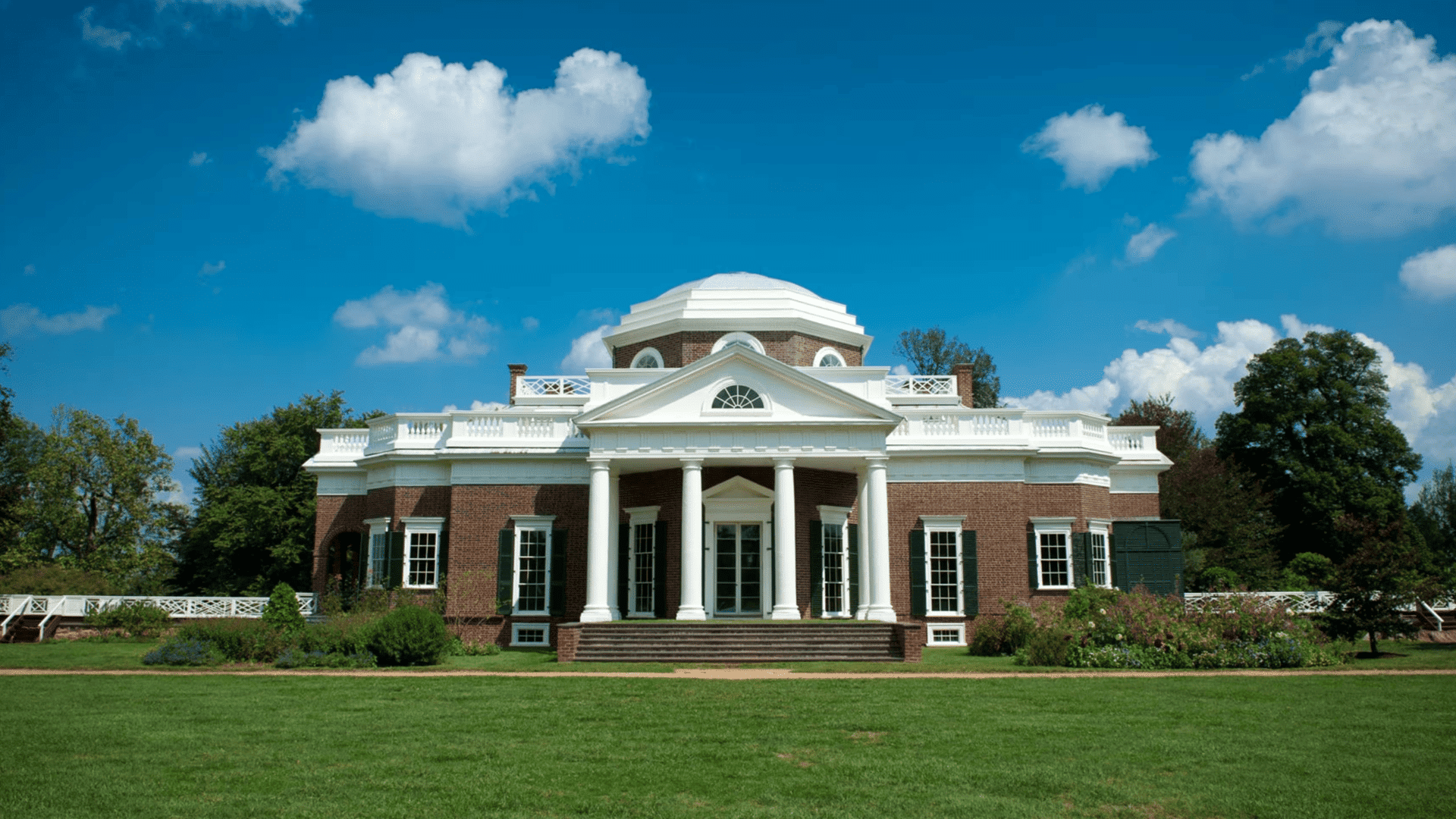
Thomas Jefferson’s Monticello incorporates federal style architecture with his personal design innovations. Built and modified from 1768 through 1809, the estate features classical proportions and refined details.
The mansion sits atop a mountain near Charlottesville, combining federal principles with Jefferson’s architectural experiments. Today, it operates as a museum showcasing early American design and Jefferson’s life.
6. Hamilton Grange (New York)
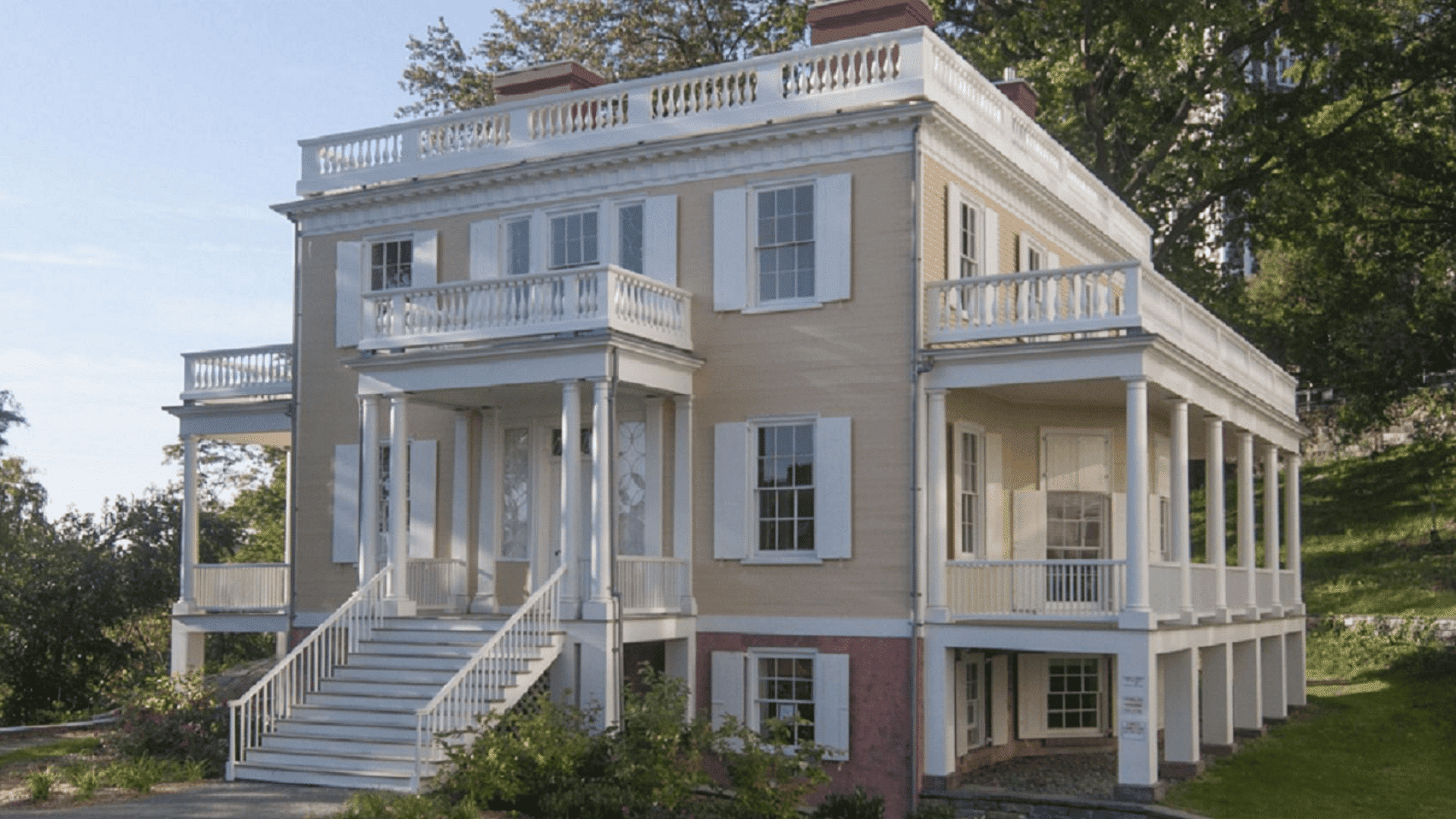
Alexander Hamilton built this federal-style house in 1802 as his family home. Located originally in upper Manhattan, the wooden structure features characteristic symmetry and elegant proportions.
The house was moved twice for preservation and now sits in St. Nicholas Park. Restored rooms display period furnishings reflecting Hamilton’s taste and the federal era’s domestic life.
7. Tudor Place (Washington, D.C.)
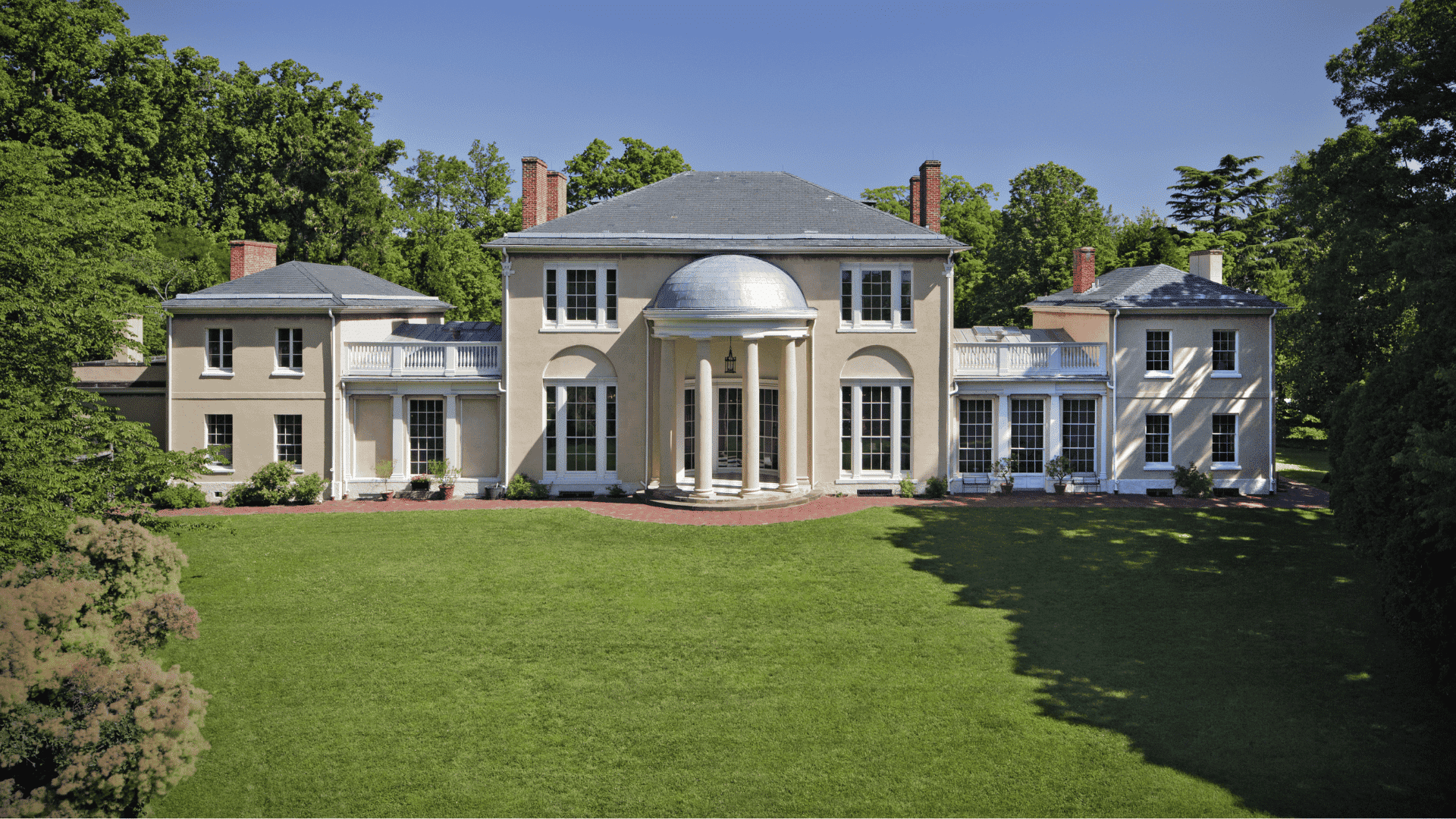
Built in 1815 for Martha Washington’s granddaughter, Tudor Place represents refined federal style architecture. The mansion features a distinctive domed portico and neoclassical details throughout.
The estate remained in the same family for six generations, preserving original furnishings and objects. Gardens and outbuildings complement the main house, creating a complete federal-period property.
8. Woodlawn Plantation (Virginia)
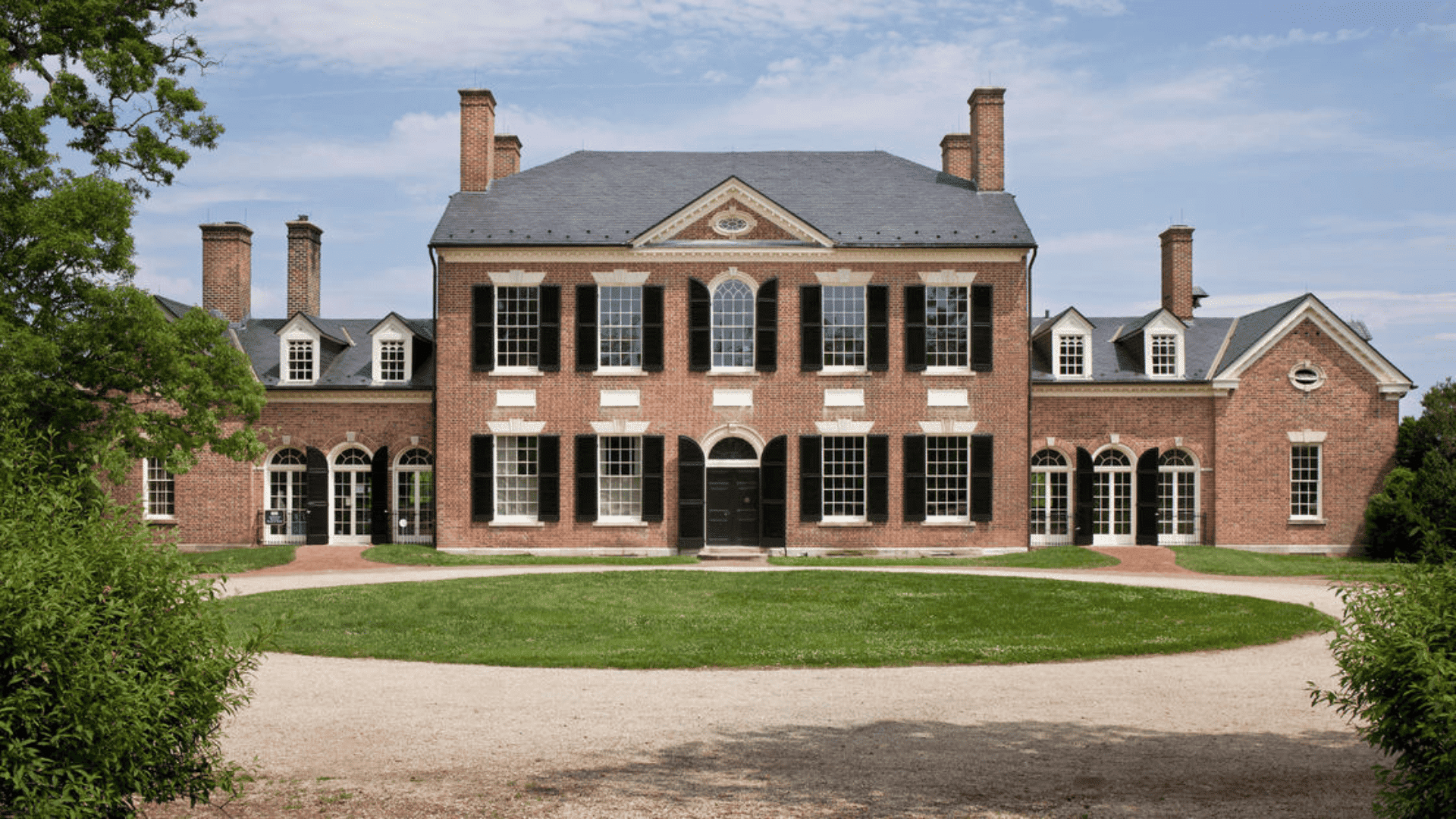
Completed in 1805, Woodlawn Plantation showcases a federal design adapted for a southern estate. George Washington gifted the land to his nephew, who built this brick mansion.
The house features characteristic symmetry, refined moldings, and elegant room proportions. Period furnishings and guided tours reveal how wealthy Virginia families lived in federal-style houses during the early 1800s.
9. Isaiah Davenport House (Savannah, Georgia)
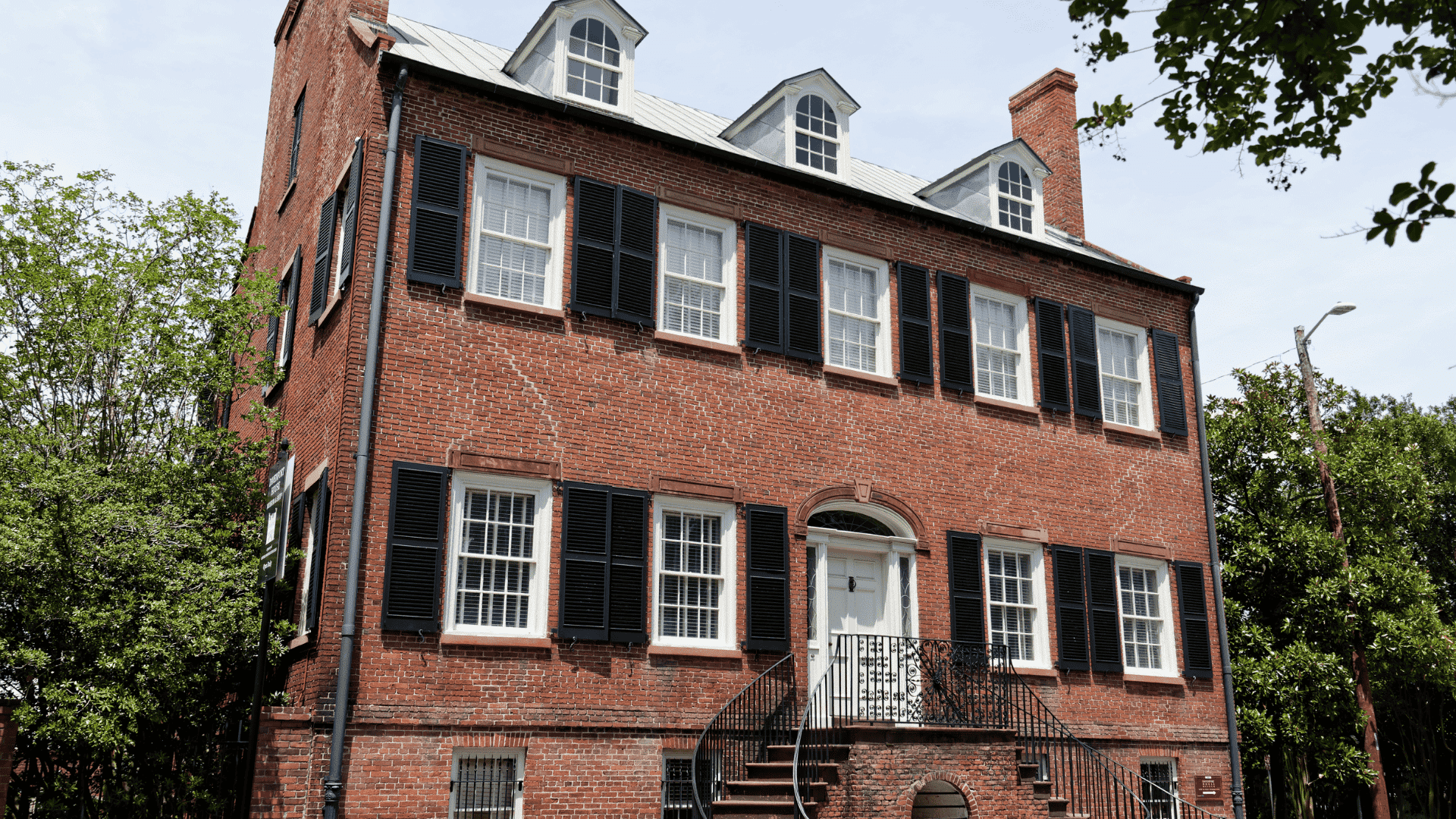
This 1820 federal townhouse demonstrates how the style appeared in southern port cities. Built for a Rhode Island builder who settled in Savannah, the brick structure features refined federal details.
Preservation efforts saved the house from demolition in the 1950s, launching Savannah’s historic preservation movement. Restored interiors showcase federal-era decorative arts and furnishings.
10. The Octagon House (Washington, D.C.)
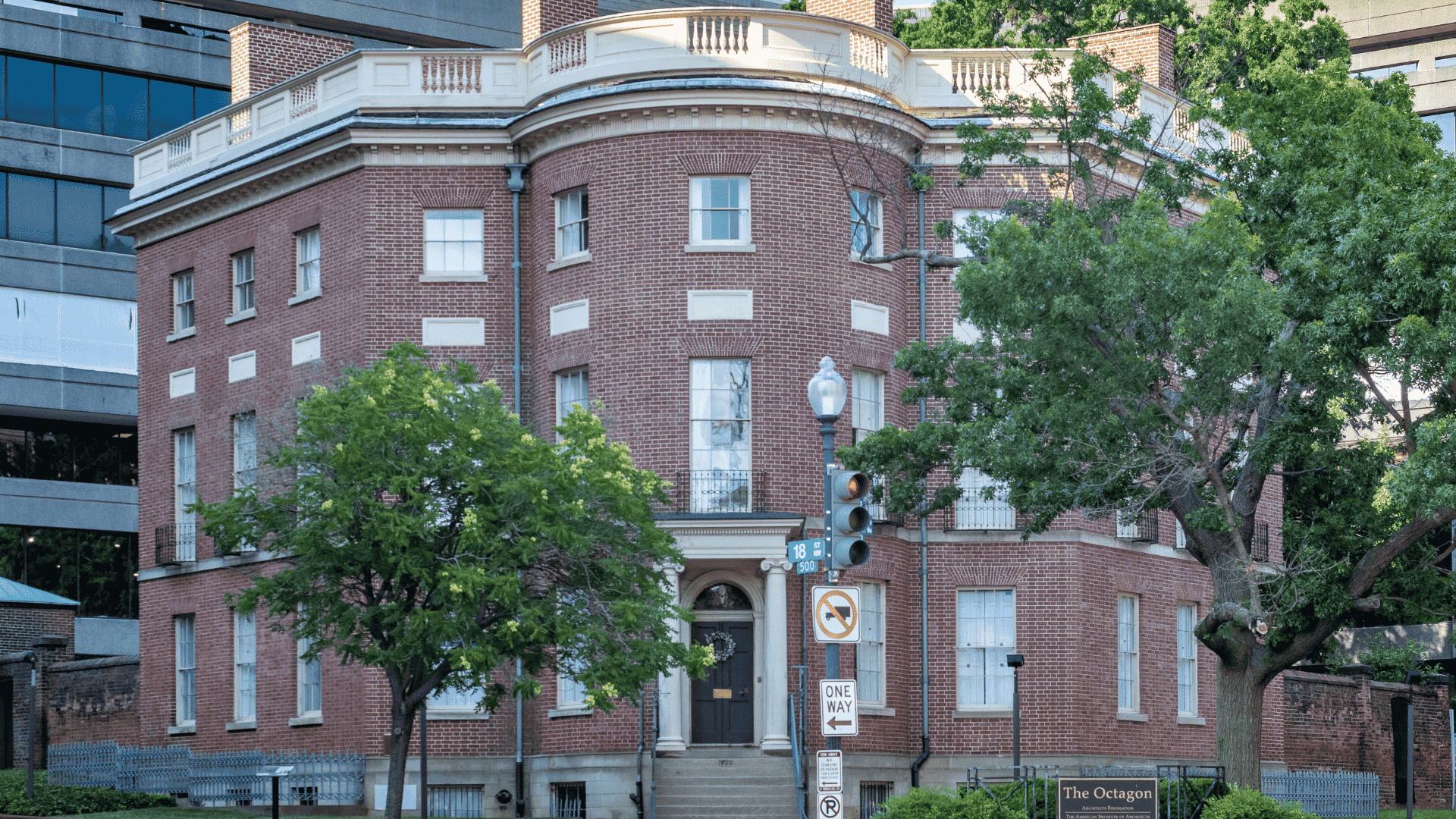
Designed by William Thornton and completed in 1801, The Octagon House represents urban federal style architecture. Despite its name, the building features a circular entrance hall and a unique triangular shape.
Colonel John Tayloe III commissioned the house, which served briefly as President Madison’s residence. The structure demonstrates how federal principles are adapted to unusual lot shapes.
Federal-style houses and buildings remain powerful symbols of America’s early identity, blending classical grace with the ideals of balance and restraint of a young nation. From refined urban townhouses to iconic public landmarks, these structures continue to shape our understanding of early American architecture.
Why Federal Style Architecture Still Matters
Federal-style houses represent a defining moment in American architectural history. These buildings capture the young nation’s identity and aspirations.
Federal style architecture established lasting design principles that designers still reference today. The emphasis on balance, proportion, and restrained detail creates buildings that age gracefully.
Historic districts filled with federal style houses attract residents who value craftsmanship and originality. These buildings tell important stories about early American society, commerce, and culture.
Preserving federal architecture maintains physical links to the post-Revolutionary period. Modern builders sometimes draw inspiration from federal details like fanlights and symmetrical facades.
Federal-style houses demonstrate how thoughtful architecture withstands changing trends while maintaining beauty and function.
Conclusion
Federal-style houses capture an important chapter in American architectural history. These buildings reflect the young nation’s desire for refined, balanced design that felt distinctly its own.
The style’s emphasis on symmetry, subtle details, and classical proportions created homes that remain beautiful centuries later. From distinctive fanlights to carefully arranged windows, every element works together in harmony.
If you spot federal style architecture in historic districts or notice its influence in modern designs, you’re seeing principles that have stood the test of time.
These homes show how symmetry and proportion can make a design feel lasting and livable. Preservation efforts keep these historic structures alive for future generations to study and appreciate.
Next time you see a federal-style house, take a moment to notice the craftsmanship and consider the stories these refined buildings hold.
What federal details do you notice most in historic neighborhoods near you?