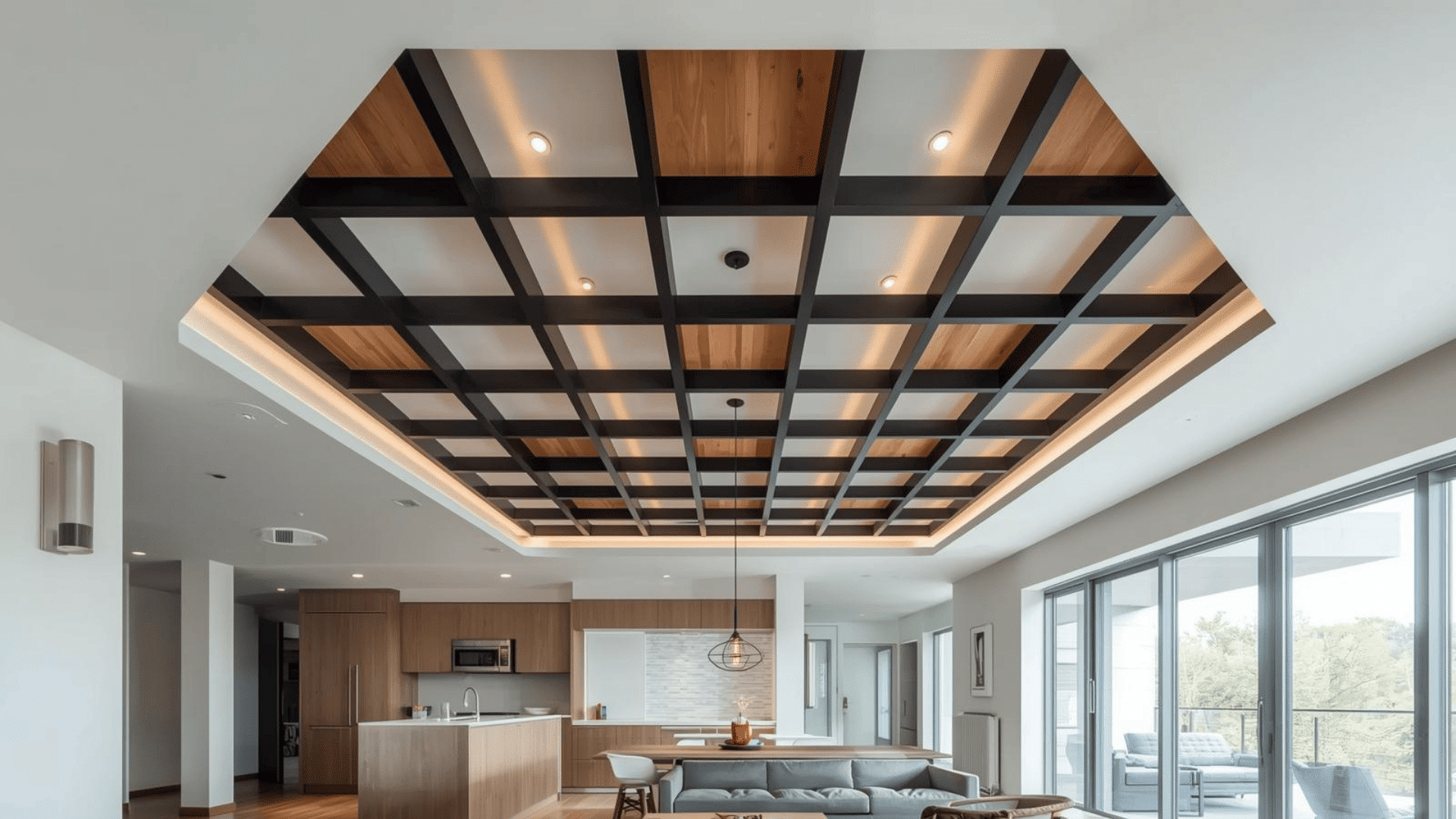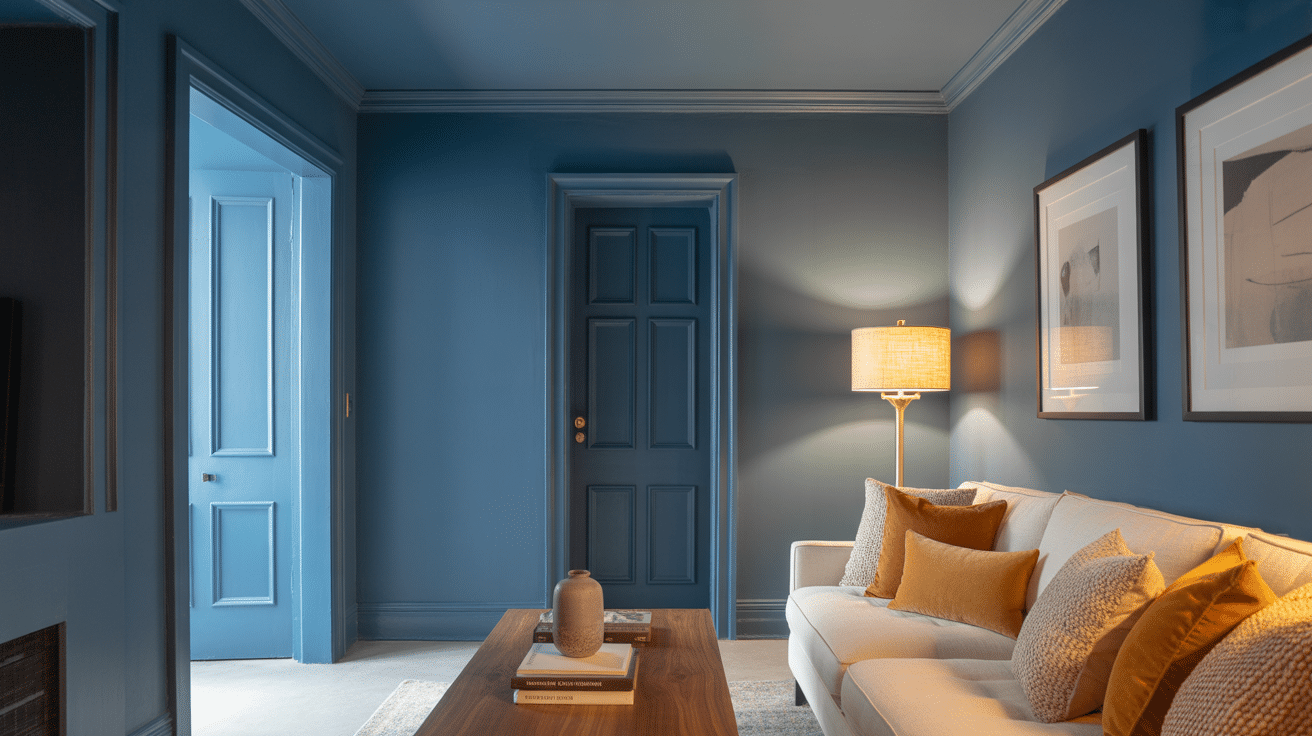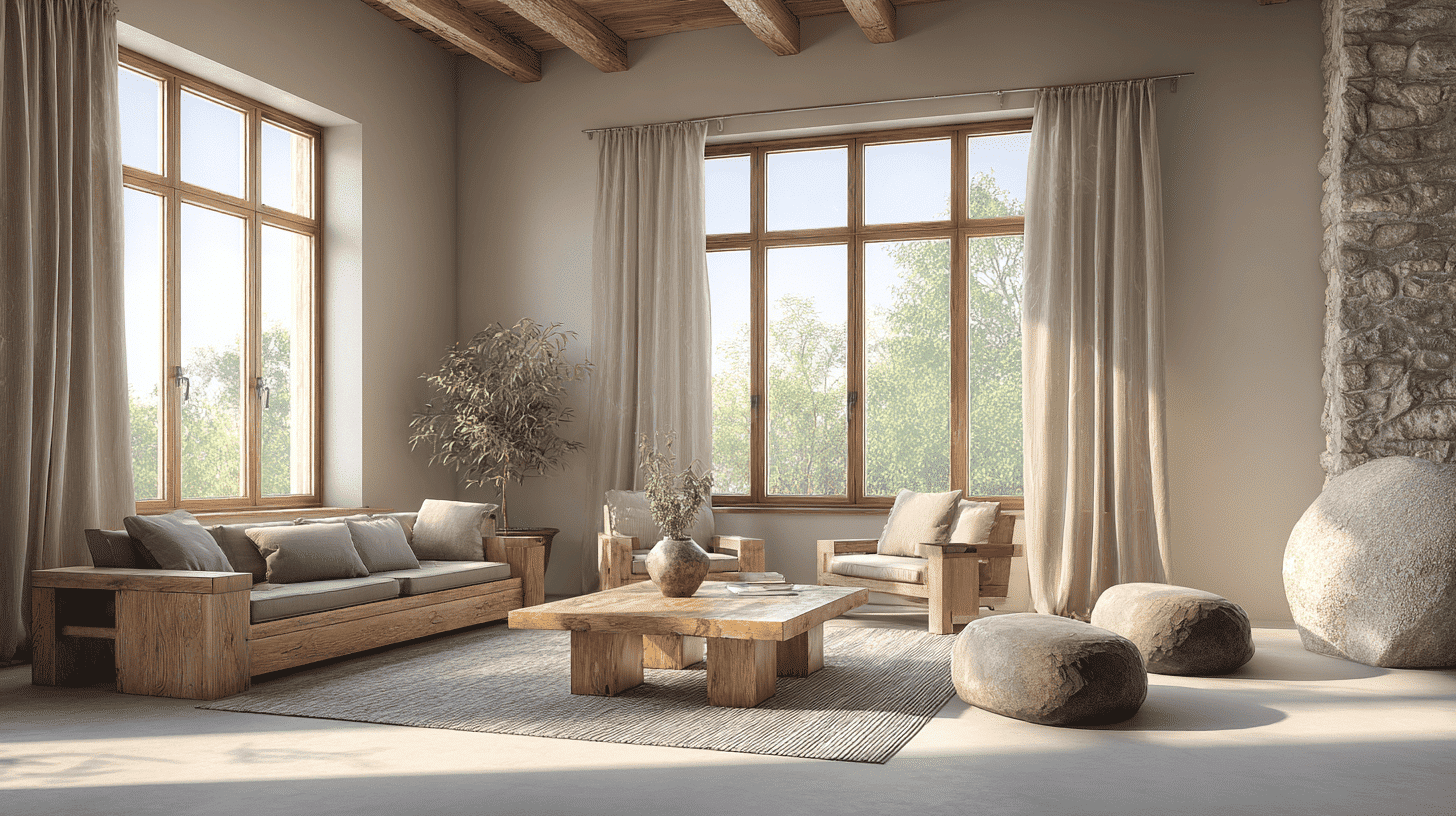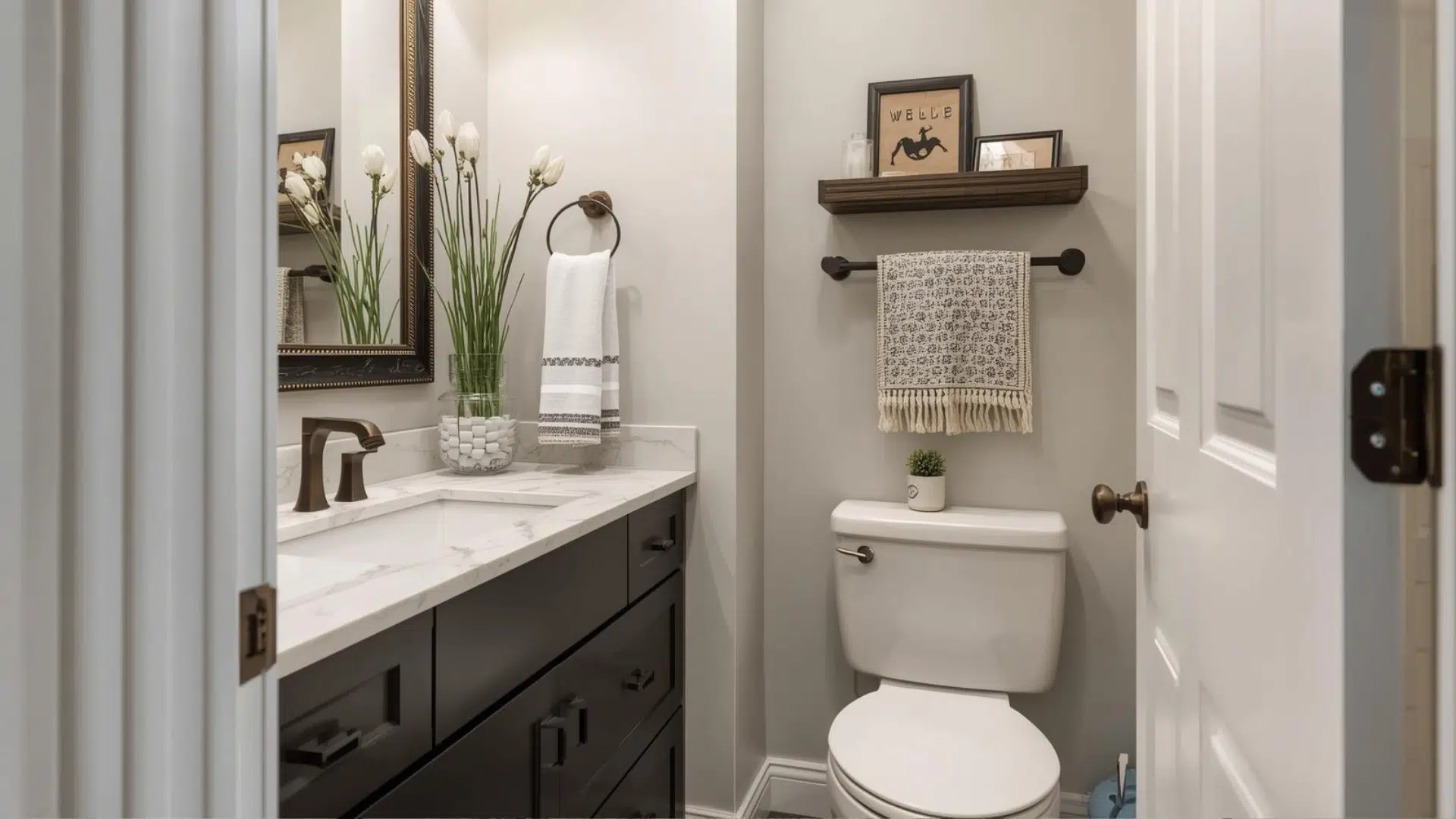
I’ve always believed that furniture style says more about us than we’d like to admit. It’s not just about picking a couch or a table; it’s about creating a space that feels like home.
And honestly? The right pieces can completely transform how you live, work, and even think. I’ve spent years trying different looks, mixing classics with modern vibes, and I’ve learned that there’s no one-size-fits-all answer.
Some styles speak to your soul immediately, while others grow on you over time. But here’s the thing most people don’t realize: the real magic happens when you break the rules.
What if I told you the “perfect” look you’ve been chasing doesn’t exist? And that’s exactly why it works.
How to Choose the Right Style for Your Home
Choosing a style gets easier when you follow a simple order. Use these steps to match your space, your daily needs, and the look you want.
- Define the room’s job first: List what you will do there each day, like relaxing, working, or hosting. This step helps you avoid buying pieces that look nice but do not fit your routine
- Measure before you shop: Measure the room size, doorways, hallways, and turning areas. Write down your max furniture sizes so you can shop faster and avoid returns.
- Pick one anchor style: Choose a main style for your most significant piece, like the sofa, bed, or dining table. This choice sets the tone for the rest of the room.
- Keep finishes consistent: Choose one or two wood tones for major furniture pieces. Stick to one main metal finish for legs, handles, and accents.
- Use a small color set: Choose 2–3 primary colors that repeat across furniture and decor. That makes mixed pieces look intentional instead of random.
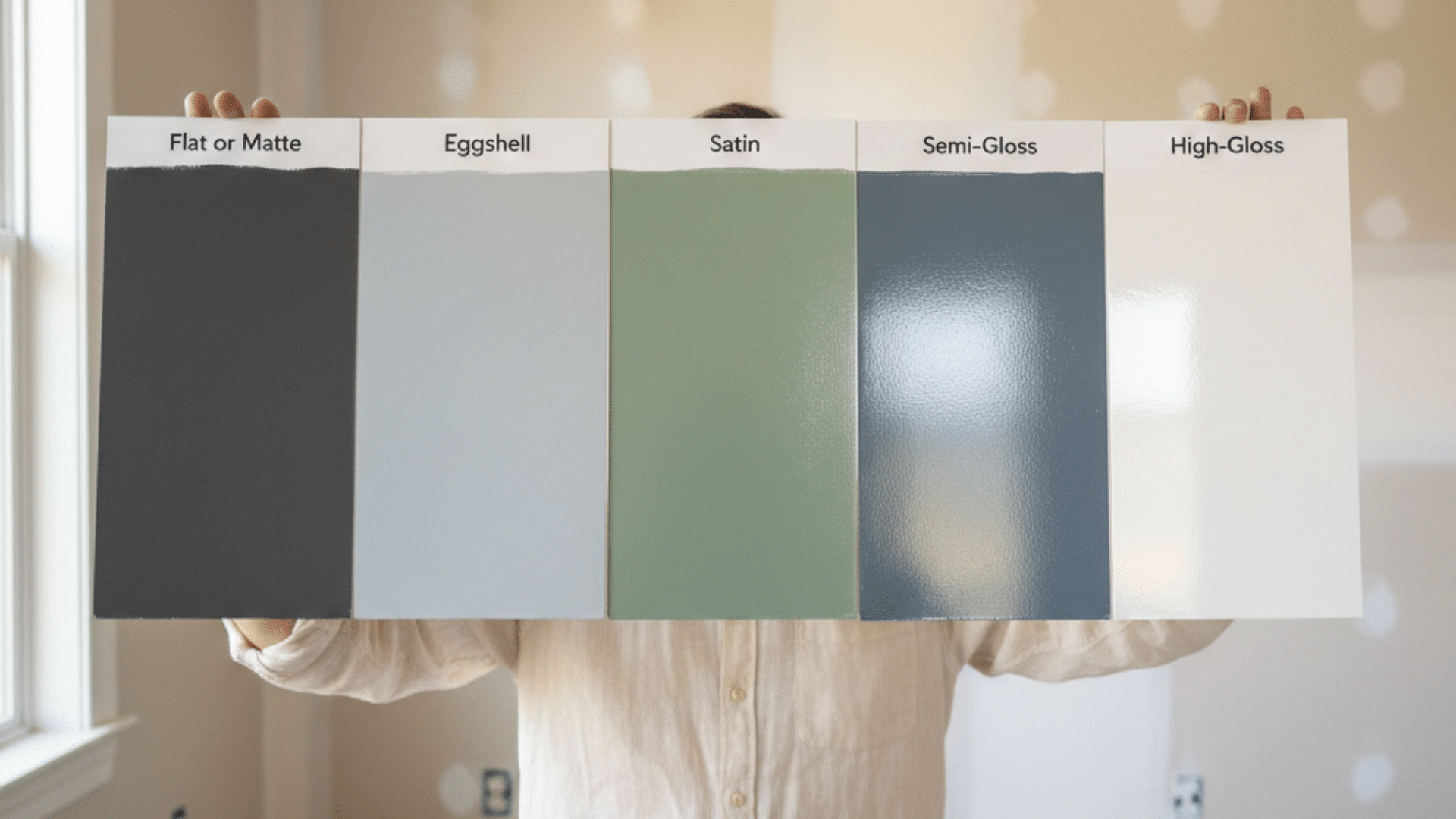
- Test choices in your lighting: Compare fabric, wood, and paint samples in daylight and at night. Take a photo so you can see how tones work together.
Classic and Traditional Furniture Styles
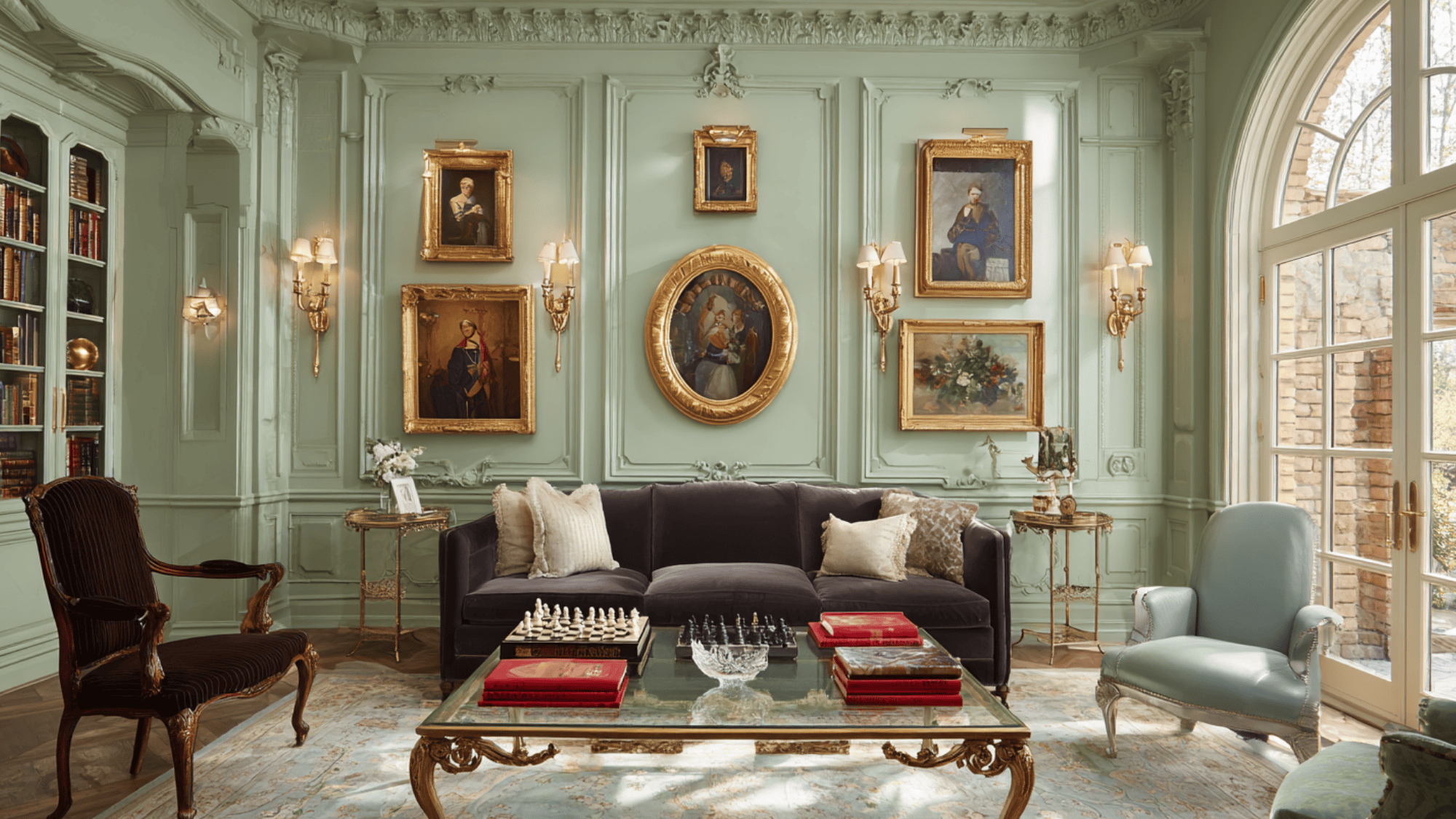
Classic and traditional styles highlight evergreen shapes, intricate craftsmanship, and a more formal look. You will often see carved wood, curved lines, rich finishes, and balanced designs.
1. Traditional Styles
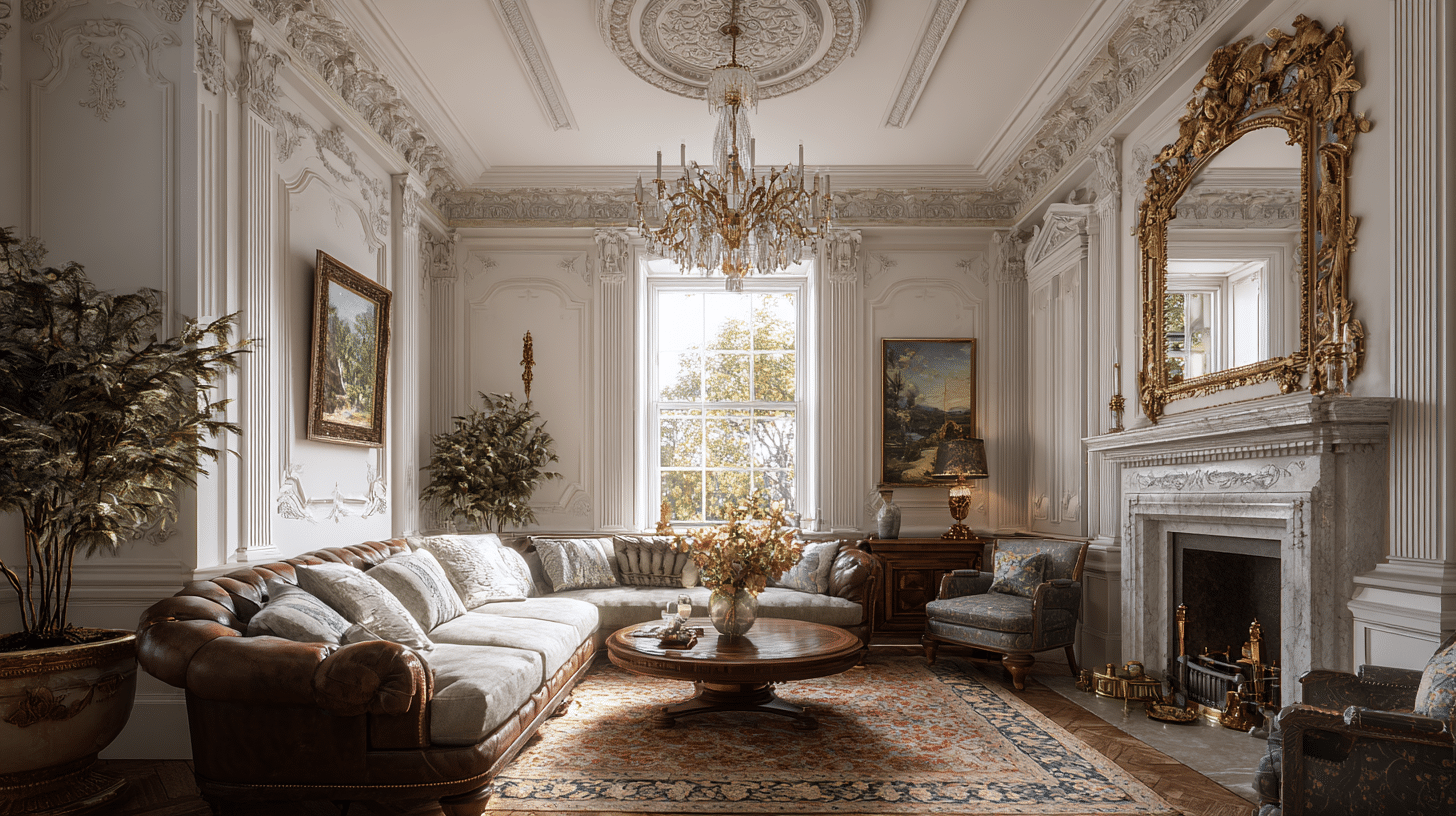
Traditional furniture is made of dark, rich woods like cherry or mahogany, leather, and heavy upholstery fabrics. Typical pieces include back chairs, tufted sofas, and carved wooden tables with brass or bronze handles.
- How it looks: Formal, detailed, symmetrical
- Works best in: Living rooms, dining rooms, home offices
2. Victorian Style
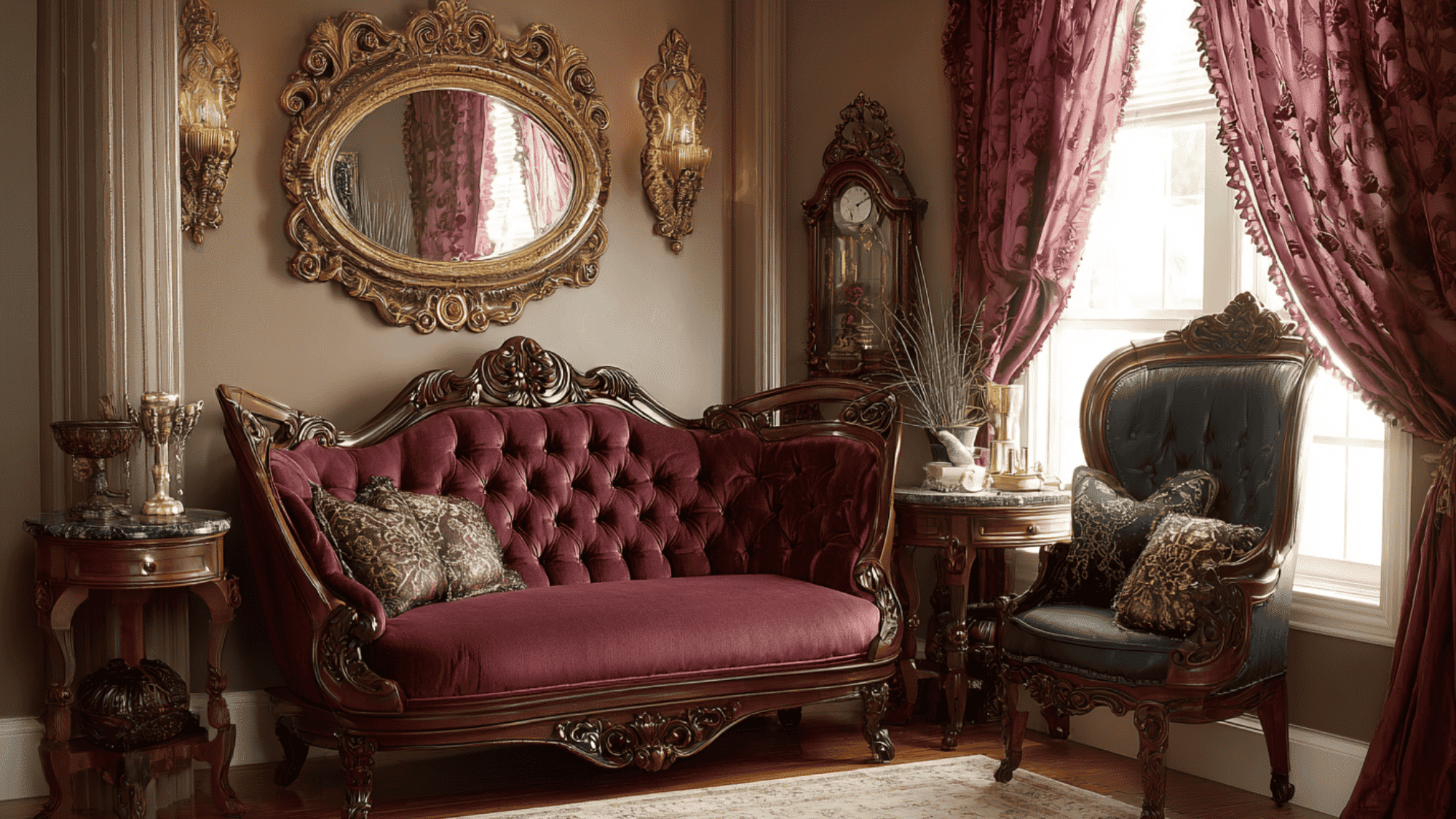
Victorian furniture has deep carving, scrollwork, fringe, and plush upholstery. Materials often include dark woods like walnut or mahogany, velvet, brocade, and carved details. Typical pieces include tufted settees, high-back chairs, marble-top side tables, and heavily carved cabinets.
- How it looks: Ornate, rich, highly detailed
- Works best in: Formal living rooms, sitting rooms, entryways
3. Queen Anne Style
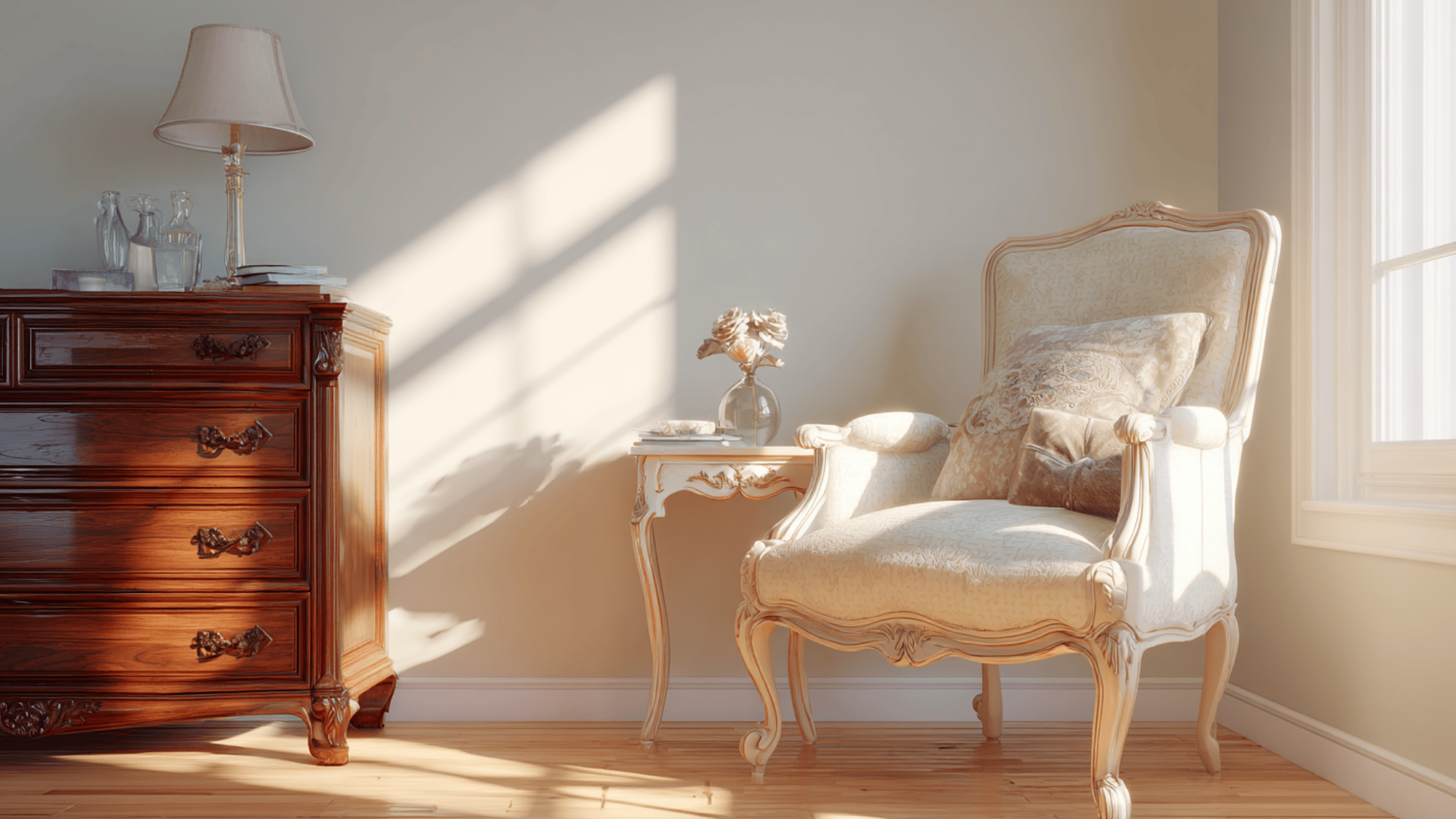
Materials often include walnut, cherry, or maple with polished finishes and subtle carving. Typical pieces include cabriole-leg chairs, curved-front dressers, and delicate side tables.
- How it looks: Curved, refined, lighter detailing
- Works best in: Bedrooms, living rooms, reading corners
4. Chippendale Style
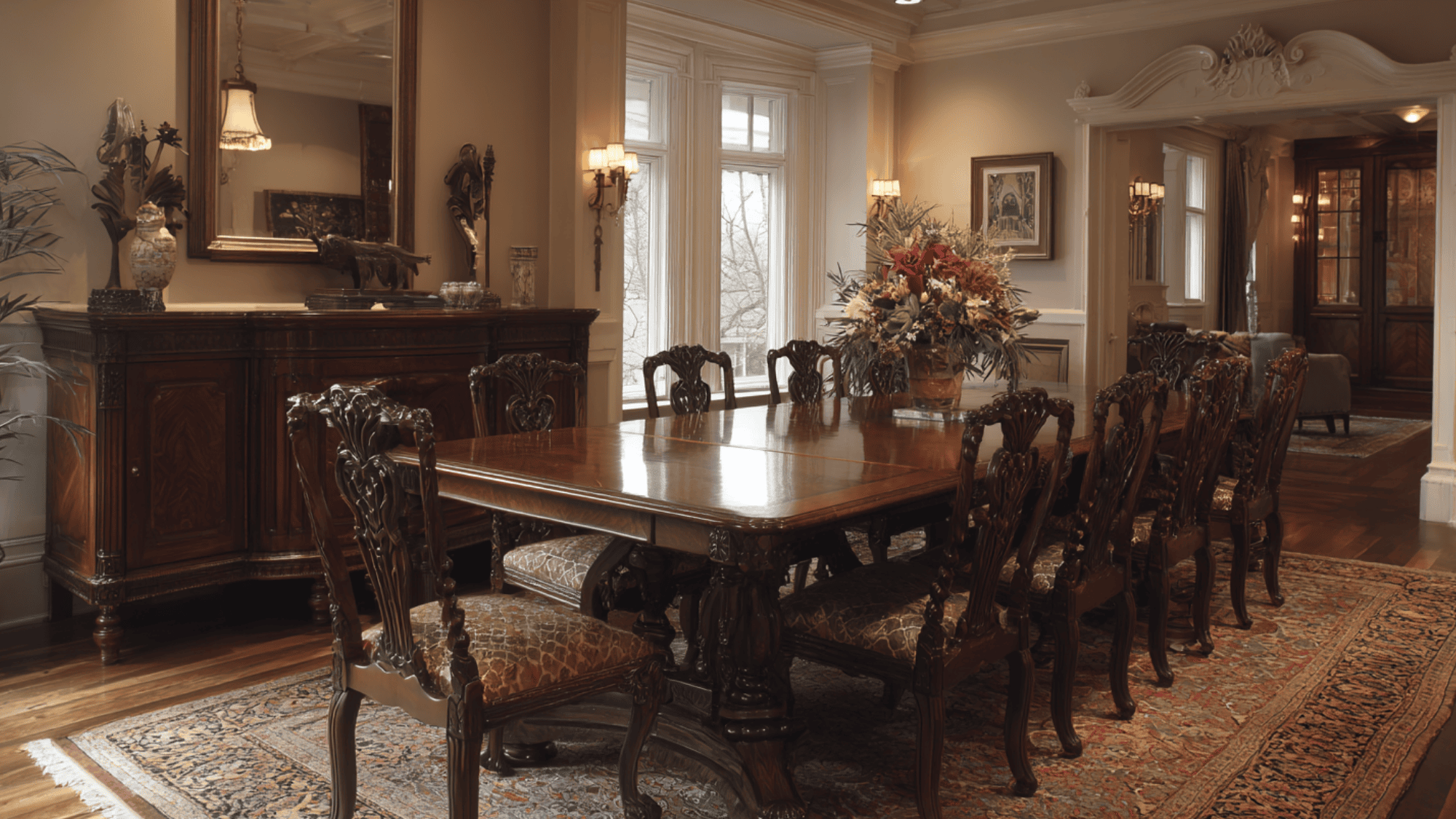
Materials often include mahogany, walnut, or cherry, with carved accents and quality joinery. Typical pieces include dining chairs with ornate backs, carved dining tables, and formal cabinets or sideboards.
- How it looks: Classic, carved, statement-making
- Works best in: Dining rooms, formal living rooms, studies
5. Jacobean Style
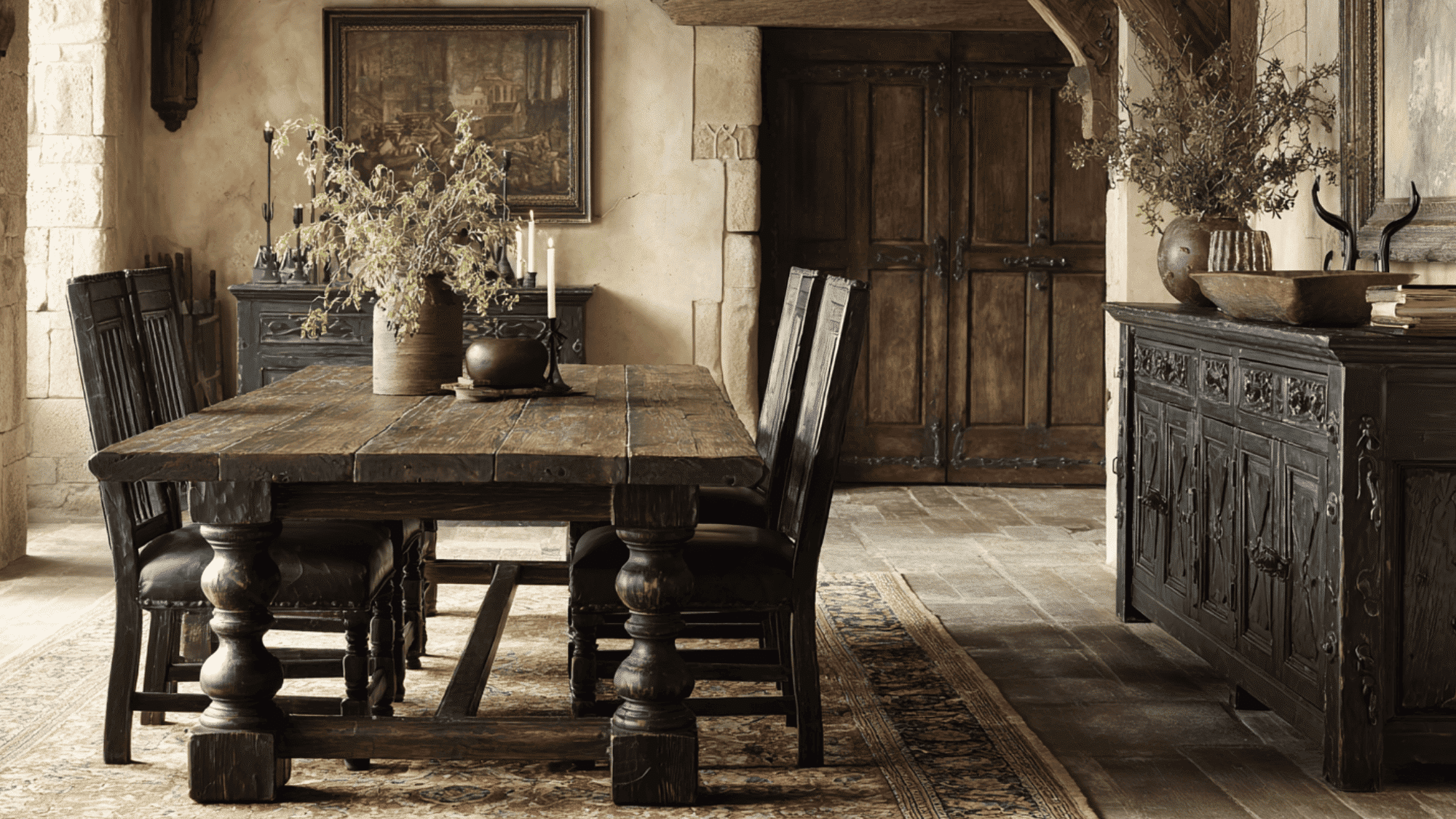
Heavier furniture forms commonly use oak with deep stains and prominent grain. Typical pieces include large dining tables, high-back chairs, carved chests, and sturdy sideboards.
- How it looks: Bold, heavy, structured
- Works best in: Dining rooms, home offices, large living rooms
6. French Country Style
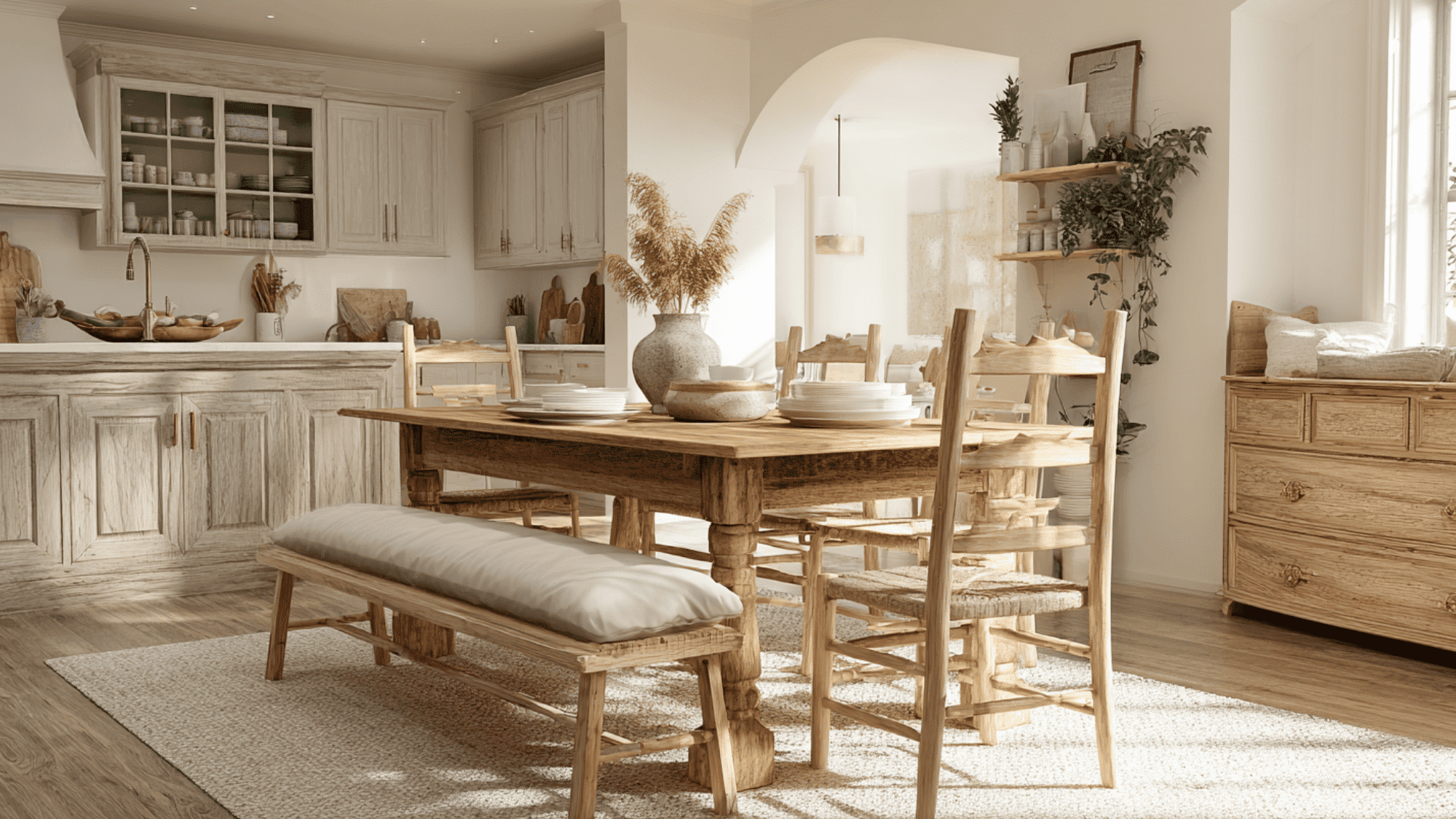
Relaxed, everyday pieces often feature oak, beech, or pine along with linen, cotton, and woven accents. Typical pieces include ladder-back chairs, farmhouse dining tables, curved dressers, and upholstered accent chairs.
- How it looks: Soft, rustic, comfortable
- Works best in: Kitchens, dining areas, family rooms, bedrooms
Mid-Century and Retro Furniture Styles
Mid-century and retro styles focus on clean shapes, bold details, and practical design. You will often see slimmer furniture, raised legs, and eye-catching forms that feel simple but not plain.
7. Mid-Century Modern Style
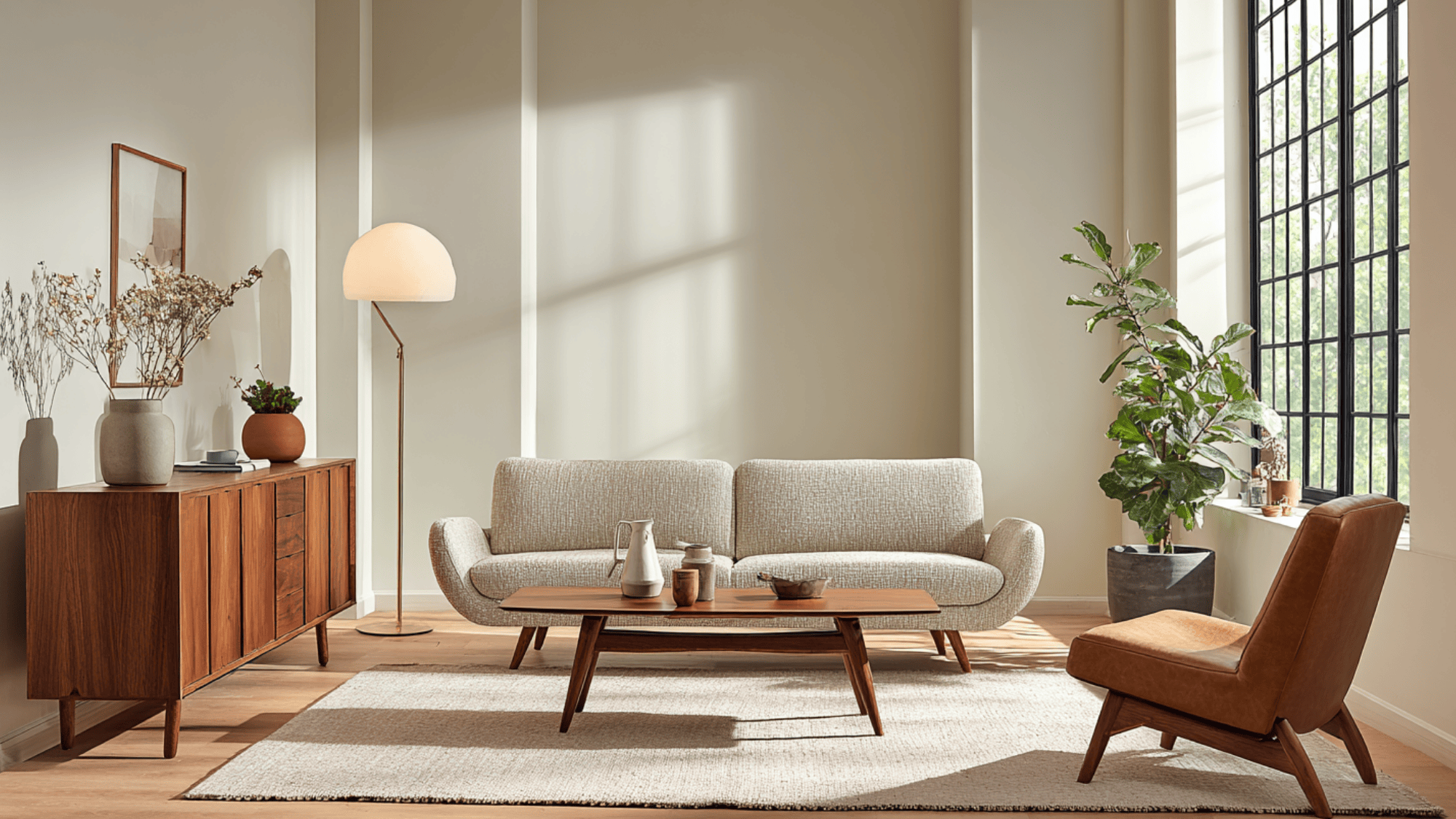
Designed for everyday living and open layouts, mid-century modern pairs teak/walnut tones with low profiles and tapered legs. Typical picks include slim sofas, credenzas, molded chairs, and clean coffee tables that keep the room visually light.
- How it looks: Clean, warm, streamlined
- Works best in: Living rooms, bedrooms, apartments, open-plan spaces
8. Retro Style
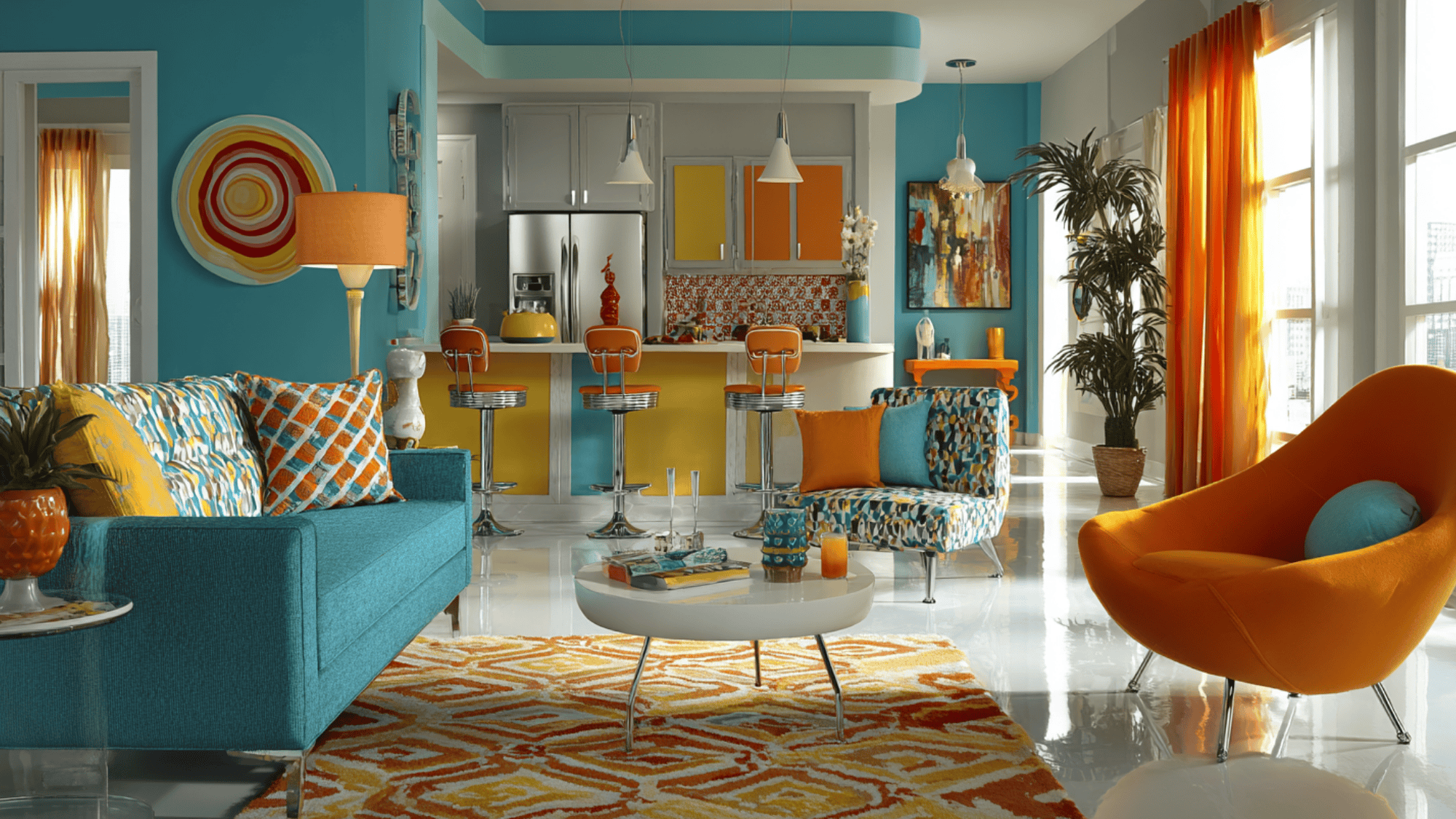
Retro is where personality shows up in bright colors, punchy textures, and playful materials like chrome, laminate, vinyl, and plastic. Diner-style chairs, curved accent chairs, and bold side tables are easy ways to bring it in.
- How it looks: Bold, playful, nostalgic
- Works best in: Game rooms, kitchens, kids’ rooms, casual living spaces
9. Art Deco Style
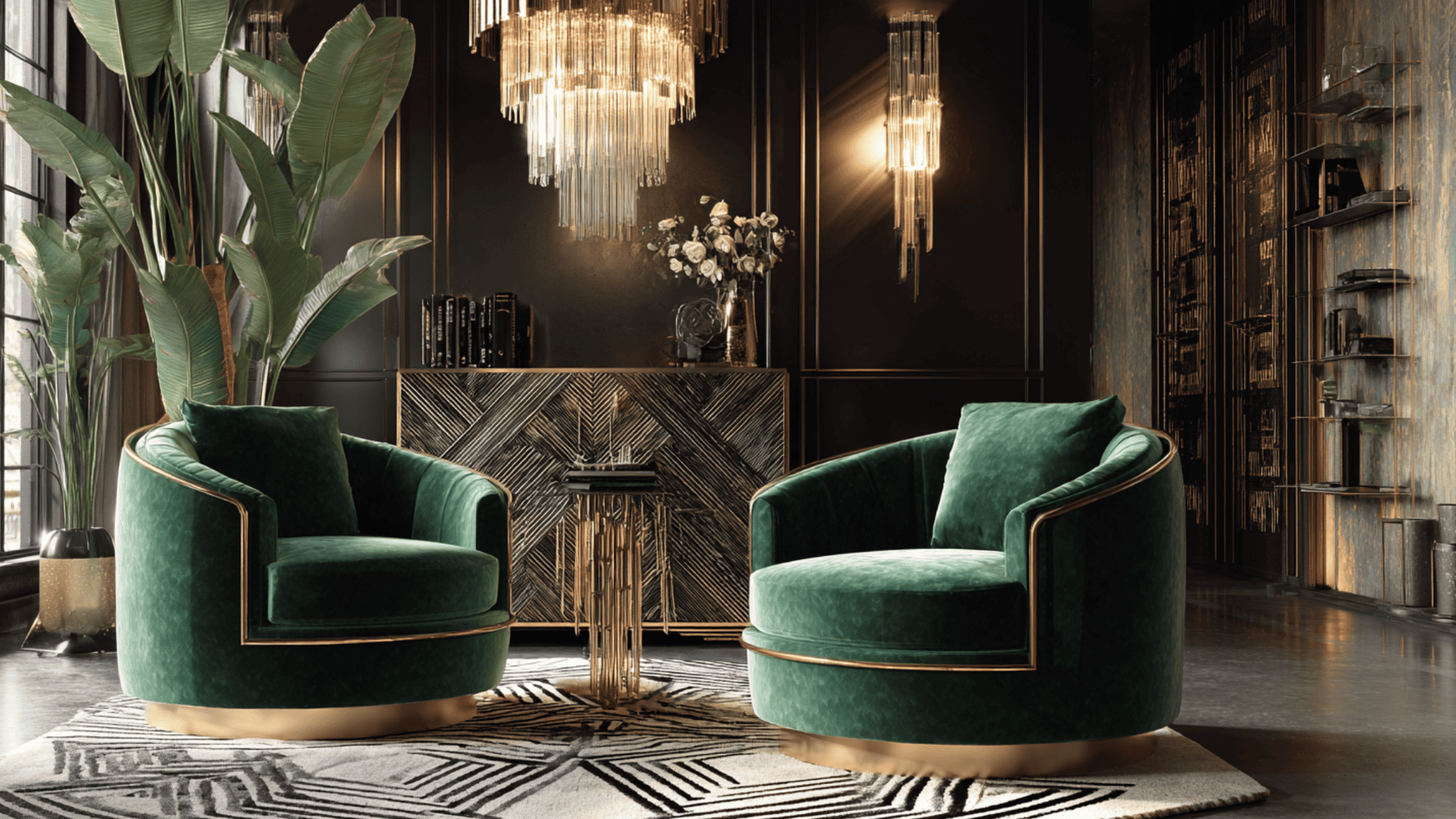
Art Deco is all about polish: lacquer, glass, brass/chrome, and glam upholstery like velvet or leather. You’ll often find rounded club chairs, mirrored side tables, streamlined cabinets, and geometric lighting that feels like jewelry for the room.
- How it looks: Glam, geometric, high-contrast
- Works best in: Living rooms, dining rooms, entryways, home bars
10. Arts And Crafts Style
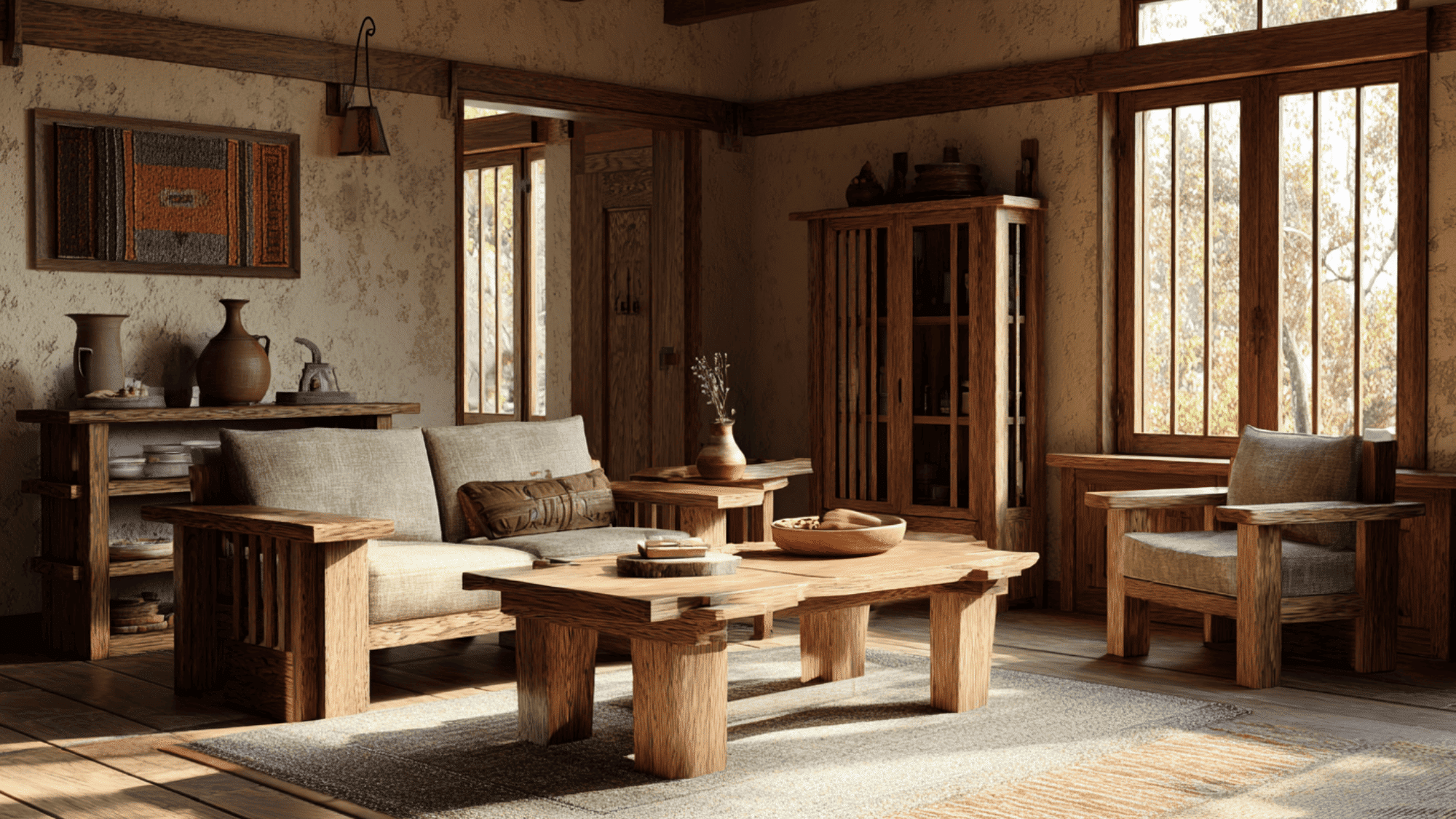
Craftsmanship takes center stage here, with oak grain, sturdy construction, and details that look intentionally made, not decorative. Mission-style chairs, practical bookcases, straight-line tables, and dependable sideboards fit naturally into this style.
- How it looks: Simple, sturdy, handcrafted
- Works best in: Home offices, living rooms, libraries, dining rooms
Modern and Contemporary Furniture Styles
Modern and contemporary furnitures focus on clean shapes, simple finishes, and a less cluttered look. These styles often use open space, smooth surfaces, and functional layouts.
11. Modern Style
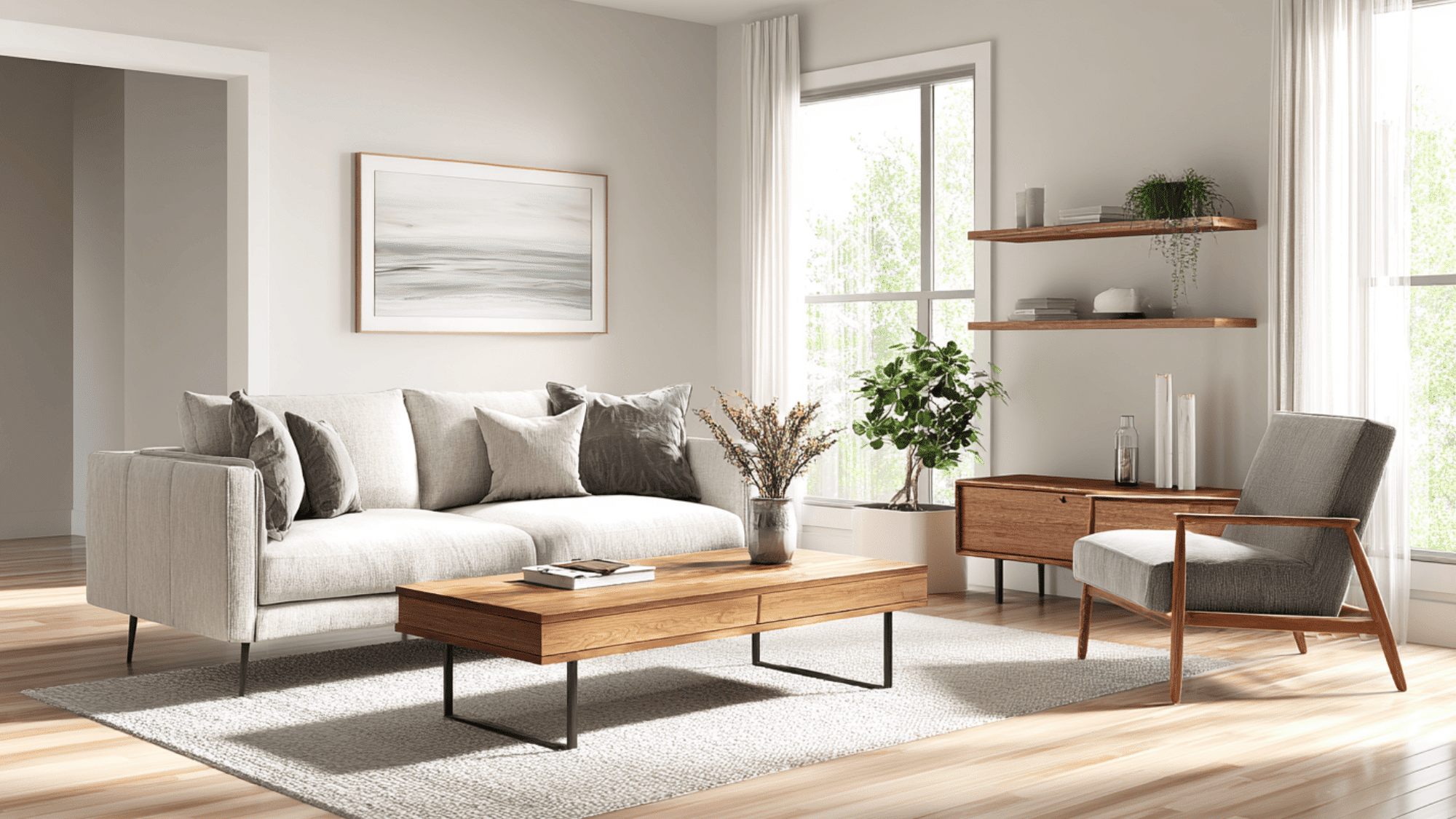
Modern furniture keeps the focus on shape and function, using smooth wood finishes alongside metal, glass, and leather. Platform beds, low sofas, minimal coffee tables, and streamlined media consoles keep rooms feeling open.
- How it looks: Clean, simple, uncluttered
- Works best in: Apartments, small living rooms, bedrooms, open-plan spaces
12. Contemporary Style
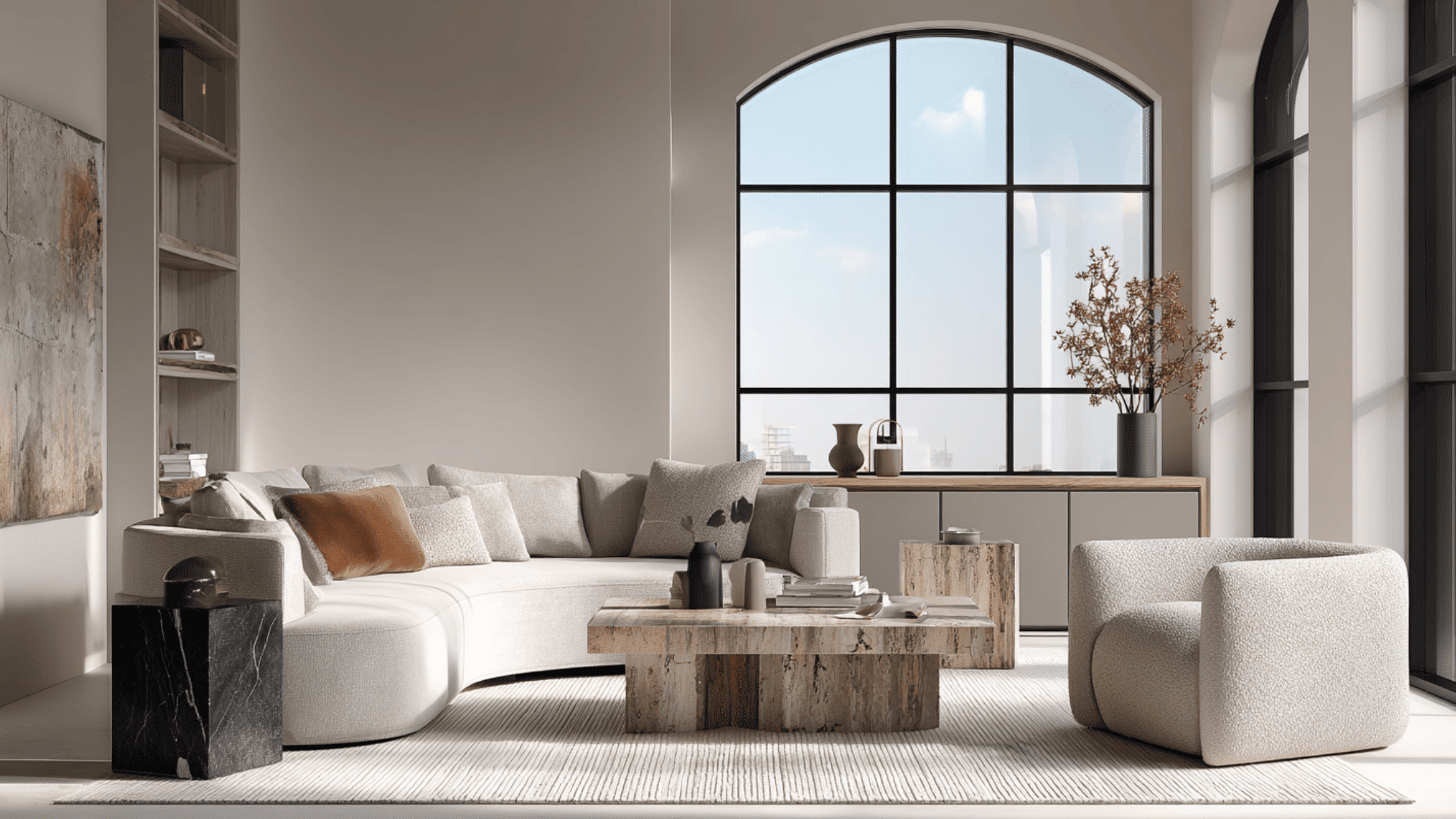
Contemporary changes with trends, so it’s often the “mix-and-match” modern category performance fabrics, mixed woods, metal, stone, and flexible silhouettes. Curved sofas, sleek sectionals, mixed-material tables, and modern storage show up a lot.
- How it looks: Current, polished, flexible
- Works best in: Living rooms, open-plan homes, condos, multipurpose spaces
13. Minimalist Style
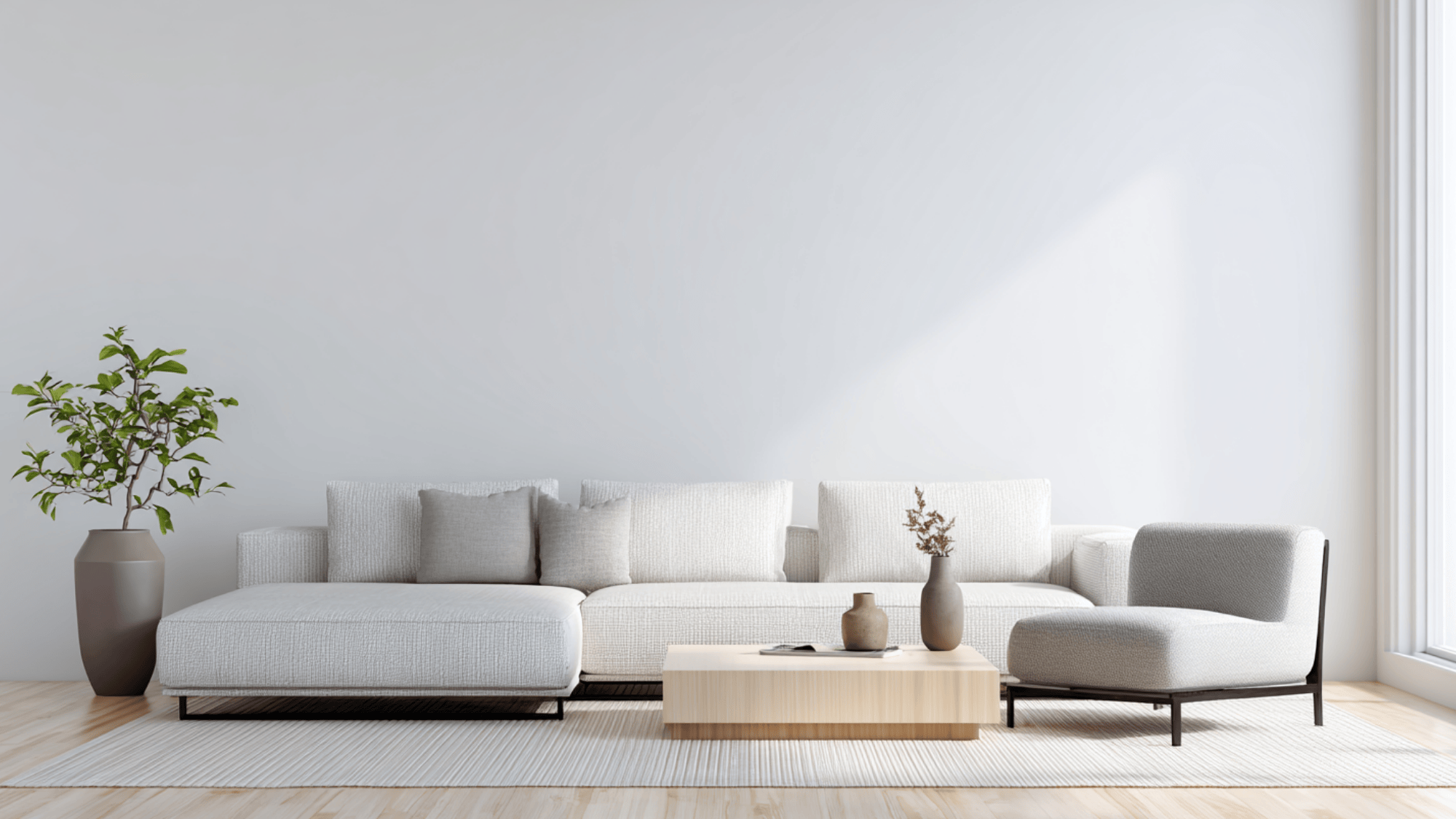
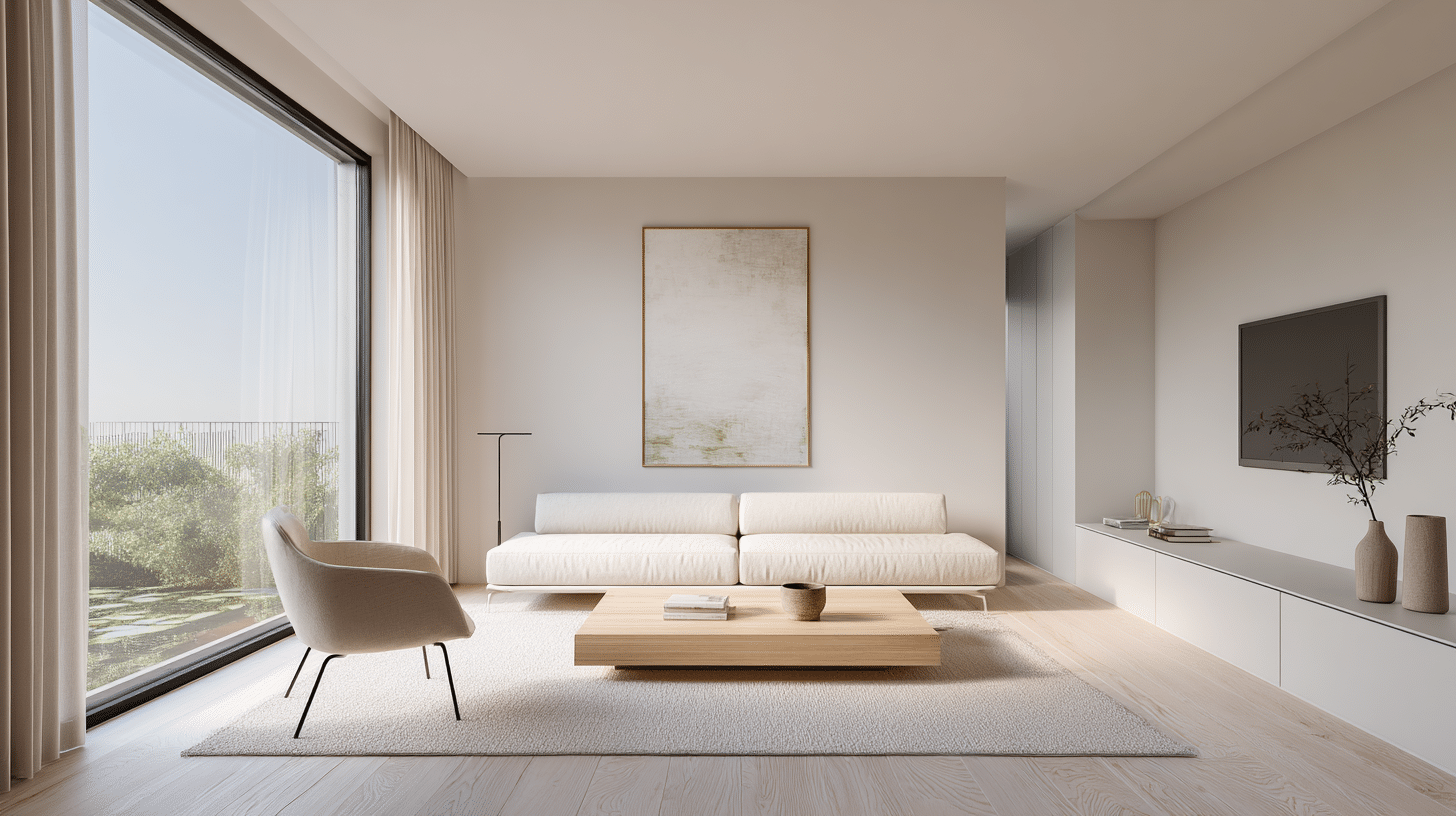
Minimalist pieces are chosen for what they do, not for extra detail; they feature flat planes, quiet finishes, and neutral textures like matte wood, metal, or glass. You’ll see low beds, simple shelving, clean sofas, and plain dining tables.
- How it looks: Calm, spare, tidy
- Works best in: Bedrooms, small spaces, home offices, modern apartments
14. Scandinavian (Scandi) Style
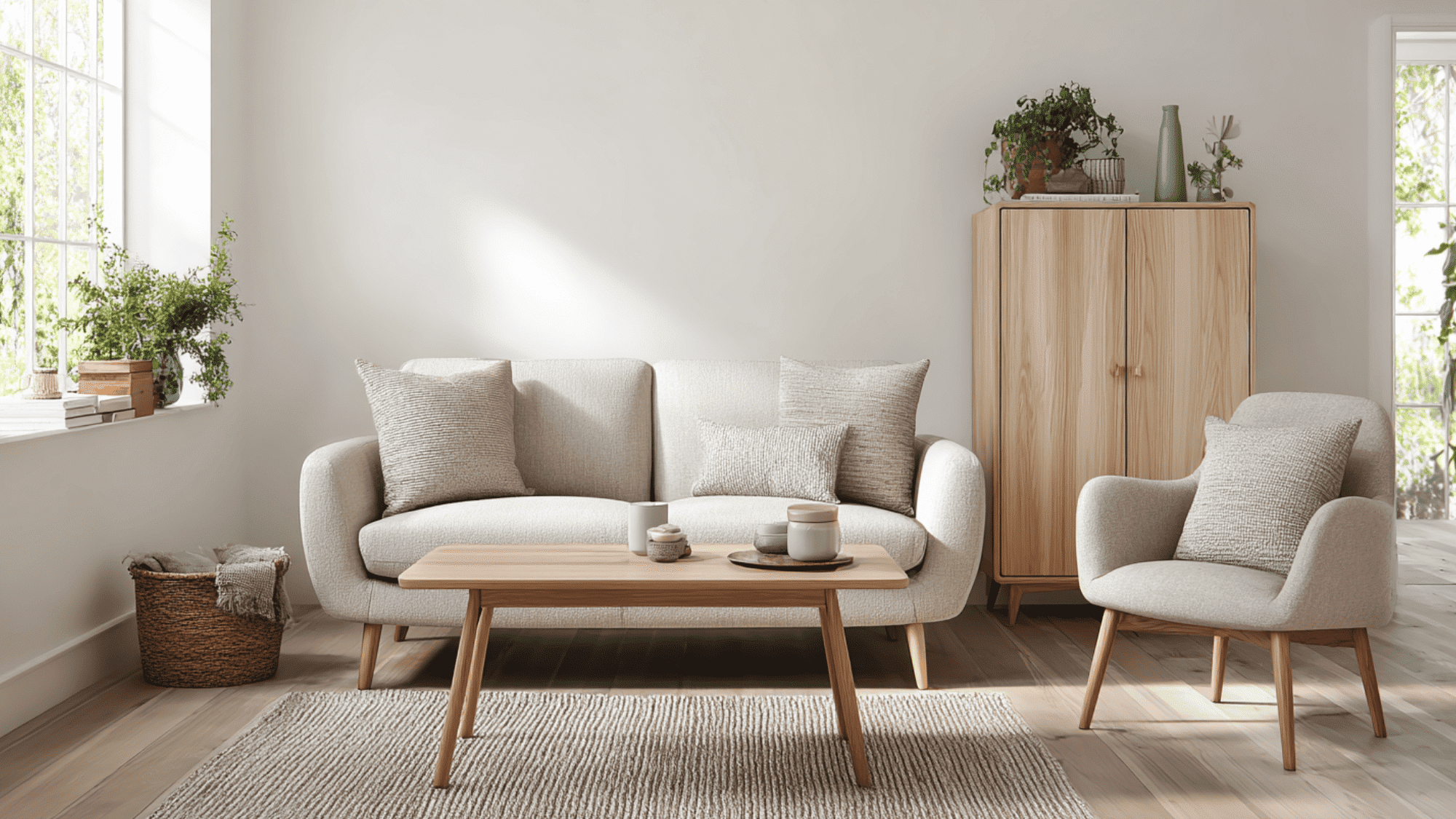
Scandi balances comfort and practicality with light woods (birch, pine, oak) and cozy textiles like wool and linen. Light-wood dining sets, simple storage, and soft seating are common, easy to live with, and easy to brighten a room.
- How it looks: Light, cozy, simple
- Works best in: Living rooms, bedrooms, dining areas, small to mid-size homes
15. Industrial Style
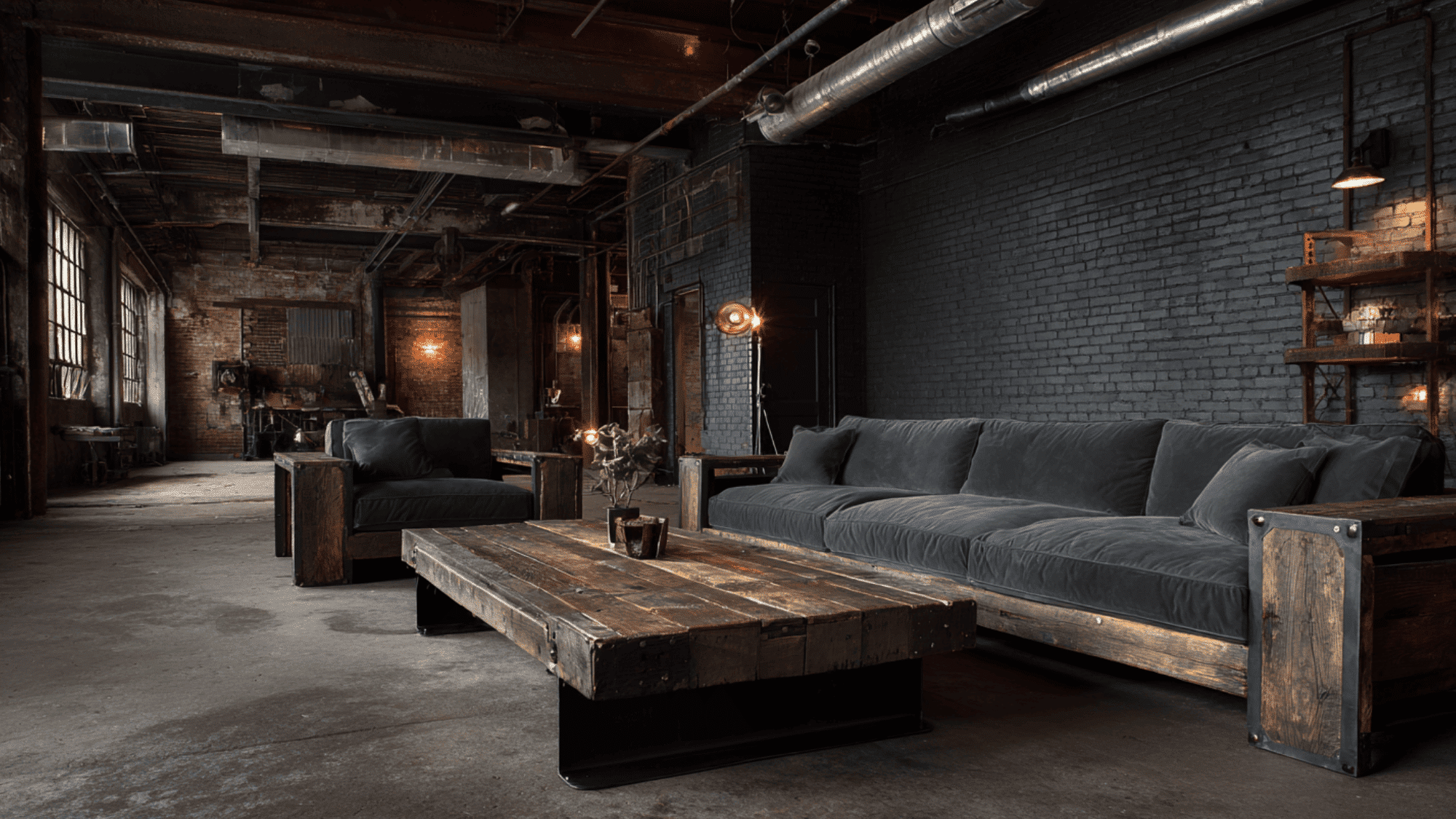
Inspired by workspaces and lofts, industrial style uses steel/iron frames, reclaimed wood, and darker finishes, sometimes with leather or concrete accents. Expect open shelving, factory stools, rugged coffee tables, and exposed-frame lighting.
- How it looks: Raw, rugged, utilitarian
- Works best in: Lofts, home offices, kitchens, open-plan living areas
16. Japandi Style
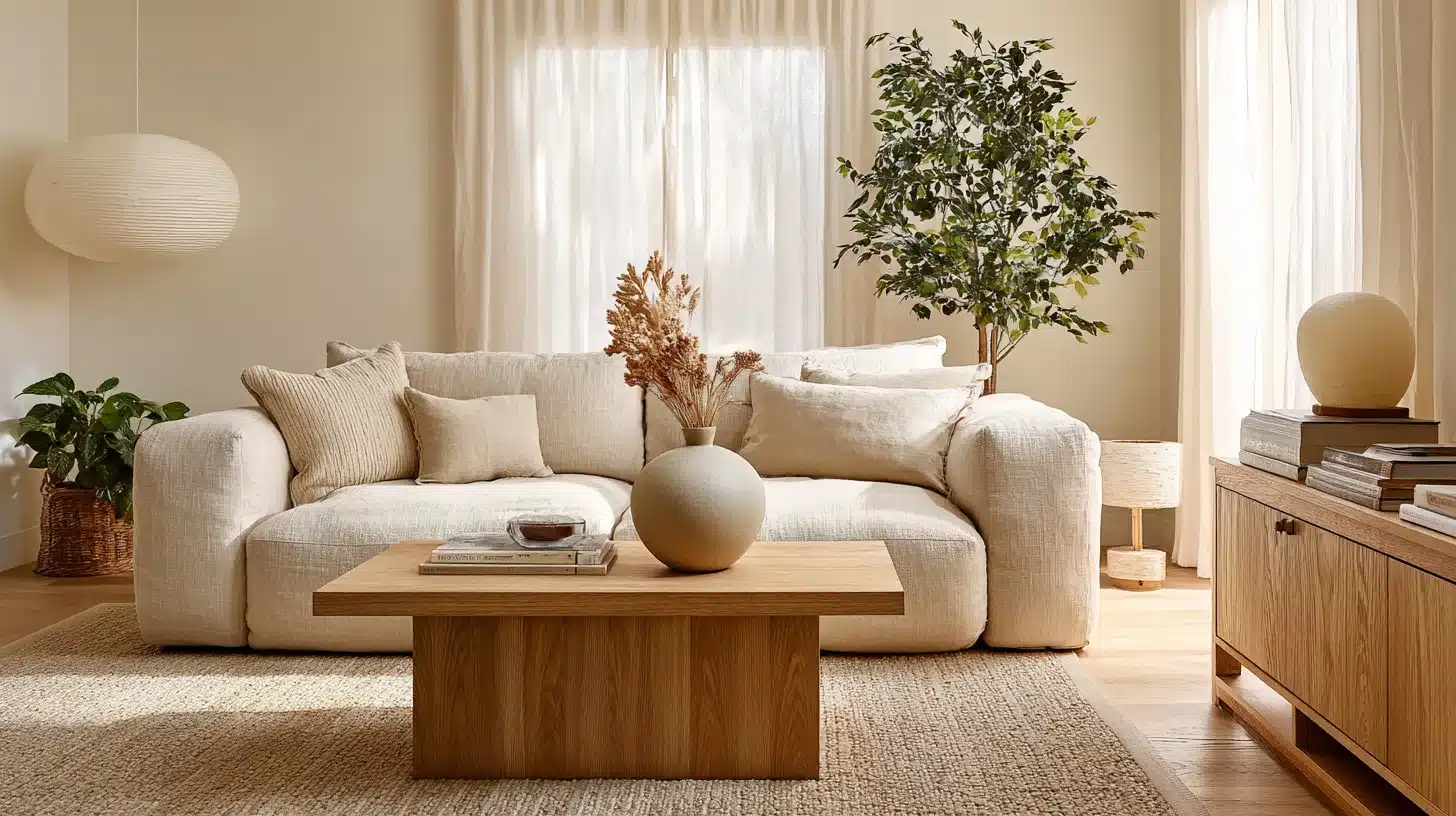
Inspired by Japanese calm and Scandinavian practicality, Japandi mixes clean lines, low-profile pieces, natural woods, and soft neutrals. You will see simple sofas, light oak tables, minimal decor, and cozy textures like linen, wool, and woven accents.
- How it looks: Calm, minimal, warm
- Works best in: Bedrooms, living rooms, small apartments, quiet reading corners
17. Bauhaus Style
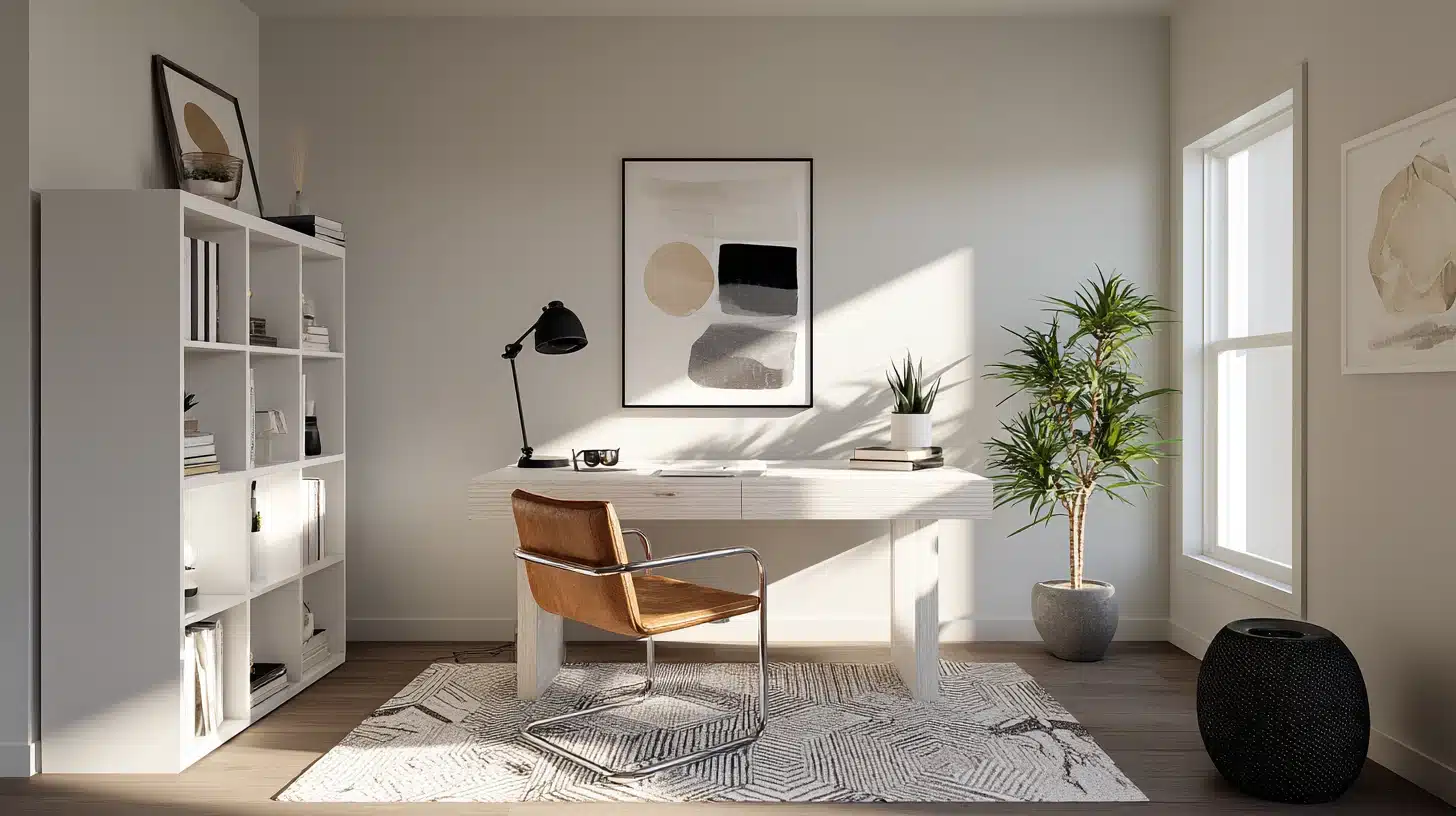
Rooted in function-first design, Bauhaus furniture focuses on strong geometry, sleek silhouettes, and smart construction. Expect tubular steel chairs, clean-lined desks, modular storage, and pieces that feel modern, simple, and purposeful.
- How it looks: Clean, geometric, functional
- Works best in: Home offices, studios, modern living rooms, minimalist apartments
Eclectic and Bohemian Furniture Styles
Eclectic and bohemian styles mix pieces while keeping the room balanced. You often see layered textures, varied patterns, and items that feel collected over time.
18. Bohemian (Boho) Style
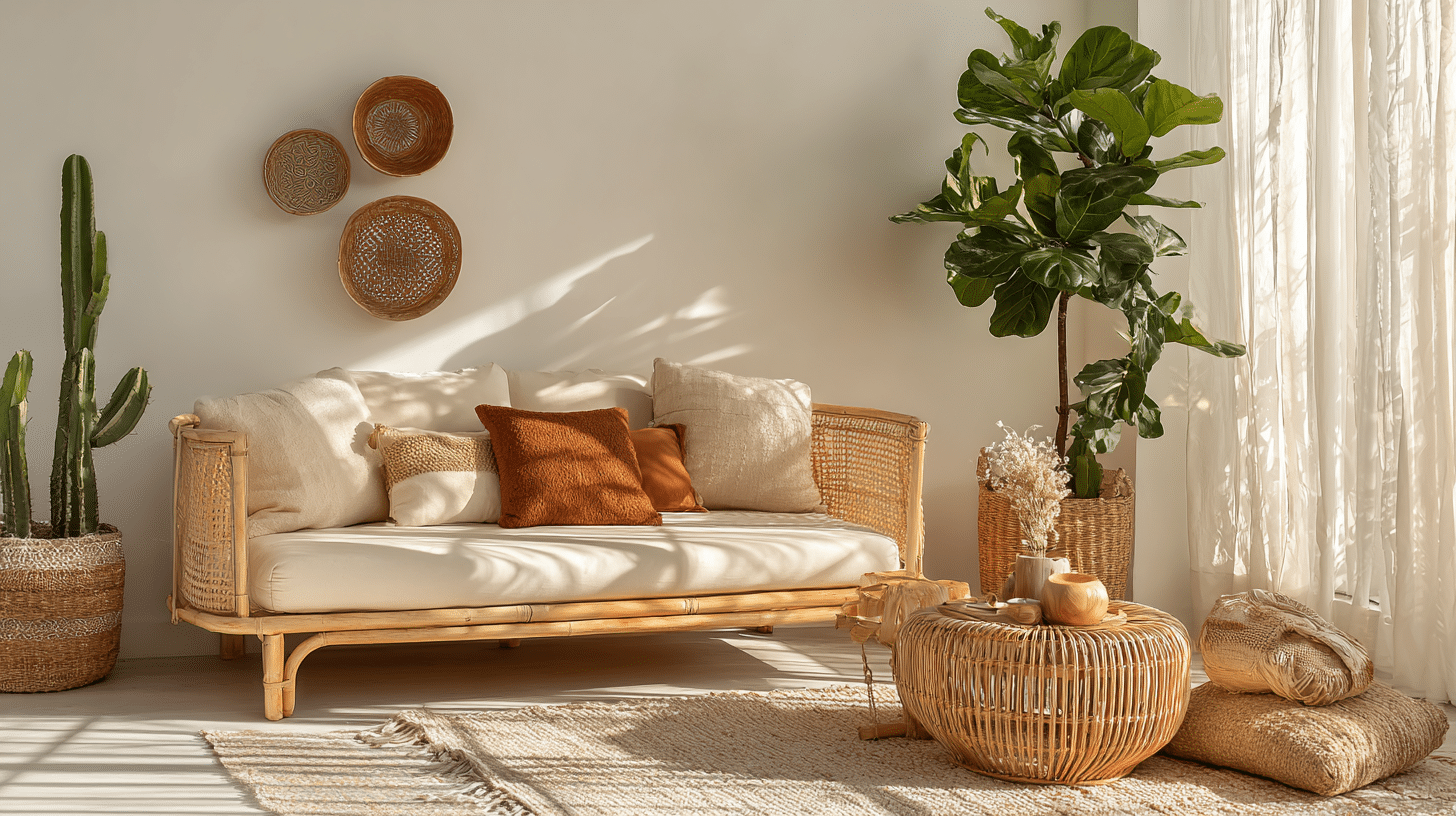
Boho is built by layering rattan, wicker, carved wood, and linencotton textiles with global patterns. Low seating, poufs, woven chairs, and small carved tables give the style a collected, personal feel.
- How it looks: Layered, colorful, relaxed
- Works best in: Living rooms, bedrooms, reading corners, studios
19. Shabby Chic Style
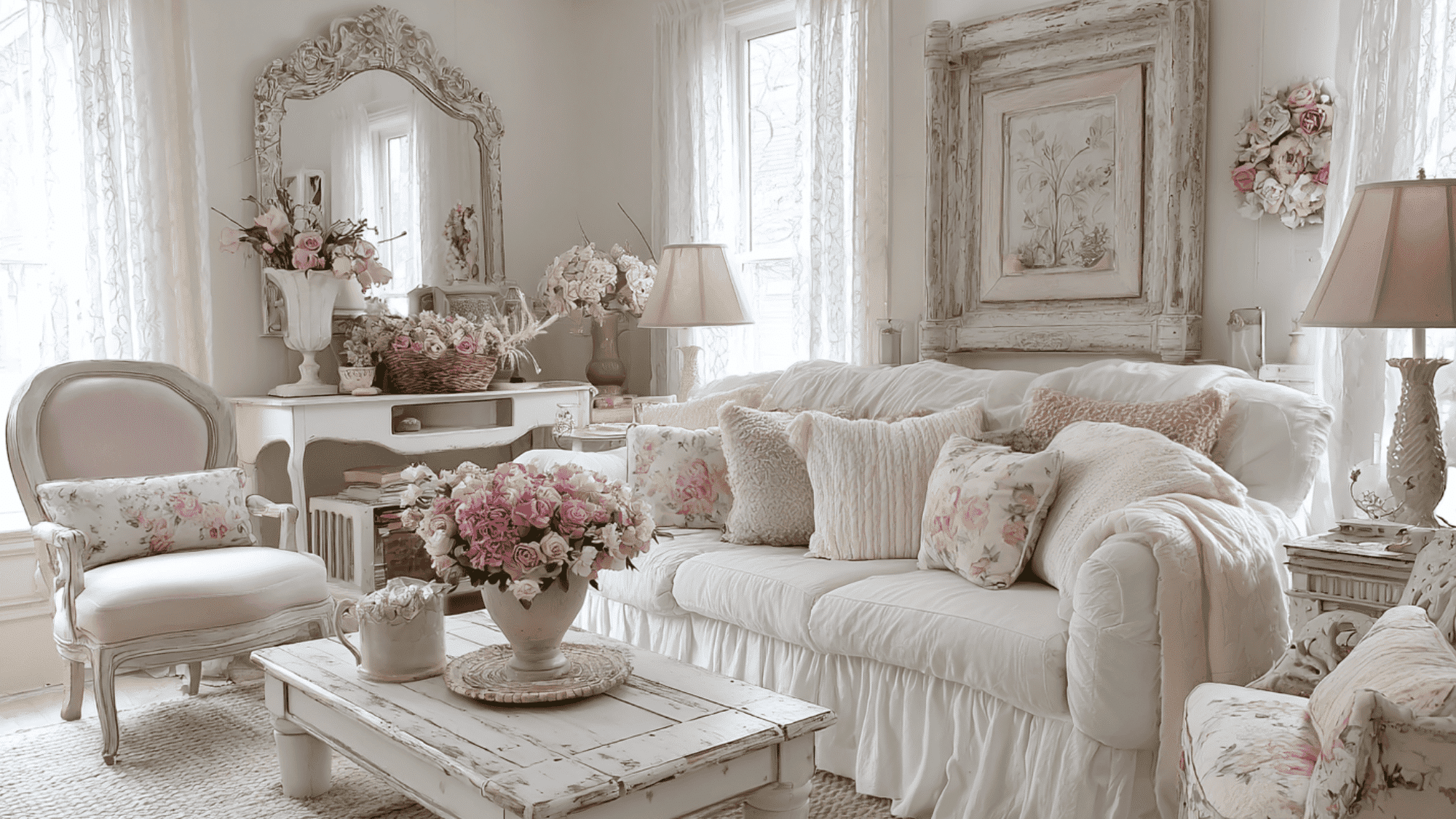
A “soft vintage” look with painted wood, light metal accents, and airy fabrics like linen and cotton. Typical pieces include whitewashed dressers, vintage-style beds, slipcovered seating, and ornate mirrors that add charm fast.
- How it looks: Soft, vintage, distressed
- Works best in: Bedrooms, guest rooms, cottage-style living spaces
20. Eclectic Style
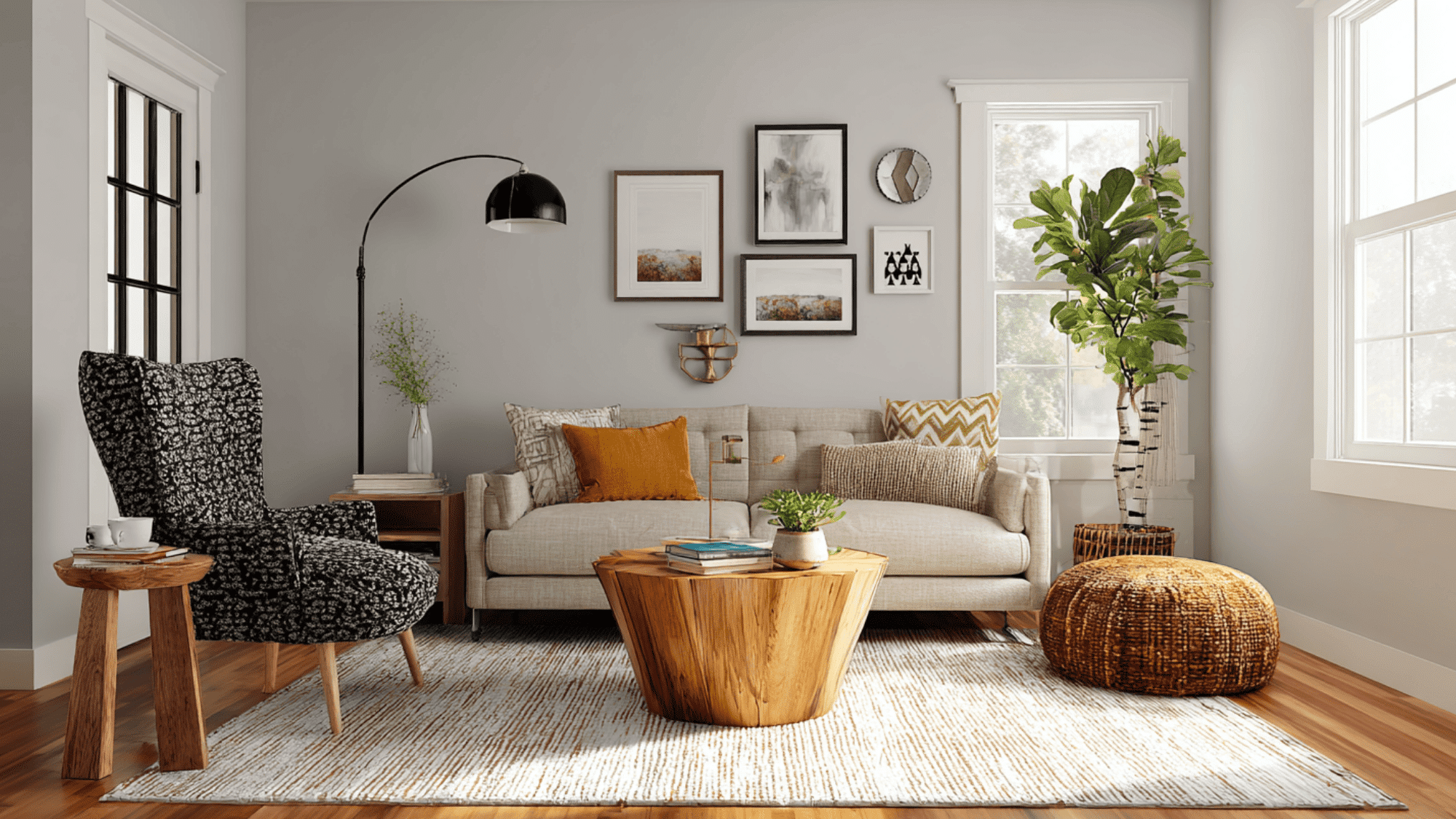
Eclectic isn’t about one material; it’s a mix of wood, metal, glass, old, new, bold, and simple. Statement chairs, standout lighting, and art-led pieces are common anchors that make the room feel intentional.
- How it looks: Mixed, expressive, curated
- Works best in: Living rooms, open-plan spaces, creative studios, entryways
21. Transitional Style
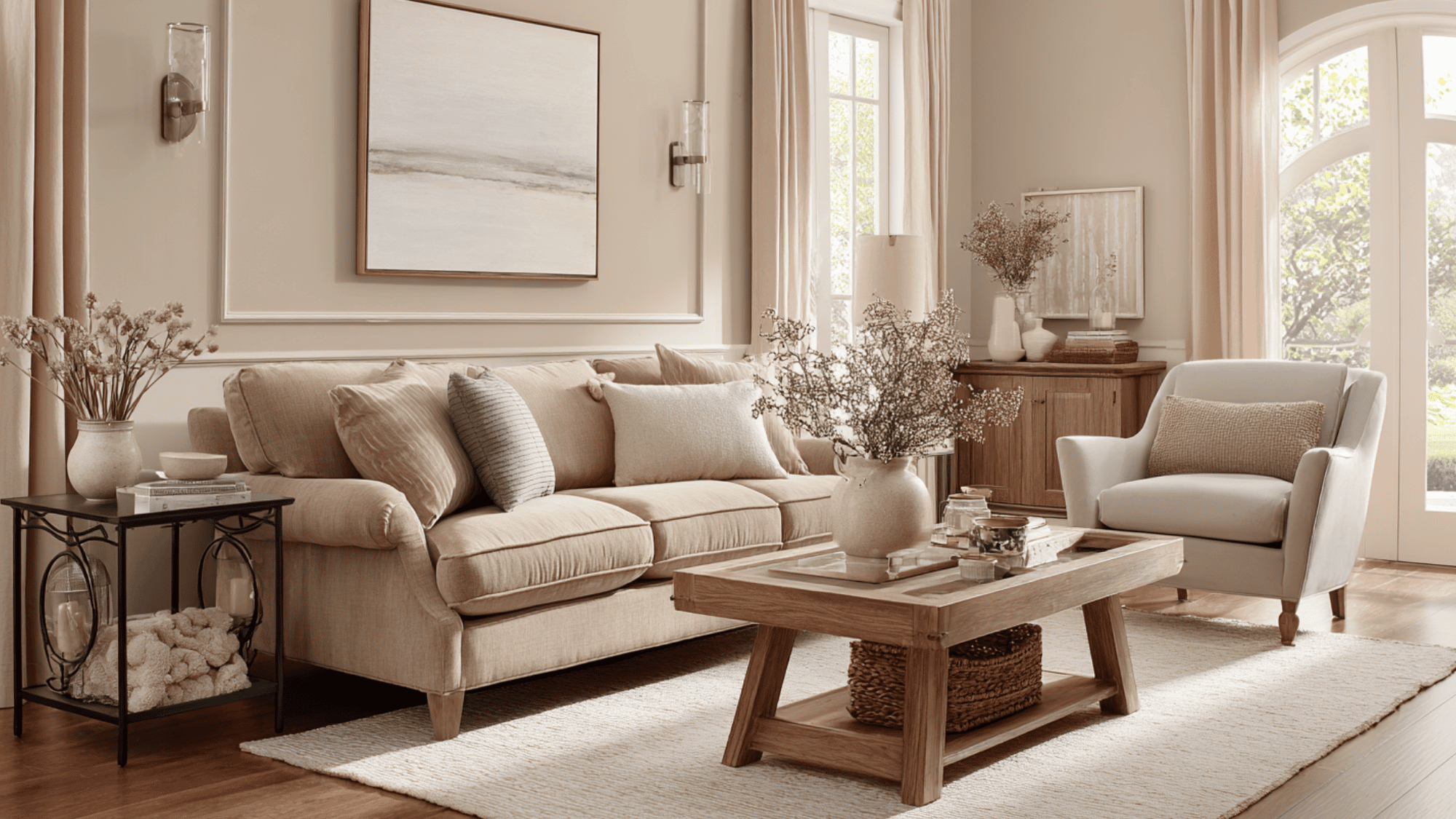
This style lives in the “middle”: modern lines with a touch of traditional comfort, usually in neutral upholstery and medium-tone woods. Tailored sofas, clean dining tables, and practical storage help the space feel polished but livable.
- How it looks: Balanced, timeless, polished
- Works best in: Living rooms, dining rooms, primary bedrooms, family rooms
Natural and Rustic Furniture Styles
Natural and rustic styles highlight wood, texture, and a comfortable feel. You will often see earthy colors, simple shapes, and materials that show grain, weave, or natural character.
22. Rustic Style
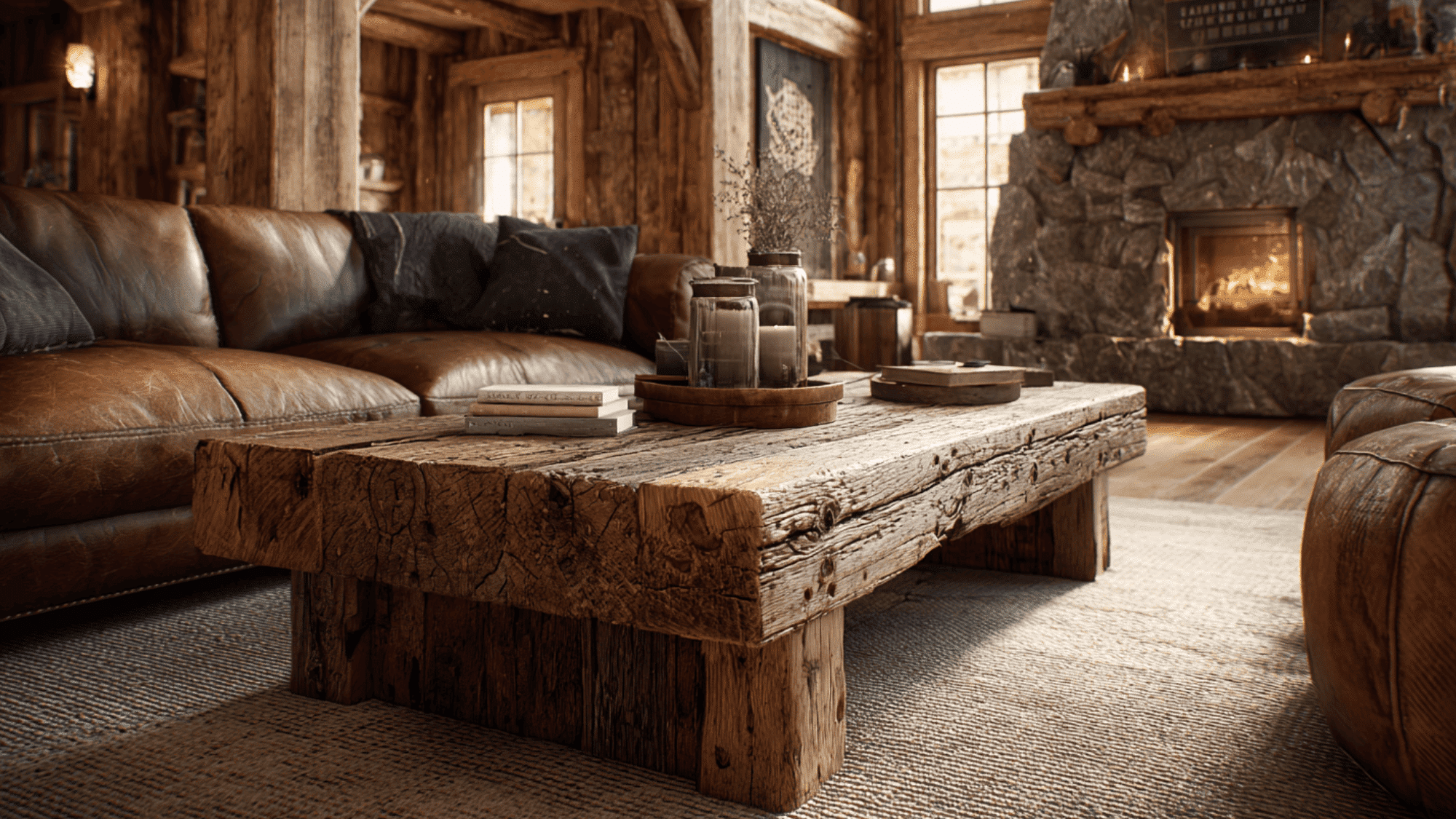
Rustic prioritizes real texture, reclaimed wood, knots, grain, and thick construction, sometimes with iron or stone accents. Chunky dining tables, heavy coffee tables, solid beds, and wood benches are common staples.
- How it looks: Raw, sturdy, natural
- Works best in: Cabins, family rooms, dining rooms, lodge-style bedrooms
23. Farmhouse Style
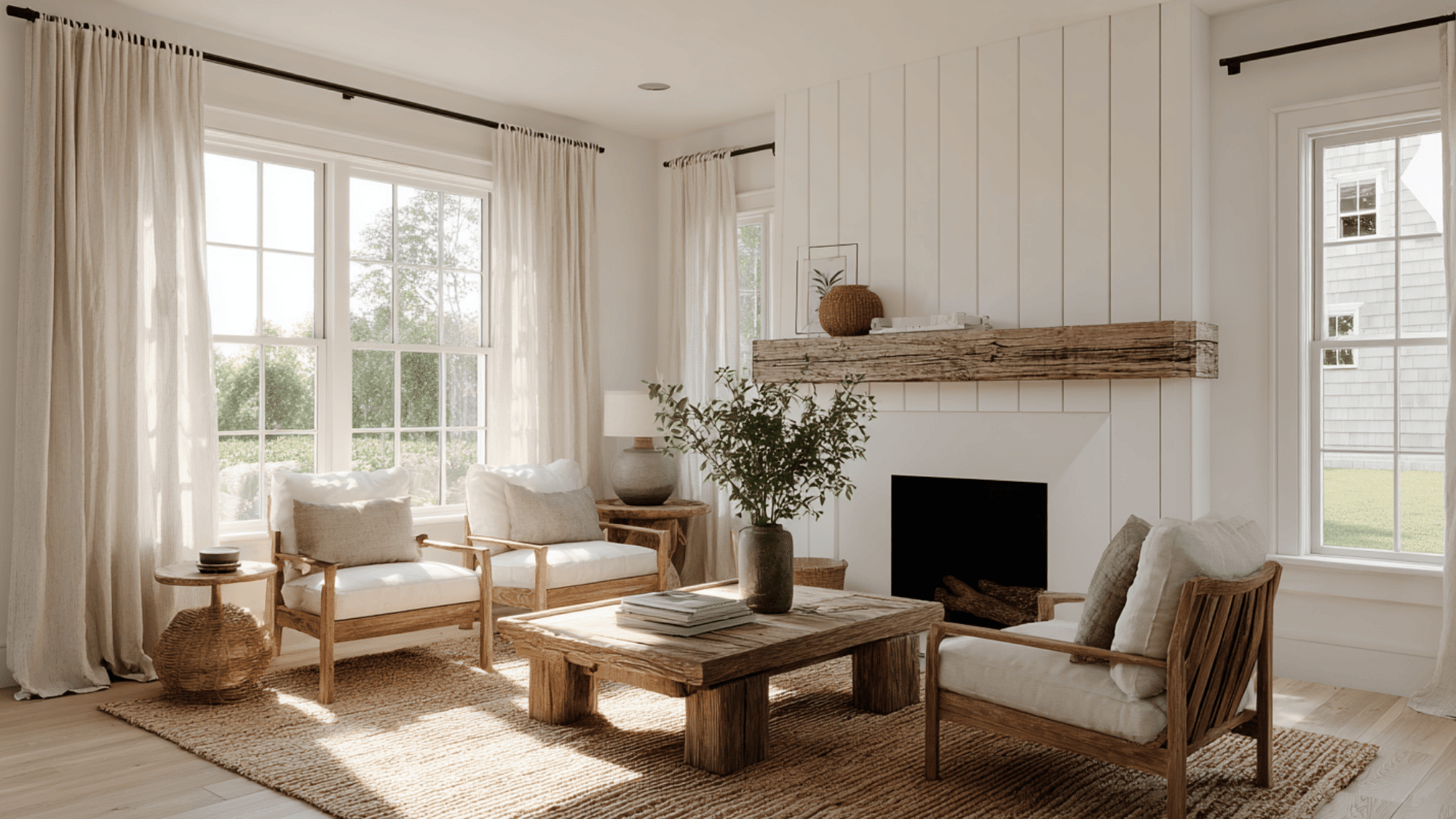
Farmhouse furniture feels simple, welcoming, and practical for everyday use. Look for classic shapes, sturdy builds, and a mix of painted and natural wood finishes. Materials often include pine, oak, painted wood, wrought iron, and cotton or linen fabrics.
- How it looks: Cozy, casual, homey
- Works best in: Kitchens, dining areas, family rooms, mudrooms
24. Coastal Style
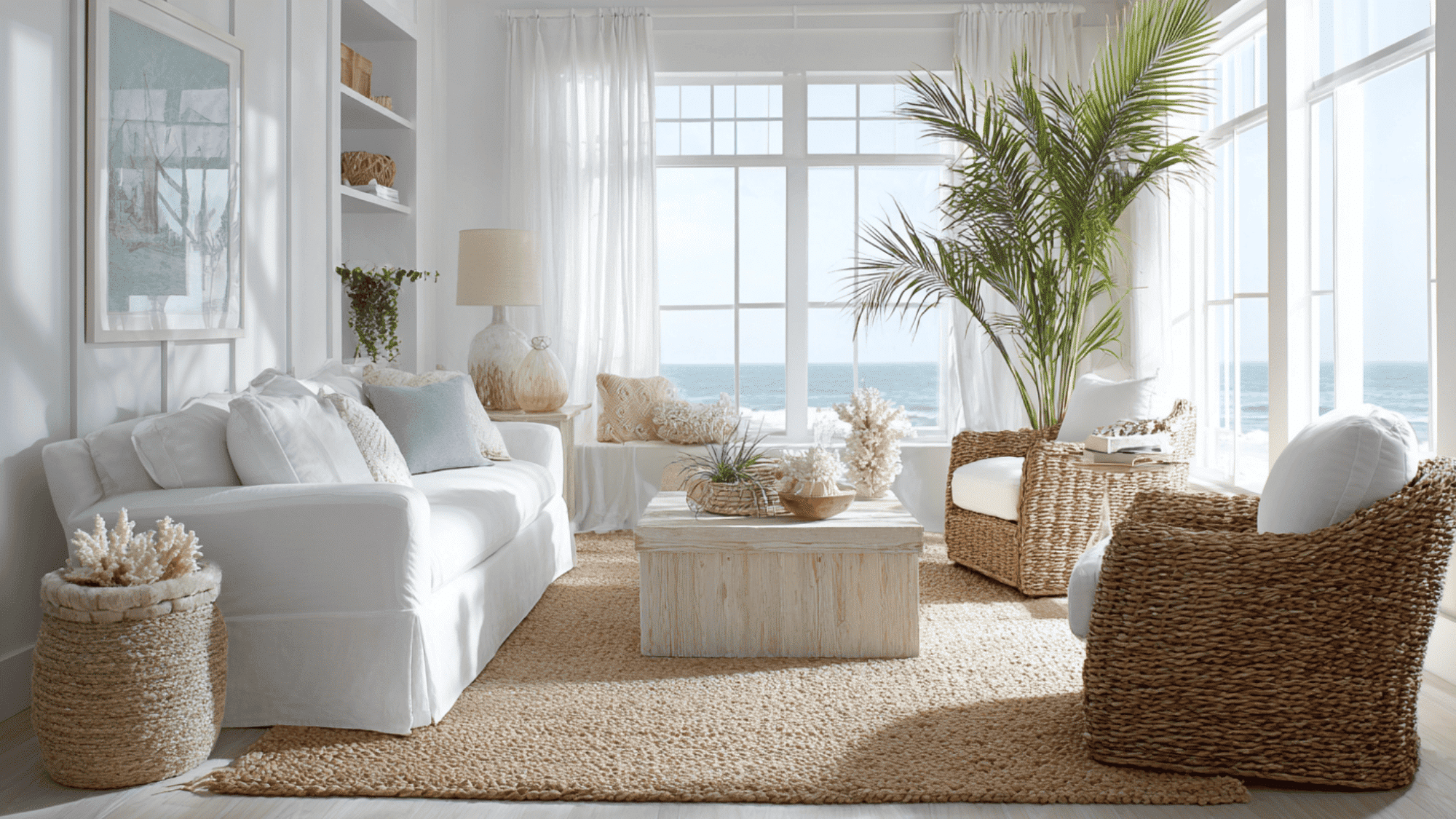
Coastal style aims for lightness, pale woods, woven textures, and breezy textiles. Slipcovered sofas, rattan chairs, light-wood coffee tables, and simple sideboards help the room feel airy and clean.
- How it looks: Bright, breezy, relaxed
- Works best in: Living rooms, bedrooms, sunrooms, beach-style dining spaces
25. Organic Modern Style
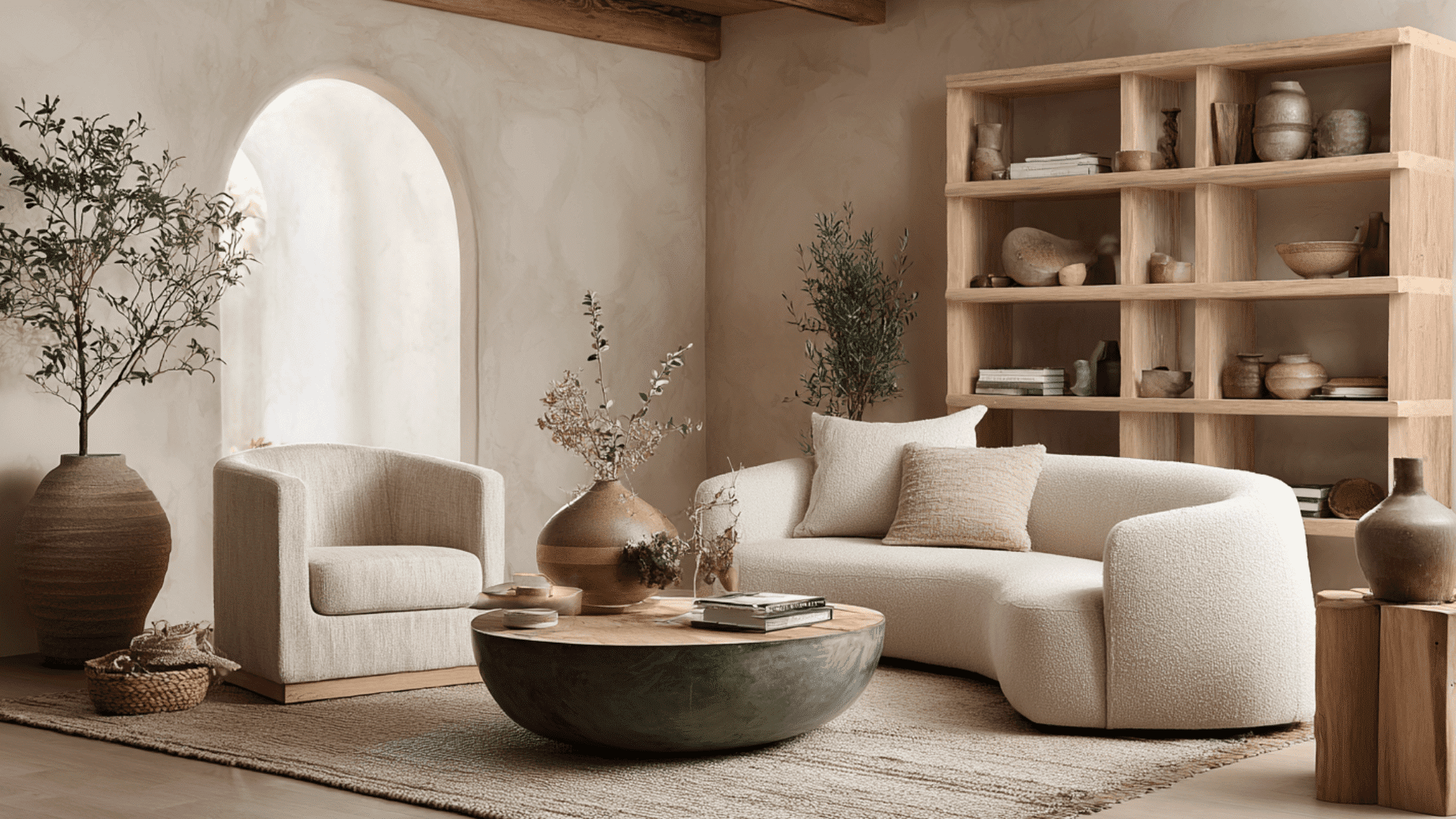
This style softens contemporary design by bringing in nature: warm woods, stone/clay accents, and textured textiles like linen and wool. Curved sofas, wood-and-stone tables, and neutral upholstered seating fit naturally here.
- How it looks: Clean, warm, natural
- Works best in: Open-plan living rooms, bedrooms, dining rooms, modern homes
Regional and Cultural Furniture Styles
Regional and cultural furniture draws on local crafts, materials, and everyday needs. You will often notice signature woodwork, patterns, and building methods that reflect a place or tradition.
26. Mediterranean Style
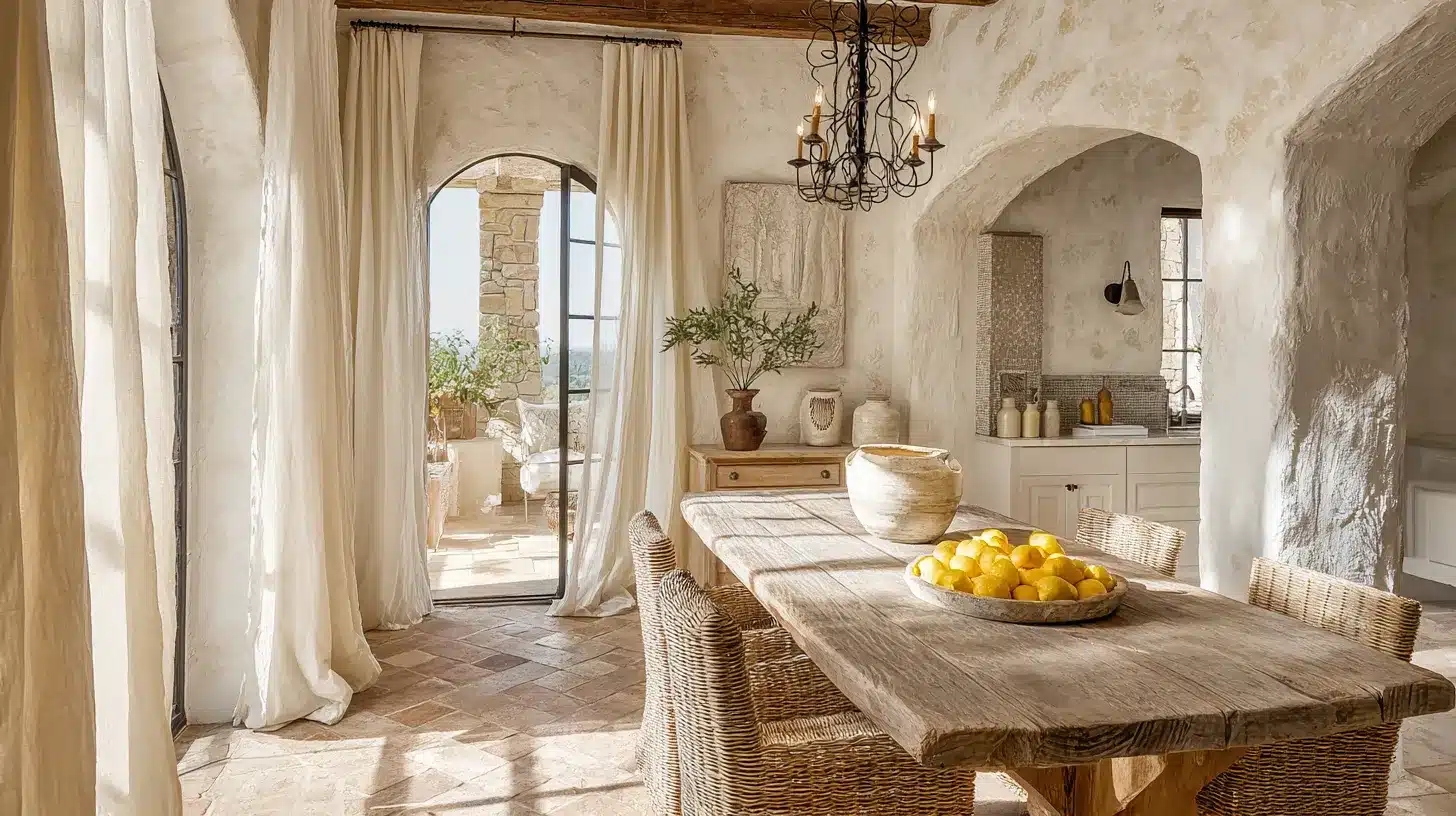
Inspired by coastal homes across Southern Europe, Mediterranean style uses warm earth tones, textured plaster-like finishes, rustic woods, and wrought-iron details. Look for chunky dining tables, arched shapes, woven chairs, mosaic accents, and breezy linen fabrics.
- How it looks: Sunny, earthy, relaxed
- Works best in: Dining rooms, patios/sunrooms, kitchens, airy living rooms
- How it looks: Comfortable, practical, balanced
- Works best in: Family rooms, living rooms, dining rooms, home offices
- How it looks: Sturdy, straight-lined, structured
- Works best in: Dining rooms, living rooms, home offices, libraries
- How it looks: Simple, clean, practical
- Works best in: Kitchens, dining areas, bedrooms, small spaces
- How it looks: Calm, balanced, minimal
- Works best in: Bedrooms, living rooms, meditation corners, minimalist homes
- How it looks: Textured, earthy, pattern-rich
- Works best in: Living rooms, entryways, reading corners, eclectic spaces
- How it looks: Nostalgic, collected, lived-in
- Works best in: Living rooms, bedrooms, entryways, studios
- How it looks: Classic, ornate, heirloom-like
- Works best in: Dining rooms, formal living rooms, offices, entryways
- How it looks: Cozy, polished, upscale
- Works best in: Living rooms, primary bedrooms, lounges, open-plan homes
- How it looks: Modern, mixed, city-inspired
- Works best in: Apartments, lofts, home offices, small living rooms
- Buying without a plan: Choose one anchor style for big pieces like the sofa, bed, or table. Add smaller items that match the same shapes or finishes.
- Ignoring scale: Measure the room and leave clear walking paths around furniture. Oversized pieces can crowd the space, and tiny pieces can look lost.
- Mixing too many styles: Limit the room to two or three styles to keep it connected. Repeat an element, such as wood tone, metal finish, or curved lines.
- Clashing finishes: Stick to one or two wood tones across significant furniture pieces. Choose one main metal finish for legs, handles, and accents.
- Prioritizing looks over use: Pick fabrics and surfaces that match daily life, like easy-clean upholstery. Choose durable finishes for high-traffic areas and dining spaces.
- Overdoing trends: Use trends in small pieces, such as lamps, stools, or accent chairs. Keep big pieces simple so they still work when styles change.
27. American Design Style
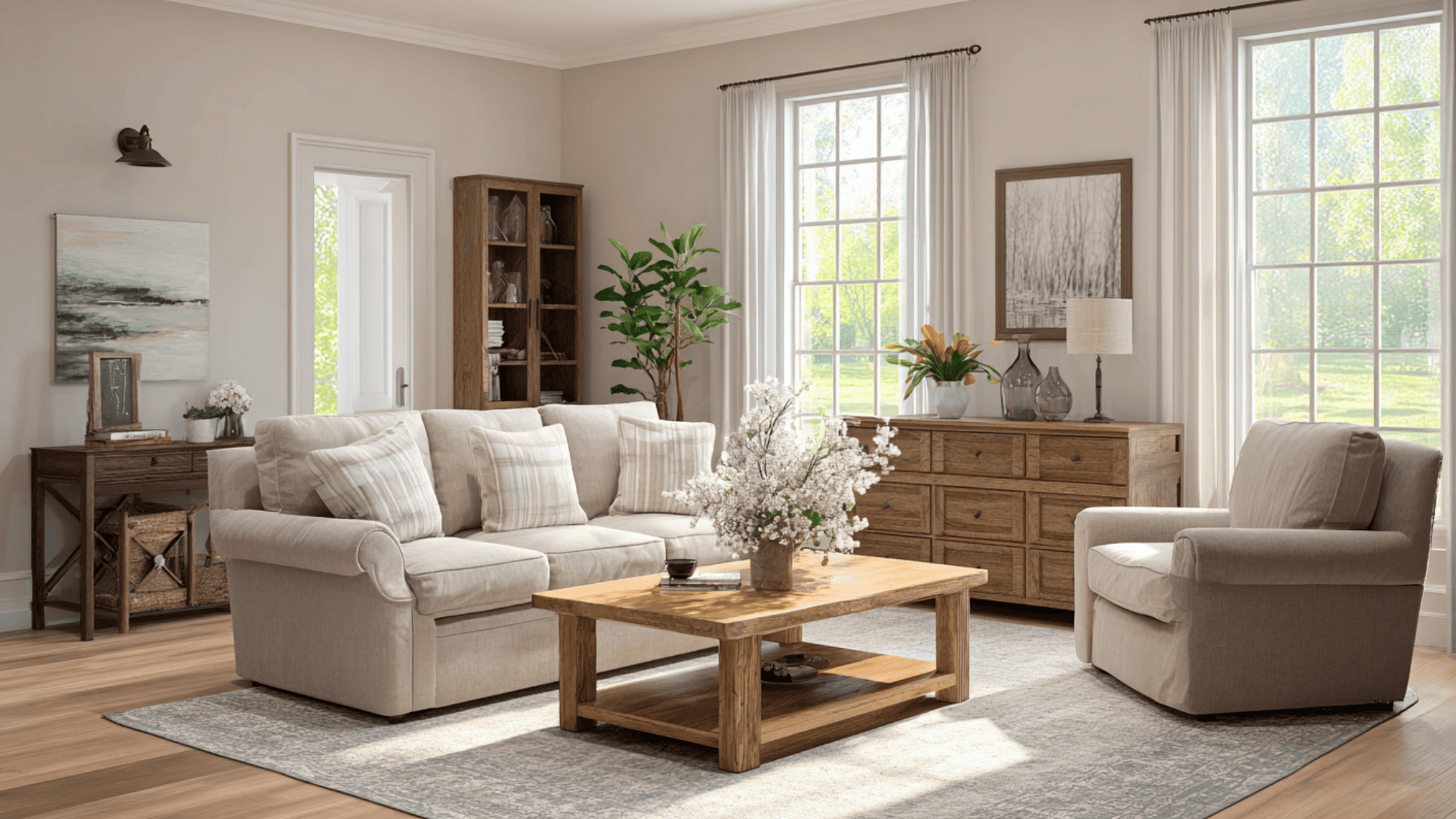
Made for comfort and daily life, American design favors durable upholstery and familiar forms in woods like oak, maple, or cherry. You’ll commonly see family-friendly sofas, solid dining sets, storage dressers, and classic armchairs.
28. Mission Style
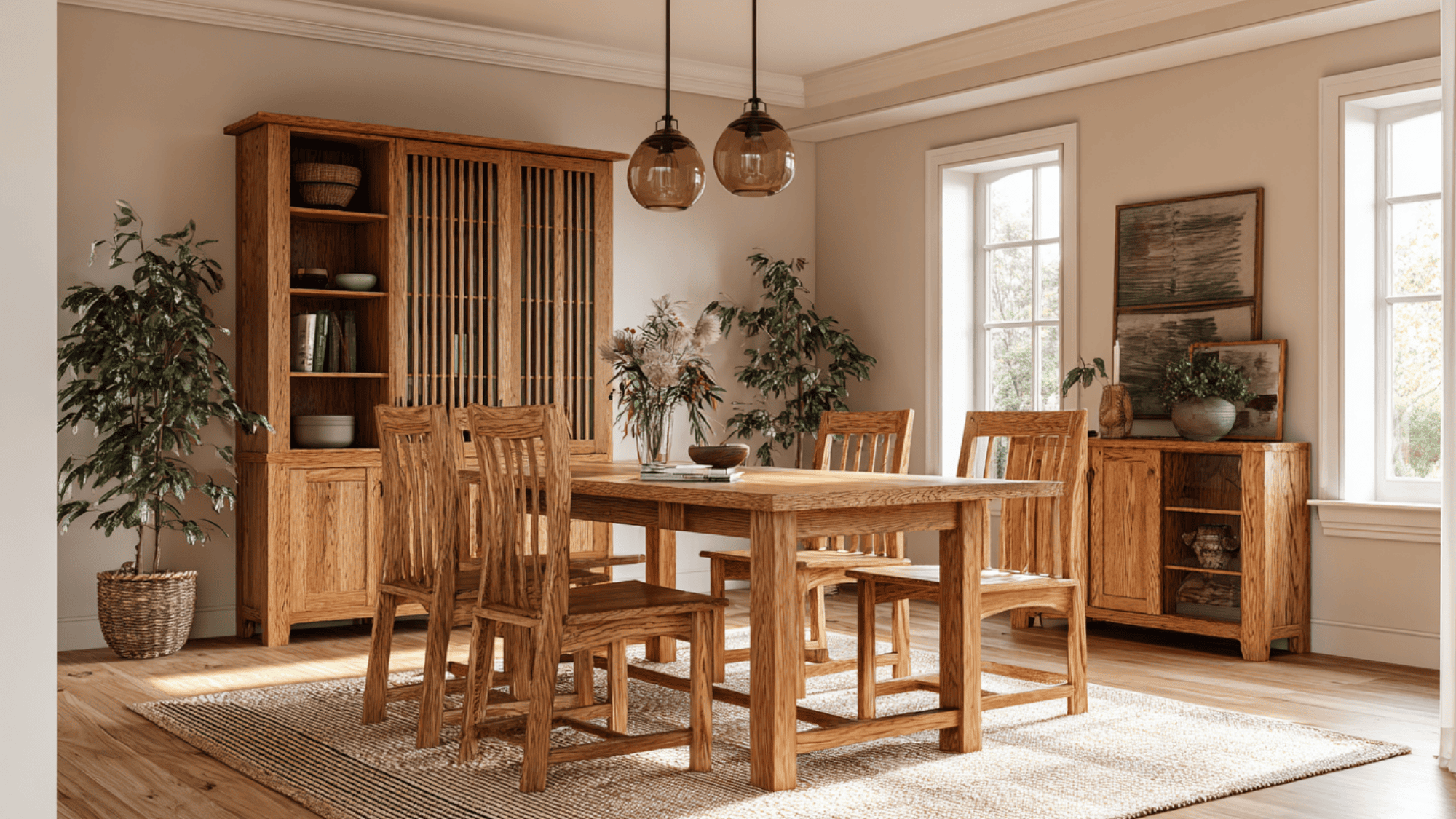
Mission style highlights structured flat panels, thick frames, and honest oak grain, often paired with leather or simple fabrics. Slatted-back chairs, sturdy tables, bookcases, and square-arm sofas are typical.
29. Shaker Style
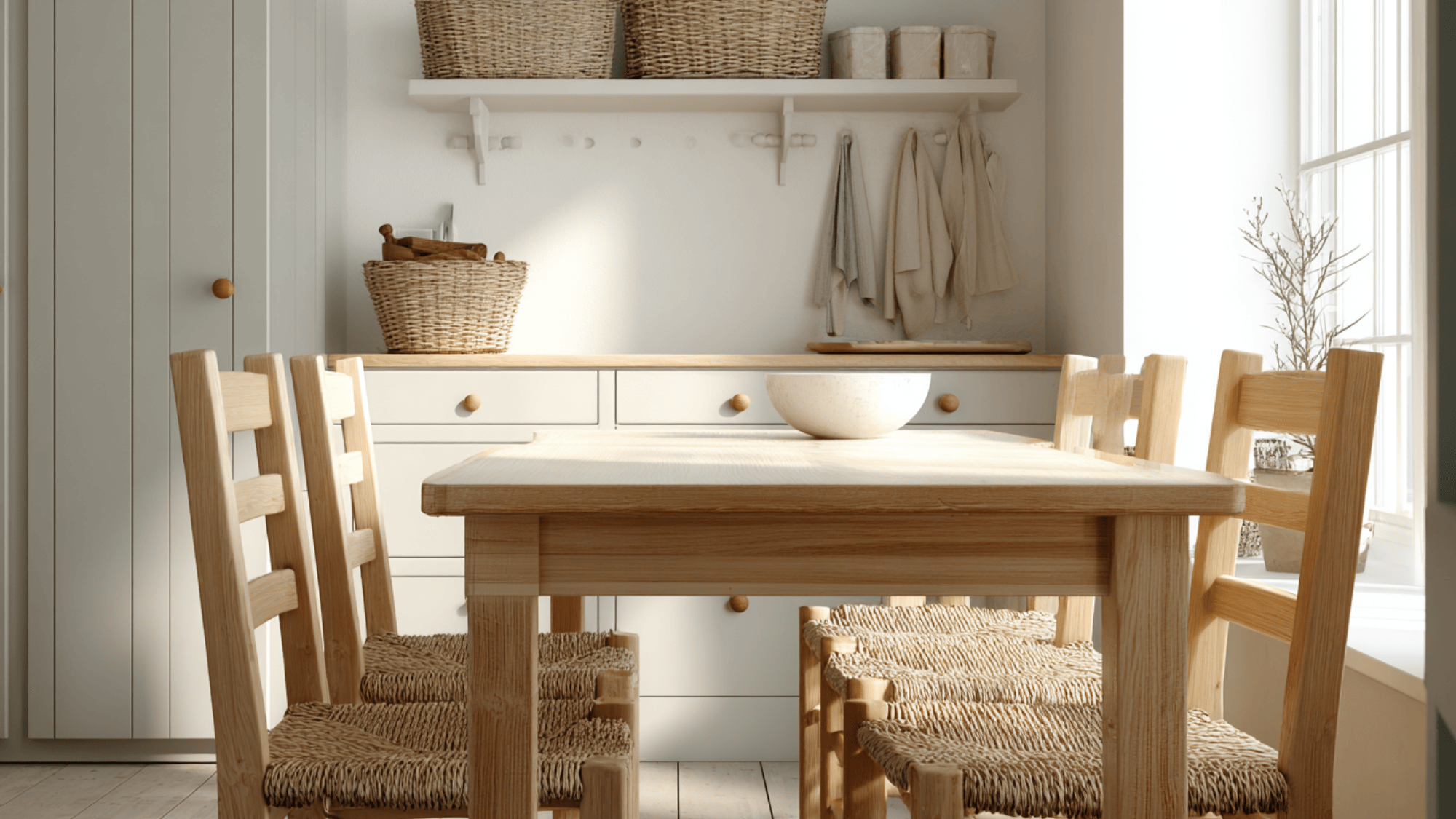
Shaker furniture is quiet and purposeful, built with clean lines and practical details like simple knobs and woven seats. Maple/cherry/pine are common, along with ladder-back chairs, peg rails, and straightforward cabinets.
30. Asian-Inspired Style
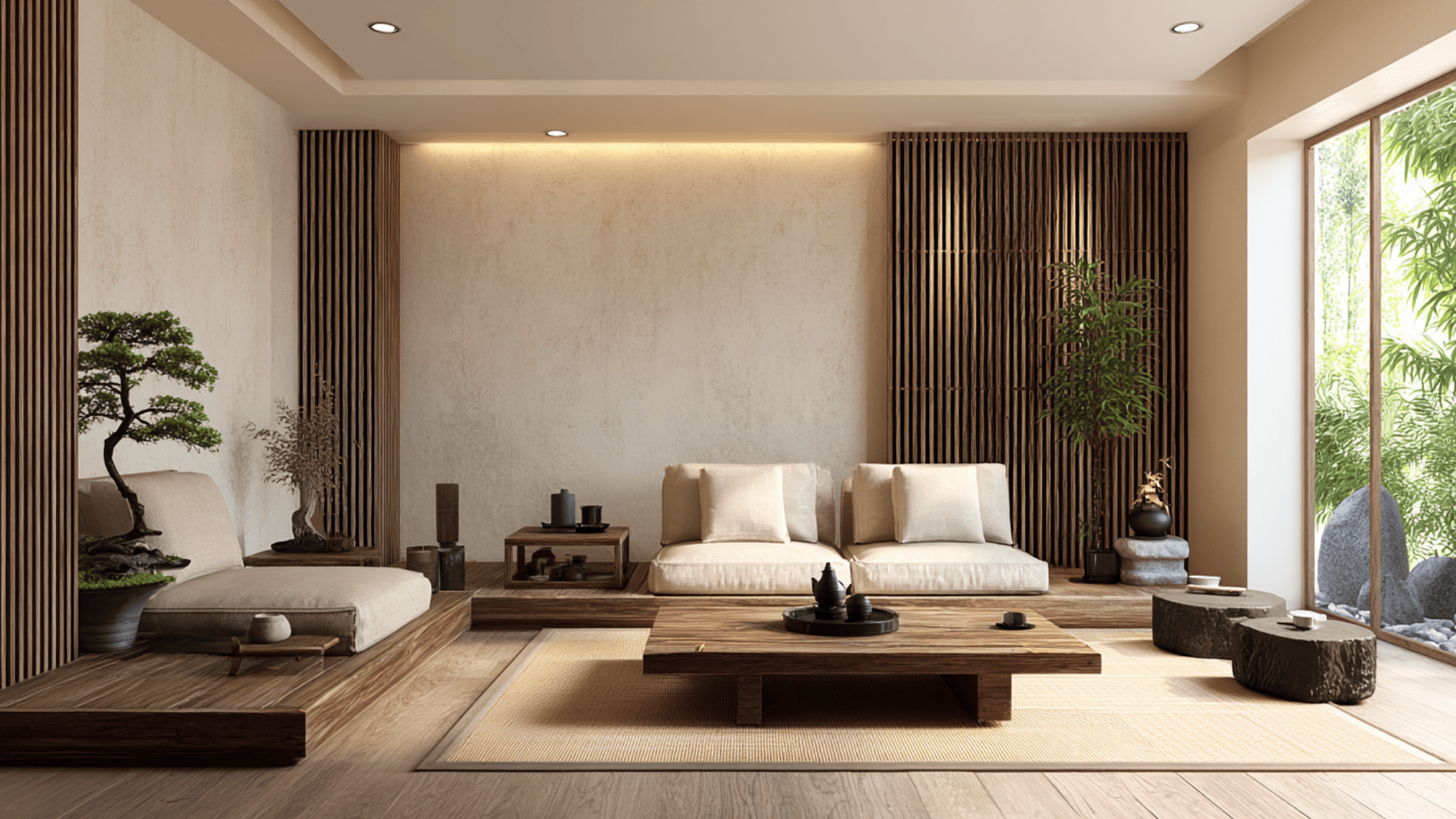
Often grounded in low profiles and calm finishes, this style uses bamboo, teak-like woods, lacquer, and soft textiles. Typical pieces include platform beds, low seating, screen dividers, and clean storage that keeps the room uncluttered.
31. Tribal Style
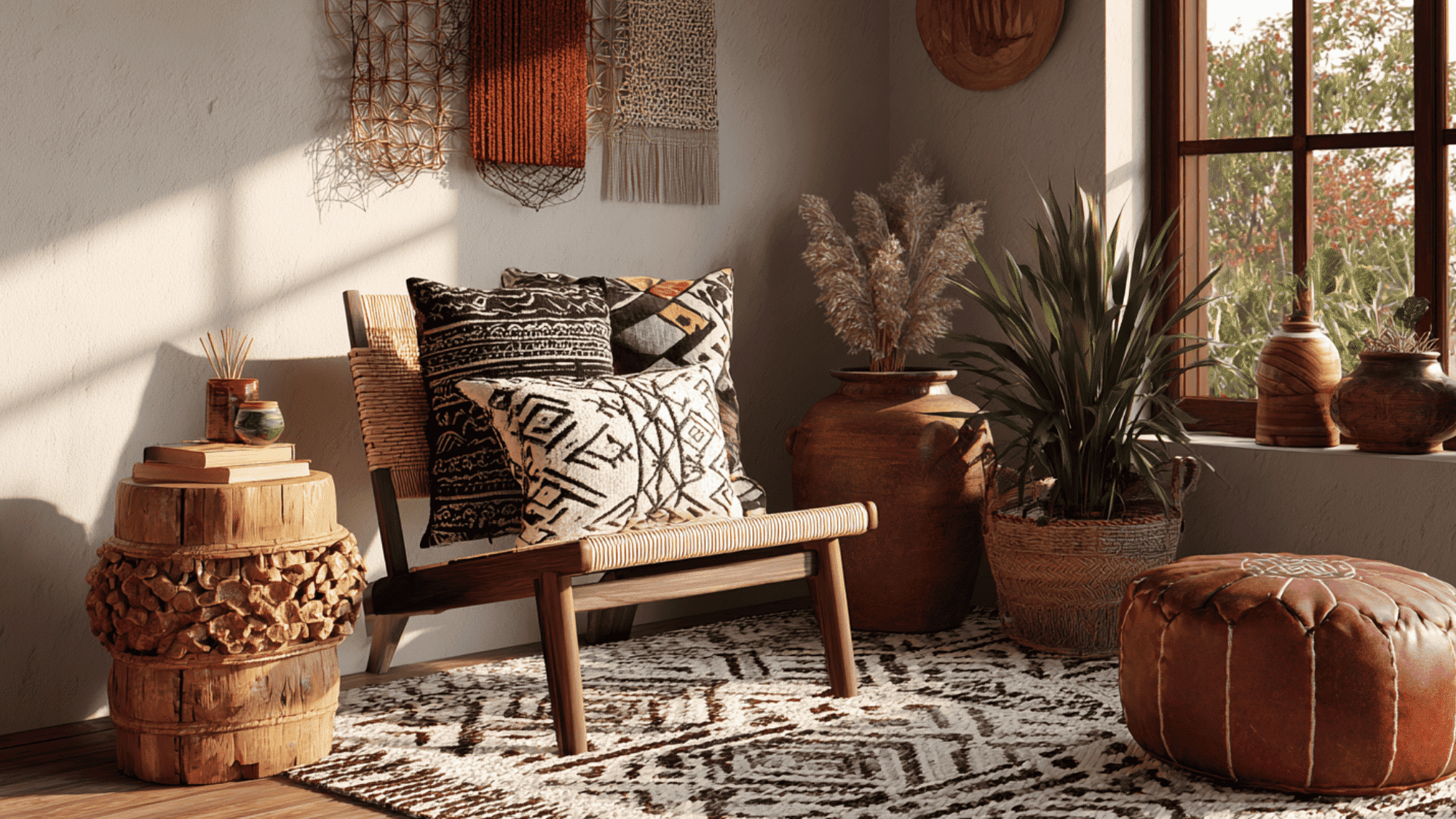
Tribal style leans into craft carved wood, woven textiles, leather, clay, and bead/metal accents. Carved stools, patterned rugs, woven chairs, and small statement tables quickly bring the look in.
Niche Furniture Styles
Niche styles help you create a more personal mood than broad categories. These styles often rely on finish, age, and styling details rather than on a single set of rules.
32. Vintage Style
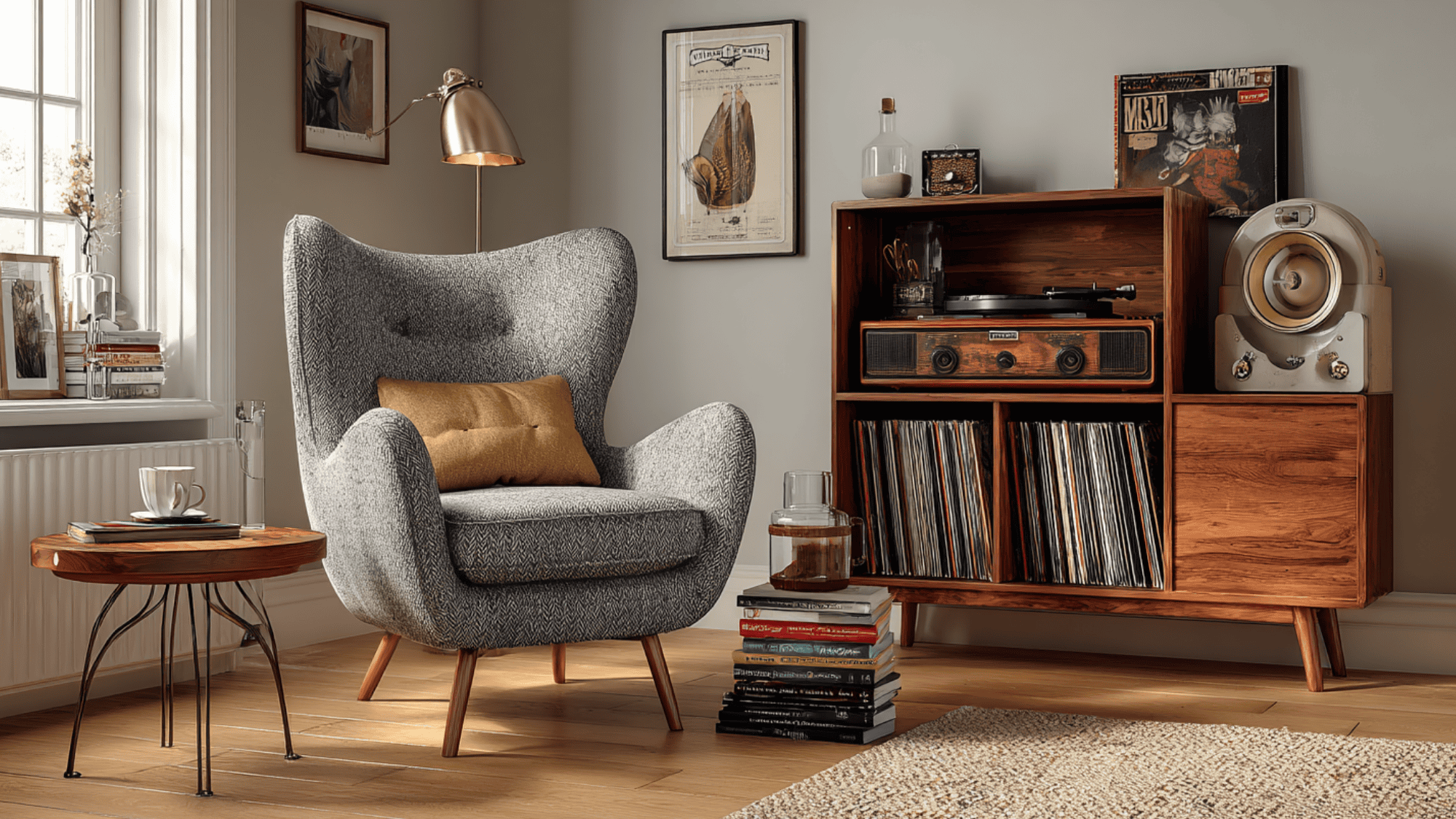
Vintage draws on mid-1900s forms and finishes, mixing wood/metal/glass with older-style fabrics like tweed or patterned fabrics. Record cabinets, sideboards, curved armchairs, and retro tables are common finds.
33. Antique Style
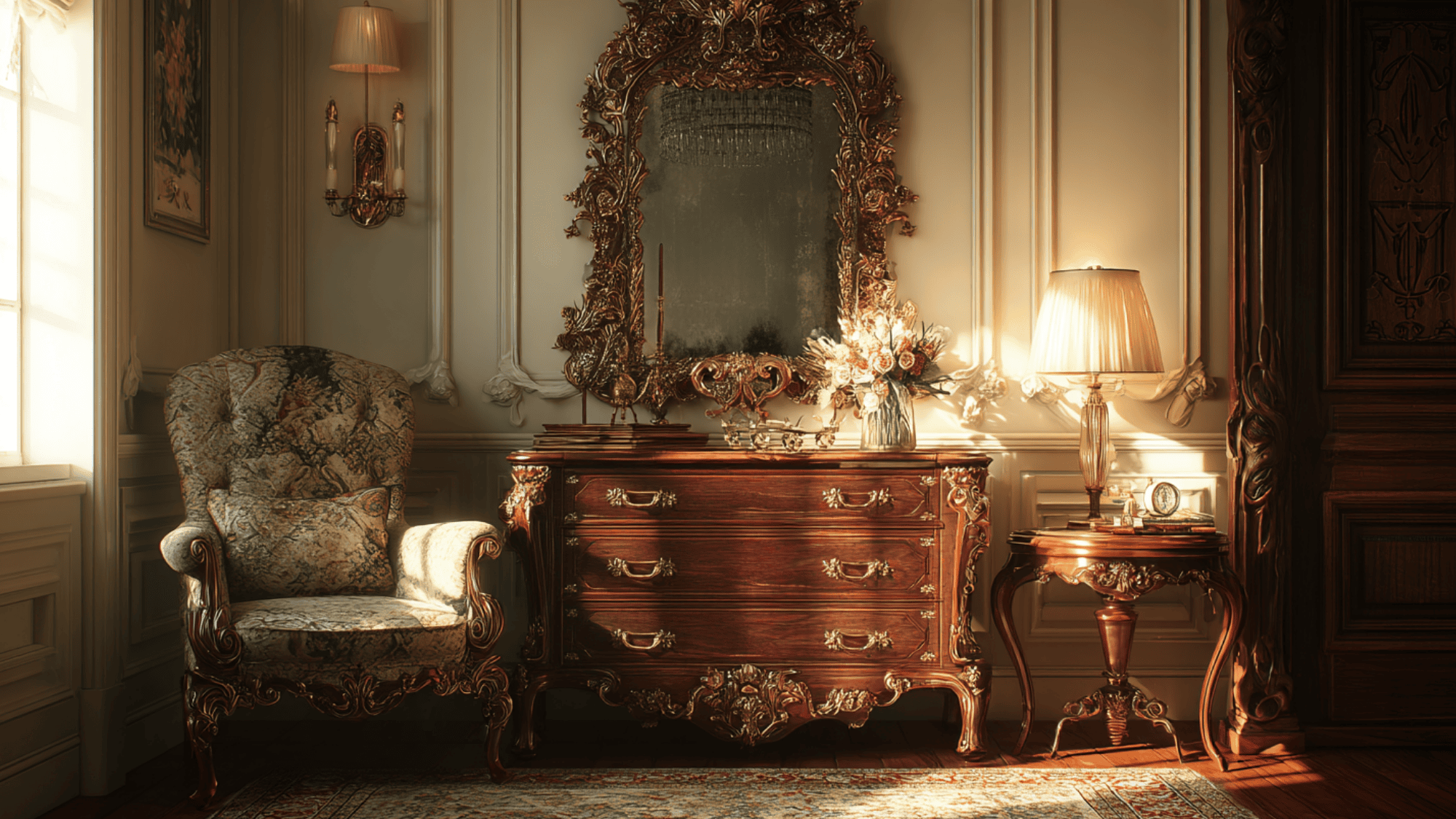
Antique pieces emphasize traditional craft hardwoods like walnut, oak, and mahogany, brass hardware, and classic upholstery. Carved dressers, formal dining tables, ornate mirrors, and detailed cabinets often appear.
34. Casual Luxe Style
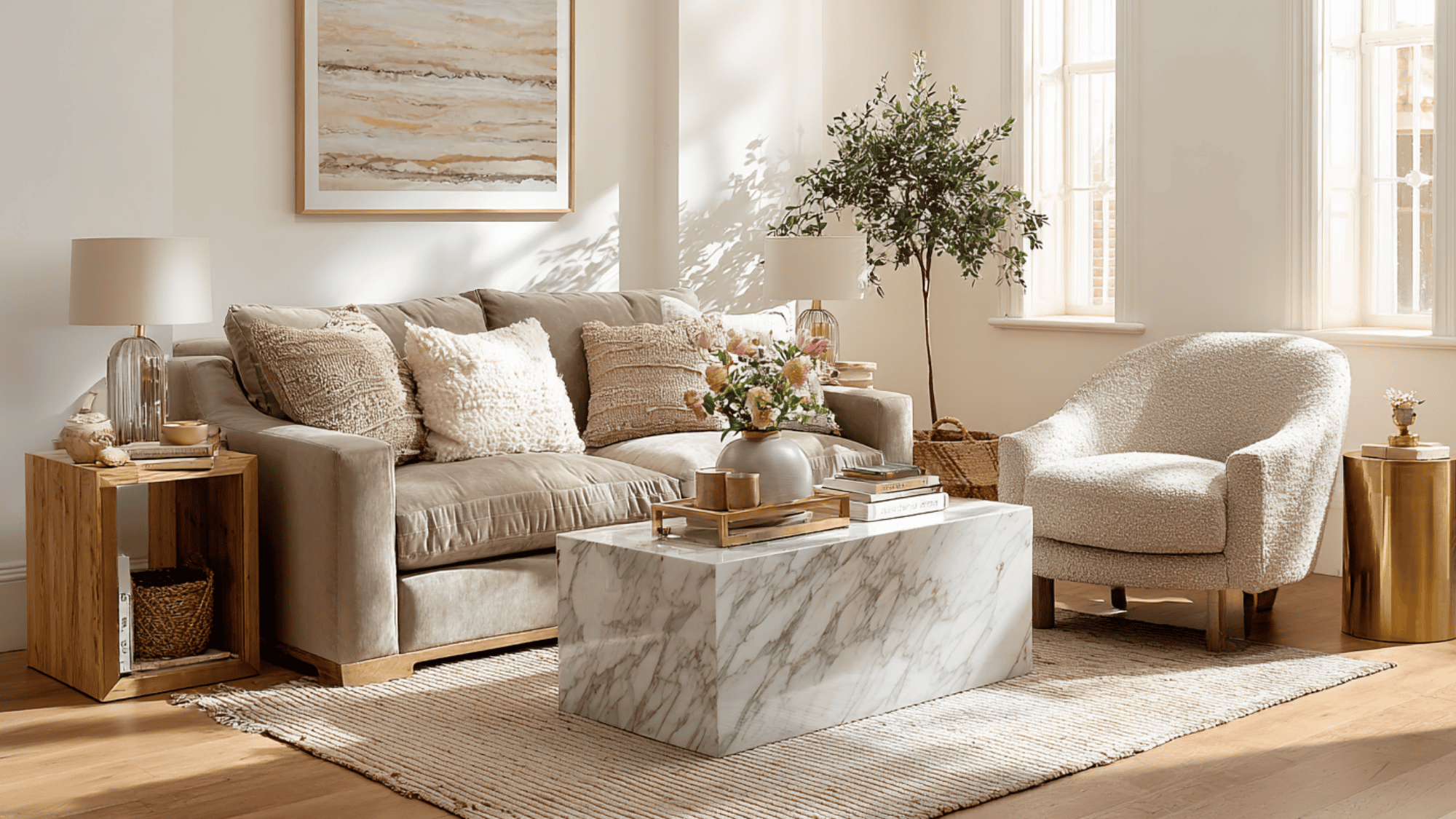
Casual luxe is comfort with upgrades: deep seating, tailored upholstery, and details like marble or stone accents and warm metals (brass). Expect plush sofas, upholstered beds, refined side tables, and sleek storage.
35. Urban Collective Style
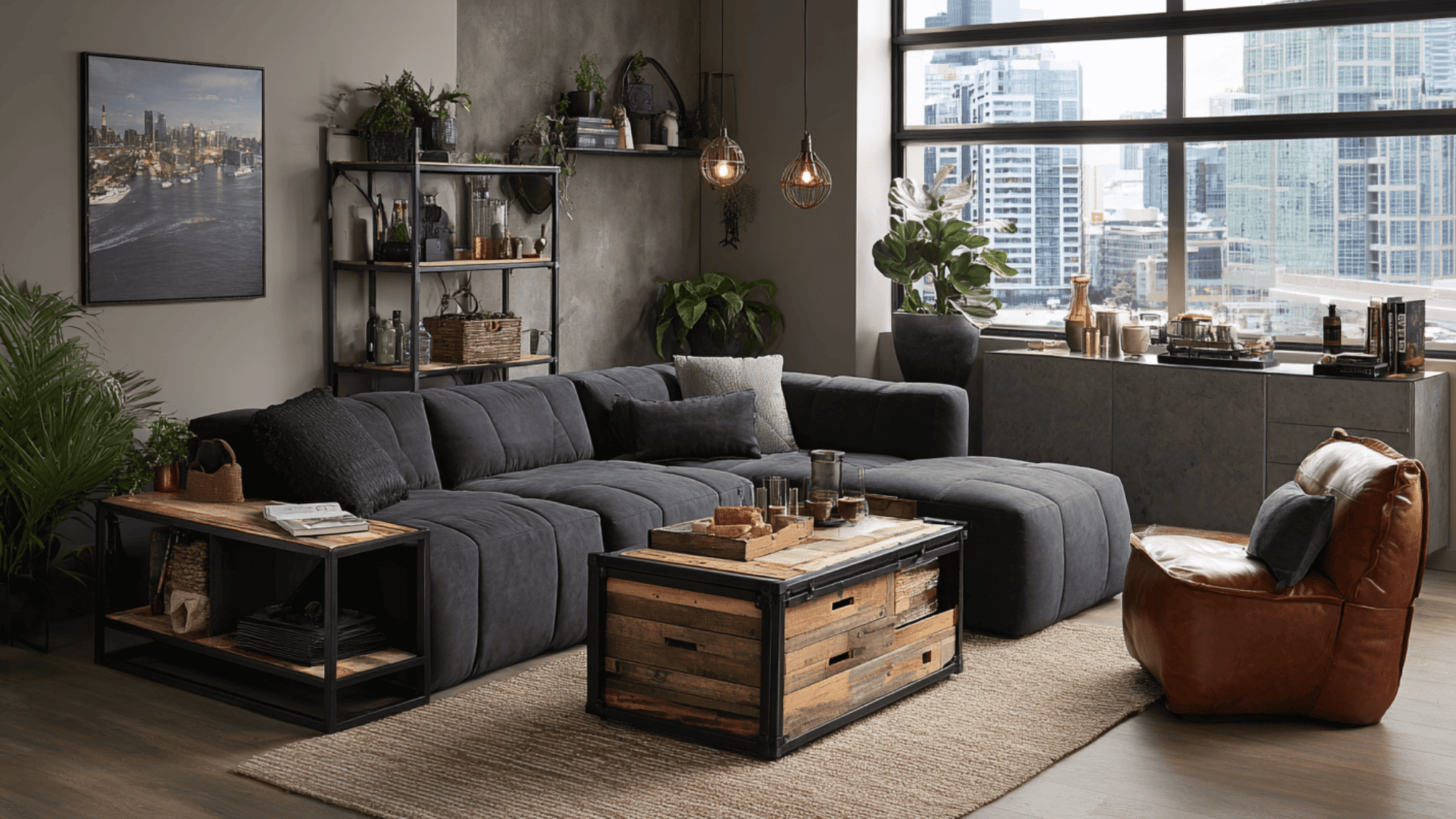
Designed with city spaces in mind, this style mixes metal frames, reclaimed wood, leather, and concrete-look finishes in compact, flexible forms. Modular seating, open shelving, and mixed-material tables are typical go-tos.
Common Mistakes to Avoid When Choosing Furniture Styles
Furniture can feel mismatched when you mix sizes, finishes, and styles without a clear plan. These common mistakes help you spot problems early and keep your room looking consistent.
Bottom Line
Furniture styles become much easier to choose once you know what to look for. You can now spot the difference between traditional symmetry and modern simplicity, or recognize mid-century tapered legs versus industrial metal frames.
Each style has clear traits that match different rooms, lifestyles, and budgets. Start small if you feel overwhelmed. Pick one style for one room, then add pieces over time. You don’t need to commit to a single style for your entire home.
Mix transitional pieces to bridge different looks, or use neutral basics that work with any style. The goal is not perfection. The goal is to create a space that feels right as soon as you walk in.
Ready to change your space? Share your journey with us in the comments below, or tag us in your before-and-after photos. I’d love to see what you create!
Frequently Asked Questions (FAQs)
What Is The Difference Between Modern And Contemporary Furniture?
Modern is rooted in mid-20th-century design with clean, simple forms. Contemporary follows current trends and shifts over time, borrowing from many looks, including modern.
How Do I Mix Furniture Styles So It Still Looks Cohesive?
Pick one anchor style for the largest piece, repeat 2 to 3 colors, and limit wood tones and metal finishes. Mix styles that share a similar scale.
How Can I Identify A Furniture Style Quickly?
Look at legs, feet, drawer pulls, and backs first. Then check the wood type and construction details. Those features often signal a style or era, especially in antique pieces.