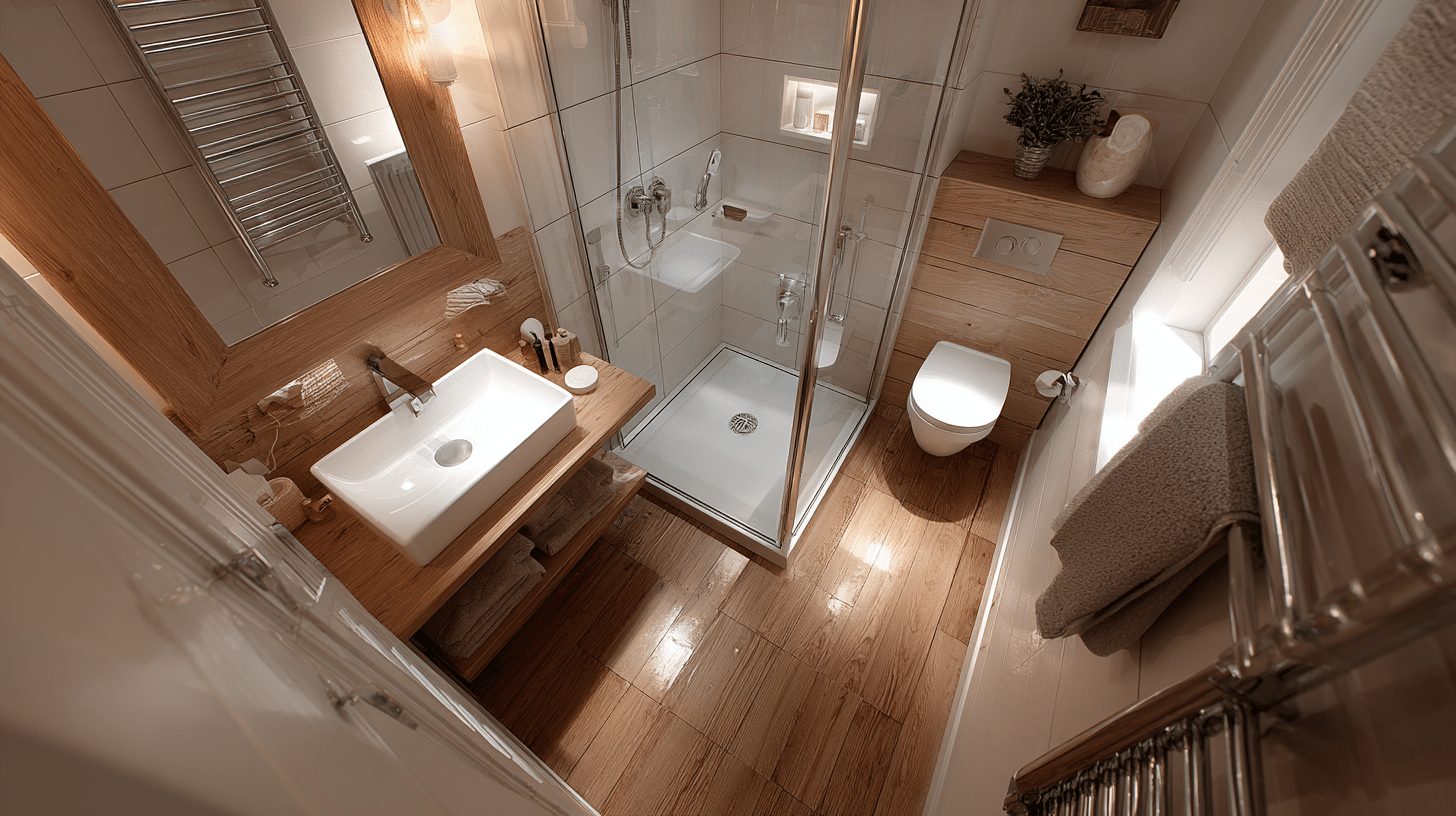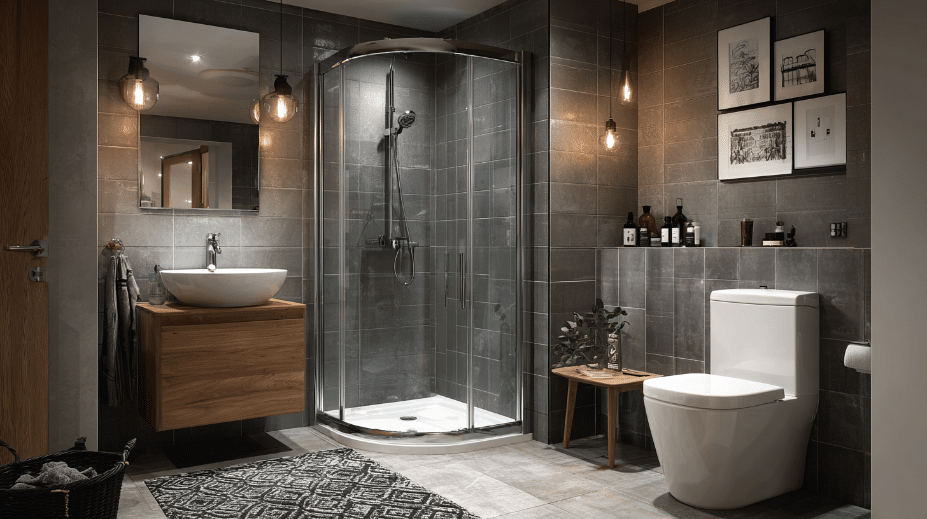
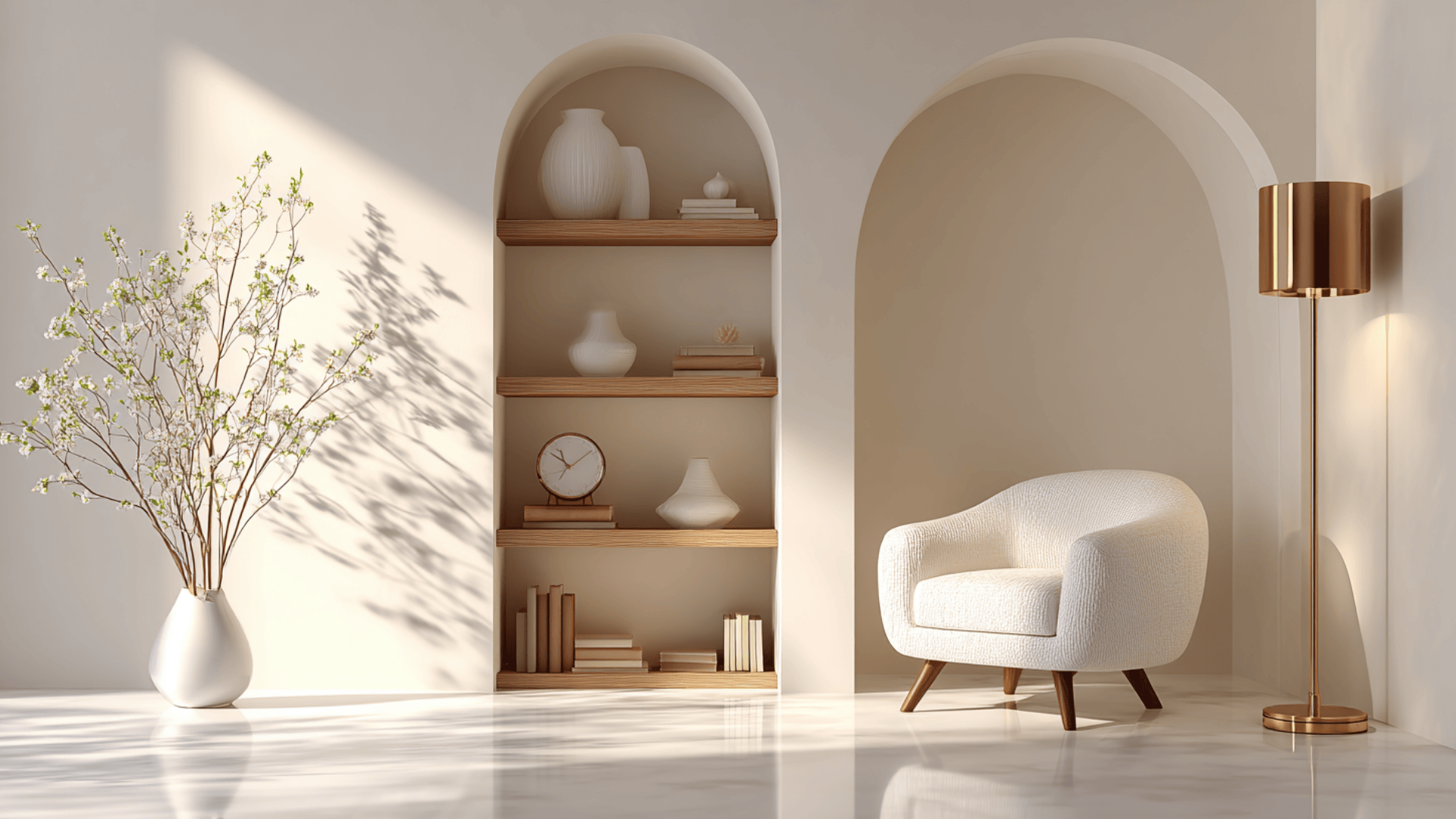
Doesn’t life feel loud these days? There is too much stuff, many choices, and much noise. That’s why the idea of “less, but better” hits different right now. It just makes sense.
A minimalist aesthetic isn’t about living with nothing. It’s about keeping what matters and letting go of what doesn’t. Simple as that.
So what does the minimalist aesthetic really mean? It starts with a few core principles. Clean lines, neutral colors, and quality over quantity. These features show up everywhere – from the furniture you choose to the clothes you wear.
You’ll see how it works in your home, your wardrobe, and even your daily routine.
Starting fresh? Tired of clutter? Want more calm in your space? You’re in the right place. Let’s keep things simple and get started.
What Is A Minimalist Aesthetic?
Think “less is more.” That’s the heart of the minimalist aesthetic. It’s a calm, clean style built on intentional choices. But minimalism isn’t just a look. It’s a mindset.
Minimalism means keeping what adds real value and removing what distracts you. The minimalist aesthetic is simply how that mindset shows up in your space, clothes, and routines.
In real life, it might look like white walls, a simple couch, and one plant. Or a plain t-shirt, jeans, and sneakers. It’s not about having nothing. It’s about having less with purpose. Every item earns its place.
Minimalist Principles That Guide Every Choice
Minimalist aesthetic follows a few simple rules. These principles show up in every decision you make. They help you figure out what stays and what goes.
| Minimalist Principle | Quick Tip |
|---|---|
| Intentionality | Keep what you use daily, what brings comfort, or what looks right in your space. |
| Simplicity | Less stuff equals less mental clutter. Fewer things help you focus and think clearly. |
| Function First | Put things where you’ll actually use them. If it doesn’t make life easier, let it go. |
| Quality Over Quantity | Buy fewer items with better materials. They last longer and save money over time. |
These principles work together. They’re not strict rules. Think of them as a guide. When you’re not sure about something, come back to these ideas.
Features Of Minimalist Aesthetic
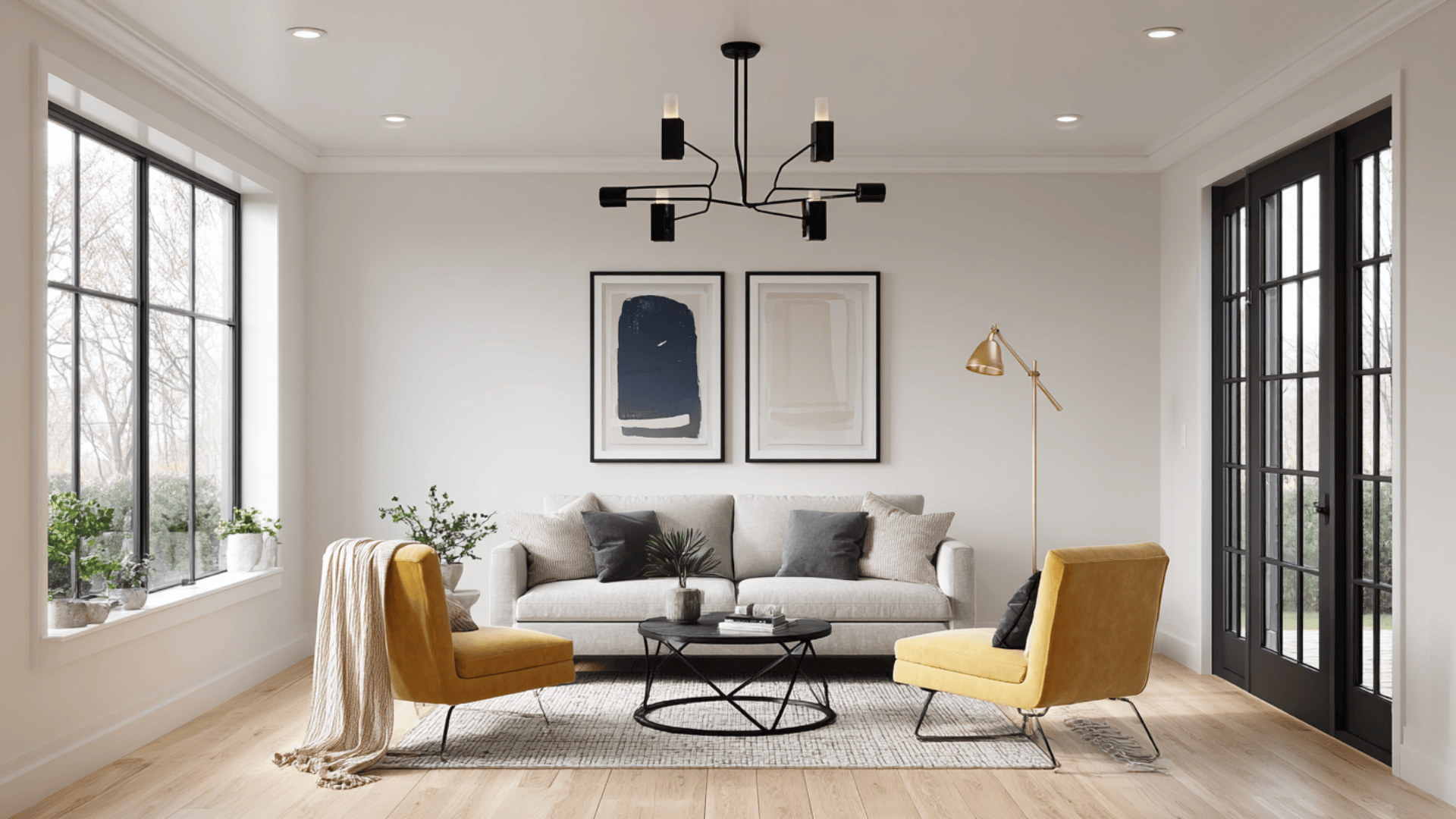
What does a minimalist aesthetic actually look like? Here are the features you’ll see repeatedly. Once you know them, you’ll spot this style everywhere.
- Clean Lines and Uncluttered Surfaces: Straight edges and simple shapes define the space. Surfaces stay clear with no piles of stuff. Everything has its place so rooms feel bigger and calmer.
- Neutral or Limited Color Palette: Stick to whites, grays, beige, and soft browns. Add one or two accent colors if needed. Keep tones close together so everything flows smoothly without fighting for attention.
- Open Space and Breathing Room: Leave empty space between furniture pieces. Don’t fill every corner or cover every wall. This breathing room makes your home feel relaxed and gives you space to think clearly.
- Thoughtful Curation: Pick one or two meaningful items per shelf instead of ten random pieces. Each item gets attention when it’s not competing with clutter. Less decoration creates more visual impact overall.
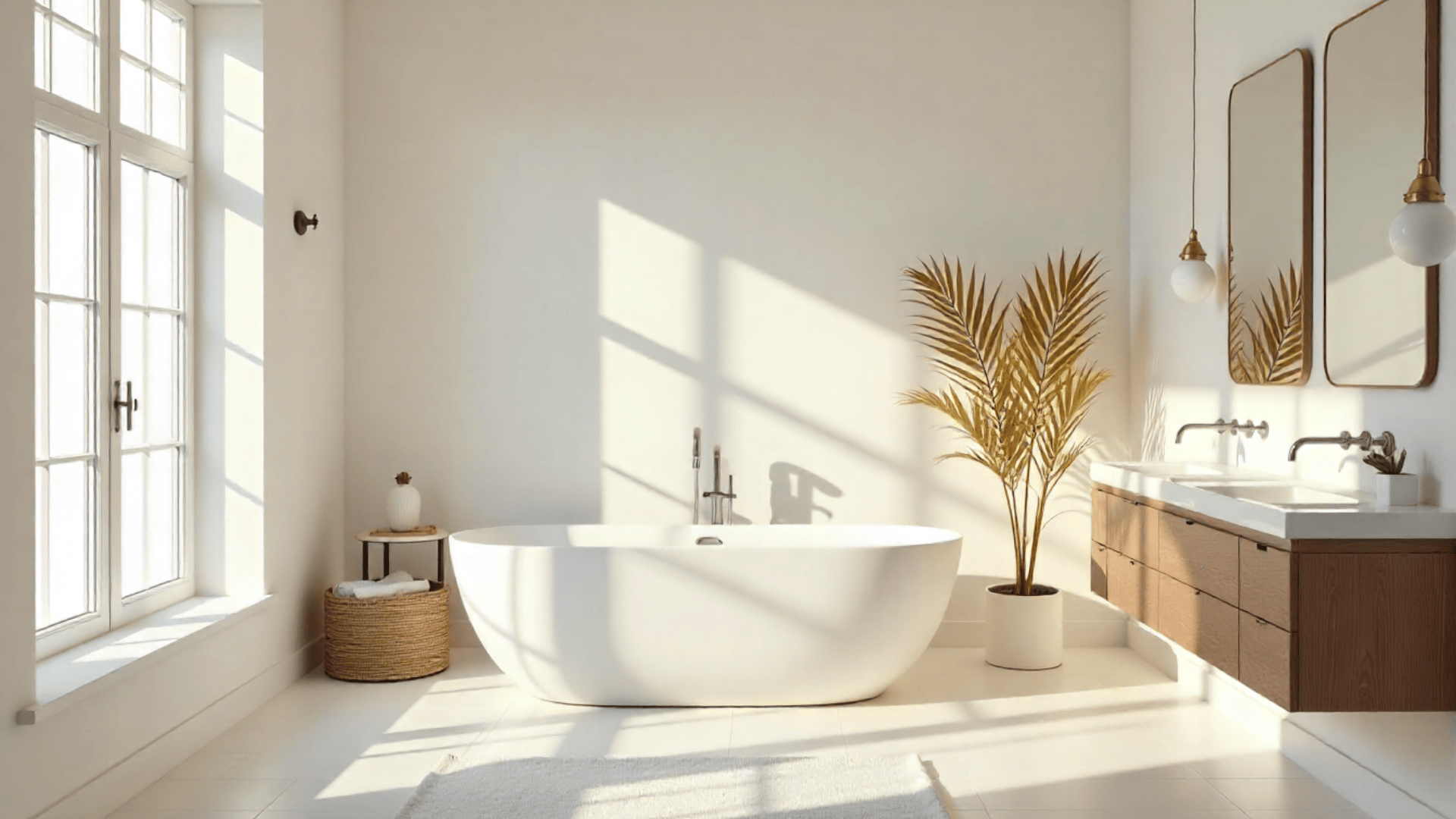
- Natural Materials and Texture: Wood floors, linen curtains, and stone counters add warmth without visual noise. These materials feel good to touch and age beautifully. Natural textures prevent minimalist spaces from feeling cold.
These features work as a team. You don’t need all of them at once. Start with what feels right to you.
Minimalist Aesthetic In Home Design
Your home is where the minimalist aesthetic really comes to life. It shows up in every room. Let’s break down how to make it work without feeling cold or empty.
Minimalist Interior Design Basics
The foundation matters most. Get these basics right and everything else becomes easier. Start here before you worry about the details.
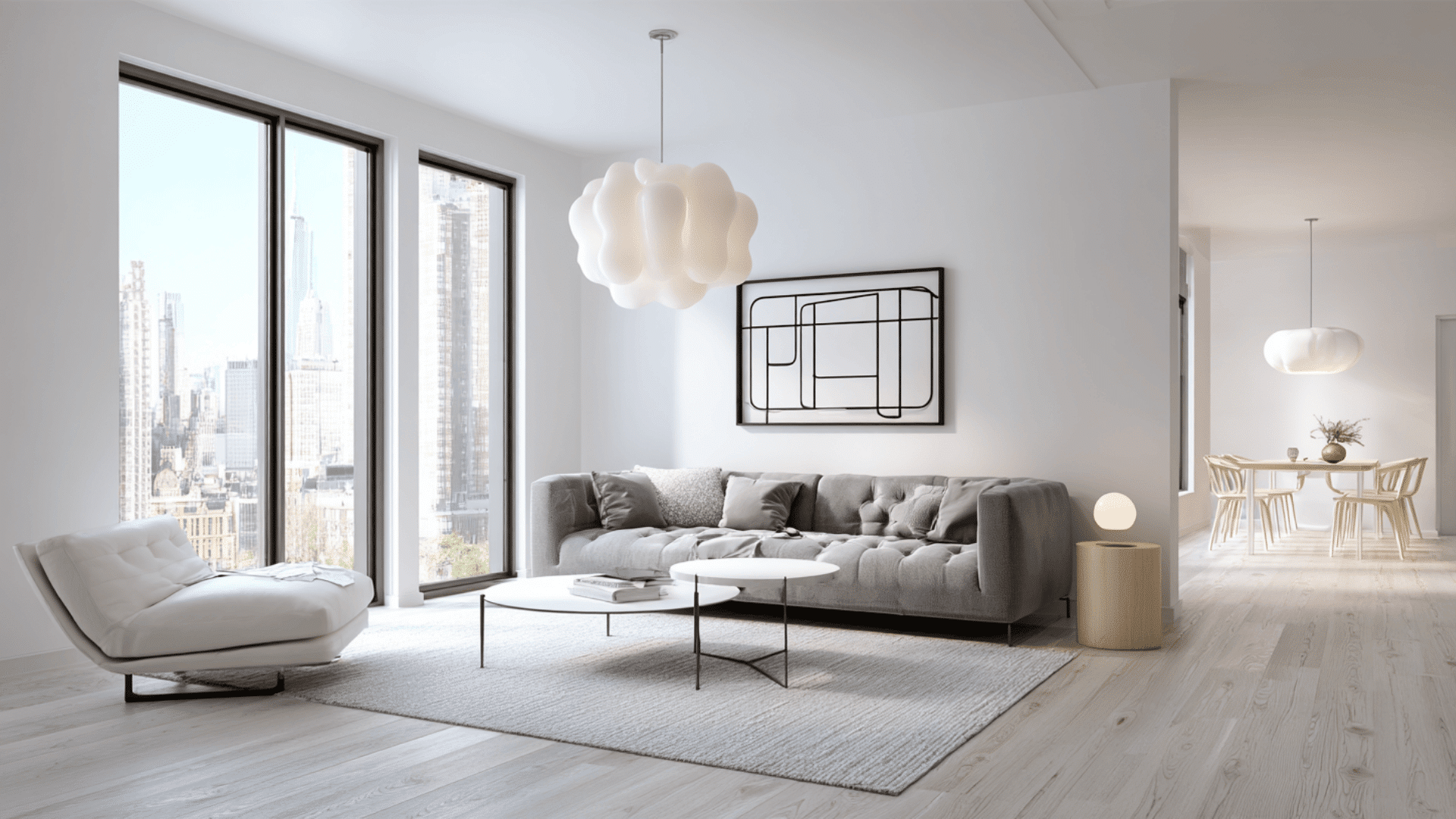
- Start with furniture that has simple shapes. Keep your color story calm – mostly neutrals with maybe one accent. Get rid of the clutter that piles up on counters and tables.
- The big mistake? Rooms that feel like nobody lives there. Too bare. Too cold. You need texture and good light to fix that. Think soft rugs, warm lighting, and natural materials.
- Choose furniture with clean lines and no extra details. A simple sofa beats an ornate one. Straight legs work better than carved ones. Let the shape speak for itself.
Room-By-Room Minimalist Aesthetic Ideas
Each room has different needs. Here’s how to apply minimalist principles in the spaces you use most. These tips work whether you’re starting fresh or editing what you already have.
- The living room needs just a few key pieces. A good couch. A coffee table. Maybe one chair. Keep surfaces clear. Let the room feel open.
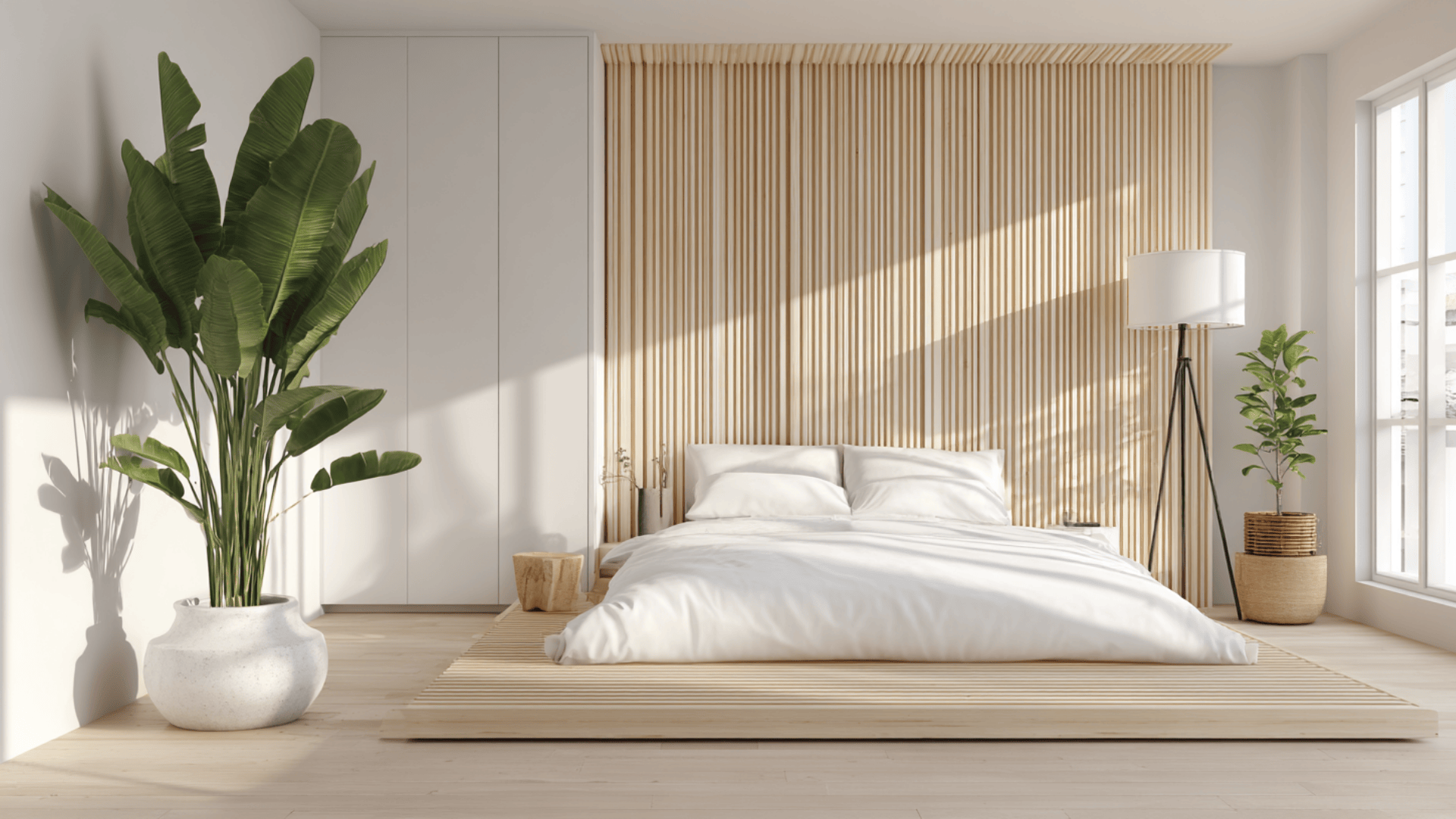
- Bedroom works best with a calm color palette. Simple bedding in layers – sheets, blanket, one throw. That’s it. Keep nightstands clear except for what you use daily.
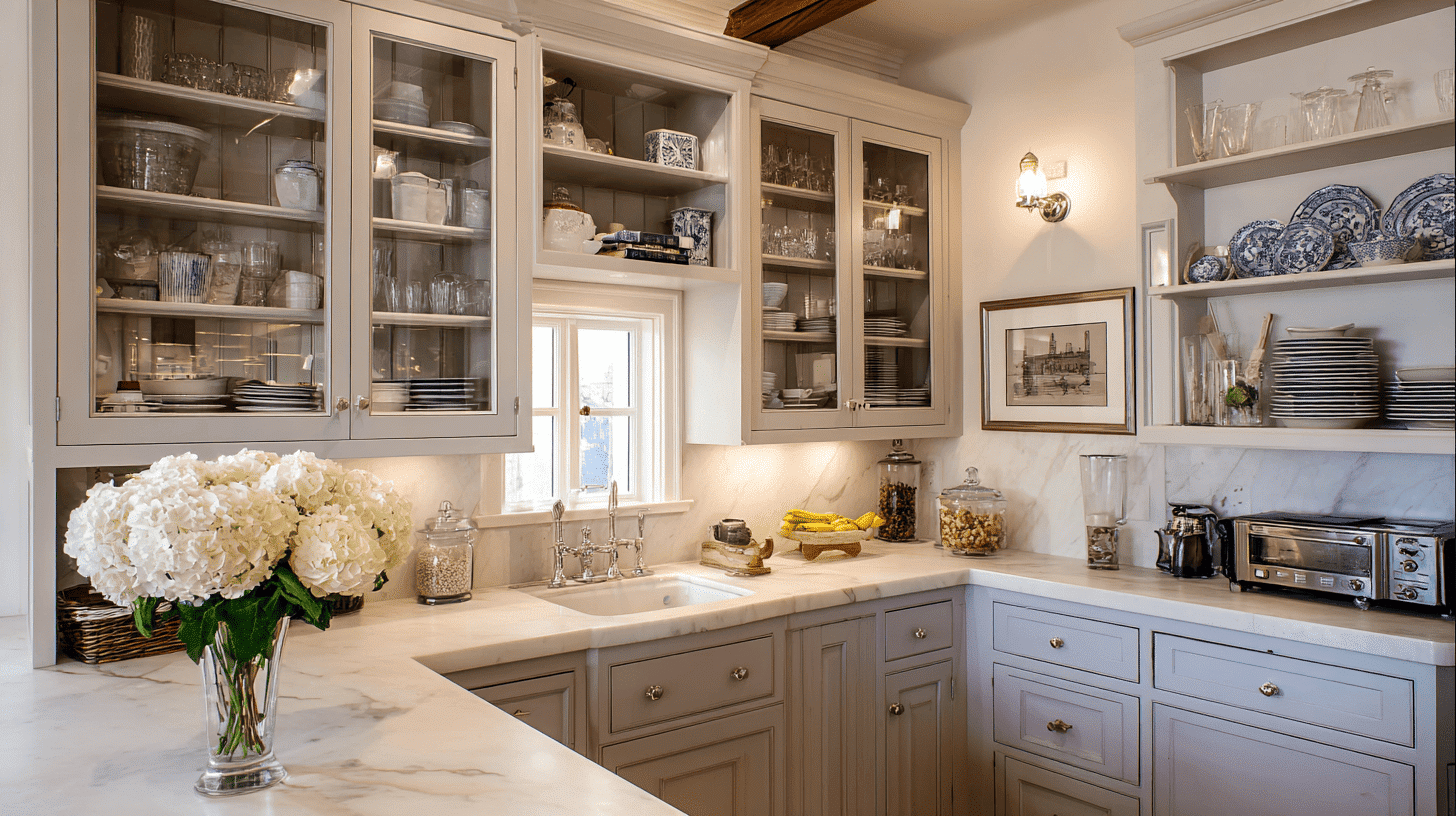
- The kitchen stays functional with a counter reset routine. Clear everything off after meals. Use smart storage so things hide away. Only keep what you actually cook with.
Smart Storage Solutions for Minimalist Homes
Storage keeps minimalist spaces looking clean. But it needs to be simple and functional. The right storage systems make it easy to maintain the look without constant effort.
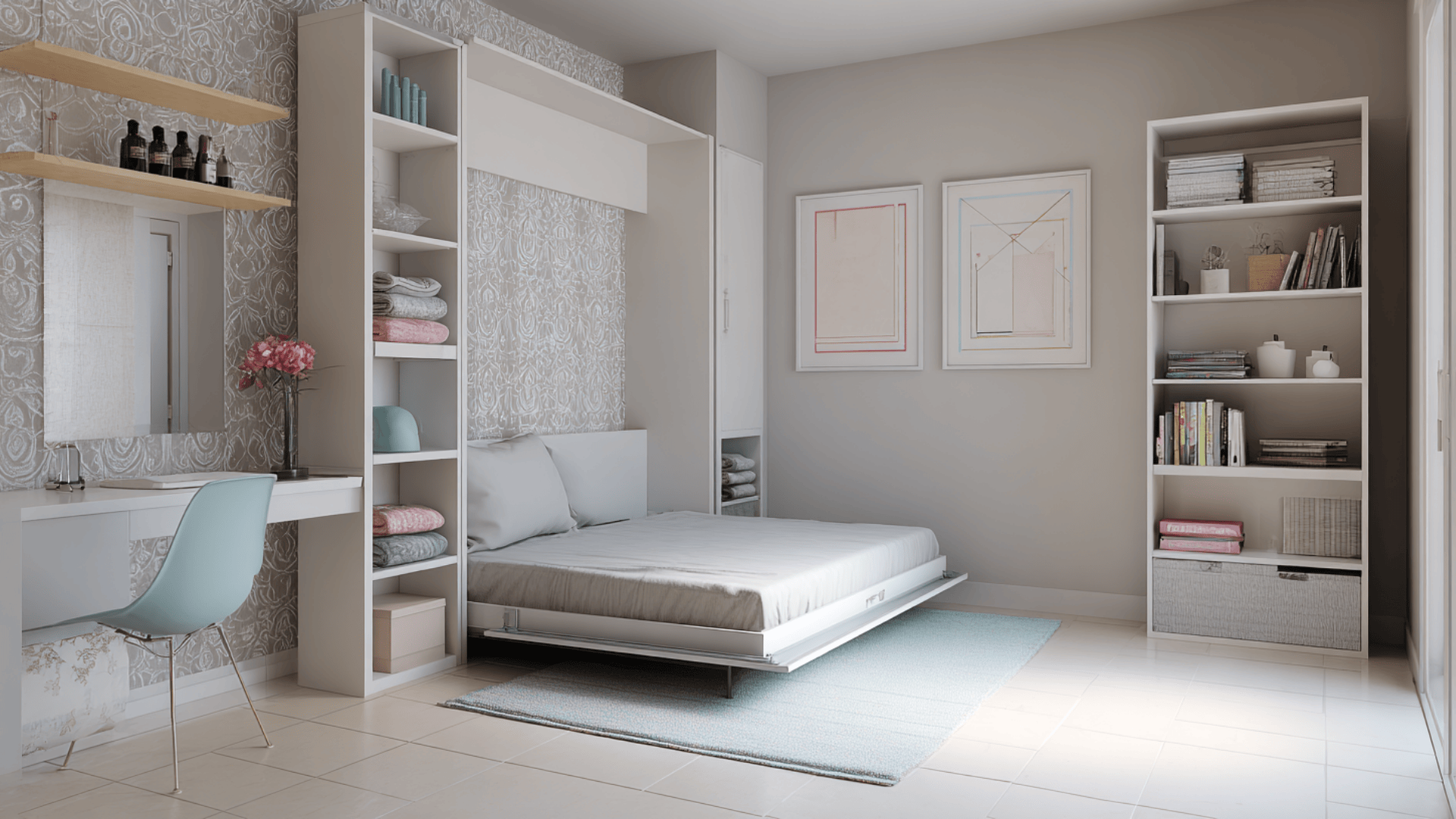
- Use closed storage to hide everyday items. Cabinets with doors beat open shelving for most things. Baskets and bins keep small items contained. Everything gets a home.
- Install hooks and rails near where you use things. Coat hooks by the door. Towel rails in the bathroom. Key hooks in the entryway. Make putting things away the easiest option.
- Choose furniture that does double duty. Ottomans with storage inside. Beds with drawers underneath. Coffee tables with shelves. You get function without adding extra pieces.
Minimalist Decor Rules That Keep It Cozy
Minimalist doesn’t mean cold or uncomfortable. These rules add warmth while keeping things simple. Balance is the goal here.
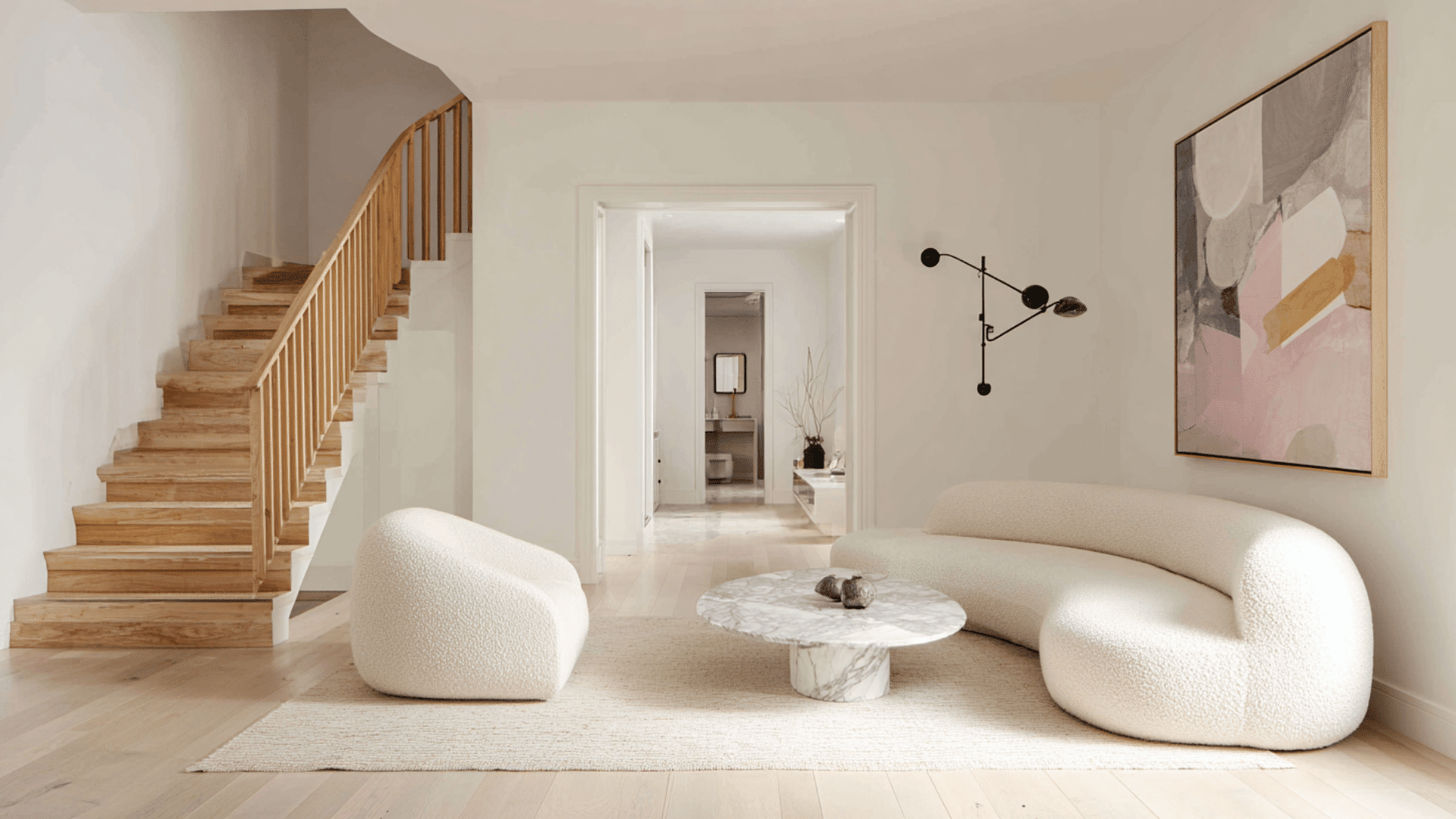
- Layer textures instead of adding more stuff. A wool throw. A jute rug. Linen curtains. These add warmth without adding clutter.
- Get your lighting right. Use warm bulbs, not harsh white ones. You don’t need a lamp in every corner. Just put better lights in the right spots.
- Try the one-hero piece approach. Pick one thing to stand out in each room. Maybe it’s art on the wall. A great rug. A statement mirror. Let that piece shine.
These tips work in spaces of any size. Start small. Pick one room and try it out.
Minimalist Aesthetic In Fashion
Minimalist aesthetic works in your closet, too. It’s about wearing less but looking put together. Here’s how to build a wardrobe that makes getting dressed easier.
Minimalist Fashion Basics
Start with the foundation. These basics shape how you build and style your minimalist wardrobe. They’re the building blocks that make everything else work.
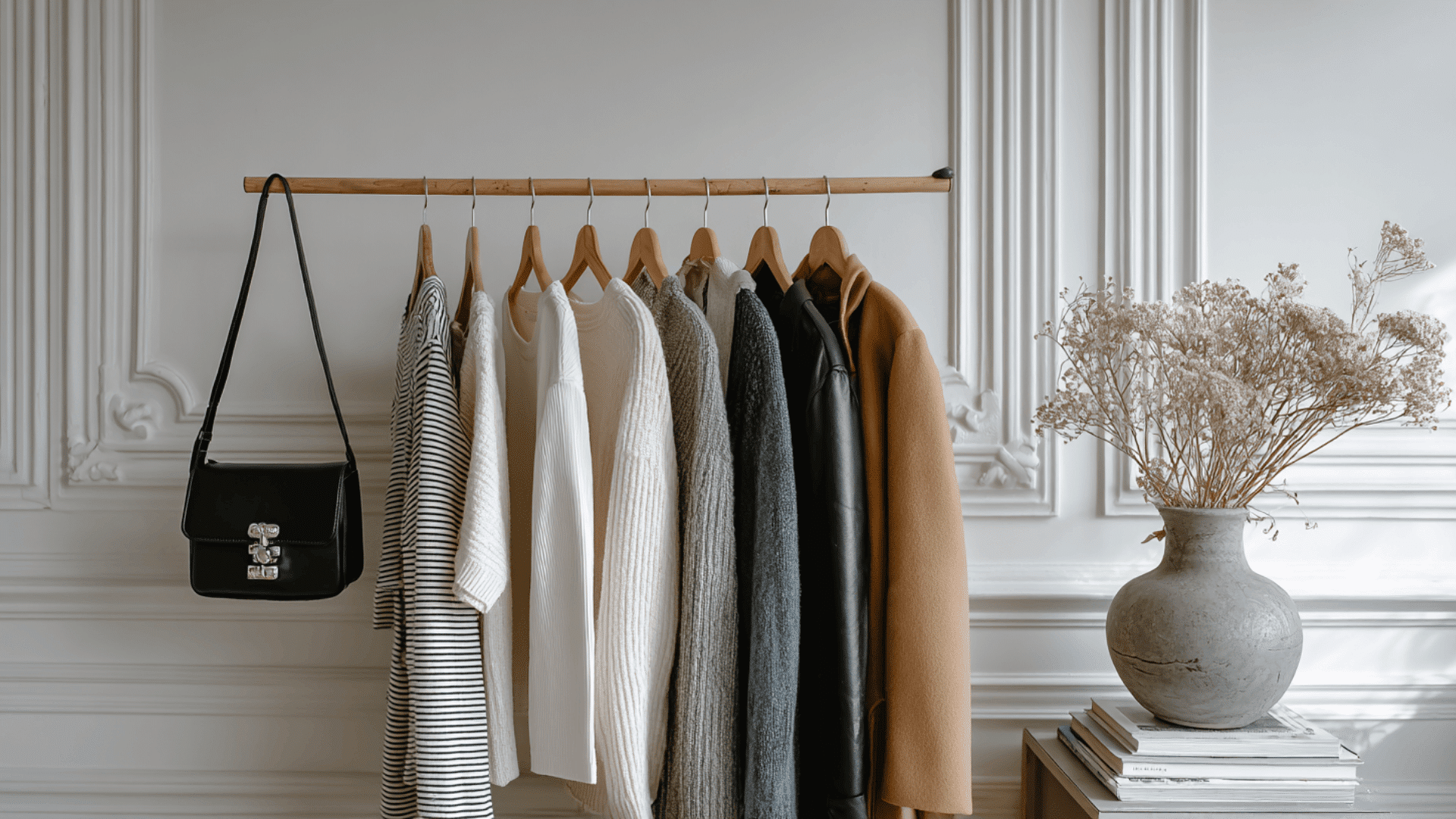
- Look for clothes with clean, simple shapes. No crazy patterns or extra details. Stick to neutrals like black, white, gray, navy, and beige. These colors go with everything.
- Build outfit formulas you can repeat. Same style, different day. When you know what works, you stop wasting time in front of the closet every morning.
- Focus on fit and fabric quality over trends. Well-fitting basics in good materials look more polished than expensive pieces that don’t fit right or fall apart quickly.
Capsule Wardrobe For A Minimalist Aesthetic
A capsule wardrobe is a small collection of versatile pieces that work together. It simplifies getting dressed and saves you money. Instead of owning fifty items you never wear, you own fifteen that you love.
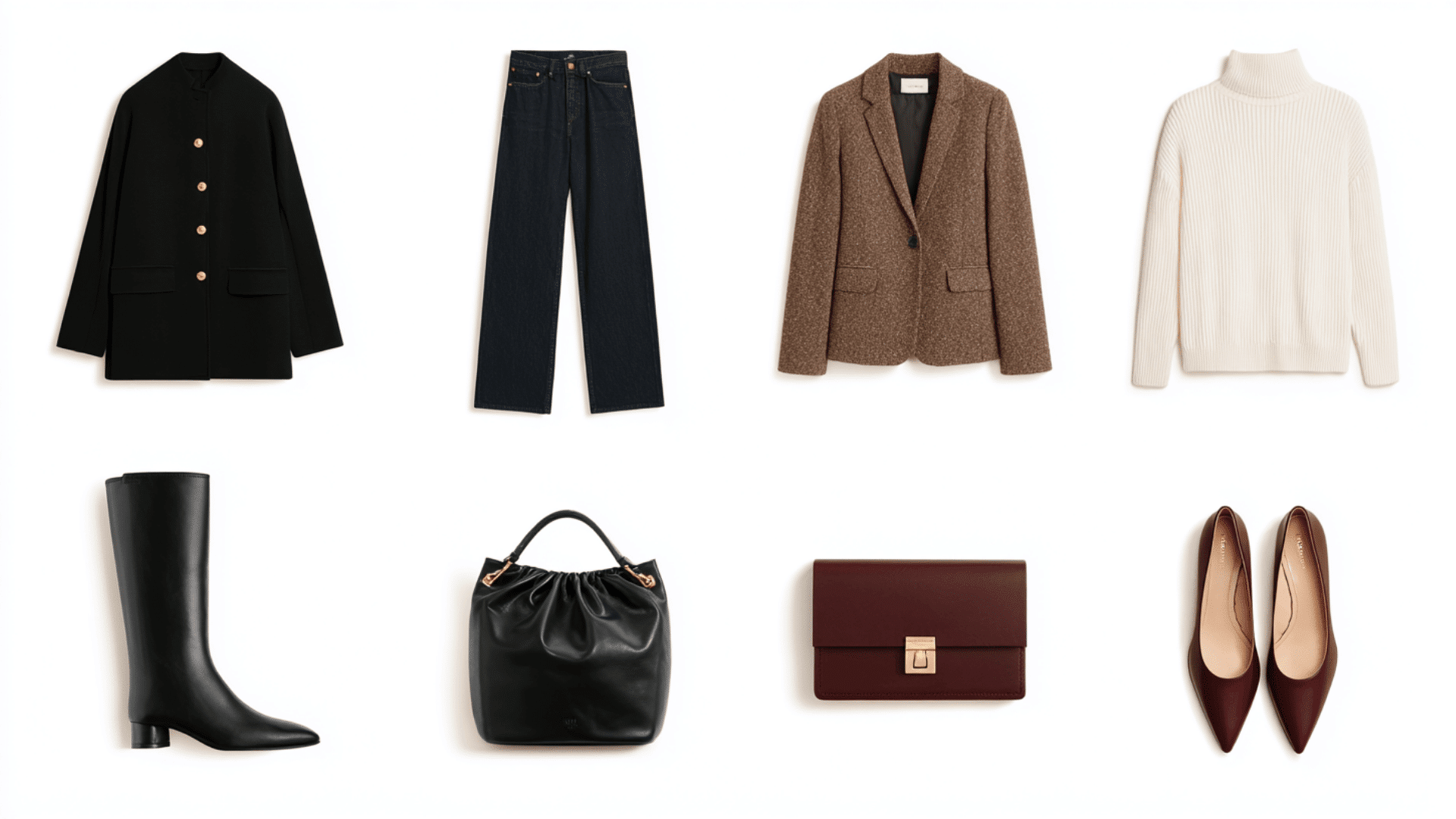
- Capsule wardrobes are small collections of clothes that all work together. You can mix and match anything. Fewer choices mean less stress when you’re getting ready.
- Start with the basics. A few good t-shirts and button-ups. Two or three pairs of pants or jeans. One jacket or blazer. One coat. Comfortable shoes you can wear with most outfits.
- Before you buy something new, ask yourself: Does it fit well? Is the fabric of good quality? Can I wear it three different ways? How much will I actually use it? These questions save you money and closet space.
Minimalist Outfit Formulas
These simple combinations take the guesswork out of getting dressed. Pick one and make it your go-to. Once you have a formula, you can stop thinking about what to wear.
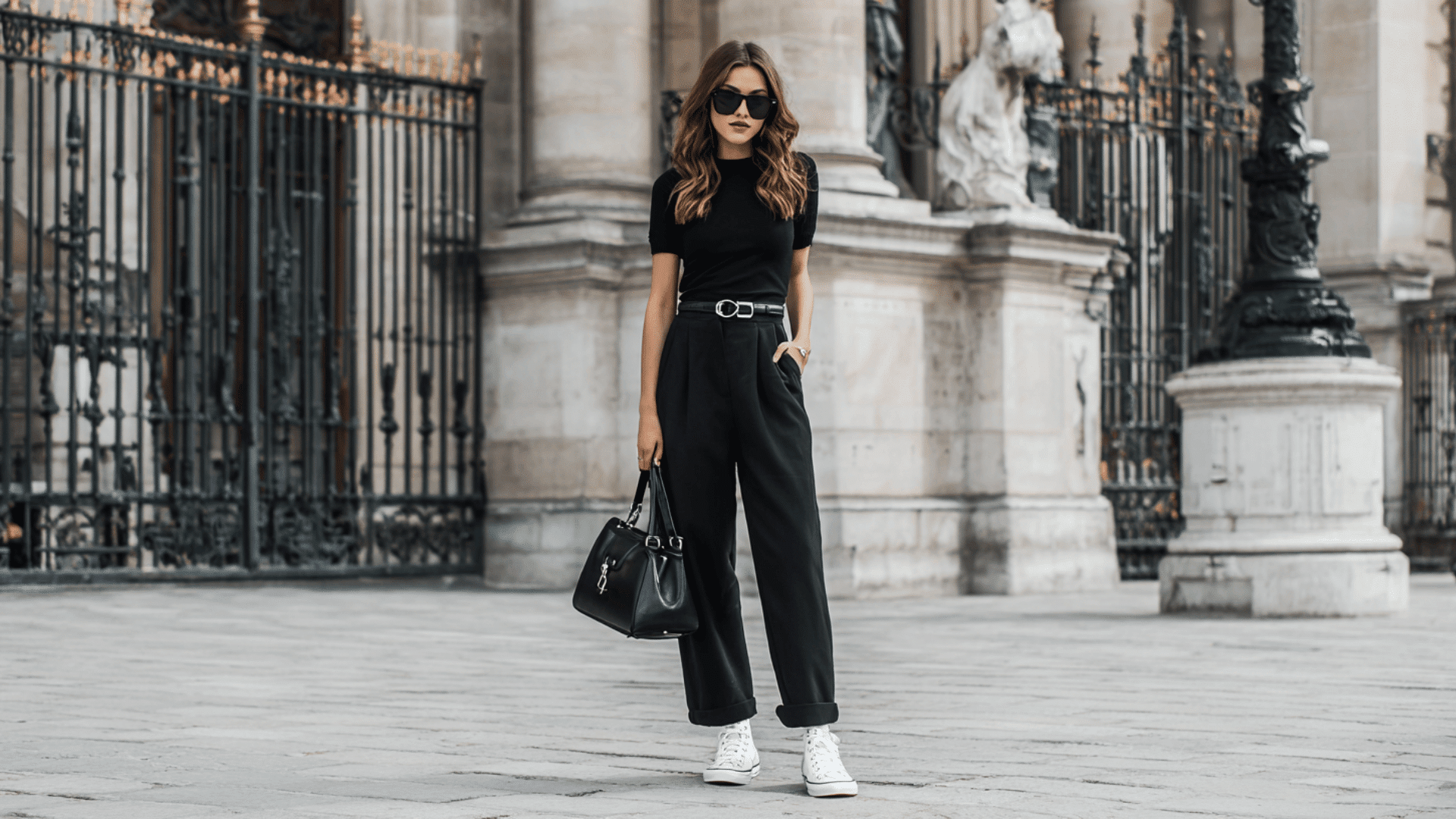
- All one color makes things easy. Black pants and a black shirt. Add simple sneakers or boots. Done. This works for any neutral color you like.
- Straight-leg jeans with a crisp button-up shirt. Throw on a structured jacket or cardigan. Classic and clean. Works for almost any situation.
- A simple knit dress with a coat over it. Add low-profile sneakers or loafers. Swap the coat for a lighter jacket in spring and a wool coat in winter.
Minimalist Accessories That Complete the Look
Accessories finish your outfit without adding clutter. The key is choosing pieces that work with everything you own. Stick to simple designs and neutral tones that complement your wardrobe.
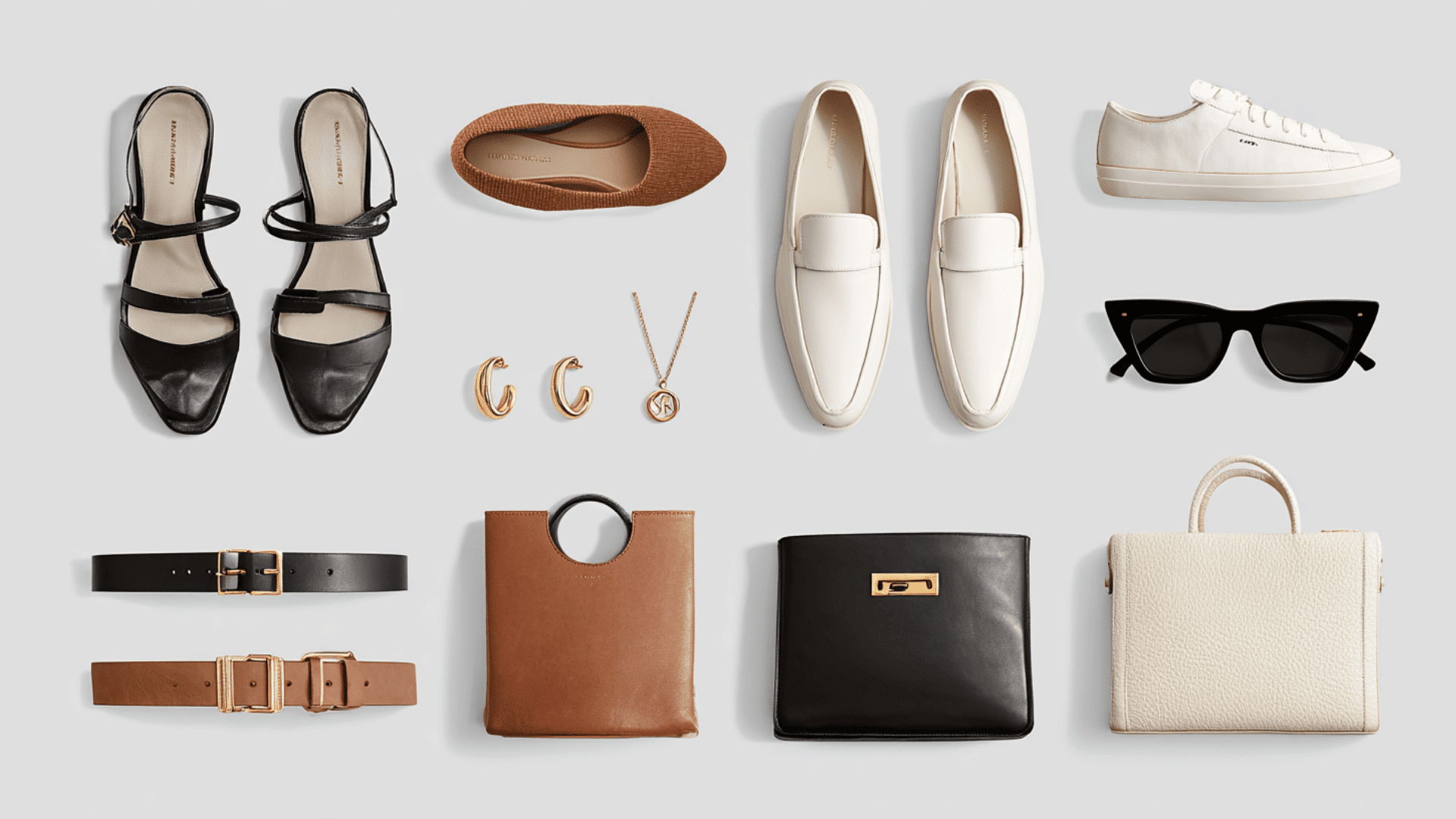
- Keep jewelry minimal and classic. A simple watch. Small stud earrings or hoops. One delicate necklace. These pieces add polish without overwhelming your look.
- Choose one versatile bag for everyday use. A structured tote or crossbody in black, brown, or tan works with most outfits and lasts for years.
- Invest in timeless footwear. White sneakers for casual days. Black loafers for dressy moments. Neutral sandals for summer. Three pairs cover almost every situation.
These formulas take the guesswork out. Pick one and make it yours. You’ll always have something to wear.
Minimalist Aesthetic In Lifestyle
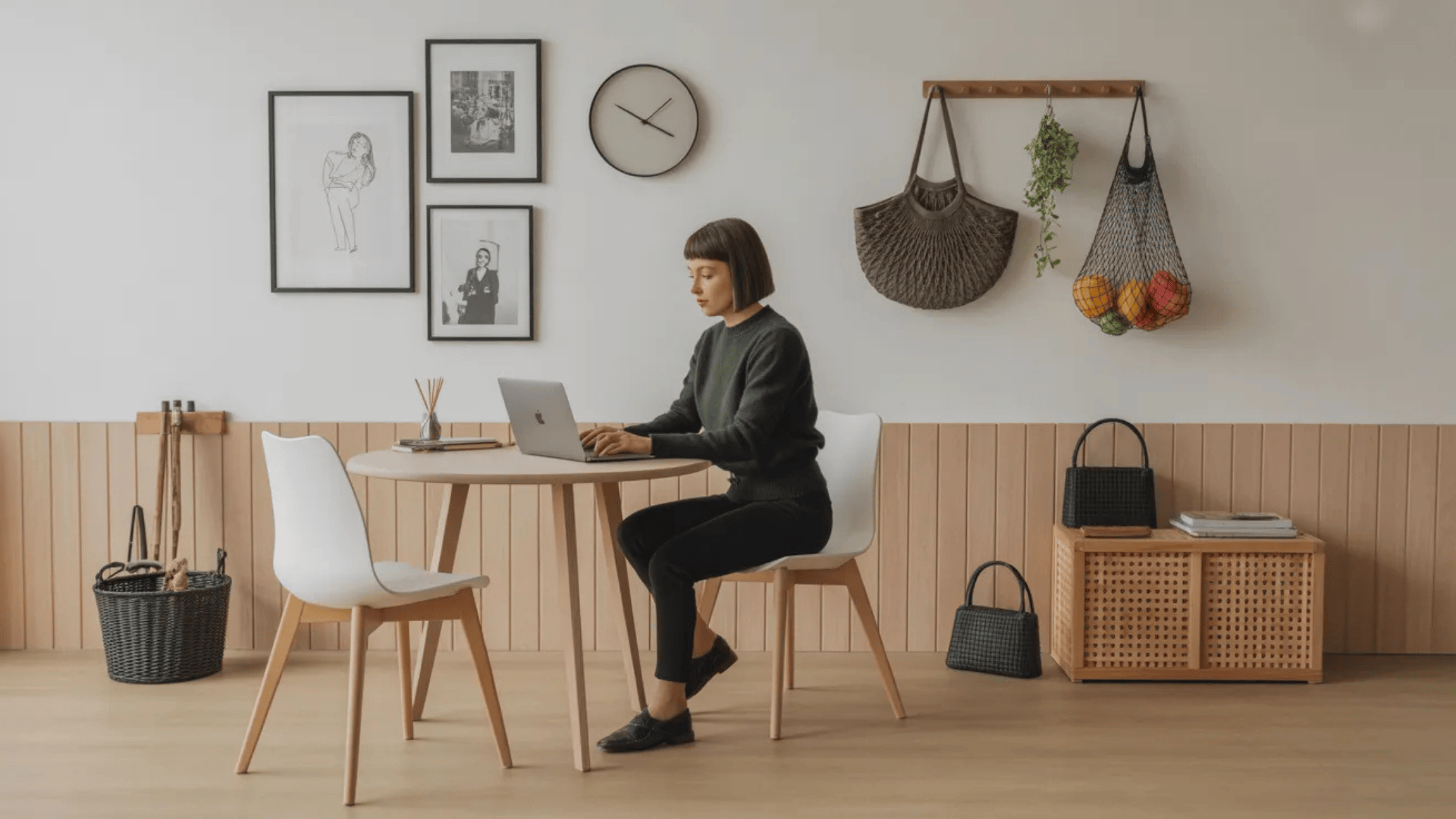
Minimalist aesthetic goes beyond what you see. It’s also about how you live. Simple routines help. Say no to things that drain you. Keep your schedule light. Less rushing means more peace.
Try digital minimalism too. Turn off notifications you don’t need. Clean up your phone’s home screen. Keep only the apps you use daily. Set up inbox rules so emails don’t pile up.
Think before you buy. Wait a week before purchasing something new. Ask if you really need it. Fewer impulse buys mean more money saved.
It also means less stuff to manage later. Buy with purpose, not just because.
Ways To Achieve A Minimalist Aesthetic
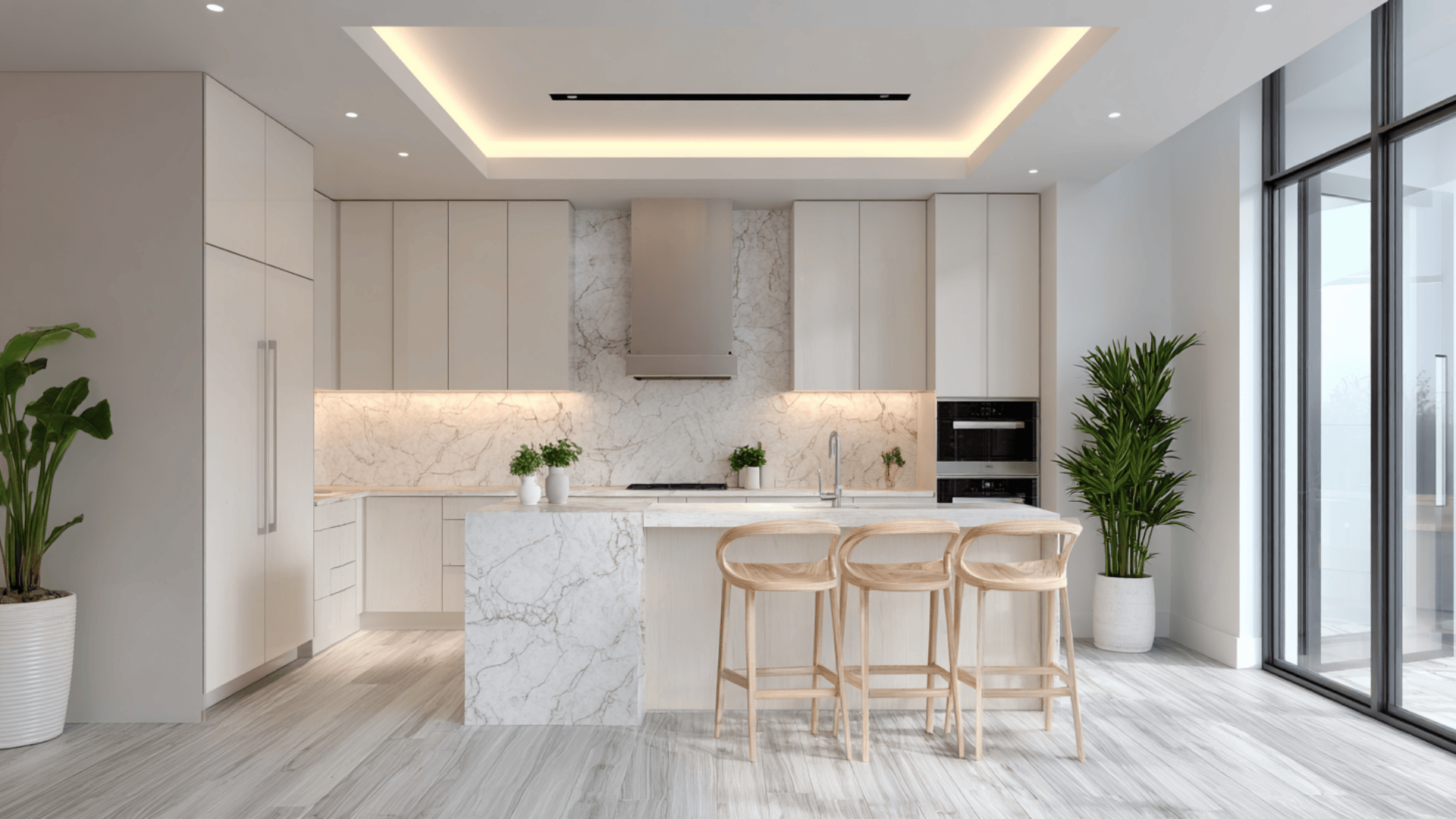
Ready to start? You don’t need to redo everything at once. Take it step by step. These five steps will get you there without stress.
Step 1: Reset The Space (Without Overdoing It)
Pick one small area first. Maybe your kitchen counter. Your nightstand. The entryway table. Clear everything off. Clean it.
Then add back only what you actually use or need there. If it doesn’t earn its spot, it goes.
Step 2: Pick A Simple Color Palette
Choose two or three neutral colors for your space. Add one accent through texture or material, such as wood or linen. Keep finishes the same throughout.
If you use black hardware in one room, use it everywhere. Same with frames and metals.
Step 3: Choose Fewer, Better Anchors
Put your money into anchor items you see every day. A good sofa. Nice bed sheets. A coat that fits right. Shoes that last.
Don’t buy lots of little decor pieces to fill gaps. Those just add clutter back in.
Step 4: Create Simple Systems
Make tidying easy with one-touch systems. Hooks by the door for keys. A tray for mail. Baskets for remotes. Do a five-minute reset every night before bed.
Put things back where they belong. It takes no time at all.
Step 5: Maintain The Look Long-Term
Once a month, look around and edit. Donate what you don’t use. Sell things that don’t fit. Move stuff to better spots.
Try the “one in, one out” rule when you buy something new. New shirt? The old one leaves.
These steps build on each other. Start with step one. Move forward when you’re ready. There’s no rush.
Common Minimalist Aesthetic Mistakes To Avoid
People make the same mistakes when they start. These slip-ups can make your space feel off. Here’s what to watch out for so you get it right.
- Making Rooms Too Empty: Minimalist doesn’t mean uncomfortable. You still need a couch to sit on. Pillows to lean against. A lamp for reading. Don’t strip away comfort for the look.
- Going All-White: All white sounds minimalist, but it can look flat and boring. Add texture through materials like a chunky knit throw, a wood side table, or woven baskets.
- Keeping Clutter: You can’t just buy the right furniture and call it done. If your counters are still covered in stuff, the look doesn’t work. Clear the clutter first, then add new pieces.
- Getting Rid of Things You Love: Don’t toss sentimental items just because minimalism means owning less. Keep what makes you happy. The goal is a space that feels good.
- Ignoring How You Actually Live: If you have kids, you need toy storage. If you cook a lot, you need counter space. Don’t force a look that doesn’t match your life. Make minimalism work for you.
Avoid these mistakes, and you’ll save yourself time and money. Minimalist aesthetic should make life easier, not harder.
Conclusion
Minimalist aesthetic isn’t complicated. It’s about being intentional with what you keep. Staying calm in your space and creating systems you can repeat.
Whether it’s your home, your closet, or your daily routine, the same principles apply. Less clutter and more purpose makes better focus.
You don’t need to overhaul everything overnight. Start small, try to pick one area this week. Maybe it’s your kitchen counter, your bedroom nightstand, or your morning routine.
Follow the five-step plan and reset your space. Choose your colors, make sure to pick better anchors, and create simple systems. Then maintain it.
The best part? Once you get it right in one spot, you’ll want to do it everywhere else.
So here’s the question: What’s the first space you’ll tackle? Drop a comment and let us know. Bookmark this page to come back when you need a reminder.