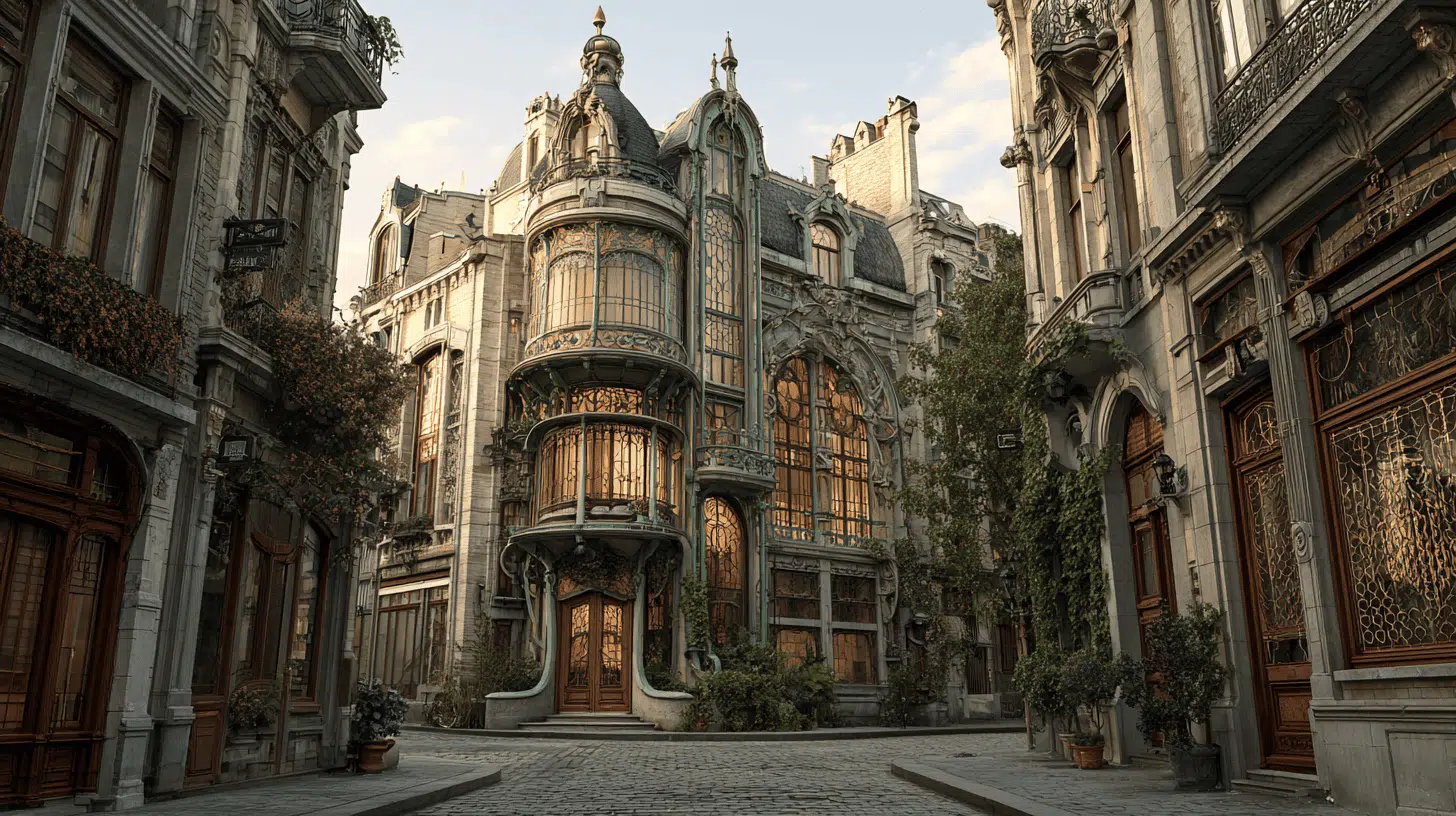
Italianate architecture brings the charm of Italian villas to American neighborhoods. You’ve likely noticed these distinctive buildings with their tall windows, low-pitched roofs, and decorative brackets in historic districts.
This Victorian-era style became widely popular across America during the mid-to-late eighteen hundreds, leaving behind thousands of beautiful homes and commercial buildings.
From San Francisco’s painted ladies to brownstones in the Northeast, Italianate architecture shaped American cities.
This occurred during a period of rapid growth. Understanding this style helps you appreciate the history behind these iconic structures and recognize their lasting influence on American design.
Understanding the Italianate Architecture
Italianate architecture is a 19th-century design style inspired by the grand villas of Renaissance Italy.
This architectural movement gained popularity during the Victorian era, particularly between the 1840s and 1880s, as part of the Picturesque movement that valued irregular forms and romantic aesthetics.
The style brought a touch of Mediterranean charm to American and European homes, moving away from the strict symmetry of earlier architectural traditions.
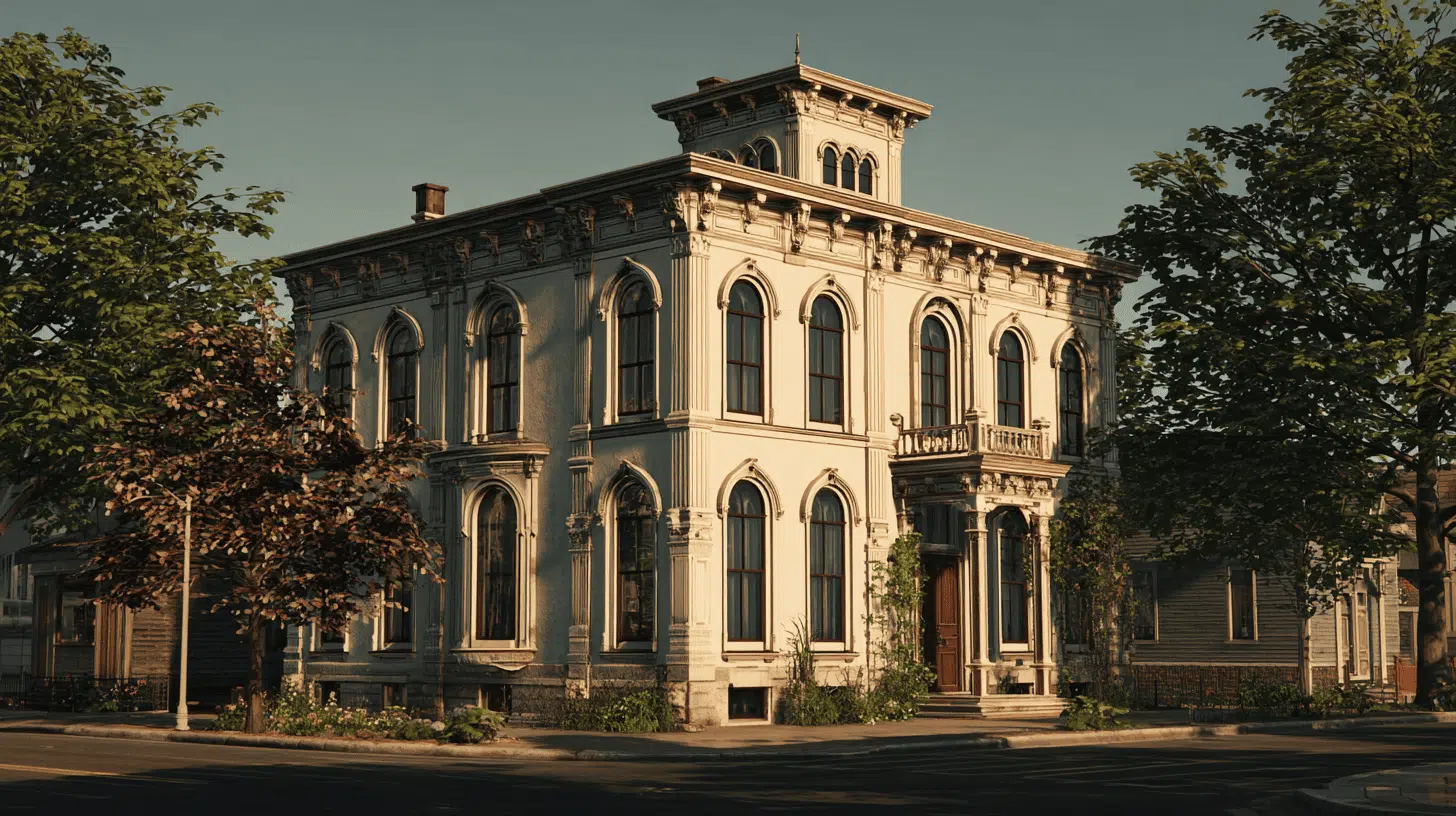
Italianate buildings typically feature low-pitched roofs, tall windows, decorative brackets under the eaves, and prominent cornices.
What made this style stand out was its ability to blend formal Italian design elements with the practical needs of 19th-century living, creating homes that felt both refined and livable.
The History of Italianate Architecture: From Europe to America
Italianate architecture first appeared in early Victorian England during the 1830s before making its way across the Atlantic to America in the mid-1800s.
The style gained widespread popularity thanks to pattern books published by influential designers such as Andrew Jackson Downing, who helped Americans understand and adopt it.
These pattern books provided detailed plans and illustrations that builders could follow, making the style accessible to homeowners across the country.
By the 1850s through the 1880s, Italianate architecture had become one of the most popular residential styles in America, influencing various housing forms, including early versions of what we now recognize as a twin home.
Its appeal came from its departure from traditional colonial designs and its romantic connection to Italian countryside living, which resonated with Americans during a period of economic growth and cultural expansion.
Italianate Architecture Key Features

Italianate architecture is known for its strong visual details and tall proportions. Many of its features come from Italian country houses and were adapted for homes and public buildings in the 1800s.
- Tall, Narrow Windows: Long windows, often with arched tops, that make buildings appear taller and allow more light inside.
- Decorative Brackets and Wide Eaves: Large brackets are placed under wide roof eaves, creating bold, noticeable roof details.
- Low-Pitched or Flat Roofs: Gently sloped or flat roofs, often with a cupola or belvedere for added height.
- Balanced Building Shapes: Symmetrical layouts with rectangular or L-shaped forms that give buildings an orderly look.
- Ornate Entry Details: Columns, porticos, and detailed door and window hoods that draw attention to entrances.
When these features appear together, they clearly show the Italianate style. Many historic buildings around the world still display these details today, making the style easy to recognize in both cities and smaller communities.
Famous Architects Behind Italianate Design
Several architects and designers helped shape Italianate architecture. Henry Austin designed many homes in New Haven, using tall windows, bracketed eaves, and towers.
Alexander Jackson Davis spread the style through pattern books, influencing builders across America. Thomas Cubitt adapted Italianate features for English country houses and urban townhouses.
Prince Albert, with Cubitt, applied the style to Osborne House, adding belvedere towers and wide eaves. Andrew Jackson Downing promoted Italianate homes in the U.S. through his writings.
Other notable figures, such as John Notman and Calvert Vaux, helped spread Italianate architecture to cities and the countryside, designing villas and public buildings while retaining its distinctive decorative style.
Real Examples of Italianate Architecture
Italianate architecture can be seen in both grand estates and smaller homes. These buildings share key features like tall, narrow windows, bracketed eaves, and low-pitched or flat roofs.
Looking at real examples shows how the style was used in various settings, from large mansions to city houses.
1. William M. Marsh House
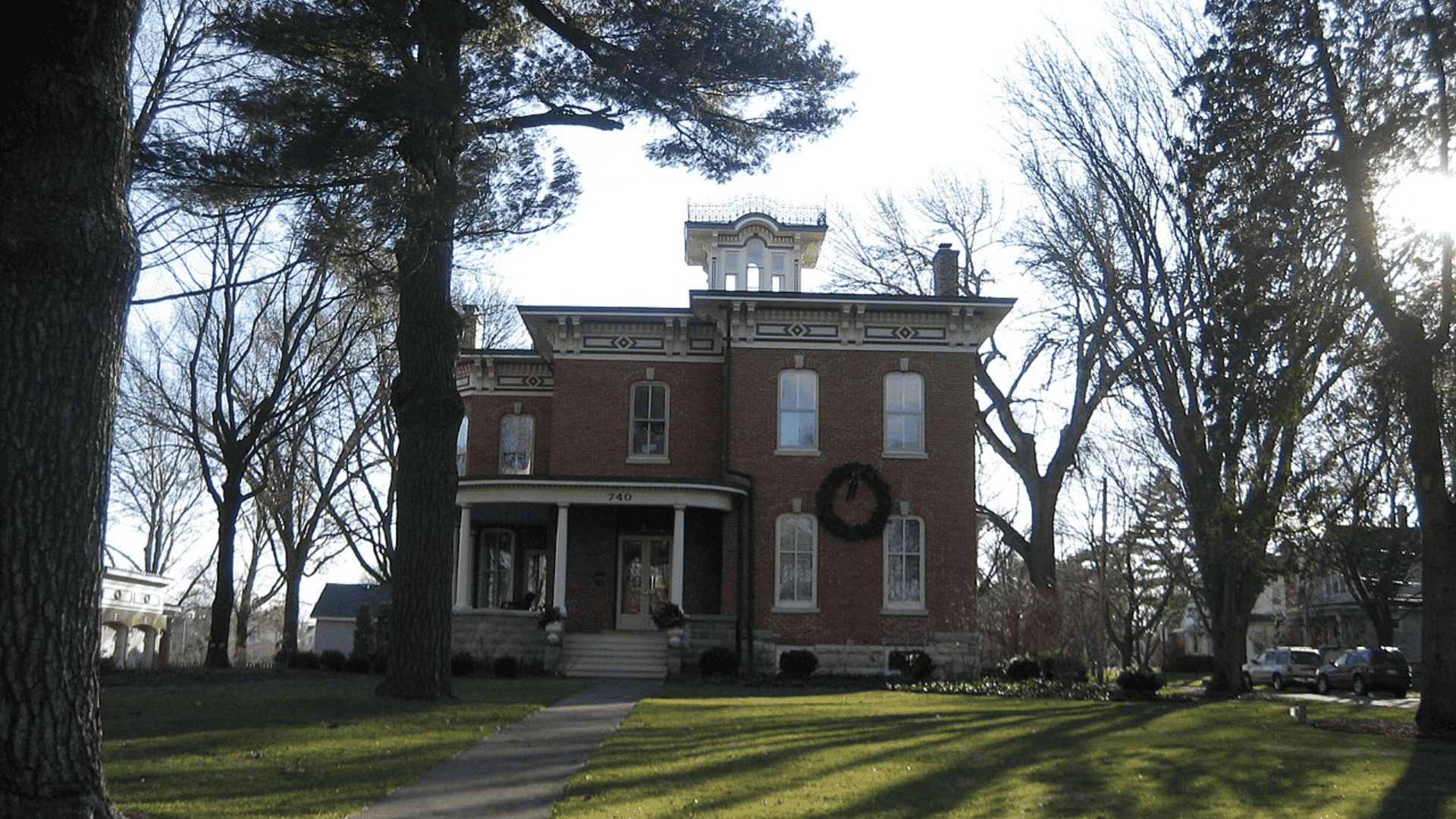
The William M. Marsh House, built around 1873 in Sycamore, is a notable Italianate home. While the architect is not clearly documented, the house was designed for inventor William W. Marsh.
It features a low-pitched roof, wide eaves supported by decorative brackets, and a cupola. Tall, narrow windows and symmetrical layouts exemplify the Italianate style and its adaptation to private homes.
2. Thomas A. Beach House
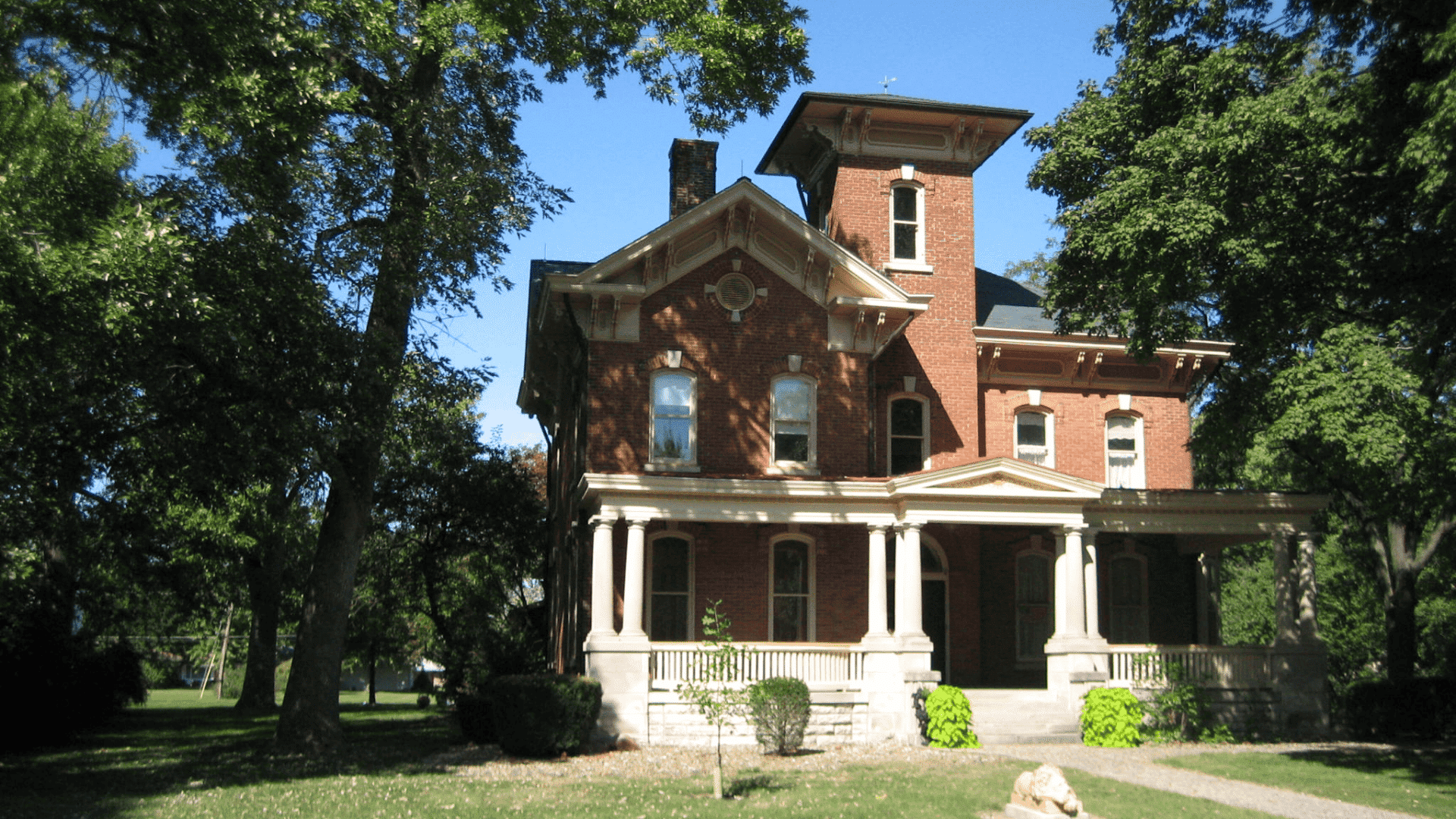
The Thomas A. Beach House in Fairbury, completed in 1872, reflects Italianate architecture on a large private residence. Thomas A. Beach himself influenced the design, while T. D. George worked as the mason during construction.
The house has a central tower, arched windows, bracketed cornices, and a balanced façade. These features give it a vertical, ornate look, making it a classic example of the Italianate style in a personal home.
3. Victoria Mansion (Morse‑Libby House)
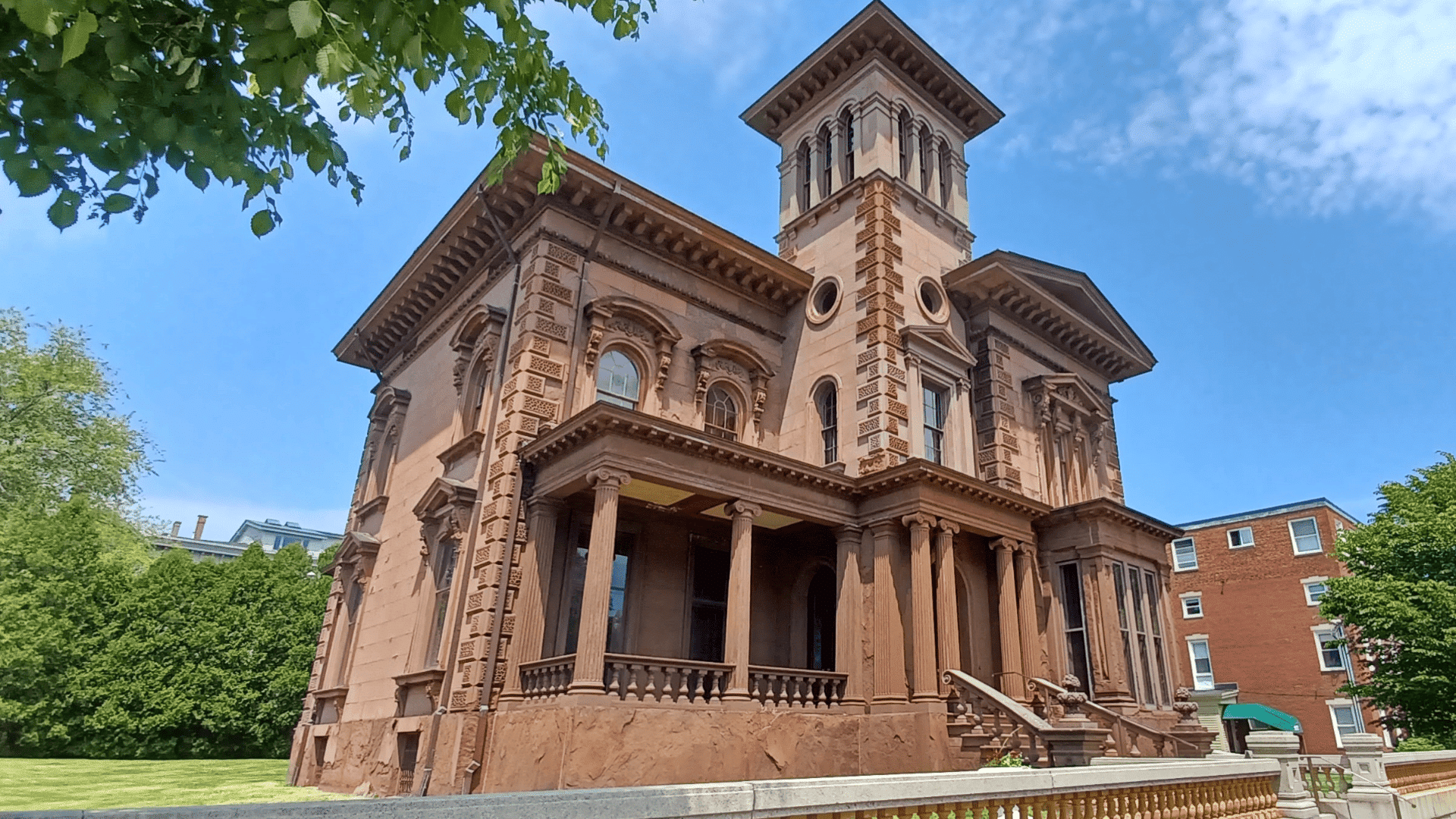
Victoria Mansion, also known as the Morse‑Libby House, in Portland, Maine, was designed by architect Henry Austin and completed in 1860. Built for hotelier Ruggles Sylvester Morse, it features a tall tower, wide bracketed eaves, and large arched windows.
The mansion features detailed cornices and decorative door hoods, with symmetry and ornament throughout, illustrating how Italianate design combines height, proportion, and decoration in a grand home.
4. Osborne House, Isle of Wight (UK)
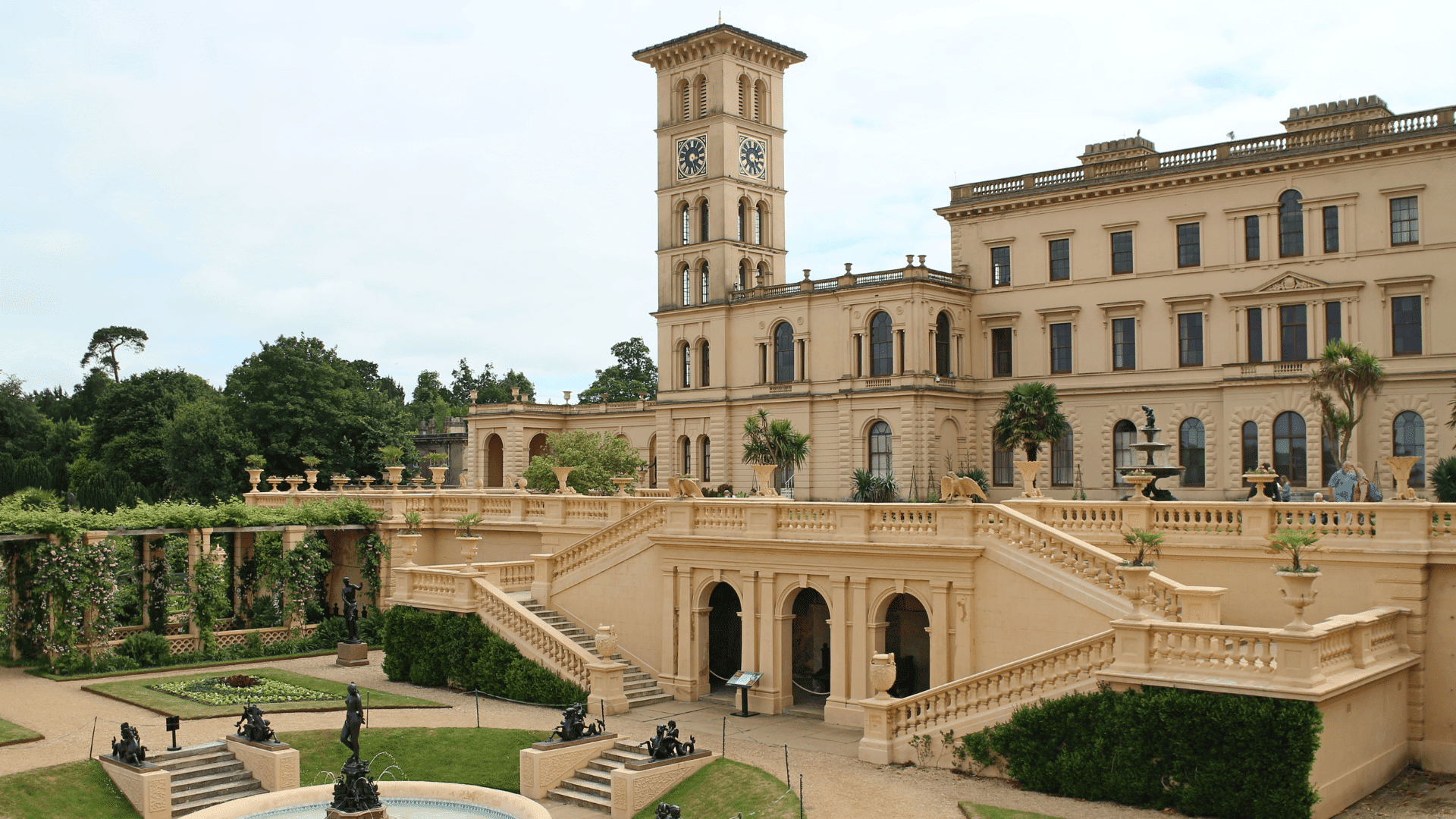
Osborne House, designed by Prince Albert with the building by Thomas Cubitt, was built between 1845 and 1851 as a royal residence. The house reflects Italianate style with low-pitched roofs, overhanging eaves with decorative brackets, and belvedere towers.
Symmetry and arched windows are key features. The villa-inspired design adapts Italianate architecture to grand homes, blending classical proportions with decorative rooflines and window details suited to a royal household.
Why Italianate Architecture Still Matters Today?
Italianate architecture holds an important place in American architectural history, representing a period when the country developed its own design identity.
The style influenced later movements, including the Second Empire and Queen Anne, which borrowed elements such as decorative brackets and asymmetrical layouts.
Today, preservation groups actively protect historic Italianate buildings as valuable cultural landmarks.
Modern homeowners appreciate these homes for their distinctive character, high ceilings, and ornate details that are difficult to replicate in contemporary construction. The style’s romantic appeal and connection to classical Italian design continue to attract people who value historic architecture.
These buildings offer a tangible link to 19th-century craftsmanship and the Victorian era’s architectural innovation.
That’s a Wrap
Italianate architecture remains a beloved part of America’s architectural heritage, reminding us of a time when design drew inspiration from distant cultures and romantic ideals.
These buildings continue to fascinate homeowners and preservationists who recognize their unique character and craftsmanship. From distinctive brackets to tall arched windows, Italianate structures offer visual interest that modern construction rarely matches.
Have you spotted any Italianate architecture in your neighborhood? Share your favorite examples of this architectural style in the comments below – I’d love to hear about the historic buildings you’ve encountered.