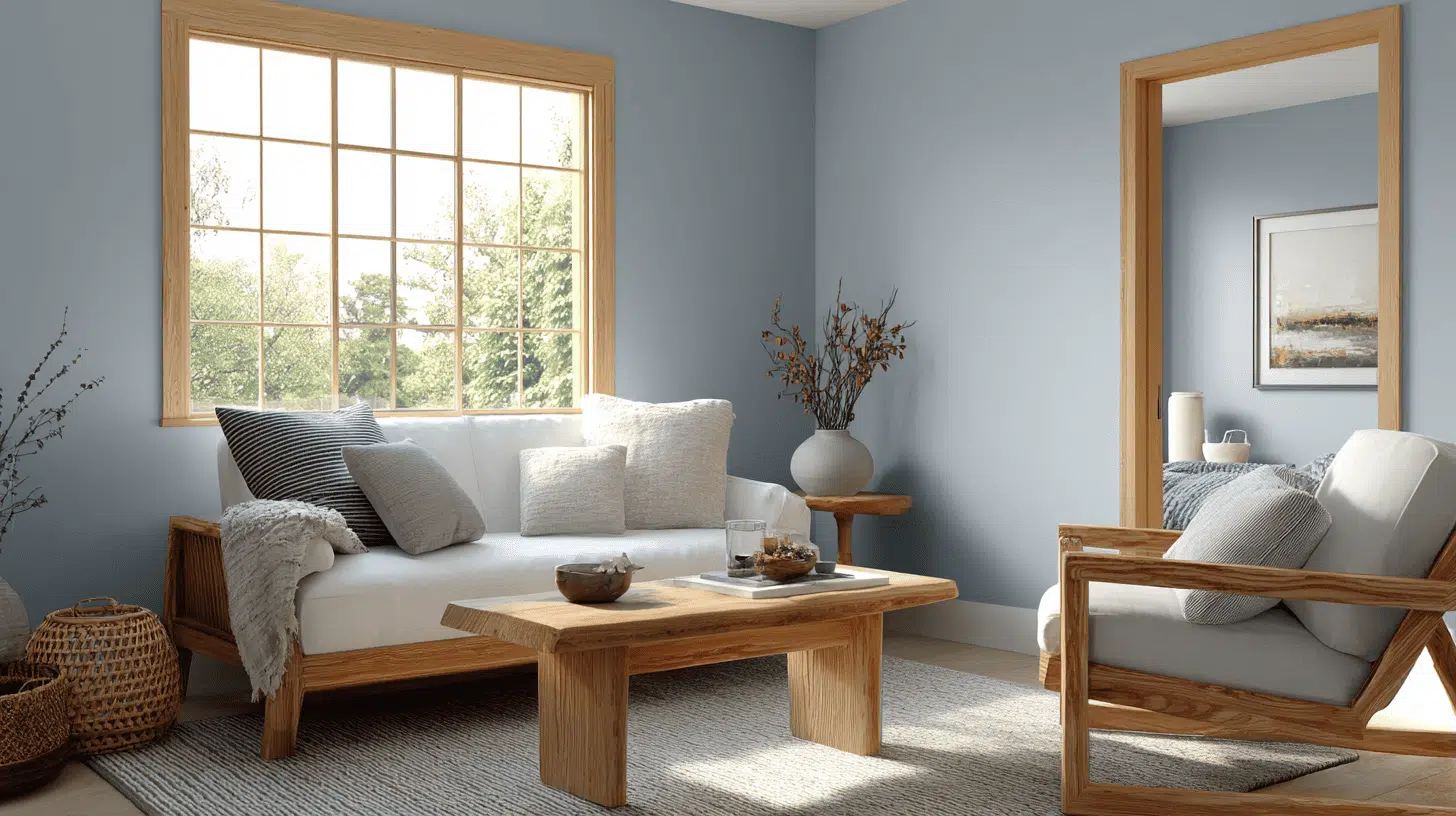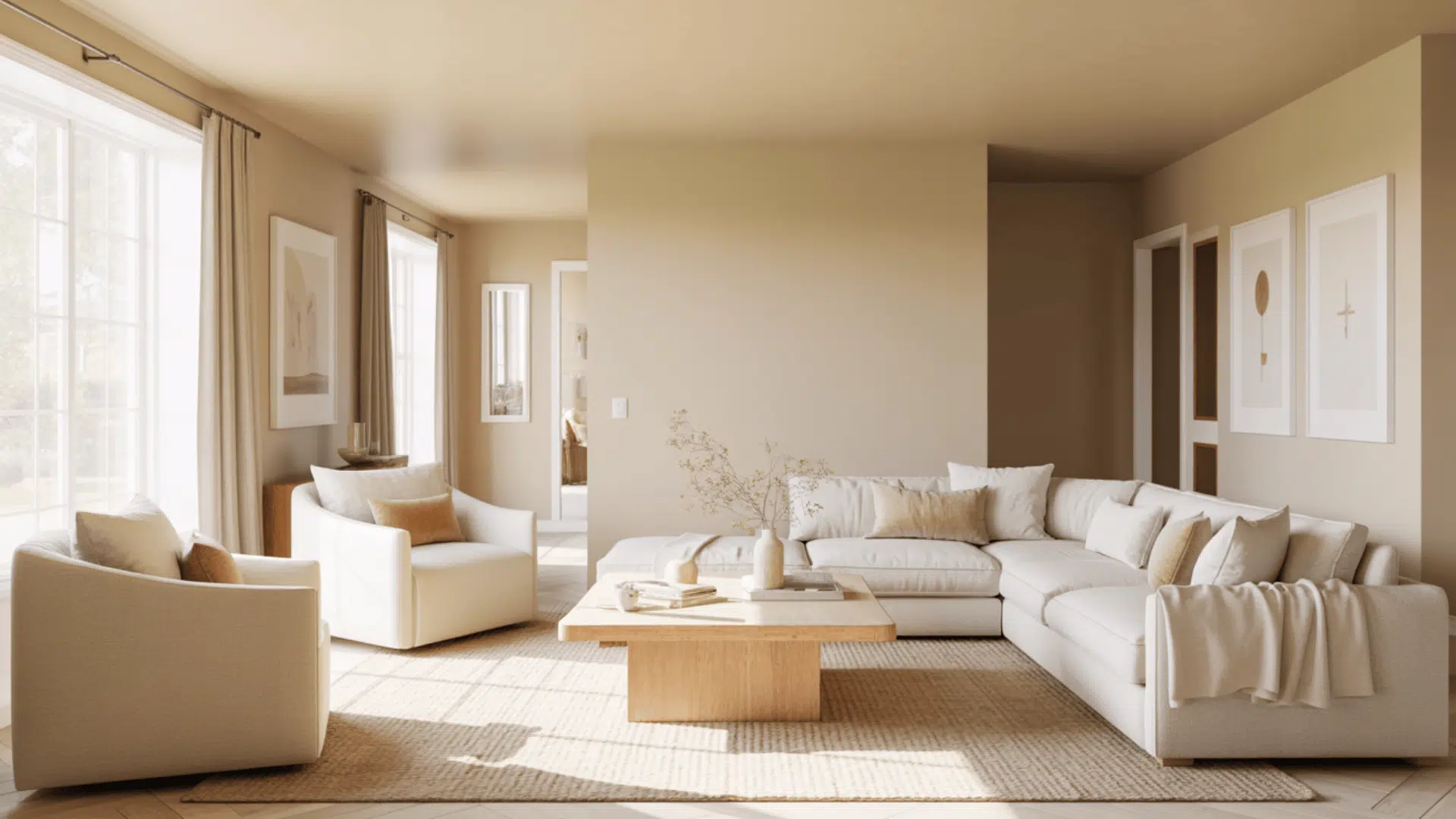
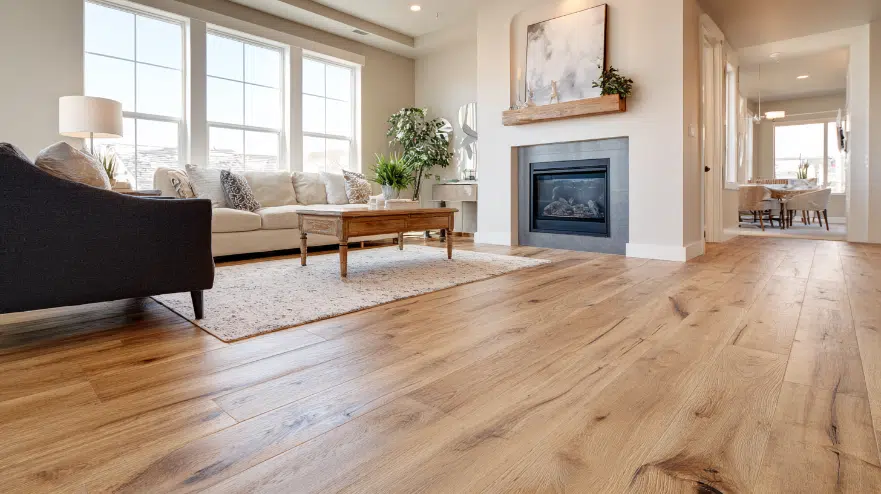
Your floors set the whole mood of a room. When you choose mid-century modern flooring, you pick a look that has stood the test of time and still feels fresh today.
Here are the best mid-century modern flooring options that blend style with smart choices. You’ll find warm wood finishes that bring natural beauty indoors.
Terrazzo patterns add artistic flair without feeling too busy. Cork and linoleum bring retro charm back in exciting new ways.
Plus, luxury vinyl plank and luxury vinyl tile now copy these classic looks at prices that make sense. Each option here helps you create spaces that feel both vintage and current.
No trendy gimmicks that fade fast. Just solid flooring ideas that match the clean lines and organic warmth of mid-century design.
Why Mid Century Modern Flooring Still Feels Relevant
Mid-century modern flooring works because it uses clean lines, natural materials, and colors that age well. This style favors warm wood tones, smooth concrete textures, and large tiles with simple geometric shapes.
These elements mix easily with different furniture and wall colors, so you can update your space without replacing the floor. The materials stay neutral enough to match bold accents or soft pastels.
A wood-look floor pairs just as well with a bright orange sofa as it does with a cream sectional. Large-format tiles keep the look uncluttered while subtle patterns add interest without screaming for attention.
People choose this style for its versatility across decor changes, strong resale value, and easy room refreshes using just rugs, paint, or new lighting. This flooring suits homes that evolve.
Mid-Century Modern Flooring Ideas For Homes
Mid-century style loves natural materials and honest finishes. Wood takes center stage in most homes from this era. These flooring choices bring warmth without complicated patterns or heavy textures.
1. Warm Walnut Wood
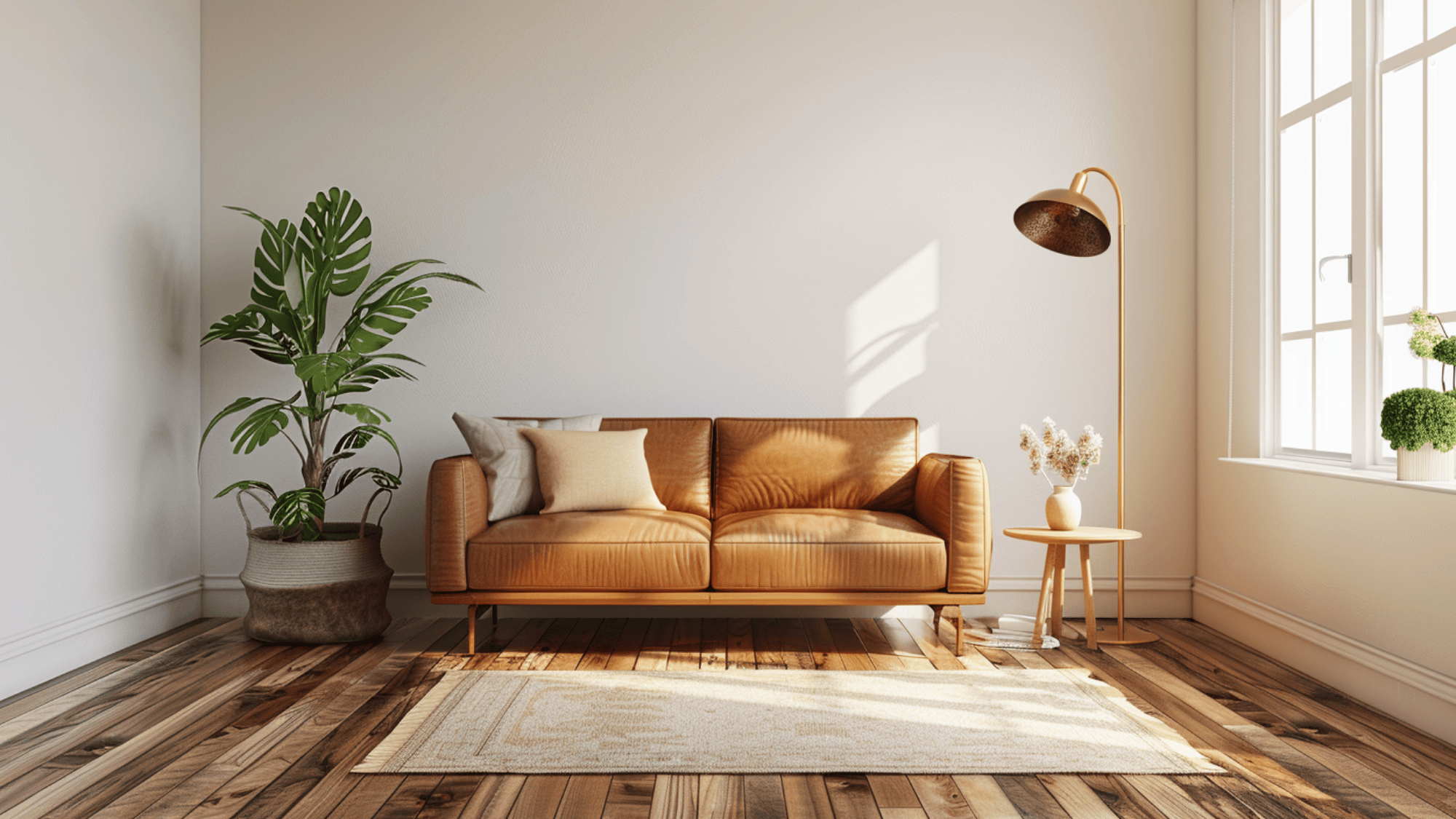
Walnut brings deep brown tones with hints of chocolate and caramel, creating an instant sense of warmth. Choose planks with calm grain patterns. Matte or satin finishes hide scuffs better than glossy coats.
- How it looks: Deep brown with chocolate tones and subtle grain
- Best rooms: Living rooms, bedrooms, offices
- Tips: Pick matte finishes. Pairs well with leather furniture and brass accents.
2. Light Oak Floors
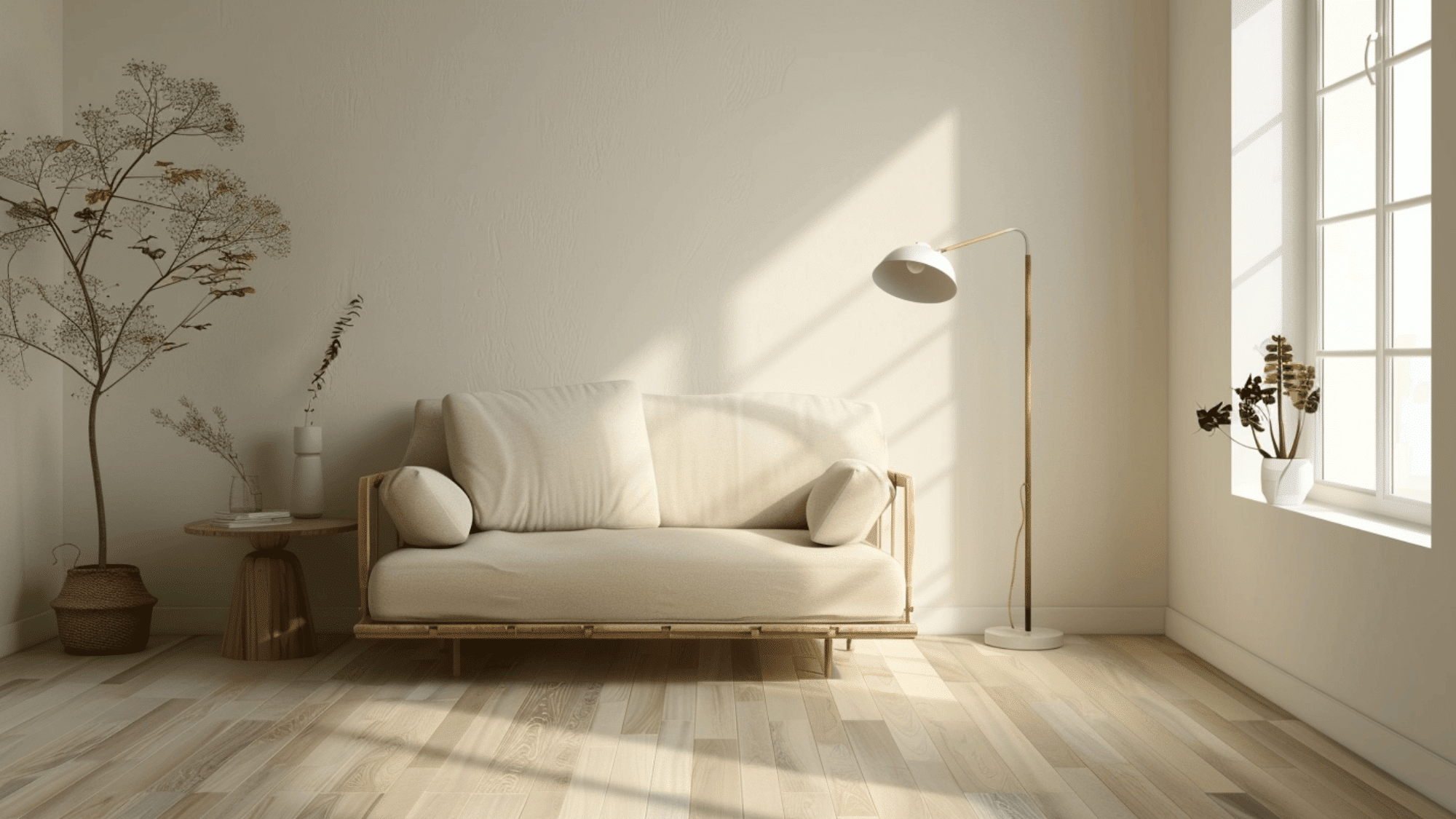
Light oak opens up rooms with pale honey tones that reflect natural light. This wood makes small spaces feel larger and dark corners brighter. Pair with warm neutrals and geometric wool rugs.
- How it looks: Pale honey tones with light grain that brightens spaces
- Best rooms: Small living rooms, basements, studios
- Tips: Use with warm neutrals and simple rugs. Works well in low-light areas.
3. Straight Plank Layout
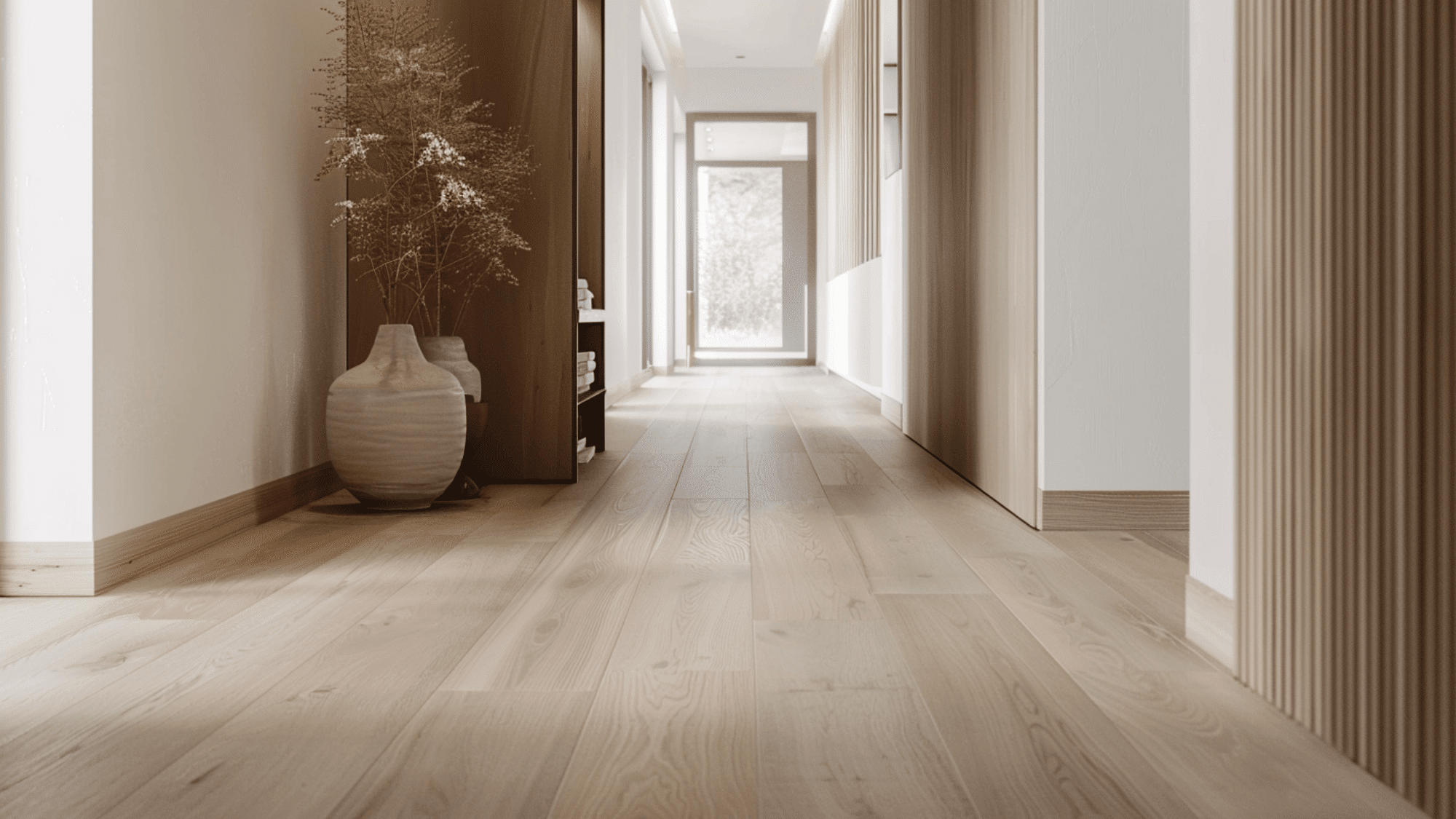
Straight planks run parallel to one another in one direction, creating a clean, uncluttered look. Install lengthwise in narrow spaces to make rooms feel wider. This simple layout costs less and wastes less material.
- How it looks: Parallel planks running in one direction for clean lines
- Best rooms: Hallways, narrow living rooms, open-plan spaces
- Tips: Run planks lengthwise in narrow rooms. Saves on installation costs and material waste.
4. Parquet Blocks
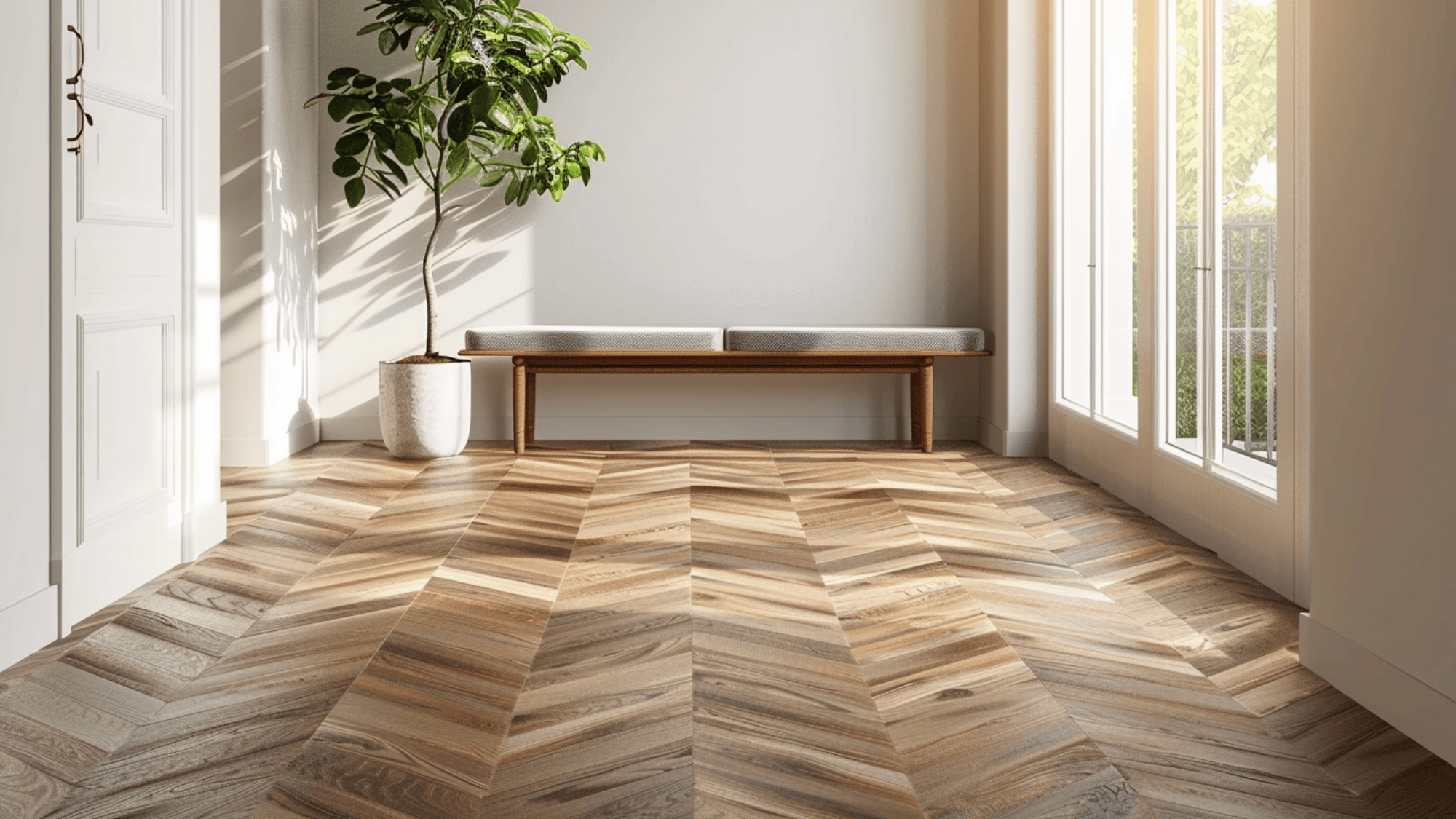
Parquet blocks arrange small wood pieces into herringbone or basketweave patterns. These designs add visual interest while staying true to mid-century style. Use in entryways or dining rooms for standout detail.
- How it looks: Small wood pieces in herringbone or basketweave patterns
- Best rooms: Entryways, dining rooms, study nooks
- Tips: Keep one room as the focal point. Pairs well with plain walls and minimal decor.
5. Checkerboard Tile
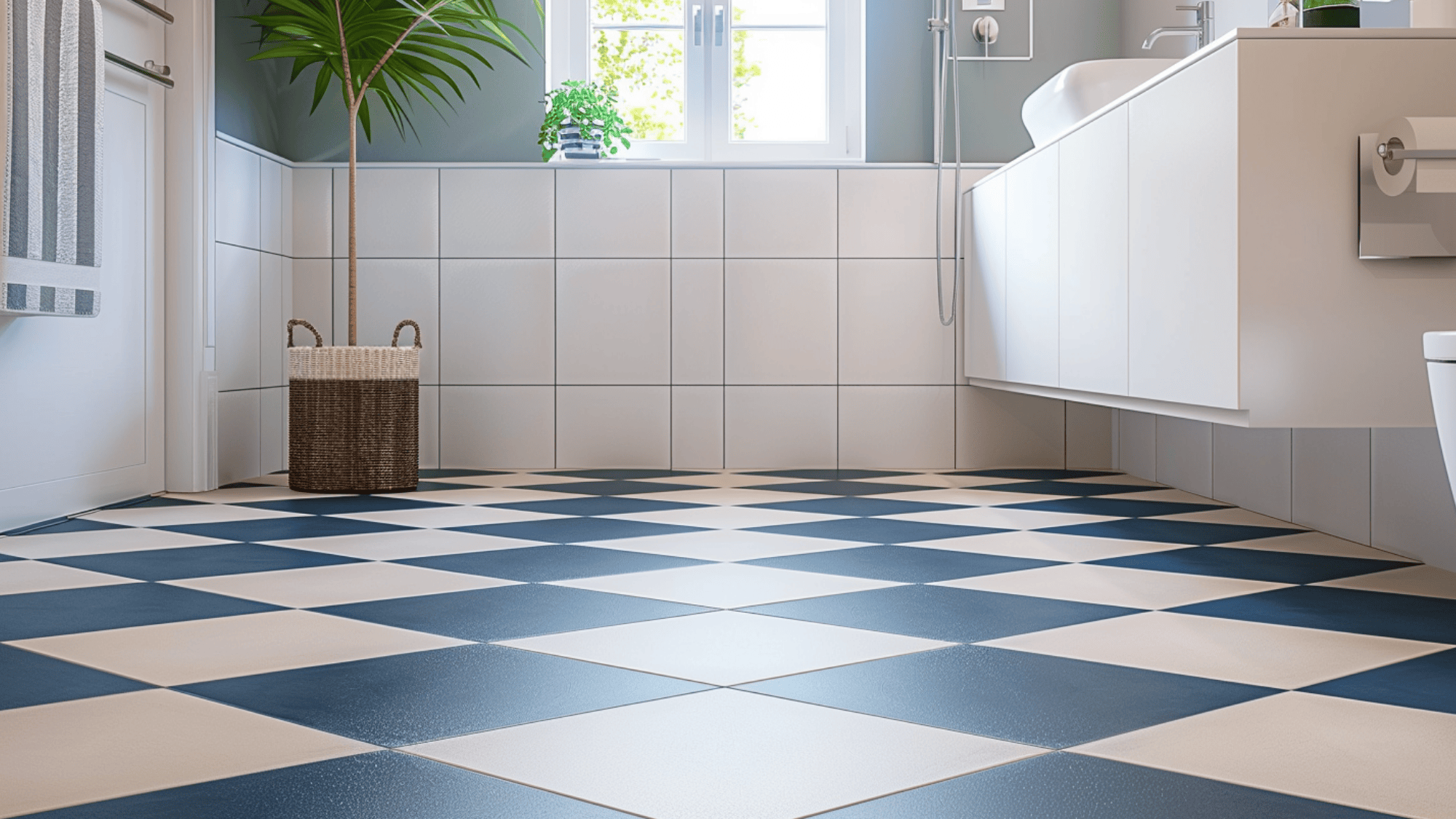
Checkerboard tile alternates two colors in a classic square pattern for mid-century kitchens and bathrooms. Black and white remains most popular, but navy and cream work too. Best in smaller spaces.
- How it looks: Alternating square tiles in contrasting colors like black and white
- Best rooms: Kitchens, bathrooms, laundry rooms
- Tips: Stick to two colors. Use in small spaces to avoid visual overload.
6. Terrazzo Floors
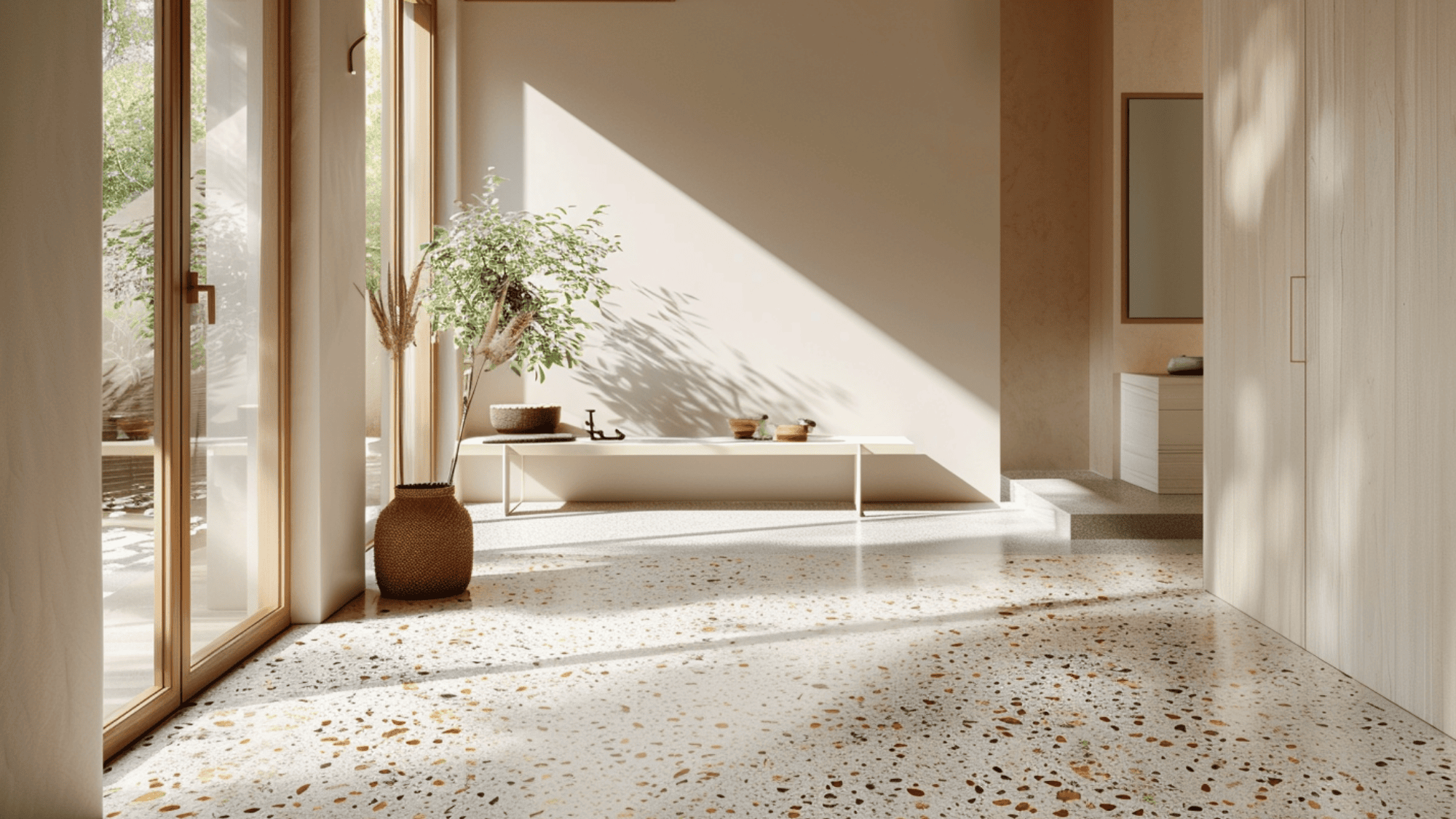
Terrazzo combines marble, quartz, or glass chips with cement to create a speckled surface. The random pattern hides dirt and scratches better than solid colors. Choose neutral backgrounds with colorful flecks.
- How it looks: Speckled surface with colorful chips in neutral or pastel backgrounds
- Best rooms: Bathrooms, kitchens, entryways
- Tips: Pick neutral bases with colorful chips. Hides wear better than solid surfaces.
7. Bamboo Flooring
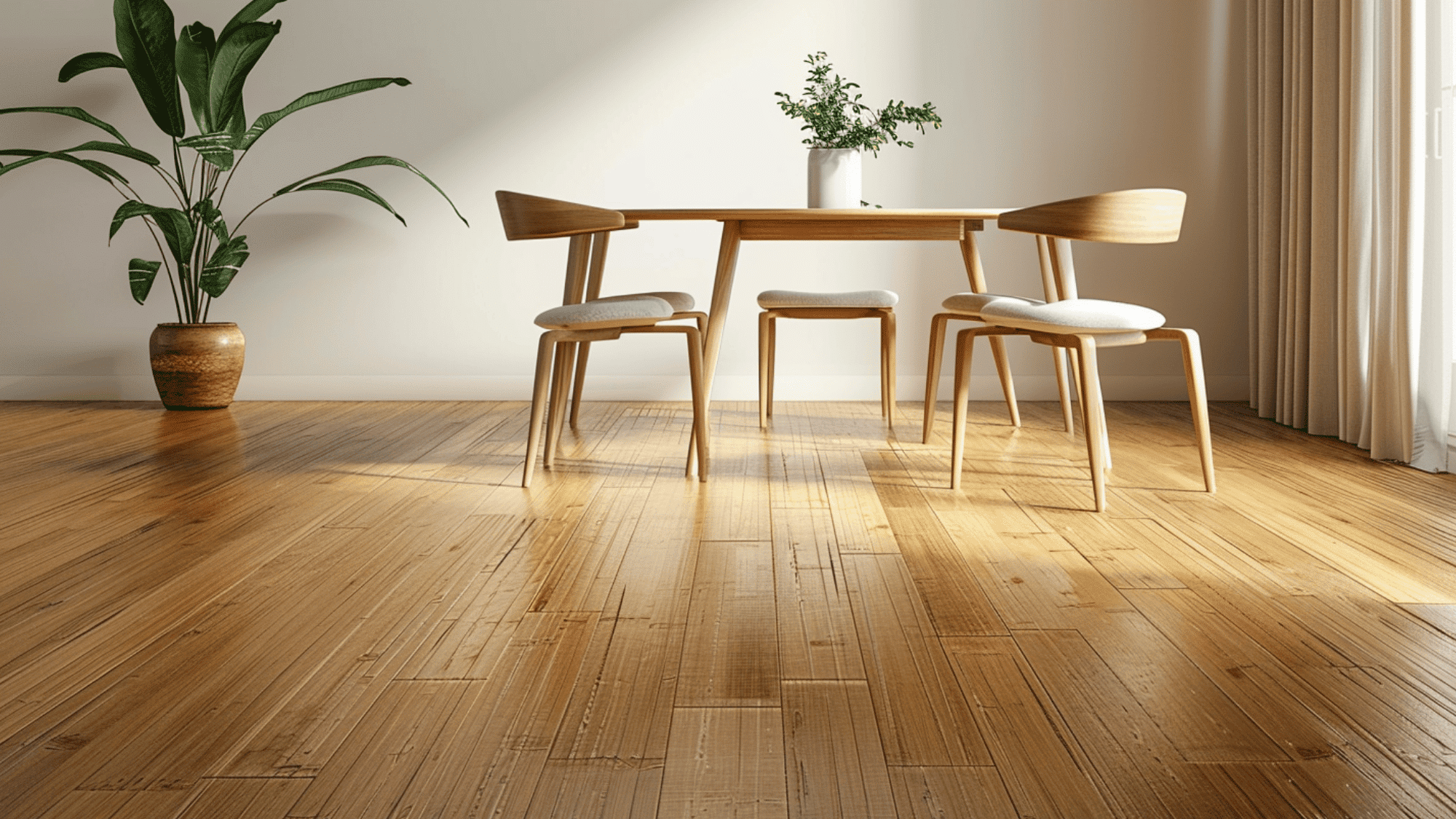
Bamboo offers a sustainable alternative with a clean, modern look that fits mid-century style. Choose horizontal or vertical grain in natural or caramelized tones for eco-friendly warmth.
- How it looks: Light to medium brown planks with linear grain patterns
- Best rooms: Kitchens, dining rooms, sunrooms
- Tips: Pick strand-woven bamboo for the highest durability. Maintains mid-century’s natural material aesthetic.
8. Cork Flooring
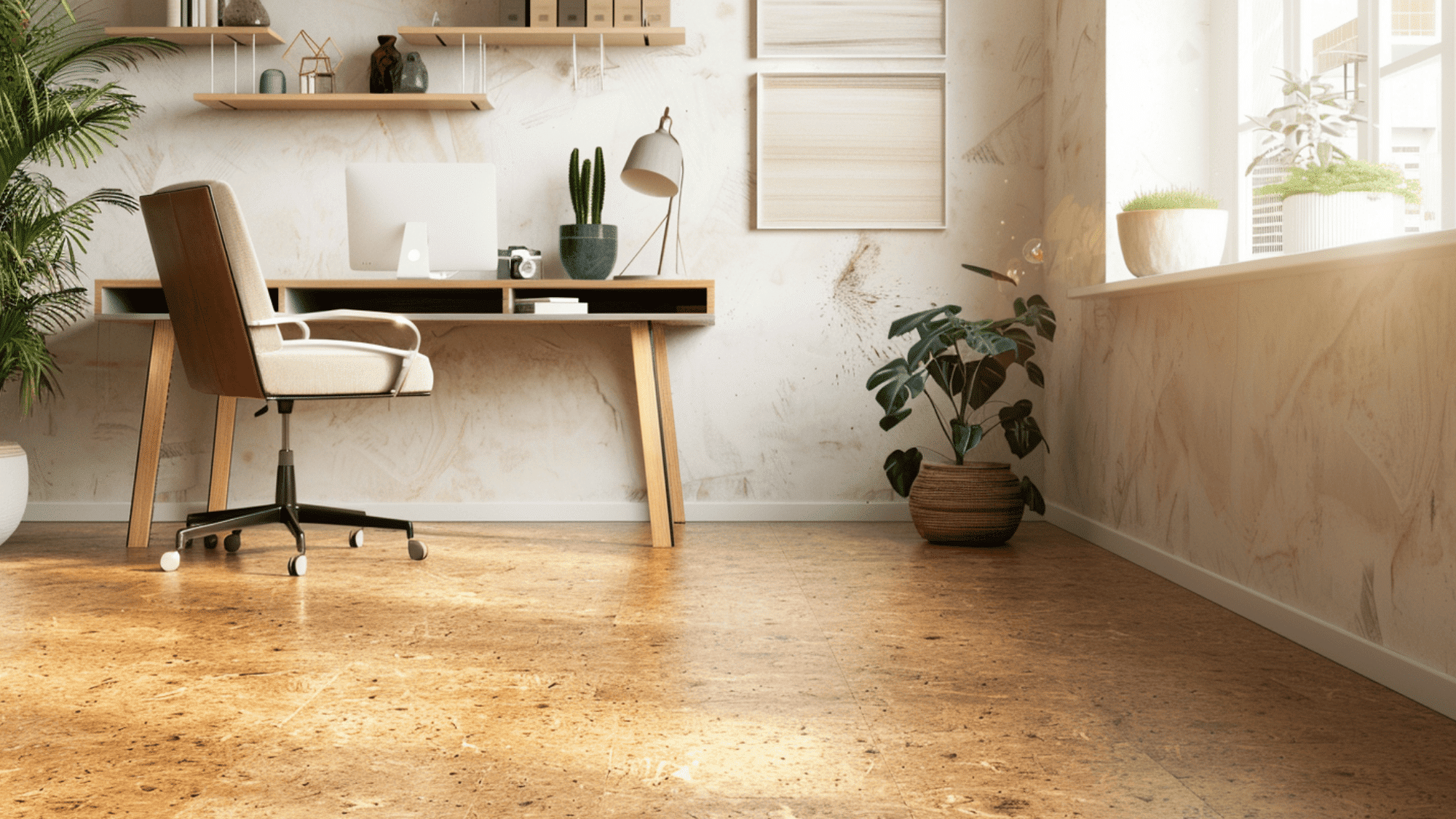
Cork flooring comes from tree bark and feels warm and cushioned underfoot. This material absorbs sound better than hardwood or tile, keeping rooms quieter. Stick to natural tan and honey tones.
- How it looks: Soft texture in natural tan, honey, or light brown shades
- Best rooms: Kitchens, home offices, playrooms
- Tips: Choose natural colors. Seals well to resist moisture and stains.
9. Linoleum Sheets Or Tiles
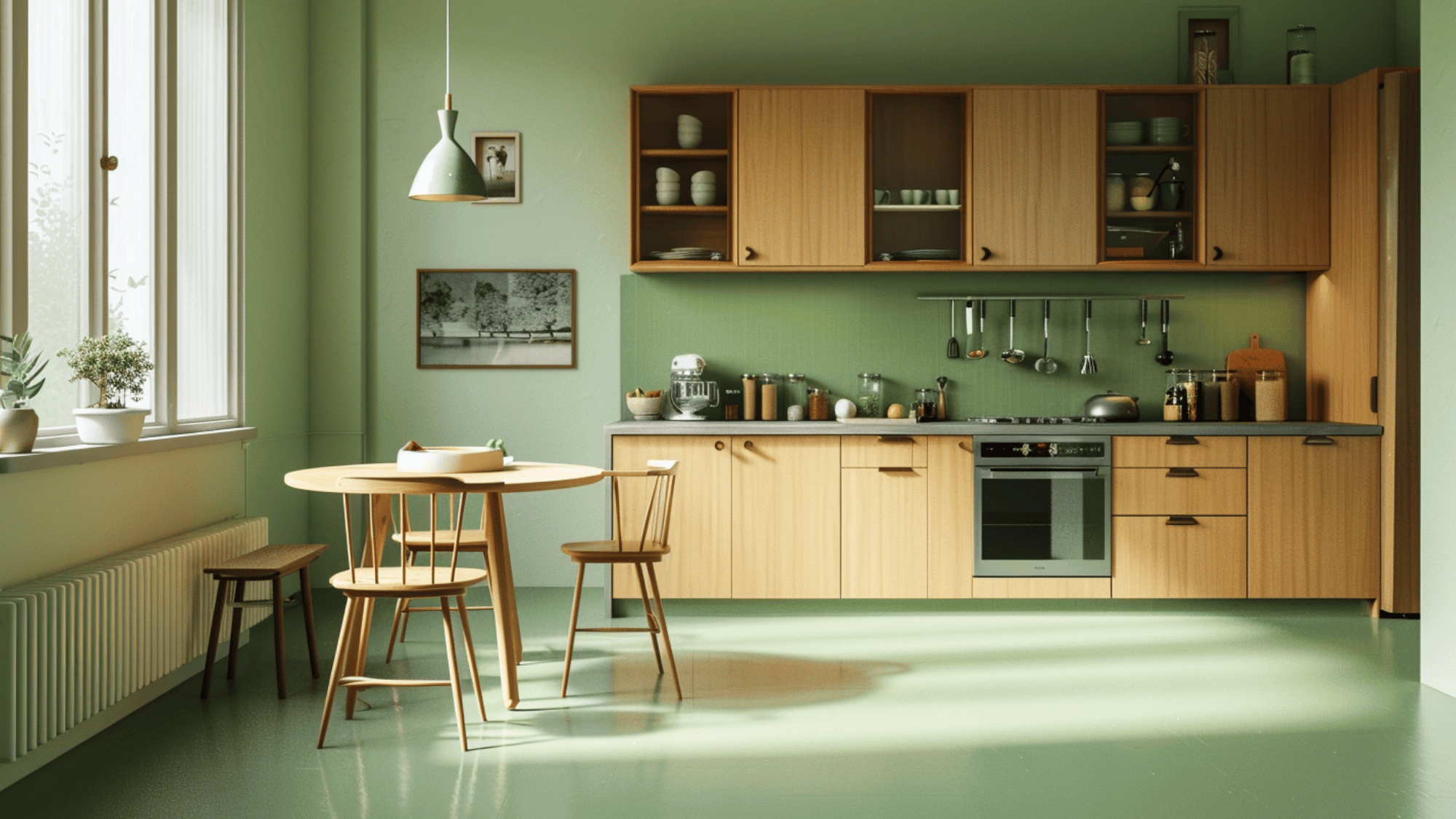
Linoleum offers vintage charm in sheets or tiles made from natural materials. This flooring comes in solid colors and retro patterns that are naturally resistant to bacteria. Choose muted greens, yellows, or grays.
- How it looks: Smooth matte surface in solid colors or simple retro patterns
- Best rooms: Kitchens, breakfast nooks, utility rooms
- Tips: Pick muted vintage colors. More eco-friendly than vinyl options.
10. Large-Format Tile
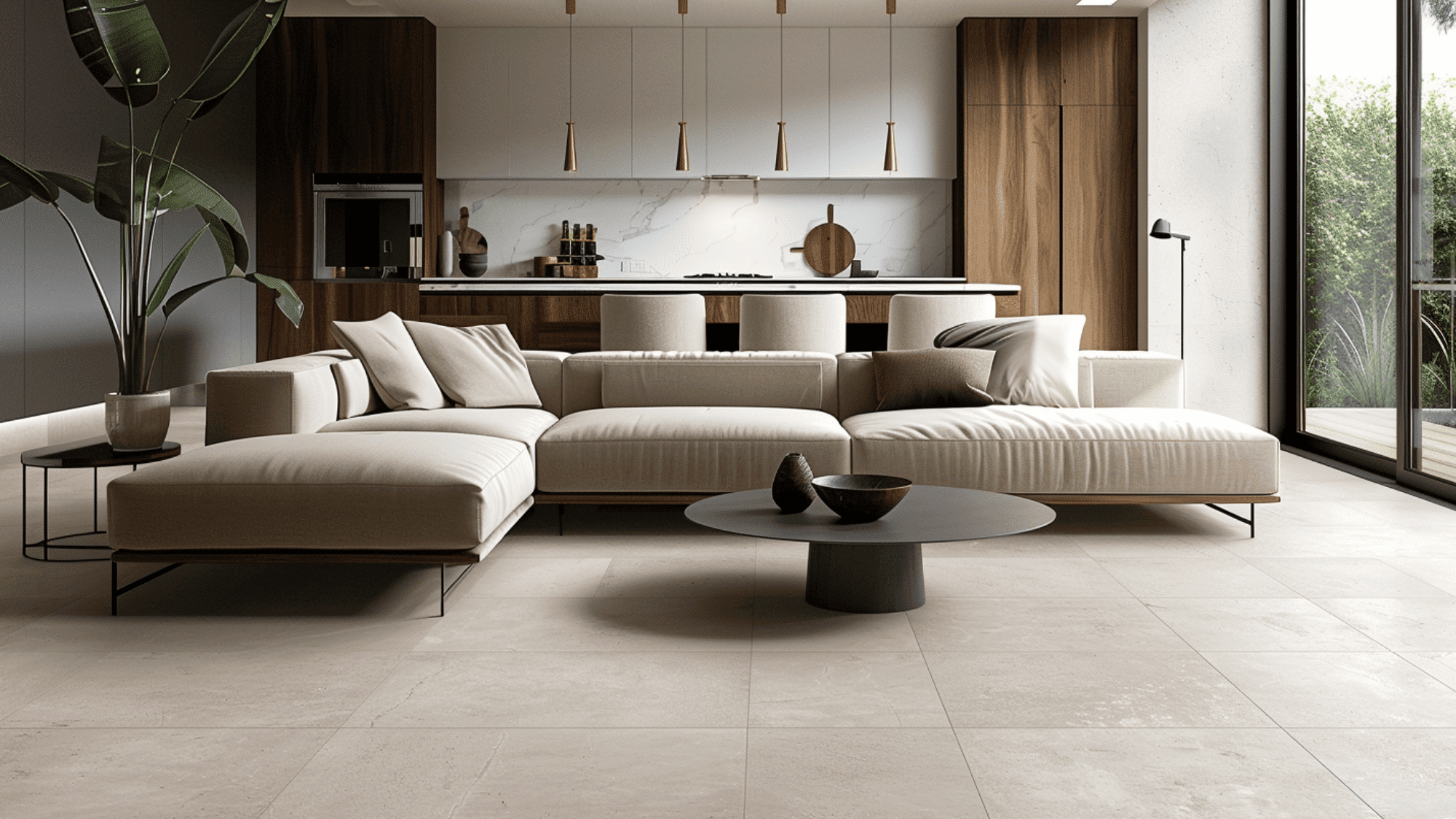
Large-format tiles measure 12 inches or more and have fewer grout lines, resulting in a sleeker look. Choose matte finishes in stone gray, warm beige, or concrete tones. Less grout means easier cleaning.
- How it looks: Big tiles with minimal grout lines in stone or concrete finishes
- Best rooms: Living rooms, kitchens, open-plan spaces
- Tips: Pick matte finishes. Larger sizes make small rooms look bigger.
11. Concrete-Look Floors
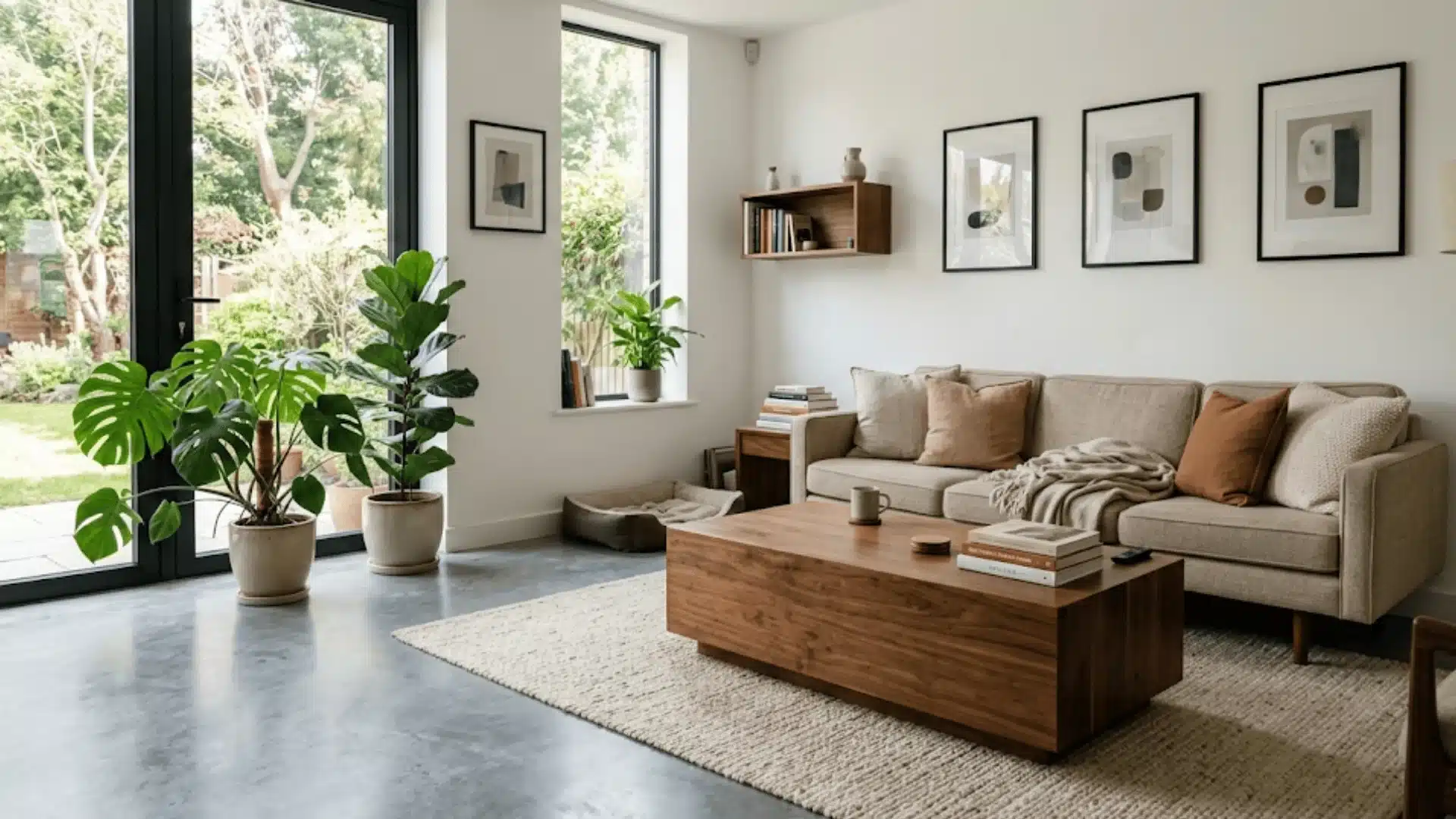
Concrete-look floors bring an industrial style that balances warm mid-century furniture. Choose polished concrete, stained concrete, or realistic LVP. Cool gray tones create a neutral backdrop for colorful rugs and wood accents.
- How it looks: Smooth gray surface with subtle variations and matte finish
- Best rooms: Living rooms, basements, lofts
- Tips: Warm up with wood furniture and textured rugs. Choose sealed finishes for easy cleaning.
12. Wood-Look LVP
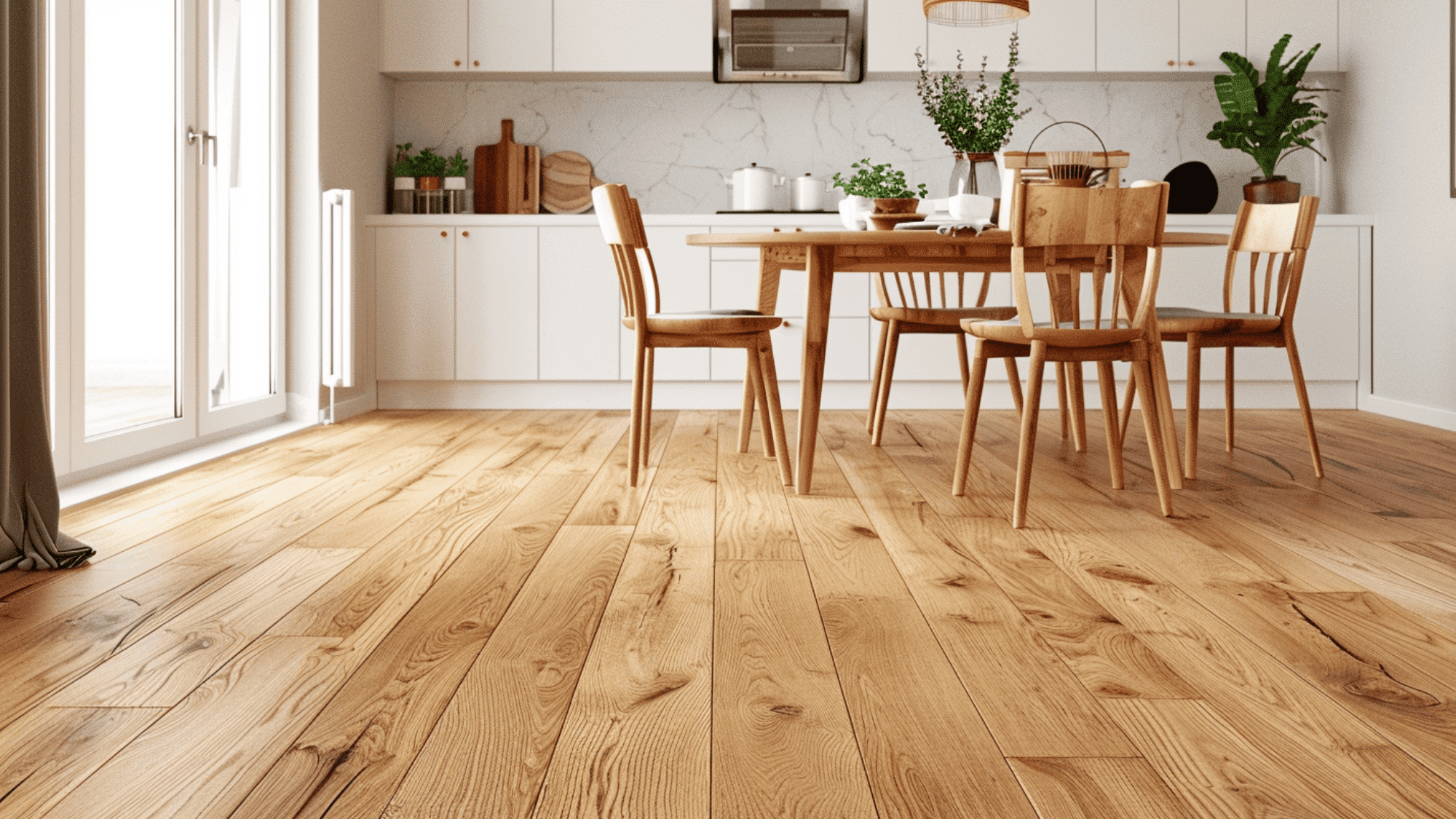
Wood-look LVP recreates hardwood with waterproof vinyl planks that are easy to clean. This flooring costs less than real wood and installs faster. Choose subtle grain patterns with warm undertones, such as honey oak.
- How it looks: Realistic wood grain printed on waterproof vinyl planks
- Best rooms: Basements, kitchens, rentals
- Tips: Pick calm grain patterns with warm tones. Waterproof and budget-friendly alternative to real wood.
13. Encaustic Cement Tile
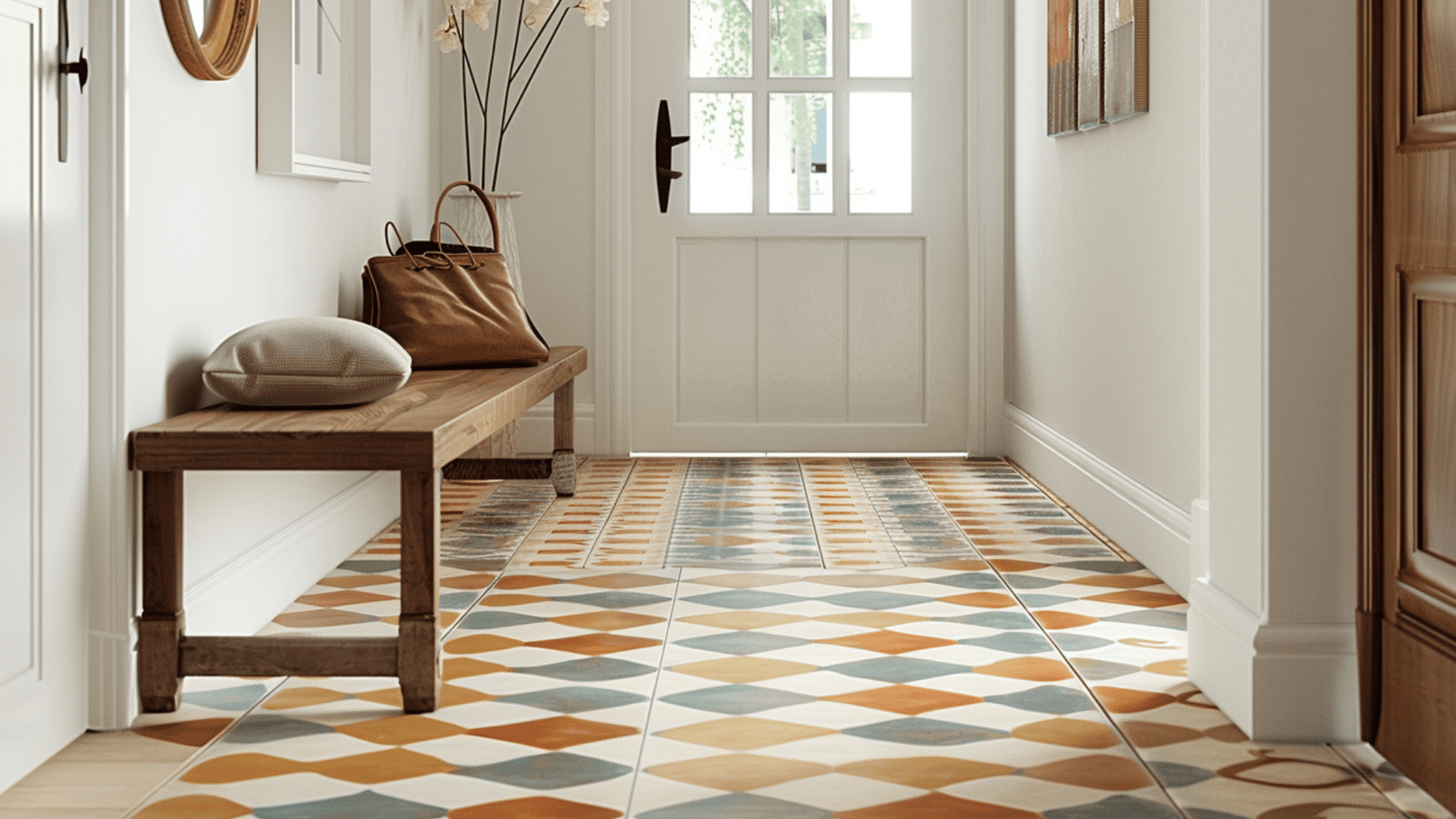
Encaustic cement tiles feature hand-poured colored patterns that go through the entire tile thickness. These artisan tiles bring bold geometric designs popular in mid-century spaces.
- How it looks: Colorful geometric patterns in cement with a matte finish
- Best rooms: Entryways, powder rooms, accent zones
- Tips: Seal properly to prevent staining. Limit to one focal area per home.
14. Monochromatic Tile Patterns
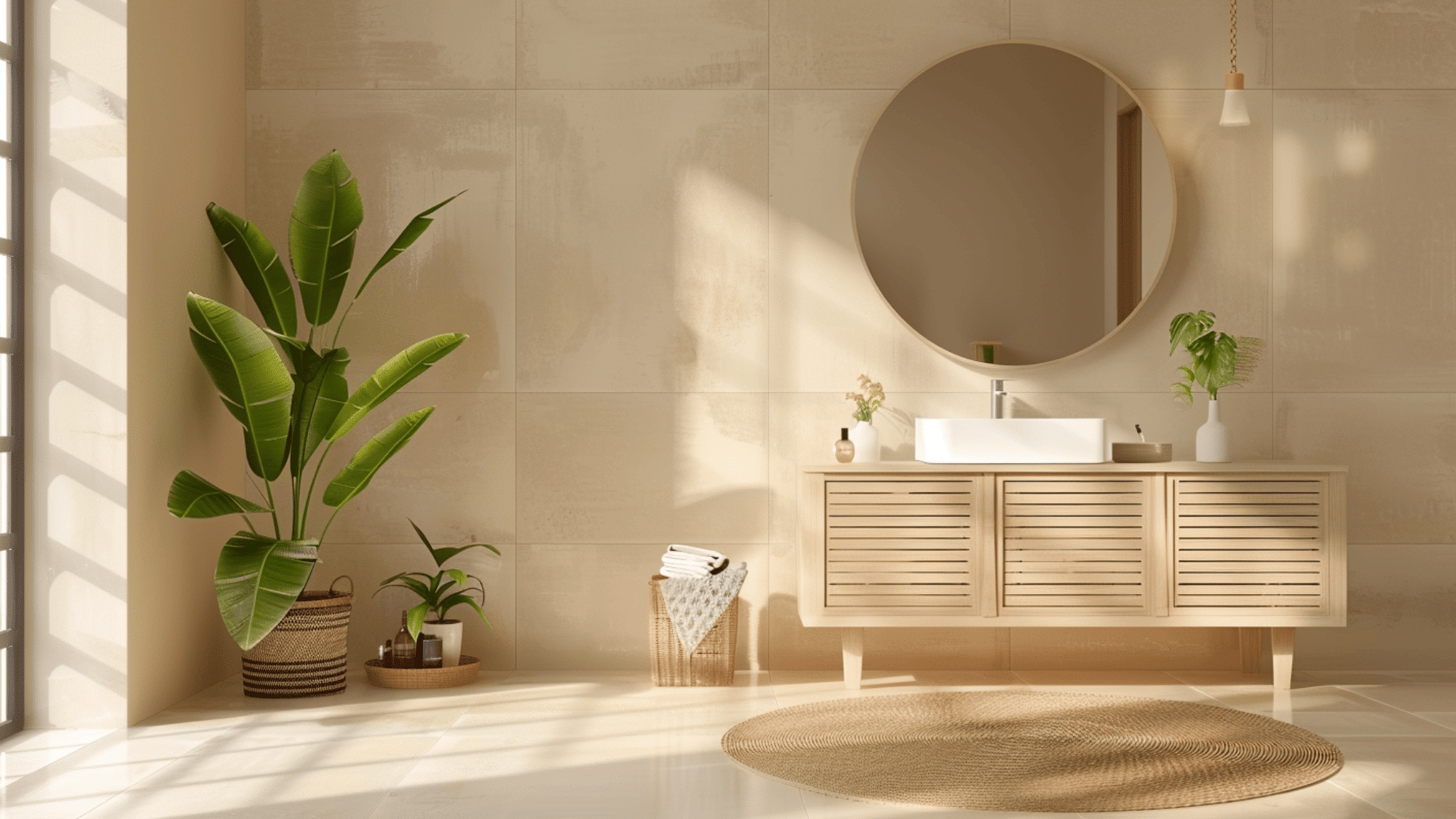
Monochromatic tile uses one color in different shades or textures to create subtle depth without busy patterns. Choose gray, beige, or cream in matte and glossy finishes for dimension.
- How it looks: Single color family in varying shades or textures for subtle depth
- Best rooms: Bathrooms, kitchens, entryways
- Tips: Mix matte and glossy finishes in the same color. Creates interest without overwhelming the space.
15. Teak Flooring
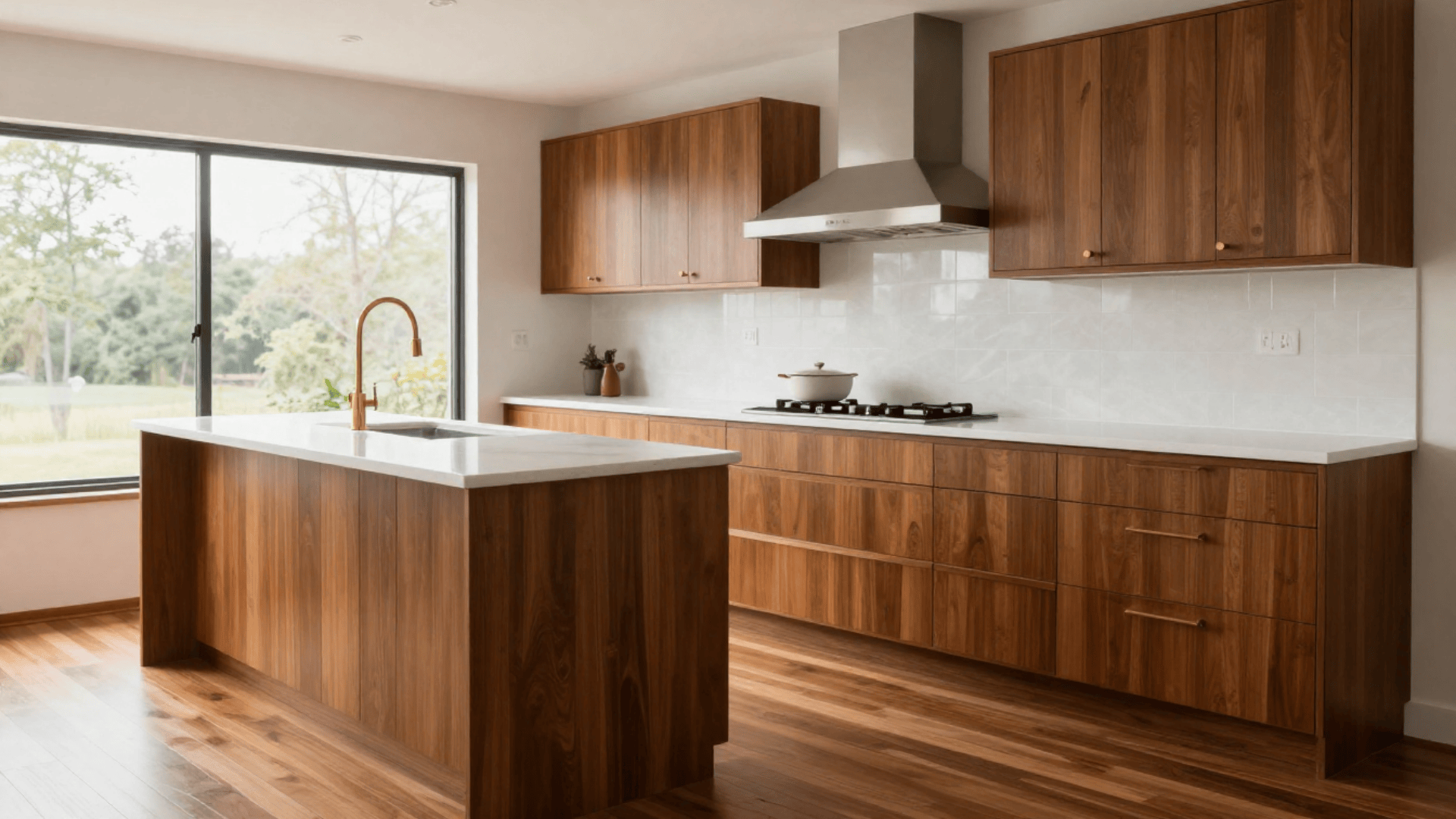
Teak flooring is a top choice for achieving an authentic mid-century modern look. It is durable and water-resistant, with a rich golden-brown tone that Danish designers famously favored.
- How it looks: Smooth grain with golden to medium brown hues. It has natural oils that give it a soft sheen.
- Best for: High-traffic areas, kitchens, and spaces where you need something tough but beautiful.
- Tip: Teak darkens over time, so embrace the patina it adds and the character it gives.
16. Maple Flooring
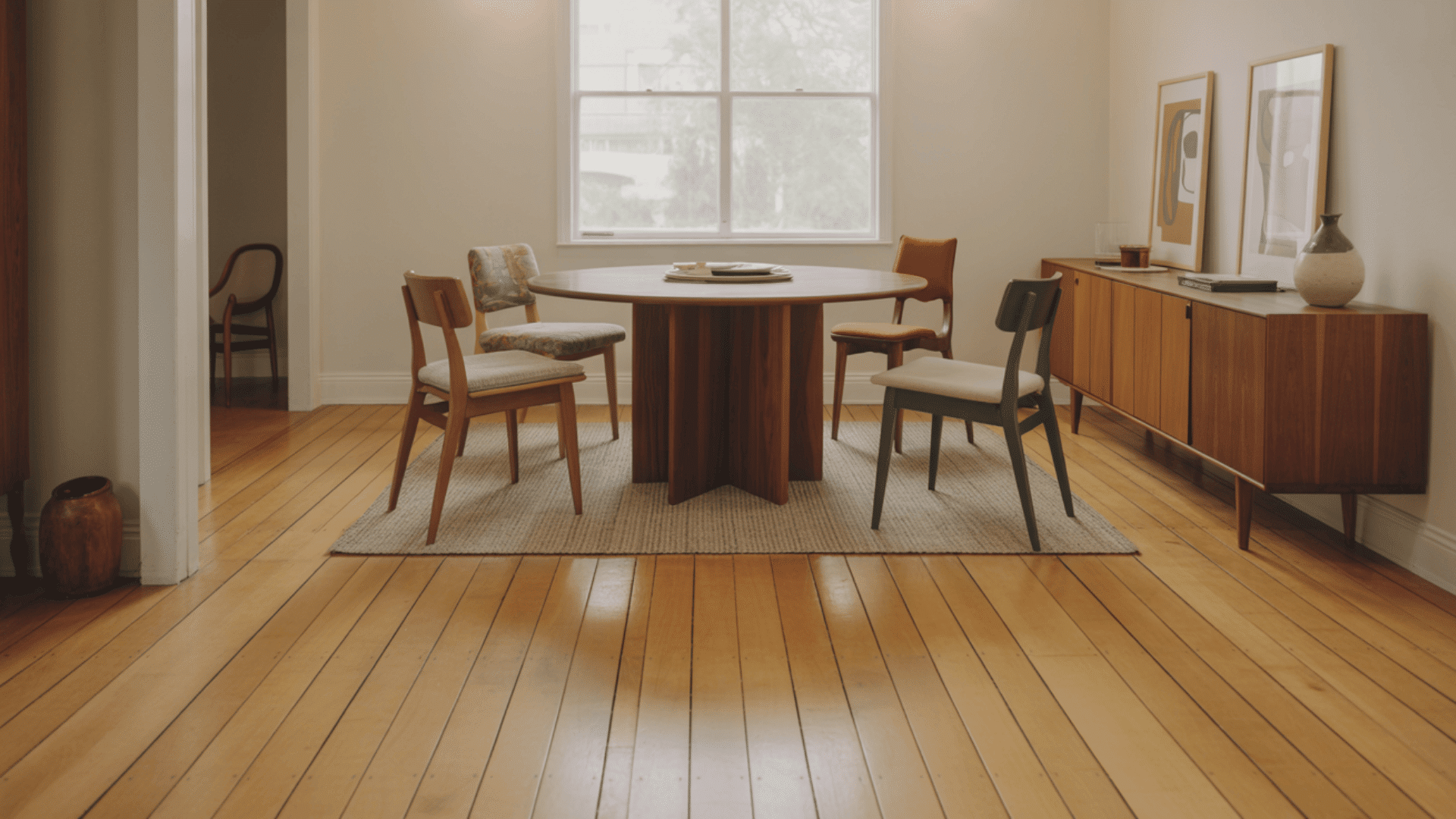
Maple creates a light, airy feel that can make spaces look bigger and brighter. It suits a Scandinavian-inspired mid-century vibe especially well.
- How it looks: Pale cream to light blonde tones with subtle, fine-grain patterns. Clean and minimal.
- Best for: Smaller rooms, modern kitchens
- Tip: Pair it with bold, colorful furniture; the contrast is stunning and very ’60s.
17. Natural Stone Flooring
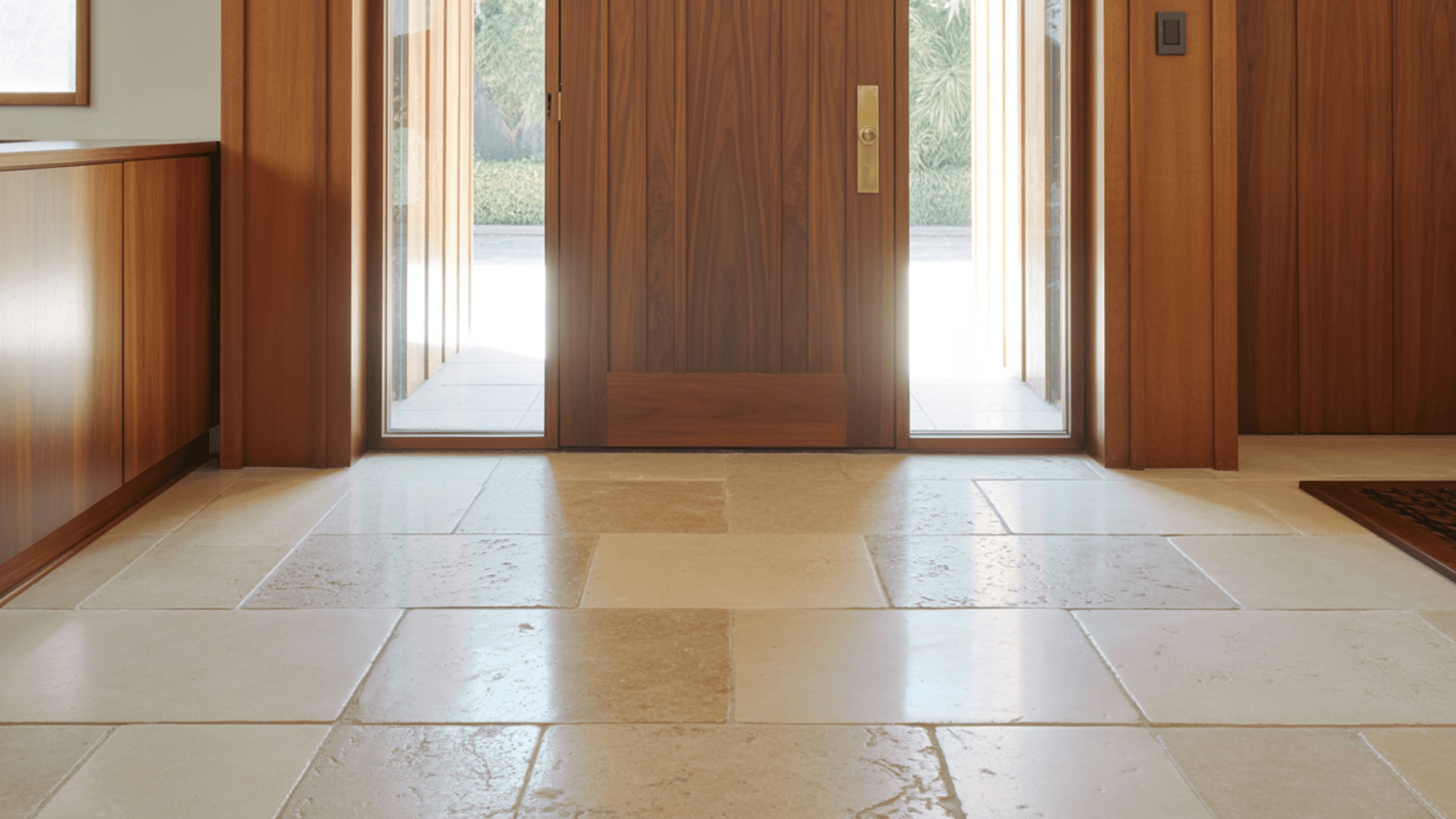
Natural stone brings an organic, earthy element that mid-century architects adored. It appears in many iconic homes and consistently delivers timeless appeal.
- How it looks: Varied textures with natural color variations, think slate gray, warm beige, or rustic terracotta tones.
- Best for: Entryways, patios, or open-concept spaces that blur indoor-outdoor boundaries.
- Tip: Use large-format tiles. They create fewer grout lines and feel more cohesive.
18. Brick Flooring
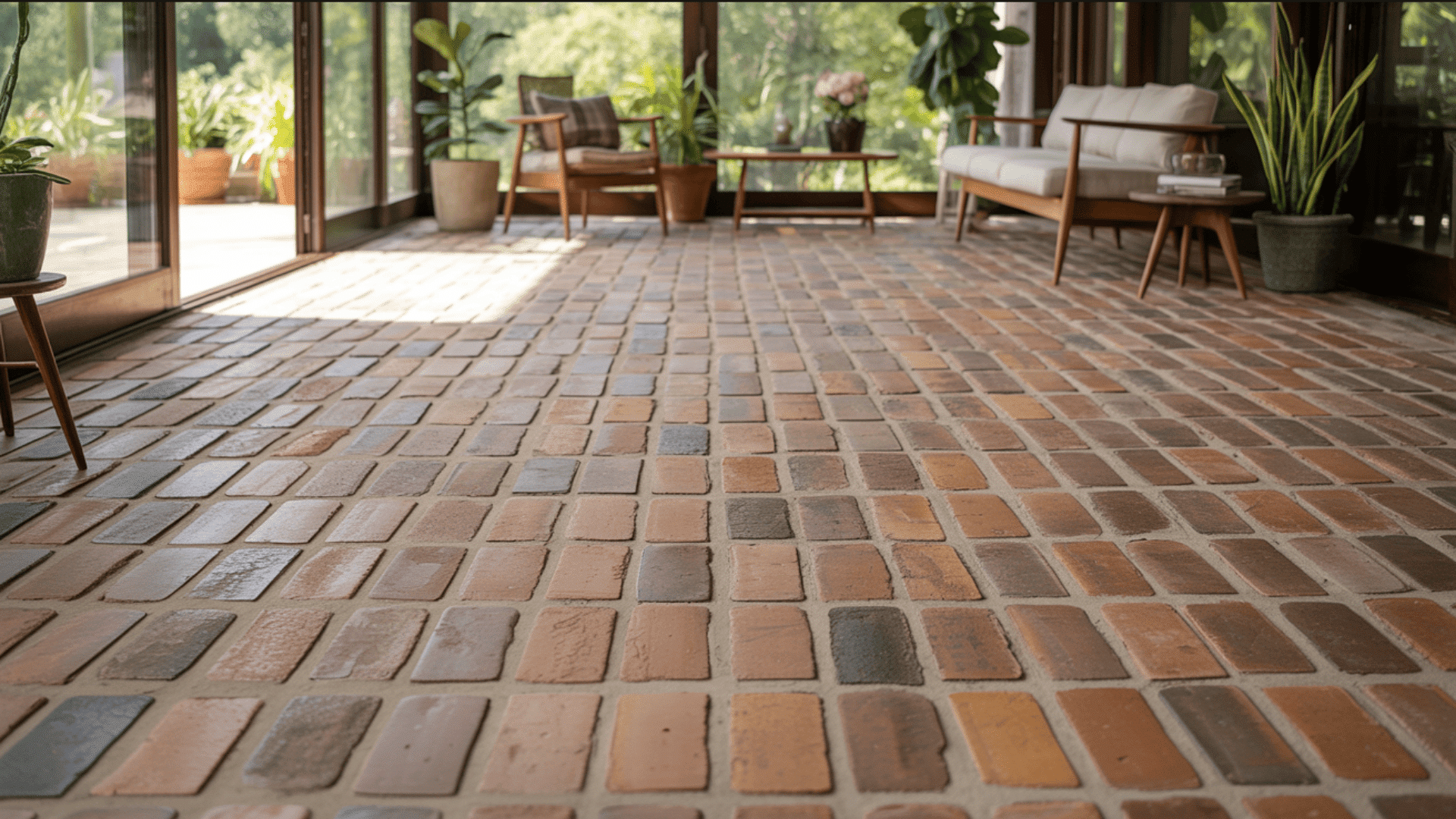
Brick flooring adds industrial charm with a retro twist. It sounds unexpected, but it was actually used in many mid-century homes, especially in California.
- How it looks: Rustic red-orange tones with a matte finish. Laid in herringbone or running bond patterns.
- Best for: Sunrooms, mudrooms, or accent areas that need texture and visual interest.
- Tip: Seal it properly. Brick is porous, so protection against stains is essential.
Mid-century modern flooring brings lasting style to any room. Pick warm woods, terrazzo patterns, or modern vinyl that copies classic looks. Start shopping for floors that stay beautiful for years.
How Much Does Mid-Century Modern Flooring Cost?
Budget matters when picking flooring, and prices can swing wildly depending on what we choose. Keep in mind that installation fees and location can shift these numbers.
| Flooring Type | Cost Per Sq Ft (Material) | Installation Cost | Total Estimate |
|---|---|---|---|
| Solid Hardwood | $5-$15 | $3-$8 | $8-$23/sq ft |
| Engineered Wood | $3-$12 | $3-$7 | $6-$19/sq ft |
| Teak Flooring | $8-$20 | $4-$10 | $12-$30/sq ft |
| Maple Flooring | $4-$10 | $3-$7 | $7-$17/sq ft |
| Vinyl Flooring | $1-$7 | $2-$5 | $3-$12/sq ft |
| Natural Stone | $5-$25 | $5-$15 | $10-$40/sq ft |
| Porcelain Tile | $3-$12 | $5-$10 | $8-$22/sq ft |
| Ceramic Tile | $2-$8 | $4-$8 | $6-$16/sq ft |
| Brick Flooring | $4-$10 | $6-$12 | $10-$22/sq ft |
| Terrazzo | $10-$30 | $15-$30 | $25-$60/sq ft |
| Concrete | $2-$8 | $2-$6 | $4-$14/sq ft |
Common Mistakes to Avoid
Even experienced homeowners can mess up when choosing mid-century modern flooring. These mistakes cost money and ruin the authentic look we’re going for. Here’s what to watch out for.
- Ignoring the room’s moisture levels: Installing hardwood in bathrooms or basements can lead to warping and damage over time.
- Choosing trendy over timeless: Mid-century design is about clean lines and classic materials, not whatever’s hot right now.
- Skipping proper subfloor prep: A bumpy or damaged subfloor shows through and causes our flooring to fail early.
- Mixing too many flooring types: Different floors in every room create visual chaos instead of that sleek, cohesive flow we want.
- Forgetting about furniture scale: Small tiles can make large mid-century furniture look awkward and out of place.
- Rushing the acclimation process: Wood needs time to adjust to our home’s temperature and humidity before installation.
Final Thoughts
Mid-century modern flooring remains relevant because it uses simple lines, natural materials, and colors that age well. Start by choosing your undertone based on existing walls and furniture.
Then pick between warm woods, terrazzo patterns, cork, linoleum, or modern LVP that copies these classic looks. Keep grain patterns calm, and finishes matter for authentic style.
Use bold geometric tiles only in small spaces, such as bathrooms or entryways. Match your material to room conditions: use waterproof options in wet areas and real wood in dry zones.
Sample at least two to three choices in your actual space before buying. The correct floor balance is always relevant to the design of your real daily needs.
Which flooring style speaks to your home? Share your favorite mid-century look in the comments below.