Walking into a paint store can feel like staring at a wall of a thousand choices. Matte or glossy? Eggshell or satin? What even is semi-gloss?
Here’s the thing: picking the right types of paint doesn’t have to be that hard. You don’t need to be an expert. You need to know what works where.
Some paints hide wall flaws. Others scrub clean after your kids attack them with crayons. The wrong finish in a bathroom? That’s peeling paint in six months. The right one? It looks fresh for years.
Here is the breakdown of the different types of wall paint in plain English. You’ll learn which finishes work best for living rooms, kitchens, bedrooms, and those high-traffic hallways. It’ll help you pick paint that actually works for your home.
Why are There Different Types of Paint
Paint types exist because surfaces and rooms face different challenges. Wood, drywall, metal, and masonry each require specific bonding agents to ensure proper adhesion. Kitchens battle grease while bathrooms fight moisture and mold.
Paint formulas balance three key factors: coverage, durability, and washability. Manufacturers adjust ingredients to match how people use each space. Finishes also serve different purposes.
Flat paint hides wall imperfections, while glossy paint resists stains and cleans easily. Satin and eggshell finishes fall in between. Some paints add features such as stain blocking or low odor.
Application methods vary, too. Budget plays a role since low-traffic areas can use basic paint, while hallways and playrooms need tougher formulas that last longer.
Difference Between Paint Type, Finish, and Texture
Most people use these words as if they mean the same thing. They don’t. Understanding the difference helps you buy the right paint the first time. Think of it this way: type is the recipe, finish is the shine, and texture is the feel.
| Feature | Paint Type | Paint Finish | Paint Texture |
|---|---|---|---|
| What It Means | The paint’s formula and purpose | The paint’s shine level | The wall/paint surface feel and pattern |
| What It Changes Most | Adhesion, durability, dry time, indoor vs outdoor performance | Washability, how many flaws show, overall look | Adds depth, boosts style, and hides flaws better. |
| Common Options | Water-based (latex/acrylic), oil/alkyd, interior/exterior, specialty (mold, stain-blocking) | Flat, matte, eggshell, satin, semi-gloss, gloss | Smooth, orange peel, knockdown, sand, popcorn, brushed texture |
| Best Used For | Picking the right paint for the surface and room conditions | Picking the right look and cleaning level for traffic and lighting | Adding style or hiding uneven walls and repairs |
| Where You Decide It | When planning the project (room, surface, exposure) | When choosing the final appearance (walls vs trim) | When prepping drywall or choosing application tools |
| Typical Tools/Factors | Primer needs, weather exposure, VOC/odor needs | Sheen, lighting, and wall condition | Roller nap, additives, spray settings, drywall finish |
How to Pick the Right Paint
Choosing paint gets easier when you follow a straightforward process. Instead of feeling confused at the store, answer these five questions before you shop. Each step narrows your choices until you know exactly what to buy.
- Identify the Surface: Check what you’re painting. Fresh drywall soaks up paint unevenly without primer. Glossy walls need sanding or special primer so the new paint sticks. Plaster may need repair before painting.
- Rate Traffic and Cleaning Needs: Think about who uses the room. Kids’ rooms and hallways need durable, scrubbable finishes, such as satin or semi-gloss. Quiet bedrooms can use flat or eggshell.
- Check Moisture and Ventilation: Bathrooms and kitchens get steamy. Use satin or semi-gloss finishes that resist moisture and mold. Avoid flat paint in damp areas.
- Choose Your Finish First, Then Choose Color: Pick sheen before color, since sheen changes how color looks in your lighting. Flat deepens color, gloss brightens it, so test samples on your actual wall.
- Buy the Right Amount and Tools: Measure wall height × width to get square footage. One gallon covers about 400 sq ft. Use thick-nap rollers for texture, thin-nap for smooth walls, and quality brushes for clean trim lines.
Types of Wall Paint for Home
Homes use several types of paint, each built for different surfaces and needs. Knowing what each type does helps you pick the right one for your project and avoid repainting too soon.
1. Latex Paint
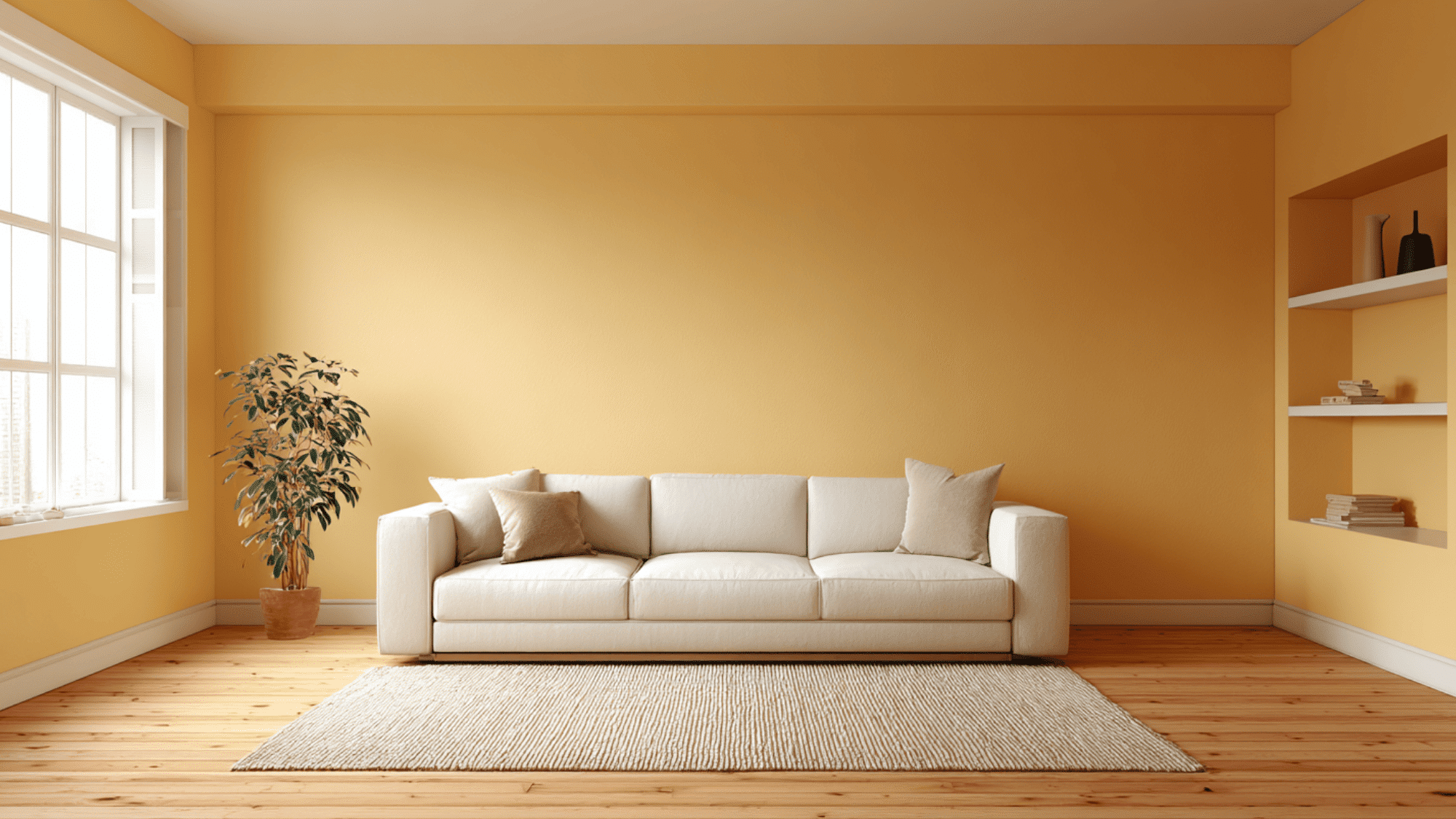
Latex paint is a water-based paint that most people use for interior walls and ceilings. It dries to a smooth, even finish and comes in many sheen options from flat to semi-gloss.
- Pros: Low odor, dries fast, cleans up with soap and water, and stays flexible to reduce cracking.
- Cons: Not as hard as enamels, scratches more easily, and can show brush marks if overworked.
- Best For: Living rooms, bedrooms, ceilings, drywall, and most interior spaces with light to moderate wear.
2. Acrylic Paint
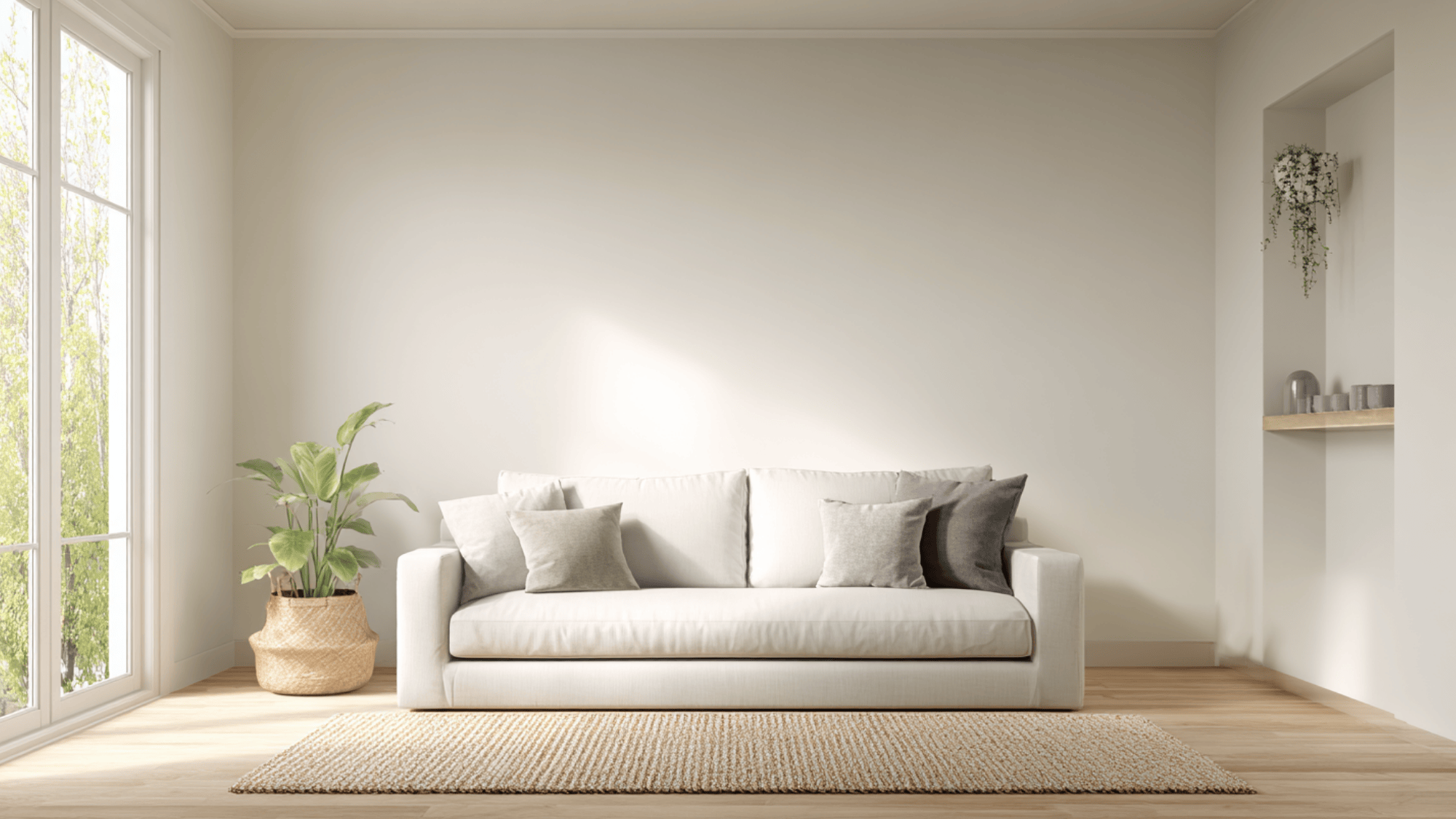
Acrylic paint is a water-based paint made with acrylic resins that bond more strongly than regular latex. It holds up well against weather changes, moisture, and daily wear.
- Pros: More durable than latex, resists fading and cracking, and handles humidity well indoors and outdoors.
- Cons: Dries faster, which makes touch-ups harder, and costs more than standard latex paint.
- Best For: Exteriors, high-traffic walls, trim, kitchens, bathrooms, and areas needing extra durability.
3. Oil-Based Paint
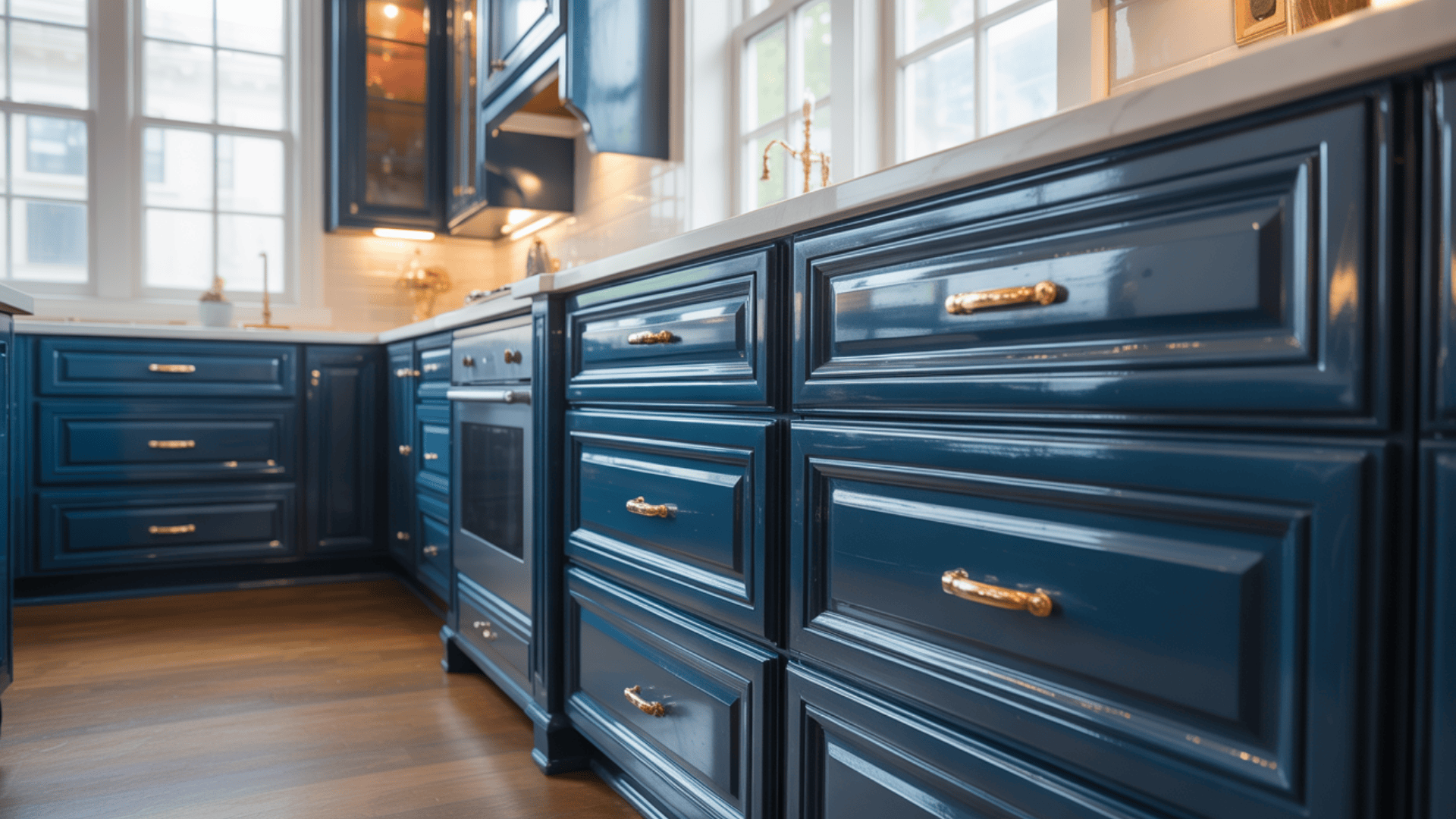
Oil-based paint uses chemical solvents instead of water and dries into a hard, glossy shell. It creates a very smooth surface that looks polished and professional.
- Pros: Extremely durable, resists scuffs and stains, levels smoothly, and creates a hard protective finish.
- Cons: Strong smell requires ventilation, takes hours to dry, requires cleanup with paint thinner.
- Best For: Trim, doors, cabinets, railings, furniture, and woodwork that are frequently touched or bumped.
4. Primer Paint
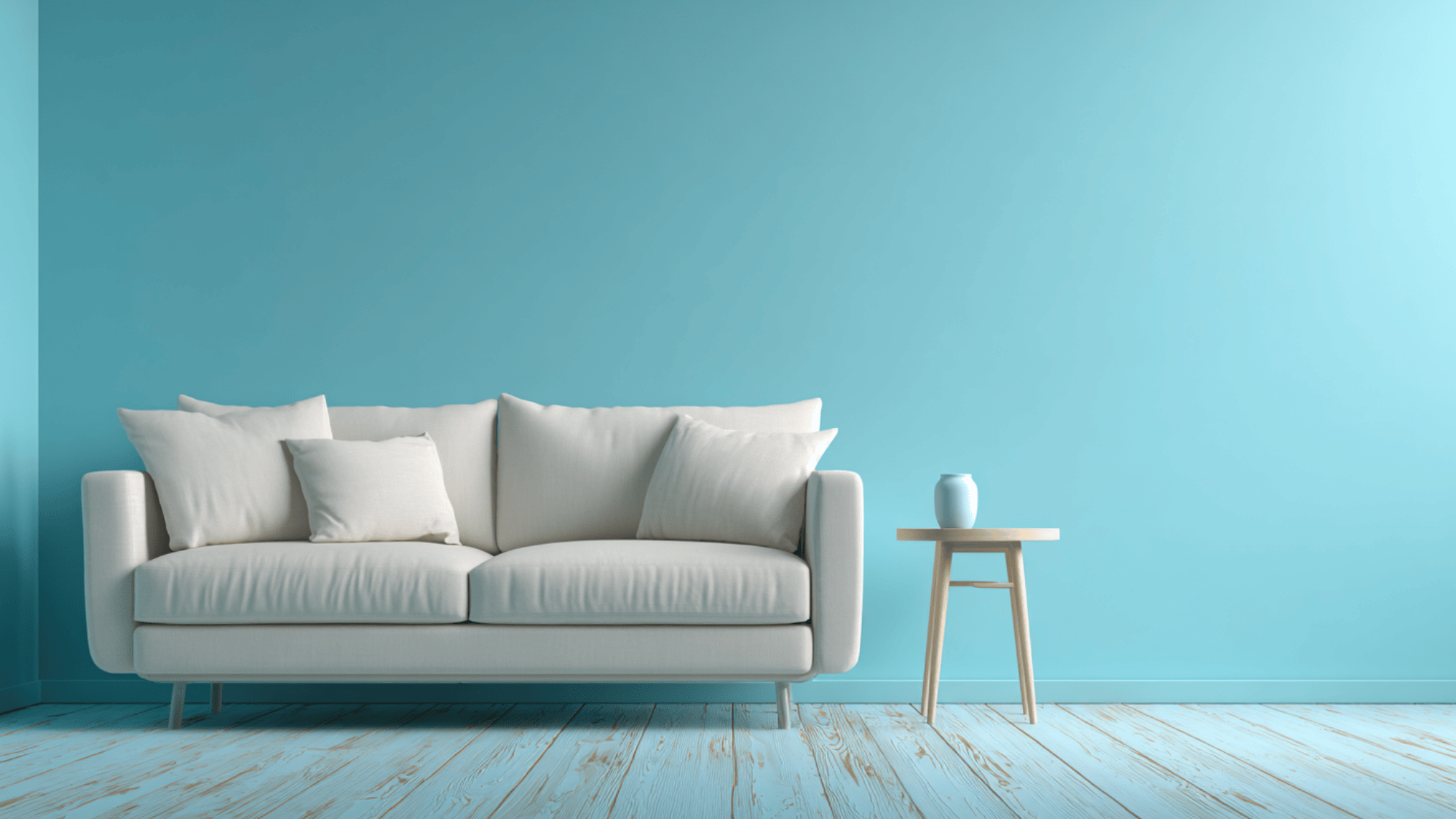
Primer is a base coat that prepares surfaces before you apply the final paint. It seals porous materials, blocks stains, and helps the topcoat stick and look even.
- Pros: Seals new drywall, blocks stains and odors, improves adhesion, and reduces topcoat needed for coverage.
- Cons: Adds time and money to the project, looks chalky and unfinished, and must be painted over.
- Best For: New drywall, repaired spots, color changes, repainting glossy surfaces, and staining walls.
5. Textured Paint
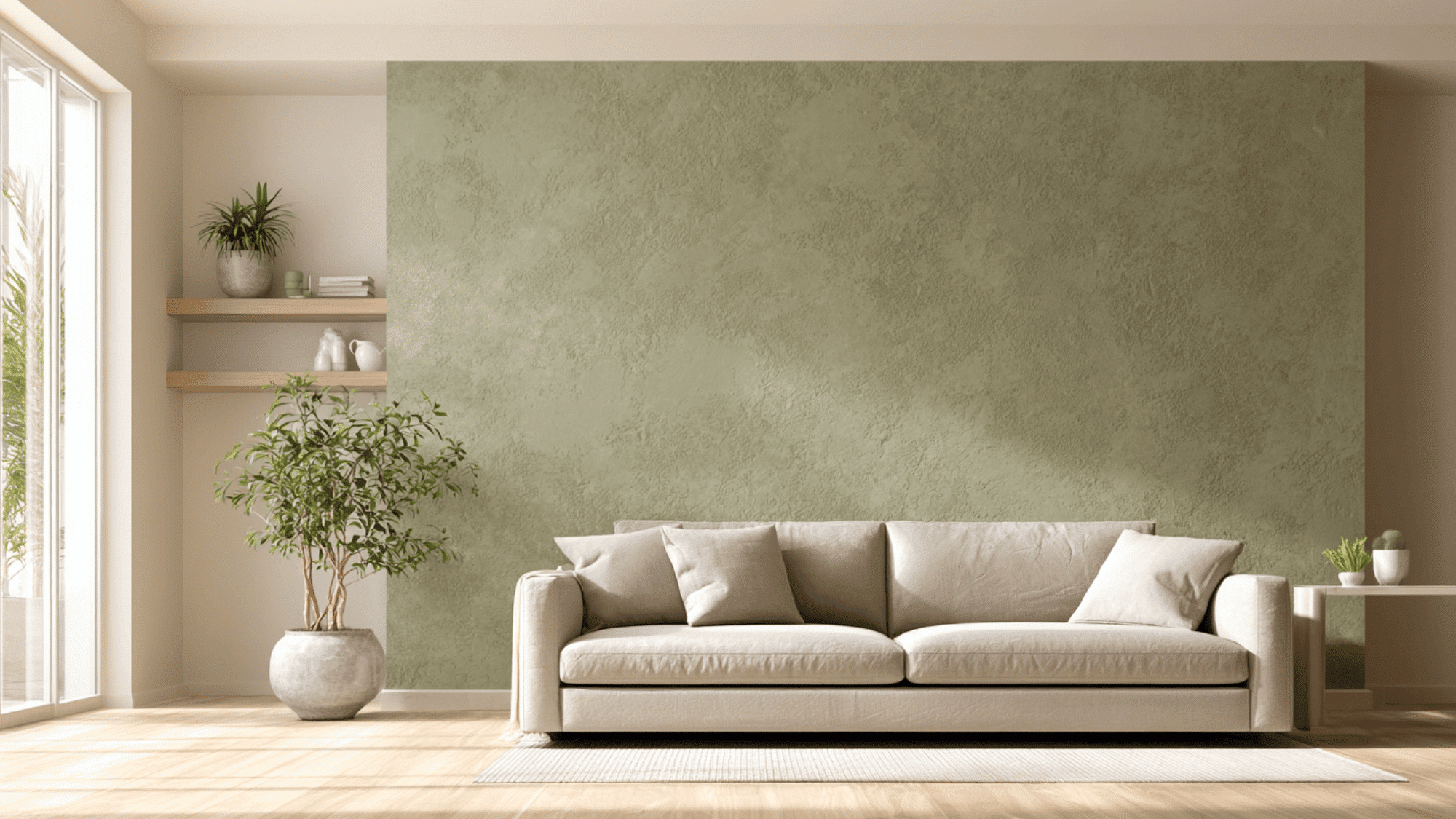
Textured paint contains sand, grit, or other additives that create a bumpy or patterned surface. It adds visual depth and hides flaws without extra drywall work.
- Pros: Covers cracks and uneven spots, adds style and character, and skips the need for perfect wall prep.
- Cons: Traps dirt and dust, makes cleaning harder, and is difficult to remove from smooth walls later.
- Best For: Feature walls, older homes with imperfect walls, basements, ceilings, and areas needing character.
6. Enamel Paint
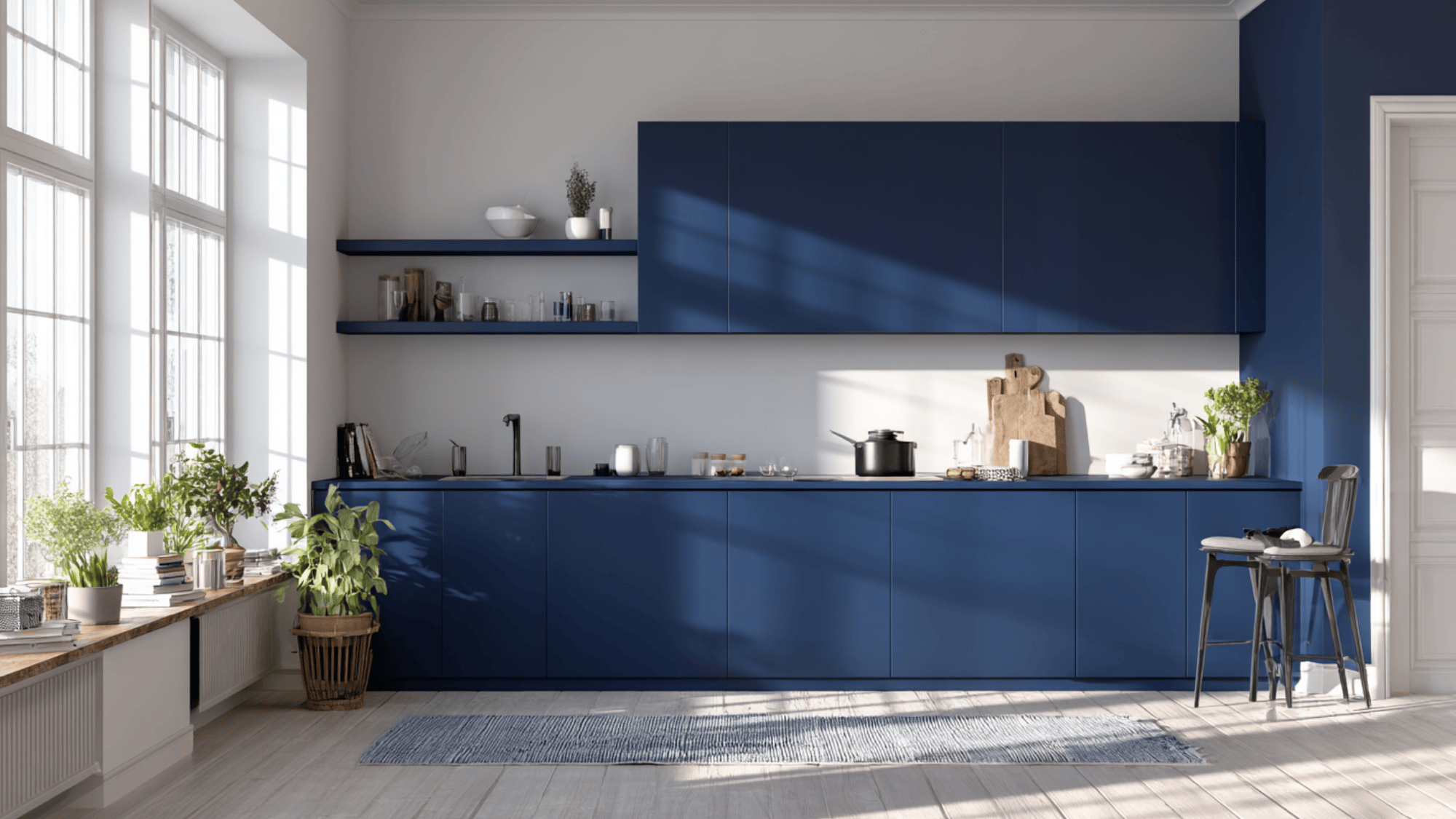
Enamel paint dries into a hard, shiny coating that resists scratches and moisture better than standard paints. It creates a glass-like finish that wipes clean easily.
- Pros: Very tough and washable, resists water and grease, stays looking new longer, and cleans easily.
- Cons: Shows every bump and imperfection, and requires careful sanding and prep work before applying.
- Best For: Kitchen cabinets, bathroom trim, doors, baseboards, handrails, and surfaces touched or wiped daily.
By understanding the features and best uses of each paint type, you can make informed decisions that ensure long-lasting results and a finish that complements your space perfectly.
Types of Paint Finishes for Interior Walls
Paint finishes change how shiny your walls look and how easily you can clean them. Choose the finish based on traffic, lighting, and how often you wipe the surface.
1. Flat/Matte Paint Finish
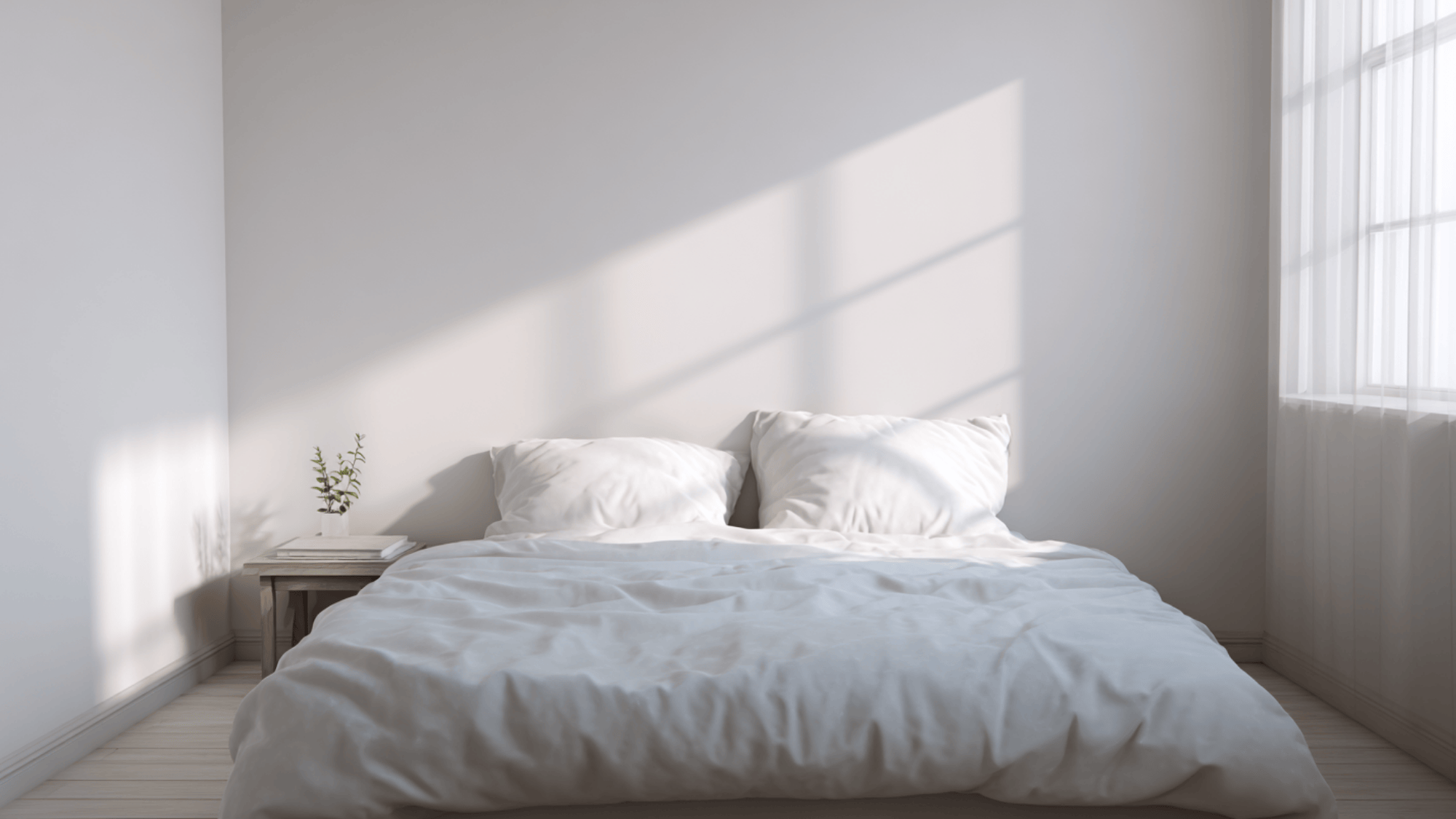
Flat or matte paint has little to no shine, so it looks soft and smooth. It hides small bumps and patch marks better than shinier finishes.
- Pros: Hides flaws well, creates low glare, and touch-ups blend in easily without showing repair spots.
- Cons: Harder to clean without damaging the surface, and scuffs or marks show up more easily.
- Best For: Ceilings, adult bedrooms, and low-traffic living rooms where walls are not often touched.
2. Eggshell Paint Finish
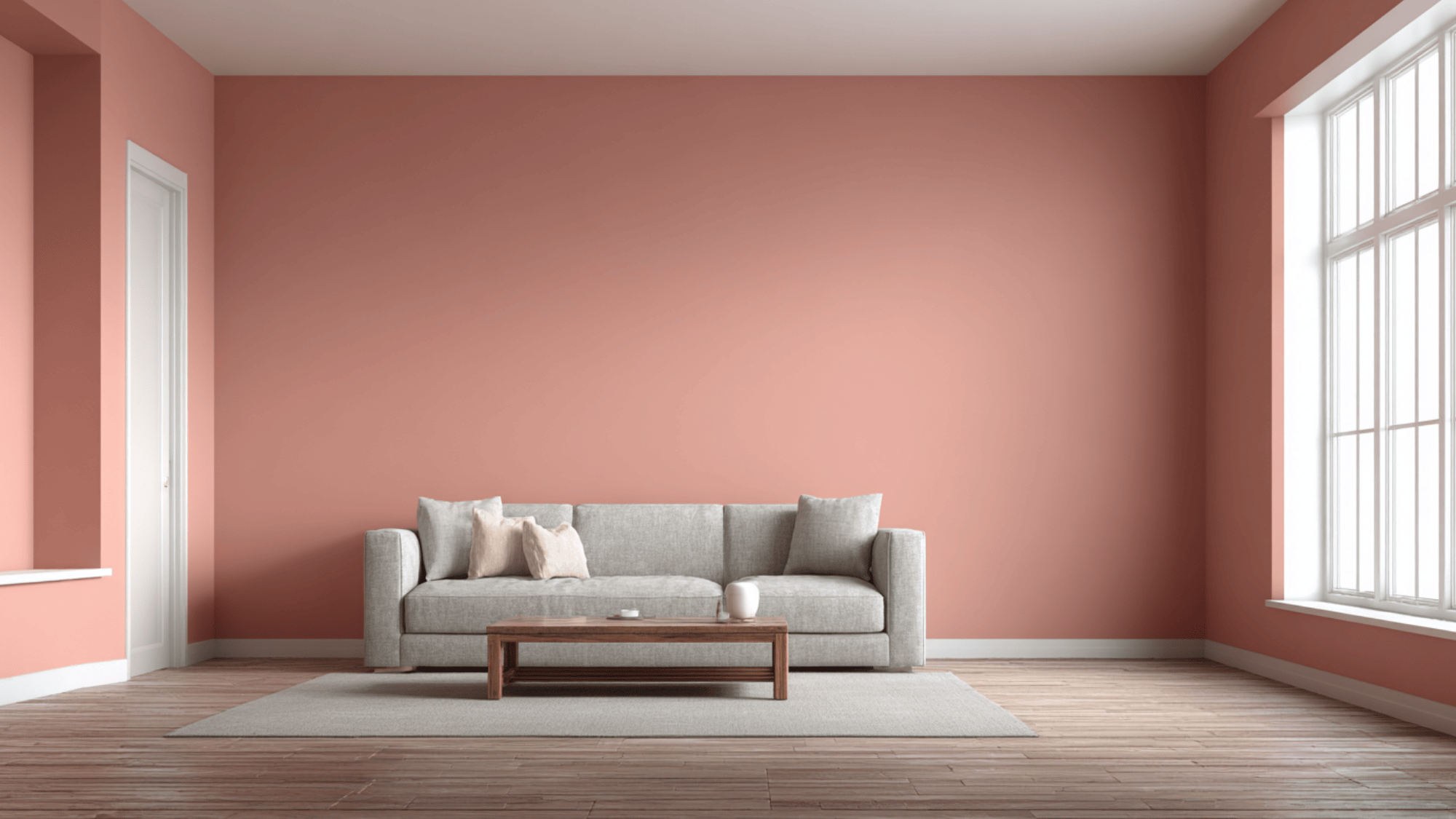
Eggshell has a slight sheen that looks gently polished without being shiny. It gives walls a clean appearance and wipes cleaner than flat finishes.
- Pros: Balanced appearance, easier to clean than flat, and hides most wall flaws without looking too dull.
- Cons: Can show some wall issues, such as patches or texture, and isn’t as tough as satin for heavy use.
- Best For: Living rooms, hallways, and dining rooms where you want a clean look with light cleaning needs.
3. Satin Paint Finish
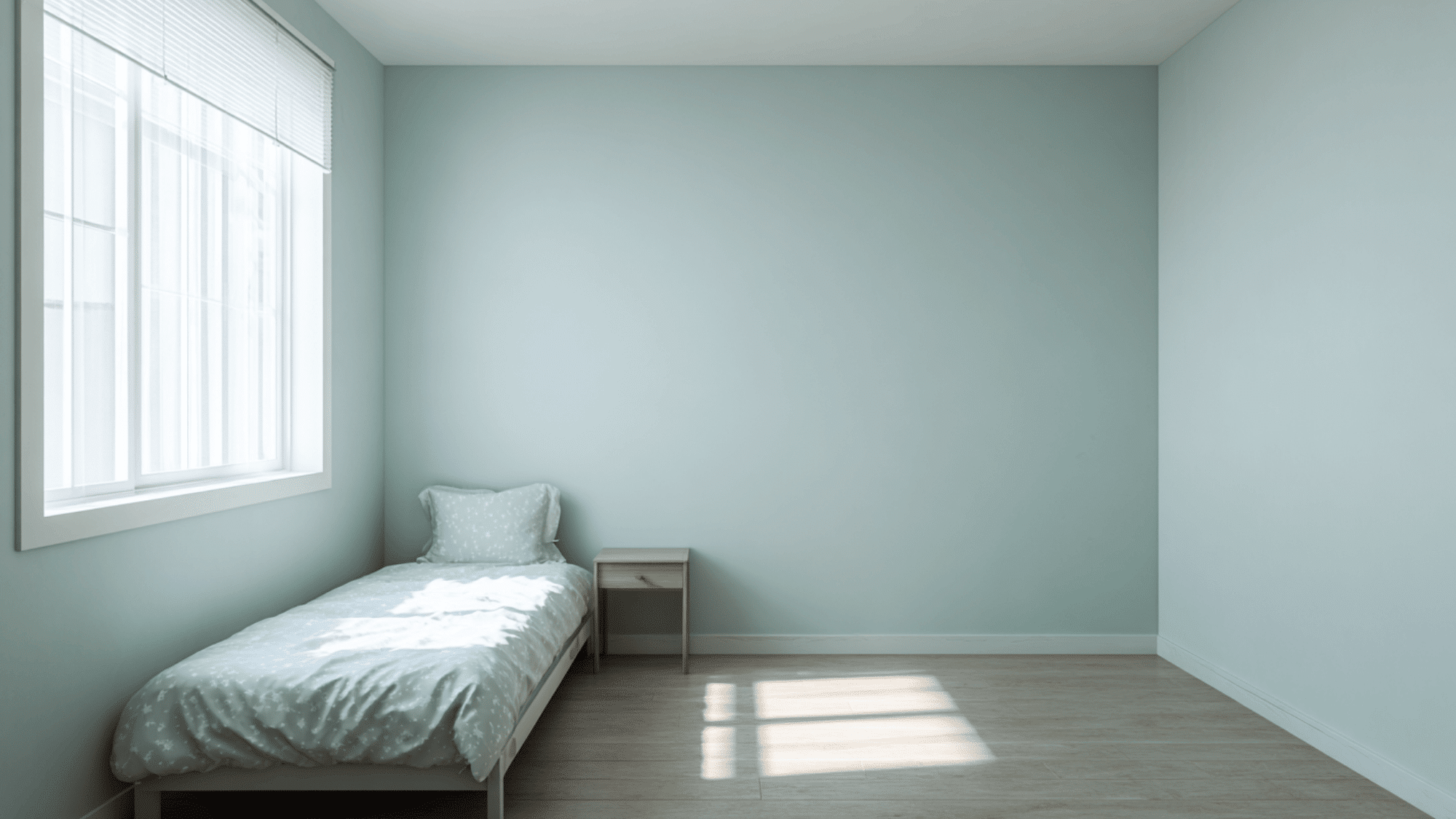
Satin has a noticeable soft shine and looks smoother and richer. It handles light moisture and frequent wiping better than eggshell, making it practical.
- Pros: More durable than eggshell, wipeable for everyday messes, and tolerates moisture in humid rooms.
- Cons: Shows patching work and roller lines more clearly, so wall prep needs improvement.
- Best For: Kids’ rooms, kitchens, bathrooms, and busy hallways that need regular cleaning and durability.
4. Semi-Gloss Paint Finish
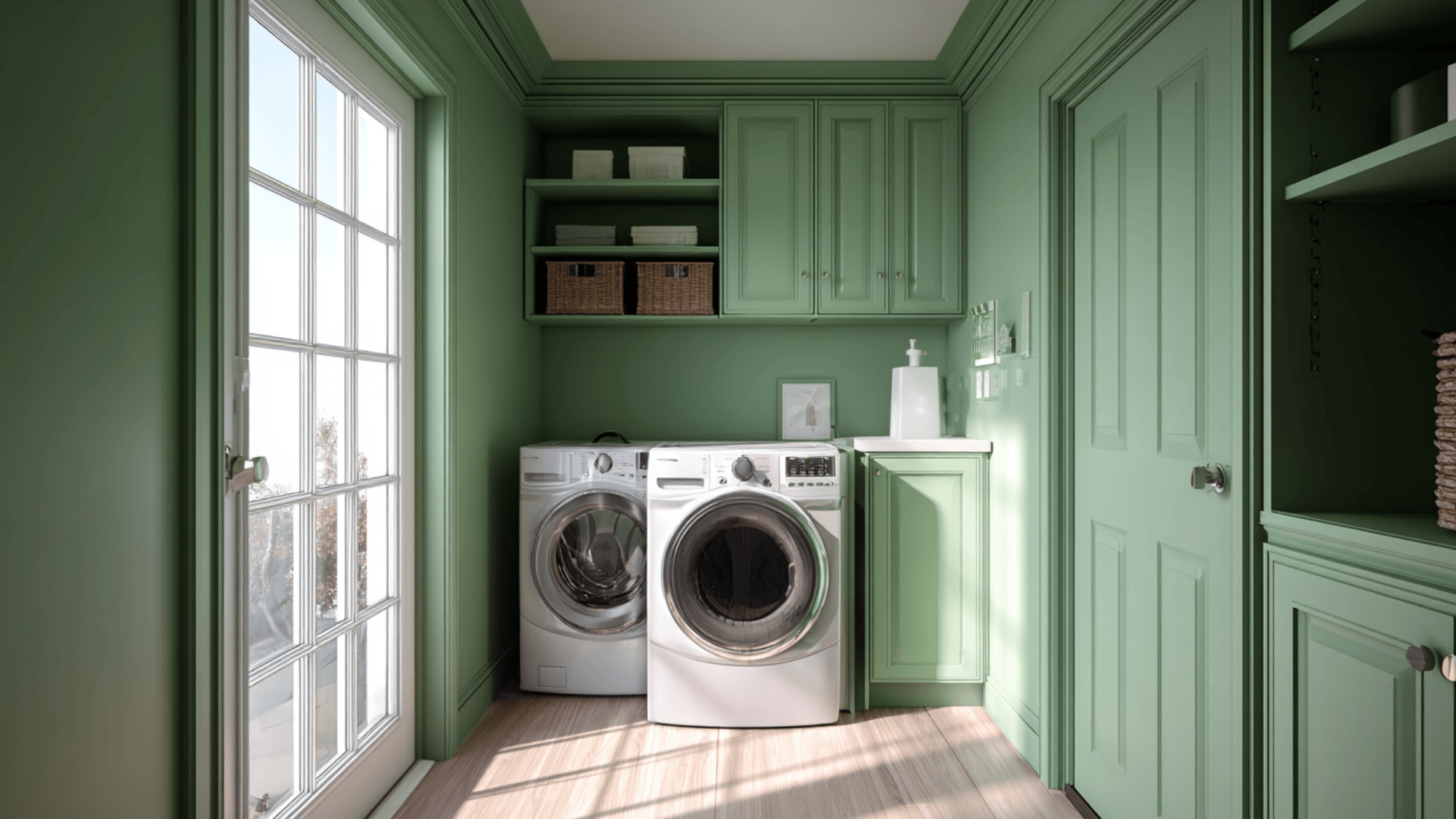
Semi-gloss is shiny and reflects light clearly, giving surfaces a crisp look. It works best in areas needing frequent cleaning and extra toughness against wear.
- Pros: Very washable and scrub-resistant, moisture-resistant, and creates a rigid protective surface.
- Cons: Highlights dents, bumps, and brush marks, so surface prep must be extensive.
- Best For: Trim and doors in kitchens, bathrooms, laundry rooms, and areas exposed to water or grease.
5. High-Gloss/Gloss Paint Finish
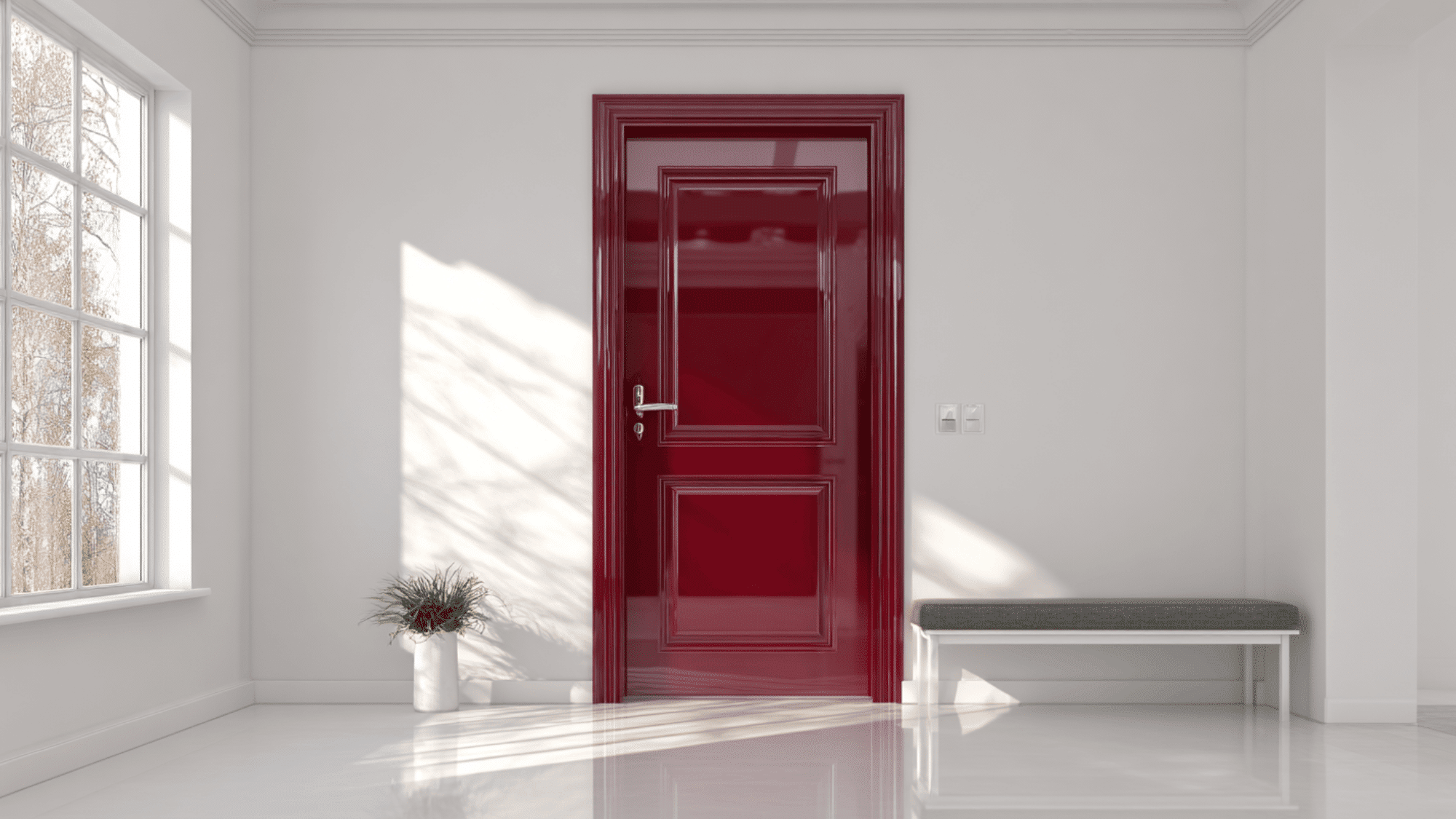
High gloss is the shiniest finish available and looks sleek and polished. It creates a hard surface that grabs attention, but surface prep must be nearly perfect.
- Pros: Hardest and most durable finish, highest wipeability, and creates a bold statement look.
- Cons: Shows every flaw and imperfection, requires heavy prep work, and can create annoying glare.
- Best For: Front doors, cabinets, accent trim in entryways or kitchens where you want a polished look.
Selecting the right paint finish is just as important as choosing the paint color, as it affects both the look and maintenance of your walls.
Understanding different interior paint finishes helps you achieve the perfect balance between style, durability, and ease of cleaning for each room in your home.
Types of Textured Wall Paint for Interior Walls
Textured wall paint and decorative finishes add depth, movement, and a more layered look than standard paint. They can help mask minor wall flaws and make an accent wall feel more intentional.
1. Sand Texture Paint
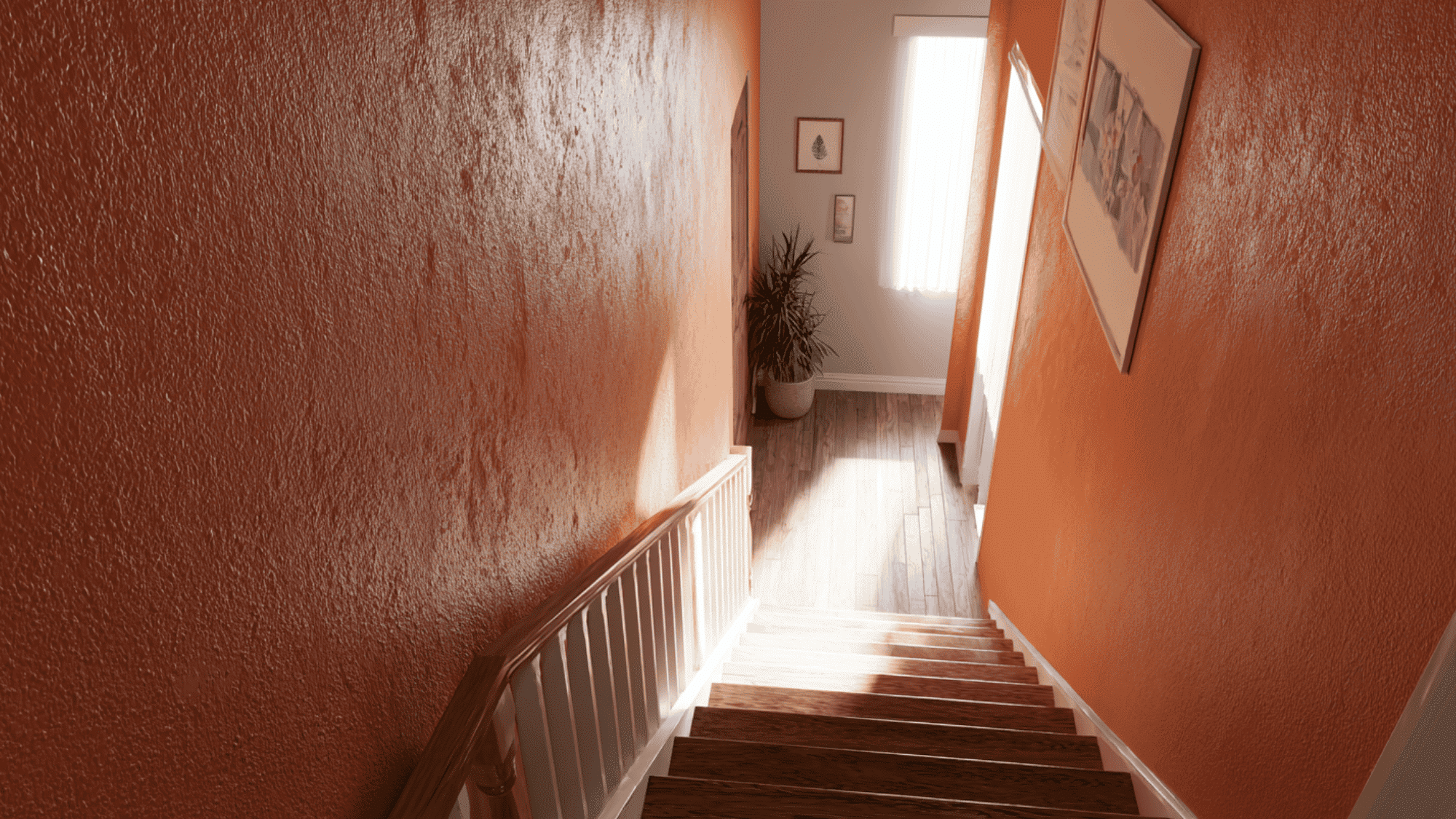
Sand texture paint is mixed with fine grit to create a slightly rough, grainy surface. It looks matte to the soft satin and helps blur minor dents or uneven patches on walls.
- Pros: Hides minor flaws, adds grip, and creates a durable surface.
- Cons: Harder to clean, harder to remove later, and needs even rolling.
- Best For: Hallways, stairways, basements, and playrooms where walls take bumps.
2. Knockdown and Other Compound-Based Textures
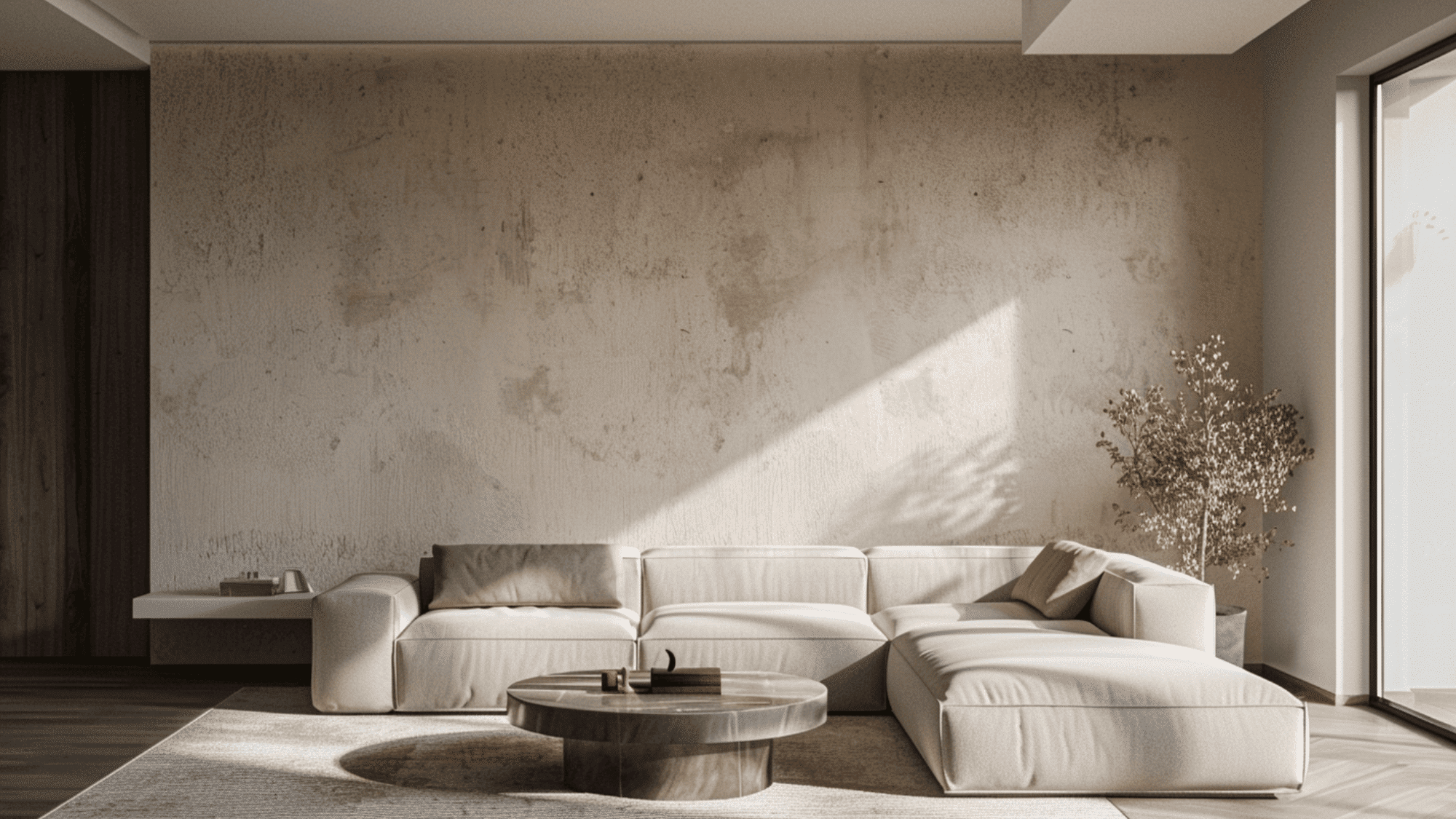
These are made with joint compound or texture mud, then “knocked down” for a flattened, mottled pattern. The look is soft, plaster-like, and adds depth without being too sharp or rough.
- Pros: Great at hiding repairs, adds visual depth, and is budget-friendly.
- Cons: Messy application, tough to patch-match later, and dust settles in the texture.
- Best For: Living rooms, bedrooms, ceilings, and large open areas needing subtle texture.
3. Limewash and Mineral-Style Finishes
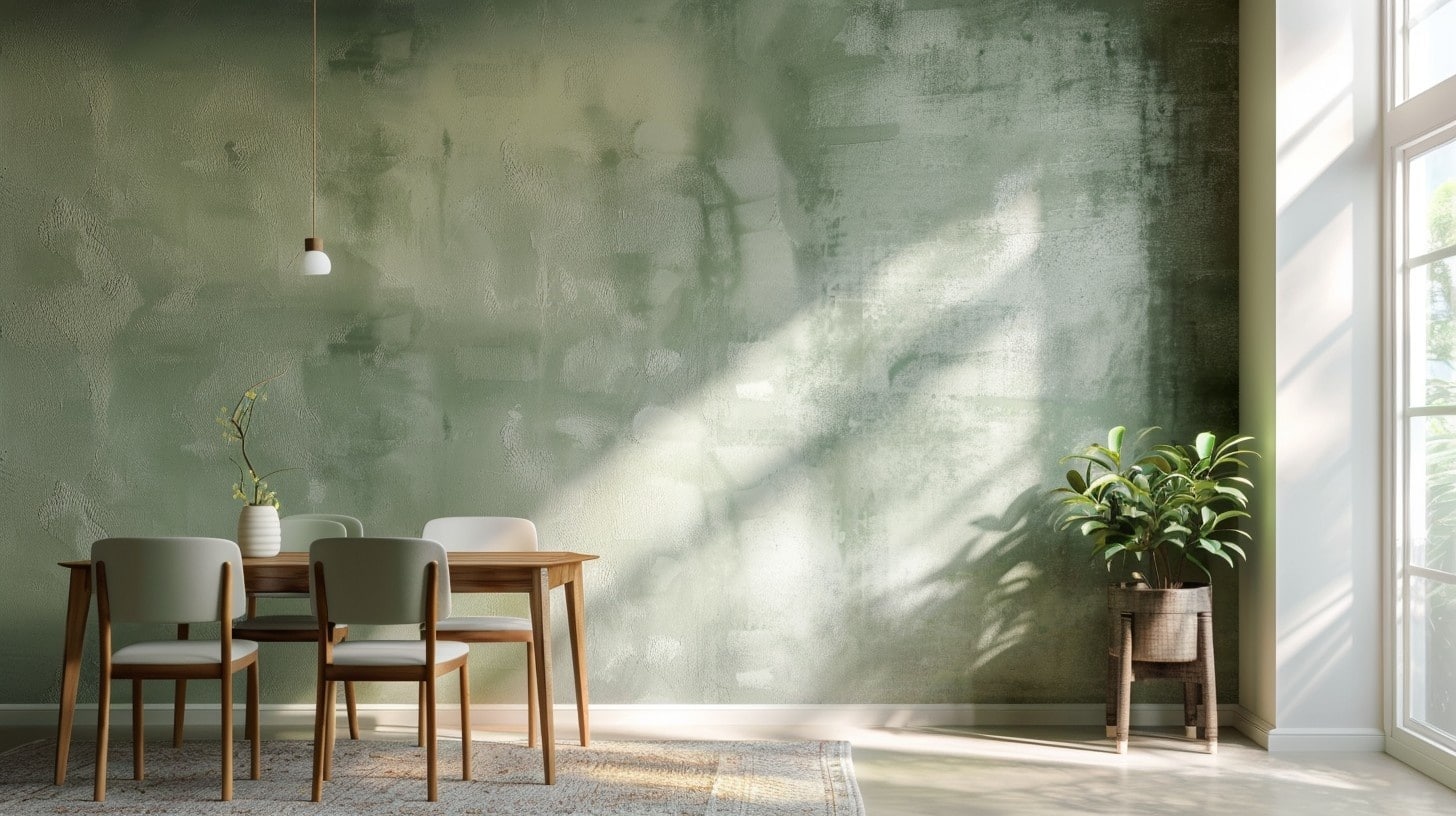
Limewash and mineral paints soak into the wall, leaving a chalky, cloudy, tonal surface. The look is matte, layered, and slightly washed, changing appearance with light and brush strokes.
- Pros: Breathable, creates rich depth with color variation, and has low sheen.
- Cons: Technique-sensitive, can mark or scuff easily, and has a porous surface.
- Best For: Dining rooms, primary bedrooms, and feature walls for a soft, old-world look.
4. Accent-Wall Specialty Paints
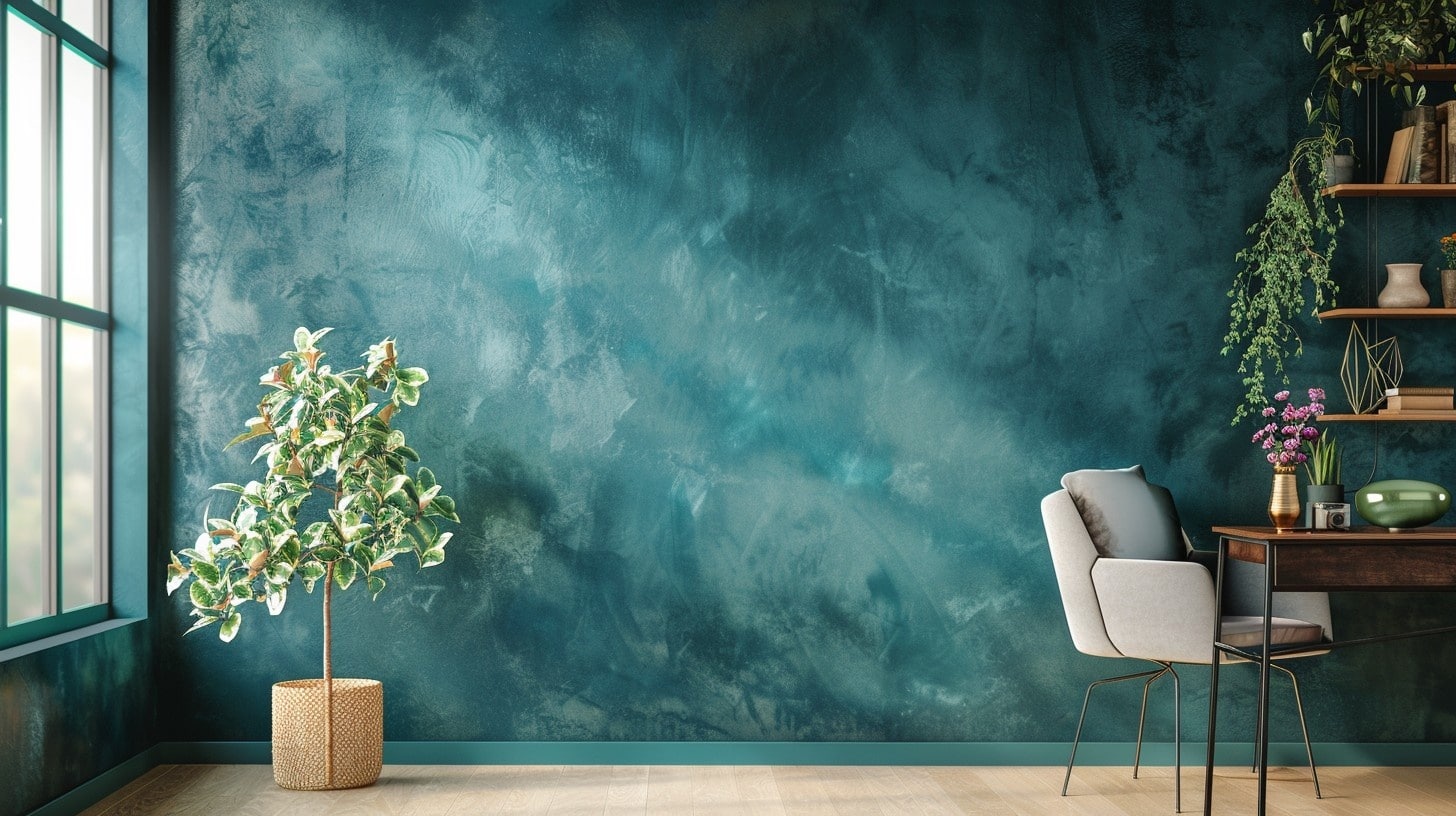
These include metallics, pearlescents, suede-style, color-shift, and glitter blends, all made to stand out. They look decorative and reflective, with the effect varying by product, and they work best as a single accent wall.
- Pros: Creates a statement look quickly, adds light play and shimmer to rooms.
- Cons: Shows prep issues clearly, harder to touch up, and can feel overwhelming.
- Best For: Entryways, powder rooms, teen bedrooms, and home offices for bold visual interest.
Textured wall paints add depth, character, and a unique visual appeal to interior spaces. By choosing the right type of textured paint, you can improve wall surfaces, hide imperfections, and create a distinctive design statement that increases the overall ambiance of your home.
Common Mistakes That Ruin Interior Paint Results
Even expensive paint looks bad when misapplied. Small mistakes during prep or application create big problems later. Peeling, streaking, and uneven color happen more often than people expect.
- Skipping Prep and Cleaning: Dust, grease, and loose, old paint prevent new paint from adhering correctly. Walls must be clean and smooth before painting. Wipe down surfaces and scrape off flaking paint first.
- Using the Wrong Sheen for the Room: Flat paint in a bathroom peels due to moisture. Glossy paint in a bedroom shows every wall flaw. Match the sheen to how the room gets used.
- Not Matching Primer, Undercoat, and Topcoat: Mixing different paint brands or types can cause peeling and uneven coverage. Stick with one brand’s system for the best results.
- Touch-Ups That Always Show: Save leftover paint in sealed containers. Stir well before touching up. Use the same roller type and feather the edges to blend the patch in.
Final Thoughts
Picking the right types of paint doesn’t require a degree in chemistry. You need to match three things: the surface you’re painting, the room’s use, and the look you want.
Water-based paints work for most walls. Choose flat for hiding flaws or satin for easy cleaning. Save glossy finishes for trim and doors. Always prep your walls and use primer when needed.
The sheen matters more than most people realize. It affects durability, maintenance, and how your color actually looks on the wall.
Start with one room. Test your choices on a small section first. Once you see how different finishes perform in your actual space, the next room gets easier.
What’s the biggest paint mistake you’ve made? Drop a comment below and help others avoid the same problem.