Walls don’t have to be plain to look good. Just like the right topping can change the taste of a cake, the right wall finish can completely change how a room feels.
From soft and simple to bold and playful, types of wall textures add depth, warmth, and personality to your space without changing the layout.
Ever looked at a wall and felt it looked a little flat or boring? Texture might be what’s missing. It adds interest, helps cover small marks, and makes rooms feel more finished and lived-in.
Ahead, you will learn about popular wall texture styles, simple ways to texture a wall, and how textured wall paints can be used in today’s homes, helping you understand different types of wall textures at your own pace.
What Is Wall Texture?
Wall texture is the finish you see and feel on a wall, beyond just paint. It gives walls more character and helps them look less flat and plain.
One big plus is that texture can hide small dents, cracks, and marks that often show up over time. Instead of standing out, those little flaws blend in.
Texture also adds style in a very subtle way. It brings warmth, depth, and personality to a room without needing extra decor. Some textures can even make a space feel calmer and more comfortable by softening sound and creating a cozy feel.
Different TypesOf Wall Texture
Wall textures come in many styles, each creating a different look and feel. Some are subtle and smooth, while others are bold and more noticeable, making it easier to choose based on your space and style.
1. Popcorn Texture
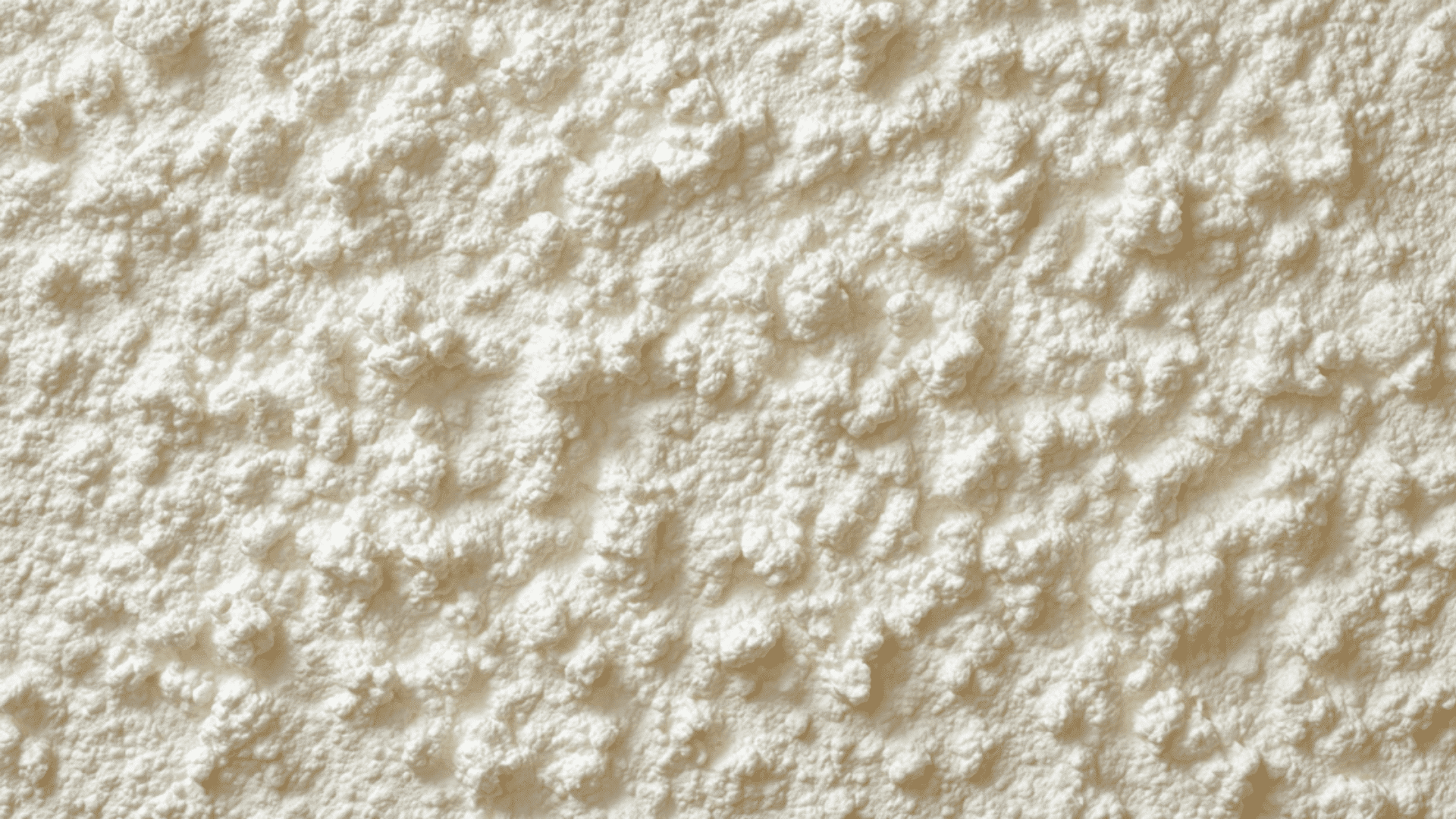
Popcorn texture has a rough, bumpy look that stands out right away. It’s often seen on ceilings and gives a room a soft, cozy feel without drawing too much attention.
This texture is great at hiding cracks, uneven patches, and old repair marks, which makes it a popular choice in older homes.
While it’s not as common on walls today, it still works well in spaces where comfort matters more than a smooth finish.
2. Orange Peel Texture
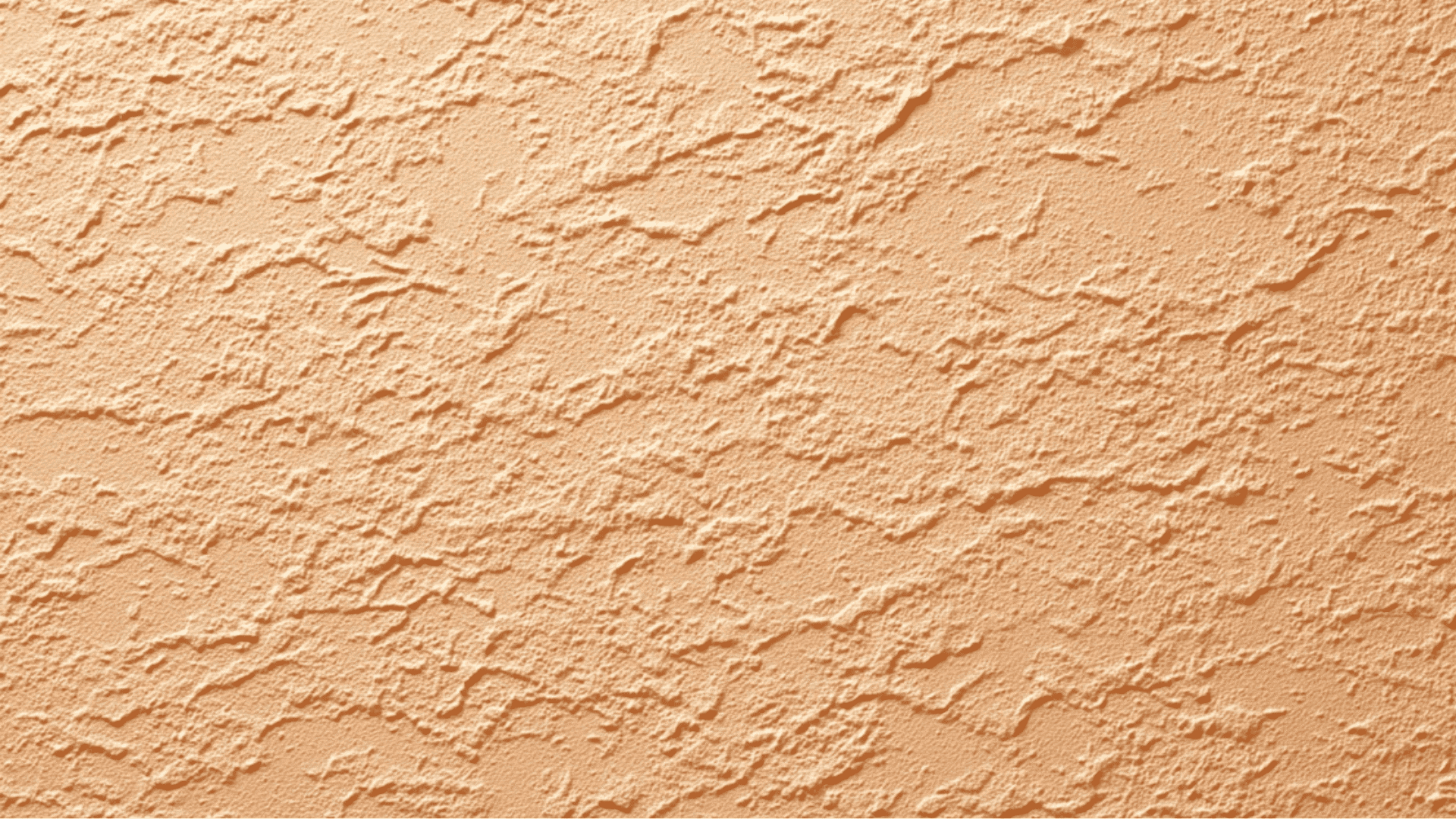
Orange peel texture has a lightly bumpy surface, similar to the skin of an orange. It’s subtle, neat, and works well in almost any room.
This texture adds just enough detail to make walls look finished without feeling heavy or busy.
It’s also easy to maintain and hides small wall imperfections well, making it a go-to option for living rooms, bedrooms, and hallways.
3. Knockdown Texture
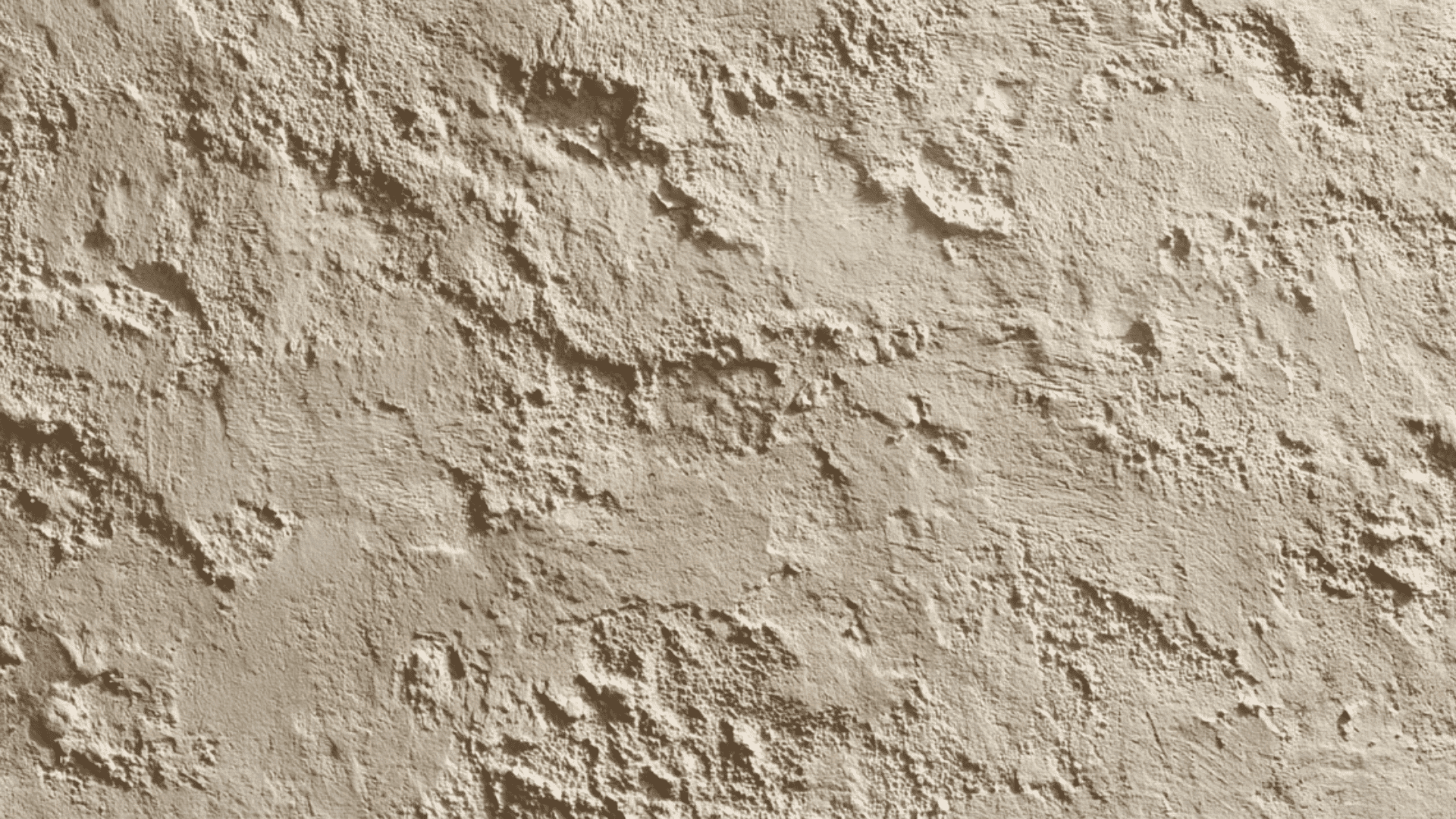
Knockdown texture starts with a sprayed-on layer that is gently flattened once it begins to set. The result is a soft, uneven pattern that looks relaxed and natural.
It adds depth without being too bold and does a great job of hiding dents and patchwork.
Many people like this texture because it feels balanced, noticeable but not overwhelming, and works well in both modern and casual spaces.
4. Skip Trowel Texture
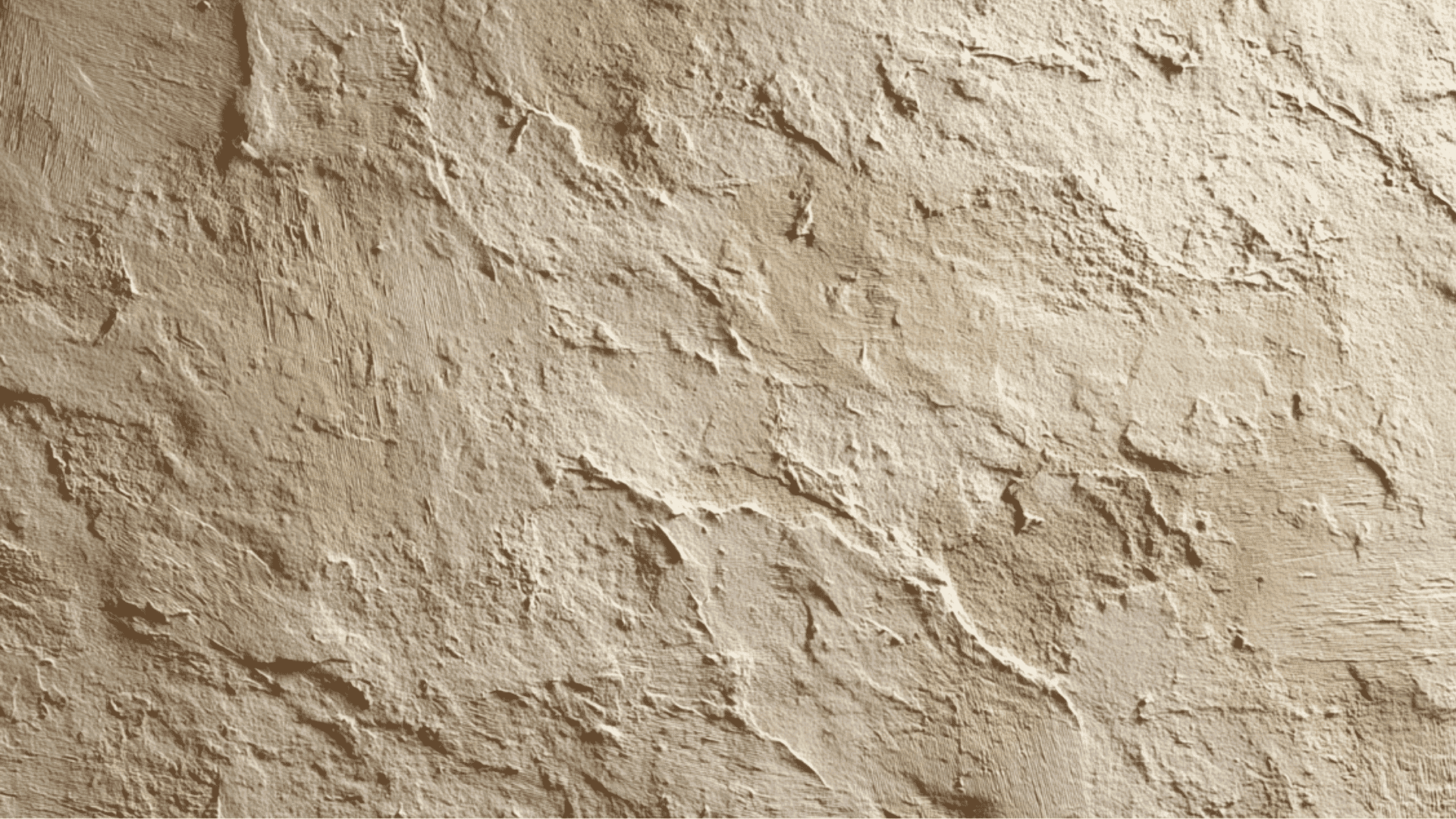
Skip trowel texture is applied by hand with a trowel, giving it a slightly rough, patchy look. No two walls look exactly the same, which adds to its charm.
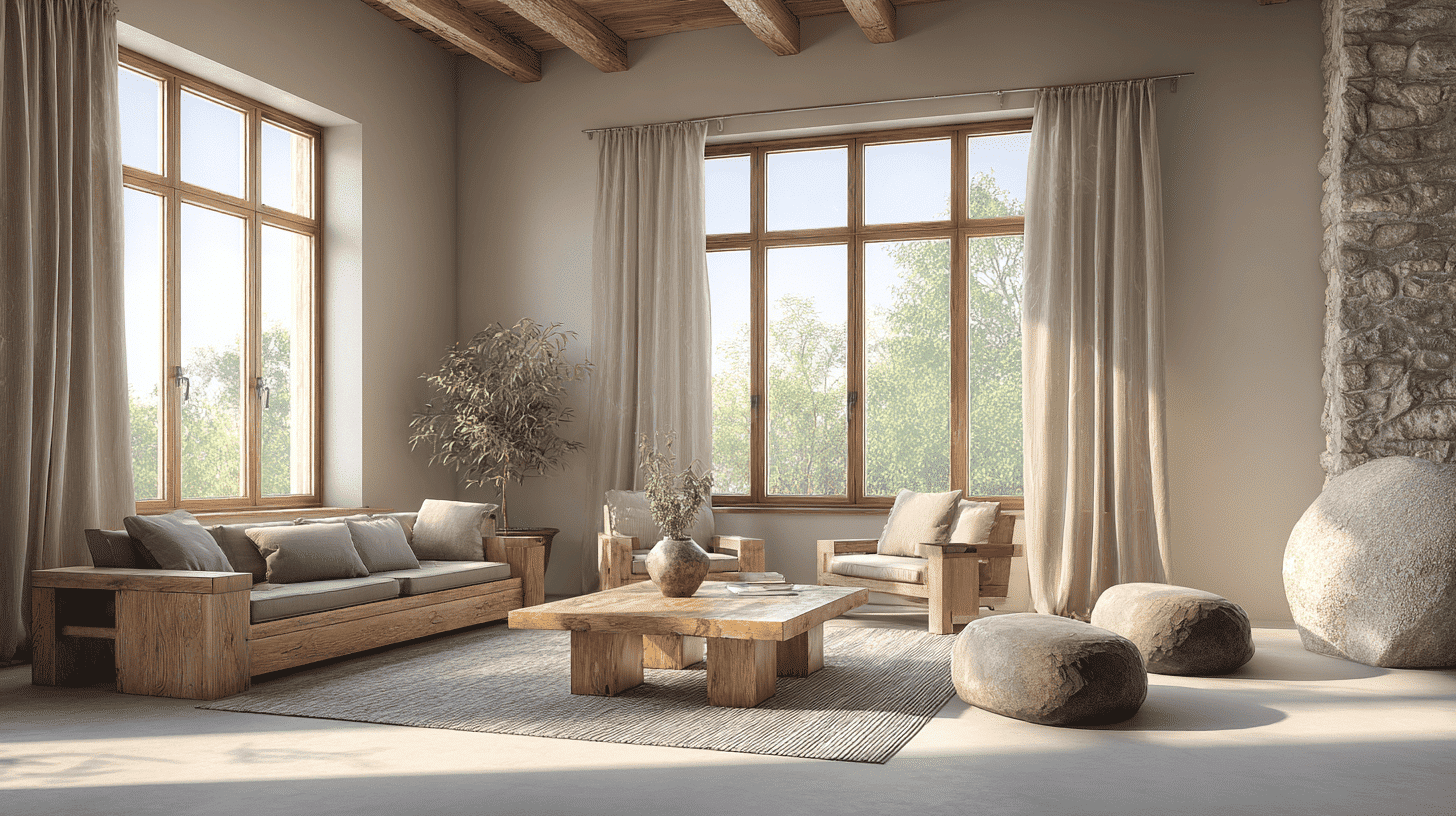
This texture brings warmth and character to a room and feels more natural than machine-made finishes. It’s often used in homes that lean toward rustic, earthy, or Mediterranean-inspired styles.
5. Brush/Swirl Texture
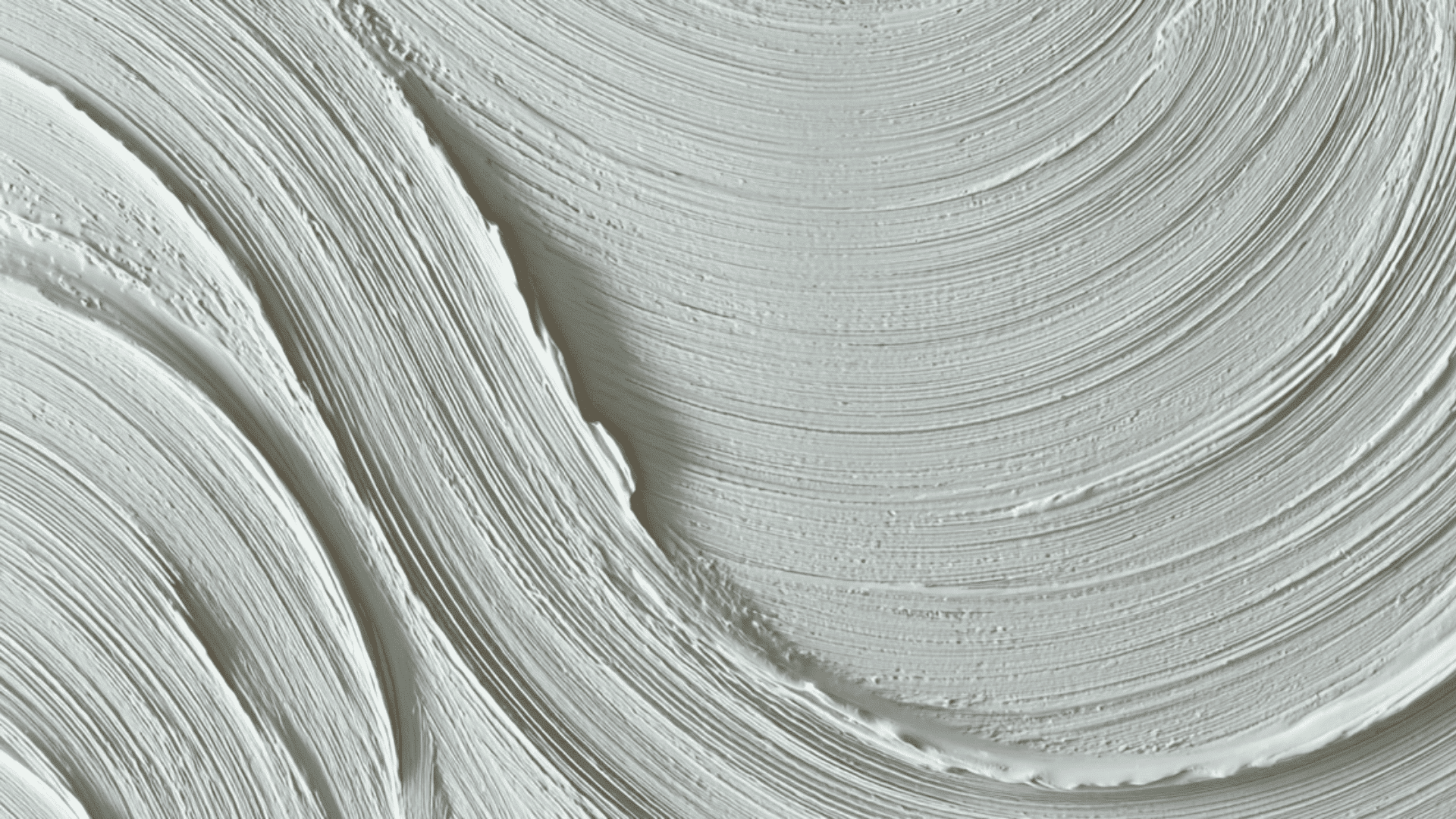
Brush or swirl texture is created using circular or curved brush strokes across the wall. The pattern adds movement and a soft artistic touch without being too bold.
It works well when you want something different from a plain wall while still keeping things calm.
6. Comb Texture
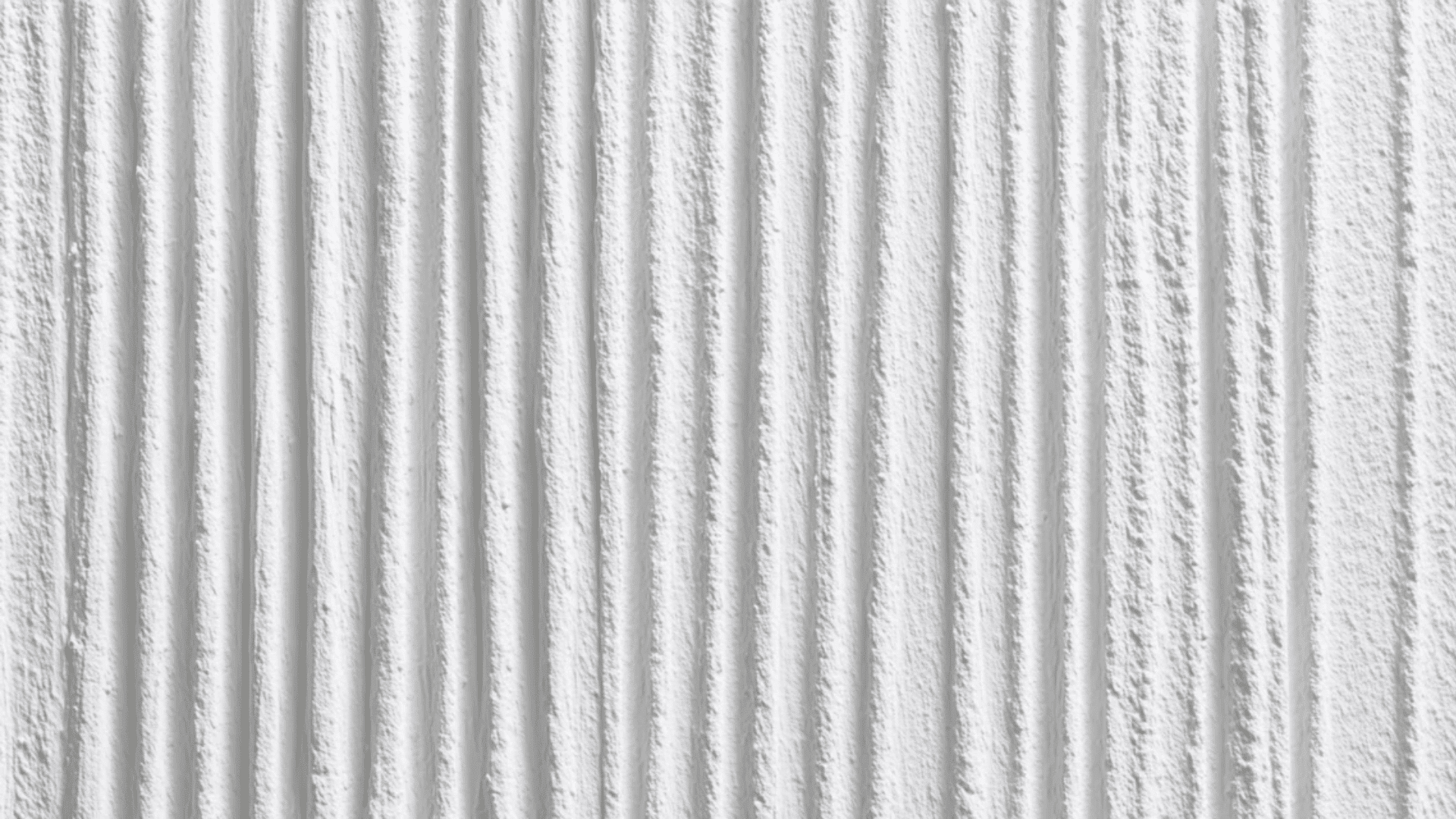
Comb texture is made by dragging a toothed tool through wet material to create lines or patterns. These lines can be straight, curved, or repeated in simple designs.
The result is clean and stylish, with a bit of structure. It’s a good choice if you want texture that looks planned and neat rather than random. This texture works well for feature walls or modern spaces.
7. Sand Swirl Texture
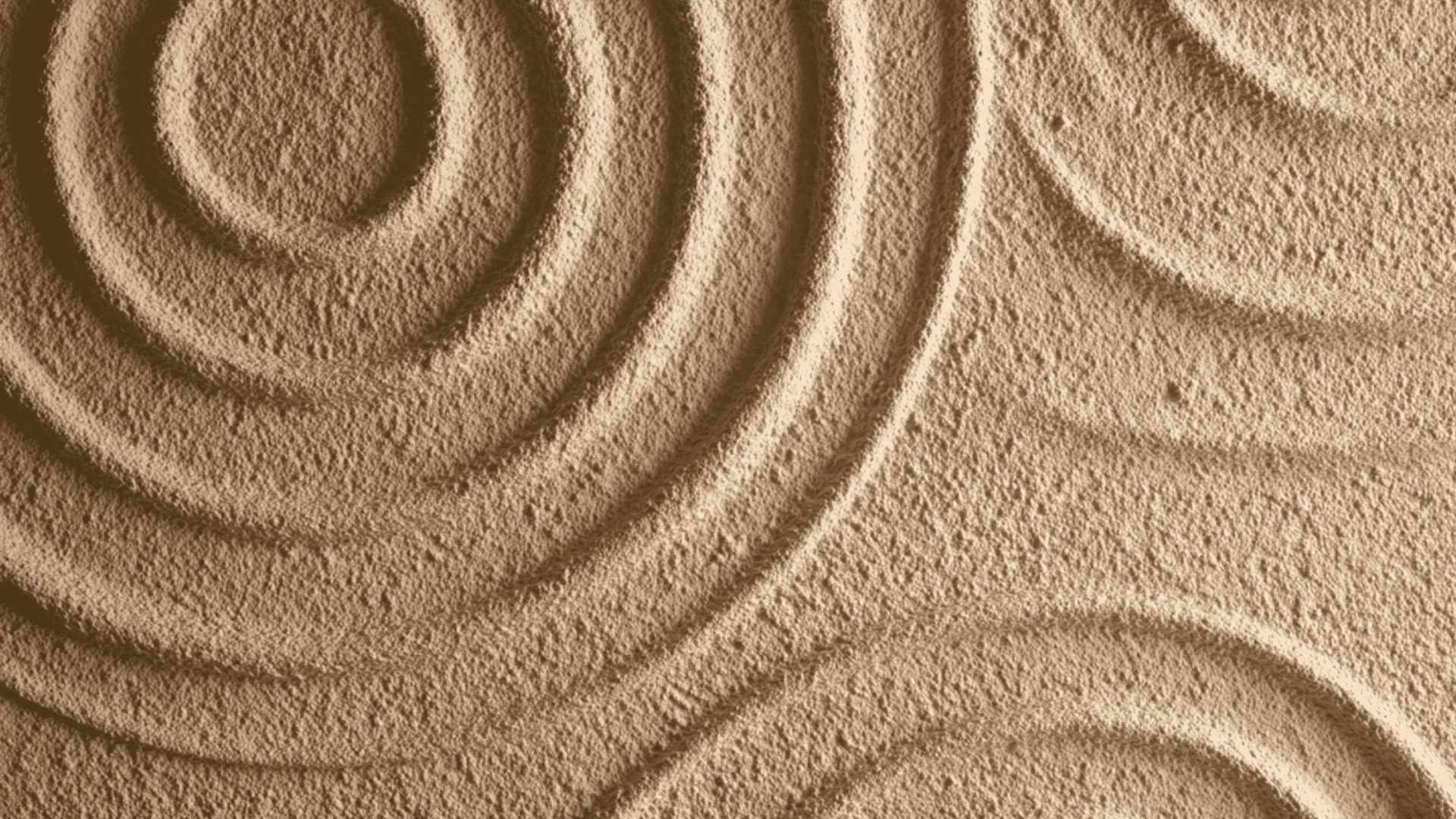
Sand swirl texture combines fine sand with smooth, circular patterns to create a soft, flowing look.
The swirls add movement to the wall without making it feel busy. This texture feels calm and balanced, making it a good choice for living rooms, dining areas, or bedrooms.
It also helps hide small wall flaws while keeping the surface looking gentle and neat rather than rough.
8. Slap Brush/Stomp Texture
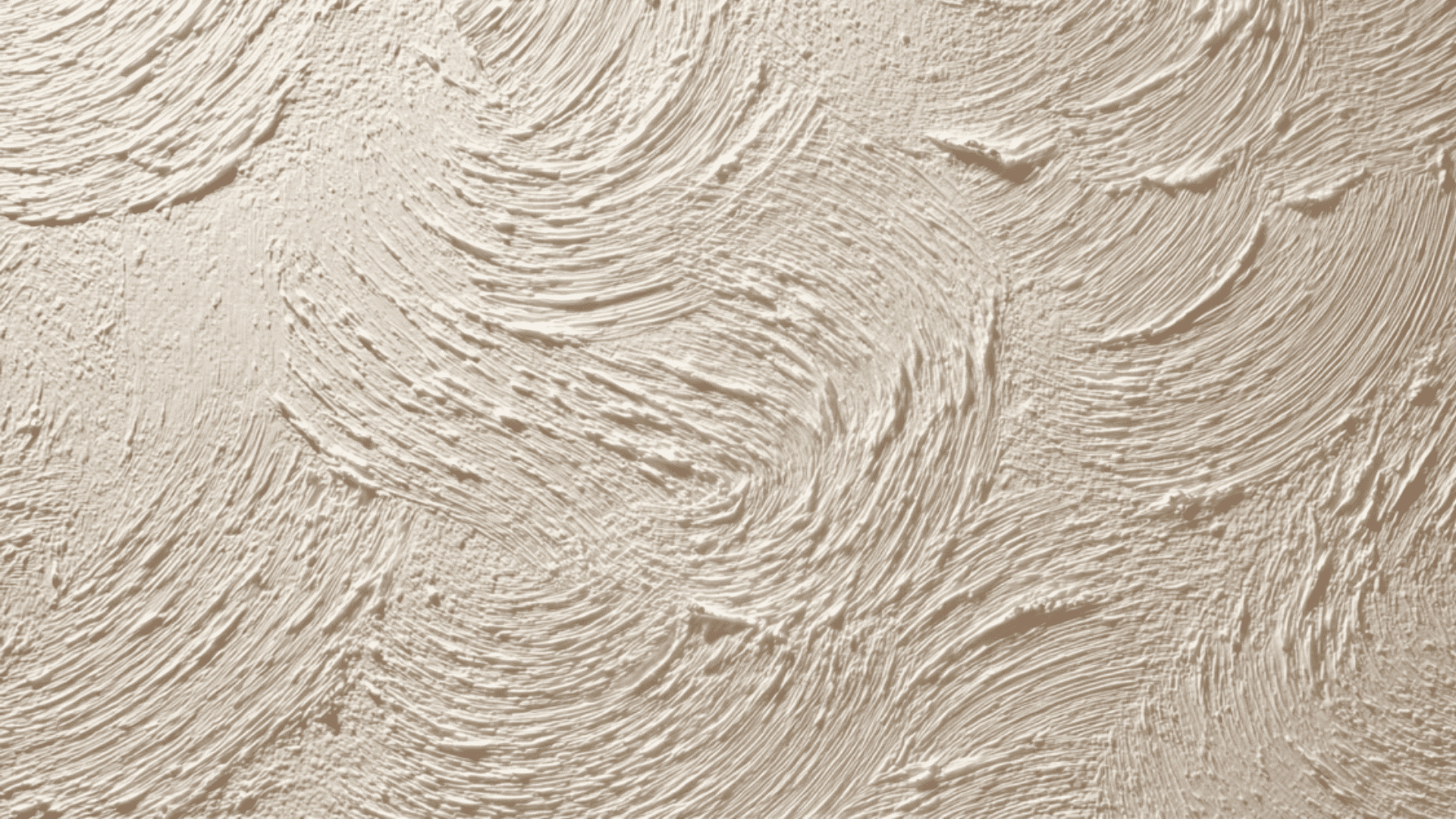
Slap brush, also called stomp texture, is made by pressing a large brush onto the wall in repeated motions.
Each press creates a unique pattern that gives the wall a fun, relaxed look. No two sections look exactly the same, and that’s part of its charm.
This texture is great for covering uneven spots and works well in casual spaces.
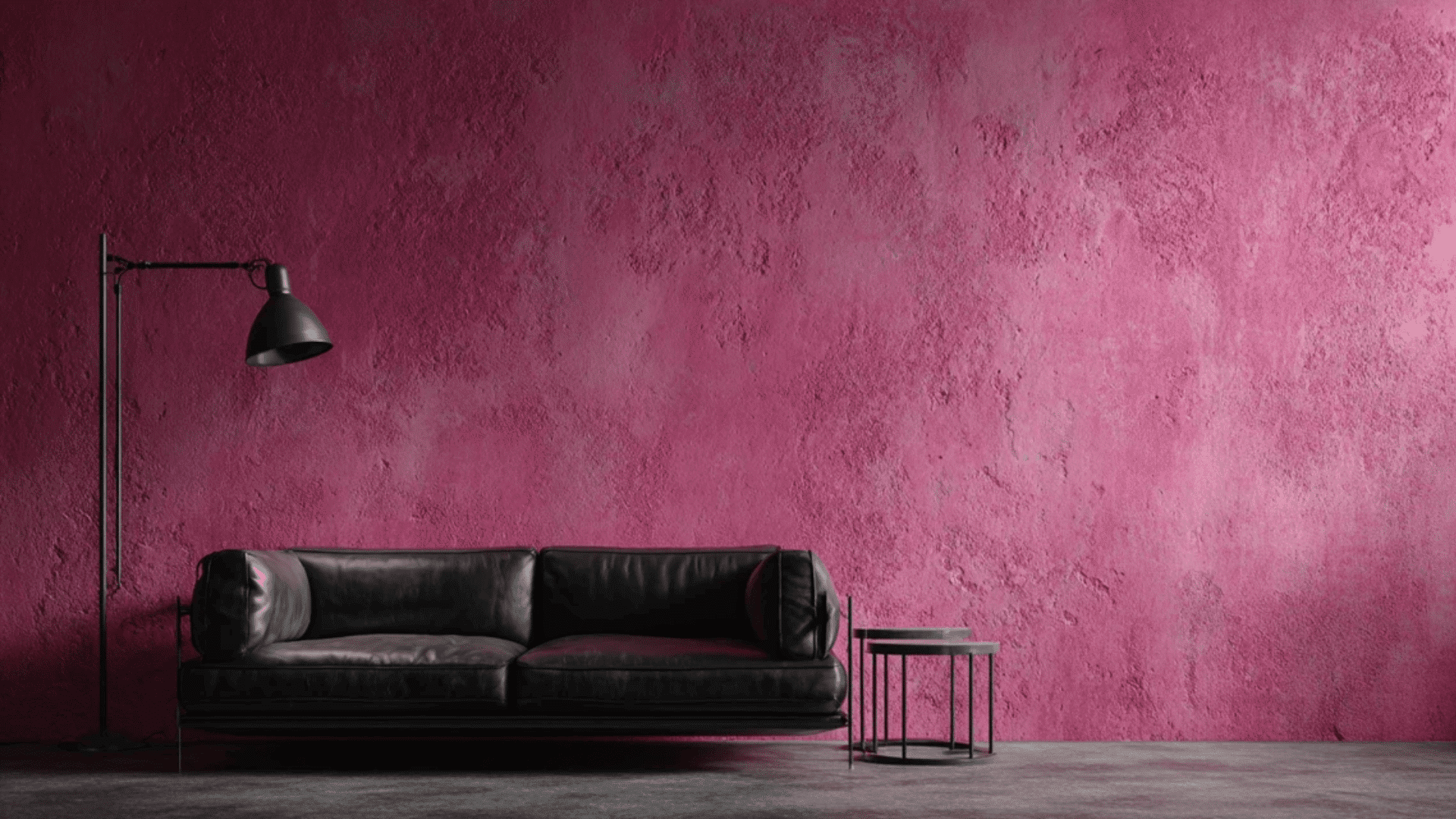
9. Rustic/Stucco Texture
Rustic or stucco texture has a rough, uneven surface that feels natural and grounded. It often resembles old plaster or stone walls found in traditional homes.
This texture adds depth, making rooms feel more solid. It’s especially good for spaces where you want a strong, earthy feel and a wall finish that doesn’t look too polished.
10. Venetian Plaster
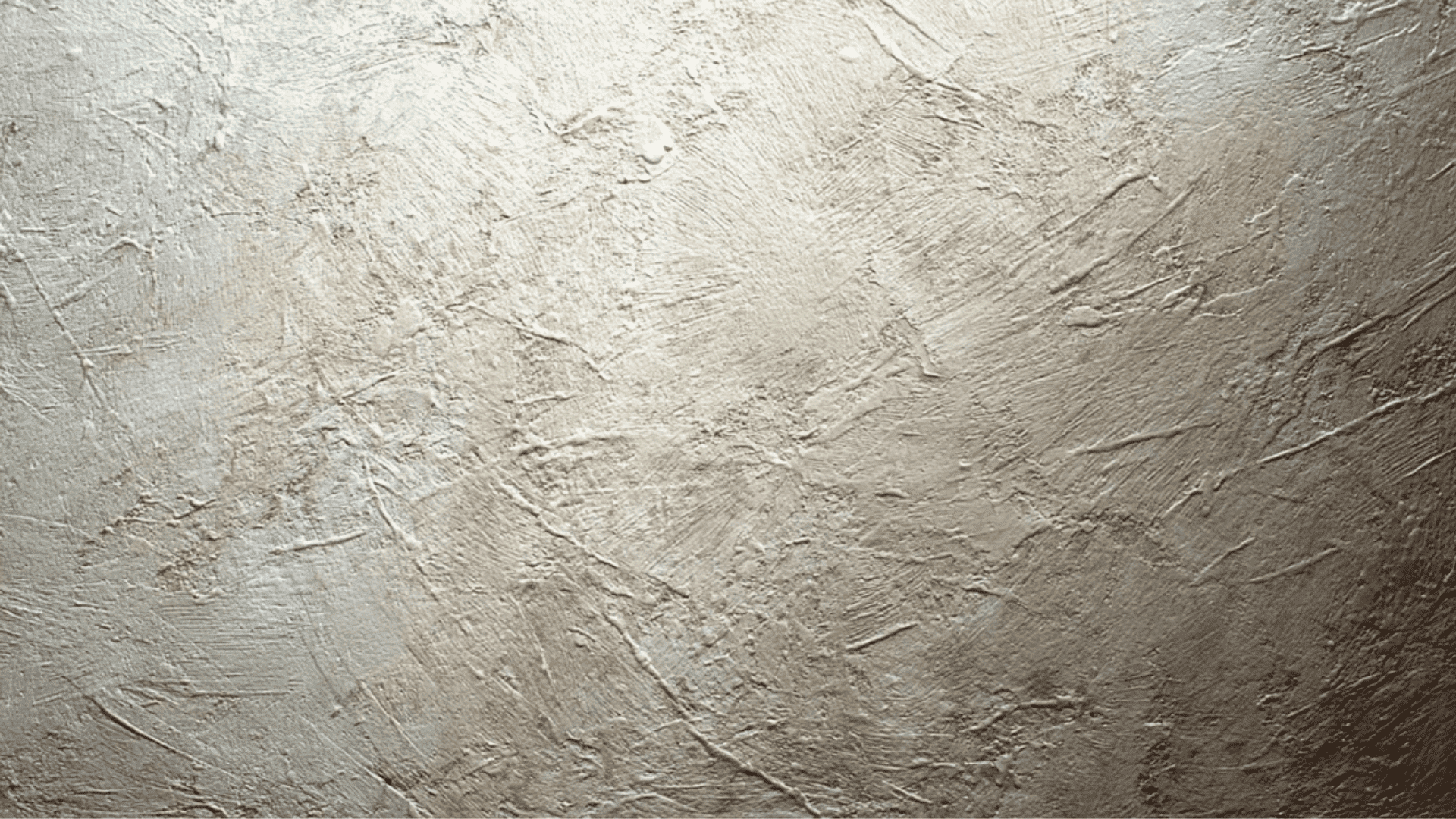
Venetian plaster creates a smooth, soft-shining surface that changes with the light. It’s layered by hand and polished to give a clean, refined look. Even though it looks smooth, it still adds depth to the wall.
This texture works well in spaces where you want something simple yet special, such as feature walls or quiet rooms.
11. Lace Texture
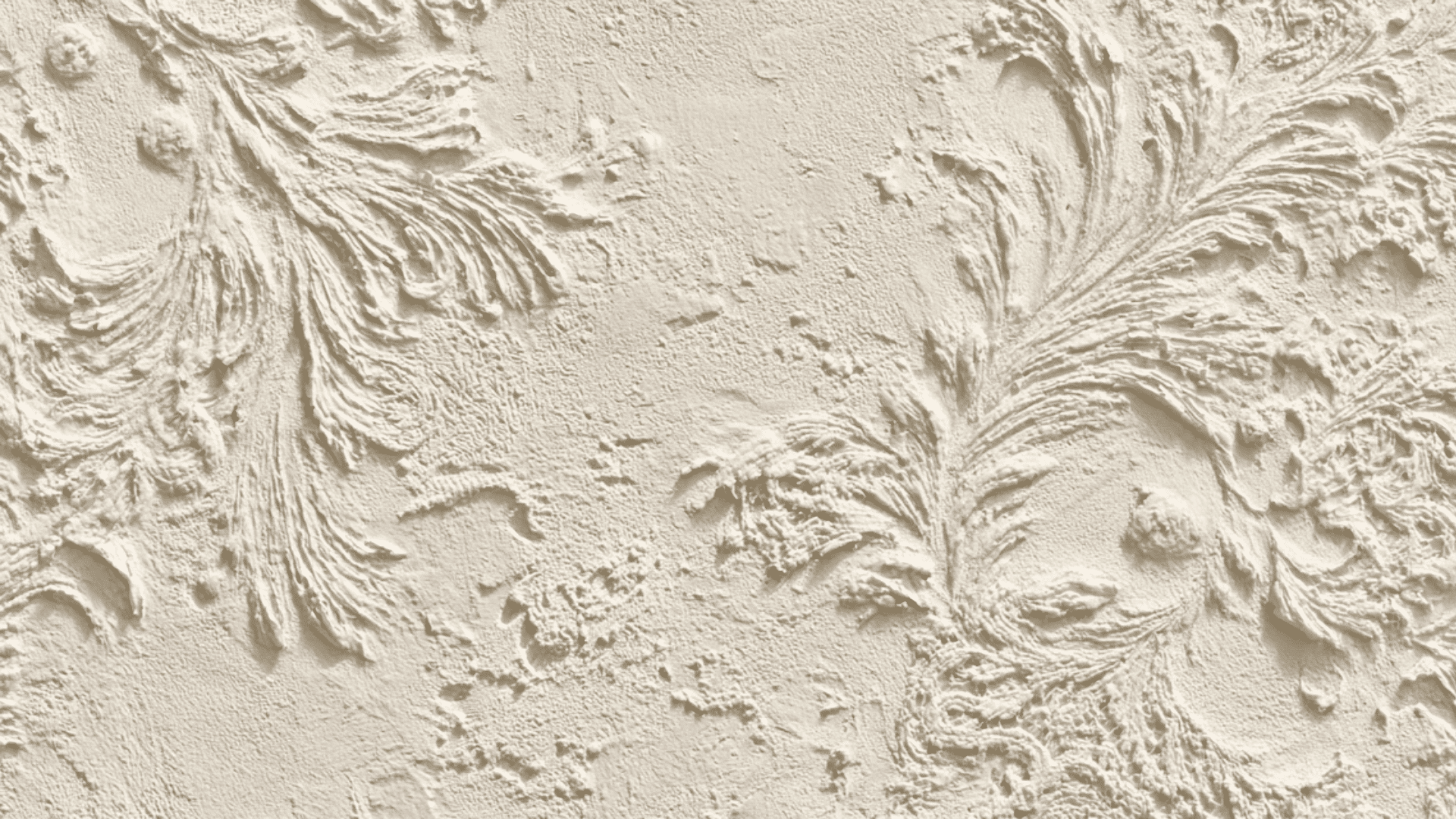
Lace texture is created by layering different techniques to form a soft, patterned finish.
The design often looks delicate and slightly raised, adding detail without being too bold. It works well when you want a decorative texture that isn’t heavy.
This style is often used on feature walls or ceilings where a gentle pattern can add interest.
12. Venetian Sand Finish
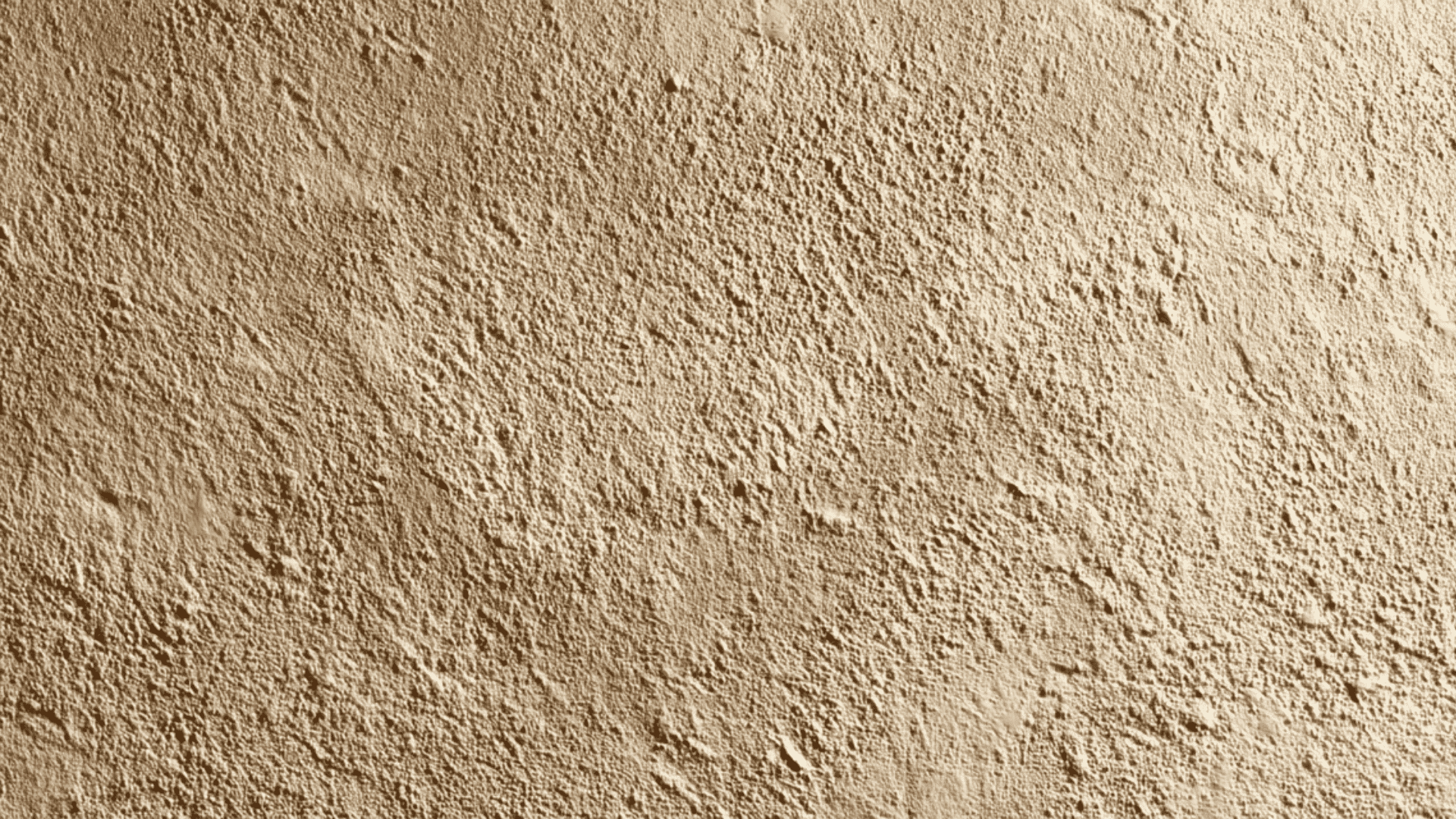
Venetian sand finish uses a fine sand mixed into paint or plaster to create a soft, slightly gritty surface.
Unlike rough textures, it feels subtle under your fingers and adds a natural, warm depth to walls. This finish works beautifully in living rooms, hallways, or bedrooms, giving walls a calm, earthy look.
13. Textured Wallpaper
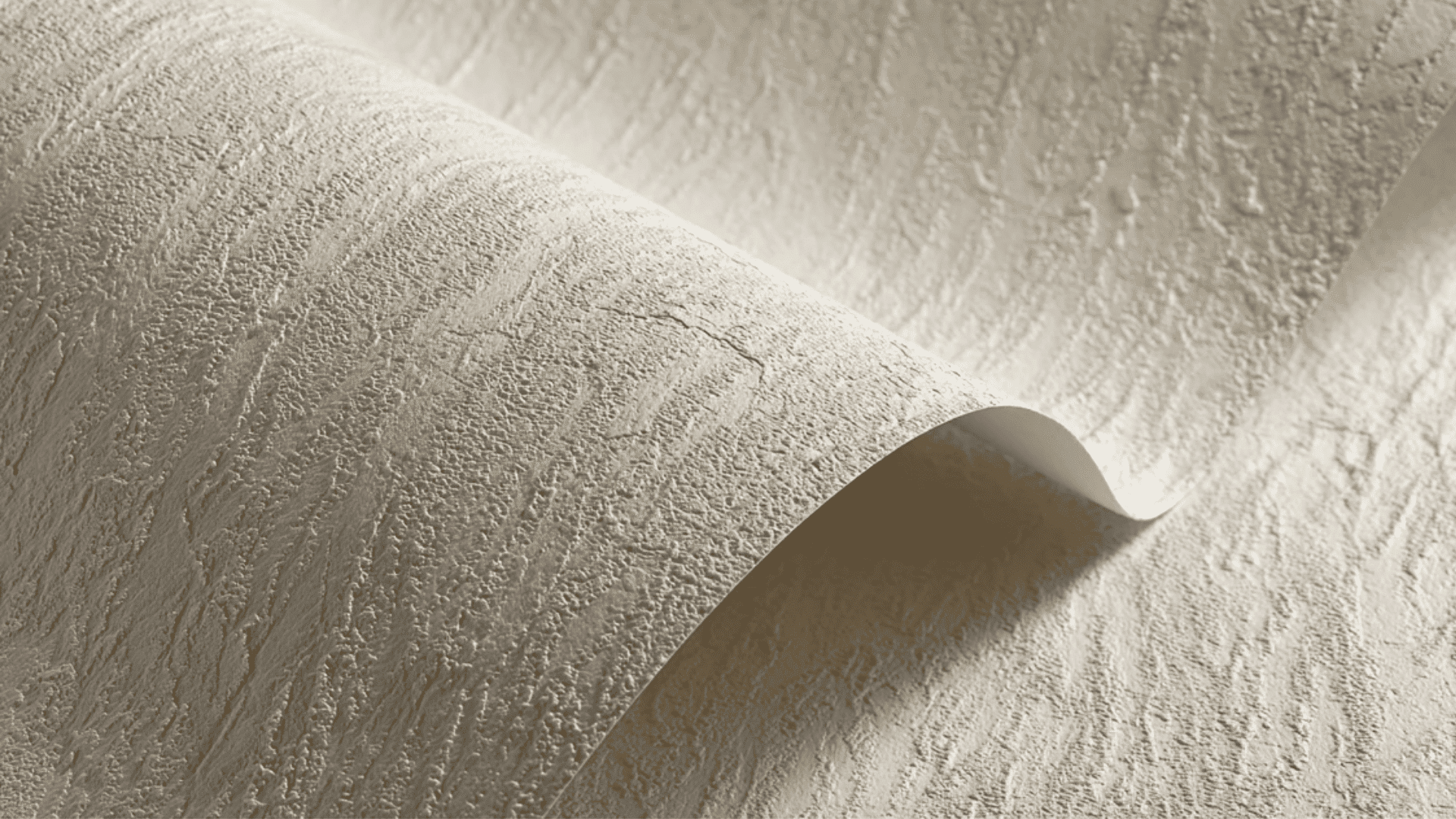
This isn’t regular print wallpaper; textured wallpaper has raised patterns or embossed designs that you can feel with your hand. It can look like linen, stone, or even soft shapes on your wall.
You don’t need special tools to add texture; just hang it like regular wallpaper and enjoy the look.
14. Harling (Pebble Rough Finish)
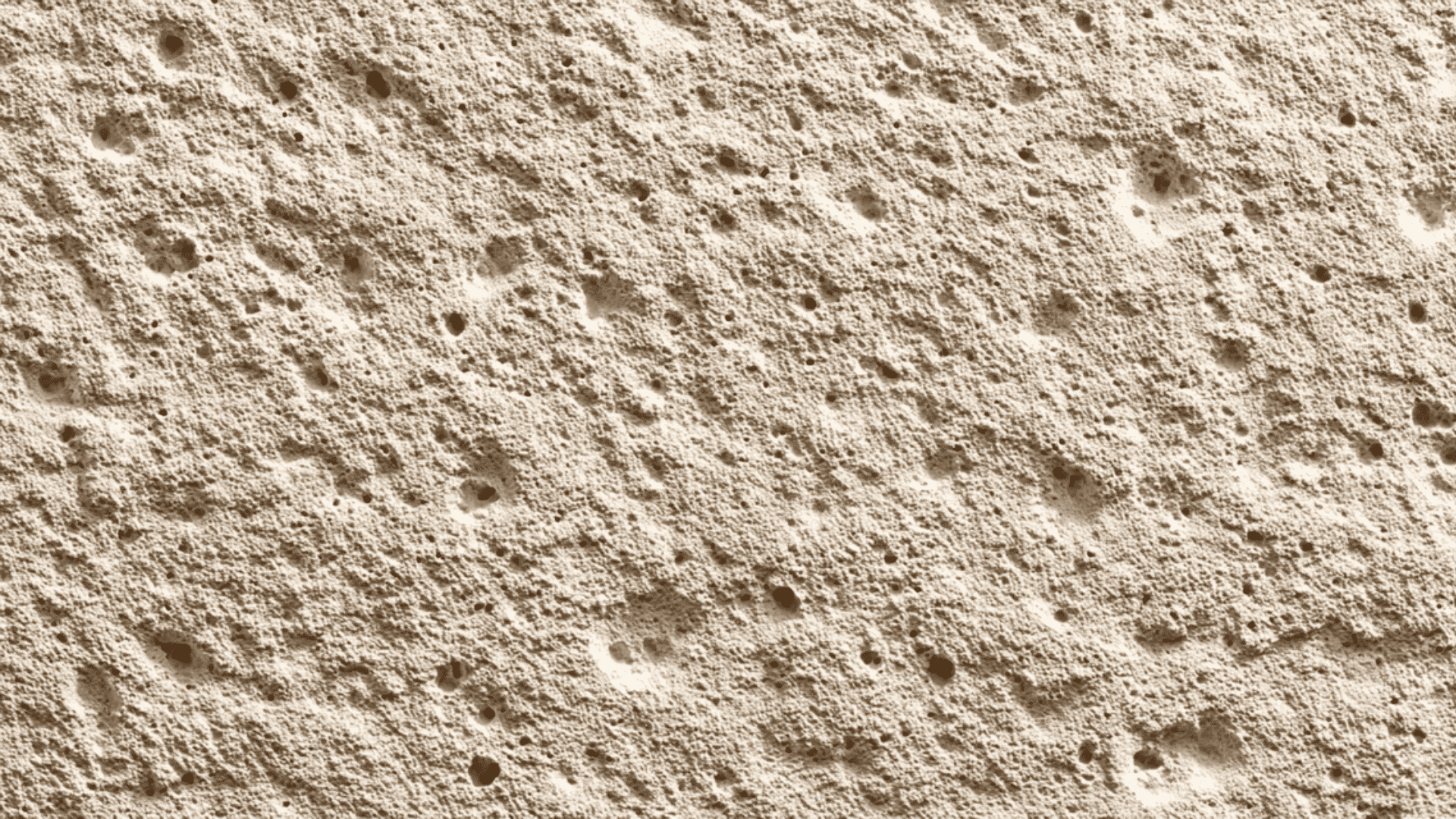
Harling is a rough‑cast finish made by pressing small pebbles or fine chips into a wall coated with lime or plaster.
The surface feels earthy and bumpy, almost like a natural outdoor wall. It gives rooms a unique, laid‑back vibe and hides marks really well, great for both indoor and sheltered outdoor areas.
Decorative Wall Finishes That Add Texture
Not all textured walls are made with paint or plaster alone. Decorative wall finishes add texture through materials, patterns, and layered surfaces, creating visual depth and interest.
15. Brick Or Faux Brick Texture
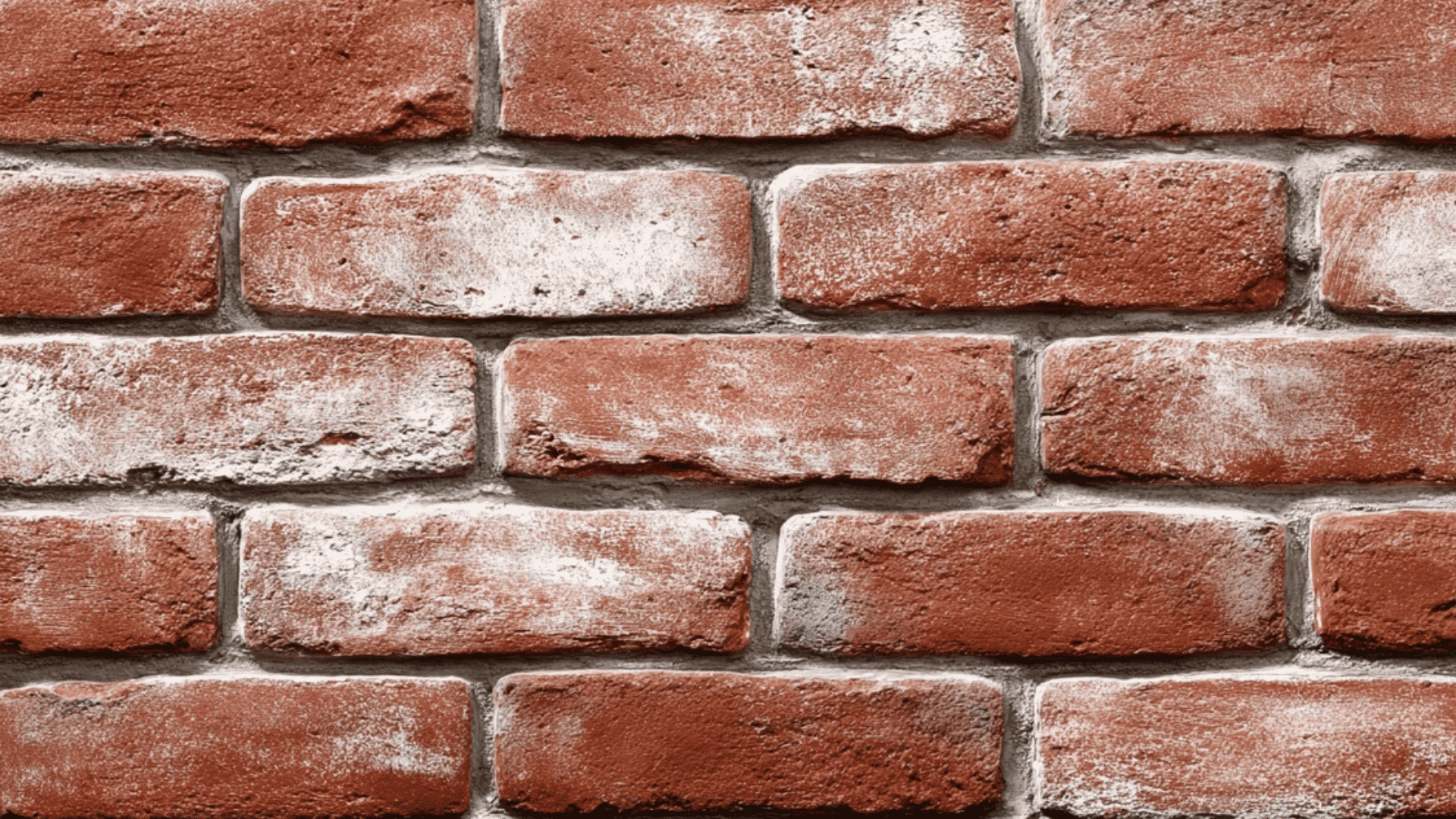
Brick or faux-brick textures give walls the look of real brick without heavy construction work. The surface adds strong character and makes a wall stand out right away.
It’s a popular choice for feature walls in living rooms, kitchens, or work areas.
16. Wood Grain/Plank Texture
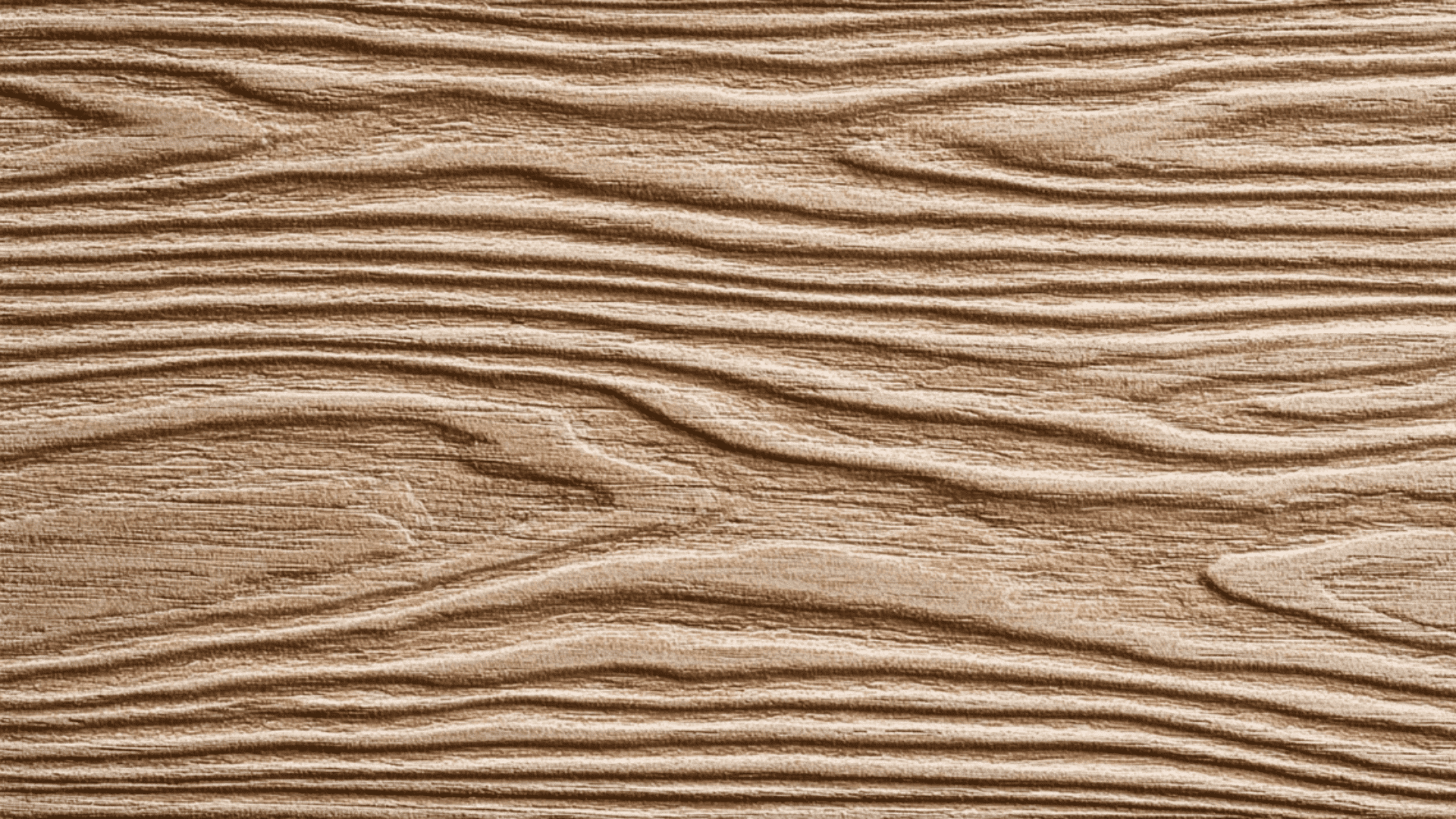
Wood grain or plank texture copies the natural lines and patterns found in wood. It gives walls a warm and cozy feel without using real wood panels.
This texture works well in spaces where you want a natural look with less upkeep. It adds softness and comfort to rooms and pairs nicely with simple furniture and calm color choices.
17. Concrete Look Finish
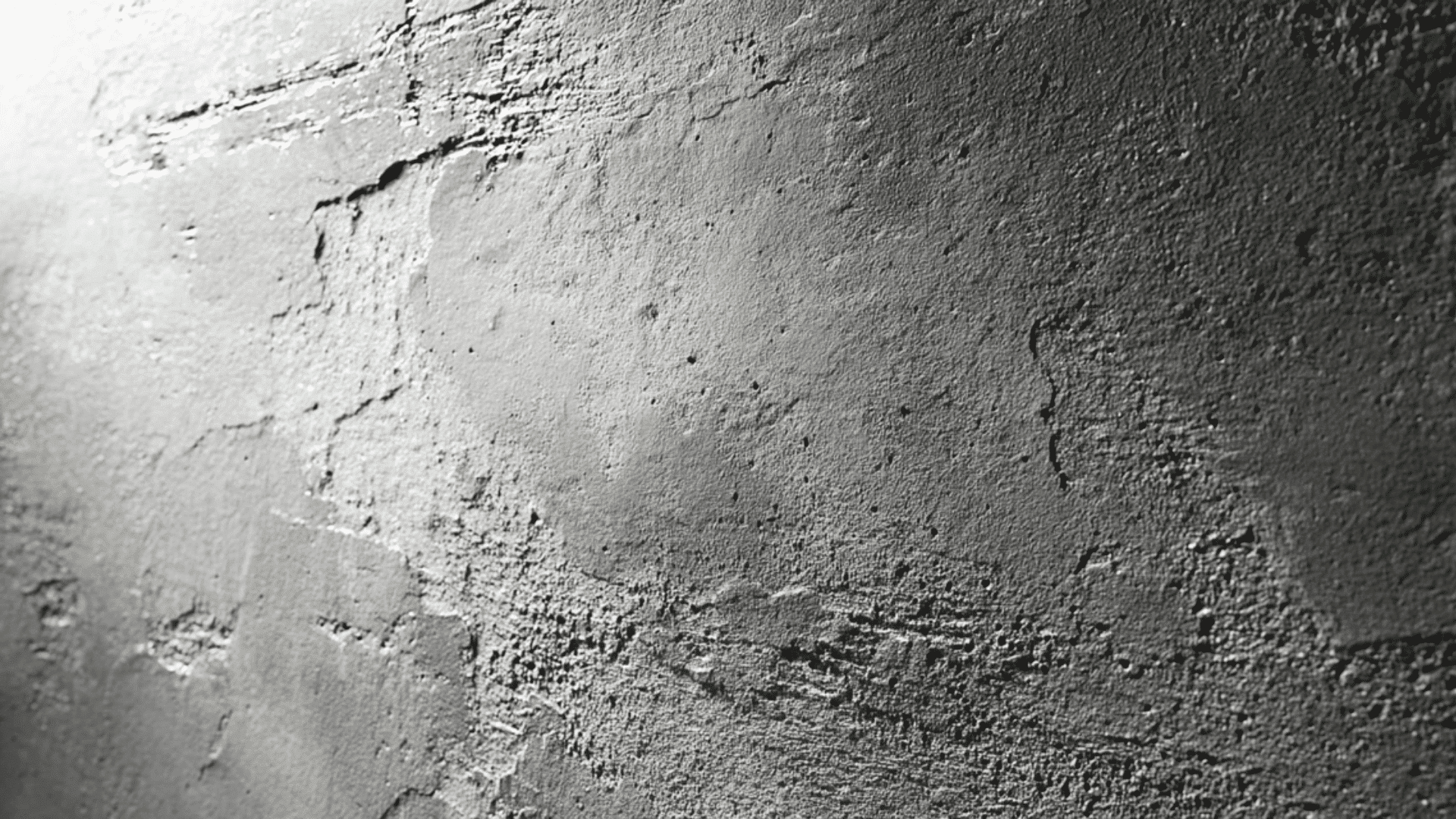
Concrete walls give a clean, modern, slightly rough surface that feels strong and cool. They’re great if you like an urban or minimalist vibe.
You can use special concrete coatings or microcement paint to achieve this look without actual cement work. It feels smooth in parts and gently textured in others, perfect for living rooms or kitchens.
18. Board And Batten Wall Texture
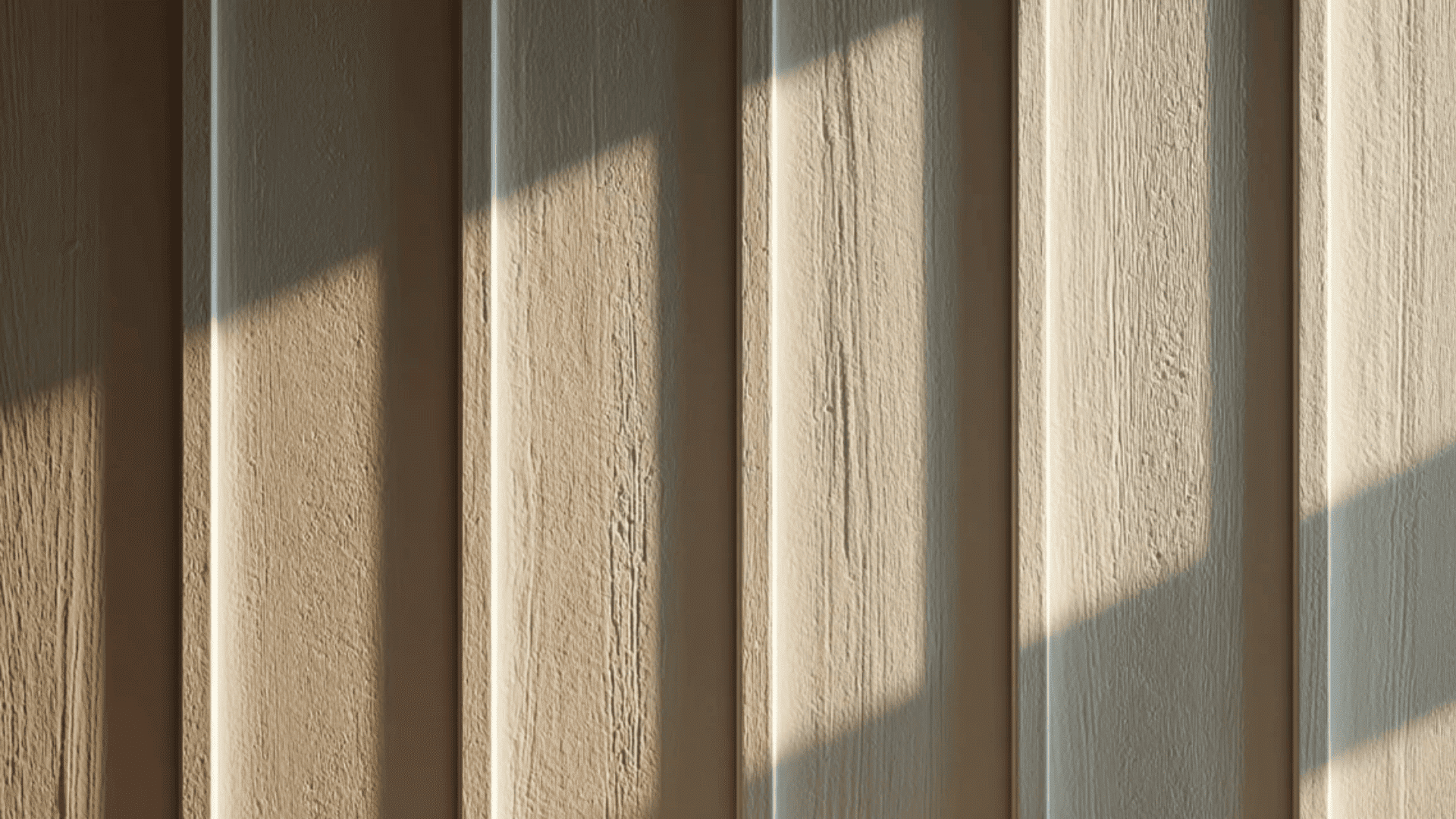
Board and batten adds real physical texture using strips of wood. Wide boards go up first, then narrow strips (battens) cover the seams.
The lines and shadows from the wood make the wall feel deep and interesting. It’s a classic choice that works in modern, farmhouse, or cozy spaces alike.
19. Stone Wall Texture
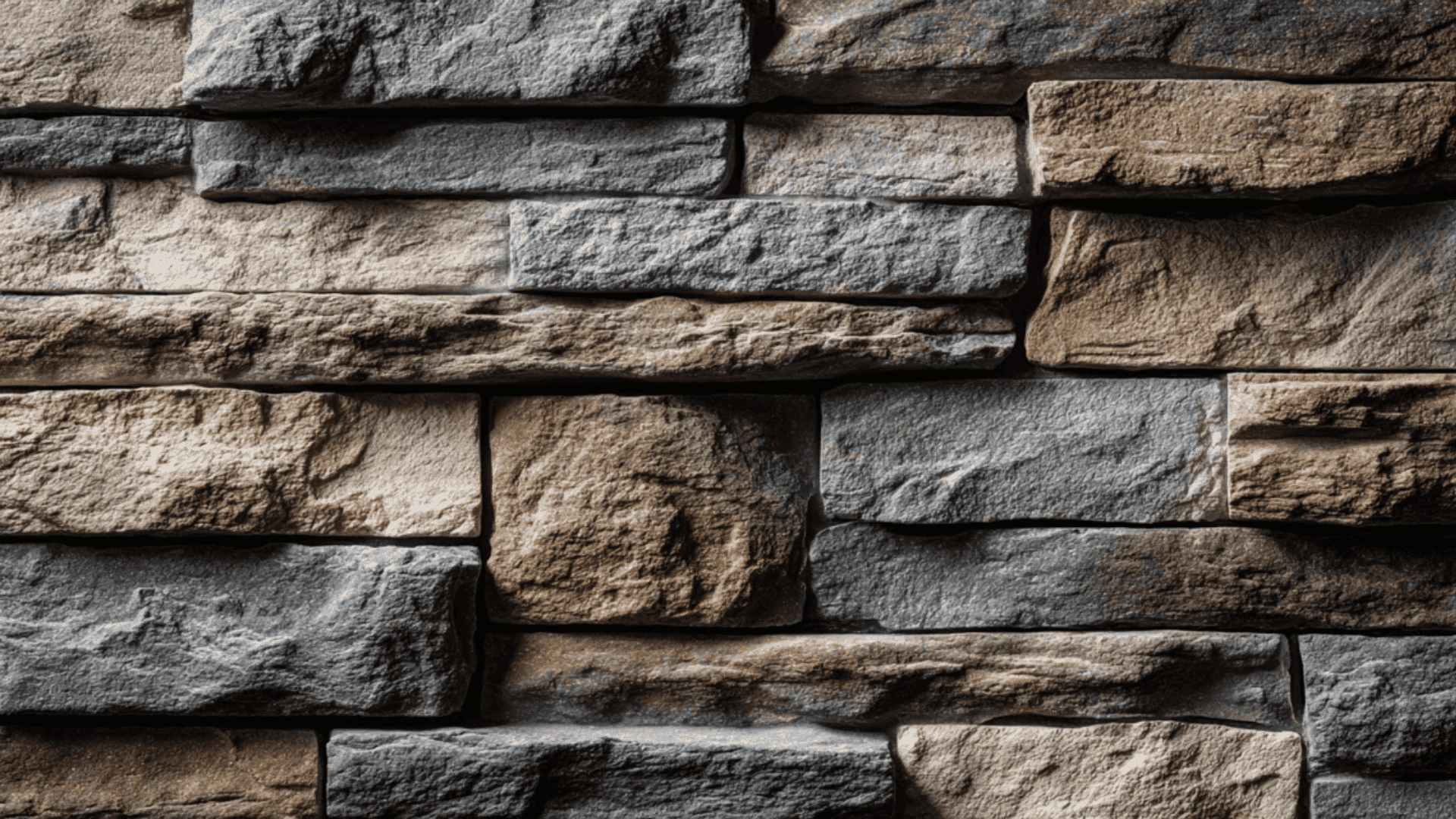
Stone texture brings a piece of nature inside. Walls with stacked stone or stone veneer look rich and rugged, adding a natural feel to living rooms, fireplaces, or feature walls.
Even faux stone panels can make a big visual change and give walls a layered, interesting look without heavy work.
HowTo Texture A Wall?
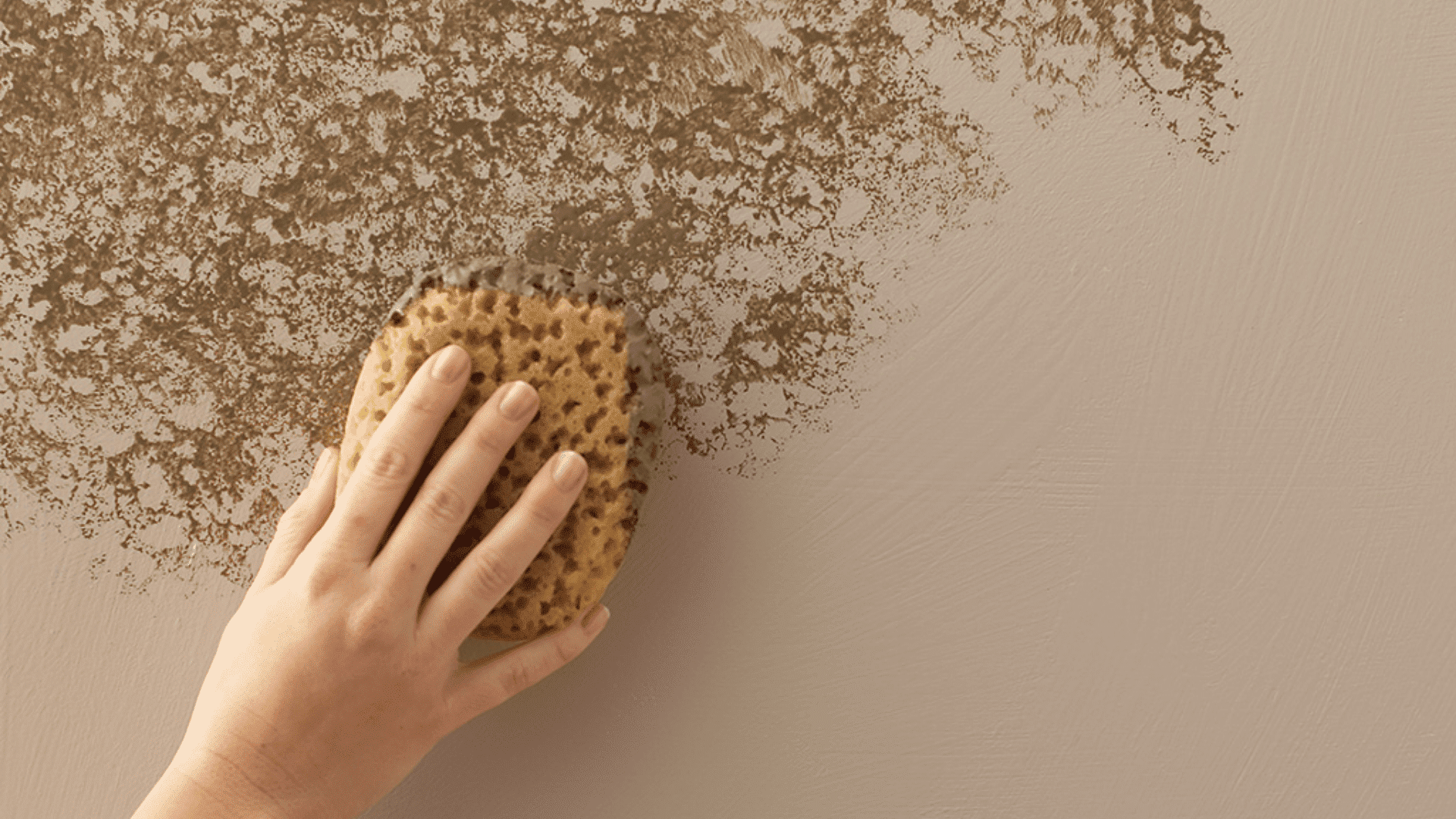
Adding texture to a wall doesn’t require special skills or costly tools. With a simple approach and a bit of patience, you can create depth and character in a way that feels easy to manage.
1. Get The Wall Ready
Before adding any texture, make sure your walls are clean and smooth. Wipe off dust, dirt, or any bumps that could affect the finish. Patch up any big holes or cracks so the texture lies evenly.
If you’re starting with bare drywall, applying a primer first is a smart move, as it helps the texture stick better and gives a more consistent result.
2. Pick Your Texture Approach
There are plenty of ways to add texture to your walls, depending on the look you want. A thick roller with a medium-textured nap, such as joint compound or textured paint, creates soft, bumpy finishes.
You can also spread joint compound with a trowel or knife and shape it while it’s still wet for a handcrafted effect. Tools like sponges, brushes, or combs let you press patterns into the surface, adding unique designs and movement.
3. Add Your Texture Pattern
Once your base is applied, it’s time to create the pattern. Dabbing with a sponge produces soft, flowing designs, while dragging a comb or notched tool creates lines or wave effects.
If you prefer something more structured, using a special-textured roller can create stippled or crosshatched patterns.
4. Let It Dry And Finish
After texturing, give your walls time to dry completely, usually about a day. Once dry, you can gently sand any rough spots or sharp edges to smooth them out.
Then you’re ready to paint over it with your favorite color. Drying carefully ensures your texture looks clean and polished while keeping the patterns intact.
5. Practice First
Before working on the actual wall, practice on a small board, scrap drywall, or even a piece of cardboard. This lets you see how the texture looks when applied and how quickly it sets.
Practicing helps adjust pressure, spacing, and movement, making the pattern feel more natural at the wall. A quick test run saves time, reduces mistakes, and boosts confidence before starting.
Textured Paint Finishes for Walls
Textured wall paints are paints designed to add depth and feel to walls, not just color. These paints often contain fine particles that make walls look more detailed and less flat without extra steps.
- Sand Paint: Creates a slightly rough, grainy surface that feels natural. It adds gentle texture and helps hide small wall marks.
- Metallic Texture Paint: Adds a soft, subtle shine that reflects light. This type works well on feature walls where you want a little brightness.
- Fabric-Like Texture Paint: Gives walls a soft and cozy look, almost like a cloth finish. It’s often used in bedrooms or calm spaces.
- Rustic Textured Paint: Offers a raw, uneven finish that brings warmth and character. This style works well in spaces that lean toward natural or earthy designs.
- Limewash / Venetian Plaster Paints: These paints create a layered look that can feel earthy or smooth depending on how they’re applied.
These finishes give you the look of textured walls without complex tools or heavy treatments. With the right paint and application, you can add depth and character while keeping things simple.
Wrap-Up
Textured walls bring more to a space than just a finished look. They add depth, style, and personality while also helping walls handle everyday wear better.
With so many types of wall textures available, it’s easy to find a look that suits your space. Texture gives you the freedom to shape how a room feels without changing everything in it.
From understanding how different textures work to learning how to texture a wall, the process can feel clear and manageable when broken down step by step.
You don’t need to be an expert to try something new; just start with a style that feels right to you. Take time to test small areas and see what works best in your home.
A well-chosen texture can turn plain walls into something you actually enjoy looking at every day.
Frequently Asked Questions
Which Types of Wall Textures Are Best for Homes?
Popular choices for homes include orange peel, knockdown, skip trowel, and sand swirl textures. These styles are easy on the eyes and work well in living rooms, bedrooms, and hallways.
Are Textured Wall Paints Easy to Use?
Yes, textured wall paints are beginner-friendly. Many are designed to be applied like regular paint and don’t require special tools, making them a good option for quick updates.
Do Textured Walls Work in Small Rooms?
They can, as long as the texture is subtle. Light textures add interest without making the room feel crowded or heavy.