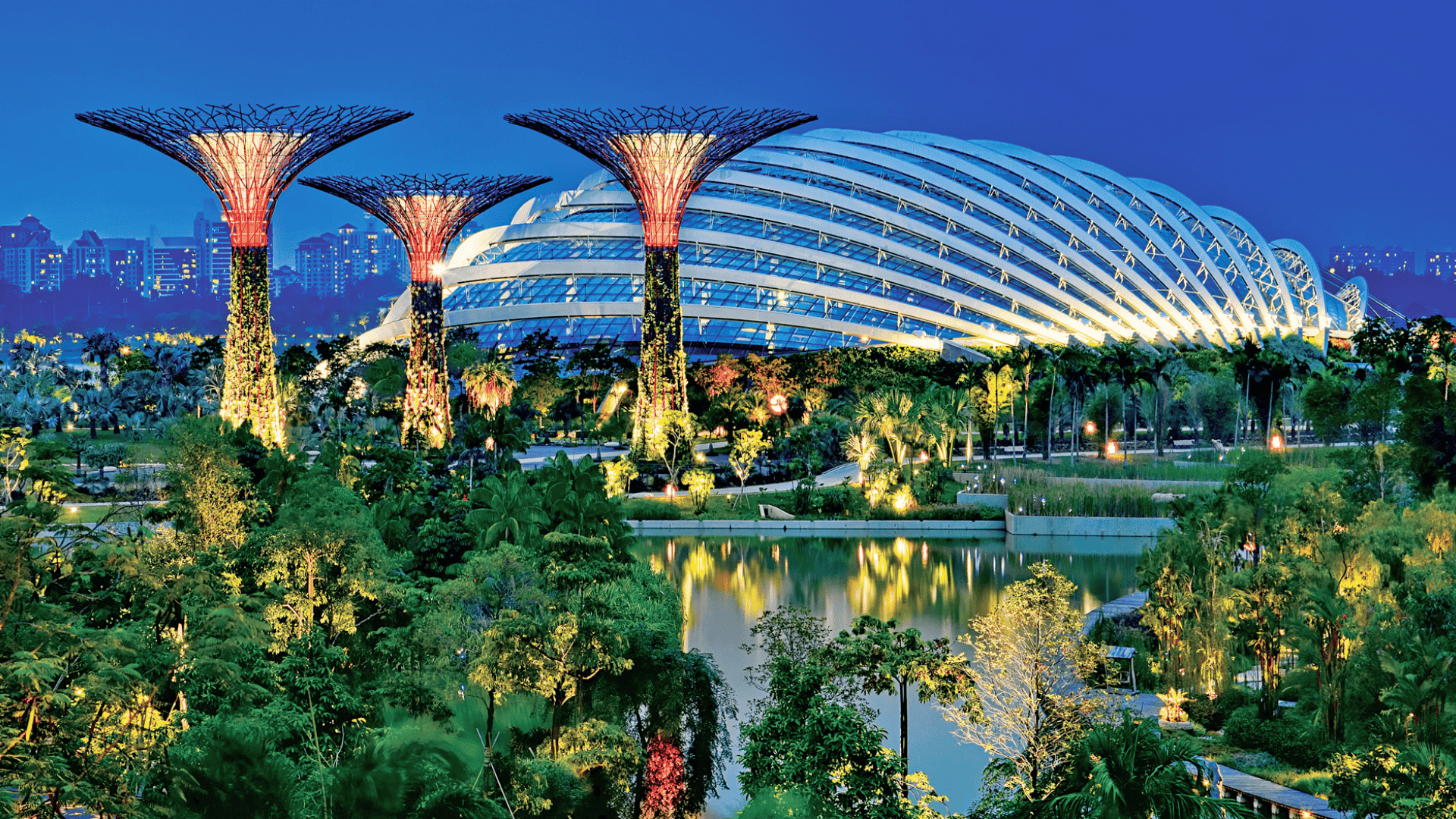
Buildings shape how we live every day. They affect how safe we feel, how much energy we use, how much money we spend, and how comfortable our spaces are.
As energy use grows and waste increases, more attention is being placed on how buildings affect the planet and the people who use them.
This is why what is sustainable architecture has even become a question. It focuses on designing buildings that use resources wisely, reduce waste, and support healthier living without harming the environment.
Ahead, you’ll learn what sustainable architecture is, why it matters, how it differs from conventional design, the materials it uses, its benefits and challenges, and real-world examples in practice.
What Is Sustainable Architecture?
Sustainable architecture is a way of designing and building buildings so they are kind to the environment and good for the people who use them.
It means using less energy, saving water, choosing materials that don’t harm the environment, and ensuring buildings remain useful for a long time.
Sustainable architecture aims to reduce the waste and pollution a building generates from the time it’s built until long after people live or work there.
This is different from regular architecture. Traditional buildings often focus mainly on how a building looks or how fast it can be built. They may use materials and systems that use a lot of energy or produce a lot of waste.
Sustainable architecture, on the other hand, thinks about the whole life of a building, how much energy it uses, how it affects people’s health, and how it impacts nature.
The Core Principles Of Sustainable Architecture
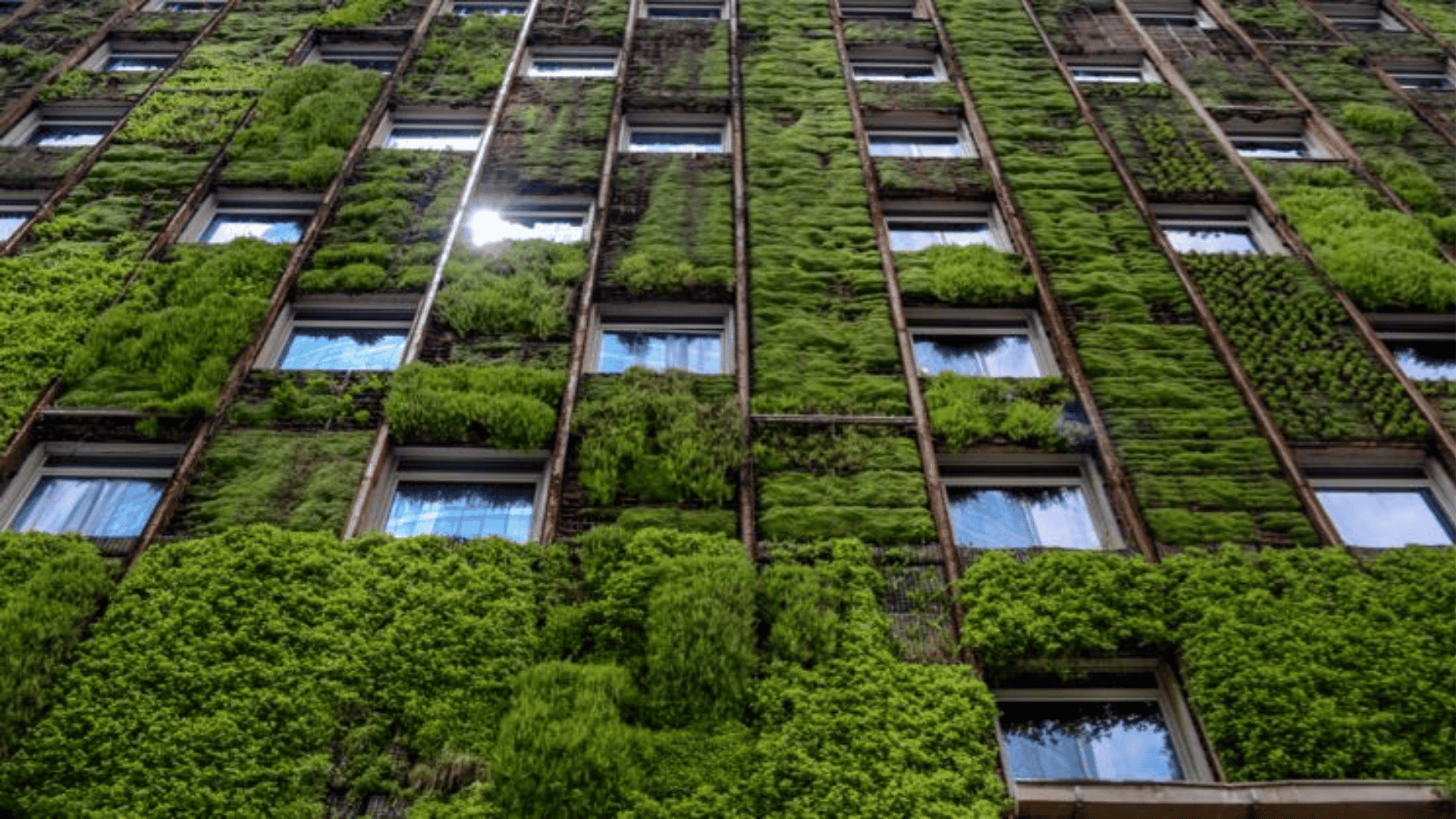
Sustainable architecture is guided by key ideas that help buildings work better for people and the environment. These principles ensure that structures use resources wisely, reduce harm to nature, and support healthy indoor spaces.
- Design With the Site in Mind: Buildings are planned around sun, wind, and natural features to improve comfort and reduce energy use.
- Use Less Energy: Natural light, insulation, and renewable energy help cut electricity use and environmental impact.
- Save Water: Rainwater systems, low-flow fixtures, and water reuse reduce daily water consumption.
- Choose Better Materials: Recycled, durable, and locally sourced materials lower waste and environmental harm.
- Healthy Indoor Spaces: Good airflow, clean air, and natural light support comfort and well-being.
These principles work together to ensure that buildings meet human needs while protecting the environment and conserving resources over time.
Why Sustainable Architecture Matters?
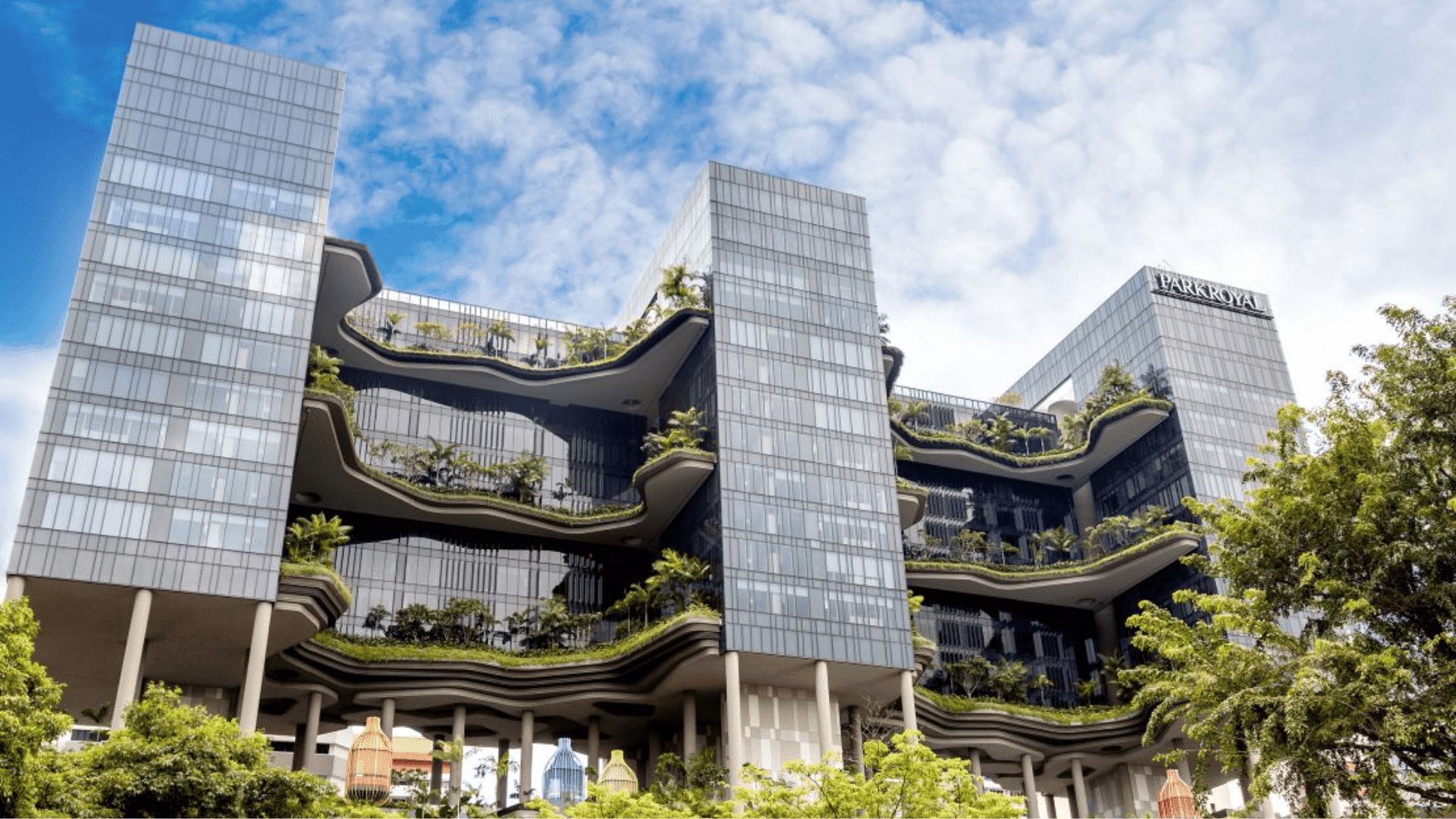
This type of architecture offers many benefits that improve both daily living and the environment. It helps reduce waste and pollution by using cleaner materials and better planning, thereby protecting land, air, and water.
Buildings designed to use less energy and water often result in lower monthly bills, as smart layouts and efficient systems reduce everyday costs. Natural light, fresh air, and safe materials improve indoor comfort, helping people feel more relaxed and focused.
Features like open layouts and proper ventilation reduce the need for artificial lighting and cooling, making spaces feel brighter and fresher. Energy-efficient systems and water-saving fixtures reduce use without affecting comfort.
Sustainable buildings also blend well with their surroundings by using green spaces and natural materials.
Materials Used In Sustainable Architecture
Materials used in sustainable architecture are chosen with care for both people and the environment.
Many designs use eco-friendly options such as responsibly sourced wood, recycled metal, reclaimed bricks, and reused concrete. These materials help reduce waste and lower the need for new resources.
Long-lasting materials are also important because they reduce repairs and rebuilding over time, which saves energy and effort.
Just as important, these materials are selected to be safe and low-impact, meaning they release fewer harmful substances and help keep indoor spaces cleaner.
By choosing materials that are durable, reusable, and gentle on the Earth, sustainable architecture creates buildings that stay useful for years while reducing their overall environmental impact.
How To Achieve Sustainable Architecture
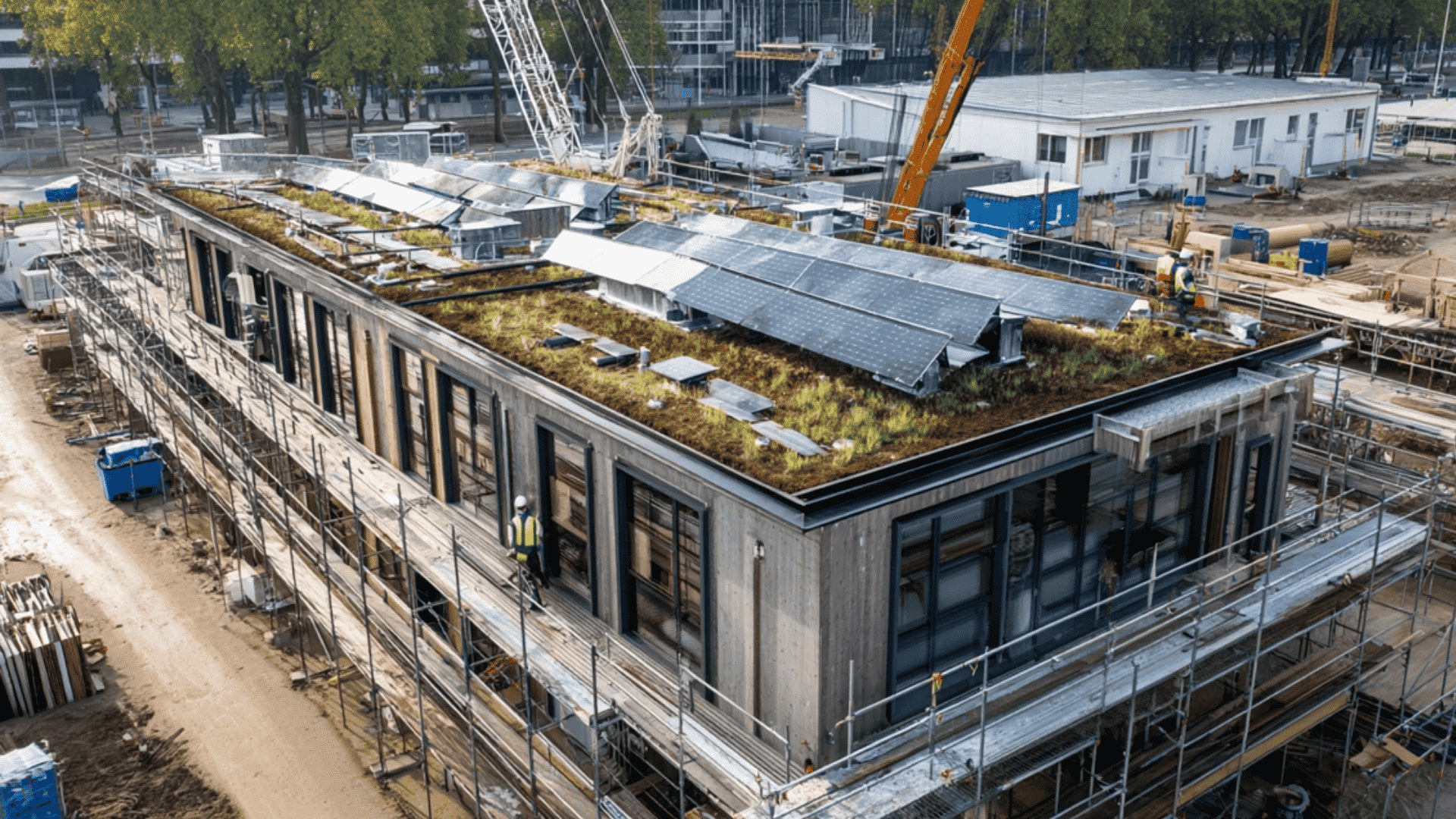
To create sustainable architecture, designers focus on smart planning, working with natural elements, using clean energy, and making the most of materials through reuse and recycling:
1. PlanningBefore Building
Good planning is the first step toward sustainable architecture. This means understanding the site, climate, and the building’s purpose before any work begins.
Careful planning helps avoid wasted space, extra materials, and poor layouts. It also allows designers to make better choices about structure, size, and systems early on, which can lower energy use and reduce future changes or repairs.
2. Designing For Nature (Sun and Wind)
Buildings work better when they follow natural patterns. Placing windows to catch sunlight can reduce the need for artificial lighting.
Using wind direction helps improve airflow and keeps spaces cooler without heavy energy use.
These design choices make indoor areas more comfortable while lowering dependence on mechanical systems, all through smart placement and layout.
3. Use Of Renewable Energy
Renewable energy plays a key role in sustainable architecture. Solar panels and small wind systems help produce clean power on-site.
This reduces reliance on traditional energy sources and lowers long-term energy costs. Over time, renewable systems support steady energy use while creating less impact on the environment.
4. Reuse And Recycle
Reusing materials from old buildings helps reduce waste and conserve resources. Recycled materials like metal, wood, and glass reduce the need for new production.
This approach lowers material demand and keeps useful items out of landfills, supporting more responsible building practices.
Challenges In Sustainable Architecture
Sustainable architecture offers many benefits; however, there are a few challenges that can slow its adoption or complicate planning.
- Higher Initial Cost: Sustainable materials and energy-efficient systems can cost more upfront, even though they reduce long-term expenses.
- Limited Knowledge or Skills: Some architects and builders lack experience with sustainable design and construction methods.
- Finding the Right Materials: Eco-friendly materials may be harder to source locally or more expensive, limiting options.
- Rules and City Limits: Building codes and local regulations can restrict features like solar panels or green roofs.
Despite these challenges, better awareness and planning continue to make sustainable building more achievable.
Examples That Shine
Here are real-life examples of buildings that show how sustainable architecture works. Each one uses smart design, clean energy, or natural features to help people and nature.
1. The Bullitt Center (Seattle, USA)
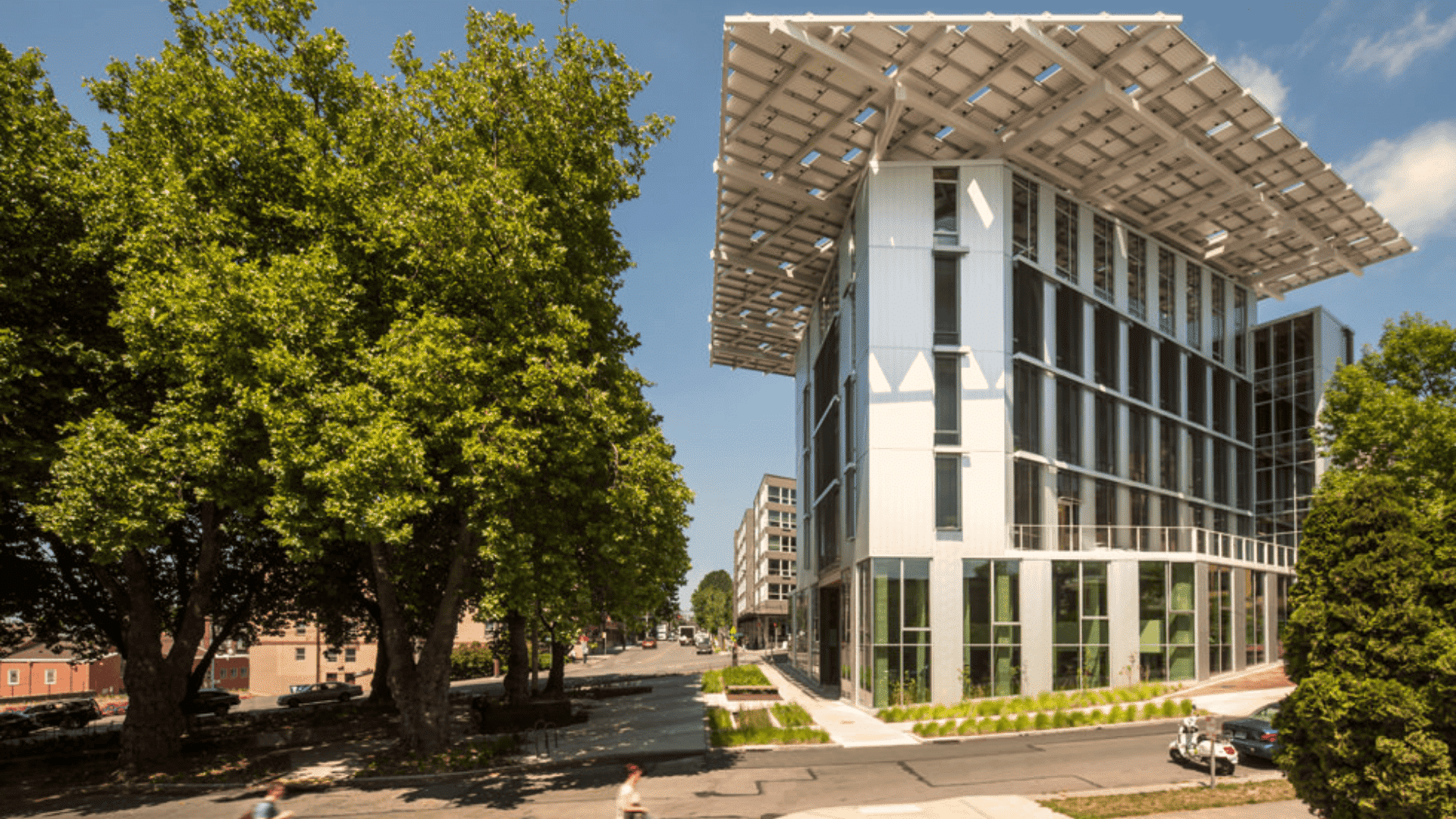
The Bullitt Center is known as one of the greenest office buildings ever built. It produces all of its own energy using rooftop solar panels and collects rainwater for daily use.
Composting toilets reduce water waste, and strong materials help the building last for 250 years. These choices reduce pollution, lower resource use, and limit future rebuilding.
2. The Edge (Amsterdam, Netherlands)
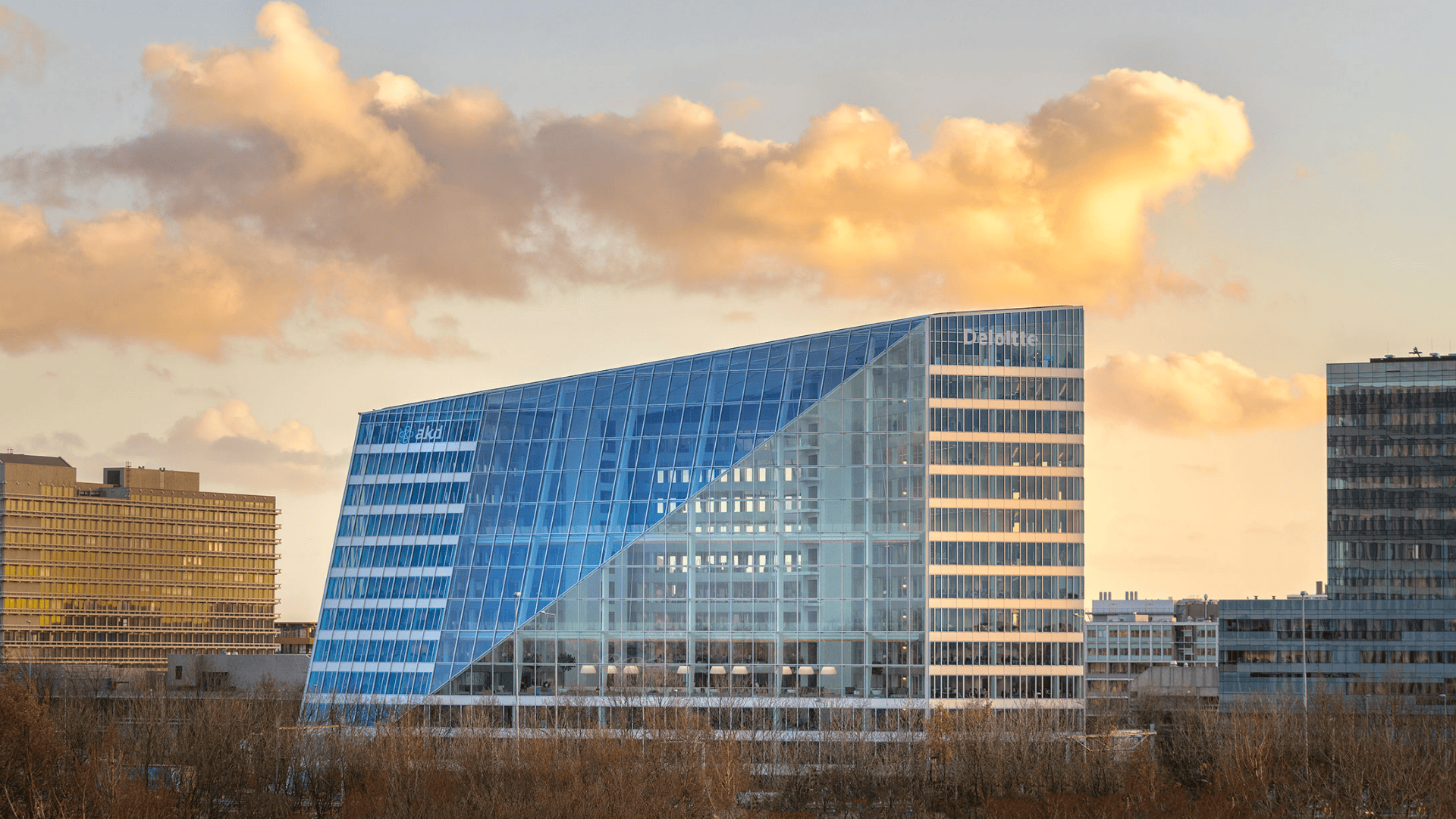
The Edge is known as one of the world’s most sustainable office buildings. It achieved a record-breaking BREEAM score for sustainability.
With 28,000 sensors, the building optimizes lighting, temperature, and energy use. This makes it a “net-positive” energy producer, meaning it generates more energy than it consumes.
3. One Central Park (Sydney, Australia)
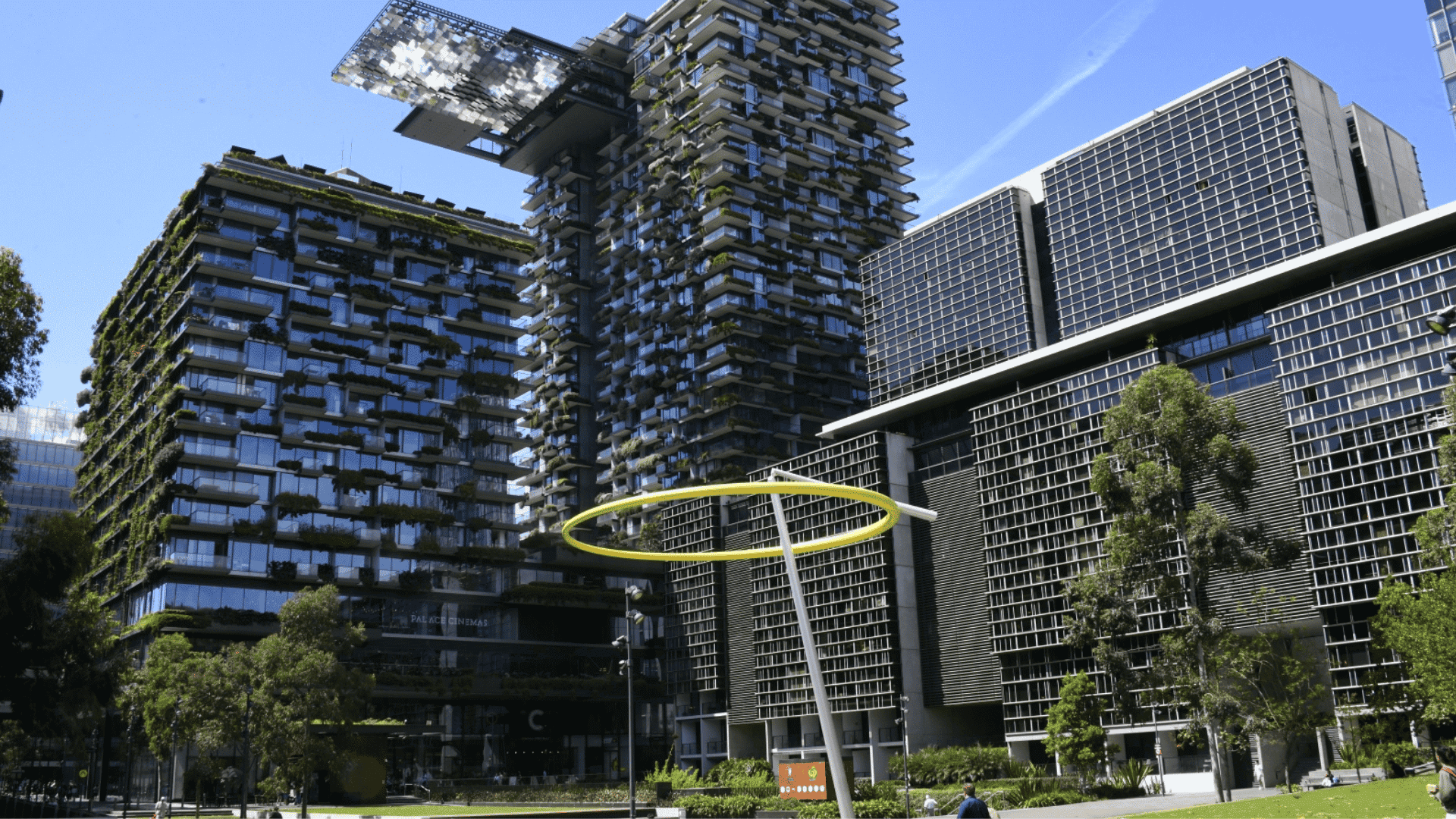
One Central Park is famous for its tall green walls filled with plants and trees. These plants help clean the air and lower the heat around the building.
Mirrors placed high above reflect sunlight into shaded areas. The building also treats rainwater and wastewater on site, allowing it to reuse water instead of wasting it.
4. Eastgate Centre (Harare, Zimbabwe)
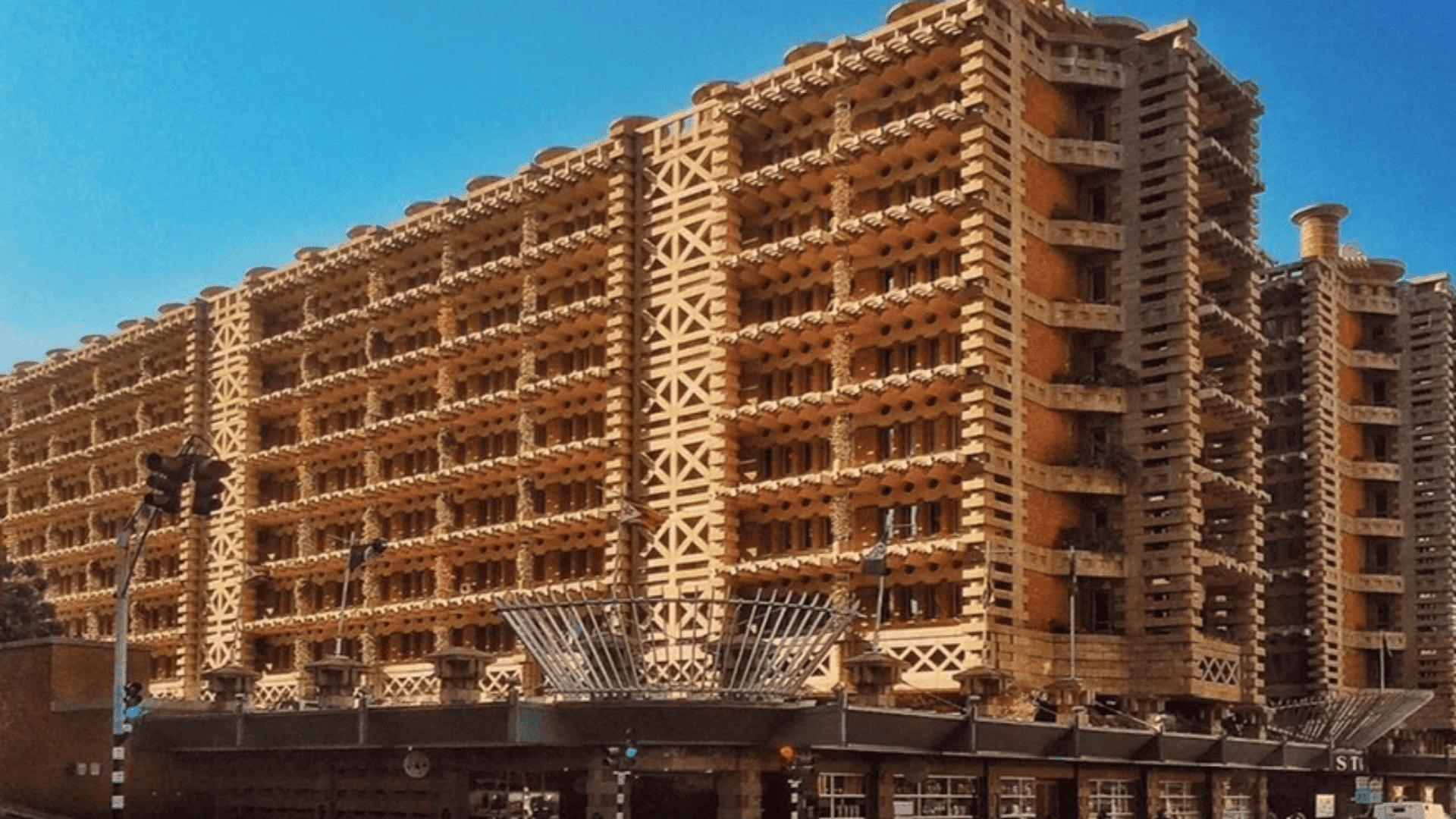
The Eastgate Centre uses natural airflow to stay cool without air conditioning. Its design copies termite mounds, which control temperature using air movement.
Cool air flows inside during the day, while warm air escapes through vents. This system uses far less energy, lowers costs, and keeps indoor spaces comfortable in hot weather.
5. Bosco Verticale (Milan, Italy)
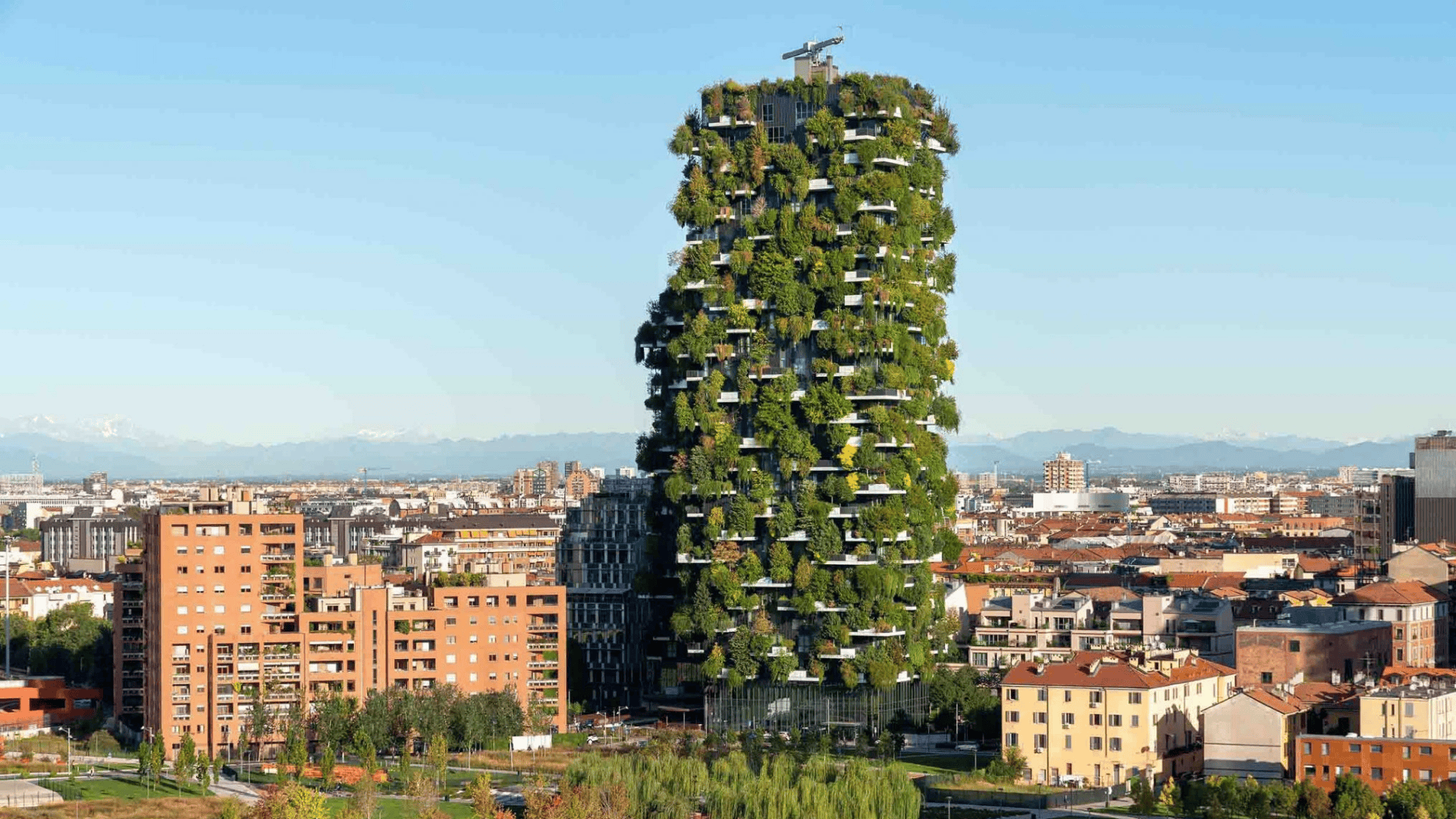
Bosco Verticale is a pair of residential towers covered with trees and plants. These plants help block heat, reduce noise, and improve air quality.
They also provide shade and help control indoor temperature. The greenery supports birds and insects while reducing pollution in the city, making the building healthier for both people and nature.
6. Shanghai Tower (Shanghai, China)

Shanghai Tower is the world’s second-tallest building and a model of sustainability. Its double-skin facade provides excellent insulation, while wind turbines generate energy.
This design reduces carbon emissions by about 34,000 metric tons per year.
7. CopenHill (Copenhagen, Denmark)
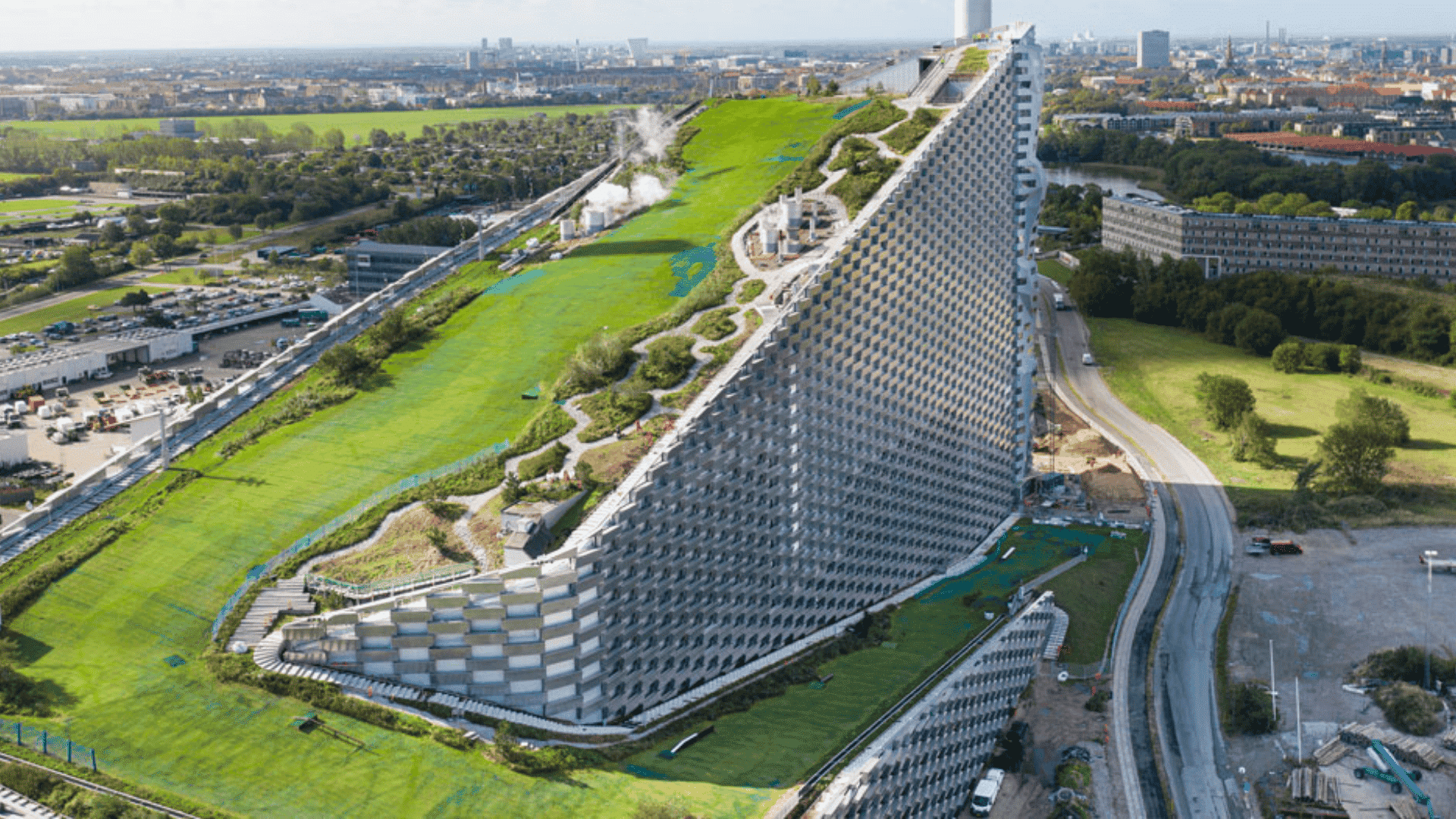
CopenHill is a power plant that turns waste into clean energy. Instead of hiding the building, designers made it useful for people, too.
The roof includes a ski slope, walking paths, and a climbing wall. While producing energy and heating homes, the building also supports outdoor activity and reduces landfill waste.
8. Pixel Building (Melbourne, Australia)
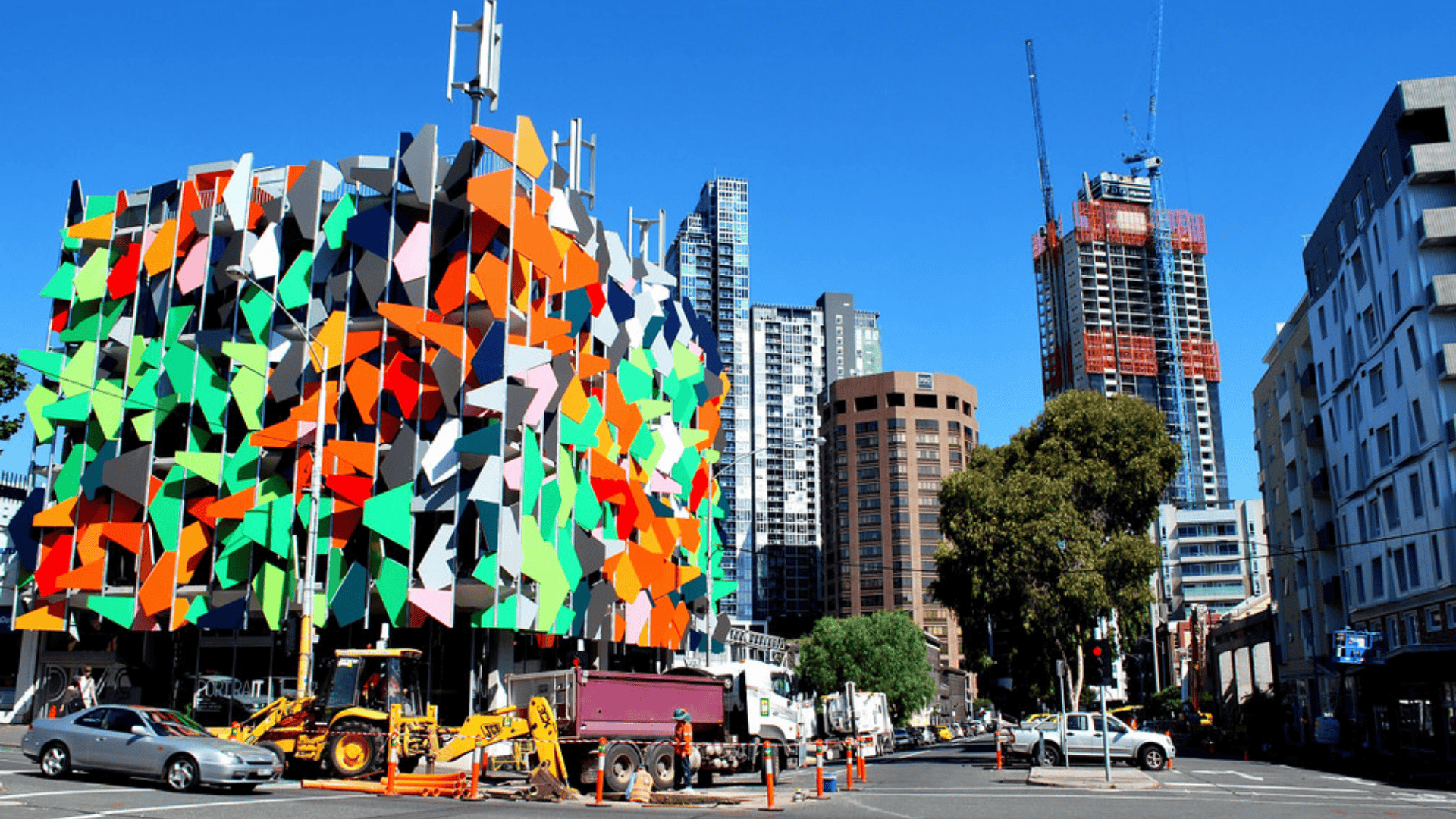
The Pixel Building is a small office designed to create no carbon emissions. Solar panels generate power, while rainwater systems reduce water use.
Colorful panels block strong sunlight and control indoor heat. A special low-carbon concrete mix lowers pollution during construction. These features work together to reduce environmental harm over time.
9. Bahrain World Trade Center (Manama, Bahrain)

The Bahrain World Trade Center includes three large wind turbines placed between two tall towers. The shape of the towers helps direct wind toward the turbines, allowing them to produce electricity.
This reduces the building’s need for outside power. The design also includes systems that reduce heat and energy use in a hot climate.
What We Learned
Sustainable architecture is about more than just buildings. It focuses on creating spaces that support people while respecting the planet.
By using eco-friendly materials, energy-saving designs, and natural elements like sunlight and wind, these buildings help reduce waste, pollution, and energy use. They also improve comfort, air quality, and long-term strength.
Understanding what sustainable architecture is matters as cities grow and resources become limited. Buildings that use energy and materials wisely help protect the environment, lower costs, and support healthier living.
If you are planning a new space or improving an existing one, consider how sustainable architecture can shape a better future and create lasting value for everyday living.
Frequently Asked Questions
How Can I Make A Building More Sustainable?
Smart planning, designing for sunlight and airflow, using renewable energy like solar or wind, and reusing or recycling materials are key steps.
Can Sustainable Architecture Work for Small Homes Too?
Yes! Even small homes can use natural light, ventilation, recycled materials, and energy-efficient systems to be eco-friendly and comfortable.
How is Sustainable Architecture Different From Regular Architecture?
Unlike regular buildings that focus mainly on appearance or cost, sustainable architecture considers energy use, natural resources, indoor comfort, and environmental impact throughout the building’s life cycle.