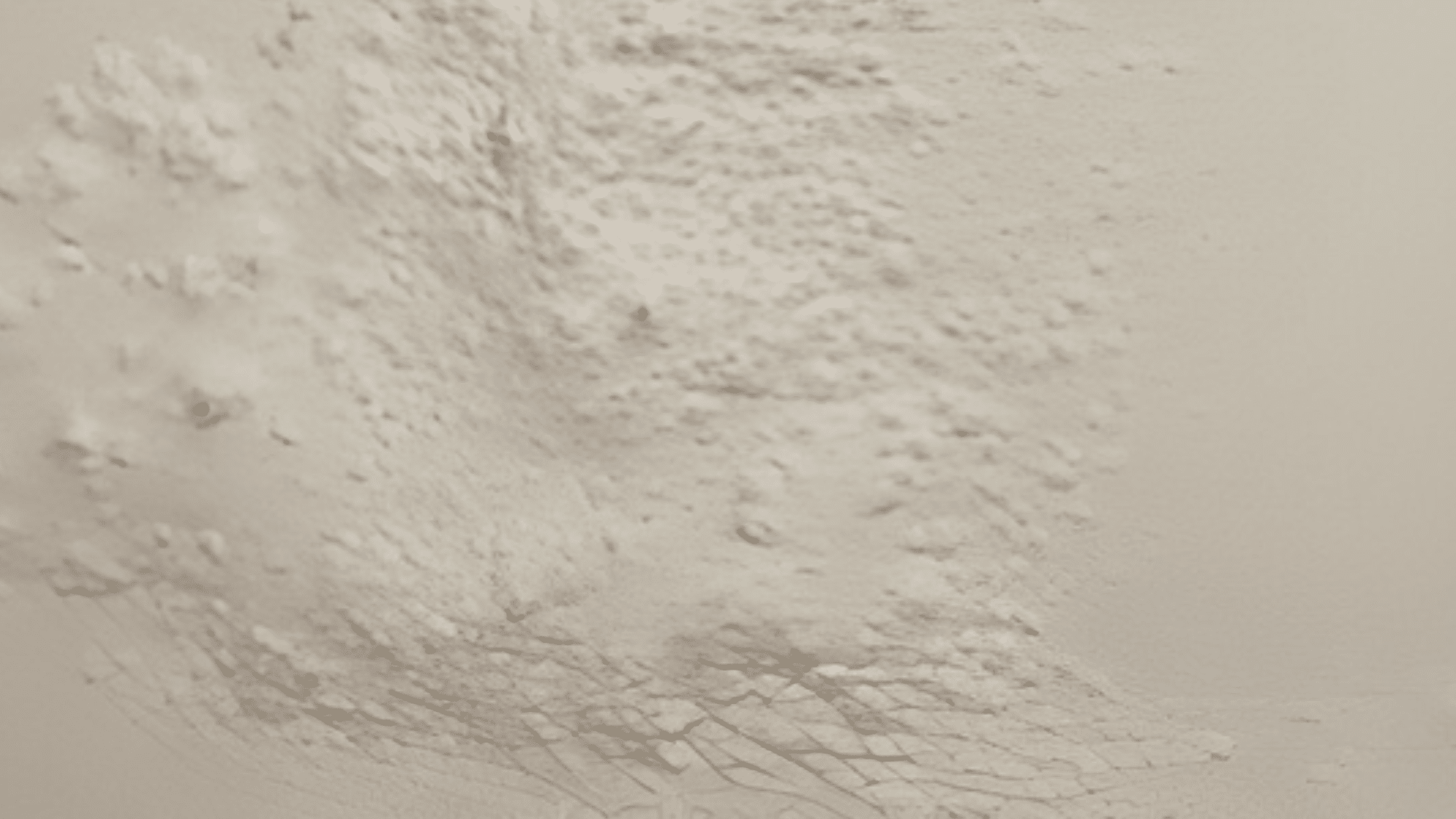
You just finished painting a room. The color looks perfect. Then, a week later, you notice weird bumps on the wall. Those smooth surfaces now have a few blisters scattered across them.
Paint bubbles show up when you least expect them. They ruin an otherwise good paint job. Instead, they hint at bigger problems hiding beneath the surface.
So why does paint bubble in the first place? The answer isn’t always obvious. Various issues can all create those annoying bumps.
But the thing is, paint bubbling isn’t some mysterious curse.
Once you understand what causes it, you can fix it properly and stop it from coming back.
What is Paint Bubbling?
Paint bubbling occurs when small pockets of air or liquid become trapped beneath your paint film. These raised bumps look like tiny blisters on your wall surface.
When you run your hand over paint bubbling on wall surfaces, you’ll feel small dome-shaped bumps. They can be as tiny as a pinhead or as large as a quarter. Sometimes they appear in clusters; other times, they seem scattered across the wall.
Paint bubbles aren’t just ugly. They signal that something went wrong during painting or with your wall itself.
Why does paint bubble matter so much? Because ignoring it lets the real problem get worse. A minor moisture issue can lead to mold growth or wall damage.
Catching bubbles early helps you fix the root cause before it spreads.
What Causes Paint To Bubble?
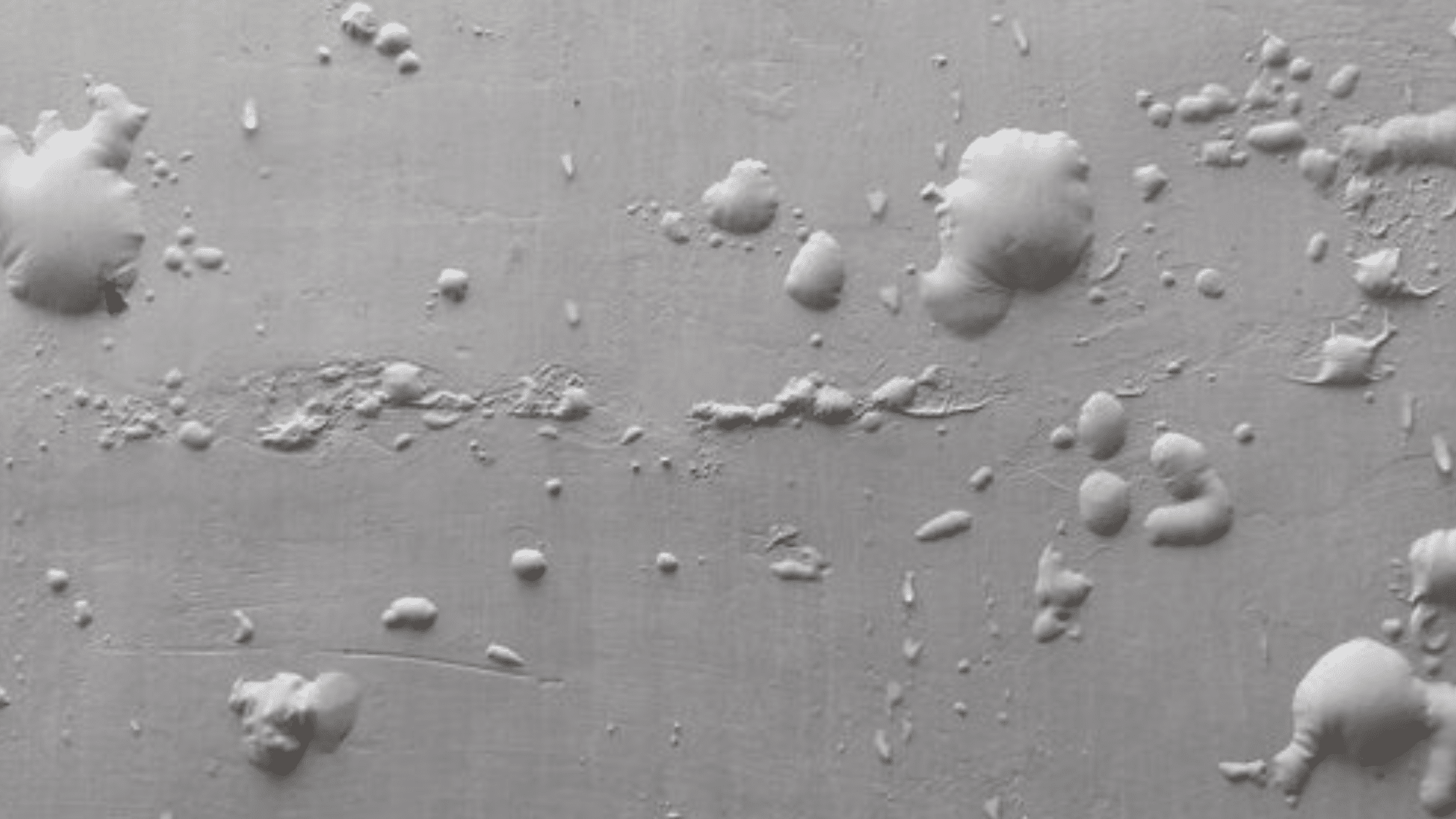
Understanding why paint bubbles starts with pinpointing the root cause. Most bubbling issues fall into five main categories.
- Moisture Problems: Paint bubbles usually come from moisture, leaks, or poor ventilation. Painting over damp walls traps moisture and weakens adhesion.
- Heat and Sun Exposure: Hot weather or sun exposure can dry paint too quickly on the surface, trapping moisture or solvent. Heated exterior walls expand, shift moisture, and weaken adhesion.
- Surface Prep Issues: Paint bubbles can result from poor surface preparation, such as grease, soap film, smoke residue, or dust. Unsanded glossy paint or skipping primer weakens adhesion, causing lifting and bubbling.
- Application Mistakes: Paint bubbles can result from technique errors such as thick coats, recoating too soon, over-rolling, or using the wrong tools, which trap air, solvents, or moisture.
- Product Compatibility Issues: Paint can bubble when layers don’t bond, such as when latex is applied over old oil paint. Test first, then sand and use a bonding primer for proper adhesion.
Together, these causes explain why paint bubbling is rarely random. Once you identify the factor at play, fixing the issue becomes much easier, more effective, and far less likely to recur.
Quick Diagnosis Checklist
Before jumping into repairs, a quick check can help narrow down the real cause. This checklist makes it easier to spot whether the issue is moisture, heat, or a painting mistake.
- Where Are the Bubbles: Bathroom = humidity, kitchen = grease/steam, near windows/ceiling/plumbing = leak, south/west exterior = sun/heat, random spots = poor prep.
- Press Test: Soft/damp = active moisture (stop), firm/dry = adhesion/heat/old issue.
- Moisture Signs: musty smell, stains, peeling nearby, cool-to-touch areas, warped trim/baseboards.
- Timing: Days after painting = prep/application; weeks or months later = moisture or heat stress.
- Decision: Any dampness, wet stains, or musty smell = fix moisture first; recurring/considerable damage = call a pro.
These quick clues can save time and frustration. Once you know what you’re dealing with, you can fix the real problem instead of just covering it up and risking the bubbles coming back later.
You’re Not Alone: Real Paint Bubbling Stories
Paint bubbling happens to everyone. DIY beginners and experienced homeowners both deal with it.
The Bathroom Remodel That Kept Getting Worse
“I hired a contractor to remodel my bathroom.… One wall is especially bad and the paint began to bubble right away.… So the contractor keeps spot spackling, sanding, repainting so we are now up the 3rd coat on one of the bathroom walls. It looks worse with each new coat of paint.” DoItYourself.com
The Second-Coat Surprise
“First mistake was using a Wagner paint sprayer.… I sprayed the first coat and let it sit overnight.… Went to paint second coat. Paint bubbled like mad.… Tried switching rollers but still had the same problem.” DoItYourself.com
The Under-Sink Mystery that Kept Spreading
“Over the course of the past few weeks I’ve been noticing strange bubbles appearing on the paint beneath the sink.… The problem is progressively getting worse, but I can’t figure out what the source of it is.” StackExchange
Paint bubbling can look random at first, but it almost never is. Once you trace it back to the real cause – moisture, heat, rushed coats, or hidden water – the fix becomes clear and easy to avoid next time.
How To Fix Bubbling Paint On A Wall: Tips
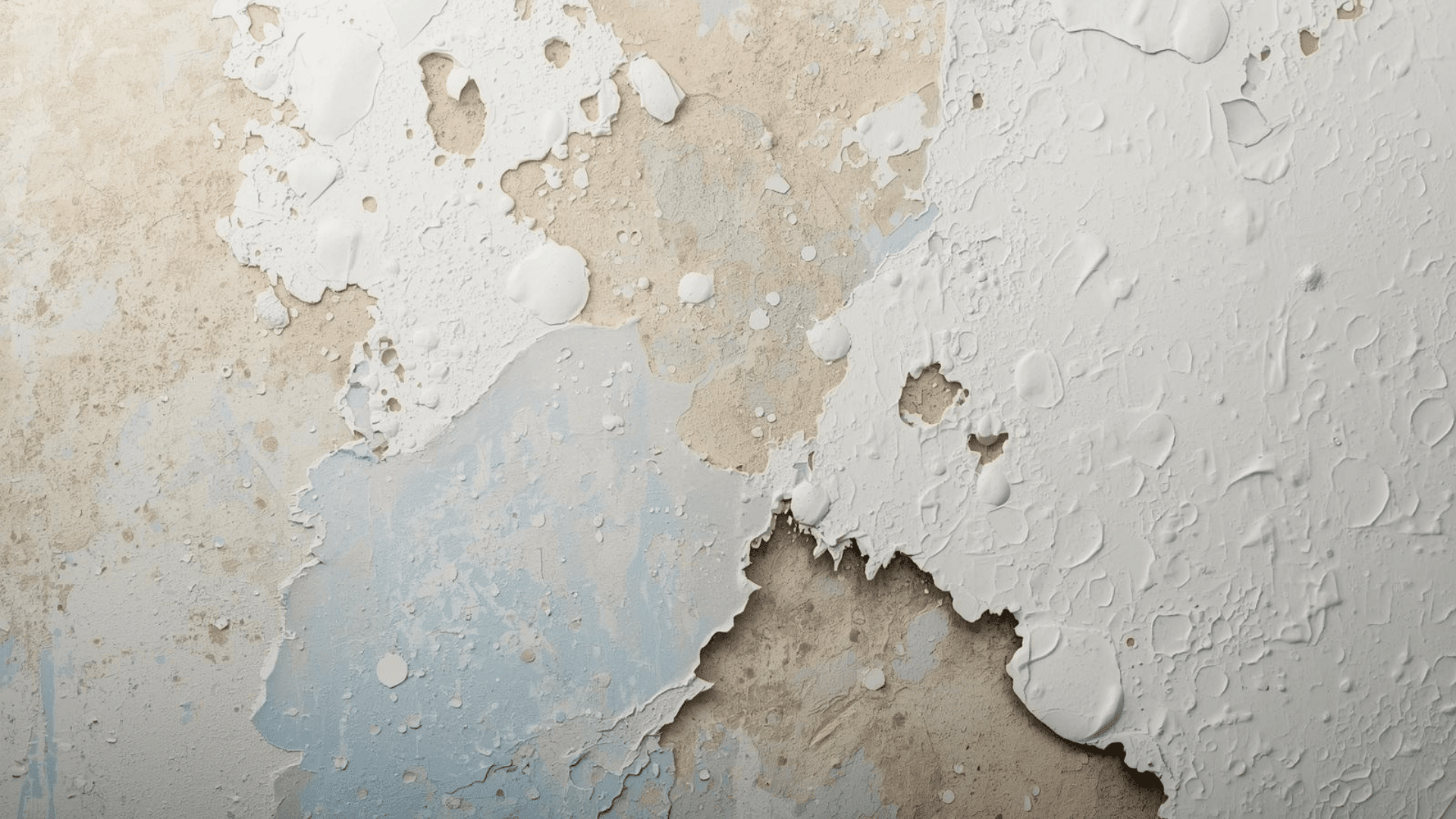
Fixing bubbled paint takes patience and the right approach. Rushing through the repair leads to more problems down the road.
Once you know the cause, the repair is straightforward. Follow these tips in order and don’t skip drying time.
- Fix The Root Cause First: Fix any leaks first (plumber, roofer, or reseal windows), then boost airflow. Use a dehumidifier and let repairs dry 24+ hours.
- Remove Failed Paint: Scrape off bubbled, loose paint with a putty knife until you reach solid edges. Press nearby areas, remove anything that lifts easily, and wipe away chips and flakes.
- Dry, Sand, and Clean: Let the wall dry fully for 24–48 hours with fans or a dehumidifier, until bare spots feel room temperature. Sand with 120-grit, vacuum and wipe off dust, then dry again
- Prime Correctly: Prime the repair so the new paint sticks. Choose stain-blocking, bonding, or drywall primer as needed, coat slightly past the patch, and let it dry fully (usually 2–4 hours).
- Repaint The Right Way: To prevent bubbles from returning, apply thin, even coats; avoid over-rolling or brushing; and follow recoat and cure times.
The finished repair should blend perfectly with your existing paint. No one will know there was ever a problem there.
How To Prevent Paint Bubbling Next Time?
Prevention is always easier than fixing paint problems later, and a few careful steps can make a big difference. Before painting, clean the walls thoroughly to remove grease, soap residue, or dust, then rinse and allow them to dry completely.
Lightly sand glossy or previously painted surfaces so the new paint can bond properly, and wipe away all sanding dust. Address any leaks or moisture issues right away, even if they seem minor.
Always paint on dry surfaces and avoid painting in direct sunlight, high humidity, or extreme temperatures.
Use the correct primer for the surface and apply paint in thin, even coats, following proper drying and recoat times.
The Bottom Line On Paint Bubbling
Paint bubbles don’t have to be a mystery anymore. More importantly, you understand that bubbles are messengers telling you something needs attention.
The diagnosis checklist gives you a clear starting point. The repair steps work when you follow them in order and resist the urge to rush.
Most paint failures happen because someone skipped a step that they figured didn’t matter.
Now you know which steps actually do matter and why. Next time you see a bubble forming, you won’t ask, “Why does paint bubble?” You’ll know exactly what to do.
The question is: will you catch it early or wait until it becomes a bigger problem?