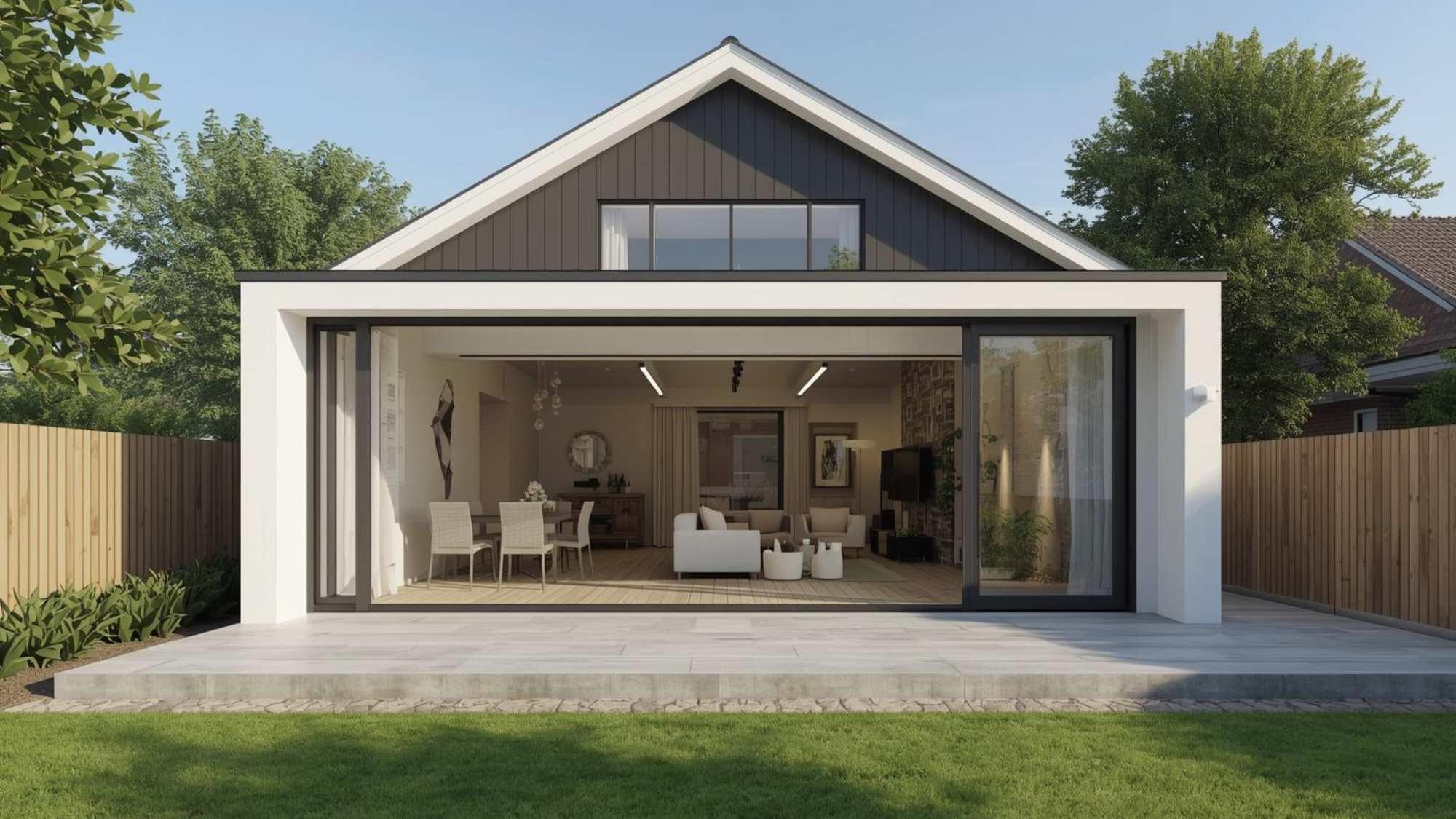
Vinyl siding can last anywhere from two to four decades, and I’ve seen some homes push five or even six decades. But here’s the thing: it doesn’t happen magically. It takes proper care and maintenance done at the right time.
I used to think you could just install vinyl siding and not worry about it. Then I started dealing with warped panels, fading, and cracks. That’s when I learned it actually takes some effort to keep vinyl siding looking good over time.
If you’re like me, wondering how long vinyl siding lasts, I’m going to walk you through what I’ve learned from real problems and real mistakes.
The good news is that upkeep is pretty simple once you know what to look for. In this post, I’ll share easy maintenance steps, warning signs of failure, and when a small repair beats replacement.
What Is Vinyl Siding?
Vinyl siding is a durable plastic covering made from polyvinyl chloride (PVC). It’s the most popular home siding in North America and acts like a protective outer layer that keeps the weather out while making houses look good.
Built to last, vinyl siding typically lasts 20 to 40 years. It won’t rot, resists moisture, and keeps pests away. Homeowners like it because it’s easy to maintain and costs less than wood or brick.
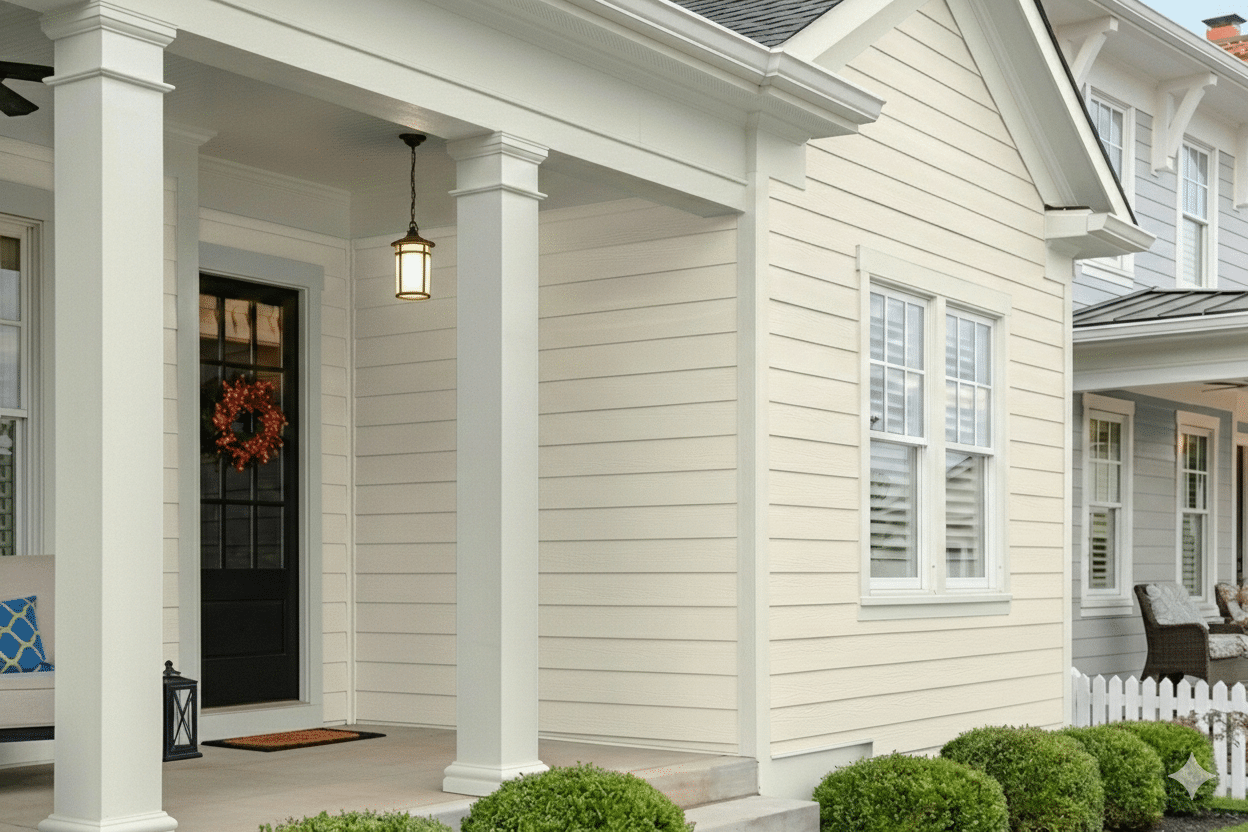
Today’s vinyl siding comes in styles that look like traditional materials such as cedar shakes or stone. You can choose from different looks, including clapboard, Dutch lap, and board-and-batten.
Different Types of Vinyl Siding and Their Lifespan
Not all vinyl siding is created equal. The type someone picks makes a huge difference in how long it’ll actually last. Some options are budget-friendly but won’t go the distance, while others cost more upfront and stick around for decades.
| Vinyl Siding Type | Average Lifespan | Key Factor |
|---|---|---|
| Standard Vinyl | 20-25 years | Thinner material, fades faster |
| Premium Vinyl | 30-40 years | Thicker gauge, better UV protection |
| Insulated Vinyl | 25-35 years | Foam backing adds durability |
| Designer/Specialty | 35-50 years | Top-tier materials and coatings |
Key Factors That Affect Vinyl Siding Lifespan
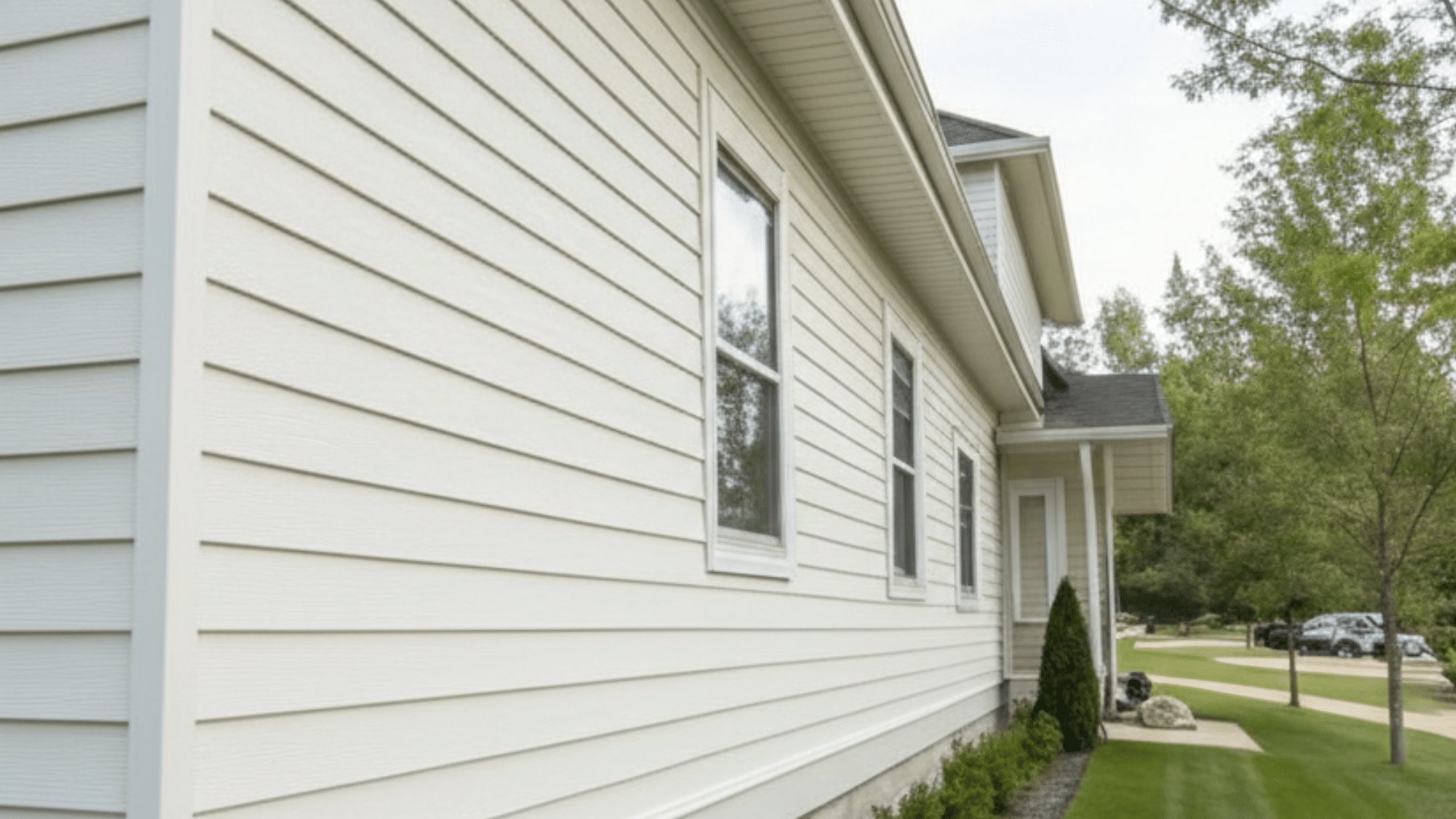
Vinyl siding does not wear out at the same rate on every home. Its lifespan mainly depends on what it is made of, how it was installed, and what it is exposed to every day.
1. Quality and Grade of Material
Premium vinyl can last 50 to 60 years in the right conditions. Better grades have stronger UV protection and resist fading and cracking longer.
However, even premium siding needs basic care like regular cleaning, working gutters, and quick repairs. Installation quality matters just as much. Even the best siding will fail if panels are nailed too tightly or water control details are skipped.
2. Installation Quality
Vinyl expands and contracts with temperature changes. If nailed too tightly or installed with poor spacing, it can buckle, warp, or let water behind panels. Nails should be centered in slots and not driven all the way tight.
When overdriven or placed at slot ends, the siding can’t move freely, and stress points develop. Proper flashing, sealed seams, and good drainage make a huge difference.
3. Climate and Weather Conditions
Weather determines how fast vinyl ages. Strong sun fades and weakens the surface over time. South and west-facing walls show wear first from direct sunlight and heat.
Freeze-thaw cycles make older vinyl brittle, and repeated temperature swings create stress the material can’t handle. Wind and hail crack panels and loosen sections, with even small hailstones leaving divots or cracks.
4. Sun Exposure and UV Damage
Moisture trapped behind siding causes staining, mold growth, and hidden damage. This happens when water enters through poor seams or damaged areas with nowhere to escape.
Good flashing, clean edges, and proper venting reduce this risk. Weep holes at the bottom of the panel let trapped water out. Overflowing gutters or downspouts dump water against foundations, splash up behind siding, and create ongoing problems.
5. Color Choice
Color choice affects lifespan because of heat absorption and sun exposure. Darker colors like navy or deep brown soak up more heat, making them fade, warp, and become brittle faster over 20 to 40 years.
Lighter colors like beige or white reflect sunlight, stay cooler, and hide small color changes longer, extending the siding’s appearance and durability.
6. Surrounding Environment
Small things cause big problems. Sprinklers that constantly soak walls accelerate staining and moisture issues. Grills and heat sources placed too close can warp or melt siding.
Yard tools like weed whackers and lawn mowers scuff, dent, or crack panels. Harsh cleaners and high-pressure washers strip away protective layers or force water behind siding, causing hidden damage that shows up later.
The lifespan of vinyl siding is influenced by several key factors, not just time. Understanding what affects durability can help you predict when repairs or replacement may be needed.
How Vinyl Siding Compares to Other Siding Materials
I always tell people to look at the full picture before choosing siding. Vinyl isn’t the only game in town, and honestly, it’s not always the best choice for everyone. Let me break down how it stacks up against the competition.
| Material | Lifespan | Maintenance | Cost (per sq ft installed) |
|---|---|---|---|
| Vinyl | 20-40 years | Very low | $3-$12 |
| Fiber Cement | 50-100 years | Moderate | $6-$20 |
| Wood | 20-40 years | High (painting, sealing) | $8-$25 |
| Brick | 100+ years | Very low | $15-$30 |
| Metal/Aluminum | 40-70 years | Low | $5-$15 |
Signs Your Vinyl Siding Needs Repair or Replacement
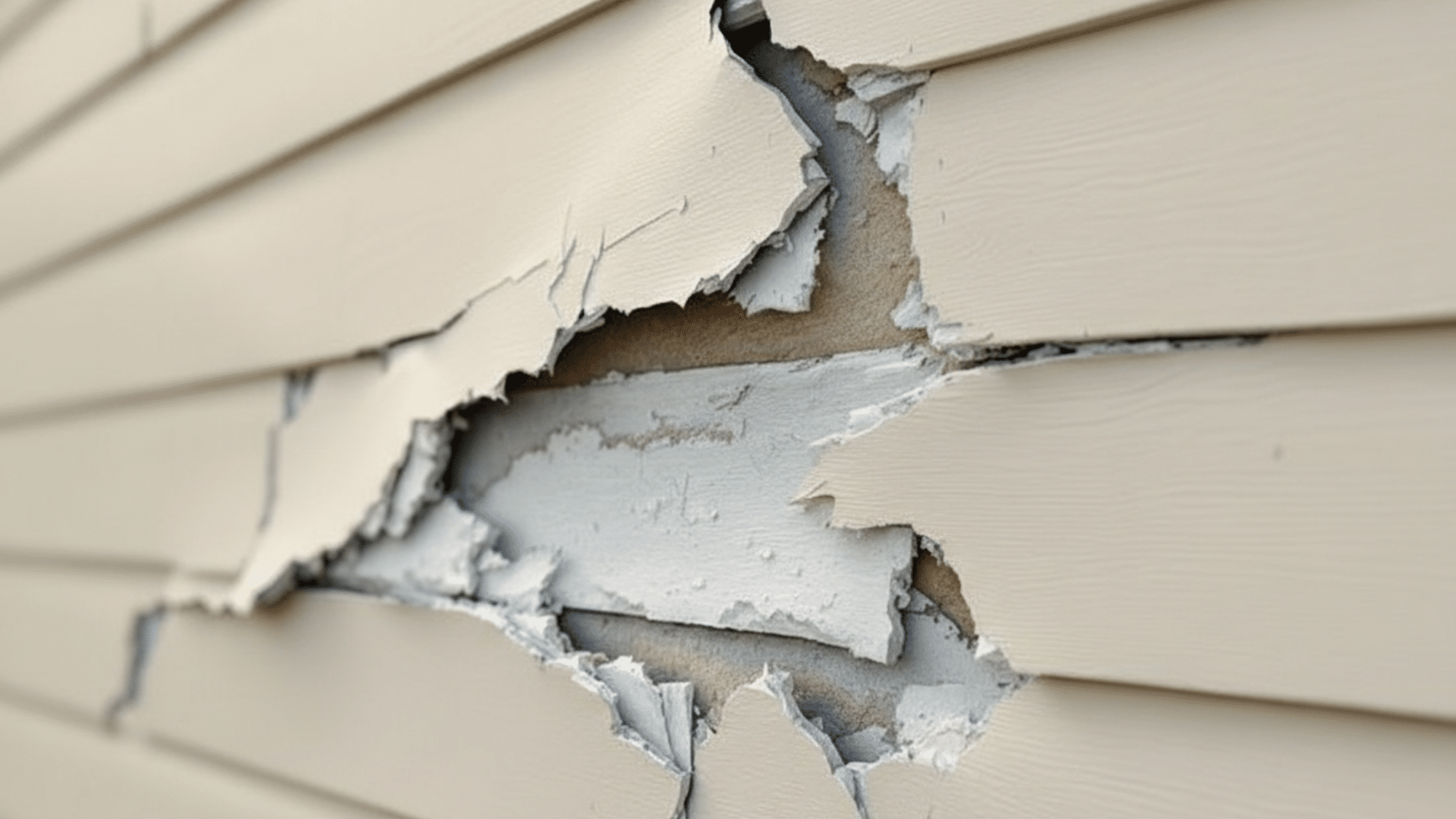
Vinyl siding usually gives you warning signs before it fails. If you catch problems early, you may only need a small repair. If the issues keep spreading, replacement may make more sense.
- Visible Damage: Warping and buckling result from heat stress or tight nails; cracks occur from hail or debris impacts as vinyl becomes brittle with age.
- Moisture Problems You Shouldn’t Ignore: Repeated stains, persistent mildew, or spreading patches signal trapped water behind the siding. Interior peeling paint, bubbling wallpaper, or damp spots near exterior walls require immediate investigation.
- When Fading Means More Than Just Looks: Normal fading becomes concerning when accompanied by warping or brittle panels, indicating material deterioration. New replacement panels may not match older faded sections, creating visibly uneven repairs.
- Higher Energy Bills May Point to Siding Issues: Gaps and loose panels allow air infiltration through walls, compromising insulation effectiveness. Check for drafts, rising energy costs, openings, loose seams, and separating trim pieces.
- Gaps That Let Pests Inside: Gaps and loose edges create entry points for insects and animals; look for nesting, droppings, or chewing damage. Multiple weak spots with repeated pest activity indicate the need for extensive repairs or full replacement.
Should You Repair or Replace Vinyl Siding?
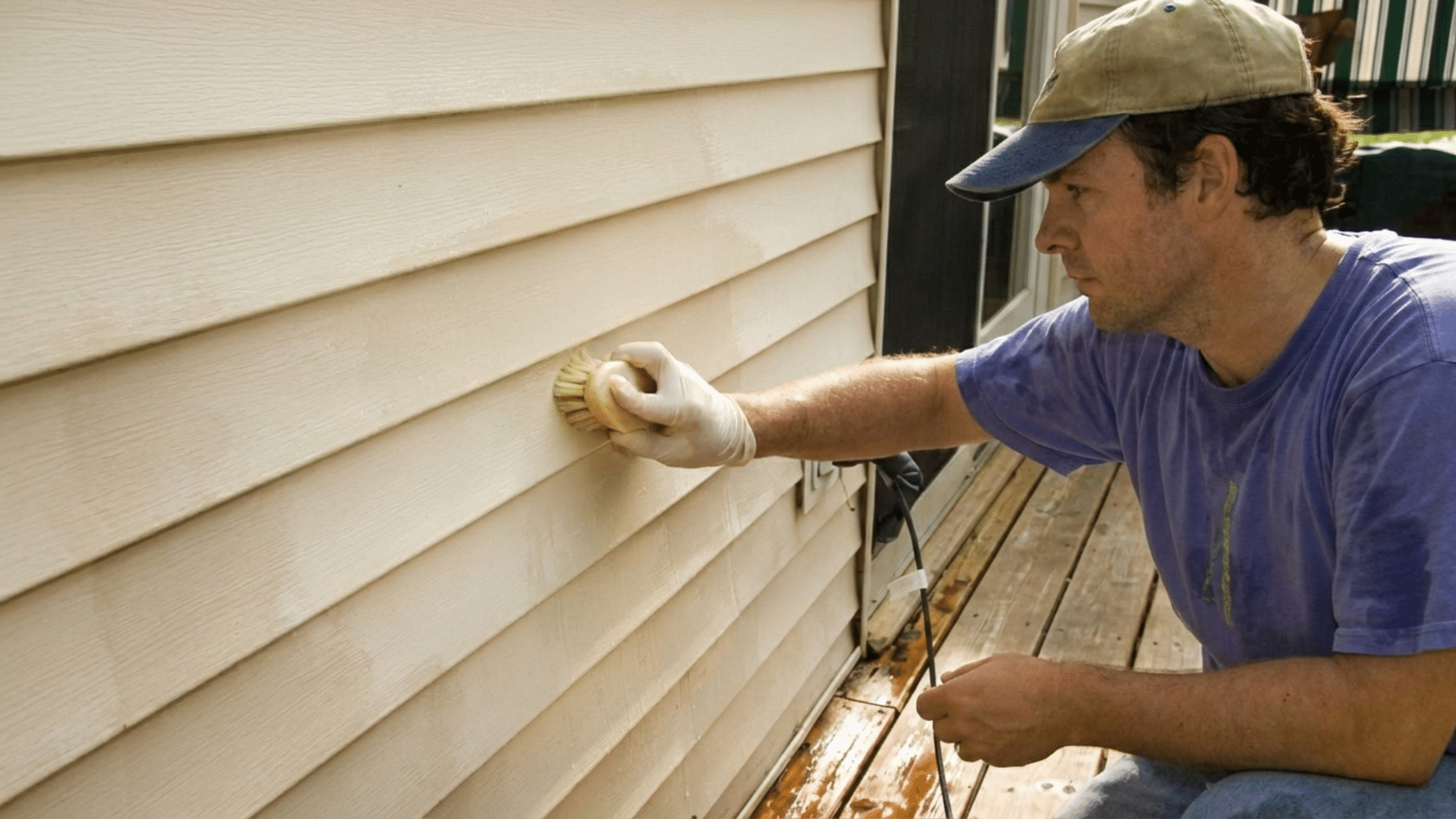
Sometimes a quick fix does the trick, but other times you’re just throwing good money after bad. Here’s how I decide which route to take.
When to Repair:
- Small cracks or holes (less than a few inches)
- A few loose or damaged panels
- Damage is in one isolated area
- Siding is less than 15 years old
When to Replace:
- Widespread cracking or warping across multiple walls
- Severe fading or color loss
- Rot or mold underneath the panels
- Siding is over 25 years old and showing its age
The truth is, patchwork only goes so far. If you’re fixing something every season, replacement saves you headaches down the road.
What People Say About Vinyl Siding Lifespan
People suggest vinyl siding is not truly a “lifetime” material, and that around 25 years can be a normal point for noticeable wear.
The siding is described as showing cracks, becoming brittle from the sun and weather, and even having sections come loose during storms.
The overall lifespan is typically 20–40 years, with significant differences depending on vinyl thickness, sun exposure, and local climate.
It’s also noted that newer vinyl may not remain flexible as long due to changes in manufacturing materials over time. Many point out that replacing only damaged pieces can make the siding look uneven because aged siding fades, making color matching difficult.
Maintenance Tips to Extend Your Vinyl Siding’s Lifespan
A little upkeep goes a long way with vinyl siding. When you keep it clean, watch for small issues, and manage water around your home, you can help it last closer to the higher end of its lifespan.
- Clean Vinyl Siding More Often: Clean siding once or twice yearly with a garden hose, a soft-bristled brush, and mild soap; address green or black spots immediately to prevent spreading.
- Inspect Your Siding: Check siding annually and after major storms, focusing on corners, seams, windows, doors, foundation lines, and areas behind bushes or decks.
- Fix Small Problems Before They Get Bigger: Small damage is easier and cheaper to repair; the main risk is water infiltration behind the siding. Replace cracked panels, reattach loose sections, fix trim around openings, and seal gaps where water can enter.
- Gutters Matter for Siding Lifespan: Clogged gutters cause water overflow that continuously soaks siding, leading to stains and moisture infiltration behind panels.
- Check Each Season: In spring and summer, wash off pollen and mildew early, check sun-exposed sides for warping or fading, and keep grills at safe distances. In fall and winter, clean gutters before heavy precipitation, prevent snow from piling against siding, and inspect for storm damage.
Final Thoughts
So, how long does vinyl siding last? Now you know it’s not just about the number on the box. It’s about quality, installation, maintenance, and a bit of luck with Mother Nature.
I’ve seen people get 40 solid years from their siding, and I’ve watched others replace theirs in under two decades. The difference comes down to smart choices from day one.
Pick quality materials, hire someone who actually knows what they’re doing, and stay on top of simple maintenance. Do that, and your siding will protect your home for decades.
Ready to make the right call? Get a few quotes from local contractors and ask the tough questions. Your home deserves siding that lasts.
Frequently Asked Questions (FAQs)
Can You Replace One Section Only?
Often yes. If the damage is limited, replacing a small section or a few panels is common.
What is the Cost of Vinyl Siding Replacement?
Cost depends on home size, siding quality, labor rates, removal of old siding, complexity around openings, and whether repairs are needed underneath, like sheathing, insulation, or moisture damage.
Is It Cheaper to Paint Vinyl Siding or Replace It?
Painting is usually cheaper upfront if the siding is still in good shape. If the siding is old, warped, or has moisture problems, replacement can be the better long-term value.