
You know that feeling when you walk into a cluttered room, and your brain just freezes? It’s overwhelming. You want to clean up, but where do you even start?
That’s where a declutter your home checklist comes in handy. Think of it as your roadmap to reclaiming your space, one simple step at a time.
No fancy organizing systems or expensive containers needed, just a straightforward plan that actually works. But here’s the thing most people don’t realize about decluttering.
It’s not just about throwing stuff away or making things look pretty. There’s a specific order that makes everything easier, and once you find it, you’ll wonder why you ever struggled in the first place.
How to Prepare for a Successful Declutter
Before diving into the chaos, a little prep work goes a long way. Getting ready doesn’t take much time, but it makes the whole process smoother and less stressful.
- Set aside dedicated time: Block out at least 2-3 hours so there’s no rushing through it. Decluttering takes longer than most people think, and stopping halfway through just creates a bigger mess.
- Gather supplies: Boxes, trash bags, and labels make sorting way easier. Having everything ready means no interruptions to hunt down a marker or extra bag when momentum is building.
- Choose one area to start: Tackling the entire house at once leads to burnout. Pick a single room or even just one closet, and the sense of accomplishment will fuel the next session.
- Get in the right mindset: This isn’t about perfection; it’s about progress. Let go of guilt about past purchases, and focus on creating a space that works better now.
- Ask for help if needed: Sometimes a friend’s perspective makes decision-making simpler. They won’t have emotional attachments to items and can offer honest feedback when someone’s stuck.
Ultimate Room-by-Room Declutter Your Home Checklist
A clutter-free home feels lighter, calmer, and easier to manage, and it doesn’t have to happen all at once. Use this room-by-room checklist to clear out what you don’t need, make space for what you do, and see instant progress with every step.
Kitchen Items to Declutter
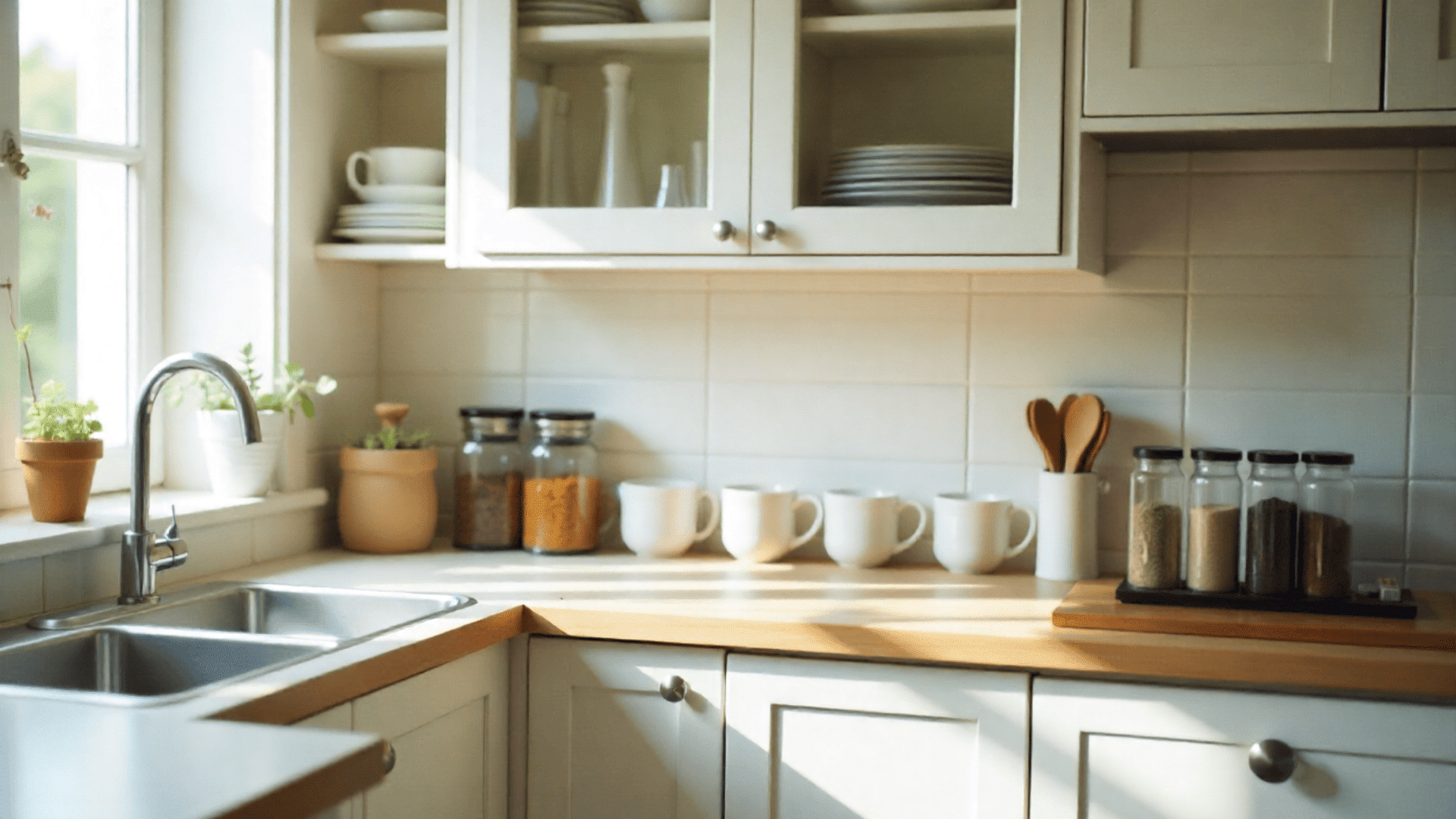
The kitchen tends to collect more stuff than any other room. Random gadgets, duplicate tools, and expired pantry items take up valuable space, and most of them never get used anyway.
Expired spices: They lose flavor after a year, so keeping them around is pointless.
Chipped or stained mugs: No one wants to drink from damaged dishware, yet they linger in cabinets.
Duplicate spatulas and spoons: One good spatula works better than five mediocre ones cluttering the drawer.
Takeout containers without lids: Mismatched pieces just create frustration when searching for a set that fits.
Single-use gadgets: That avocado slicer or banana holder seemed clever once, but it’s been gathering dust ever since.
Worn-out dish towels: Frayed, stained towels don’t clean well and make the kitchen look messy.
Old plastic containers: Warped or discolored plastic can leach chemicals and doesn’t seal properly anymore.
Unused small appliances: If that waffle maker hasn’t been touched in two years, it’s not suddenly going to become essential.
Mismatched food storage lids: They take up space and cause endless searching for the right match.
Promotional cups and water bottles: Free doesn’t mean useful, and these pile up fast.
Outdated cookbooks: Most recipes are online now, and those heavy books just collect grease splatters.
Bent or broken utensils: A warped spatula or dull peeler makes cooking harder than it needs to be.
Excessive coffee mugs: Even coffee lovers don’t need 20 mugs when they use the same two every day.
Mystery Tupperware: If no one remembers what brand it is or where the lid went, it’s time to let it go.
Appliance manuals for things already owned: Most manuals are available as PDFs online, so the paper versions just clutter drawers.
Novelty kitchen tools: That egg separator shaped like a chicken was funny as a gift, but it doesn’t need permanent residence.
Expired pantry items: Old flour, stale crackers, and ancient canned goods aren’t doing anyone any favors.
Old magazines and newspapers: They pile up fast, and honestly, no one goes back to read them.
Broken or unused remote controls: Remotes for devices that were replaced years ago just clutter the coffee table.
Excess throw pillows: Too many pillows make sitting uncomfortable, and they end up on the floor anyway.
Dusty decorative items: Knick-knacks that require constant dusting but add no real joy aren’t worth keeping.
Tangled cords and chargers: Mystery cables from old electronics create visual clutter and serve no purpose.
DVDs and CDs: Streaming has replaced physical media for most people, so these cases just take up shelf space.
Outdated books: Books that won’t be reread or referenced again deserve to find new homes where they’ll be appreciated.
Broken furniture: That wobbly side table or cracked lamp base isn’t adding anything except an eyesore.
Unused board games: Games with missing pieces or ones no one plays anymore just gather dust in the cabinet.
Excessive photo frames: A few meaningful photos create impact, but too many make walls look cluttered and busy.
Old candles: Half-burned candles that smell weird or have blackened wicks aren’t worth the shelf space.
Worn-out blankets: Pilled, faded throws don’t provide comfort and make the space look shabby.
Promotional tote bags: They accumulate fast and rarely get used, yet they stuff closets and corners.
Dead plants: Brown, wilted plants bring down the room’s energy instead of adding life to it.
Kid toys that aren’t played with: Toys scattered everywhere lose their appeal, and the favorites always rise to the top.
Clothes that don’t fit: Holding onto jeans from five years ago just creates guilt every time someone opens the closet.
Old bedding and sheets: Worn-out linens with holes or stains don’t provide the comfort a bedroom needs.
Expired medications on nightstands: Old pills lose effectiveness and can be dangerous, yet they linger in drawers for years.
Unused jewelry: Tangled necklaces and earrings that never get worn just make finding favorite pieces harder.
Old perfumes and colognes: Fragrances expire and smell off after a few years, so keeping them serves no purpose.
Empty shoe boxes: They seemed useful once, but now they’re just stacked in corners collecting dust.
Clothes with tags still on: If something hasn’t been worn in six months, it’s not suddenly going to become a favorite.
Worn-out shoes: Scuffed heels and sneakers with holes don’t deserve closet space when they’re never worn out.
Multiple alarm clocks: Most people use their phones now, so extra clocks are just unnecessary.
Excessive hangers: Wire and broken hangers create tangles and make hanging clothes frustrating.
Magazine and book piles on nightstands: They collect dust and make surfaces feel chaotic instead of calming.
Childhood stuffed animals: Sentimental value is real, but keeping every stuffed toy from the past isn’t practical for adults.
Old purses and bags: Damaged straps and outdated styles take up valuable closet real estate.
Mismatched or holey socks: Solo socks without partners aren’t coming back together, and ones with holes just feel uncomfortable.
Clothes waiting for repairs: If that missing button hasn’t been sewn on in a year, it’s probably not happening.
Expired makeup: Mascara older than three months can harbor bacteria, and foundation separates and changes color over time.
Old razors: Dull blades cause irritation and nicks, so holding onto them doesn’t make sense.
Sample-size toiletries: Hotel shampoos seem handy, but they pile up unused and take valuable space.
Dried-out nail polish: Goopy, separated polish doesn’t apply well and just frustrates anyone trying to use it.
Worn-out towels: Thin, scratchy towels that don’t absorb water anymore aren’t doing their job.
Empty bottles in the shower: Keeping empties around creates visual clutter and makes the space feel messy.
Expired sunscreen: Sunscreen loses effectiveness after its expiration date, so it won’t provide proper protection anymore.
Old toothbrushes: Dentists recommend replacing them every three months, yet spares accumulate in drawers indefinitely.
Half-used products that didn’t work: That shampoo that caused dandruff or lotion with a weird smell won’t suddenly become better.
Medication bottles that are empty: Empty prescription bottles serve no purpose and just clutter medicine cabinets.
Broken hair tools: Hair dryers that overheat or straighteners with frayed cords are safety hazards.
Old contact lens cases: Used cases can harbor bacteria, and extras from past prescriptions aren’t needed.
Rusty or moldy shower caddies: Damaged organizers make bathrooms look dingy and don’t hold items securely.
Travel-size containers: Those refillable bottles seemed practical once, but they’ve been sitting empty for years.
Bath products from gift sets: Scented body wash that smells too strongly or bubble bath that irritates skin won’t get used.
Pens that don’t write: Testing every pen just to find one that works wastes time and creates frustration.
Old paperwork and receipts: Papers from years ago that aren’t needed for taxes just pile up and create fire hazards.
Dried-out markers and highlighters: They leave streaky lines and don’t serve their purpose anymore.
Broken staplers and tape dispensers: Fighting with jammed or broken tools makes simple tasks unnecessarily difficult.
Outdated electronics: Old keyboards, mice, and external drives that no longer work just gather dust.
Tangled cables and cords: Mystery cables create knots and make desks look chaotic, and most don’t fit current devices anyway.
Business cards from years ago: Contacts that were never followed up on won’t suddenly become useful now.
Old calendars and planners: Last year’s schedule serves no purpose and takes up drawer space.
Notebooks with only a few pages used: Half-filled notebooks pile up, yet starting a new one always seems easier than finding the old ones.
Promotional pens and notepads: Freebies from conferences and events accumulate fast but rarely get used.
Outdated tech manuals: Most instructions are available online, so bulky paper manuals just waste space.
Old flash drives: Tiny storage capacity and questionable reliability make them obsolete compared to cloud storage.
Sticky notes everywhere: Important reminders get lost in a sea of faded, curled notes stuck to every surface.
Expired gift cards: Cards with small balances or from closed businesses won’t ever get redeemed.
Promotional swag: Branded stress balls and keychains seemed fun once, but now they’re just desk clutter.
Broken toys: Toys missing pieces or with snapped parts don’t get played with and just create hazards on the floor.
Outgrown clothes: Jeans that are too short or shirts that don’t fit anymore just take up dresser space.
Dried-out art supplies: Markers that don’t color and playdough that’s as hard as a rock won’t spark creativity.
Incomplete puzzles: Missing pieces make puzzles impossible to finish, so they cause frustration instead of fun.
Baby items for older kids: Rattles and teething toys lose relevance once children grow past that stage.
Books they’ve outgrown: Board books for toddlers don’t interest grade-schoolers, and they deserve readers who’ll enjoy them.
Stuffed animals they don’t play with: A mountain of plush toys creates clutter when only a few favorites actually get cuddles.
Games with missing pieces: Board games that can’t be played properly just disappoint kids every time they try.
Old school papers and artwork: Saving every drawing is sweet, but mountains of paper overwhelm closets and lose meaning.
Duplicate toys: Three fidget spinners or five toy cars of the same type means some can go to kids who’ll use them.
Fast food toys: Cheap plastic prizes break easily and pile up fast, yet they rarely become favorites.
Outgrown sports equipment: Bikes that are too small or skates that don’t fit won’t magically work again.
Worn-out bedding: Sheets with ripped seams or faded character prints that kids have outgrown don’t provide comfort.
Broken electronics: Tablets with cracked screens or toys that no longer turn on just collect dust.
Party favors and goodie bag items: Cheap trinkets from birthday parties break within days and clutter toy bins.
Shoes that aren’t worn: Scuffed dress shoes or uncomfortable heels that never leave the closet just take up floor space.
Old mail and junk flyers: Unopened catalogs and expired coupons pile up on tables and create a visual mess.
Broken umbrellas: Umbrellas with bent spokes or torn fabric won’t keep anyone dry, so they’re useless.
Reusable bags stuffed everywhere: Twenty grocery bags seem practical until they’re overflowing from hooks and bins.
Coats for the wrong season: Heavy winter jackets in July take up space that current-season items need.
Single gloves and mismatched mittens: Lone gloves without partners won’t magically reunite after months of separation.
Expired coupons and gift cards: Old offers that can’t be used anymore just clutter wallets and bowls.
Keys to unknown locks: Mystery keys that don’t open anything current serve absolutely no purpose.
Worn-out doormats: Mats that are falling apart or permanently stained make the entrance look shabby.
Old sports equipment: Deflated basketballs or broken tennis rackets sitting by the door won’t get fixed.
Pet leashes that broke: Frayed or snapped leashes aren’t safe for walks and should be replaced, not stored.
Packages to return that never got sent: Items sitting for months won’t be accepted for return anymore anyway.
Outgrown kid items: Baby carriers or toddler shoes that no longer fit just create obstacles.
Random items without homes: Things that land in the entryway because they don’t belong anywhere else need permanent spots.
Promotional magnets and business cards: Freebies from local businesses pile up on key holders and offer no real value.
A clearer kitchen makes cooking more enjoyable. When everything has a purpose and a place, meal prep becomes less of a chore and more of something to actually look forward to.
Living Room Decluttering Checklist

The living room should be a relaxing space, but it often becomes a dumping ground for everything that doesn’t have a home. Old magazines, random cords, and forgotten decor pile up until the room feels chaotic instead of cozy.
A decluttered living room becomes the retreat it’s meant to be. When surfaces are clear and only meaningful items remain, relaxation comes naturally instead of feeling like something to work toward.
Bedroom Decluttering Checklist
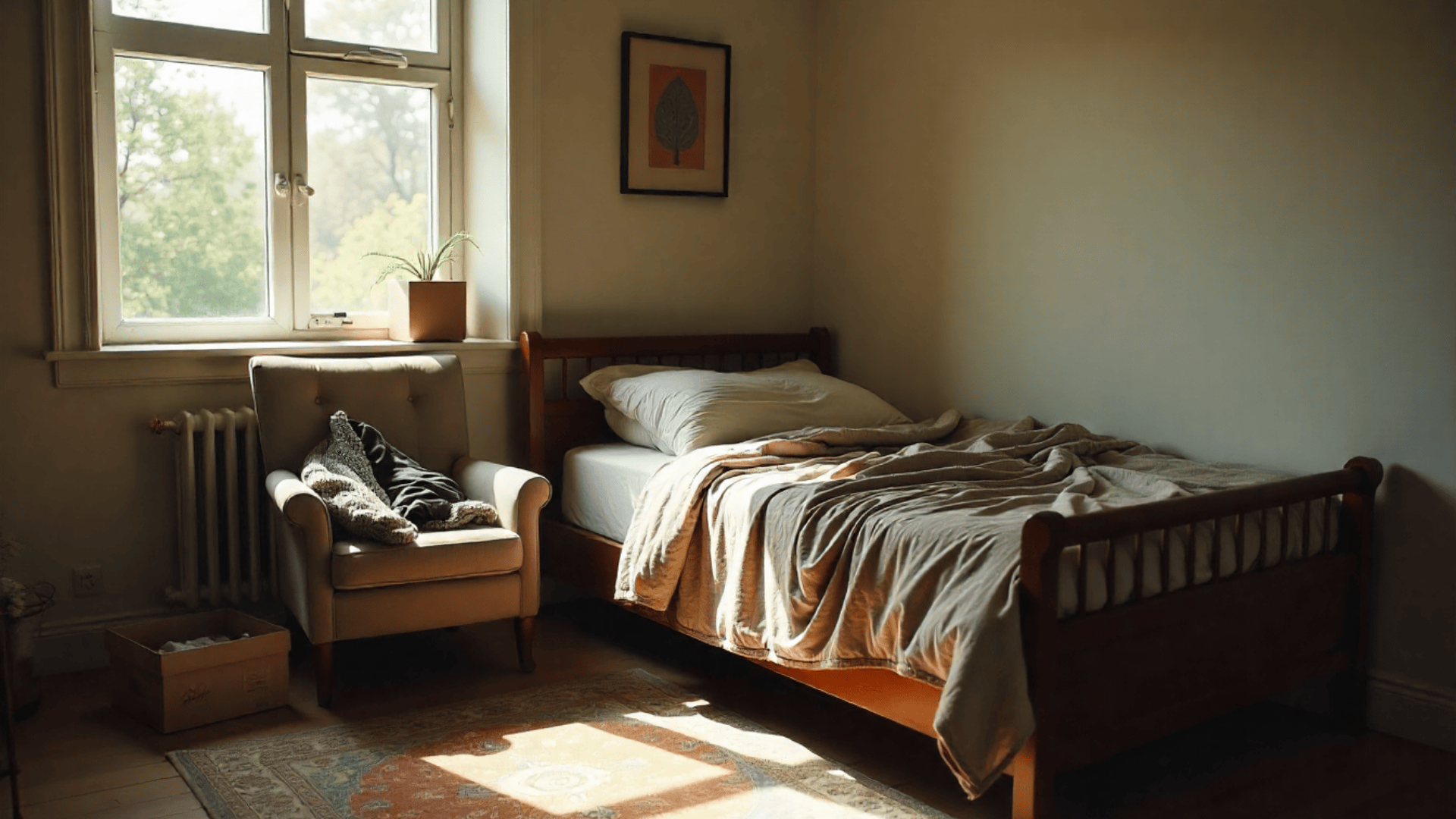
Bedrooms are supposed to be peaceful sanctuaries, but clutter sneaks in and disrupts sleep and relaxation. Overflowing closets, packed nightstands, and clothes piled on chairs make it hard to unwind at the end of the day.
A streamlined bedroom promotes better sleep and less stress. When closets aren’t bursting, and surfaces are clear, getting ready becomes easier, and the space actually feels restful.
Bathroom Decluttering Checklist
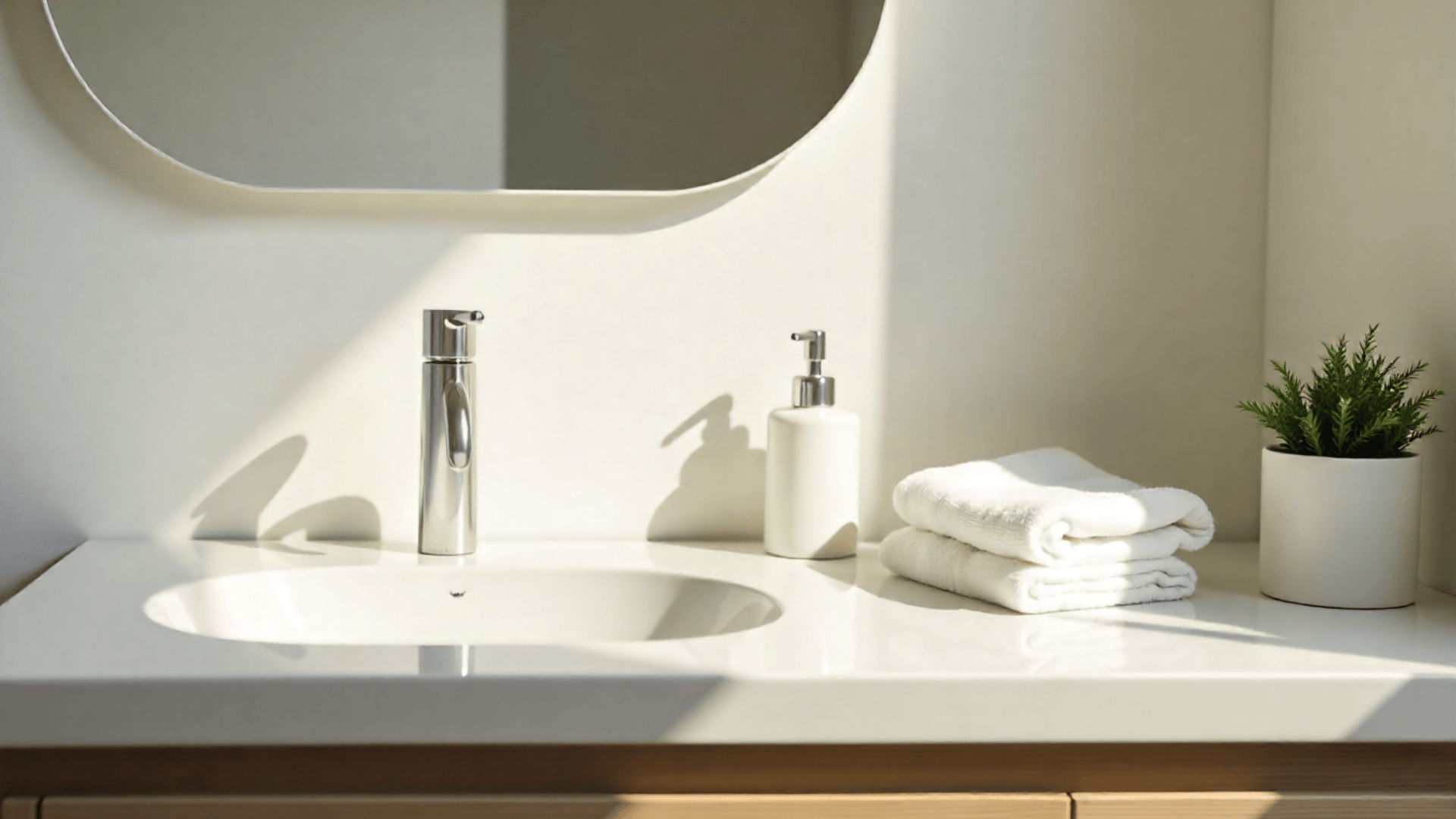
Bathrooms may be small, but they accumulate an impressive amount of clutter. Old products, dried-up cosmetics, and hotel toiletries crowd shelves and drawers until finding anything becomes a treasure hunt.
A clean, organized bathroom makes morning routines smoother and more pleasant. When cabinets only hold products that actually get used, there’s less stress and more space for the essentials that matter.
Home Office Decluttering Checklist
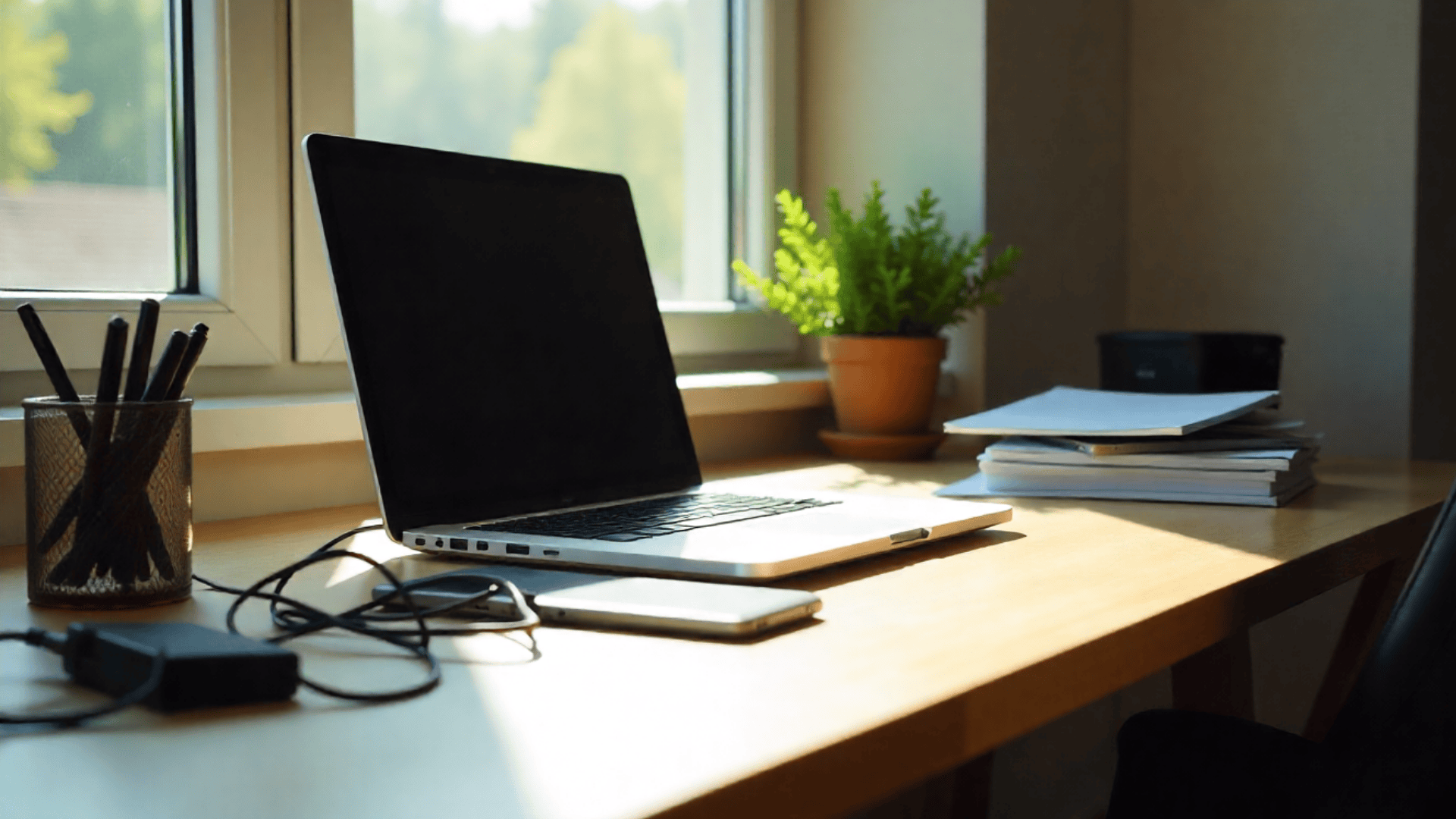
Home offices quickly become cluttered with papers, old tech, and office supplies that stopped working months ago. A messy workspace kills productivity and makes focusing on actual work nearly impossible.
A tidy office boosts focus and efficiency. When the workspace only contains functional items and important documents, getting work done becomes easier and less overwhelming.
Kids’ Room Decluttering Checklist
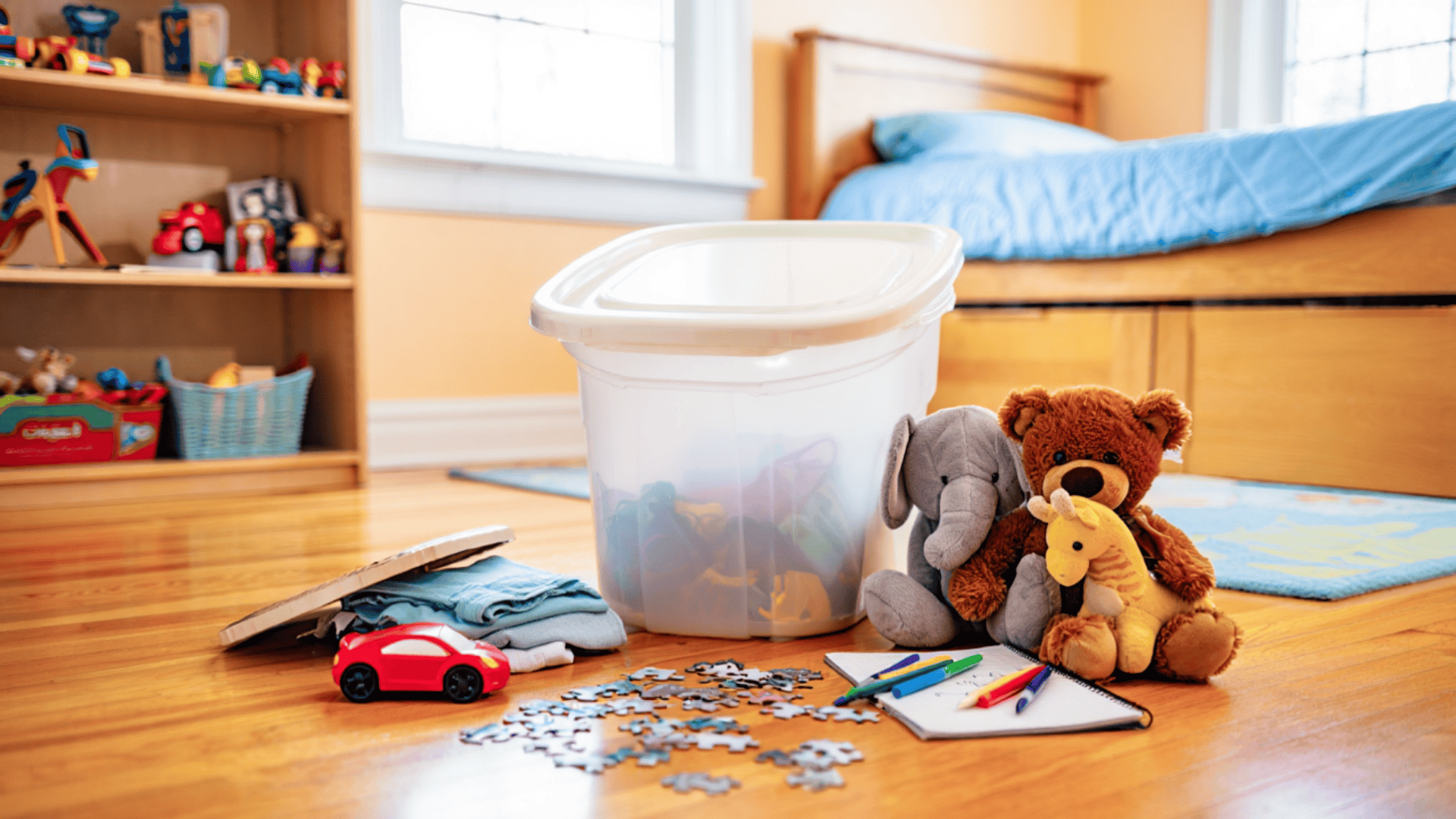
Kids’ rooms can become overwhelming fast with outgrown toys, broken items, and things they’ve simply lost interest in. Clearing out the clutter helps children focus better and makes cleanup time way less stressful for everyone.
A decluttered kids’ room makes playtime more enjoyable and cleanup less of a battle. When children can see and access their favorite items easily, they play more creatively and take better care of their belongings.
Entryway Decluttering Checklist
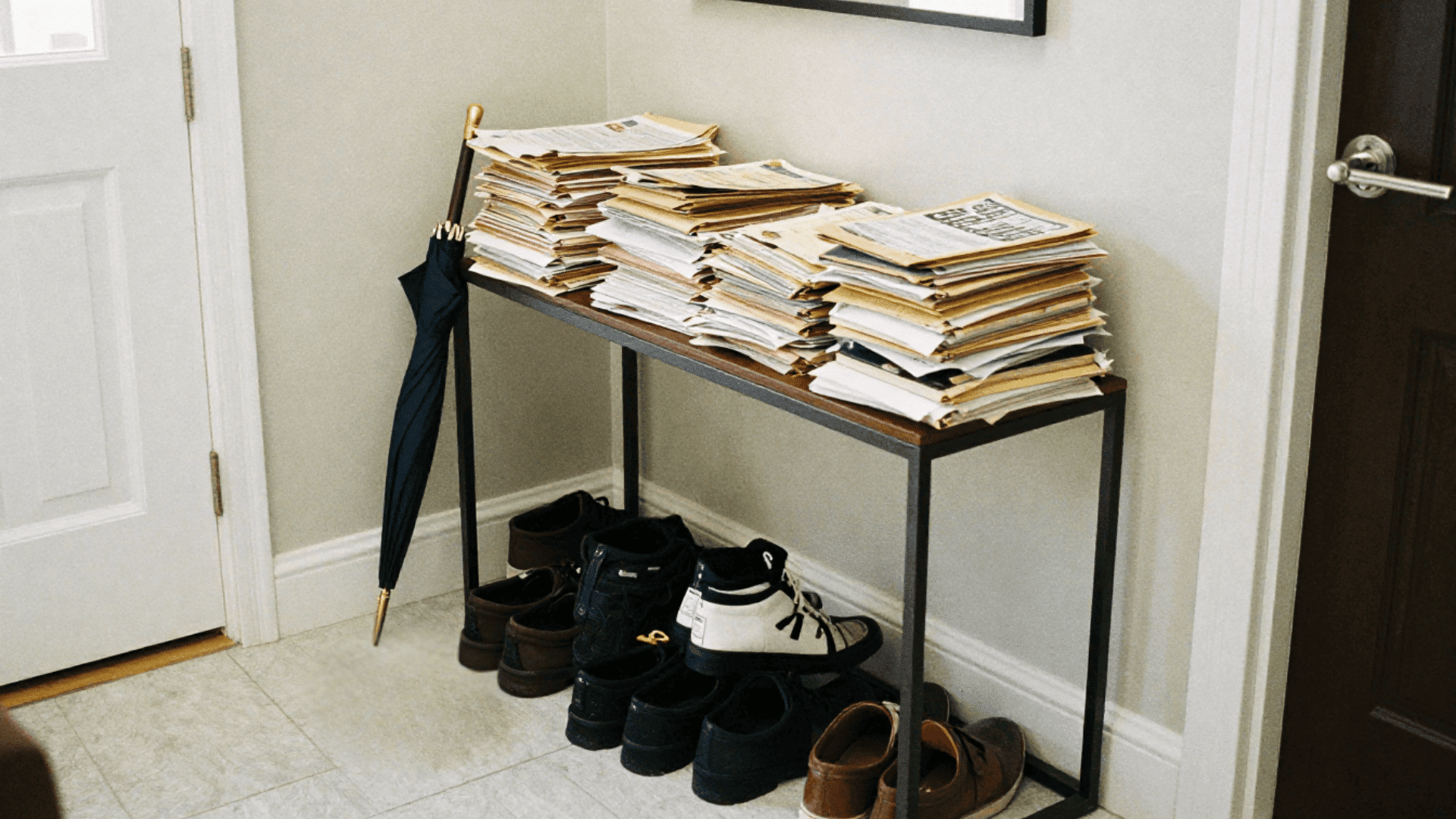
The entryway sets the tone for the entire home, yet it often becomes a catch-all for everything coming in and out. Piles of shoes, old mail, and random items create chaos right at the front door.
A clear entryway makes coming and going smoother for everyone. When only current essentials have a spot, the space feels welcoming instead of overwhelming from the moment someone walks through the door.
Click here to download the free checklist pdf.
What to Do With Decluttered Items
Once items are sorted, deciding what happens next keeps the momentum going. Different items deserve different destinations, and knowing the options makes the process less overwhelming.
- Donate to local charities: Gently used clothing, furniture, and household goods help people in need while clearing space.
- Sell valuable items online: Marketplace apps and resale sites turn unwanted stuff into extra cash.
- Recycle what can’t be donated: Electronics, batteries, and certain plastics have specific recycling programs in most areas.
- Gift to friends or family: Items in good condition might be perfect for someone who actually needs them.
- Trash what’s truly unusable: Broken, stained, or damaged items that can’t be repaired should just go in the garbage.
Summing It Up
Decluttering feels like a massive project, and honestly, it can be. But with a declutter your home checklist, tackling one room at a time makes the whole thing manageable.
Each cleared space builds confidence and momentum for the next area. The change isn’t just about having less stuff; it’s about creating a home that actually works.
Less time searching for things, less stress looking at piles, and more room to breathe. Every item removed makes daily life a little easier.
So grab some bags and start with just one room today. Little progress beats no progress, and a clearer home is waiting on the other side of that first step.