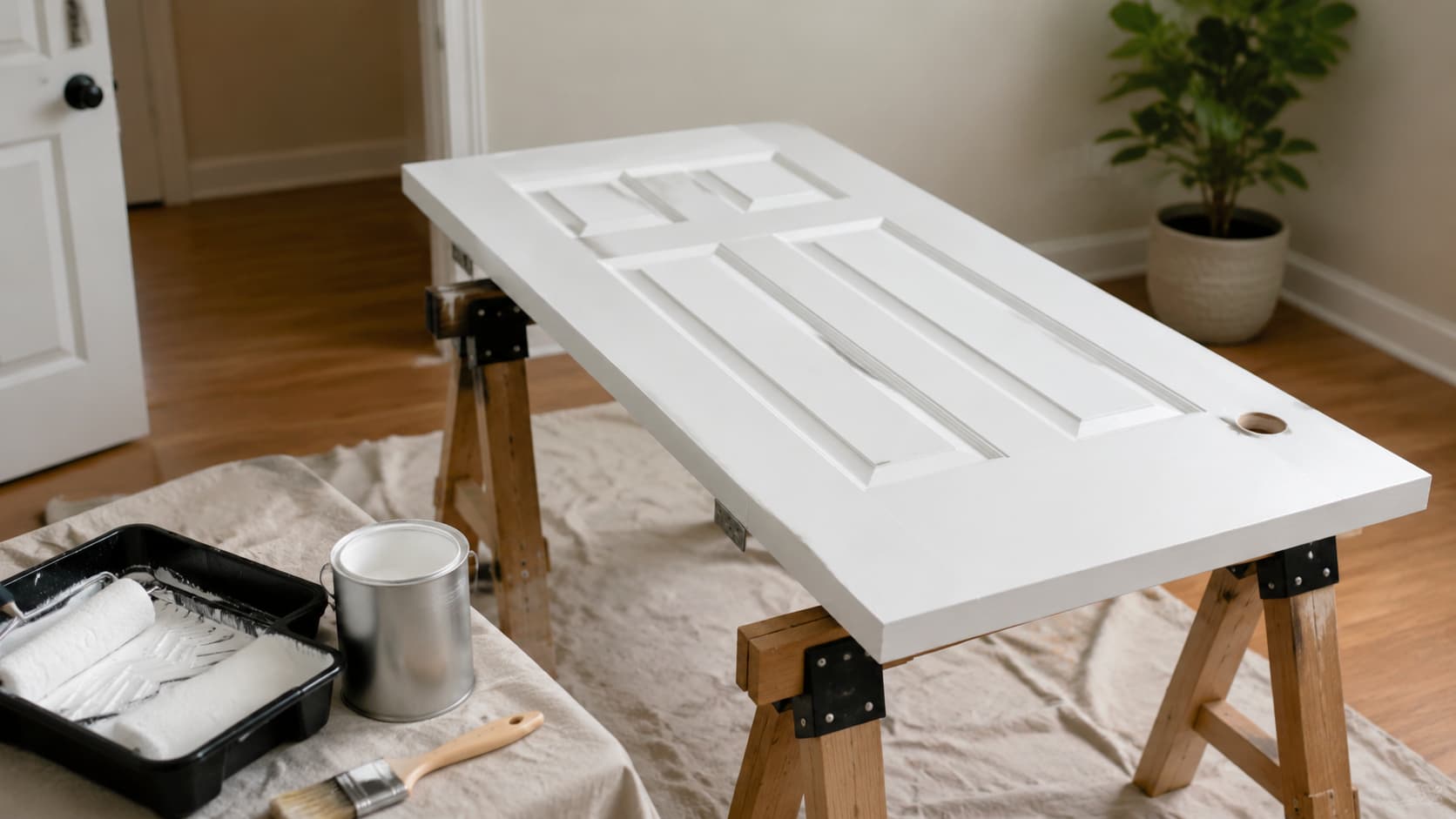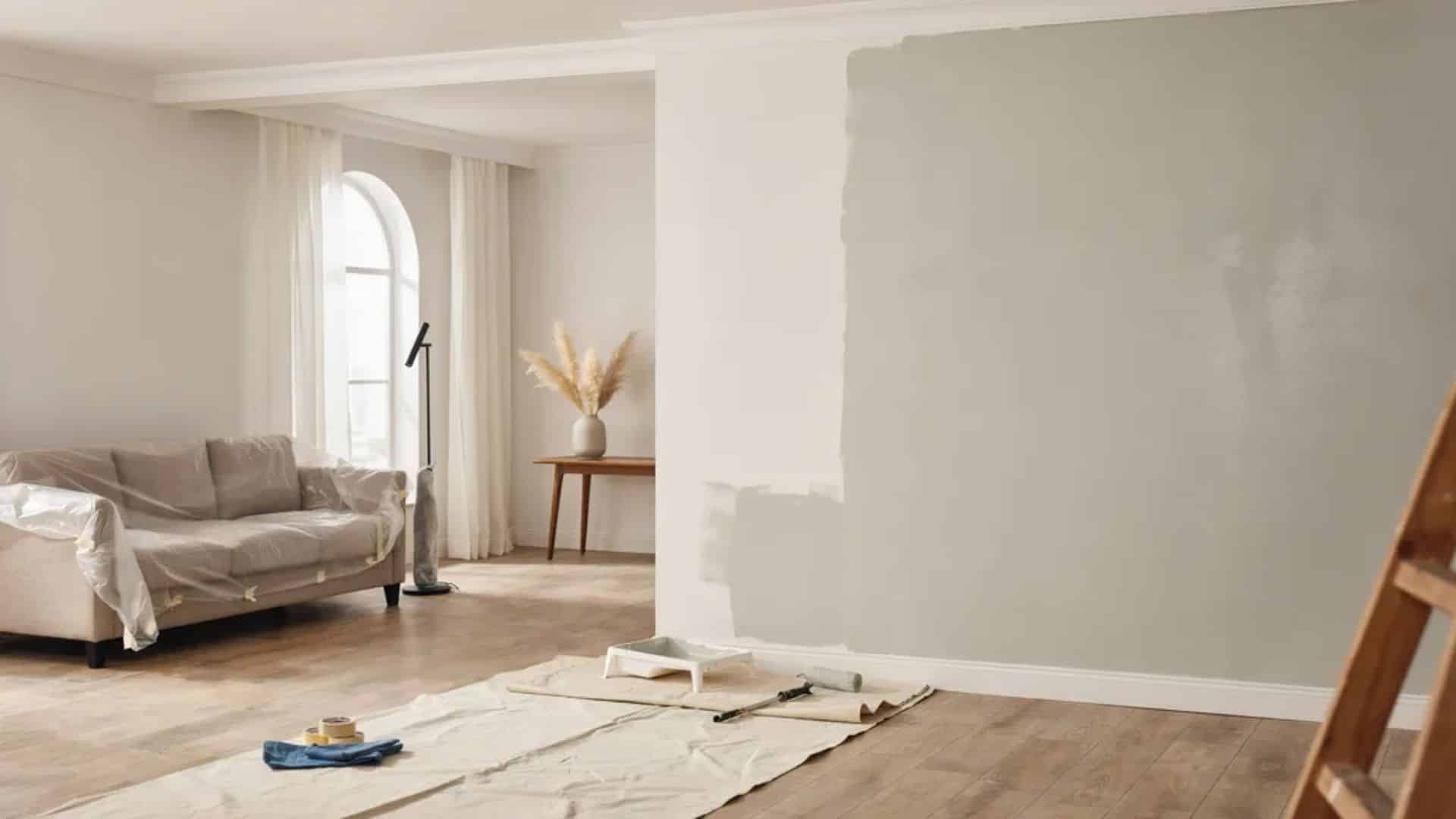
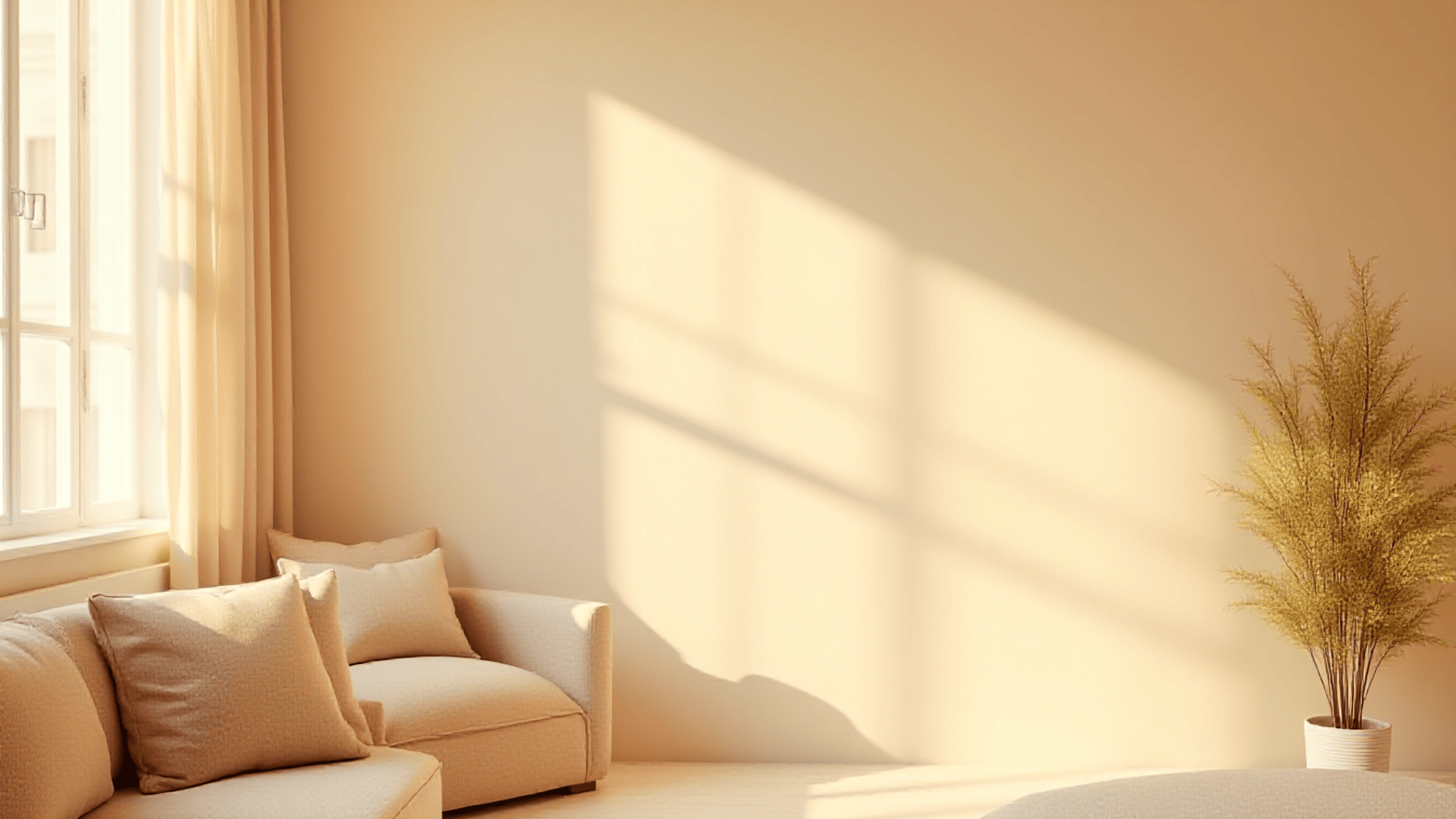
Choosing paint can honestly feel like a puzzle. One minute, the wall looks perfect on a tiny sample card, and the next, it’s drying on the wall, looking completely different under your lighting.
Then there’s the finish debate: glossy, flat, matte, eggshell, satin, and suddenly it feels like picking a paint sheen requires a design degree.
But there’s one finish that comes up constantly in my client projects, and it’s the same one that keeps showing up in designer portfolios and home renovation shows: satin paint on walls.
Satin paint on walls is one of those choices that makes a space feel “done” and practical at the same time. And once someone sees how it behaves in natural light, it becomes hard to unsee.
So what makes it so different from the rest? The answer surprises people more often than expected.
What is Satin Paint?
Satin paint sits right in the middle of the paint sheen spectrum. The best way to describe it is a soft, velvety glow, almost like the finish of a pearl. It reflects light, but gently, not in a loud “look at me” way.
There’s enough sheen to create a smooth, slightly luminous surface, but it doesn’t scream glossy. When light hits satin-painted walls, it bounces back softly, making the room feel warmer. It’s subtle, but it changes the mood of the space.
Most paint brands list satin finishes at 25–35% sheen, though it varies a bit by brand. In the design world, satin is basically the Goldilocks finish: not too matte, not too shiny, just right.
Advantages and Disadvantages of Satin Paint on Walls
Every paint finish has a personality. Satin is no exception. It can be a dream in the right room and mildly annoying if the walls aren’t ready for it. Before recommending it, these are the pros and cons that always come up.
| Advantages | Disadvantages |
|---|---|
| Easy to clean with just soap and water | Shows imperfections on uneven walls |
| Durable and resists moisture well | Touch-ups can be tricky and may show |
| Works in high-traffic areas like hallways | Costs more than flat or matte paint |
| Hides minor wall flaws better than glossy paint | Requires proper surface prep before painting |
| Reflects light beautifully without glare | Not ideal for ceilings due to the sheen |
Best Rooms for Satin Paint
Not every room needs satin. In fact, putting satin everywhere isn’t always the move. But in certain rooms? It’s one of the smartest decisions you can make.
1. Living Rooms
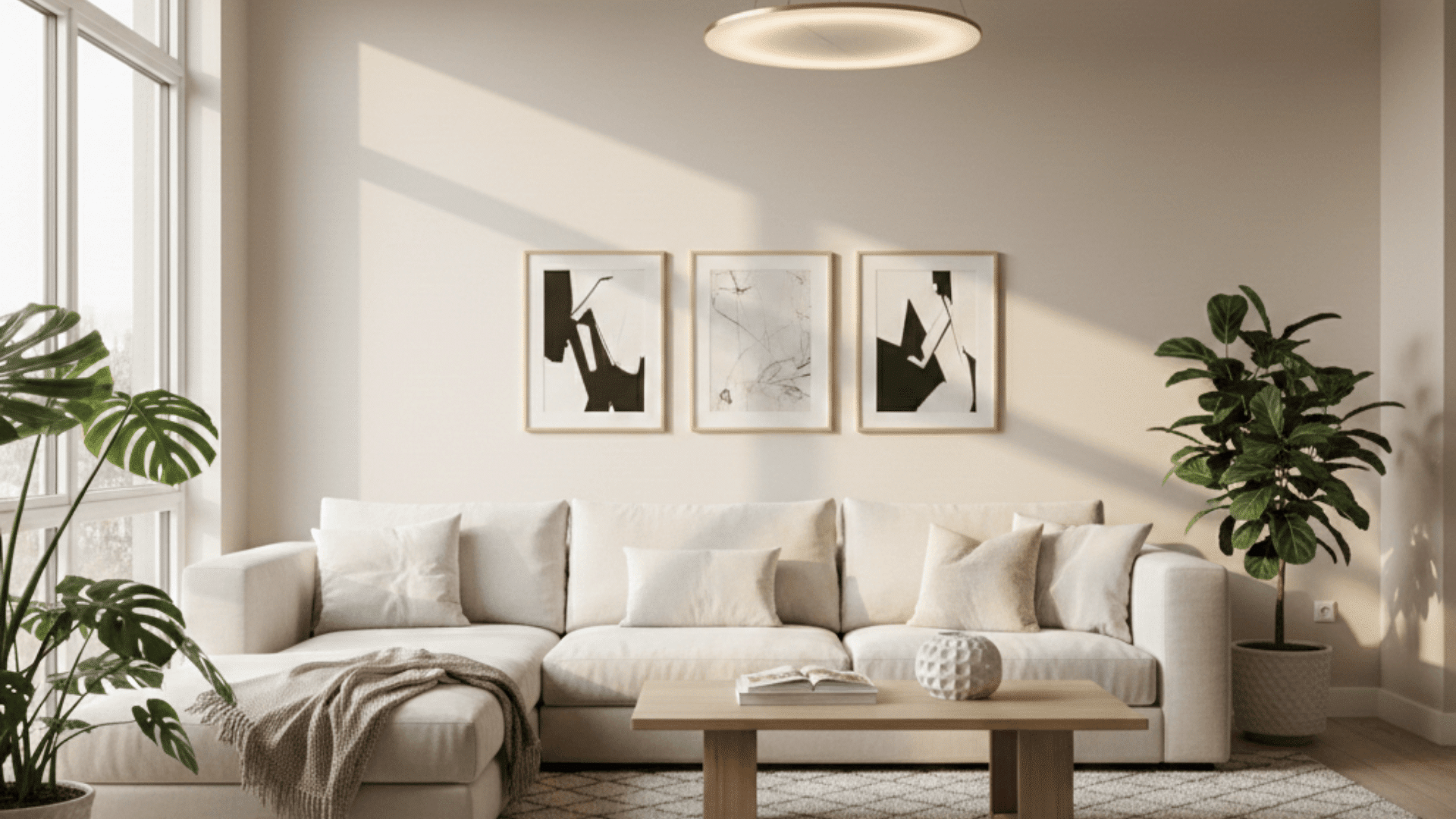
Living rooms are where daily life happens. People sit, lean, move furniture, host, and constantly touch the walls without meaning to. Satin holds up beautifully in these spaces.
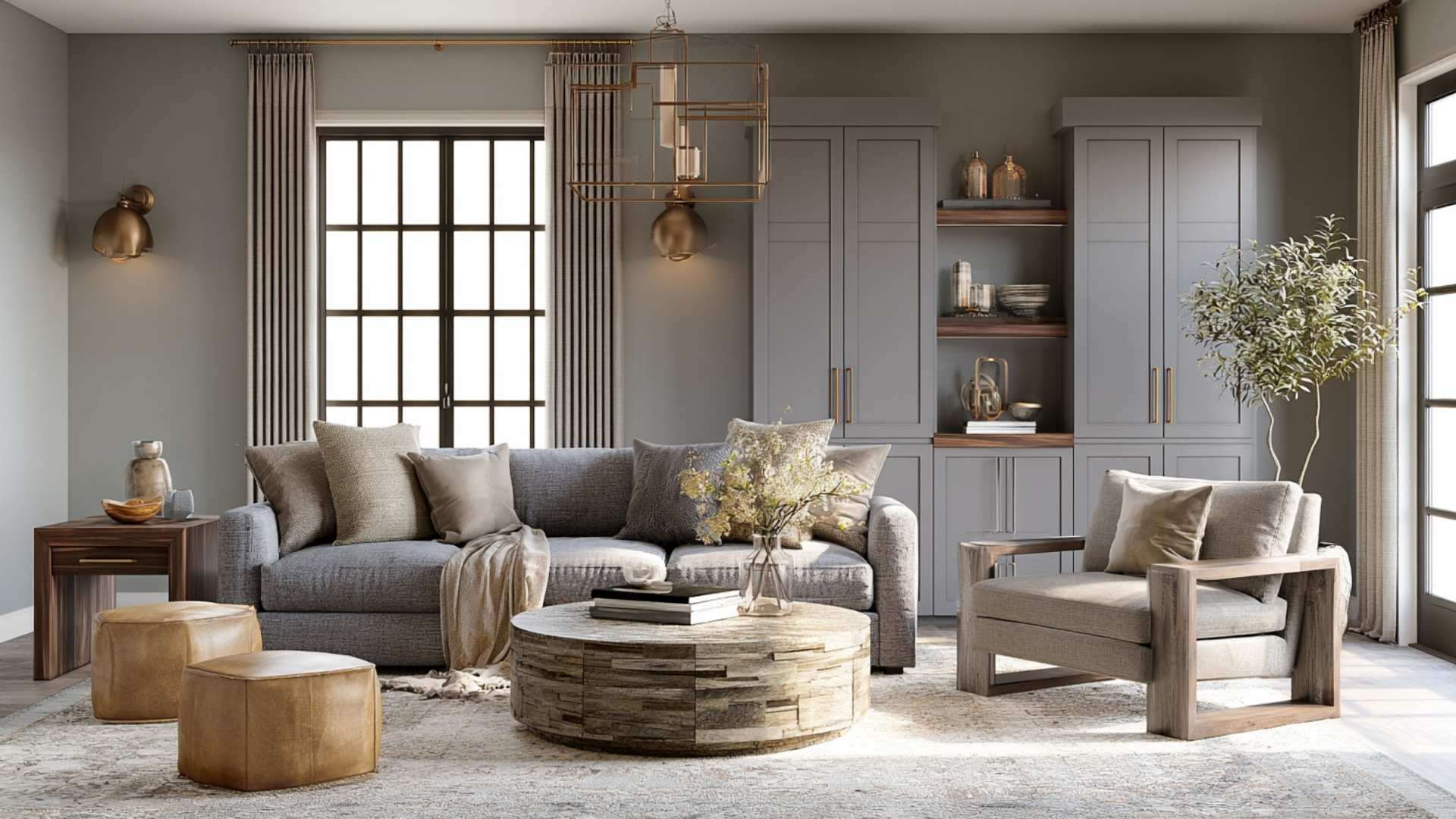
The sheen adds a bit of grace without making the space feel formal. It reflects natural light in a really flattering way, especially if the room has big windows. And when fingerprints show up near light switches, or kids leave random marks? Satin is forgiving. A simple wipe usually takes care of it.
2. Kitchens
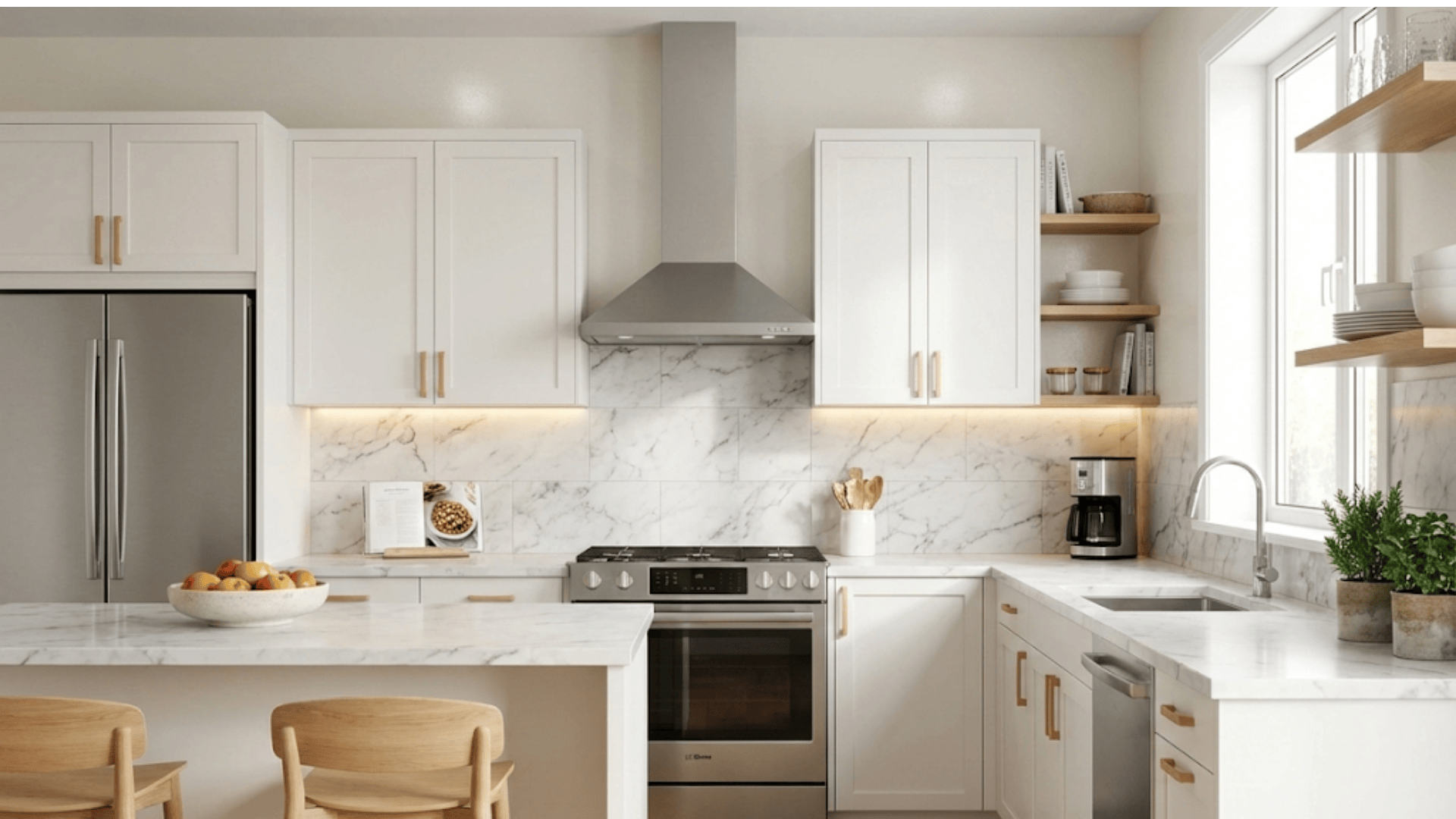
Kitchens don’t play fair. Grease happens. Steam happens. Spills happen. Satin paint on walls works well in kitchens because it’s washable and moisture-resistant. It doesn’t soak up stains the way matte can, so the cleanup is easier and less stressful.
It also helps kitchens feel brighter because satin reflects light from windows and overhead fixtures without that sharp glare. A kitchen I worked on recently had a gorgeous warm white in a matte finish, and it looked amazing for about two weeks until cooking started.
3. Bathrooms
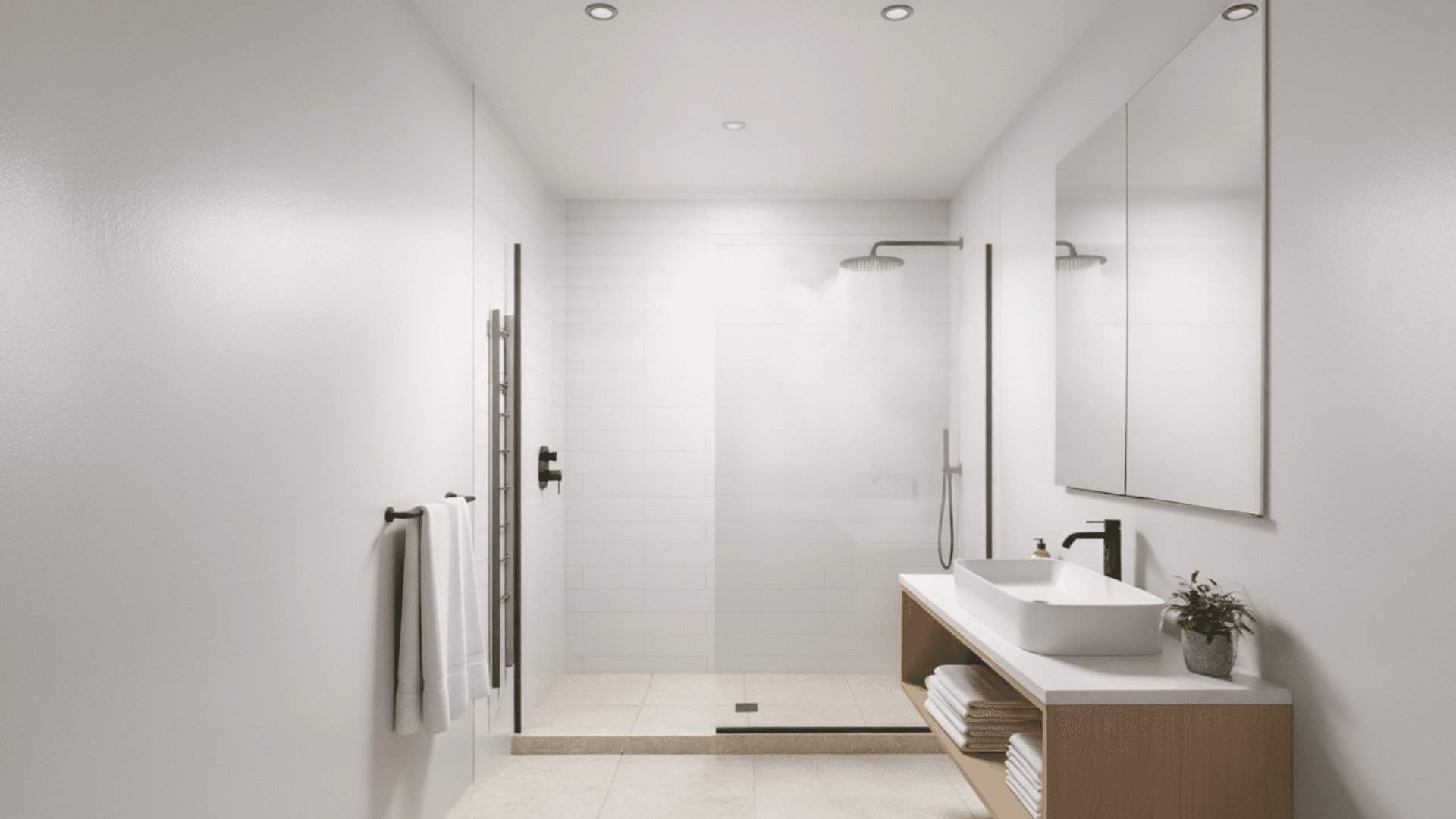
Bathrooms live in humidity. If the finish can’t handle moisture, it starts to look tired pretty quickly. Satin does well here because it resists moisture buildup better than flat finishes.
Steam from hot showers won’t break it down as easily, and it’s easier to wipe down when toothpaste splatters or water spots show up. Another bonus: satin paint on bathroom walls makes small bathrooms feel more open. That soft reflection gives the room more “air,” which is especially helpful in tight spaces.
4. Laundry Rooms
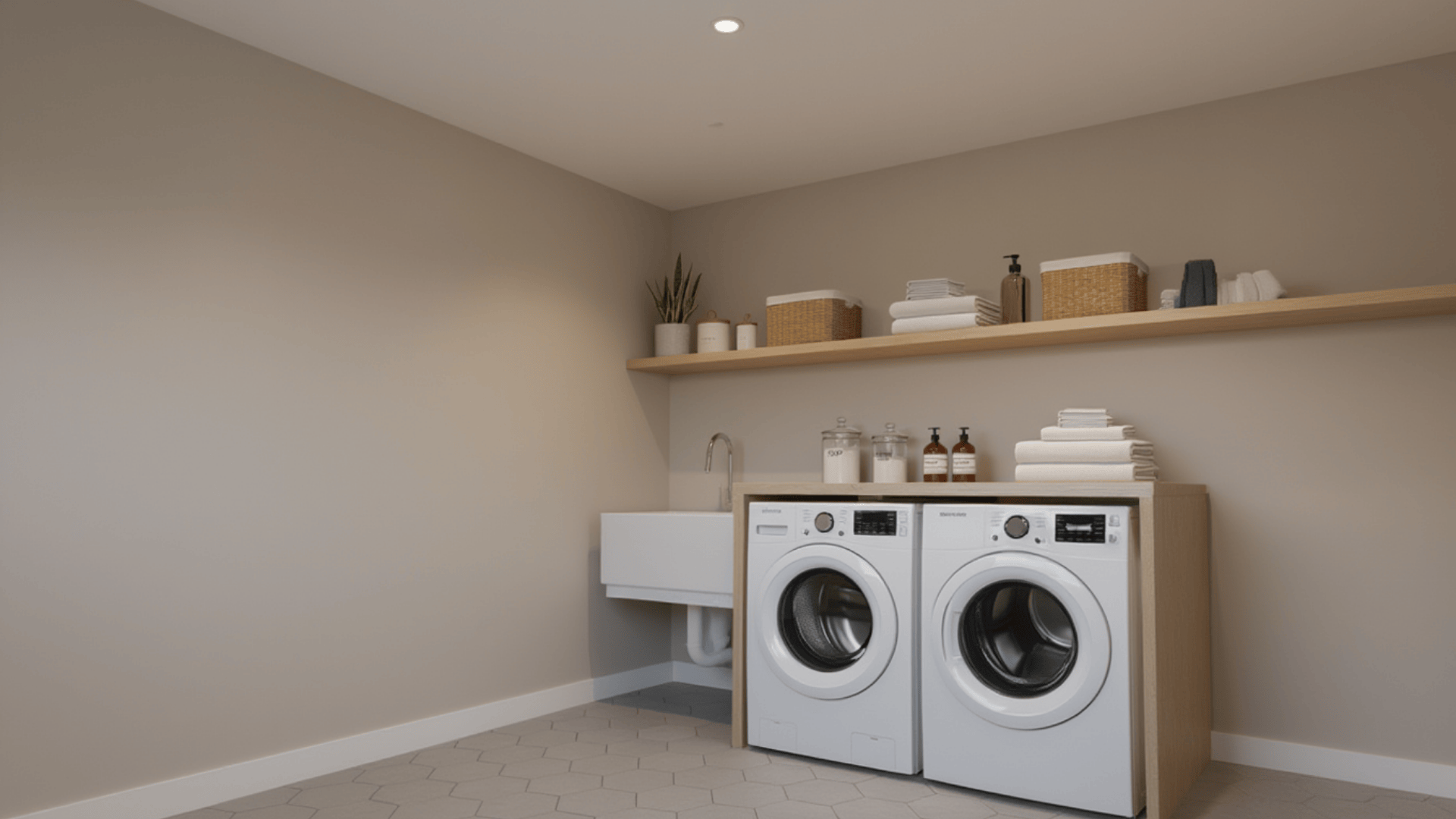
Laundry rooms are underrated. Between detergent drips, humidity, lint, and baskets scraping the walls, the paint gets tested. Satin paint is a great fit here because it’s washable and resists moisture from dryers and steamers.
It also doesn’t trap dust the same way rougher finishes can, so the room stays cleaner with less effort. Even when my clients aren’t planning to “decorate” the laundry room, satin gives it that polished look that makes the space feel cared for.
5. Hallways and Stairways
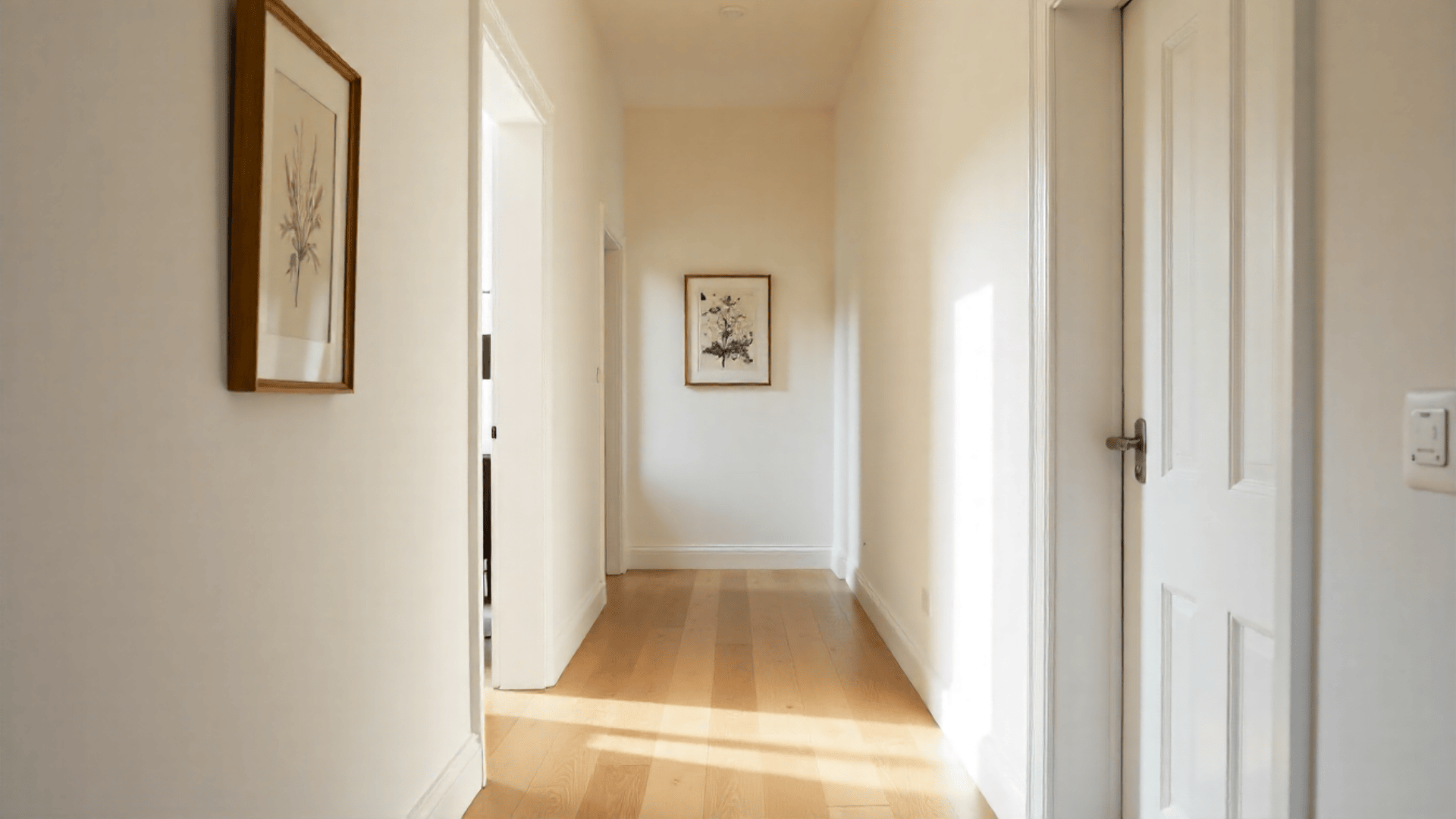
If you want paint to earn its paycheck, put it in the hallway. Hallways and staircases get touched constantly, with hands brushing walls, bags hitting corners, kids running through, and pets rubbing along the surface.
Satin handles this better than most finishes because it’s scrubbable without falling apart. Scuff marks wipe off easier, and the durability is a big reason satin paint on walls is my default recommendation for transitional spaces.
6. Kids’ Rooms
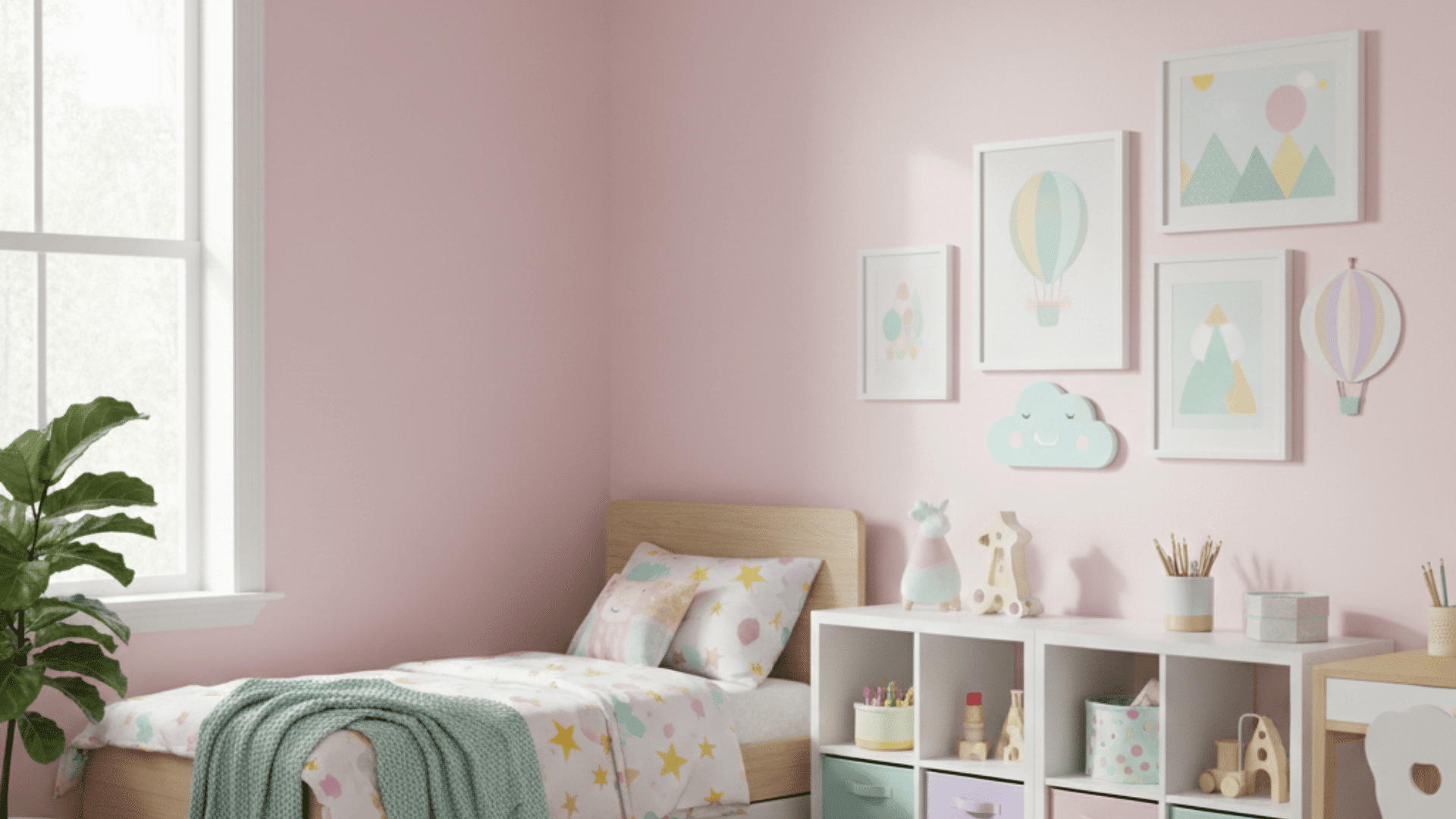
Kids’ rooms are adorable and chaotic. Crayon, markers, sticky fingerprints, snack smears, it’s like the walls become part of the playground. Satin paint on walls makes parenting easier because stains come off without ruining the finish.
It’s tough enough to keep up, but not so shiny that it makes the room look like a reflective box. For families who don’t want to repaint every year, satin is often the finish that saves both money and patience.
Satin works best when durability and style meet in the middle. These rooms benefit from a finish that looks great and performs under pressure.
How to Decide If Satin Paint Is Right for You
Choosing a paint finish isn’t just about what looks pretty on a Pinterest board. It’s about how the space is used and how much maintenance makes sense for your lifestyle.
- Consider the room’s traffic level: High-traffic areas like hallways, kitchens, bathrooms, and living rooms benefit most from satin. Bedrooms and low-traffic rooms can go satin, matte, or eggshell depending on the vibe.
- Check the wall condition: Satin paint on walls shows imperfections more than flat paint. If walls are uneven, patchy, or rough, that sheen will highlight it.
- Think about cleaning needs: If there are kids, pets, guests, or a busy daily life, washable walls matter. Satin hits that balance without looking overly glossy.
- Factor in the budget: Satin costs more than matte or flat, but it lasts longer and often needs less repainting. It’s one of those finishes that pays off over time.
- Match it to the lighting: Rooms with lots of natural light look gorgeous in satin because it reflects light softly. It brightens up the space without that harsh glare you sometimes get with semi-gloss.
How Satin Paint Compares to Other Wall Finishes
Paint finishes range from flat to high-gloss. Understanding where satin sits and how it stacks up against other options helps people make smarter choices.
| Finish Type | Sheen Level | Best For | Durability | Cost |
|---|---|---|---|---|
| Flat/Matte | 0-5% | Ceilings, low-traffic rooms | Low, hard to clean | Least expensive |
| Eggshell | 10-25% | Bedrooms, dining rooms | Moderate, washable | Low to moderate |
| Satin | 25-35% | Kitchens, bathrooms, hallways | High, easy to clean | Moderate |
| Semi-Gloss | 35-70% | Trim, doors, cabinets | Very high, washable | Moderate to high |
| High-Gloss | 70-85% | Furniture, accents | Extremely high | Most expensive |
Maintenance and Cleaning Tips
One of the best parts about satin paint on walls is how easy it is to keep clean. But the way it’s cleaned matters; a few habits can keep it looking fresh for years.
- Start with gentle cleaning: Use a soft cloth or sponge, warm water, and mild dish soap. Harsh chemicals can dull the sheen over time, so it’s better to keep it simple.
- Wipe in circular motions: Scrubbing in one harsh direction can create shiny patches. Soft circular wiping cleans without disturbing the finish.
- Address stains quickly: Fresh marks come off easier than old ones. If something sits too long, it can take more effort to remove, which increases the chance of damaging the sheen.
- Avoid abrasive tools: No steel wool, no rough scrubbers. Those scratch satin paint on walls and leave marks that stand out in certain lighting. Microfiber cloths are a safe bet.
- Dust regularly: A quick dusting keeps walls from looking dull or dingy over time. It’s small maintenance that makes a room feel noticeably cleaner.
Final Thoughts
The right paint finish can change the entire feel of a home. Satin paint on walls is one of those finishes that offers the best of both worlds: it looks polished and holds up to daily wear and tear.
It cleans easily, resists moisture, and works beautifully in the rooms that take the most wear, kitchens, bathrooms, hallways, kids’ rooms, and busy living areas.
The subtle sheen adds refinement without being distracting, and the durability makes it worth the extra cost. If your goal is a fresh upgrade that actually lasts, satin is hard to beat.
Prep the walls properly, choose a good-quality satin paint, and watch the space come alive. The difference shows up immediately, and once it’s styled and lived in, satin proves why designers keep coming back to it.