I totally get the appeal of flat paint. When you first paint walls flat, the room instantly feels softer, calmer, and more pulled together.
There’s no glare bouncing around, and the color looks rich and even instead of shiny and busy. It’s the kind of finish that makes you step back and think, okay, this looks really good.
But then daily life shows up. A shoulder grazes the hallway. Someone taps the wall near the light switch.
You wipe off one tiny mark, and suddenly that spot looks different than the rest of the wall. That’s usually when people start saying flat paint is a mistake.
I’m not here to push you one way or the other. I just want to break down why flat paint on walls gets so much hate, where it tends to fail, and how you can keep that same soft look without dealing with constant touch-ups.
What is Flat Paint?
Flat paint has very low sheen, so it reflects very little light and gives walls a soft, even look without glare.
Because it does not bounce light around the room, it can make small surface flaws less noticeable from a distance, especially in spaces with strong daylight or overhead lighting.
Many people choose flat paint because it keeps the color more uniform and lets the wall recede into the background instead of drawing attention.
In design terms, it works like a quiet base that supports furniture, art, and textiles rather than competing with them.
The downside is that while it looks great at first, the maintenance side is usually where complaints start.
Why Flat Paint is Disliked on Walls
Flat finishes often react poorly to friction and spot-cleaning. Walls can start to look uneven even when the color remains unchanged.
The issue is usually not dirt or bad paint, but how the surface responds to daily contact, wiping, and wear in busy parts of the home.
1. Burnishing: When the Wall Turns Shiny in Patches

Burnishing is a common flat-paint issue. When the surface gets rubbed or compressed, it can turn slightly shinier than the surrounding area.
This happens in narrow walkways, on stair walls, and near corners where people brush past. The paint is not failing; the finish is shifting from friction.
2. Spot-Cleaning that Leaves a Halo
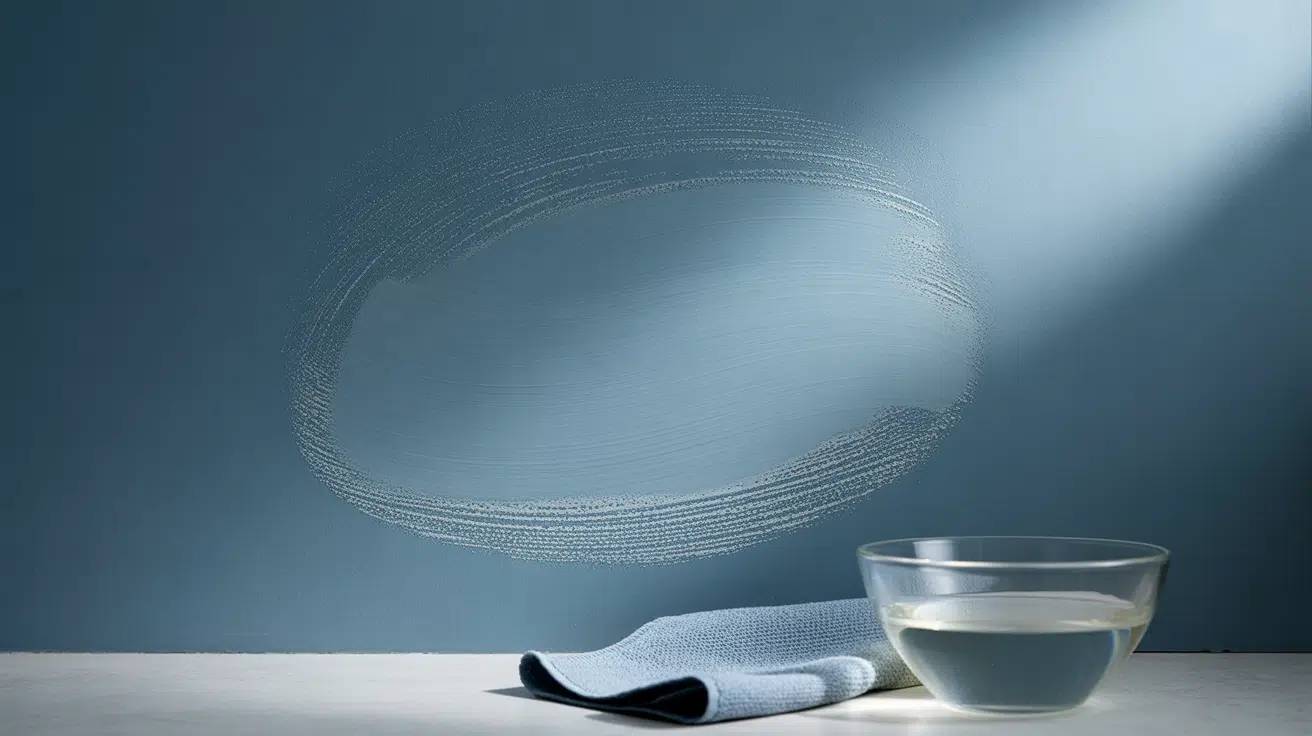
Flat paint can look blotchy after spot-cleaning. A cloth may remove a smudge, but it can also change the sheen in that small area.
The result is a faint circle that reads as a patch under side light. Mid-tone colors show this more, especially in hallways with strong window light.
3. Scuffs That Show Fast in High-Traffic Areas
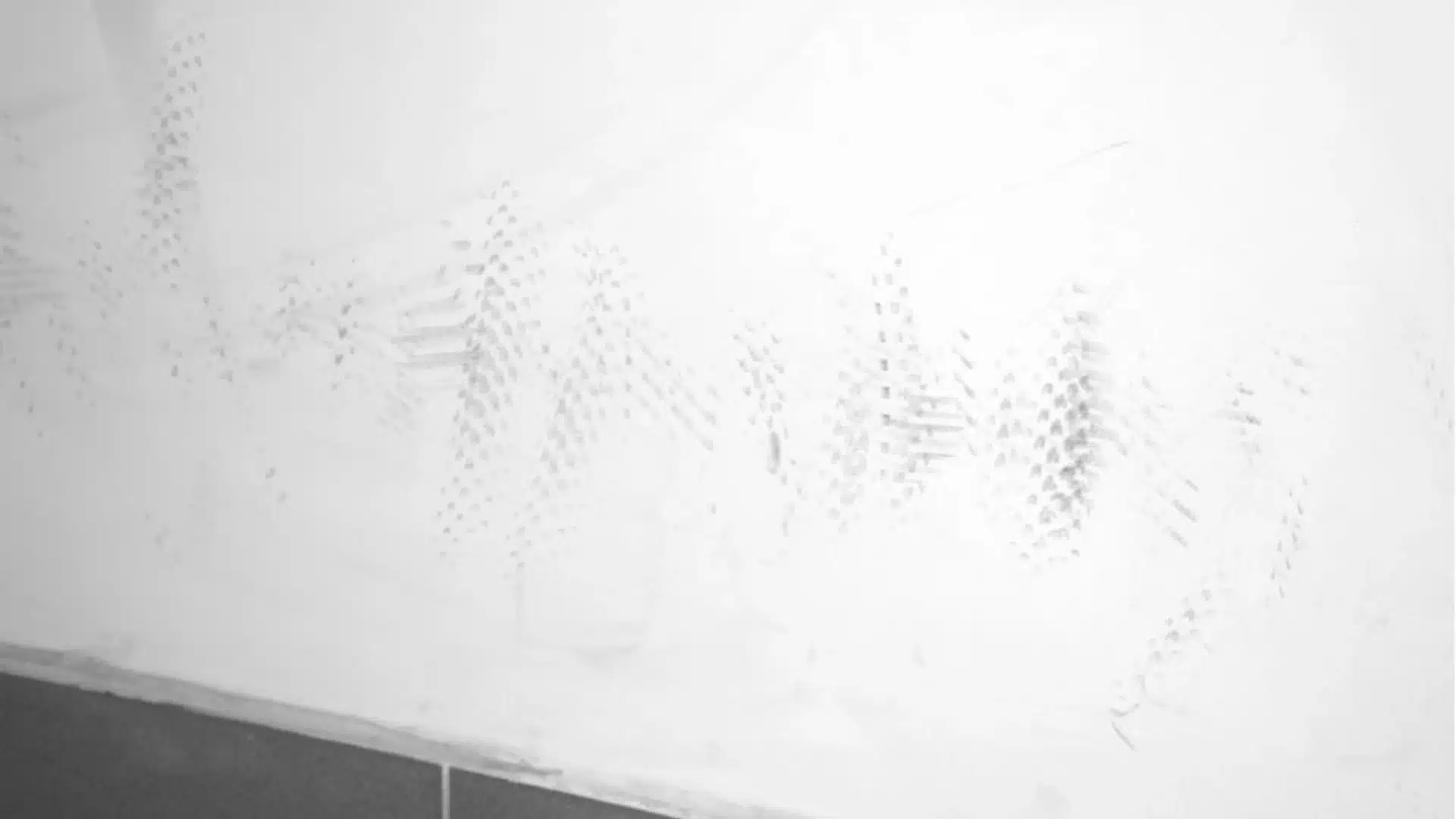
Scuffs are different from stains, and flat paint tends to show them quickly. Marks from shoes, bags, strollers, chair backs, and vacuum bumps can sit on the surface and resist light wiping.
Stronger cleaning may remove the scuff but can cause burnishing, which replaces one visible issue with another.
4. Touch-Ups that Don’t Blend

Touch-ups can stand out on flat walls even with the same paint. Small changes in roller texture, brush marks, pressure, and drying conditions can alter the surface look.
If the wall has aged or accumulated slight grime, the fresh touch-up can look like a different patch. The sheen may match poorly.
Wall Finishes, Based on Real-Life Wear
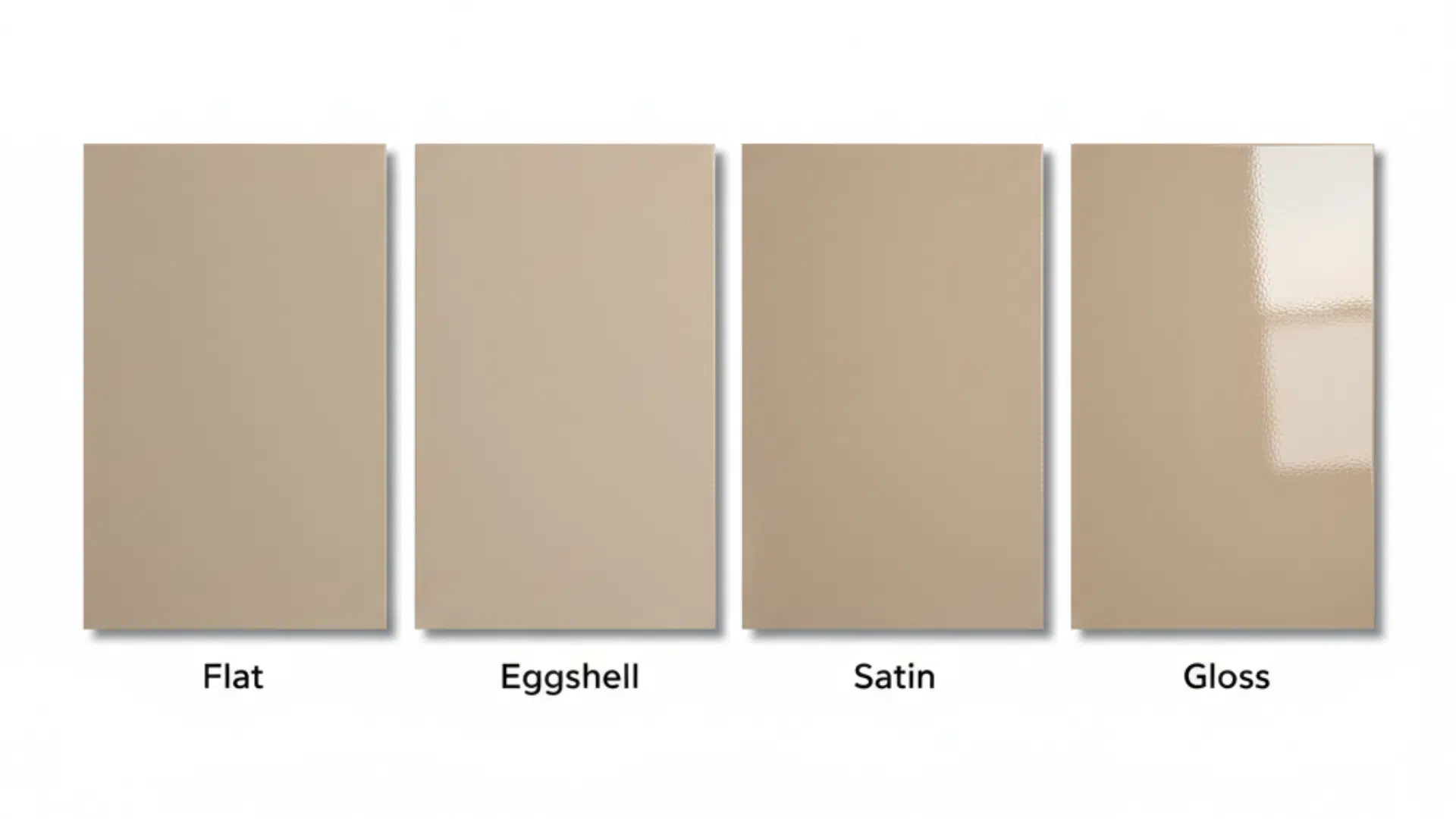
Instead of picking a finish based solely on the label, it helps to match it to how the room is actually used. This shows how each finish looks, how it handles cleaning, and where it tends to perform best day-to-day.
| Finish | How it looks | How it handles cleaning | Where it makes the most sense | Why do people choose it |
|---|---|---|---|---|
| Flat | Very low sheen, no shine | Least tolerant of wiping; can burnish | Calm, low-touch rooms (adult bedrooms, offices), ceilings | Low glare and a smoother look on large wall areas |
| Eggshell | Slight sheen, still not shiny | Easier to clean and more scuff-resistant | Main living areas, corridors, dining rooms | Good balance between a calm look and daily upkeep |
| Satin | More sheen than eggshell | Holds up best to regular wiping | Stairs, kids’ rooms, high-touch zones | Handles frequent touching and cleaning with fewer visible marks |
| Gloss | High sheen, very reflective | Most washable, but shows flaws easily | Trim, doors, cabinets, railings (rare on full walls) | Chosen for durability and sharp contrast in details |
How to Make Flat Paint Easier to Live With
Flat paint can still work on walls when product choice, prep, and cleaning habits match the space. These steps reduce the most common issues, such as shiny rub spots, cleaning halos, and obvious touch-ups.
Step 1: Choose a washable paint line:
Pick flat paint labeled washable or stain-resistant to reduce marks and make light cleaning safer. Flat will never be fully scrub-proof, but stronger formulas help in bedrooms and living rooms.
Step 2: Prep the wall the right way:
Sand patch edges so repairs blend into the wall, then prime repaired spots to stop uneven absorption. Keep roller nap and application method consistent, and maintain a wet edge to avoid lap marks.
Step 3: Clean with the least friction possible:
Start with a dry microfiber cloth, then use a slightly damp cloth if needed. Use mild soap only when necessary, and keep the pressure light; heavy scrubbing can cause shiny patches and halos.
Step 4: Save leftover paint for future touch-ups:
Store the exact batch and label it with the room, date, and application notes. Adding the roller nap used (for example, 3/8-inch) helps touch-ups blend better later.
Where Flat Paint Works and Where it Doesn’t
| Space | Flat paint fit | Main reason | Safer finish |
|---|---|---|---|
| Entry + hallways | Risky | scuffs + shiny rub spots | Eggshell / Satin |
| Stairs | Risky | constant hand contact | Satin |
| Tight dining areas | Risky | chair scuffs | Eggshell / Satin |
| Kids’ rooms | Risky | frequent wiping + tough touch-ups | Satin (or durable eggshell) |
| Kitchen | Risky | grease/steam + wipe-downs | Satin (or durable eggshell) |
| Bathroom | Risky | humidity + wiping near sink | Satin |
| Adult bedroom | Works | low wall contact | Flat / Matte |
| Home office | Works | low wear | Flat / Matte |
| Guest room | Works | light use | Flat / Matte |
| Formal sitting room | Works | minimal touching/cleaning | Flat / Matte |
How Room Lighting Affects Flat Paint
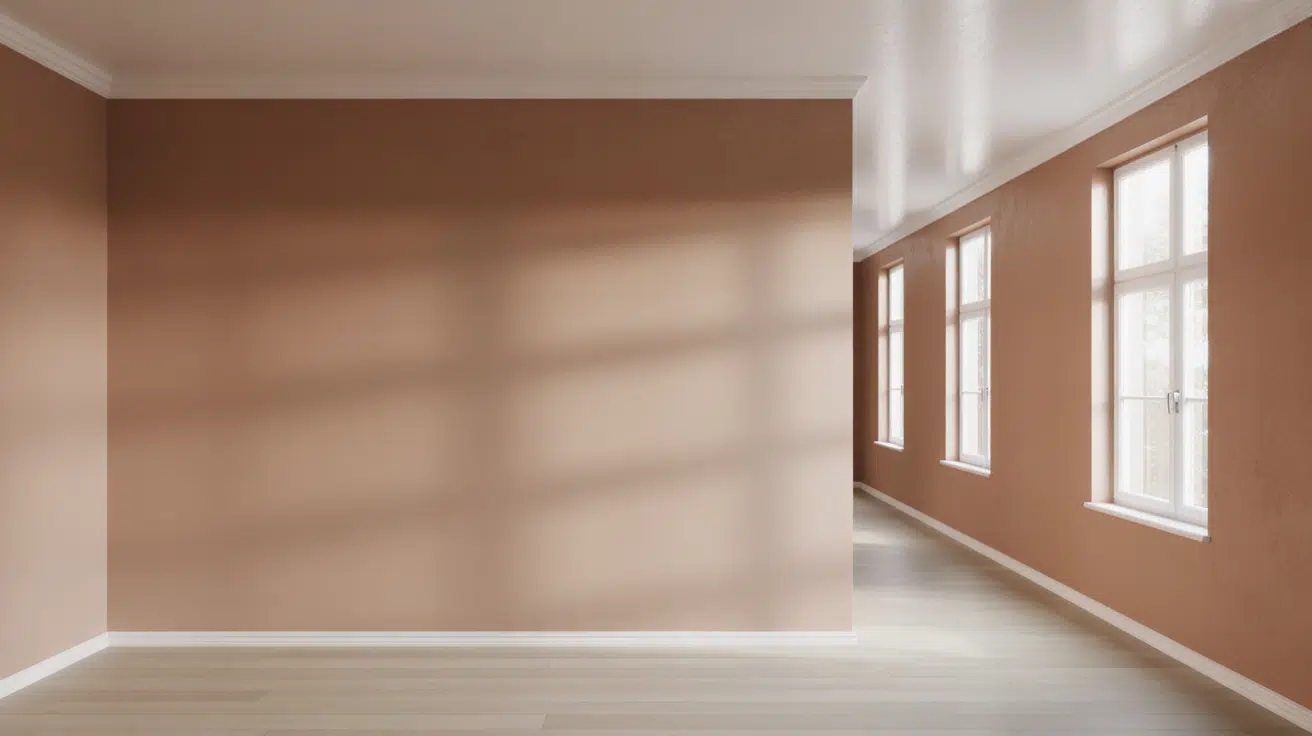
Lighting changes how flat paint looks on the wall. In certain angles, it can make small texture shifts, touch-ups, and rubbed areas stand out more than you’d expect.
Angled Light Shows More: Side light skims the wall, making texture changes and slight sheen shifts easier to see.
Window Side Light Issues: A window at one end of a room or hallway can highlight burnishing and spot-clean halos.
Ceiling Downlights Near Walls: Light pooling near the wall line can reveal touch-up patches, roller marks, and rubbed areas.
Wall Washers And Picture Lights: These fixtures graze the wall, which can expose patchwork, sanding differences, and uneven sheen.
Test flat paint under daylight and night lighting before committing, since angles and fixtures can highlight flaws unexpectedly
Final Thoughts
Flat paint gets disliked because it can look uneven after daily living, especially after contact and cleaning. Burnishing creates shiny patches. Spot-cleaning can leave halos. Scuffs can be stubborn.
Touch-ups can show. None of this means flat paint is “bad.” It means flat paint needs the right room, the right product, and realistic expectations.
For many homes, a move to eggshell, satin, or gloss keeps the walls looking consistent longer, without frequent repainting.
Flat still has a place, especially in calm spaces where walls are treated gently. The finish is not the problem. The mismatch between finish and lifestyle is what usually causes regret.