Walking into a room and feeling like everything just works, that’s the feeling people chase. But matching wall color with a wood floor? That’s where even the most design-savvy people freeze up.
And honestly, it makes sense. Wood floors have their own personality. Grain, tone, sheen, movement, they’re never “neutral.” Some floors whisper warmth. Others are bold and dramatic. The walls have to respond in a way that feels intentional, not accidental.
Over the years, I’ve seen one common pattern: when the pairing is off, the whole room feels slightly wrong (even if you can’t explain why). But when is it right? The space instantly feels calm, elevated, and pulled together.
So let’s talk about the real secret to making walls and wood floors dance together instead of stepping on each other’s toes.
Design Principles for Matching Wall Color with Wood Floor
This isn’t rocket science, but it does take a few principles that work in every home, whether you’re styling a modern condo or a traditional family house.
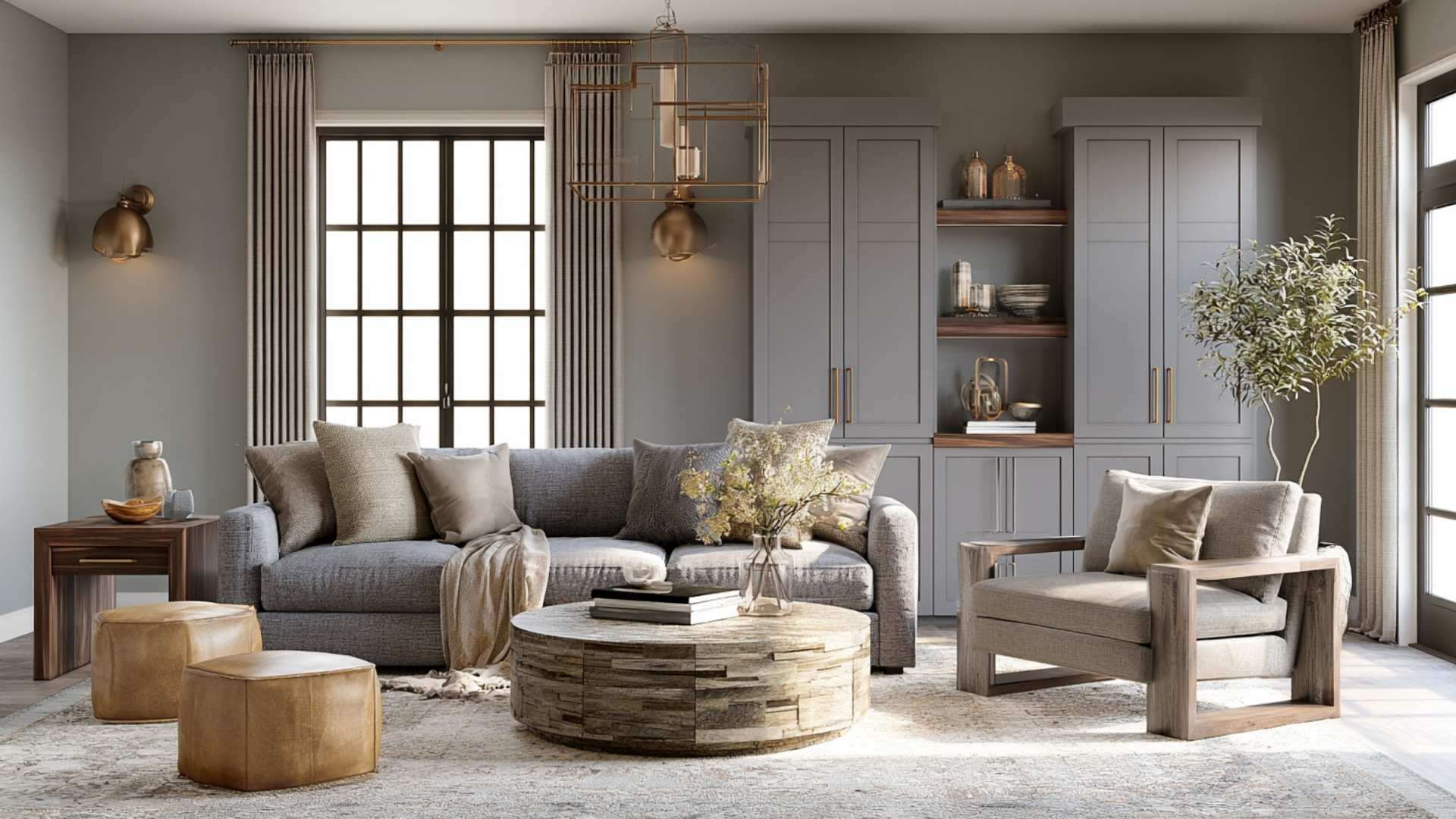
- Contrast Creates Drama: Light floors love darker walls, and dark floors pop against lighter shades. I once worked with a client who had pale oak floors and kept trying beige walls to “play it safe.” The space felt washed out. We went with a richer olive tone instead, and suddenly the floors looked intentional and high-end.
- Undertones Matter Most: Warm wood needs warm walls, cool-toned floors need cooler colors. Fighting the undertones makes everything look confused.
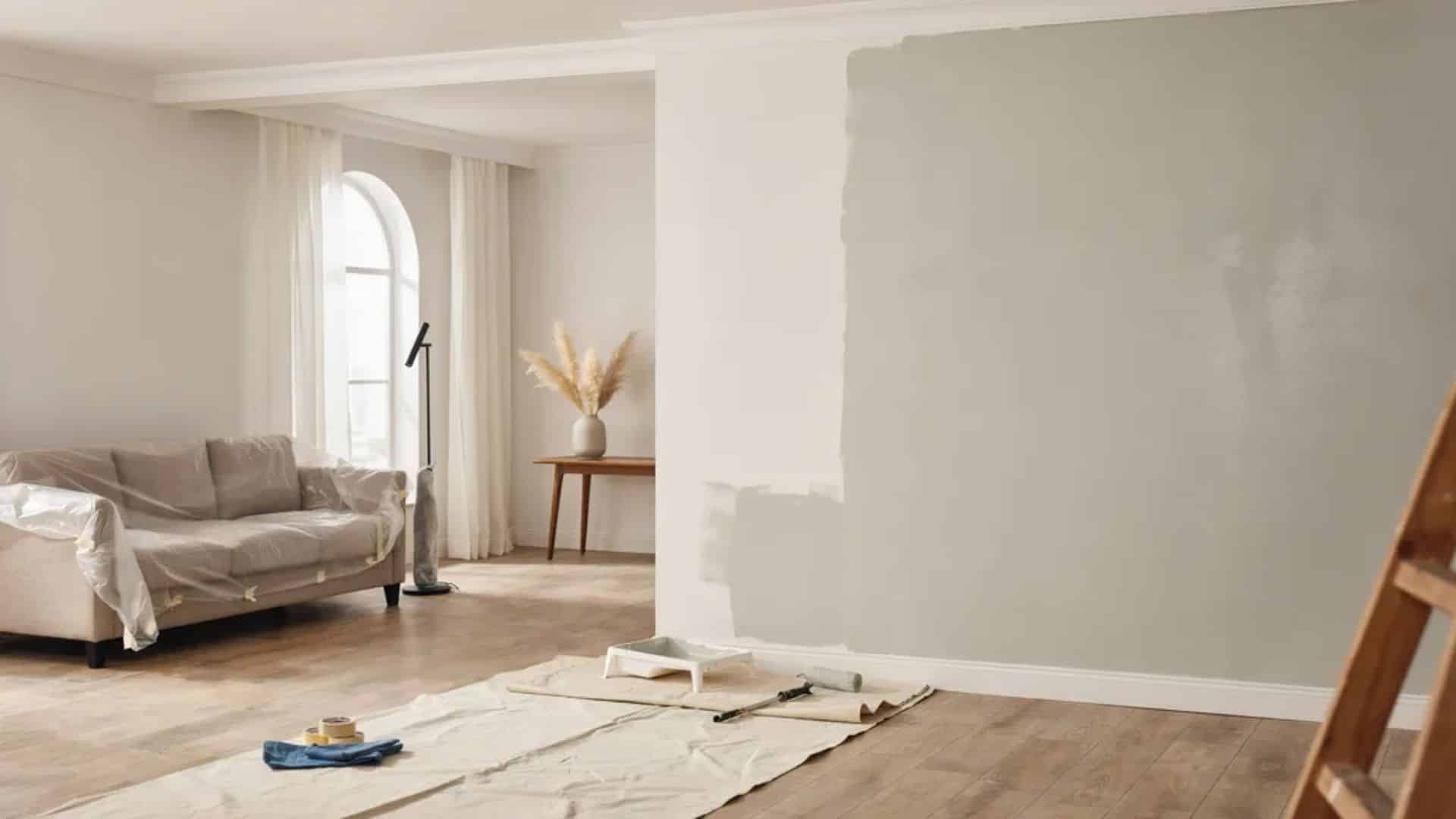
- Test Before Committing: Paint always looks different once it’s on the wall. And lighting changes everything. What looks perfect at noon can look gloomy or weirdly purple at 7 PM.
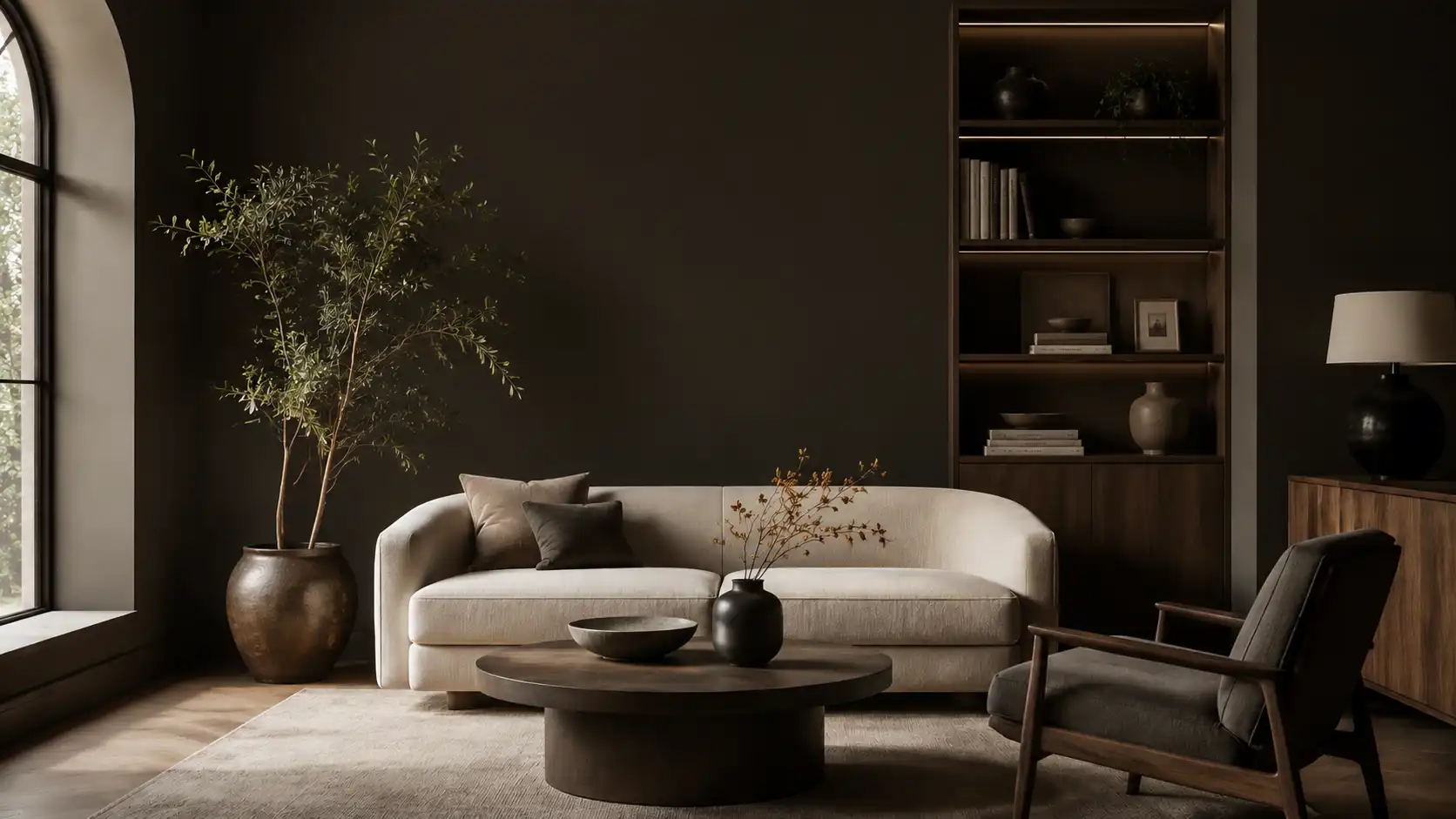
- Consider the Room’s Purpose: Bedrooms can handle moody, intimate colors, while kitchens often need brightness to feel functional. A dramatic dining room is gorgeous, but that same dramatic shade in a hallway might feel like it’s swallowing you.
- Let One Element Lead: Either the floor or walls should be the star, not both competing. When gorgeous wood takes center stage, walls should support it rather than steal the spotlight.
Two Easy Ways to Think About Color
Color theory sounds fancy, but it’s really just understanding how colors play together. Two main approaches help pick wall colors that work with their wood floors, and knowing the difference makes decision-making way easier.
| Complementary Colors | Contrasting Colors |
|---|---|
| Sit opposite on the color wheel | Differ in lightness and darkness |
| Create vibrant, energetic spaces | Provide visual balance and depth |
| Example: Blue-gray walls with orange-toned oak | Example: White walls with dark walnut floors |
| Best for bold personalities | Best for classic, timeless looks |
| Can feel overwhelming if overdone | Easier to live with long-term |
Best Wall Colors for Light Hardwood Floors
Light floors are airy and beautiful, but they don’t hide bad choices. They reflect everything, so walls need to feel intentional.
1. Maple Floors
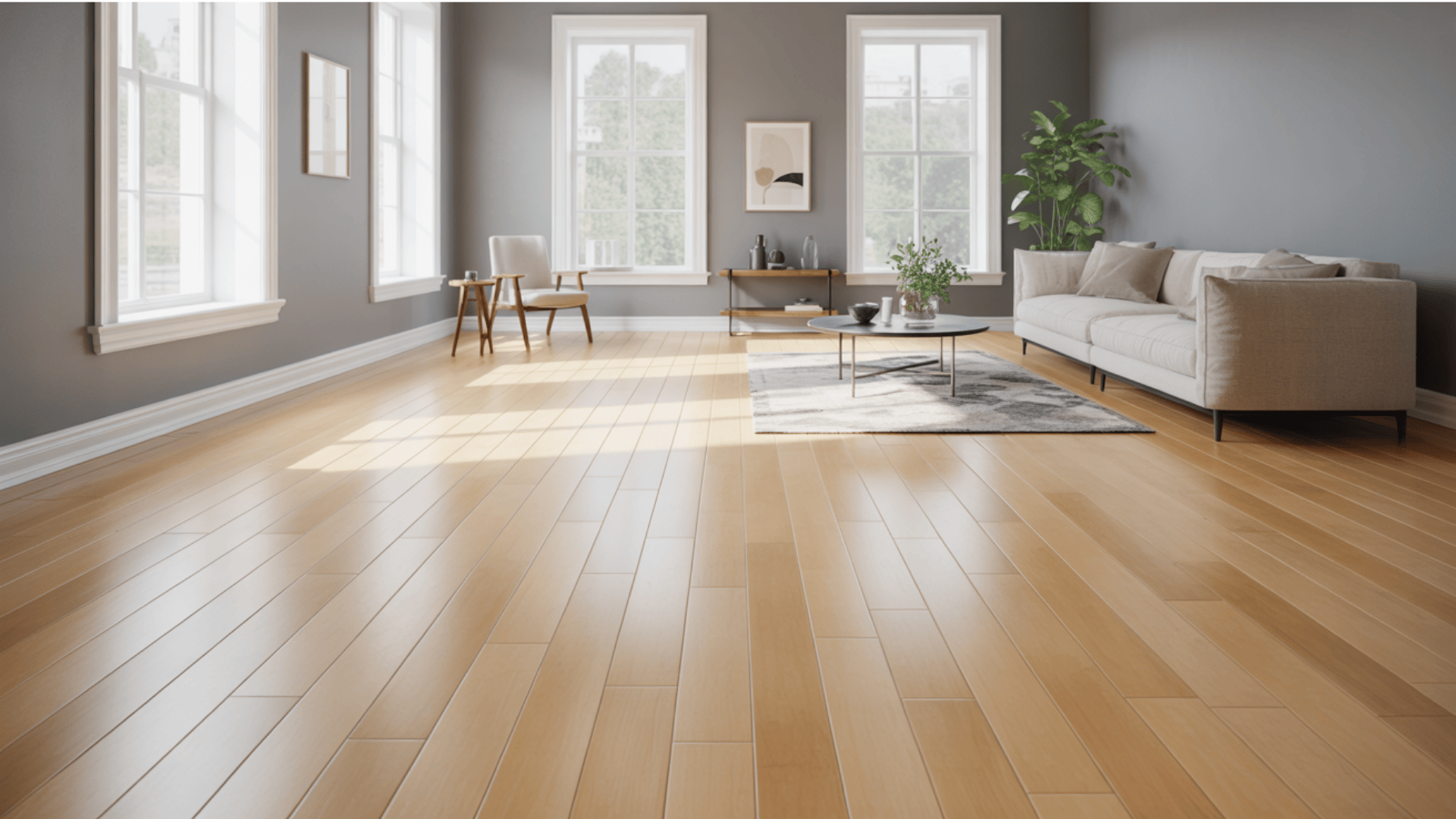
Maple is that “freshly styled model home” kind of floor light, smooth and quietly polished. The grain is subtle, the tone is creamy, and it pairs well with many palettes, which is why it’s one of the easiest floors to design around.
- Best picks: soft gray, sage green, navy, charcoal
- Avoid: stark white (too matchy), beige (too flat)
- Pro Tip: Maple can handle a bold accent wall because it doesn’t visually compete.
2. Blonde Wood Floors
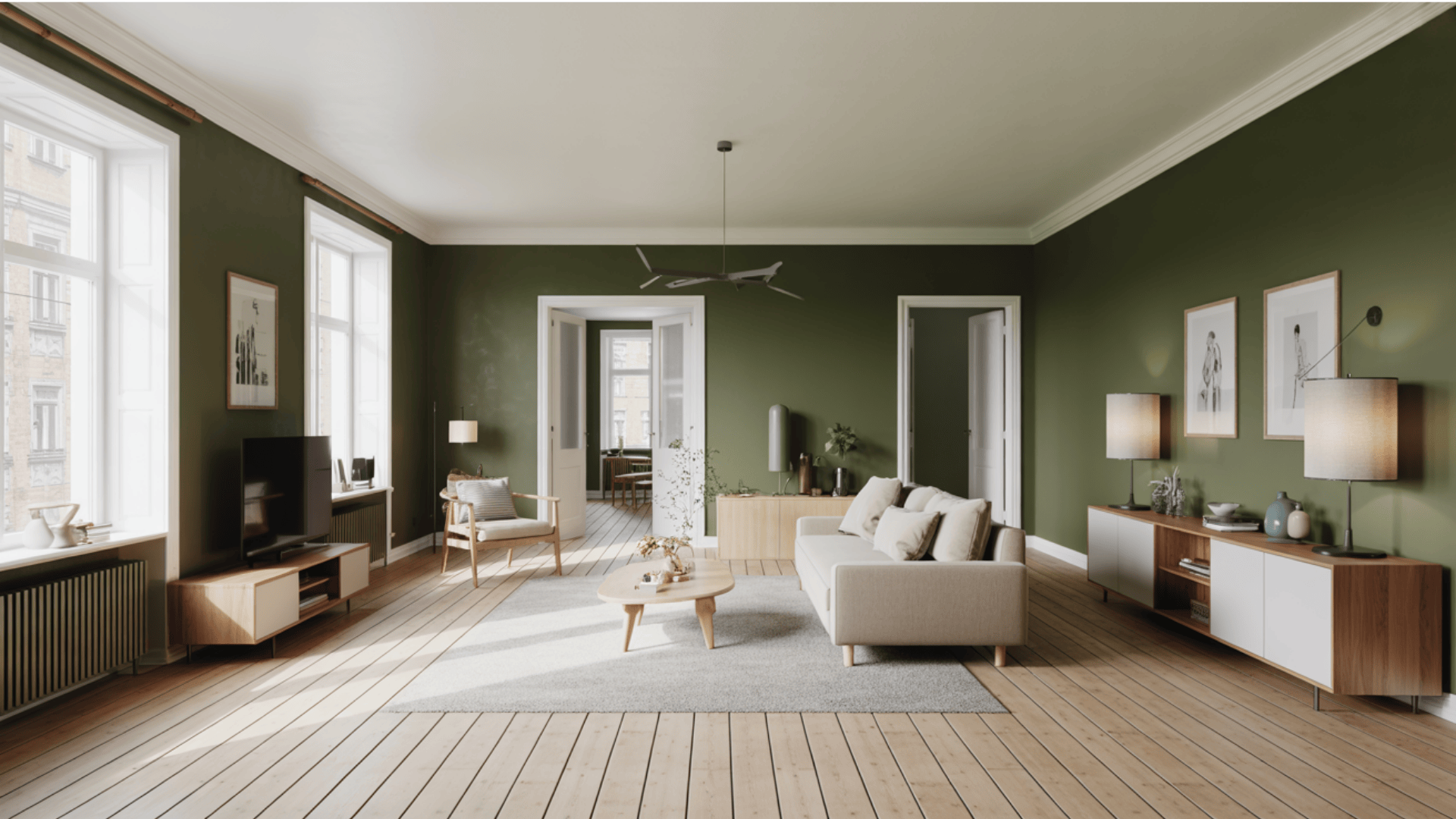
Blonde floors bring that airy, Scandinavian vibe, bright, minimal, and breezy. They bounce light around like crazy, which makes the whole room feel open, but it also means the wall color shows up fast (good or bad).
- Best picks: soft white, warm gray, dusty rose, deep green
- Avoid: yellow tones, orange-based colors
- Pro Tip: Blonde wood with deep green looks expensive almost every time.
3. Light Oak Floors
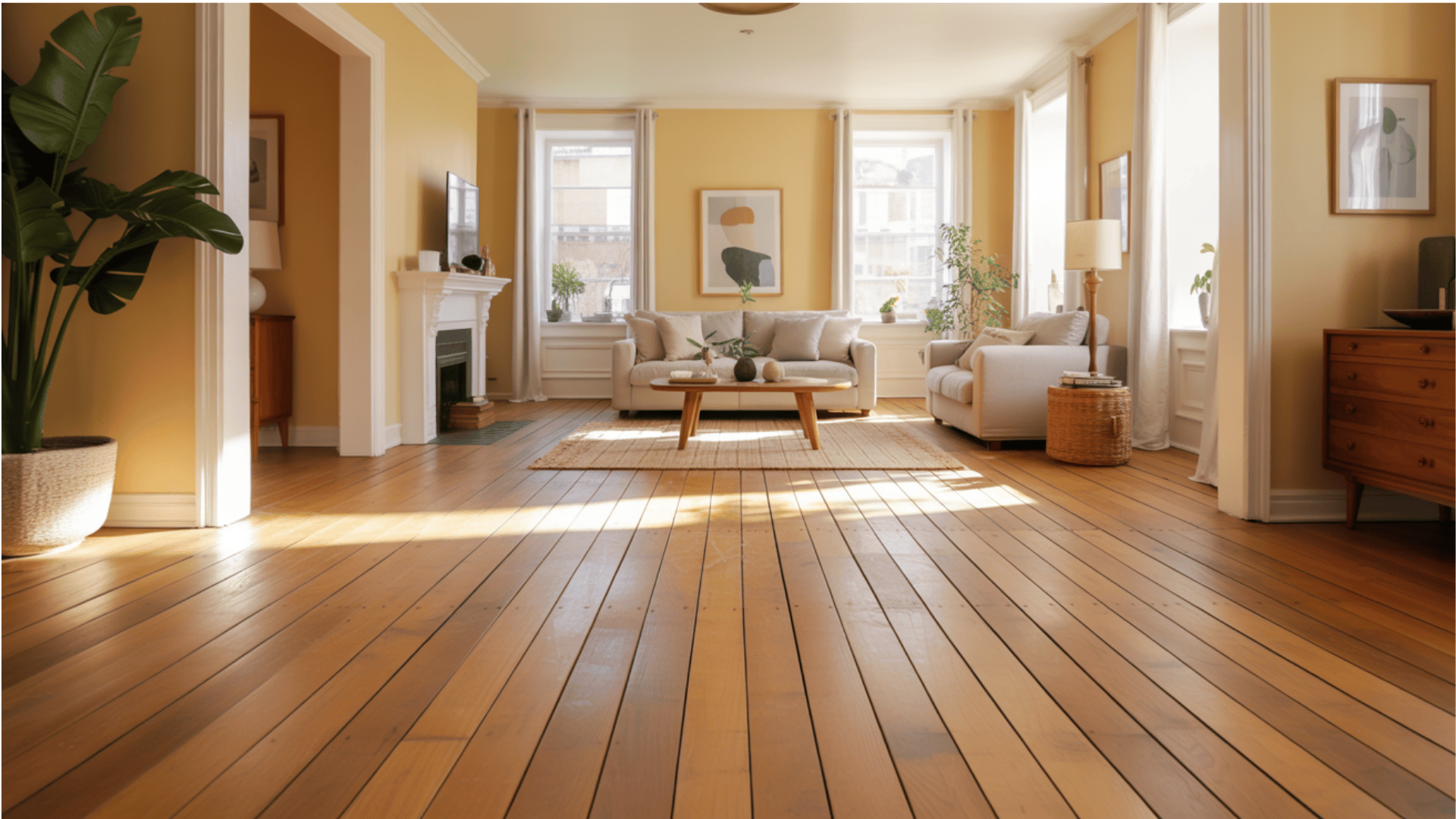
Light oak has warm, honey undertones, visible grain, and that classic “natural wood” feel. It’s welcoming and timeless, but it can swing a little too yellow if the walls are icy or overly cool.
- Best picks: warm grays, terracotta, olive green, cream
- Avoid: icy grays, cool blues
- Pro Tip: Cool walls can make oak read even warmer (sometimes downright golden).
4. Ash Floors
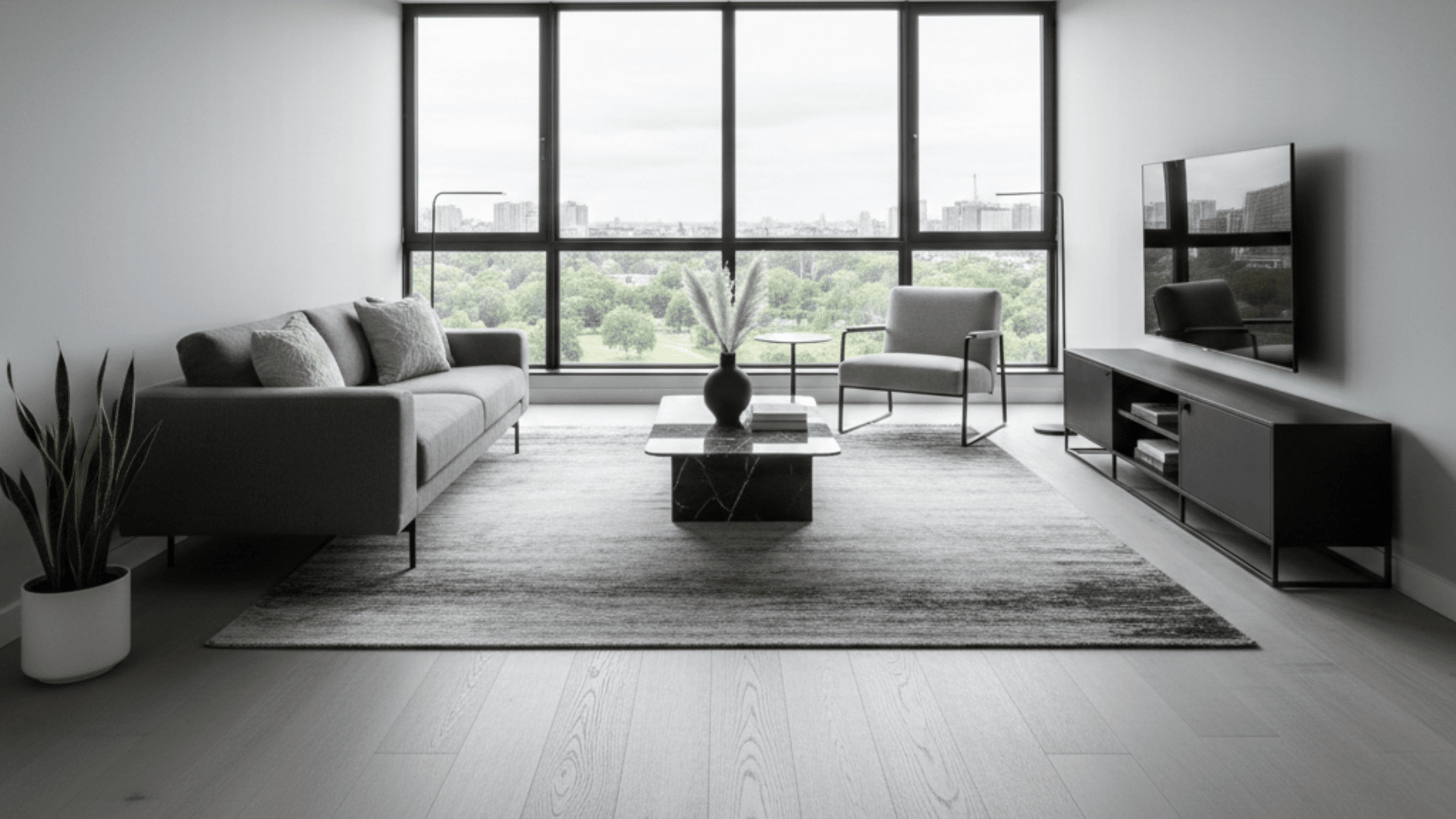
Ash is a cooler, cleaner-looking wood with a modern edge. It often has a soft gray cast, and the grain runs straighter, so it reads more contemporary than oak or pine, especially in open, minimal spaces.
- Best picks: cool grays, black, dusty blue, pure white
- Avoid: warm beige, yellow-based tones
- Pro Tip: Ash looks best when the whole palette stays calm and tonal.
5. Pine Floors
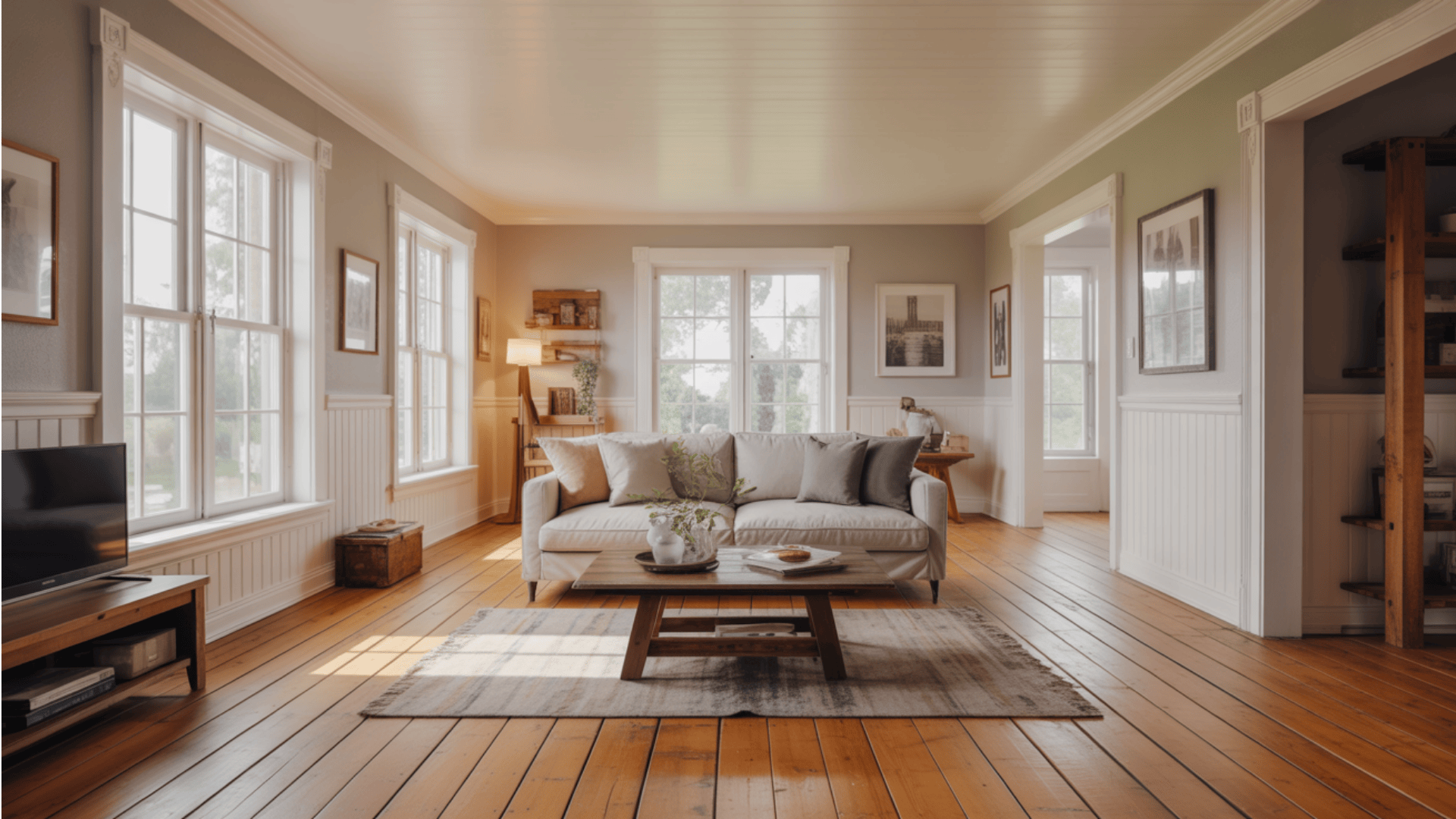
Pine is charming but opinionated. It’s knotty, rustic, full of variation, and it tends to yellow as it ages, which can shift the whole mood of a room over time. The goal is to choose wall colors that complement that warmth rather than highlight it.
- Best picks: soft whites, pale blue, muted green, warm taupe
- Avoid: stark grays, bright whites
- Pro Tip: Softer, slightly creamy colors make pine feel cozy, not “oops, it’s turning orange.”
Light hardwood floors offer incredible adaptability, but success comes from respecting each wood’s unique characteristics.
Wall Paint Colors for Medium-Toned and Golden Oak Floors
These floors are common and tricky. They’re rich with orange/yellow undertones, so the wrong wall color can make the whole house feel dated.
6. Golden Oak Floors
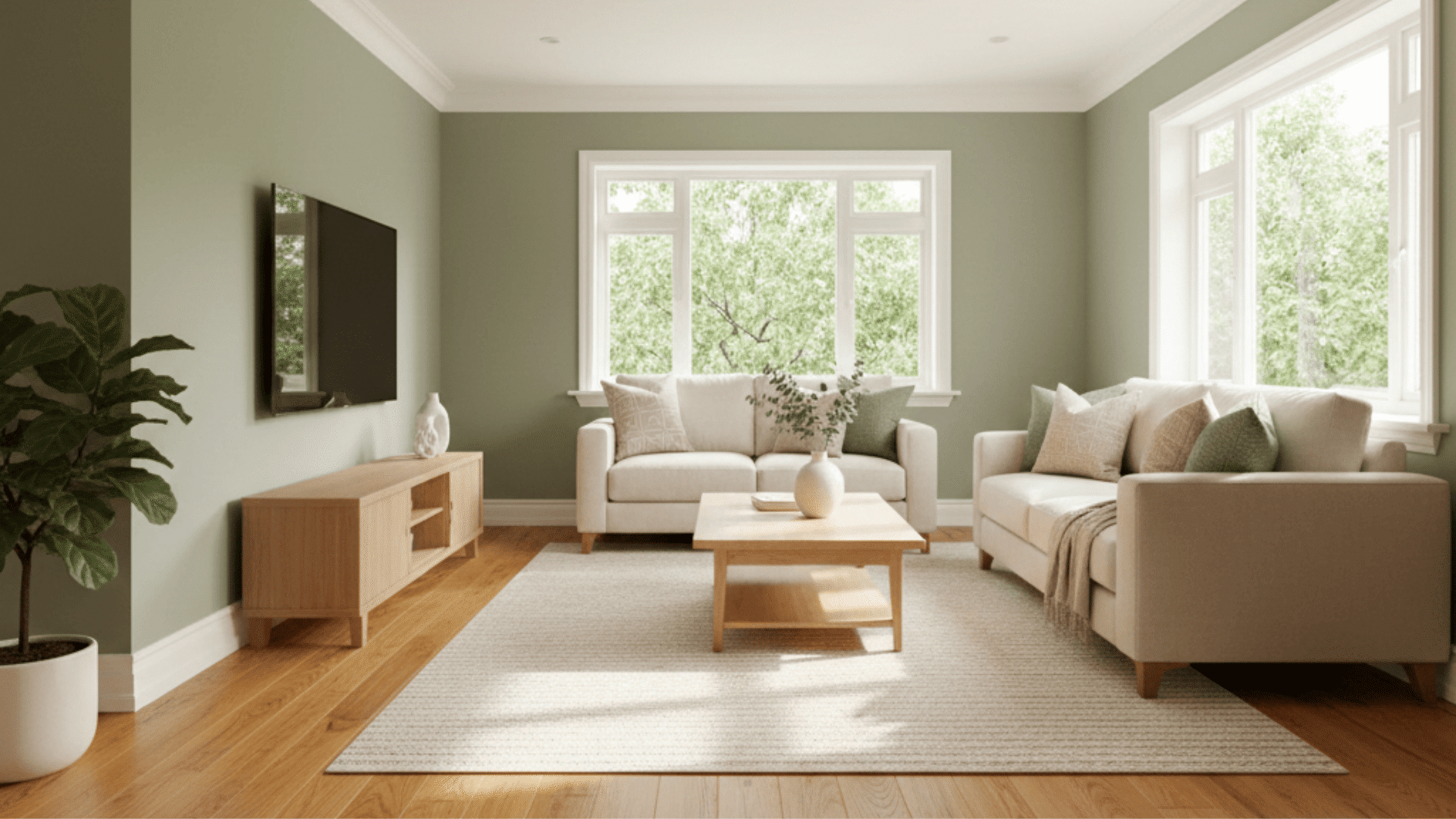
Golden oak is the classic warm-toned floor that shows up in so many homes, with strong grain, honey color, and a noticeable orange/yellow pull. The right wall color can make the room feel intentional and updated; the wrong one can bring it back to the early 2000s.
- Best picks: sage green, greige, soft blue-gray, warm white
- Avoid: beige, tan, yellow
- Pro Tip: Cooler-leaning neutrals calm the warmth without making the room feel cold.
7. Red Oak Floors
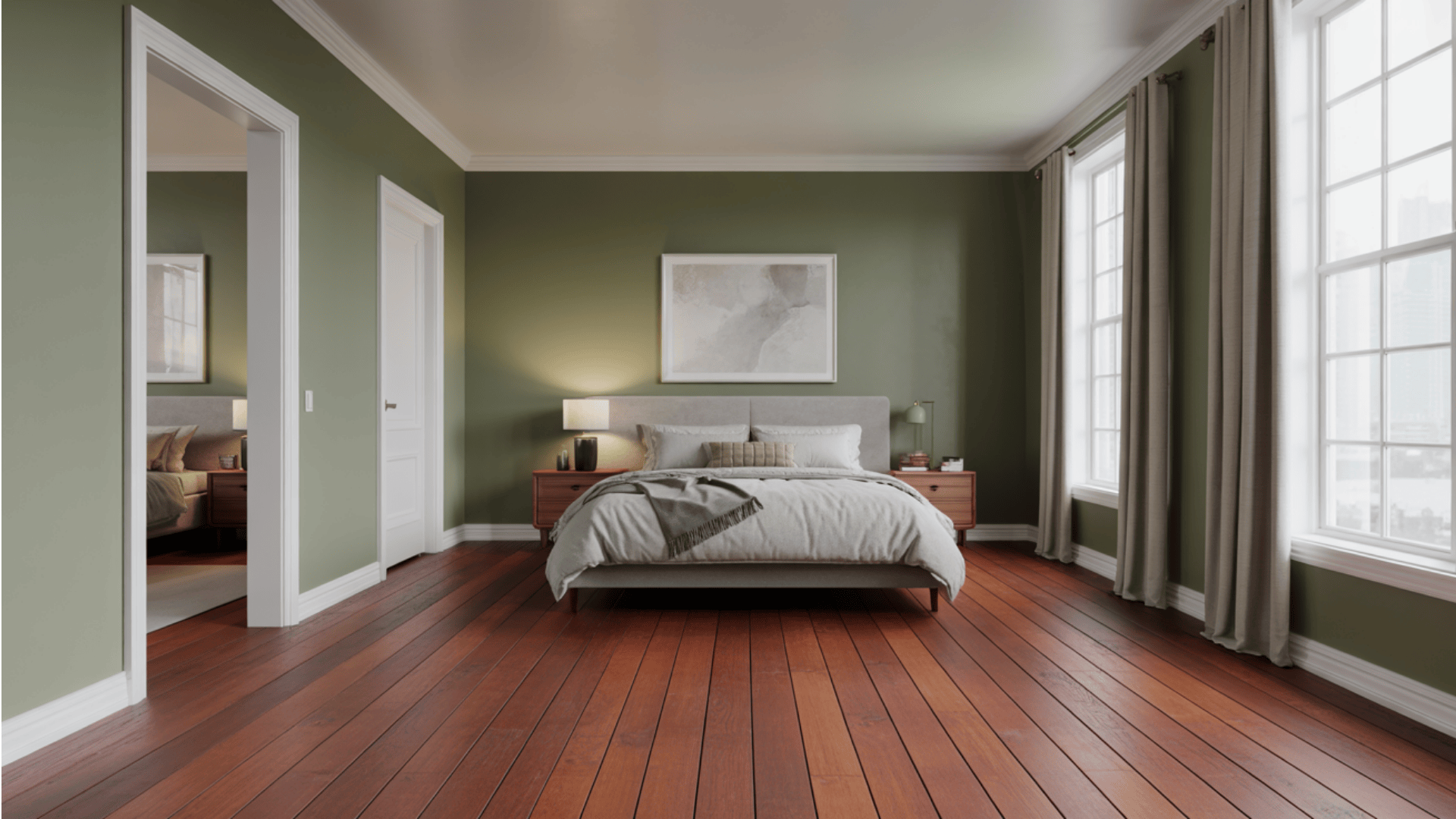
Red oak has warmth, but it’s different from golden oak; it has a rosy undertone that can sneak up once paint goes on the wall. I’ve seen people think their floor is “just brown,” then the wrong wall color makes the pink tones jump out.
- Best picks: soft gray, navy, cream, muted green
- Avoid: pinks, peaches, reds
- Pro Tip: Muted greens are a cheat code for red oak modern, flattering, and balanced.
8. Cherry Floors
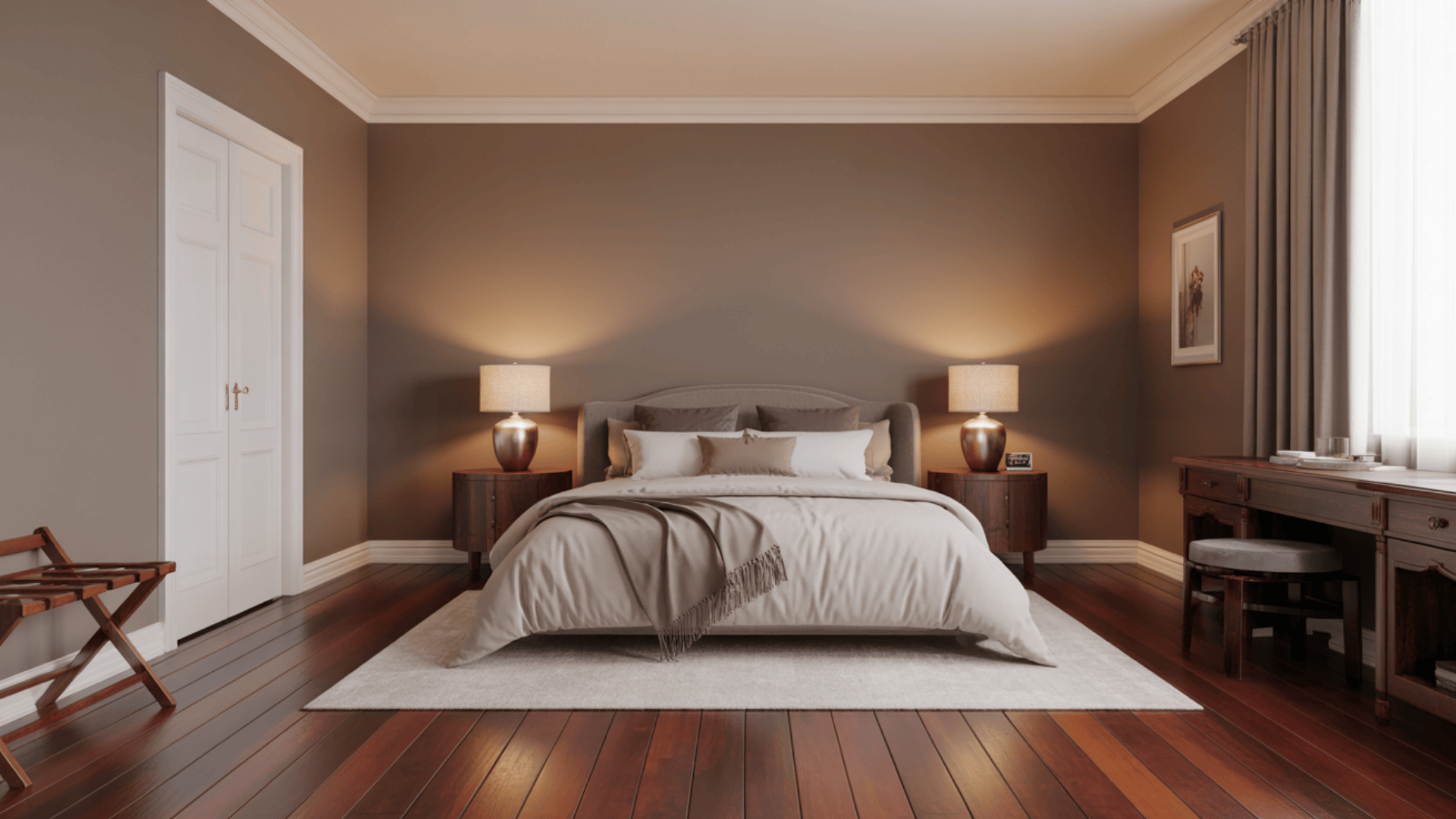
Cherry has depth and richness, and it changes over time, usually getting darker and more dramatic. It’s one of those floors that can look incredibly luxurious, but it needs wall colors with enough softness to keep the room from feeling heavy.
- Best picks: cream, taupe, charcoal, soft gold
- Avoid: bright white, orange-reds
- Pro Tip: Warm neutrals make cherry feel elevated rather than intense.
9. Hickory Floors
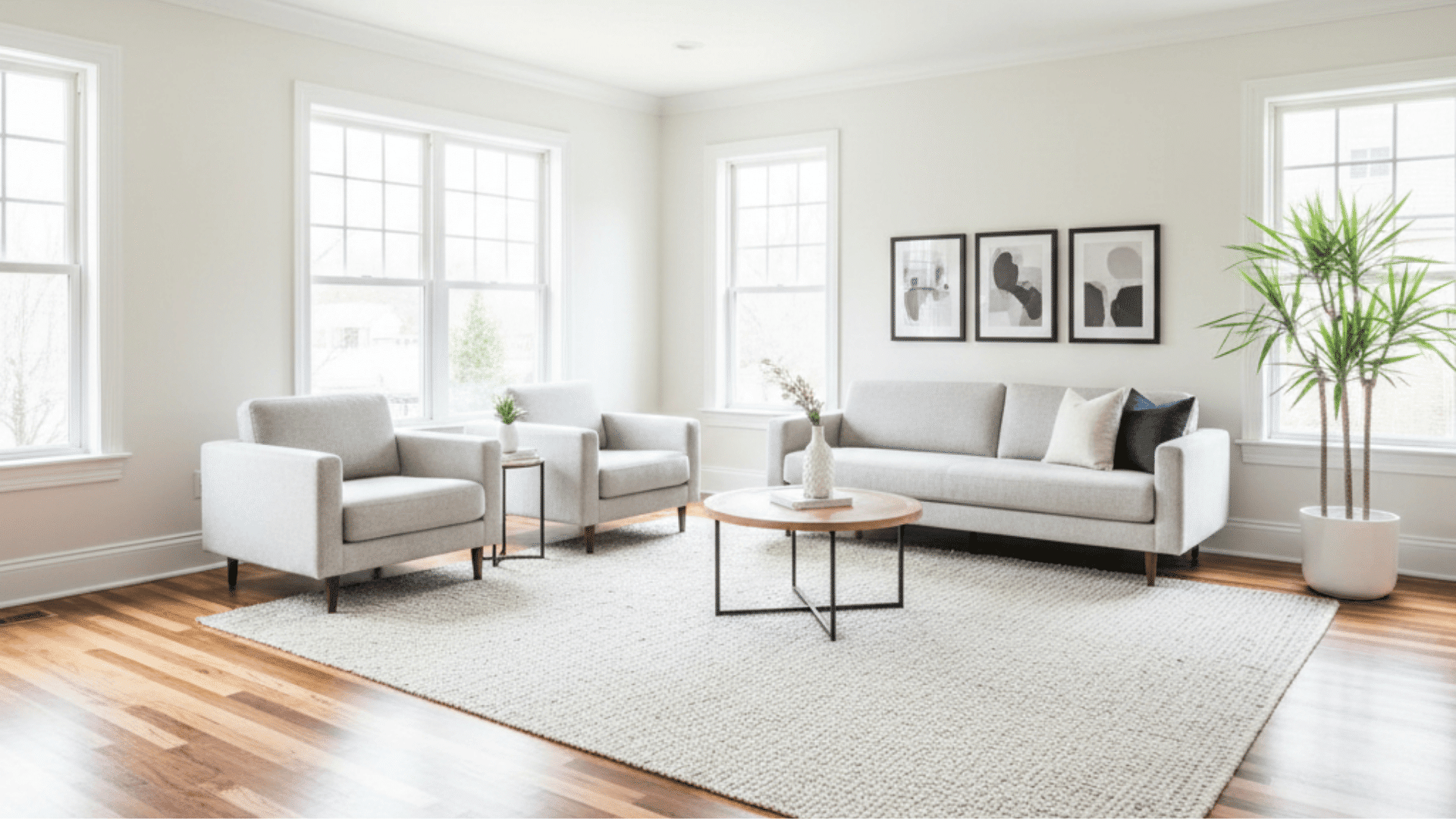
Hickory is high-contrast by nature, with light and dark boards mixed together, strong grain, and lots of movement. It’s gorgeous, but it’s visually “busy,” so the walls need to quiet things down or the room can feel restless.
- Best picks: warm white, soft gray, pale blue, neutral beige
- Avoid: busy wall colors or strong contrast
- Pro Tip: Think of the walls as the calm backdrop to let the floor be the feature.
10. Brazilian Cherry Floors
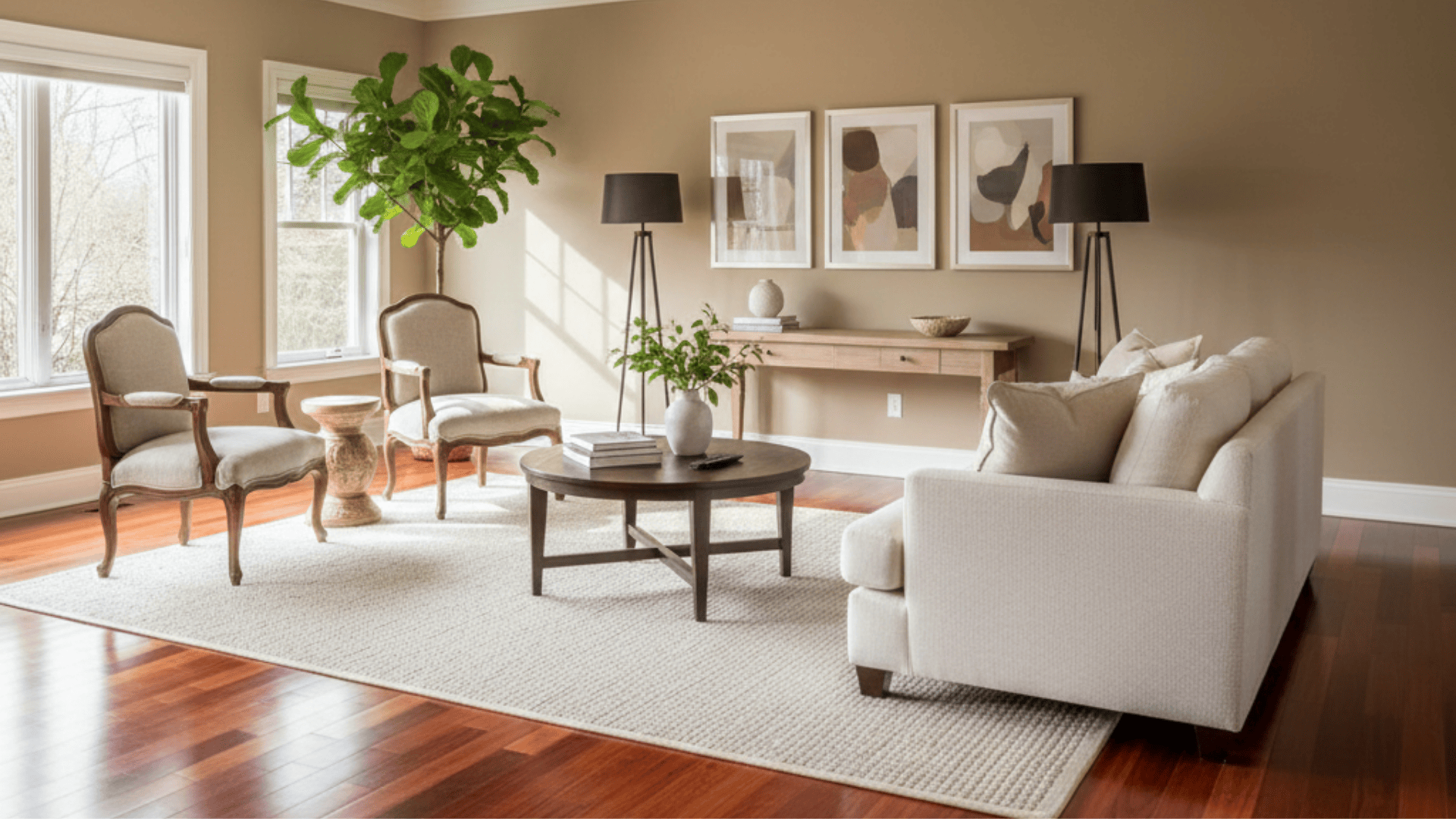
Brazilian cherry is bold. It’s rich, red, and warm, and it doesn’t apologize for it. In client homes, the biggest mistake I see is trying to “cool it down” with gray paint; those floors usually fight back and start looking pink.
- Best picks: warm cream, golden beige, soft taupe, muted olive
- Avoid: cool gray, stark white, red tones
- Pro Tip: Accept the warmth and choose colors that harmonize with it.
Medium-toned and golden oak floors don’t have to feel limiting. The right wall color changes them from dated to deliberate, and understanding colors that go with oak wood opens up way more possibilities than you realize.
Dark Hardwood Floor Wall Color Combinations
Dark floors instantly look graceful and refined, but they can also make a room feel like a cave if you go too dark everywhere else.
11. Walnut Floors
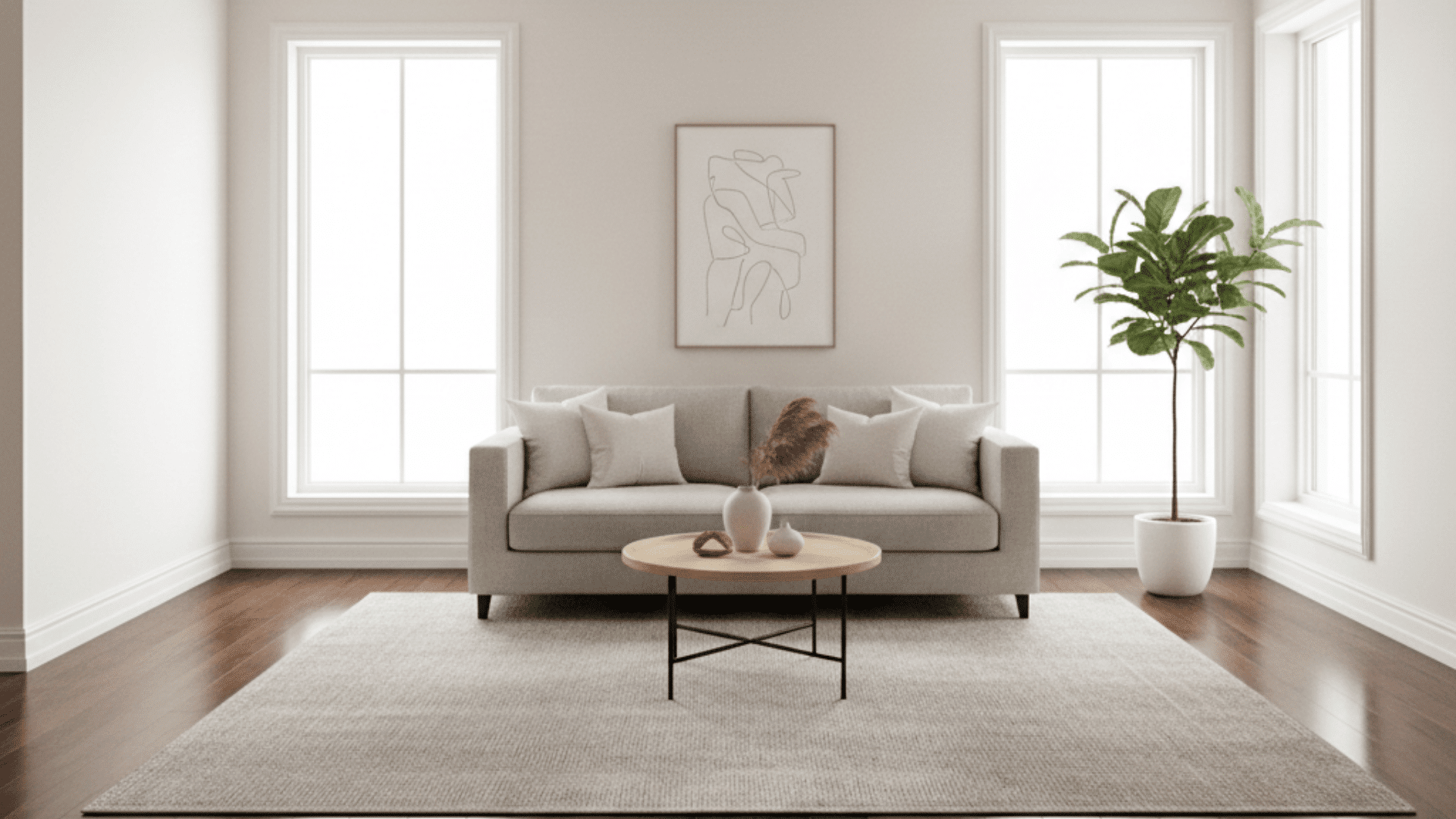
Walnut is one of the most designer-friendly dark woods, with deep chocolate tones, a refined grain, and just enough coolness underneath to keep it from feeling heavy. It reads sophisticated even in casual spaces.
- Best picks: cream, warm white, soft gray, pale blue
- Avoid: dark walls, brown walls
- Pro Tip: Light walls create that clean contrast that makes walnut look rich, not gloomy.
12. Dark Cherry Floors
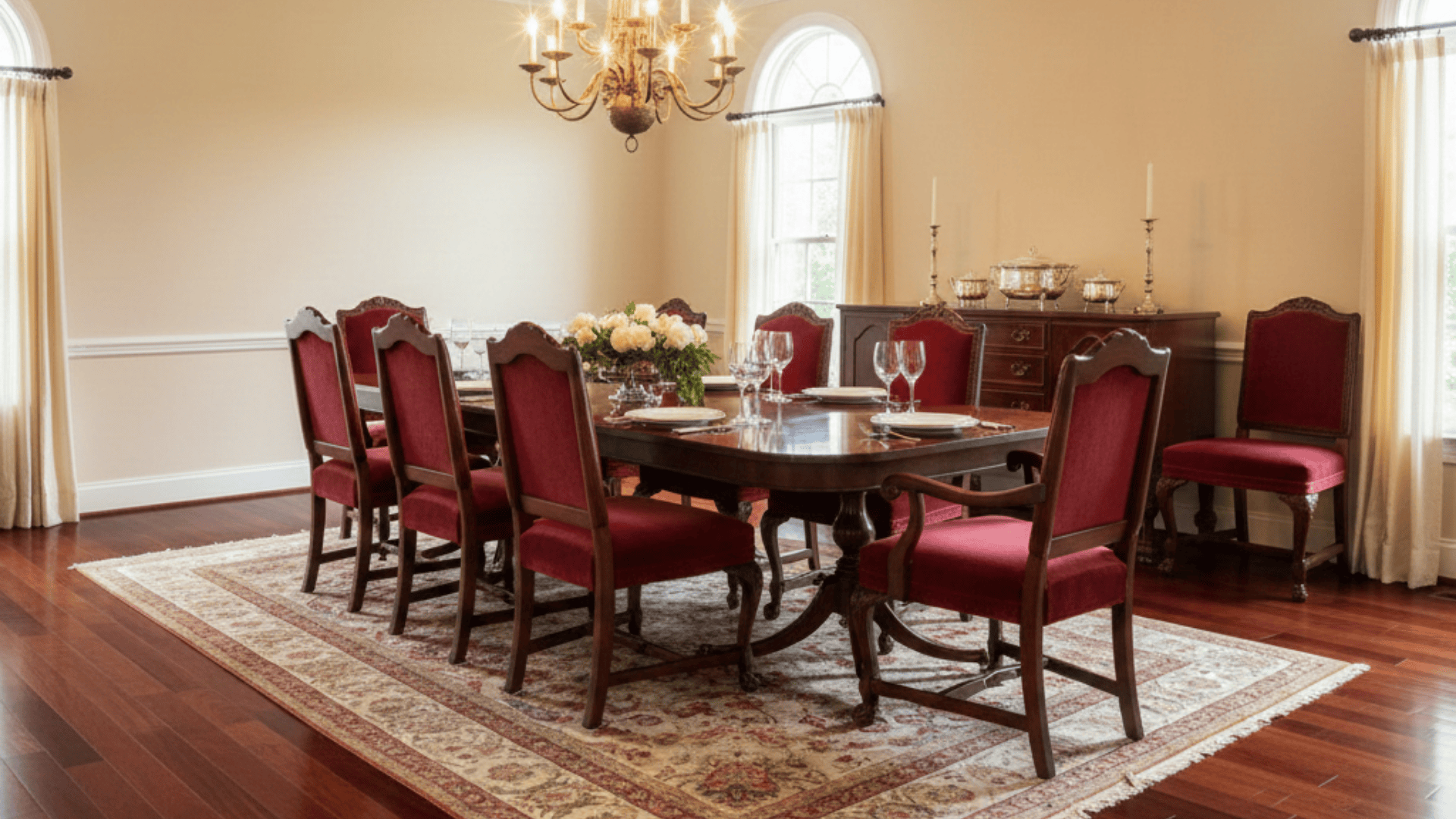
Dark cherry is traditional and warm, with a red-brown richness that gives a room instant formality. It looks incredible in dining rooms and studies, but it needs wall colors that soften the intensity.
- Best picks: cream, soft gold, warm beige, pale sage
- Avoid: red, burgundy, cool grays
- Pro Tip: Warm neutrals keep it elegant and grounded.
13. Dark Oak Floors
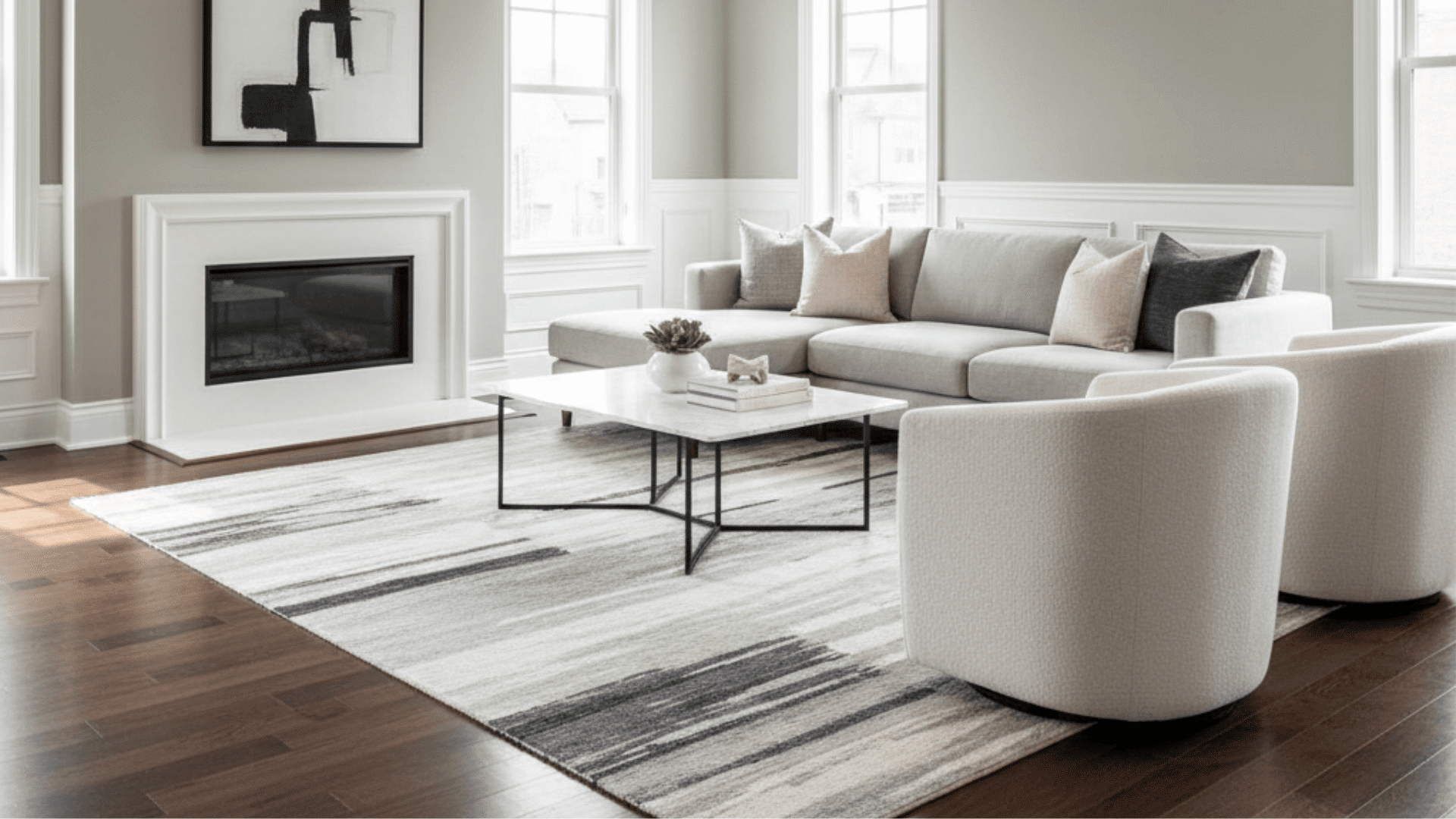
Dark oak usually means a stain has been applied, such as espresso, jacobean, or walnut, so the undertone can vary. Some read warm and chocolatey, others lean cooler. That undertone is the deciding factor for wall color.
- Best picks: greige, warm beige, soft gold, light gray
- Avoid: icy gray, stark white
- Pro Tip: Match undertones (warm with warm, cool with cool) for a refined look.
14. Mahogany Floors
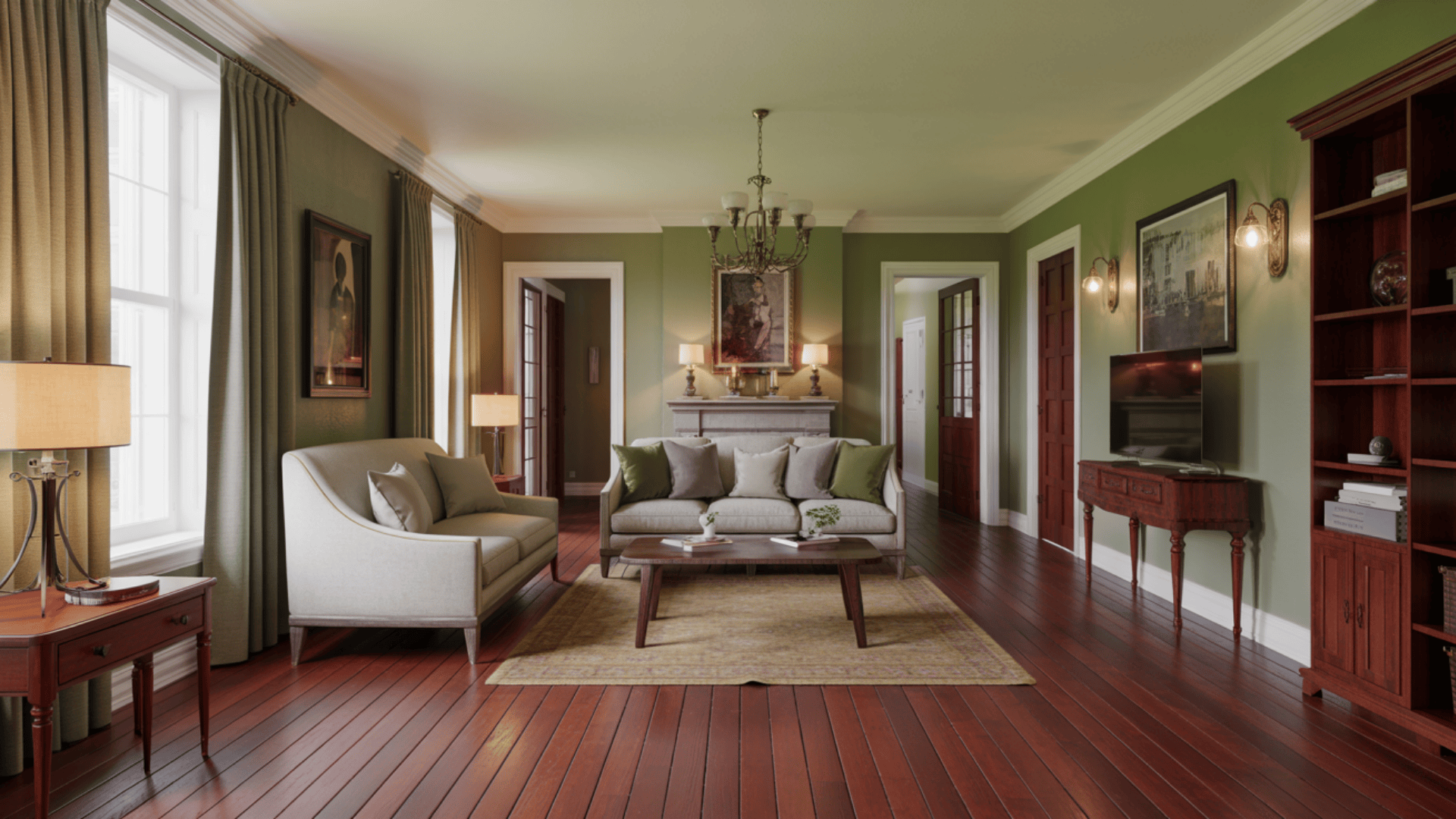
Mahogany has a classic, formal feel, reddish-brown depth, smooth grain, and a “traditional home” feel. It loves creamy, timeless palettes that feel layered rather than trendy.
- Best picks: cream, pale gold, soft green, warm taupe
- Avoid: red/pink/orange walls
- Pro Tip: Keep it classic so the wood looks intentional and upscale.
15. Ebony Floors
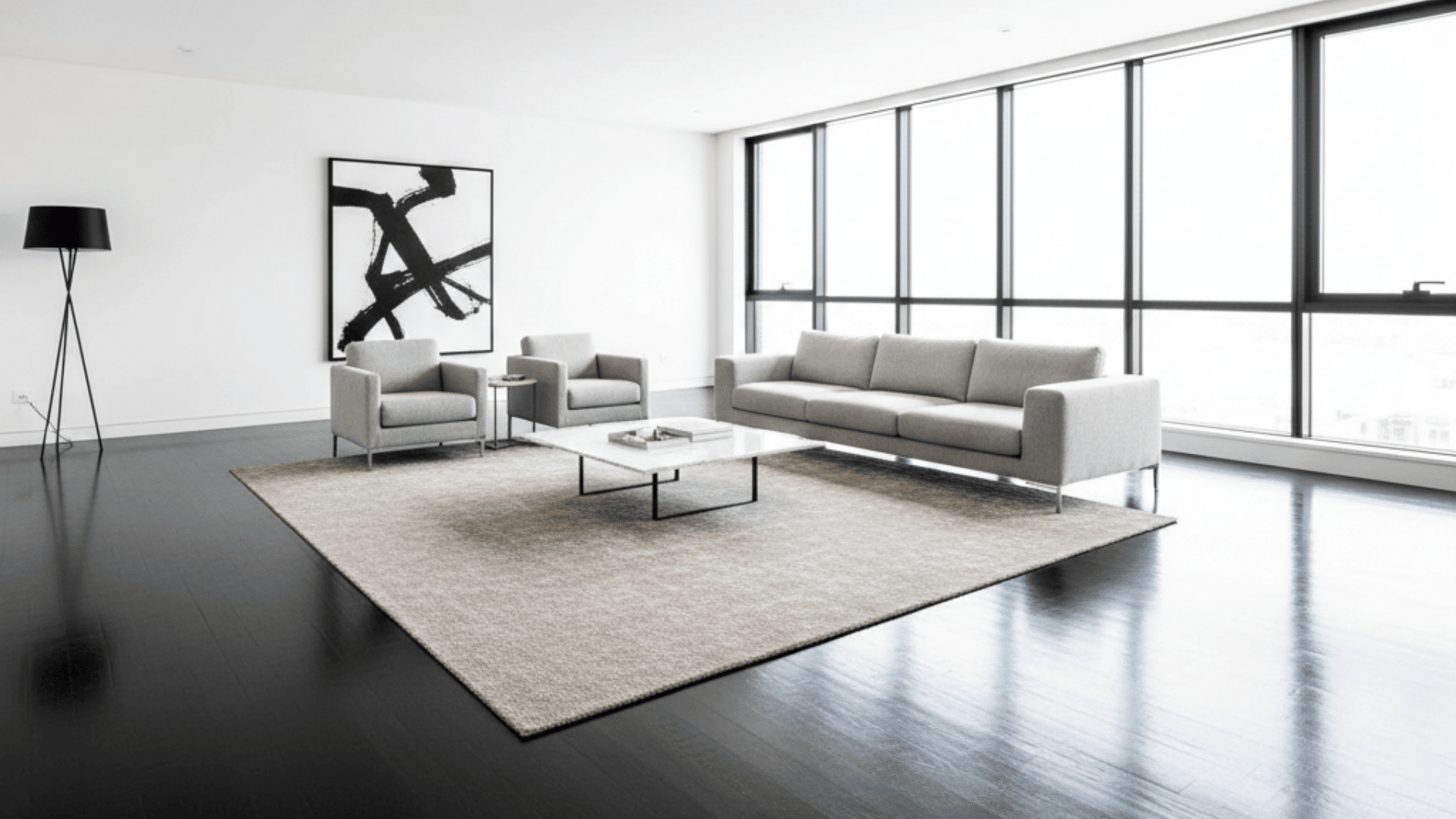
Ebony (or near-black stained floors) is high drama. The look is stunning, but it needs lightness somewhere, otherwise the room can feel heavy fast. The right wall color makes it chic; the wrong one makes it feel like a basement.
- Best picks: white, light gray, pale pink, soft cream
- Avoid: dark walls, dingy beige
- Pro Tip: Bright walls and dark floors are the secret to crisp, modern contrast.
16. Bamboo (Dark Stained)
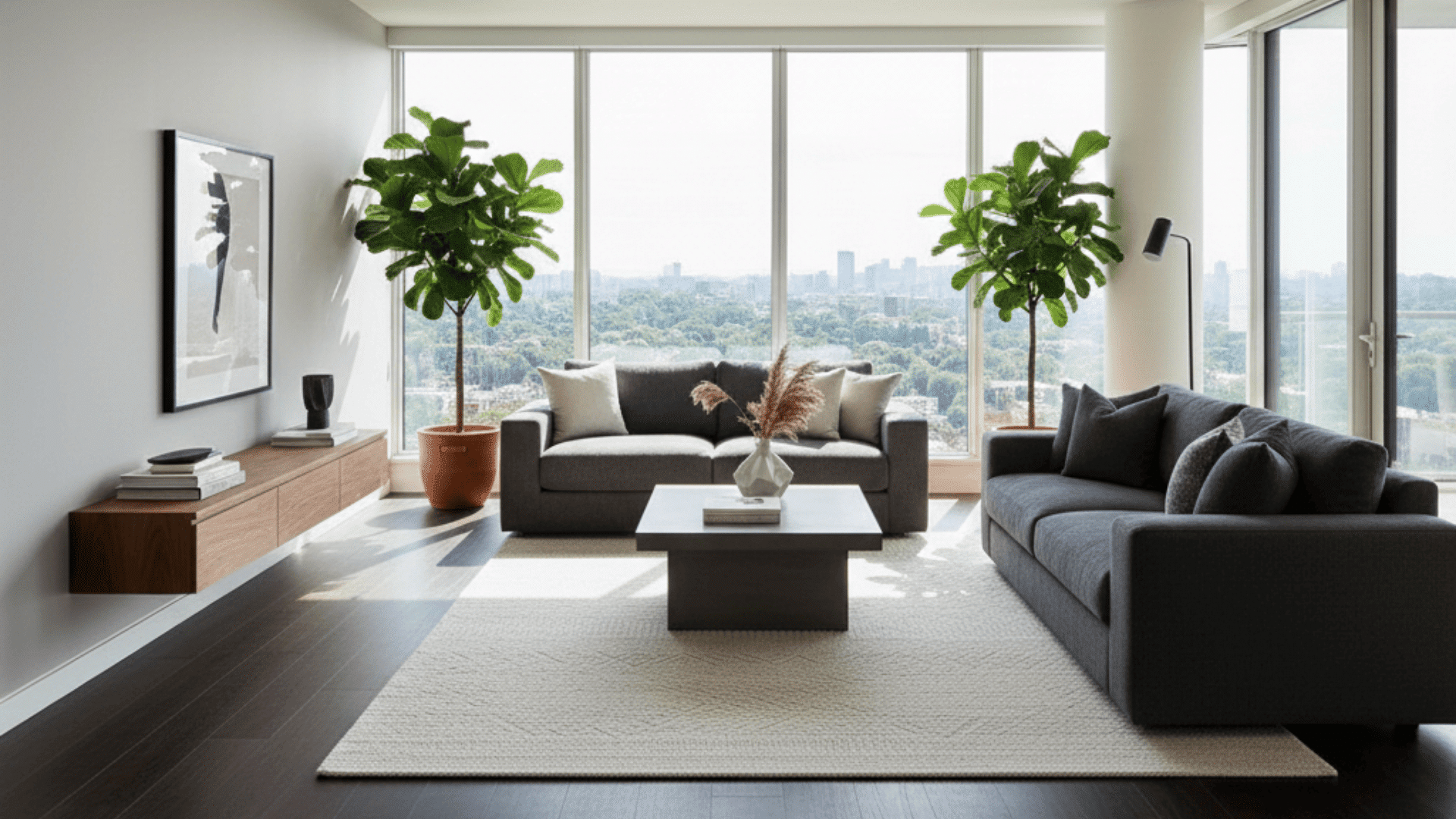
Dark bamboo is sleek and modern, with a linear grain that reads differently from traditional hardwood. It often has warm undertones under the stain, so wall colors need to be clean and simple to let that texture shine.
- Best picks: warm white, soft gray, pale green, cream
- Avoid: yellow/orange walls
- Pro Tip: Too much warmth on the walls can push bamboo into that “amber overload” zone.
Dark hardwood floors anchor a space with weight and presence. When figuring out how to match wall color with wood floor, you should always remember that lighter walls usually win with dark floors, creatinga balance that feels both grounded and open.
Wood Floor Paint Strategies by Room
Different rooms have different jobs, and that’s why the “right” wall color isn’t universal. In real homes, I choose paint based on how the space needs to function, how much light it gets, how often it’s used, and what mood it should create.
| Room | Best Approach | Why It Works |
|---|---|---|
| Living Room | Neutral to medium tones | Creates a welcoming vibe, works with any furniture style |
| Kitchen | Light, bright colors | Reflects light, makes small spaces feel bigger |
| Bedroom | Soft, calming shades | Promotes relaxation, pairs well with wood warmth |
| Bathroom | Cool or spa-like tones | Feels clean and fresh against wood accents |
| Home Office | Focused, non-distracting colors | Keeps attention on work, not walls |
| Dining Room | Rich, dramatic hues | Creates an intimate atmosphere for gatherings |
Tips That Save from Repainting
These are the behind-the-scenes tricks that keep clients from repainting twice. After styling many homes, I have realised these are the checks that consistently save time, money, and regret.
- The 60-30-10 Rule Still Applies: Floors are the 60%, walls are the 30%, and accents hit that final 10%. This balance keeps rooms from feeling chaotic or boring, and it’s why flooring always has more impact than people expect.
- Light Changes Everything: The exact same paint color can look totally different depending on the room’s exposure. A warm white might feel creamy in a south-facing room but turn flat or slightly gray in a north-facing space.
- Matte Finishes Hide Imperfections: Flat or eggshell finishes tend to look best with wood floors because they don’t compete for shine. They also soften small wall flaws, which matters a lot once sunlight hits the surface.
- Don’t forget the Ceiling: Dark floors and dark walls can feel stunning, but only if the ceiling stays lighter. Otherwise, the room can start to feel heavy, like it’s visually closing in from every direction.
- Walk the Space for a Full Week: A color that looks perfect in the store can feel completely different in real life. Living with samples through morning light, afternoon warmth, and nighttime lamps makes sure the “perfect shade” still feels right at every hour.
The Bottom Line
Matching wall color with wood floors doesn’t require a design degree. It’s about undertones, contrast, and testing in real light.
Floors are the anchor of the home; they’re already doing the heavy lifting. Wall color should respond, balance, and elevate what’s already there.
Whether you’re working with light maple, golden oak, or dark walnut, the right pairing takes the room from “fine” to “wow this feels perfect.”
Tape up a few samples, live with them for a few days, and let the space tell you what works. The right combo always reveals itself once you stop guessing and start testing.