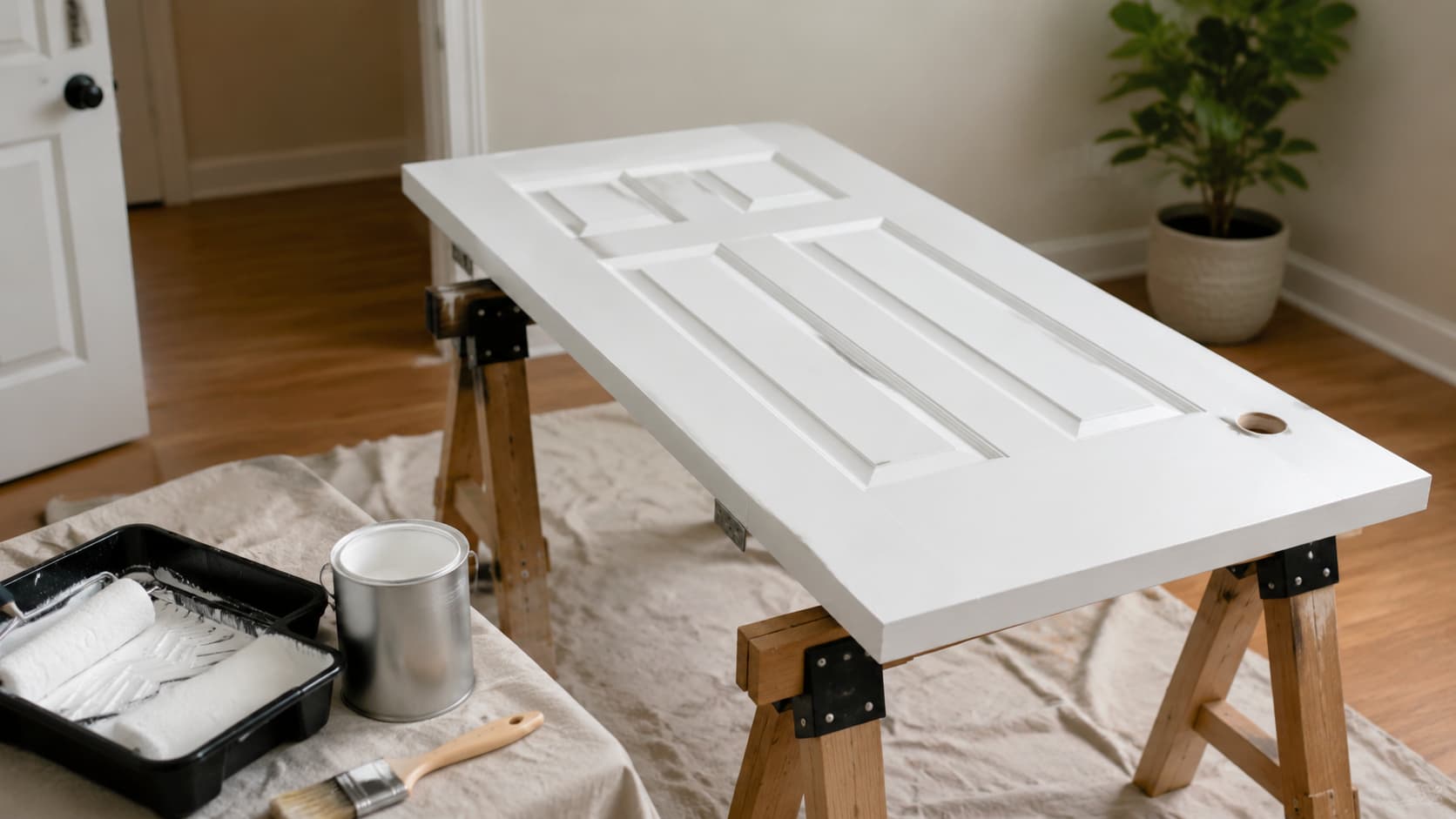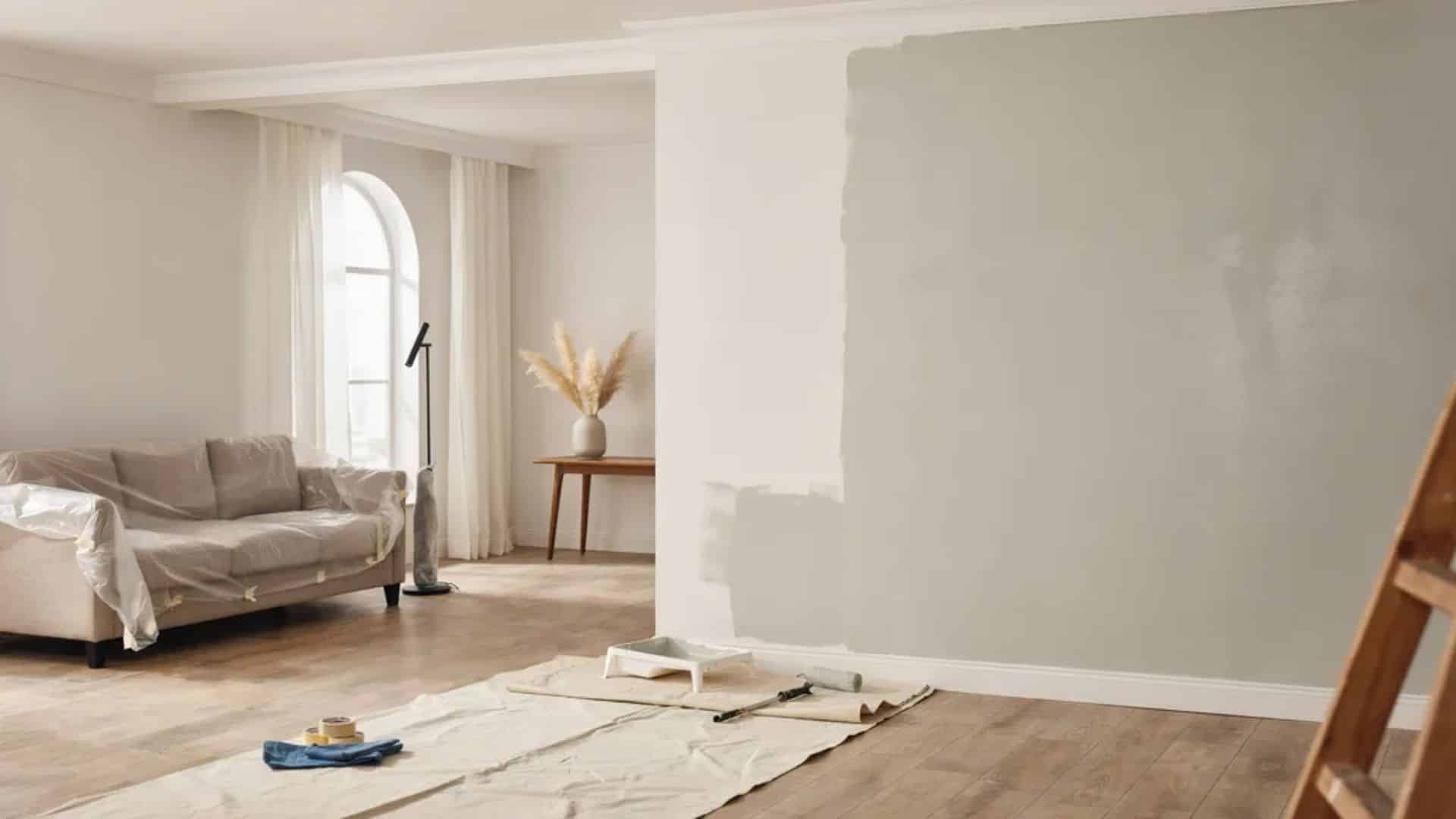

You’re standing in the paint aisle. Two cans look nearly the same. One says ceiling paint. The other says wall paint. The price? Almost identical. Can you just grab either one and call it done?
I’ve heard this ceiling paint vs wall paint question dozens of times. Homeowners often wonder if the labels actually mean anything or if paint companies just want to sell more products.
One thing that I learned from real people who tried swapping them. Some got lucky. Most didn’t.
The ones who used wall paint on ceilings dealt with drips running down their arms. The ones who painted walls with ceiling paint watched handprints appear within days.
The difference between ceiling paint vs wall paint isn’t just marketing talk. It’s about what happens after you finish painting and start living in that room.
Understanding the Ceiling Paint and Wall Paint
Ceiling paint is made to cling as you roll, giving even coverage without dripping. It usually dries flat or matte, reducing glare and softening light, creating a calmer feel.
Many people choose white ceilings to brighten the room and make it feel a bit taller.
Wall paint is designed for high-touch areas, so it is tougher than ceiling paint and better handles cleaning, scuffs, and fingerprints.
It comes in multiple finishes: eggshell for low-traffic rooms, satin for moisture-prone spaces, and semi-gloss for trim and high-wear spots (though it highlights flaws).
Ceiling Paint vs Wall Paint: At A Glance
While ceiling paint and wall paint may look interchangeable, they behave very differently once applied. Comparing their key features helps explain why using the wrong one can lead to drips, glare, or cleaning problems.
| FEATURE | CEILING PAINT | WALL PAINT |
|---|---|---|
| Thickness | Thicker, helps reduce drips | Thinner, flows easier on walls |
| Finish | Usually flat or matte | Many sheen options |
| Glare | Low glare | The higher the sheen, the more it can reflect |
| Washability | Limited | Better for wiping and cleaning |
| Touch-ups | Can show patches more | Often blends better |
| Best use | Ceilings, low-touch spaces | Living spaces and high-traffic rooms |
When you understand how thickness, finish, and durability affect real-life use, the choice of paint becomes much clearer. What seems like a small decision in the store can make a noticeable difference once the room is finished.
Is Ceiling Paint Different from Wall Paint?
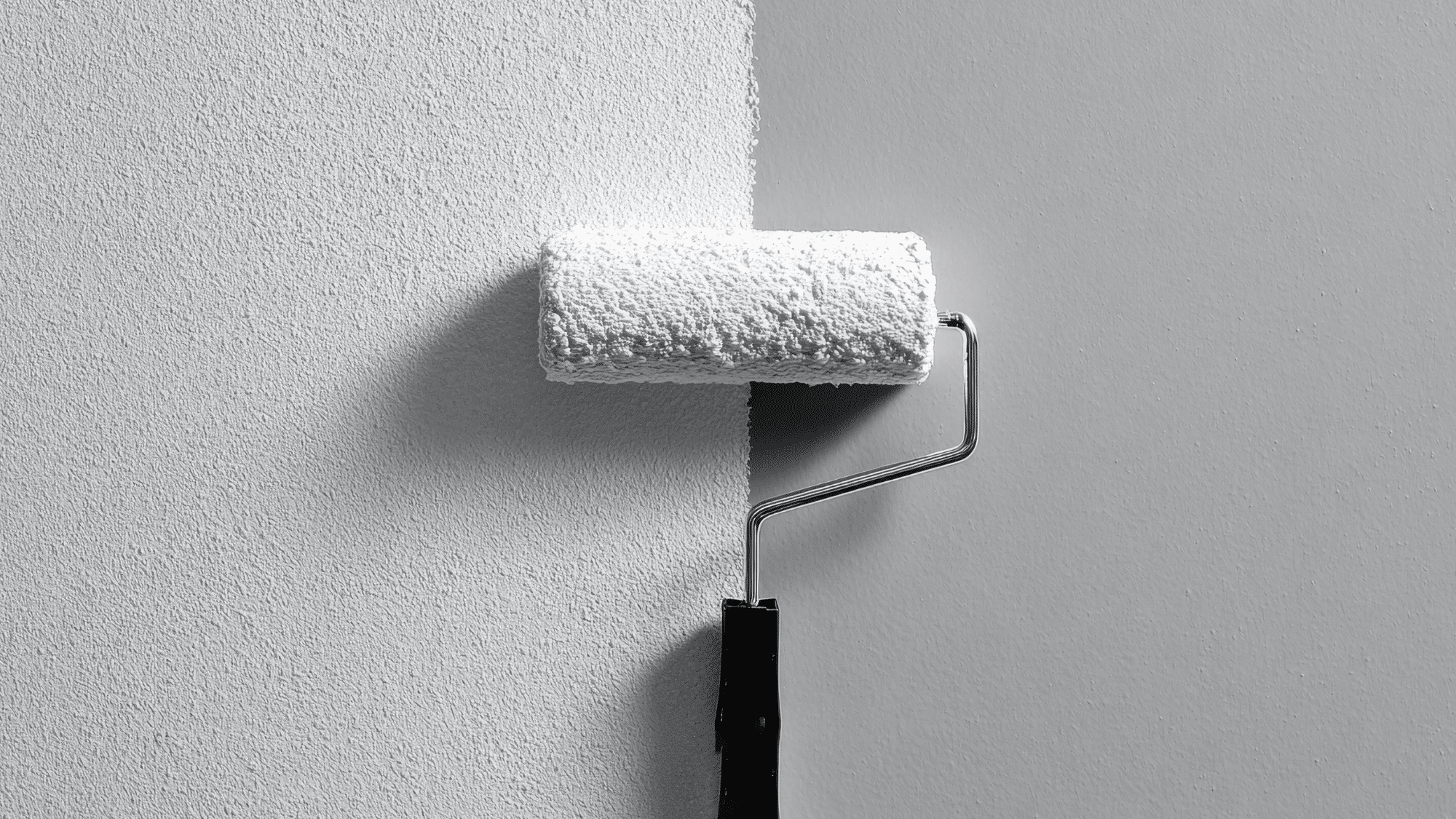
In my design work, the question of ceiling versus wall paint comes up in almost every residential project. It’s one of those decisions that seems simple but actually shapes how a room feels.
People want to know whether the difference actually matters or is just marketing.
- Thickness and Splatter: Ceiling paint is thicker to reduce drips, while wall paint flows more easily and tends to drip when used on ceilings.
- Finish and Reflection: Ceilings use flat or matte finishes to reduce glare; shinier wall finishes reflect light and highlight overhead flaws.
- Durability: Wall paint is tougher for daily wear, while ceiling paint focuses on smooth coverage.
- Washability: Wall paint handles cleaning better; ceiling paint can flake or lighten when scrubbed.
- Drying and Patching: Ceilings show touch-ups more due to flat finishes and lighting, while walls blend more easily.
Once you understand these differences, it becomes clear why using the wrong paint often leads to drips, glare, or visible touch-up marks. Choosing the right paint from the start helps avoid extra work and frustration later.
Flat Ceiling Paint: When It’s the Best Choice
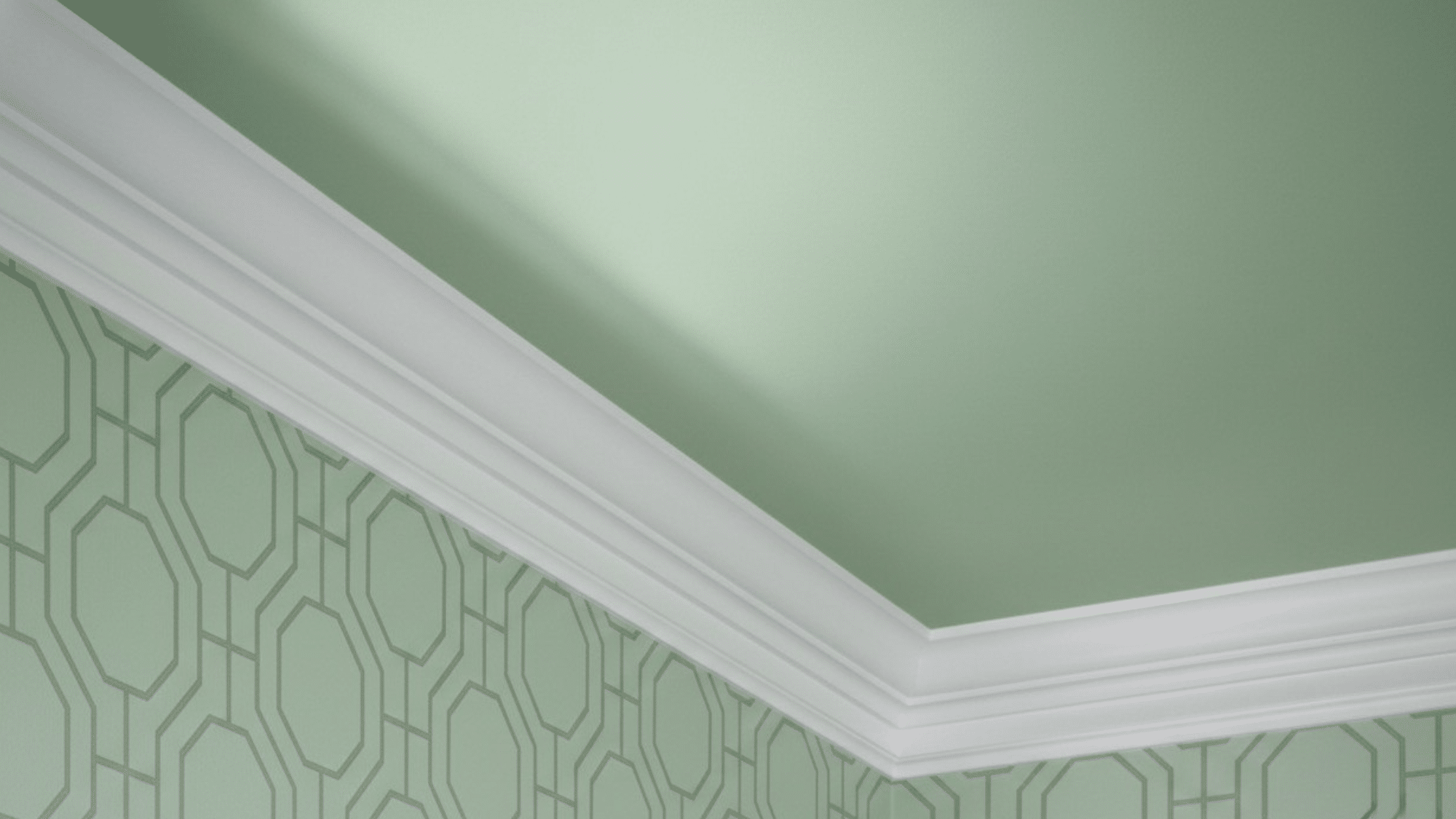
Flat ceiling paint is excellent at hiding minor flaws because it absorbs light, keeping the ceiling looking smoother.
It works exceptionally well in older homes with cracked or uneven ceilings. It also reduces glare, so the lighting feels softer and easier on your eyes.
The downside is poor cleanability, since the porous finish holds stains and can rub off when wiped.
It is not ideal for kitchens, humid bathrooms, or areas where ceilings may get touched and need cleaning.
Can You Use Wall Paint on The Ceiling?
This question comes up in every home renovation forum. The short answer is yes, you can. But as someone who’s helped people fix rushed painting decisions, I need to tell you what actually happens.
People often use wall paint on ceilings because it feels practical. Leftover paint is the biggest reason, and it avoids waste.
Others want an exact match for a feature ceiling or a same-color wrap look. Price can matter too. Some people do not realize ceiling paint is different.
The downsides show fast. Wall paint is thinner, so it drips and splatters more overhead. Coverage is weaker, so the old color may show through, and you may need extra coats.
The work feels harder because you reload more and chase runs.
Can You Use Ceiling Paint on Walls?
People ask me this less often than the reverse, but it comes up. Usually, someone bought too much ceiling paint and wonders if they can use it elsewhere. The answer depends on where and how you live.
Ceiling paint can be used on walls in low-traffic areas, such as closets, utility rooms, storage rooms, and quiet basement hallways.
These spaces do not get touched or cleaned much, so the flat finish holds up well enough.
On the main walls, it marks easily and is hard to clean without leaving light spots.
It performs worst in kitchens, bathrooms, and kids’ rooms because stains, moisture, and mess are common.
A better plan is to use ceiling paint as a base coat, then finish with regular wall paint after it dries.
What People Say About Their Paint Choices
Paint conversations tend to follow the same pattern. People share their regrets. They talk about what went wrong and what they’d do differently next time. Some of the most common issues that people face are:
Story 1: It Just Dripped All Over Me
“I used Johnstones White Matt paint and watered it down to anout 1 parts water to 4 parts paint, it was very very runny and I tried rollering in on the ceiling and it just driped all over me.” – DIYnot
Story 2: I Can’t Clean Any Wall In My Home
“If you wet your finger and wipe the wall the paint literally comes right off. It’s become very frustrating, as I cannot clean any wall in my home (they painted every wall, too).” – DoItYourself.com
Story 3: It Looked Bad In The Light.
“I tried putting a semi-glossy white latex on (2 coats), but it looked bad in the light, so I then put on flat latex over.… The first coat looked almost OK, except for some skips and lap marks. The next coat looked worse.” – DoItYourself.com
As you can see, the wrong paint or finish can lead to drips, cleaning problems, and lighting flaws that remain visible every day.
Mistakes That Cost Homeowners Time and Extra Coats
Some painting mistakes show up immediately. Others reveal themselves after you’ve already cleaned your brushes and put the furniture back.
- Wrong paint choice: Ceiling wall paint drips, splatters, and unevenly covers the surface, creating extra cleanup and repairs.
- Poor prep: Dust, grease, and moisture block adhesion, leading to patchy coverage, peeling, or the need for additional coats.
- Wrong finish: Too much sheen on ceilings adds glare and shows flaws; the wrong wall sheen can scuff or highlight dents.
- Bad rolling technique: Wrong nap, overloading, or rolling fast leads to splatter and missed spots, forcing extra coats.
- Rushing: Recoating too soon and quick touch-ups can lift paint and leave visible patches, especially on ceilings.
Most of these problems are easy to avoid with the right paint choice, proper prep, and a bit of patience. Taking the time to do it right the first time almost always saves effort in the long run.
Final Thoughts
Your next painting project doesn’t have to include unnecessary stress or do-overs.
Walk into that paint aisle with confidence. You understand the ceiling paint vs wall paint decision now, you understand why those two cans aren’t interchangeable. You can spot potential problems before they happen.
The right paint choice means less frustration during application and longer-lasting results. Your investment of time and money pays off when the finish still looks good months or years later.
Trust what you’ve learned here. Your home deserves surfaces that perform as well as they look.
What’s your biggest paint question or concern for your next project? Share in the comments below.