
You’re standing in the paint aisle, staring at rows of cans labeled “latex paint.” A simple question pops into your head: Is latex paint water-based?
The name itself doesn’t give much away, and the chemistry behind it sounds complicated. Most people grab latex paint without really knowing what’s inside the can.
They’ve heard it cleans up with soap and water, but that’s about it. The truth involves some surprising facts about what “latex” actually means today and how these paints have changed over the years.
Find out the real composition of latex paint, and how it compares to acrylic and oil-based options, and make more intelligent choices for walls, trim, cabinets, and outdoor projects. No jargon, just straight answers.
What is Latex Paint?
Latex paint is the most common paint for interior walls and ceilings. Walk into any paint store and ask for wall paint, and you’ll probably get latex. It’s what most people use for their painting projects.
The name “latex” makes it sound like the paint contains rubber, but it doesn’t. Modern latex paint rarely contains actual latex anymore. The name just stuck around from old formulas used decades ago.
Today, latex paint means water-based paint for walls and ceilings. The water part matters because it affects how you apply the paint and how you clean up afterward.
The most significant difference between paint types lies in the binder. It is the ingredient that holds everything together and creates the film on your wall once it dries.
What is in Latex Paint?
Latex paint isn’t actually made from latex. It’s a water-based formula that’s become the go-to choice for most home projects, and for good reason. The ingredients work together to create a durable, easy-to-clean finish that dries quickly.
Main ingredients include:
- Water: The primary base that makes cleanup simple with soap and water
- Pigments: Tiny particles that give the paint its color and coverage
- Binders: Acrylic or vinyl resins that hold everything together and help paint stick to surfaces
- Additives: Things like mildew resistance, flow improvers, and thickeners that boost performance
What Makes Latex Paint Water-Based?
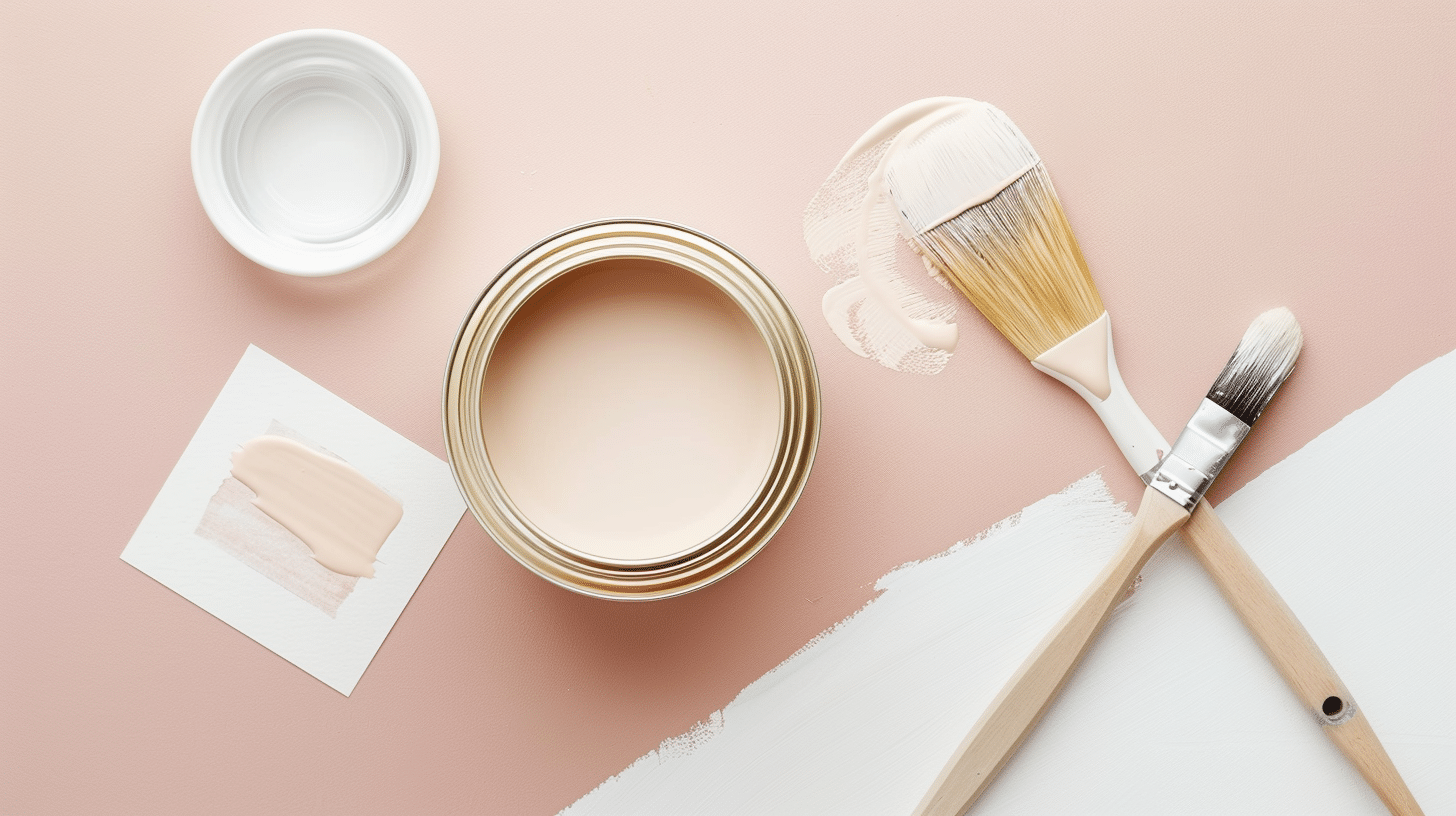
The secret’s in the solvent. Latex paint uses water as its main carrier instead of harsh chemicals or oils. When painters apply it, the water keeps everything fluid and spreadable.
As the paint dries, the water evaporates into the air, leaving behind the colored coating. This is totally different from oil-based paints, which rely on petroleum solvents.
That’s why latex paint has less odor and won’t linger in the air for days. Plus, brushes and spills can be cleaned up with regular tap water. No special thinners needed, which makes the whole painting process much friendlier for DIYers and pros alike.
Differences Between Latex, Acrylic, and Oil Paint
Latex, acrylic, and oil paint can look similar on the shelf, but they behave very differently on the wall, trim, or furniture.
| Feature | Latex Paint | Acrylic Paint | Oil Paint |
|---|---|---|---|
| Base | Water-based | Water-based (acrylic resin) | Solvent-based |
| Best For | Walls, ceilings | Trim, doors, cabinets, exteriors | Trim, doors, high-wear surfaces |
| Dry To Touch | 1–2 hours (typical) | 1–2 hours (typical) | 6–8+ hours (often longer) |
| Recoat Time | Same day (often) | Same day (often) | Next day (often) |
| Cleanup | Soap + water | Soap + water | Mineral spirits/solvent |
| Odor | Low | Low to moderate | Strong |
| Leveling | Fair to good | Good | Very good |
| Durability | Good (varies by line) | Very good | Tough finish |
| Yellowing | Rare | Rare | More likely over time |
| Best If You Want | Easy, fast painting | Stronger adhesion + flexibility | Smooth, hard trim finish |
Best Uses for Water-Based Latex Paint
Water-based latex paint handles most home painting projects with ease. The fast drying, simple cleanup, and low odor make it the default choice for interior work.
- Interior walls: Living rooms, bedrooms, and hallways benefit from the quick dry time and minimal smell. You can finish a room in one day and use it immediately without waiting for fumes to clear.
- Ceilings: Flat or matte finishes hide glare and small surface imperfections. The low-splatter formulas make overhead work cleaner, and the fast-drying prevents drips from staying wet for too long.
- Drywall and plaster: The paint covers primed, smooth surfaces evenly with strong adhesion. It builds up nicely on patch jobs and repairs when properly primed first.
- Low- to medium-traffic areas: Home offices, guest rooms, and dining spaces see enough daily use that latex holds up well without premature scuffing or wear marks.
- Rental refresh projects: Fast turnaround and low odor mean tenants can move in sooner. Landlords appreciate the same-day recoat times for quick property flips.
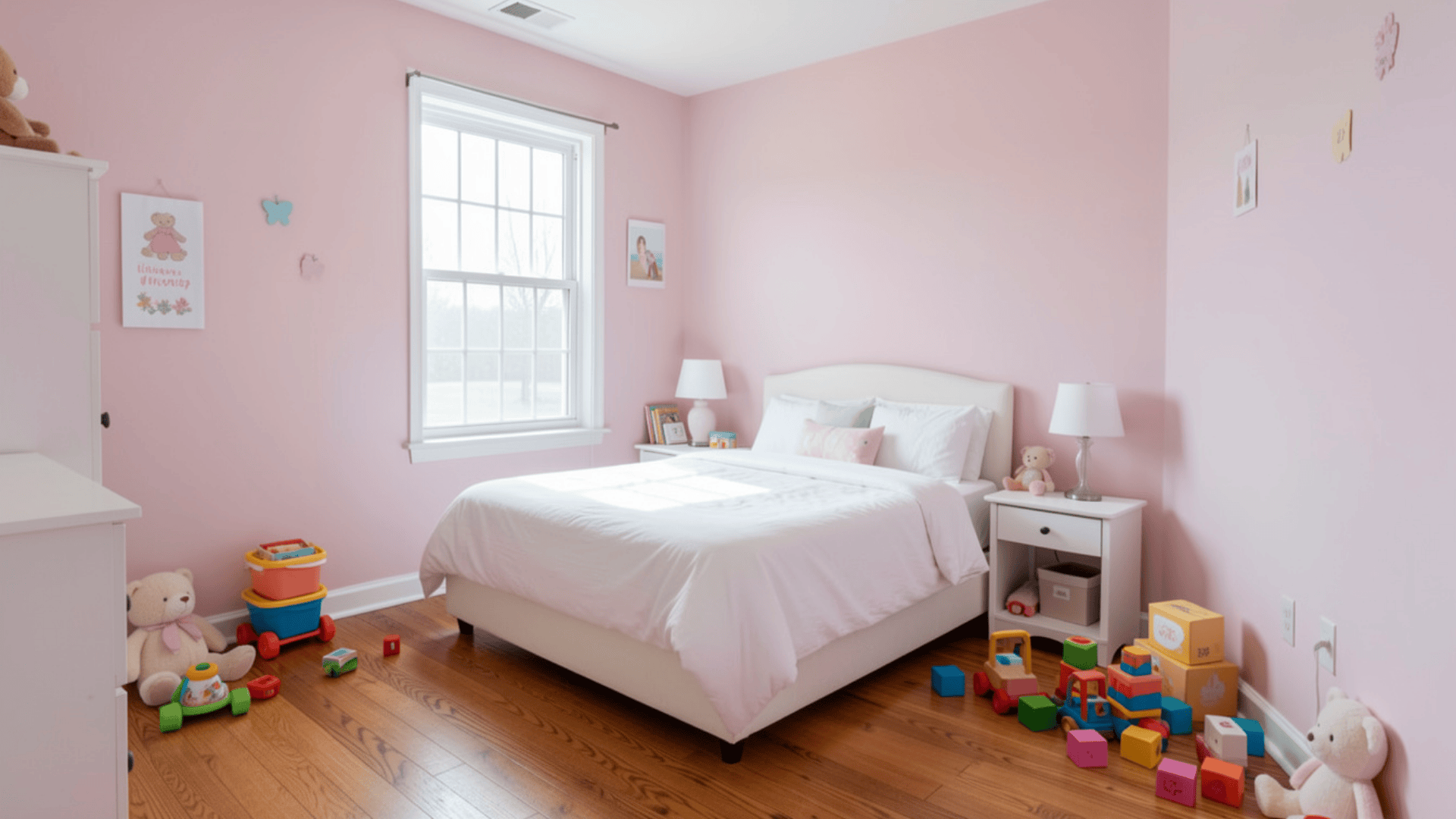
- Kids’ rooms and nurseries: Lower fumes create a safer, more comfortable painting experience around children and babies. Parents can paint while the kids sleep in another room.
Pros and Cons of Water-Based Latex Paint
Water-based latex paint dominates the wall paint market for good reason. It offers easy cleanup, fast drying, and low odor, making it the top choice for interior walls, ceilings, and many DIY projects.
| Pros Of Water-Based Latex Paint | Cons Of Water-Based Latex Paint |
|---|---|
| Easy cleanup with soap and water | Can raise wood grain on raw wood without proper prep |
| Low odor compared to solvent-based paints | Not as smooth-leveling as oil on some trim |
| Fast dry time for quicker room turnaround | It can show brush marks if you use the wrong roller or brush. |
| Faster recoats, often same day | Needs the right primer for glossy or stained surfaces |
| Flexible finish that resists cracking as walls expand/contract | Less “hard” feel than oil in high-impact spots |
| Many finish options (flat to semi-gloss) | Humidity and cold temperatures can slow drying and affect the finish |
| Good color retention, less yellowing over time | Some cheaper formulas can scuff sooner |
| Better for indoor air comfort during painting | Often needs 2 coats for deep or bold colors |
Tips For Using Latex Paint Successfully
Latex paint is beginner-friendly, but a few small steps make a big difference in how smooth it looks and how long it lasts. Use these tips to avoid streaks, peeling, and uneven sheen.
- Clean first: Wipe off dust, grease, and soap scum with a damp cloth. Let the surface dry completely before painting. Dirt under paint causes adhesion problems and creates a rough texture.
- Patch and sand: Fill holes and cracks with spackling compound. Sand repairs smooth once dry. Bumps and rough spots show through paint, especially in good lighting near windows.
- Prime when needed: Always prime raw drywall, stains, glossy paint, bare wood, and significant color changes. Primer seals the surface and helps the topcoat adhere properly without peeling or bleed-through.
- Choose the right sheen: Flat works best for ceilings because it hides imperfections. Eggshell suits most walls. Satin holds up better in moisture-prone rooms like bathrooms and kitchens.
- Paint smart: Stir the paint thoroughly before starting. Cut in edges first with a brush, then roll the central area. Keep a wet edge to prevent visible lap marks.
- Apply two thin coats: Thick coats drip, sag, and dry unevenly. Follow the recoat times on the can label. Do not overload the roller. Two thin layers beat one heavy coat.
- Cure time matters: Paint may feel dry in hours, but it takes about 30 days to cure fully. Avoid scrubbing or heavy washing during this time. Early cleaning can damage the surface.
Final Thought
Is latex paint water-based? Yes, it is. The water acts as the carrier that keeps the paint liquid until it dries on your walls. It makes cleanup simple and keeps fumes lower than with oil-based options.
The name “latex” doesn’t tell the whole story about quality. What matters is the binder inside the can. Acrylic binders perform better than vinyl ones. Reading the label gives you more helpful information than the generic name on the front.
For most home projects, water-based latex or acrylic latex paints handle the job well. They dry fast, clean up easily, and work on nearly every surface. Higher-quality formulas cost more but last longer and resist wear better.
Pick your paint based on where it goes and how much abuse it will take. Match the surface to the paint type. Check the label for features such as moisture resistance, scrub resistance, and durability.
Got questions about your next paint project? Drop them in the comments below.