Victorian homes have a certain magic. They feel rich and cozy at the same time. Walls hold patterns. Colors pile on top of each other. Nothing matches too perfectly, and that’s the charm.
A Victorian house interior doesn’t have to live in the past. You can bring these ideas into any home, old or new.
What makes Victorian design work? It’s the details, colors, wallpapers, textures, and lighting that all layer together. Different Victorian styles each bring their own personality.
You’ll see room-by-room decorating ideas that work today. There’s even a simple shopping list to get you started. If you live in a historic Victorian or just love the style, these ideas fit right into modern life.
Let’s start by defining what Victorian interior design really means and what makes a home feel truly Victorian.
What Is Victorian Interior Design?
Victorian interior design refers to styles popular during Queen Victoria’s reign (1837–1901) in Britain. Homes from that time were packed with details everywhere.
Think carved wood trim, high ceilings with fancy molding, and decorative fireplaces. But Victorian style isn’t just about age.
A Victorian house interior feels Victorian because of how things layer. Patterns sit next to other patterns. Different textures fill the same space.
Rooms appear as if someone added pieces slowly over time, not in one shopping trip.
Nothing matches exactly, and that’s the point. Victorian spaces feel collected, personal, and full of character. They tell a story through every piece.
Key Characteristics Of Victorian House Interiors
Victorian house interiors share a few common traits. These details show up again and again, whether the home is original or styled to feel Victorian. Each element adds to that layered, collected look.
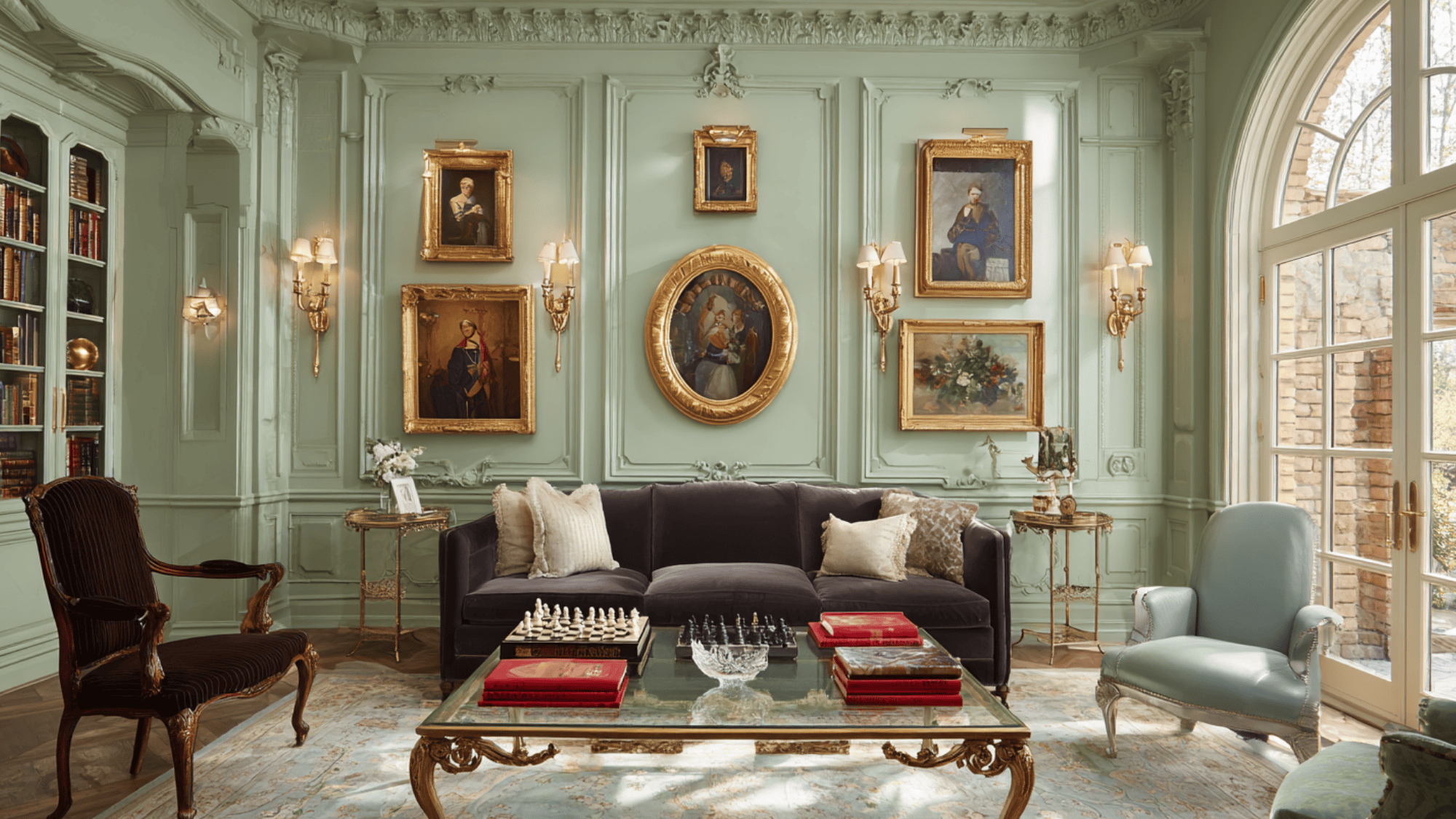
- Architectural Details: Crown molding, ceiling roses, picture rails, wainscoting, and carved fireplace surrounds add instant Victorian character. These built-in details work hard.
- Color and Contrast: Victorian rooms pair deep reds, greens, and blues with lighter trim. Mix dark and light to create drama and depth.
- Wallpaper, Prints, and Layering: Florals, stripes, and damask patterns layer on walls. Multiple prints work when colors repeat. Apply floor-to-ceiling or choose one accent wall.
- Texture and Materials: Dark mahogany and walnut are used in the furniture and trim. Velvet, lace, carved details, and brass touches create warmth across rooms.
- Lighting and Finishes: Wall sconces flank mirrors and doors. Statement lights anchor the main rooms. Brass and bronze beat chrome. Glass shades add charm.
- Styling and Decor: Framed art covers the walls salon-style. Mirrors reflect light. Shelves hold collected objects. Victorian styling fills rooms with intention, never scattered clutter.
These characteristics work together to create that signature Victorian house interior look. You don’t need all of them at once. Pick a few that fit your space and start there.
Victorian Decorating Ideas By Room
Victorian house interiors vary from room to room. Some spaces need more drama. Others need to stay functional. Here’s how to bring Victorian style into every part of your home.
1. Victorian Living Room Ideas
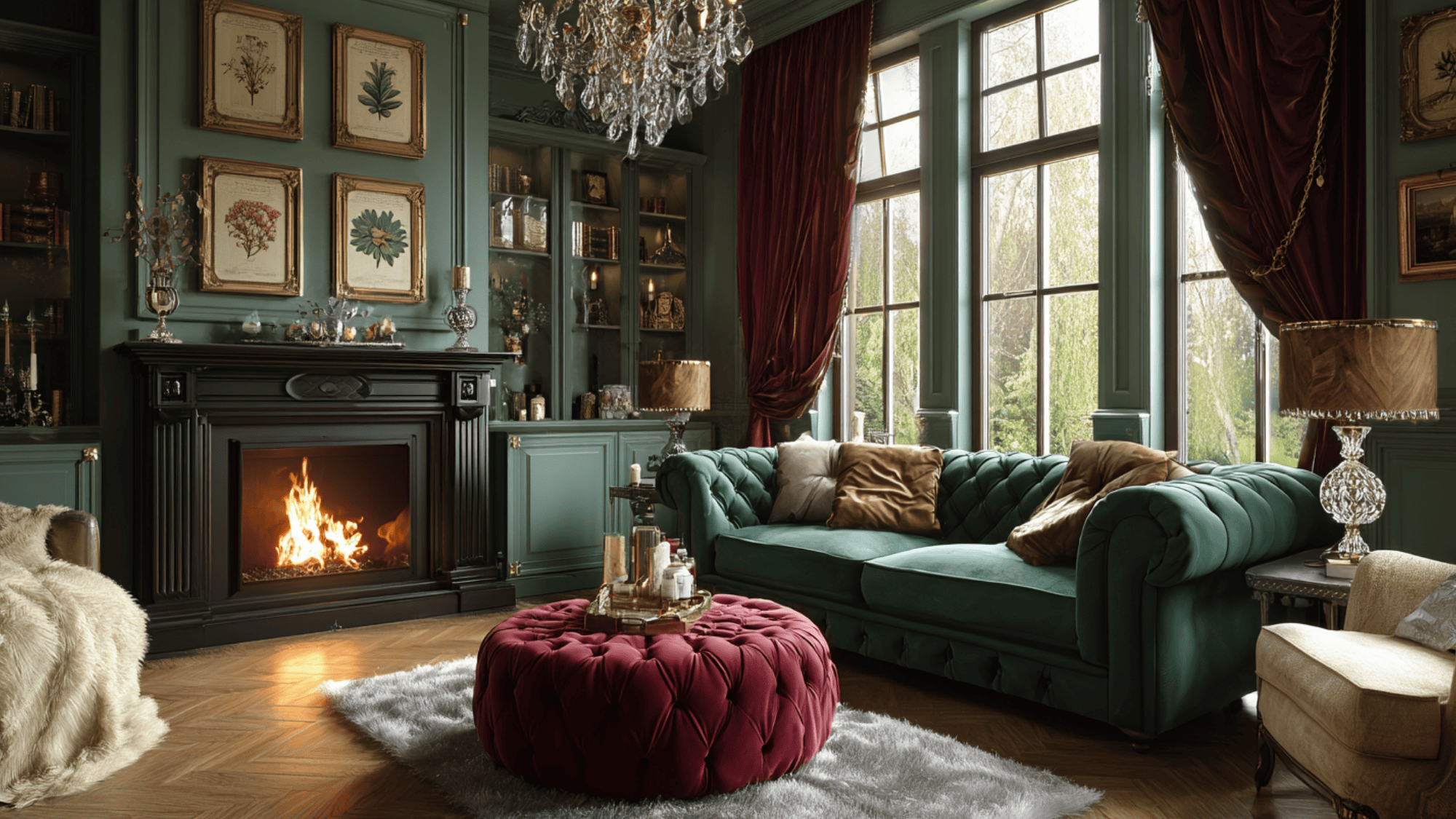
Make the fireplace the star. Layer a smaller rug over a larger one for texture. Hang heavier drapes in velvet or brocade. Mix seating styles instead of matching everything.
A sofa, two different chairs, and an ottoman create that collected look. Add patterned throw pillows and a few framed prints on the walls.
2. Victorian Bedroom Ideas
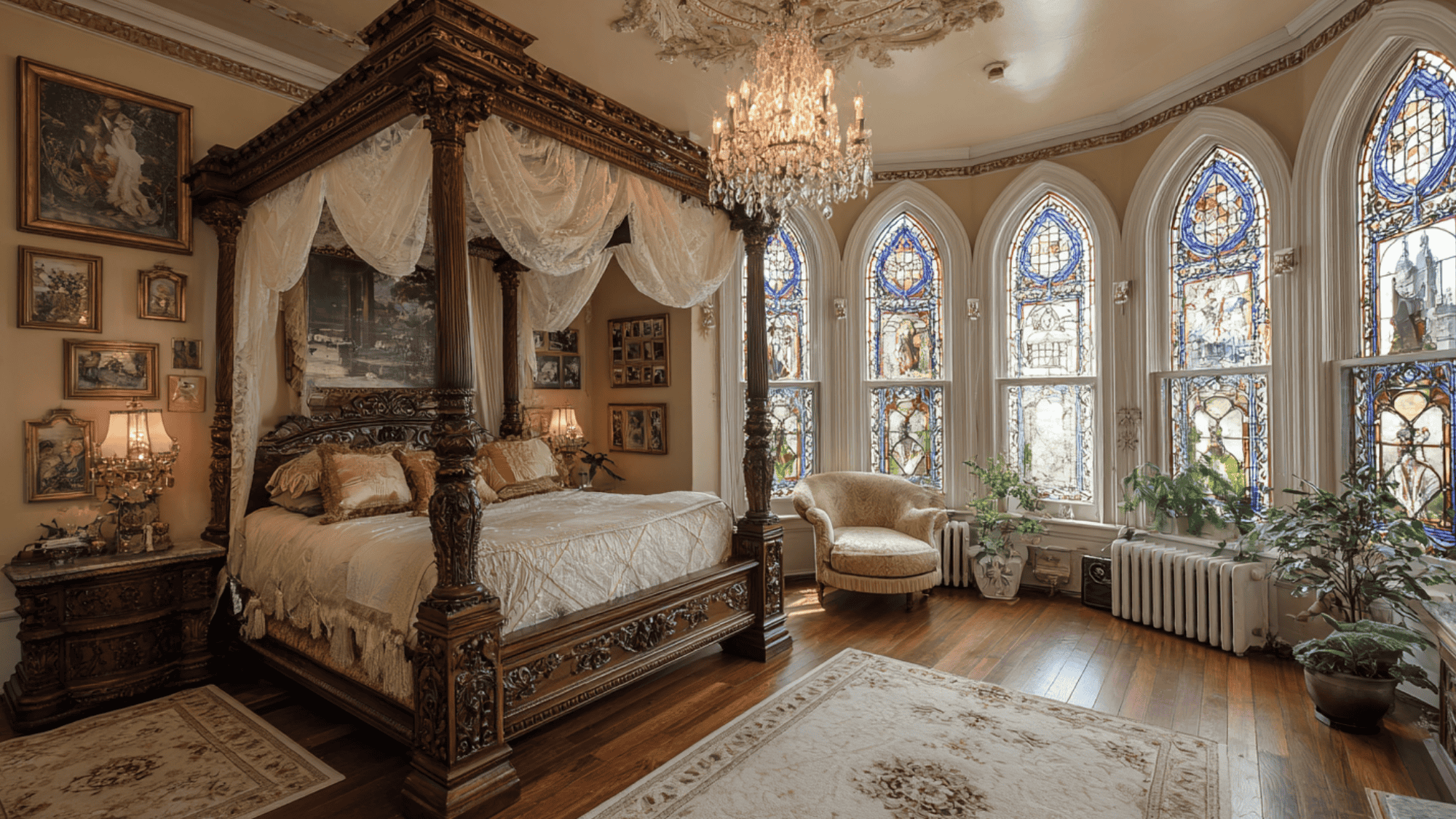
Start with a tall headboard or add a canopy frame for a four-poster look. Cover one wall behind the bed with floral wallpaper. Layer your bedding with different textures: a quilt, a velvet throw, and lace-edged pillows.
Dark wood furniture and a small reading chair complete the space. Keep lighting soft with a table lamp and sconces.
3. Victorian Dining Room Ideas
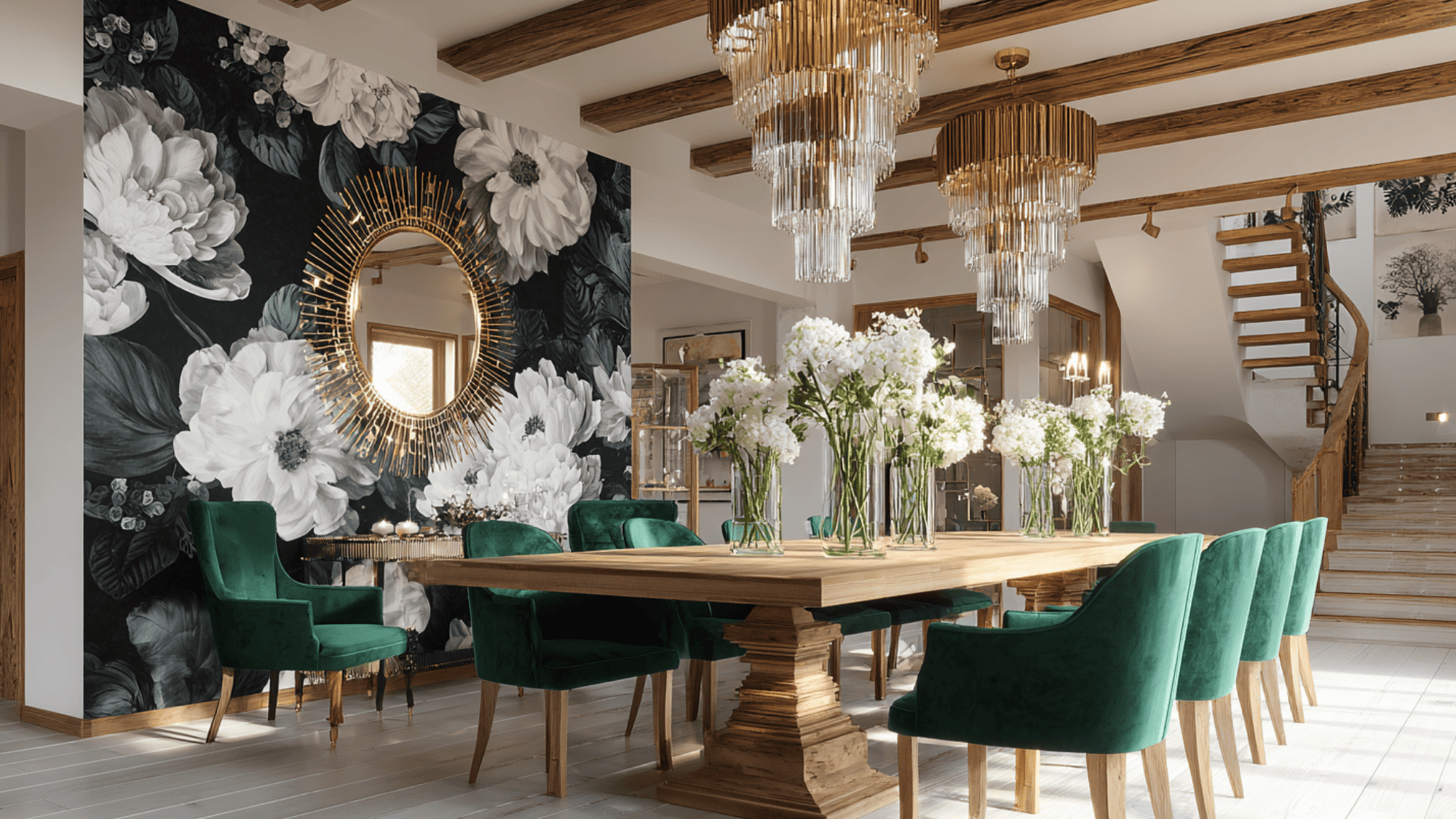
A dark wood table anchors the room. Add a matching sideboard for display storage. Hang a statement chandelier or pendant light overhead.
Create a gallery wall with framed art or mirrors. Use the sideboard to show off dishes or decorative pieces. Velvet dining chairs add softness against all that wood.
4. Victorian Entryway And Hallway Ideas
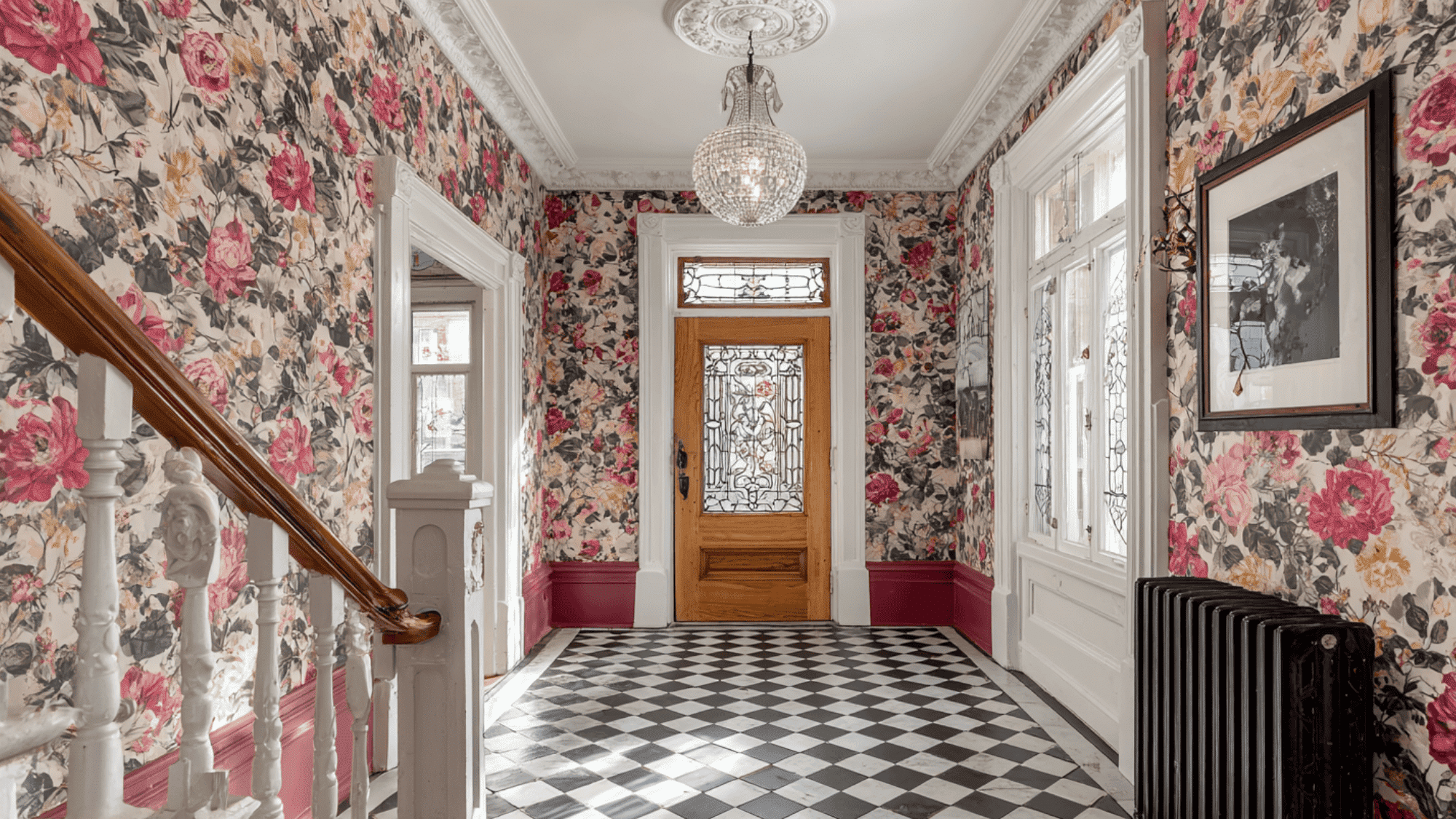
Add pattern through patterned tile floors or wallpaper. Hang a statement light fixture or wall sconces for brightness. Place a large mirror to reflect light and make the space feel bigger.
Add hooks for coats and a runner rug down the hallway. A small bench or console table holds keys and mail.
5. Victorian Kitchen Ideas With Modern Function
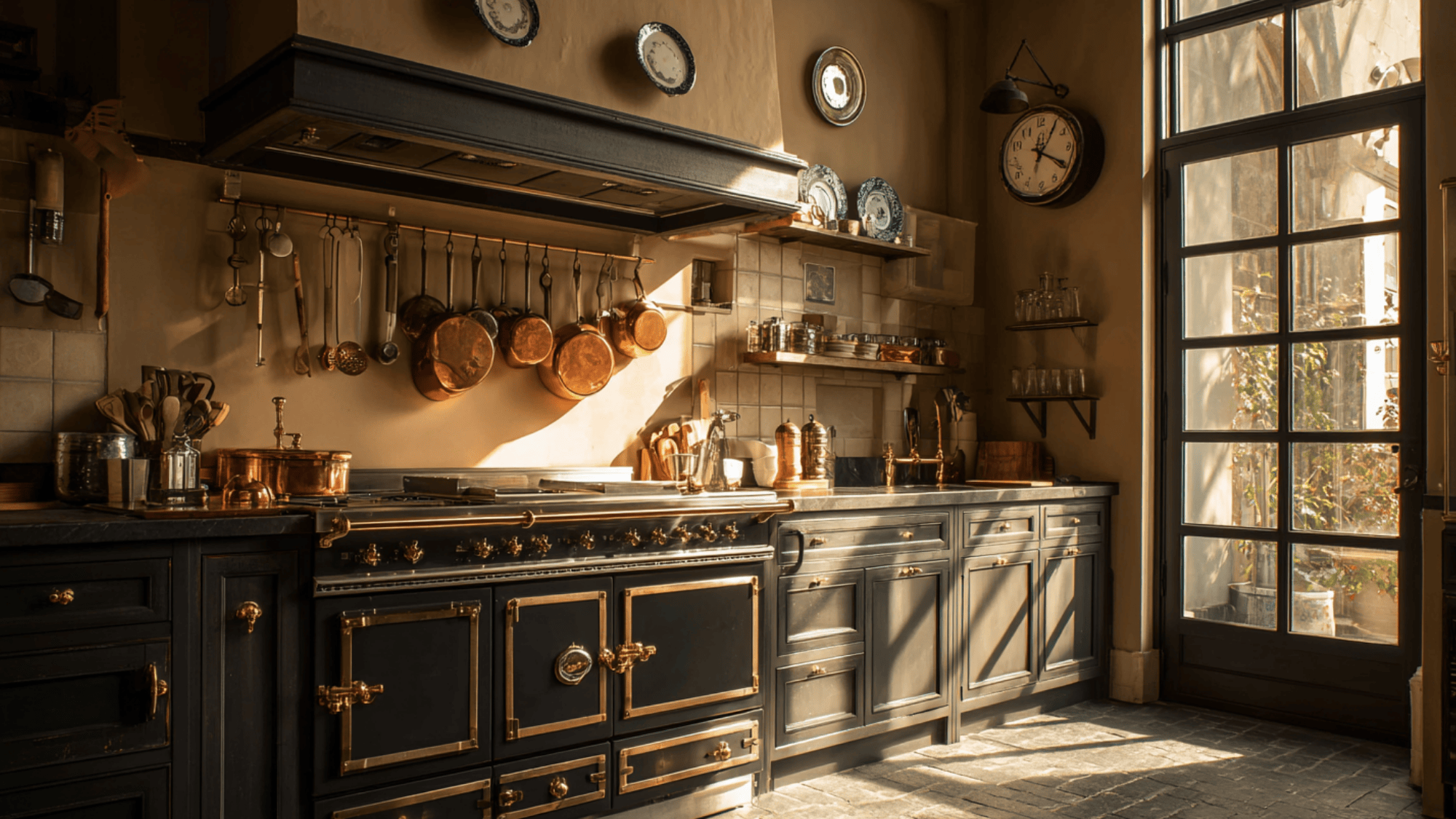
Swap plain cabinet hardware for vintage-style knobs and pulls in brass or bronze. Use classic subway tile or hexagon patterns on backsplashes.
Mix warm metals like copper and brass with stainless appliances. Paint cabinets in warmer colors, such as deep green, navy, or cream, instead of stark white. Modern function, vintage feel.
6. Victorian Bathroom Ideas
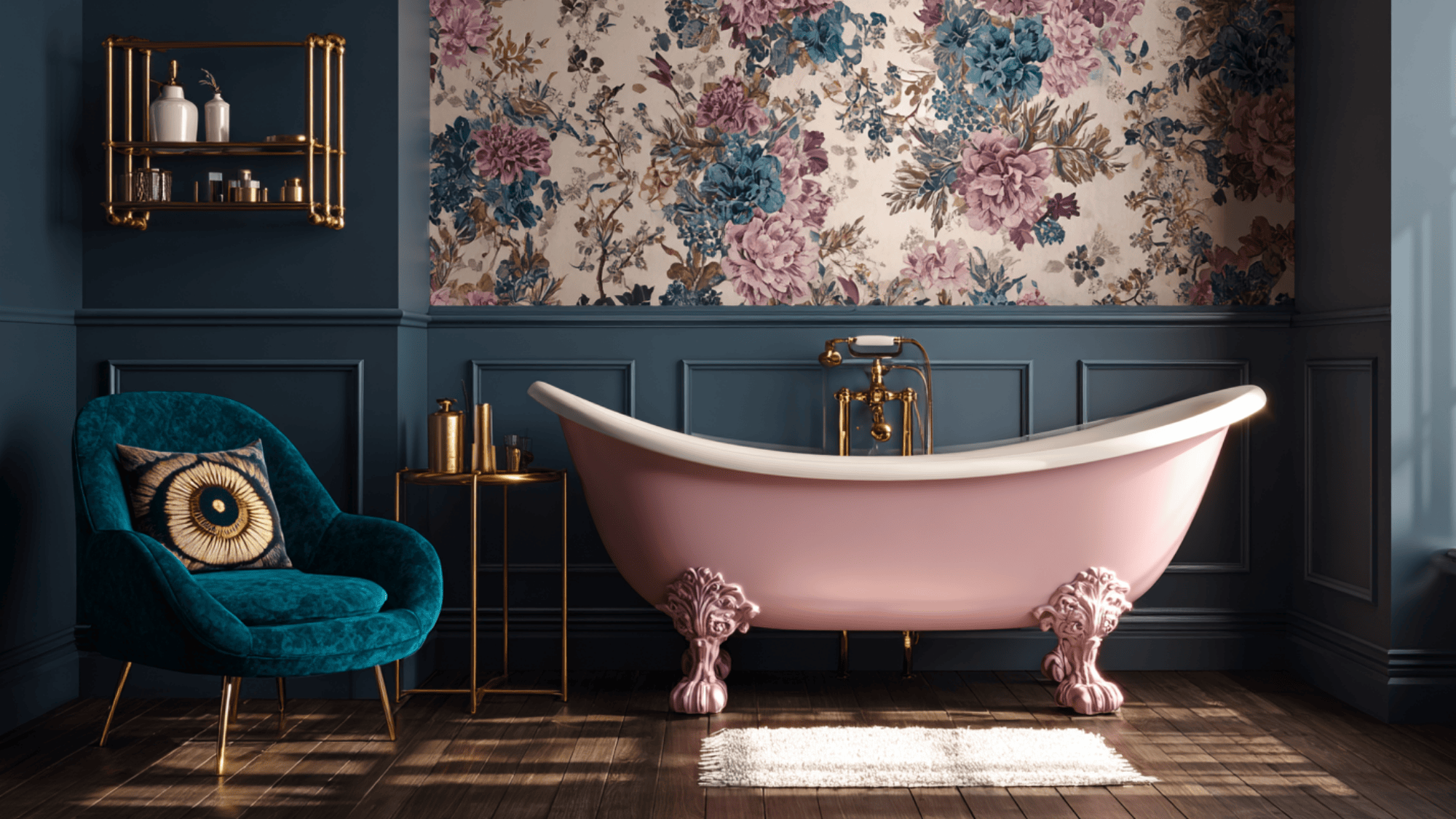
A clawfoot tub creates instant Victorian charm. Use brass or bronze finishes on faucets and towel bars. Lay classic black-and-white tile in hexagonal or checkerboard patterns.
Hang a framed mirror instead of a plain builder-grade one. Add wainscoting on the lower walls and a small chandelier overhead for drama.
Each room gives you a chance to bring in Victorian details without going overboard. Pick the ideas that fit your space and budget, then build from there.
What To Buy For A Victorian House Interior
You don’t need to buy everything at once. Start with these basics to give any room a Victorian house interior feel. These pieces work together to create that layered, collected look.
1. Wallpaper Or Wall Paint Plan
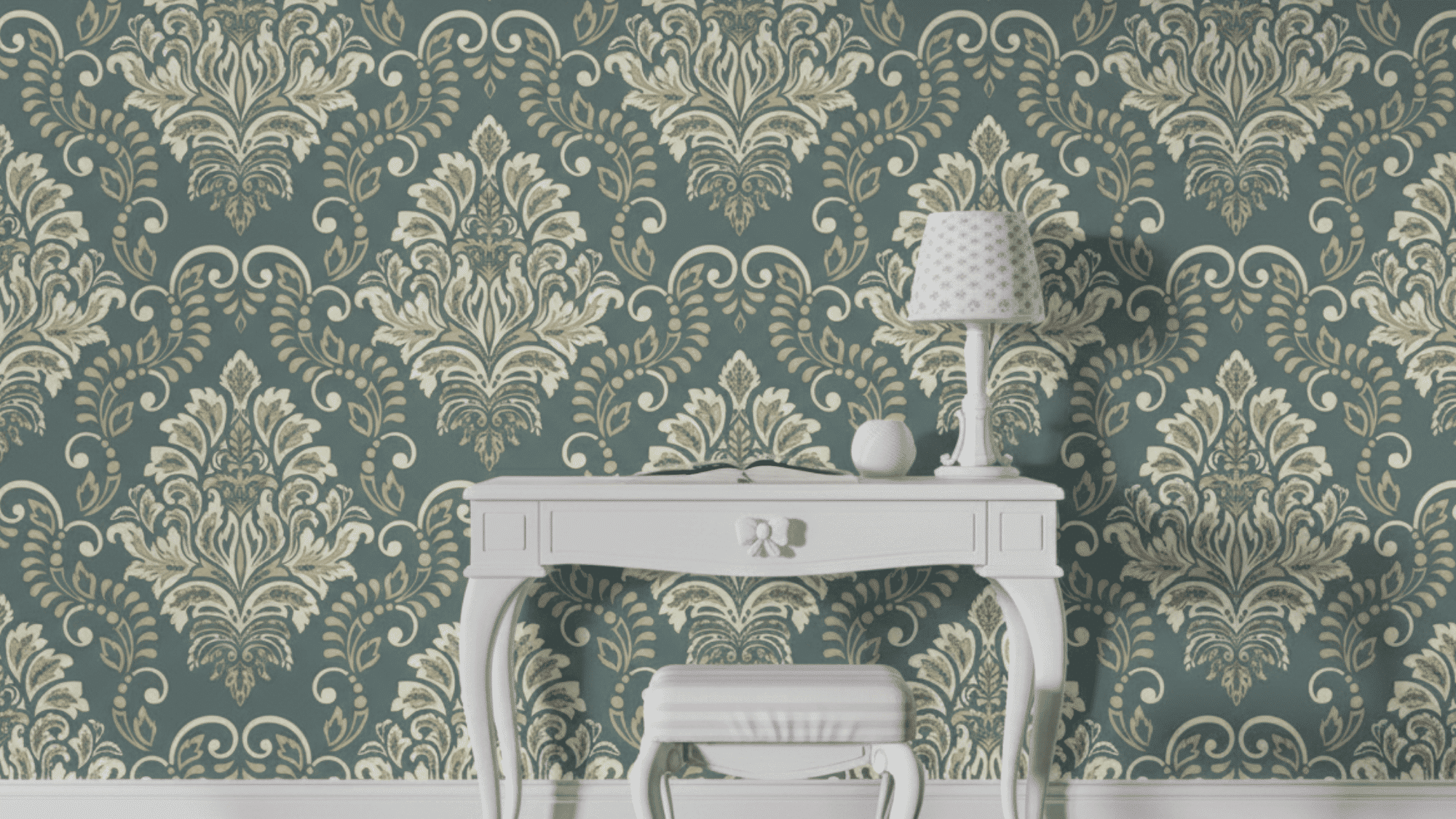
Pick a patterned wallpaper or a deep paint color for one accent wall. Florals, damasks, or stripes work best. If you paint, choose rich tones like burgundy, forest green, or navy.
2. Rug
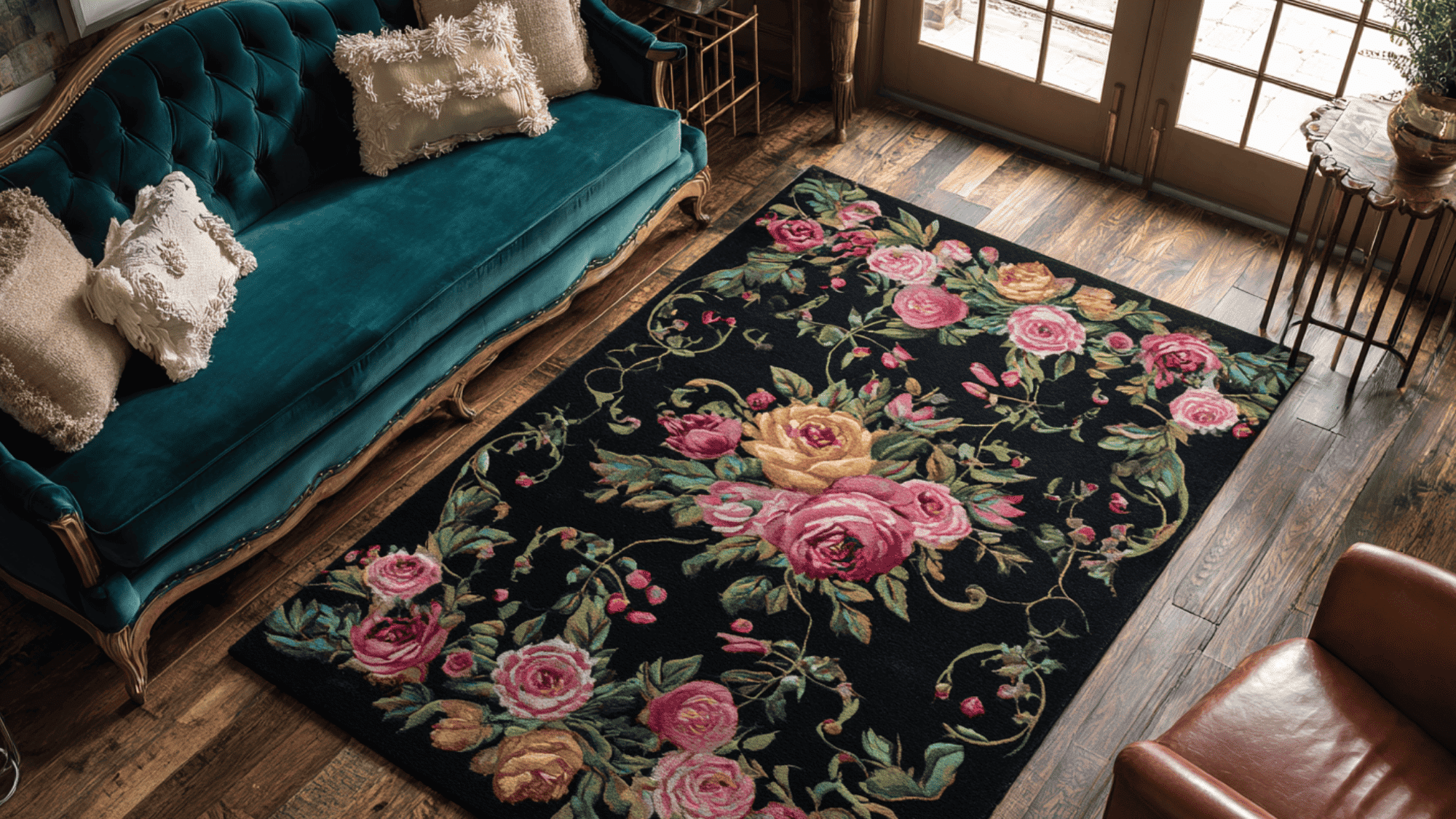
Layer a patterned rug over hardwood or carpet. Oriental rugs, floral prints, or medallion designs all fit the Victorian look. Don’t worry if it doesn’t match perfectly with everything else.
3. Curtains Or Roman Shades
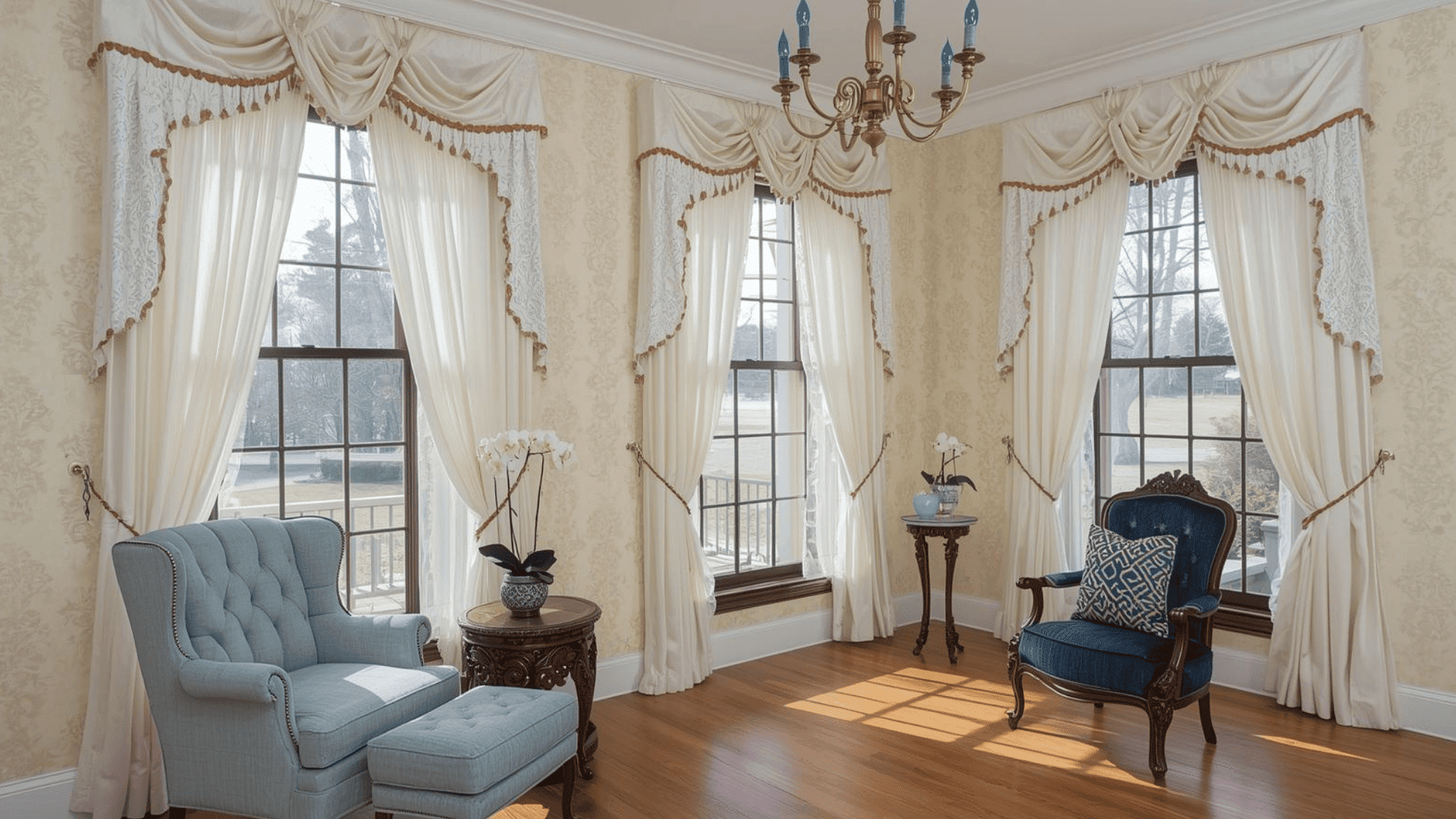
Heavy drapes in velvet or brocade add drama. Roman shades work if you want something simpler. Choose darker colors or prints that tie into your wall color for a cohesive feel.
4. Statement Light And One Pair Of Sconces
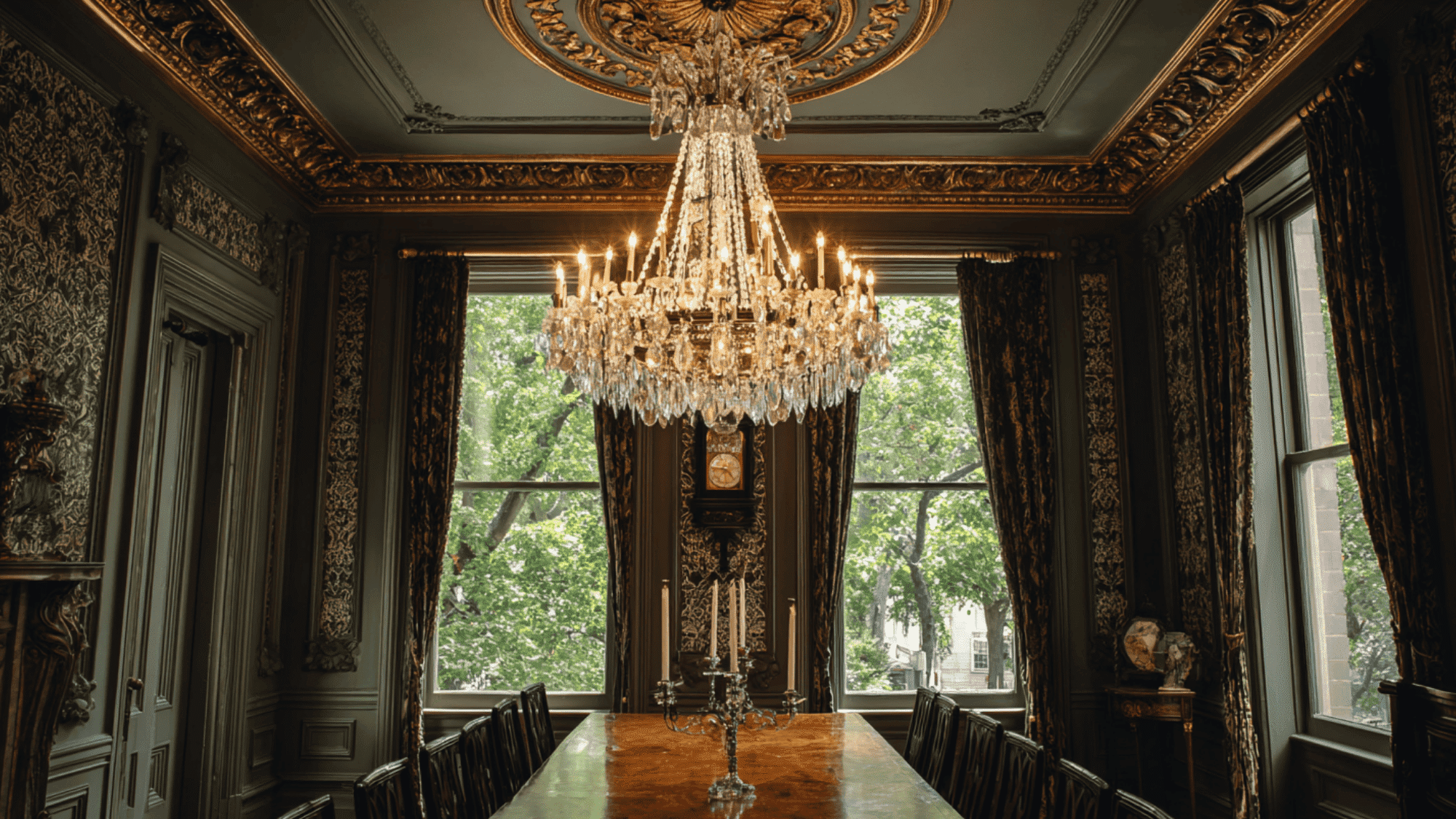
A chandelier, pendant, or vintage-style ceiling fixture becomes the room’s focal point. Add wall sconces on either side of a mirror or a fireplace for layered, warm lighting.
5. Mirror
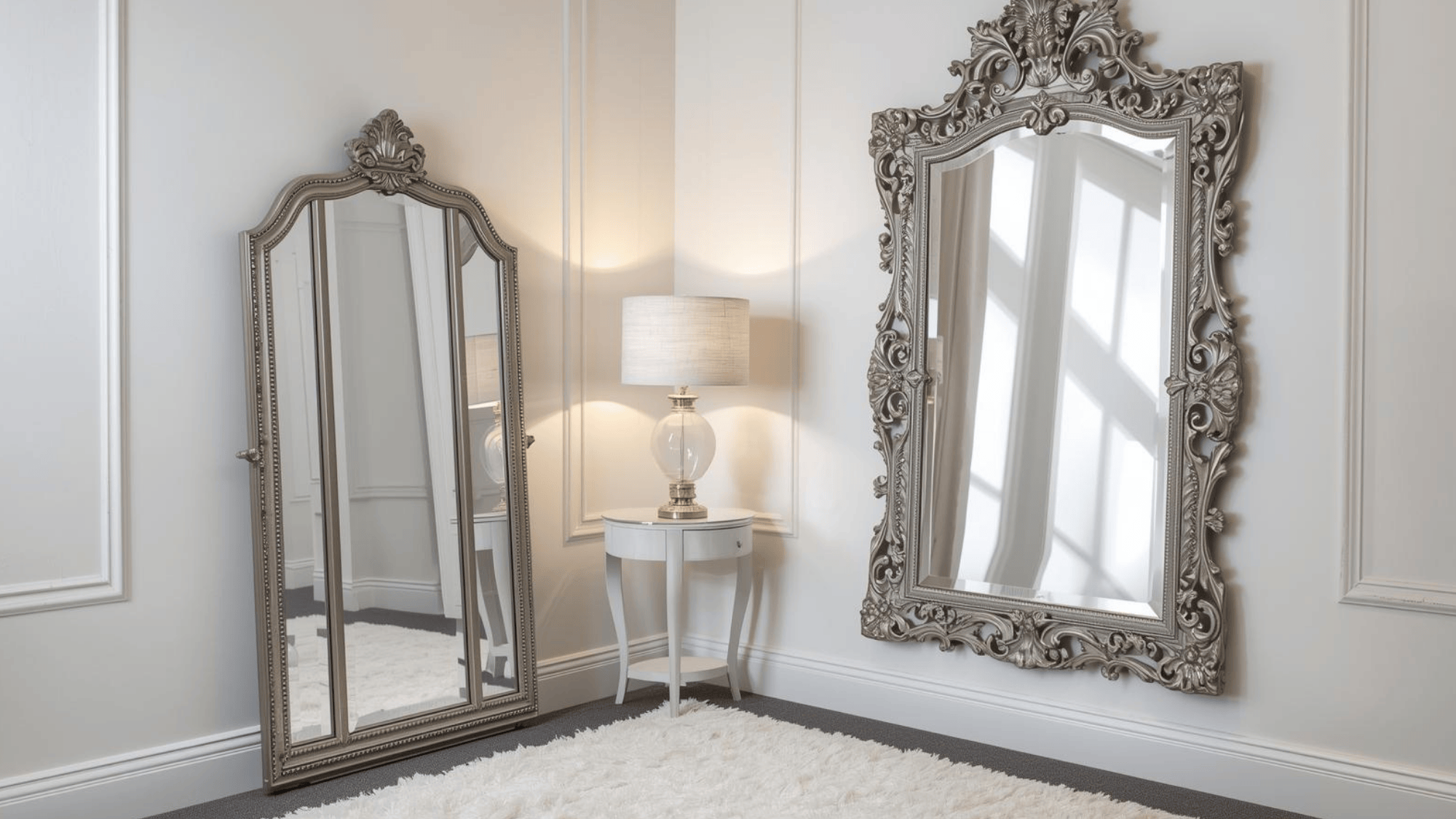
A large framed mirror reflects light, making the room feel bigger. Look for ornate frames in gold, bronze, or dark wood. Oval or rectangular shapes both work well.
6. Two To Three Frames Or Art Pieces
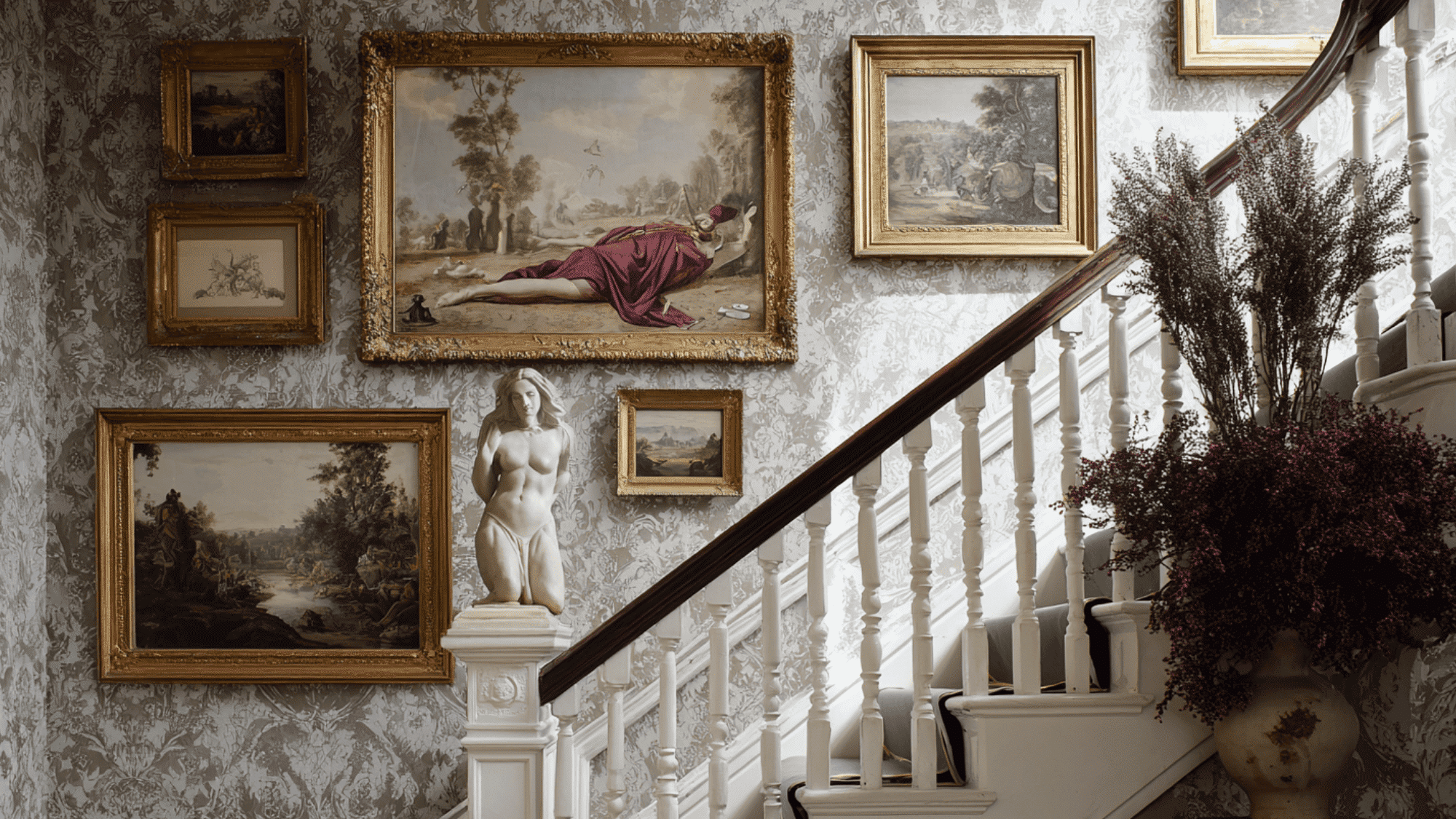
Start a gallery wall or lean frames on a mantel. Mix sizes and frame styles. Prints, paintings, or old botanical illustrations all fit the Victorian house interior vibe perfectly.
7. One Carved Or Antique-Style Accent Piece
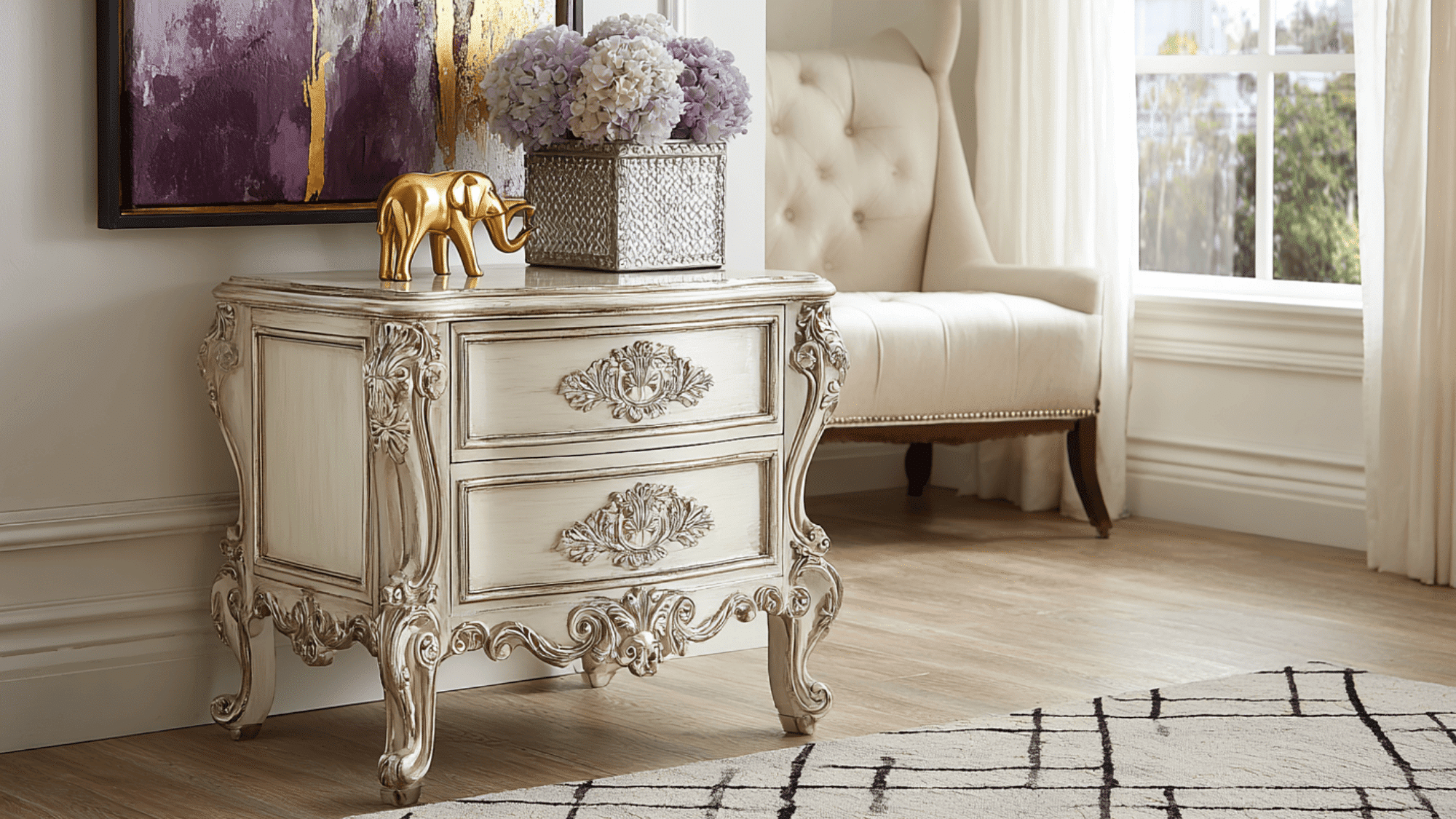
A side table, wooden box, decorative tray, or small statue adds character. Look for carved details, dark wood finishes, or brass accents that feel collected over time.
Start with two or three items from this list. Add more as you go. Victorian-style buildings are built slowly, and that’s what makes them feel real.
Victorian Interior Styles To Know Before You Decorate
Not all Victorian house interiors look the same. Different styles came and went during the Victorian era. Each one has its own personality. Here are the main ones:
- Gothic Revival: Dark woods, pointed arches, and medieval-inspired details. Rooms feel dramatic and moody with deep colors, heavy drapes, and carved furniture.
- Italianate: Lighter and more elegant. Tall windows, arched doorways, and decorative plaster details. Colors lean warmer with curved furniture and lighter wood finishes.
- Eastlake: Simple geometry and cleaner lines. Less fussy than other Victorian styles. Rectangular shapes, spindle work, and incised carvings create a less ornate feel.
- Queen Anne: The most decorative of all. Lots of color, texture, and pattern. Interiors feature multiple prints, stained glass, carved details, and rich fabrics.
- Folk Victorian: Working-class Victorian homes with simpler details. Same spirit, smaller budget. Painted trim, modest moldings, and pared-down versions of fancier Victorian styles.
Victorian interiors are also changed by region and budget. Coastal homes use lighter colors. Midwest homes lean darker.
Wealthy families add more carved details and expensive fabrics. Working families keep it simpler but still embrace the Victorian character.
Victorian Interior Design in A Modern Home
Victorian house interiors don’t require a Victorian house. You can mix these classic details into any modern space.
Modern Victorian style blends the best of both worlds: classic Victorian details like carved furniture and patterned wallpaper with simpler modern pieces.
Let one style lead in each room instead of splitting it fifty-fifty. Repeat two or three finishes like brass, wood tones, or fabrics to tie everything together.
In smaller rooms, use Victorian elements as accents. Pick one statement piece, such as a carved headboard or decorative mirror, and keep everything else simple. The Victorian piece gets attention without making the room feel cramped.
Common Victorian Interior Design Mistakes To Avoid
Victorian style is all about layers, but a few mistakes can ruin the charm and make rooms feel forced.
- Buying everything at once makes the space feel staged rather than collected over time.
- Matching everything too perfectly kills the layered, lived-in Victorian look.
- Too many patterns without shared colors create chaos instead of rich harmony.
- Going dark everywhere with no contrast makes rooms feel heavy and smaller.
- Overcluttering with small decor turns “maximal” into a mess that’s hard to enjoy.
Avoid these mistakes, and Victorian design feels warm, personal, and timeless—built slowly with texture, contrast, and intention.
Conclusion
A Victorian house interior brings warmth, character, and personality into any space. The key is layering details, mixing patterns, and building slowly over time.
You don’t need a historic home to make it work. Start with wallpaper, a statement light, or one carved accent piece. Add room by room as your style develops.
Victorian design isn’t about perfection. It’s about creating spaces that feel collected and lived in. Mix Gothic drama with Queen Anne color, or keep it simple with Folk Victorian touches.
Let one style lead, repeat a few finishes, and layer textures that make rooms feel cozy.
Ready to bring Victorian charm into your home? Pick one room and one piece from the shopping list. Start there and see where it takes you. Drop a comment below with which Victorian style speaks to you the most.