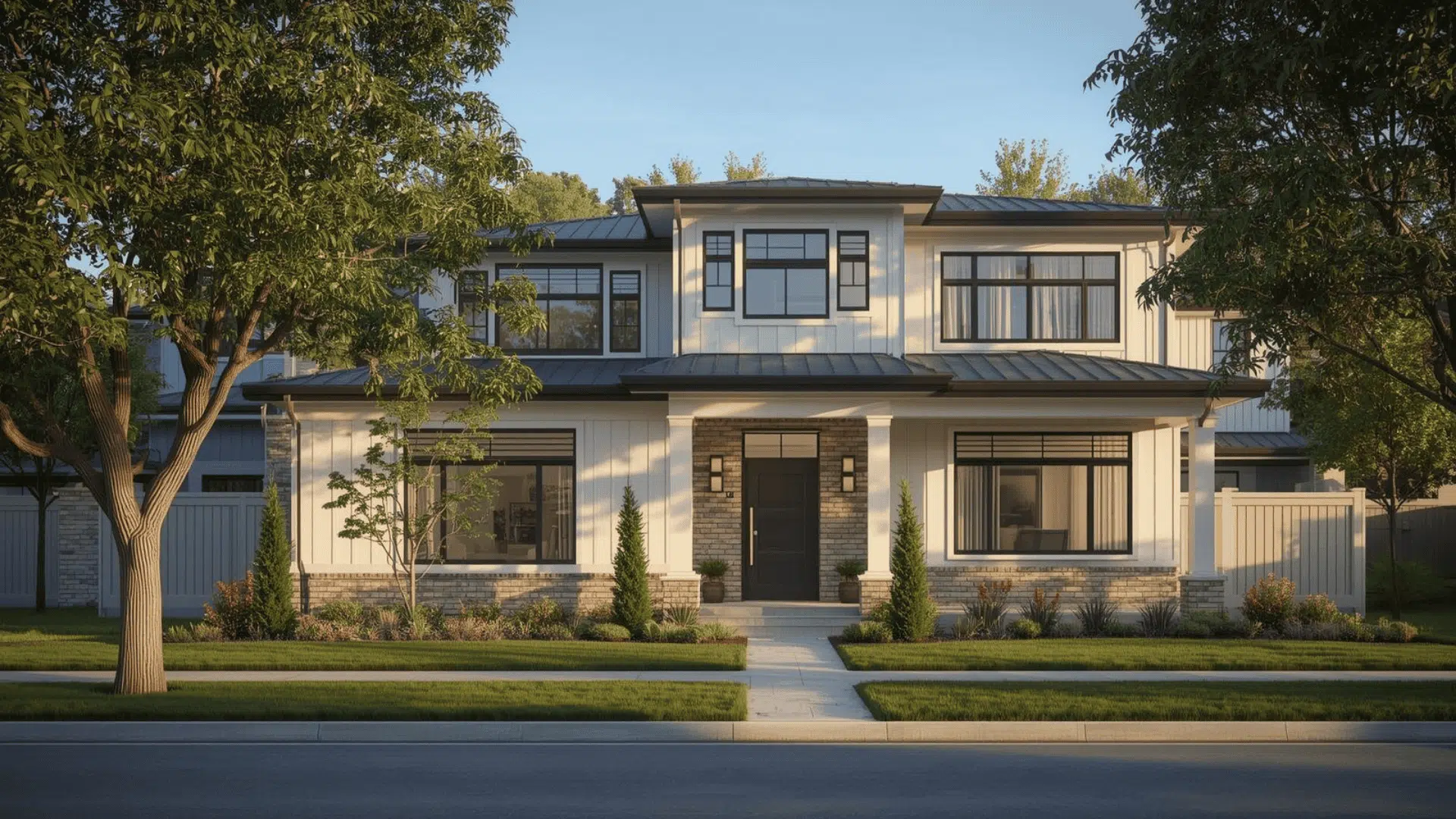
Every home tells a story through its design. The way rooms connect, how light enters through windows, and where walls stand all come from careful planning. That planning is what residential architecture is all about.
Have you ever wondered why some homes feel instantly comfortable while others seem awkward? The answer lies in how they’re designed.
From small apartments to large family homes, the choices home designers make affect how we live every day. Understanding these design principles helps you see your own space differently.
You’ll notice why certain rooms work well, and others don’t. If you’re planning to build or renovate, or simply curious about the homes around you, this knowledge matters.
Ahead, you’ll learn what residential architecture is, the main home types it covers, and the key elements that shape how a home works.
What Is Residential Architecture?
Residential architecture is the design and planning of homes where people live. It covers everything from single-family houses to apartment buildings and condos.
This field focuses on creating spaces that meet the needs of residents. Home designers consider how families use different rooms, how much natural light enters the home, and how space flows from one area to another.
The goal is to design functional and comfortable living environments. Residential designers consider both practical needs and visual appeal.
They work on new construction projects and home renovations. The designs must follow local building codes while reflecting the homeowner’s lifestyle and preferences. Good residential architecture creates homes that work well for daily life.
Key Elements Of Residential Architecture
Residential architecture shapes how people live and feel at home. Good design blends style with function, and the best homes work for everyday life. Here are the key elements that make a house truly livable.
- Space Planning: Layout determines how rooms flow together and how families move through their home. Open floor plans create a connection between living areas, while private zones offer quiet retreats.
- Natural Light: Windows and openings let in sunlight, making spaces feel bigger and more welcoming. Strategic placement captures morning light in bedrooms and afternoon glow in living rooms.
- Materials and Finishes: The right choices for floors, walls, and surfaces affect both looks and durability. Hardwood adds warmth, while tile handles moisture in bathrooms and kitchens.
- Ventilation: Proper airflow keeps homes fresh, and it helps control temperature throughout the year. Cross-ventilation uses opposite windows to create natural breezes. Good systems prevent stuffiness and reduce energy costs, too.
- Storage Solutions: Smart built-ins and closets reduce clutter, so homeowners can stay organized easily. Custom shelving maximizes every inch, and hidden storage keeps belongings out of sight.
Types Of Residential Architecture
Residential architecture includes several distinct categories based on the number of families living in the structure and the design approach. Each type serves different needs and offers unique benefits for residents and communities.
1. Modern Residential Architecture
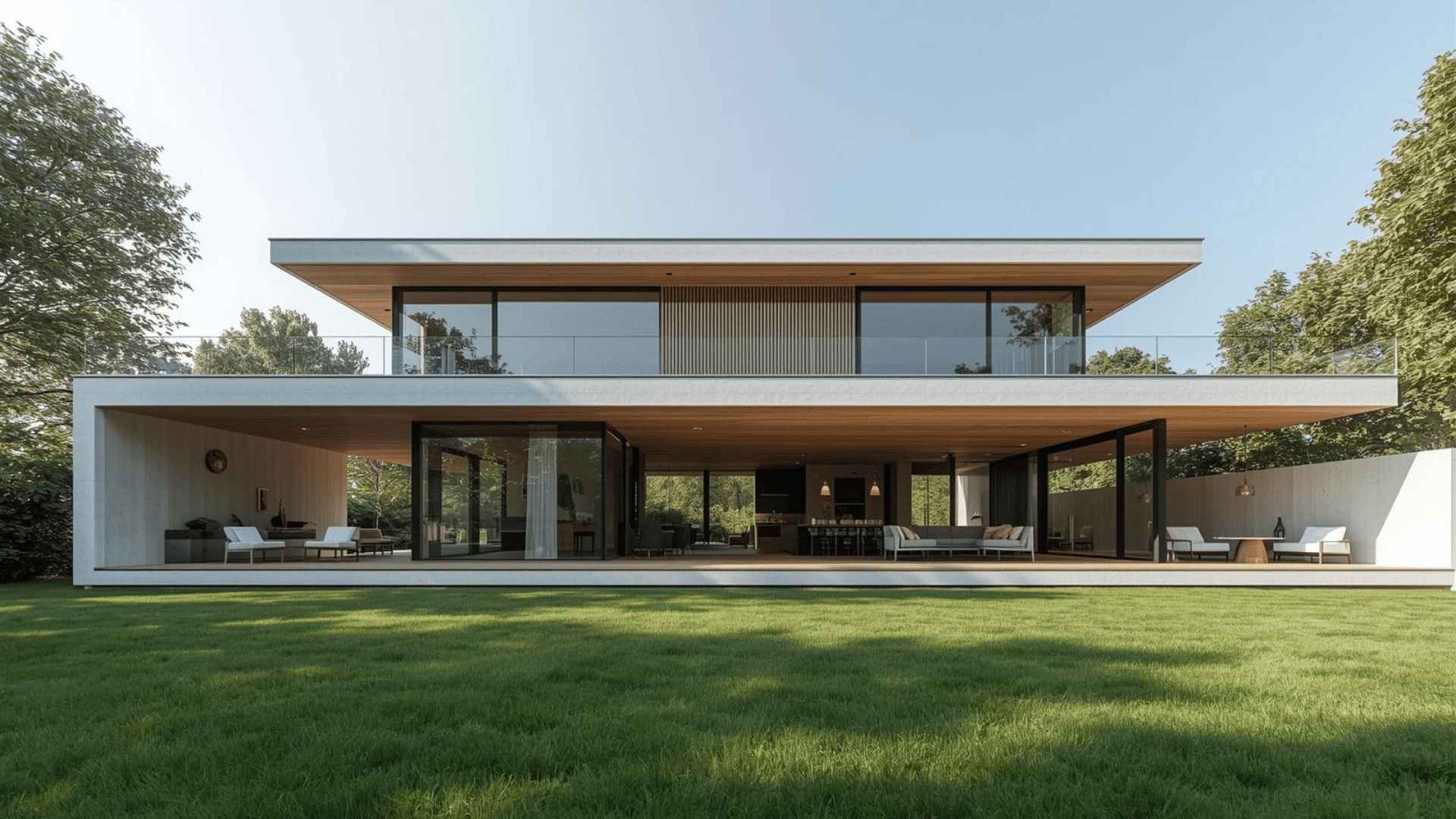
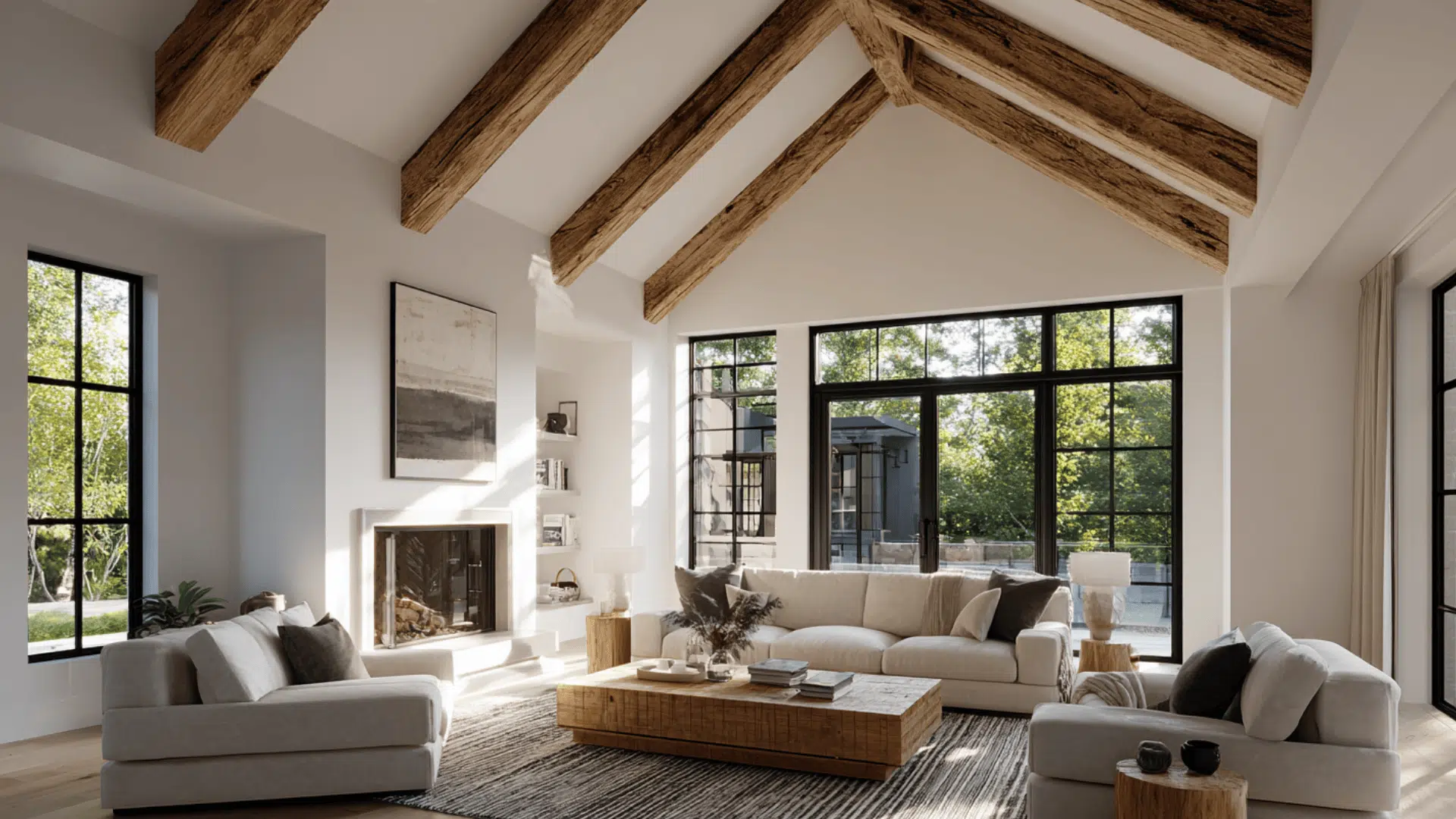
Modern architecture emerged in the early to mid-1900s, characterized by clean lines and minimal ornamentation. These homes feature open floor plans, large windows, and simple geometric shapes.
The style emphasizes function over decoration. Modern homes often use industrial materials like steel and glass. They connect indoor and outdoor spaces through large openings.
2. Traditional Residential Architecture
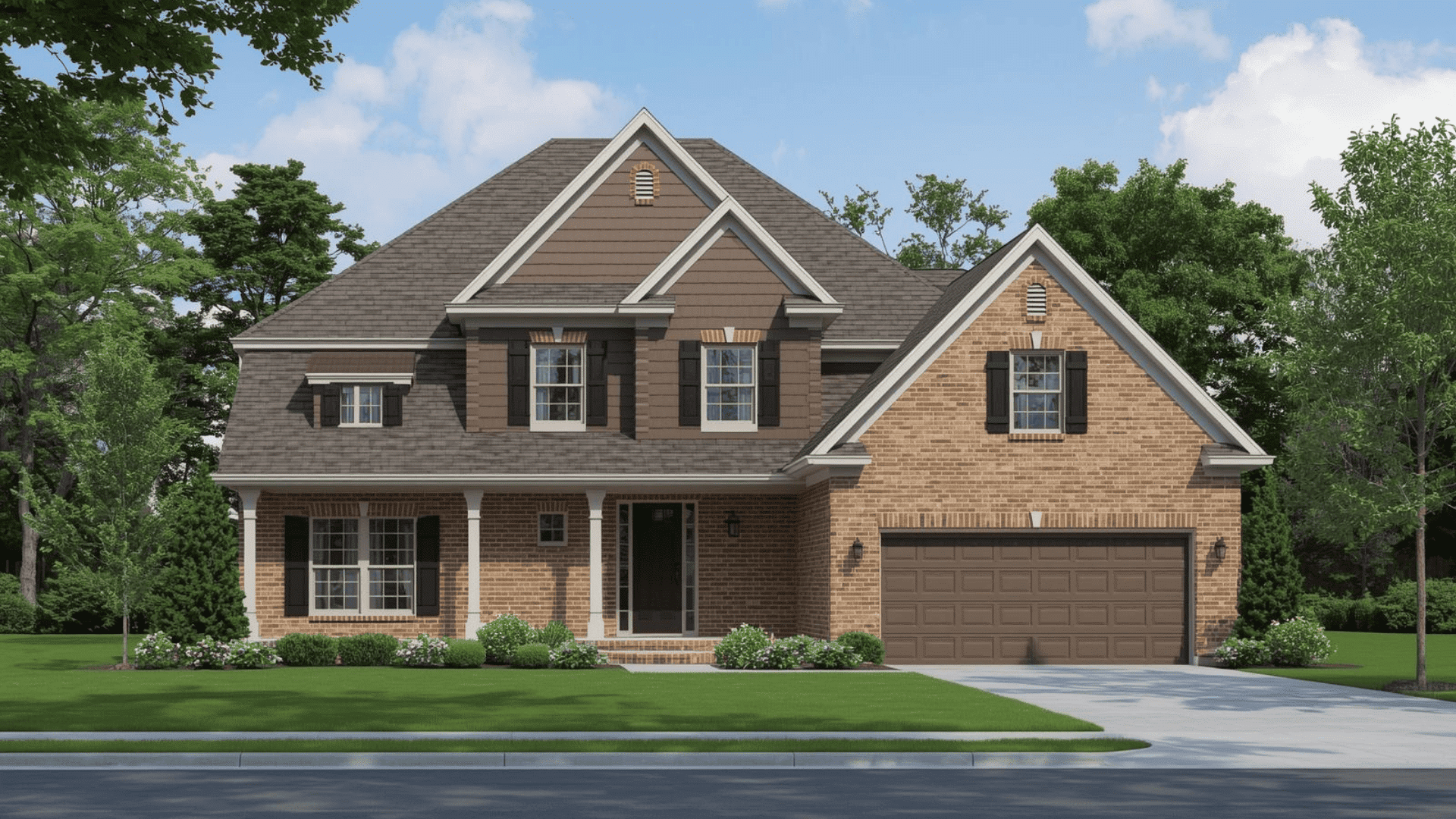
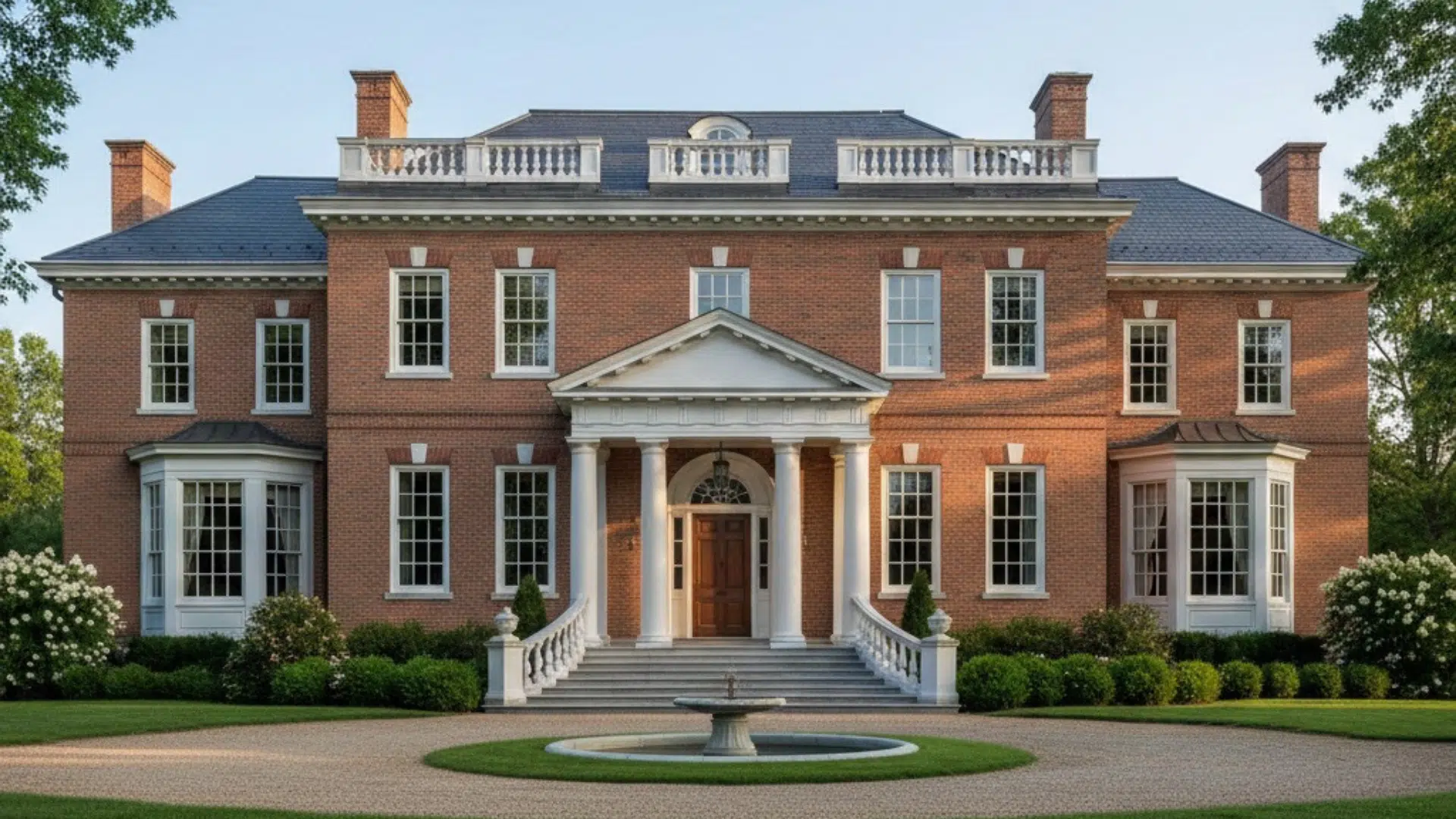
Traditional styles draw from historical periods and classic design principles. Examples include Colonial, Victorian, Craftsman, and Tudor homes with recognizable period details.
These houses feature symmetrical facades, pitched roofs, and decorative elements. Traditional architecture uses familiar materials like brick, wood siding, and stone. The style creates a sense of permanence and long-lasting appeal.
3. Contemporary Residential Architecture
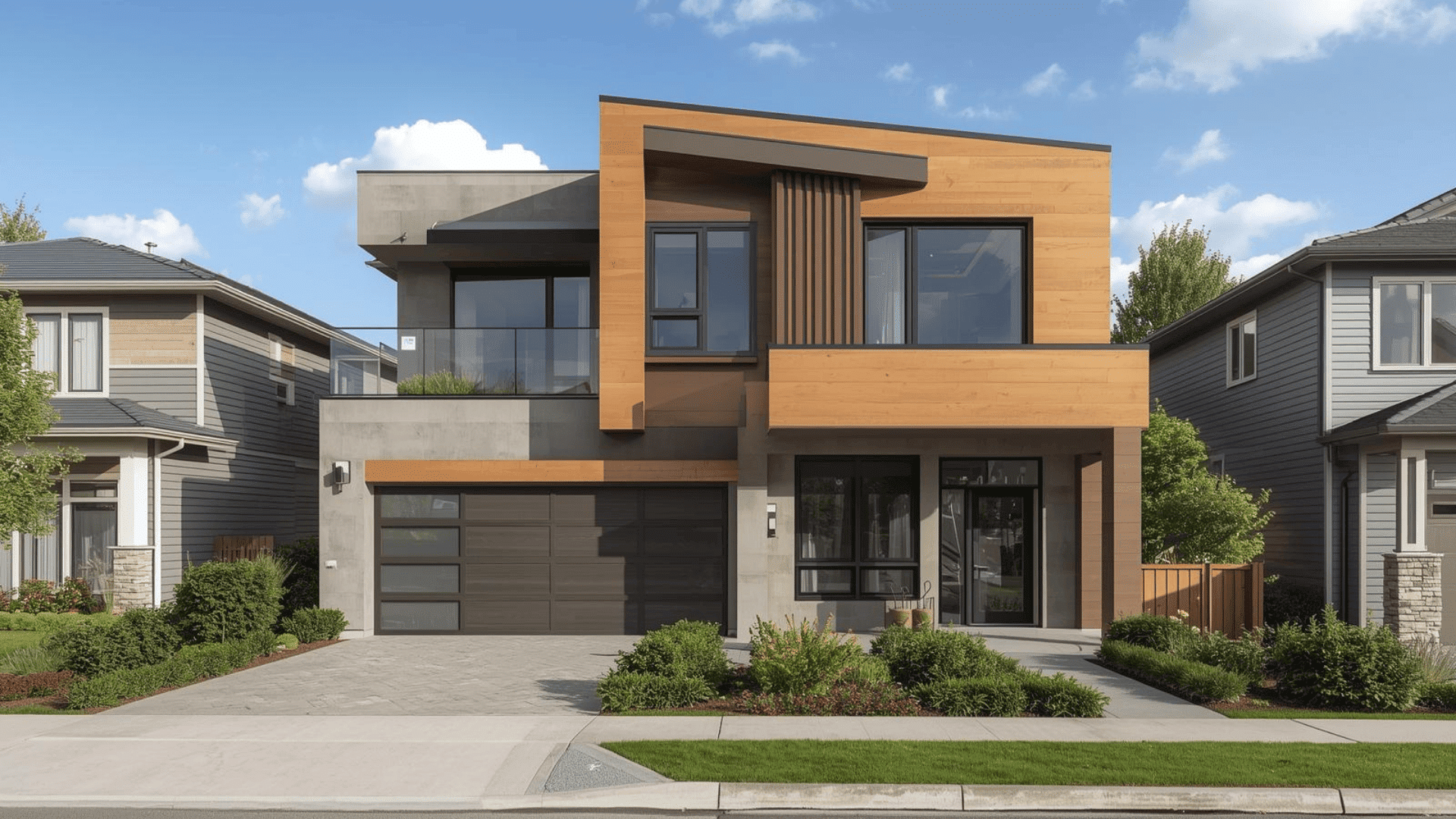
Contemporary architecture represents current design trends and evolving styles. Unlike modern architecture, it’s not tied to a specific time period but reflects what’s popular now.
These homes blend various influences and experiment with new materials. Contemporary design adapts to current lifestyles and environmental concerns. The style continues to change as new ideas emerge.
4. Regional and Cultural Styles
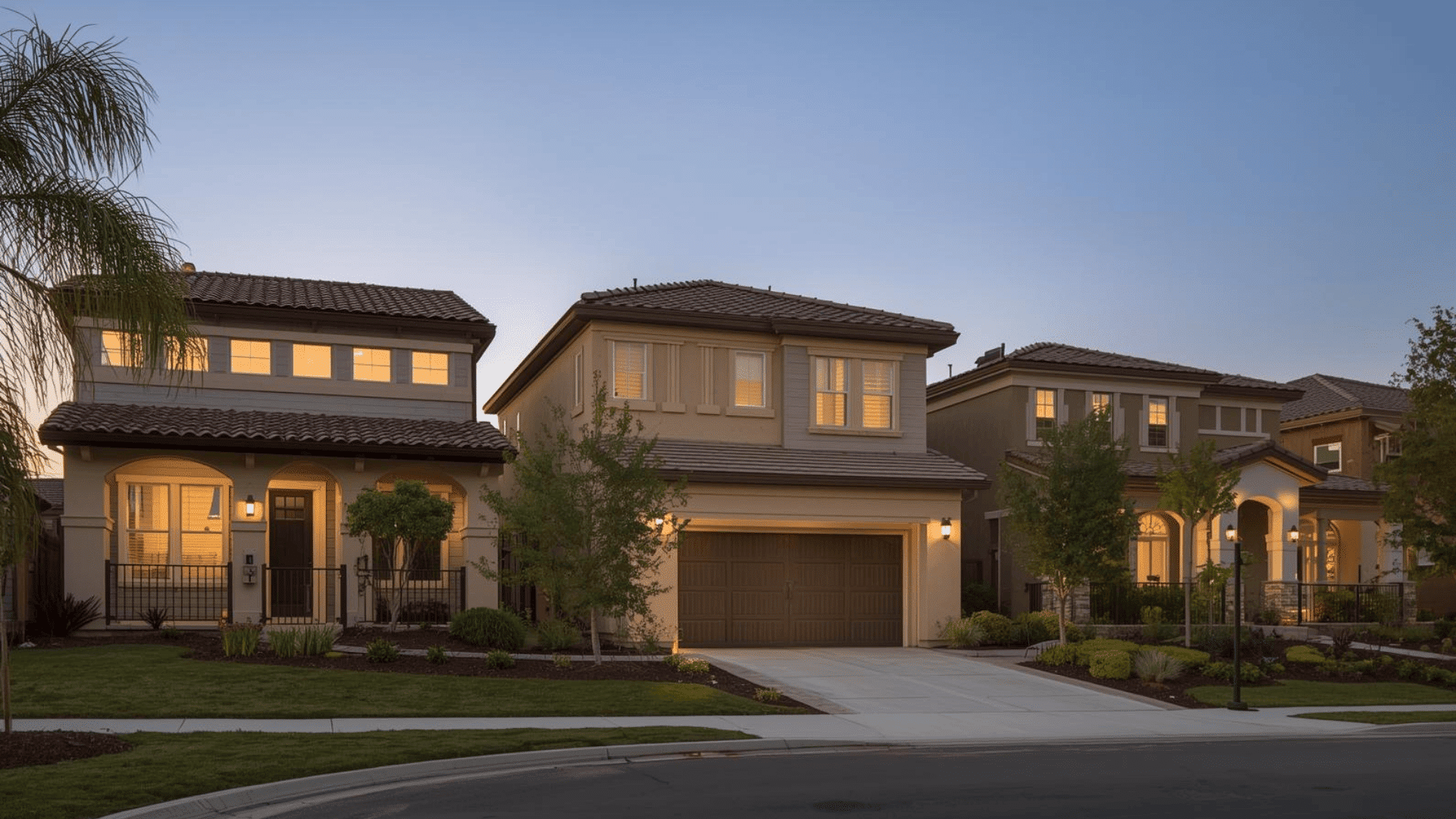
Different regions develop unique architectural styles based on climate, materials, and traditions. Examples include Spanish Colonial in the Southwest, Coastal in beach areas, and Ranch style across America.
Cultural backgrounds also influence home design worldwide. These styles address local weather conditions and reflect community values, creating homes suited to their specific locations.
5. Single-Family Residential Architecture
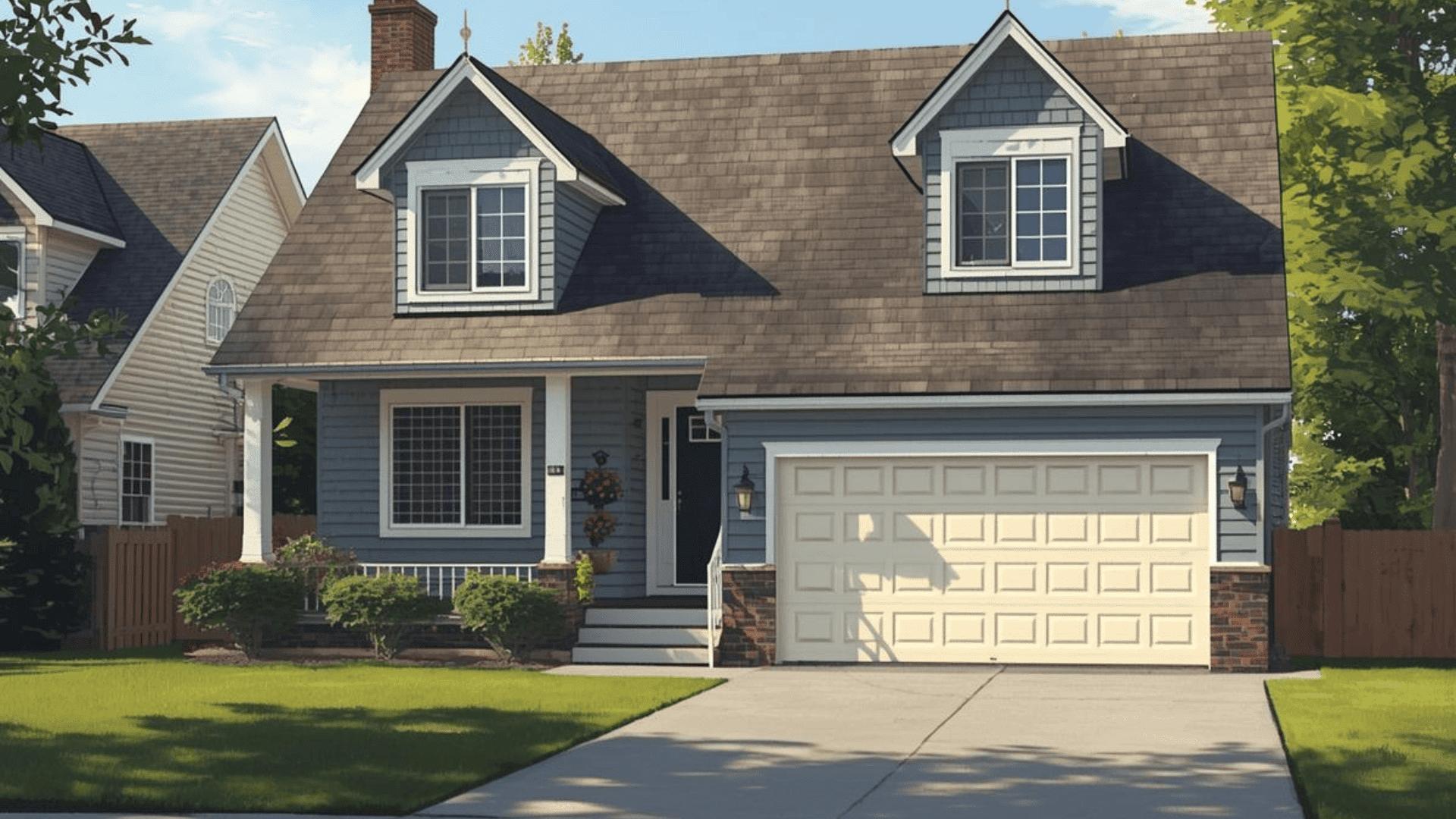
Single-family homes are standalone structures for a single household. These detached houses sit on their own lots, each with a private yard. They offer the most privacy and independence.
People have full control over the property and don’t share walls with neighbors. In many suburbs and smaller towns, detached homes are common, while denser cities rely more on multi-unit housing.
6. Multi-Family Residential Architecture
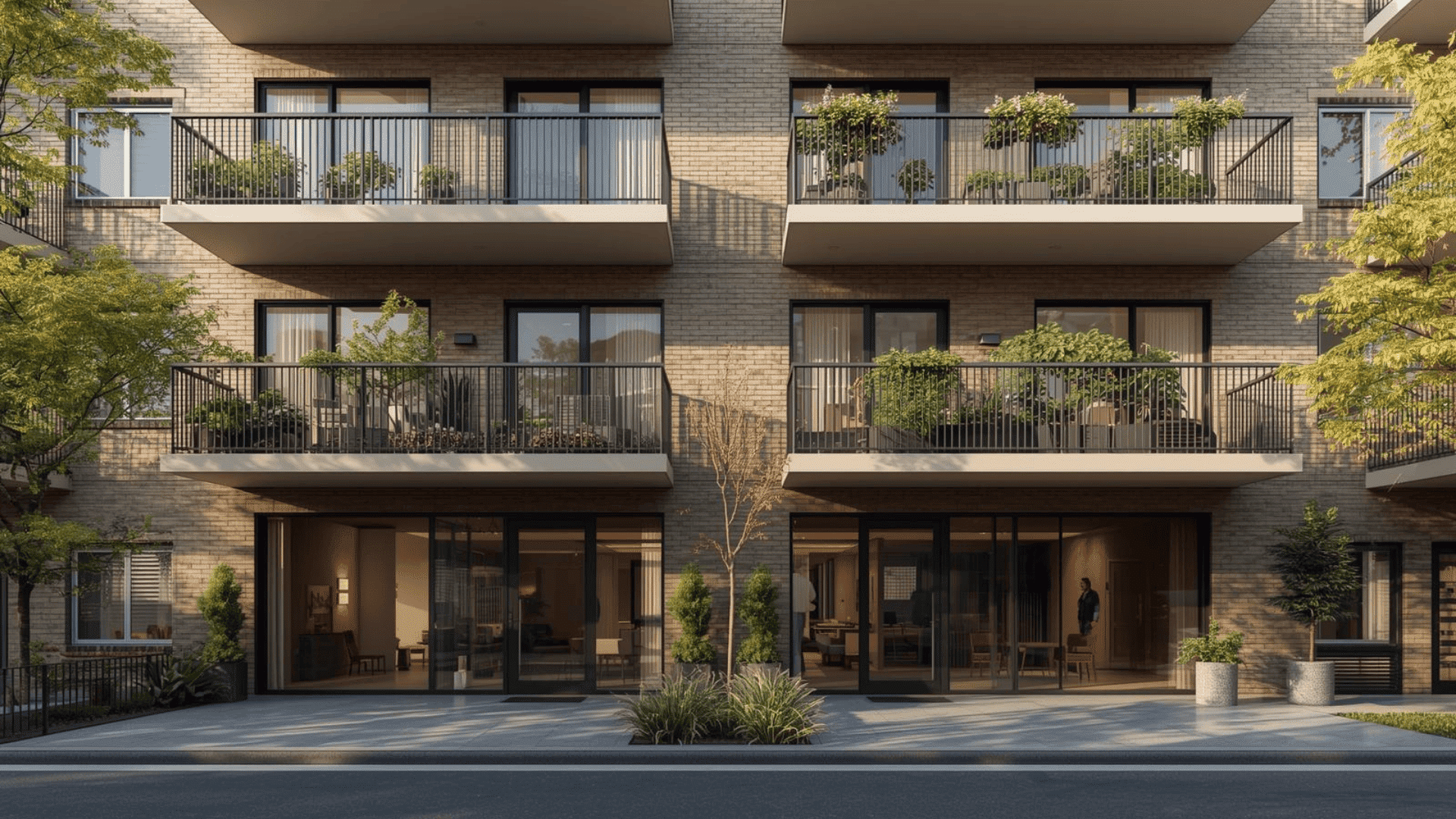
Multi-family buildings house multiple households in one structure. This category includes apartments, duplexes, triplexes, and condominiums.
These buildings maximize land use in urban areas. Residents share common walls and often have access to shared amenities. Multi-family architecture efficiently addresses housing needs in dense population centers.
7. Custom Residential Architecture
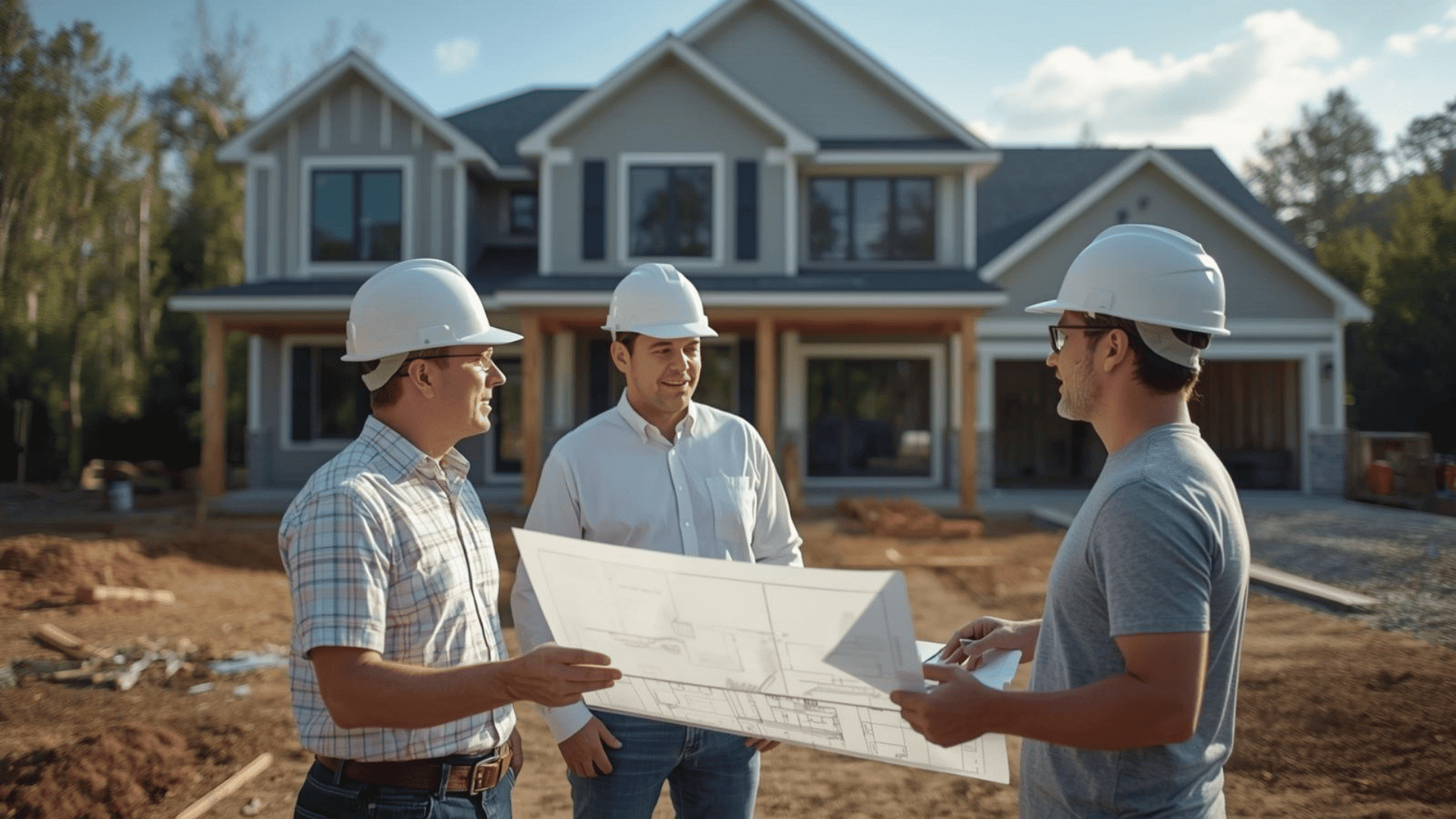
Custom homes are designed specifically for individual clients and their unique requirements. Residential designers work closely with homeowners to create one-of-a-kind residences.
These projects allow complete personalization of layout, style, and features. Custom architecture accommodates specific lifestyle needs, lot conditions, and personal preferences that standard designs cannot address.
8. Residential Housing Developments
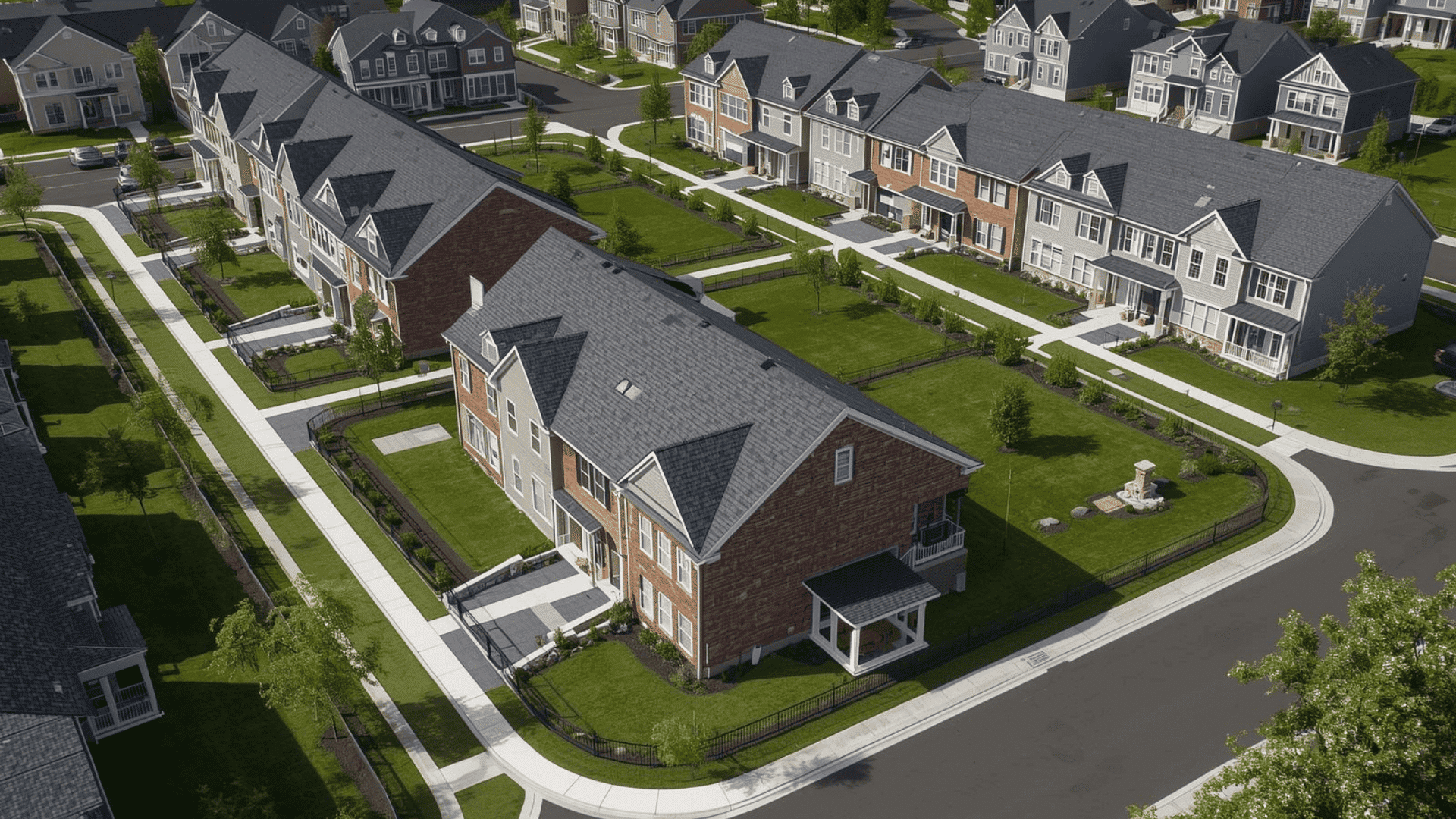
Housing developments consist of multiple homes built within a planned community. This includes townhouses, row houses, and subdivisions with shared infrastructure.
Developers work with home designers to create cohesive neighborhoods. These communities often include common areas, parks, and shared facilities that benefit all residents within the development.
Purpose Of Residential Architecture
Residential architecture serves several important purposes that shape how we live and interact with our homes. Here are the main goals:
- Creating Functional Spaces: Residential architecture organizes rooms and areas to support daily activities. It ensures each space serves its intended purpose while connecting smoothly with other areas.
- Ensuring Safety and Comfort: Home designers design homes that protect residents from the weather and provide structural stability. They also focus on temperature control, ventilation, and overall occupant comfort.
- Reflecting Personal Style: Good design allows homeowners to express their preferences and identity. The architecture can match individual tastes while maintaining practical functionality throughout the home.
- Maximizing Natural Resources: Residential architecture positions windows and rooms to make the best use of sunlight. It also considers airflow, energy efficiency, and links to outdoor spaces.
- Meeting Building Standards: Home designers ensure designs comply with local codes and regulations. This protects both the homeowner and future residents while maintaining neighborhood standards and safety requirements.
Residential Architecture Vs Commercial Architecture
Residential and commercial architecture serve different purposes and follow distinct design principles. Understanding these differences helps clarify what makes residential architecture unique and specialized for home living.
| Basis | Residential Architecture | Commercial Architecture |
|---|---|---|
| Primary Purpose | Built for living and daily comfort | Built for business, services, or public use |
| Typical Users | Families and residents | Customers, employees, visitors |
| Common Building Types | Houses, apartments, condos, townhouses | Offices, malls, hotels, hospitals, schools |
| Design Priorities | Comfort, privacy, lifestyle needs | Efficiency, capacity, user flow, business goals |
| Space Planning | Rooms for living, sleeping, cooking, and storage | Work areas, customer zones, service areas, and circulation |
| Safety Requirements | Standard home safety rules | Stricter systems due to higher occupancy (exits, alarms, fire safety) |
| Codes & Compliance | Residential codes and housing rules | Commercial projects often face additional requirements |
| Structural Needs | Lower loads, smaller spans | Higher loads, larger open spaces, and heavier equipment needs |
| Accessibility | May be limited based on local rules | Strong focus on accessibility compliance for public use |
| Materials & Durability | Comfort-focused, moderate wear | High-durability materials for heavy foot traffic and easy upkeep |
Benefits of Good Residential Architecture
Good residential architecture improves daily life in measurable ways. Well-designed homes offer advantages that go beyond appearance and affect how comfortably and efficiently people live.
- Improved Functionality and Daily Comfort: Thoughtful design makes everyday tasks easier and more convenient. Well-planned spaces reduce wasted movement, provide adequate storage, and support how families actually use their homes.
- Better Energy Efficiency and Lower Costs: Smart architectural choices reduce heating and cooling expenses. Proper insulation, window placement, and ventilation systems lower utility bills while maintaining comfortable temperatures throughout the year.
- Increased Property Value: Quality design adds long-term value to homes. Well-architected houses attract buyers, maintain their worth over time, and often sell faster than poorly designed properties in the market.
- Enhanced Health and Well-being: Good architecture supports physical and mental health. Adequate natural light, fresh air circulation, and comfortable spaces contribute to better mood, sleep quality, and overall resident wellness.
- Adaptability for Changing Needs: Flexible design accommodates life changes over time. Good residential architecture considers future needs, such as aging in place, growing families, or changing work-from-home needs, without requiring major renovations.
The Role of Residential Architects
Residential designers do much more than draw house plans. They guide the entire design process from initial ideas to final construction.
They meet with clients to understand their needs, budget, and vision. They ask questions about lifestyle, family size, and how people will use different spaces.
They create detailed drawings and plans that show exactly how the home will look and function. These plans must meet local building codes and zoning requirements.
They also select materials, work with engineers on structural issues, and coordinate with contractors during construction. They solve problems as they arise and ensure the project stays on track.
Their role combines creativity with technical knowledge. Good residential designers balance what clients want with what’s actually possible and safe to build.
How to Choose a Residential Architect
Selecting the right architect affects your entire project outcome. Taking time to find someone who understands your vision and needs makes the building process smoother.
- Review Their Portfolio and Past Work: Look at previous projects to see if their style matches what you want. Check if they have experience with your type of home.
- Check Credentials and Licensing: Verify the architect holds proper state licensing and professional certifications. Membership in organizations like the American Institute of Architects indicates professional standing and commitment.
- Ask About Their Design Process: Understand how they work with clients from start to finish. Good architects explain their process clearly and show how they handle revisions and feedback.
- Discuss Budget and Fees Upfront: Talk about costs early to avoid surprises later on. Make sure their fee structure fits your budget and understand what services are included.
- Read Client Reviews and References: Contact past clients to learn about their experience working together. Ask about communication, meeting deadlines, staying within budget, and handling problems that arose.
The Bottom Line
Residential architecture goes far beyond drawing floor plans and picking paint colors. It shapes how we live, work, and connect with our families every day.
From understanding basic design elements to recognizing different architectural styles, you now have a foundation to appreciate the homes around you.
Good residential architecture balances beauty with function. It considers current needs while planning for future changes. If you’re working with a home designer or simply want to better understand your own space, these principles apply.
The next time you walk through a home, notice how the spaces flow together. Pay attention to where light falls and how rooms connect. Architecture is all around us, quietly improving our lives.
What aspects of your own home’s design do you appreciate most? Share your thoughts in the comments below.