Your home feels smaller every year. The kids need their own rooms. You want a home office that has a door. Or maybe you need a quiet space to relax.
Moving to a bigger house sounds expensive and stressful. What if you could add the space you need right where you are?
Back house room additions give you extra square footage without the hassle of relocating. You stay in your neighborhood, keep your mortgage rate, and create precisely the space your family needs.
Let’s build the extra room your home has been missing.
What Are Back House Room Additions?
Back house room additions are permanent structures built onto the rear of your home. They add new living space without taking up yard area in the front or sides.
These additions can include extra bedrooms, home offices, sunrooms, or expanded kitchens. The construction connects directly to your existing house structure, taking less time than building a whole home.
Back additions are a practical way to expand your layout when your current rooms no longer fit your day-to-day needs. They have grown in popularity over the past few years.
More families want to expand their homes rather than search for new properties in tight housing markets.
Benefits of Adding a Room to the Back of Your House
Back house room additions offer practical advantages that make them worth considering for your home expansion project. These advantages are:
- Boosts Property Value: A well-built rear addition can increase resale value, depending on size, quality, and local market conditions
- Adds Space And Function: Create the extra room you need, like an office, bedroom, or family lounge.
- More Privacy: A back addition stays out of the way of front-door traffic, giving you a quieter, tucked-away space.
- Cheaper Than Relocating: Expanding can cost less than upsizing, plus you skip realtor fees and moving hassles.
- Fully Customizable: Pick the layout, materials, windows, and finishes to match your home and style.
These advantages go beyond just adding square footage. A rear addition can improve how your home functions day-to-day, creating spaces that feel quieter, more comfortable, and better suited to your family’s lifestyle.
Popular Types of Back House Room Additions
Back house room additions come in many different styles to match your family’s needs. Here are the most common types of additions homeowners build onto the rear of their homes.
1. Family Room Additions
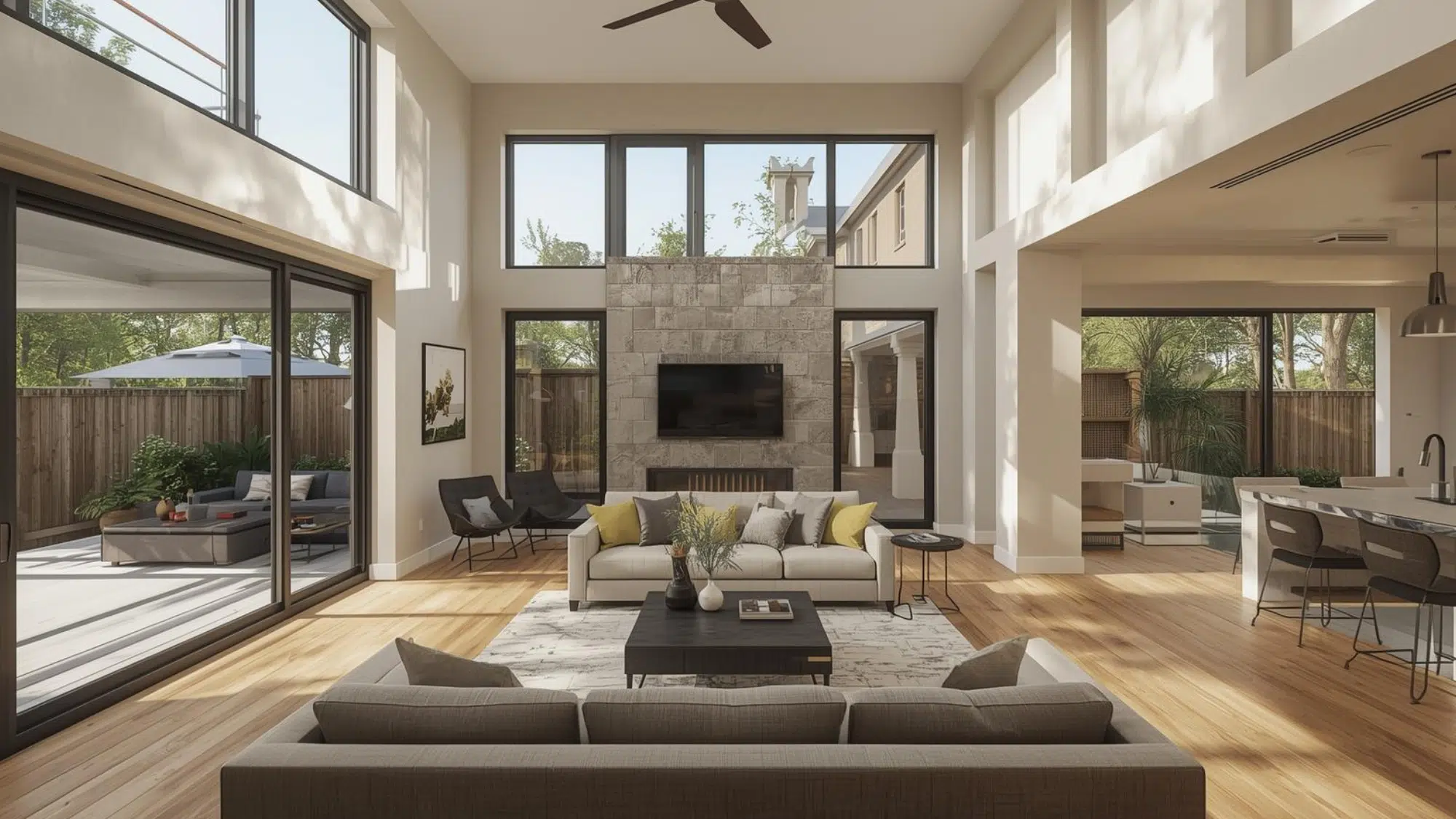
A family room addition creates a dedicated space for relaxation and entertainment. This room works well for movie nights, game time, or just hanging out together away from the main living areas.
If your back addition uses large sliding doors like this, plan the beam and header sizes early to keep the opening strong. Think about glare control, insulation, and HVAC placement, since tall ceilings and lots of glass can quickly affect comfort.
2. Master Bedroom Suites
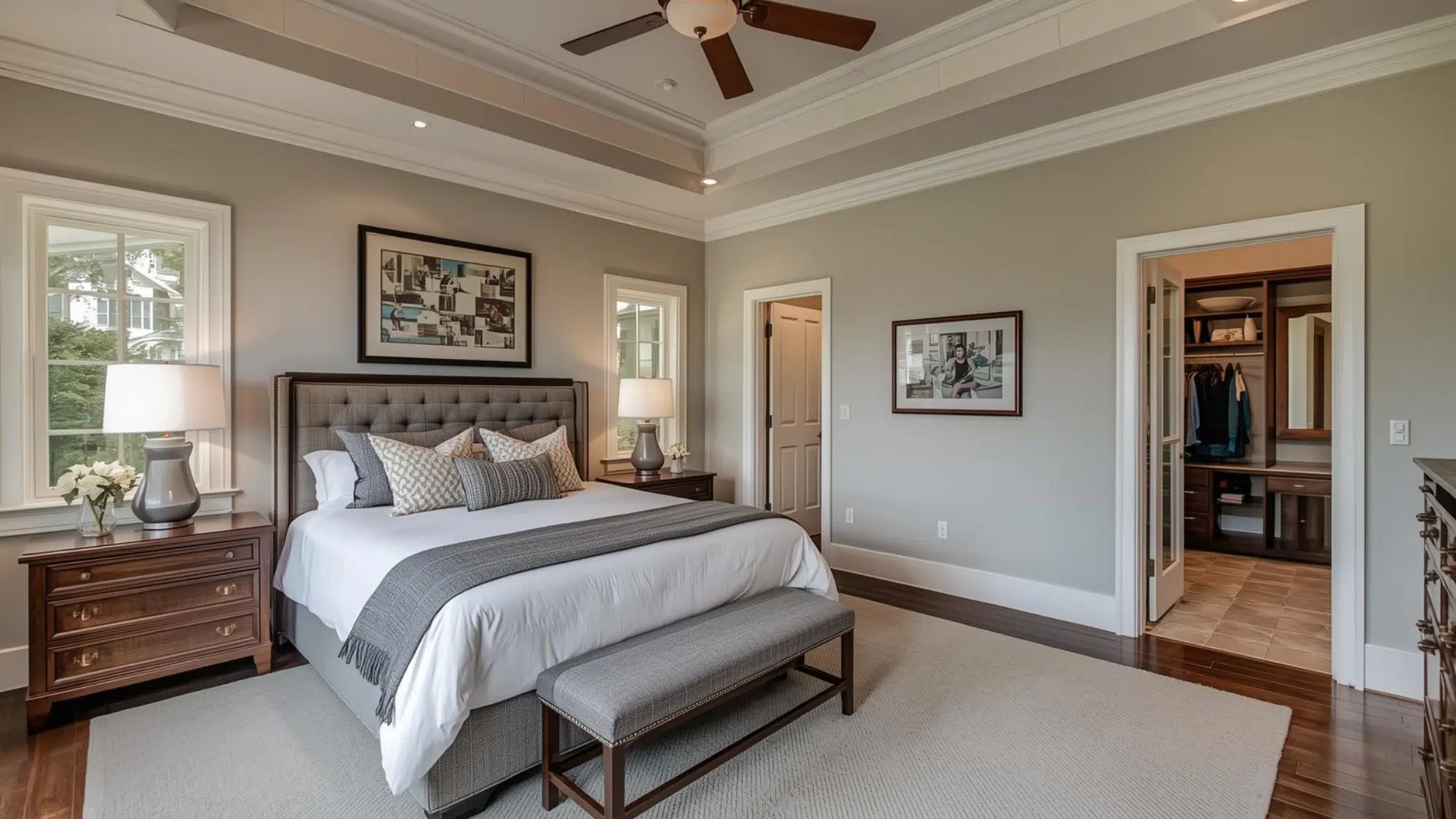
Master bedroom suites combine a large bedroom with a private bathroom and often a walk-in closet. This addition provides parents with their own retreat space, separate from the rest of the household.
Does your back addition include a tray ceiling and ceiling fan just like this? Plan the framing depth and electrical boxes before the drywall goes up. Place the closet and bath on the same wall line when you can, since shorter plumbing and vent runs usually keep the build simpler.
3. Home Office Spaces
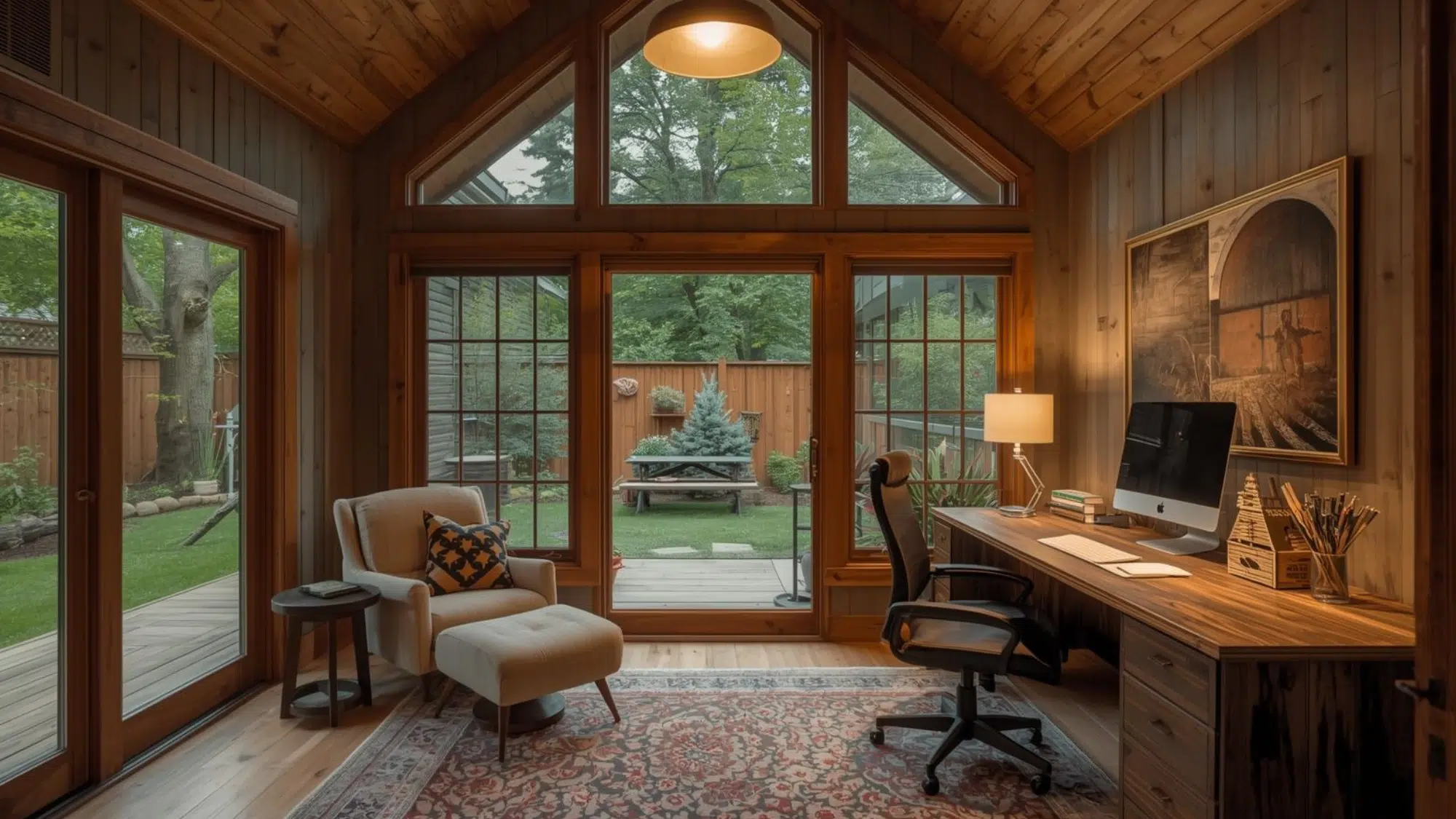
A home office addition provides a quiet workspace away from household distractions. You get a professional environment with proper lighting, outlets, and room for all your equipment.
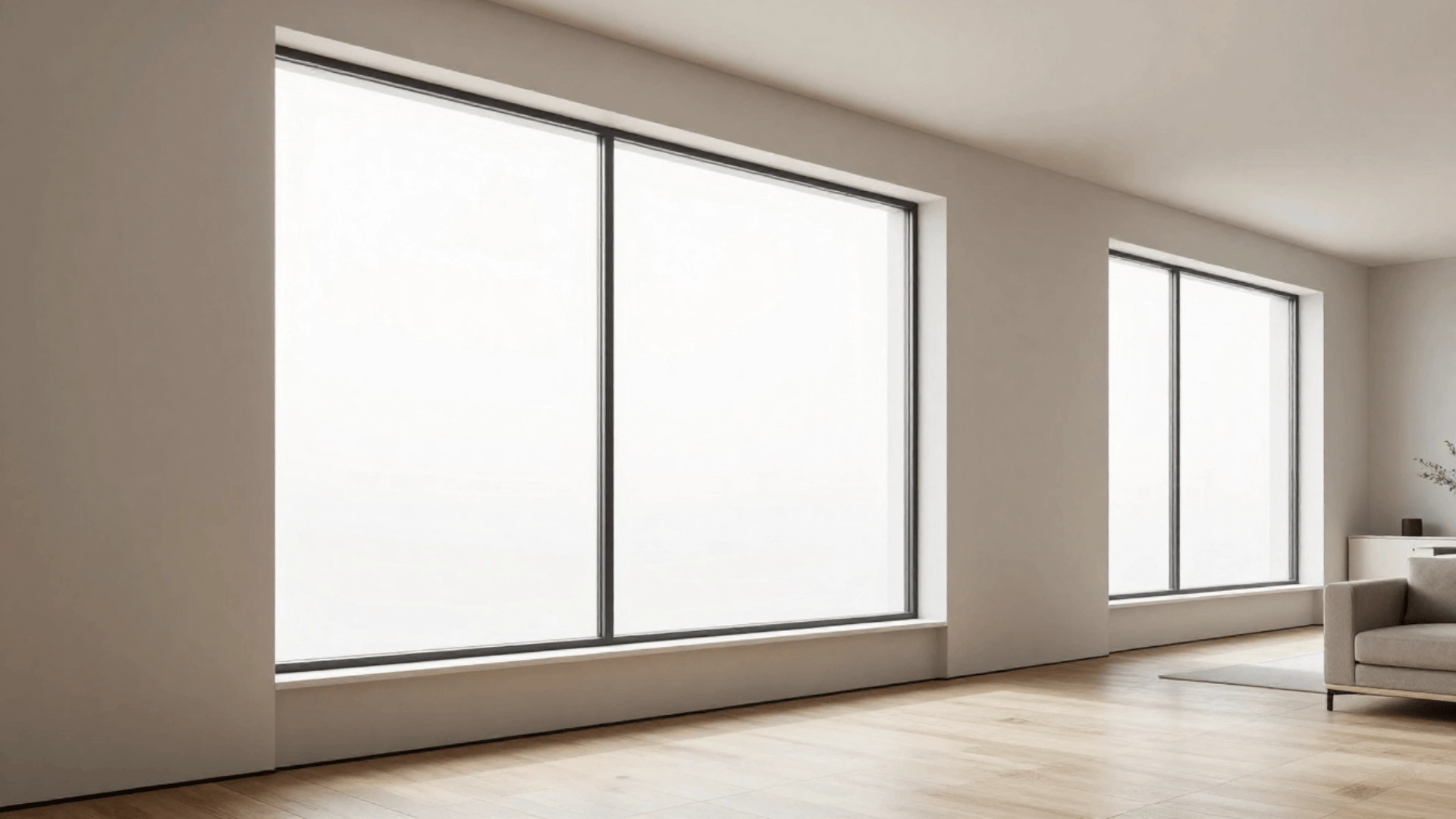
With big rear windows like these, use plan shades or low-glare glass so your screen stays easy to read. A vaulted ceiling also needs strong insulation and well-placed vents to keep the room from overheating in summer or freezing in winter.
4. Guest Suites
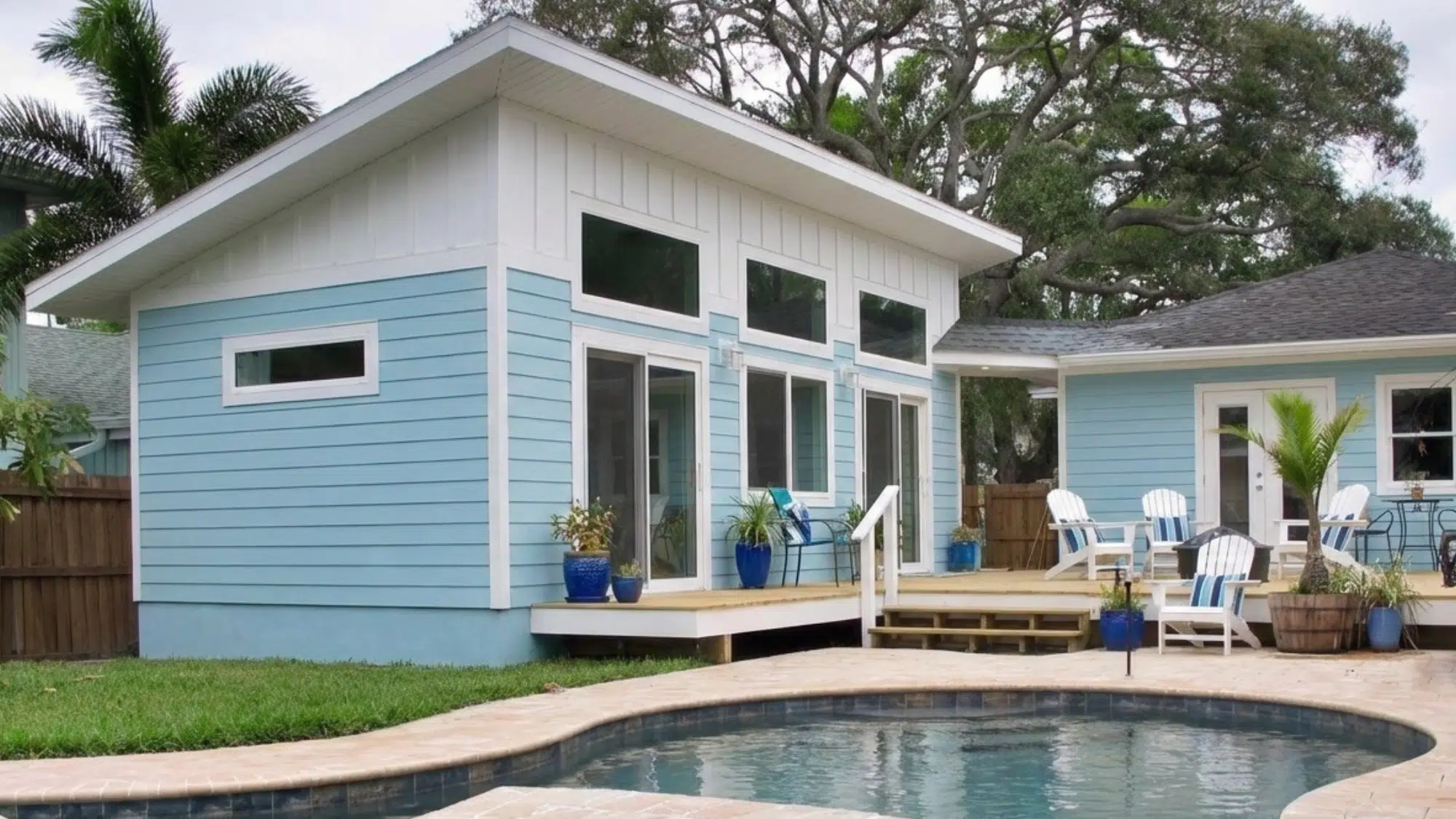
These additions include a bedroom, bathroom, and sometimes a small kitchenette. They give visiting family or elderly relatives comfortable, private living quarters with their own entrance.
A separate rear entrance like this works best with a small covered landing, good outdoor lighting, and a clear path from the driveway or gate. Plan plumbing and vent lines early for the bath or kitchenette, as their locations affect the foundation, framing, and permit scope.
5. Kitchen Expansions
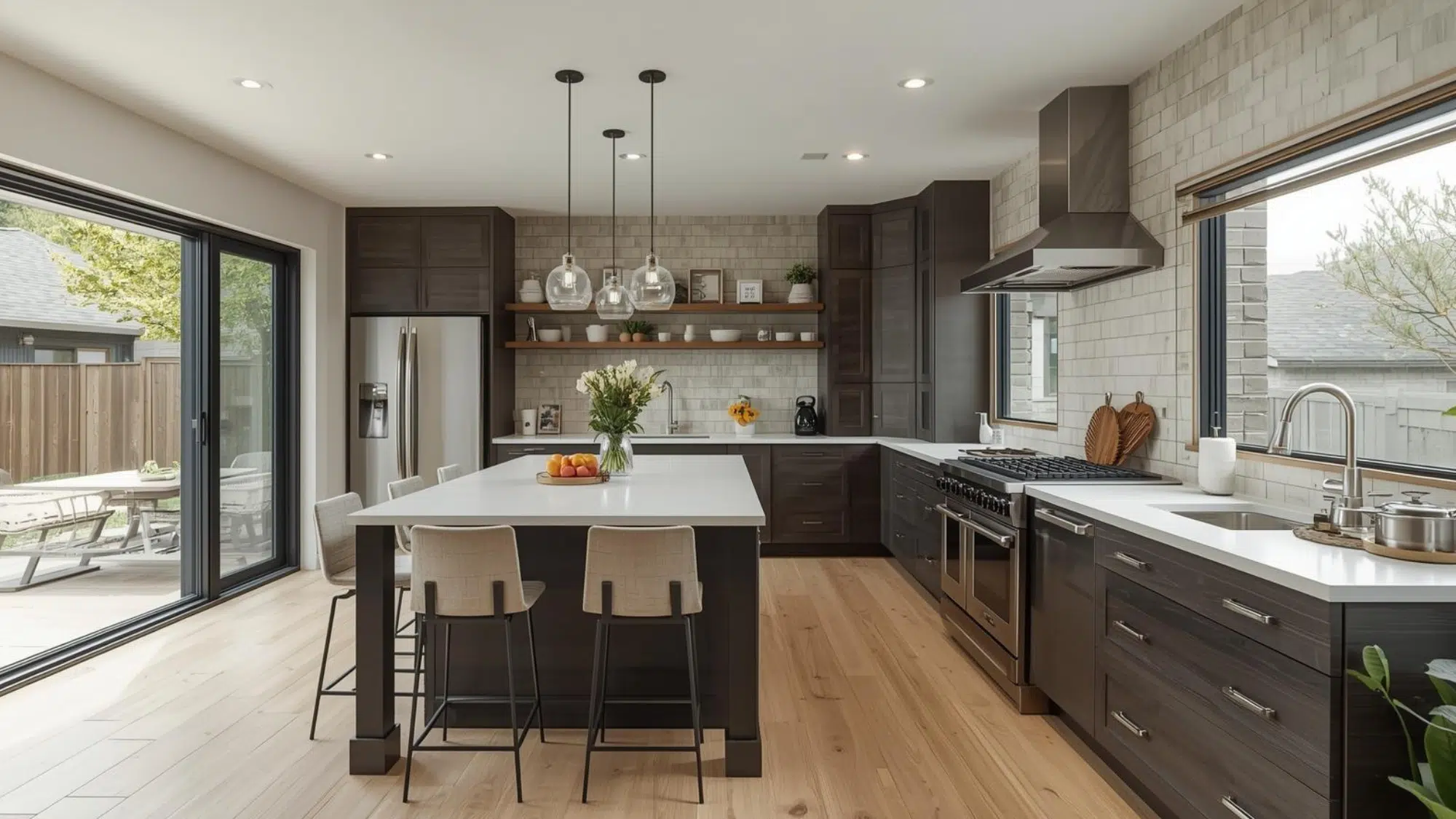
A kitchen expansion adds counter space, storage, or room for a larger dining area. The extra square footage makes cooking and entertaining much easier for the whole family.
A back kitchen addition often includes a large island and wide sliders, so plan clear walkways and strong support in the wall opening early. Confirm power, gas, and ventilation needs up front, since appliances, hood venting, and extra lighting can affect permits and rough-ins.
Some Other Popular House Room Additions
Not every room addition is built strictly at the back of the house. The following house room additions can be located at the rear, side, or as part of an existing space, depending on your layout and local rules.
1. Mudrooms and Laundry Rooms
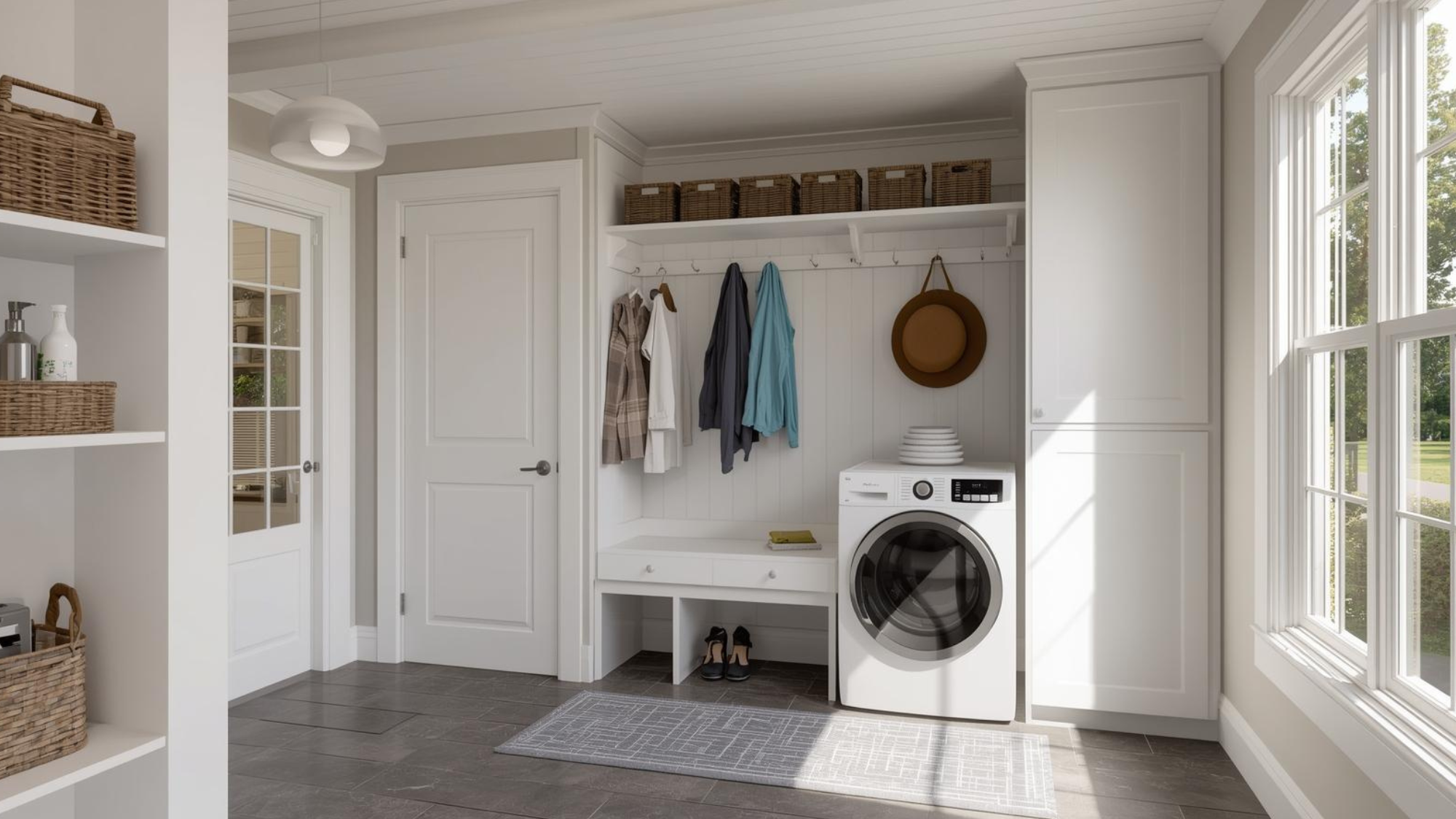
These practical spaces keep shoes, coats, and dirty clothes organized near the back entrance. A dedicated mudroom or laundry area prevents clutter from spreading through your main living spaces.
Plan for a durable, water-resistant floor and a drain pan or floor drain, since wet shoes and washer leaks happen. Add strong ventilation and enough space for cabinets, hooks, and a bench so the back entry stays clean and easy to use.
2. Sunroom Additions
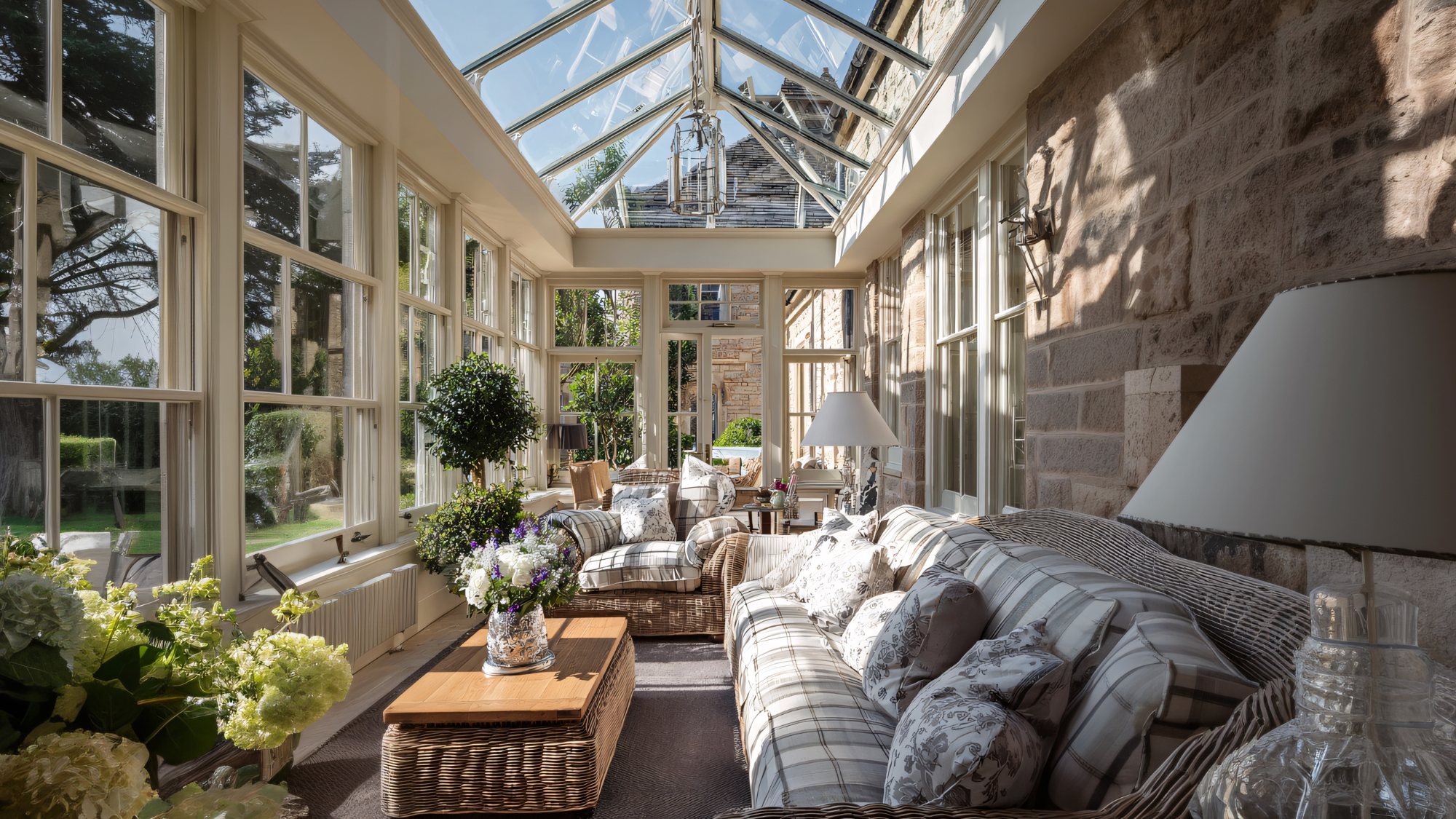
A sunroom addition gives you a bright, comfortable space that still feels connected to the backyard. It works well as a reading spot, a plant room, a casual sitting room, or a kid-friendly hangout space.
Use high-performance glazing and built-in shades for the glass roof and walls, since sunrooms can overheat fast. Add operable skylights or transom windows to create cross-breezes, and plan a hidden gutter system to manage roof runoff cleanly.
3. Bathroom Additions
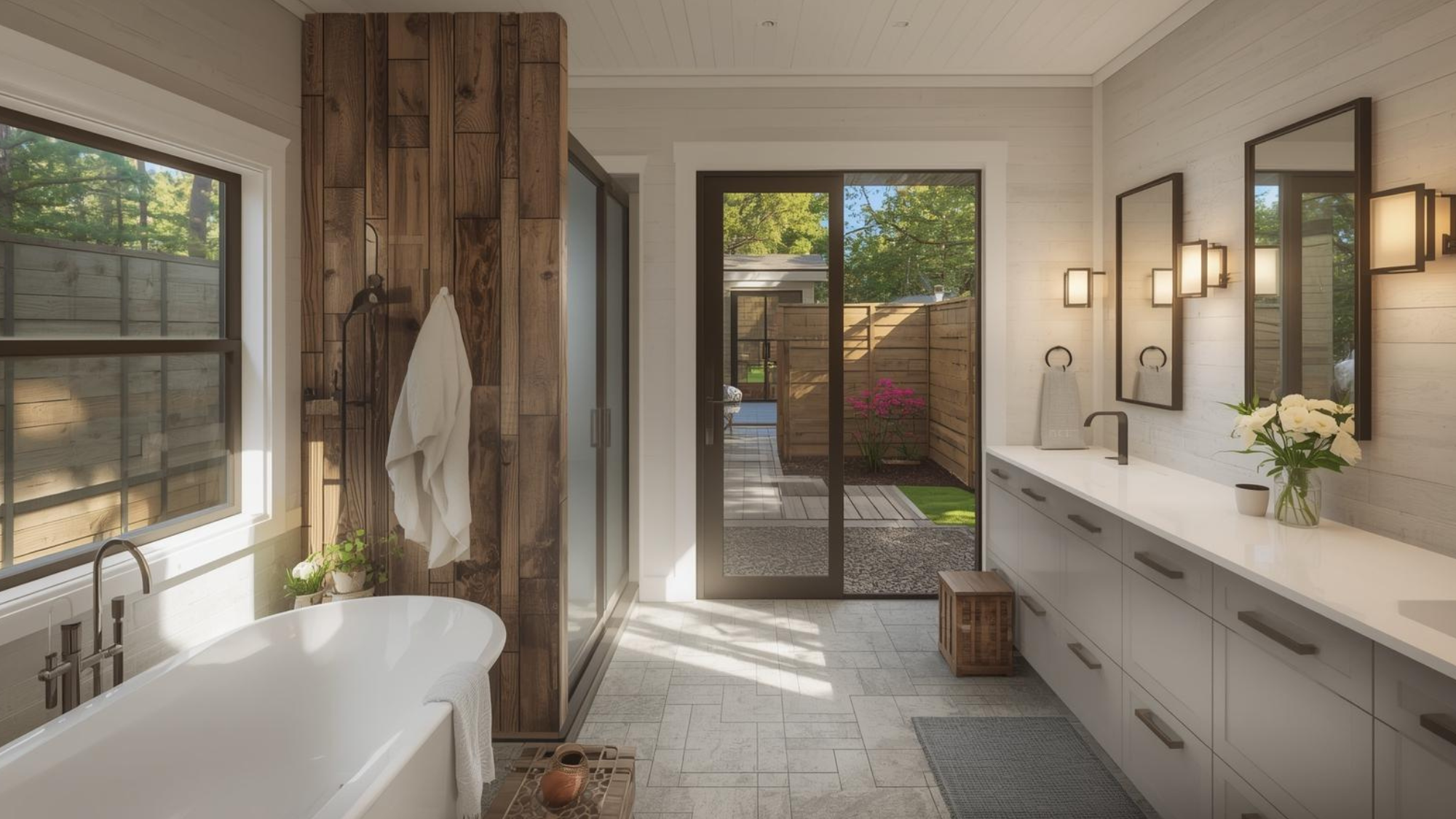
A rear bathroom addition can be a simple powder room near the back door or a full bath that supports a guest room, office, or future suite. It can also reduce morning traffic in the main bathrooms.
With a long double vanity like this, place task lighting at face level (not just overhead) to cut harsh shadows at the mirrors. Keep the shower glass and door hardware aligned in finish and sightlines so the room reads clean from end to end.
4. Breakfast Nook Or Dining Bump-Outs
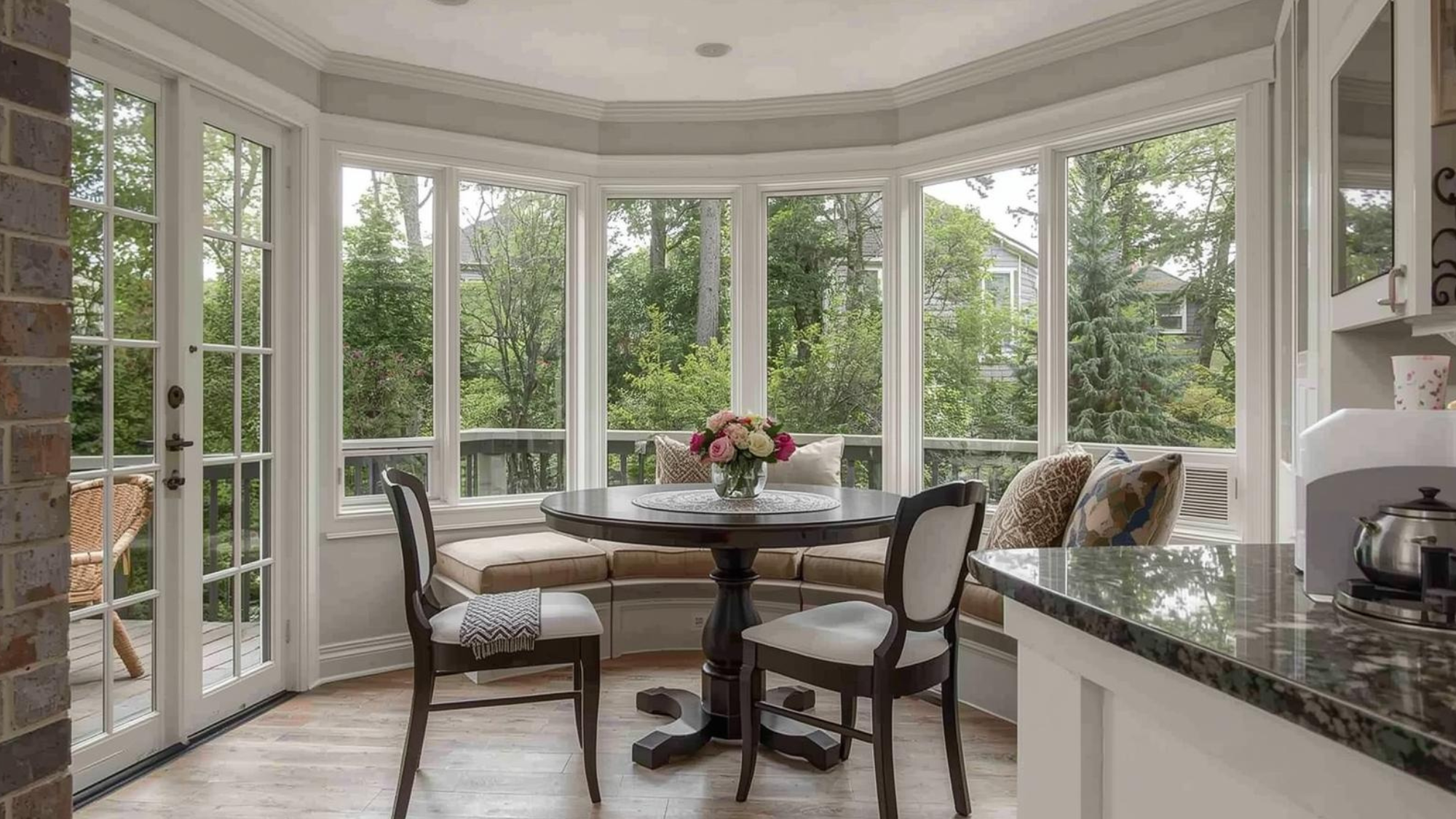
A small bump-out off the back of the house is perfect when you need just a bit more space. It can create a breakfast nook, add a banquette, or widen a tight dining area without a full-sized addition.
In a curved bay nook like this, choose a pedestal table and keep a 36-inch clear path around it so the banquette slides in easily. Add under-seat drawers or lift-top storage to turn the bump-out into a clutter-free zone without adding bulky cabinets.
5. Playroom Or Flex Room Additions
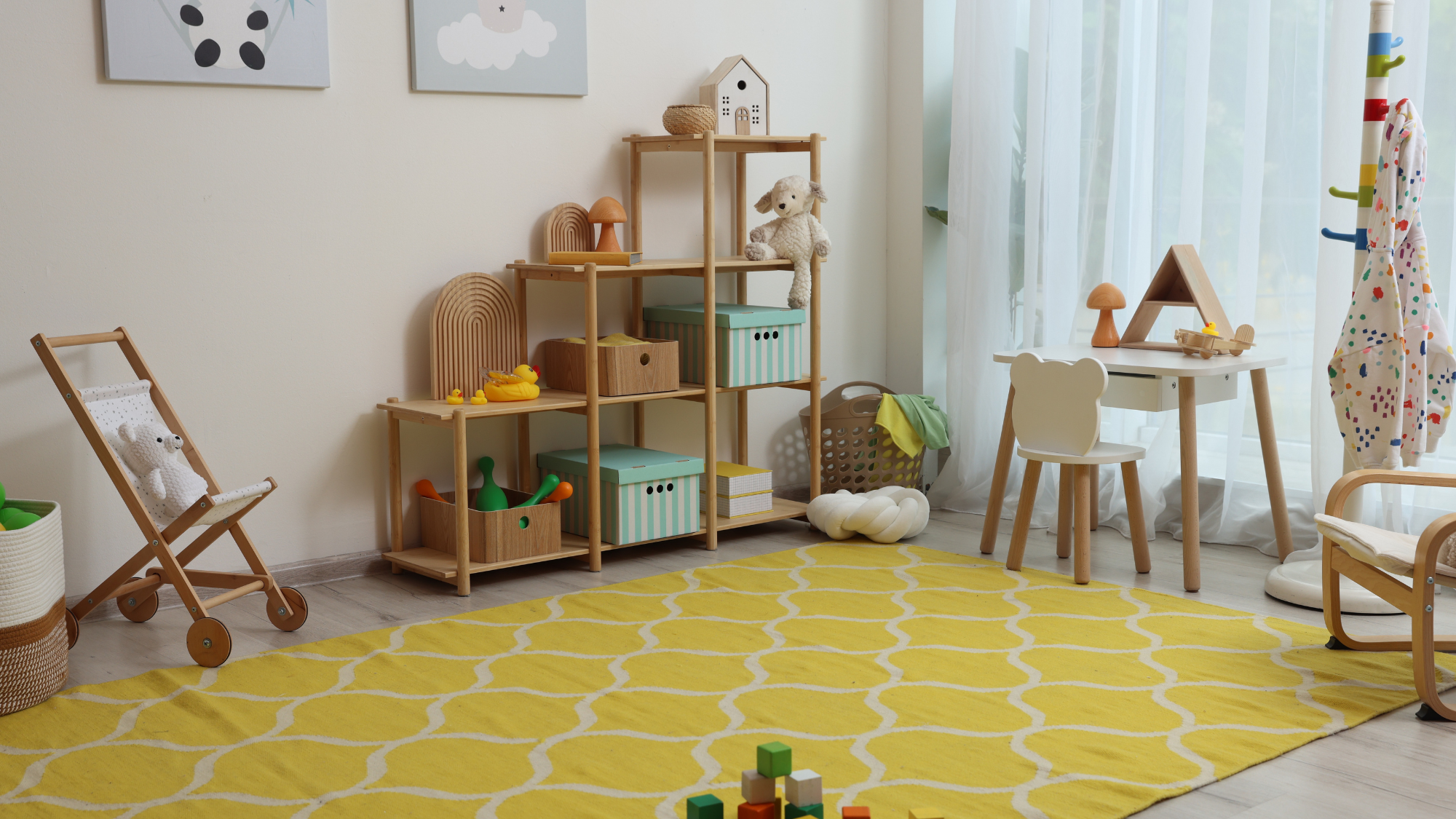
A back-of-house flex room gives kids a dedicated play space or gives your family a second mess-friendly room for crafts, puzzles, or hobbies. It also works as a future teen lounge or quiet sitting room later.
Set up zones like this: low open shelving for grab-and-go toys, plus a washable area rug to define a safe play space and soften noise. Anchor tall pieces to studs and use cordless shades near big windows so the room stays kid-friendly as they grow.
6. Home Gym Or Wellness Studio
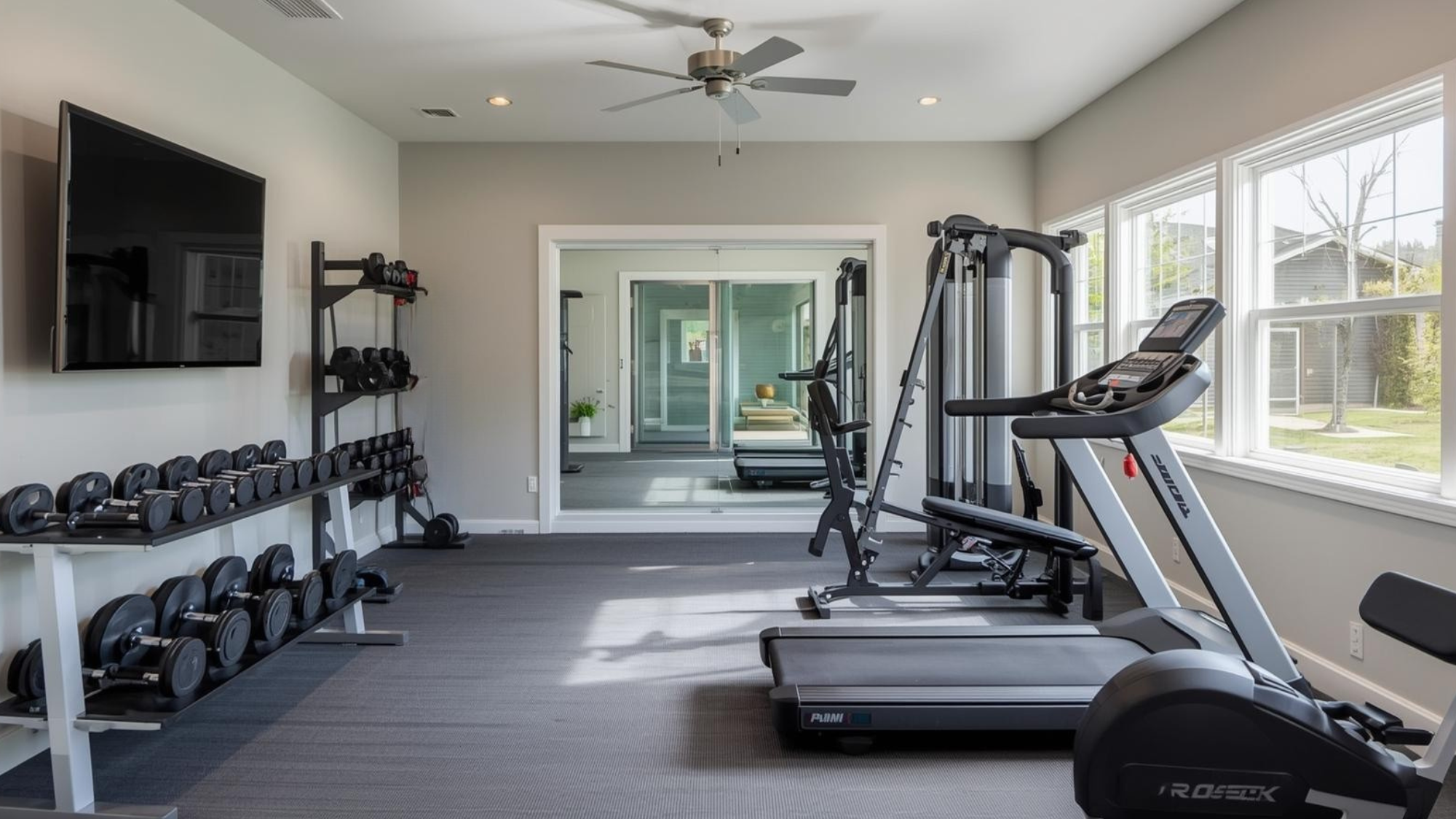
A rear addition for fitness keeps equipment out of bedrooms and living rooms and makes it easier to stick with a routine. Even a modest-sized room can fit a treadmill, weights, a yoga mat, and a storage wall.
Place cardio gear along the window wall like this to maximize natural light, but add UV film or roller shades to protect the screens and reduce glare. Use thick rubber flooring and a reinforced wall section for the weight rack to reduce noise and prevent damage to the drywall.
7. Screened-In Porch Or Enclosed Patio Room
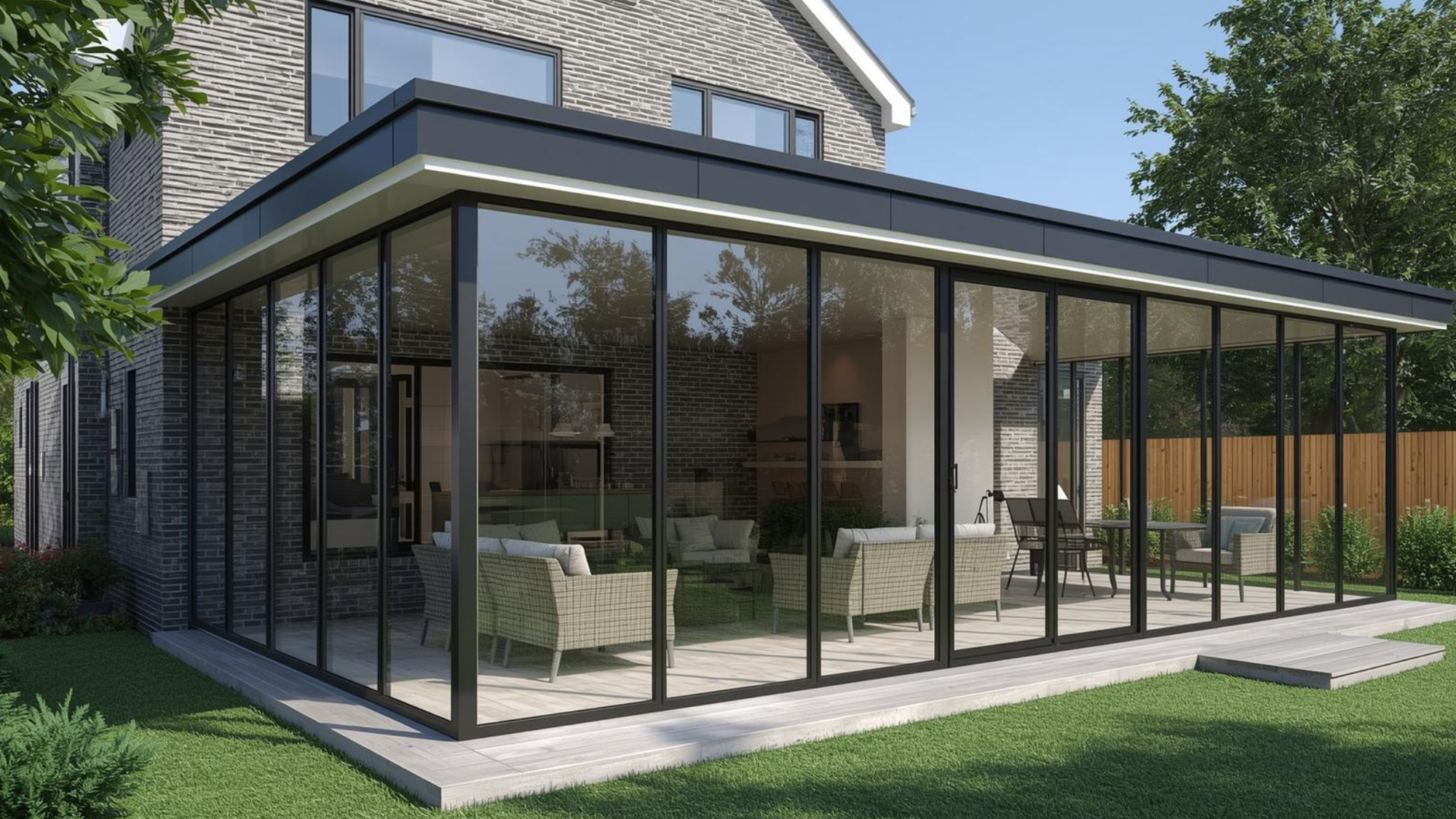
Enclosing a patio or porch can create a cozy, extra living area that feels like an outdoor room, with more comfort and protection. It is a popular way to expand usable space while using an existing footprint.
With a glass-heavy enclosure like this, plan generous roof overhangs and integrated drainage so wind-driven rain does not splash back onto the tracks. Specify a flush threshold and durable door hardware to keep the indoor-outdoor transition smooth and low-maintenance.
8. Pantry And Storage Additions
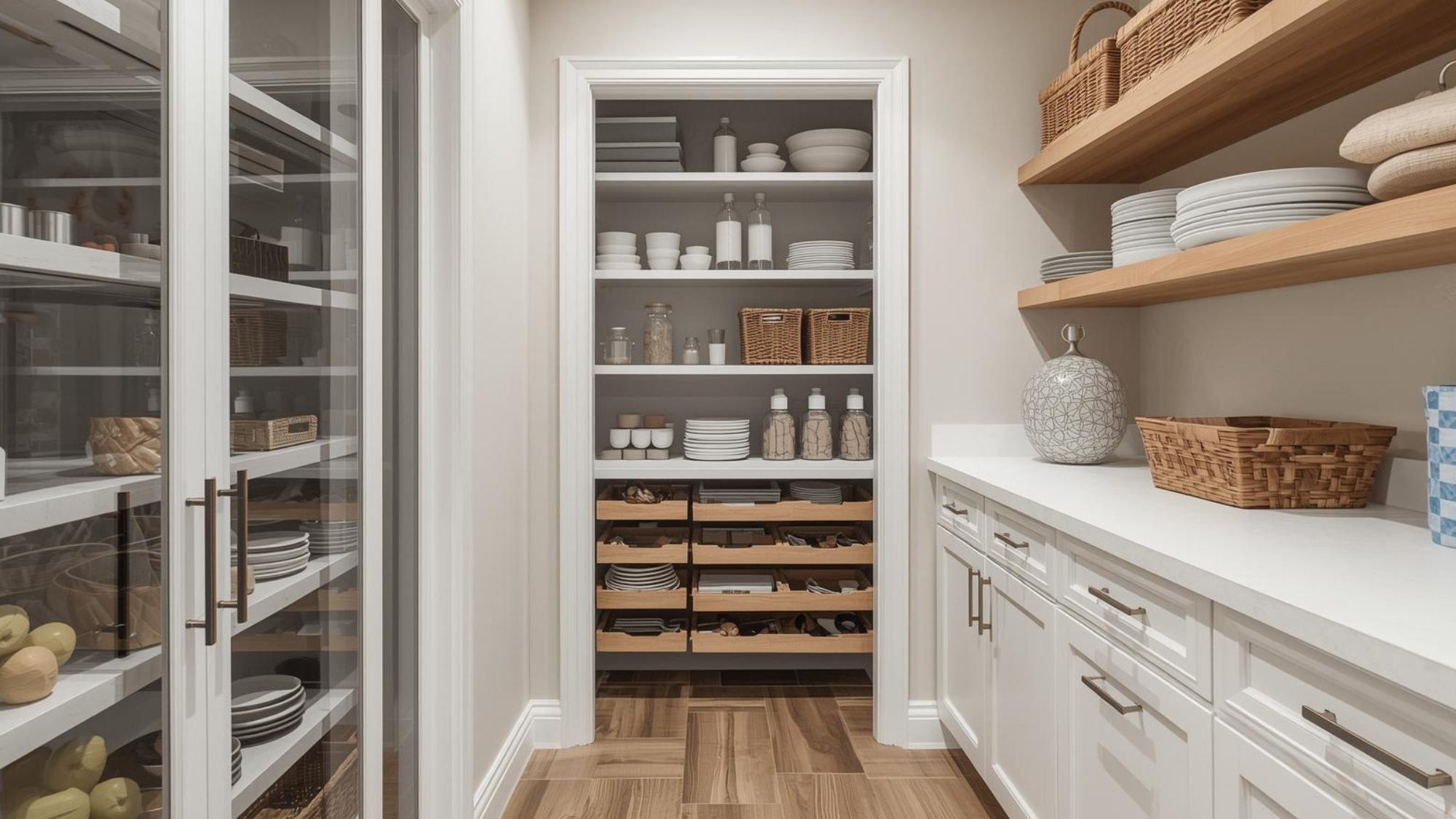
A small rear storage addition can solve big daily pain points: a walk-in pantry, an appliance garage, a broom closet, or a bulk-storage wall for a busy household. It pairs exceptionally well with a kitchen expansion.
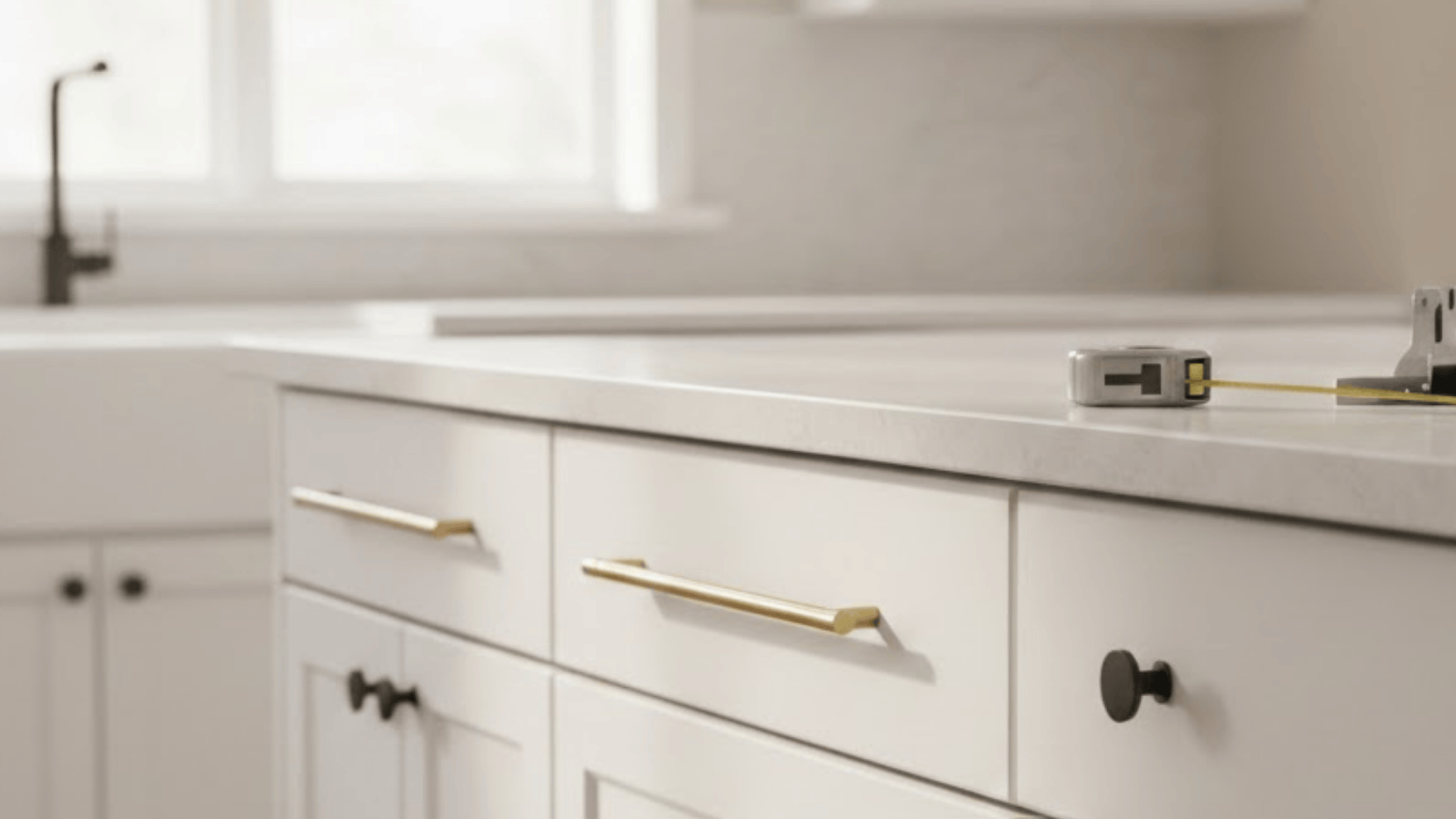
Design the pantry like a mini work zone: add a continuous counter for unpacking and small appliances, plus task lighting under open shelves so everything is easy to see. Keep the deepest storage low so heavy items are not lifted from overhead shelves.
9. ADU Or In-Law Suite Additions
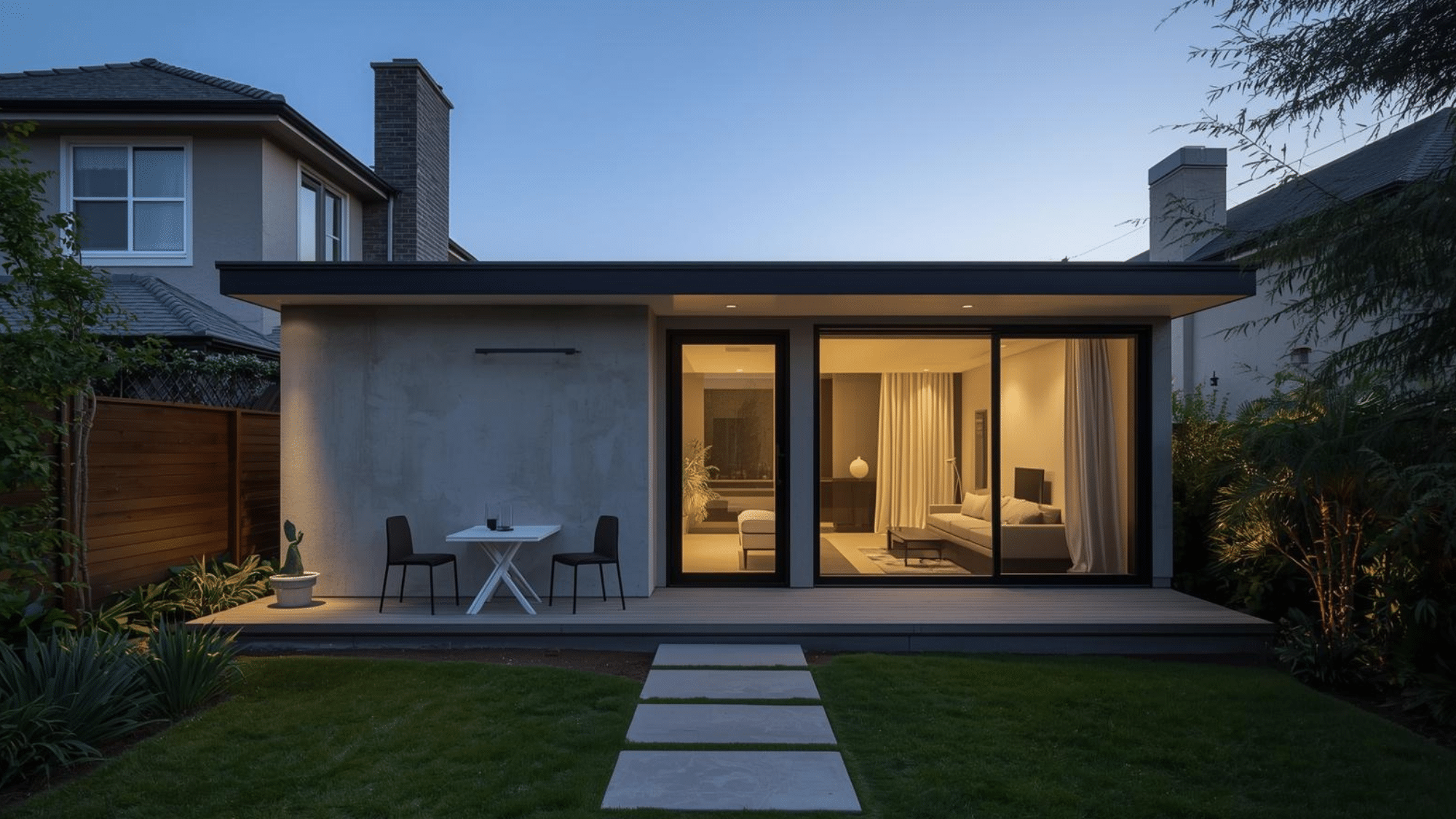
A rear ADU or in-law suite is ideal for long-term guests, aging parents, or rental income. These spaces usually include a sleeping area plus a bathroom, and often a kitchenette.
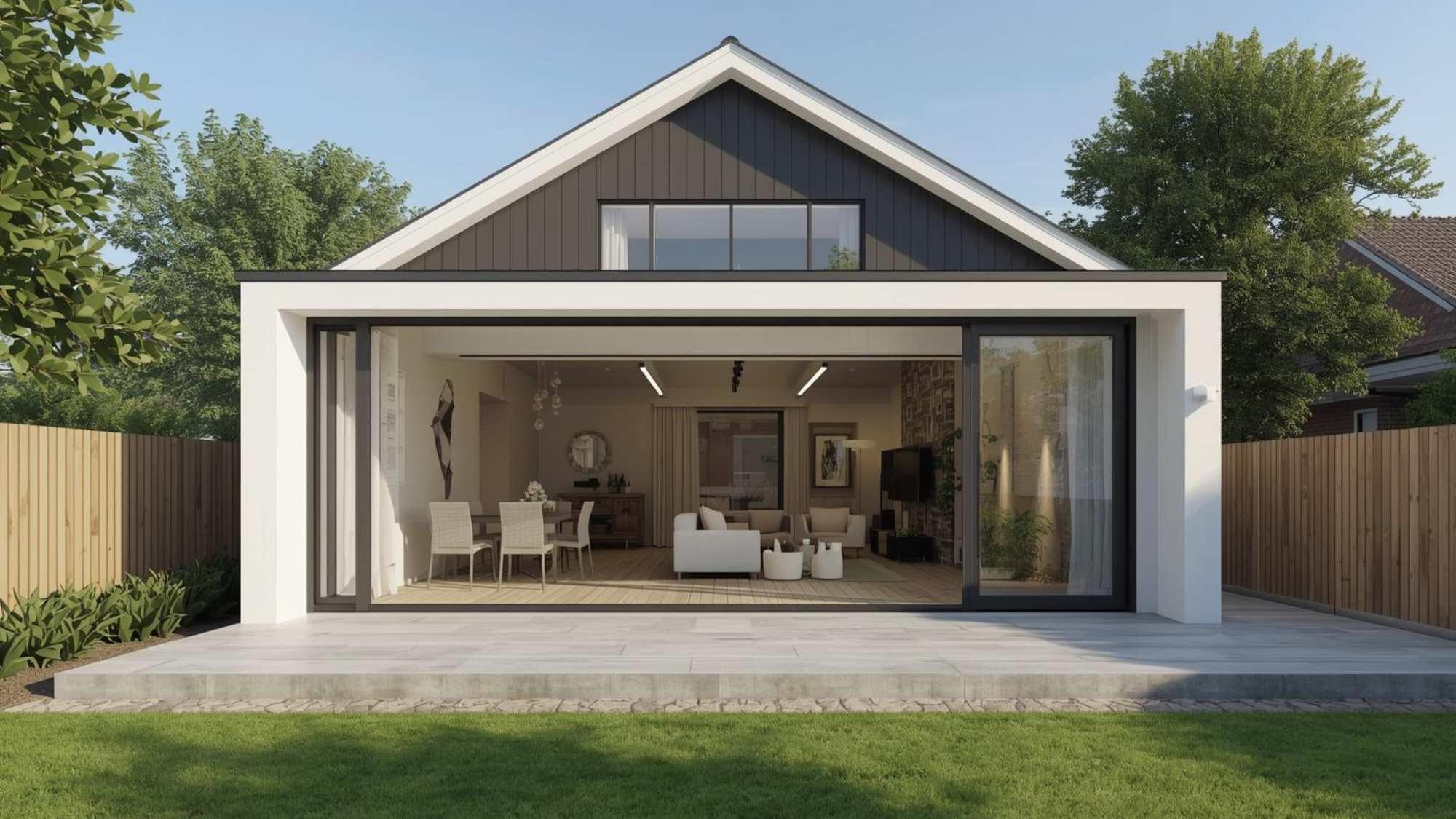
For a compact ADU like this, use wide, low-threshold sliders and a covered entry to keep it accessible in all weather. Plan layered exterior lighting and privacy landscaping early, since these glass walls need nighttime glare control and a clear sense of separation from the main house.
10. Outdoor Kitchen Or Covered Patio Additions
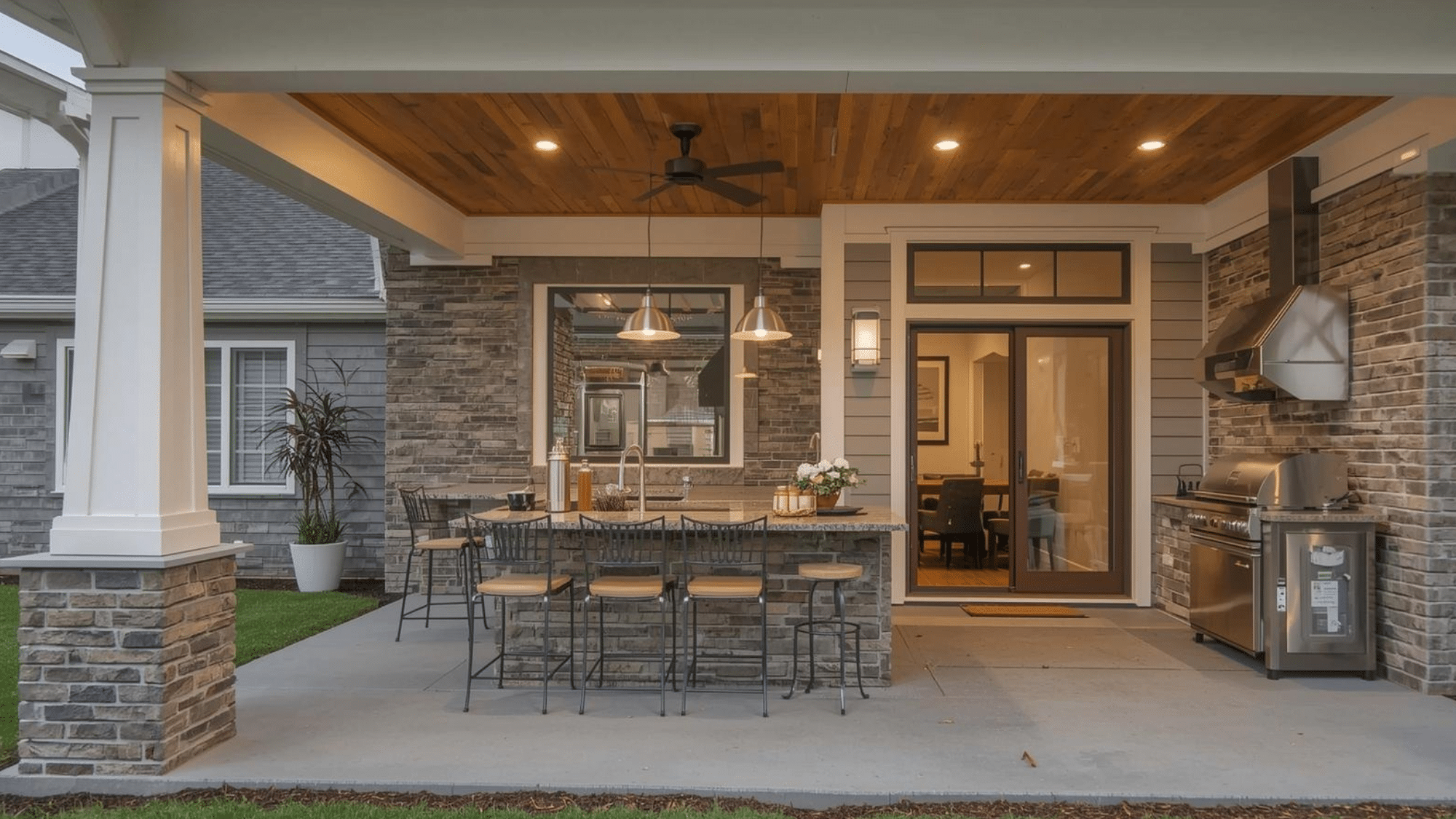
A covered patio addition with an outdoor kitchen, grill zone, or lounge seating expands how you use the backyard and makes entertaining easier. This is one of the most common back-of-house upgrades for a lifestyle space.
Keep the grill and hood on the far edge, with a non-combustible backsplash and generous side clearances to control heat and smoke. Add plenty of task lighting over the prep island and a weatherproof outlet strip, since most outdoor kitchens fail when prep and power are an afterthought.
Planning Checklist For A Back House Room Addition
Proper planning ensures your back house room addition project runs smoothly from start to finish.
- Defining your goals and room purpose: Setting clear goals helps you make better decisions about size, layout, and features throughout the planning process.
- Assessing your property and available space: Measure your backyard and check how much room you have for building after meeting setback requirements.
- Setting a realistic budget: Research average costs for your type of addition and get quotes from at least three contractors.
- Determining the project timeline: Factor in weather delays, permit processing time, and your contractor’s current schedule.
- Considering future needs and resale value: Think about how your family might grow or change in the next five to ten years. Choose features and layouts that appeal to future buyers.
Budget Basics: How Much Back House Room Additions Cost
Back house room additions cost varies by room type, finishes, and structural needs. Basic projects often cost $150 to $250 per square foot.
Mid-range additions with nicer materials run $250 to $400 per square foot, while high-end builds with custom features can exceed $400 per square foot, and include extra categories that can surprise homeowners.
Demolition may add $1,000 to $5,000. Extending electrical, plumbing, and HVAC lines can add several thousand dollars, especially when runs are long. Foundation work, interior finishes, and permits are also major line items.
To protect your plan, add a 15-20% contingency. This buffer helps cover hidden damage, code changes, or other unexpected problems during construction. Get estimates and confirm what is included before you start.
Permits And Approvals: What You Need
Most rear additions need permits before work begins.
Your main building permit covers the structure, and trade permits may be required for systems like electrical, plumbing, or HVAC.
Your city may also review zoning rules such as setbacks, lot coverage, and historic district limits.
Expect inspections at key stages, and work can’t move forward until each one passes.
Back House Room Addition Construction Process: Step-By-Step
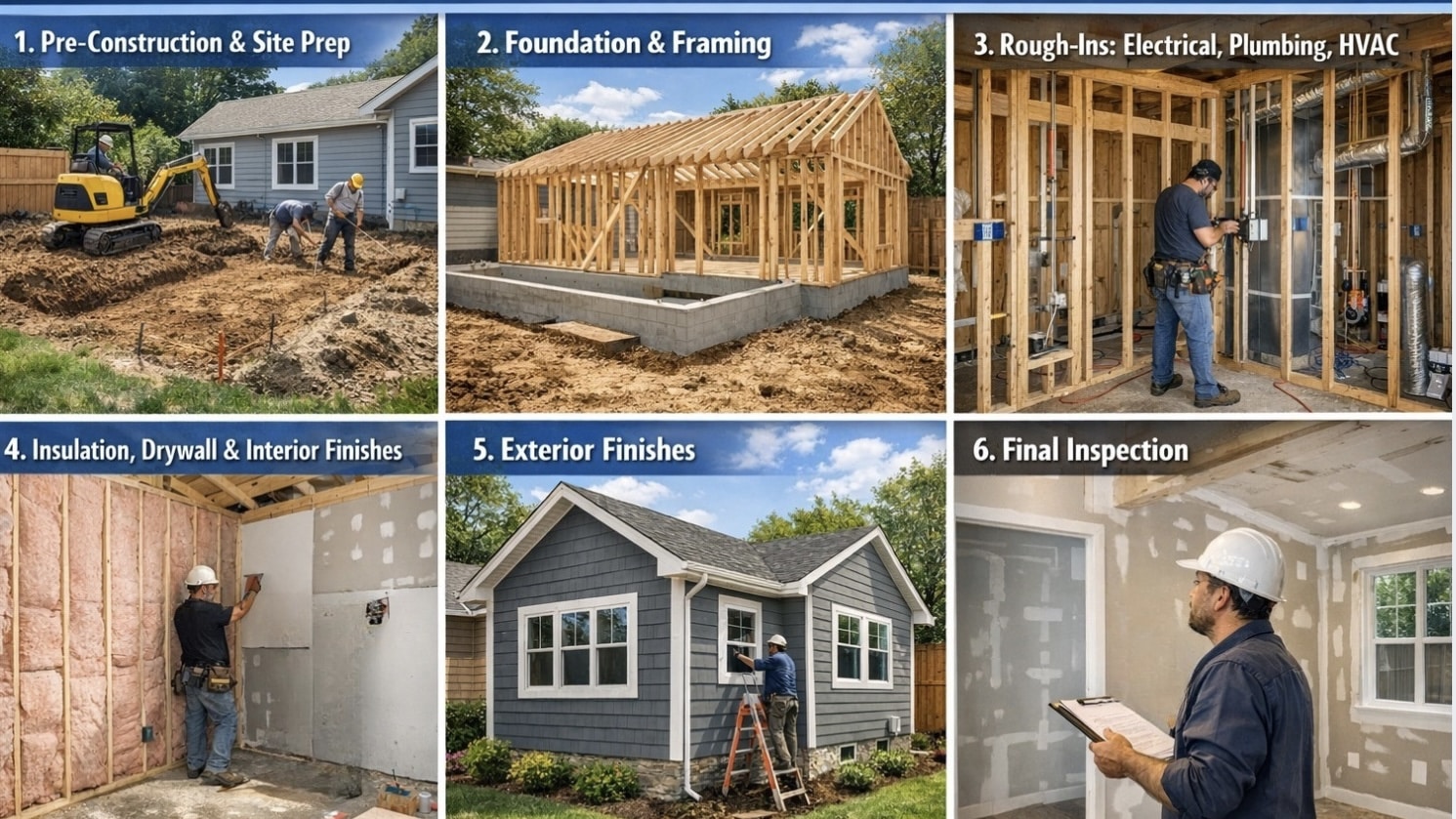
1. Pre-Construction And Site Prep
Before construction starts, your contractor finalizes drawings, secures permits, confirms the schedule, and orders long-lead materials to prevent delays.
The crew then protects landscaping with fencing or pathways and sets clear access routes for deliveries and equipment to reduce property damage.
2. Foundation And Framing
Workers excavate the site, pour footings, and build the foundation as a slab or a crawl space, as per your design.
Next, they frame the walls, tie the new roof to the existing house, and add weatherproofing to keep the structure protected from rain during construction.
3. Rough-Ins: Electrical, Plumbing, HVAC
Electricians, plumbers, and HVAC pros run wiring, pipes, and ductwork inside the walls before insulation and drywall.
Upgrades may be needed if your electrical panel can’t handle the added load, or if your HVAC system needs to be resized or a new zone added to heat and cool the new space properly.
4. Insulation, Drywall, And Interior Finishes
The crew installs insulation and seals gaps around windows, doors, and openings to improve comfort and reduce energy loss.
Then they finish the interior with drywall, flooring, trim, and paint, followed by fixtures like lights, outlets, and any built-ins.
5. Exterior Finishes And Weather Protection
Workers add matching siding or masonry, install flashing at joints and openings, and fit gutters and downspouts to push water away from the foundation.
They finish by caulking seams, checking windows and doors, and confirming roof tie-ins are watertight to prevent long-term leaks.
6. Final Inspections, Punch List, And Walkthrough
Inspectors complete a final code check, and you do a walkthrough with your contractor. You’ll note any minor fixes on a punch list and wrap them up before making the final payment.
Hiring The Right Team
Design-build firms manage both design and construction under one contract, which can reduce back-and-forth and speed up the process.
Hiring a separate designer and contractor gives you more control, but you’ll need to coordinate two teams. To compare bids fairly, ensure each contractor prices the same specs, materials, and scope.
Ask for itemized quotes covering labor, materials, permits, and contingency so nothing is hidden. To avoid surprises, ask about change-order triggers, how issues are handled, and who manages subcontractors.
Confirm payment stages, warranty terms, and how progress updates will be shared.
Final Thoughts
You now have a complete roadmap for your back house room addition project. From checking property lines to final inspections, each phase builds toward the extra space your family needs.
The decisions ahead might feel overwhelming at first. But breaking the project into manageable steps makes even a major back house room addition doable.
Start with one action: measure your yard, call your building department, or request quotes from contractors.
Every successful addition begins with a homeowner who decides to look through their options. You’ve already taken the first step by considering how to improve your home.
What room will change your daily life the most? A quiet office, a spacious kitchen, or a private bedroom suite?
Bookmark this page to reference as you move forward.
Frequently Asked Questions
Do I Really Need Feasibility Checks Before Planning a Rear Addition?
Yes. Feasibility checks confirm your foundation and framing can carry new loads and that setbacks or zoning allow it. A structural engineer can flag issues early.
Will My Existing Utilities And HVAC Handle The New Space?
Maybe. Additions often require new wiring, plumbing, and ductwork. You may need a larger electrical panel, HVAC resizing, or a new comfort zone to meet code requirements.
What Adds More Value: Remodeling Or Adding A New Room?
A new room often adds resale value by increasing square footage, but remodeling can deliver a higher ROI if it addresses kitchen, bath, or layout issues that buyers notice first.