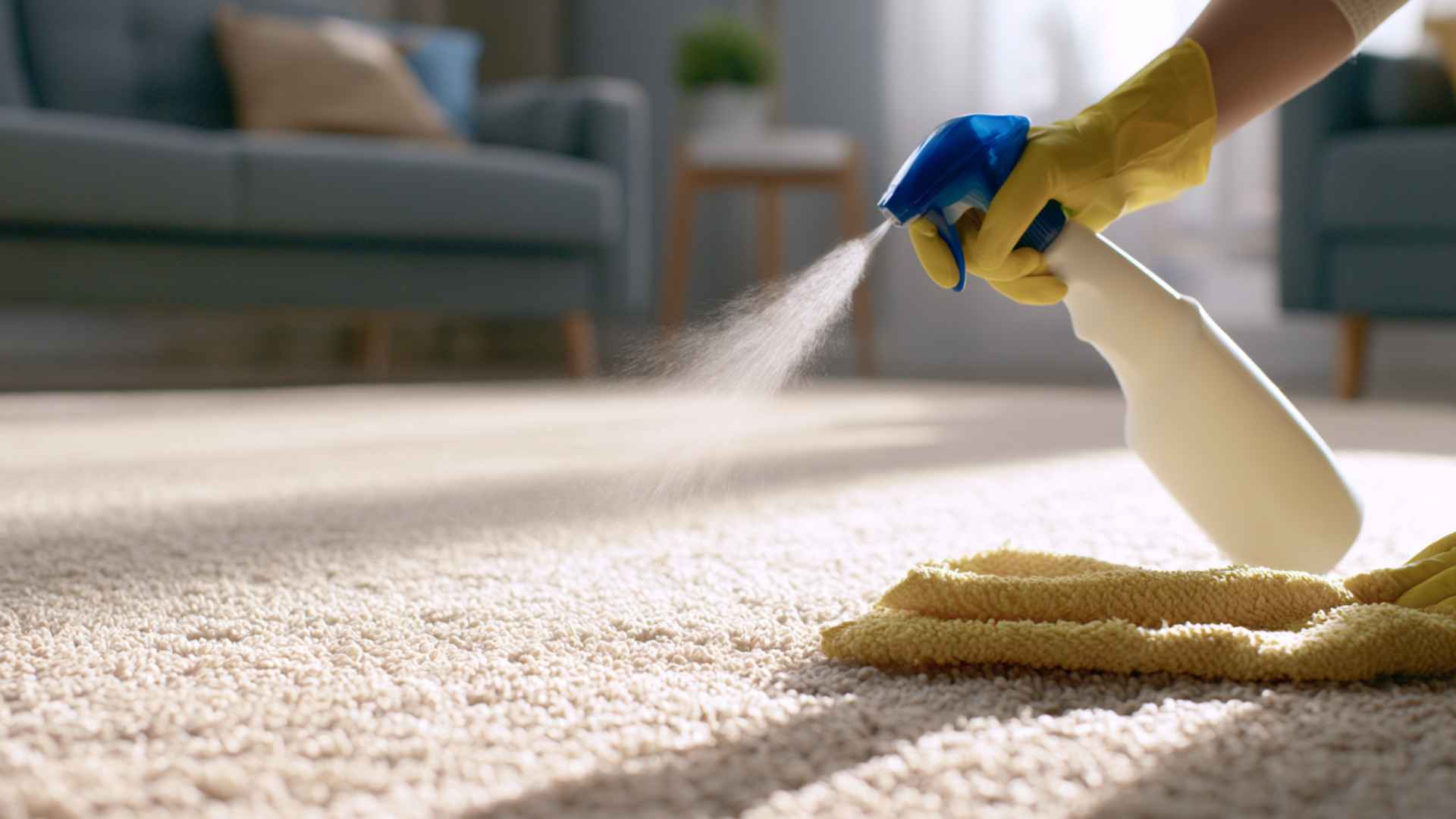
A spill on the carpet does not have to mean an expensive trip to the store.
A solid DIY carpet cleaner made from pantry staples like white vinegar, baking soda, and dish soap can tackle everyday stains, banish odors, and keep your floors looking fresh without the need for a specialty product.
Mix warm water, a tablespoon of dish soap, and one to two tablespoons of white vinegar in a spray bottle for a stain remover that works on most fresh spills within minutes.
These same pantry staples work surprisingly well on everything from pet messes to muddy footprints.
What Makes a Carpet Cleaner Actually Work?
Understanding how a DIY carpet cleaner works helps you choose the right ingredient mix based on the stain type, carpet material, and the required cleaning depth.
One important factor people often overlook in DIY carpet cleaner solutions is compatibility with carpet type. Different fibers, such as wool, nylon, and polyester, respond differently to vinegar, baking soda, and hydrogen peroxide.
Carpet cleaning works through three actions:
| Action | Ingredient Type | How it works |
|---|---|---|
| Break stains | Vinegar, hydrogen peroxide | Loosens and dissolves stain bonds in fibers |
| Lift dirt | Baking soda, dish soap | Suspends dirt so it can be blotted or vacuumed away |
| Remove odor | Baking soda, essential oils | Absorbs odor molecules and leaves a cleaner smell |
Always check the manufacturer’s label before applying any homemade mix. Testing in a hidden corner helps ensure color safety and prevents fiber damage, especially with older or delicate carpets at home.
When these three actions work together, the cleaner doesn’t just make the carpet look better temporarily; it also targets what’s inside the fibers for a deeper clean.
Essential Tools You Need
|
Best DIY Carpet Cleaner Recipes
These DIY carpet cleaner recipes are designed for different stain types, carpet conditions, and cleaning needs, from light spills to deeply embedded dirt.
1. Vinegar and Dish Soap Cleaner
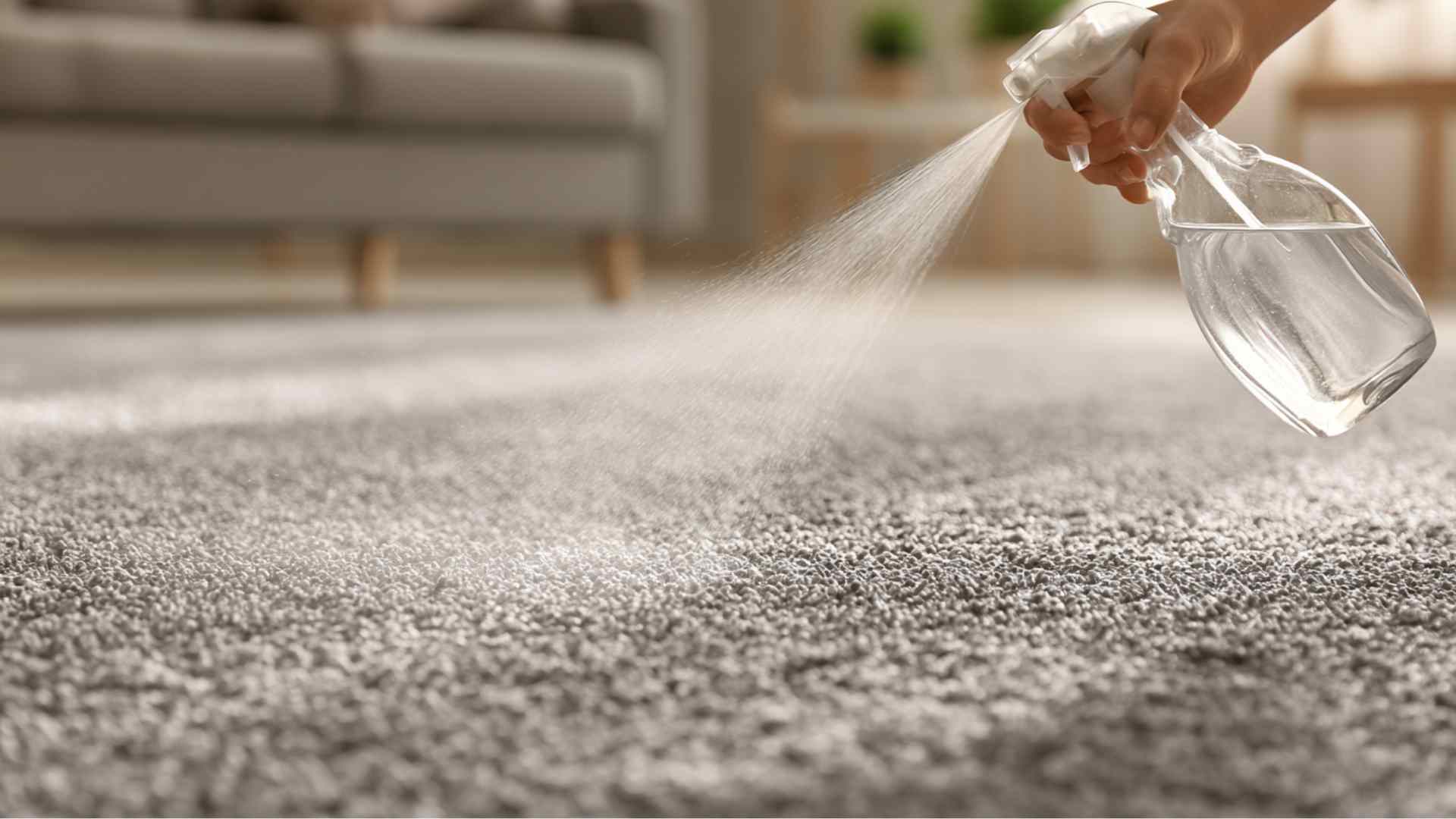
- Best for: Fresh spills like juice, tea, food stains, and light everyday marks
- Procedure: Mix warm water, 1 tablespoon dish soap, and 1–2 tablespoons vinegar in a spray bottle. Lightly spray on stain without soaking.
- Application Tip: Blot gently with a clean cloth from edges inward, avoiding over-wetting to prevent residue buildup.
2. Baking Soda Odor Treatment
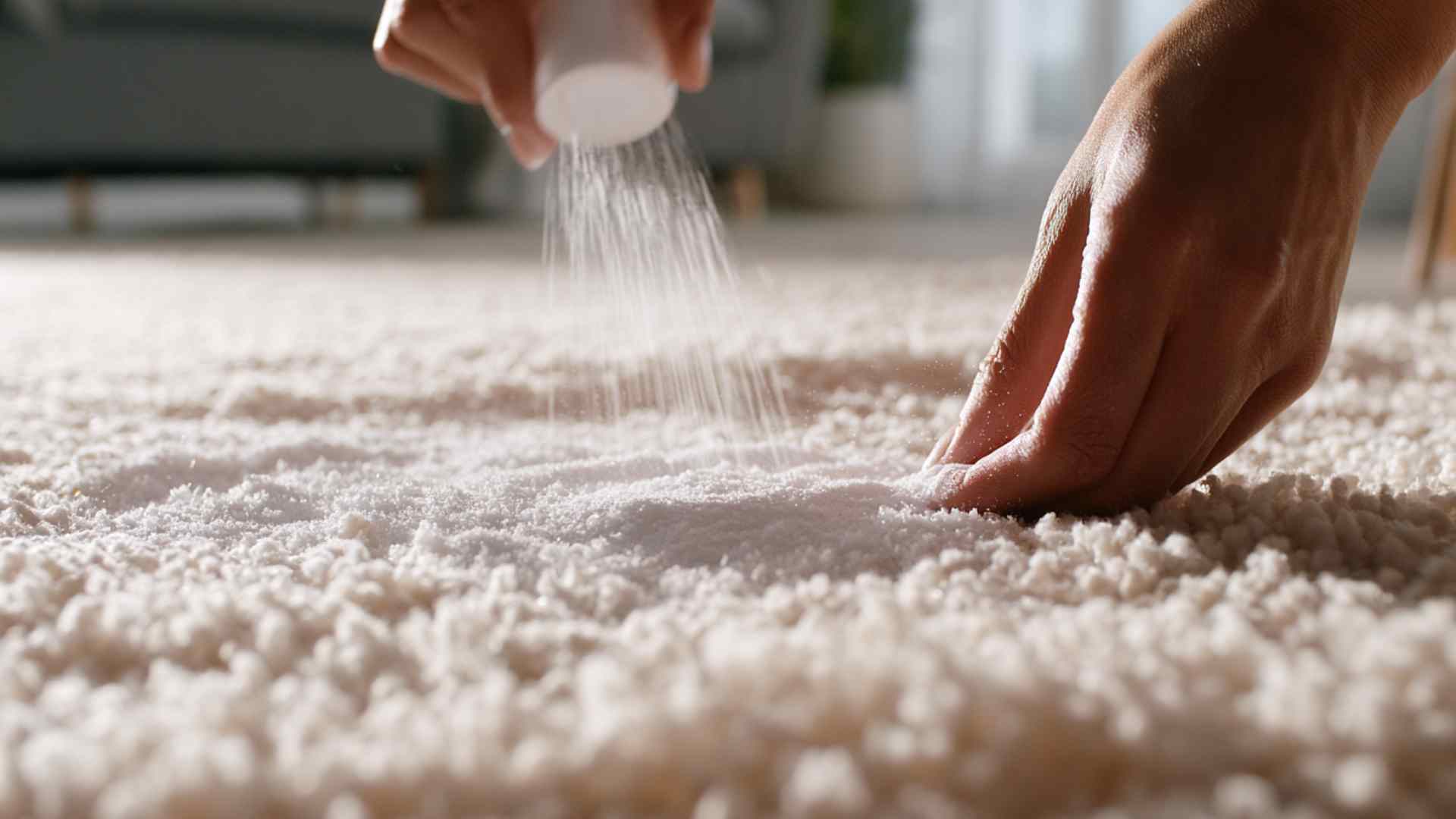
- Best for: Odors from pets, smoke, food spills, and long-set smells in carpet fibers
- Procedure: Sprinkle baking soda evenly over the dry carpet surface. Let it sit for several hours or overnight.
- Finishing Step: Vacuum thoroughly to remove powder along with trapped odor particles for deeper freshness.
3. Hydrogen Peroxide Stain Remover
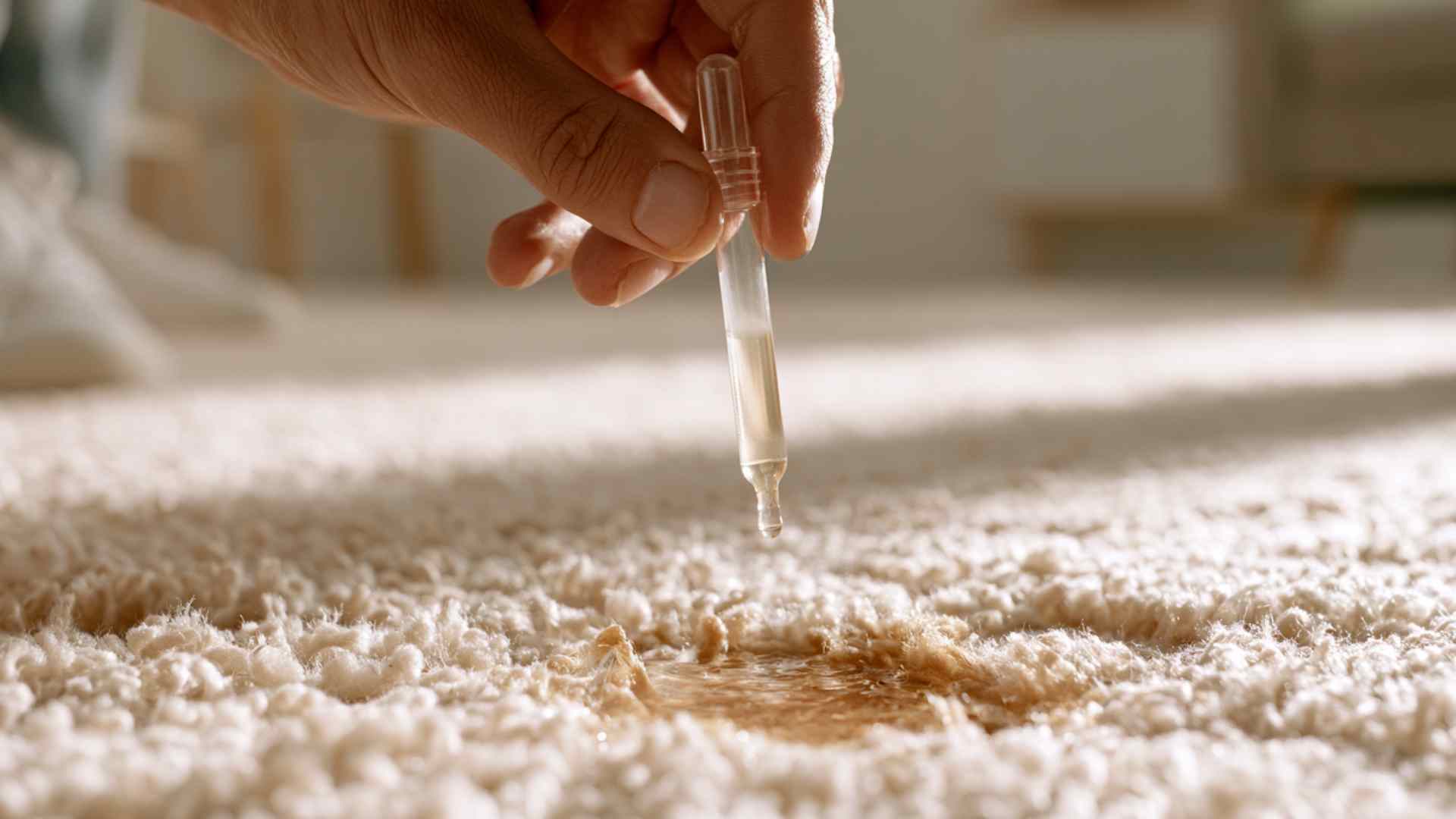
- Best for: Wine, coffee, blood, and other dark or pigment-heavy stains
- Procedure: Dilute hydrogen peroxide with water, then apply a small amount directly to the stain. Let it sit briefly.
- Safety Note: Never combine hydrogen peroxide with vinegar in the same container. The mix forms peracetic acid, a corrosive compound that can irritate skin and lungs.
4. Two-Step Baking Soda and Vinegar Method
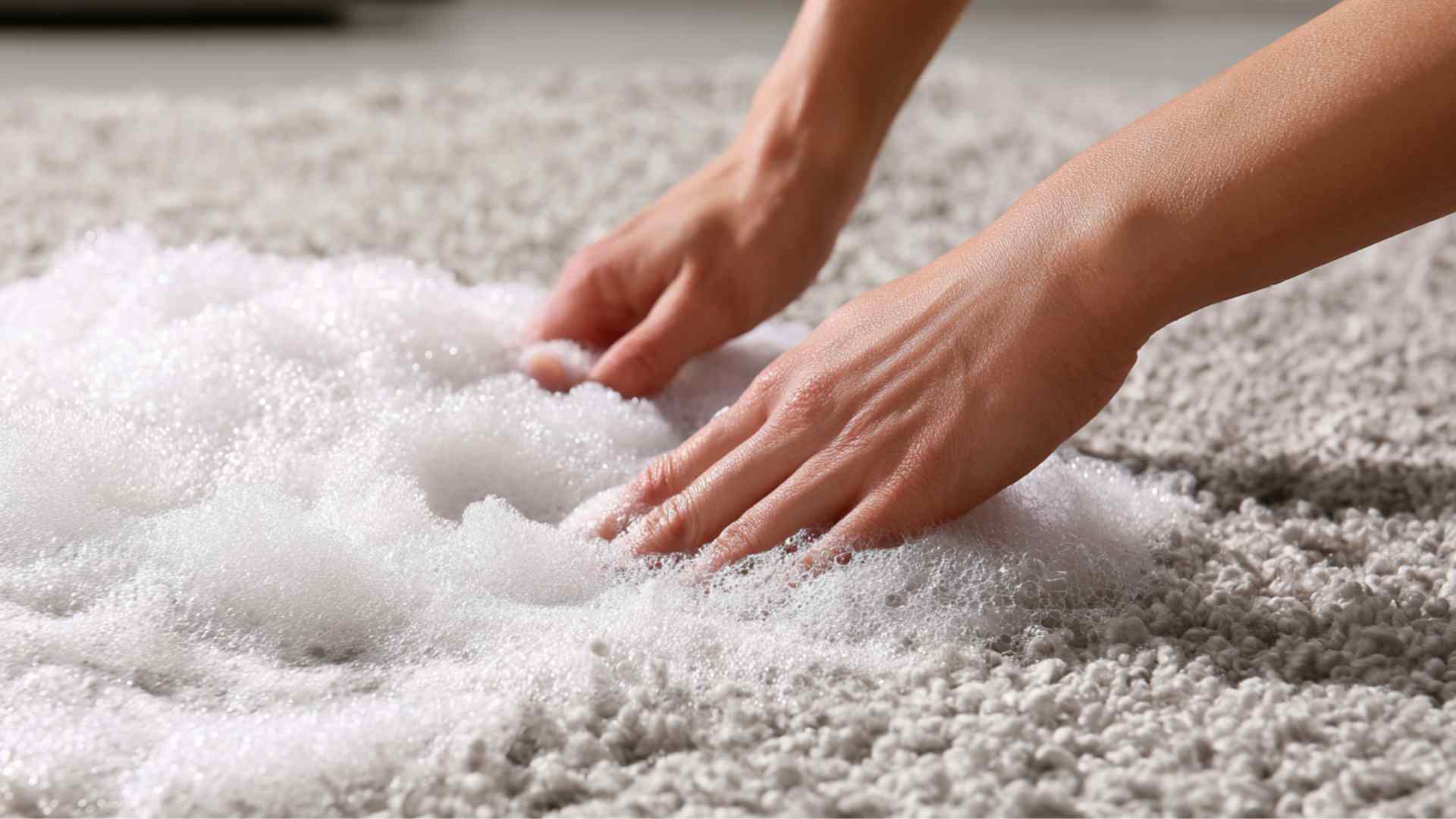
- Best for: Old stains, embedded dirt, and heavily used carpet areas
- Procedure: Mix vinegar and baking soda to create a foam, then apply it lightly to the affected area.
- Effect Tip: Let foam sit briefly to loosen dirt, then blot gently without scrubbing to protect fibers.
5. Mild Carpet Shampoo Mix
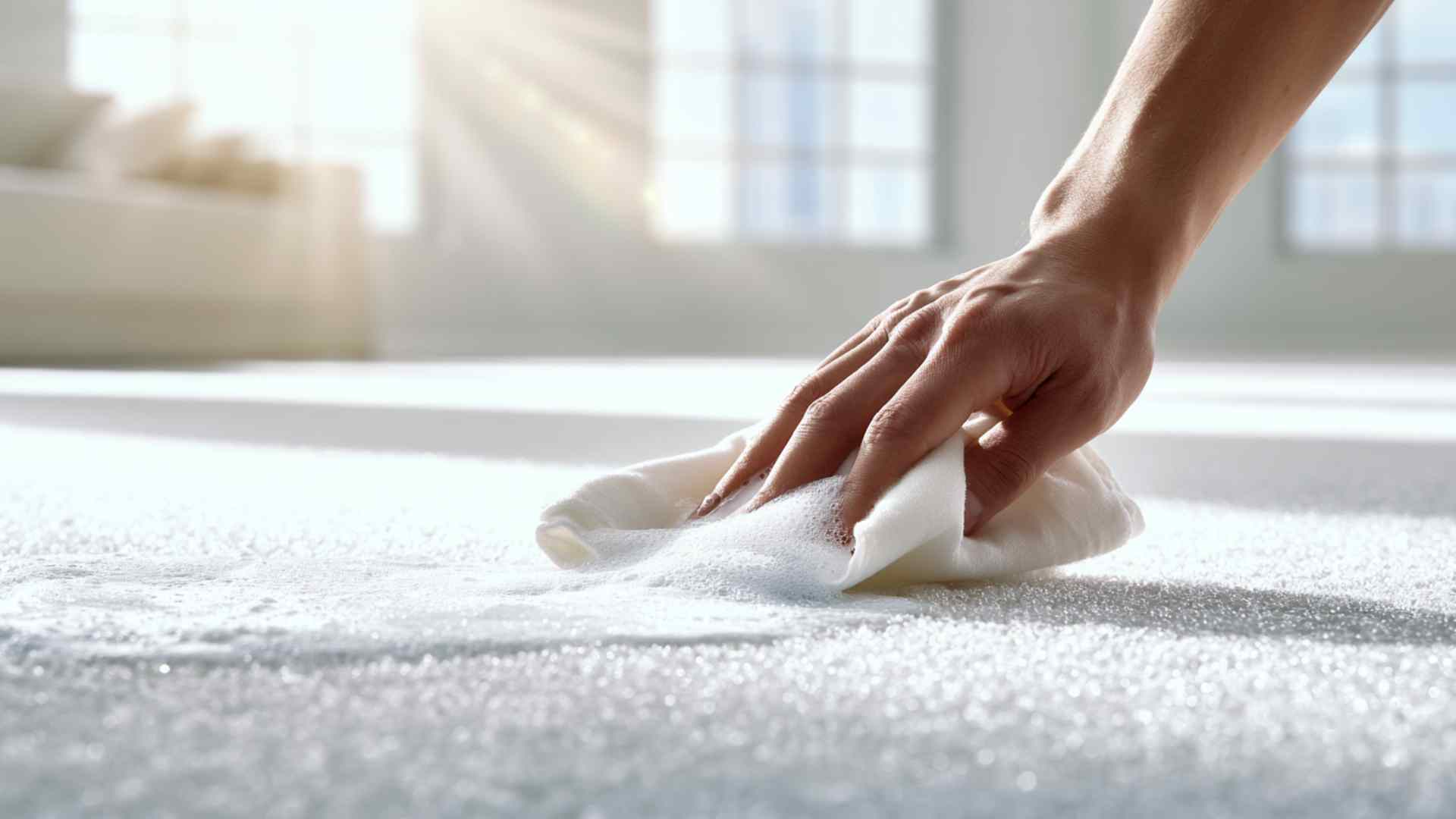
- Best for: Regular maintenance, light dust, and surface grime buildup
- Procedure: Mix warm water with a small amount of mild dish soap, then apply with a cloth or spray.
- Maintenance Tip: Wipe evenly without soaking; ideal for weekly or bi-weekly cleaning to maintain softness.
Choosing the right DIY carpet cleaning method keeps carpets fresh, extends life, and ensures safe, effective stain removal at home.
Homemade Carpet Cleaner for Machine
Using ahomemade carpet cleaner for a machinesaves you money without sacrificing results, but getting the recipe and process right matters more than with hand cleaning.
Before pouring anything into your machine’s reservoir, check the manufacturer’s manual.
Bissell’s own support team advises against using vinegar in its machines, noting it can affect the spray function, and using non-Bissell solutions may void your warranty. When in doubt, use plain hot water in the machine and apply your homemade solution by hand as a pre-treatment.
Machine-Safe Recipe 1: Gentle Everyday Formula
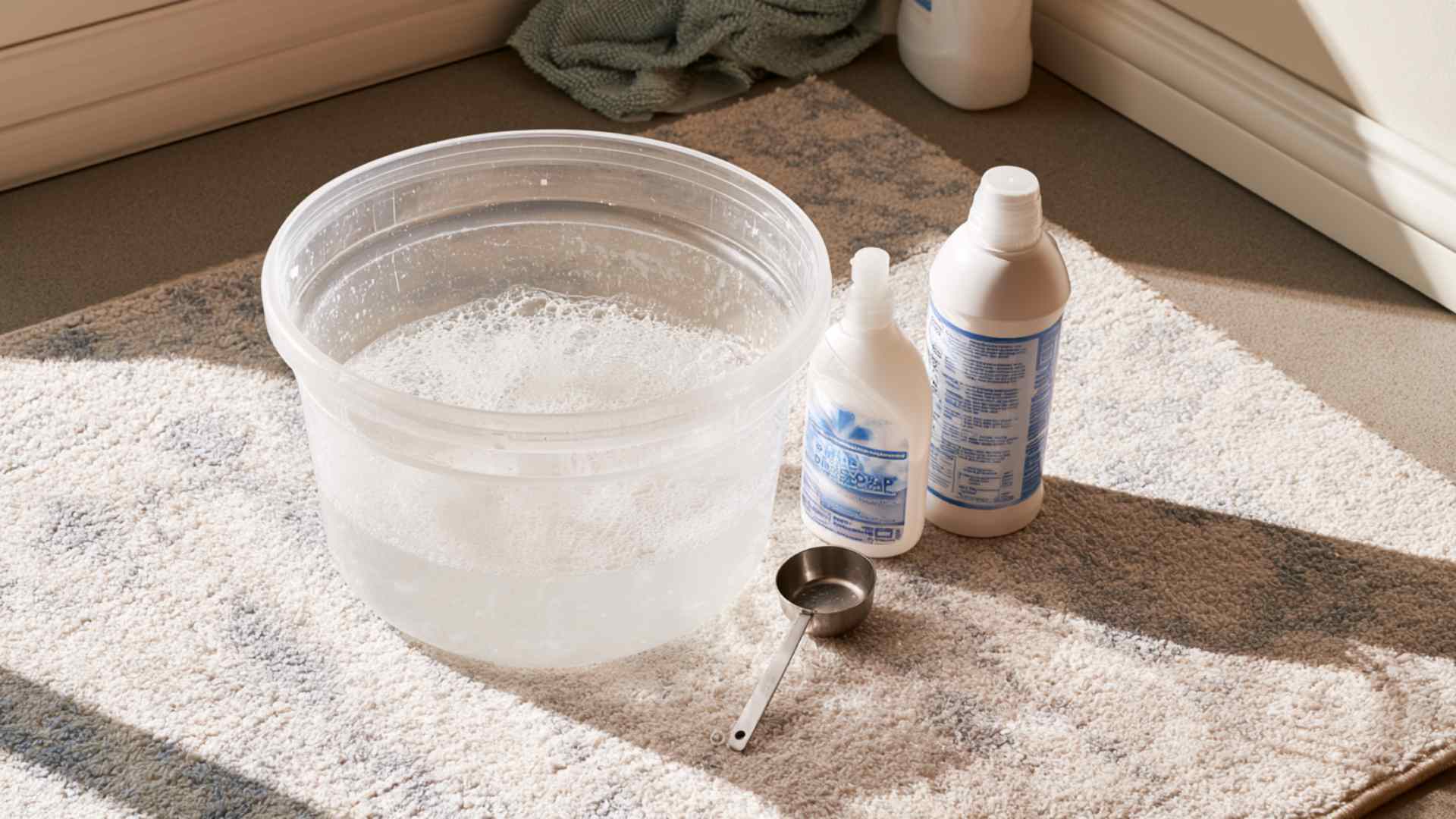
Best for: routine full-room cleaning, lightly soiled carpets
- 1 gallon of hot water
- 1 tablespoon mild liquid dish soap (no bleach)
- 2 tablespoons liquid fabric softener
Mix gently in a bucket until fully dissolved. Add only to machines that do not restrict third-party solutions. Pour into the reservoir and run the machine per the manufacturer’s instructions.
Machine-Safe Recipe 2: Deep Clean Power Formula
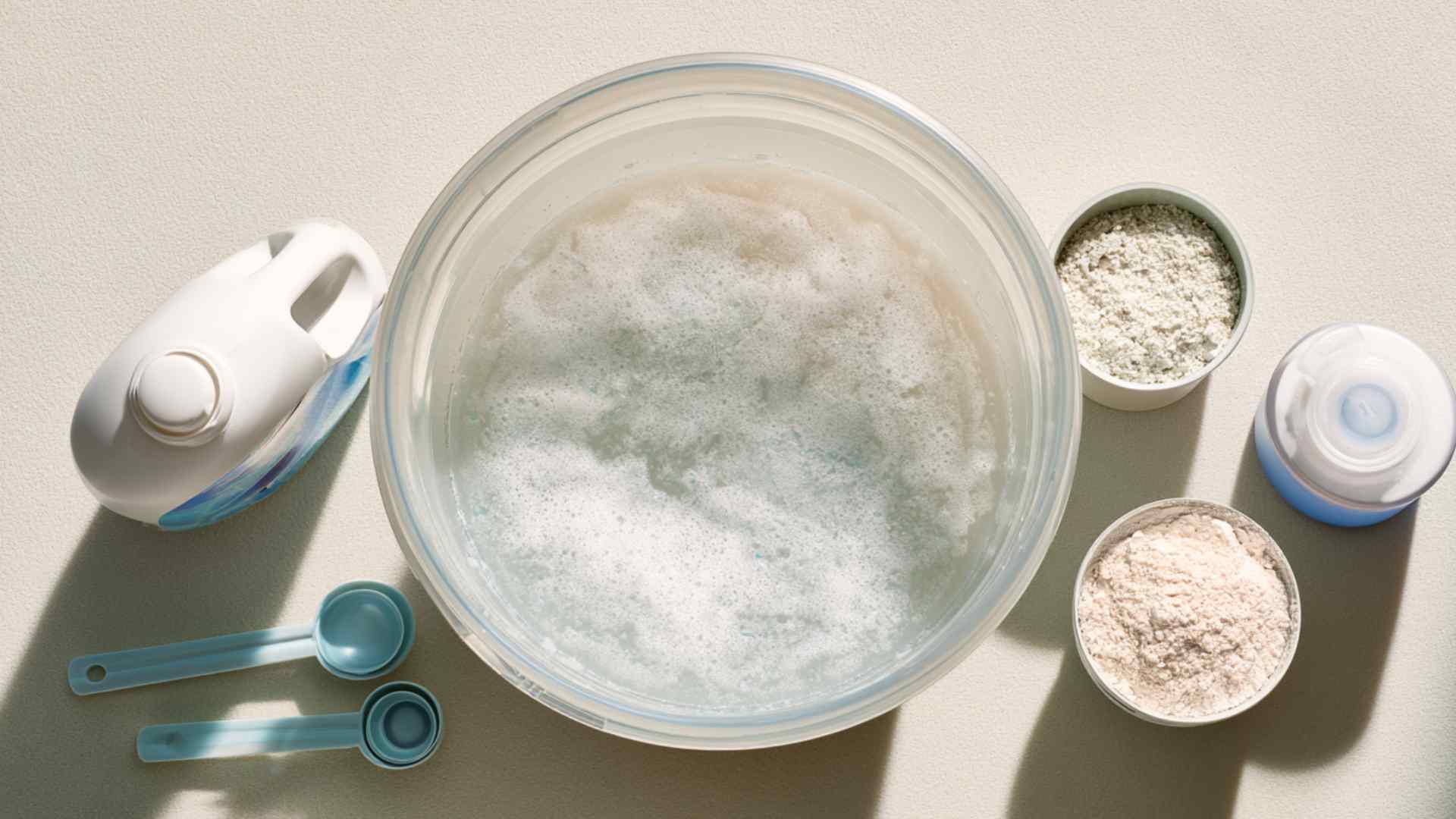
Best for: high-traffic areas, pet households, older stains
- 1 gallon of hot water
- 2 tablespoons liquid laundry detergent (no bleach)
- 2 tablespoons liquid fabric softener
- 1 tablespoon OxiClean powder, fully dissolved before adding
Mix until completely dissolved. Use only 1/4 cup of this concentrate per tank, filling the rest with warm water. This approach mirrors commercial concentrates at a fraction of the cost.
With your machine loaded and ready, knowing how long to let any solution dwell makes a real difference in the results you get.
How Much Does a DIY Carpet Cleaner Cost
One of the biggest reasons people switch to homemade carpet cleaners is cost. A bottle of commercial carpet cleaner can run anywhere from $8 to $25 depending on the brand and formula. DIY solutions bring that number down sharply.
Here is what most of the core ingredients cost at a standard US grocery store:
| Ingredient | Typical Size | Approximate Cost |
|---|---|---|
| White vinegar | 1 gallon | $3 to $5 |
| Baking soda | 2 lb box | $1 to $2 |
| Dish soap (mild) | 24 oz bottle | $2 to $4 |
| Hydrogen peroxide (3%) | 16 oz bottle | $1 to $2 |
| Rubbing alcohol | 16 oz bottle | $2 to $3 |
| Liquid laundry detergent | 50 oz bottle | $6 to $10 |
Cost may vary depending on various reasons
A single batch of the vinegar-and-dish-soap recipe costs under $0.50 to make. Even the deep-clean machine formula, which uses more product, comes in under $2 per full-tank use.
If you already keep these items at home for other household tasks, your cost per carpet cleaning session is essentially zero.
The savings add up quickly for households that clean carpets every few months. A year of DIY cleaning across all five recipes costs less than one bottle of most mid-range commercial cleaners.
The only case where upfront costs rise is if you need to buy a spray bottle or a wet/dry vacuum. Both are one-time purchases that pay for themselves within a few uses.
How to Use a DIY Carpet Cleaner: Step-by-Step
Following a simple step-by-step process ensures DIY carpet cleaning is effective, safe, and prevents stains from spreading or setting deeper.
1. Vacuum First: Vacuum the entire carpet area to remove loose dirt, dust, and debris before applying any solution. This prevents particles from spreading deeper and improves stain-removal efficiency.
2. Mix and Test Solution: Prepare the DIY cleaning solution and mix gently until fully combined. Spot-test in a hidden area to check for color fading, fiber damage, or changes in texture before full use.
3. Apply and Let Sit: Apply a light, even layer of solution directly on the stain without soaking. Let it sit for a few minutes so the formula can break down dirt and loosen stains.
4. Blot and Rinse: Blot the stain using a clean white cloth, pressing gently from the edges inward. Avoid scrubbing, then lightly rinse with water to remove residue and prevent sticky buildup on fibers.
5. Dry and Final Vacuum: Let the carpet dry completely using fans or airflow. Avoid walking on it while damp. Vacuum again after drying to restore texture and remove loosened dirt particles.
Consistent technique and proper drying help maintain cleaner carpets, improve freshness, and extend carpet life without harsh professional treatments.
How Long Does a DIY Carpet Cleaner Take to Work?
One of the most common mistakes in DIY carpet cleaning is not allowing enough dwell time for the solution to work effectively on stains.
This timing directly impacts how well dirt breaks down and lifts from carpet fibers. The ideal dwell time varies based on stain type, age, and cleaning ingredients used.
| Stain Type | Solution Used | Recommended Dwell Time |
|---|---|---|
| Fresh food or drink spill | Vinegar + dish soap | 3 to 5 minutes |
| Pet urine (fresh) | Vinegar + water | 5 to 10 minutes |
| Pet urine (set-in) | Vinegar + baking soda | 15 to 20 minutes |
| Coffee or tea | Dish soap + warm water | 5 to 8 minutes |
| Red wine | Club soda + dish soap | 5 to 10 minutes |
| Grease or oil | Dish soap + cold water | 10 to 15 minutes |
| Ink or marker | Rubbing alcohol | 2 to 3 minutes only |
| Embedded dirt or mud | Baking soda dry treatment | 20 to 30 minutes |
| General odor | Baking soda powder | Overnight for best results |
Going beyond the recommended time does not always help and can over-wet the carpet backing, leading to mold or a musty smell after drying. Set a timer rather than guessing.
When to Call a Professional Instead
DIY carpet cleaning handles most everyday stains and odors well, but there are situations where a homemade solution is not enough, and pushing further can actually cause more damage.
Call a professional carpet cleaner when you are dealing with any of the following:
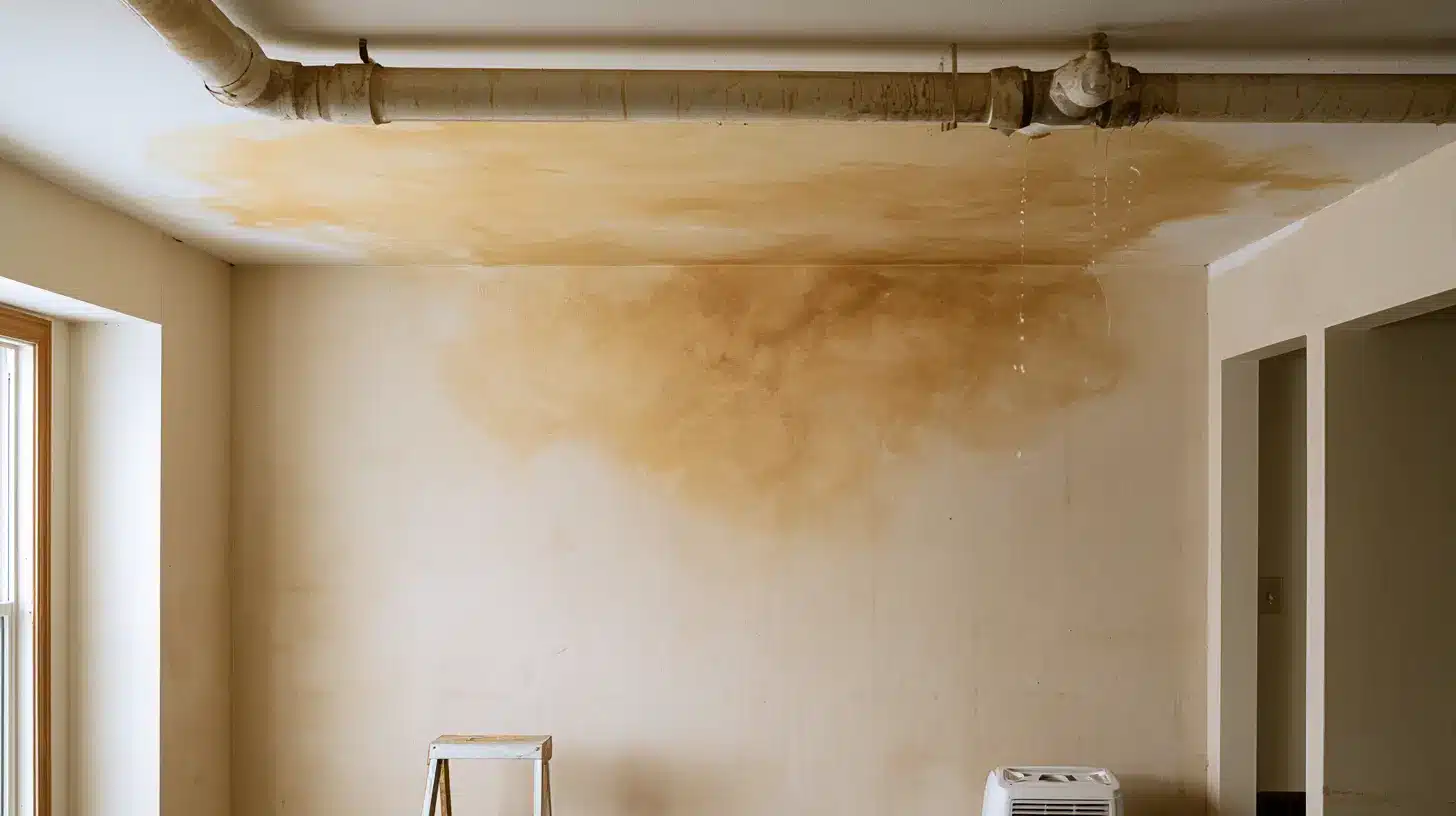
- Flood or water damage: When carpet is soaked from leaks, bursts, or floods, moisture reaches the backing and subfloor. DIY drying rarely removes hidden dampness, increasing the risk of mold and long-term structural damage within layers.
- Mold or mildew already present: Dark spots, musty odor, or visible growth mean mold has already developed. Surface cleaning won’t fix it, as spores penetrate fibers and backing, requiring professional extraction and antimicrobial treatment.
- Wool or delicate-fiber carpets: Wool and delicate fibers react poorly to acidic cleaners and excess moisture. Incorrect cleaning may shrink fibers, cause dye bleeding, and permanently damage texture, so professional handling is strongly recommended.
- Deeply embedded stains that have been treated repeatedly: Repeated DIY cleaning can push stains deeper and build residue that attracts dirt. If two proper attempts fail, further treatment risks damage, so professional cleaning becomes the safer option.
Schedule a professional deep clean once a year, even when your carpets look clean. This removes allergens, dust mites, and bacteria that settle deep into the pile and are beyond the reach of surface-level DIY methods.
How to Clean Specific Carpet Stains
Different carpet stains require different cleaning methods, and using the right recipe with the correct technique helps prevent damage while improving stain removal results effectively.
Blotting a fresh red wine spill with club soda right away, then following with a dish soap solution, kept the stain from setting into a light-colored carpet within about ten minutes in testing.
| Stain Type | Stain Removal Recipe / Solution | Key Steps |
|---|---|---|
| Pet urine | Vinegar + water + baking soda (dry after) | Treat within 30 minutes |
| Blood | Cold water + dish soap | Never use hot water |
| Coffee | Vinegar + dish soap + warm water | Blot immediately, do not rub |
| Red wine | Club soda, then dish soap solution | Work from the edge inward |
| Ink or marker | Rubbing alcohol, blot with a cloth | Do not dilute with water first |
| Wax | Iron over newspaper, no steam | Lift the wax fully before any liquid |
| Grease | Dish soap + warm water | Blot up excess grease first |
Matching the stain type to the right DIY solution ensures better cleaning results, protects carpet fibers, and helps maintain a fresher, longer-lasting carpet at home.
How Often Should You Deep Clean Your Carpet?
Cleaning your carpet only when it looks dirty means you are already behind. Dirt, allergens, and bacteria build up well before they become visible, and regular cleaning prevents that accumulation from becoming permanent.
How often you need to deep clean depends on your household and how the carpeted rooms are used.
| Household Type | Recommended Deep Clean Frequency |
|---|---|
| Single adult, low traffic | Every 6 to 12 months |
| Two adults, no pets or children | Every 6 months |
| A household with children | Every 3 to 4 months |
| Household with one pet | Every 2 to 3 months |
| A household with multiple pets | Every 4 to 6 weeks |
| Allergy or asthma sufferers | Every 6 to 8 weeks |
Between deep cleans, regular vacuuming at least twice a week in high-traffic areas and once a week in low-traffic rooms keeps surface buildup under control.
A quick, dry baking soda treatment every two weeks also maintains freshness without any wet cleaning.
Does DIY Carpet Cleaner Work on All Carpet Types?
Not every carpet fiber responds the same way to vinegar, baking soda, or dish soap. If you are still deciding between floor covering options, understanding the differences between flooring types first can help you figure out which cleaning rules apply to your space.
Using the wrong ingredient on the wrong fiber can cause shrinkage, color fading, or permanent texture damage, so knowing your carpet type before you clean is worth the extra minute.
| Carpet Type | Cleaning Suitability | Guidance (One Line) |
|---|---|---|
| Nylon | DIY-Friendly | Safe with vinegar, dish soap, and baking soda; avoid bleach-based cleaners. |
| Polyester | DIY-Friendly | Use mild cleaners; avoid hot water or high heat to prevent fiber flattening. |
| Olefin / Polypropylene | DIY-Friendly | Use dish soap and water only; avoid oil-based cleaners that cling to fibers. |
| Wool | Use with caution | Clean gently with cold water and mild soap; avoid vinegar, baking soda, and heat. |
| Berber | Use with caution | Use only light soap solutions; avoid excess moisture and stiff brushing. |
| Silk or hand-knotted | No DIY | Requires professional cleaning to prevent permanent damage and color bleeding. |
| Triexta (SmartStrand) | DIY-Friendly | Use mild soap and water; avoid hydrogen peroxide on dark fibers to prevent fading. |
Using the right method for your specific carpet type means better results every time and fewer chances of accidental damage from a well-intentioned cleaning session.
How to Store Homemade Carpet Cleaner
Most homemade carpet cleaner solutions do not last long, and improper storage can reduce their effectiveness or make them unsafe to use.
Here is what to know before you store any leftover solution:
1. Vinegar and dish soap mix: Transfer to a clean spray bottle and label it clearly. Store at room temperature, away from heat and direct sunlight. Use within 1 to 2 weeks for best results. Shake before reuse.
2. Baking soda (dry): Keep in a sealed glass jar or its original box in a dry cabinet. Moisture reduces its effectiveness, so avoid storing it near the sink or stove.
3. Hydrogen peroxide mix: Store in a dark, opaque bottle since light breaks it down quickly. Do not mix it in advance. Prepare it fresh each time for the best stain-removing results.
4. Dish soap and warm water (machine formula): Do not store this one. Mix it fresh before each machine run. Sitting in a reservoir promotes bacterial growth and can leave residue in the tank.
General rules for all solutions:
- Never store DIY cleaners in old food containers or unlabeled bottles.
- Keep all cleaning solutions out of reach of children and pets.
- Write the mix date on every bottle and discard anything older than two weeks.
- Do not store solutions in metal containers, as vinegar can cause corrosion over time.
When in doubt, mix small batches. Fresh solutions work better and produce less waste.
Dos and Don’ts of DIY Carpet Cleaning
Avoiding common DIY carpet-cleaning mistakes is just as important as using the right solution, as errors can damage fibers and significantly reduce cleaning effectiveness.
| Do | Don’t |
|---|---|
| Spot-test every new recipe in a hidden corner before full use | Mix vinegar and hydrogen peroxide together (the combination forms peracetic acid, a corrosive compound that can irritate skin and lungs) |
| Blot stains rather than scrubbing them | Use too much dish soap (leaves sticky residue that attracts more dirt) |
| Allow the carpet to dry fully before walking on it | Add essential oils to the machine tanks (oil can stain carpet and clog the machine) |
| Vacuum before and after wet cleaning | Skip the rinse step after using any cleaning solution |
| Use cold water on protein stains (blood, egg, dairy) | Use hot water on pet urine (sets the odor permanently into fibers) |
Following proper precautions ensures safer carpet-cleaning results, prevents residue buildup, odor setting, and long-term damage, and keeps carpets fresh, clean, and well-maintained.
Final Thought
You do not need a cabinet full of expensive products to keep your carpets clean.
A solid DIY carpet cleaner made with vinegar, baking soda, and dish soap handles most stains, odors, and everyday wear using ingredients you already have.
From spot-treating a spill to loading a machine for a full-floor refresh, these recipes stay budget-friendly, effective, and safe for most households when handling everyday carpet-cleaning needs.
The key is to act fast, use the right ratio, and always let your carpet dry completely. Try one recipe this week and see the results for yourself.
Frequently Asked Questions
Does a Diy Carpet Cleaner Really Work?
Yes. Vinegar and baking soda tackle stains, neutralize odors, and lift embedded dirt without harsh chemicals. Results are best on fresh stains.
How Often Should I Deep Clean My Carpets?
Every 3 to 6 months for most households. High-traffic homes or homes with pets may need it more frequently.
Is a Diy Carpet Cleaner Safe for Pets?
Baking soda and vinegar are safe around pets once the carpet is fully dry. Keep pets off the carpet during cleaning and until it is completely dry.
What Is the Fastest Diy Stain Remover?
Dish soap and cold water are applied immediately, then blotted firmly with a clean cloth. Speed matters more than the recipe.