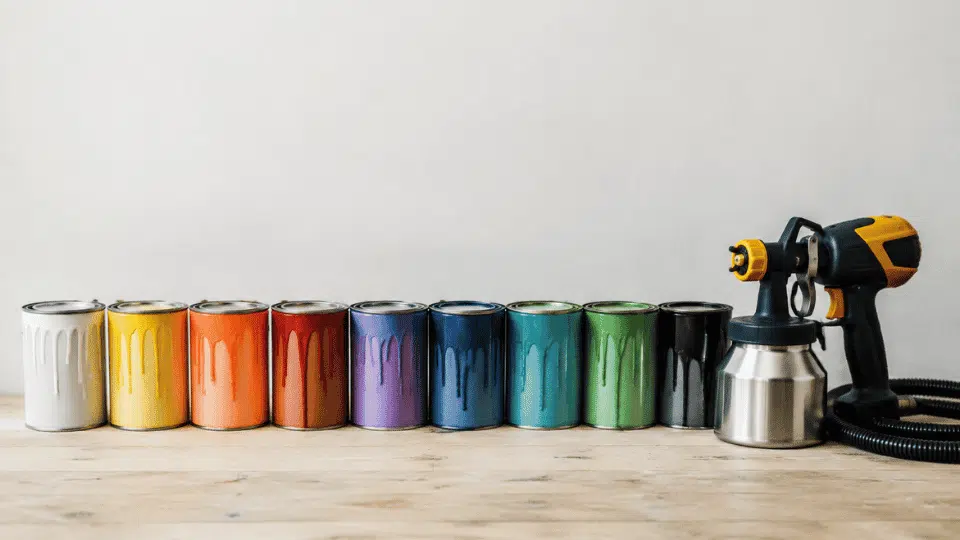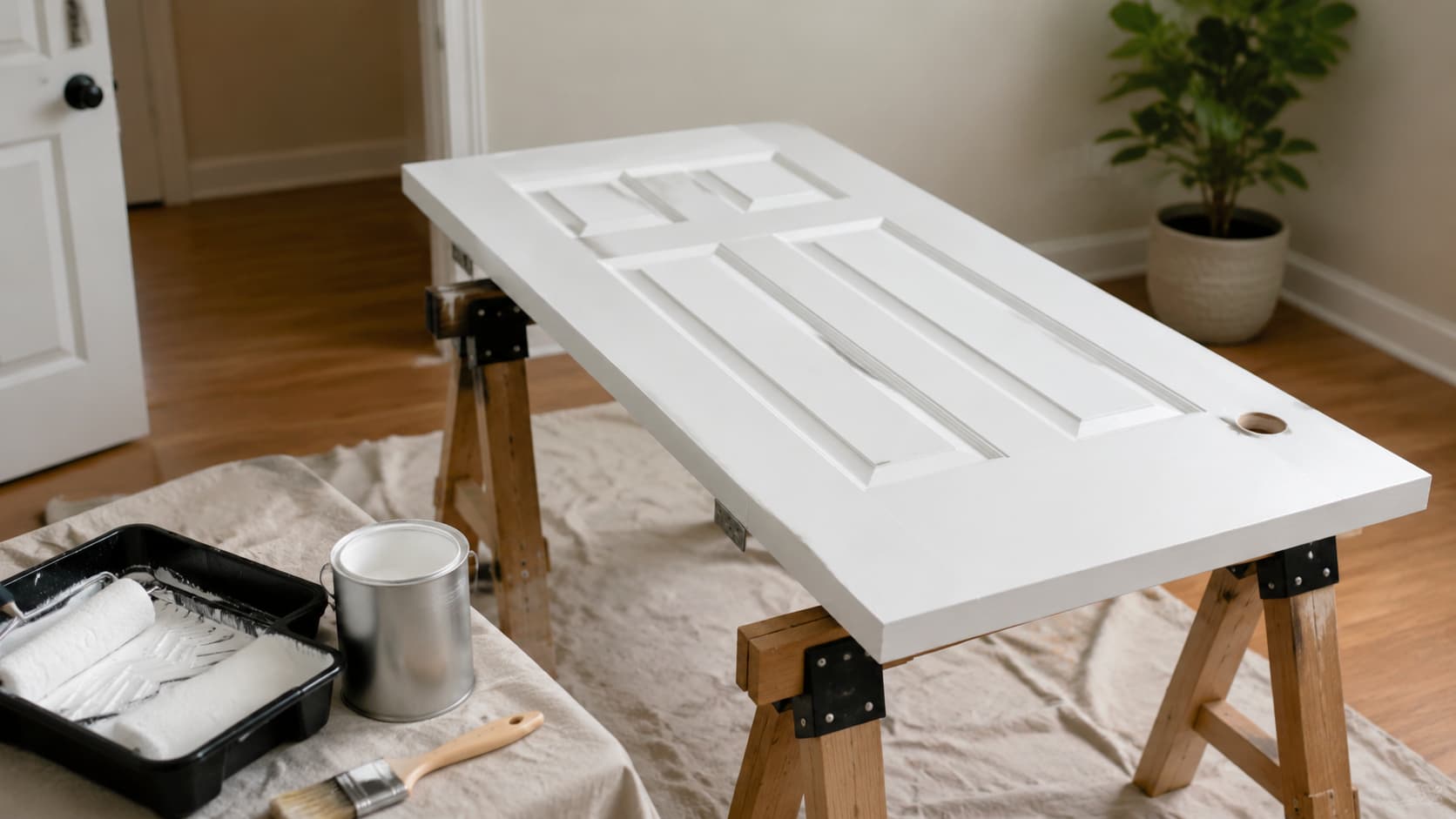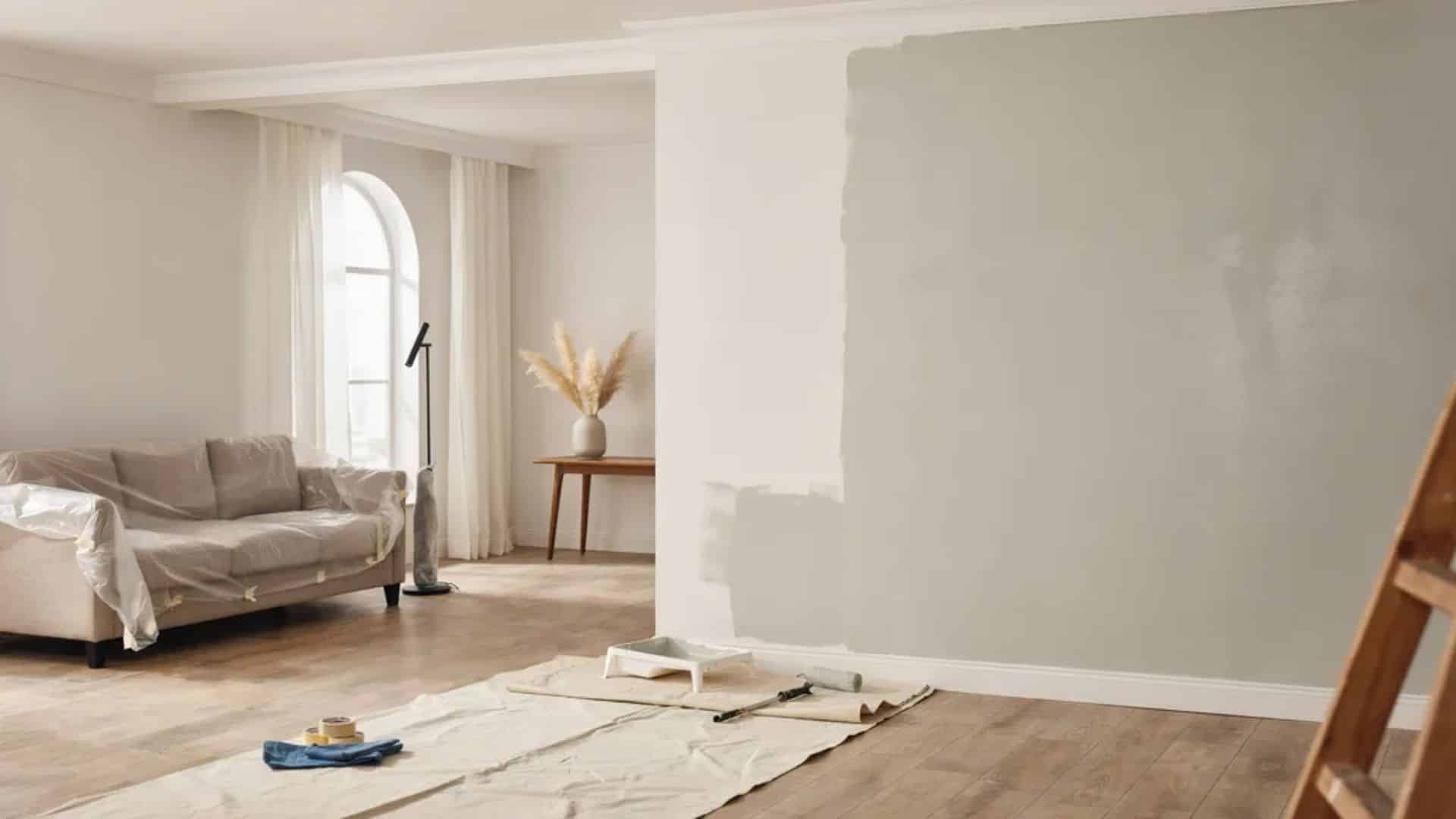
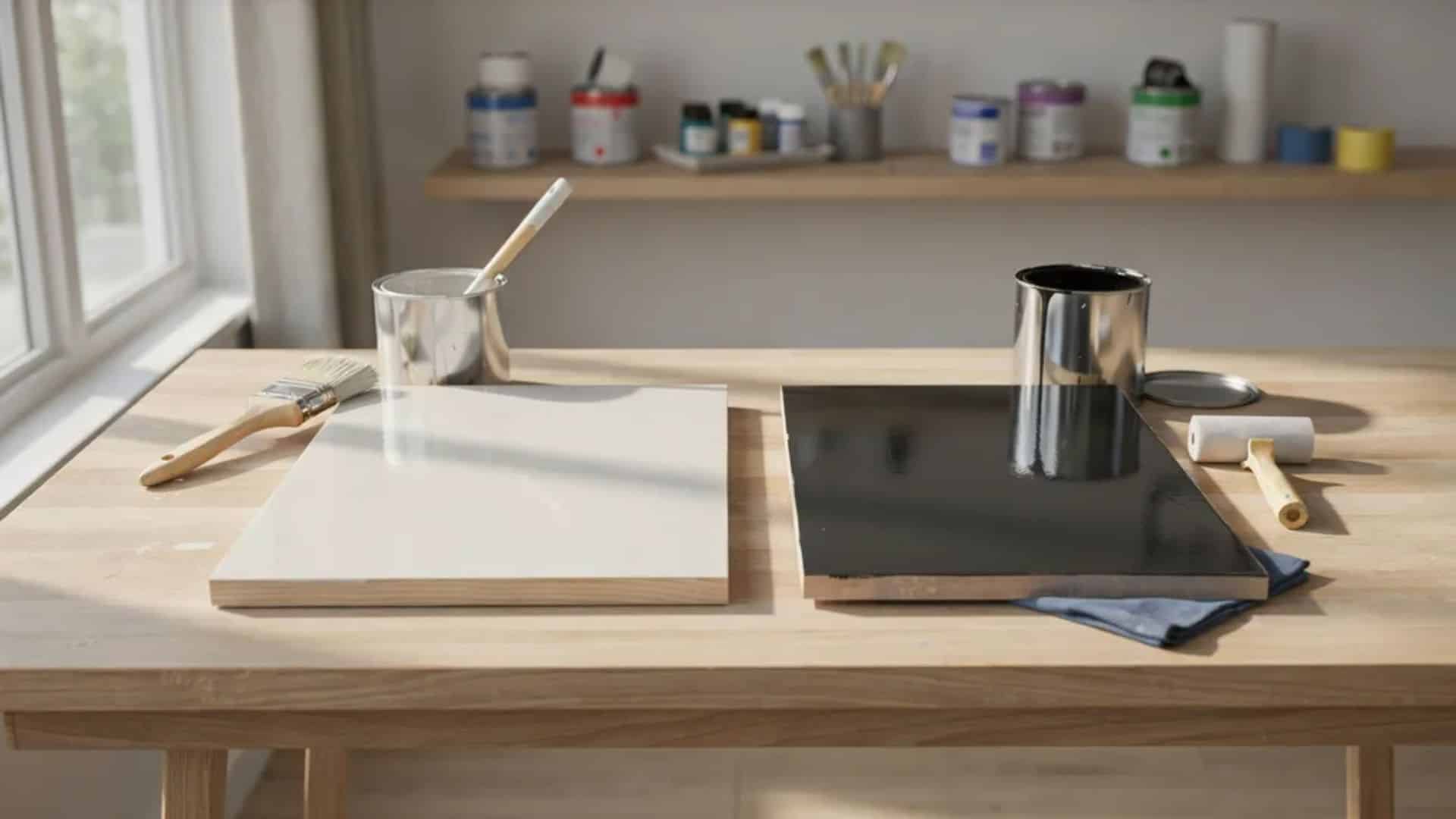
You want a paint that does more than just dry on the surface. Enamel paint is a coating that cures into a hard, protective shell that withstands scrubbing, moisture, and years of daily use without breaking down. That hardness is why you find it on cabinets, metal railings, doors, and trim rather than on plain walls.
Not every can works the same way, though. Oil-based and water-based versions dry differently, perform differently, and suit different surfaces.
Pick the wrong one, and you could end up repainting sooner than expected. Get it right, and the difference shows up for years.
What Is Enamel Paint and Why Is It Used
Enamel paint is a type of paint that dries to a hard, solid finish. Unlike regular wall paint, it forms a tough protective layer on the surface once it cures.
This makes it a popular choice for areas that take heavy wear, such as doors, trim, cabinets, and metal surfaces in both homes and industrial settings.
What sets enamel paint apart is how it performs after drying. It creates a smooth, often glossy coating that withstands moisture, stains, and everyday scrubbing. If you are still deciding between finishes, understanding how each paint finish performs can help you make the right call.
That combination of durability and a clean finish is exactly why it gets used in high-traffic spots where regular paint would chip or fade much faster.
Is Enamel Paint Water-Based Enamel paint is not one fixed formula. It comes in both water-based and oil-based versions, with the term enamel referring to the hard, durable finish rather than the solvent in the can. Water-based enamel has grown more popular for indoor work since it dries faster and carries far less odor. Oil-based enamel still wins out on surfaces that take heavy daily wear. |
How Enamel Paint Works on Surfaces
When you apply enamel paint, it does not just dry like regular paint. It undergoes a hardening process in which the coating forms a firm, protective film on the surface.
Drying refers to the moisture leaving the paint, while curing is when the paint reaches its full hardness and strength.
This cured layer seals the surface from moisture, chips, and everyday damage, making it noticeably more durable over time. The harder the cure, the better it resists cracking, peeling, and staining in the long run.
Enamel paint bonds well to a wide range of surfaces, making it a go-to option for both indoor and outdoor projects.
| Surface Type | Common Examples | Why Enamel Works Well |
|---|---|---|
| Wood | Doors, cabinets, window frames, trims | Seals grain, resists moisture, and scratches |
| Metal | Grills, railings, pipes, outdoor furniture | Prevents rust and holds up to heat |
| High-Traffic Interiors | Baseboards, bathroom walls, staircases | Easy to clean, resists scuffs and stains |
| Exterior Surfaces | Fences, shutters, garden furniture | Withstands weather, UV, and humidity |
These surfaces all benefit from enamel’s hard finish and long-lasting protection.
Types of Enamel Paint You Should Know
Enamel paint comes in two main types, each suited for different jobs. Knowing which one fits your project saves time, money, and a lot of repainting.
Oil-Based Enamel Paint
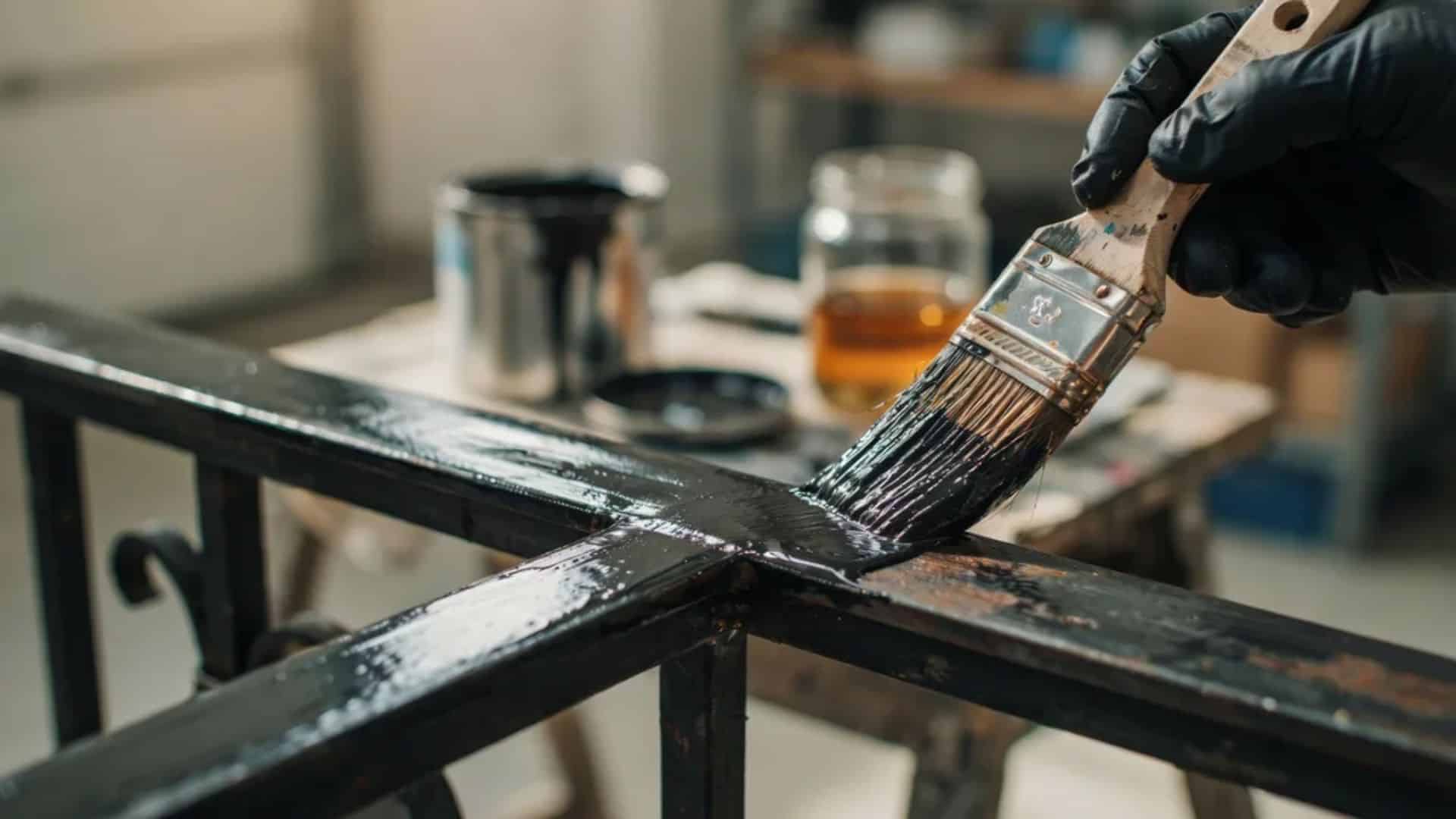
Oil-based enamel uses a solvent, usually mineral spirits or turpentine, as its base. This solvent lets the paint level out smoothly while it cures, which is why oil-based enamel produces an exceptionally hard, glass-like finish once fully dry.
That same hardness makes oil-based enamel more prone to turning brittle over time, especially with repeated sun exposure. The trade-off is worth it on surfaces that need maximum scratch and impact resistance rather than long-term flexibility.
Water-Based Enamel Paint
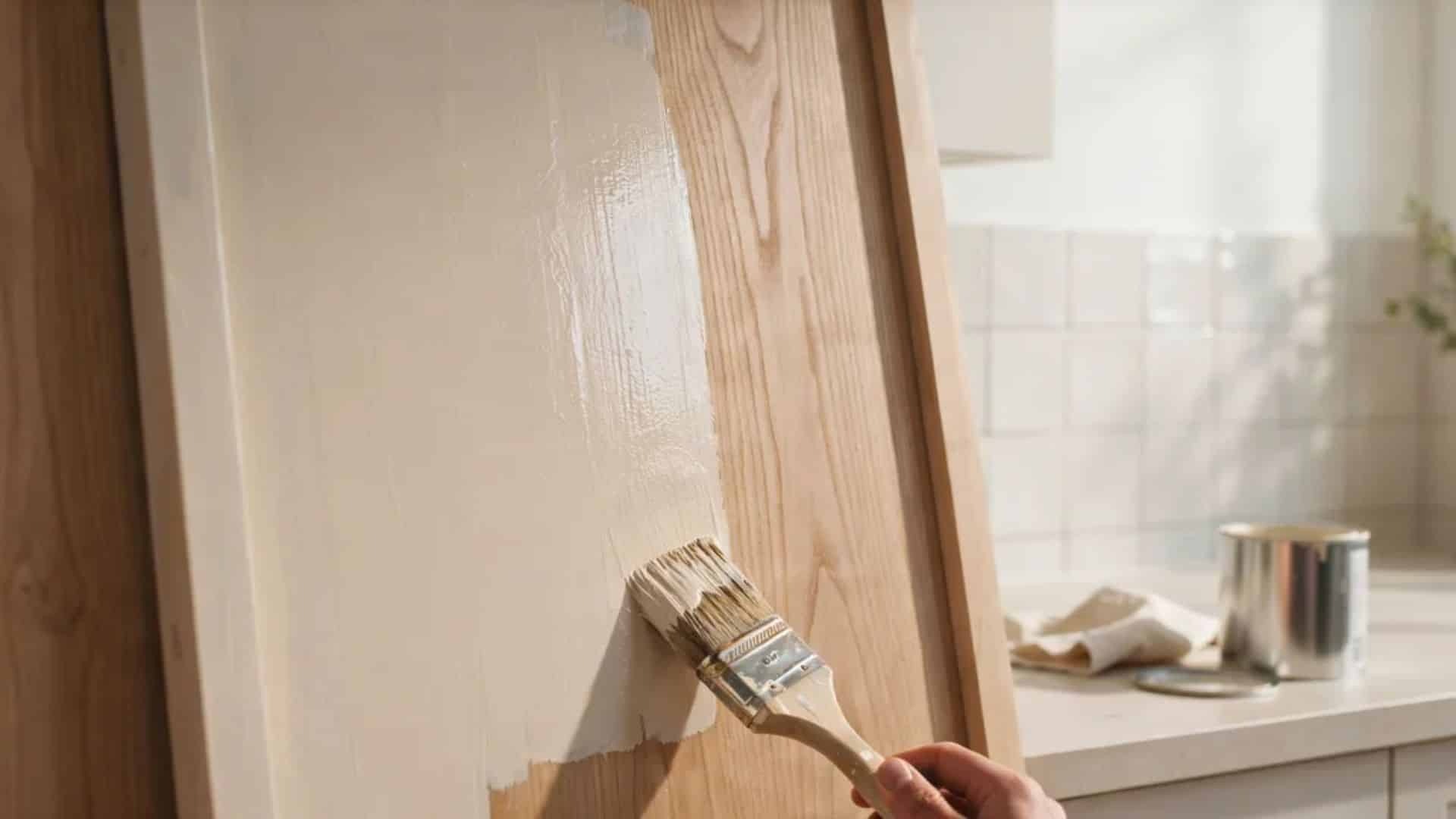
Water-based enamel uses water as its primary solvent instead of mineral spirits, which is what gives it a lower odor and an easier cleanup process.
The finish is slightly softer than oil-based enamel, but newer formulas have closed much of that gap and now hold up well against everyday wear. For more context on water-based paint options, see how acrylic and latex paints compare.
Oil-Based vs Water-Based Enamel Paint: Which One Should You Choose
Both types share the same core benefit of a hard finish, but they perform differently depending on the surface and setting.
| Factor | Oil-Based Enamel | Water-Based Enamel |
|---|---|---|
| Drying Time | 24 to 48 hours | 1 to 2 hours touch dry; recoat after 4 to 6 hours |
| Durability | Very high, extremely hard finish | Good, slightly softer finish |
| Ease of Application | Thicker, requires more skill | Smoother, beginner-friendly |
| Cleanup | Requires mineral spirits or turpentine | Rinse off with water |
| Best Use Cases | Metal, floors, heavy-duty surfaces | Cabinets, trims, interior walls, exterior wood, and furniture in direct sun |
| Odor Level | Strong fumes, needs ventilation | Low odor, safer indoors |
When to Use Enamel Paint for Best Results
Choosing the right enamel paint depends on where you are using it and how much wear the surface will take. Here is a simple breakdown.
Best Use Cases for Oil-Based Enamel
Oil-based enamel works best in situations where the surface faces tough conditions and needs a finish that lasts for years without breaking down.
- Metal Gates and Railings: Outdoor metal surfaces are exposed to rust, rain, and heat. Oil-based enamel forms a hard barrier that keeps corrosion from setting in over time.
- Metal Furniture and Fixtures: Oil-based enamel provides a hard, protective coating on iron tables, railings, and other metal pieces that require strong resistance to scratches and impacts.
- High-Wear Surfaces: Floors, garage doors, and industrial equipment take constant abuse. Oil-based enamel handles that level of daily stress without chipping or fading quickly.
Best Use Cases for Water-Based Enamel Paint
Water-based enamel paints are ideal when you need a clean indoor finish without strong fumes or long drying times.
- Interior Walls and Furniture: Bedrooms, living rooms, and furniture benefit from water-based enamel since it dries fast and leaves a smooth, clean finish without a strong odor. For cabinets specifically, it helps to know which finish works best for kitchen cabinets before you start.
- Low-Odor Environments: Kitchens, nurseries, and enclosed spaces with limited ventilation are much safer to paint with water-based enamel than oil-based alternatives.
- Quick Renovation Projects: When you need to refresh cabinets, trims, or shelves fast, water-based enamel lets you apply multiple coats in a single day without long waits.
As a general rule, oil-based enamel is suitable for metal, floors, and other surfaces that are subject to constant impact. Water-based enamel suits cabinets, trim, and indoor spaces where low odor and fast drying matter more than maximum hardness.
One exception is wood furniture and trim left outdoors in direct sun. Oil-based enamel can turn brittle and crack after repeated UV exposure, so water-based enamel is usually the safer long-term choice for those pieces, even though oil-based enamel feels harder right out of the can.
| Situations Where Enamel Paint Should Not Be Used Enamel paint is not the right fit for every job. Here are three situations where a different product would serve you better.
|
Step-by-Step Process to Apply Enamel Paint Properly
Applying enamel paint the right way makes a big difference in how long the finish lasts. Proper prep and technique are everything.
1. Surface Preparation Before Painting
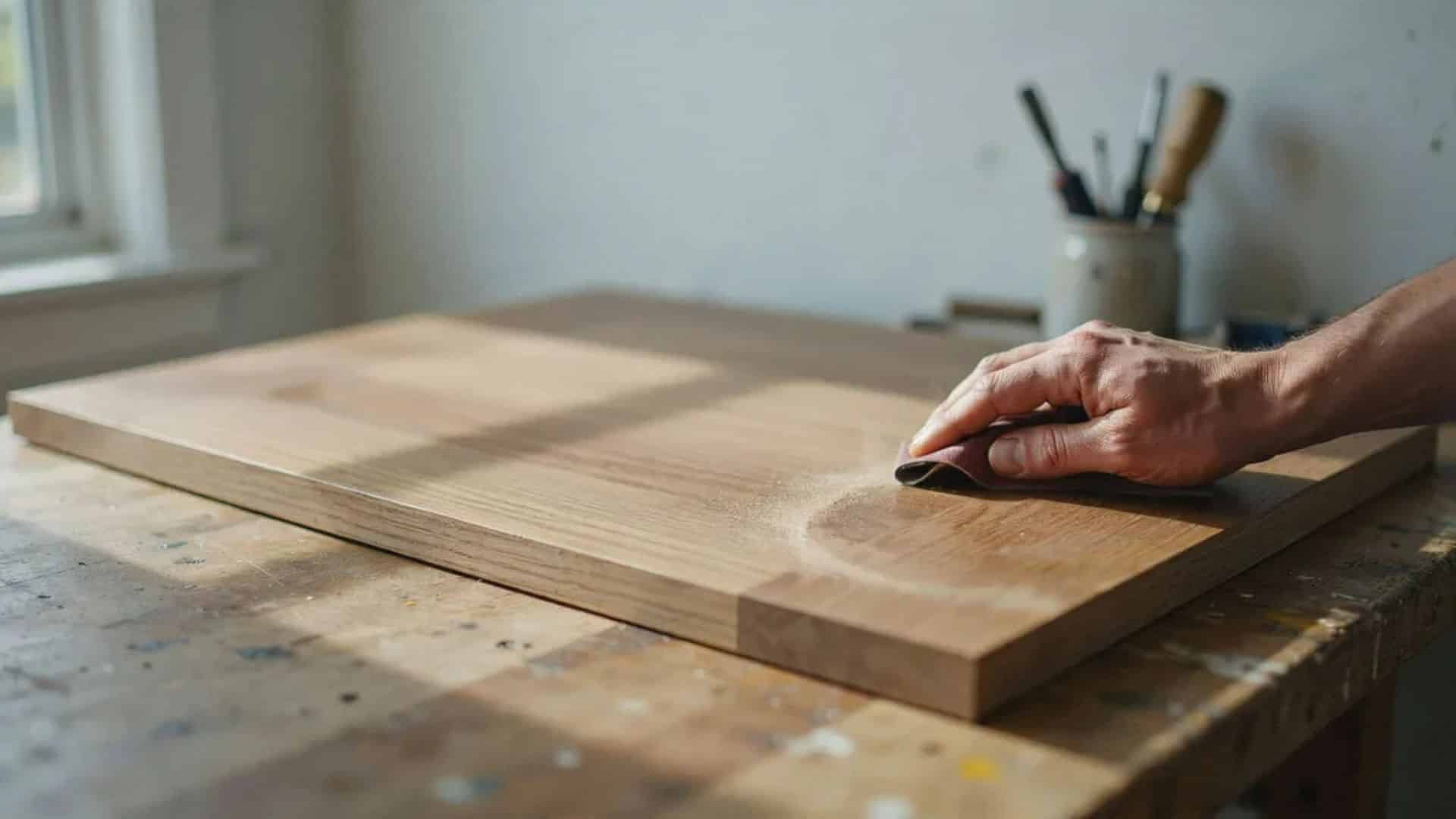
Good results start before the paint even opens. Clean the surface thoroughly to remove dirt, grease, and loose particles that stop enamel from bonding properly.
Sand rough areas smooth using medium-grit sandpaper, then wipe everything down with a dry cloth. Skipping this step leads to an uneven finish that peels far sooner than it should.
2. Priming the Surface for Better Bonding
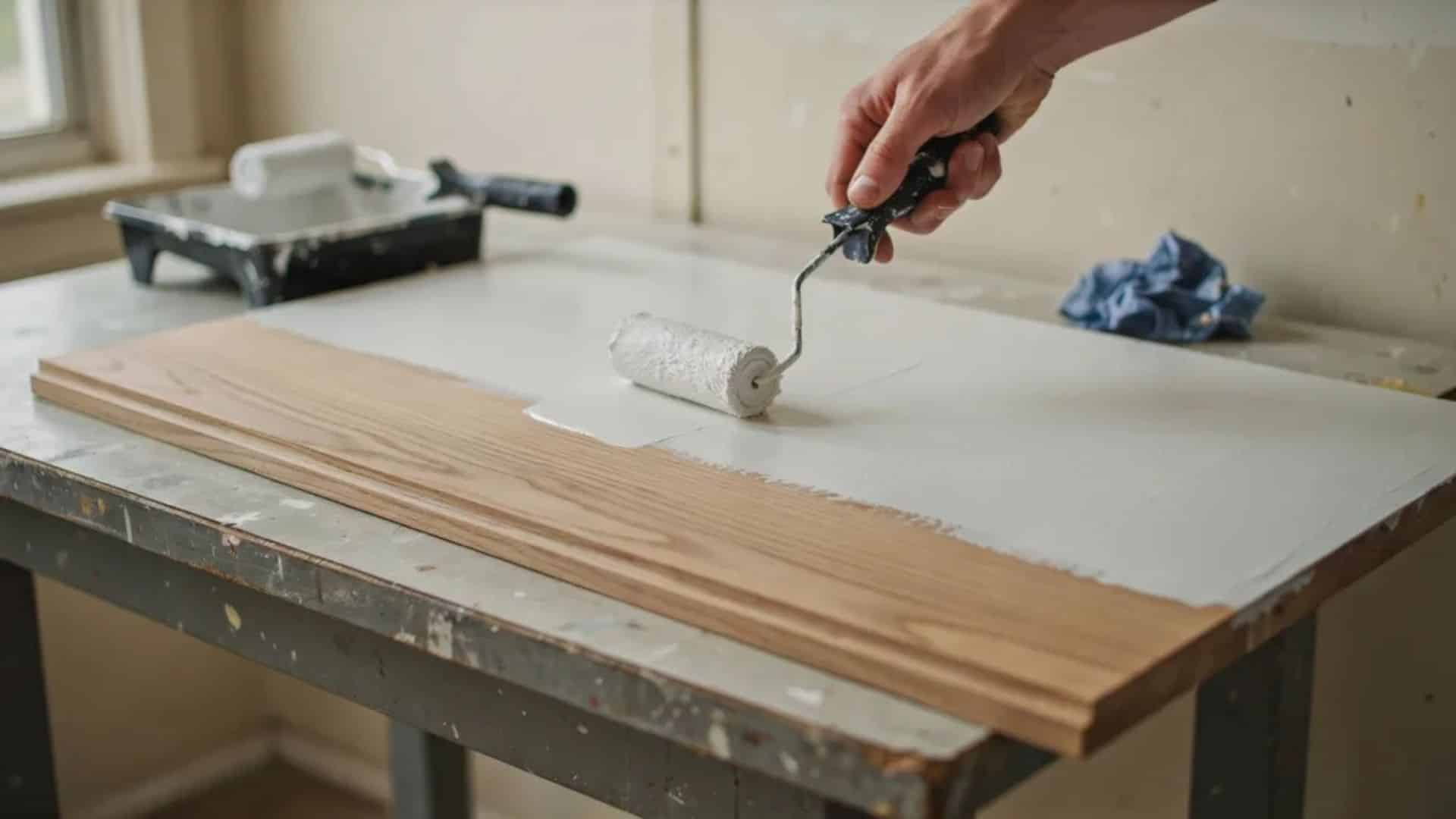
Primer is not always required, but it can make a noticeable difference on porous or bare surfaces such as raw wood and metal.
It gives the enamel something solid to grip, which improves adhesion and helps the final color appear more even. Without primer, you may need extra coats and still end up with a patchy or dull finish.
3. Applying Enamel Paint Correctly
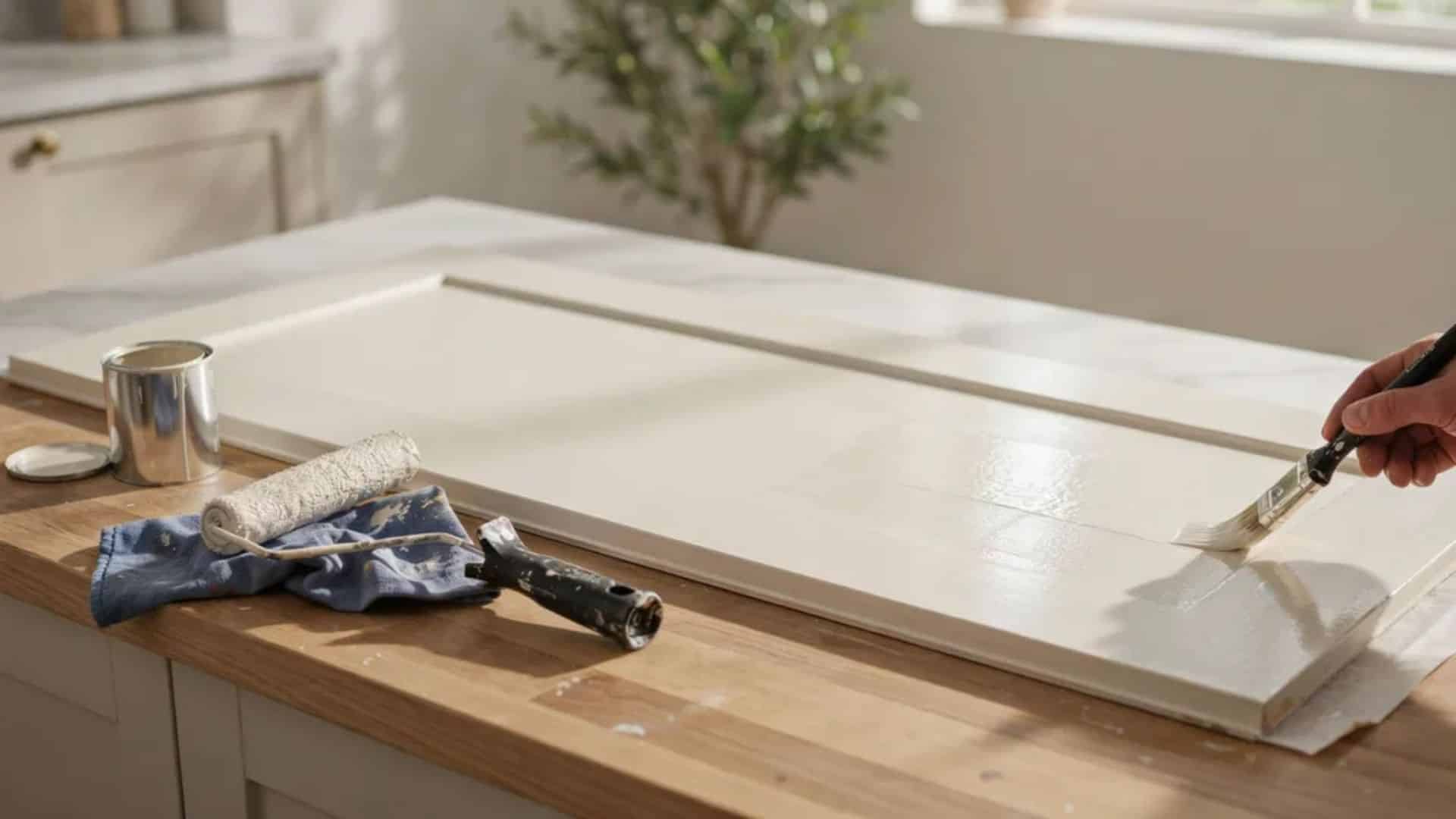
Use a high-quality brush for detailed areas and a short-nap roller for flat surfaces to get the smoothest result.
Always apply enamel in thin, even coats rather than one thick layer, as thick coats are more likely to sag, drip, or dry unevenly. Most surfaces need two to three coats for full coverage and a solid, hard finish.
4. Drying and Finishing Stage
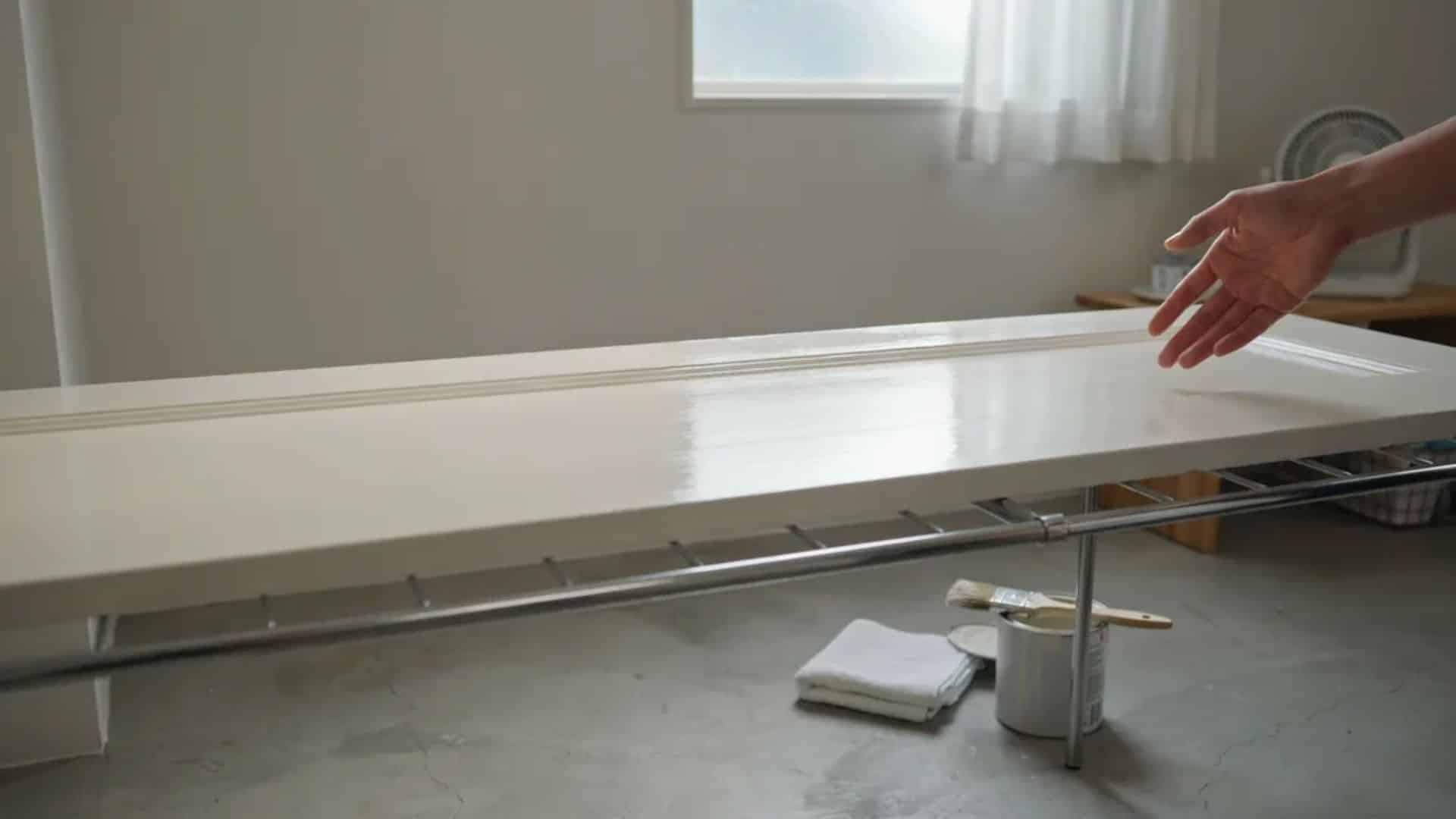
Allow each coat to dry fully before adding the next one, and never rush this stage by using heat or fans directly on the surface.
Oil-based enamel needs significantly more drying time than water-based enamel, so always check the product label. Once dry, inspect for streaks or brush marks and lightly sand between coats if needed for a cleaner finish.
How Enamel Paint Compares to Other Paint Types
Enamel stands apart from other paint finishes once it dries. Comparing it against acrylic, latex, and satin paint shows exactly where enamel paint earns its reputation for durability and shine.
| Paint Type | Finish | Durability | Common Use |
|---|---|---|---|
| Enamel | Hard, glossy | Very high | Cabinets, trim, metal |
| Acrylic | Smooth, matte to semi-gloss | Moderate | Interior walls |
| Latex | Flat to satin | Moderate | Walls, ceilings |
| Satin Paint | Soft sheen | Moderate to high | Walls, doors |
Enamel paint often costs more upfront, but its tough finish usually outlasts these alternatives in busy or high-wear spaces.
Common Mistakes People Make With Enamel Paint
Even a good-quality enamel paint can fail if it is not applied correctly. These are the most common mistakes that lead to poor results.
- Applying Thick Coats: Loading too much paint in one go causes drips, sagging, and an uneven surface that takes much longer to dry and cure properly.
- Ignoring Surface Preparation: Painting over dirty, greasy, or unsanded surfaces means the enamel has nothing solid to grip, leading to peeling and flaking within weeks.
- Wrong Choice Between Oil– and Water-Based Enamel: Using water-based enamel on heavy-duty outdoor metal surfaces or oil-based enamel in a poorly ventilated indoor space can lead to finish failure or serious health concerns.
Taking a few extra minutes to prep properly and choose the right product will save you from having to redo the entire job later.
How to Get a Better Finish With Enamel Paint
The tools you use matter just as much as the paint itself. A fine-bristle brush works best for detailed areas like trims and edges, while a short-nap roller gives a smoother result on flat surfaces.
Cheap brushes leave streak marks that show up clearly once the enamel cures. Temperature and humidity also play a big role in how well enamel paint settles.
Aim to paint in moderate conditions, ideally between 50 and 85 degrees Fahrenheit, and avoid painting on humid or rainy days.
High moisture in the air causes bubbles, while extreme heat makes the paint dry too fast and crack before it levels out properly.
Conclusion
You know how frustrating it feels when a paint job looks great for a month, then starts chipping or peeling. That struggle usually comes down to picking the wrong type for the job.
Now that you understand what enamel paint really is, you can skip that mistake completely. You know which surfaces need the hardness of oil-based enamel and which ones do better with the easier, low-odor finish of water-based enamel.
So before your next project, match the paint to the surface first. Grab the right enamel, prep the area well, and your finish will hold up for years to come.
Frequently Asked Questions
What is Enamel Paint Used For?
Enamel paint is used on doors, cabinets, metal surfaces, trim, and high-traffic areas that need a hard, durable finish.
Is Enamel Paint Water-Based or Oil-Based?
Enamel paint comes in both water-based and oil-based versions, each suited for different surfaces and conditions.
Can You Use Enamel Paint on Wood?
Yes, enamel paint works well on wood surfaces like doors, cabinets, and furniture when the surface is properly prepped first.
How Long Does Enamel Paint Take to Dry?
Water-based enamel is touch-dry in 1 to 2 hours, while oil-based enamel requires at least 24 hours before recoating.
Does Enamel Paint Need Primer?
Primer is not always required but is strongly recommended on bare wood and metal for better adhesion and an even finish.
Is Enamel Paint Safe to Use Indoors?
Water-based enamel is generally the safer choice indoors because it emits fewer fumes and dries with less odor. Oil-based enamel can still be used indoors, but the room needs good airflow while it dries.