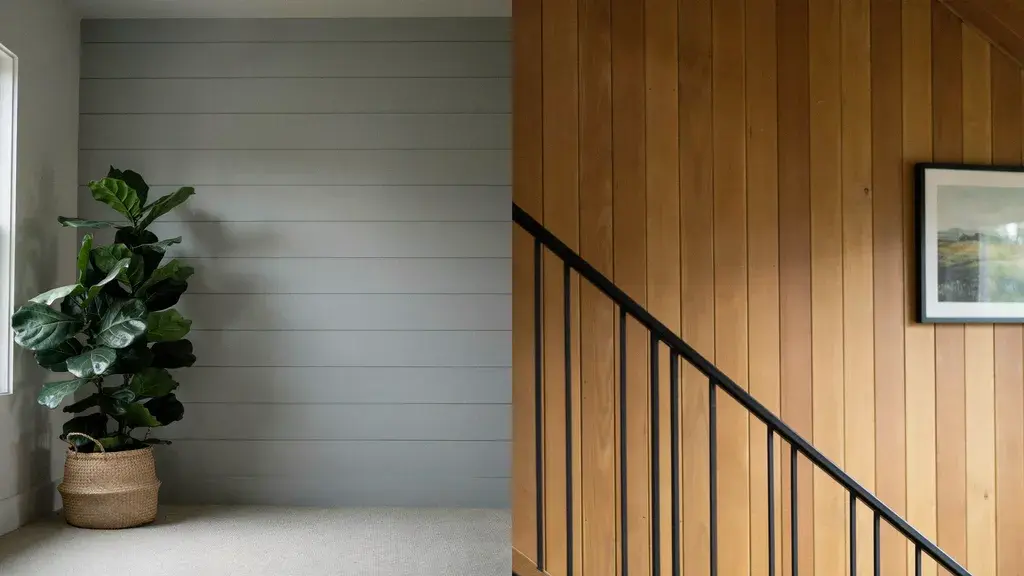
A deck can look finished from above and still feel visually unfinished once you notice the open space underneath. That gap often collects debris, exposes uneven ground, and can make even a well-built deck feel slightly incomplete. This is where deck skirting ideas come in.
The right skirting does more than hide the underside. It helps bring the entire structure together, improves airflow control, reduces pest entry, and can even create usable storage space depending on the design.
From simple budget panels to more refined architectural finishes, there are plenty of ways to turn that overlooked area into a clean, intentional part of your outdoor setup.
What is Deck Skirting and Why Does it Matter?
If you’ve ever looked at a deck and felt like something is missing around the base, skirting is often the fix. It’s a simple addition that can noticeably improve how the whole structure feels.
Deck skirting is the material placed around the open sides of a raised deck to cover the gap between the frame and the ground. It closes off the exposed underside and creates a more finished, built-in look. It also closely aligns with modern under-deck covering ideas that focus on making the space below more controlled and visually complete.
Beyond appearance, skirting helps reduce pest activity, limit debris buildup, and support airflow, depending on the design. It also improves visual continuity between the deck and the home exterior.
Whether the deck is raised slightly or significantly, skirting turns an empty base into a more intentional design feature, much like other under-deck covering ideas that improve both function and appearance.
Key Benefits of Installing Deck Skirting
Skirting does more than cover up an unfinished base. Once you understand what it actually adds to your outdoor space, it starts to feel less like an optional extra and more like a practical necessity.
- Better Outdoor Aesthetics: Skirting closes off the rough underside of your deck and gives the whole structure a polished, complete appearance. It ties your deck into your home’s exterior rather than leaving it looking unfinished.
- Protection from Animals and Debris: An open deck base is an open invitation for pests and windblown debris. Skirting blocks save you cleanup and pest-control headaches down the line.
- Improved Airflow Management: The right skirting material, such as lattice or gapped slats, allows air to circulate beneath. That reduces moisture buildup and helps prevent rot in your deck frame.
- Adds Storage Potential: Skirting with an access panel turns the space underneath into usable storage for garden tools, hoses, or seasonal items.
- Increases Property Value Perception: A well-finished deck reads as a well-maintained home. Buyers notice details like this, and skirting adds to that overall impression.
These benefits add up quickly, and most of them require no major investment. It’s one of the more practical upgrades you can make to your outdoor space.
Materials Used for Deck Skirting
|
Horizontal Deck Skirting Ideas
Clean lines and a modern look start with how you frame the space beneath your deck. Horizontal skirting is one of the most popular choices right now, and it’s easy to see why.
1. Cedar Slats
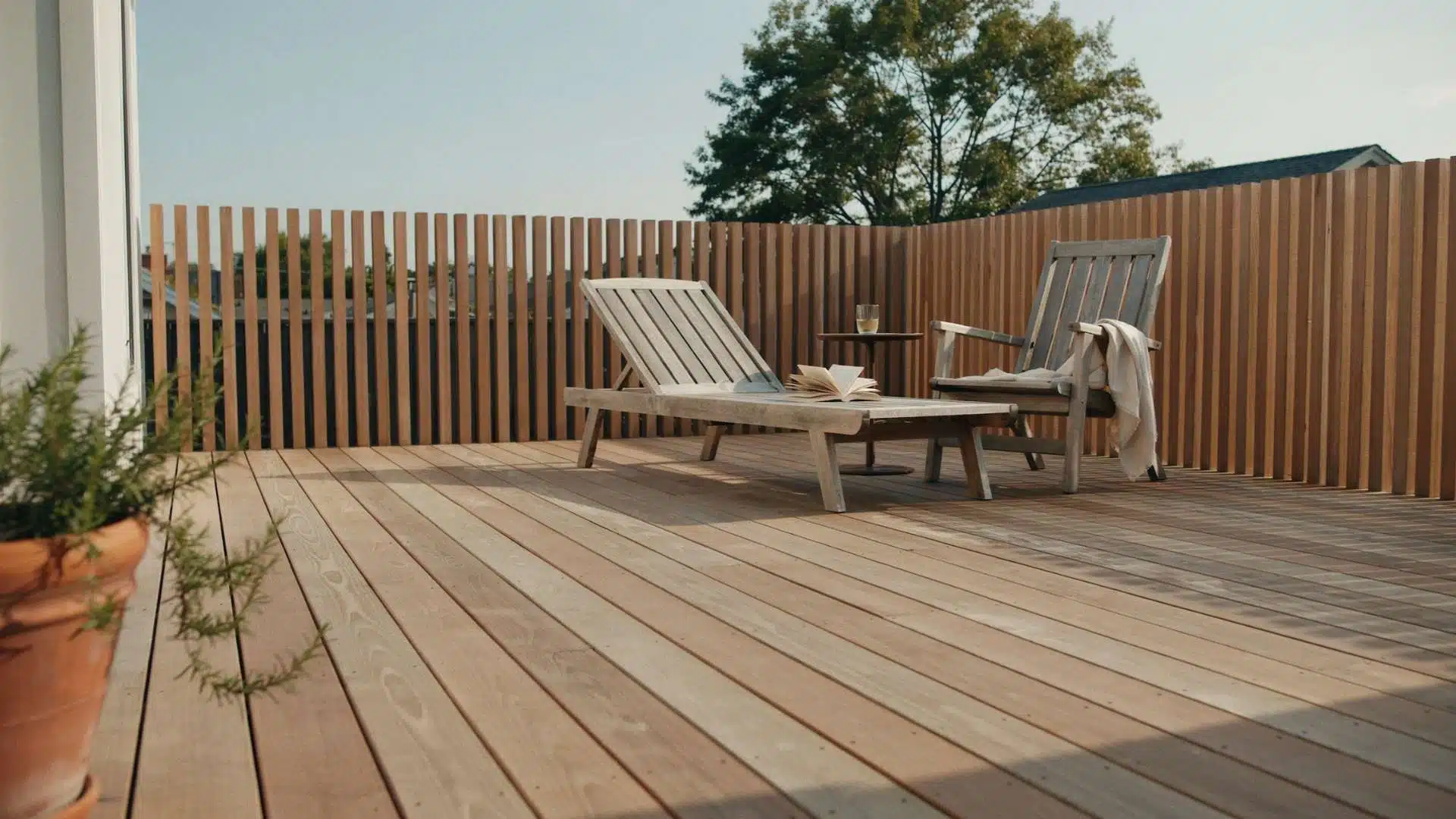
Cedar slats give your deck a warm, natural finish. The wood weathers beautifully over time, and you can stain or seal it to match your existing deck boards.
It’s affordable and easy to work with. If you’re going for a rustic yet refined look, cedar is a solid starting point. Many homeowners also love that it’s naturally rot-resistant.
2. Wide Composite Boards
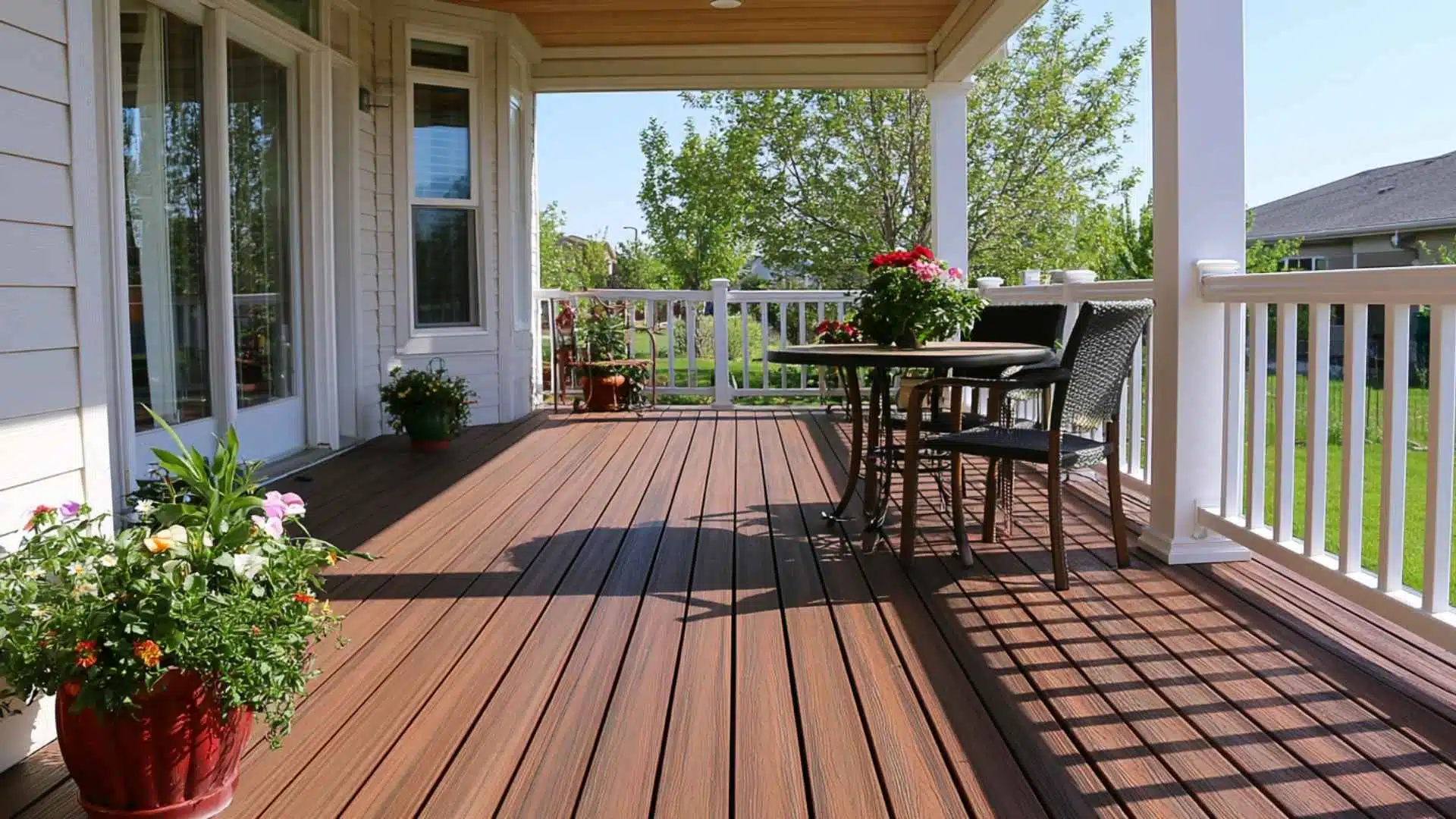
Fewer seams and a sleeker look. They hold up well to moisture and warping and require very little upkeep compared to wood.
Most composite options also come in a range of colors, making it straightforward to match your deck tone. It’s a practical pick if you want durability without the upkeep.
3. Black Painted Horizontal Skirting
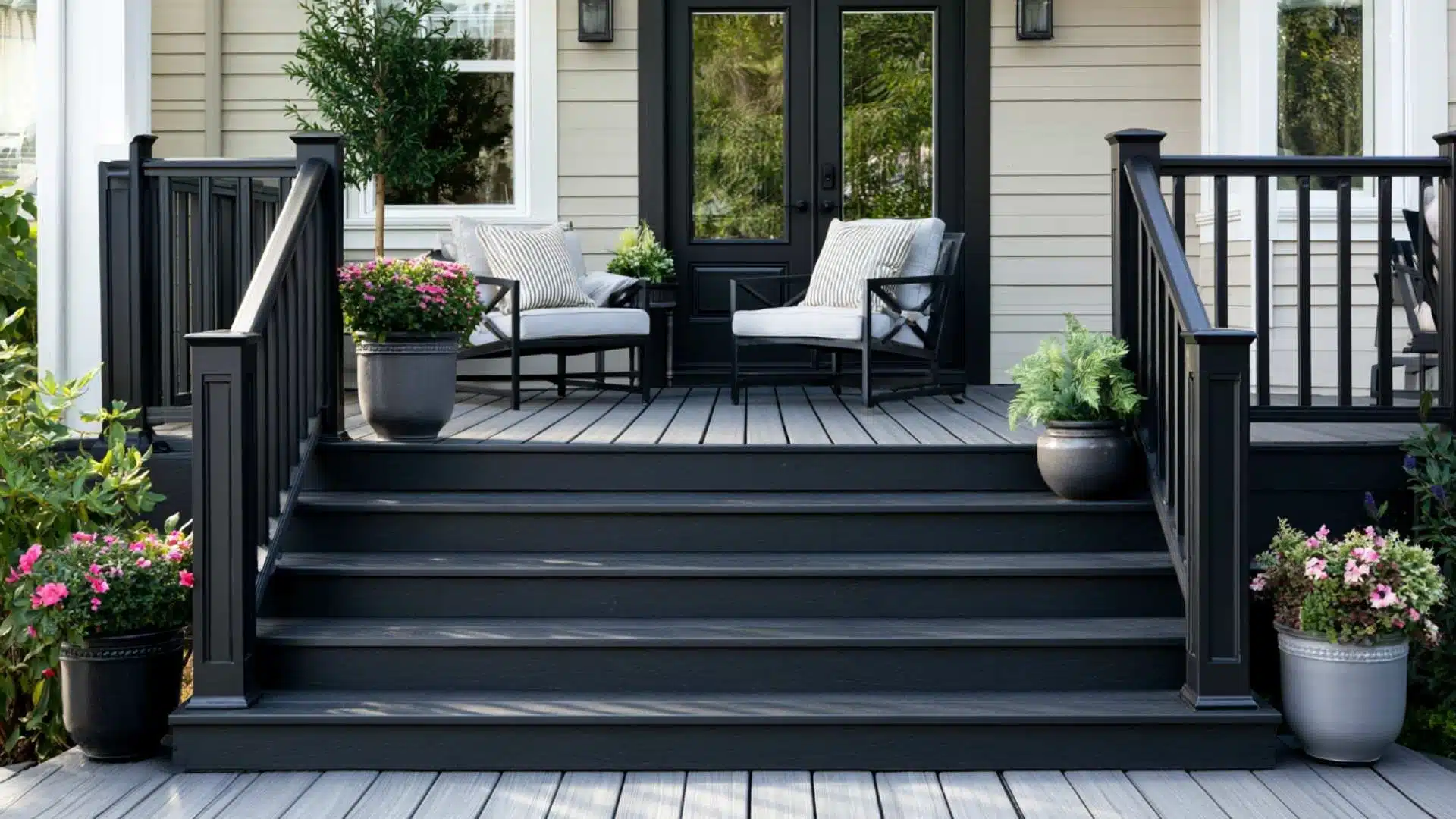
Black paint makes a statement. It grounds your deck visually and pairs well with both light and dark exteriors. Use exterior-grade paint, and the finish holds up through rain and sun.
Black also hides dirt and scuffs better than lighter colors, which is a practical bonus. If your deck has metal railings or dark trim, this option ties everything together cleanly.
Vertical Deck Skirting Styles
Vertical skirting has been around for a long time, and it still works. It draws the eye upward, makes your deck feel taller, and fits naturally with traditional home styles.
4. Vertical Wood Board Skirting
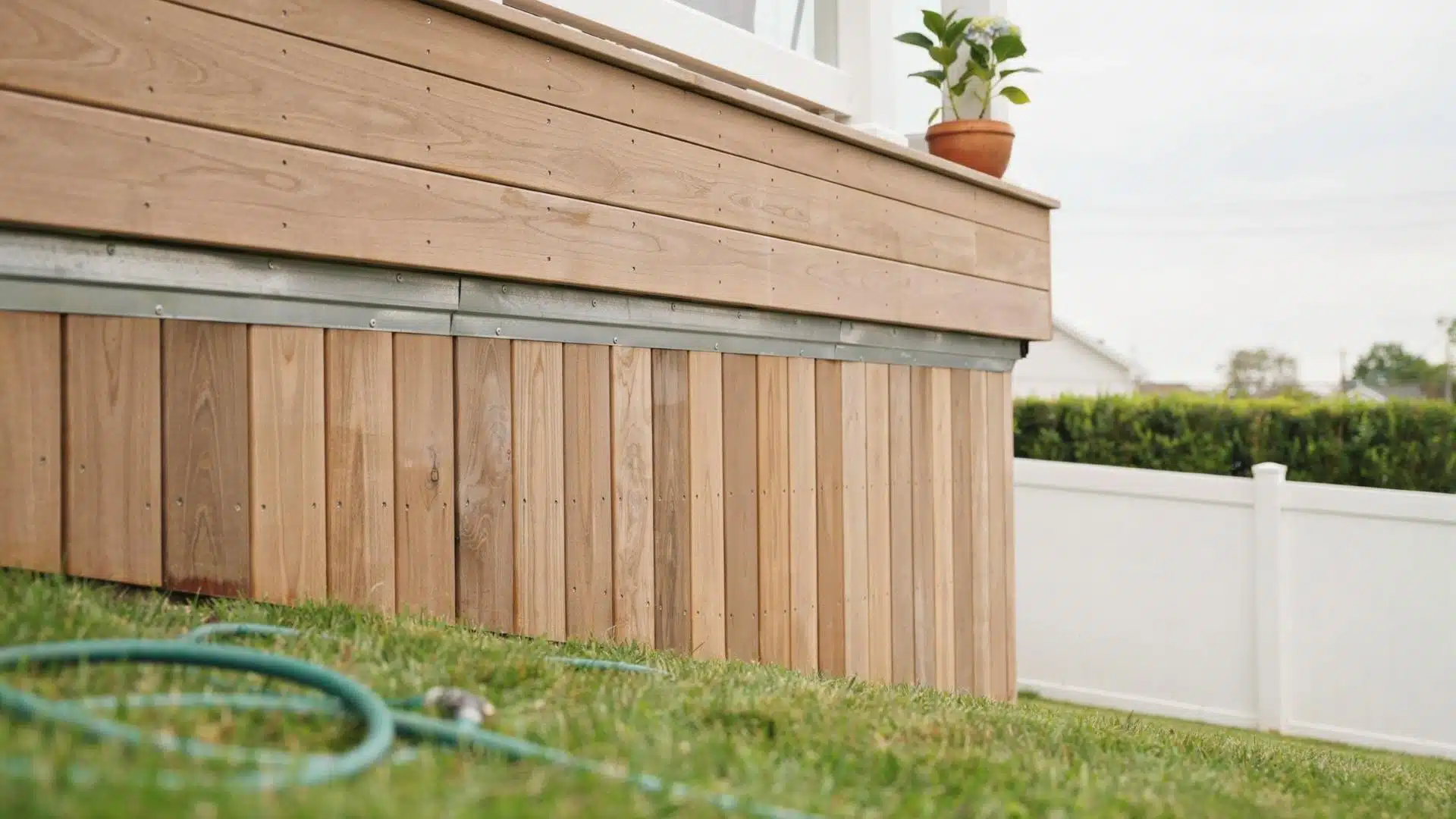
Vertical wood boards give your deck a classic, grounded look. Pine and cedar are common choices, and both take paint or stain well. You get a clean finish without spending a lot.
It’s straightforward to install, and replacing a damaged board later is just as simple. A good primer coat before painting will significantly extend the life of the paint.
5. Tight Vertical Plank Enclosure
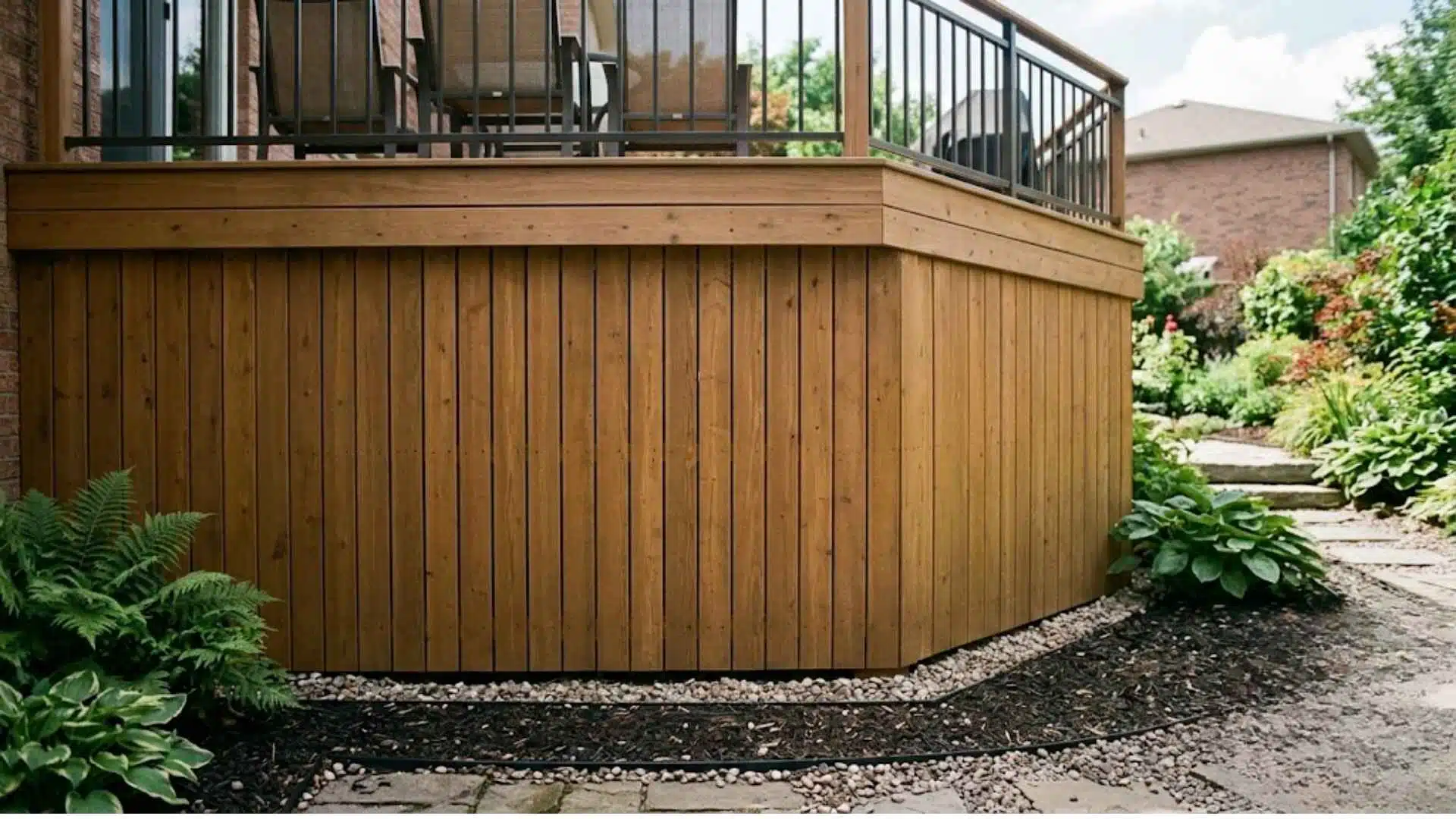
Planks placed close together create a solid, enclosed look. This works well if you want to completely block the view underneath, whether for aesthetics or to keep animals out.
It also gives the deck a more formal appearance. Just make sure you leave a small gap at the bottom for drainage. Without it, moisture can collect and cause rot over time.
6. Vertical Composite Board Skirting
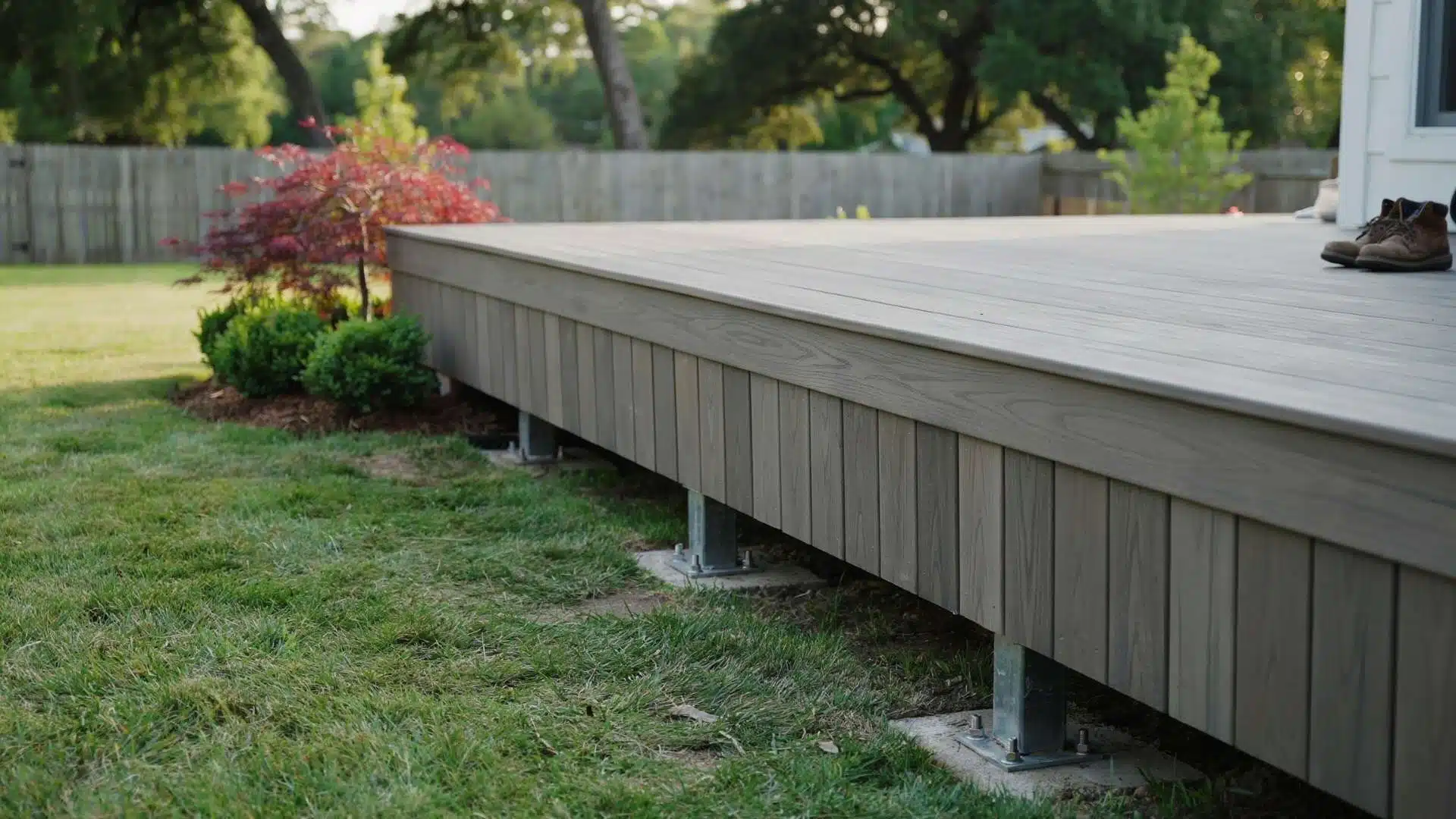
Composite boards bring the durability of synthetic materials to vertical applications. They won’t crack, warp, or need repainting every couple of years. If you already have composite decking above, matching the skirting below ties the whole structure together.
Colors stay consistent longer than painted wood, which is a real advantage in harsh climates. It costs more upfront but saves you time on maintenance down the road.
Vertical skirting is a reliable choice that suits a wide range of home styles. Pick the variation that fits your deck’s proportions, and you’ll have a finish that looks polished without overcomplicating the build.
Lattice Deck Skirting Ideas
Lattice skirting has held its ground as a go-to choice for decades, and for good reason. It lets air move freely underneath your deck while still giving the space a finished, intentional look.
7. Diamond Lattice Wood Panels
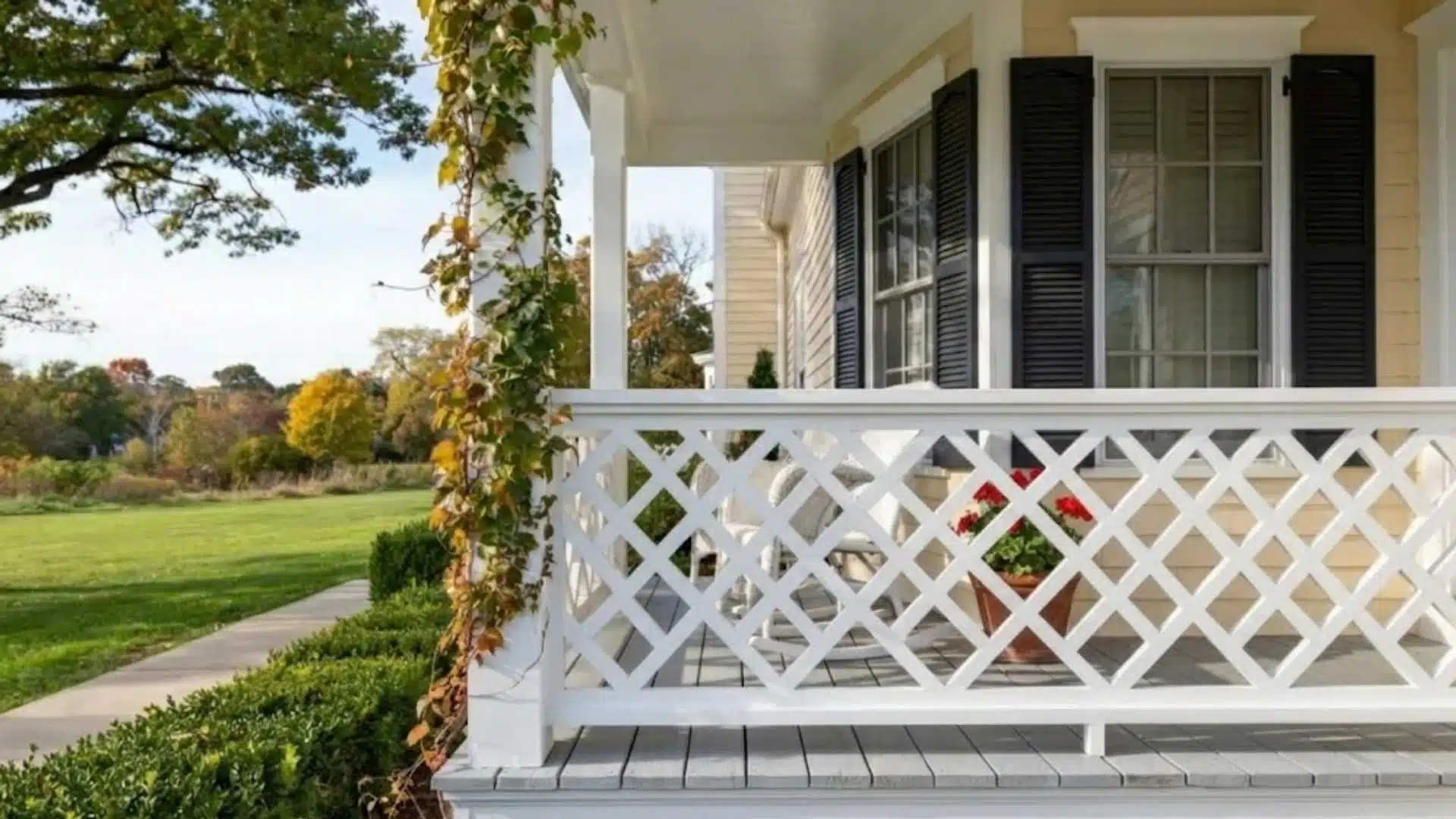
Diamond lattice is the most recognized pattern, and it suits almost any traditional home exterior. Wood panels are easy to cut to size and fit into a simple frame.
They take paint well, so matching your deck or trim color is straightforward. Over time, wood lattice does need repainting to stay in good shape. But with basic upkeep, it holds up well and keeps looking clean.
8. Square Grid Lattice Panels
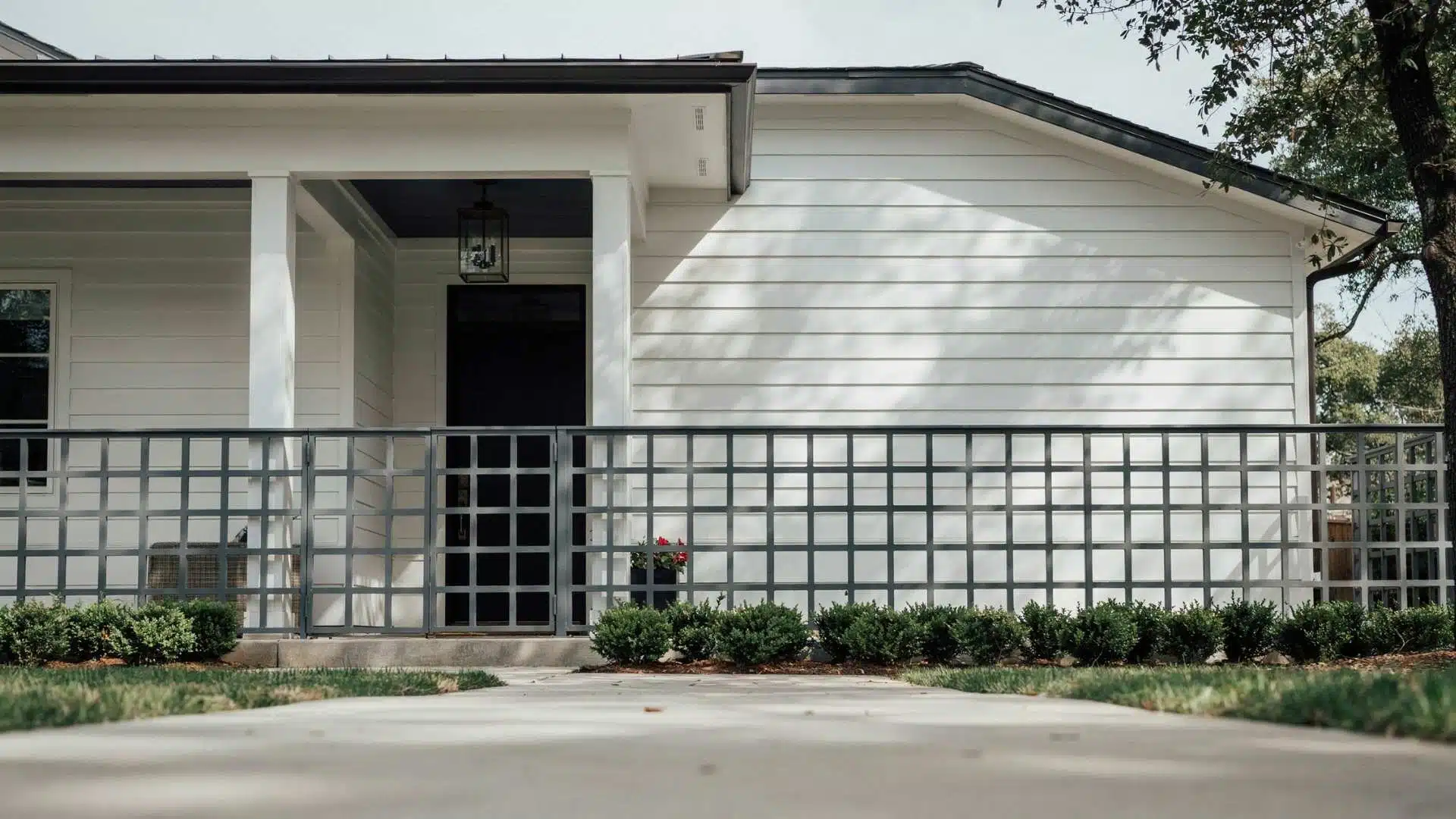
Square grid patterns feel more structured and modern than diamond lattice. The uniform lines give your skirting a tidier, more geometric appearance. It works especially well on contemporary or craftsman-style homes.
You can find square grid panels in both wood and vinyl, so material choice is flexible. If you want something classic but slightly updated, this is a smart option.
9. Black Vinyl Lattice Skirting
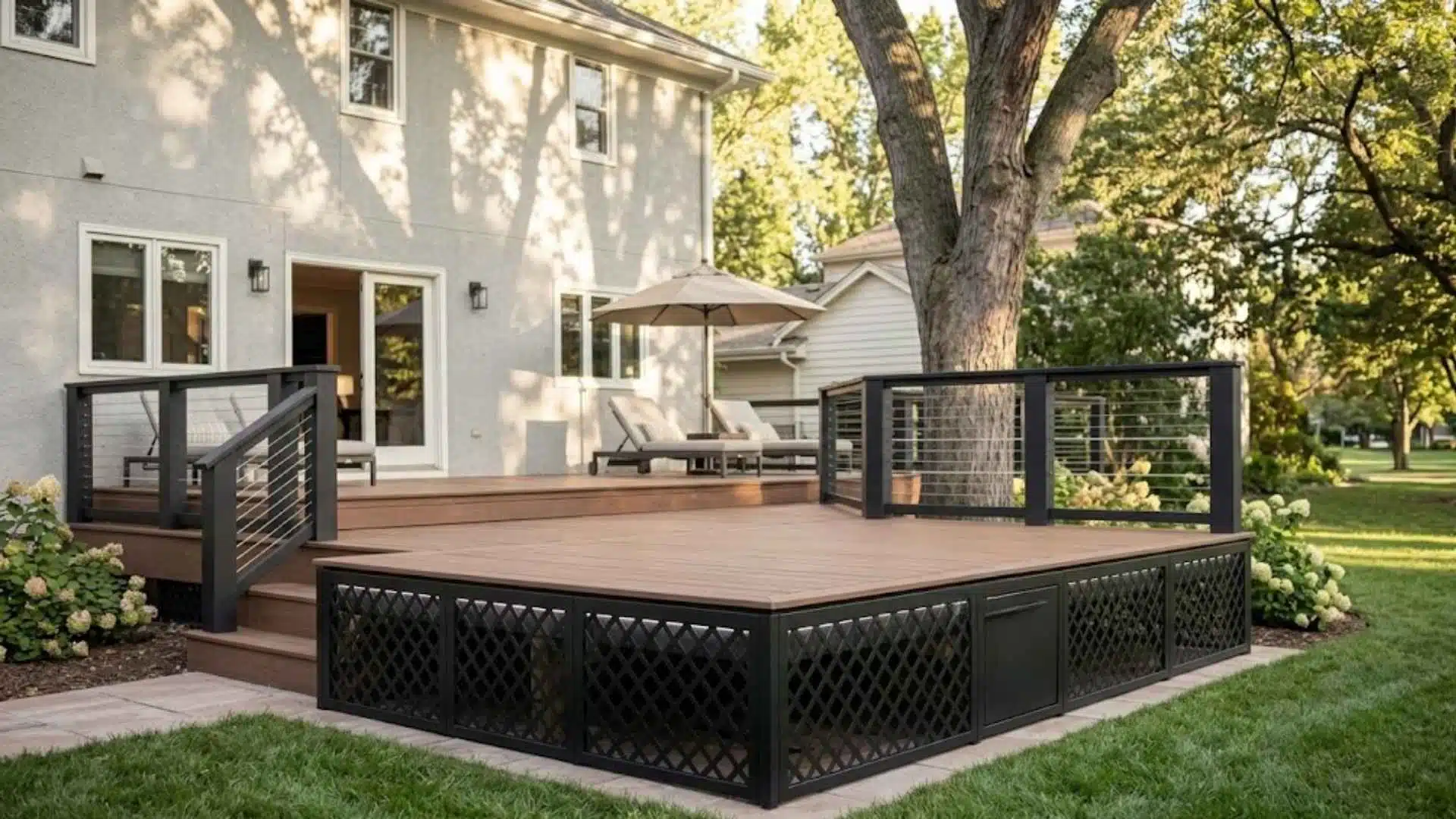
Black vinyl lattice brings a sharp, high-contrast look to your deck’s exterior. It doesn’t rot, warp, or need painting, which makes it a low-effort long-term choice. The dark color also recedes visually, drawing attention to your deck rather than the space below.
Vinyl panels are lightweight and easy to cut with basic tools. And because the color is consistent throughout the material, scratches are far less noticeable.
10. Decorative Framed Lattice Panels
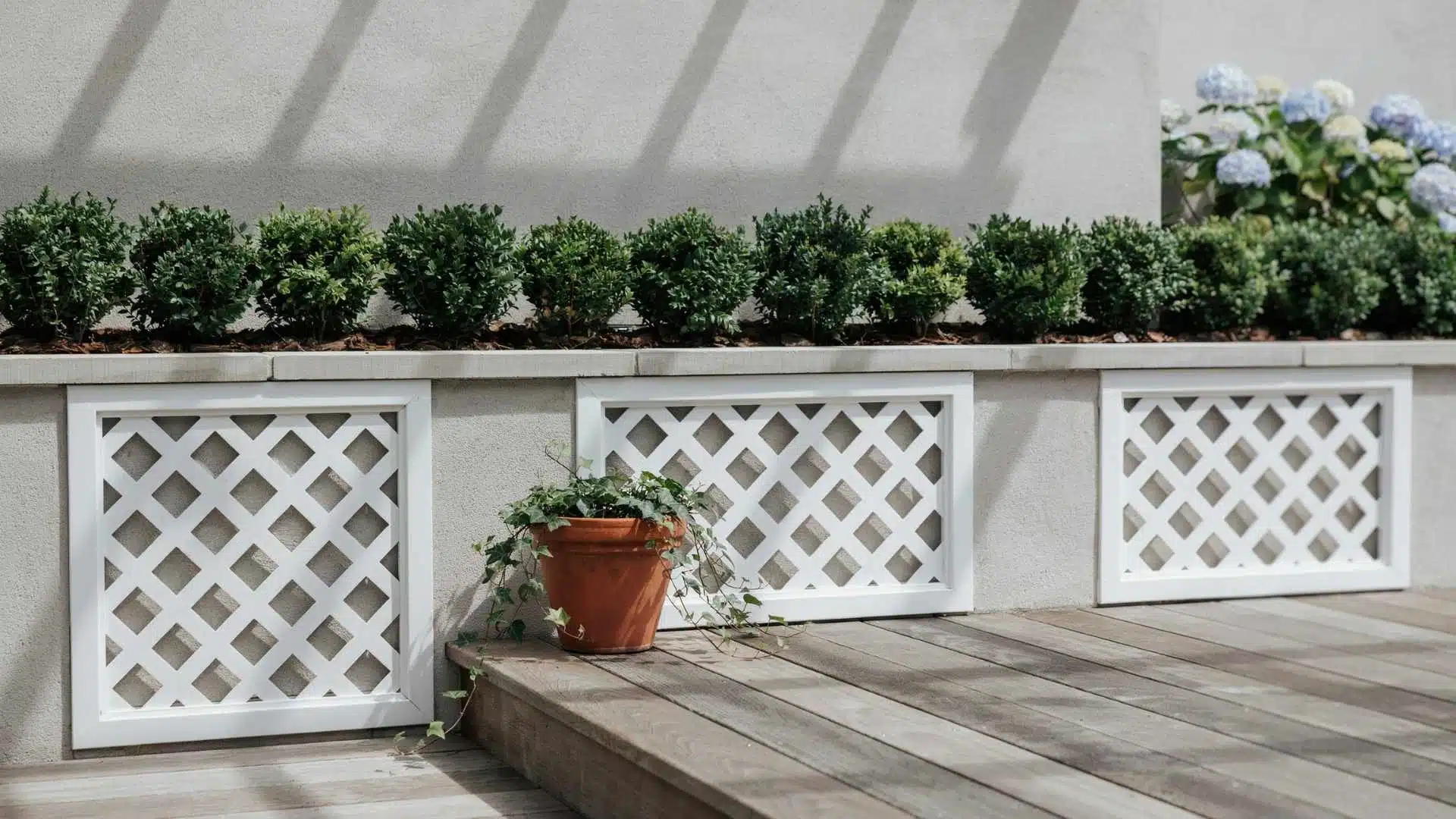
Adding a wood or composite frame around your lattice panels instantly improves the look. The frame gives the skirting a built-in, intentional appearance rather than something just tacked on.
You can paint the frame a contrasting color for added definition. It also reinforces the panel structure, which helps in areas with wind or heavy foot traffic nearby. Small detail, but it makes a visible difference.
11. Painted Custom Lattice Patterns
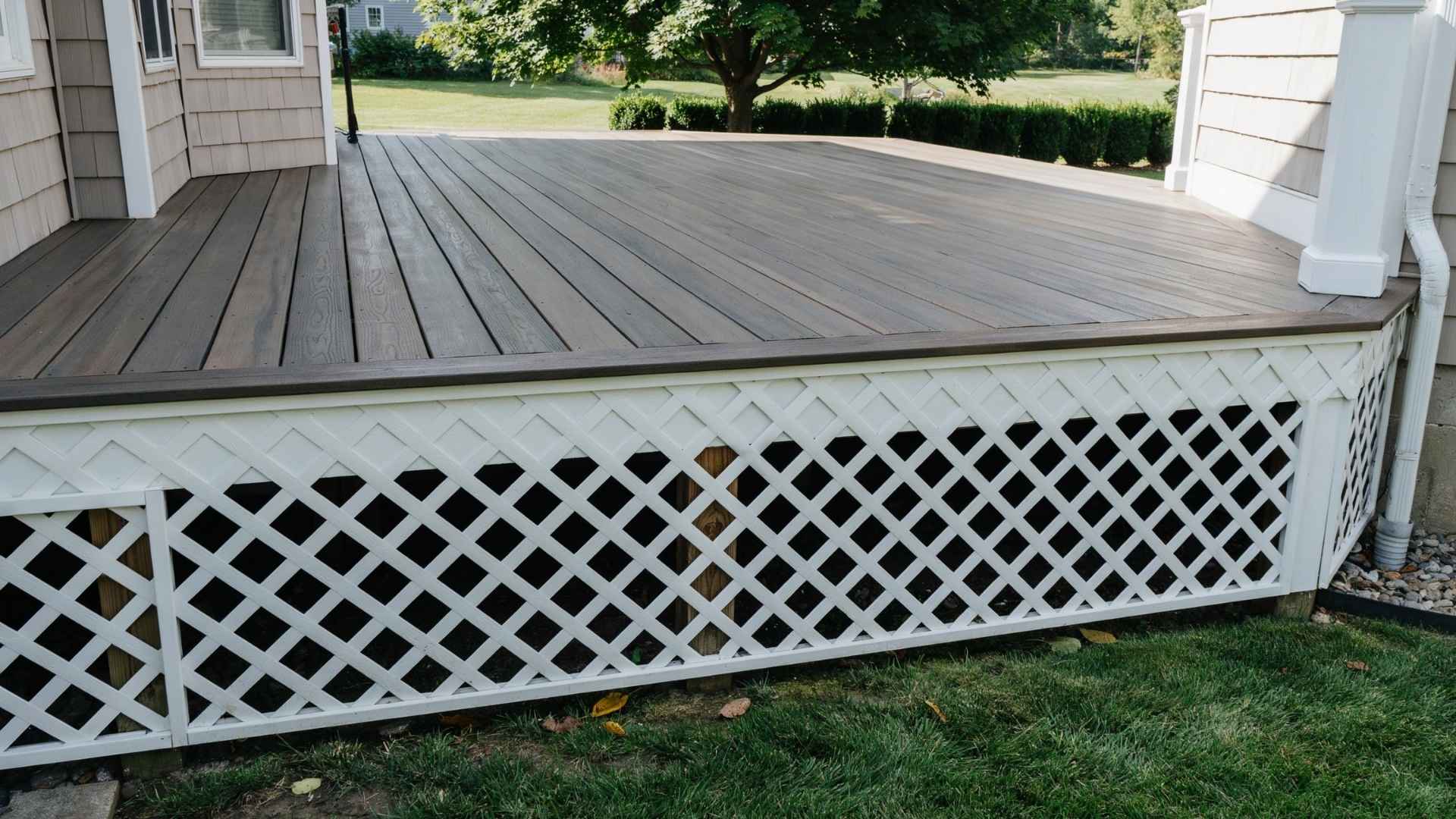
Painting your lattice in a bold or contrasting color turns a functional element into a design feature. White lattice against a dark deck reads as crisp and classic.
A deeper color like navy or forest green adds personality without looking out of place. Just use exterior-grade paint and apply a solid primer first. The colors last longer, and you won’t have to touch them up every season.
Lattice skirting gives you ventilation, visual appeal, and a range of style options all in one. Whether you keep it simple or add framing and color, it’s one of the most adaptable skirting choices available.
Stone and Brick Deck Skirting Ideas
If you want your deck to look like it has always been part of the house, stone-and-brick skirting gets you there. These materials feel permanent and polished, and they genuinely enhance your home’s curb appeal.
12. Faux Stone Veneer Skirting
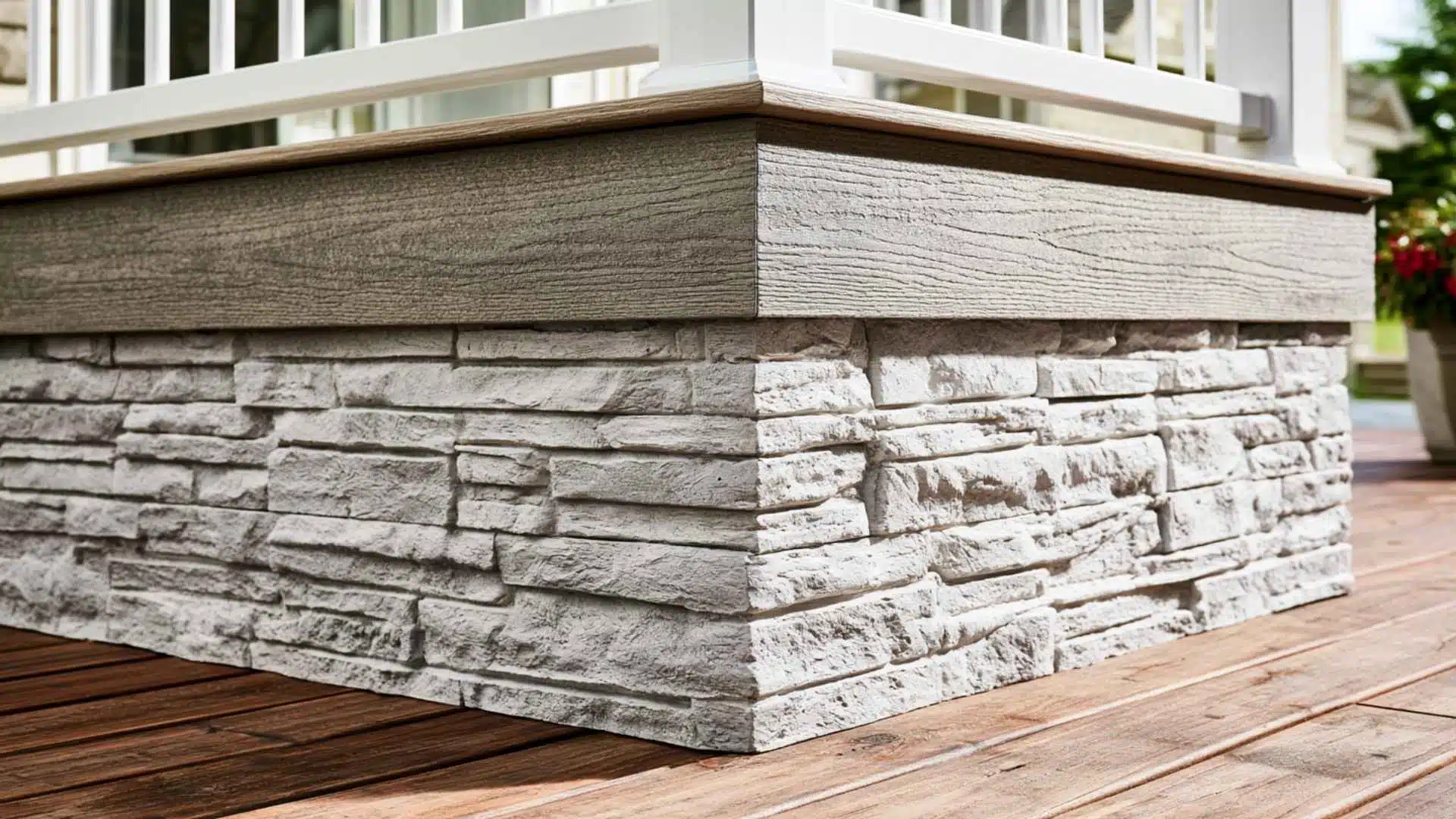
Faux stone veneer gives you the look of real stone without the weight or cost. It comes in panels that attach directly to your deck frame, making installation straightforward for most homeowners.
The finish looks convincing up close and holds up well in most climates. It is one of the best ways to get a high-end look on a mid-range budget.
13. Natural Stacked Stone Base
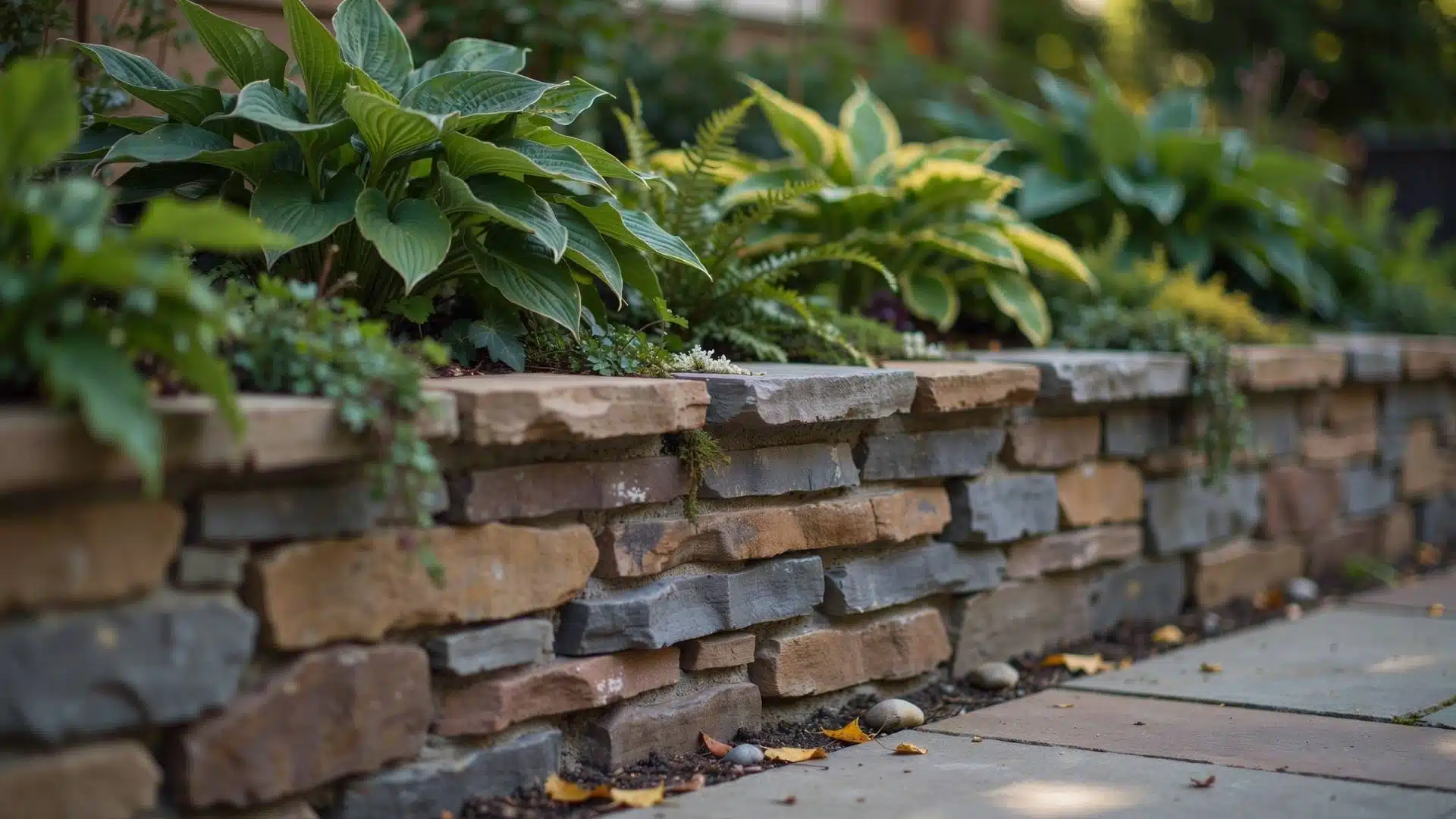
Real stacked stone creates a solid, grounded look that feels built into the landscape. Each layer adds texture and depth, and no two installations look exactly alike.
It pairs especially well with decks surrounded by gardens or natural landscaping. The material is durable, but it does require a more involved installation than other options.
14. Brick Wraparound Skirting
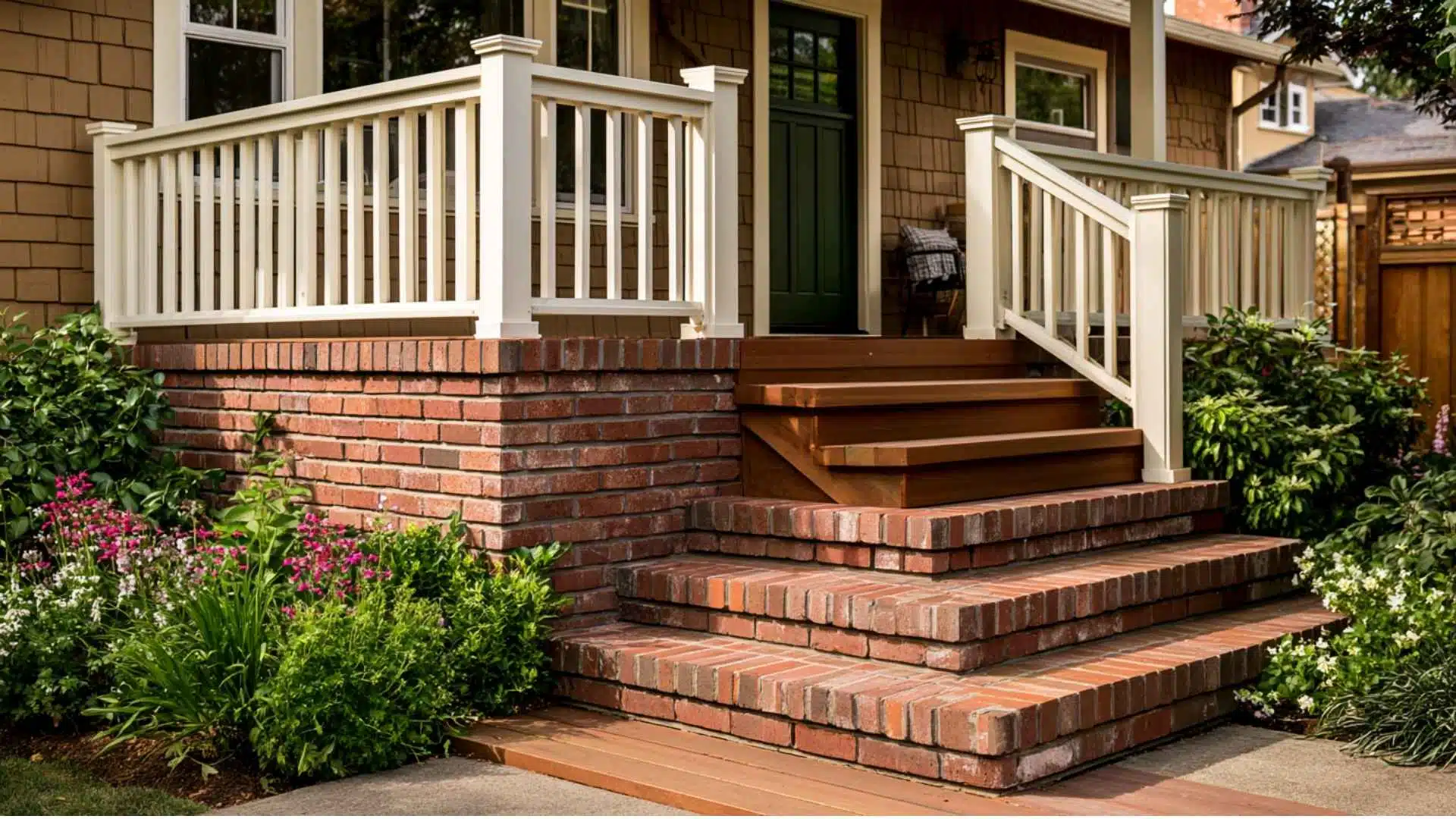
Brick skirting wraps your deck in a classic, timeless finish that suits traditional and craftsman-style homes well.
It is low maintenance once installed and ages beautifully over time. Because brick retains heat, it also helps keep the under-deck space slightly warmer in cooler months.
Stone and brick options cost more upfront, but they rarely need replacing, and they add real value to your property.
Metal Deck Skirting Ideas
Metal skirting has moved well beyond purely industrial settings. It is showing up on modern homes, backyard builds, and contemporary outdoor spaces where clean lines and bold finishes make a statement.
15. Perforated Metal Panels
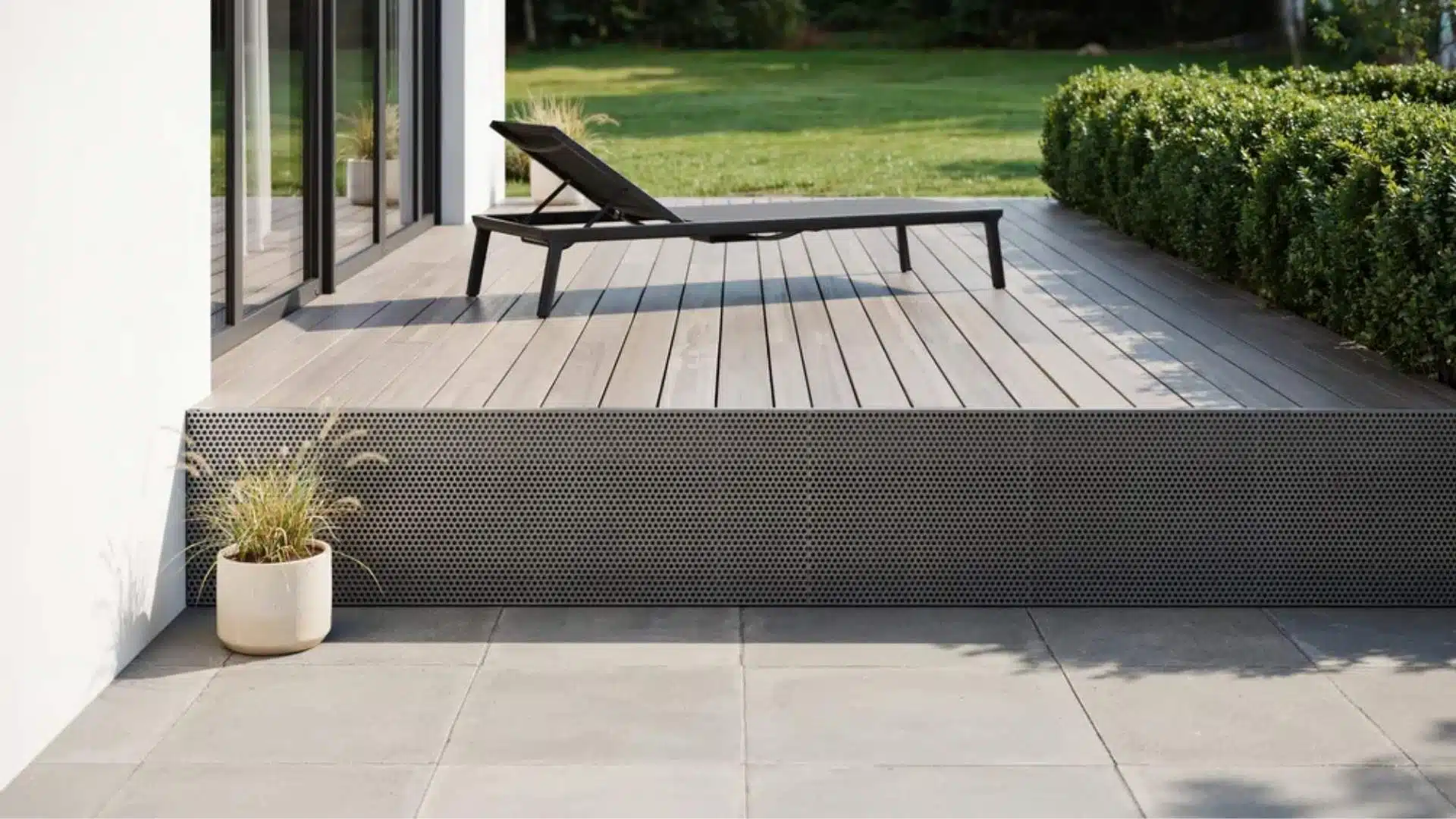
Perforated panels allow air to move freely while keeping the space beneath your deck enclosed. The pattern of holes adds visual interest without making the skirting feel heavy or solid.
They work well in coastal or contemporary spaces and hold up to moisture better than wood. You can find them in aluminum or steel, depending on your budget and climate.
16. Powder-Coated Steel Sheets
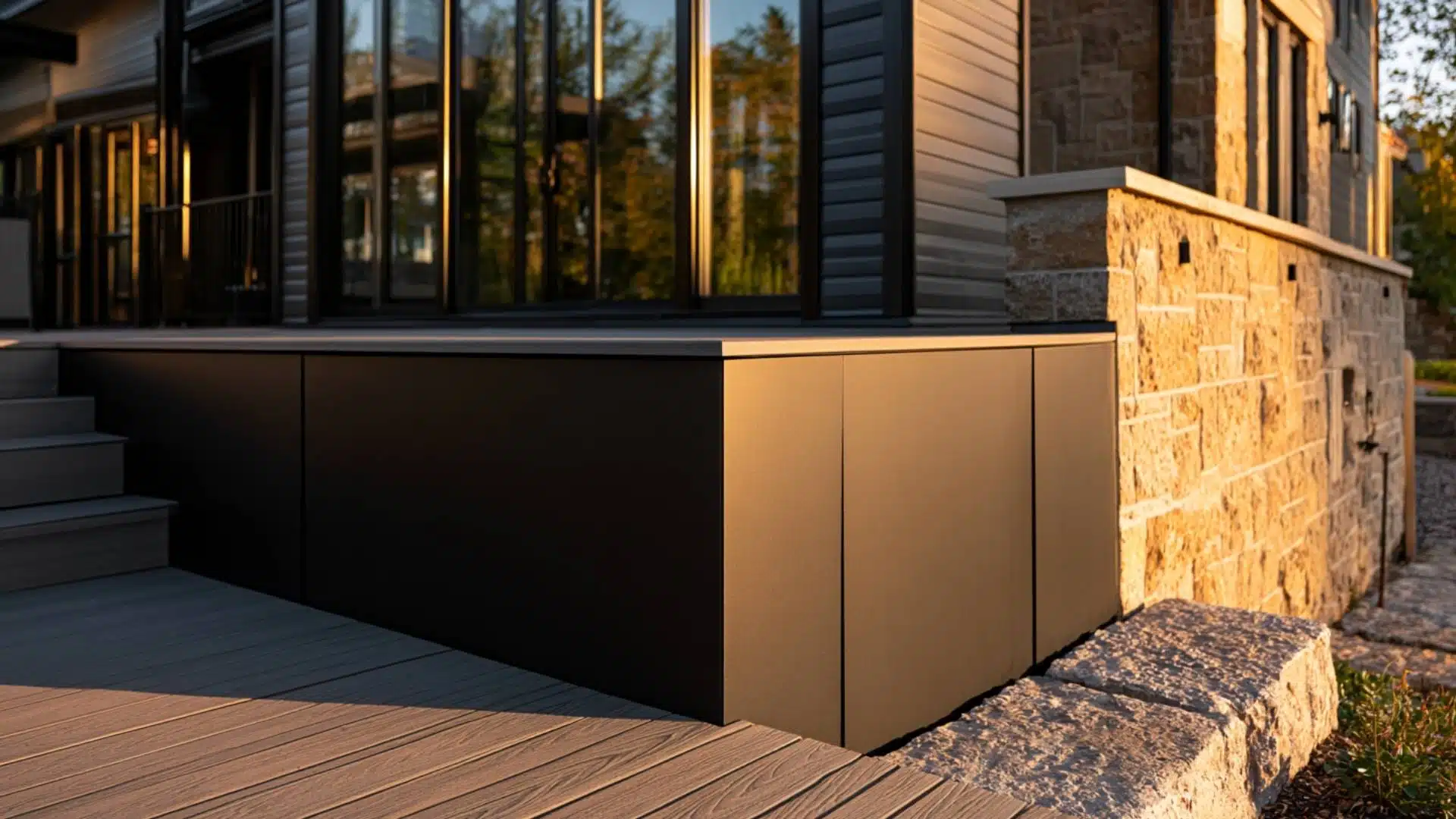
Powder-coated steel gives you a smooth, uniform finish that resists rust, chipping, and fading. The coating process bonds color directly to the metal, so it lasts far longer than paint.
You can choose from a wide range of colors, making it easy to match or contrast with your deck and home exterior. It is a strong pick for anyone who wants low maintenance with a modern edge.
17. Laser-Cut Metal Screens
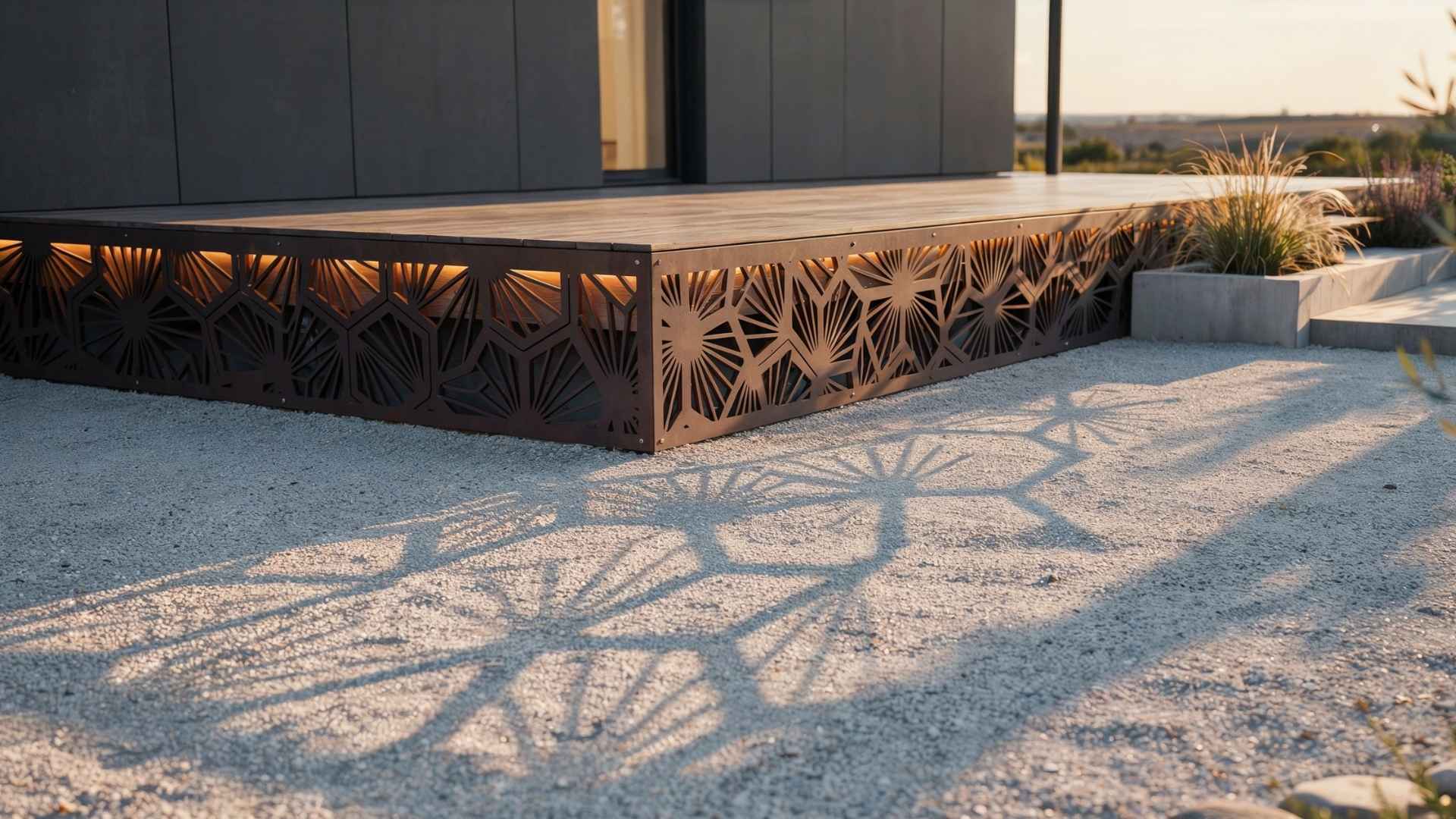
Laser-cut screens turn your skirting into a design feature. Geometric patterns, botanical motifs, or custom designs can be cut into the metal to create a finished look that feels intentional and unique.
They work best as a visual accent rather than a purely functional barrier, and they pair well with outdoor lighting that casts shadows through the pattern at night.
Metal skirting is durable, design-forward, and available at a range of price points, making it worth serious consideration if your space leans modern.
Under Deck Covering Ideas for Storage Use
Your deck’s underside is more useful than most people realize. These under-deck covering ideas turn that space into functional, organized storage without making your yard look cluttered or unfinished.
18. Fully Enclosed Storage Wall Skirting
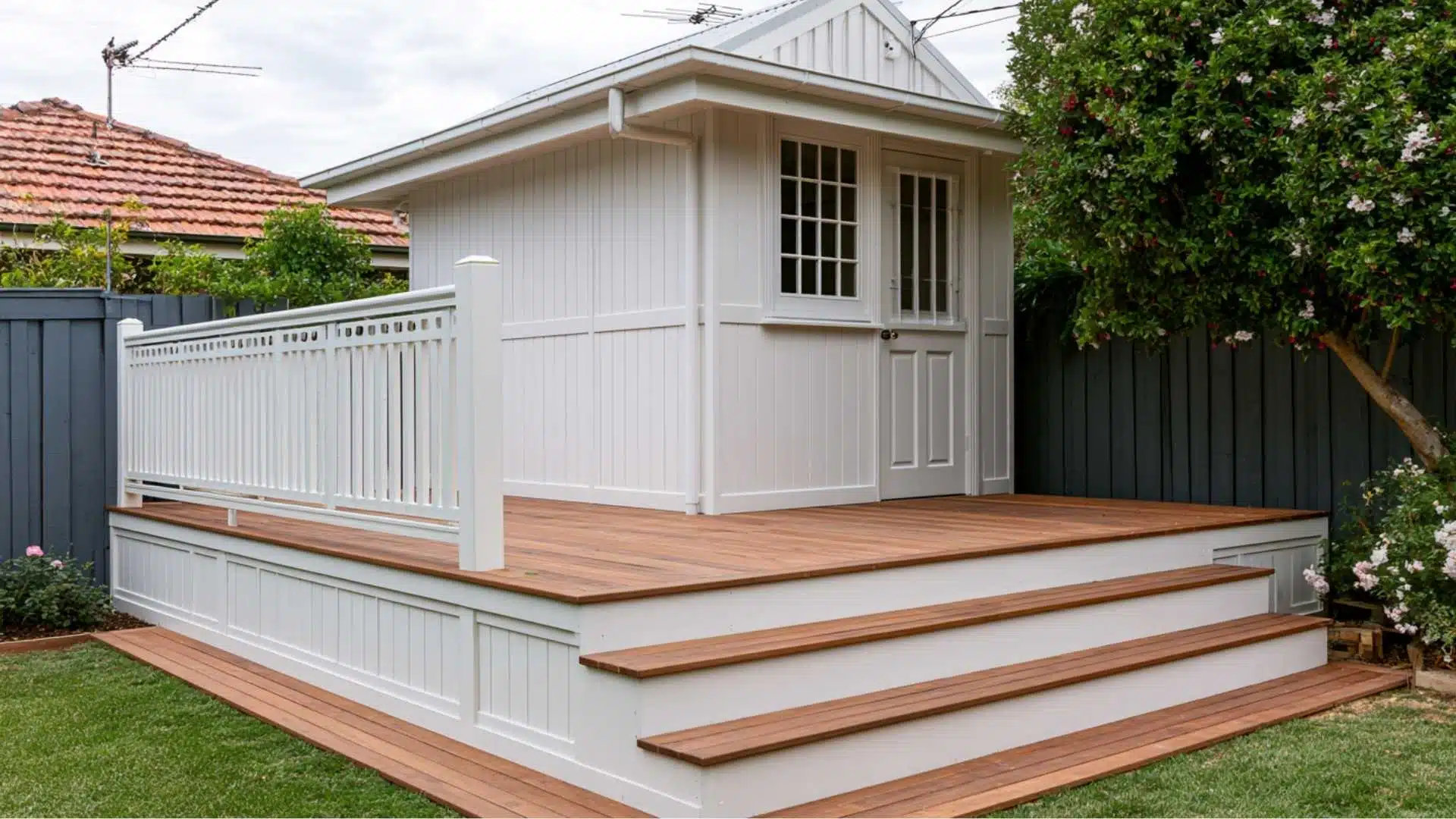
Full enclosure skirting seals off the entire perimeter of your deck, creating a protected storage zone underneath. It keeps out pests, weather, and debris while giving you a clean exterior finish.
You can add a framed door opening on one side for easy access. This works especially well on raised decks where the clearance is tall enough to walk in and store larger items.
19. Under-Deck Waterproof Ceiling System
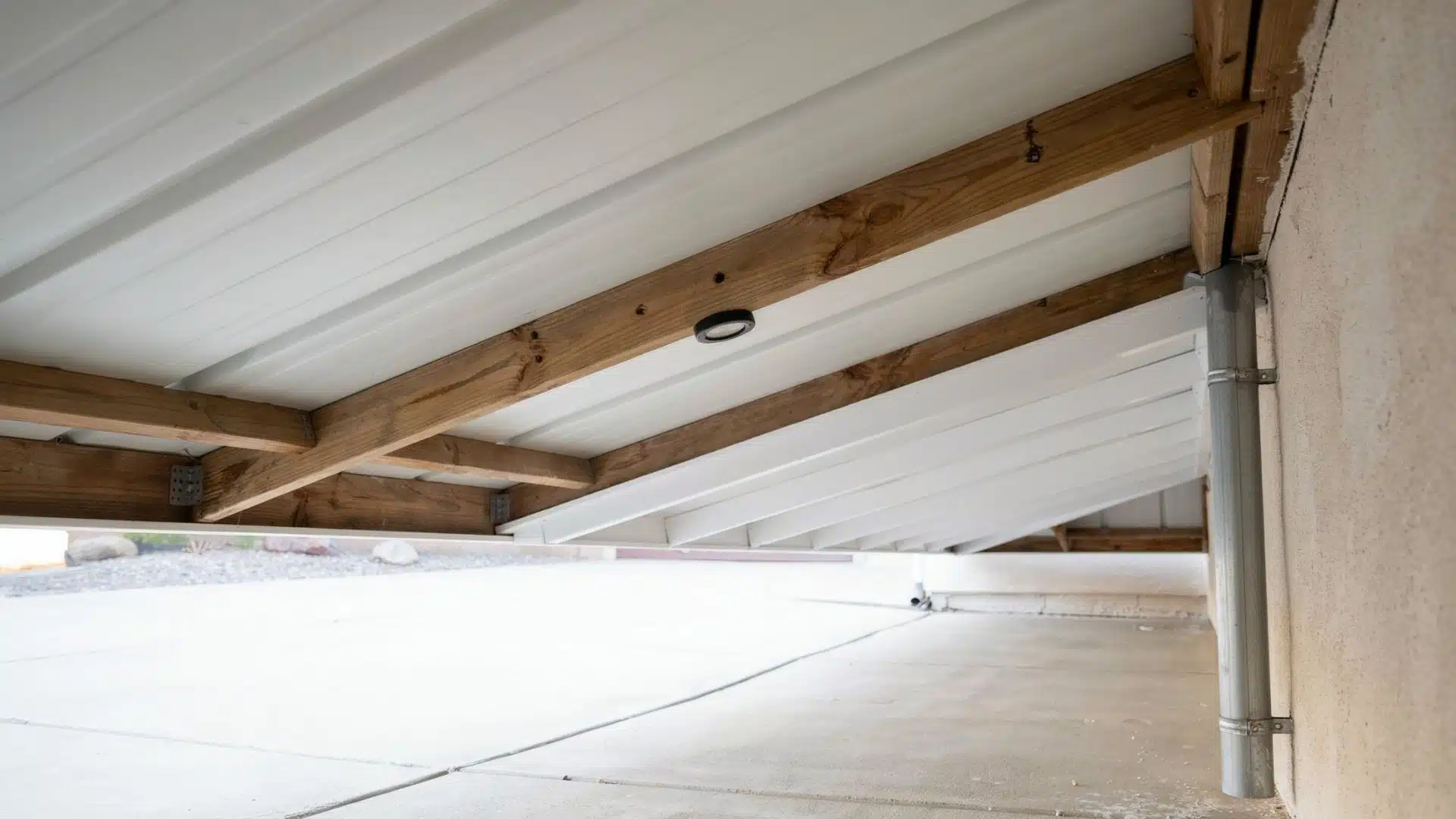
A waterproof ceiling system installed beneath your deck boards channels rainwater away and keeps the space underneath dry. Once it is in place, you can store items like furniture cushions, garden tools, and seasonal equipment without worrying about moisture damage.
It turns an otherwise wasted space into something genuinely useful. And since the system sits above you, your view of the yard stays open and unobstructed.
20. Sliding Access Door Skirting Panels
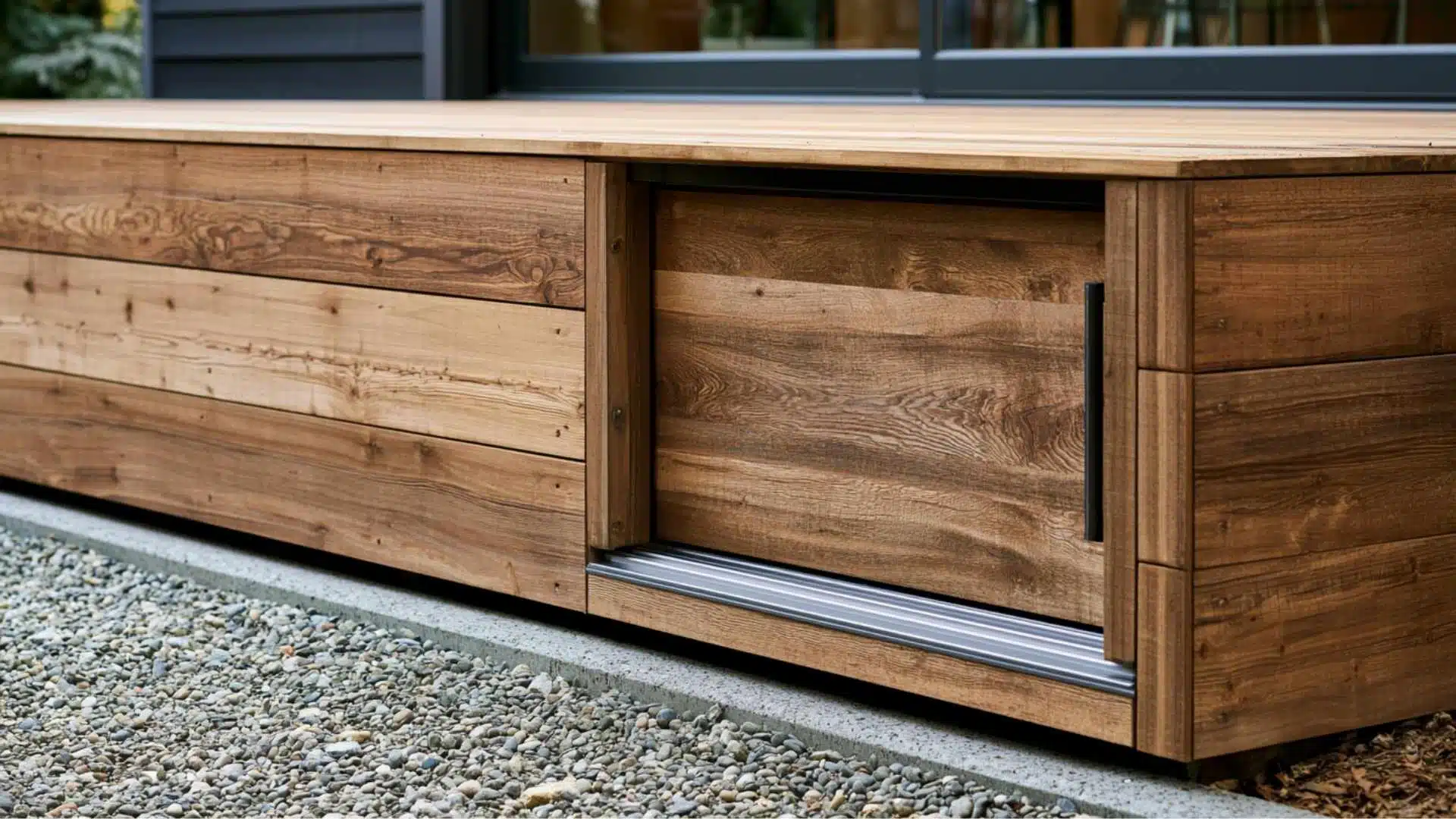
Sliding panels give you quick access to under-deck storage without the look of a traditional door. The panels blend into the skirting when closed, keeping the exterior neat and well finished.
They are a practical choice for storing items you reach for often, like hoses, rakes, or outdoor cushions. Because they slide rather than swing, they work well in tight spaces where a hinged door would be awkward.
21. Hidden Tool Storage Enclosure
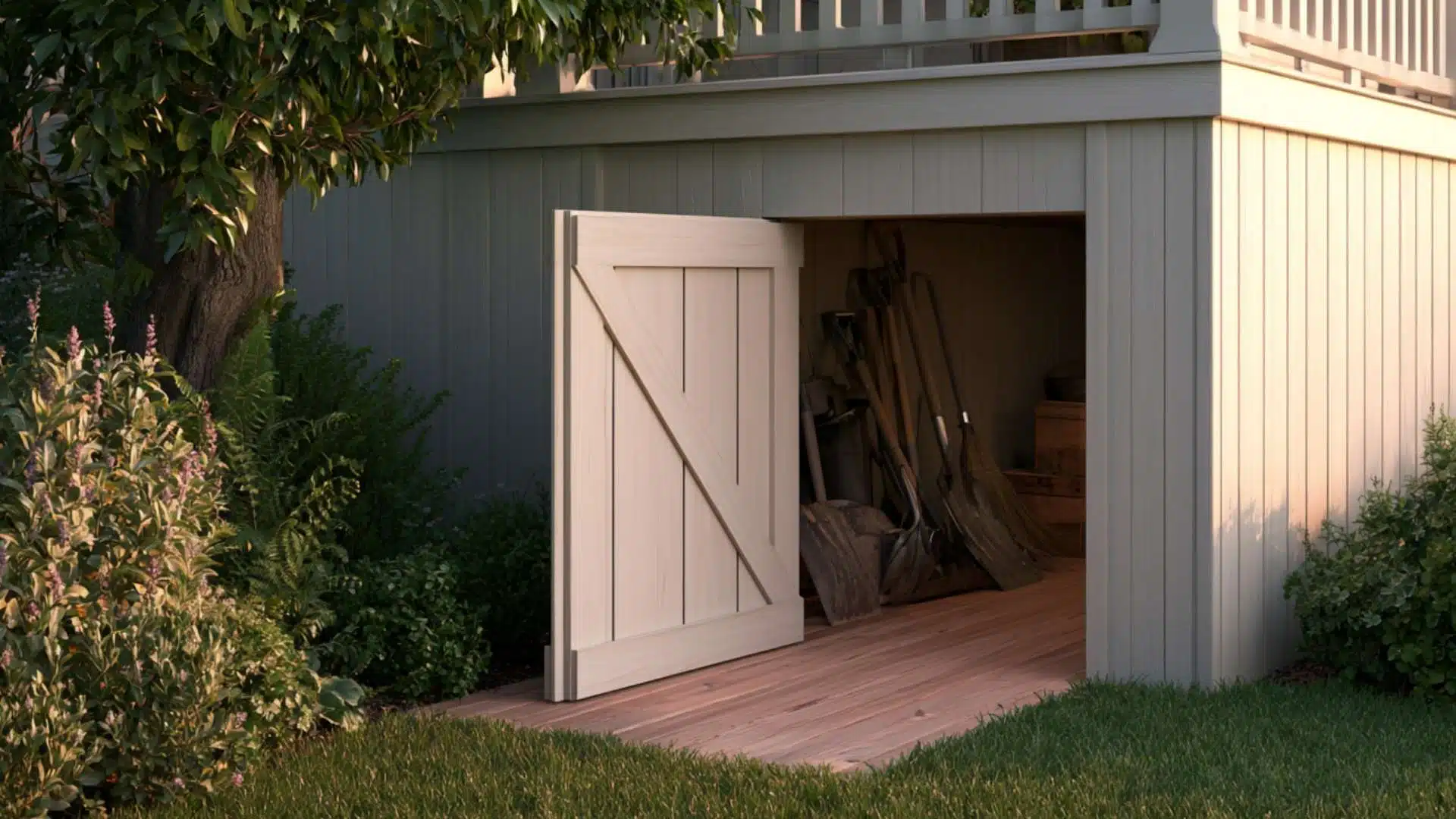
A hidden enclosure built into your skirting keeps garden and outdoor tools out of sight yet within reach. You can frame out a dedicated section of the skirting with a flush-mounted door that sits nearly invisible against the rest of the panels.
It is a smart solution for smaller decks where a full storage room is not practical. The tools stay dry, organized, and easy to grab whenever you need them.
22. Enclosed Utility Access Zone
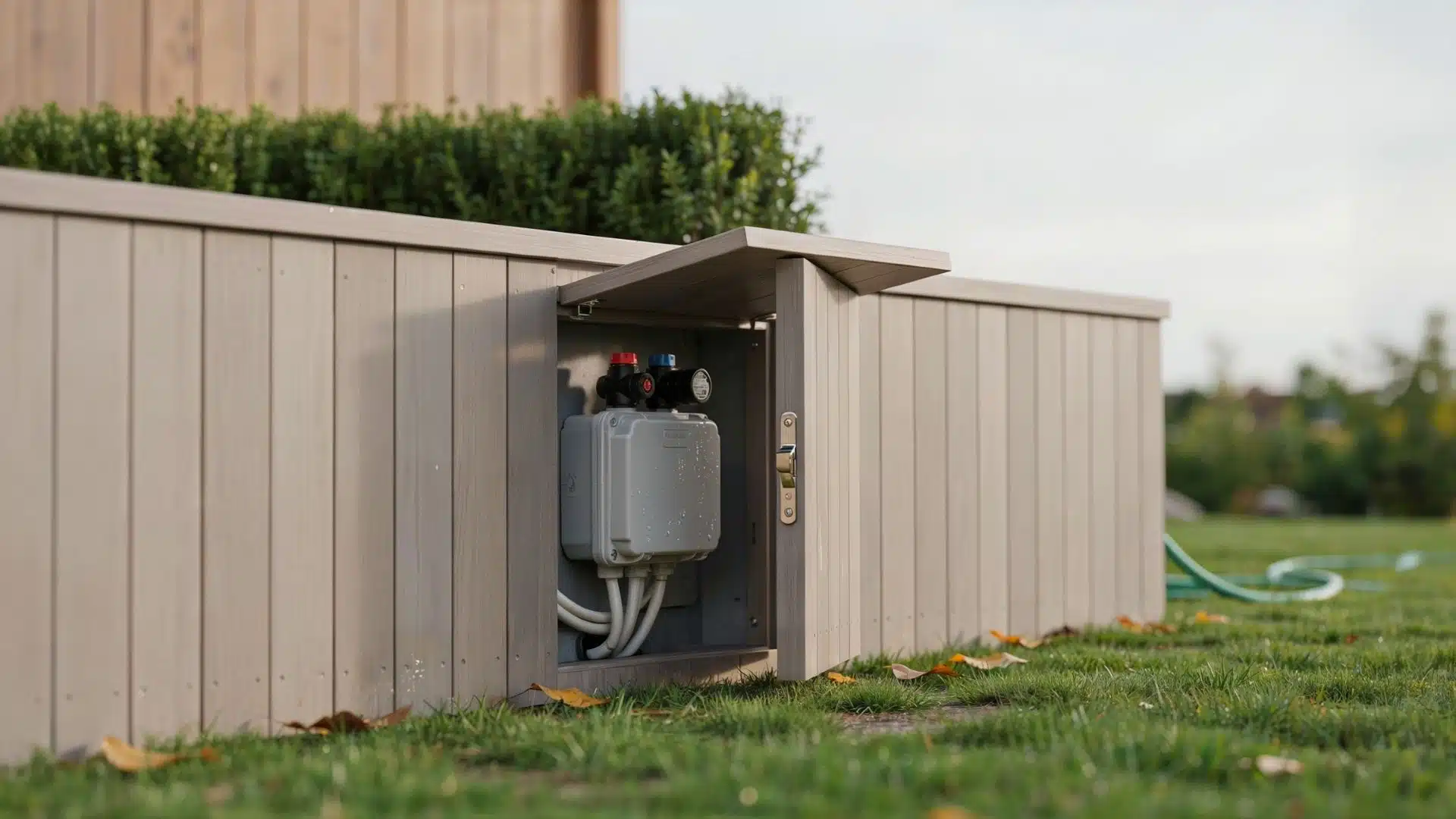
Some homeowners use the under-deck space to house utility connections, such as irrigation controls, outdoor electrical boxes, or equipment tied to araised hot tub setup. Enclosing this zone with matching skirting keeps everything protected and out of sight.
A small access panel with a latch makes it easy to reach when needed without disrupting the overall look. It is a practical detail that keeps your outdoor space looking polished while everything functional stays hidden.
Good storage does not have to be obvious. The right under-deck covering ideas let you maximize every square foot of your outdoor space without sacrificing its appearance from the outside.
Open Airflow Deck Skirting Ideas
Sealing your deck completely can trap moisture and invite pests. These skirting ideas keep air moving underneath while still giving your deck a finished, intentional look.
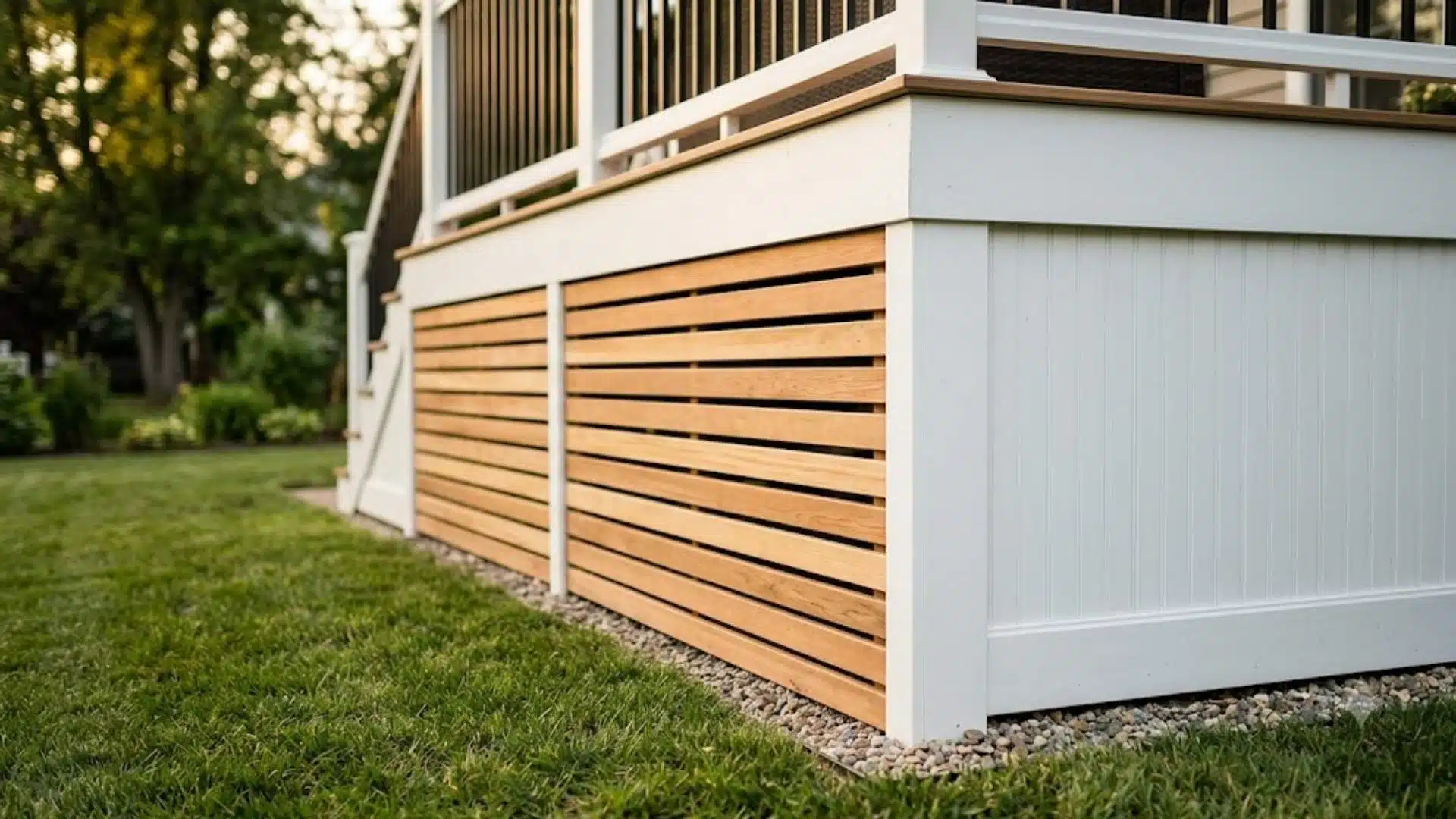
23. Spaced Horizontal Slats
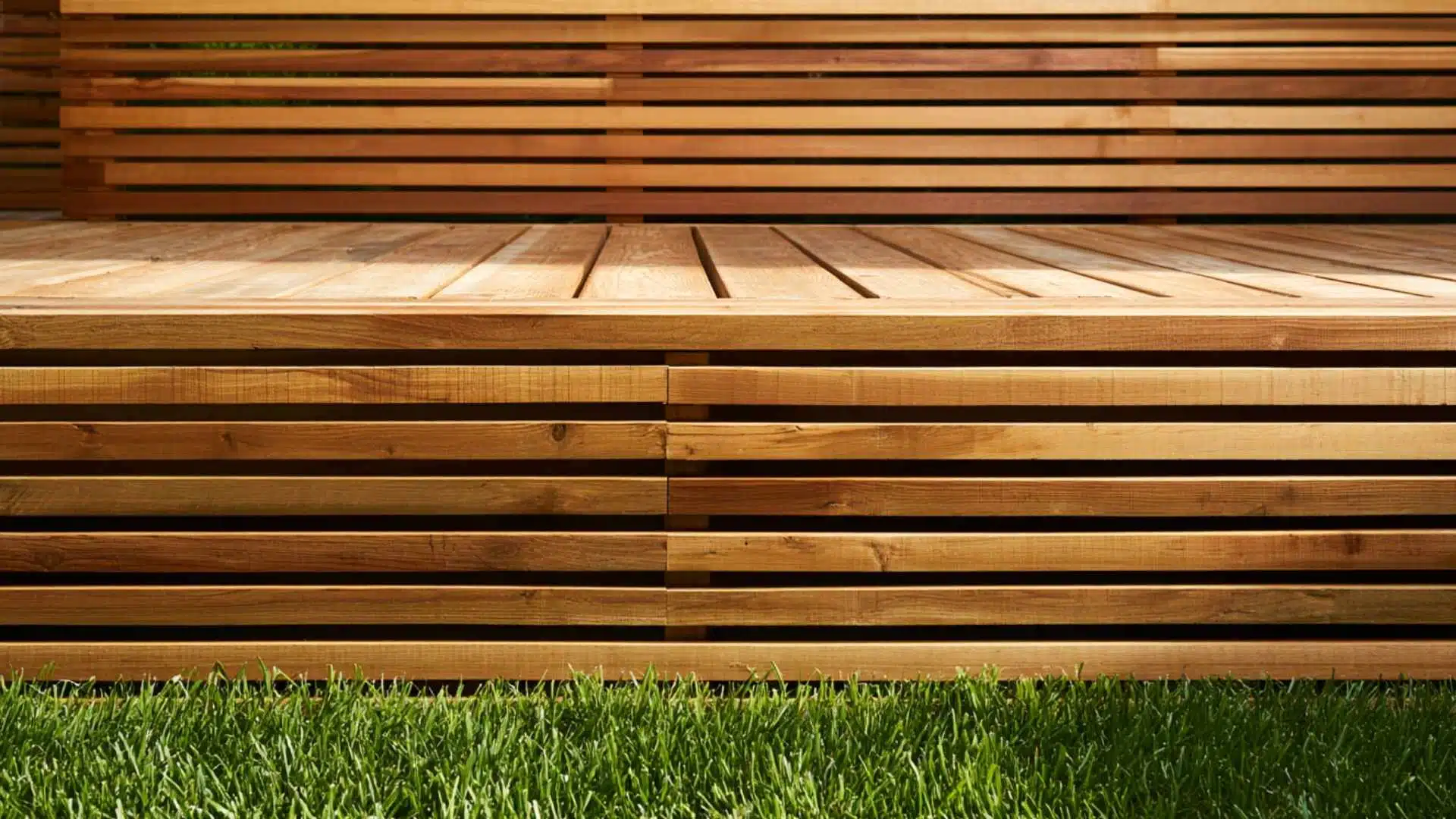
Horizontal slats installed with deliberate gaps between them allow consistent airflow under your deck. The spacing keeps moisture from building up while still blocking visual access to the underside.
You can adjust the gap width depending on how much ventilation your climate requires. It is a clean, modern look that works on both contemporary and traditional homes.
24. Raised Gap Skirting With Airflow Base
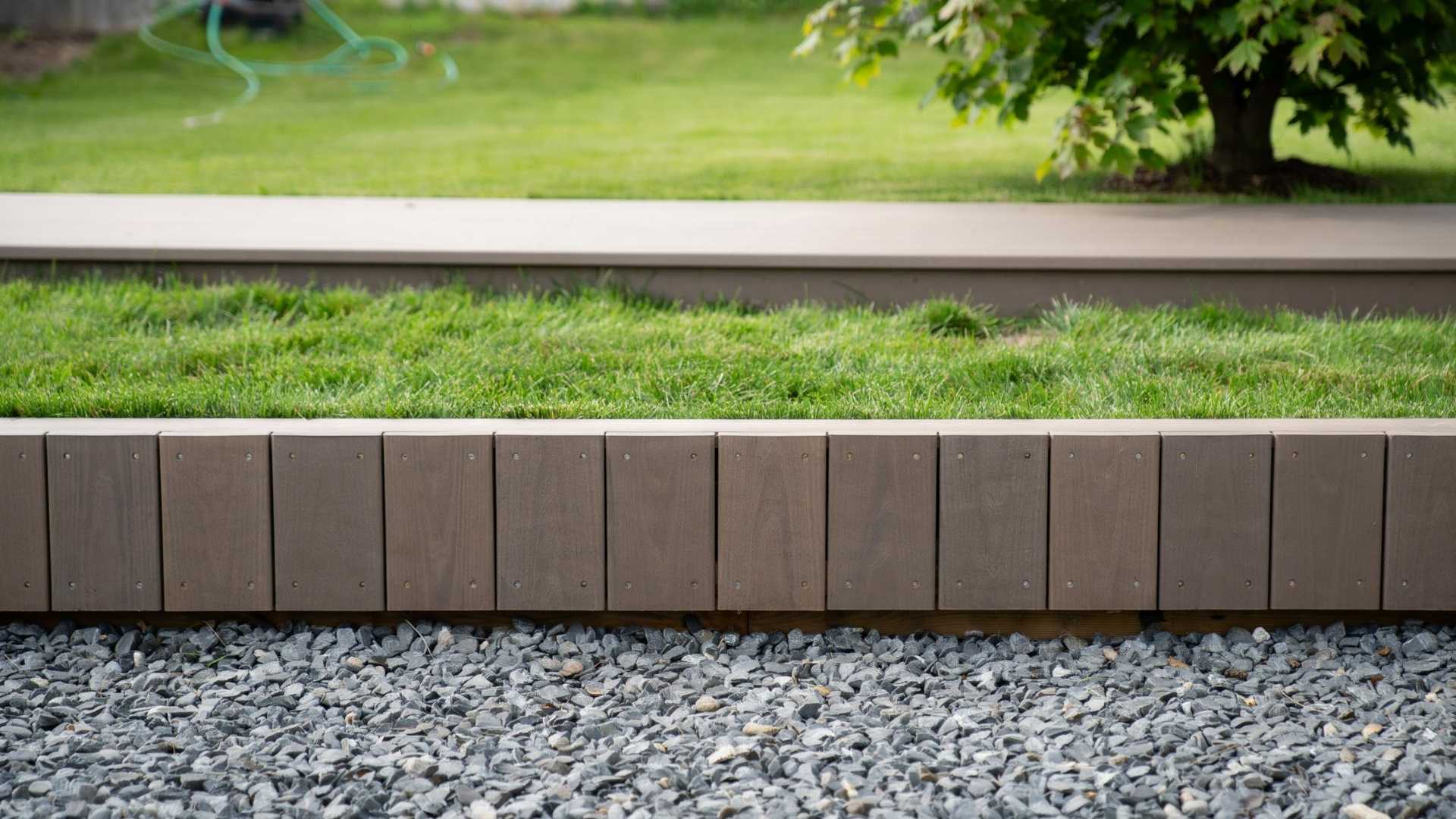
This approach leaves a small gap between the bottom of the skirting and the ground, allowing air to circulate freely at the base. The skirting panels sit slightly above the ground, reducing ground contact and slowing the onset of wood rot.
It is a subtle detail that makes a real difference in how long your skirting lasts. Pair it with a gravel base underneath for even better drainage.
25. Wire Mesh Hidden Behind Wood Frame
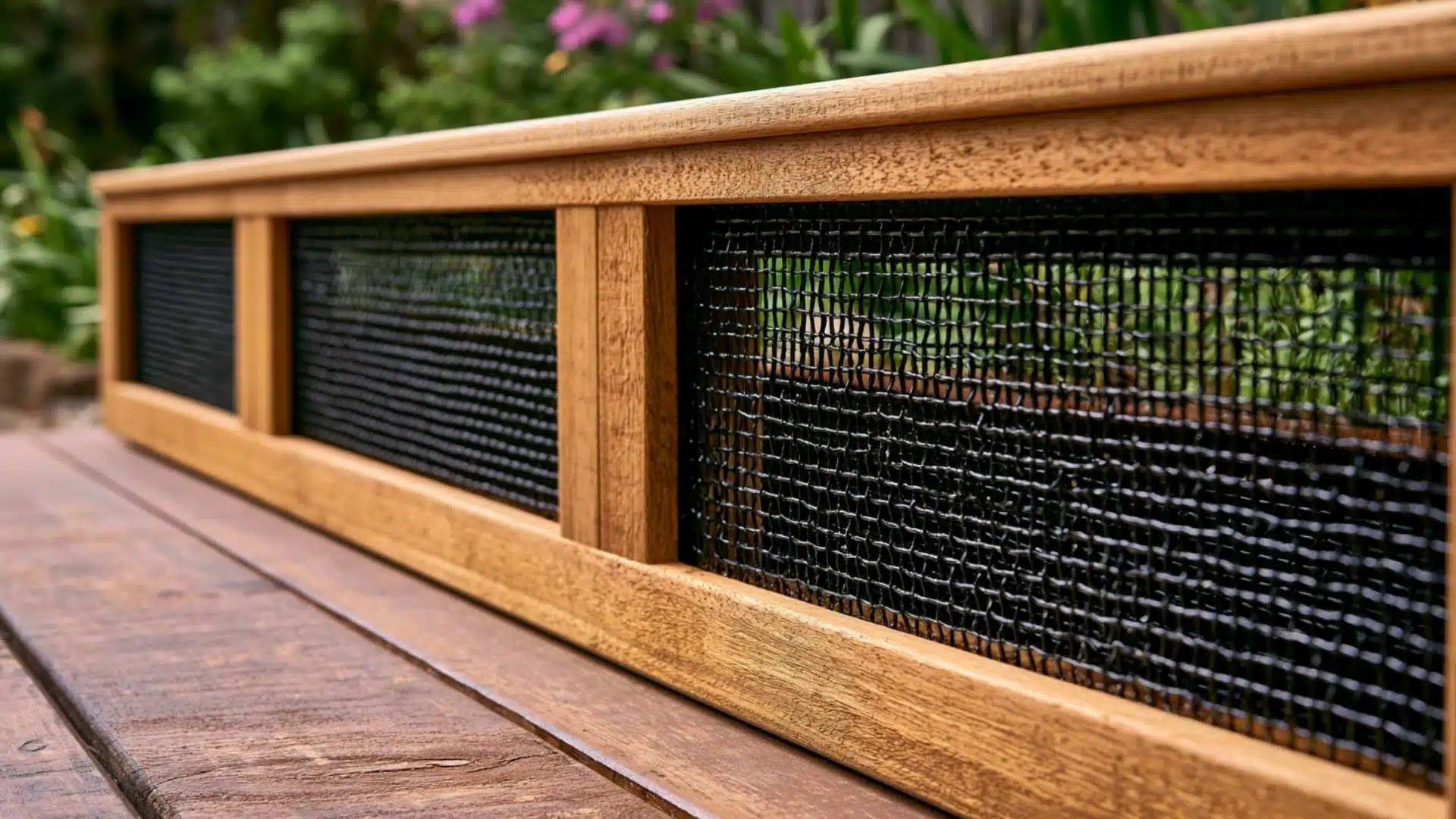
A wood frame filled with wire mesh gives you the appearance of solid skirting with built-in ventilation. The mesh keeps pests out while letting air pass through freely.
From a distance, the wood frame reads as the main feature, while the mesh remains nearly invisible. It is one of the most practical combinations for humid or pest-prone climates.
Airflow skirting is not just about looks. Getting ventilation right underneath your deck protects the structure from the inside out and saves you from costly repairs down the line.
Budget-Friendly Deck Skirting Ideas
You do not need a large budget to get clean, attractive skirting. These options keep costs down without making your deck look like an afterthought.
26. Plywood Painted Skirting Panels
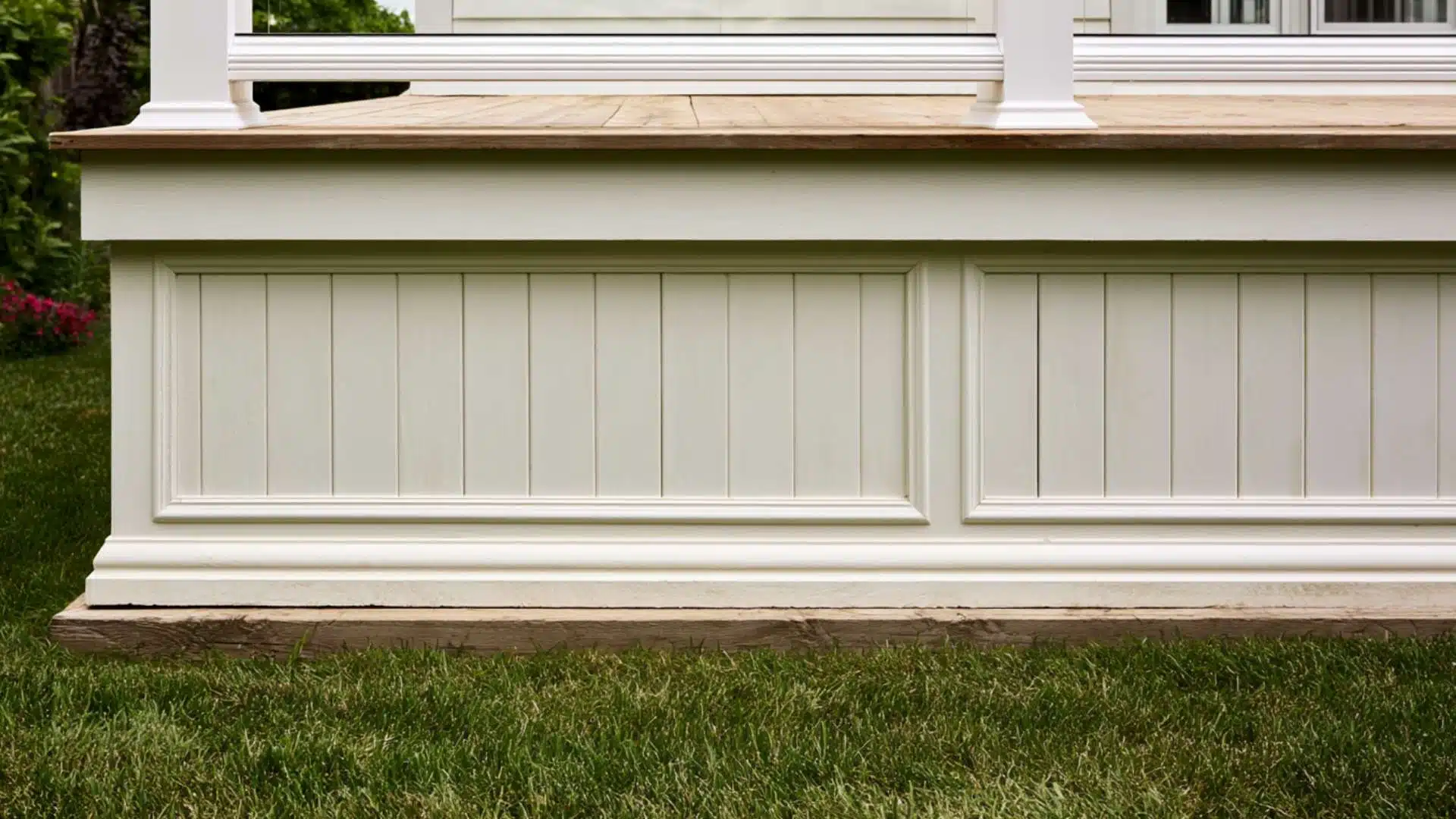
Plywood is one of the most affordable skirting materials available, and with the right painting, it looks far more polished than its price suggests. Cut it to size, prime it well, and apply an exterior paint that matches your deck or home color.
The key is good prep work since plywood that is not properly sealed will warp and peel quickly. When done right, it lasts for several seasons and costs a fraction as much as other materials.
27. Reclaimed Wood Board Skirting
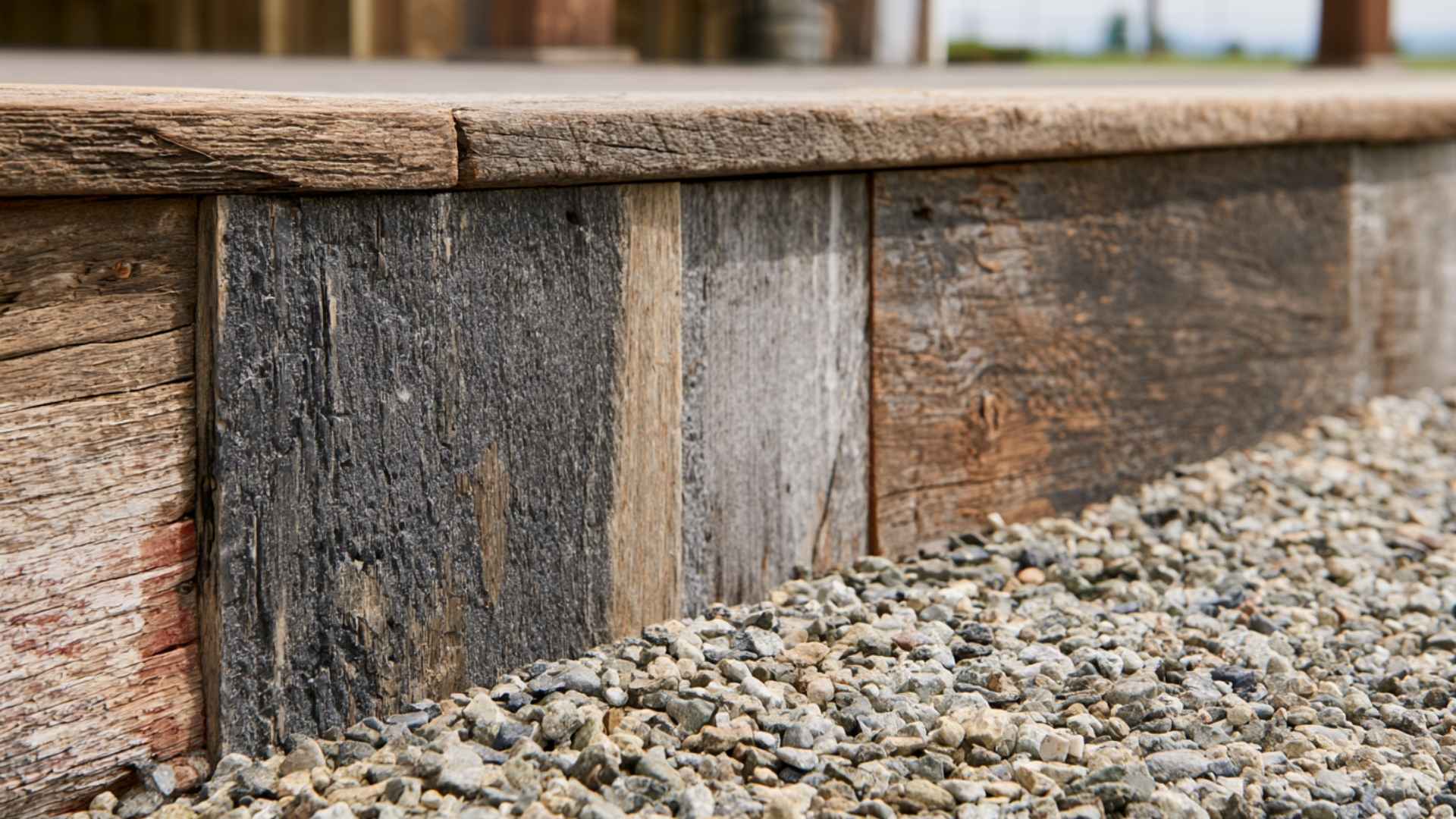
Reclaimed wood brings character and texture that new materials rarely match. Old fence boards, barn wood, or salvaged lumber can be repurposed into skirting panels at very little cost.
Each board has its own grain and tone, so the finished result looks intentionally rustic rather than budget-built. It is also a sustainable choice that is worth more than the price tag.
28. PVC Sheet Skirting
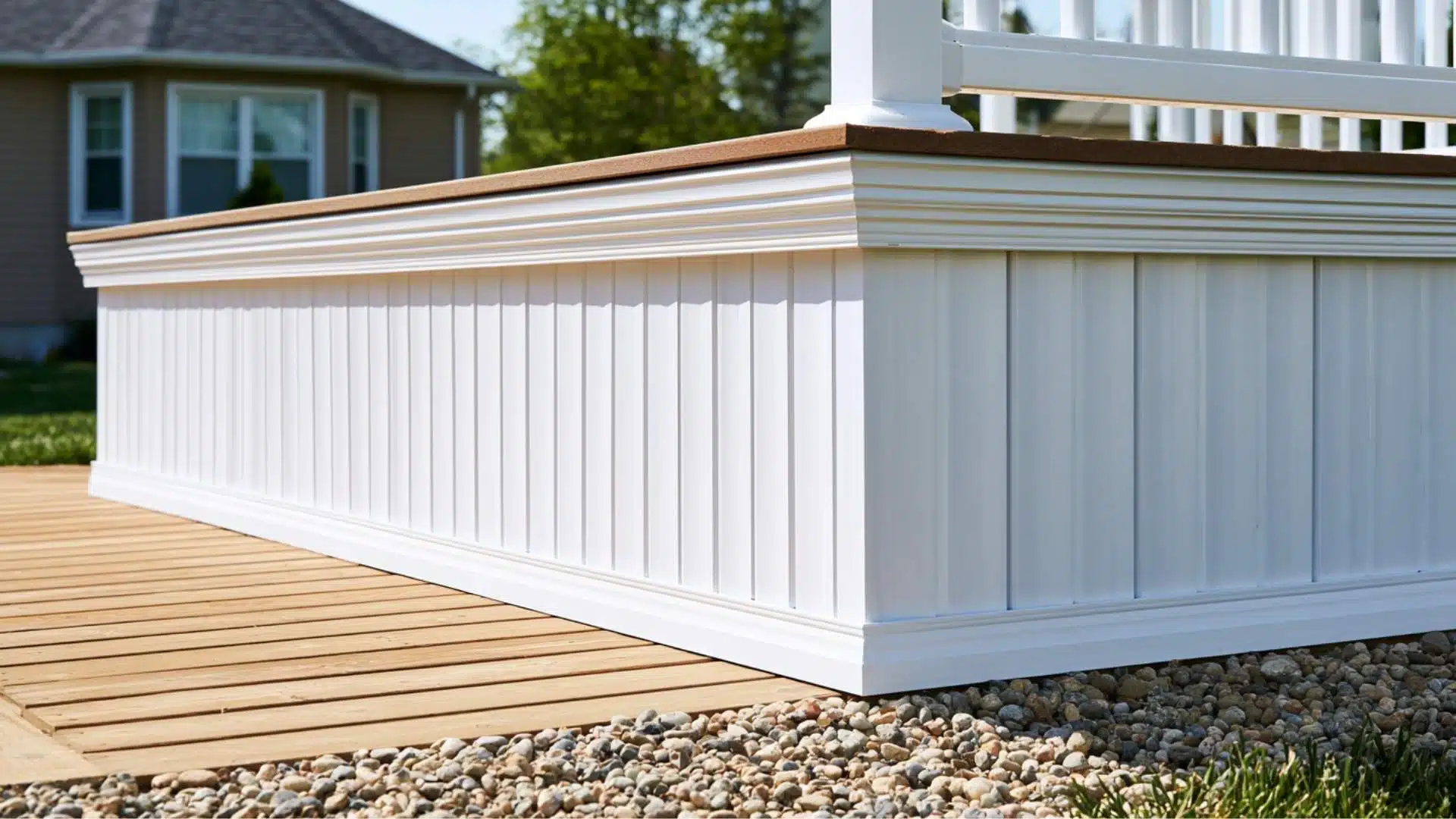
PVC sheeting for panels is affordable, moisture-resistant, and easy to cut and install. It does not rot, warp, or require painting, making it a low-maintenance pick for homeowners who want something functional and clean.
It works especially well in wet climates where wood-based options struggle. The finish is simple, but paired with a good trim detail, it looks neat and finished.
Affordable skirting does not mean settling. With the right material choice and a little prep work, budget-friendly options can look just as good as anything you would pay more for.
Landscaping-Based Deck Skirting Ideas
Not every deck needs panels or boards to look finished. Sometimes the most natural-looking solution is already growing in your yard.
29. Shrub and Hedge Skirting Cover
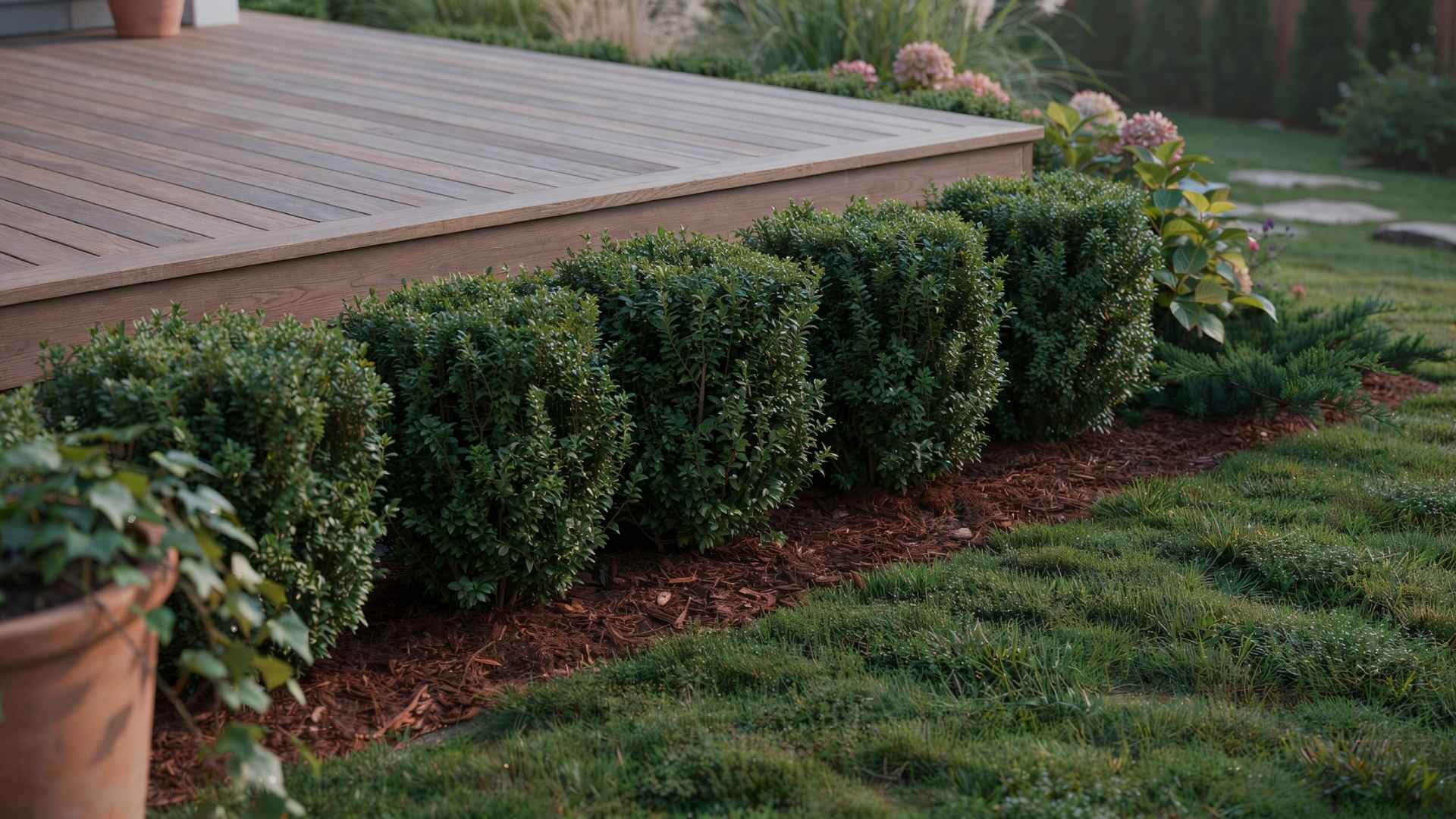
Planting low-growing shrubs or dense hedges along the perimeter of your deck creates a soft, organic screen that blends into the landscape. It requires no cutting, fastening, or finishing work beyond regular trimming.
Boxwood, juniper, and ornamental grasses all work well depending on your climate and how much maintenance you want. The result feels intentional and connected to the garden rather than tacked on as an afterthought.
30. Rock and Gravel Base Under Deck
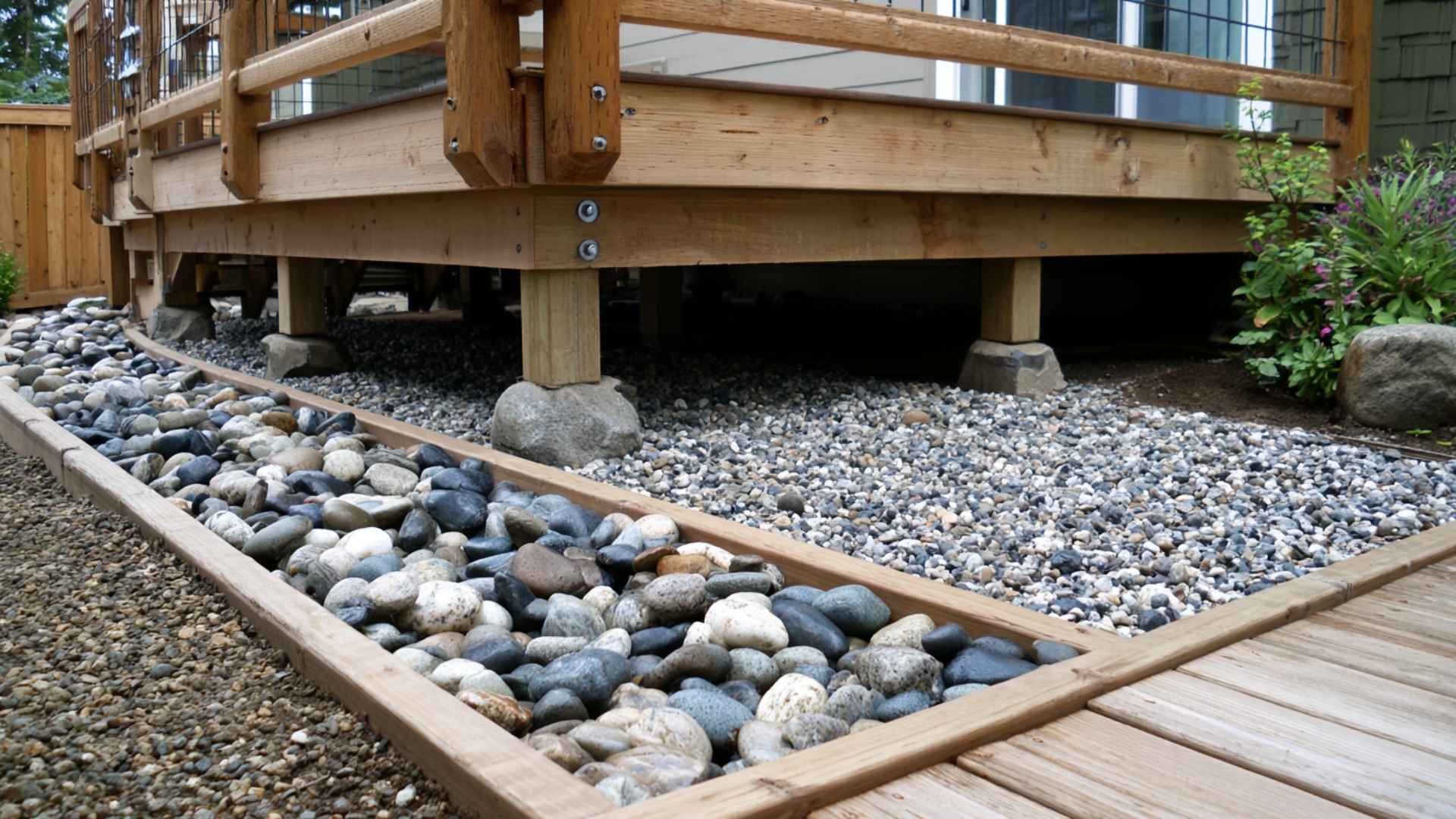
A border of rock or gravel laid along the base of your deck keeps weeds down, improves drainage, and creates a clean visual edge. It does not fully enclose the underside, but it defines the perimeter and makes the space look considered.
Pair it with larger decorative stones for a more polished finish or keep it simple with crushed gravel for a functional, no-fuss look. It is one of the easiest and most affordable ways to clean up the base of your deck without any construction involved.
Landscaping-based solutions work best when your yard already has a natural or relaxed aesthetic. They add to what is already there rather than imposing something new.
Mixed Material Deck Skirting Ideas
Single materials do the job, but combining two creates something with more depth and personality. Mixed material skirting is one of the stronger design trends in outdoor spaces right now.
31. Wood and Stone Combination Skirting
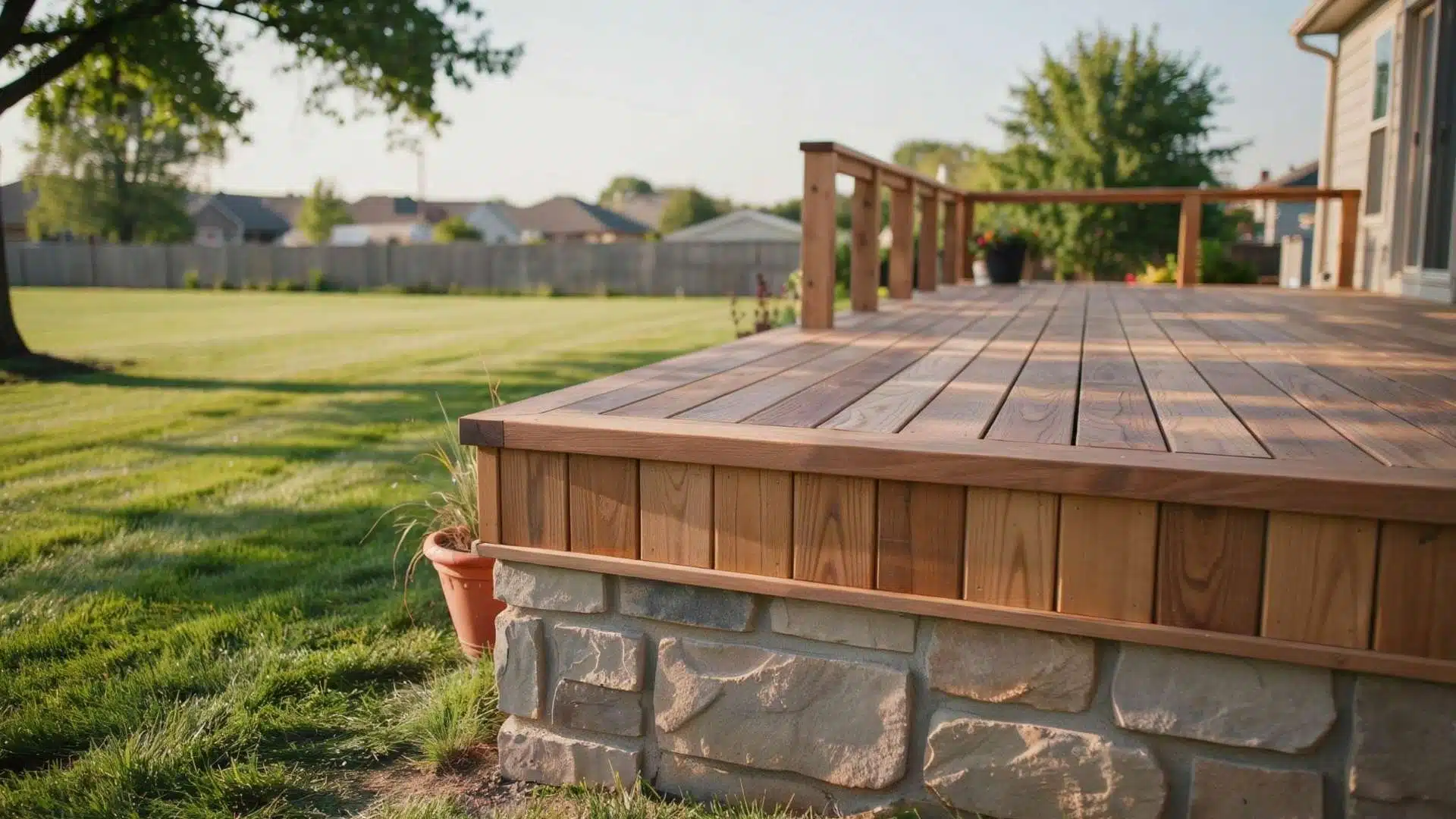
Pairing wood panels with a stone or faux stone base gives your deck a layered, grounded look. The stone sits at the bottom, from where ground contact and moisture are the biggest concerns, while the wood handles the upper portion, where aesthetics matter more.
Each material does what it does best. Together they create a finish that feels both natural and intentional.
How to Choose the Right Deck Skirting Style
Picking the right skirting comes down to more than just what looks good. A few practical factors will narrow your options fast and save you from making a choice you’ll want to redo later.
Match With Home Exterior Design: Your skirting should feel like part of the house, not an afterthought. Look at your siding, trim color, and overall architectural style before committing to a material or pattern.
Consider Ventilation Needs: If your deck sits close to the ground, airflow underneath matters. Open designs like lattice or gapped slats prevent moisture from trapping and causing long-term frame damage.
Climate and Moisture Exposure: Wet or humid climates demand materials that resist rot and warping. Composite and vinyl hold up far better than untreated wood in these conditions.
Maintenance Level: Wood looks great but needs regular sealing and painting. Composite and metal require far less attention. Be honest about how much upkeep you’re willing to do.
Budget Planning: Material costs vary widely. Wood is the most affordable upfront, but composite saves money over time by reducing repair and repainting costs.
Run through each of these points before you buy anything. The right choice will feel obvious once your priorities are clear.
Under Deck Covering Ideas
The space beneath your deck can work harder than you think. Deck covering ideas range from purely practical systems to designs that balance function with a clean, finished look.
Dry Storage Systems
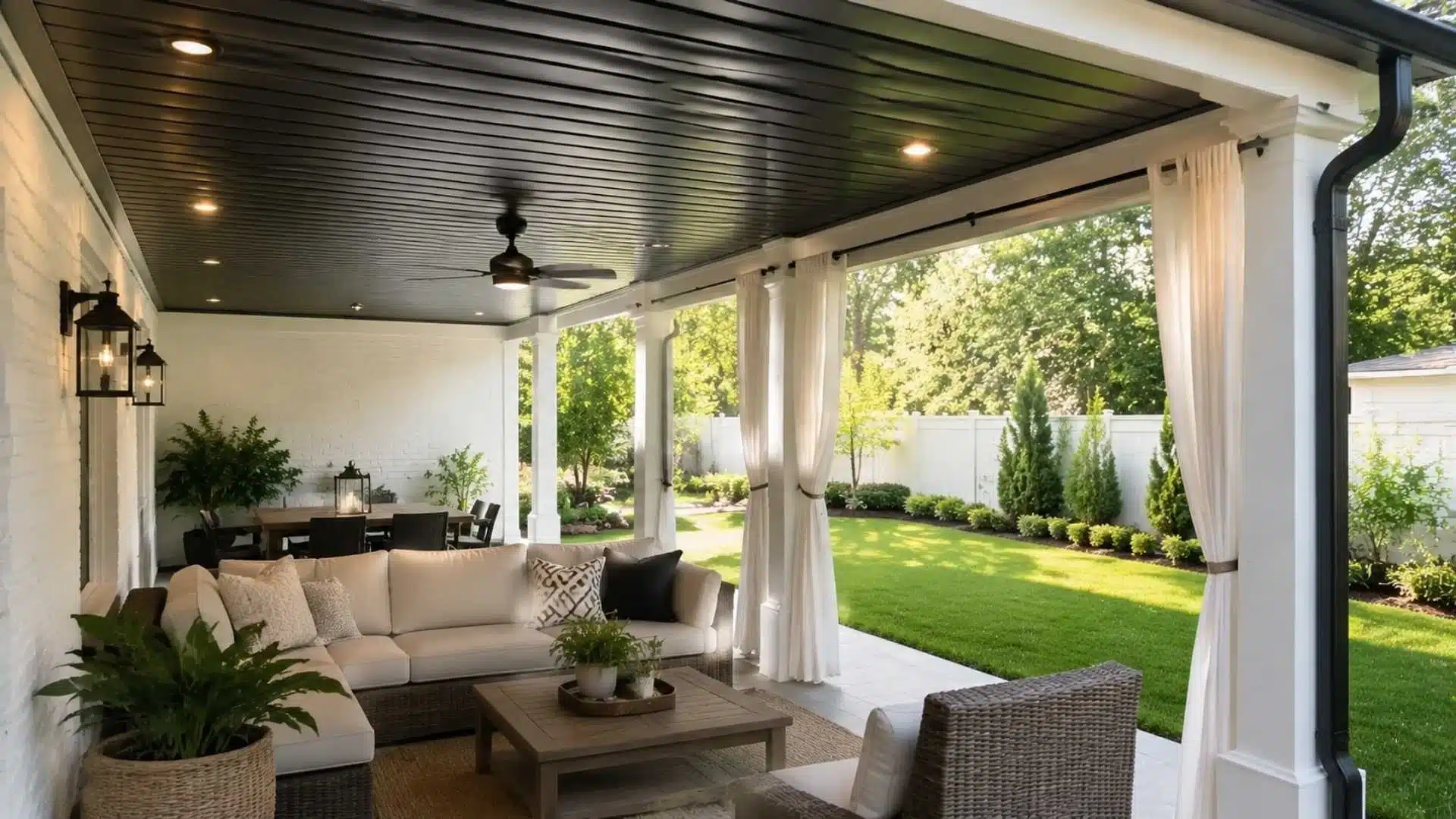
Dry storage systems use ceiling-mounted panels underneath your deck to divert water. This keeps the space below usable even during rain.
It’s a straightforward solution for storing outdoor furniture or equipment without worrying about weather damage. Most systems are modular, so you can install them in sections without tearing apart your existing deck structure.
Waterproof Under-Deck Drainage
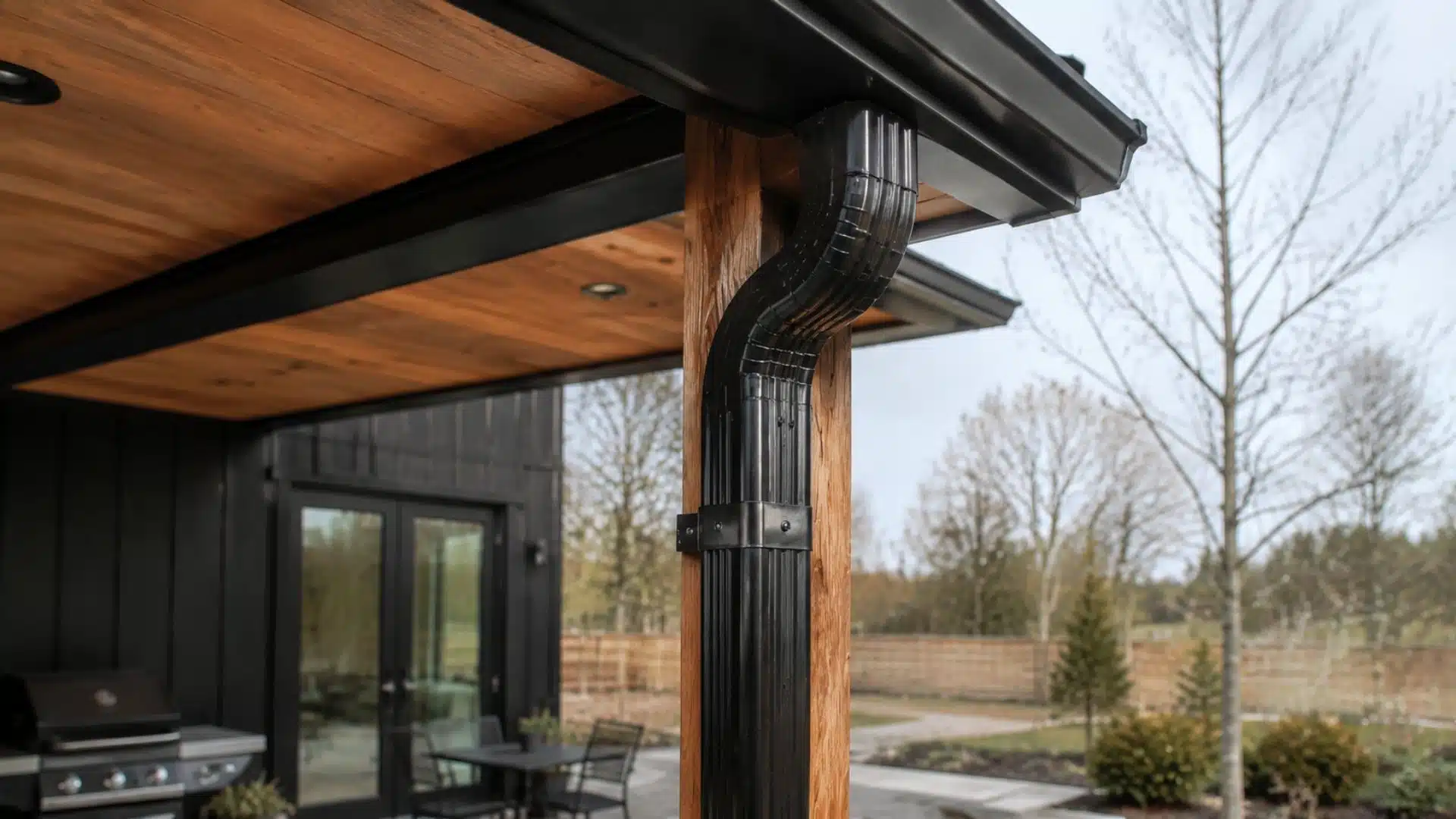
These systems collect and channel water through a network of troughs and downspouts. The area underneath stays dry consistently, not just occasionally.
It’s a stronger investment but works well in rainy climates where moisture is a persistent issue. Some systems also include gutters that direct water to a specific drainage point, keeping your yard tidy in the process.
Outdoor Kitchen Setup
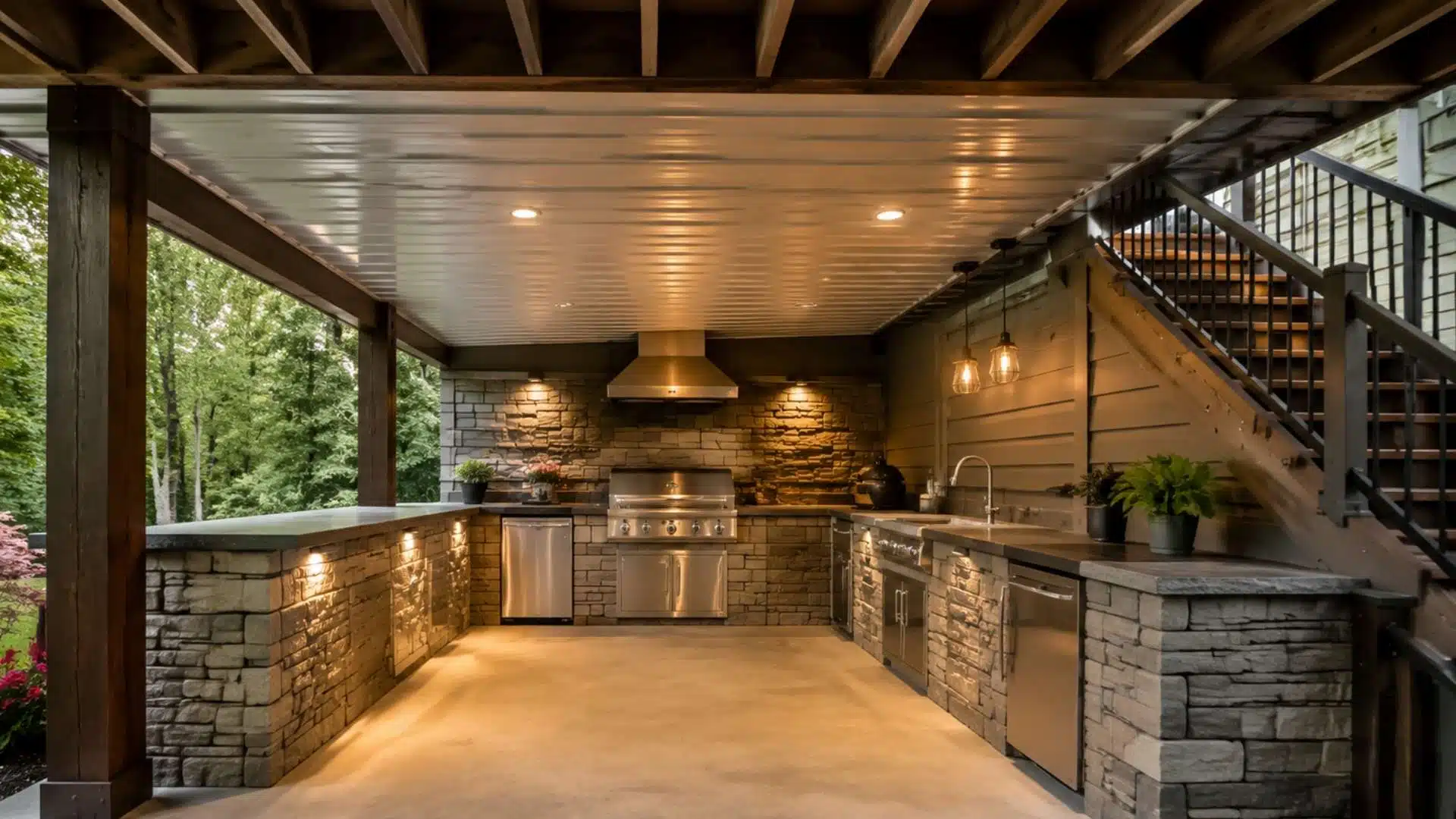
An outdoor kitchen under a covered deck works best when the space stays completely dry, allowing safe grilling and barbecue setups without moisture issues. It creates room for a grill, prep counter, and seating area, turning the under-deck zone into a practical cooking and entertainment space year-round.
Proper waterproofing above ensures smoke, heat, and water runoff never interfere with the setup. This makes the space more durable, low-maintenance, and ideal for regular outdoor cooking activities.
Enclosed Hot Tub Retreat
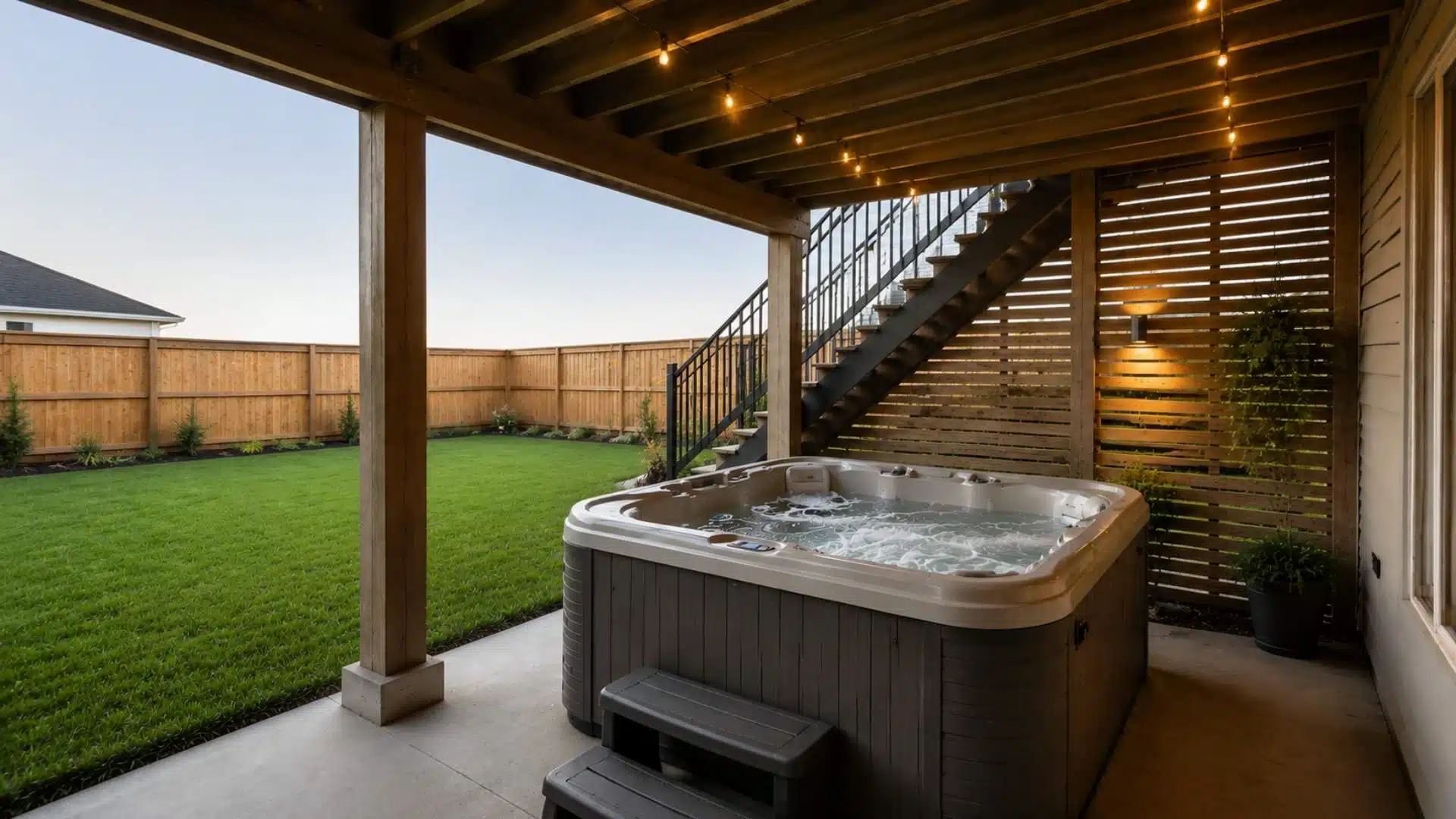
Soaking in the hot tub under a covered deck creates a relaxing outdoor escape that stays usable in any weather. The covering adds privacy, shields against sun and rain, and pairs well with proper drainage and ventilation for comfort.
Built-in lighting enhances evening use and creates a resort-like atmosphere.
Privacy screens or panels make the space feel more enclosed and comfortable.
Works best when combined with waterproof decking and proper airflow design.
From simple dry storage to a fully finished space, there’s a covering system that fits your needs. Match the solution to how you actually plan to use the area underneath.
Common Problems with Deck Skirting and How to Avoid Them
Even well-built skirting can run into issues if a few key details get overlooked. Knowing what typically goes wrong makes it much easier to get it right the first time.
| Problem | Why It Happens | How to Avoid It |
|---|---|---|
| Poor Ventilation Leading to Mold | Solid skirting with no airflow traps moisture underneath | Use gapped slats or lattice panels to keep air moving |
| Warping in Wooden Skirting | Untreated wood absorbs moisture and expands over time | Seal and prime all wood before installation, and repaint regularly |
| Pest Intrusion Gaps | Small openings at joints or ground level invite animals in | Use hardware cloth behind open designs and seal base gaps properly |
| Water Pooling Under Deck | Poor grading or no drainage channel directs water inward | Grade the ground away from your home and add a gravel base |
| Incorrect Ground Clearance | Skirting installed too close to the soil accelerates rot and pest entry | Maintain at least a two-inch gap between skirting and ground level |
Most of these problems are avoidable with a little planning upfront. Sort out ventilation, drainage, and clearance before installation, and you’ll save yourself a lot of trouble later.
Maintenance Tips for Long-Lasting Deck Skirting
Good skirting doesn’t stay that way on its own. A little regular attention goes a long way toward keeping it looking clean and functioning properly for years.
Seasonal Cleaning Routines: Rinse your skirting down at the start and end of each season. Dirt, pollen, and debris build up faster than you’d expect, and a quick wash prevents staining and surface deterioration over time.
Repainting or Resealing Wood: Wood skirting requires a fresh coat of sealant or paint every 2 to 3 years. Don’t wait until it starts peeling. Staying ahead of it keeps moisture out and noticeably extends the material’s lifespan.
Checking for Moisture Damage: Run a quick inspection after heavy rain or winter. Soft spots, discoloration, or swelling are early signs of water damage. Catching it early saves you from having to replace entire panels later.
Inspecting Pest Entry Points: Check joints, corners, and the base gap regularly. Small openings appear over time as materials shift. Seal them promptly before animals find their way in and settle underneath.
Replacing Warped Panels: A single warped panel compromises the appearance and structural integrity of the entire section. Swap it out as soon as you notice it rather than leaving it and letting the problem spread.
None of these tasks takes much time, but skipping them adds up. Stay consistent, and your skirting will hold its shape and appearance through many seasons without major repairs.
Conclusion
There is no single perfect answer when it comes to deck skirting ideas, and that is actually a good thing. Your deck has its own dimensions, your home has its own style, and your budget has its own limits.
The options covered here give you enough range to find something that fits all three.
Whether you go with clean horizontal slats, durable composite panels, or a budget-friendly plywood build, the right choice is the one that works for your specific space.
Pick your material, plan your ventilation, and get it done. Your deck deserves a finished look from every angle.
Ready to upgrade your outdoor space? Start with one section and build from there.
Frequently Asked Questions
What is the Best Material for Deck Skirting in Wet Climates?
Composite and vinyl hold up best in wet climates. Both resist moisture, warping, and rot without requiring frequent repainting or sealing the way wood does.
Can You Add Storage Space Underneath a Skirted Deck?
Yes. Enclosing your deck with skirting and adding an access panel or door turns the underside into usable storage for tools, cushions, and seasonal equipment.
Does Deck Skirting Require a Building Permit?
It depends on your local codes. Most decorative skirting installations are permitted without a permit, but enclosed utility conversions or structural changes may require approval from your local building authority.