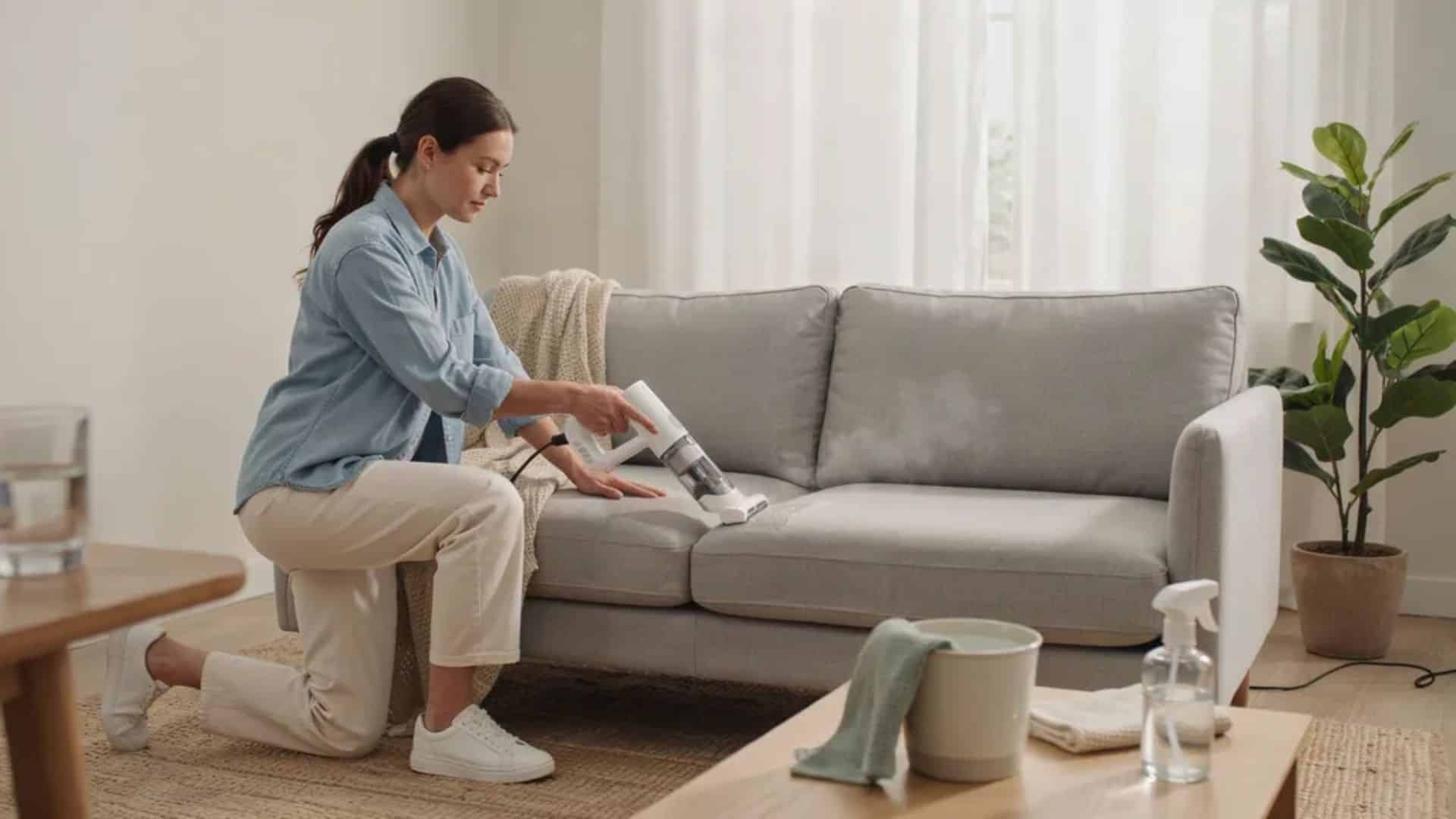
Couch cushions take a beating from spills, pet hair, body oils, and everyday use, and the buildup can add up faster than you think. Most people either ignore the mess or scrub too hard, damaging the fabric.
Neither approach works. Knowing how to clean couch cushions the right way means understanding your fabric type, choosing the correct products, and following a method that lifts dirt without leaving residue or causing shrinkage.
From tackling tough stains to drying cushions without ruining their shape, every step matters more than most people realize. Get this right once, and you will never have to guess again.
What Couch Cushion Cleaning Really Means for Home Care
Knowing how to clean couch cushions is one of the most overlooked parts of keeping a sofa in good shape. Cushions collect sweat, dust, food crumbs, and pet hair faster than any other part of the sofa and couch because they take the most direct contact every single day.
Moisture also gets trapped deep inside the foam over time, which leads to odor and wear if left unchecked. Keeping up with light cleaning every week makes a real difference in how the cushions feel and look.
A deeper clean every six months, or more often depending on use, helps the cushions stay fresh and last longer.
Quick Check Before Starting Before you start cleaning, look at the fabric tag on each cushion. The codes W, S, WS, and X tell you which cleaning method is safe to use. W means water-based cleaning is fine, S means solvent or dry clean only, WS allows both, and X means vacuuming only with no liquids at all. Check whether the covers can be removed. Also, take a quick look at the foam inside for any signs of damage or infestation to make sure it is still in good condition before getting it wet.
|
Can You Wash Couch Cushions at Home?
In many cases, yes, but it depends on the type of cushion. If the cover has a removable zipper and the fabric tag shows a W or WS code, machine washing is usually safe. Always check the zipper strength and fabric weight before tossing anything in.
Delicate fabrics carry a real risk of shrinkage, and foam-filled cushions without removable covers should never go in a machine.
For those, spot cleaning, hand washing with a mild solution, or steam cleaning are much safer options that still get the job done well.
Tools and Materials Needed
|
How to Clean Couch Cushions Step by Step
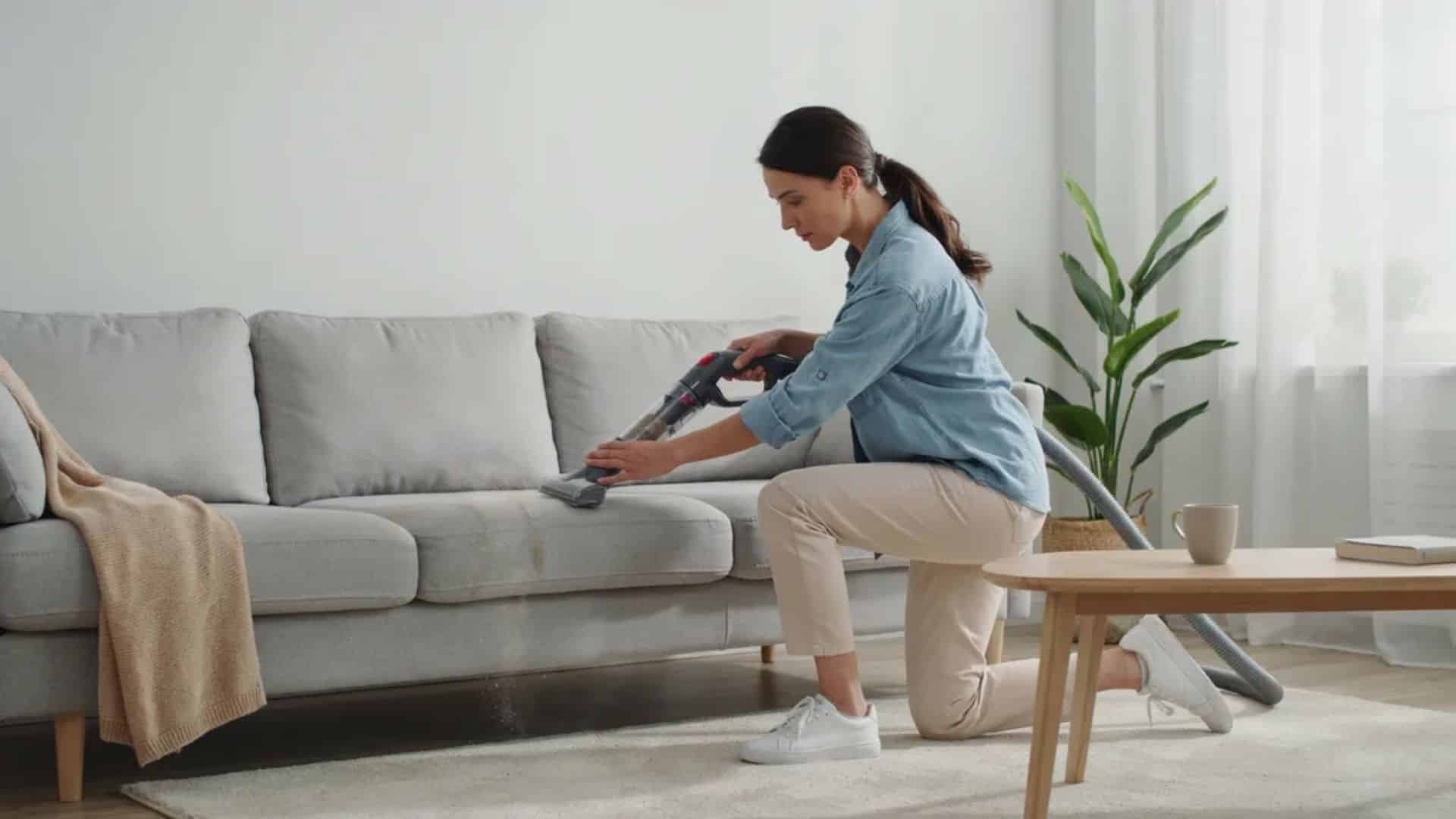
Learning how to clean couch cushions the right way starts with knowing the correct order of steps. Skipping straight to wet cleaning without prepping the surface first can push dirt deeper into the fabric.
1. Basic Dry Cleaning Before Any Wet Method
Start by vacuuming both sides of each cushion thoroughly. Use an upholstery attachment if you have one to pull out pet hair and debris stuck in the fabric.
Flip each cushion over and vacuum the underside too, since dirt settles there just as easily. Removing all loose debris before introducing any moisture gives you a much cleaner starting point and stops grime from spreading when wet.
2. Spot Cleaning Stains the Right Way
Mix a small amount of mild dish soap with warm water to make a gentle cleaning solution. Apply it directly to the stain and blot with a clean cloth; never rub, as rubbing pushes the stain deeper into the fibers.
Treating stains as soon as they happen makes the job significantly easier. Fresh stains respond much faster to a simple blot and rinse than ones that have had time to set into the fabric.
3. Deep Cleaning Method for General Buildup
Fill a bucket with warm water and a fabric-safe cleaning solution. Use a soft brush or cloth to work the solution into the cushion surface in gentle circular motions.
Rinse by wiping with a damp, clean cloth rather than pouring water directly onto the cushion. Avoiding oversaturation is key here because soaking the foam inside takes a long time to dry, and moisture buildup can cause mildew if it gets trapped.
How to Wash Couch Cushion Covers in a Washing Machine
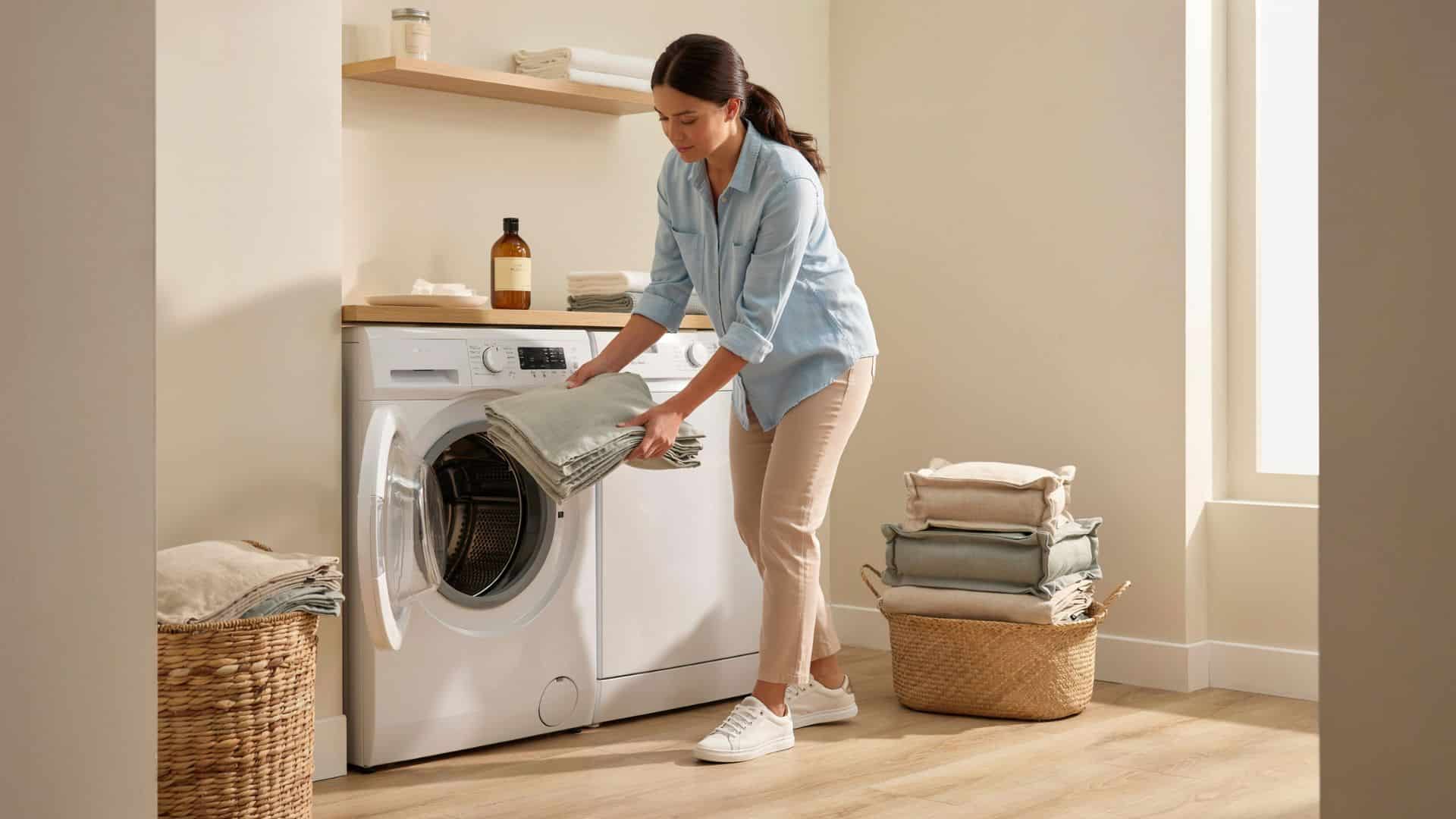
When the fabric tag gives the go-ahead, washing couch cushion covers in a machine is one of the quickest ways to get them properly clean. Using the right settings and handling them with care before and after the wash makes a big difference in how well they hold up.
1. Preparing Covers Before Washing
Start by carefully removing each cover through the zipper without forcing it, since the zipper teeth can snag or bend if pulled too fast. Turn every cover inside out before placing it in the machine.
This protects the outer fabric surface during the wash cycle. If there are any visible stains, pre-treat them with a small amount of mild detergent and let them sit for a few minutes before loading the machine.
2. Best Wash Settings to Use
Always use cold water when washing couch cushion covers. Hot water increases the risk of shrinking and can cause colors to fade faster than expected.
Set the machine to a gentle or delicate cycle to reduce agitation on the fabric. Use a small amount of mild detergent and avoid fabric softeners, since they can leave a residue that attracts more dust and dirt over time.
3. Drying Without Shrinking or Damage
Once the wash is done, skip the dryer and lay the covers flat to air dry instead. Direct heat from a dryer is one of the most common causes of cushion covers shrinking or losing their shape.
While the covers are still slightly damp, reshape them by hand and smooth out any wrinkles. Putting them back on the cushions while just a little damp also helps them fit back into shape more naturally as they finish drying.
How to Clean Non-Removable Couch Cushions
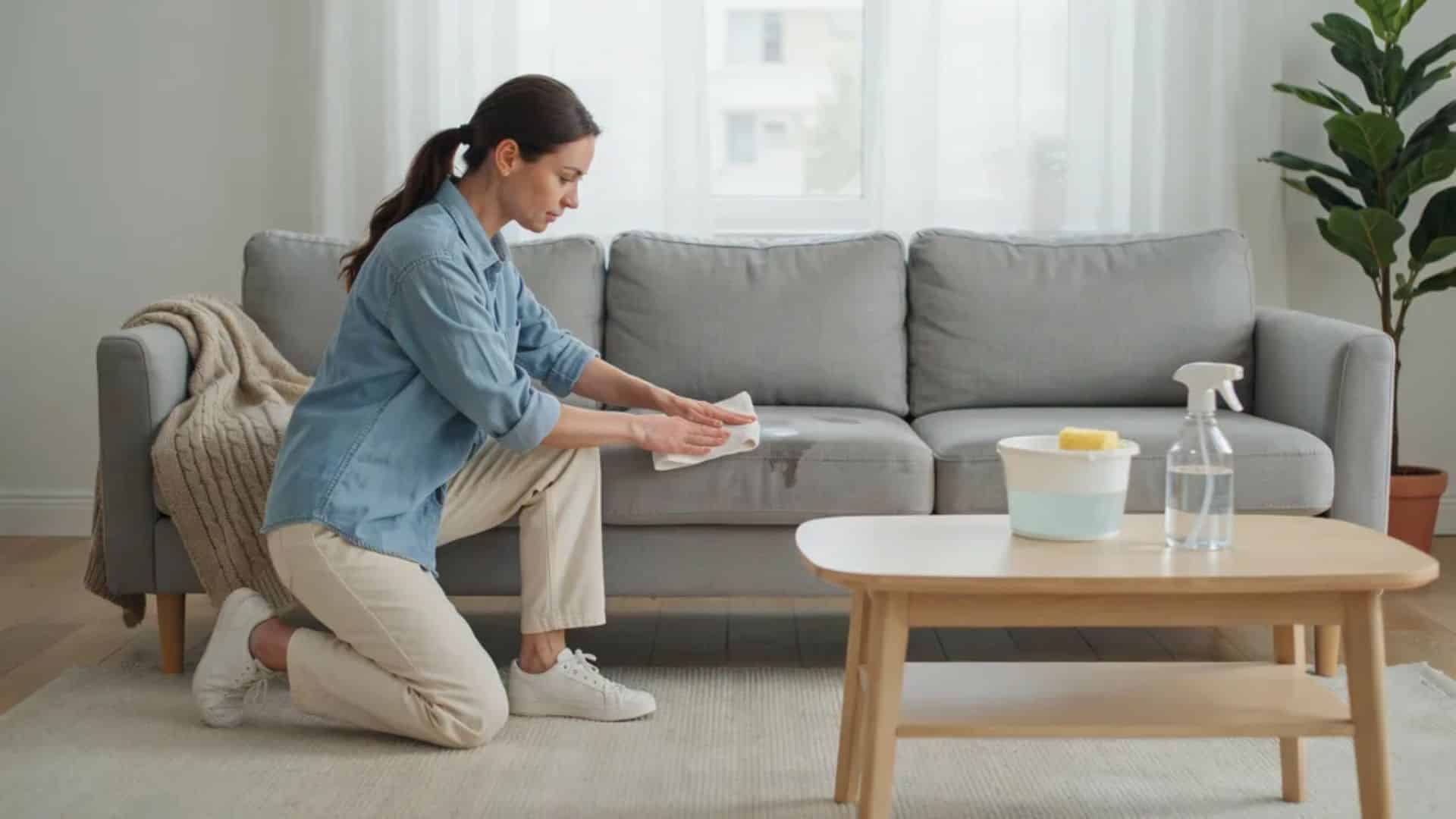
Not every couch comes with covers that zip off, and that does not mean the cushions have to stay dirty. Cleaning non-removable couch cushions just takes a slightly different approach that focuses on surface cleaning and moisture control to avoid damaging the foam inside.
1. Hand Cleaning Foam Safely
Mix a small amount of mild liquid soap with warm water to create a light cleaning solution. Dip a clean cloth into the solution, wring it out well so it is only slightly damp, and gently work it across the cushion surface.
The goal is to clean the fabric without letting moisture soak through to the foam underneath. Oversaturating the cushion makes it very hard to dry properly and raises the risk of mildew forming inside.
2. Removing Odors From Cushions
Baking soda works really well for pulling odors out of cushions that cannot be removed and washed. Sprinkle a generous amount across the cushion surface and let it sit for at least 15 to 30 minutes before vacuuming it off completely.
Good air circulation helps just as much. Taking cushions outside on a dry day or placing them near an open window allows fresh air to move through the fabric and naturally reduce any lingering smell.
3. Steam Cleaning Option for Deep Dirt
Steam cleaning is a solid option when surface cleaning is not enough to tackle built-up dirt and grime. The heat from steam helps loosen debris and kills bacteria without soaking the cushion the way liquid cleaning does.
Before using a steam cleaner, always check the fabric tag first to confirm the material can handle heat and moisture. Some delicate fabrics can pucker or warp when exposed to direct steam, so a quick check before starting saves a lot of trouble.
How to Clean Couch Cushions Without Water
If your cushion’s fabric tag shows an S code, water is not an option. Using it can leave permanent ring marks or damage the fibers. Dry cleaning methods handle most of the same buildup without any moisture.
For general dirt and odor, sprinkle baking soda generously over the cushion, let it sit for 15 to 30 minutes, then vacuum it off completely. This pulls out mild odors and surface dust without touching the fabric with liquid.
For spot stains on S-code microfiber, pour a small amount of rubbing alcohol onto a clean white cloth and blot the stain gently from the outside inward.
The alcohol lifts the mark and evaporates quickly, leaving no water residue behind. A dry foam upholstery cleaner is another solid option for broader cleaning on solvent-only fabrics. Apply it, let it dry, then brush or vacuum off the residue.
Note: Baking soda is not suitable for silk, velvet, or leather. Always do a spot test on a hidden area before applying it to the full cushion.
How to Clean Couch Cushions Based on Fabric Type
Not every fabric responds the same way to cleaning, and using the wrong method on the wrong material can cause damage that is hard to reverse.
| Fabric Type | Safe Cleaning Method | What to Avoid |
|---|---|---|
| Cotton | Warm water and mild soap, machine wash if removable | Hot water, high dryer heat |
| Microfiber | W-code: warm water and mild dish soap solution. S-code: undiluted rubbing alcohol only | Using water on an S-code microfiber cover, which causes water marks and ring stains |
| Velvet | Soft brush and dry cleaning solvent for regular care; some velvet covers tolerate a cold, gentle machine wash. Check the label first | Steam, high heat, wringing, or tumble drying |
| Linen | Cold water spot clean or professional dry clean | Machine washing, which causes heavy shrinkage |
| Polyester Blend | Mild soap and cold water, machine wash on gentle if removable | Bleach and high heat drying |
| Suede | Dry suede brush for debris, suede-specific cleaner applied with a clean cloth | Water, rubbing, or any liquid not made for suede |
| Leather | Damp cloth wipe with leather-specific cleaner | Soaking, abrasive cloths, or dish soap |
Matching your cleaning method to your fabric type is the simplest way to keep cushions looking good without causing accidental damage.
Couch Cushion Stains and How to Handle Them
Different stains need different treatments, and using the wrong method can set a stain deeper into the fabric. Here is a quick breakdown of the most common ones and how to deal with them.
| Stain Type | First Step | Cleaning Method |
|---|---|---|
| Coffee, Juice, Sauce | Blot immediately with a dry cloth | Mild soap and cold water solution, blot and rinse |
| Pet Stains and Odor | Absorb as much as possible with paper towels | Enzyme-based cleaner applied directly to the area |
| Oil and Grease Marks | Cover with baking soda or cornstarch to absorb the oil | Brush off powder, then apply mild detergent with a damp cloth |
Acting fast is the most important part of stain removal. The sooner you treat a spill on your couch cushions, the better the result.
When DIY Cleaning Isn’t Enough
Most couch cushion cleaning can be handled at home, but there are situations where a professional clean is the smarter call. If the foam still smells damp days after drying, the moisture has gone deeper than surface cleaning can reach.
Persistent odors, visible mold growth, or stubborn stains set in for weeks are all signs that home methods have hit their limit. Delicate fabrics like velvet or silk also carry enough risk that professional handling is worth the cost.
Having a professional upholstery cleaner once a year for heavily used sofas extends the life of the cushions well beyond what regular home cleaning alone can.
Drying and Restoring Cushion Shape After Cleaning
Getting the drying step right is just as important as the cleaning itself. Here is what to keep in mind.
- Lay cushions flat on a clean, dry surface in a well-ventilated area to allow even airflow on all sides during drying.
- Fluff and reshape the foam by hand while the cushion is still damp, and rotate it every few hours to ensure even drying.
- Keep cushions away from direct sunlight for extended periods and never use high dryer heat settings, as both can cause damage.
Follow these drying steps, and your cushions will come out clean, firm, and back to their original shape.
What People Are Actually Saying About Cleaning Couch Cushions
Most people figure out the best way to clean couch cushions through trial and error, and the advice they share from that experience is genuinely useful.
A lot of people swear by the cold, gentle cycle for removable covers and say air drying is the one step they will never skip again after shrinking a cover once.
Others have found that leaving baking soda on cushions overnight works far better than any store-bought spray at removing deep odors.
How Often Should You Clean Couch Cushions?
For most households, a light vacuum of the cushion surface once a week is enough to keep dust, crumbs, and pet hair from building up. A deeper spot clean should happen as soon as spills occur, not days later when the stain has already set.
A full clean of the cushion covers, using whichever method suits the fabric, works well every three to six months for everyday use.
Households with pets, young children, or heavy daily use are better off doing that deeper clean every two to three months. Sticking to a light but regular routine means the bigger cleans take far less time and effort when they come around.
Common Mistakes That Ruin Couch Cushions
Small cleaning errors can do more harm than the dirt itself. These are the four most common mistakes people make when cleaning couch cushions, along with how to avoid them.
- Rubbing stains instead of blotting them: Rubbing pushes the stain deeper and spreads it wider. Always blot with a clean cloth, working from the outside inward.
- Using too much water on foam cushions: Oversaturating the foam traps moisture deep inside. If it does not dry fully, odor and mold set in fast.
- Skipping the fabric tag check: Using the wrong cleaning method for the fabric code can cause permanent damage before you realize what went wrong.
- Putting covers back on before they are fully dry: Damp covers trap moisture against the foam, which is the leading cause of musty-smelling cushions within days of cleaning.
Getting these basics right takes almost no extra effort and saves you from having to replace cushions far sooner than expected.
Conclusion
Clean cushions are not out of reach, and you do not need professional help to get there. Once you understand your fabric type and follow the right steps, the whole process becomes straightforward.
Dirt, stains, and odors have no chance when you stay consistent. That is really what learning how to clean couch cushions comes down to: knowing what works for your specific couch and sticking with it.
Your couch sees daily use, so give it the care it deserves. Try these steps this weekend and see the difference for yourself. Got questions? Drop them in the comments below.
Frequently Asked Questions
Can You Put Couch Cushions in the Washing Machine?
Only if the fabric tag shows a W or WS code and the covers are fully removable.
What is the Best Way to Remove Odors From Couch Cushions?
Baking soda left on the cushion for 15 to 30 minutes, then vacuumed off, works very well.
How Long Do Couch Cushions Take to Dry After Cleaning?
Most cushions take between two and six hours, depending on the cushion type and airflow available.
Is Steam Cleaning Safe for All Couch Cushions?
No, always check the fabric tag first, as some materials can warp or pucker when exposed to direct steam.