Picking the right floor can feel overwhelming, especially when two options look so similar on the surface. Laminate flooring vs LVP is one of the most common debates right now, and for good reason.
Both are affordable, stylish, and easy to install. But they are not the same, and choosing the wrong one can cost you more than just money.
Each option has a clear edge depending on where you plan to use it, your budget, and how much wear and tear the floor needs to handle. The difference is simpler than you think, but the details really do matter.
Quick Take on Laminate vs LVP
If you want the fastest answer, LVP is usually the better choice for moisture-prone areas, while laminate often appeals more to budget-conscious homeowners.
LVP stands out for its waterproofing and durability, especially in homes with kids, pets, or heavy foot traffic. Laminate, on the other hand, is often less expensive and can offer a more natural wood-like feel in dry spaces.
Comfort is less straightforward, since both can feel different depending on the product quality and underlayment.
| Feature | Best Option |
|---|---|
| Waterproof | LVP |
| Budget Friendly | Laminate |
| Durability | LVP |
| Comfort | Depends |
Understanding Laminate Flooring
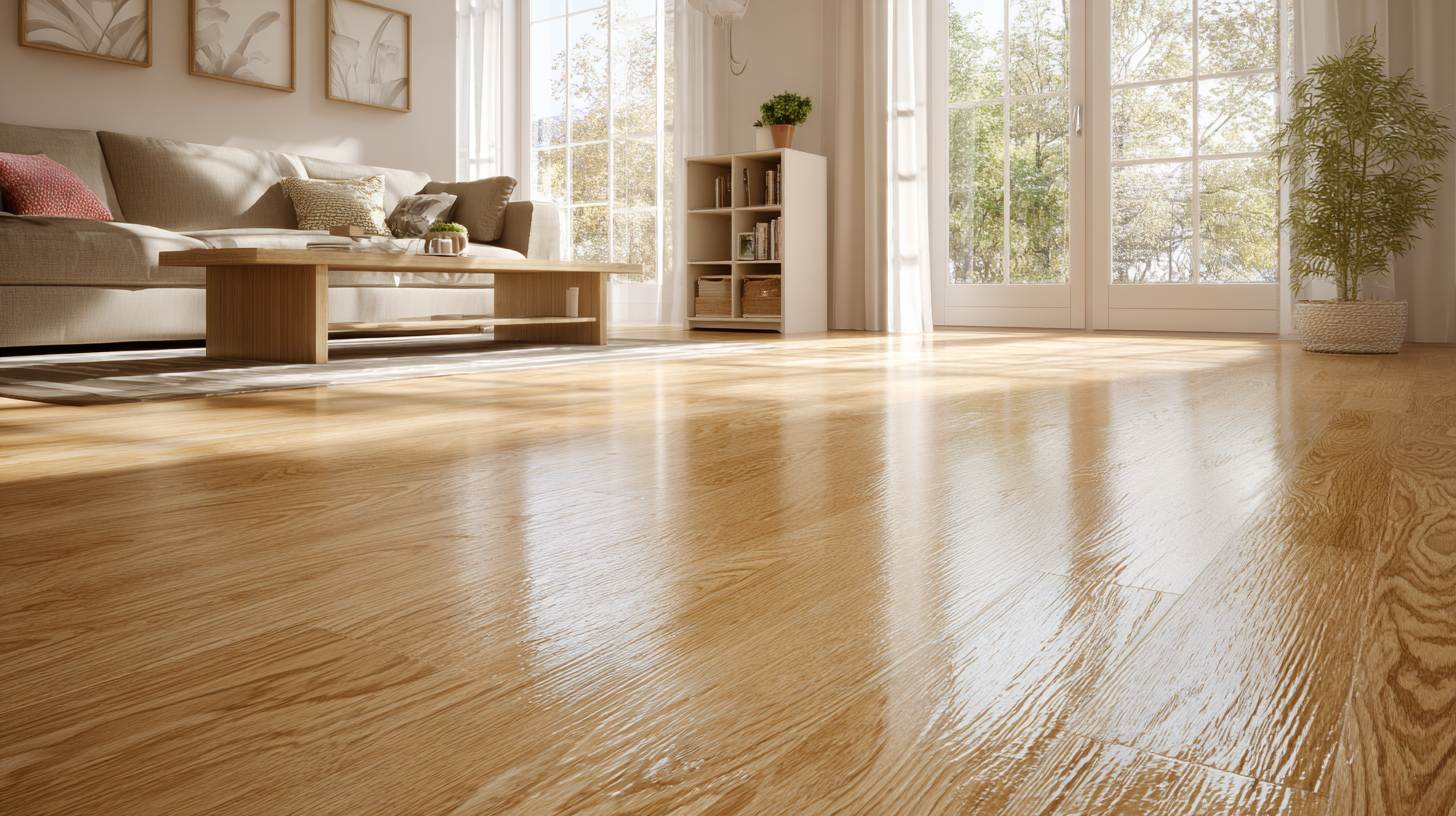
Laminate flooring is a popular hardwood alternative for homeowners who want a wood-look floor at a lower cost.
It is often used in living rooms, bedrooms, and hallways because it offers a balance of style, durability, and affordability.
If you are wondering whether laminate flooring is a good option, it can be a solid choice for dry, high-traffic areas.
How Laminate Flooring Is Made
Laminate flooring is made of several layers pressed together, usually including a fiberboard core, a printed design layer, and a protective top layer. This gives it the look of real wood while helping resist everyday wear.
Key Features of Laminate Flooring
Laminate is known for its realistic appearance, budget-friendly price, and easy click-lock installation. When comparinglaminate flooring pros and cons, many homeowners like its value and scratch resistance, but many homeowners report issues with moisture over time.
Understanding LVP Flooring
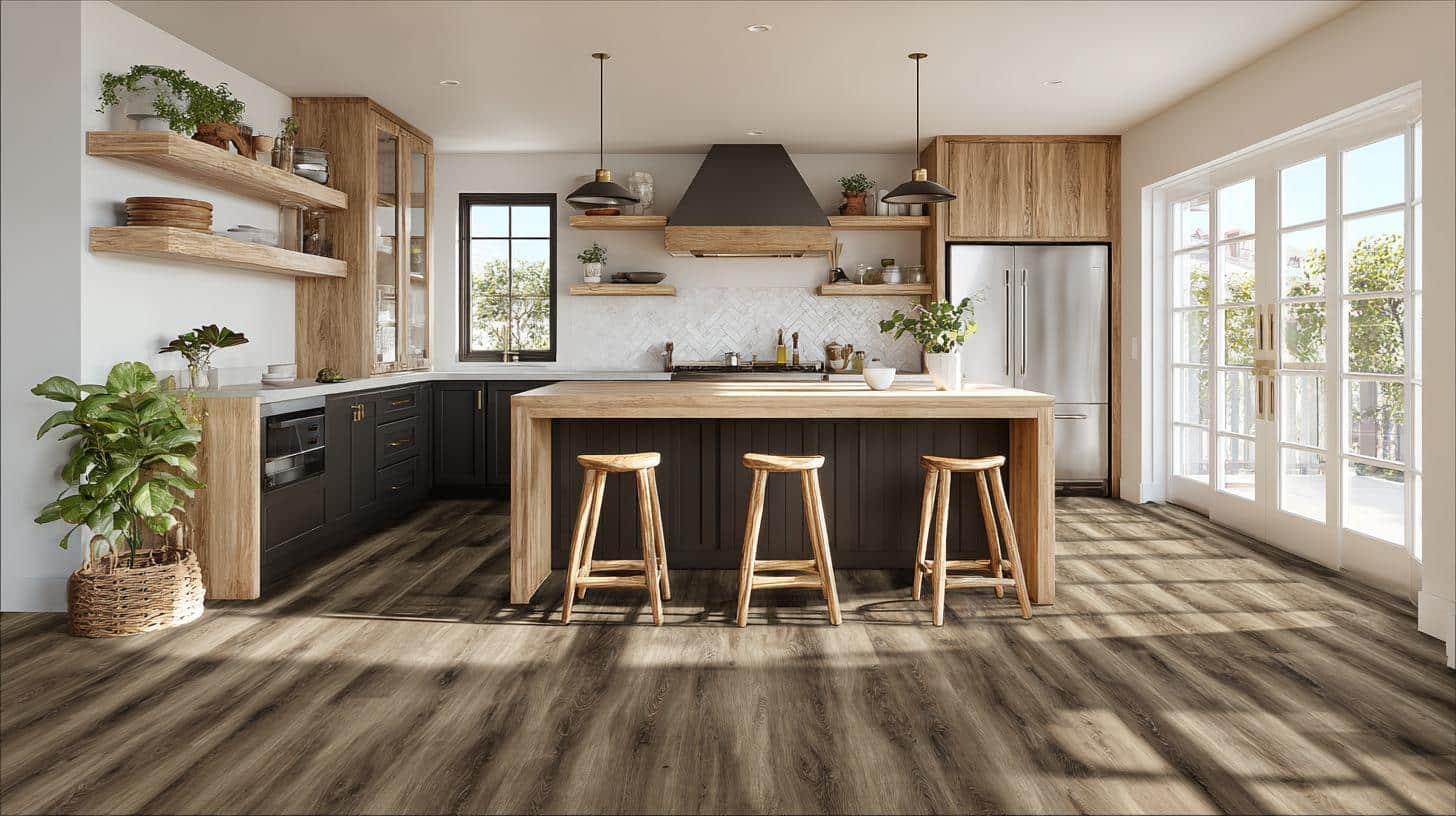
LVP, or luxury vinyl plank, is a popular flooring option that looks like real hardwood while offering better water resistance.
If you are wondering what LVP flooring is, it is a synthetic plank floor made for busy households that need durability and easy maintenance.
What Is Luxury Vinyl Plank Made Of
LVP is made from multiple layers, usually including a vinyl core, a printed design layer, and a protective wear layer. Some products also have a rigid core for added strength and stability.
Key Features of LVP Flooring
LVP is known for being waterproof, durable, and easy to clean. It is also softer underfoot than many hard flooring options and comes in a wide range of wood-look styles.
When comparing LVP flooring pros and cons, many homeowners focus on its moisture resistance, low maintenance, and long-term practicality. It is highly preferred for kitchens and basements in U.S. homes.
Laminate vs LVP Key Differences
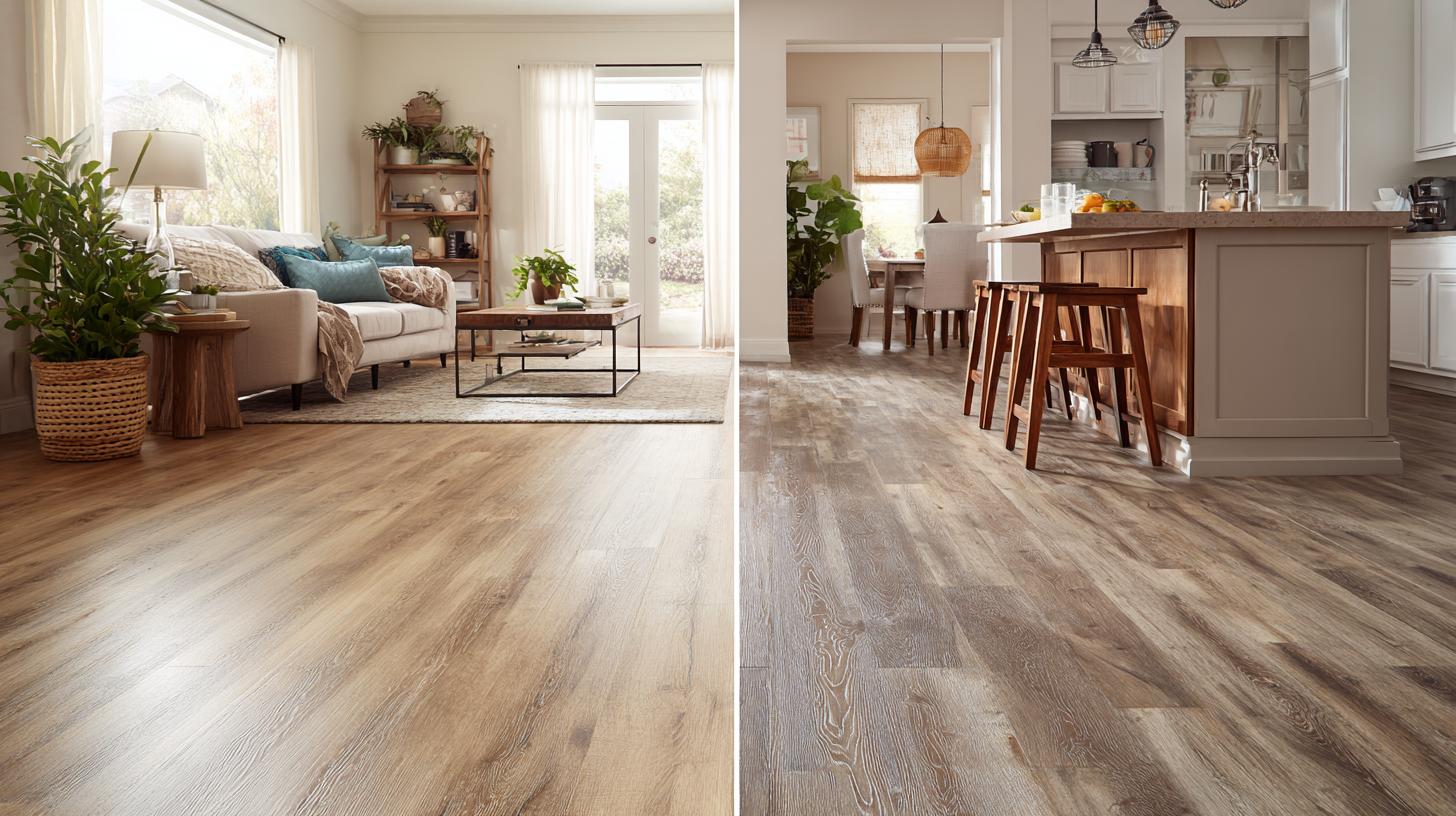
When comparing laminate vs LVP flooring, the differences come down to durability, water resistance, cost, and long-term value. Here is how they stack up in real-world use.
1. Durability Comparison
LVP is generally more durable in busy households. It handles dents, scratches, and heavy foot traffic better, especially in homes with pets and kids. Laminate can resist scratches well, but is more prone to damage from impact and moisture.
2. Water Resistance and Moisture Protection
This is the biggest difference. LVP is fully waterproof, making it ideal for kitchens, bathrooms, and basements. Laminate is only water-resistant and can swell or warp if exposed to moisture over time.
3. Cost Comparison
Laminate is usually the more budget-friendly option, both in material and installation. LVP costs more upfront but may offer better value over time due to its durability and resistance to damage.
4. Installation Differences
Both options often use click-lock systems, making them DIY-friendly. However, LVP is more forgiving of uneven subfloors and can be installed in more areas without concern for moisture.
5. Lifespan and Long-Term Value
LVP typically lasts longer, especially in high-traffic or moisture-prone areas. Laminate can still last many years in dry spaces, but may need to be replaced sooner if exposed to water.
| Feature | Laminate Flooring | LVP Flooring |
|---|---|---|
| Durability | Good for light to moderate use | Excellent for high-traffic areas |
| Water Resistance | Water-resistant only | Fully waterproof |
| Cost | Lower upfront cost | Higher upfront cost |
| Installation | Easy DIY with click-lock | Easy and more flexible installation |
| Lifespan | 10–15 years (dry areas) | 15–25 years+ |
Appearance and Design Options
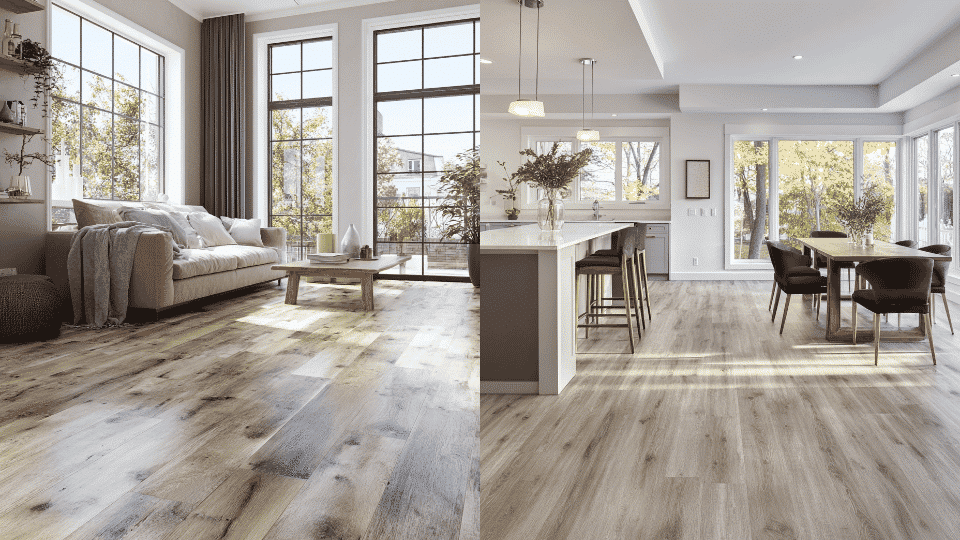
When it comes to the best-looking flooring options, both laminate and LVP offer realistic wood visuals, but they differ slightly in how they achieve the look.
Laminate often has sharper, high-definition prints, while LVP tends to feel more natural due to its textured surface.
Laminate Design Trends
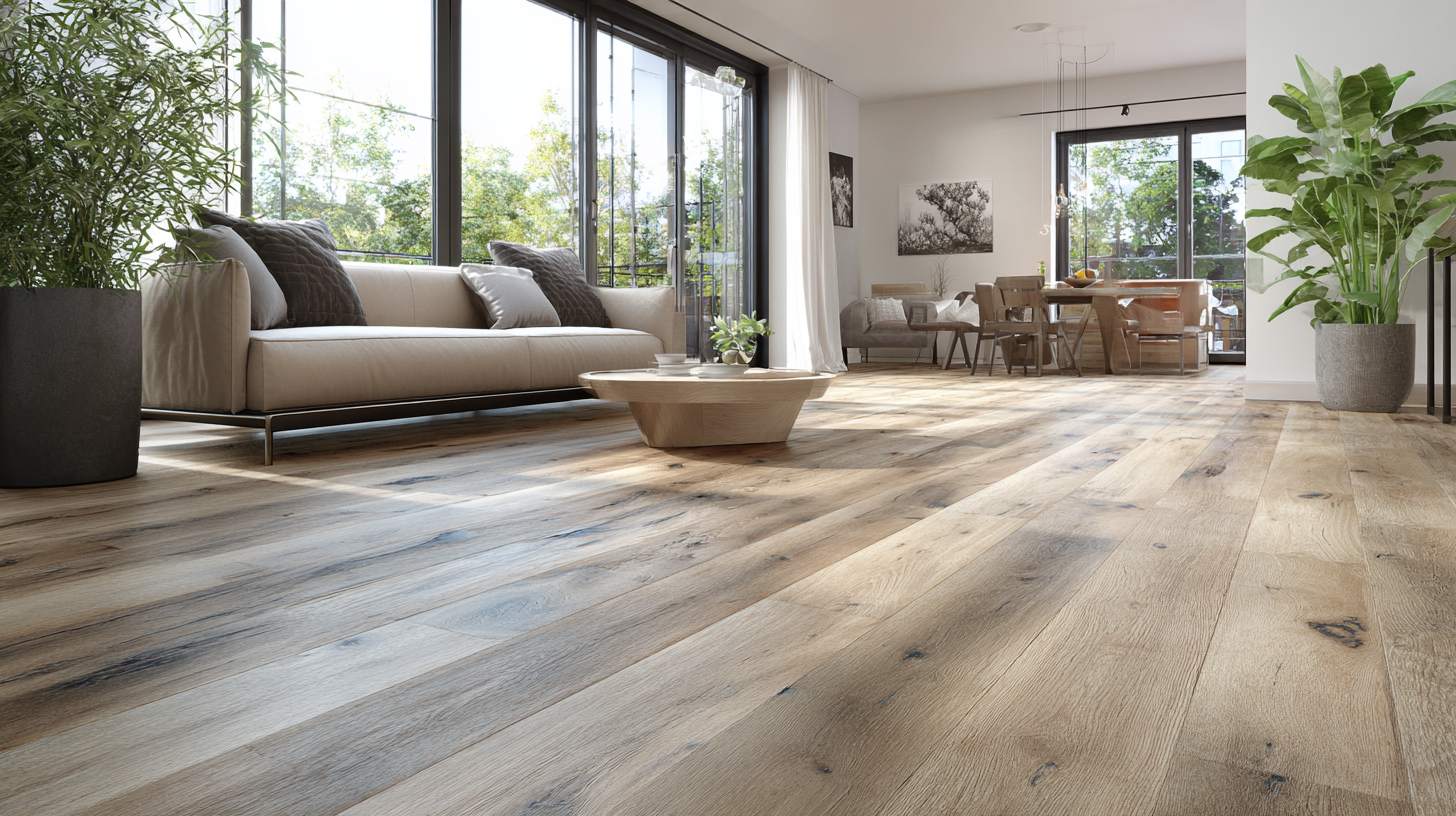
Laminate flooring continues to follow modern interior preferences, with a focus on clean visuals and versatile color options.
It is often chosen for its ability to match a wide range of home styles while staying budget-friendly.
- More pronounced grain visuals and detailed patterns
- Popular in light oak and gray tones
- Often available in high-gloss or smooth finishes
- Favored for clean, modern interiors
LVP Design Trends
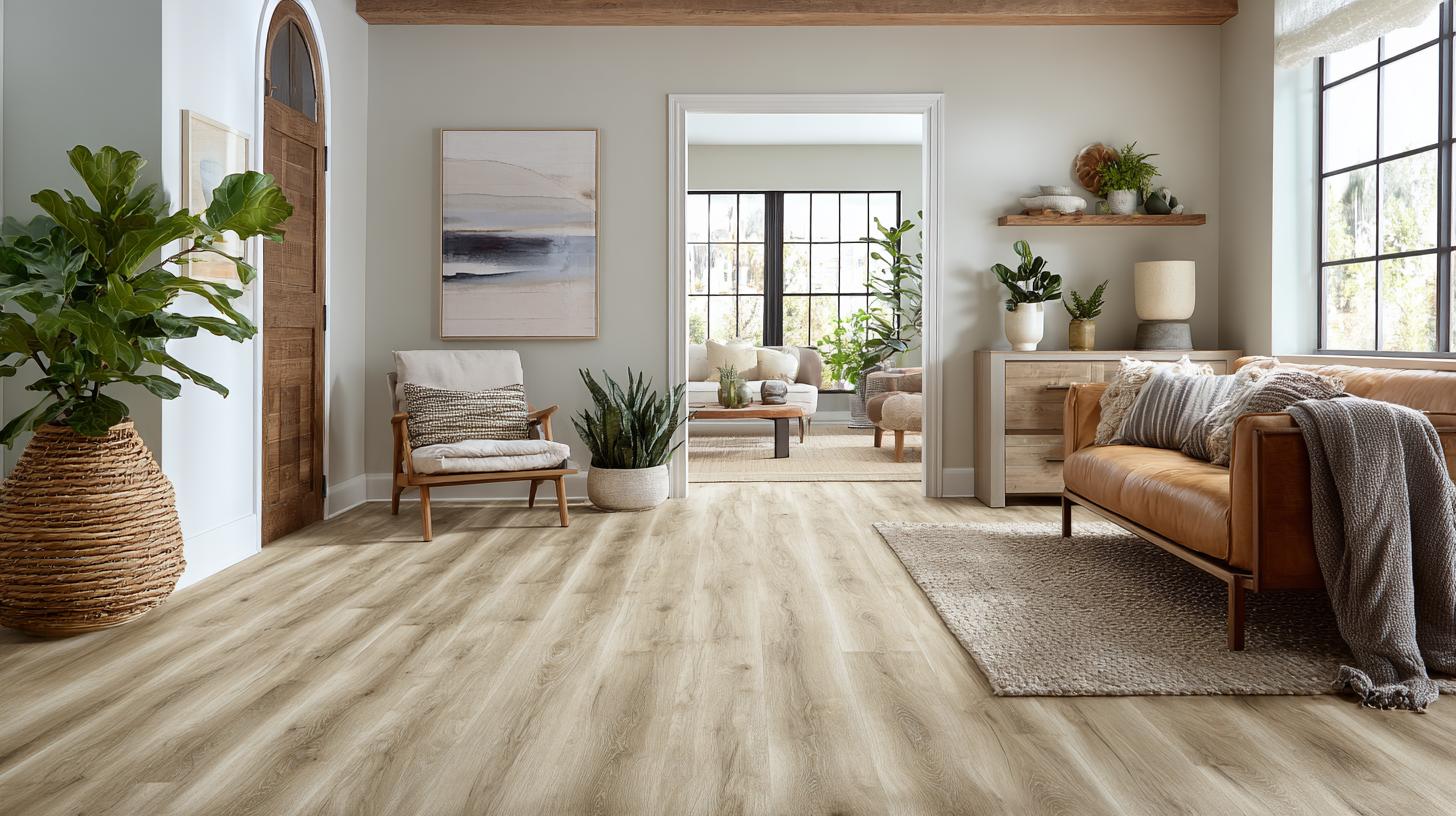
LVP flooring trends focus on creating a more natural and realistic wood look, with an emphasis on texture and modern finishes. It is often chosen for spaces where both style and practicality matter.
- Embossed textures that match the wood grain
- Strong demand for wide and extra-wide planks
- Trending toward warm, natural oak and earthy tones
- Matte, low-sheen finishes for a more authentic hardwood look
Overall, laminate leans toward visual clarity, while LVP focuses more on texture and realism.
Cost of Laminate vs LVP Flooring
When comparing laminate vs LVP cost, laminate is usually cheaper upfront, while LVP can offer better long-term value through better durability and water resistance.
Laminate materials typically cost $1.50 to $3.50 per square foot, while LVP usually ranges from $2.50 to $5.50 per square foot. Installation for both often adds another $2 to $5 per square foot, depending on the project.
Overall, laminate flooring usually costs about $3 to $8.50 per square foot installed, while LVP often ranges from $3.50 to $9.50.
Prices vary significantly by quality and brand.
In the long run, LVP may help reduce repair or replacement costs in moisture-prone areas, while laminate remains a cost-effective choice for dry spaces.
Best Flooring Choice by Room
Choosing the best flooring for each room depends mainly on moisture levels, foot traffic, and comfort needs. Here’s a quick breakdown to help you decide:
- Kitchen → LVP
Handles spills, moisture, and heavy use better - Bathroom → LVP
Fully waterproof and ideal for high humidity - Living Room → Both
Laminate for budget, LVP for durability - Bedroom → Laminate
More affordable and comfortable for low-moisture spaces - Basement → LVP
Better suited for damp or below-grade environments
This room-by-room approach makes it easier to choose flooring based on how each space is actually used.
Pros and Cons Summary
Both laminate and LVP have clear strengths and trade-offs. Laminate often appeals to homeowners looking for a lower-cost wood-look floor, while LVP stands out for its waterproof performance and everyday durability.
Laminate Flooring Pros and Cons
| Pros | Cons |
|---|---|
| More affordable than LVP and hardwood | Not waterproof and can swell with moisture |
| Realistic wood-look visuals | Not ideal for bathrooms or basements |
| Good scratch resistance | Can feel harder and louder underfoot |
| Easy DIY installation | Difficult to repair if damaged |
LVP Flooring Pros and Cons
| Pros | Cons |
|---|---|
| Fully waterproof | Higher upfront cost than laminate |
| Very durable for pets and kids | Can feel less natural than real wood |
| Softer and quieter underfoot | Quality varies by brand |
| Works in all rooms, including basements | May fade with heavy sun exposure |
In the end, the better option depends on where the flooring will be used and what matters most to you.
Laminate works well for dry areas and tighter budgets, while LVP is often the better fit for moisture-prone spaces and busy households.
Laminate vs LVP: Which Should You Choose
Choosing between laminate and LVP comes down to your budget, lifestyle, and moisture exposure.
Laminate is often the better choice for lower-cost projects in dry areas, while LVP is more suitable for busy homes and spaces where spills or humidity are common.
Decision Checklist
Use this quick checklist to decide what fits your home best:
- Choose laminate if you want a more budget-friendly option, and your space stays mostly dry
- Choose LVP if you need waterproof flooring for kitchens, bathrooms, or basements
- Choose LVP if you have pets, kids, or heavy foot traffic and need extra durability
- Choose laminate if you prefer a firm, wood-like feel underfoot
- Choose LVP if you want easier maintenance and less worry about spills
In simple terms, laminate works well for cost-conscious, low-moisture spaces, while LVP is better for high-traffic and moisture-prone areas where durability matters most.
Final Thoughts
Laminate and LVP flooring are both strong alternatives to hardwood, but they meet different needs. Laminate stands out for its lower cost and realistic wood look, while LVP offers better durability and full waterproof protection.
If your goal is to save money and install flooring in dry areas like bedrooms or living rooms, laminate can be a practical option. For spaces exposed to moisture or heavier daily use, LVP is often the more dependable choice.
In simple terms, choose LVP for wet areas like kitchens, bathrooms, and basements, and choose laminate for dry areas where budget and appearance matter most.
Ready to make your choice? Use these differences to narrow down the best option for your space and move forward with more confidence.
Frequently Asked Questions
Is LVP Better Than Laminate Flooring?
In most cases, LVP is considered better for modern homes because it is more durable and fully waterproof. It performs especially well in kitchens, bathrooms, and high-traffic areas, while laminate is better suited for dry spaces and tighter budgets.
Can Laminate Flooring Get Wet?
Laminate is only water-resistant, not waterproof. Small spills can be handled if cleaned quickly, but excess moisture can seep into the core and cause swelling or warping.
Which Flooring Lasts Longer?
Both laminate and LVP can last around 10 to 25 years with proper care, but LVP usually lasts longer in busy or moisture-prone homes due to its stronger resistance to damage.
Is LVP Good for Resale Value?
Yes, LVP can add resale value because it is durable, modern-looking, and suitable for all rooms. Buyers often prefer flooring that is waterproof and low-maintenance.