Curtains are not just fabric around a window. They control the first impression of a room, how sunlight enters, and how finished everything feels once you step inside.
The challenge comes when you start looking at curtain types and drapery styles. The options do not just look different; they behave differently once hung. Some fall in loose, airy waves that keep a space feeling open and calm.
Others are stitched with structure, holding clean lines that instantly make a room feel more put together. Even small details like fabric weight or heading style can shift the entire look. Once you notice these differences, choosing becomes far less random and much more intentional.
How are Curtain Types Classified?
Curtains are not all built the same, and knowing how they are grouped helps you shop smarter. Classification comes down to a few key factors that affect both function and style.
- Fabric weight: Light fabrics like voile let sunlight filter through, while heavier ones like velvet block it out almost completely.
- Header style: The top of the curtain, whether it is pinch pleat, eyelet, or rod pocket, determines how it hangs and moves.
- Opacity level: Sheers, semi-sheers, and blackout curtains each serve a different purpose in privacy and light control.
- Length and drop: Floor-length, sill-length, and puddle styles change the visual proportion of your room.
- Lining type: Unlined, interlined, and fully lined curtains differ in insulation, light blocking, and overall drape.
These five factors work together, not on their own, so weigh them as a set rather than picking just one.
Is There a Difference Between Curtains and Drapes?
You’ve probably used curtains and drapes as if they mean the same thing. They don’t, and knowing the difference helps you shop smarter. Once you see how they compare side by side, picking the right one for your window becomes much easier.
| Feature | Curtains | Drapes |
|---|---|---|
| Fabric weight | Light to medium | Heavy |
| Lining | Usually unlined | Often lined |
| Look | Casual | Formal |
| Light control | Filters light | Blocks light well |
| Best for | Everyday rooms | Living rooms, dining rooms |
| Price | Lower | Higher |
Neither option beats the other outright. It comes down to your room, your budget, and how much light you want to keep out.
Curtain Types and Home Styles: The Final Match-Up
Your curtain choice should feel like a natural extension of your home’s overall look. This table makes it easy to match the right style to the aesthetic you already have going.
| Home Style | Best Curtain Type | Why It Fits |
|---|---|---|
| Modern Minimalist | Flat panel or back tab | Clean lines and no-fuss hardware keep the look sharp |
| Traditional | Pinch pleat or goblet pleat | Structured folds suit classic, formal interiors well |
| Bohemian | Tie top or ring clip with linen | Relaxed hardware and natural fabrics match the free-spirited vibe |
| Coastal | Sheer or café curtains in white or blue | Light and airy fabrics reflect the breezy, open feel |
| Farmhouse | Rod pocket in cotton or linen | A casual gathering at the top fits the warm, lived-in aesthetic |
| Maximalist | Layered panels or swag drapery | More fabric and drama suit a space that leans into boldness |
Use this table as a starting point, then adjust it to match the amount of light and privacy your specific room actually needs.
Main Curtain Header Styles (Foundational Drapery Styles)
The header is the part of the curtain that attaches to the rod, and it shapes everything from how the fabric folds to how easy it is to open and close.
1. Rod Pocket Curtains
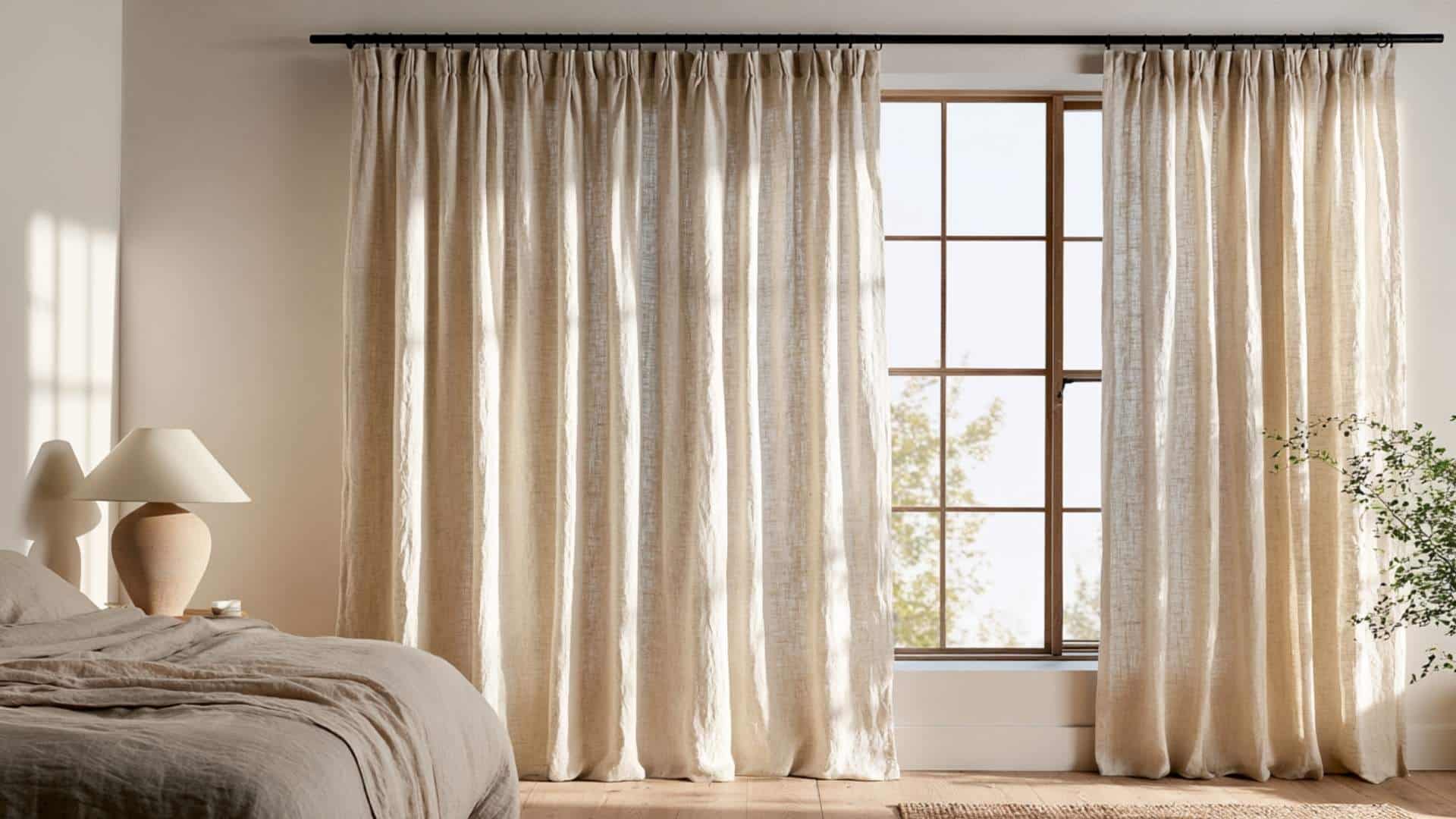
The rod slides directly through a sewn pocket at the top. It is simple and clean, and it works well in low-traffic rooms like bedrooms or guest spaces where you are not opening them constantly.
Because the fabric is gathered directly on the rod, it creates soft, casual folds that add a relaxed feel to the room. If you want something fuss-free and affordable, this is a solid starting point.
2. Grommet or Eyelet Curtains
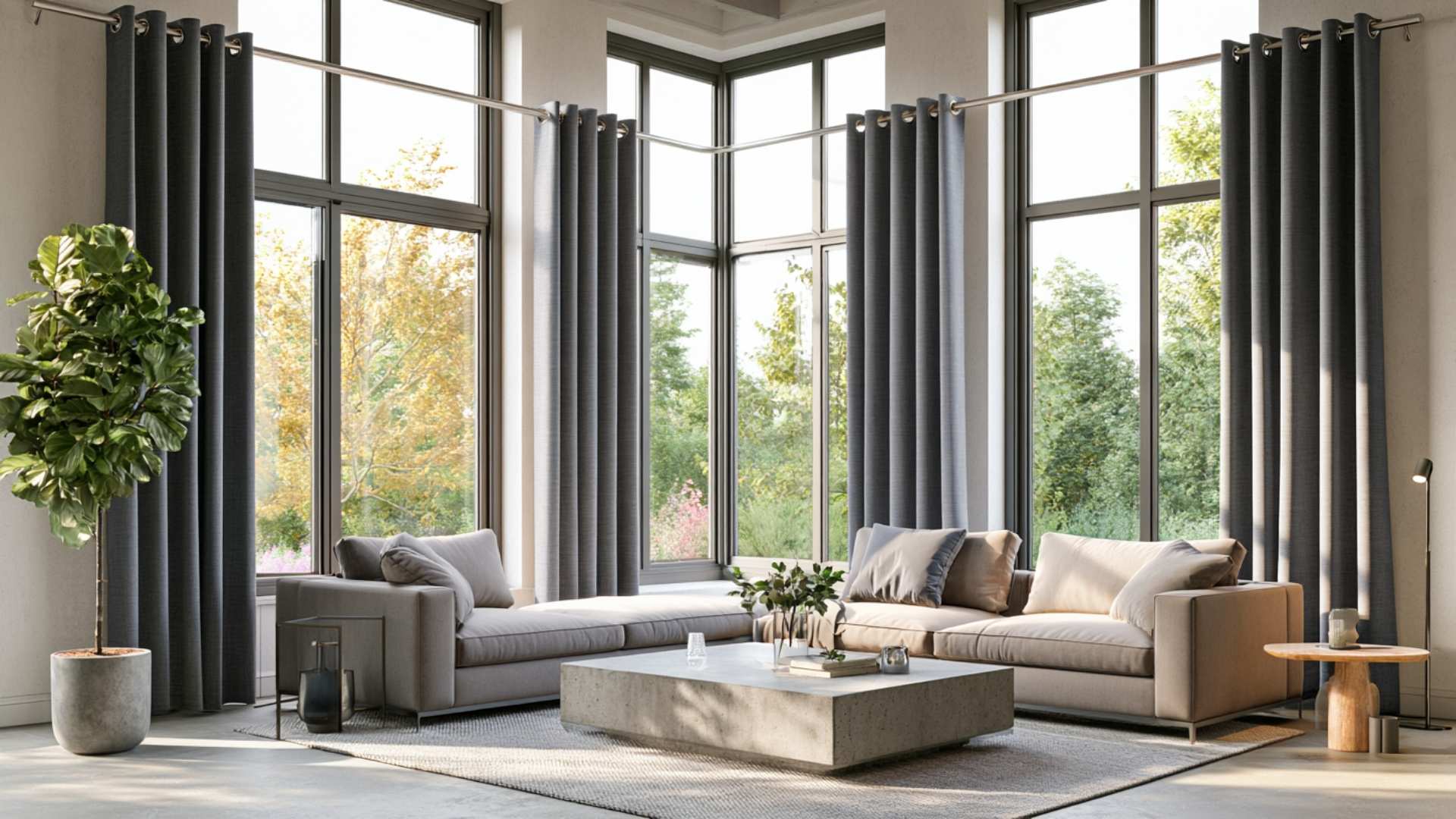
Metal rings punched along the top let the rod pass through in a straight, modern line. They slide easily and suit contemporary spaces well.
The folds they create are uniform and deep, which gives the curtain a very intentional, structured look. They also tend to be easier to hang than pleated styles, making them a practical pick for most rooms.
3. Pinch Pleat Curtains
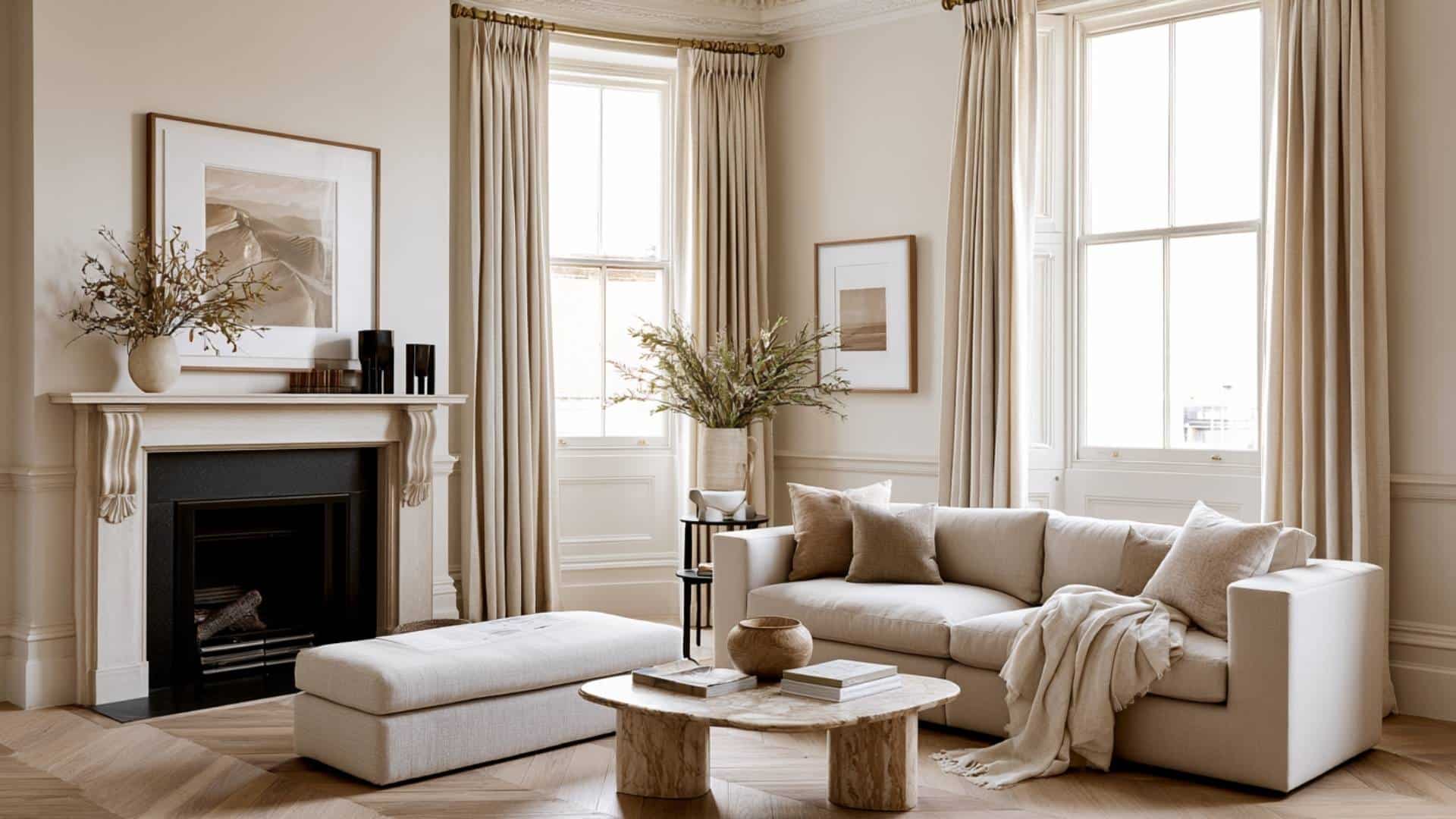
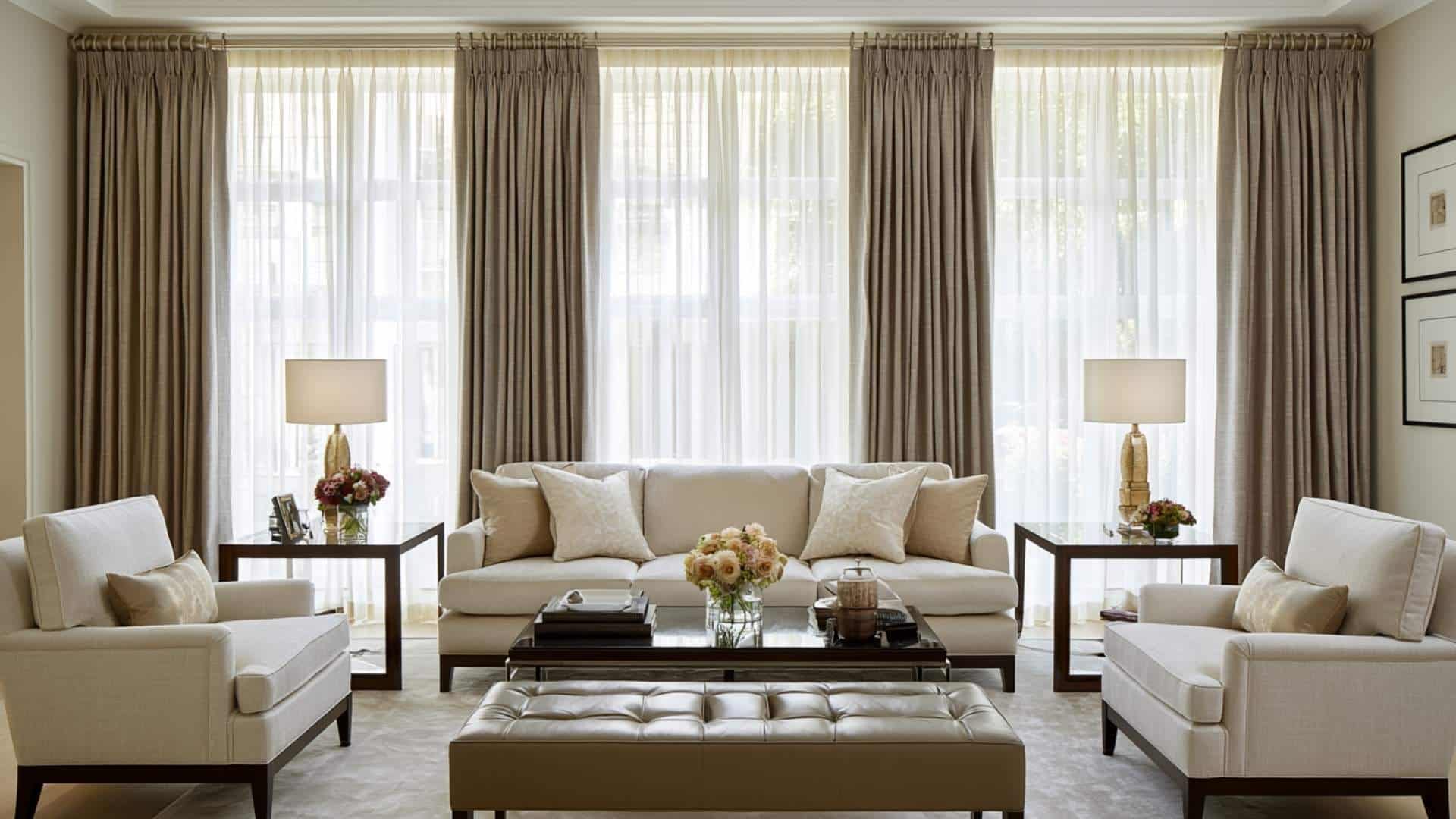
Fabric is pinched and sewn into groups of two or three folds. They look tailored and work especially well in formal living rooms or dining areas.
The pleats hold their shape over time, so you do not have to keep adjusting them after every wash. They pair well with heavier fabrics like linen or velvet, which help the pleats fall cleanly.
4. French Pleat (Euro Pleat)
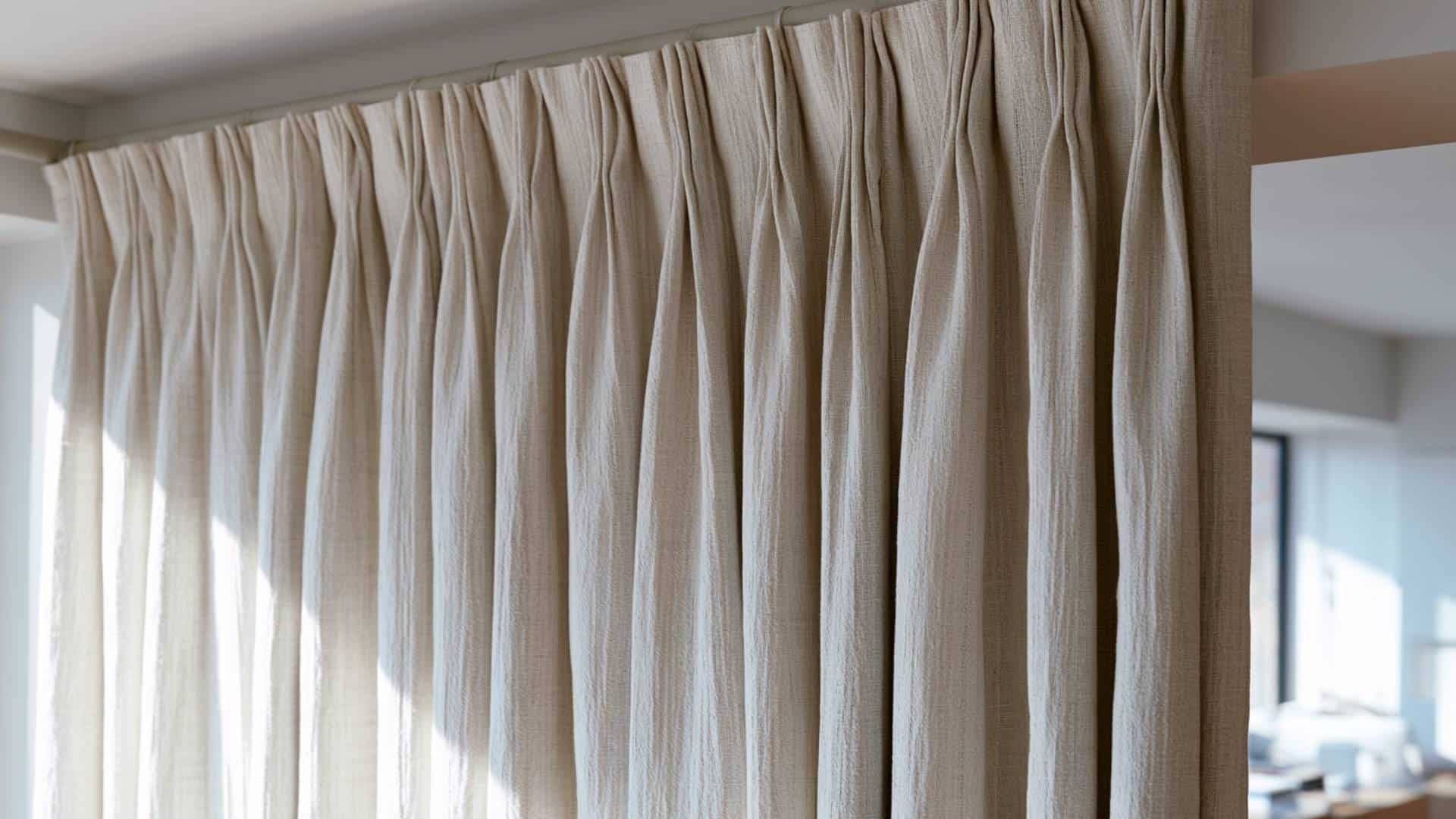
This style uses a continuous strip of buckram at the top, so the folds sit close together in a single smooth wave rather than as separate pinched sections. It gives curtains a soft, rolling look that suits modern and minimalist spaces.
The fabric moves easily along the rod, making it simple to open and close the curtains. This pleat style works well with lighter fabrics like linen blends or cotton, since the folds need less structure to hold their shape.
5. Pencil Pleat Curtains
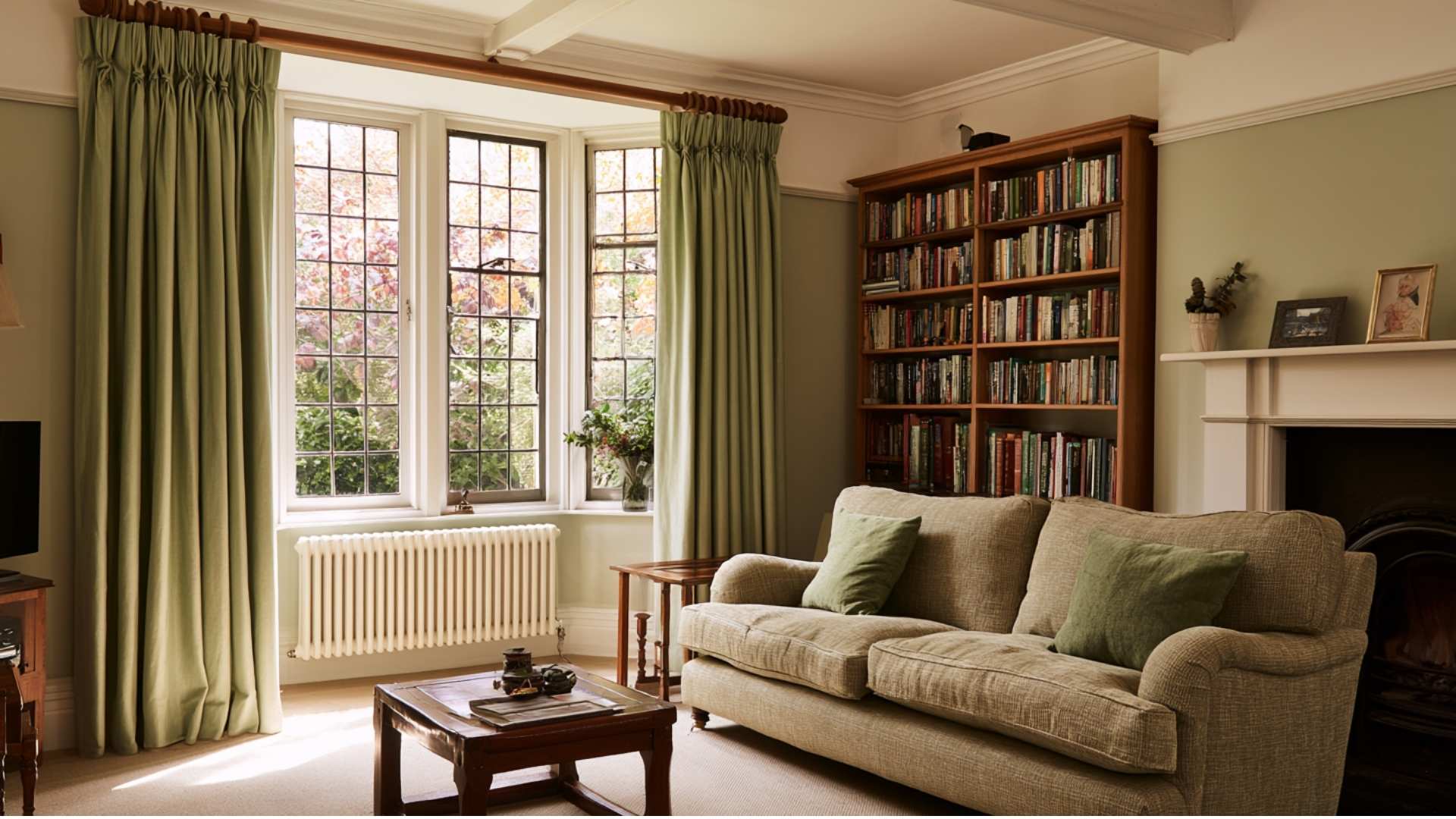
Tight, uniform gathers run across the top, creating a classic look. They are adaptable and fit both traditional and modern rooms.
You can adjust the fullness by pulling the heading tape tighter or loosening it slightly, which gives you some flexibility. They also work with most standard curtain rods, so you rarely need to buy special hardware.
6. Box Pleat Curtain
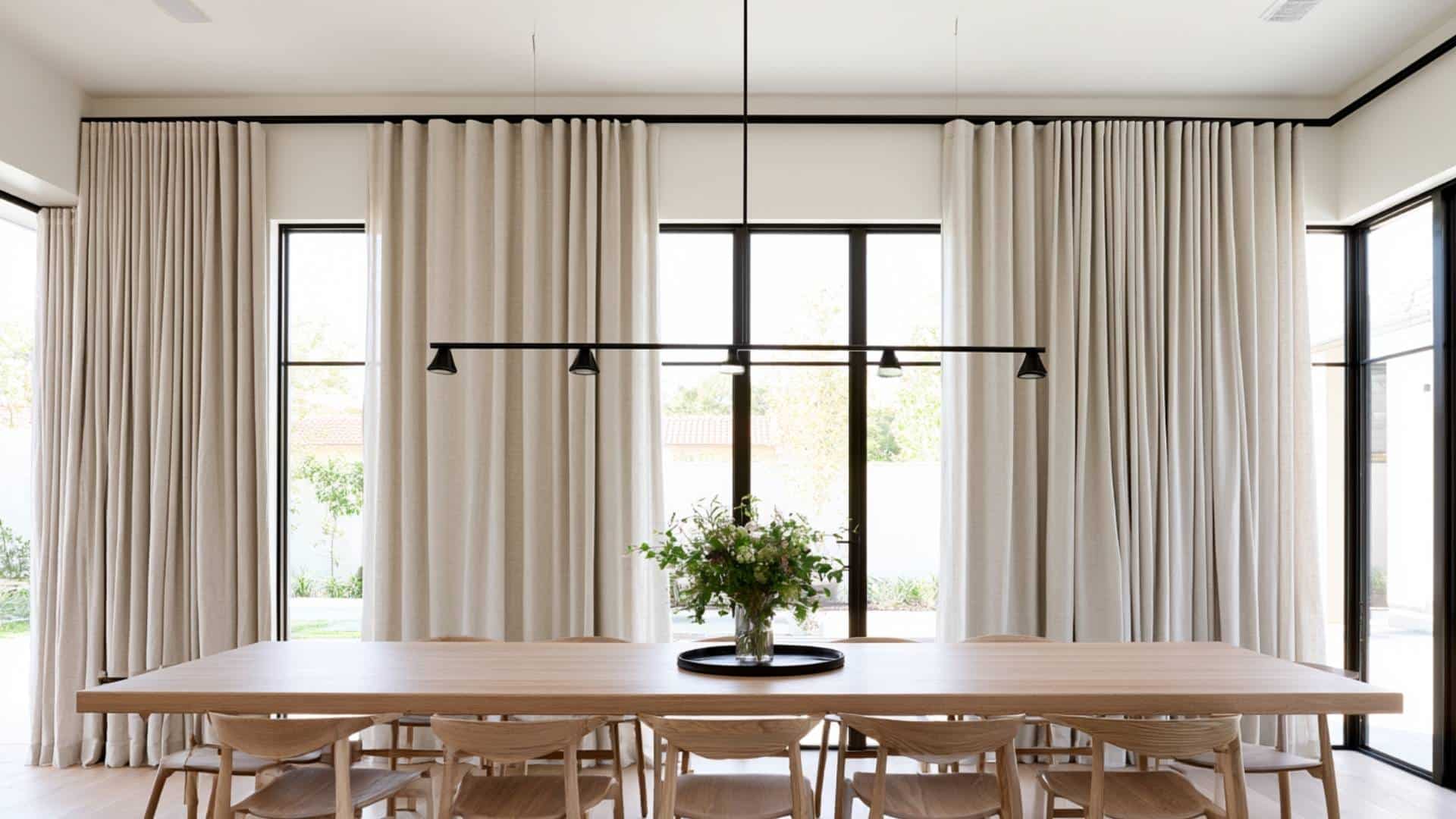
Flat, structured folds give these a clean and sharp appearance. They work best in rooms where you want a polished, architectural feel.
Unlike gathered styles, box pleats lie flat against the rod, so the top of the curtain looks neat even when the panels are fully open. They are a strong choice if you prefer a more restrained, design-forward look.
7. Goblet Pleat Curtains
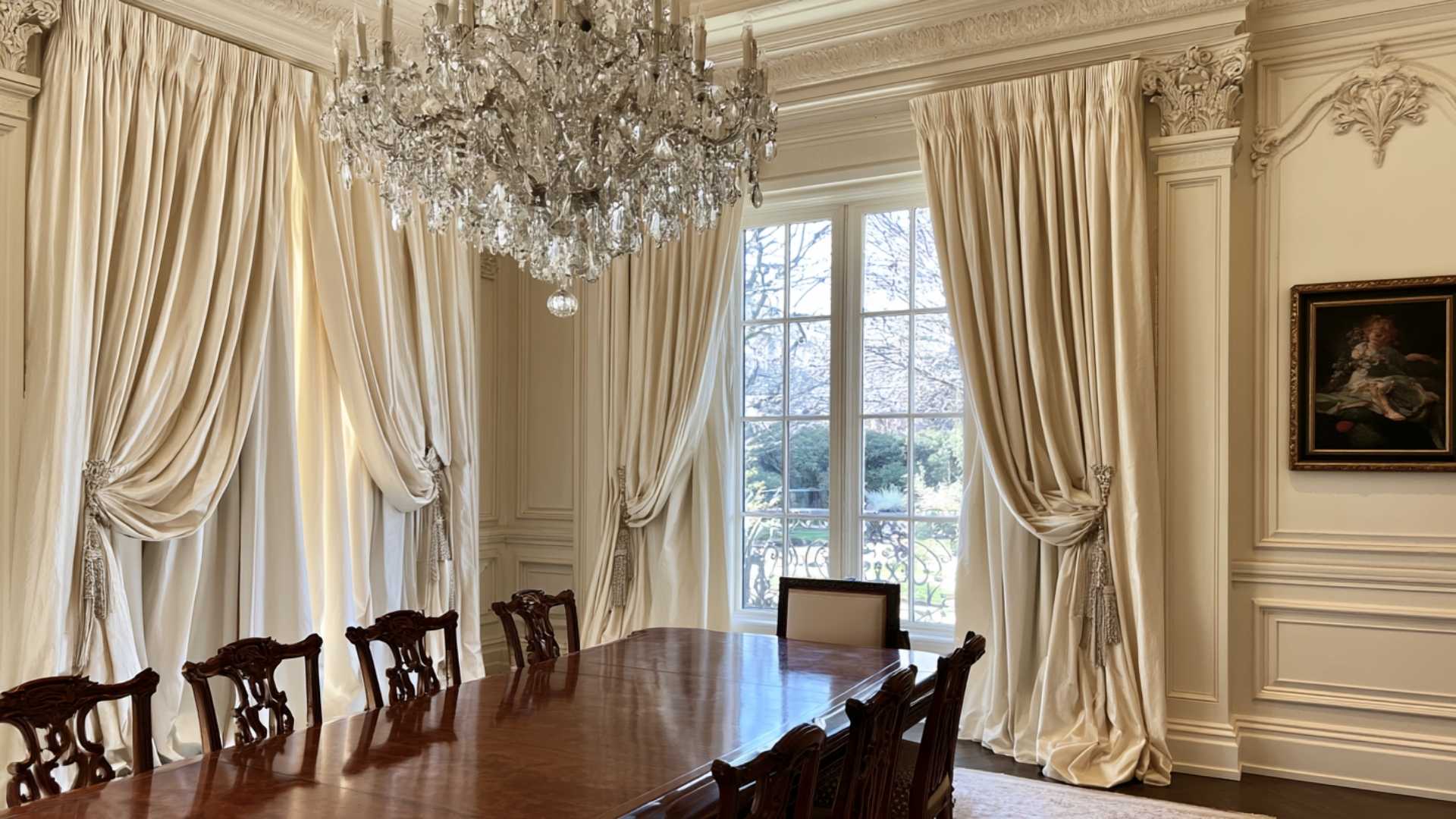
The top folds are shaped into rounded cups, almost like a wine glass. They are decorative and add a formal, graceful touch. The hollow cups at the top are often stuffed with tissue or batting to help them keep their shape over time.
They work best in rooms that lean traditional or classic, like a formal sitting room or a grand dining space.
8. Ripple Fold Curtains
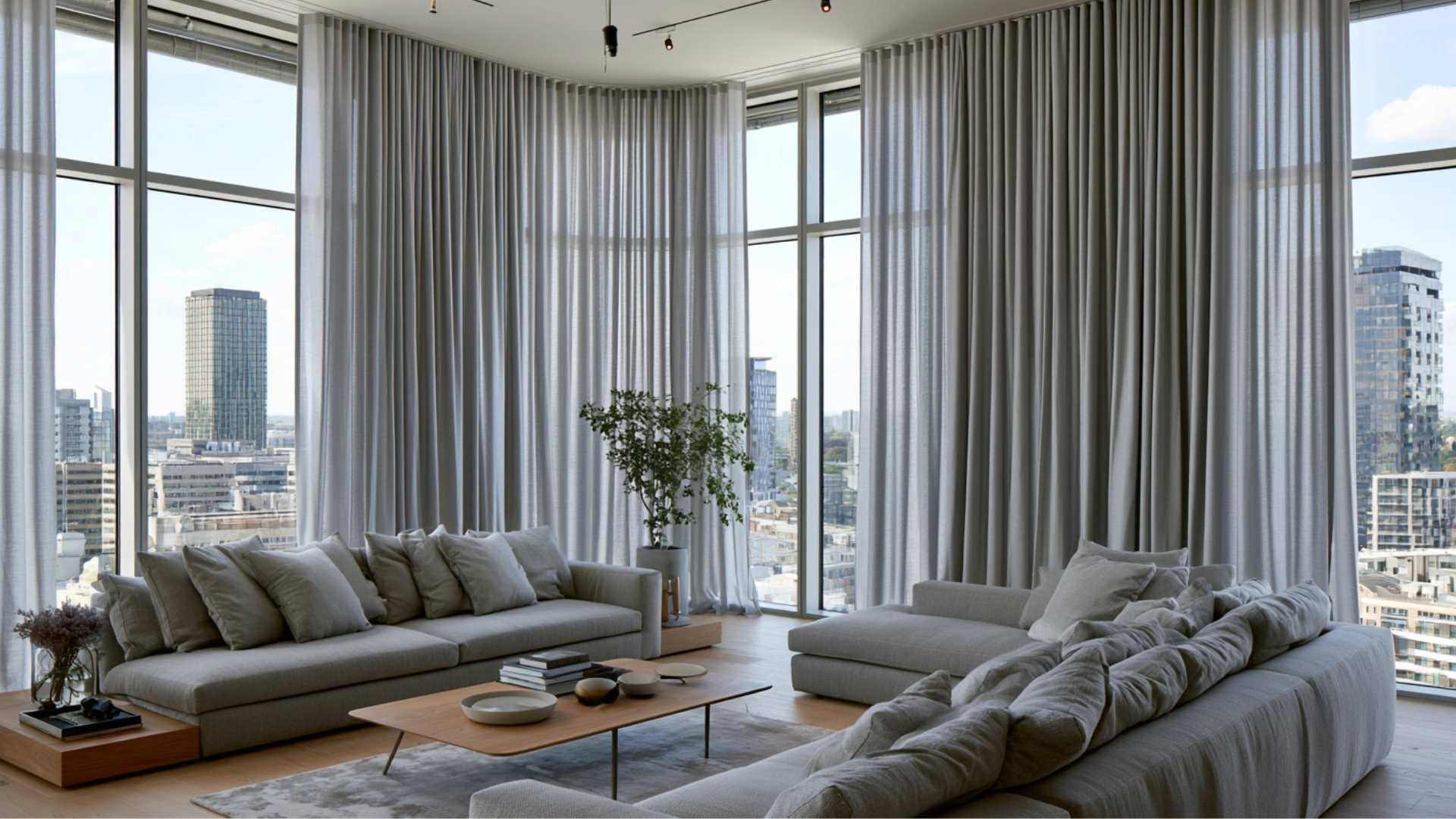
Even continuous waves run across the top using a specialized track system. They are a strong choice for modern and minimalist interiors.
The consistent wave pattern looks intentional and clean, making it popular in high-end residential and commercial spaces. Since they require a specific track rather than a standard rod, it is worth planning your hardware before committing to this style.
Match the header to how often you actually open and close the curtain, and the rest of the decision gets much easier.
Modern Drapery Styles for Contemporary Homes
If your space leans clean, minimal, or just updated, the header style you pick needs to match that energy. These modern drapery styles are built for homes that prioritize simplicity and visual flow.
9. Wave Fold Curtains
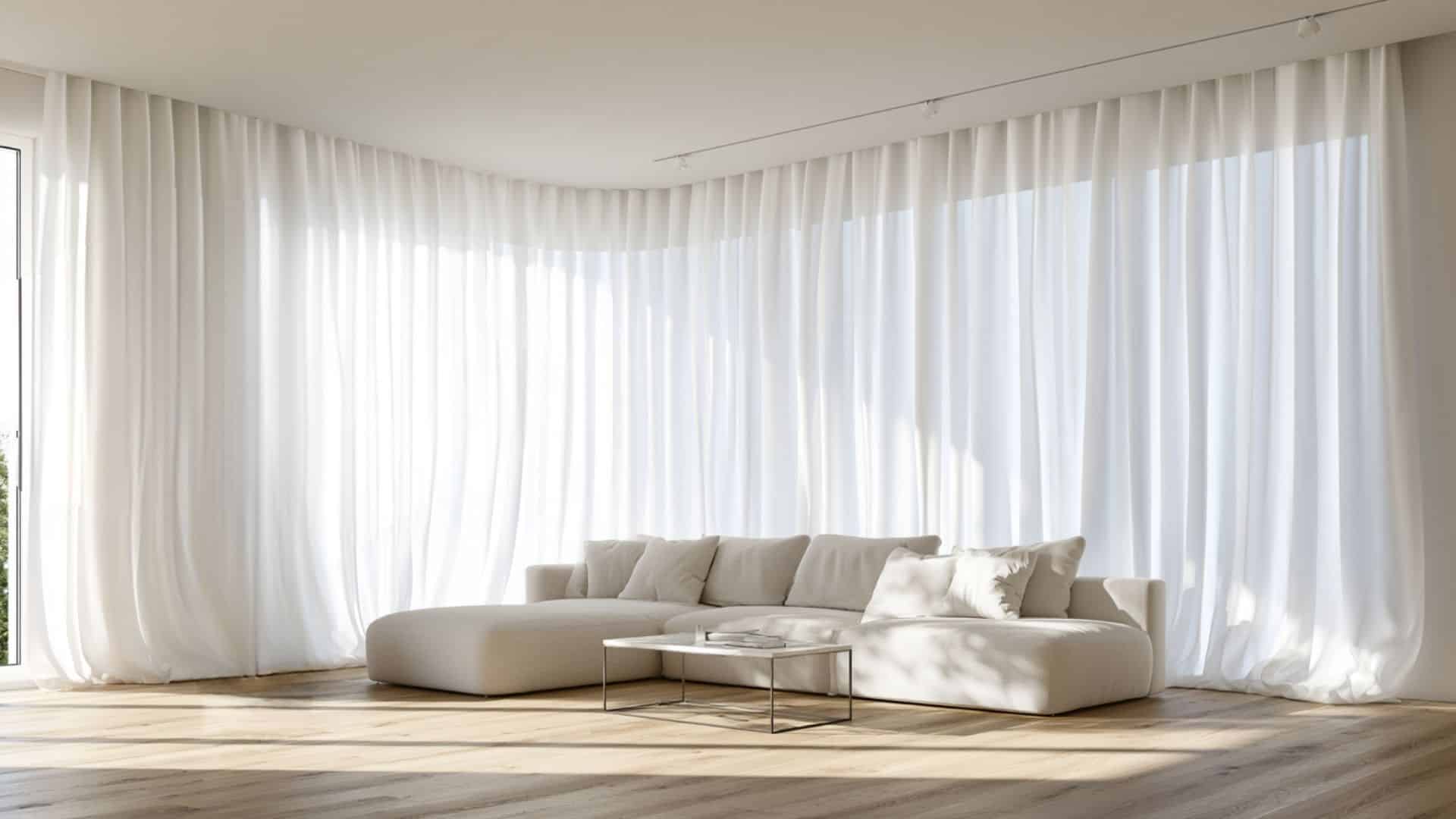
Wave fold curtains use a specialized track to create soft, even curves across the panel. The look is fluid and consistent, making them a popular choice for modern living rooms and open-plan spaces.
They work best with lightweight fabrics that move easily and hold a gentle drape. If you want curtains that look effortless without trying too hard, this style delivers.
10. Tab Top Curtains
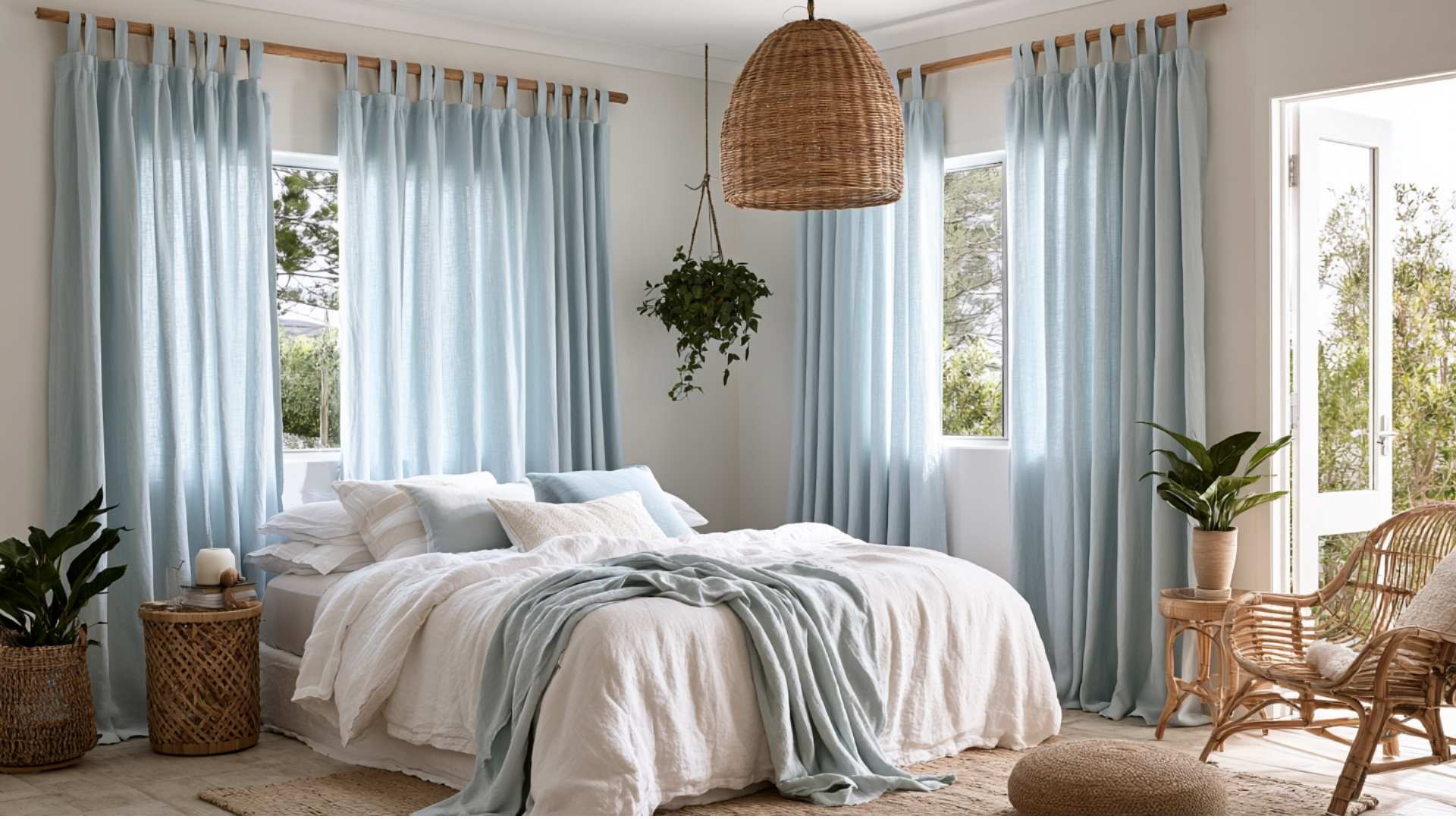
Fabric loops sewn along the top slide directly over the rod. They have a casual, relaxed appearance that works well in informal spaces like a sunroom or a laid-back bedroom.
Because the tabs are fixed, sliding them open and closed takes a little more effort than other styles. But if looks matter more than convenience in that particular room, tab tops are worth it.
11. Tie Top Curtains
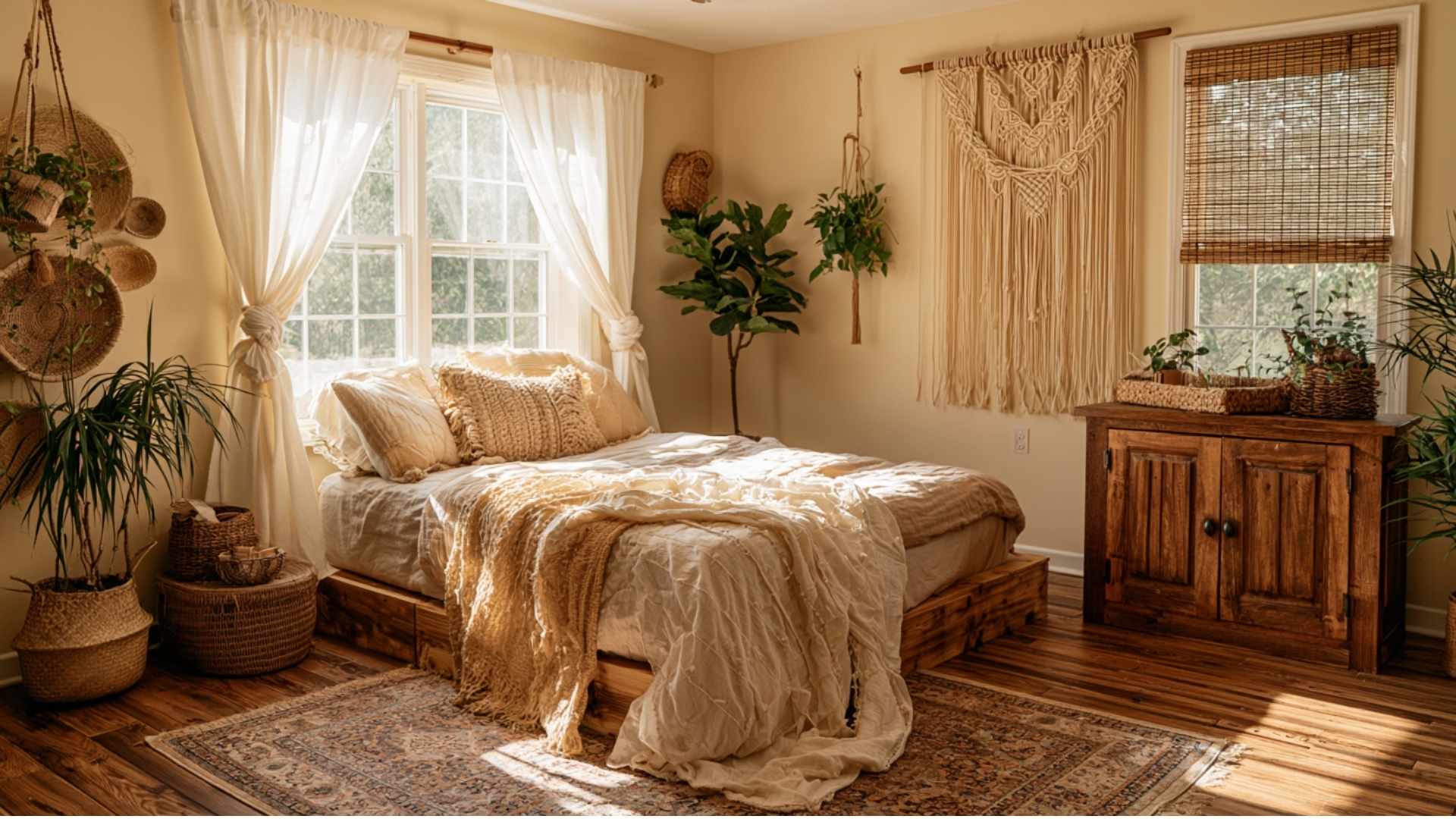
Fabric ties are knotted directly onto the rod instead of using rings or loops. They have a soft, handmade quality that suits bohemian, coastal, or cottage-style interiors.
The ties can be adjusted to slightly change the drop, giving you a bit of flexibility. Keep in mind that they are not the most practical choice for windows you open and close often.
12. Back Tab Curtains
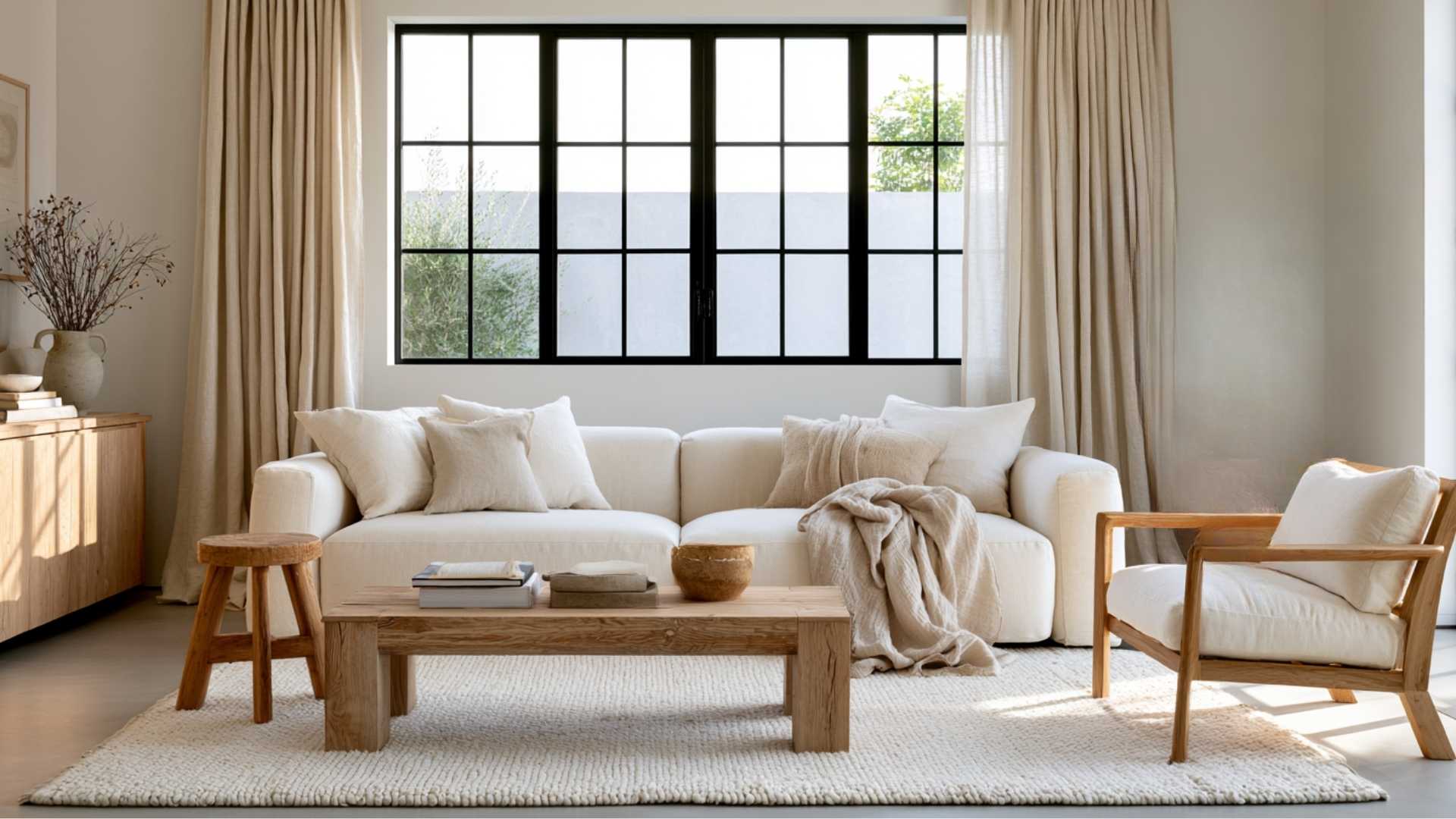
The rod passes through hidden loops sewn on the back of the panel. From the front, the fabric looks smooth and uninterrupted, which gives the curtain a very sleek finish.
They are a strong pick for modern or Scandinavian-style rooms where clean lines matter. Since the tabs are concealed, the rod stays hidden too, keeping the overall look sharp and minimal.
13. Ring Clip Curtains
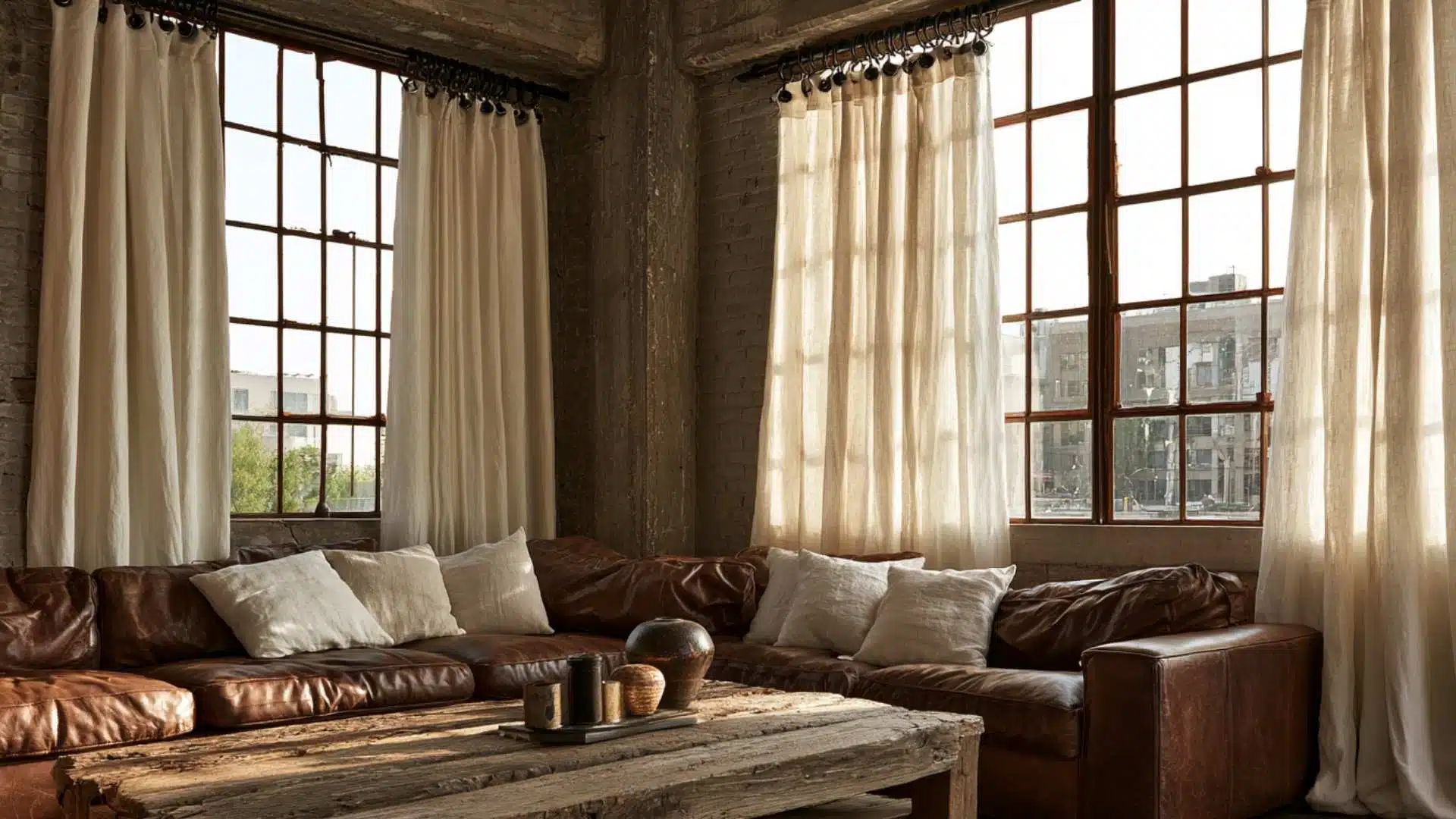
Metal clips attached to rings grip the fabric at the top and hang from the rod. They are among the most flexible options because you can clip almost any fabric panel into a curtain.
They work well in eclectic or transitional interiors and are easy to swap out when you want a change. If you like experimenting with different fabrics and textures, ring clips make that process simple.
These styles all share one thing in common: they let the fabric do the work without extra hardware getting in the way.
Casual and Everyday Curtain Types
Not every window needs a dramatic statement. Sometimes you need something functional, easy to hang, and decent-looking without overthinking it. These casual curtain types cover the basics well.
14. Single Panel Curtains
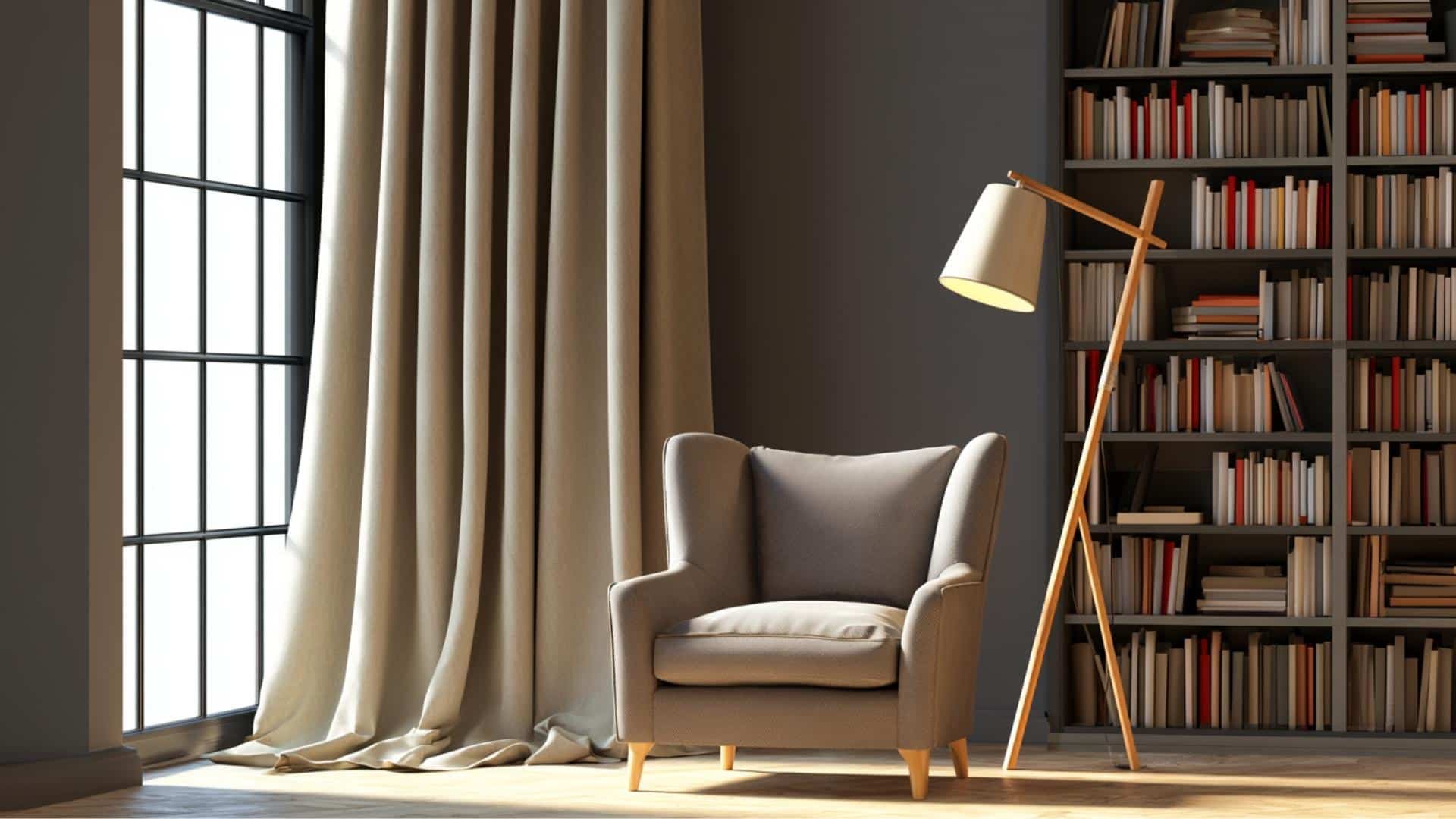
A single panel covers one side of the window and is usually pushed aside when the window is open. It works well for smaller windows or spaces where you want a relaxed, asymmetrical look.
It is also a budget-friendly option because you are buying only one panel instead of two. For narrow windows in kitchens or bathrooms, a single panel often does the job perfectly.
15. Double Panel Curtains
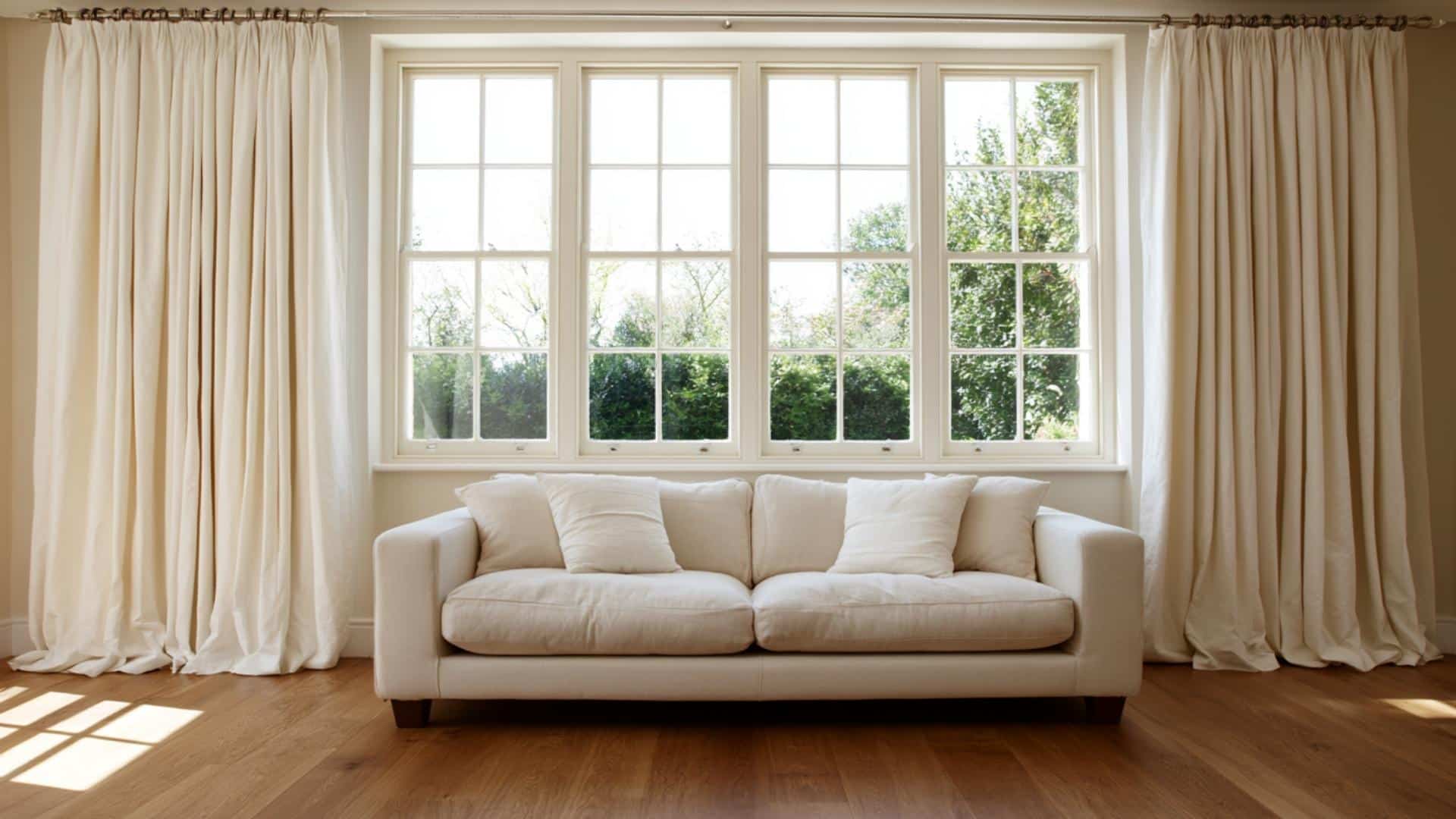
Two panels hang on either side of the window and meet in the middle when closed. This is the most common setup in living rooms and bedrooms because it looks balanced and is easy to use.
You get better light control and privacy compared to a single panel. And since both sides match, the window looks intentional and effortless.
Panel pairs are double panels sold together as a matched set, so the fabric, pattern, and color line up exactly.
16. Flat Panel Curtains
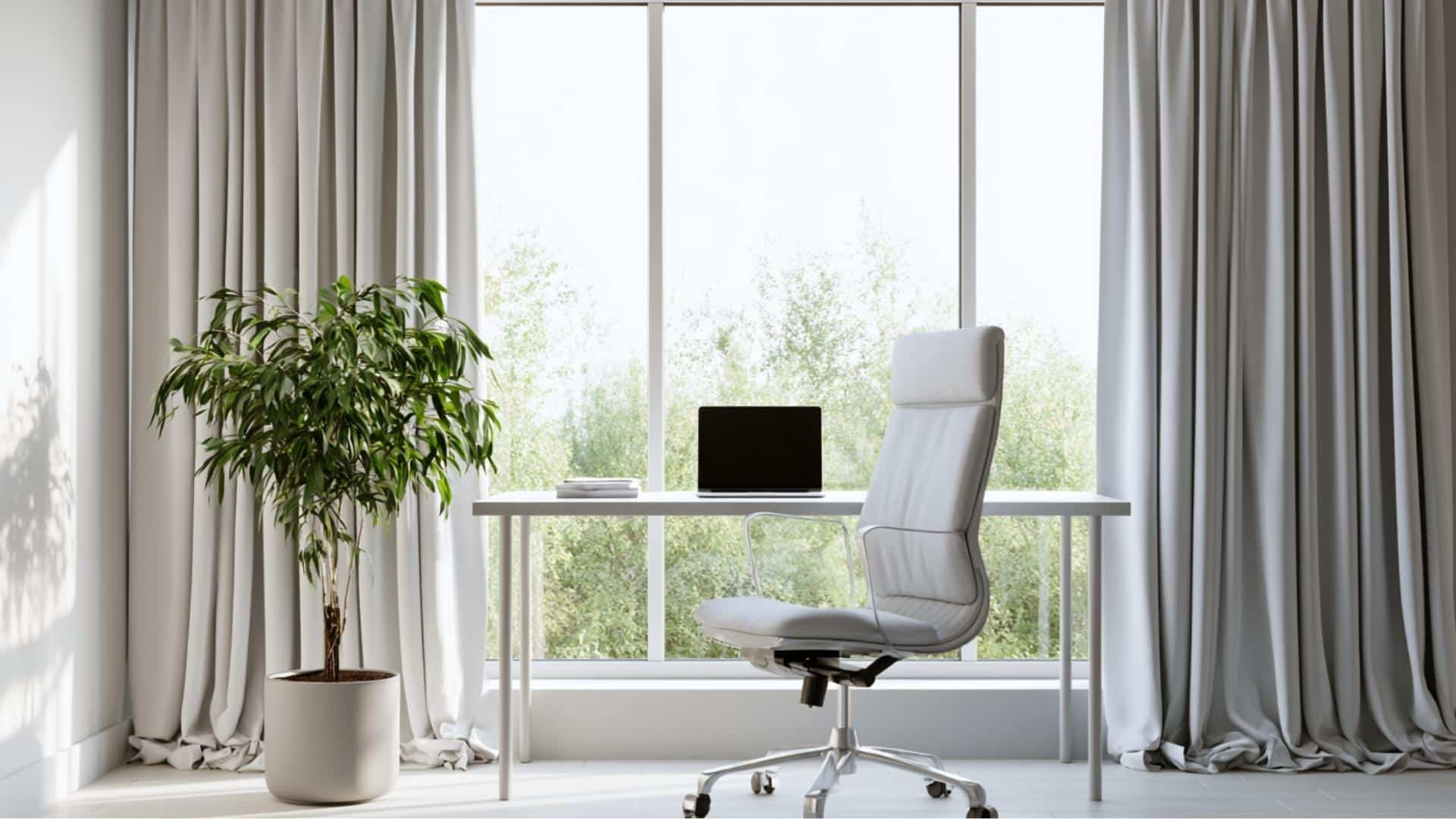
Flat panels have no pleats, gathers, or folds at the top. The fabric hangs straight down, giving the window a clean and modern look.
They work especially well in minimalist or contemporary rooms where extra texture at the top would feel like too much. They are also easier to iron and maintain since there are no folds to worry about.
17. Rod Clip Curtains
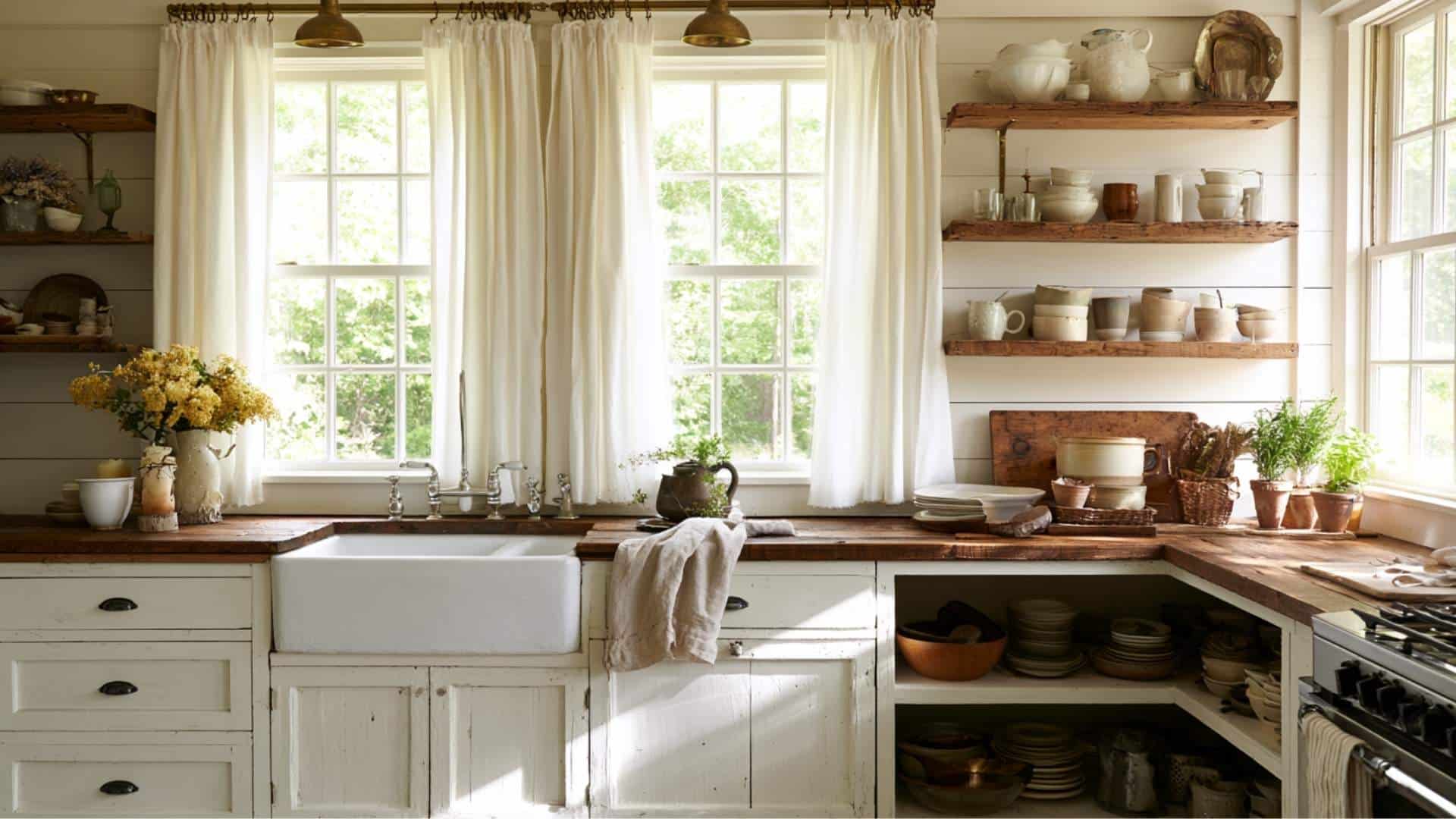
Clips attached to rings grip the fabric directly and hang from the rod. They are quick to put up and easy to take down, which makes them a practical everyday option.
You can use almost any fabric panel with rod clips, so they offer a lot of flexibility. If you like switching things up with the seasons, this style makes it very easy.
None of these styles need much explanation once you see them, which is exactly why they work so well for everyday rooms.
Functional Curtain Types
Sometimes the way a curtain looks matters less than what it actually does. If you have a specific problem to solve, such as excessive light, heat loss, or outside noise, these functional types are worth knowing about.
18. Blackout Curtains
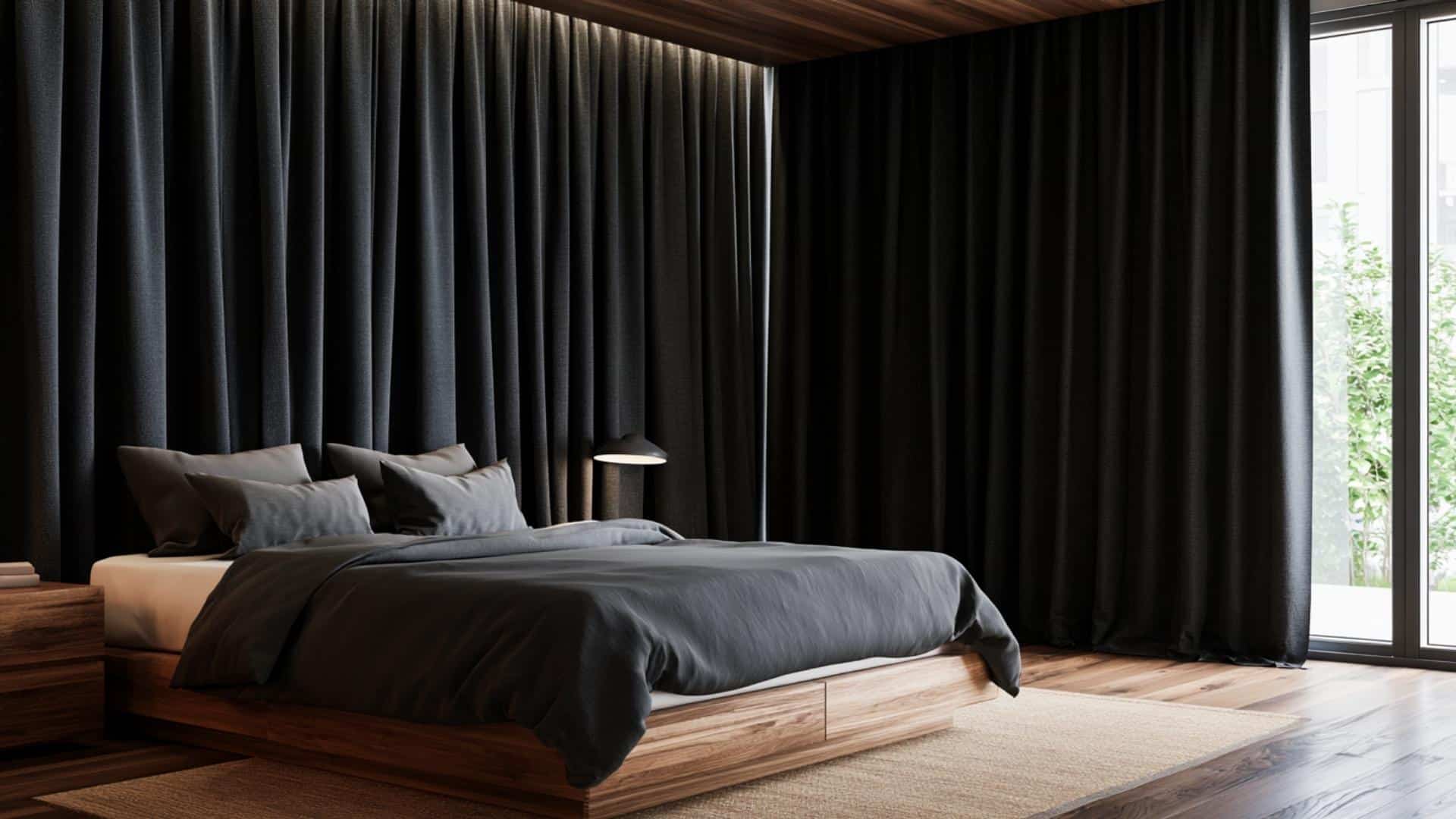
Blackout curtains are made with a tightly woven or coated fabric that blocks most or all incoming light. They are a go-to choice for bedrooms, nurseries, or home theaters where darkness matters.
Beyond light control, they also add a layer of privacy since nothing is visible from outside. If you are a light sleeper or work night shifts, blackout curtains can genuinely change your sleep quality.
19. Sheer Curtains
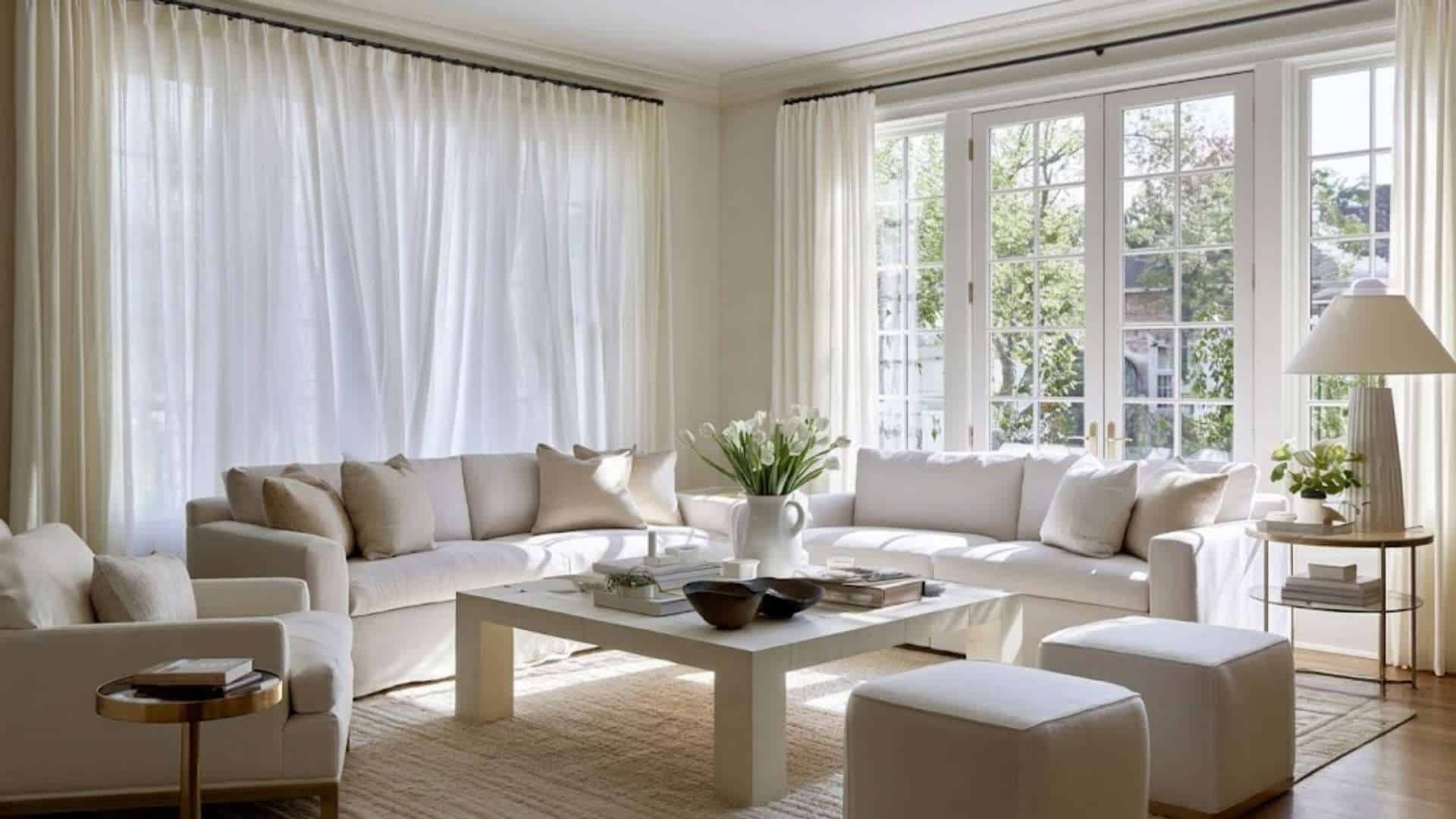
Sheer curtains are lightweight and semi-transparent, letting natural light filter through softly. They do not offer much privacy on their own but work well layered over blinds or heavier curtains.
They are ideal for living rooms and dining areas where you want brightness without harsh direct sunlight. And because they are so light, they move gently with airflow, which adds a calm, airy feel to the room.
20. Thermal Curtains
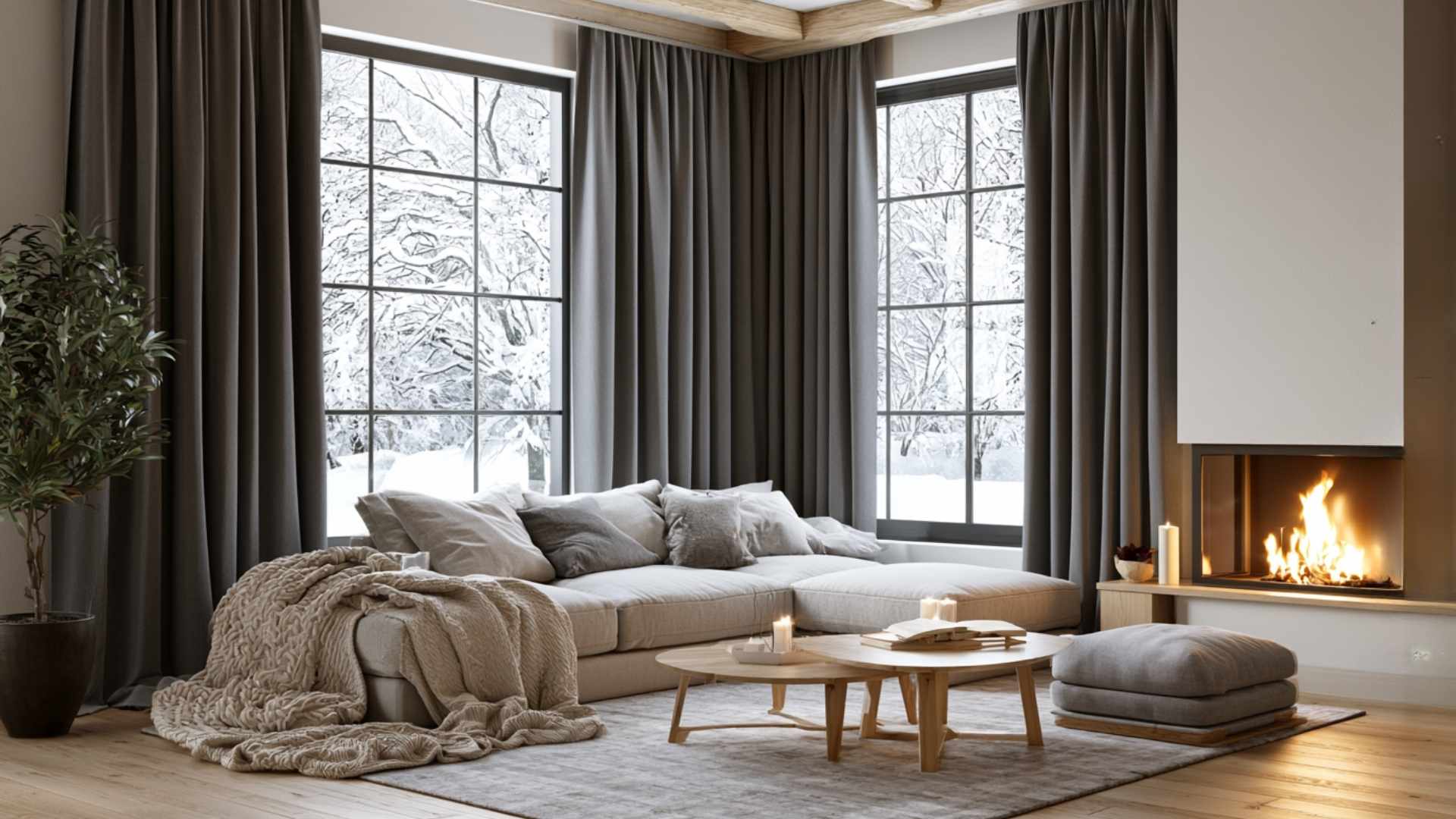
Thermal curtains have an insulating lining that helps keep warm air in during winter and hot air out during summer. They reduce the strain on your heating and cooling systems, which can lower your energy bills over time.
They tend to be heavier than regular curtains but hang similarly. If your windows are drafty or your room struggles to hold temperature, thermal curtains are a practical fix.
Some brands market these as energy-efficient curtains, which are usually the same product tested and rated for insulation performance.
21. Soundproof Curtains
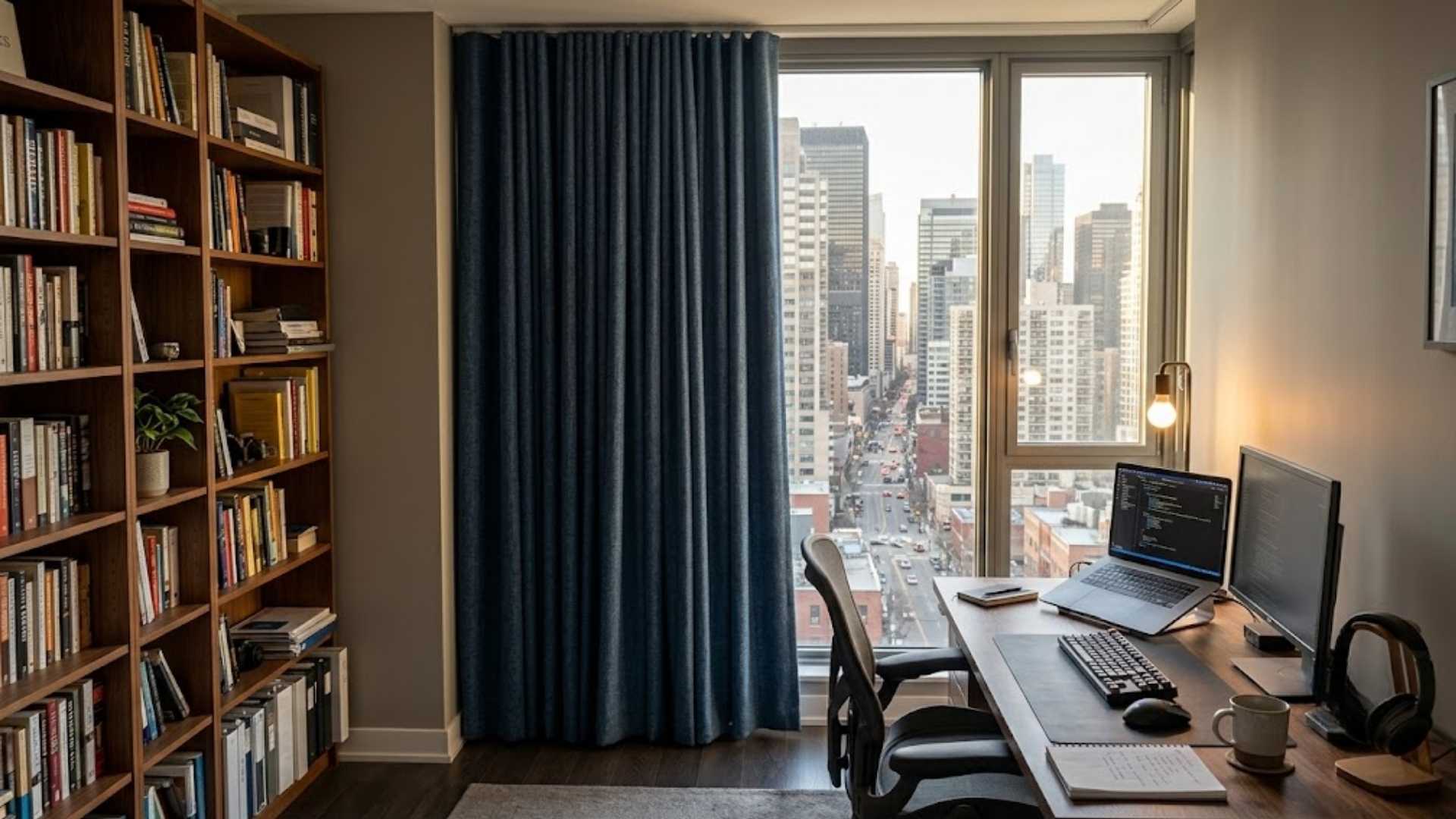
Soundproof curtains use dense, heavy fabric to absorb and dampen outside noise. They will not eliminate sound but can reduce it enough to make a noticeable difference.
They work well in city apartments, home offices, or rooms that face busy streets. If outside noise is affecting your focus or sleep, adding soundproof curtains is one of the simpler solutions available.
Pick based on the problem in the room, not the look on the shelf, and the right curtain usually becomes obvious.
Short-Length Curtain Styles
Not every window calls for floor-length panels. Sometimes a shorter curtain is the smarter, cleaner choice, especially in rooms where function and space matter more than drama.
22. Café Curtains
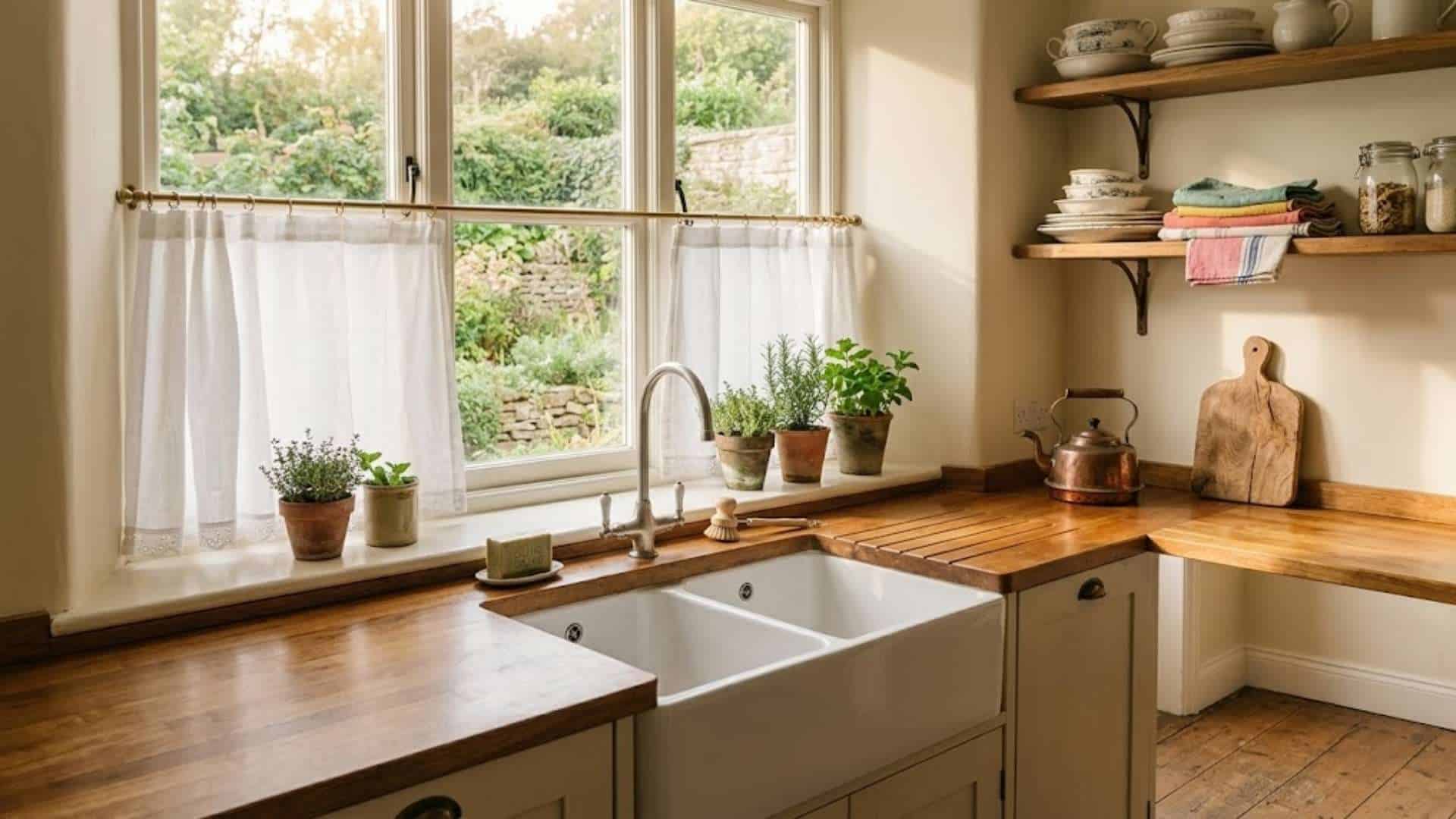
Café curtains cover only the bottom half of the window, leaving the top open for natural light. They are a classic choice for kitchens and breakfast nooks where you want privacy without blocking the view above.
They are easy to hang, usually on a small tension rod, and come in a wide range of fabrics. If your kitchen window faces a neighbor or a busy street, café curtains solve the problem.
23. Apron Curtains
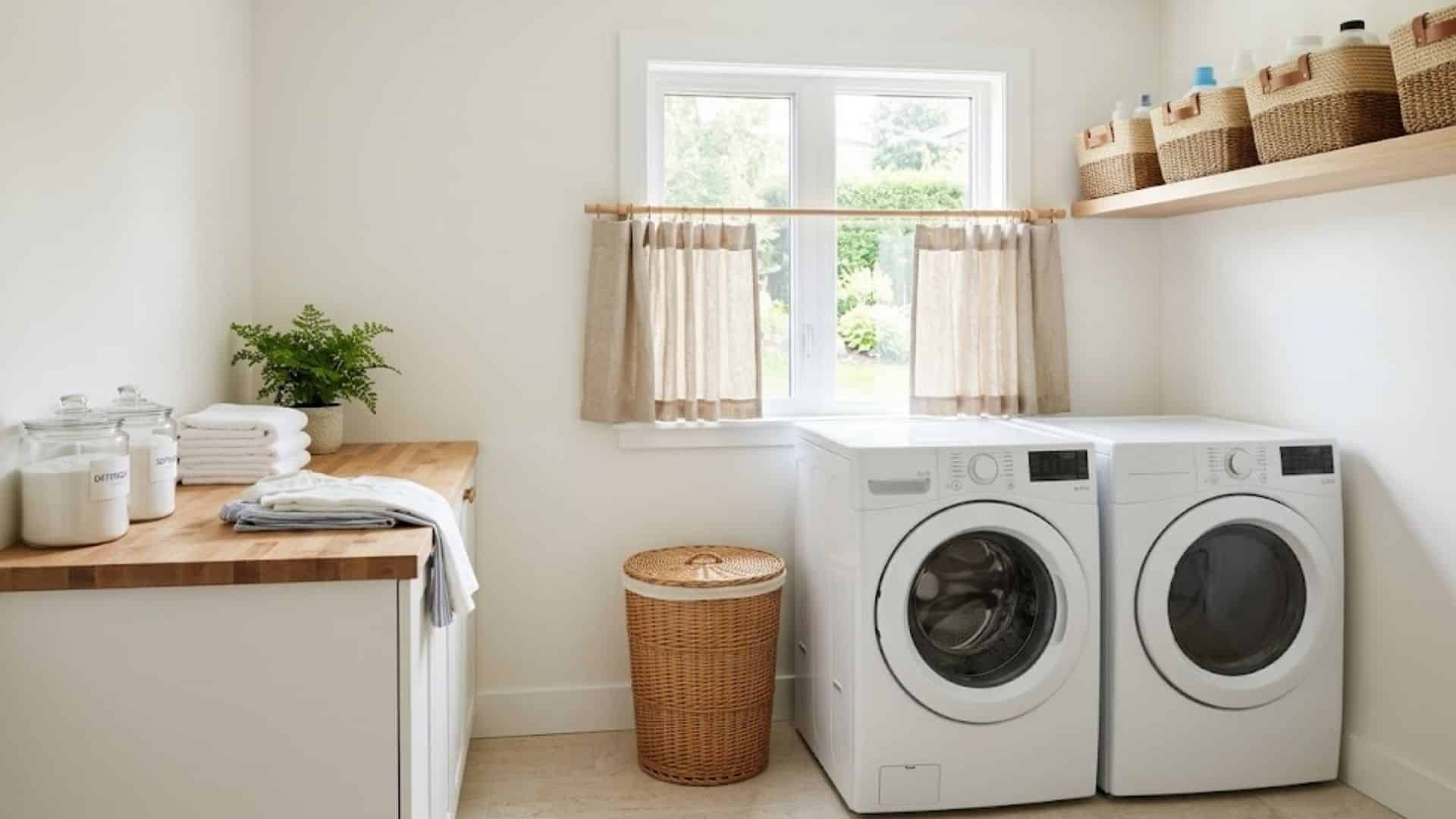
Apron curtains hang just below the windowsill, covering the window and a few inches of the wall beneath it. They give the window a slightly more finished look than sill-length curtains without going all the way to the floor.
They work well in casual spaces like laundry rooms, mudrooms, or kids’ bedrooms. And since they stay off the floor, they are easier to keep clean.
24. Window Sill Curtains
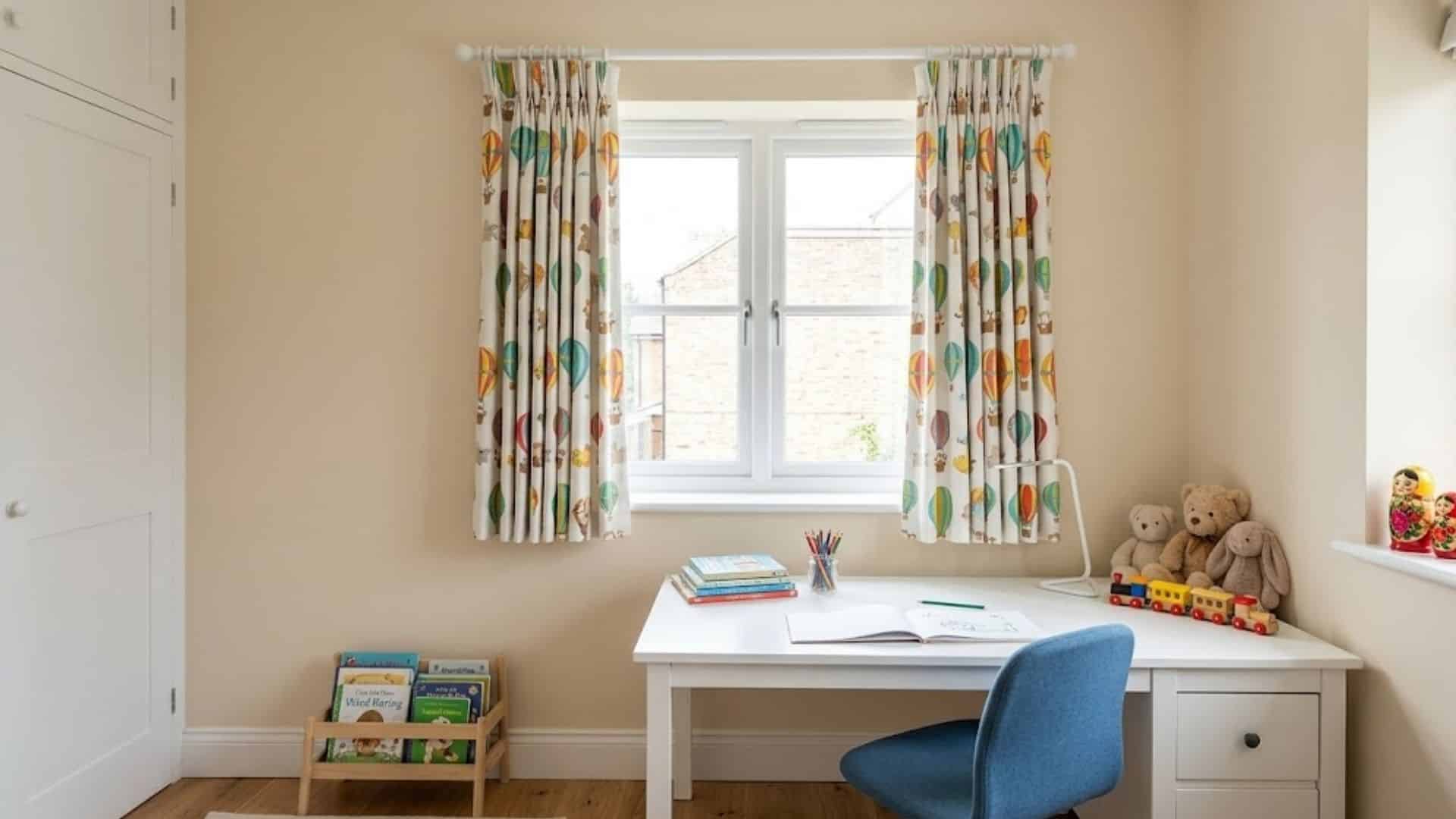
These curtains end right at the sill, keeping everything neat and contained. They are practical for rooms where floor-length panels would get in the way, like above a radiator or a deep window seat.
They keep the look tidy without sacrificing too much style. For small windows in tight spaces, sill-length curtains are often the most sensible option.
Short curtains are underrated. Once you see how well they work in the right spaces, you will stop defaulting to floor-length panels for every window in your home.
Most ready-made curtains come in a few standard lengths, usually 63, 84, 96, and 108 inches. Custom curtains can be made to the exact drop you need, which matters if your windows are unusually tall or short.
Decorative Drapery Styles for Luxury Interiors
If you want your windows to feel intentional and elevated, decorative drapery styles offer more than basic coverage. These options are about adding personality, depth, and a touch of refinement to a room.
25. Swag Curtains
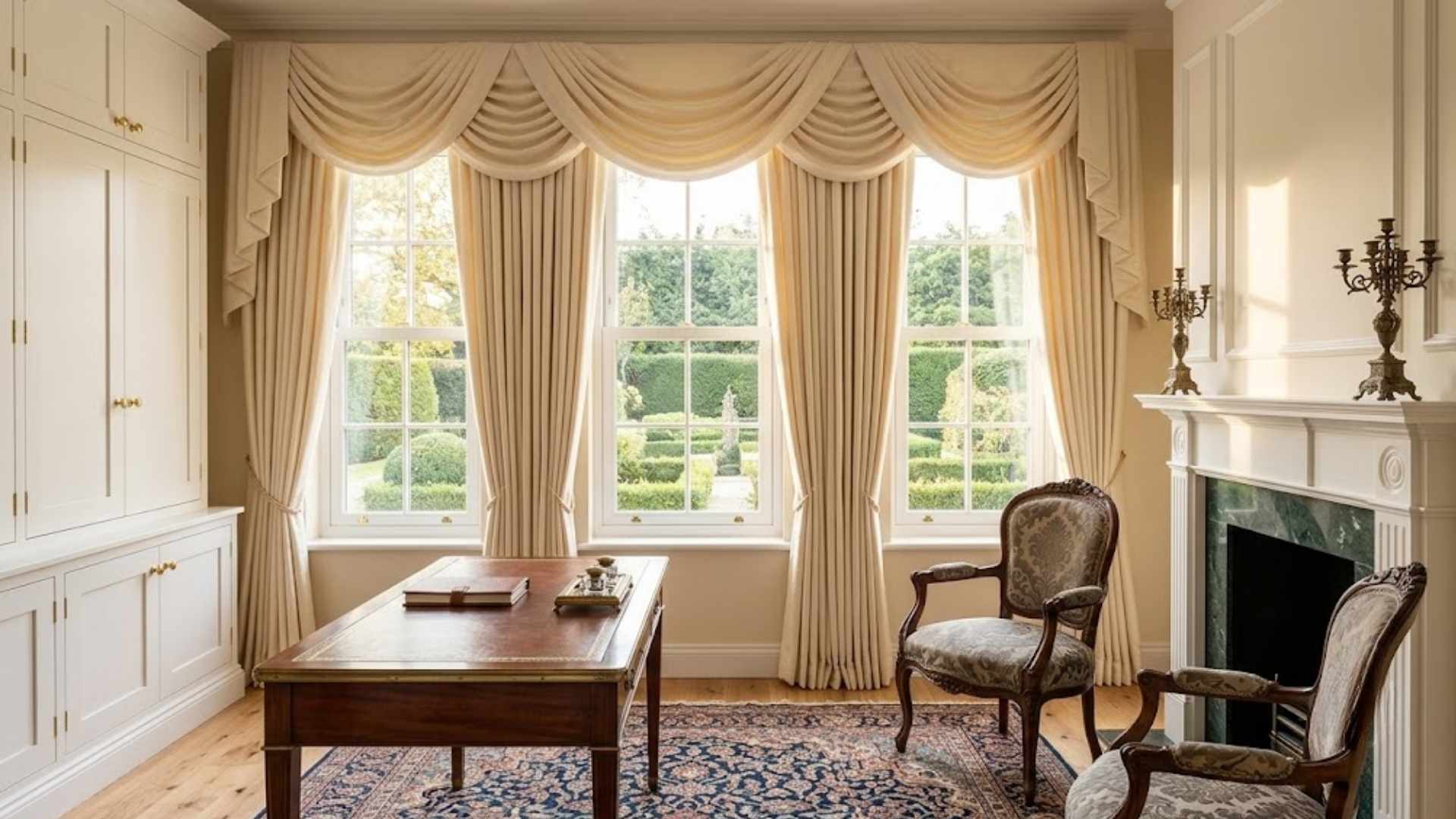
Swag curtains drape loosely across the top of the window in a soft, flowing curve. They are purely decorative and are often used alongside blinds or functional curtains underneath.
They suit traditional, romantic, or maximalist interiors where layering is part of the design. If you want your windows to feel like a focal point rather than an afterthought, swags deliver that instantly.
26. Valance Curtains
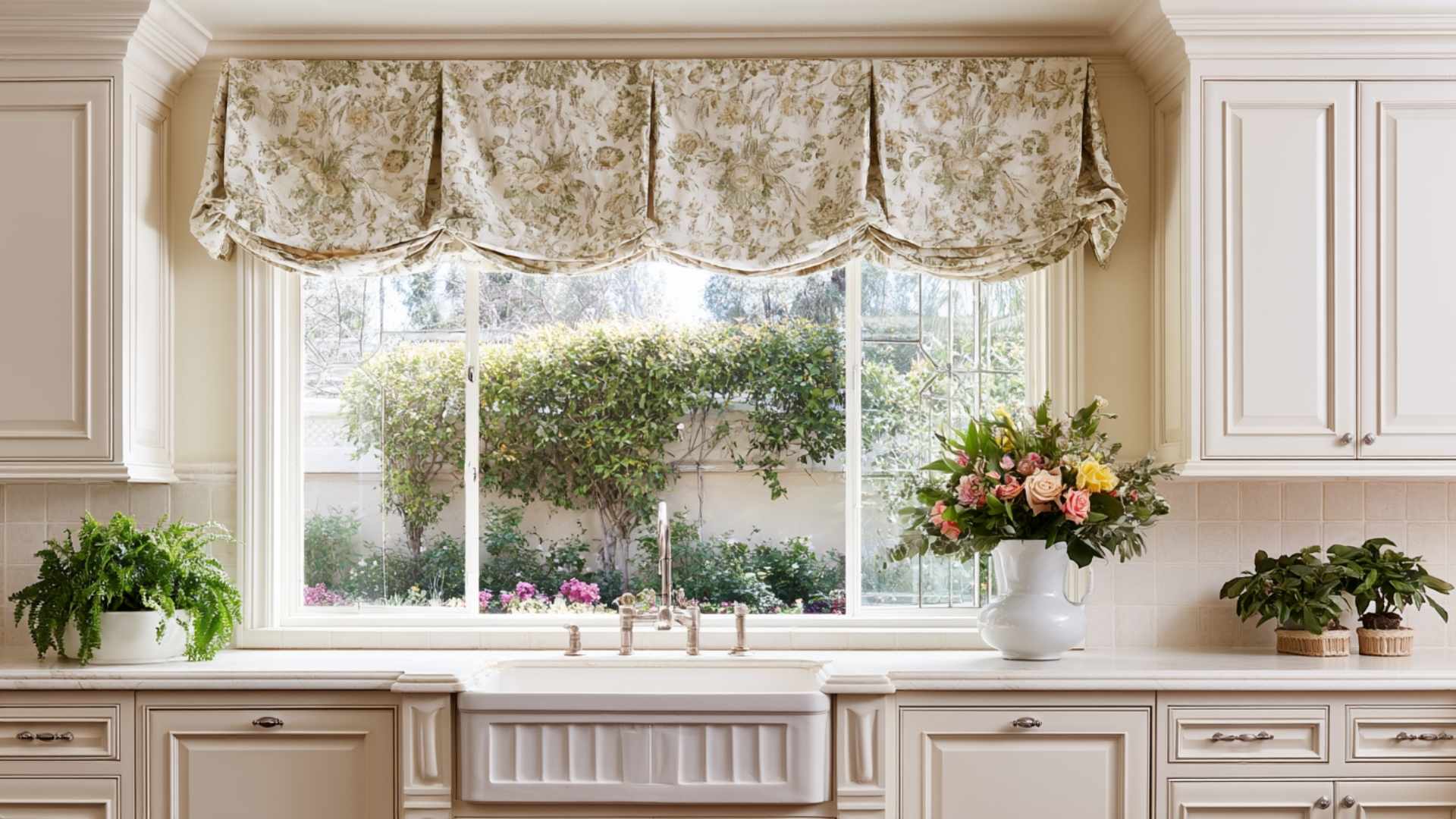
A valance is a short decorative panel that runs across the top of the window. It hides the curtain rod and hardware while adding a finished, polished look.
Valances work well on their own for windows that need a little style but not full coverage. They also pair nicely with blinds or shutters, giving the window a layered, purposeful appearance.
27. Layered Drapery Panels
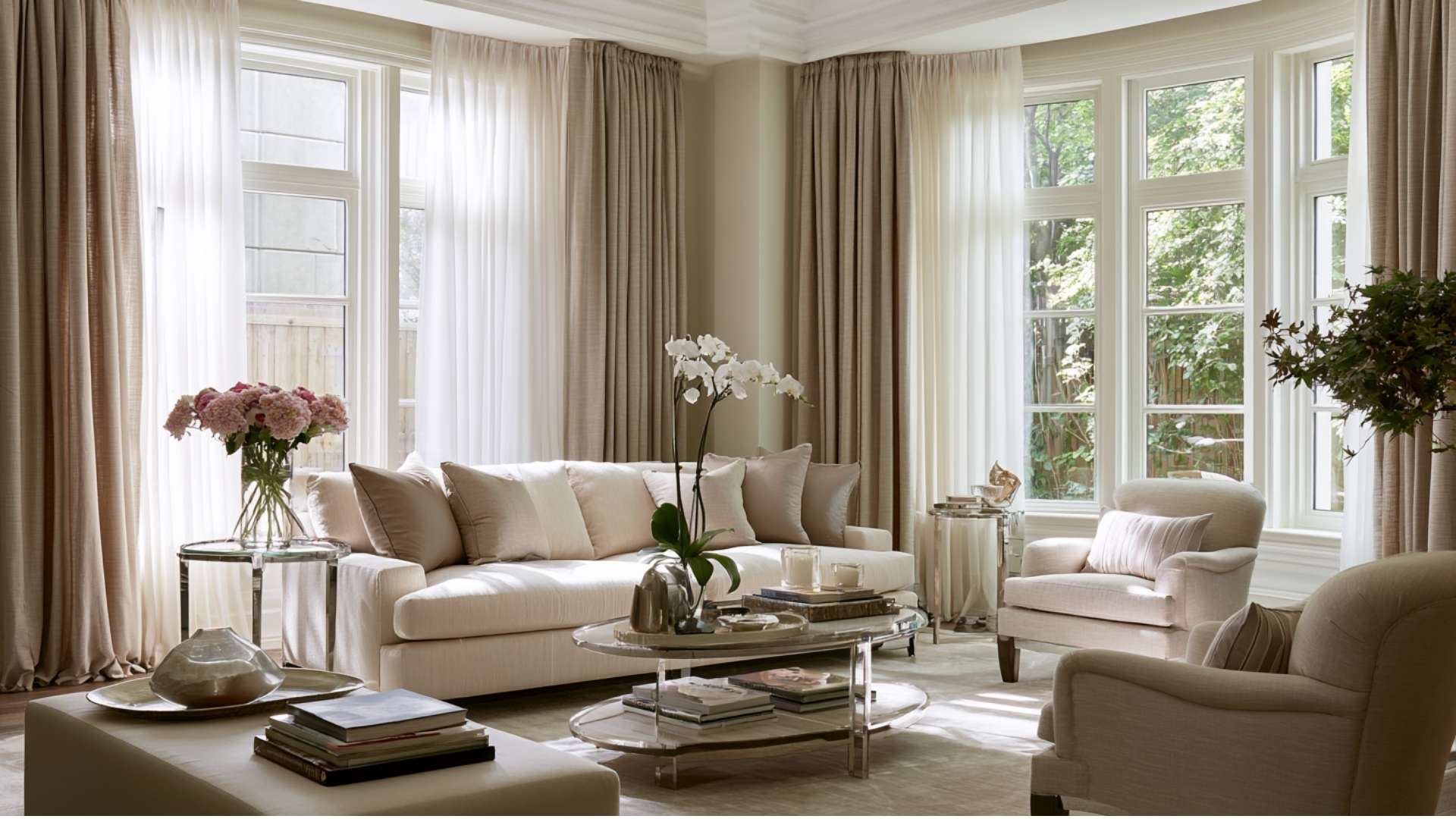
Layering means combining two or more curtain types on the same window, usually a sheer panel with a heavier drape over it. It gives you flexibility, as you can adjust light and privacy throughout the day without making any permanent changes.
It also adds visual depth and texture, which makes a room feel more considered and designed. If you are putting together a space with refined interiors, layering is one of the simplest ways to make a window look expensive without spending a lot.
28. Puddle-Length Curtains
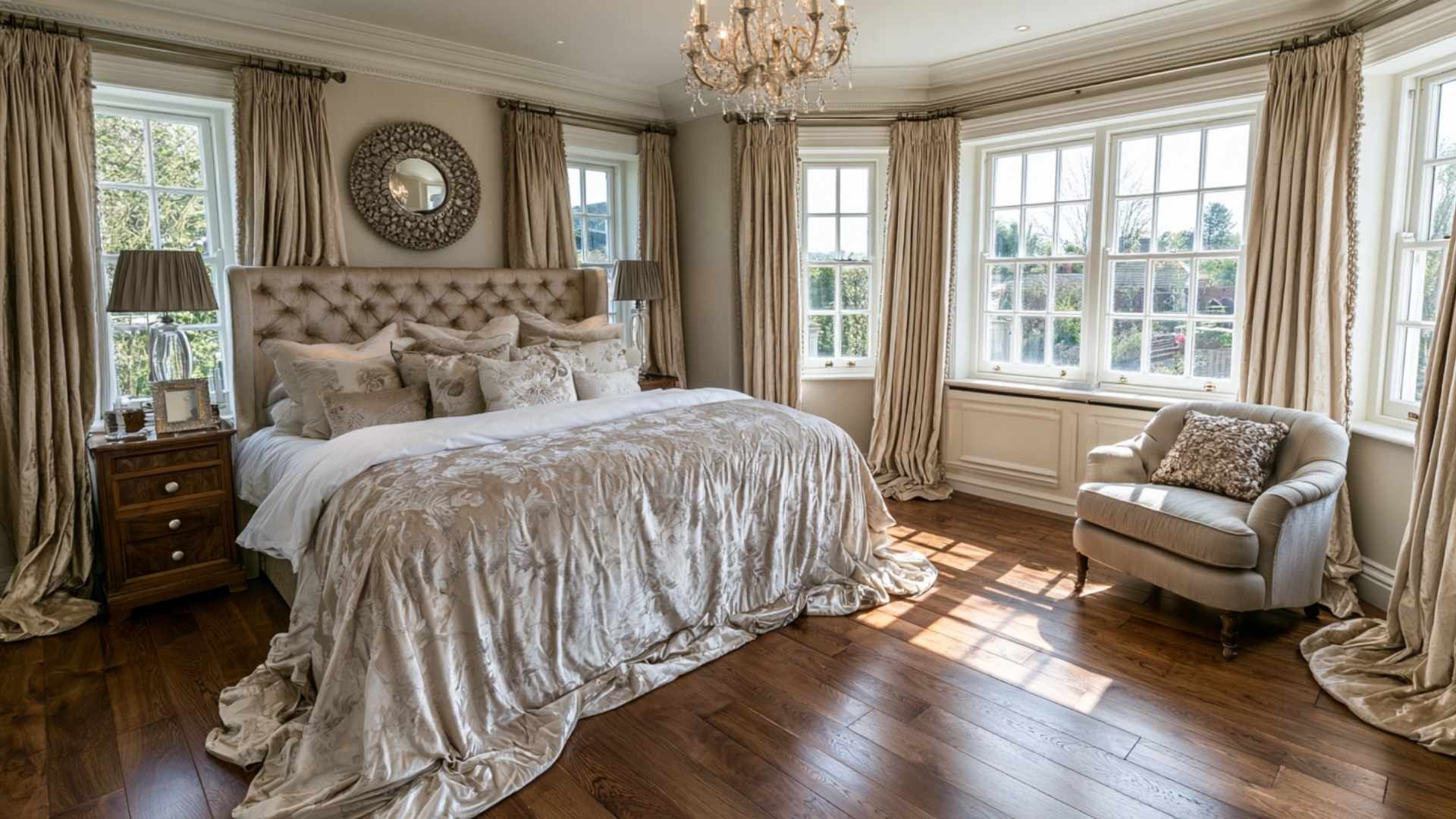
Puddle curtains are intentionally cut longer than the window height, letting the fabric pool on the floor. The effect is dramatic and luxurious, often seen in formal dining rooms, grand entryways, or bedroom spaces that lean romantic.
The amount of puddling can vary from a slight break to a full, generous pool depending on the look you are going for. They require a little more maintenance since the fabric on the floor collects dust, but the visual payoff is hard to argue with.
Decorative drapery is where function steps back, and style takes over. Used well, these styles turn an ordinary window into one of the most memorable parts of the room.
Fabric-Based Curtain Styles
The fabric you choose affects how your curtains look, feel, and function in a room. From breezy linens to rich velvets, each material brings something different to the window.
| Fabric | Look and Feel | Best Room | Key Benefit |
|---|---|---|---|
| Linen | Light, textured, slightly rustic | Living rooms, dining areas | Breathable and works in casual or relaxed spaces |
| Velvet | Heavy, rich, deeply saturated | Bedrooms, formal living rooms | Excellent light blocking and insulation |
| Cotton | Clean, crisp, and versatile | Any room | Easy to wash and widely available |
| Silk Blend | Smooth, lustrous, and elegant | Formal rooms, master bedrooms | Adds a refined, high-end finish |
| Polyester Blend | Practical, wrinkle-resistant | High-traffic or kids rooms | Durable, affordable, and low-maintenance |
Each fabric has a personality, and the right one depends as much on what you need the curtain to do as on how you want it to look. Match the material to the room, and you will rarely go wrong.
How to Choose the Right Drapery Style?
With so many options out there, narrowing things down can feel overwhelming. But choosing the right drapery style gets a lot simpler when you break it into a few clear decisions.
- Start with the room’s purpose: A bedroom needs different curtains than a living room. Think about how much light control and privacy you actually need before anything else.
- Match the style to your interior: Modern rooms suit clean headers like grommets or back tabs, while traditional spaces lean toward pinch pleats or goblet styles.
- Consider the fabric weight: Heavy fabrics like velvet drape differently than linen or cotton, and that difference changes how the whole window looks and functions.
- Think about ceiling height: Floor-length curtains hung close to the ceiling make a room feel taller, which is worth keeping in mind for smaller spaces.
- Set a realistic budget: Fabric, lining, and hardware all add up. Knowing your budget early helps you focus on options that actually work for you.
- Factor in maintenance: Some fabrics need dry cleaning while others are machine washable. Pick something you can realistically keep up with long-term.
Getting this right does not require a designer. A little clarity on what you need goes further than any trend ever will.
Which Curtain Style Works Best in Each Room?
Different rooms have different needs, and the same curtain will not work everywhere. Here is a straightforward breakdown to help you match the right style to the right space.
| Room | Best Curtain Style | Why It Works |
|---|---|---|
| Bedroom | Blackout or thermal curtains | Blocks light and helps maintain room temperature for better sleep |
| Living Room | Pinch pleat or layered panels | Looks polished and gives flexible light control throughout the day |
| Kitchen | Café or sill-length curtains | Short styles stay clear of counters and work well near heat and moisture |
| Dining Room | Goblet pleat or swag curtains | Adds a formal, finished look that suits a space built for hosting |
| Home Office | Back tab or flat panel curtains | Clean lines reduce distraction and keep the space feeling focused |
| Kids Room | Cotton or polyester panel pairs | Easy to wash, durable, and available in fun patterns and colors |
| Bathroom | Sheer or café curtains | Lets in light while keeping privacy in a small space. |
Once you see it laid out this way, the right curtain for each room becomes far less of a guessing game and a lot more of a straightforward pick.
Common Mistakes When Choosing Curtain Types
Even small curtain mistakes can throw off an entire room. Knowing what to avoid saves you time, money, and the frustration of starting over.
- Hanging curtains too low: Mounting the rod right above the window frame instead of close to the ceiling makes the room feel shorter, and the window feel smaller than it actually is.
- Getting the length wrong: Curtains that hover above the floor look unfinished, and ones that bunch too much look sloppy. Aim for a clean break or a slight kiss on the floor.
- Choosing fabric without thinking about light: A sheer curtain in a bedroom will not give you the darkness or privacy you need, and a heavy velvet in a small kitchen will feel suffocating.
- Mismatching the header style to the room: Goblet pleats in a minimalist space or grommet curtains in a formal room both feel off. The header needs to match the overall tone.
- Buying without measuring: Estimating window size rarely works out. Always measure width and drop before purchasing anything.
- Ignoring the hardware: A beautiful curtain on a cheap or mismatched rod undermines the whole look. The hardware matters more than most people think.
- Think about color and pattern: Curtains that echo a wall color create a calm, blended look, while a contrasting pattern makes the window a focal point. Pick based on whether you want the curtain to stand out or fade into the room.
Avoiding these mistakes does not take much effort, but getting them right makes a bigger difference to the final result than any curtain style ever could.
Conclusion
Curtains are usually treated like a finishing touch, but they end up doing more of the heavy lifting than expected. Once they are in place, they either settle into the background or quietly throw the whole room off.
Looking at different curtain types and drapery styles makes one thing obvious. It is rarely about finding something dramatic. It is about how well a choice fits the way a room is actually used, how light moves through it, and how it feels at different times of day.
At that point, the decision stops being about trends and starts becoming about fit. That is where most rooms either come together or miss the mark completely.
Frequently Asked Questions
What Is the Most Popular Curtain Type in the USA?
Grommet curtains are one of the most widely used choices in American homes. They are easy to hang, slide smoothly, and suit a wide range of interior styles from casual to contemporary.
Which Curtain Style Is Easiest To Maintain?
Polyester or cotton flat panel curtains are the easiest to maintain. They are machine washable, resist wrinkles, and do not require special care or dry cleaning to keep looking good.
What Drapery Style Looks Most Modern?
Back tab, flat panel, and ripple fold curtains look the most modern. They create clean lines, hide hardware, and work well in minimalist or Scandinavian-inspired interiors without looking overdone.
Are Pleated Curtains Outdated?
No, pleated curtains are not outdated. Pinch and pencil pleats have made a strong comeback in contemporary interiors, especially when paired with neutral fabrics and simple, understated hardware.