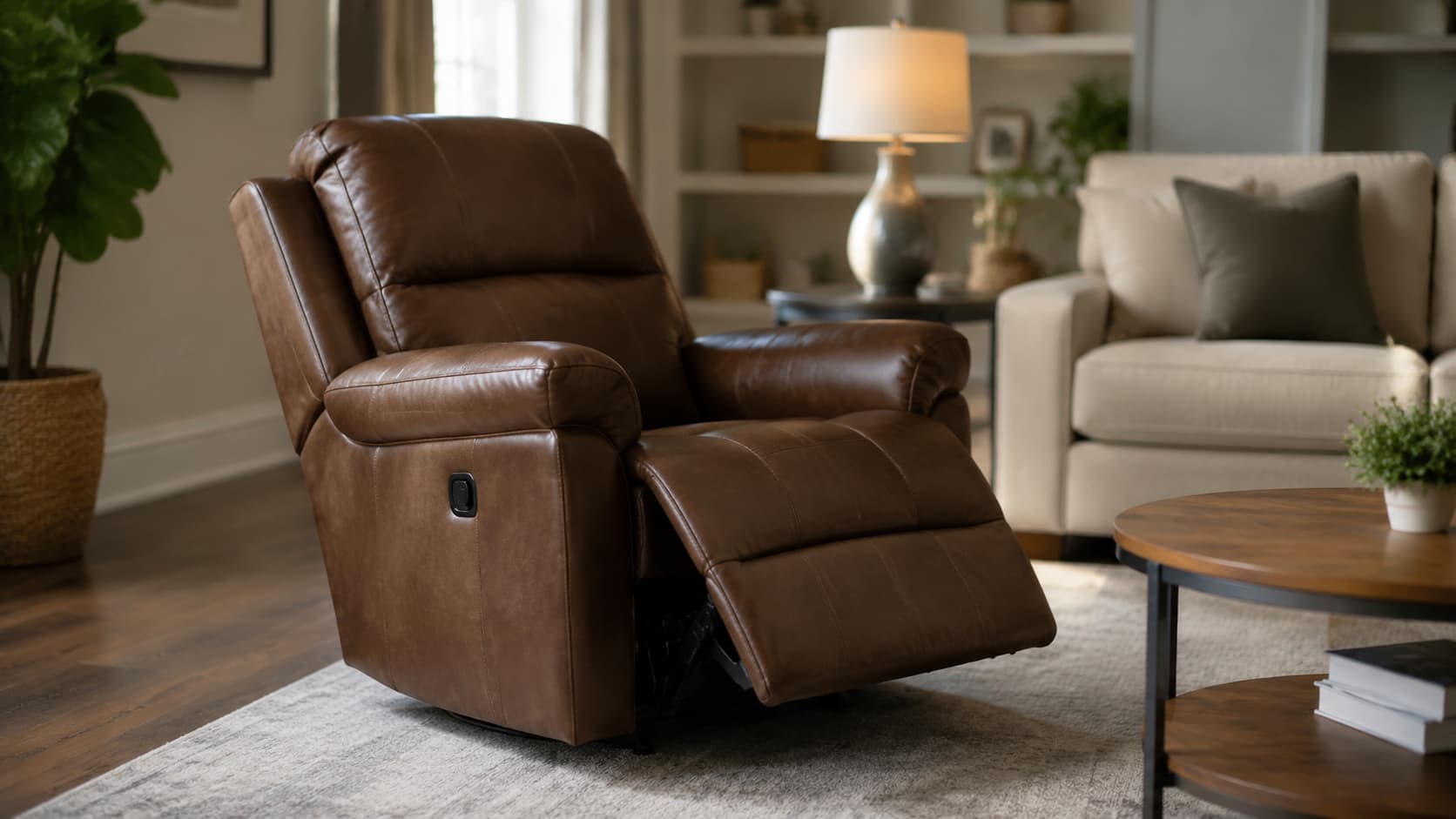
A recliner chair brings comfort and support to any home, offering a relaxed way to sit, rest, and unwind.
Recliners adjust the backrest and footrest, making them a popular choice for living rooms, bedrooms, and lounges.
A recliner chair is perfect for watching television, reading, or resting after a long day, offering flexibility that a regular chair cannot match.
With so many styles, mechanisms, and materials available, choosing the right recliner depends on space, comfort needs, and daily use.
What is a Recliner Chair?
According to the Cambridge Dictionary, a recliner is a chair that can be tilted backward so the person sitting in it can lie almost flat.
Furniture guides describe recliners as adjustable seating built for relaxation and posture support, commonly found in living rooms, bedrooms, and lounges.
The core purpose of a recliner chair is to improve comfort, reduce pressure on the back and legs, and support long periods of sitting.
Unlike fixed seating, a recliner adapts to the body, allowing users to shift between upright, reclined, and footrest-extended positions.
This adjustability makes recliners useful for relaxing, napping, or easing physical strain during everyday activities.
How a Recliner Works
A recliner chair works through a mechanism that allows the backrest and footrest to adjust smoothly. Manual and power systems control this motion in different ways.
- Manual recliner mechanism: Uses a lever or push-back system to recline the chair.
- Power recliner mechanism: An electric motor automatically adjusts the backrest and footrest.
- Key structural components: The frame, hinge system, footrest, and reclining back work together for support.
These mechanisms and parts combine to create smooth, adjustable seating that suits different comfort needs and usage styles.
Types of Recliners
Recliners come in many styles, each designed for different comfort needs and living spaces. Understanding these types helps in selecting a chair that fits both lifestyle and room layout.
1. Manual Recliners
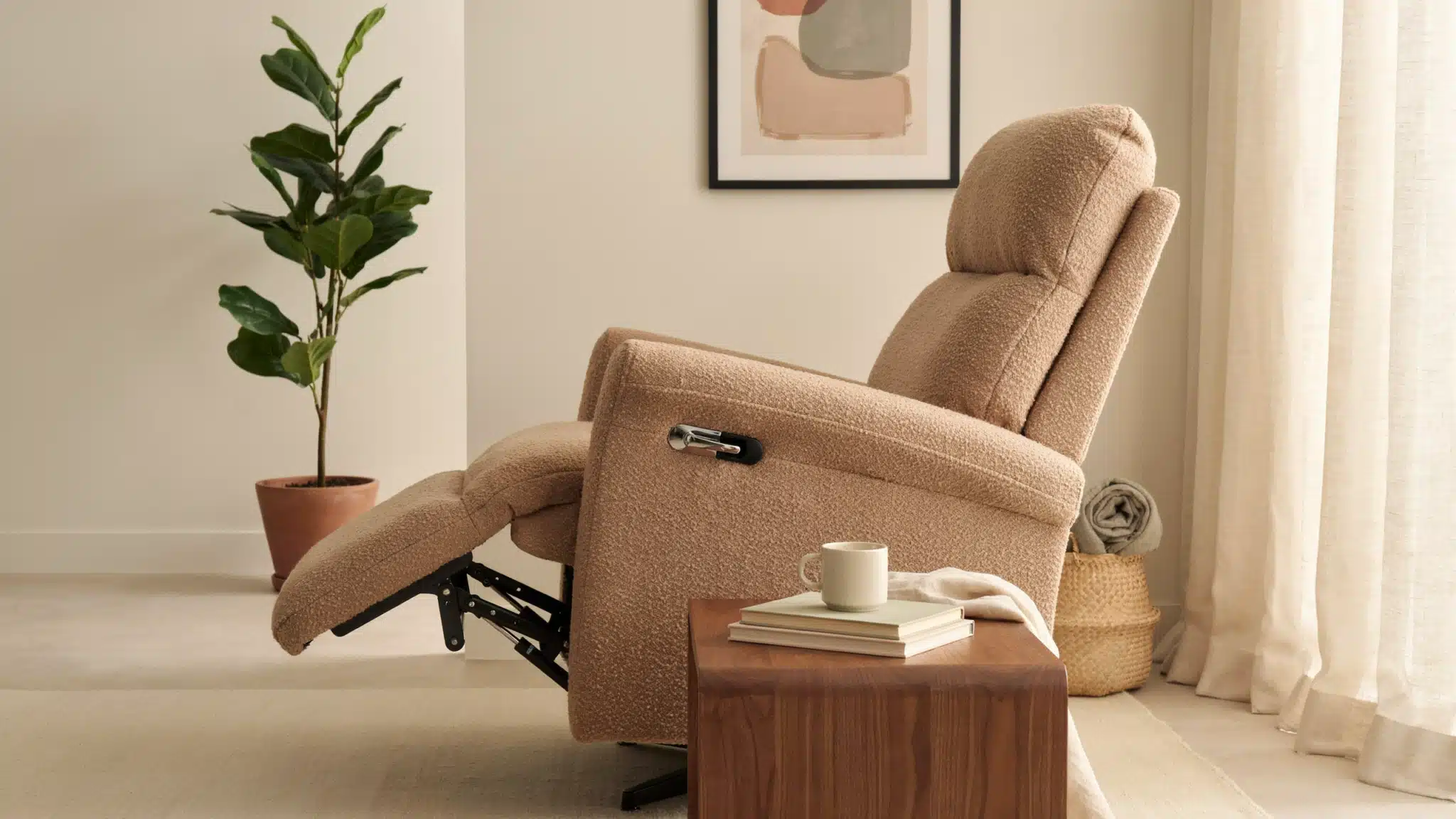
Manual recliners are classic chairs operated by a lever or push-back motion without electricity.
They offer a simple and reliable way to recline, making them a popular choice for budget-conscious buyers.
They do not rely on motors or power outlets; manual recliners are easy to maintain.
Pros:
- Low cost compared to power models
- No outlet needed, so it can go anywhere in the room
- Fewer moving parts to break down
- Easy to move or rearrange
Cons:
- No fine position control
- Harder to operate for people with limited grip or strength
Cost: Around $300 (check current price on the listing)
Recommended: Signature Design by Ashley Bladewood Faux Leather Manual Zero Wall Recliner
2. Power Recliners
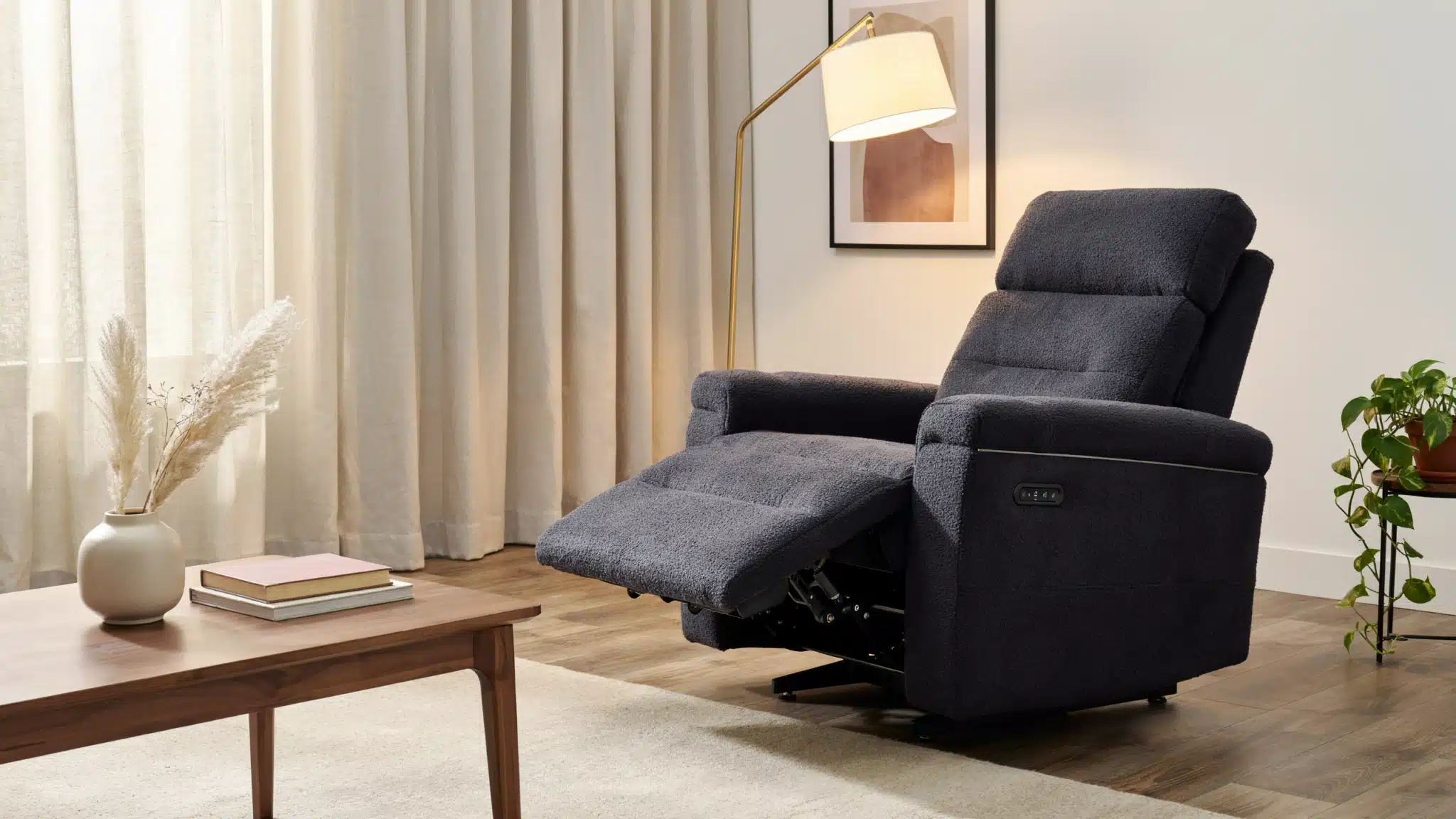
Power recliners are motorized chairs controlled by buttons or a remote for smooth, effortless adjustment.
They allow users to find the perfect reclining position without physical strain, making them ideal for those seeking convenience.
Pros:
- Precise, button-controlled positioning
- Low physical effort to operate
- Often includes a USB port and headrest control
Cons:
- Needs a nearby power outlet
- Costs more than manual models
- A motor can wear out or fail over time
Cost: $228.79
Recommended: Power Recliner Chair for Adults with USB Port, Heavy Duty 350 lbs Electric Lounge Chair
3. Rocker Recliners
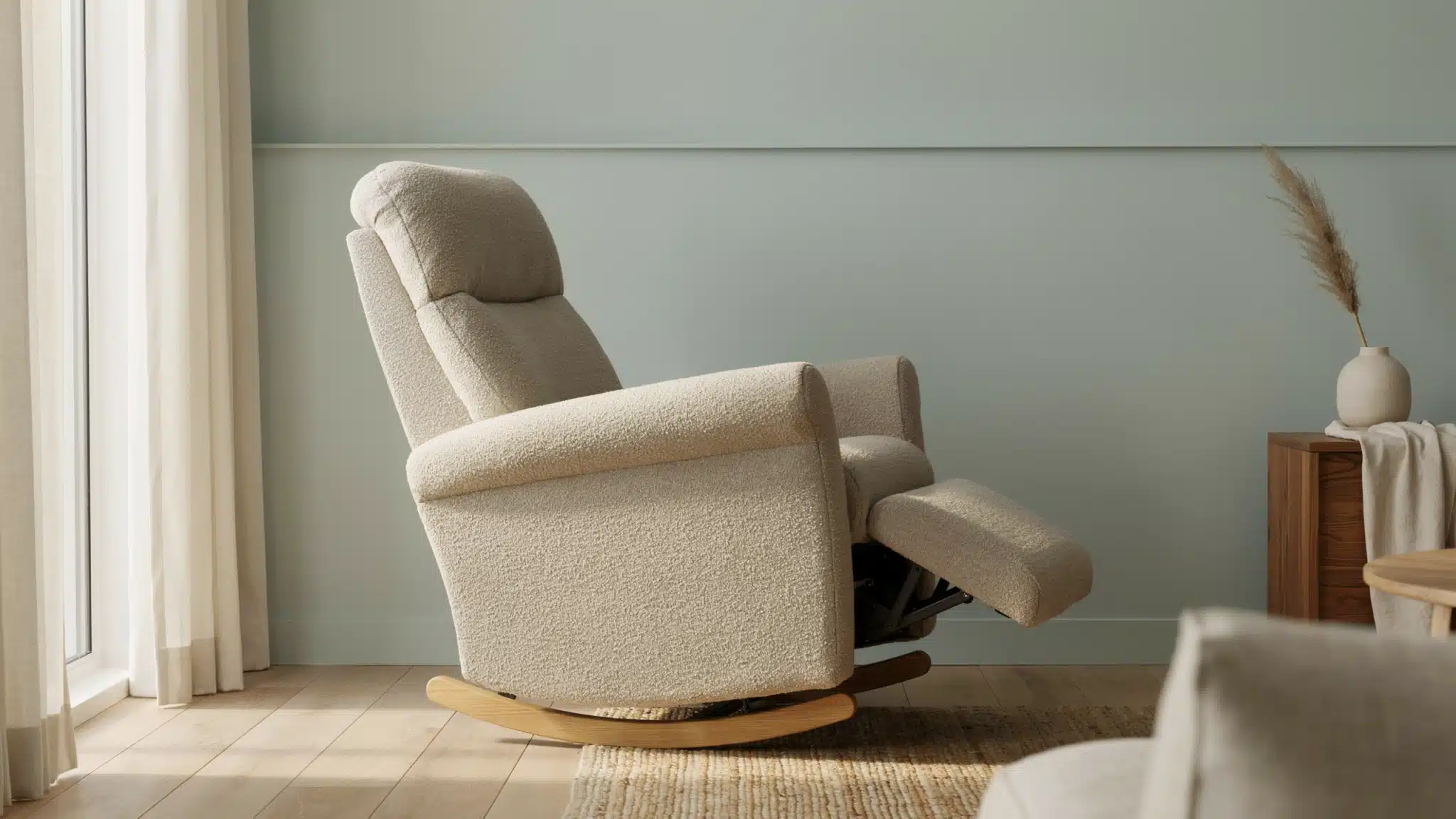
Rocker recliners combine the reclining function with a gentle rocking motion for added relaxation.
This soothing back-and-forth movement makes them especially popular for nurseries, reading corners, or quiet lounging areas.
Pros:
- A gentle rocking motion is soothing for nursing or reading
- Available in a wide range of fabrics and leathers
- Good all-purpose seat for daily use
Cons:
- Rocking motion locks while the chair is reclined
- Needs more floor clearance than a stationary chair
Recommended: Maklaine Contemporary Fabric Rocker Recliner
4. Wall-Hugger Recliners
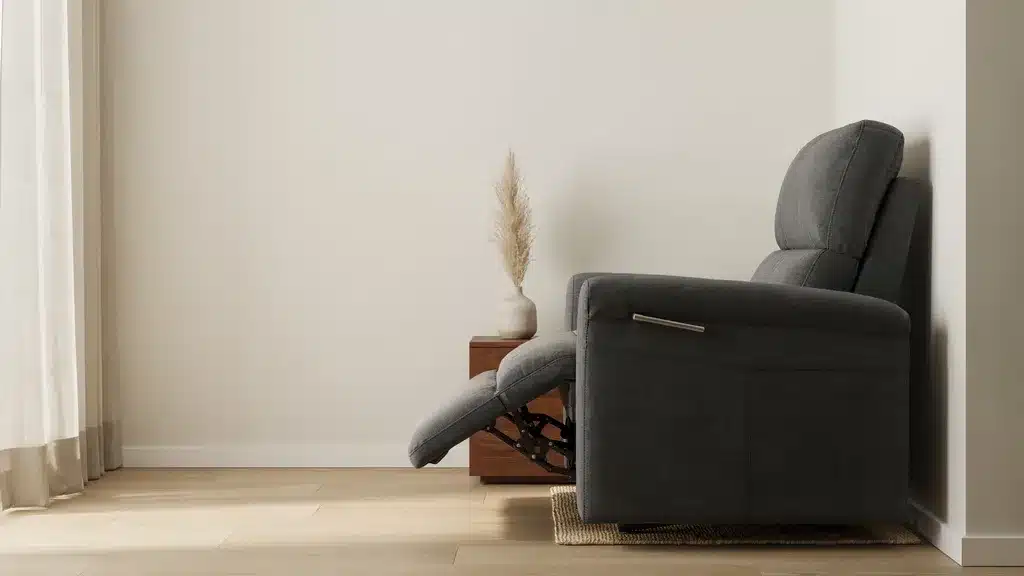
Wall-hugger recliners are designed for small spaces, sliding forward while reclining rather than extending backward.
This space-saving design allows the chair to be placed closer to walls without sacrificing comfort.
They are a practical option for apartments, smaller living rooms, or any space where clearance behind the chair is limited.
Pros:
- Needs only a few inches of wall clearance
- Good fit for apartments and small rooms
- Available in both manual and power versions
Cons:
- Slides forward on the floor, so it needs space in front instead of behind
- Not all models rock or swivel
Cost: $699.90
Recommended: MCombo Wall-Hugger High Leg Power Recliner
5. Swivel Recliners
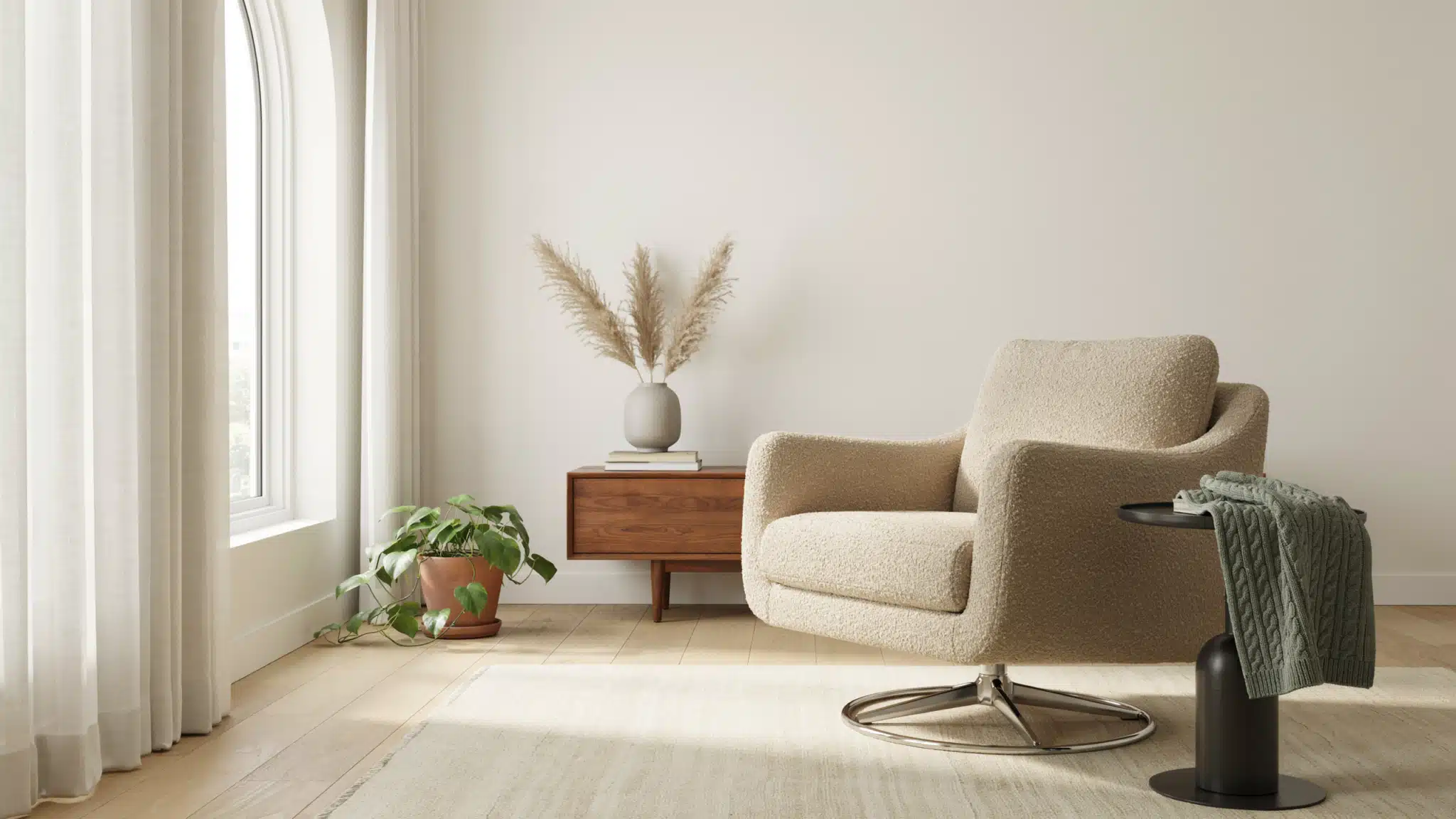
Swivel recliners feature a 360-degree rotating base that allows flexible movement without standing up.
This is especially useful in open living rooms with multiple viewing angles, such as a television and a window.
Swivel recliners combine reclining comfort with the convenience of effortless rotation for everyday use.
Pros:
- Full rotation without standing up
- Works well in open floor plans
- Easy to turn toward conversation or a TV
Cons:
- The swivel base adds to the cost
- The base can wear or loosen after years of heavy use
Cost: $275.99
Recommended: Homall Swivel Rocking Recliner Chair, 360-Degree Swivel
6. Lift Recliners
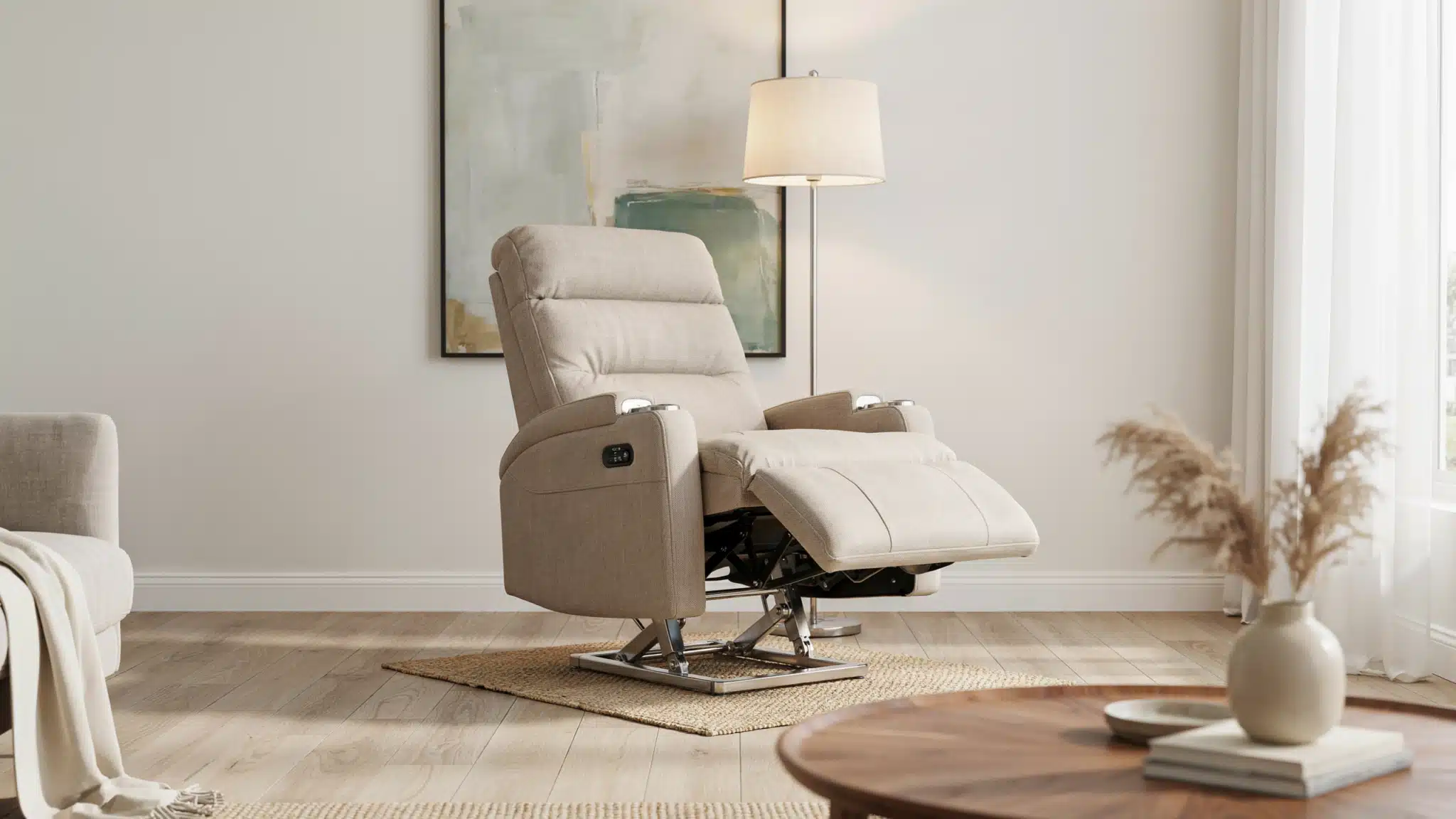
Lift recliners help users transition from sitting to standing with the assistance of a built-in motor.
This feature gently tilts the entire chair forward, reducing strain on the joints and muscles.
Lift recliners are particularly beneficial for elderly individuals or those with mobility limitations who need extra support during daily movement.
Pros:
- Reduces strain on knees and back when standing
- Often includes heat and massage
- High weight capacity options available
Cons:
- Bulkier frame than a standard recliner
- Needs a power outlet
- Higher price than manual or basic power chairs
Cost: $300.00
Recommended: JONPONY Power Lift Recliner Chair for Elderly
7. Massage Recliners
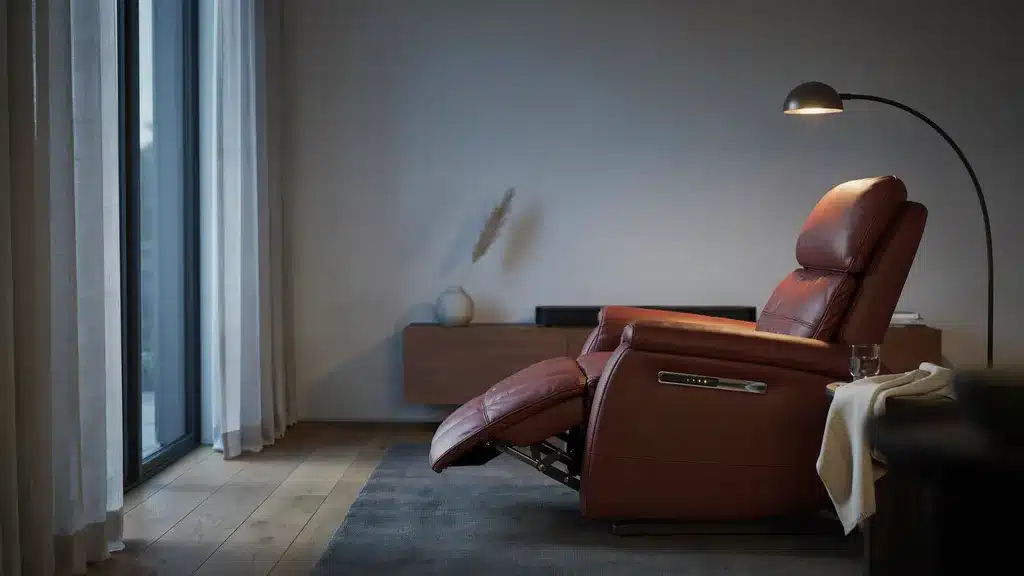
Massage recliners include built-in vibration or massage settings designed for therapeutic comfort and relaxation.
These features can help ease muscle tension, improve circulation, and provide relief after a long day.
Many massage recliners offer adjustable intensity levels, allowing users to customize their relaxation experience to their comfort preferences.
Pros:
- Built-in massage and heat functions
- Adjustable intensity levels
- Zero-gravity recline available on many models
Cons:
- Higher price point than standard recliners
- Heavier, larger footprint
- More parts that can eventually need repair
Cost: $270.00
Recommended: JONPONY Manual Recliner Chair with Massage Function
8. Recliner Sofas
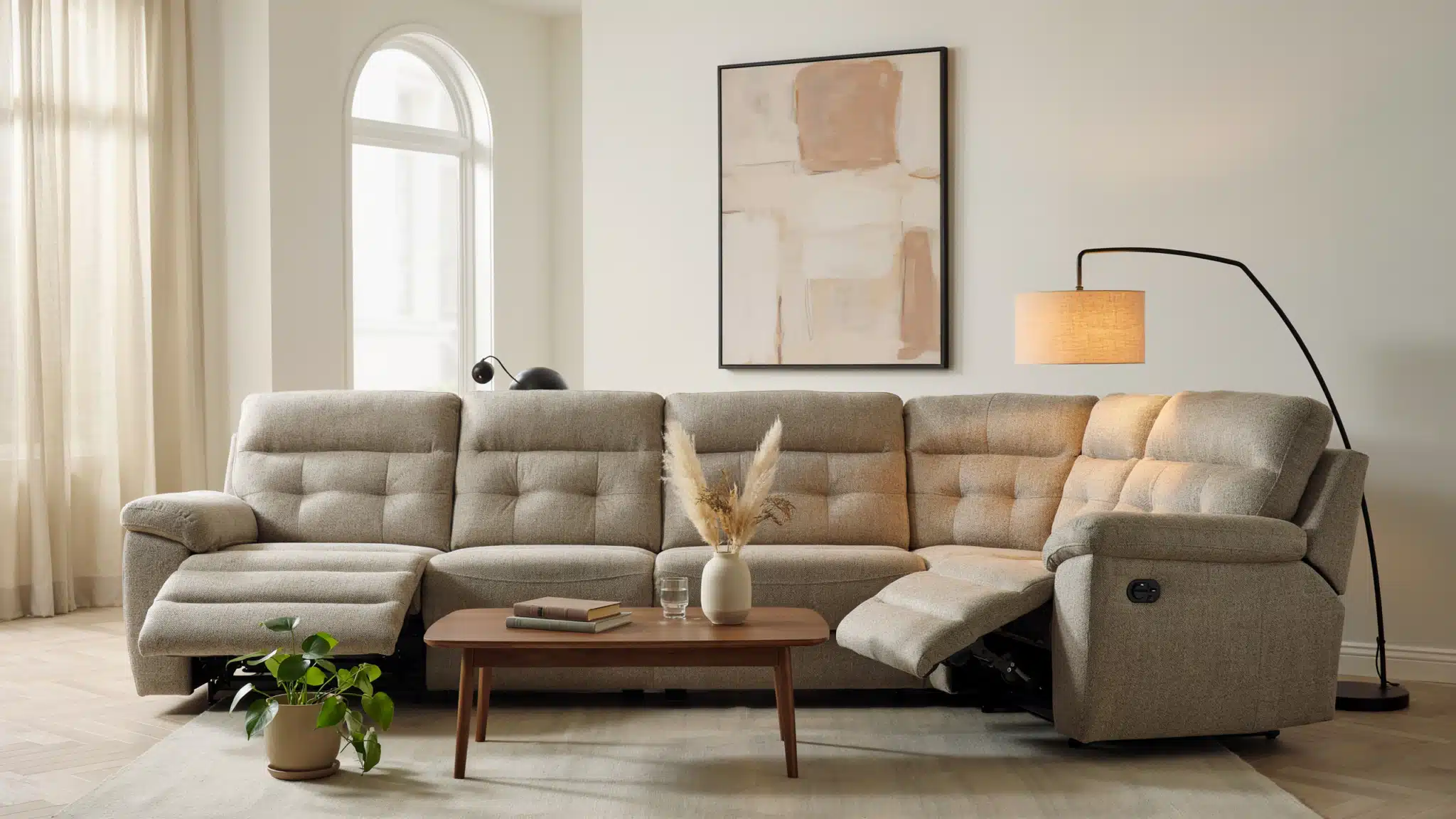
Recliner sofas are sectional or multi-seat recliners built directly into sofa designs for shared comfort.
They allow multiple people to enjoy reclining seating at once, making them ideal for families or larger living rooms.
Pros:
- Seats several people at once
- Each seat reclines independently
- Good fit for family rooms and home theaters
Cons:
- Takes up significant floor space
- Heavier and harder to move than a single chair
- Higher total cost than a single recliner
Cost: $926.39
Buy on Walmart: Signature Design by Ashley Stoneland Reclining Sofa in Chocolate
9. Chaise Recliners
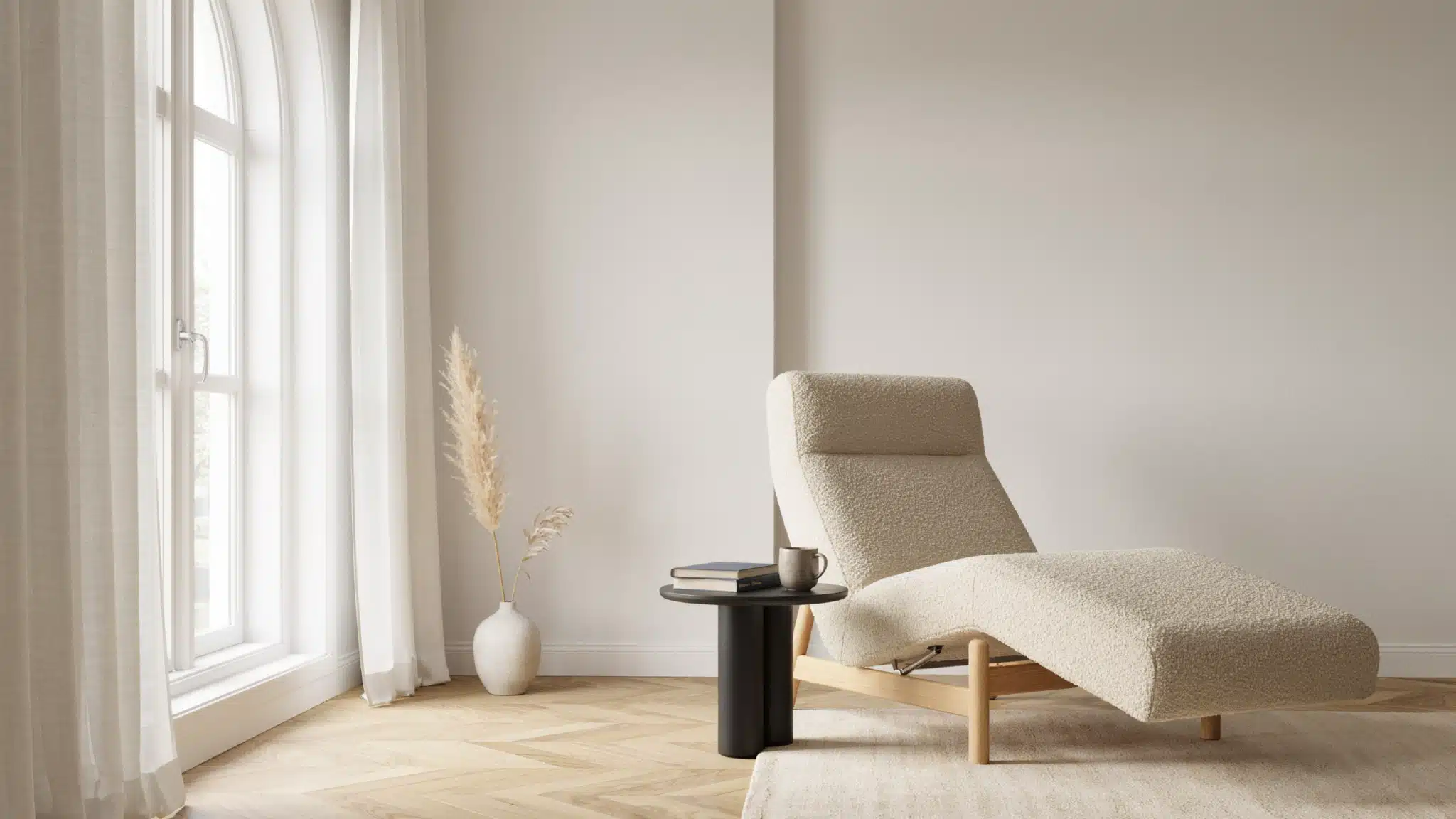
Chaise recliners offer extended seating that supports a full leg stretch without requiring a separate footrest.
This provides a longer seating surface, making it more comfortable for taller individuals or those who prefer to stretch out fully.
Chaise recliners are well suited for lounging, napping, or extended relaxation.
Pros:
- Seats several people at once
- Each seat reclines independently
- Good fit for family rooms and home theaters
Cons:
- Takes up significant floor space
- Heavier and harder to move than a single chair
- Higher total cost than a single recliner
Cost: $599.00
Recommended: GDFStudio Mid Century Chaise Lounge Chair
10. Push-Back Recliners
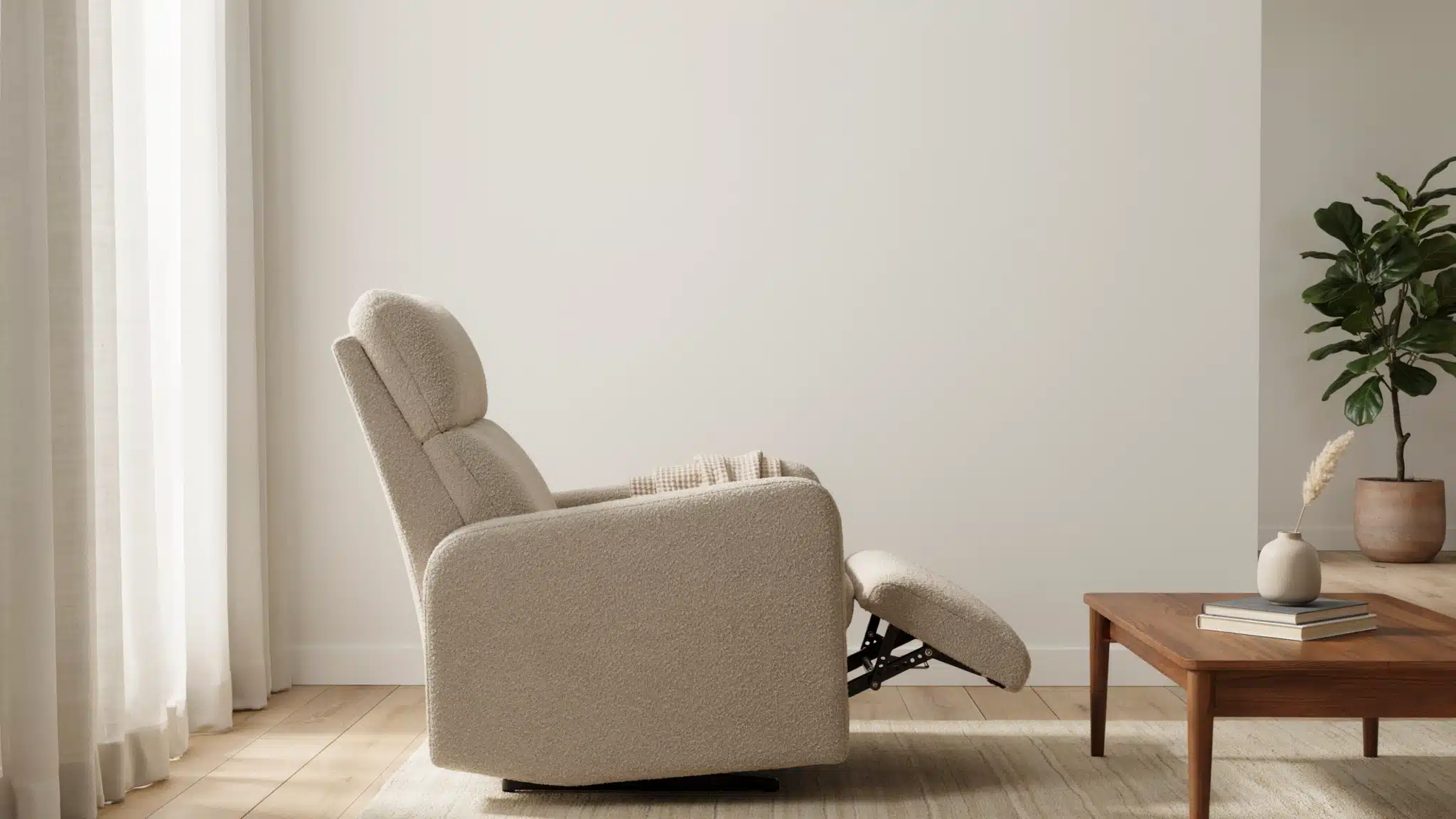
Push-back recliners recline by pushing the backrest, rather than relying on levers or buttons.
This straightforward mechanism makes them easy to use while maintaining a clean, minimalist look.
Push-back recliners are a practical choice for those who want simple functionality without visible hardware or controls.
Pros:
- Full leg support built into one seat
- Good option for taller users
- Comfortable for naps and long lounging sessions
Cons:
- Larger footprint than a standard recliner
- Fewer compact size options
- Can be heavier to reposition
- Cost: $199.99
- Buy on Amazon: INZOY Wingback Pushback Recliner Chair
11. Glider Recliners
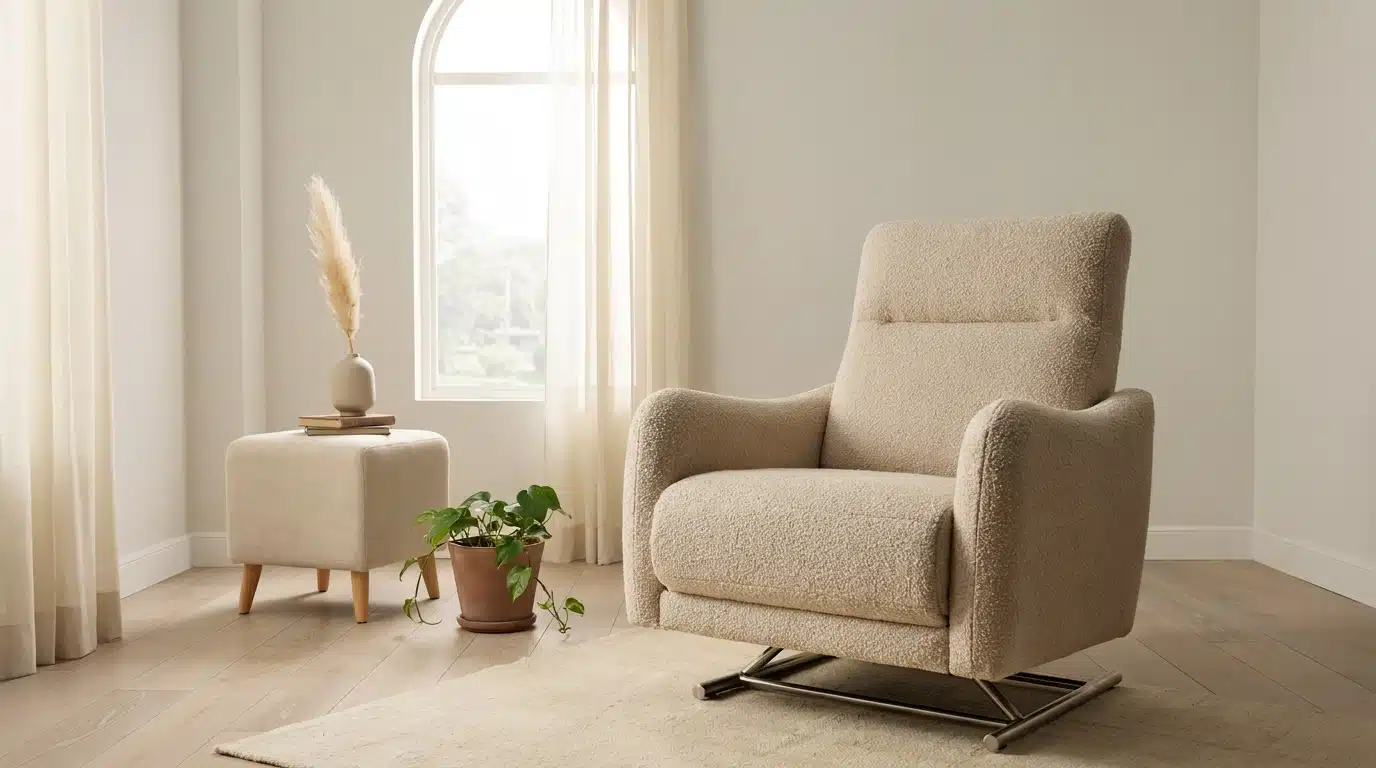
Glider recliners move in a smooth, sliding motion rather than rocking, offering quiet, gentle comfort.
This subtle movement makes them especially popular for nurseries or calm spaces where noise reduction matters.
Glider recliners combine reclining support with a soothing glide that suits relaxed, low-disturbance environments.
Pros:
- Quiet, smooth gliding motion
- Popular choice for nurseries
- Many models add swivel and power recline
Cons:
- The track mechanism costs more than a basic rocker
- Needs level flooring for a smooth glide
Cost: $663.44
Recommended: Graco Teddi Power Recliner Swivel Glider
Benefits of Using a Recliner
A recliner chair offers more than basic seating. It provides full-body support for resting and lounging, helping users stay comfortable for longer.
Recliners also support posture and spinal health by helping reduce strain on the back and neck, especially during extended sitting.
This makes them useful for everyday lifestyle needs such as reading, watching television, or simply resting after work.
The adjustable design allows users to find a position that fits their comfort level, whether upright or fully reclined.
Overall, a recliner improves daily comfort while supporting better posture and relaxation habits.
How to Choose the Right Recliner
Choosing the right recliner chair depends on space, function, and personal comfort needs. The table below simplifies the key factors to consider.
| Factor | Options |
|---|---|
| Room size | Compact space or large living area |
| Mechanism type | Manual, power, or hybrid |
| User needs | Relaxation, medical support, or daily comfort |
| Material and build | Leather, fabric, durability, and cushioning |
Matching these factors to personal needs ensures the recliner fits both the space and the intended use.
Recliner vs Regular Chair
Comparing a recliner chair to a regular chair highlights clear differences in adjustability and overall comfort.
A recliner chair offers adjustable seating, allowing the backrest and footrest to move into various positions for relaxation or rest.
In contrast, a regular chair has a fixed seat that does not adjust, limiting flexibility for users seeking extra comfort.
When it comes to comfort, a recliner chair provides ergonomic support, helping to reduce strain on the back, neck, and legs during extended sitting.
A regular chair, on the other hand, offers only basic seating without additional support features.
A regular chair, on the other hand, offers only basic seating without additional support features. This same kind of comparison comes up with other living room seating, too, since many people mix up the sofa and the couch, even though the two have distinct features.
These differences explain why recliners are often chosen for relaxation, lounging, or rest, while regular chairs remain suited for simpler, short-term seating needs around the home or workplace.
Common Recliner Materials
The materials and construction of a recliner chair affect its comfort, durability, and overall feel. Build quality plays a major role in long-term performance.
- Upholstery options: Leather, faux leather, and fabric offer different textures and durability levels.
- Frame construction: Hardwood or metal support structures provide stability and long-term strength.
- Cushioning quality: Foam density and comfort layers determine softness and support.
- Stitching and seams: Reinforced stitching prevents tearing and supports daily wear over time.
Together, these elements determine how comfortable and long-lasting a recliner will be over time.
Recliner Sizes and Space Considerations
Recliner dimensions matter when planning furniture placement, especially in smaller homes.
Standard recliners require enough width, depth, and fully reclined length to function properly without hitting nearby walls or furniture.
Measuring available space before purchase helps avoid sizing issues.
For smaller rooms, space-saving designs such as wall huggers and compact recliners offer the same comfort without requiring extra clearance.
These designs slide forward while reclining, reducing the need for space behind the chair.
Considering both standard and space-saving options ensures a recliner fits comfortably within any room layout.
Conclusion
A recliner chair combines relaxation, support, and everyday usability in one seating option, making it a smart addition to any home.
From easing back strain to offering a comfortable spot for rest, a recliner adapts to different needs, spaces, and lifestyles.
Choosing the right type, material, and size ensures lasting comfort and value for years to come.
A well-chosen recliner chair turns ordinary downtime into a more relaxing, supportive experience.
Frequently Asked Questions
How Long Do Recliner Chairs Typically Last?
A quality recliner chair lasts 7 to 15 years with proper care, depending on the materials, frame strength, and frequency of use.
Can a Recliner Chair Fit Through a Standard Doorway?
Most recliner chairs fit through standard 30- to 36-inch doorways when tilted slightly, though oversized models may require door removal during delivery.
Is it Safe to Sleep Overnight in a Recliner Chair?
Occasional overnight rest in a recliner is generally safe, though regular nightly sleeping may cause poor circulation or neck and back stiffness.